

 English
 中文简体
 русский
 Deutsch
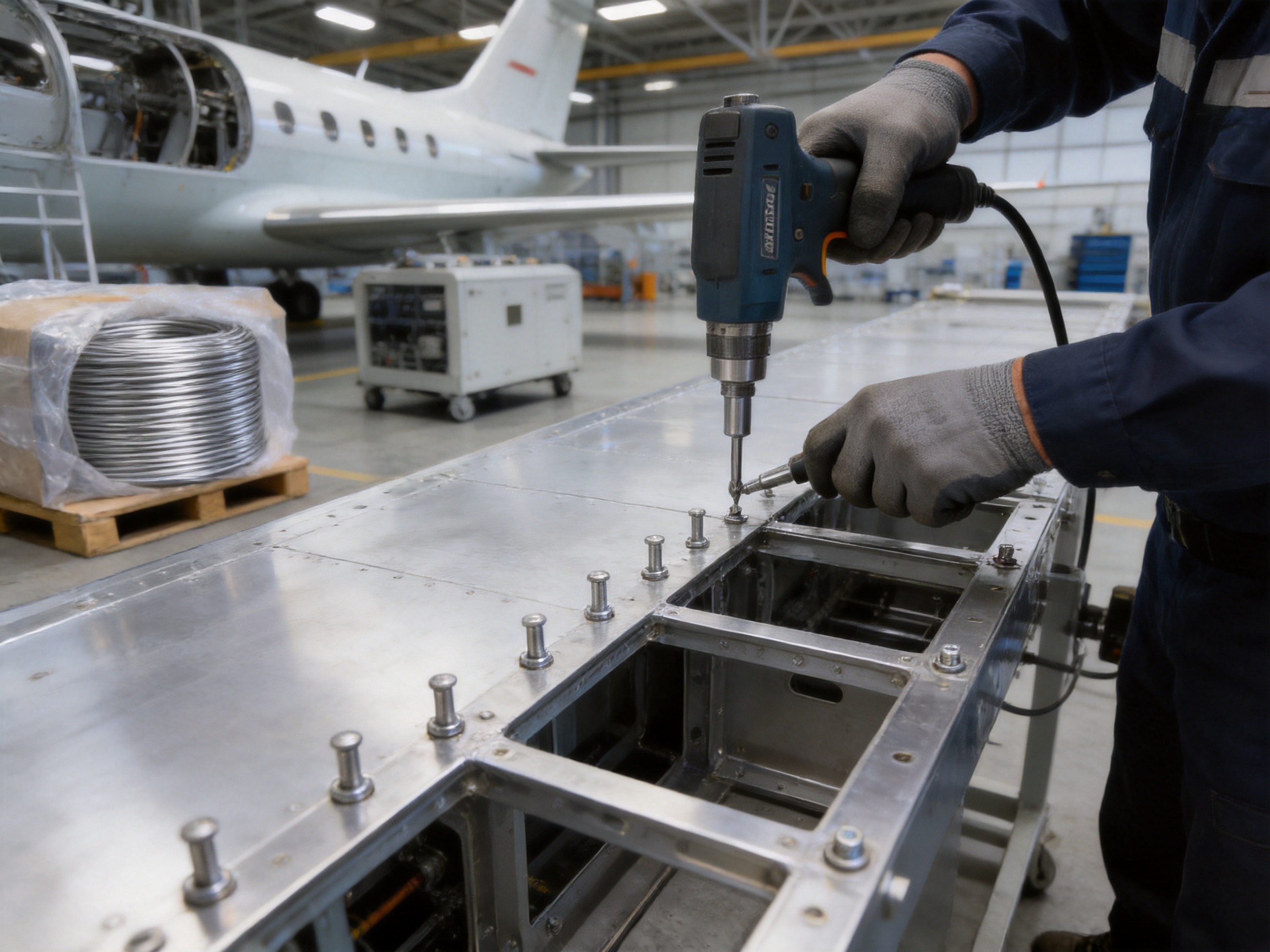
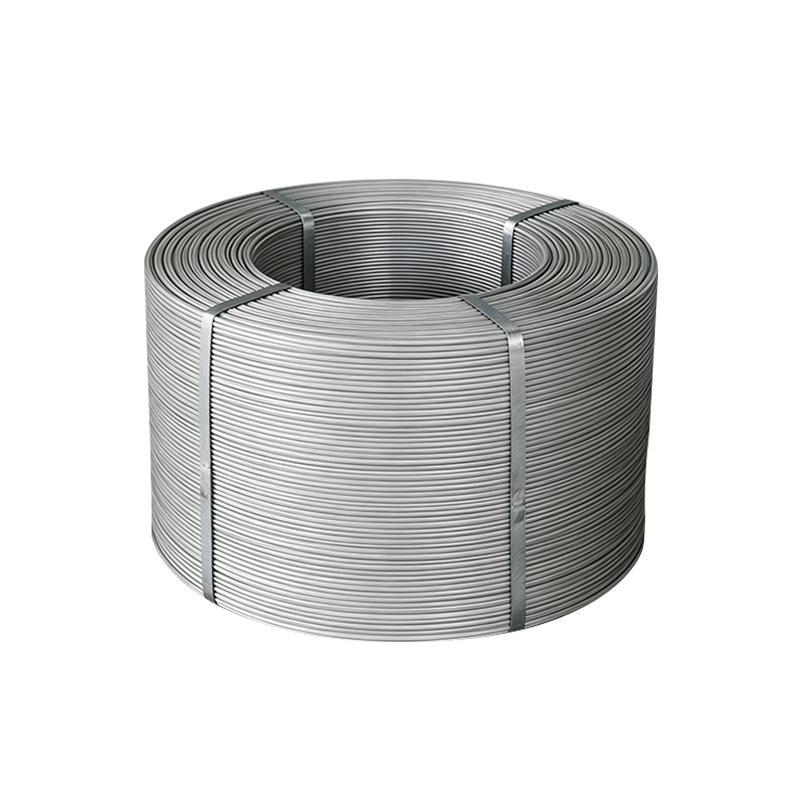
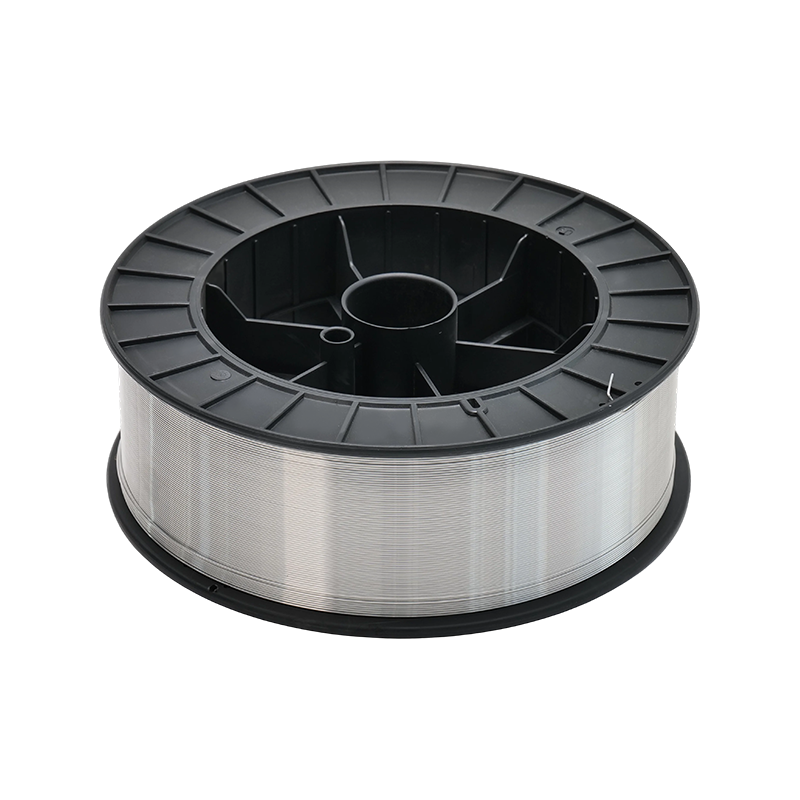
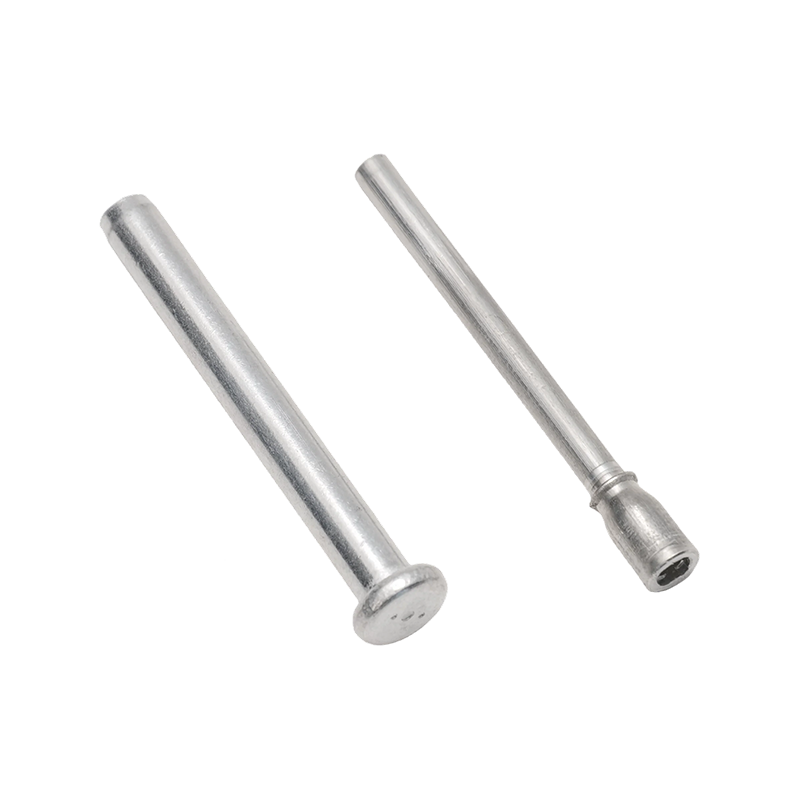
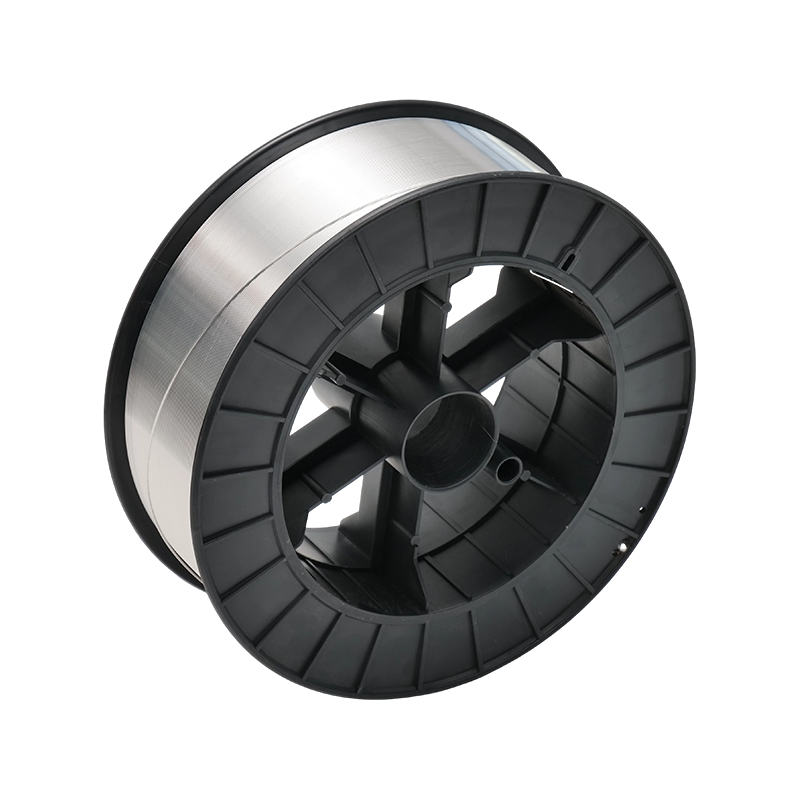
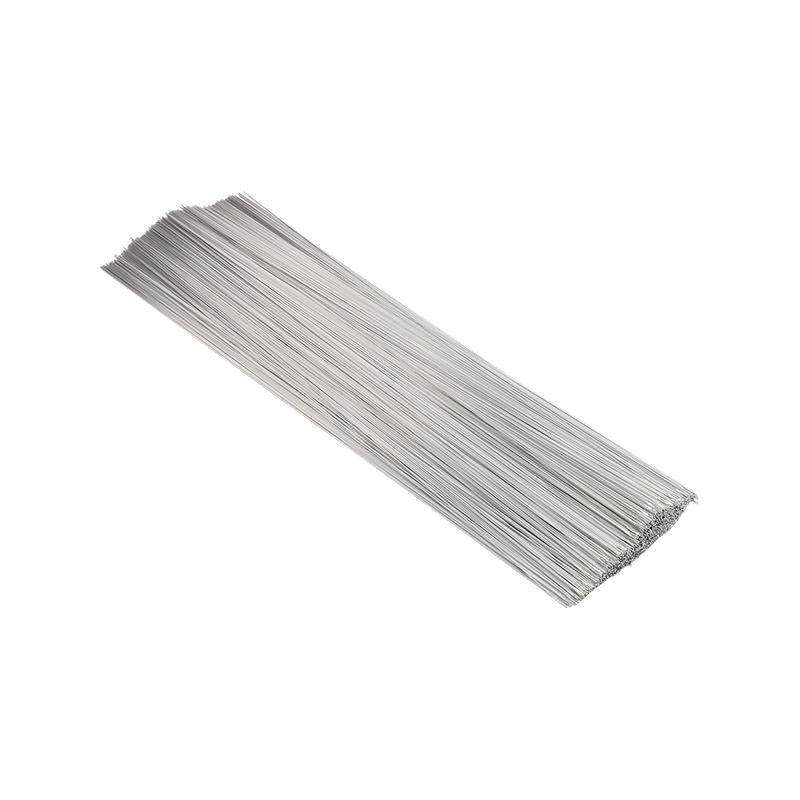
High-strength aluminum alloy wire for rivets is an important engineering material for industries that require dependable fastening, low weight, corrosion resistance, and stable mechanical performance. Rivet wire is used to manufacture rivets that join structural components without adding the mass associated with many steel-based fastening systems. In applications such as aviation, aerospace, and military equipment, the quality of the wire directly influences the reliability, service life, and safety of the finished rivet.
This type of rivet wire is designed around a copper-containing aluminum alloy system. The material is strengthened by the formation of a CuAl2 phase, which contributes to its strength and supports its suitability for demanding fastening applications. The specified copper content is approximately 3.9% to 4.5%, subject to the applicable product specification and agreed supply requirements. In addition to strength, the material is characterized by good oxidation resistance and shear resistance, two properties that are particularly valuable when rivets are exposed to mechanical loading and challenging operating environments.
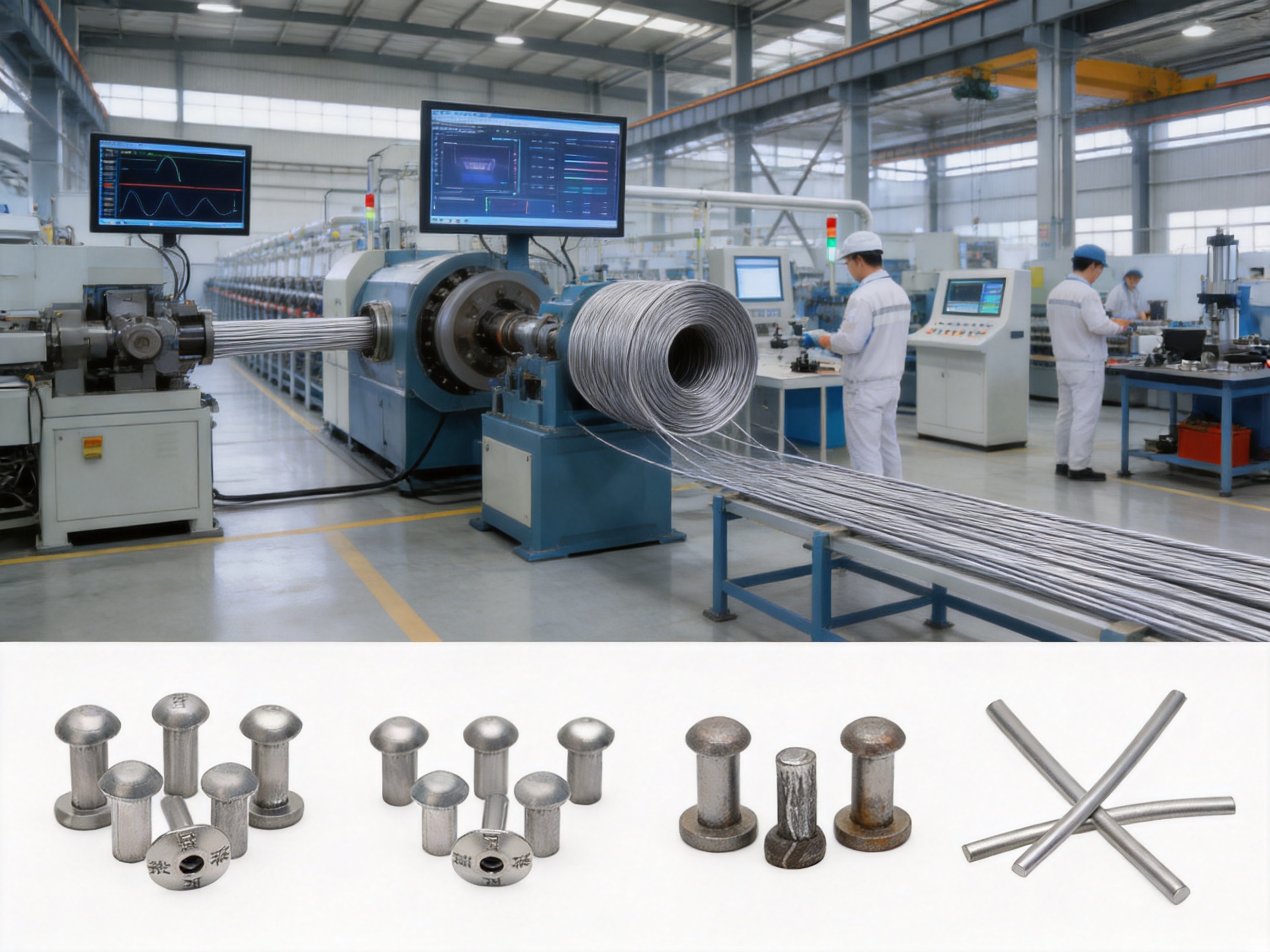
Jiangsu Hetuo Aluminum Wire Co., Ltd. manufactures high-strength aluminum alloy wire for rivets as part of a broader product range that includes high-purity aluminum wire, aluminum alloy wire, and aluminum or aluminum alloy welding materials. Located in Guannan Economic Development Zone, Lianyungang City, Jiangsu Province, China, the company operates an intelligent manufacturing system intended to support consistent production, process control, and quality inspection.
This article examines the material characteristics, manufacturing strengths, application advantages, quality considerations, and purchasing factors associated with aluminum alloy wire for rivets. It also explains why a specialized aluminum wire manufacturer can offer advantages over general-purpose wire suppliers when customers require stable composition, reliable processing, and consistent batch performance.
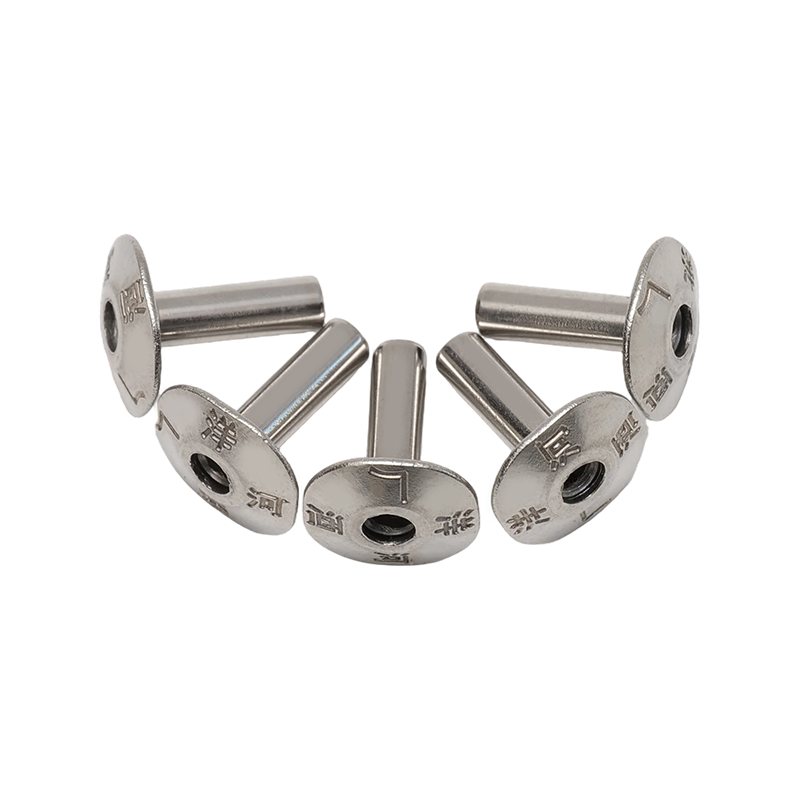
For Rivets
Content
- 1 What Is Aluminum Alloy Rivet Wire?
- 2 Key Material Characteristics
- 3 Advantages Compared with General-Purpose Wire
- 4 Applications in Aviation, Aerospace, and Military Industries
- 5 Manufacturing Process and Process Control
- 6 Intelligent Manufacturing and Factory Capability
- 7 Quality Management and Certifications
- 8 Benefits for Rivet Manufacturers
- 9 Ordering and Specification Considerations
- 10 Storage and Handling Recommendations
- 11 Why Choose a Specialized Manufacturer?
- 12 Application and Qualification Guidance
- 13 Frequently Asked Questions
- 13.1 What is this aluminum alloy wire mainly used for?
- 13.2 What is the copper content of the product?
- 13.3 How does CuAl2 strengthen the alloy?
- 13.4 Can this wire be used for every type of aluminum rivet?
- 13.5 What are the main advantages over ordinary aluminum wire?
- 13.6 How does aluminum rivet wire compare with steel rivet wire?
- 13.7 What quality certifications does the manufacturer have?
- 13.8 What information should be included in an inquiry?
- 13.9 Can the product be customized?
- 13.10 How should the wire be stored?
- 13.11 Why is dimensional consistency important?
- 13.12 Does good oxidation resistance eliminate the need for corrosion control?
- 14 Conclusion
- 15 References
- 16 Product: For Rivets
What Is Aluminum Alloy Rivet Wire?
Aluminum alloy rivet wire is a continuous metal wire produced for forming rivets used in permanent mechanical joining. Unlike a general-purpose aluminum wire intended for electrical, decorative, or basic fabrication purposes, rivet wire must possess a carefully controlled combination of formability, strength, surface quality, dimensional consistency, and resistance to service-related degradation.
The wire is processed into rivets through operations such as cutting, heading, upsetting, or other cold-forming and shaping methods. During these operations, the wire must respond predictably to deformation. If the wire is too brittle, it may crack during rivet head formation. If it is too soft or inconsistent, the finished rivet may not provide the required clamping force or structural stability. For this reason, the condition of the wire before forming is a central factor in the performance of the final fastening product.
The product described here belongs to the high-strength aluminum alloy wire category and is mainly intended for rivet production. Its application focus includes aviation, aerospace, and military fields, where a fastening material must support strict requirements for weight efficiency and mechanical reliability. The alloy is strengthened through a copper-related CuAl2 phase, allowing the material to provide higher strength than many conventional unalloyed aluminum wires.
At the same time, the wire retains the fundamental advantages associated with aluminum alloys. These advantages include relatively low density, useful corrosion resistance, good processability, and compatibility with lightweight structural design. The combination of low weight and strength is one of the main reasons aluminum alloy rivets continue to be used in aircraft structures, transportation systems, equipment housings, and other engineered assemblies.
Key Material Characteristics
Copper-Controlled Alloy Composition
The specified copper range for this product is approximately 3.9% to 4.5%. Copper is an important alloying element in this material system because it supports precipitation-related strengthening. During suitable thermal and metallurgical processing, copper can contribute to the formation of the CuAl2 phase. This phase strengthens the aluminum matrix and helps the wire achieve the performance level required for high-strength rivet applications.
Composition control is important because even a relatively small variation in alloying elements can influence strength, ductility, forming behavior, corrosion response, and heat-treatment results. A professional manufacturer therefore needs to maintain clear controls over incoming raw materials, melting or alloy preparation, casting, rod production, drawing, and final inspection.
Customers purchasing rivet wire should confirm the complete chemical composition rather than evaluating the material only by its copper content. Depending on the agreed specification, other alloying elements and impurity limits may also affect performance. The final purchasing document should identify the applicable standard, chemical composition range, mechanical requirements, dimensional tolerances, delivery condition, surface requirements, and inspection documentation.
High Strength for Permanent Fastening
Rivets are permanent fasteners. After installation, they are expected to maintain a secure connection under vibration, shear forces, tensile effects, thermal changes, and long-term service loads. The high-strength characteristics of this aluminum alloy wire make it suitable for producing rivets that require improved resistance to deformation and load-induced failure.
Strength is especially important in areas where the rivet carries a portion of the structural load. A stronger alloy can help maintain joint integrity while allowing designers to use a lightweight fastening solution. In aerospace applications, the reduction of unnecessary mass is valuable because lower structural weight can support improved payload efficiency, fuel economy, range, and operating performance.
However, strength must be balanced with formability. A rivet wire that is extremely strong but difficult to head may create manufacturing problems. The practical value of a high-strength alloy therefore depends on controlled processing that produces a suitable balance between mechanical performance and the deformation behavior needed by the customer’s rivet-forming equipment.
Good Shear Resistance
Shear loading is common in riveted joints. When two plates or structural components attempt to slide relative to each other, the rivet shank may experience a shearing force. Good shear resistance helps the finished rivet withstand this type of loading and contributes to the reliability of the overall joint.
The shear behavior of a rivet is influenced by alloy composition, wire diameter, material condition, forming practice, rivet geometry, installation method, and the design of the joint. High-quality wire provides a stable foundation for controlling these variables. Consistent wire allows rivet manufacturers to produce fasteners with more predictable dimensions and mechanical properties from batch to batch.
For critical applications, users should evaluate the complete rivet assembly rather than relying on wire composition alone. The performance of the installed rivet also depends on hole quality, installation force, head geometry, surface condition, joint thickness, and the materials being joined.
Oxidation Resistance
Aluminum naturally forms a thin oxide film when exposed to air. This protective surface layer contributes to the material’s resistance to further oxidation. The described rivet wire is identified as having good oxidation resistance, which is beneficial during storage, processing, and service.
Good oxidation resistance can help preserve surface quality when the wire is handled or stored under appropriate conditions. It may also support reliable performance in environments where the rivet is exposed to air and humidity. Nevertheless, oxidation resistance should not be interpreted as immunity to every form of corrosion. Galvanic effects, salt exposure, chemicals, moisture retention, surface damage, and contact with dissimilar metals may all influence the service life of an aluminum alloy rivet.
For this reason, the wire should be protected from contamination, excessive humidity, and aggressive chemicals during storage. Customers should also consider whether additional surface treatment, sealant, coating, or isolation is needed in the final assembly.
Lightweight Structural Performance
One of the most important advantages of aluminum alloy rivet wire is the low density of aluminum compared with many ferrous materials. A rivet made from aluminum alloy can reduce fastening weight while still providing useful strength. When thousands of rivets are used in a large aircraft, vehicle, enclosure, or industrial structure, the cumulative weight reduction can be significant.
Weight reduction is not only a transportation benefit. Lighter fasteners can simplify manual handling, reduce installation fatigue, lower the load on supporting structures, and contribute to more efficient equipment design. This makes aluminum alloy rivet wire attractive for both mobile and stationary applications where material efficiency matters.
| Performance or Supply Factor | Importance in Rivet Production | Relevance to the Finished Application |
|---|---|---|
| Controlled copper content | Supports predictable alloy strengthening and process control | Helps establish repeatable mechanical performance |
| CuAl2 phase strengthening | Provides a metallurgical basis for high-strength behavior | Supports load-bearing and deformation resistance |
| Good shear resistance | Helps the rivet tolerate sliding forces in a joint | Improves joint stability under shear loading |
| Good oxidation resistance | Supports surface stability during handling and service | Helps protect performance in ordinary atmospheric conditions |
| Dimensional consistency | Supports stable feeding and forming in rivet production | Improves consistency of finished rivet dimensions |
| Quality inspection | Identifies composition, surface, and dimensional variation | Provides greater confidence in critical applications |
| Lightweight aluminum alloy base | Reduces the mass of the fastening material | Supports weight-efficient structural design |
Advantages Compared with General-Purpose Wire
General-purpose aluminum wire may be suitable for applications such as electrical conductors, mesh, tying, packaging, or basic fabrication. Rivet wire, however, must be selected for a different performance profile. It must be compatible with forming equipment and must support the mechanical requirements of a permanent joint.
A specialized high-strength alloy wire offers several advantages over ordinary aluminum wire. First, its composition is designed around strength rather than only conductivity or basic ductility. Second, the manufacturing process can be organized around wire dimensions and surface conditions required for cold forming. Third, the material can be supplied with technical documentation and inspection procedures more appropriate for engineered fastening applications.
Compared with lower-strength aluminum wire, the CuAl2-strengthened material can provide improved resistance to rivet deformation after installation. This may help the rivet retain its functional shape when exposed to shear or other service loads. Compared with steel rivet wire, aluminum alloy wire can provide a significant weight advantage and may be easier to integrate into lightweight structures.
Compared with an unqualified or inconsistent alloy source, a controlled industrial supply provides better repeatability. Repeatability matters because rivet production is often a high-volume process. Variations in wire diameter, hardness, surface condition, or composition can cause feeding interruptions, tooling wear, forming defects, and inconsistent finished products.
The product’s advantage should therefore be considered as a combination of material properties and manufacturing discipline. A strong alloy is valuable, but a strong alloy with reliable dimensions, clean surfaces, documented composition, and consistent delivery condition is more useful to professional rivet manufacturers.
Applications in Aviation, Aerospace, and Military Industries
Aviation Structures
Aircraft structures require materials that combine low weight with dependable mechanical performance. Aluminum alloys have long been used in aircraft construction because they offer a practical balance of strength, density, corrosion resistance, and manufacturability. Rivets made from high-strength aluminum alloy wire can be used in suitable structural or semi-structural applications where the joint design and material condition meet the required engineering specifications.
Potential uses may include aircraft skin assemblies, internal frames, brackets, panels, cabin structures, equipment supports, and maintenance components. The precise application depends on the design authority, certification requirements, alloy designation, rivet condition, and joint loads. In every case, the wire supplier and rivet producer should work with the customer’s technical requirements rather than treating the material as a universal replacement for every fastening alloy.
Aerospace Equipment
Aerospace equipment often places strict demands on weight, reliability, dimensional stability, and environmental performance. Components may experience vibration, pressure variation, temperature changes, launch loads, or long-term atmospheric exposure. High-strength aluminum alloy rivet wire can support lightweight fastening designs when its composition and processing condition are appropriate for the intended system.
In aerospace manufacturing, traceability is particularly important. Customers may require identification of the production batch, raw material source, inspection results, wire dimensions, and delivery condition. A structured production and quality system can make it easier to maintain this traceability and respond to technical inquiries.
Military and Defense Equipment
Military equipment may need to operate in mobile, remote, humid, dusty, or vibration-intensive environments. Aluminum alloy rivets can be useful in equipment housings, transport structures, vehicle components, field equipment, and other assemblies in which weight and durability must be balanced.
The high-strength characteristics of the material can help support robust joints, while the aluminum base can reduce overall equipment mass. For defense-related applications, customers may also require controlled purchasing, inspection records, restricted specifications, and consistent supply over a long product life cycle. These requirements make manufacturer capability and documentation important considerations alongside price.
Manufacturing Process and Process Control
The performance of rivet wire depends on more than the alloy formula. It also depends on how the material is prepared, formed, drawn, inspected, and packaged. Jiangsu Hetuo Aluminum Wire Co., Ltd. describes its manufacturing system as covering high-purity aluminum wire, high-strength aluminum alloy wire, and aluminum or aluminum alloy welding materials. This product focus allows the company to organize its equipment and technical resources around aluminum material processing rather than treating aluminum wire as an incidental product.
Raw Material and Alloy Preparation
Production begins with the selection and control of raw materials. The copper range of approximately 3.9% to 4.5% must be managed carefully to support the intended alloy behavior. Raw material control helps reduce the risk of composition drift, excessive impurities, or inconsistent melt quality.
A controlled alloy preparation stage is also important for achieving uniformity throughout the batch. Poor mixing or inadequate process control can create local composition differences that later appear as variations in strength, ductility, or forming behavior. A professional manufacturer uses defined procedures and inspection checkpoints to help ensure that the material entering subsequent processing stages is within the agreed requirements.
Solidification and Rod Production
After alloy preparation, the metal is converted into a suitable intermediate form, commonly a rod or other feedstock for wire production. Solidification conditions can influence grain structure, internal soundness, and the consistency of the material. Stable equipment operation and controlled production parameters help reduce defects that could affect later drawing or rivet forming.
The transition from alloy melt to rod requires attention to temperature, casting speed, cooling, surface quality, and dimensional stability. While the exact equipment configuration may vary according to product size and production route, the general objective is the same: to create a clean, uniform feedstock suitable for controlled wire reduction.
Drawing and Size Reduction
Wire drawing reduces the cross-section of the rod and produces the required wire diameter. Drawing also changes the material’s mechanical condition and surface characteristics. The number of drawing passes, reduction per pass, lubrication, die condition, line speed, and intermediate treatment can all influence the final result.
For rivet wire, dimensional accuracy is essential. A wire that is too large may not feed properly into forming equipment, while wire that is too small may produce rivets with insufficient volume or incorrect dimensions. Excessive variation can also affect the final rivet head and shank geometry. Controlled drawing processes help maintain the dimensional consistency required by the customer’s manufacturing line.
Surface Quality Management
Surface defects in rivet wire can become cracks or imperfections during forming. Scratches, laps, embedded particles, rough areas, or damaged sections may affect feeding, tooling life, and finished rivet appearance. Surface control should therefore be integrated into the production process rather than left only to the final inspection stage.
Clean handling, appropriate lubrication, die maintenance, careful recoiling, and protective packaging all contribute to surface quality. Customers should identify the surface requirements for their forming process, especially when the rivet will be visible or when a defect could affect fatigue performance.
Heat Treatment and Material Condition
Copper-containing aluminum alloys may require carefully controlled thermal processing to develop the desired balance of strength and formability. The final material condition influences how the wire behaves during rivet production and how the finished rivet performs after installation.
Heat treatment parameters must be selected according to alloy chemistry, wire size, required properties, and the customer’s forming process. Over-treatment or under-treatment may result in an unsuitable condition. For this reason, the delivery condition should be stated clearly in the technical agreement, and mechanical testing should be performed according to the applicable standard.
Inspection Throughout Production
Jiangsu Hetuo Aluminum Wire Co., Ltd. states that it implements quality inspection throughout production. In-process inspection is valuable because it enables potential problems to be identified before the material reaches the final stage. Inspection may include composition verification, dimensional measurement, surface checks, mechanical testing, and review of production records, depending on the agreed product requirements.
Inspection at multiple stages is generally more effective than relying on one final check. Incoming material inspection helps control raw materials. Intermediate inspection helps confirm rod and wire condition. Final inspection verifies whether the finished coils or lengths meet the customer’s requirements before shipment.
Intelligent Manufacturing and Factory Capability
The company operates a factory covering approximately 40,000 square meters and employs about 60 people, including approximately 30 professional managers and technicians. This combination of production space, technical personnel, and management resources supports an organized approach to aluminum wire manufacturing.
An intelligent manufacturing system can improve production visibility and process coordination. When equipment data, production records, inspection information, and batch identification are managed systematically, the manufacturer can better monitor process stability and respond to deviations. Digital or structured production management can also support repeat orders by making it easier to review previous specifications and manufacturing conditions.
For customers, the benefit of an intelligent manufacturing approach is not limited to factory automation. It can also improve communication, traceability, scheduling, quality documentation, and technical service. These advantages are particularly important for aerospace, military, and other industrial customers that may need repeatable supply over extended periods.
The company’s focus on several related product categories also provides a broader aluminum materials platform. High-purity aluminum wire, high-strength aluminum alloy wire, and aluminum or aluminum alloy welding materials require different performance targets, but they share the need for controlled alloy preparation, wire processing, surface management, and inspection. Experience across these categories can help strengthen process knowledge and manufacturing flexibility.
Quality Management and Certifications
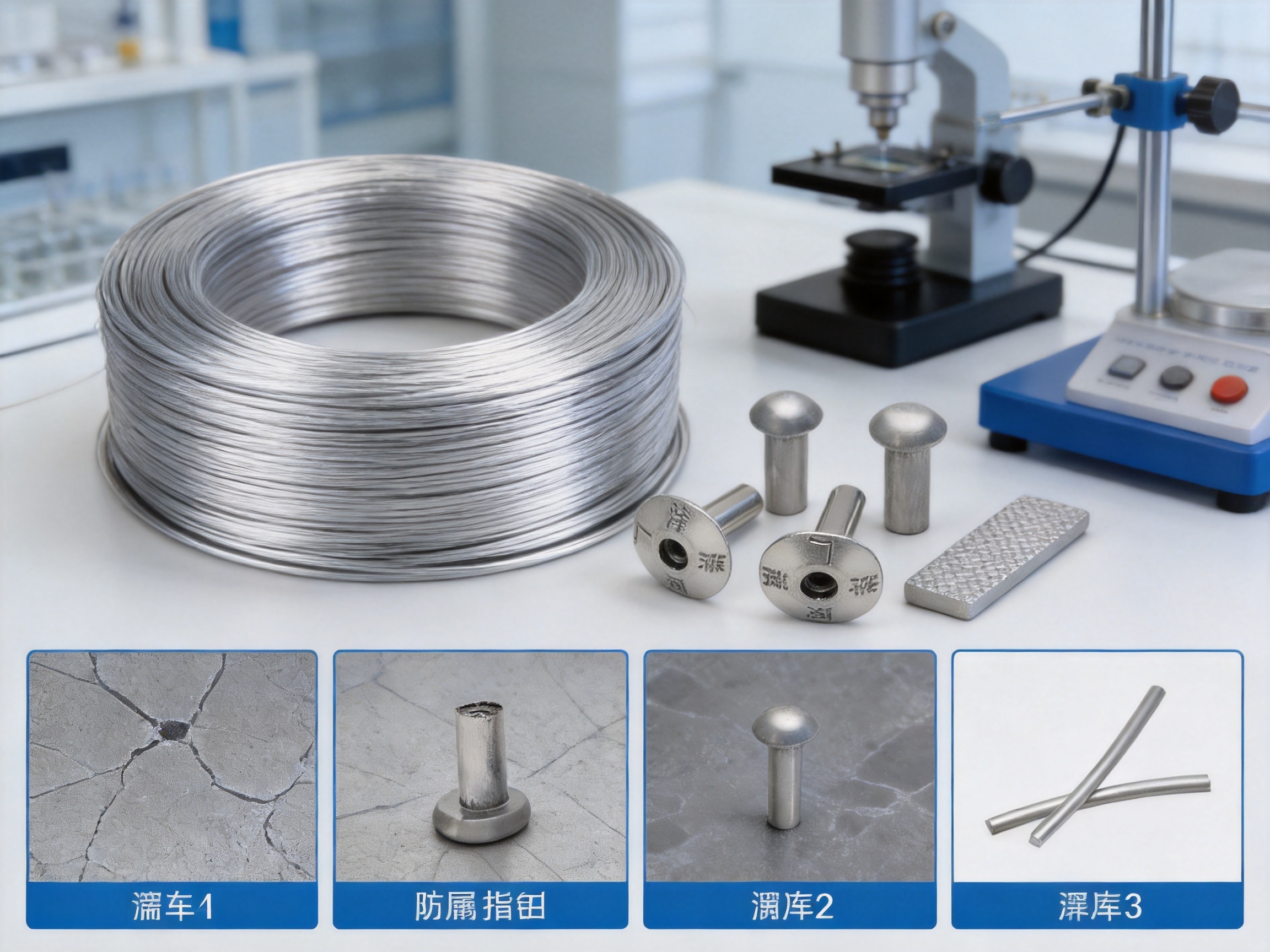
Jiangsu Hetuo Aluminum Wire Co., Ltd. has obtained ISO 9001 and IATF 16949 quality management system certifications according to the supplied company information. ISO 9001 is widely associated with systematic quality management, documented processes, customer focus, corrective action, and continual improvement. IATF 16949 is associated with the automotive supply chain and emphasizes process effectiveness, risk management, defect prevention, and customer-specific requirements.
These certifications do not automatically guarantee that every product is suitable for every aerospace or military application. Product suitability must still be confirmed through the applicable technical specification, testing, customer approval, and engineering validation. Nevertheless, certified management systems can provide a useful framework for controlling production, maintaining records, managing nonconformities, and improving consistency.
Professional buyers should request documentation appropriate to their application. Typical documents may include a certificate of analysis, inspection report, chemical composition results, dimensional records, mechanical test results, batch identification, packaging details, and certificate of conformity. The exact document package should be agreed before production or shipment.
Quality management is also connected to customer service. When a supplier can clearly identify the product specification, production batch, inspection status, and delivery condition, technical communication becomes faster and more reliable. This is especially valuable if a customer needs to investigate forming behavior, compare lots, or reorder the same material.
Benefits for Rivet Manufacturers
Stable Feeding and Forming
Rivet manufacturers require wire that can run consistently through cutting and forming equipment. Stable diameter, controlled surface quality, and a suitable delivery condition can reduce interruptions and support efficient production. Consistent wire can also help maintain tool settings, reducing the need for frequent adjustments.
When wire properties vary significantly, the rivet producer may experience differences in cut length, head formation, shank dimensions, or rejection rates. A controlled supply helps reduce these risks and supports more predictable production planning.
Reduced Risk of Forming Defects
Cracks, splits, incomplete heads, surface marks, and dimensional errors can all affect the value of finished rivets. A wire designed for high-strength rivet production and processed under controlled conditions can help reduce the likelihood of material-related forming problems.
Of course, forming defects can also result from incorrect tooling, unsuitable lubrication, excessive forming speed, improper annealing, or poor equipment alignment. The best results are achieved when the wire supplier and rivet producer review the complete production process together.
Improved Batch Repeatability
Repeatability is essential for customers that produce rivets for ongoing programs. A supplier that maintains controlled composition and documented manufacturing procedures can help customers reproduce the same results across multiple orders.
Batch repeatability also simplifies qualification. Once a wire has been approved for a specific rivet design and manufacturing process, future batches with consistent characteristics are easier to evaluate. This can reduce the time and cost associated with repeated process adjustments.
Technical Customization
Different rivet producers may require different wire diameters, coils, lengths, surface conditions, or material conditions. A specialized wire manufacturer can discuss these requirements and provide a more suitable production plan than a supplier focused only on standard commodity sizes.
Customization should be based on a clear technical exchange. Customers should provide information about the rivet type, forming process, final dimensions, expected mechanical properties, delivery condition, packaging, and applicable standards. The manufacturer can then evaluate production feasibility and recommend an appropriate specification.
Ordering and Specification Considerations
Before placing an order, customers should define the required wire diameter and tolerance. Diameter affects material volume, cutting length, forming pressure, rivet geometry, and equipment compatibility. The tolerance should be matched to the customer’s process capability and the dimensions of the finished rivet.
The alloy composition should also be documented. For the product discussed here, the copper content is approximately 3.9% to 4.5%. Customers should confirm whether this range corresponds to their required alloy designation or internal specification, and whether additional elements or impurity limits apply.
Material condition is another important factor. Customers should discuss whether the wire is required in a soft, intermediate, or strengthened condition and whether any subsequent heat treatment will be performed after rivet forming. The correct condition depends on the balance between forming requirements and final strength.
Surface condition should be specified when the customer has strict requirements concerning scratches, oxidation, residue, cleanliness, or appearance. Packaging should protect the coils or bundles from impact, moisture, contamination, and deformation during transportation.
Customers should also confirm the preferred coil weight, inner and outer coil dimensions, straight lengths if applicable, labeling method, batch identification, and inspection documentation. Clear packaging and labeling reduce the risk of mix-ups in the customer’s warehouse or production line.
For export orders, it is useful to agree on commercial terms, lead time, shipping method, export packaging, and documentation at the beginning of the project. A clear technical and commercial specification helps avoid delays and supports long-term cooperation.
Storage and Handling Recommendations
Although aluminum alloy has good oxidation resistance, proper storage remains important. Wire should be kept in a clean, dry, and well-ventilated area. Coils should remain in their protective packaging until they are ready for use. Direct contact with standing water, corrosive chemicals, dust, and dissimilar metal debris should be avoided.
Temperature changes can cause condensation, particularly when cold material is moved into a warm and humid environment. Allowing the packaging and wire to reach room temperature before opening can help reduce condensation risk. If moisture is found inside the packaging, the material should be assessed before being introduced into production.
Handling equipment should be suitable for the coil size and weight. Dropping or dragging coils may damage the wire surface or deform the package. Damaged coils should be isolated and inspected before use, especially when the wire is intended for critical rivet production.
Inventory systems should preserve batch identification. Mixing different alloy conditions or production batches without appropriate records may make it difficult to trace performance differences. Good stock rotation and accurate labeling can help maintain production control.
Why Choose a Specialized Manufacturer?
A specialized aluminum wire manufacturer understands that the customer is not simply purchasing metal by weight. The customer is purchasing a material that must perform in a defined manufacturing process and final application. This perspective encourages closer attention to alloy control, drawing conditions, surface quality, packaging, documentation, and technical communication.
Jiangsu Hetuo Aluminum Wire Co., Ltd. combines an aluminum-focused product portfolio with an intelligent manufacturing system, professional technical personnel, quality inspection throughout production, and documented ISO 9001 and IATF 16949 certifications. These capabilities can support customers seeking a reliable source for high-strength aluminum alloy wire for rivets.
The company’s location in Lianyungang, Jiangsu Province, provides access to industrial infrastructure and transportation resources. Its factory scale and workforce support production coordination while allowing technical personnel to participate in customer communication and quality management.
Another strength is the company’s ability to serve several aluminum material categories. Customers that purchase rivet wire, welding wire, high-purity aluminum wire, or precision aluminum products may benefit from working with a supplier that has experience across related materials. This can simplify communication and create opportunities for coordinated sourcing.
The most important advantage, however, is process consistency. A manufacturer can only deliver reliable rivet wire when composition, equipment, production parameters, inspection, and packaging are managed as an integrated system. This is the foundation for competitive performance in demanding industrial markets.
Application and Qualification Guidance
Before using the wire in a new rivet design, customers should conduct a technical qualification process. The qualification should consider the alloy composition, wire condition, forming method, finished rivet dimensions, installation equipment, and expected service environment.
Trial production can help determine whether the wire feeds properly, forms a complete head, and meets the required dimensional tolerances. Mechanical testing of finished rivets can evaluate shear performance, tensile behavior, deformation resistance, and other properties relevant to the joint design.
Environmental evaluation may be appropriate when the rivets will be exposed to humidity, salt, chemicals, temperature variation, vibration, or contact with dissimilar materials. The test method should reflect the actual application rather than relying only on general material data.
Customers should also confirm compatibility with coatings, sealants, lubricants, and cleaning agents used during rivet production or assembly. Chemical compatibility and surface preparation can influence long-term corrosion behavior and joint reliability.
For regulated or safety-critical industries, final approval should be completed by the customer’s engineering, quality, and procurement teams. The manufacturer can provide material information and production documentation, but the application owner remains responsible for confirming that the selected wire meets the complete design and compliance requirements.
Frequently Asked Questions
What is this aluminum alloy wire mainly used for?
The wire is mainly used to manufacture rivets for aviation, aerospace, military, and other demanding industrial applications. It is intended for customers that require a high-strength aluminum alloy wire with good oxidation resistance and shear resistance.
What is the copper content of the product?
The specified copper content is approximately 3.9% to 4.5%. Customers should confirm the final composition range, applicable alloy designation, and additional element limits in the technical specification before ordering.
How does CuAl2 strengthen the alloy?
CuAl2 is a copper-aluminum phase associated with precipitation-related strengthening in suitable aluminum alloy systems. Its formation can increase the strength of the material compared with many unalloyed or lower-strength aluminum wires. The actual result depends on composition and thermal or mechanical processing.
Can this wire be used for every type of aluminum rivet?
No. Rivet designs differ in alloy, diameter, head style, forming method, service environment, and performance requirements. The wire should be evaluated against the customer’s specific rivet design and applicable standard before use.
What are the main advantages over ordinary aluminum wire?
The main advantages include a high-strength alloy system, CuAl2 phase strengthening, good shear resistance, good oxidation resistance, suitability for rivet forming, and a production process focused on industrial consistency. Ordinary aluminum wire may not provide the same combination of strength and forming performance.
How does aluminum rivet wire compare with steel rivet wire?
Aluminum alloy rivet wire generally offers a lower-density fastening solution and can support weight-efficient design. Steel may provide different strength and temperature characteristics. The correct choice depends on joint loads, operating environment, corrosion considerations, installation requirements, and the complete engineering specification.
What quality certifications does the manufacturer have?
According to the supplied company information, Jiangsu Hetuo Aluminum Wire Co., Ltd. has obtained ISO 9001 and IATF 16949 quality management system certifications. Product-specific qualification and testing should still be confirmed for the intended application.
What information should be included in an inquiry?
An inquiry should include the required alloy or composition, copper range, wire diameter, tolerance, delivery condition, surface requirements, coil or length format, estimated quantity, application, applicable standard, inspection documentation, packaging, and delivery destination.
Can the product be customized?
Customized production may be available according to diameter, delivery condition, packaging, inspection requirements, and other technical details. Customization should be confirmed through a technical review before production.
How should the wire be stored?
The wire should be stored in a clean, dry, well-ventilated area and protected from standing water, condensation, corrosive chemicals, contamination, impact, and deformation. Product labels and batch identification should remain clear throughout storage and production.
Why is dimensional consistency important?
Consistent wire diameter supports stable feeding, cutting, heading, and forming. It also helps maintain the required volume and geometry of the finished rivet. Excessive variation can increase forming defects and production rejection.
Does good oxidation resistance eliminate the need for corrosion control?
No. Good oxidation resistance is beneficial, but the final assembly may still be affected by humidity, salt, chemicals, galvanic contact, damaged surfaces, or trapped moisture. The complete joint should be evaluated and protected according to its service environment.
Conclusion
High-strength aluminum alloy wire for rivets provides a practical combination of lightweight construction, copper-assisted strengthening, good shear resistance, and good oxidation resistance. Its principal application is the production of reliable aluminum alloy rivets for aviation, aerospace, military, and other industries where fastening performance and weight efficiency are important.
The specified copper content of approximately 3.9% to 4.5% supports a CuAl2 phase-strengthened material system. However, the value of the product depends not only on alloy chemistry but also on controlled rod production, drawing, surface management, material conditioning, dimensional control, inspection, and packaging.
Jiangsu Hetuo Aluminum Wire Co., Ltd. supports this product with an aluminum-focused manufacturing platform, an approximately 40,000-square-meter factory, professional management and technical personnel, an intelligent production system, quality inspection throughout production, and ISO 9001 and IATF 16949 certifications. These strengths can help customers obtain more consistent supply and more reliable technical support than they may receive from a general-purpose wire source.
For the best results, buyers should provide a complete technical specification and qualify the wire within the intended rivet production process. When alloy selection, forming conditions, inspection, and application design are properly coordinated, high-strength aluminum alloy rivet wire can contribute to durable, lightweight, and efficient engineered assemblies.
References
1. Aluminum alloy material selection principles for lightweight structural fastening applications.
2. General guidance on precipitation-strengthened aluminum-copper alloy systems and CuAl2 phase formation.
3. Industrial practices for aluminum wire drawing, dimensional control, and surface-quality inspection.
4. Quality management principles associated with ISO 9001 certification.
5. Automotive and industrial supply-chain quality management principles associated with IATF 16949 certification.
6. Engineering considerations for riveted joint design, shear loading, forming, and corrosion protection.
7. Product and company information supplied for high-strength aluminum alloy wire for rivets manufactured by Jiangsu Hetuo Aluminum Wire Co., Ltd.