

 English
 中文简体
 русский
 Deutsch
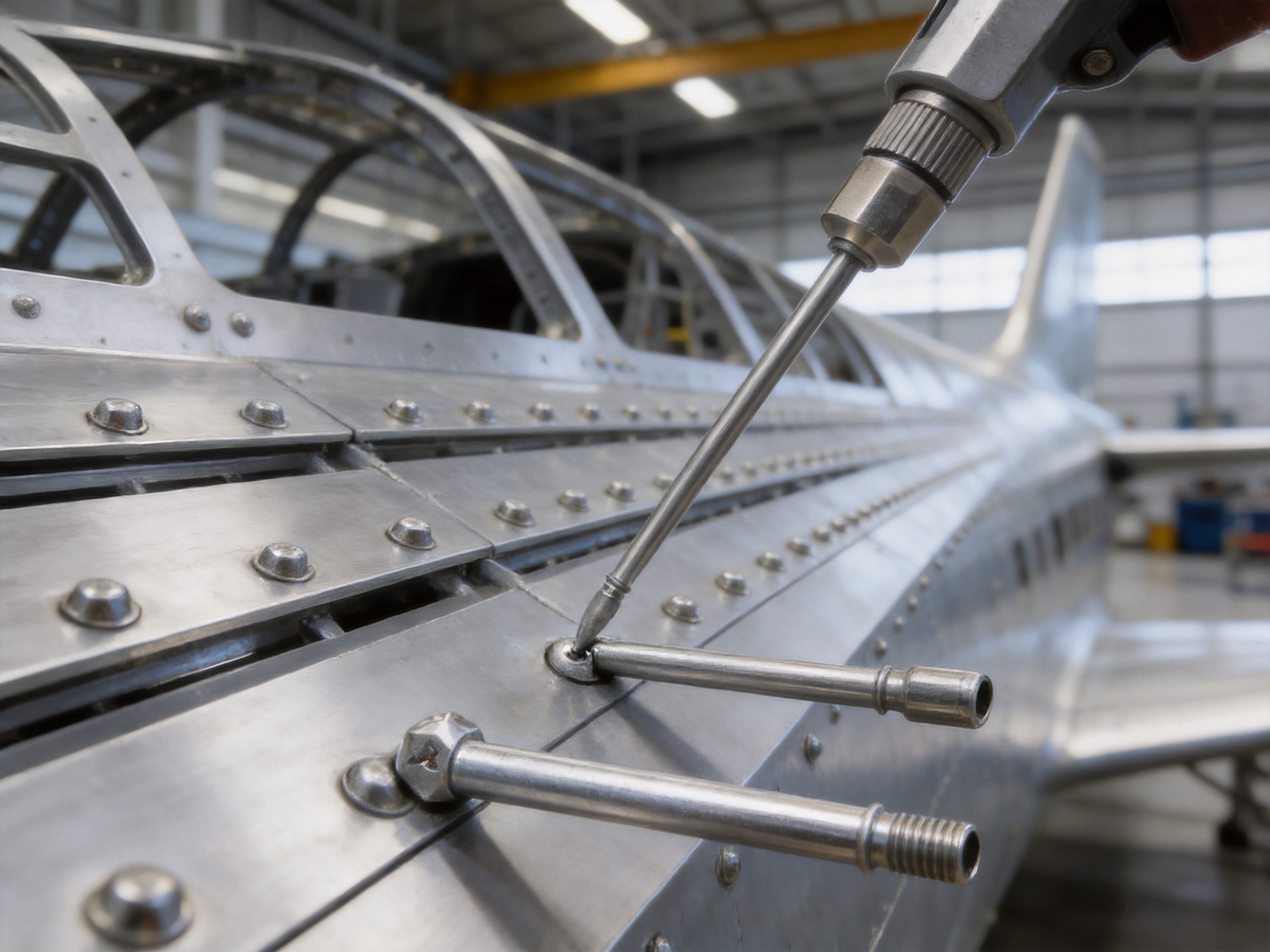
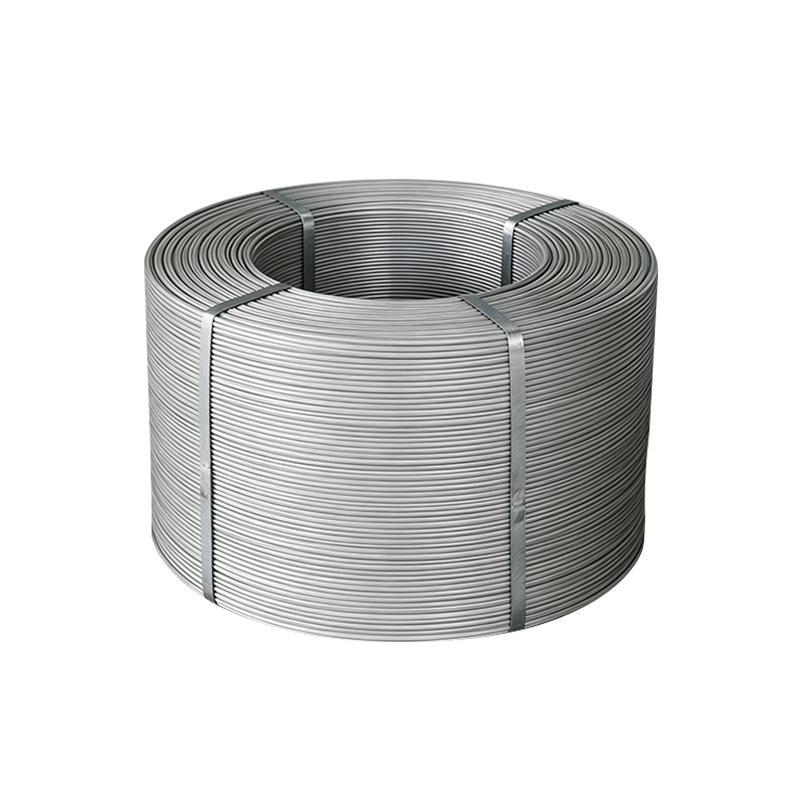
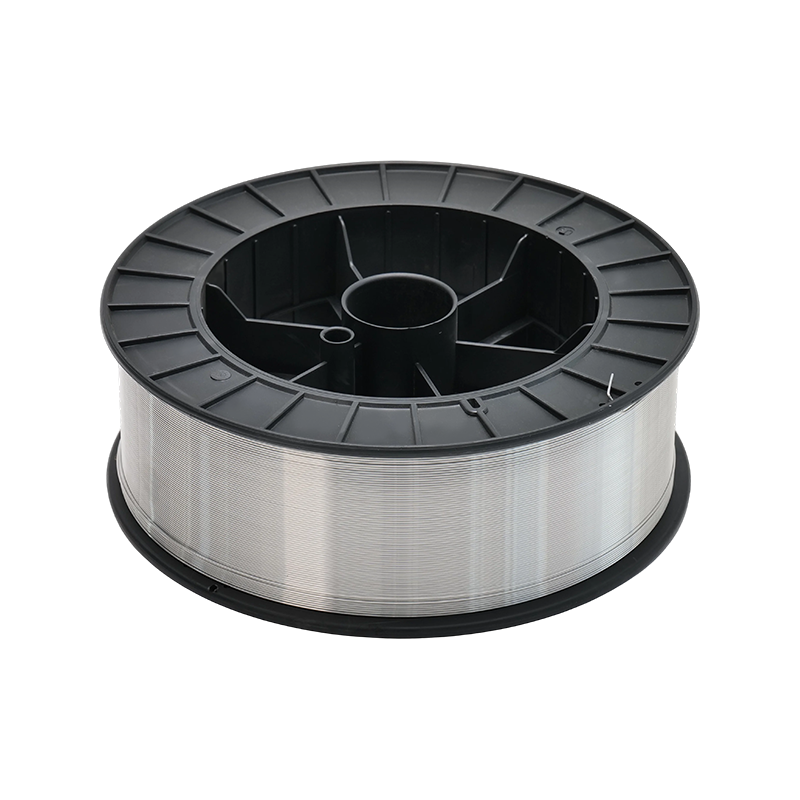
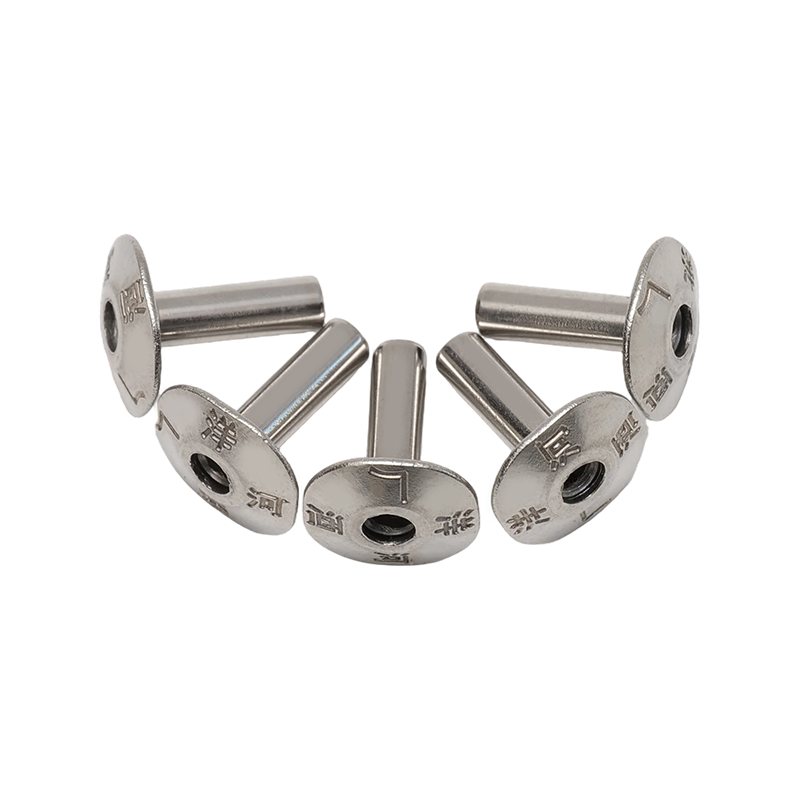
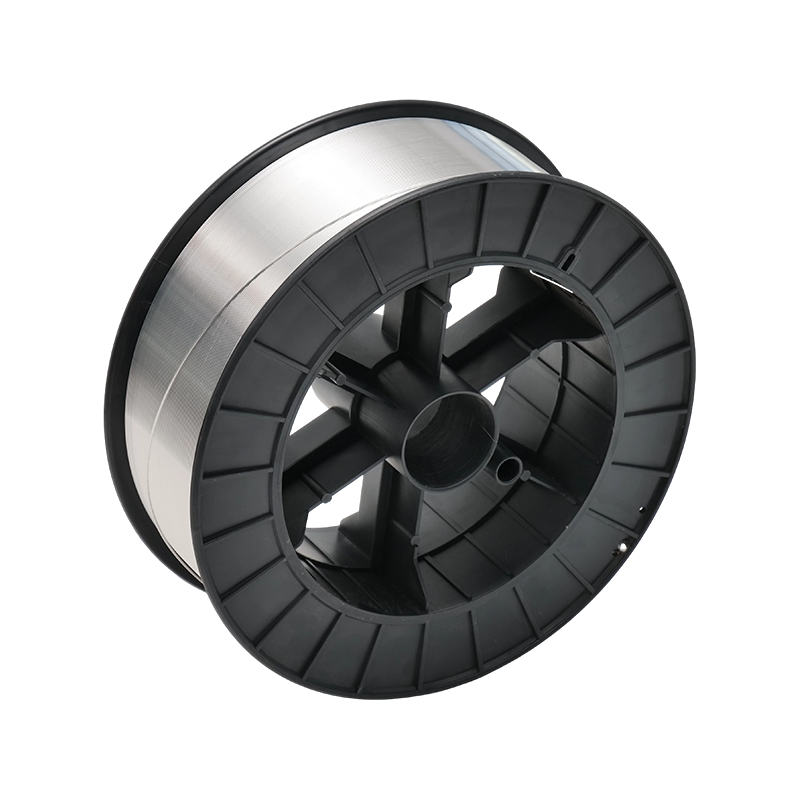
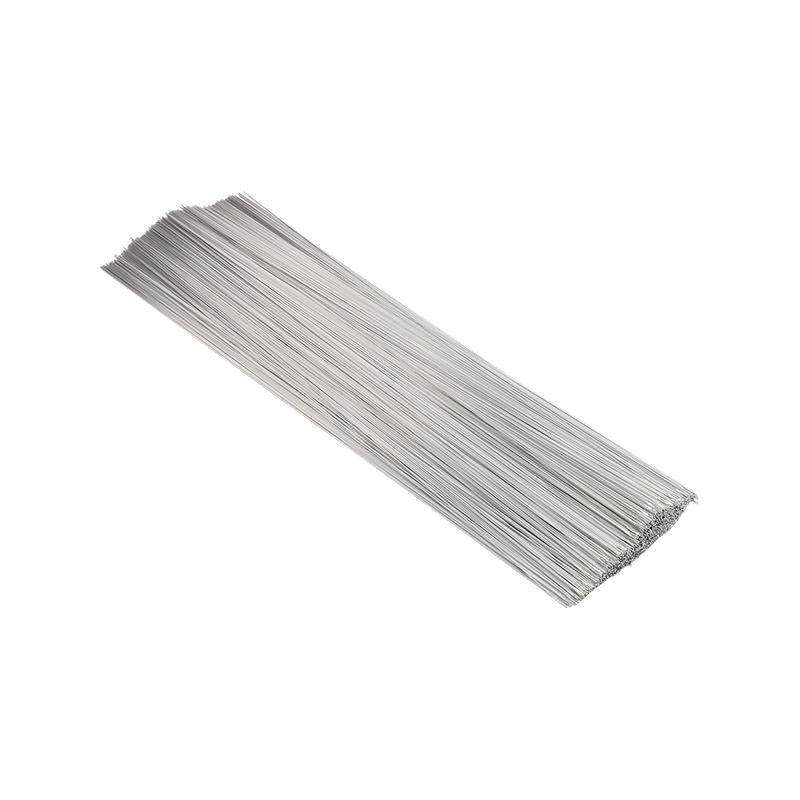
High-strength aluminum alloy wire for rivets is an essential engineering material for applications that demand a combination of low weight, dependable mechanical performance, corrosion resistance, and controlled forming behavior. Riveted joints remain widely used in aviation, aerospace, military equipment, transportation, and other structural industries because they provide durable mechanical fastening without requiring continuous heat input during assembly. The quality of the rivet wire directly affects the consistency, load-bearing capability, service life, and safety of the finished joint.
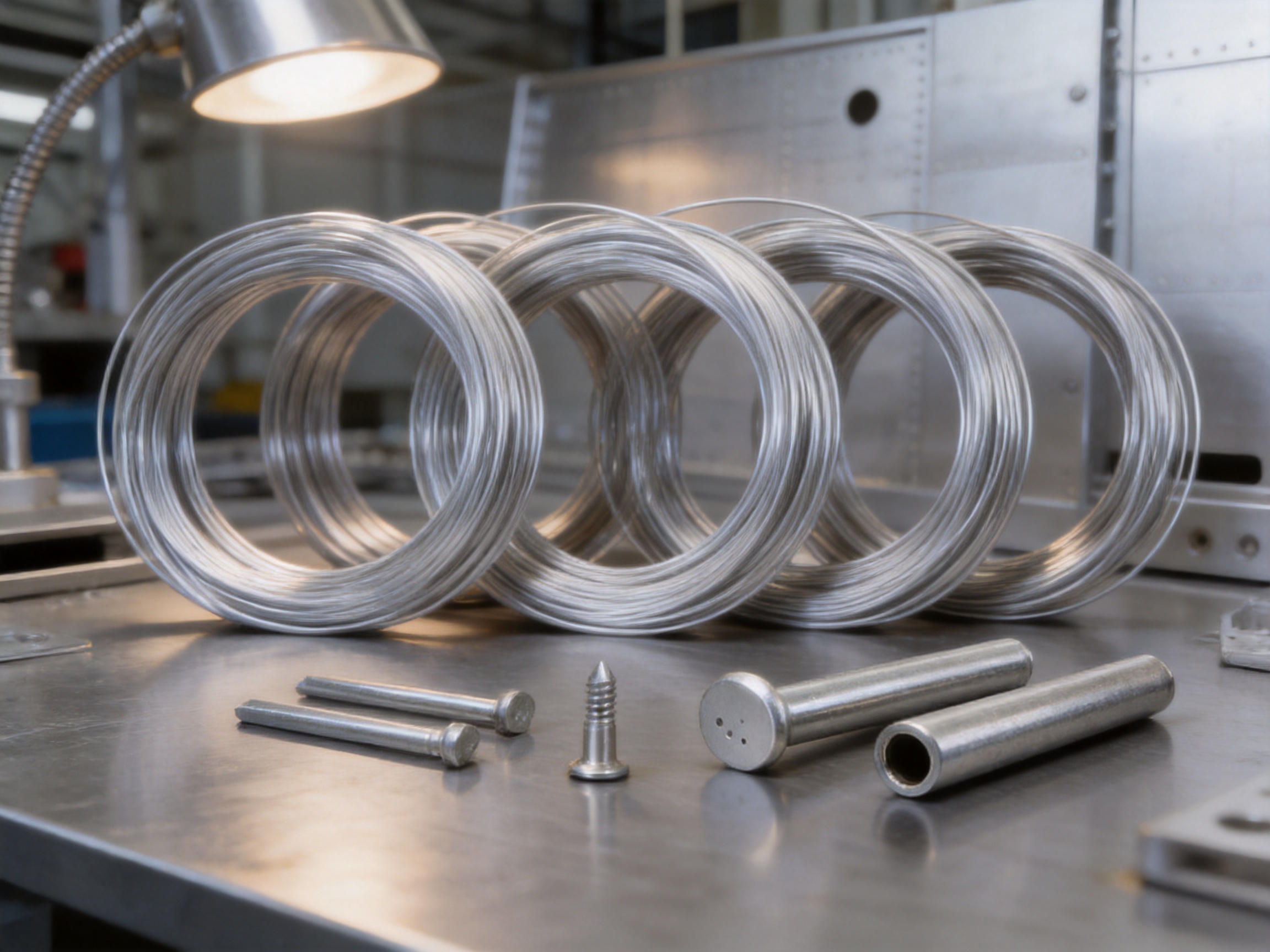
The product discussed in this article is a high-strength aluminum alloy wire designed mainly for rivet production. It is suitable for demanding environments in which rivets must withstand tensile and shear loads, vibration, temperature changes, atmospheric exposure, and, in some cases, stress-corrosion conditions. The material range includes high-strength grades such as 2A10, 2219, 7050, and 7075, together with aluminum alloy welding and filler grades including 4043, 4047, 5183, 5154, 5356, AlMg3, AlMg5, AlMg6, and AlMg61.
Its principal technical advantage is the ability to combine alloy-specific strengthening mechanisms with carefully controlled wire production. Depending on the selected grade and temper, the material can provide high strength, improved fracture toughness, stress-corrosion resistance, exfoliation-corrosion resistance, low-temperature performance, or a balanced combination of these characteristics.
For rivet applications, the choice of alloy and temper must be matched to the design load, forming method, operating environment, and required service life. A properly manufactured wire offers stable diameter, consistent surface quality, reliable chemical composition, and predictable response during heading and installation. These factors are important because even small variations in wire quality can cause cracks, dimensional inconsistencies, installation defects, or premature failure in the completed rivet.
For Rivets
Content
Product Overview
High-strength aluminum alloy wire for rivets is produced from aluminum alloys containing carefully controlled additions of copper, magnesium, zinc, manganese, chromium, titanium, zirconium, and other elements. These alloying elements alter the microstructure of aluminum and improve strength, hardness, toughness, corrosion resistance, or thermal performance.
The product is primarily intended for rivet manufacturing in aviation, aerospace, and military applications. It may also be considered for high-performance transportation, industrial equipment, pressure-resistant assemblies, and other structures where weight reduction and reliable fastening are important. The wire can be supplied in forms and dimensions appropriate for downstream cutting, heading, upsetting, machining, or other rivet-making operations.
Several strengthening systems are represented in the available grade range. Copper-containing alloys such as 2A10 and 2219 can achieve high strength through precipitation strengthening and heat treatment. Zinc-magnesium-copper alloys such as 7050 and 7075 are recognized for high strength and are suitable for demanding structural applications when the correct temper and corrosion-control measures are used. Aluminum-magnesium alloys provide useful corrosion resistance, ductility, and weldability, while silicon-containing grades such as 4043 and 4047 offer favorable melting and fluidity characteristics for welding-related applications.
The product description identifies three important temper conditions for high-strength rivet material: T6, T73, and T76. T6 generally represents a high-strength heat-treated condition. T73 is associated with relatively high fracture toughness, improved resistance to stress corrosion and exfoliation corrosion, and favorable low-temperature performance. T76 offers higher strength than T73 while maintaining higher stress-corrosion resistance than the T6 condition.
These temper distinctions are important in aerospace and military use. Maximum strength is not always the only design priority. A rivet used in a critical airframe or aerospace structure may need to resist crack propagation, corrosion-assisted damage, and long-term environmental exposure. Selecting a temper that balances strength and durability can be more valuable than selecting the highest possible tensile strength alone.
Why Aluminum Alloy Wire Is Used for Rivets
Aluminum alloys are widely used in rivets because they offer a useful combination of low density and engineering performance. Compared with many steel alternatives, aluminum rivets can reduce component weight, which is particularly important in aircraft, spacecraft, military vehicles, rail equipment, and lightweight transportation systems.
Weight reduction can produce several secondary benefits. Lower structural mass may improve fuel efficiency, payload capacity, acceleration, range, and handling. In aerospace structures, every reduction in unnecessary weight can contribute to improved overall system efficiency. Aluminum rivets also provide compatibility with many aluminum sheet, plate, extrusion, and forged components, helping reduce the risk of galvanic or material incompatibility when the fastening system is properly designed.
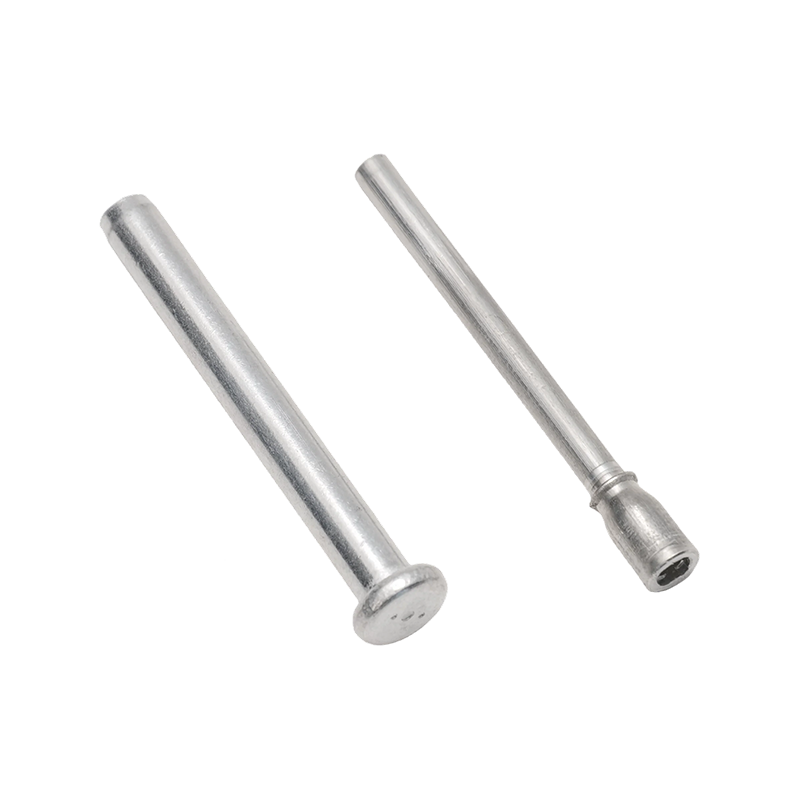
Aluminum alloy wire can also be processed into rivets with good dimensional repeatability. The wire is cut into slugs, and the slugs are formed into rivet heads and shanks through cold heading, hot heading, or other suitable forming processes. The correct alloy condition allows the material to deform without unacceptable cracking while retaining the required strength after installation or subsequent heat treatment.
Another advantage is the broad range of available compositions. A manufacturer can select a relatively soft and ductile alloy for forming, a high-strength precipitation-hardening alloy for structural performance, or a corrosion-resistant aluminum-magnesium alloy for welding and fabrication. This flexibility allows the fastening material to be matched closely to the surrounding structure and the service environment.
Key Performance Advantages
High Strength-to-Weight Ratio
The most important advantage of high-strength aluminum alloy rivet wire is its strength-to-weight ratio. Copper-, zinc-, and magnesium-containing alloys can achieve significantly improved strength compared with commercially pure aluminum while maintaining the low density associated with aluminum materials.
High strength allows engineers to design rivets with suitable load-bearing capacity without creating excessive fastening weight. In an aircraft assembly, thousands or millions of fasteners may be used. Even a small weight difference per rivet can become significant across a complete structure. High-strength aluminum alloy wire therefore supports lightweight design while preserving joint reliability.
Controlled Fracture Toughness
Fracture toughness is important where a rivet may experience repeated loading, vibration, impact, or local stress concentration. A material with adequate fracture toughness can tolerate a degree of damage without suddenly losing its load-bearing capability. The T73 condition is identified as providing relatively high fracture toughness, making it a potential choice where damage tolerance is a major consideration.
In critical structures, strength must be considered together with toughness. An alloy that is extremely strong but insufficiently damage-tolerant may not be the best choice for every application. The availability of multiple temper conditions gives designers more flexibility in selecting a material that meets the real operating requirements of the joint.
Stress-Corrosion Resistance
Stress-corrosion cracking can occur when a susceptible alloy is simultaneously exposed to tensile stress and a corrosive environment. Aerospace components may face humidity, salt contamination, temperature cycling, deicing chemicals, industrial pollutants, and other conditions that increase corrosion risk.
The T73 and T76 conditions are described as offering improved stress-corrosion resistance compared with the T6 condition. T76 is particularly useful when a higher strength level is required while retaining better stress-corrosion resistance than T6. This balance can improve service reliability in demanding structures.
Stress-corrosion resistance depends not only on alloy and temper but also on surface condition, residual stress, joint design, protective coatings, drainage, maintenance, and environmental exposure. The wire should therefore be selected as part of a complete corrosion-control strategy rather than considered in isolation.
Resistance to Exfoliation Corrosion
Exfoliation corrosion is a form of localized corrosion that can develop along elongated microstructural features, particularly in certain high-strength aluminum alloys. It can cause surface lifting, flaking, and progressive loss of material near the surface.
The supplied product information identifies T73 as having exfoliation-corrosion resistance. This characteristic is valuable for rivets exposed to moisture and cyclic environmental conditions because the fastener may be installed in areas where inspection and replacement are difficult. Improved resistance can contribute to longer maintenance intervals and more stable joint performance.
Low-Temperature Performance
Aircraft, aerospace systems, military equipment, and high-altitude vehicles may operate at low temperatures. Materials used in these environments must maintain adequate toughness and dimensional stability while avoiding excessive embrittlement.
The T73 condition is described as having favorable low-temperature performance. This makes it relevant to applications where fasteners may experience low ambient temperatures or rapid temperature changes. Low-temperature suitability should still be verified through the applicable material standard, qualification testing, and end-use design requirements.
Reliable Forming and Rivet Production
Rivet wire must be suitable for conversion into consistent rivet shapes. The wire is not simply a raw material; it is a precision feedstock for automated or semi-automated production equipment. Stable metallurgical condition, surface quality, and dimensional accuracy help reduce forming defects.
Good forming behavior supports consistent head geometry, shank dimensions, and installed rivet profiles. This is especially important in aerospace manufacturing, where high-volume production and strict quality controls require predictable processing. A controlled wire product can reduce interruptions, rejected parts, tooling wear, and variation between production batches.
Available Alloy Grades and Their Roles
The listed chemical composition table includes both high-strength aluminum alloy wires and aluminum or aluminum alloy welding materials. The grades should be selected according to the intended product and process. Not every listed alloy is intended for the same rivet application. The composition information provides a reference for material selection, while final compliance should be confirmed against the applicable national, international, customer, or aerospace specification.
| Grade | Typical Alloy System | Main Characteristics | Potential Application Focus |
|---|---|---|---|
| 2A10 | Aluminum-copper alloy | High-strength heat-treatable alloy with copper-based precipitation strengthening | Structural rivets and demanding mechanical fastening |
| 2219 | Aluminum-copper alloy | High strength, good elevated-temperature capability, and suitability for aerospace applications | Aerospace structures and high-performance assemblies |
| 4043 | Aluminum-silicon alloy | Good fluidity and favorable welding characteristics | Welding wire and aluminum fabrication |
| 4047 | Aluminum-silicon alloy | Higher silicon content and useful melting characteristics | Brazing, welding, and repair applications |
| 5183 | Aluminum-magnesium alloy | Good strength and corrosion resistance | Welding materials and marine or structural fabrication |
| 5154 | Aluminum-magnesium alloy | Balanced strength, ductility, and corrosion performance | Welding and general aluminum fabrication |
| 5356 | Aluminum-magnesium alloy | Good weldability, strength, and corrosion resistance | Welding wire and structural aluminum work |
| AlMg3 | Aluminum-magnesium alloy | Moderate magnesium content and useful corrosion resistance | General fabrication and welding applications |
| AlMg5 | Aluminum-magnesium alloy | Higher strength and magnesium content than AlMg3 | Structural welding and corrosion-resistant assemblies |
| AlMg6 | Aluminum-magnesium alloy | High magnesium content and strong corrosion-resistant performance | Demanding fabrication environments |
| AlMg61 | Aluminum-magnesium alloy | Specialized aluminum-magnesium composition with controlled additions | Specified welding and fabrication requirements |
| 7050 | Aluminum-zinc-magnesium-copper alloy | Very high strength and improved resistance characteristics in suitable tempers | Aerospace and high-performance structural components |
| 7075 | Aluminum-zinc-magnesium-copper alloy | High strength and broad use in demanding structural applications | High-strength fasteners and aerospace components |
The table is a practical starting point rather than a substitute for technical qualification. Chemical limits may vary among standards, and the mechanical properties of a finished wire depend on processing history, diameter, temper, heat treatment, and testing method. Customers should specify the required grade, temper, diameter, surface condition, packaging, inspection documents, and applicable standard when requesting a quotation.
2A10 Aluminum Alloy Wire
2A10 is an aluminum-copper alloy listed with a copper range of approximately 3.9–4.5 percent. Copper provides precipitation-hardening potential and contributes to high strength after appropriate heat treatment. This grade can be considered where a strong aluminum rivet is required and the application is controlled with respect to corrosion protection and processing condition.
For rivet production, 2A10 may be selected when the joint requires a high level of mechanical performance and the manufacturer can control forming and heat treatment carefully. The final choice should account for the intended rivet diameter, installation condition, heat-treatment schedule, and surrounding material.
2219 Aluminum Alloy Wire
2219 contains approximately 5.8–6.8 percent copper in the supplied composition information. It is a recognized aerospace aluminum-copper alloy used in applications that demand strength and performance under challenging service conditions. The alloy is particularly associated with aerospace structures and high-performance engineering components.
2219 wire can be attractive for rivet-related applications where high strength and aerospace material compatibility are important. The production process must maintain composition uniformity and avoid surface or internal defects that could become initiation sites during forming or service.
7050 and 7075 Aluminum Alloy Wire
7050 and 7075 are high-strength aluminum-zinc-magnesium-copper alloys. The supplied data identifies zinc as the major alloying element, with magnesium and copper contributing to precipitation strengthening. These grades are suitable for applications where high strength is a primary requirement.
7075 is widely recognized as a high-strength aluminum alloy for structural applications. 7050 is also associated with high-performance aerospace use and can offer useful property balances depending on the selected temper and product form. For rivets, the grade and temper must be selected with attention to forming behavior, corrosion resistance, fracture toughness, and installation procedure.
Because high-strength zinc-containing alloys can be sensitive to certain corrosion mechanisms, proper temper selection and corrosion-control practices are important. Protective finishes, compatible structure materials, controlled residual stress, and inspection procedures may be required for demanding applications.
Temper Selection for Rivet Applications
T6 Condition
The T6 condition is generally associated with solution heat treatment followed by artificial aging. It is selected when high strength is a major objective. Rivets in this condition may be appropriate for applications in which the design prioritizes strength and the operating environment is adequately controlled.
T6 material may require careful consideration during forming because the high-strength condition can reduce ductility compared with softer or partially aged conditions. The production route may involve forming before final aging or using a condition specifically approved for rivet manufacture.
T73 Condition
The T73 condition is identified as providing relatively high fracture toughness, stress-corrosion resistance, exfoliation-corrosion resistance, and low-temperature performance. It is therefore a strong candidate for applications where durability and damage tolerance are more important than maximum strength.
Rivets used in aircraft, aerospace equipment, or military structures may benefit from this balance. The T73 condition can help reduce the risk associated with corrosion-assisted cracking and may provide greater tolerance to service damage. Engineering approval should be based on actual design loads, environmental conditions, and qualification requirements.
T76 Condition
The T76 condition is described as having higher strength than T73 and higher stress-corrosion resistance than T6. It offers a compromise between the very high strength associated with peak-aged conditions and the improved corrosion performance associated with overaged conditions.
This balance makes T76 attractive for structures that require substantial mechanical strength but cannot accept the corrosion sensitivity of a maximum-strength condition. The correct condition should be determined through design analysis and the governing specification rather than by strength alone.
Manufacturing Process and Quality Control
The performance of rivet wire depends on the complete manufacturing chain, from raw material selection to final inspection. Jiangsu Hetuo Aluminum Wire Co., Ltd. describes an intelligent manufacturing system covering high-purity aluminum wire, high-strength aluminum alloy wire, and aluminum or aluminum alloy welding materials. The company operates a factory covering approximately 40,000 square meters and employs around 60 people, including professional managers and technicians.
Raw Material Control
Production begins with the selection and verification of aluminum alloy feedstock. The chemical composition must be controlled within the required limits because small changes in copper, magnesium, zinc, iron, silicon, titanium, zirconium, or other elements can affect strength, conductivity, corrosion behavior, and forming performance.
Incoming materials should be identified by batch and supported by material documentation. Chemical analysis may be performed using suitable spectrometric methods. Traceability allows each finished wire lot to be connected to its source material, production route, heat-treatment history, and inspection records.
Melting and Alloy Preparation
During melting and alloy preparation, alloying additions must be weighed and introduced accurately. Temperature control is important because excessive temperature can increase oxidation, while insufficient temperature can prevent proper dissolution or mixing of alloying elements.
Efficient melt management helps limit inclusions, gas porosity, segregation, and unwanted contamination. Filtration and refining practices may be used to improve melt cleanliness. For high-performance wire, cleanliness is particularly important because internal defects can reduce fatigue life or initiate cracks during cold forming.
Casting and Homogenization
The molten alloy is cast into a suitable intermediate form, such as a billet or rod. Casting conditions influence grain structure, segregation, porosity, and downstream workability. Homogenization heat treatment may be used to reduce chemical segregation and dissolve or modify undesirable phases before subsequent deformation.
A uniform starting structure improves the consistency of extrusion, drawing, rolling, and heat treatment. It also helps reduce variation in mechanical properties from one section of the wire to another.
Hot Working and Rod Production
Aluminum alloy material may be processed through extrusion, rolling, or related hot-working operations to produce rod or intermediate wire stock. Deformation refines the structure, reduces casting-related defects, and establishes the dimensions required for later drawing.
Process parameters such as temperature, reduction ratio, speed, lubrication, and cooling rate must be controlled. High-strength alloys can be more sensitive to processing conditions than softer commercial aluminum grades. Consistent hot working helps maintain surface quality and dimensional stability.
Cold Drawing and Diameter Control
Drawing reduces the rod or intermediate wire to the required diameter while improving dimensional accuracy and surface finish. The number of drawing passes, reduction per pass, die geometry, lubrication, and intermediate annealing schedule all influence the final properties.
For rivet wire, diameter consistency is critical. A variation in wire diameter changes the volume of the rivet slug and can affect head formation, shank dimensions, installation force, and final joint geometry. Precision drawing and frequent dimensional checks help control these risks.
Heat Treatment and Temper Development
Heat treatment is central to the performance of precipitation-hardening alloys. Solution treatment is used to dissolve selected alloying elements into the aluminum matrix, followed by controlled quenching and aging to develop the required precipitate structure.
Different aging schedules produce different balances of strength, toughness, and corrosion resistance. T6, T73, and T76 conditions therefore require controlled temperature, time, quench, and aging procedures. Furnace uniformity and process recording are important