

 English
 中文简体
中文简体 русский
 Deutsch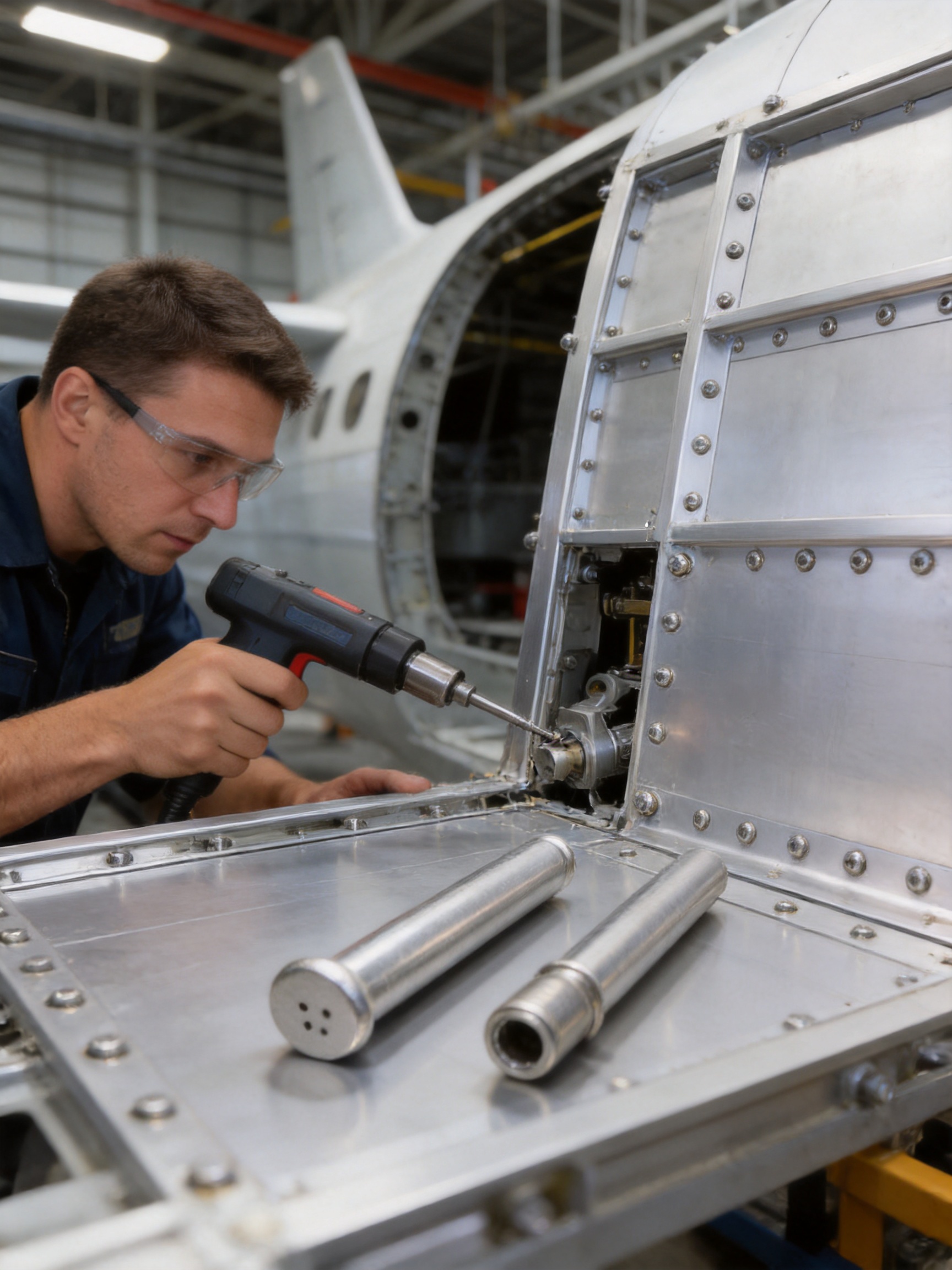
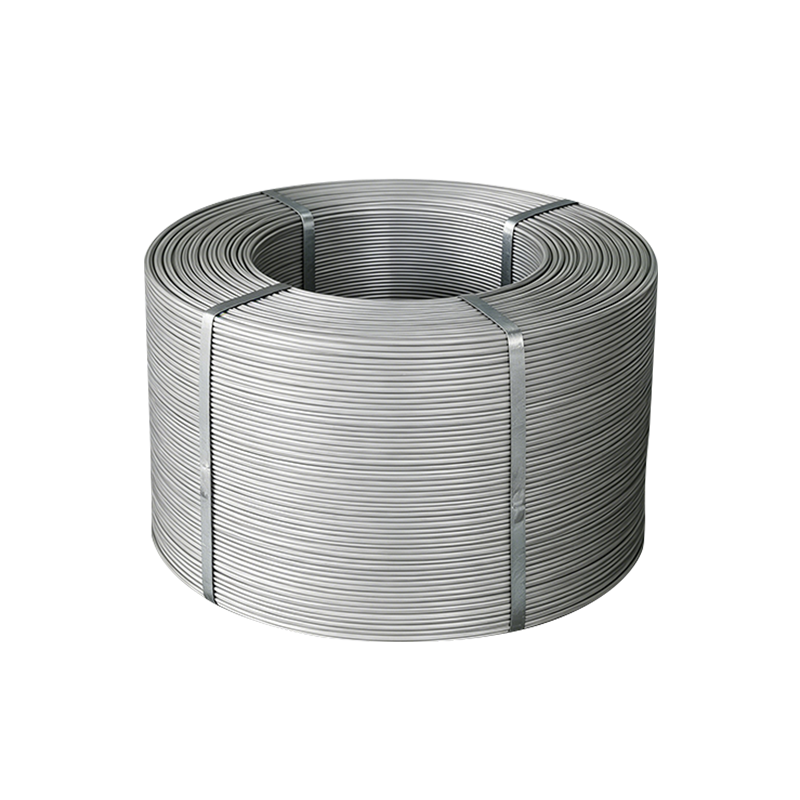
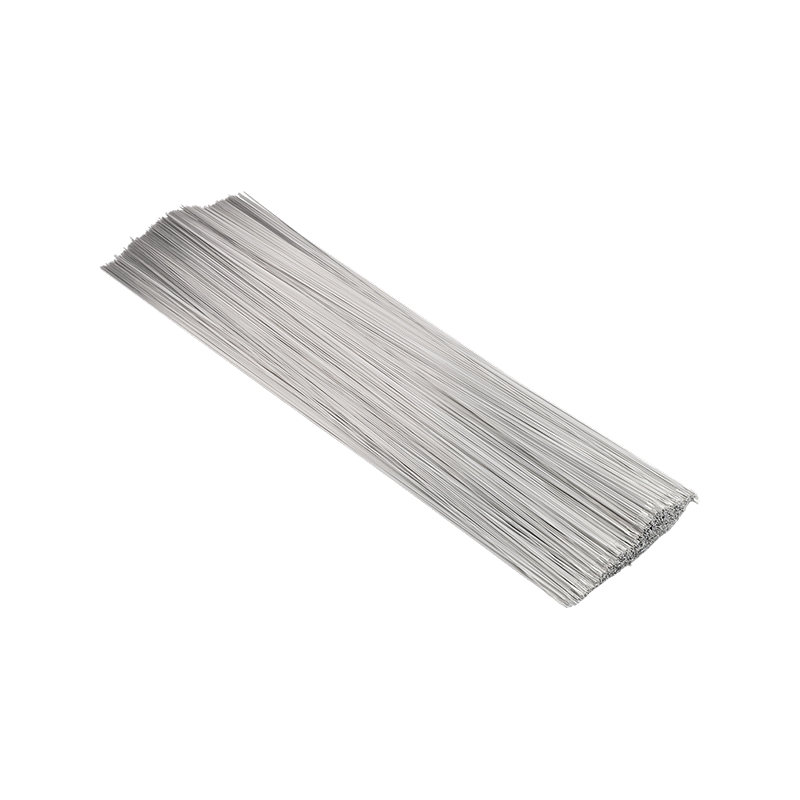
High-strength aluminum alloy wire for rivets is an essential material for joining lightweight structures that must withstand vibration, tensile loads, fatigue, temperature changes, and demanding service environments. It is widely used in aviation, aerospace, military equipment, transportation, machinery, and other applications where a dependable permanent fastening solution is required. Compared with ordinary aluminum wire, rivet wire is engineered to provide a more carefully balanced combination of strength, ductility, formability, corrosion resistance, and dimensional stability.
Jiangsu Hetuo Aluminum Wire Co., Ltd. supplies aluminum alloy wire for rivet manufacturing and related industrial applications. Its product portfolio includes high-strength aluminum alloy wire, high-purity aluminum wire, and aluminum and aluminum alloy welding materials. The company operates an intelligent manufacturing system in a 40,000-square-meter facility and applies controlled production and inspection procedures to support consistent material quality.
This article examines the characteristics of aluminum rivet wire, the alloy grades available, the influence of temper conditions, the manufacturing process, quality advantages, application considerations, and the reasons high-strength aluminum alloy wire remains competitive against other fastening materials.
Content
- 1 1. Overview of Aluminum Rivet Wire
- 2 2. Main Product Characteristics
- 3 3. Alloy Grades Available for Rivet and Related Applications
- 4 4. Temper Conditions and Performance Balance
- 5 5. Manufacturing Process for High-Strength Aluminum Alloy Wire
- 6 6. Advantages Compared with Competing Materials
- 7 7. Applications in Aviation, Aerospace, and Military Equipment
- 8 8. How the Product Supports Rivet Manufacturing
- 9 9. Company Manufacturing Strengths
- 10 10. Customization and Technical Specification
- 11 11. Quality Risks and How to Control Them
- 12 12. Sustainability and Lightweight Engineering
- 13 13. Purchasing Guidance for International Buyers
- 14 14. Frequently Asked Questions
- 14.1 What is aluminum rivet wire used for?
- 14.2 Which aluminum alloys are listed for high-strength applications?
- 14.3 Is every alloy in the product table suitable for rivets?
- 14.4 What is the difference between T6, T73, and T76?
- 14.5 Can 7075 aluminum wire be customized for rivet production?
- 14.6 What quality certifications does the manufacturer have?
- 14.7 Why is aluminum used instead of steel for rivets?
- 14.8 What information should be included in an inquiry?
- 14.9 How should aluminum alloy wire be stored?
- 14.10 Does high strength always mean better rivet performance?
- 15 15. Conclusion
- 16 References
- 17 Product: For Rivets
1. Overview of Aluminum Rivet Wire
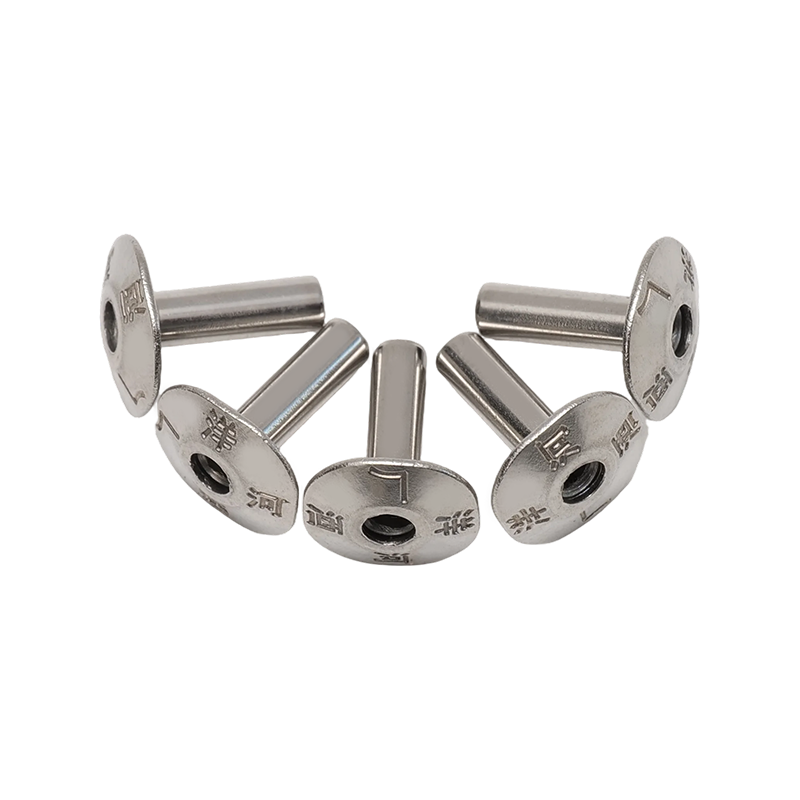
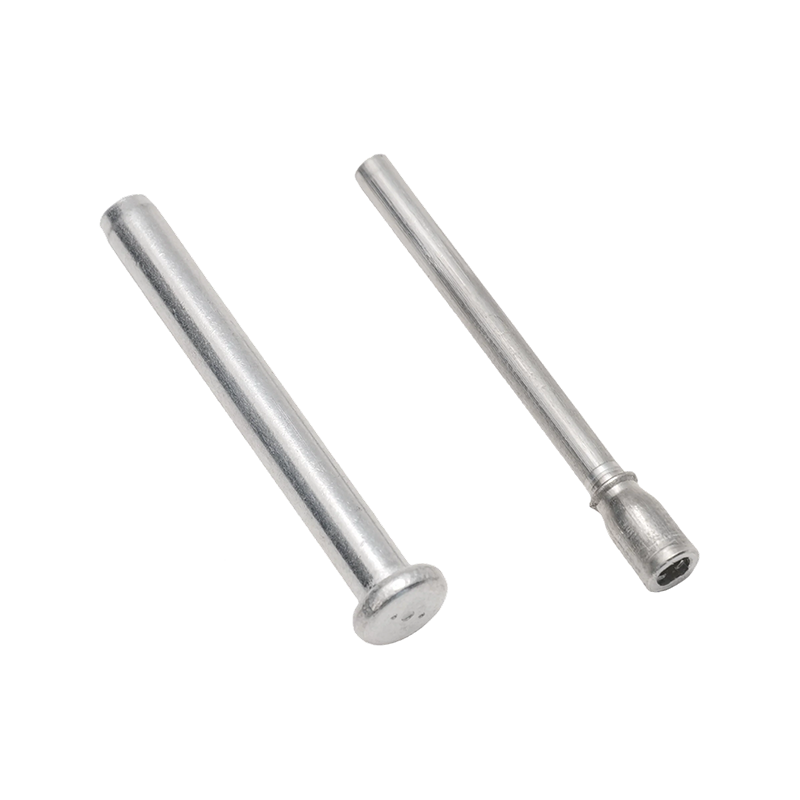
Aluminum rivets are mechanical fasteners formed from aluminum or aluminum alloy wire, rod, or specially prepared stock. During production, the material is cut to length and formed into a rivet head and shank. During installation, the rivet shank is deformed to create a second head, locking two or more components together.
The wire used to manufacture rivets must be more than simply chemically compliant. It must also possess the correct metallurgical condition for heading, cold forming, heat treatment, machining, and installation. A material that is excessively hard may crack during forming. A material that is too soft may fail to provide sufficient joint strength. The correct product therefore depends on a carefully selected alloy and temper.
High-strength aluminum alloy wire is particularly valuable when the completed joint must provide superior load-bearing performance without adding unnecessary weight. Aluminum has a density significantly lower than steel and many nickel-based alloys. As a result, aluminum rivets can help reduce the mass of aircraft structures, vehicle assemblies, equipment housings, and other engineered products.
For aerospace and defense applications, the selection process is especially demanding. Rivet material must often satisfy requirements involving strength, fracture toughness, fatigue resistance, stress-corrosion behavior, exfoliation-corrosion resistance, low-temperature performance, and compatibility with the surrounding structure. The alloy must also be supplied with traceability and stable dimensional characteristics.
2. Main Product Characteristics
The high-strength aluminum alloy wire supplied for rivet applications is designed for specialized industrial use. The product range includes grades such as 2A10, 2219, 7050, and 7075, while the broader aluminum wire portfolio also includes aluminum-magnesium and aluminum-silicon welding grades. The most appropriate grade depends on the design loads, forming process, operating environment, and required temper.
Several characteristics distinguish this material from general-purpose aluminum wire:
- High specific strength for lightweight structural fastening.
- Controlled alloy chemistry for predictable mechanical behavior.
- Suitable formability for rivet heading and shaping.
- Good resistance to atmospheric corrosion when the appropriate alloy and protection system are selected.
- Compatibility with aerospace, transportation, and industrial assembly processes.
- Availability in different compositions and heat-treatment conditions.
- Potential for improved fracture toughness, stress-corrosion resistance, or low-temperature performance depending on the alloy and temper.
The product description identifies precipitation strengthening and transition-phase strengthening as important mechanisms in high-strength aluminum alloys. In these materials, alloying elements are distributed through carefully controlled thermal treatment to improve strength. The resulting microstructure can provide substantially higher performance than that of unalloyed aluminum while preserving the low density that makes aluminum attractive.
For rivet production, strength alone is not sufficient. The wire must remain workable during manufacturing and installation. This is why temper selection is a central part of product specification. Different tempers provide different balances between hardness, yield strength, ductility, fracture toughness, and corrosion resistance.
For Rivets
3. Alloy Grades Available for Rivet and Related Applications
The supplied chemical composition information covers a range of aluminum alloy wires. Some grades are primarily associated with high-strength applications, while others are commonly used as welding materials. The table below summarizes the principal grades listed in the product information and their approximate nominal or maximum composition values. “Rest” indicates the balance of the composition is aluminum. A dash indicates that no specific value is listed in the supplied information.
| Grade | Silicon | Iron | Copper | Manganese | Magnesium | Chromium | Zinc | Primary Application Direction |
|---|---|---|---|---|---|---|---|---|
| 2A10 | 0.25 | 0.20 | 3.9–4.5 | 0.30–0.50 | 0.15–0.30 | — | 0.10 | High-strength aerospace and rivet-related applications |
| 2219 | 0.20 | 0.30 | 5.8–6.8 | 0.2–0.4 | 0.02 | — | 0.10 | High-strength structural and aerospace applications |
| 7050 | 0.12 | 0.15 | 2.0–2.6 | 0.10 | 1.9–2.6 | 0.04 | 5.7–6.7 | High-strength aerospace components |
| 7075 | 0.50 | 0.50 | 1.4–2.0 | 0.2–0.6 | 1.8–2.8 | 0.10–0.25 | 5.0–7.0 | High-strength alloy applications |
| 4043 | 4.5–6.0 | 0.80 | 0.30 | 0.05 | 0.05 | — | 0.10 | Aluminum welding material |
| 4047 | 11.0–13.0 | 0.80 | 0.30 | 0.15 | 0.10 | — | 0.20 | Aluminum-silicon welding material |
| 5183 | 0.40 | 0.40 | 0.10 | 0.5–1.0 | 4.3–5.2 | 0.05–0.25 | 0.25 | Aluminum-magnesium welding material |
| 5356 | 0.25 | 0.40 | 0.10 | 0.05–0.20 | 4.5–5.5 | 0.05–0.20 | 0.10 | General aluminum welding material |
Not every grade in the table is intended for rivet production. The final selection must be confirmed against the customer’s drawing, applicable standard, required temper, forming method, and service conditions. The advantage of a broad product range is that the manufacturer can support different material requirements instead of forcing every customer to use one general-purpose alloy.
2A10 Aluminum Alloy Wire
2A10 is a copper-containing high-strength aluminum alloy listed for demanding applications. Copper contributes to precipitation hardening, allowing the alloy to achieve improved strength after appropriate heat treatment. In rivet production, this type of alloy may be considered where the structure requires high mechanical performance and the processing route is designed to manage the material’s forming and heat-treatment requirements.
The alloy contains approximately 3.9–4.5 percent copper, together with manganese and magnesium within the listed ranges. These additions influence strength, response to heat treatment, and microstructural stability. The exact performance of the finished rivet depends on wire diameter, processing history, temper, heat-treatment control, and the design of the joint.
2219 Aluminum Alloy Wire
2219 is another copper-rich alloy in the product range. Its listed copper content is approximately 5.8–6.8 percent, with manganese as an additional alloying element. The grade is associated with high-strength applications and is known for its use in demanding engineering environments where controlled mechanical properties are important.
For rivet applications, 2219 may be selected when the engineering design requires a high-strength aluminum alloy with a defined response to thermal processing. Because copper-rich alloys require appropriate corrosion-control practices and processing discipline, the customer should specify the complete material condition rather than only the alloy designation.
7050 and 7075 Aluminum Alloy Wire
7050 and 7075 are zinc-containing high-strength aluminum alloys. Their chemistry includes zinc, magnesium, and copper, with smaller amounts of chromium, titanium, zirconium, or other elements depending on the grade. These compositions are designed to develop high strength through precipitation hardening.
The product description specifically identifies 7075 aluminum rivet wire as an available custom product for aviation applications. However, the actual suitability of 7075 wire for a particular rivet must be determined by the required temper, forming procedure, design standard, and customer specification. These alloys can provide high strength, but the manufacturing route must be carefully controlled to preserve ductility and resistance to cracking.
7050 is also associated with demanding aerospace applications. Compared with a basic high-strength alloy, an appropriately processed 7050 product may offer a useful balance of strength and resistance to certain forms of environmental degradation. The selected temper remains essential because different tempers can produce different levels of strength, fracture toughness, and corrosion performance.
4. Temper Conditions and Performance Balance
Heat treatment changes the internal structure of precipitation-hardening aluminum alloys. After solution treatment and controlled aging, alloying elements form strengthening phases or transition phases within the aluminum matrix. These phases restrict dislocation movement and increase strength.
The product information refers to T6, T73, and T76 conditions. Each condition represents a different balance of mechanical and environmental properties.
T6 Condition
The T6 condition is generally associated with high strength. For components that prioritize load-bearing capacity and hardness, T6 may be attractive. In rivet applications, a T6 material can be useful when the joint design requires high resistance to deformation after installation.
However, maximum strength does not automatically mean maximum overall performance. Depending on the alloy, an aggressively strengthened condition may provide less resistance to stress corrosion or exfoliation corrosion than an overaged condition. The design team must therefore evaluate the operating environment and the consequences of possible corrosion damage.
T73 Condition
The T73 condition is described as providing relatively high fracture toughness, stress-corrosion resistance, exfoliation-corrosion resistance, and low-temperature performance. This combination can be valuable in aviation, aerospace, and military structures that may experience cyclic loading, temperature variation, and exposure to moisture or corrosive contaminants.
Although T73 may not reach the maximum strength of T6, the improved environmental and damage-tolerance characteristics can produce a more suitable engineering solution. A slightly lower strength level may be acceptable when it is accompanied by improved resistance to crack propagation and corrosion-related deterioration.
T76 Condition
The T76 condition is described as providing higher strength than T73 while offering higher stress-corrosion resistance than T6. It can therefore represent an intermediate or optimized choice when both mechanical performance and environmental resistance are important.
For high-performance rivets, this balance may be particularly useful. Aircraft and military structures frequently require materials that can carry significant loads but also maintain reliability over long service periods. The appropriate temper should be selected through engineering analysis, qualification testing, and compliance with the governing material standard.
| Temper | General Strength Level | Fracture Toughness | Stress-Corrosion Resistance | Typical Selection Consideration |
|---|---|---|---|---|
| T6 | High | Dependent on alloy and processing | Lower than T76 in the supplied comparison | Applications emphasizing strength and resistance to deformation |
| T73 | Lower than T6 for comparable alloy systems | Relatively high | Relatively high | Applications emphasizing damage tolerance and corrosion resistance |
| T76 | Higher than T73 | Balanced with environmental performance | Higher than T6 according to the supplied description | Applications requiring a compromise between strength and corrosion resistance |
The values in this comparison are qualitative. Actual tensile strength, yield strength, elongation, hardness, fracture toughness, and corrosion performance must be verified for the specific alloy, diameter, temper, and applicable standard.
5. Manufacturing Process for High-Strength Aluminum Alloy Wire
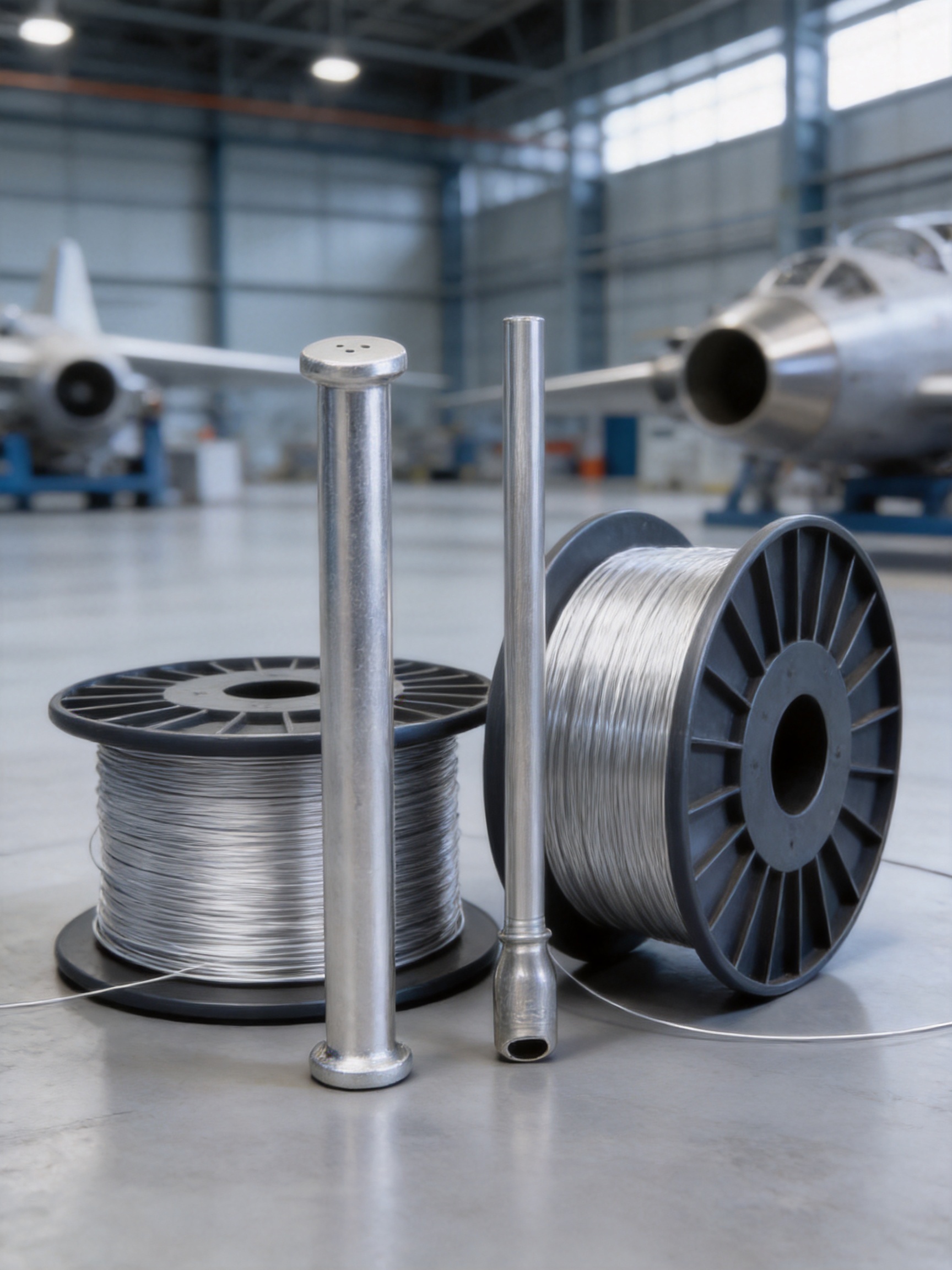
The quality of rivet wire begins with process control. A reliable product requires more than the correct alloy name on a purchase order. The manufacturer must manage raw materials, melting, casting, homogenization, hot working, drawing, heat treatment, surface condition, dimensional control, packaging, and final inspection.
Raw Material Preparation
Production begins with the preparation of aluminum and alloying additions. The chemical composition must be established according to the selected grade. Copper, magnesium, zinc, manganese, chromium, zirconium, titanium, silicon, iron, and other elements affect the final properties. Small variations can influence heat-treatment response, formability, corrosion behavior, and mechanical performance.
Raw materials should be properly identified and stored to prevent mixing between grades. Batch records and material traceability allow the production team to connect the finished wire with the original charge materials. This is particularly important for aerospace and defense customers, where documentation and traceability are often part of the purchasing requirement.
Melting and Composition Control
During melting, the aluminum charge is brought to a controlled temperature and alloying elements are added according to the required composition. The molten metal must be protected from excessive contamination and hydrogen absorption. Appropriate furnace management and melt treatment help reduce inclusions and improve the quality of the cast product.
Samples can be taken for chemical analysis before casting. If the measured composition falls outside the permitted range, corrective action is required before the material proceeds to the next operation. This stage is one of the most important opportunities to prevent nonconforming product from entering the manufacturing line.
Casting and Homogenization
Controlled casting produces an aluminum alloy billet, rod, or other intermediate form. Casting conditions influence grain structure, segregation, porosity, and the distribution of alloying elements. The cast material may then receive homogenization treatment to reduce chemical segregation and create a more uniform microstructure.
Homogenization is important for high-strength alloys because subsequent hot working and heat treatment depend on a consistent starting condition. A more uniform microstructure can support stable drawing behavior and more predictable final properties.
Hot Working and Rod Preparation
The cast or homogenized material is processed into rod or wire feedstock through controlled hot working. Rolling, extrusion, or related operations reduce the cross-section and improve the structure of the material. Process parameters must be matched to the selected alloy because different compositions respond differently to temperature and deformation.
Surface defects are controlled through equipment maintenance, suitable lubrication, correct reduction schedules, and inspection between production stages. Defects that remain in the rod can become more significant during drawing or rivet heading. Early detection therefore improves both yield and final product reliability.
Cold Drawing and Diameter Control
Drawing reduces the wire diameter through dies and improves dimensional accuracy. Multiple drawing passes may be used, with intermediate treatment when required. The drawing schedule affects work hardening, surface finish, straightness, residual stress, and final mechanical properties.
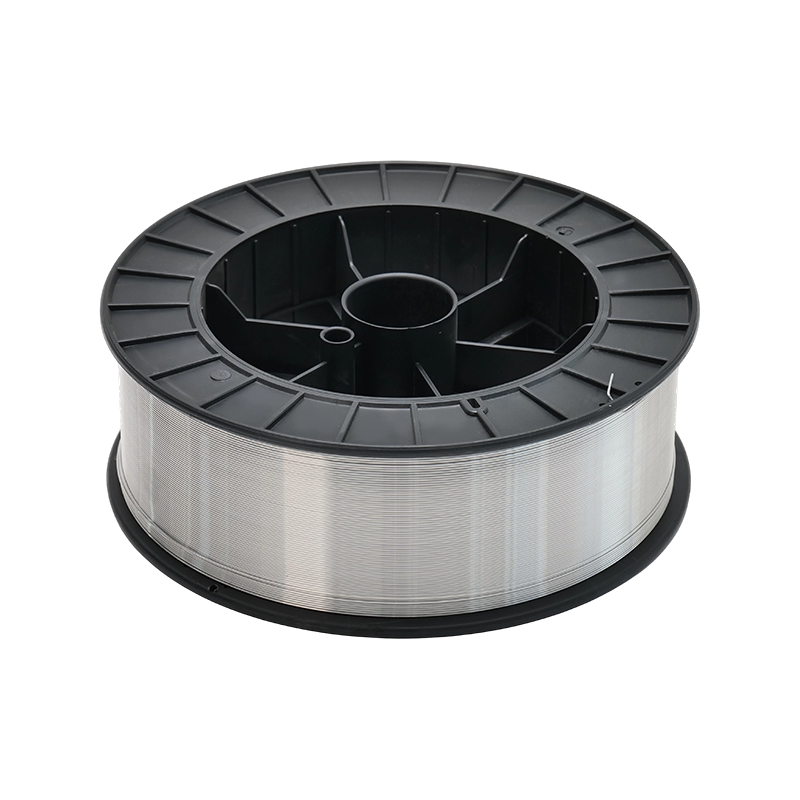
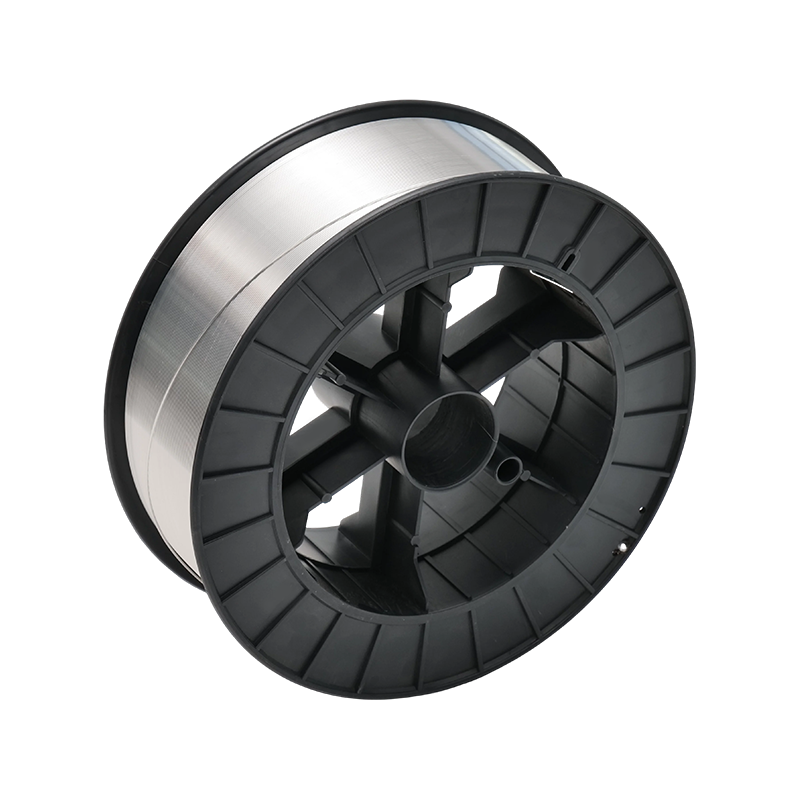
For rivet production, diameter consistency is especially important. A wire that varies excessively in diameter can produce inconsistent rivet shanks, unstable heading behavior, and variation in installed joint performance. Precision drawing helps ensure that the material meets customer requirements for diameter, ovality, surface condition, and coil or spool presentation.
Solution Treatment and Aging
High-strength aluminum alloys may undergo solution heat treatment followed by quenching and artificial aging. Solution treatment dissolves selected alloying phases into the aluminum matrix. Quenching retains a supersaturated solid solution, and aging allows strengthening precipitates to form in a controlled manner.
The temperature, holding time, transfer time, quench conditions, and aging cycle must be controlled. Small deviations can change the final strength and ductility. A modern manufacturing system should therefore use calibrated equipment, documented procedures, and recorded process parameters.
For T6, T73, and T76 conditions, the aging cycle is selected to achieve the intended balance of strength and environmental resistance. Overaging generally reduces peak strength but can improve resistance to stress-corrosion cracking and exfoliation corrosion. The final condition must be verified by testing rather than assumed from the furnace schedule alone.
Inspection and Testing
Inspection may include chemical analysis, dimensional measurement, surface examination, tensile testing, hardness testing, elongation testing, and corrosion-related evaluation where required. The specific test program depends on the alloy, temper, customer specification, and end use.
Quality inspection throughout production is one of the stated strengths of Jiangsu Hetuo Aluminum Wire Co., Ltd. The company reports that it has obtained ISO 9001 and IATF 16949 quality management system certifications. ISO 9001 supports an organized quality-management framework, while IATF 16949 is associated with the rigorous quality expectations of the automotive industry. These certifications demonstrate a structured approach to process control, documentation, corrective action, and customer requirements.
Certification alone does not replace product testing, but it indicates that the company has established management processes to support repeatability. For customers buying material for safety-critical or high-value assemblies, this organizational discipline is an important advantage.
Packaging and Traceability
After final inspection, the wire is packaged to protect it from impact, contamination, moisture, and deformation during storage and transportation. Labels should identify the alloy, temper, diameter, batch or heat number, quantity, and applicable inspection information.
Good packaging is particularly important for fine and precision wire. Damage to the surface can affect drawing, heading, or corrosion performance. Coils and spools must be secured to prevent tangling and maintain a stable pay-off during downstream manufacturing.
6. Advantages Compared with Competing Materials
Aluminum rivet wire competes with steel, stainless steel, titanium, nickel-based materials, and other fastening solutions. Each material has a suitable field of application, but high-strength aluminum alloy wire provides several advantages when low mass, corrosion control, and efficient installation are priorities.
Lower Weight
The most obvious advantage is low density. Aluminum rivets can reduce the weight of a completed structure compared with steel fasteners of similar size. Weight reduction is highly valuable in aircraft, spacecraft, rail vehicles, electric vehicles, commercial transportation, and portable equipment.
Lower fastener weight becomes increasingly significant when a product contains thousands or millions of rivets. A small reduction per fastener can produce a meaningful decrease in total assembly mass. Reduced weight may improve fuel efficiency, payload capacity, range, energy consumption, or handling performance.
High Specific Strength
Although aluminum does not always match steel in absolute strength, high-strength aluminum alloys can provide excellent strength relative to their weight. This specific-strength advantage allows engineers to design lighter joints without automatically sacrificing structural efficiency.
Alloy selection and temper are critical. A high-strength 7050 or 7075 alloy may be considered for one type of load-bearing application, while 2A10 or 2219 may be more suitable for another. The correct comparison should be based on the complete joint design, not on nominal alloy strength alone.
Corrosion Considerations
Aluminum naturally forms a thin oxide layer that helps protect the underlying metal in many atmospheric environments. This does not mean that all aluminum alloys are immune to corrosion. Copper-rich and zinc-rich high-strength alloys can require careful design, surface treatment, sealants, isolation from dissimilar metals, and environmental control.
When the correct alloy, temper, and protection system are selected, aluminum rivets can perform effectively in many outdoor and industrial conditions. The T73 and T76 conditions described in the product material are particularly relevant where stress-corrosion resistance and exfoliation-corrosion resistance are important.
Efficient Installation
Aluminum rivets can generally be installed with equipment suited to their size and strength. Their formability allows the shank to be upset or otherwise shaped to create a secure mechanical lock. In many applications, riveting avoids the heat-affected zone associated with welding and does not require the same curing time as adhesive bonding.
Mechanical fastening can also simplify inspection and maintenance. Properly installed rivets provide a visible and measurable joint, and damaged fasteners can often be removed and replaced without replacing the entire panel or subassembly.
Compatibility with Lightweight Structures
Aluminum rivets are naturally suited to aluminum sheets, plates, extrusions, and profiles. Matching the fastener material to the surrounding structure can reduce the risk of galvanic corrosion and minimize differences in thermal expansion. However, compatibility must still be verified when the assembly includes carbon-fiber composites, steel, titanium, or other dissimilar materials.
7. Applications in Aviation, Aerospace, and Military Equipment
The product information identifies aviation, aerospace, and military fields as major application areas. These industries require fastening materials that combine low density with reliable structural performance and documented quality.
Aircraft Structures
Aircraft fuselage panels, interior structures, access panels, control surfaces, brackets, and other assemblies may use aluminum rivets. The fastener must tolerate vibration, repeated loading, temperature cycling, and exposure to moisture or deicing chemicals. Where the joint is part of a primary or highly loaded structure, the alloy and temper must be approved according to the applicable aerospace specification.
Rivet wire can be supplied for conversion into solid rivets, special rivets, or other formed fasteners. The final geometry depends on the customer’s design. Diameter, head style, shank length, dimensional tolerance, and temper condition all affect the installation process.
Space and Launch Equipment
Space and launch systems place strong emphasis on mass reduction. Aluminum alloy fasteners may contribute to weight efficiency in supporting structures, housings, panels, and equipment attachments. At the same time, launch vibration, thermal cycling, vacuum conditions, and strict quality requirements demand consistent material properties and traceability.
Not every aluminum alloy is suitable for every space application. The designer must consider outgassing, thermal expansion, fatigue, fracture behavior, galvanic compatibility, and the possibility of localized corrosion during ground storage or launch preparation.
Military Vehicles and Equipment
Military vehicles, communication equipment, protective structures, and field hardware may benefit from light, corrosion-resistant mechanical fasteners. The ability to reduce equipment weight can improve mobility and transport efficiency. High-strength wire can also support compact joint designs where space is limited.
Military applications may require special documentation, lot control, environmental testing, and compliance with procurement standards. A supplier with an organized quality system and experience with multiple alloy families can support these requirements more effectively than a general wire producer.
Transportation and Industrial Equipment
Beyond aerospace and defense, aluminum rivet wire can be used in transportation bodies, trailers, marine structures, electrical equipment, machinery guards, and lightweight fabricated products. The appropriate grade may differ significantly by application. For example, a marine assembly may place greater emphasis on corrosion resistance and galvanic compatibility, while a transport structure may prioritize fatigue performance and production efficiency.
8. How the Product Supports Rivet Manufacturing
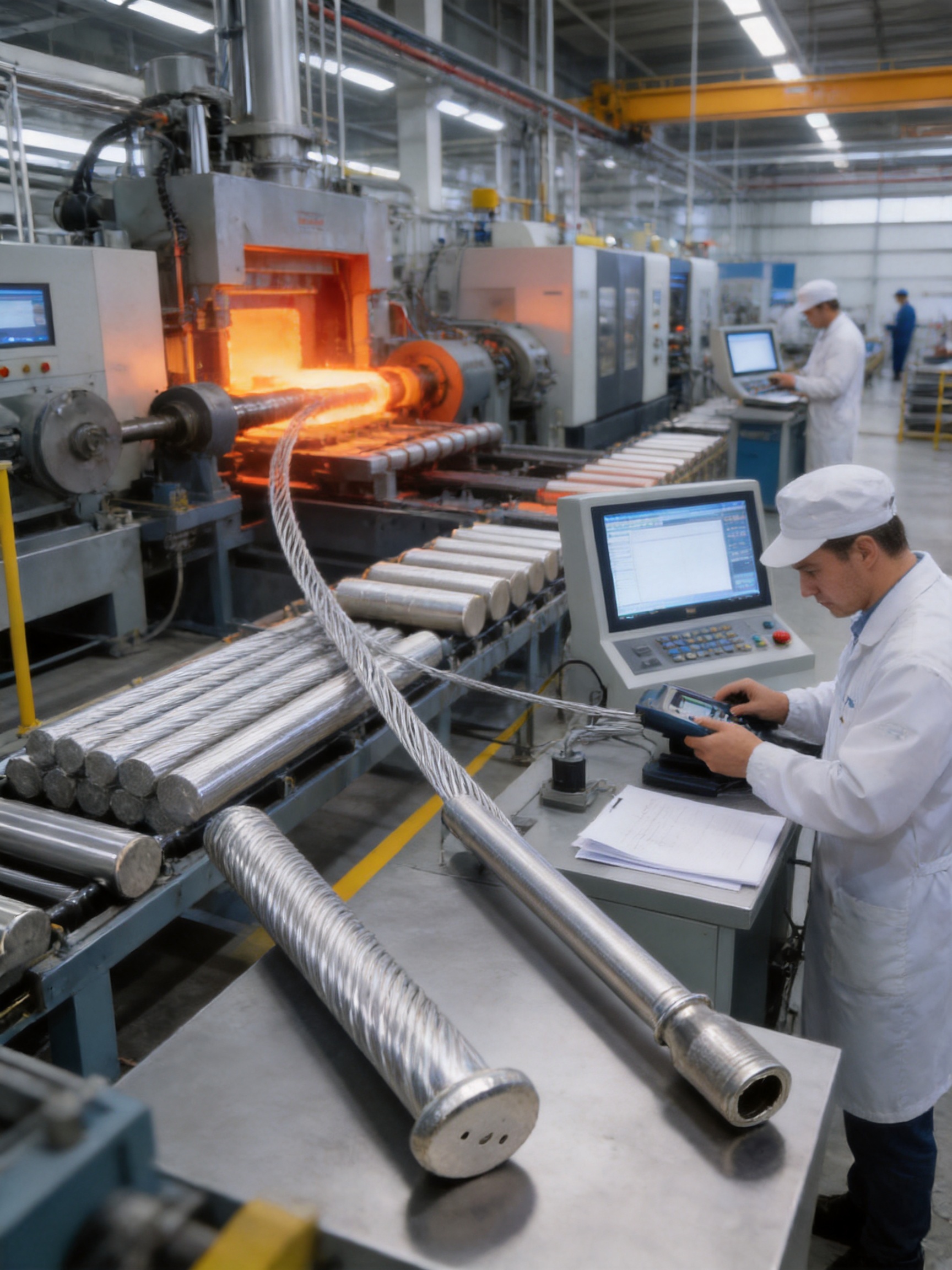
A wire supplier’s responsibility is not limited to delivering a chemical composition. The wire must be suitable for the customer’s complete rivet-making process. Important factors include cut length, heading behavior, surface cleanliness, hardness, lubrication compatibility, straightness, and response to heat treatment.
During cold heading, the wire is subjected to localized plastic deformation. A well-controlled wire helps form a stable rivet head without excessive cracking, splitting, folding, or tool wear. If the material is too hard or contains surface defects, production scrap may increase. If the wire is too soft or inconsistent, the head may not fill the die correctly or the finished rivet may not meet strength requirements.
Diameter control is equally important. The shank diameter affects the fit in the drilled or punched hole, while the quantity of material available for head formation affects the finished head dimensions. Consistent wire reduces adjustments to heading machines and improves production repeatability.
Heat treatment may be performed before or after certain forming operations depending on the alloy and rivet design. Some rivet materials are selected for a condition that facilitates forming and are then aged to reach the required final strength. The customer and supplier should define the complete processing sequence during technical review.
9. Company Manufacturing Strengths
Jiangsu Hetuo Aluminum Wire Co., Ltd. was established in 2019 and focuses on aluminum alloy material production. The company is located in Guannan Economic Development Zone, Lianyungang, Jiangsu Province, China. Its reported product scope covers high-purity aluminum wire, high-strength aluminum alloy wire, aluminum alloy rods, welding wires, and precision profiles.
The factory covers approximately 40,000 square meters and employs 60 people, including 30 professional managers and technicians. This personnel structure supports a combination of production capacity, technical supervision, quality management, and customer service.
The company states that it has introduced advanced equipment and facilities and built an intelligent manufacturing system. In practical terms, an intelligent production approach can help connect material planning, process records, equipment operation, inspection data, and order traceability. Better data management reduces the risk of manual errors and makes it easier to investigate deviations or respond to customer questions.
Another important strength is the company’s focus on quality inspection throughout production. For high-strength wire, quality cannot be checked only at the end. Chemical composition must be controlled at the beginning, surface and dimensional quality must be monitored during drawing, and heat-treatment parameters must be recorded during temper development. Final testing then confirms whether the completed batch meets the required specification.
ISO 9001 certification demonstrates the presence of a formal quality-management system. IATF 16949 certification adds experience with strict process control, defect prevention, continuous improvement, and customer-specific requirements. While the exact certification scope should be confirmed during procurement, these systems provide a meaningful foundation for supplying consistent industrial aluminum wire.
The company’s export experience is also relevant. International customers often require clear commercial documentation, stable packaging, consistent labeling, inspection reports, and communication across different technical standards. A supplier experienced in overseas markets is better positioned to manage these practical requirements.
10. Customization and Technical Specification
Customers purchasing aluminum rivet wire should provide a complete technical specification. A request that states only “high-strength aluminum wire” may not contain enough information for correct production. At a minimum, the inquiry should identify the alloy, temper, nominal diameter, dimensional tolerance, surface condition, coil or spool requirements, quantity, packaging, inspection documents, and applicable standard.
For custom 7075 aluminum rivet wire or another high-strength alloy, the customer should also identify the intended rivet type and installation process. The supplier may need to review the forming method, final heat treatment, mechanical-property requirements, and corrosion environment before confirming the recommended condition.
| Specification Item | Why It Matters |
|---|---|
| Alloy grade | Determines strength potential, formability, corrosion behavior, and heat-treatment response. |
| Temper | Controls the balance among strength, ductility, toughness, and environmental resistance. |
| Wire diameter | Affects rivet shank size, heading volume, installation fit, and joint geometry. |
| Diameter tolerance | Supports consistent heading and stable finished-rivet dimensions. |
| Surface condition | Influences forming behavior, tool life, coating compatibility, and corrosion protection. |
| Coil or spool format | Determines handling efficiency and compatibility with customer equipment. |
| Inspection requirements | Defines chemical, dimensional, mechanical, and documentation expectations. |
| Packaging and labeling | Protects the product and preserves batch traceability during transportation and storage. |
Technical communication before production can prevent costly misunderstandings. Customers should send drawings, standards, target property ranges, sample requirements, and expected annual demand where available. The supplier can then recommend a suitable alloy and process route rather than treating the order as a simple commodity purchase.
11. Quality Risks and How to Control Them
Several quality risks may affect aluminum rivet wire. Chemical variation can change strength and heat-treatment response. Inclusions or oxide films may become crack-initiation sites. Surface scratches can worsen during drawing or heading. Excessive residual stress can affect straightness and dimensional stability. Incorrect aging can produce a material that fails to meet the intended temper.
These risks are controlled through a combination of supplier qualification, process monitoring, equipment calibration, laboratory testing, and documented corrective action. Customers should evaluate whether the supplier can provide mill test certificates, batch traceability, inspection records, and samples for qualification.
Storage is also important. Aluminum wire should be kept in a clean, dry environment and protected from condensation. Improper storage can create staining, surface oxidation, packaging damage, or contamination. Before use, the customer should inspect the coil or spool and verify that the label corresponds to the production documentation.
During rivet manufacturing, tools and dies should be maintained in good condition. A damaged die can create defects that might be incorrectly attributed to the wire. Process parameters should be validated using production-representative samples, especially when changing alloy, diameter, temper, or equipment.
12. Sustainability and Lightweight Engineering
Aluminum contributes to lightweight engineering and can support lower energy consumption during the service life of vehicles and equipment. In transportation applications, reducing structural mass may improve fuel economy or extend battery range. In aircraft, mass efficiency can influence payload and operating cost.
Aluminum is also recyclable. Scrap generated during wire production, rivet heading, or assembly can often be collected and returned to an appropriate recycling stream. Effective recycling depends on keeping alloy families separated and maintaining material identification. High-quality process control therefore supports both product performance and responsible material management.
A lightweight product is not automatically sustainable if it has poor durability. The most valuable solution is one that combines low mass with long service life, low maintenance, and reliable performance. High-strength aluminum alloy wire can contribute to this objective when the alloy and temper are selected correctly and the finished joint is properly protected.
13. Purchasing Guidance for International Buyers
International buyers should assess a supplier according to product capability, technical support, quality management, capacity, communication, and logistics. The supplier should be able to explain which grades are intended for high-strength rivet applications and which grades are primarily welding materials.
Buyers should request representative samples before placing large orders. Sample evaluation may include diameter measurement, surface inspection, tensile testing, hardness testing, rivet heading trials, and corrosion or compatibility testing. For aerospace or military projects, qualification may also require customer-specific audits and documentation review.
It is also useful to establish an approved product specification. The specification should identify the alloy, temper, chemistry limits, mechanical properties, dimensional requirements, inspection frequency, packaging, and certificate format. Any changes to raw materials, equipment, heat treatment, or production location should be controlled through a formal change-notification procedure.
Jiangsu Hetuo Aluminum Wire Co., Ltd. can be contacted for product discussions, custom requirements, and quotations. The company’s listed contact details include telephone numbers +86-15961627690 and +86-18961612067, together with the email address [email protected]. Buyers should confirm current contact details and product availability directly before issuing a purchase order.
14. Frequently Asked Questions
What is aluminum rivet wire used for?
Aluminum rivet wire is used to manufacture rivets for joining lightweight metal structures. Applications include aviation, aerospace, military equipment, transportation, machinery, electrical equipment, and general industrial fabrication. The final use depends on the alloy, temper, diameter, and customer specification.
Which aluminum alloys are listed for high-strength applications?
The supplied product information lists 2A10, 2219, 7050, and 7075 among the high-strength aluminum alloy grades. These alloys have different chemistries and performance characteristics. The correct grade must be selected according to the required strength, formability, corrosion resistance, temperature range, and applicable standard.
Is every alloy in the product table suitable for rivets?
No. The portfolio includes welding grades such as 4043, 4047, 5183, 5154, 5356, AlMg3, AlMg5, AlMg6, and AlMg61 in addition to high-strength alloy wire. These materials may be suitable for welding applications but are not automatically appropriate for structural rivet production. The intended application must be confirmed before ordering.
What is the difference between T6, T73, and T76?
T6 generally emphasizes high strength. T73 provides relatively high fracture toughness, stress-corrosion resistance, exfoliation-corrosion resistance, and low-temperature performance. T76 is described as having higher strength than T73 and higher stress-corrosion resistance than T6. Actual properties depend on the alloy and processing history.
Can 7075 aluminum wire be customized for rivet production?
The product information identifies custom 7075 aluminum rivet wire as an available product. Customization may involve diameter, temper, coil format, packaging, inspection documents, and other customer requirements. The customer should provide the complete rivet specification and intended manufacturing process so that suitability can be evaluated.
What quality certifications does the manufacturer have?
Jiangsu Hetuo Aluminum Wire Co., Ltd. reports that it has obtained ISO 9001 and IATF 16949 quality management system certifications. The company also states that it performs quality inspection throughout production and uses advanced equipment and facilities.
Why is aluminum used instead of steel for rivets?
Aluminum provides lower density and good specific strength. It can help reduce the weight of large assemblies containing many fasteners. Aluminum rivets can also be compatible with aluminum structures and can be efficiently installed. Steel may still be preferred where higher absolute strength, temperature resistance, or special wear performance is required.
What information should be included in an inquiry?
An inquiry should include the alloy, temper, wire diameter, tolerance, quantity, surface condition, coil or spool requirements, packaging, inspection documentation, applicable standard, and intended application. Drawings and details of the rivet-forming process are helpful for custom orders.
How should aluminum alloy wire be stored?
The wire should be stored in a clean, dry area protected from condensation, chemicals, impact, and contamination. Packaging should remain intact until the material is ready for use. Batch labels and certificates should be retained to preserve traceability.
Does high strength always mean better rivet performance?
No. Rivet performance depends on the balance among strength, ductility, fracture toughness, corrosion resistance, dimensional stability, and formability. A material with maximum strength may not be the best selection if it is difficult to form or has inadequate environmental resistance. The correct temper must match the application.
15. Conclusion
High-strength aluminum alloy wire for rivets provides a practical combination of low weight, high specific strength, controlled formability, and adaptable corrosion performance. Grades such as 2A10, 2219, 7050, and 7075 support demanding applications in aviation, aerospace, military equipment, transportation, and industrial structures. The selection of T6, T73, or T76 temper allows engineers to prioritize strength, toughness, stress-corrosion resistance, exfoliation-corrosion resistance, or low-temperature performance according to the service environment.
The product’s competitiveness depends on the complete manufacturing system. Controlled alloy preparation, casting, homogenization, rod production, drawing, heat treatment, inspection, packaging, and traceability are all necessary to produce dependable rivet wire. Jiangsu Hetuo Aluminum Wire Co., Ltd. strengthens its offering through a 40,000-square-meter factory, a team of managers and technicians, an intelligent manufacturing system, international market experience, and reported ISO 9001 and IATF 16949 certifications.
For buyers, the best results come from treating aluminum rivet wire as an engineered material rather than a generic commodity. A complete specification, technical review, sample qualification, and ongoing quality communication can help ensure that the selected wire performs consistently in the finished rivet and the completed structure.
References
1. Product information for high-strength aluminum alloy wire for rivets, including alloy grades, temper descriptions, applications, and chemical composition data.
2. Jiangsu Hetuo Aluminum Wire Co., Ltd. company information, manufacturing capabilities, facility details, product range, and quality-management certifications.
3. Aluminum Association, Aluminum Standards and Data, alloy designation and temper designation principles.
4. ASM International, Aluminum and Aluminum Alloys, principles of alloying, precipitation strengthening, heat treatment, and corrosion behavior.
5. ASTM International, standards relating to aluminum and aluminum alloy wire, rod, mechanical testing, chemical analysis, and material certification.
6. SAE International, aerospace material and fastener standards applicable to aluminum alloy components and rivet materials.