

 English
 中文简体
 русский
 Deutsch
Content
- 1 Introduction
- 2 What Is 1090 Aluminum Wire?
- 3 Chemical Composition and Purity
- 4 Advantages of 1090 Aluminum Wire Over Lower-Consistency Alternatives
- 5 Application Areas
- 6 Manufacturing Strengths Behind the Product
- 7 Production Process Considerations
- 8 How 1090 Aluminum Wire Supports Coating Performance
- 9 Comparison with Other Aluminum Wire Grades
- 10 Advantages of Choosing a Specialized Manufacturer
- 11 Purchasing and Technical Specification Guide
- 12 Storage, Handling, and Transportation
- 13 Environmental and Lifecycle Benefits
- 14 Quality Risks and How to Reduce Them
- 15 Q&A
- 15.1 What is 1090 aluminum wire mainly used for?
- 15.2 What is the aluminum purity of 1090 aluminum wire?
- 15.3 Is 1090 aluminum wire suitable for corrosion protection?
- 15.4 How does 1090 compare with 1070 aluminum wire?
- 15.5 How does 1090 compare with 1A95 aluminum wire?
- 15.6 Can 1090 aluminum wire be used in automated spraying equipment?
- 15.7 What information should be provided when requesting a quotation?
- 15.8 Does high purity guarantee a long coating life?
- 15.9 What certifications does the manufacturer hold?
- 15.10 Can the manufacturer support customized requirements?
- 16 Conclusion
- 17 References
- 18 Product: 1090 Aluminum Wire
Introduction
1090 aluminum wire is a high-purity aluminum material developed for applications that require reliable surface protection, stable deposition behavior, and excellent corrosion resistance. With an aluminum content of at least 99.90%, this grade offers a clean and consistent material platform for evaporation, thermal spraying, and related surface-treatment processes. It is particularly suitable when the performance of a coating depends on the purity of the feedstock and when the finished surface must help protect an underlying substrate from environmental attack.
In industrial production, aluminum wire is not simply a consumable product. Its chemical composition, dimensional consistency, surface condition, winding quality, and compatibility with spraying or evaporation equipment all influence the quality of the final coating. A wire with excessive impurities can lead to unstable melting, inconsistent atomization, coating discoloration, reduced adhesion, or premature deterioration. By contrast, a carefully controlled 1090 aluminum wire can help users achieve more uniform deposition and a longer-lasting protective layer.
Jiangsu Hetuo Aluminum Wire Co., Ltd. manufactures 1090 aluminum wire as part of its high-purity aluminum wire product range. The company also produces high-strength aluminum alloy wire and aluminum and aluminum alloy welding materials. Its manufacturing system is designed to support customers in industries that need lightweight, corrosion-resistant, and technically consistent aluminum materials.
This article examines the characteristics, composition, processing advantages, application value, quality considerations, and purchasing factors associated with 1090 aluminum wire. It also explains how an established manufacturing system can create advantages over less specialized suppliers.
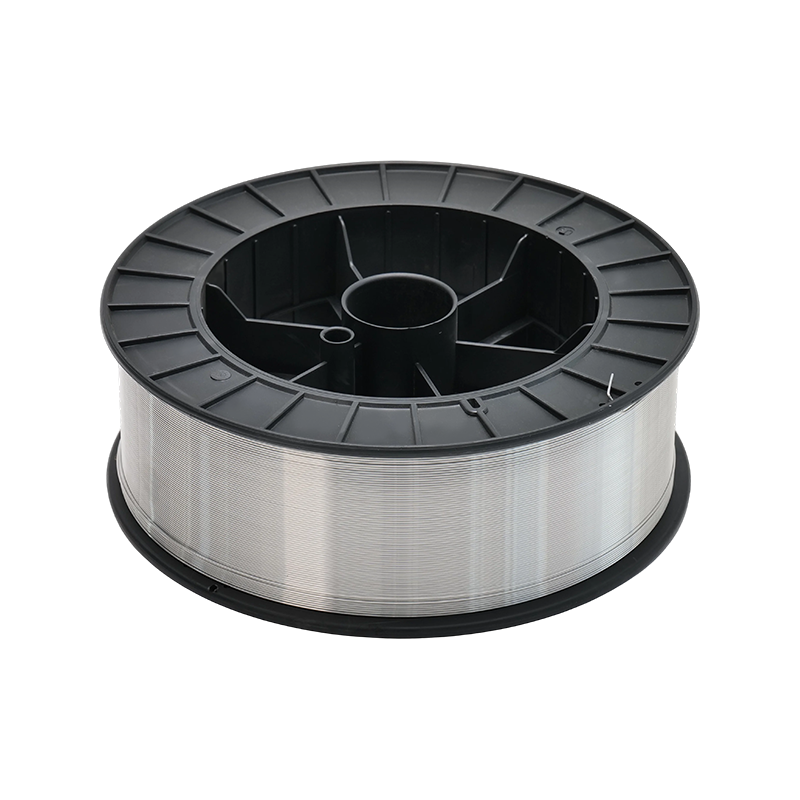
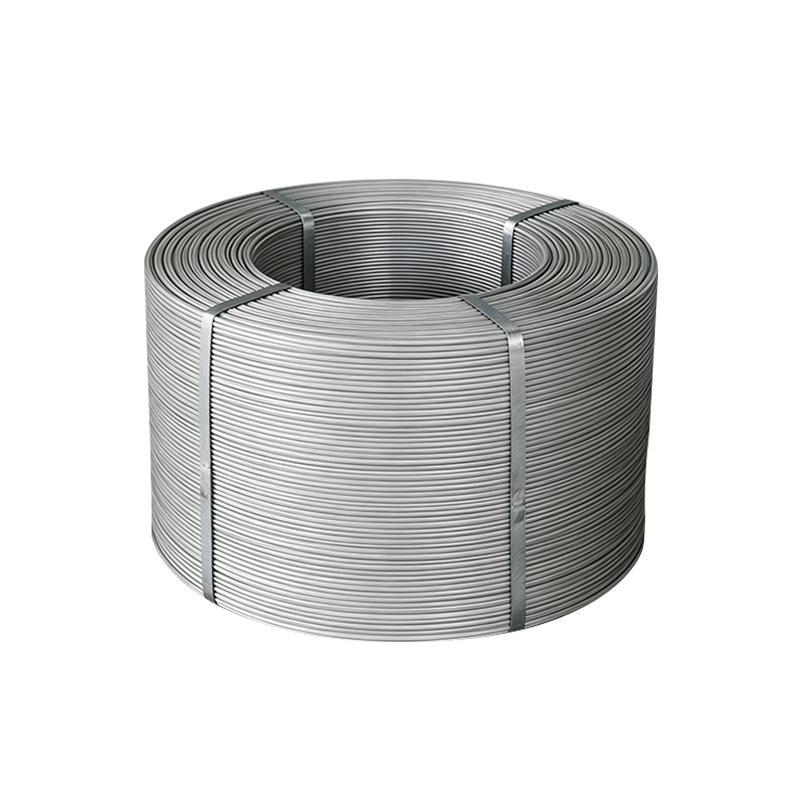
1090 Aluminum Wire
What Is 1090 Aluminum Wire?
1090 aluminum wire is a commercially pure aluminum wire grade identified by its high aluminum content and low level of alloying and residual elements. The supplied product information states that its aluminum content is 99.90%. This level of purity places the material in the high-purity aluminum category and makes it suitable for applications where chemical cleanliness is more important than maximum mechanical strength.
Unlike heat-treatable aluminum alloys, high-purity aluminum wire is selected primarily for its purity, conductivity, corrosion resistance, surface behavior, and processing characteristics. The material does not rely on large additions of copper, magnesium, silicon, or other alloying elements to achieve strength. Instead, its value comes from the properties of aluminum itself and from the careful control of impurities during production.
The wire form provides several practical benefits. It can be fed continuously into spraying equipment, wound into coils for efficient transportation and storage, and supplied in dimensions suited to different deposition systems. Continuous wire feeding also allows the coating process to operate with a stable material supply, reducing interruptions and helping operators maintain consistent production conditions.
For evaporation and spraying, the wire must melt or atomize in a controlled manner. A high-purity grade such as 1090 can support stable operation because the material has a relatively simple chemical profile. When the composition is consistent from batch to batch, process engineers can establish repeatable equipment settings and reduce the need for frequent adjustments.
Primary Product Characteristics
The principal characteristics of 1090 aluminum wire include high aluminum purity, low concentrations of common metallic impurities, good corrosion resistance, low density, and suitability for surface-treatment applications. These features make it a practical choice for coating steel, iron, and other substrates that need additional environmental protection.
Aluminum naturally forms a thin oxide film when exposed to air. This oxide layer contributes to the material’s corrosion resistance and helps explain why aluminum coatings are widely used to protect other metals. In thermal spraying, an aluminum layer can act as a sacrificial or barrier coating, depending on the design of the system and the environment in which the coated component operates.
The product description identifies evaporation and spraying as its main application fields. In these fields, the wire is used to improve the surface corrosion resistance of the substrate and extend service life. The exact performance of the coating depends on many variables, including substrate preparation, spray technology, coating thickness, surface profile, sealing treatment, operating temperature, and exposure conditions.
Chemical Composition and Purity
Chemical composition is one of the most important factors in selecting aluminum wire for surface treatment. The supplied specification identifies 1090 aluminum wire with an aluminum content of 99.90%. The listed limits for the principal elements are shown below.
| Element | Maximum or Listed Content (%) |
|---|---|
| Silicon (Si) | 0.07 |
| Iron (Fe) | 0.07 |
| Copper (Cu) | 0.02 |
| Manganese (Mn) | 0.01 |
| Magnesium (Mg) | 0.01 |
| Chromium (Cr) | — |
| Nickel (Ni) | — |
| Zinc (Zn) | 0.03 |
| Titanium (Ti) | 0.01 |
| Zirconium (Zr) | — |
| Beryllium (Be) | — |
| Other elements, single | 0.01 |
| Aluminum (Al) | 99.90 |
The composition indicates that silicon and iron are each controlled to 0.07% or below, while copper, manganese, magnesium, zinc, and titanium are maintained at relatively low levels. The limited presence of these elements helps preserve the characteristics expected from a high-purity aluminum product.
Iron and silicon are common elements in commercial aluminum production. Their presence can influence the microstructure, melting behavior, hardness, and deposition characteristics of the wire. Keeping them within a controlled range helps manufacturers deliver a more predictable product. Similarly, limiting copper, magnesium, zinc, and other elements reduces the possibility that the wire will behave like a significantly alloyed material during heating or atomization.
For customers using the wire in precision coating processes, the stated composition provides an important starting point for process qualification. Buyers should also request the applicable certificate of analysis, lot identification, dimensional data, and surface-quality information for each order. These documents help confirm that the delivered wire matches the required specification.
Why Purity Matters in Evaporation
Evaporation processes convert a solid feedstock into vapor or deposited material under controlled thermal and vacuum conditions. In such processes, impurities may influence vapor pressure, evaporation stability, film composition, deposition rate, or surface appearance. A high-purity aluminum wire can reduce the risk of unwanted compositional variation and help users produce a more uniform aluminum layer.
The importance of purity increases when the coating is thin, when the process is used for decorative or functional finishing, or when the coated surface must meet strict visual and performance requirements. Even a small amount of an undesirable element can become significant in a thin-film process if it changes the optical, electrical, or corrosion behavior of the deposit.
1090 aluminum wire provides a useful balance between high purity and practical industrial availability. Compared with ultra-high-purity aluminum products designed for specialized laboratory or electronic applications, 1090 wire can offer a more economical solution for large-volume surface-treatment work while still meeting demanding purity expectations.
Why Purity Matters in Thermal Spraying
In thermal spraying, the wire is melted and propelled toward a prepared substrate. The deposited particles flatten, cool, and build up into a coating. The quality of this process depends on wire feeding, melting efficiency, atomization, particle temperature, particle velocity, spray distance, and substrate preparation.
Consistent chemical composition supports stable melting and atomization. If a wire contains uncontrolled variations, the spray operator may observe changes in arc behavior, droplet formation, coating texture, or deposition efficiency. High-purity 1090 wire helps reduce one source of variability, allowing the operator to concentrate on other process parameters.
The material is especially relevant when the objective is to create an aluminum coating for corrosion protection. The coating may be used on structural components, industrial equipment, fabricated steel parts, infrastructure, or other metallic surfaces exposed to moisture, salts, chemicals, and outdoor conditions.
Advantages of 1090 Aluminum Wire Over Lower-Consistency Alternatives
High Aluminum Content
The most direct advantage of 1090 aluminum wire is its 99.90% aluminum content. A high aluminum percentage gives the wire the basic behavior expected from commercially pure aluminum and minimizes the influence of secondary elements. This is valuable for customers who need a predictable and repeatable coating material rather than a general-purpose aluminum product with a less controlled composition.
Reliable Corrosion-Protection Potential
Aluminum is widely recognized for its ability to provide corrosion protection in demanding environments. When applied correctly, an aluminum coating can protect a substrate by forming a stable surface layer and, in some systems, by providing sacrificial protection to the underlying metal. The actual service life depends on coating design and environmental exposure, but the use of high-purity aluminum wire provides a strong material foundation.
Stable Processing Behavior
Low and controlled impurity levels can support stable wire melting and deposition. This may help reduce process variation, especially in automated or semi-automated spraying systems. Stable processing can improve coating uniformity, reduce rejects, and make production planning easier.
Efficient Use in Continuous Processes
Wire-based deposition systems can operate continuously and often produce less material waste than processes that rely on preformed blocks, pellets, or irregular feedstock. A properly manufactured aluminum wire can be fed at a controlled rate, helping maintain a consistent coating thickness and reducing interruptions caused by feed problems.
Lightweight Material Solution
Aluminum has a lower density than steel and many other engineering metals. Aluminum wire coatings can therefore provide corrosion protection without adding excessive weight to a component. This is useful in transportation equipment, fabricated structures, machinery, and assemblies where weight control is an important design consideration.
Compatibility with Diverse Substrates
Aluminum coatings can be applied to various metallic substrates when the correct surface preparation and process parameters are used. The wire may be suitable for steel and iron-based components, provided that the coating system is qualified for the intended service environment. This versatility allows manufacturers to use one high-purity feedstock across multiple product lines.
Potentially Longer Maintenance Intervals
A high-quality aluminum coating can help slow corrosion and reduce the frequency of repair or replacement. For infrastructure and industrial assets, extending maintenance intervals can produce benefits beyond the initial material cost. Reduced downtime, fewer site interventions, and longer component life can all contribute to a lower total cost of ownership.
Application Areas
Thermal Spraying for Corrosion Protection
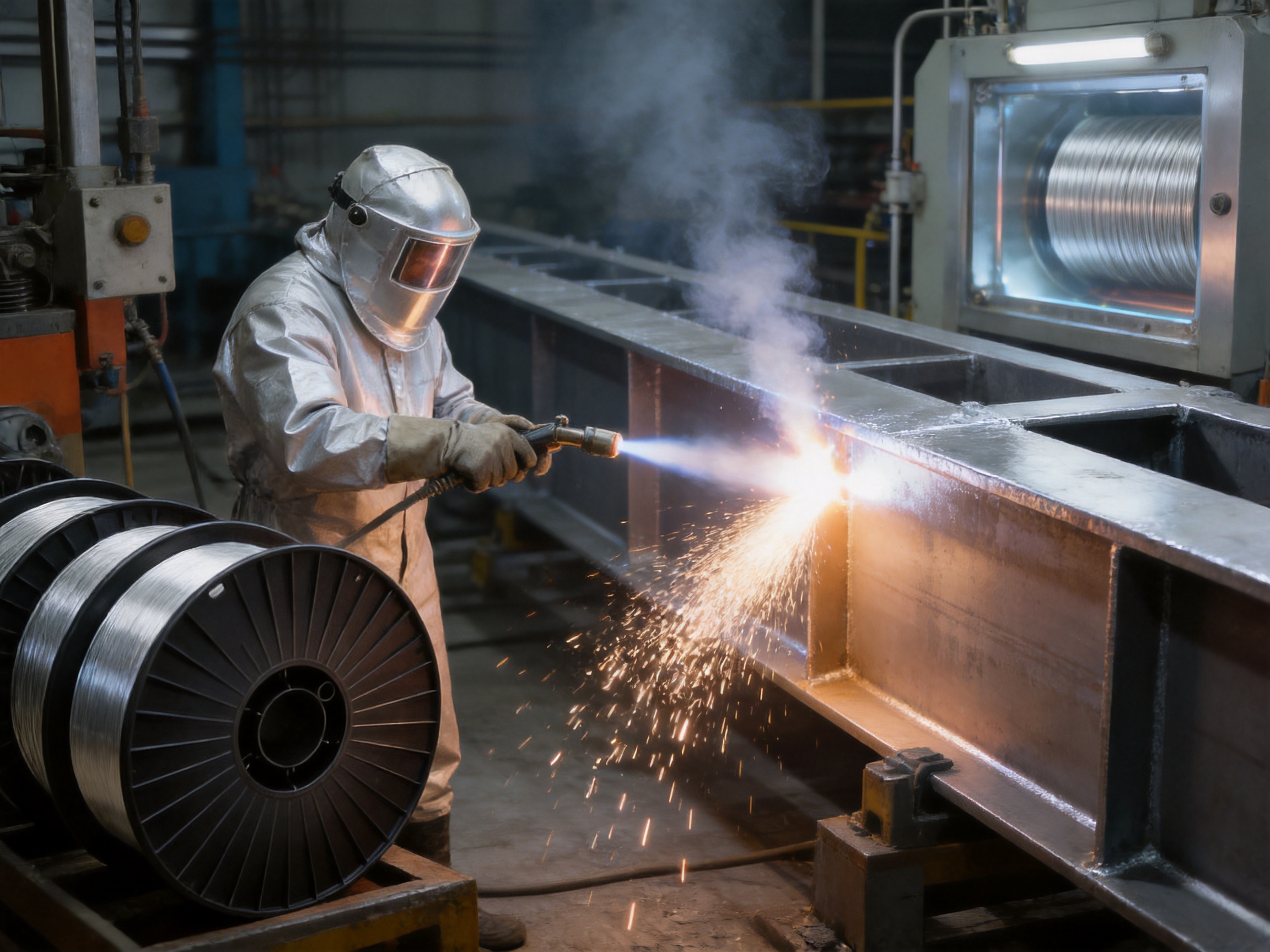
The most prominent application identified for 1090 aluminum wire is thermal spraying. In this process, aluminum wire is melted and atomized before being deposited onto a prepared substrate. The resulting coating can protect the substrate from atmospheric moisture, marine conditions, industrial pollutants, and other corrosive influences.
Thermal-sprayed aluminum is commonly considered for large components that are difficult to protect through conventional dipping or plating processes. It can be applied locally or across complex assemblies, subject to equipment access and process requirements. Operators can adjust coating thickness according to the expected exposure and service life target.
Before spraying, the substrate normally requires cleaning and abrasive preparation. Oil, grease, rust, mill scale, dust, and other contaminants must be removed. A suitable surface profile helps the sprayed aluminum mechanically interlock with the substrate. The final result is determined by the complete coating system rather than the wire alone.
Evaporation and Thin Surface Layers
1090 aluminum wire can also be used as a feedstock in evaporation-related processes. Aluminum evaporation is used to form thin metallic layers on selected products and components. Depending on the application, the deposited film may support appearance, reflectivity, conductivity, barrier performance, or surface protection.
In evaporation, consistent feedstock is essential because the deposition process is sensitive to temperature and material behavior. High-purity wire can help maintain a controlled aluminum source and reduce the risk of unwanted contamination. Customers should select the appropriate wire diameter, packaging format, and surface condition for their evaporation equipment.
Industrial Equipment
Industrial equipment operating outdoors or in humid environments may benefit from aluminum surface protection. Examples can include fabricated frames, tanks, supports, machinery housings, ducts, and other metallic structures. The suitability of 1090 aluminum wire depends on the equipment’s operating temperature, exposure conditions, required coating thickness, and maintenance strategy.
Infrastructure and Structural Components
Infrastructure components are often expected to remain in service for many years with limited access for maintenance. Aluminum coatings can be considered for bridges, towers, platforms, structural steel, rail-related equipment, and other assets exposed to weather or corrosive atmospheres. A durable coating system can help preserve structural integrity and reduce lifecycle maintenance requirements.
Marine and Coastal Environments
Salt-laden air and seawater create severe corrosion challenges. High-purity aluminum coatings are often evaluated for components used in coastal facilities, marine structures, port equipment, offshore support systems, and ship-related applications. The coating design must account for immersion, splash zones, mechanical damage, and the need for compatible sealers or topcoats.
Decorative and Functional Finishing
Some applications use aluminum deposition to improve the appearance or functional performance of a surface. The final finish may be influenced by wire purity, spray parameters, substrate preparation, and post-treatment. When visual uniformity matters, a clean and consistent 1090 wire can help support repeatable results.
Manufacturing Strengths Behind the Product
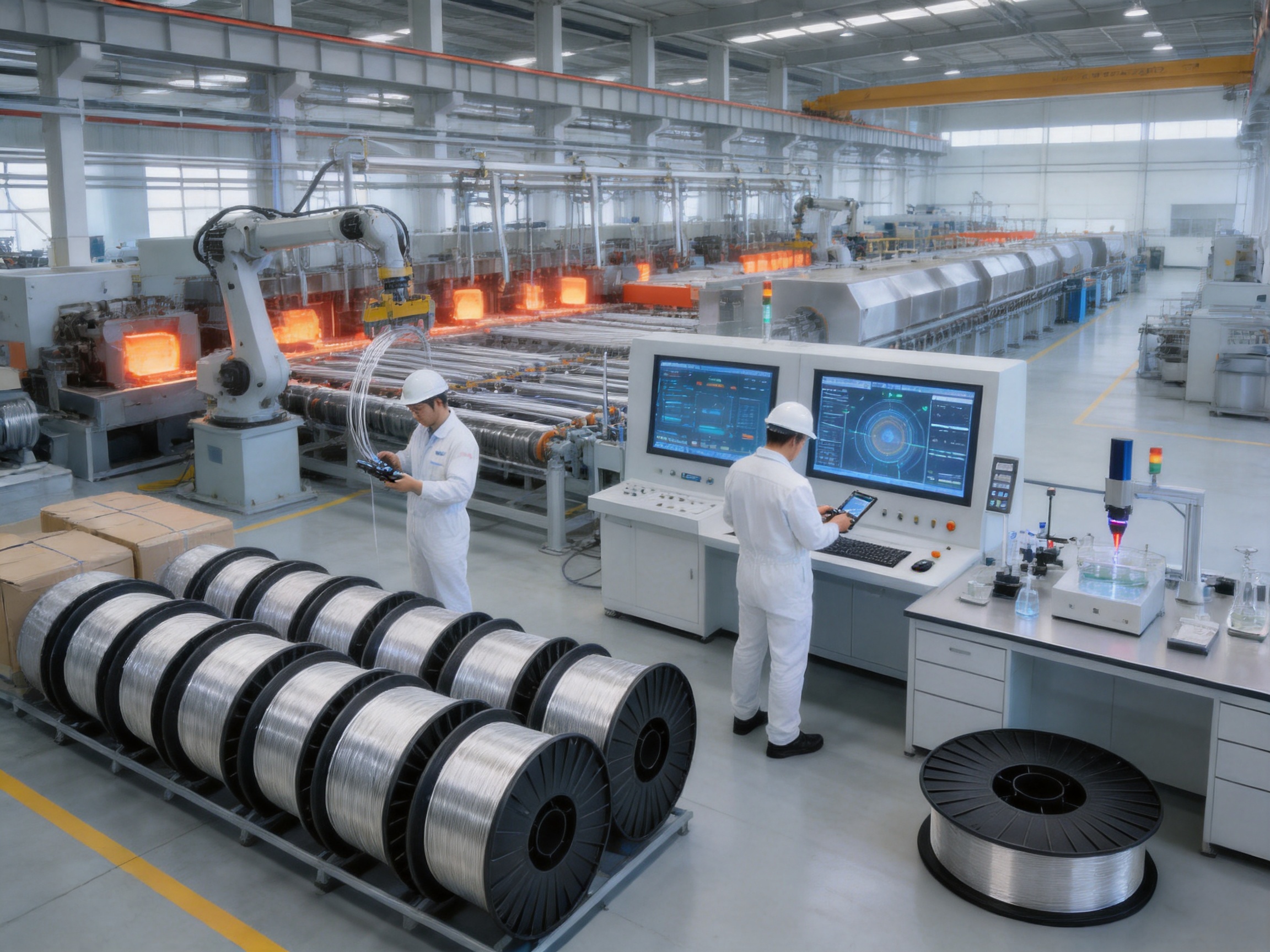
The performance of aluminum wire begins with the manufacturing system. According to the supplied company information, Jiangsu Hetuo Aluminum Wire Co., Ltd. was established in 2019 and has developed an intelligent manufacturing system covering high-purity aluminum wire, high-strength aluminum alloy wire, and aluminum and aluminum alloy welding materials.
The company’s factory covers approximately 40,000 square meters and employs 60 people, including 30 professional managers and technicians. This combination of production capacity and technical personnel supports an organized approach to material control, process management, quality inspection, and customer service.
Intelligent Manufacturing Structure
An intelligent manufacturing system can improve traceability and production consistency by connecting material records, process parameters, inspection results, and finished-product information. For aluminum wire, traceability is especially important because customers may need to associate a shipment with a particular raw-material lot, production date, inspection report, and packaging record.
Digital production control can also help manufacturers identify process deviations more quickly. If a dimensional trend, surface issue, or composition result moves outside the desired range, the production team can investigate the affected batch and take corrective action. This reduces the likelihood that inconsistent material will reach the customer.
Quality Inspection Throughout Production
The company states that it implements quality inspection throughout the production process rather than relying only on final inspection. This approach is important because quality must be built into the wire during melting, casting, rolling, drawing, heat treatment where applicable, surface handling, winding, and packaging.
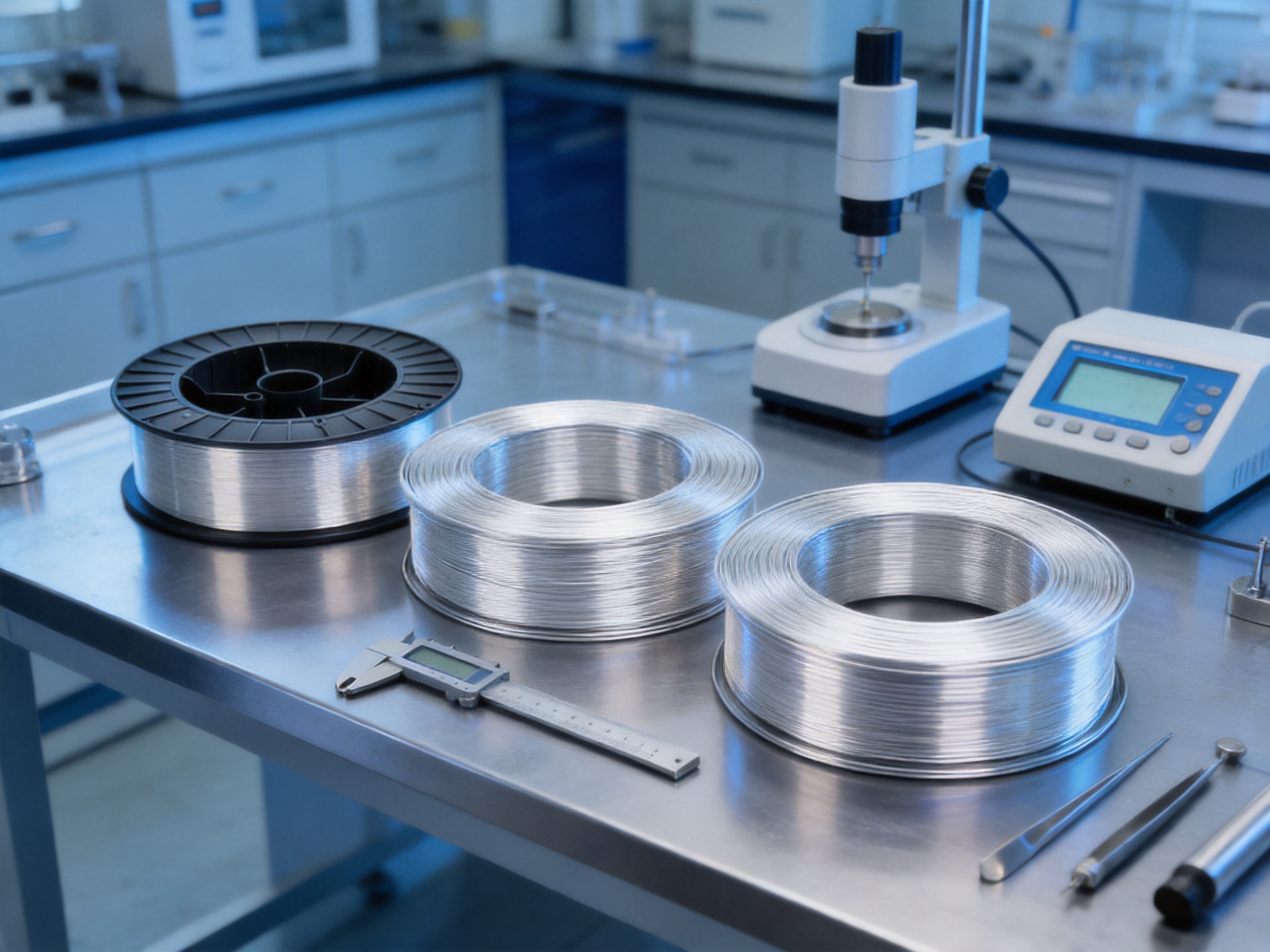
Typical quality-control activities for aluminum wire may include chemical composition testing, diameter measurement, ovality inspection, surface examination, tensile testing when required, winding inspection, and packaging verification. The exact inspection plan depends on the customer’s technical specification and application.
Process-stage inspection offers several advantages over end-of-line checking alone. It can identify problems earlier, reduce rework, protect production efficiency, and improve the consistency of later operations. It also provides useful records for internal process improvement and customer documentation.
Professional Management and Technical Team
A technical team with experience in aluminum materials can help translate customer requirements into suitable production and inspection plans. This is particularly valuable when customers need nonstandard dimensions, specific coil weights, special packaging, controlled surface conditions, or documentation for qualification.
The supplied information indicates that half of the company’s employees are professional managers and technicians. This proportion reflects an emphasis on technical coordination and production management. For international customers, a technically capable supplier can provide more than a standard commodity product; it can assist with specification review, application evaluation, and quality communication.
Quality Management Certifications
Jiangsu Hetuo Aluminum Wire Co., Ltd. has obtained ISO 9001 and IATF 16949 quality management system certifications, according to the supplied company information. ISO 9001 is associated with structured quality-management practices, customer focus, documented processes, and continual improvement. IATF 16949 is a quality-management standard developed for the automotive supply chain and emphasizes risk management, process control, defect prevention, and supply-chain discipline.
Certification does not replace product testing or application qualification, but it provides evidence that the manufacturer has established formal systems for managing quality. For customers purchasing aluminum wire for demanding industrial applications, these systems can be an important part of supplier evaluation.
International Market Experience
The company states that its products comply with international quality standards and are exported to high-end overseas markets. International supply requires attention to technical documentation, packaging, labeling, shipment coordination, communication, and customer-specific requirements. These capabilities can be especially valuable for buyers that need stable deliveries across borders.
A supplier with international experience is also more likely to understand the importance of consistent units, clear inspection reports, export packaging, product identification, and response procedures for technical questions. Such details can significantly affect the total purchasing experience.
Production Process Considerations
The exact manufacturing route for 1090 aluminum wire should be confirmed with the supplier for each product specification. However, the general production sequence for high-purity aluminum wire includes raw-material selection, melting, composition adjustment or verification, casting, rolling or forming, wire drawing, surface handling, inspection, winding, and packaging.
Raw-Material Selection
High-purity wire begins with suitable aluminum feedstock. Raw materials must be selected and controlled to support the required chemical composition. Segregating materials by grade and maintaining accurate records helps prevent cross-contamination between high-purity aluminum and more heavily alloyed products.
Melting and Composition Control
During melting, temperature and furnace conditions must be carefully managed. Excessive contamination can make it difficult to achieve the required composition. Sampling and chemical analysis provide confirmation that the material is within the specified limits before it moves to the next stage.
Casting and Forming
After melting, aluminum is converted into a suitable intermediate form. Solidification conditions can influence internal quality and subsequent workability. Controlled casting helps reduce defects that could later appear as wire breaks, surface imperfections, or inconsistent mechanical behavior.
Wire Reduction and Dimensional Control
The intermediate material is reduced to the required wire size through forming and drawing operations. Dimensional control is critical for automated feeding because even small variations can affect feed rate, contact stability, and deposition consistency. The supplier and customer should agree on diameter tolerance, coil dimensions, and acceptable surface conditions.
Surface Condition and Clean Handling
Wire used for evaporation or thermal spraying should be free from excessive oil, dirt, loose oxide, metal chips, and other contaminants that could interfere with processing. Careful handling during production, winding, storage, and packaging helps preserve the wire’s condition until it reaches the customer.
Winding and Packaging
Consistent winding allows the wire to unwind smoothly and reduces the risk of tangling, kinking, or feed interruption. Packaging should protect the material from moisture, impact, contamination, and deformation during transportation. For export shipments, packaging must also be appropriate for extended handling and changing climatic conditions.
How 1090 Aluminum Wire Supports Coating Performance
It is important to distinguish between the properties of the wire and the performance of the finished coating. The wire provides the material source, but the final result depends on the entire process chain. A high-purity wire can improve consistency, but it cannot compensate for poor substrate preparation, unsuitable equipment, incorrect spray distance, inadequate coating thickness, or improper storage.
Substrate Preparation
Surface preparation is often one of the most important steps in thermal spraying. Contaminants and weak surface layers must be removed. Abrasive blasting may be used to create a suitable profile and increase mechanical anchoring. The substrate should be prepared in accordance with the applicable coating standard or project specification.
Wire Feeding
The wire-feeding system must deliver material smoothly and at a controlled rate. The wire diameter, straightness, winding quality, and surface condition can all influence feeding. A consistent wire reduces the risk of slippage, irregular arc behavior, and unplanned equipment stoppages.
Melting and Atomization
In wire-arc or related spraying systems, the wire is melted and atomized into droplets. The electrical conditions, gas flow, wire feed rate, and spray distance determine how the droplets reach the substrate. A stable feedstock makes it easier to establish a repeatable operating window.
Coating Thickness
Coating thickness should be selected according to the service environment and expected life. A thicker coating may provide additional protection, but excessive thickness can affect appearance, dimensional fit, and process cost. The appropriate value should be determined through engineering analysis and the relevant standard.
Sealing and Post-Treatment
Thermal-sprayed aluminum coatings may contain pores or interconnected pathways depending on the process. A compatible sealer or topcoat can be applied when the application requires additional barrier protection. Post-treatment may also improve appearance, reduce fluid penetration, or support a multilayer corrosion-protection system.
Comparison with Other Aluminum Wire Grades
The supplied material identifies 1070, 1090, and 1A95 within the high-purity aluminum wire category. Their stated aluminum contents are 99.70%, 99.90%, and 99.95%, respectively. The choice among these grades depends on the required purity, application conditions, purchasing cost, and customer specification.
| Grade | Stated Aluminum Content | General Positioning | Potential Selection Consideration |
|---|---|---|---|
| 1070 | 99.70% | High-purity aluminum wire | Suitable where high purity is required but the specification permits a broader impurity range |
| 1090 | 99.90% | High-purity aluminum wire | Suitable where a combination of high purity, processing consistency, and practical industrial availability is needed |
| 1A95 | 99.95% | Very high-purity aluminum wire | Suitable where the customer requires an even higher aluminum percentage and accepts the corresponding specification or cost |
1090 aluminum wire occupies a useful position between 1070 and 1A95. Compared with 1070, it offers a higher stated aluminum content and tighter listed impurity levels. Compared with 1A95, it may provide a more economical and widely practical option when ultra-high purity is not necessary.
Customers should not select a grade based on aluminum percentage alone. They should consider the deposition process, product geometry, environmental exposure, coating performance target, inspection requirements, and total operating cost. A well-controlled 1090 product may outperform a nominally purer material if it offers better dimensional consistency, packaging, availability, and technical support for the specific application.
Advantages of Choosing a Specialized Manufacturer
A specialized aluminum wire manufacturer can offer advantages over general metal distributors or suppliers that treat aluminum wire as a secondary product line. These advantages include greater control over production, stronger knowledge of wire-forming processes, better responsiveness to technical requirements, and more direct access to inspection data.
Jiangsu Hetuo Aluminum Wire Co., Ltd. focuses on aluminum alloy materials rather than a broad and unrelated range of metals. Its product categories cover high-purity aluminum wire, high-strength aluminum alloy wire, and welding materials. This focused portfolio allows the company to build experience in aluminum melting, forming, surface handling, quality control, and application support.
The company’s factory scale, technical staffing, intelligent manufacturing system, and quality certifications provide a foundation for serving both standard and customized requirements. Customers can discuss wire grade, diameter, coil configuration, packaging, documentation, and intended application before placing an order.
Another advantage is product-family continuity. A customer may initially purchase high-purity 1090 aluminum wire and later require aluminum alloy welding wire, high-strength alloy wire, or precision aluminum profiles. A supplier with multiple related capabilities can simplify qualification and communication across product categories.
Purchasing and Technical Specification Guide
Before ordering 1090 aluminum wire, buyers should prepare a clear technical specification. The specification should define the grade, diameter, dimensional tolerance, coil or spool format, net weight, surface requirements, chemical composition, inspection documents, and packaging conditions.
Diameter and Tolerance
The wire diameter must be compatible with the customer’s equipment. A mismatch can cause feeding problems, unstable melting, or reduced deposition efficiency. Tolerance requirements should be agreed in advance, especially for automated systems or processes that use fixed contact tips and guides.
Coil, Spool, or Drum Format
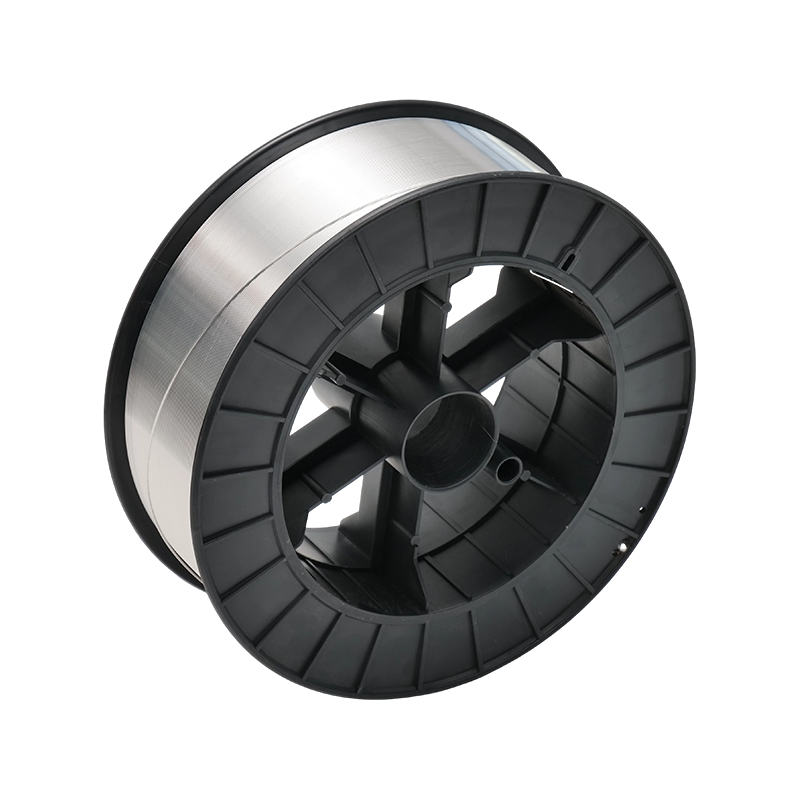
Different spraying and evaporation systems use different feeding formats. Buyers should specify whether they need coils, spools, drums, or another arrangement. The winding direction, inner diameter, outer diameter, and maximum package weight may affect equipment compatibility.
Surface Requirements
The customer should define whether the wire must be dry, oil-free, bright, mechanically cleaned, or protected with a particular packaging material. If the wire is used in a sensitive evaporation process, surface cleanliness may require special attention.
Inspection Documentation
Common documents may include a certificate of chemical composition, dimensional inspection report, quality certificate, packing list, certificate of origin, and shipping documentation. For automotive or infrastructure applications, customers may also request process records, traceability information, or special approval documents.
Application Conditions
The supplier should understand whether the wire will be used for indoor coating, outdoor corrosion protection, marine exposure, thin-film evaporation, decorative finishing, or another purpose. Application information helps determine the appropriate grade, packaging, inspection level, and technical recommendations.
Sample Testing
For new customers or new applications, sample testing is recommended. The test should evaluate feeding behavior, melting stability, coating appearance, adhesion, thickness, corrosion performance, and compatibility with the existing process. A successful sample trial provides stronger evidence than a specification comparison alone.
Storage, Handling, and Transportation
High-purity aluminum wire should be stored in a clean, dry environment. Packages should remain sealed until the material is ready for use. Sudden temperature changes can create condensation, so the wire should be allowed to reach the working environment before opening when climatic conditions differ significantly.
Packages should be protected from impact and compression. Deformed coils or damaged spools may not unwind correctly and can create feeding interruptions. Operators should use clean gloves and suitable handling tools when necessary to avoid transferring oil, dirt, or moisture to the wire.
Material identification should remain visible throughout storage. Grade, diameter, batch number, production date, and net weight should be checked before the wire is installed. Keeping different grades and batches separated helps preserve traceability and prevents accidental substitution.
For international transportation, export packaging should be designed to withstand vibration, handling, humidity, and extended storage. The buyer and supplier should confirm whether wooden cases, moisture barriers, desiccants, pallets, or other protective measures are required.
Environmental and Lifecycle Benefits
Aluminum is a lightweight and recyclable material. Using aluminum wire for corrosion protection can help extend the useful life of metal components, which may reduce the need for premature replacement and the associated consumption of raw materials. Longer service intervals can also reduce transportation, labor, shutdowns, and waste generated by repeated maintenance.
The environmental performance of a coating system depends on the complete lifecycle. Factors include raw-material production, manufacturing energy, transport, coating efficiency, maintenance frequency, removal or refurbishment requirements, and end-of-life recycling. A durable aluminum coating can contribute positively when it prevents early corrosion and extends asset life.
Aluminum’s recyclability is another benefit. Scrap and end-of-life aluminum can often be recovered through established recycling systems, subject to contamination and local processing capabilities. Customers should evaluate the entire coating and substrate system when developing environmental declarations or sustainability calculations.
Quality Risks and How to Reduce Them
Potential quality risks include incorrect grade selection, excessive impurity levels, inconsistent diameter, poor winding, surface contamination, damaged packaging, and incomplete traceability. These risks can be reduced through clear specifications, supplier qualification, incoming inspection, sample testing, and documented storage procedures.
Incoming inspection may include checking package condition, wire dimensions, labels, surface appearance, and the supplier’s certificate. For critical applications, customers may commission independent chemical analysis or performance testing. The inspection level should be proportionate to the consequences of coating failure.
Process monitoring is equally important after the wire reaches the customer. Operators should record wire batch numbers, equipment settings, coating thickness, ambient conditions, substrate preparation, and inspection results. These records make it easier to identify the cause of any variation and support continuous improvement.
Q&A
What is 1090 aluminum wire mainly used for?
1090 aluminum wire is mainly used for evaporation and thermal spraying. Its purpose is to create aluminum surface layers that can improve the corrosion resistance of a substrate, support functional or decorative finishing, and help extend component service life.
What is the aluminum purity of 1090 aluminum wire?
The supplied product information states that 1090 aluminum wire contains 99.90% aluminum. The listed limits for silicon, iron, copper, manganese, magnesium, zinc, titanium, and other elements are controlled to support high-purity applications.
Is 1090 aluminum wire suitable for corrosion protection?
Yes. It is specifically identified for spraying applications that improve substrate corrosion resistance. The final performance depends on surface preparation, coating thickness, spray parameters, sealing, substrate type, and environmental exposure.
How does 1090 compare with 1070 aluminum wire?
The supplied table lists 1090 with 99.90% aluminum and 1070 with 99.70% aluminum. Therefore, 1090 offers a higher stated aluminum content and a tighter high-purity position. The correct choice still depends on the customer’s technical standard and application requirements.
How does 1090 compare with 1A95 aluminum wire?
1A95 is listed with 99.95% aluminum, which is higher than the 99.90% stated for 1090. 1090 may be preferred when high purity is required but the application does not justify the specification or cost associated with a higher-purity grade.
Can 1090 aluminum wire be used in automated spraying equipment?
It can be considered for automated equipment when the wire diameter, dimensional tolerance, winding format, and surface condition are compatible with the system. Buyers should confirm these details with the manufacturer before ordering.
What information should be provided when requesting a quotation?
Customers should provide the grade, wire diameter, tolerance, package format, required quantity, intended application, delivery destination, inspection requirements, and any special surface or documentation requirements. Providing equipment and process information can also help the supplier recommend a suitable configuration.
Does high purity guarantee a long coating life?
No. High purity supports consistent material behavior, but coating life depends on the complete system. Substrate preparation, coating thickness, adhesion, sealing, mechanical damage, environmental exposure, and maintenance practices all influence durability.
What certifications does the manufacturer hold?
According to the supplied company information, Jiangsu Hetuo Aluminum Wire Co., Ltd. has obtained ISO 9001 and IATF 16949 quality management system certifications.
Can the manufacturer support customized requirements?
The company’s technical and manufacturing capabilities are positioned to support different aluminum wire and welding-material requirements. Customers should discuss diameter, packaging, inspection, surface condition, and application needs directly with the manufacturer to confirm feasibility.
Conclusion
1090 aluminum wire is a practical high-purity material for evaporation and thermal-spraying applications. With a stated aluminum content of 99.90% and controlled levels of common impurities, it offers a stable foundation for protective and functional aluminum coatings. Its advantages include high purity, reliable processing potential, corrosion-protection value, lightweight performance, continuous-feed capability, and suitability for a wide range of industrial substrates.
The value of the product is strengthened by the manufacturing capabilities of Jiangsu Hetuo Aluminum Wire Co., Ltd. The company operates an approximately 40,000-square-meter factory, employs professional managers and technicians, uses an intelligent manufacturing system, performs quality inspection throughout production, and maintains ISO 9001 and IATF 16949 certifications according to the provided information.
For buyers, the best results come from evaluating both the wire and the supplier. Chemical composition, diameter, surface condition, winding quality, packaging, documentation, and traceability should all be considered. Sample trials and application testing can confirm whether the wire performs effectively in a specific spraying or evaporation system.
When properly specified, manufactured, applied, and maintained, 1090 aluminum wire can help manufacturers improve surface protection, reduce corrosion-related maintenance, extend component life, and achieve more consistent production results. It is therefore a strong candidate for customers seeking a dependable high-purity aluminum wire solution for global industrial applications.
References
1. Product specification and chemical-composition data for 1090 aluminum wire supplied by Jiangsu Hetuo Aluminum Wire Co., Ltd.
2. Aluminum Association, Aluminum Standards and Data, technical reference edition.
3. International Organization for Standardization, ISO 9001 Quality Management Systems—Requirements.
4. International Automotive Task Force, IATF 16949 Quality Management System Requirements for Automotive Production and Relevant Service Parts Organizations.
5. American Welding Society, Thermal Spraying: Practice, Theory, and Application guidance.
6. ASM International, ASM Handbook materials concerning aluminum, corrosion, surface engineering, and thermal spray coatings.
7. General industry guidance on thermal-sprayed aluminum coatings, substrate preparation, coating inspection, and corrosion-control systems.