

 English
 中文简体
中文简体 русский
 Deutsch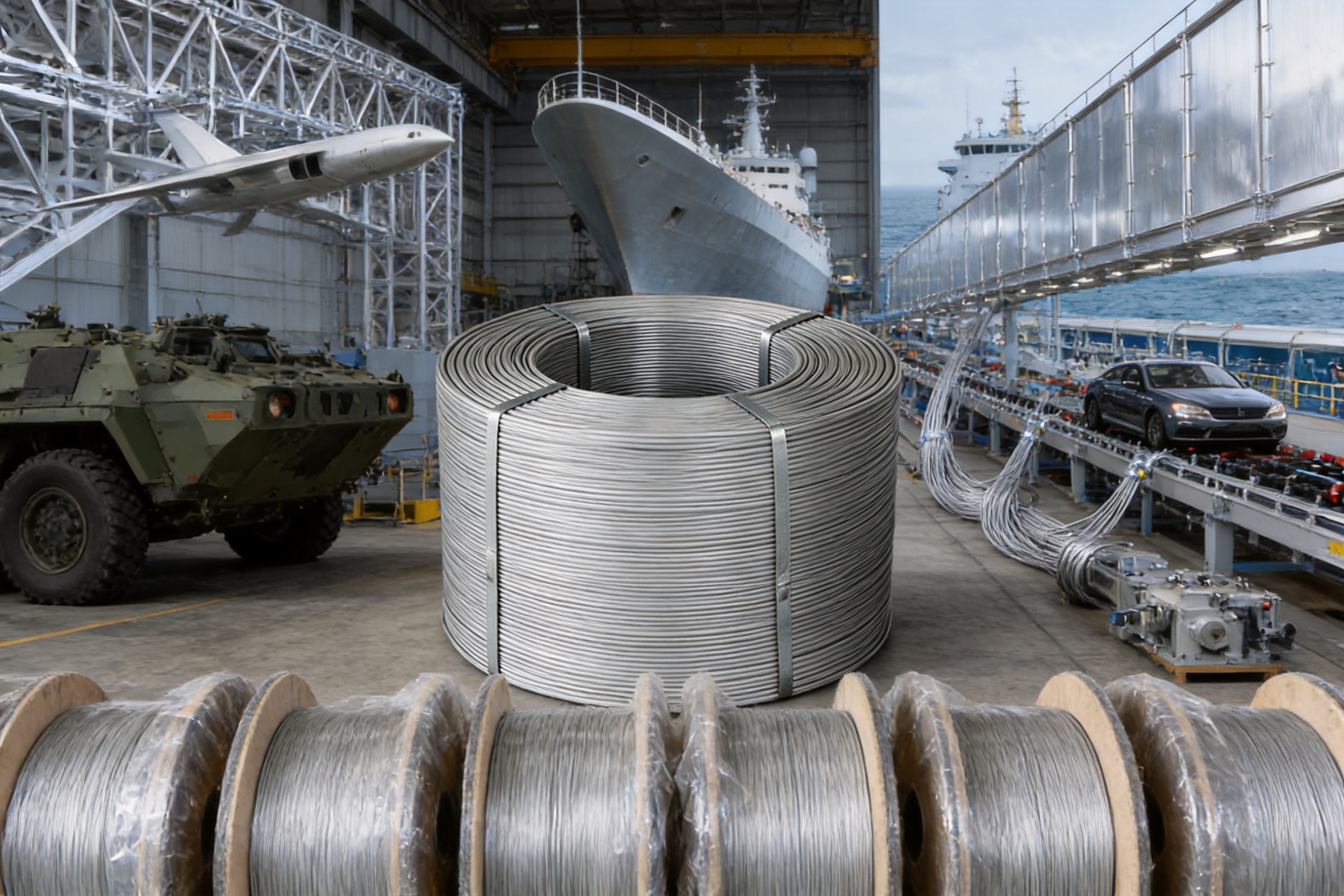
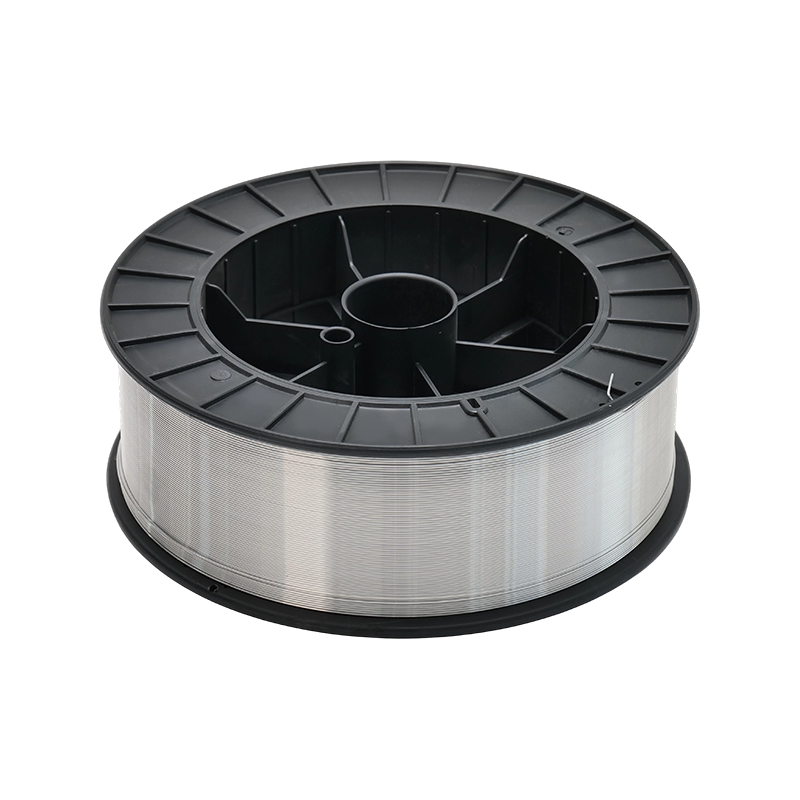
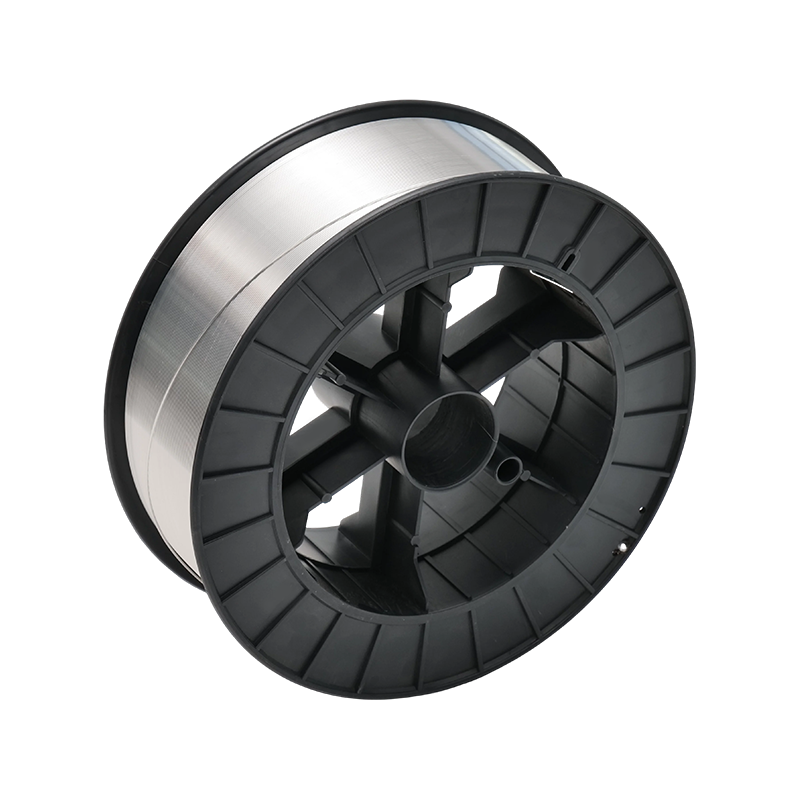
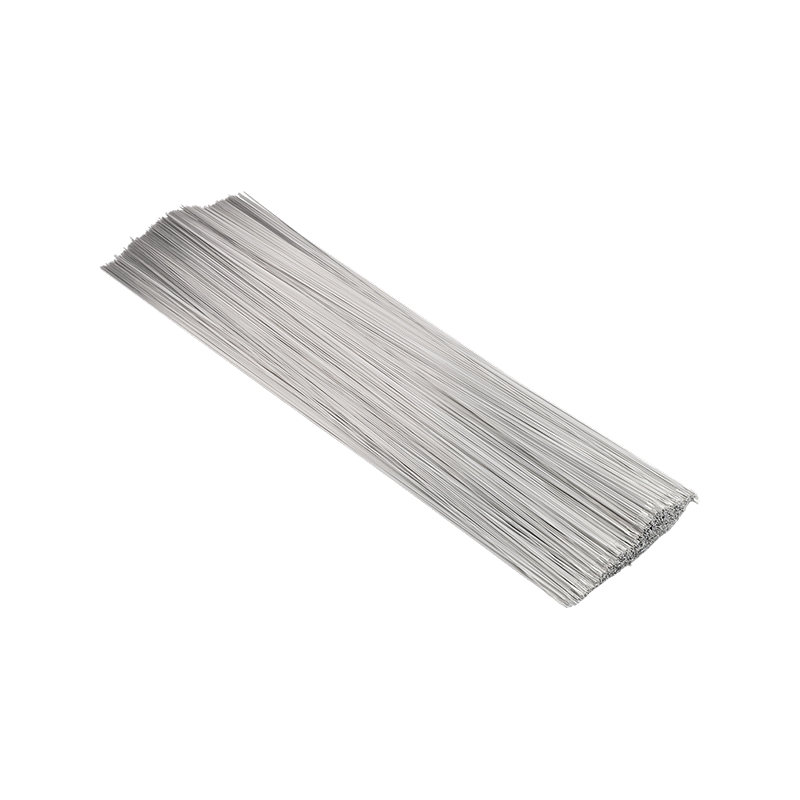
AlMg6 aluminum alloy wire is a high-strength aluminum-magnesium wire designed for demanding applications where mechanical performance, corrosion resistance, weldability, and weight reduction must be achieved at the same time. With a nominal magnesium content of 5.8–6.8%, AlMg6 provides a strong combination of alloy strength and corrosion resistance while retaining the practical advantages associated with aluminum, including low density, good thermal conductivity, and ease of fabrication.
The material is mainly used in aviation, aerospace, military equipment, ships, automobiles, tanks, and other engineered structures. These industries require materials that can withstand vibration, changing temperatures, moisture, saltwater exposure, impact, and repeated fabrication operations. AlMg6 aluminum alloy wire is suitable for these conditions because its composition is engineered around a magnesium-rich aluminum matrix that supports strength without relying on heavy alloying additions.
Manufactured by Jiangsu Hetuo Aluminum Wire Co., Ltd., AlMg6 aluminum alloy wire is produced within an intelligent manufacturing system covering high-purity aluminum wire, high-strength aluminum alloy wire, and aluminum and aluminum alloy welding materials. The company operates a 40,000-square-meter factory and applies quality control throughout production. Its ISO 9001 and IATF 16949 quality management system certifications further support its focus on process control, traceability, and consistent product quality.
Content
- 1 What Is AlMg6 Aluminum Alloy Wire?
- 2 Specified Chemical Composition
- 3 Key Performance Advantages
- 4 Comparison with Other Aluminum Alloy Wires
- 5 Manufacturing Process and Quality Control
- 6 Advantages of the Manufacturing Partner
- 7 Applications of AlMg6 Aluminum Alloy Wire
- 8 Welding and Handling Considerations
- 9 Purchasing and Technical Specification Guidance
- 10 Why Choose AlMg6 for Competitive Industrial Projects?
- 11 Frequently Asked Questions
- 11.1 What is the magnesium content of AlMg6 aluminum alloy wire?
- 11.2 Is AlMg6 aluminum alloy wire suitable for welding?
- 11.3 What industries use AlMg6 wire?
- 11.4 How does AlMg6 compare with 4043 aluminum wire?
- 11.5 How does AlMg6 compare with 5356 aluminum wire?
- 11.6 Can AlMg6 replace 7075 aluminum alloy wire?
- 11.7 What quality certifications does the manufacturer hold?
- 11.8 What information should be included in an inquiry?
- 11.9 How should AlMg6 wire be stored?
- 11.10 Is AlMg6 suitable for marine environments?
- 12 Conclusion
- 13 References
- 14 Product: AlMg6 Aluminum Alloy Wire
What Is AlMg6 Aluminum Alloy Wire?
AlMg6 is an aluminum-magnesium alloy containing approximately 5.8–6.8% magnesium. It also contains controlled quantities of silicon, iron, copper, manganese, zinc, titanium, beryllium, and other elements, with aluminum making up the balance. The alloy is part of the non-heat-treatable aluminum-magnesium family, in which strength is primarily developed through alloy composition, solid-solution strengthening, work hardening, and careful processing.
In wire form, the alloy can be supplied for structural fabrication, welding-related applications, reinforcement, specialized forming, and other industrial uses. The exact form, temper, diameter, surface condition, packaging, and applicable standard can be selected according to customer requirements. Because aluminum wire is sensitive to surface contamination, oxide formation, dimensional variation, and storage conditions, the manufacturing process must be carefully controlled from melting through final delivery.
AlMg6 is particularly valuable where a stronger aluminum alloy is needed than conventional commercial-purity aluminum can provide. High-purity aluminum wire offers excellent conductivity and ductility, but it is not intended for the same structural loads. AlMg6 addresses this limitation by adding magnesium to improve strength while maintaining the corrosion resistance and relatively low weight that make aluminum attractive for transportation, marine, and defense applications.
Specified Chemical Composition
The chemical composition of AlMg6 aluminum alloy wire is controlled within the following typical ranges and maximum values. Aluminum constitutes the balance of the composition.
| Element | Typical Requirement | Function or Significance |
|---|---|---|
| Silicon | 0.40% maximum | Controlled to maintain alloy performance and welding behavior |
| Iron | 0.40% maximum | Limited to reduce undesirable intermetallic phases |
| Copper | 0.10% maximum | Kept low to support corrosion resistance |
| Manganese | 0.50–0.80% | Contributes to strength and structural stability |
| Magnesium | 5.80–6.80% | Main strengthening element in the alloy |
| Zinc | 0.20% maximum | Controlled for composition stability |
| Titanium | 0.10–0.20% | Supports grain refinement and microstructural control |
| Beryllium | 0.002–0.005% | Used in a tightly controlled quantity for alloy processing |
| Other elements, single | 0.05% maximum | Controls incidental or residual elements |
| Other elements, total | 0.15% maximum | Maintains overall alloy cleanliness |
| Aluminum | Balance | Primary matrix of the alloy |
The composition is important because the balance among magnesium, manganese, titanium, and residual elements influences strength, corrosion behavior, formability, and weldability. A stable chemistry allows the wire to behave consistently during drawing, fabrication, or welding. Excessive levels of copper, iron, silicon, or uncontrolled residual elements may negatively affect corrosion performance, ductility, or the appearance and integrity of fabricated joints.
Key Performance Advantages
High Strength at Low Weight
The primary advantage of AlMg6 is its strength-to-weight relationship. Aluminum has a much lower density than steel and many other structural metals. By combining aluminum’s low density with a relatively high magnesium content, AlMg6 can help reduce the weight of structures without sacrificing the required level of mechanical performance.
Weight reduction is especially important in aviation, aerospace, automotive, marine, and military equipment. Every kilogram removed from a vehicle or structure can support improved fuel efficiency, payload capacity, acceleration, operating range, or overall mobility. In mobile equipment, lighter components may also reduce the loads imposed on suspension systems, bearings, fasteners, and supporting frames.
Compared with high-purity aluminum wire, AlMg6 offers substantially greater alloy strengthening. High-purity products remain important for electrical and specialized applications, but they are not a direct substitute when structural strength is the primary requirement. AlMg6 is designed for applications in which the wire must contribute to load-bearing capability, joint integrity, or resistance to deformation.
Good Resistance to Exfoliation Corrosion
AlMg6 is recognized for good resistance to exfoliation corrosion. Exfoliation corrosion is a form of localized corrosion that can develop along elongated grain boundaries, often causing layered or flaking damage in susceptible aluminum alloys. This type of corrosion is a serious concern in aerospace structures, marine equipment, military vehicles, and other assemblies exposed to moisture, salt, cyclic temperature changes, or corrosive environments.
Its magnesium-based alloy design and controlled impurity levels support a more reliable corrosion profile than would be expected from less suitable compositions. Good exfoliation-corrosion resistance helps extend service life, preserve surface integrity, and reduce the risk of premature maintenance or replacement.
Actual corrosion performance still depends on the finished design, heat input, joint geometry, surface treatment, storage, environmental exposure, and contact with dissimilar metals. Proper engineering evaluation remains necessary for critical applications. Nevertheless, the alloy’s inherent characteristics make it a strong candidate for components and welded assemblies that must operate in challenging environments.
Good Weldability
Weldability is another important advantage of AlMg6 aluminum alloy wire. Aluminum welding requires careful control because aluminum has high thermal conductivity, a tenacious surface oxide, and a relatively low melting temperature compared with its oxide layer. A suitable aluminum-magnesium composition can help produce stable, strong, and corrosion-resistant joints when the welding procedure is correctly selected.
AlMg6 wire can be considered for applications involving aluminum alloy fabrication, repair, joining, and structural assembly. It is particularly relevant where the welded joint must retain good corrosion resistance and where the finished structure will experience vibration or repeated service loads. Welding performance depends on wire diameter, welding current, shielding gas, travel speed, base-metal alloy, joint preparation, and operator technique.
Before production welding, users should qualify the welding procedure and confirm compatibility between the wire and the base material. For safety-critical structures, testing may include tensile testing, bend testing, radiographic or ultrasonic examination, metallographic inspection, and corrosion evaluation. A technically suitable filler or wire must always be combined with a controlled welding procedure.
Balanced Ductility and Formability
Although AlMg6 is classified as a high-strength aluminum alloy wire, it retains useful ductility compared with many heavier high-strength materials. This balance supports forming, handling, installation, and resistance to cracking during fabrication. The exact degree of formability depends on wire diameter, temper, drawing reduction, thermal history, and final processing condition.
Good ductility is valuable in structures that experience vibration, thermal expansion, impact, or repeated loading. It allows the material to absorb a degree of deformation without sudden brittle failure. In wire applications, ductility also supports smooth feeding, bending, coiling, and controlled placement during automated or manual operations.
Excellent Weight and Corrosion Balance for Marine Use
Marine structures require a combination of low weight, mechanical strength, corrosion resistance, and reliable joining performance. AlMg6 is suitable for consideration in ships, marine equipment, offshore structures, and other applications where aluminum alloys are preferred over steel for weight and corrosion reasons.
Its resistance to exfoliation corrosion and its magnesium-rich composition make it appropriate for demanding environments, although marine design must also address galvanic corrosion. When aluminum comes into contact with copper, carbon steel, stainless steel, or other dissimilar metals in the presence of an electrolyte, protective isolation may be required. Appropriate coatings, sealants, fasteners, drainage, and joint design are essential for long-term reliability.
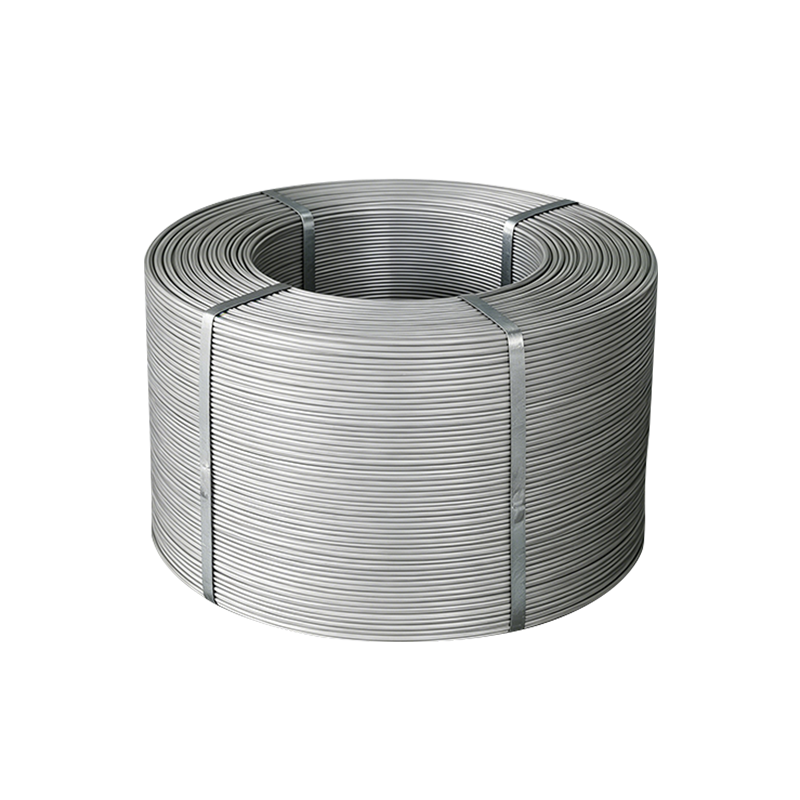
AlMg6 Aluminum Alloy Wire
Comparison with Other Aluminum Alloy Wires
AlMg6 should be selected according to the required balance of strength, corrosion resistance, ductility, weldability, and application cost. It is not intended to replace every aluminum alloy wire. Instead, it occupies a specific position between lower-strength, highly weldable alloys and specialized high-strength compositions designed for different manufacturing or service conditions.
Comparison with High-Purity Aluminum Wire
High-purity aluminum wire is normally selected for conductivity, chemical purity, softness, and electrical or specialized applications. Its strength is significantly lower than that of AlMg6. When the wire must support structural loads or maintain performance under vibration and impact, the magnesium-strengthened alloy offers a more appropriate solution.
AlMg6 does not provide the same electrical conductivity as high-purity aluminum because alloying elements increase electrical resistance. Therefore, it should not automatically replace high-purity wire in electrical conductor applications. The correct selection depends on whether the dominant requirement is conductivity or mechanical and environmental performance.
Comparison with AlMg3 and AlMg5
AlMg3 and AlMg5 contain lower magnesium levels than AlMg6. They may provide useful corrosion resistance, weldability, and formability, but AlMg6 is designed for applications requiring a higher strength level within the aluminum-magnesium family. The higher magnesium range can support greater strengthening, provided that forming, welding, and service requirements are properly considered.
AlMg3 may be preferred where maximum formability or lower strength is sufficient. AlMg5 can provide a middle level of performance. AlMg6 is a logical choice when the project requires stronger alloy wire while retaining the general advantages of a non-heat-treatable aluminum-magnesium material.
Comparison with 4043 and 4047
4043 and 4047 aluminum alloy wires contain high levels of silicon. These alloys are widely associated with welding and brazing applications in which fluidity, melting behavior, crack sensitivity, and appearance are important. Their selection is often based on the characteristics of the base metal and the required weld profile.
AlMg6 differs because its principal strengthening addition is magnesium rather than silicon. It is better suited to applications where the alloy wire must contribute to high strength and corrosion-resistant performance. 4043 or 4047 may be preferable where lower melting behavior or higher silicon content is specifically required. The choice should therefore be based on joint design and base-metal compatibility rather than on alloy designation alone.
Comparison with 5183 and 5356
5183 and 5356 are also aluminum-magnesium welding alloys. They are widely used for welding suitable aluminum-magnesium base metals and are valued for strength and corrosion resistance. AlMg6 has a higher magnesium range than the typical compositions listed for these common welding wires, which may offer a useful strength advantage in selected applications.
However, higher magnesium content may affect welding parameters, workability, and compatibility. Users should confirm the required standard, filler classification, base alloy, and service environment before substituting AlMg6 for another welding wire. The advantage of AlMg6 is its strong positioning as a high-strength aluminum-magnesium material, not a universal replacement for every established welding consumable.
Comparison with 7050 and 7075
7050 and 7075 are high-strength aluminum-zinc-magnesium-copper alloys. They are commonly associated with high-performance structural applications, but they have different corrosion, welding, and heat-treatment characteristics. Copper-containing high-strength alloys may deliver very high strength after suitable heat treatment, yet they are generally more difficult to weld and may require special corrosion-protection measures.
AlMg6 offers a different performance profile. It is a non-heat-treatable aluminum-magnesium alloy with good weldability and good resistance to exfoliation corrosion. In welded structures, marine equipment, and applications where fabrication reliability is more important than achieving the highest possible tensile strength, AlMg6 can provide a more balanced solution.
Manufacturing Process and Quality Control
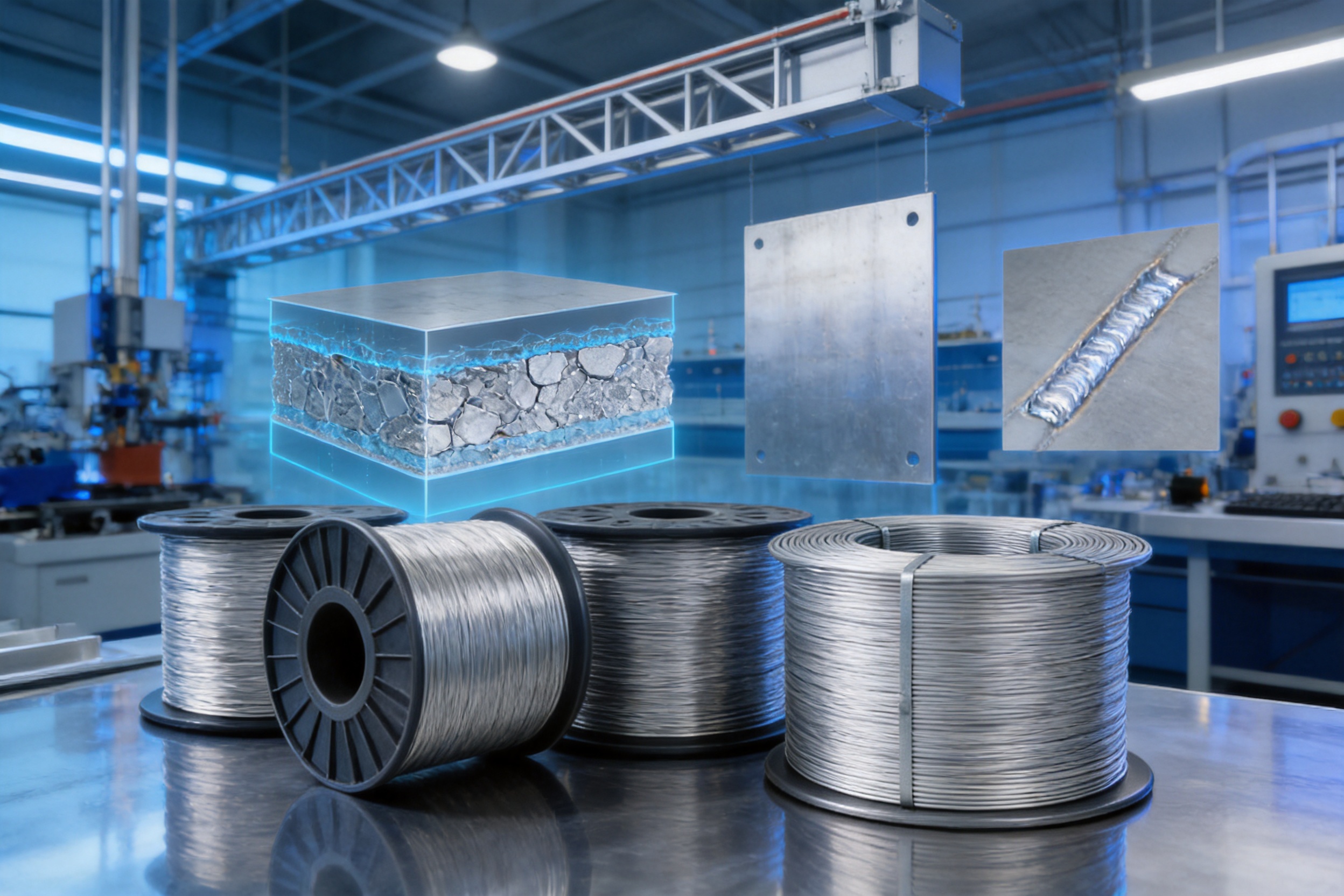
The performance of aluminum alloy wire depends not only on nominal chemistry but also on melting practice, casting quality, homogenization, rolling, drawing, surface treatment, inspection, and packaging. Jiangsu Hetuo Aluminum Wire Co., Ltd. has developed an intelligent manufacturing system covering high-purity aluminum wire, high-strength aluminum alloy wire, and aluminum/aluminum alloy welding materials.
Raw Material Selection
Manufacturing begins with the selection and verification of aluminum and alloying materials. Magnesium, manganese, titanium, beryllium, and other additions must be accurately weighed and introduced in a controlled manner. Raw materials should be checked for identification, composition, cleanliness, and compliance with production requirements.
Careful raw material control helps reduce variation between production batches. It also helps prevent the introduction of excessive iron, copper, silicon, or other residual elements that could affect corrosion behavior, ductility, or welding quality. A reliable material identification system is essential when multiple alloy grades are produced within the same facility.
Controlled Melting and Alloying
During melting, temperature, holding time, stirring, and alloy addition sequence influence the uniformity of the molten metal. Magnesium is particularly important because it contributes strongly to the performance of AlMg6. The alloying process must ensure that magnesium is distributed consistently throughout the melt while minimizing oxidation and contamination.
Industrial melting equipment and disciplined operating procedures allow the manufacturer to control the chemistry before casting. Samples may be taken for composition verification so that adjustments can be made before the melt proceeds to the next stage. This helps ensure that the final wire is manufactured within the required chemical limits.
Refining, Degassing, and Filtration
Aluminum alloy quality can be affected by dissolved hydrogen, oxide films, inclusions, and other non-metallic impurities. Refining, degassing, and filtration procedures are therefore important elements of a high-quality wire production system. These steps help improve melt cleanliness and reduce the possibility of internal defects.
Cleaner metal supports improved drawing behavior and more reliable welding performance. It can also reduce the risk of wire breaks, surface defects, porosity, inclusions, and inconsistent mechanical properties. The exact equipment and process parameters depend on the production line and the required product specification, but the principle is consistent: melt cleanliness is fundamental to finished-wire quality.
Casting and Homogenization
After the composition and cleanliness of the melt are controlled, the alloy is cast into a suitable intermediate form. Solidification conditions influence grain structure, segregation, internal soundness, and subsequent processing behavior. Uniform cooling and stable casting parameters help create a more consistent feedstock for rolling or extrusion.
Homogenization or related thermal treatment may be used to reduce chemical segregation and improve microstructural uniformity. For aluminum-magnesium alloys, a stable and uniform structure can support more consistent deformation during rolling and drawing. It can also help reduce variation in the final wire’s mechanical response from one section to another.
Rolling, Extrusion, and Wire Drawing
The cast or intermediate product is processed into rod and then reduced to the required wire size. Rolling and drawing must be carefully coordinated because excessive reduction in a single operation can cause work hardening, surface damage, dimensional variation, or breakage. Controlled pass schedules, appropriate lubrication, die condition, and intermediate annealing practices contribute to stable production.
Wire drawing provides dimensional precision and a controlled surface finish. The finished diameter must remain within the agreed tolerance so that it feeds consistently through production equipment and provides predictable deposition or assembly results. In automated welding operations, dimensional stability is particularly important because variations can affect wire feeding, current density, deposition rate, and arc stability.
Surface Treatment and Cleanliness
Aluminum wire surfaces must be clean and free from oil, excessive oxide, dirt, moisture, and handling contamination. Surface condition can influence feeding performance, electrical contact, arc stability, wetting, and weld porosity. Depending on the product configuration, the wire may undergo cleaning, surface conditioning, or other controlled finishing processes.
Packaging also contributes to surface protection. Coils, spools, drums, or other packages should prevent deformation and contamination during storage and transportation. Moisture control is important because condensation on cold metal can lead to surface problems and may introduce hydrogen-related concerns during welding.
Inspection Throughout Production
Jiangsu Hetuo Aluminum Wire Co., Ltd. states that it strictly implements quality inspection throughout production. A complete inspection system may include raw material verification, chemical analysis, dimensional measurement, surface inspection, mechanical testing, metallurgical evaluation, and final packaging checks.
Process inspection is more effective than relying only on final-product inspection. By monitoring each stage, the manufacturer can identify deviations before they become large-scale production problems. This approach supports better batch consistency and helps maintain reliable performance in demanding industrial applications.
Quality Management Certifications
The company has obtained ISO 9001 and IATF 16949 quality management system certifications. ISO 9001 provides a recognized framework for quality management, customer requirements, process control, documentation, corrective action, and continual improvement. IATF 16949 is associated with automotive quality management and emphasizes risk-based thinking, defect prevention, traceability, process capability, and supply-chain discipline.
These certifications do not replace product testing or application-specific qualification. They do, however, demonstrate that the manufacturer has established formal systems for managing production quality and customer requirements. For buyers in automotive, transportation, industrial, and export markets, a certified quality system can simplify supplier evaluation and support more dependable procurement.
Advantages of the Manufacturing Partner
Integrated Product Coverage
The company’s manufacturing system covers high-purity aluminum wire, high-strength aluminum alloy wire, and aluminum and aluminum alloy welding materials. This product coverage allows customers to work with a supplier that understands multiple aluminum material categories rather than only one narrow product type.
An integrated product portfolio can be useful for projects involving several wire grades or different production stages. For example, a customer may require high-purity wire for one application, AlMg6 or another high-strength alloy for a structural component, and welding materials for assembly. A supplier with broad aluminum-wire capabilities can help coordinate technical communication, packaging, and delivery across these requirements.
Specialization in Aluminum Materials
Jiangsu Hetuo Aluminum Wire Co., Ltd. specializes in high-grade aluminum alloy rods, welding wires, and precision profiles. This specialization supports a focused understanding of aluminum processing, including alloy control, wire drawing, surface quality, dimensional accuracy, and application-specific performance.
Specialization is important because aluminum behaves differently from steel, copper, and other metals during melting, rolling, drawing, welding, and storage. A manufacturer dedicated to aluminum materials can build equipment, inspection methods, and employee expertise around the particular requirements of aluminum alloys.
Modern Factory Infrastructure
The company’s factory covers 40,000 square meters and employs 60 people, including 30 professional managers and technicians. This combination of factory scale and technical personnel provides a foundation for organized production, engineering support, quality control, and customer communication.
A substantial production site can support dedicated process areas, material storage, inspection facilities, equipment maintenance, packaging operations, and logistics management. The presence of professional managers and technicians also helps connect commercial requirements with production execution, ensuring that specifications, tolerances, packaging instructions, and documentation are clearly communicated.
Intelligent Manufacturing Orientation
The company describes its production system as intelligent manufacturing. In aluminum wire production, intelligent manufacturing can include digital production records, equipment monitoring, process-data collection, batch traceability, automated or semi-automated handling, and systematic quality reporting.
Digitalized processes can reduce manual recording errors and help identify relationships between process parameters and product results. They may also improve production scheduling, maintenance planning, inventory management, and customer order visibility. When properly implemented, intelligent manufacturing strengthens both productivity and quality consistency.
Export Experience and International Quality Focus
The company’s products are exported to high-end overseas markets and are produced in accordance with international quality standards. International customers often require more than a basic product description. They may request inspection certificates, chemical composition reports, dimensional data, packaging specifications, certificates of origin, quality-system information, and documents supporting import or project approval.
Experience with overseas markets helps a manufacturer understand the importance of clear technical communication, accurate documentation, stable packaging, delivery coordination, and responsive after-sales support. These factors can be as important as the alloy itself when the wire is used in international industrial supply chains.
Applications of AlMg6 Aluminum Alloy Wire
Aviation and Aerospace
Aviation and aerospace structures require low weight, reliable strength, corrosion resistance, and carefully controlled manufacturing. AlMg6 can be considered for suitable structural fabrication, repair, reinforcement, and welding-related operations where its composition and processing condition meet the applicable specification.
Aircraft and aerospace applications normally require rigorous qualification. Factors such as fatigue loading, temperature, pressurization, environmental exposure, non-destructive testing, and traceability must be evaluated. AlMg6 is attractive because it provides an aluminum-based solution with a strong balance of weight and corrosion performance, but its final use must be approved according to the relevant engineering and regulatory requirements.
Military Vehicles and Tanks
Military vehicles and tanks benefit from materials that combine mobility, durability, corrosion resistance, and reduced weight. AlMg6 wire may be used in suitable fabrication and repair operations for aluminum alloy structures, panels, frames, housings, and assemblies.
Military equipment may operate in deserts, coastal regions, cold climates, humid environments, and areas with severe vibration. The wire must therefore support reliable joints and withstand demanding service conditions. Its magnesium-rich composition, good exfoliation-corrosion resistance, and weldability make it suitable for evaluation in these environments.
Shipbuilding and Marine Equipment
Marine construction places strong emphasis on corrosion resistance and weight reduction. Aluminum alloy structures can reduce vessel weight and help improve efficiency, range, and payload. AlMg6 aluminum alloy wire may be used in selected shipbuilding, deck, superstructure, marine machinery, and repair applications.
Marine users must combine the wire with appropriate welding procedures and corrosion-control methods. Particular attention should be given to drainage, crevices, coatings, fastener selection, galvanic isolation, and inspection of welded areas. These design practices allow the material’s corrosion-resistance advantages to be used more effectively.
Automotive Manufacturing
Automotive manufacturers increasingly use aluminum to reduce vehicle weight and improve energy efficiency. AlMg6 wire may support fabrication, repair, structural assembly, and specialized welding operations in vehicles and automotive components.
Automotive production requires repeatability, automated feeding, stable dimensional tolerances, consistent surface condition, and reliable documentation. The company’s IATF 16949 certification is particularly relevant to customers seeking a supplier familiar with automotive-oriented quality-management principles.
Industrial and Engineering Structures
Beyond transportation and defense, AlMg6 can be considered for industrial frames, pressure-related structures where permitted, machine components, storage systems, platforms, equipment housings, and engineered assemblies. Its low density and corrosion resistance can reduce maintenance requirements and improve the practicality of aluminum construction.
The alloy is especially useful when designers need more strength than commercially pure aluminum but still want the fabrication advantages of an aluminum-magnesium system. The specific geometry, load, environment, welding method, and service life should guide final material selection.
Welding and Handling Considerations
AlMg6 aluminum alloy wire should be handled carefully to preserve surface cleanliness and dimensional stability. Aluminum oxide is naturally present on aluminum surfaces, but excessive contamination or uncontrolled oxide buildup can interfere with welding and feeding. Wire should be stored in a dry, clean location and protected from direct contact with water, chemicals, dust, and other metals that may cause contamination.
Before welding, the base metal and wire should be inspected for oil, grease, moisture, and foreign material. Cleaning procedures should be selected according to the welding process and the applicable technical standard. Tools used for aluminum preparation should be reserved for aluminum whenever possible to avoid embedding iron or other contaminants into the surface.
Shielding gas selection and flow rate must be matched to the welding method, joint geometry, wire diameter, and production conditions. Inadequate shielding may cause porosity and unstable arc behavior, while excessive flow may create turbulence and draw atmospheric contamination into the weld zone. Current, voltage, travel speed, contact-tip condition, and wire-feed tension should be set through a qualified procedure.
AlMg6 wire should not be evaluated solely by its alloy designation. The base material, required mechanical properties, joint configuration, operating temperature, corrosion environment, and post-weld requirements all influence suitability. For critical applications, representative samples should be welded and tested before full-scale production begins.
Purchasing and Technical Specification Guidance
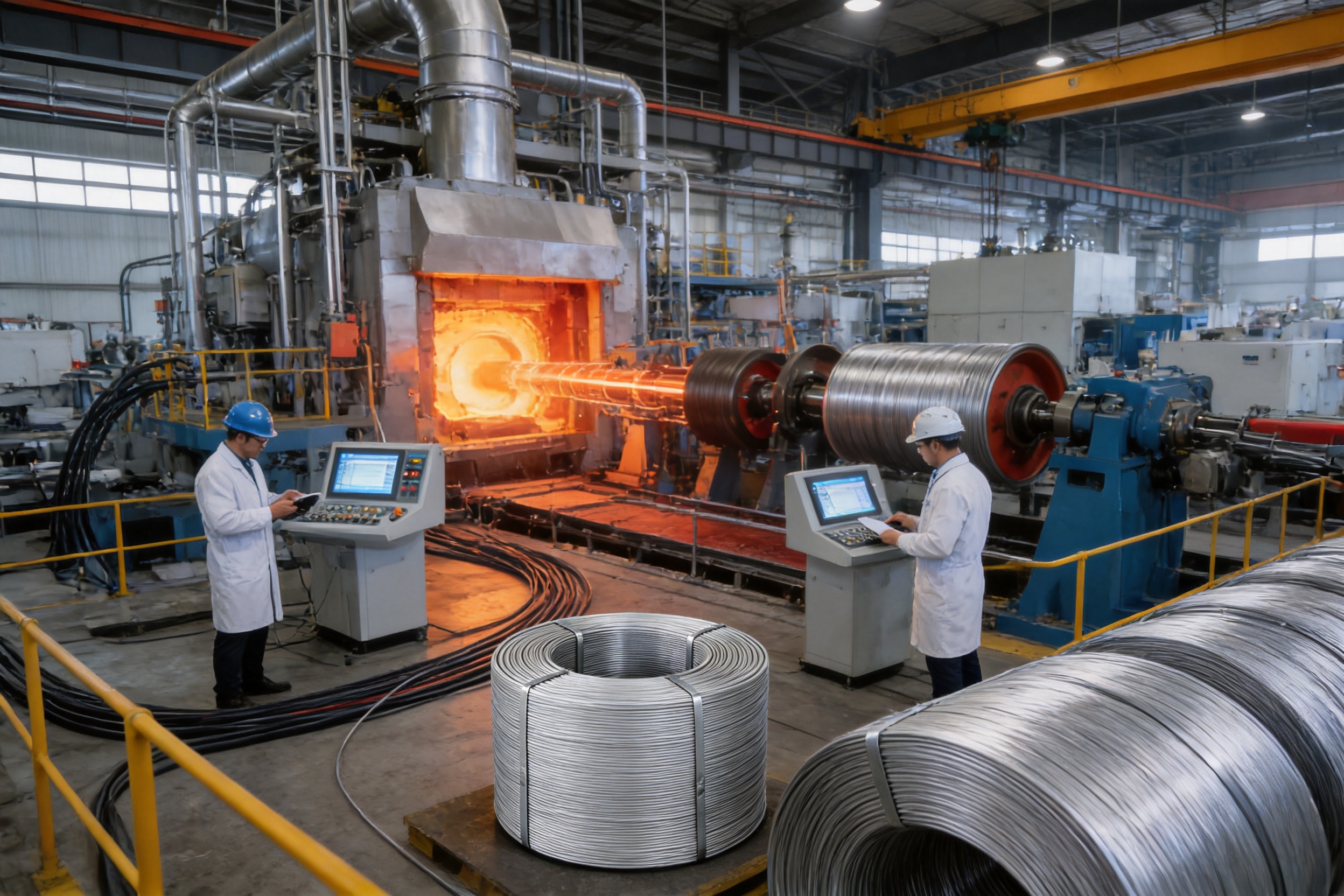
When ordering AlMg6 aluminum alloy wire, buyers should provide complete technical information. The required alloy designation should be clearly stated, together with wire diameter, dimensional tolerance, surface condition, temper or delivery condition, coil or spool configuration, net weight, package requirements, and intended application.
Customers should also identify the required chemical standard. The composition supplied for this product includes silicon at a maximum of 0.40%, iron at a maximum of 0.40%, copper at a maximum of 0.10%, manganese at 0.50–0.80%, magnesium at 5.80–6.80%, zinc at a maximum of 0.20%, titanium at 0.10–0.20%, beryllium at 0.002–0.005%, other single elements at a maximum of 0.05%, and other total elements at a maximum of 0.15%.
For welding applications, the buyer should specify the welding process and base alloy. Gas metal arc welding, tungsten inert gas welding, automated welding, and other processes may require different diameters, surface conditions, package formats, and acceptance criteria.
Documentation requirements should be agreed before production. Depending on the project, customers may require a certificate of analysis, material test report, inspection report, packaging list, batch number, production date, traceability records, and quality-system documentation. Clear requirements at the quotation stage help prevent delays and reduce the possibility of supplying a technically unsuitable configuration.
Why Choose AlMg6 for Competitive Industrial Projects?
AlMg6 aluminum alloy wire is competitive because it offers a practical combination of properties rather than relying on a single feature. Its magnesium content supports high strength, while the aluminum matrix maintains low density. Its corrosion characteristics support use in marine and outdoor environments, and its weldability makes it useful in fabricated assemblies.
Compared with heavier steel wire or steel-based fabrication materials, AlMg6 can support weight reduction and improved corrosion resistance. Compared with high-purity aluminum wire, it provides greater structural capability. Compared with some very high-strength heat-treatable aluminum alloys, it offers a more fabrication-friendly and weldable material profile.
The manufacturing partner strengthens this product proposition through dedicated aluminum expertise, broad product coverage, modern factory infrastructure, professional technical personnel, intelligent manufacturing practices, process-wide inspection, and ISO 9001 and IATF 16949 certifications. These strengths are important for customers who need stable quality and reliable supply rather than a one-time material purchase.
For international buyers, supplier reliability is also a competitive factor. Consistent communication, technical support, export experience, proper packaging, and accurate documentation help reduce procurement risk. Jiangsu Hetuo Aluminum Wire Co., Ltd. positions itself as a long-term supplier of aluminum alloy wires, welding wires, rods, and precision profiles for global industrial customers.
Frequently Asked Questions
What is the magnesium content of AlMg6 aluminum alloy wire?
The specified magnesium content is 5.8–6.8%. Magnesium is the main alloying element responsible for the material’s strengthening effect and contributes to its corrosion-resistant performance.
Is AlMg6 aluminum alloy wire suitable for welding?
AlMg6 has good weldability and may be used in suitable aluminum alloy fabrication and welding-related applications. Final suitability depends on the base alloy, welding process, joint design, service environment, and required standard. Procedure qualification is recommended for critical work.
What industries use AlMg6 wire?
Typical industries include aviation, aerospace, military equipment, shipbuilding, automotive manufacturing, tanks, marine equipment, industrial structures, and specialized engineering fabrication.
How does AlMg6 compare with 4043 aluminum wire?
4043 contains a higher silicon level and is commonly selected for particular welding characteristics, including fluidity and compatibility with certain base metals. AlMg6 contains substantially more magnesium and is positioned as a higher-strength aluminum-magnesium material. The correct choice depends on the base alloy and welding requirements.
How does AlMg6 compare with 5356 aluminum wire?
Both are aluminum-magnesium materials with good welding and corrosion characteristics. AlMg6 has a higher specified magnesium range than typical 5356 composition and is intended for high-strength alloy-wire applications. Compatibility and applicable standards should be confirmed before substitution.
Can AlMg6 replace 7075 aluminum alloy wire?
It should not be treated as a direct replacement. 7075 is a high-strength aluminum-zinc-magnesium-copper alloy with different heat-treatment, welding, and corrosion characteristics. AlMg6 is generally selected when good weldability, corrosion resistance, and low weight are required in a non-heat-treatable aluminum-magnesium system.
What quality certifications does the manufacturer hold?
Jiangsu Hetuo Aluminum Wire Co., Ltd. has obtained ISO 9001 and IATF 16949 quality management system certifications. These systems support documented process control, quality assurance, customer requirement management, and continual improvement.
What information should be included in an inquiry?
An inquiry should include alloy grade, wire diameter, tolerance, delivery condition, surface requirements, package type, order quantity, intended use, applicable standard, inspection documents, and destination. For welding applications, the welding process and base-metal grade should also be provided.
How should AlMg6 wire be stored?
It should be stored in a clean, dry, protected environment away from moisture, condensation, chemicals, dust, and physical damage. Original packaging should remain intact until the product is ready for use whenever practical.
Is AlMg6 suitable for marine environments?
AlMg6 has good corrosion characteristics and can be considered for marine applications. However, marine service requires careful design against galvanic corrosion, crevice corrosion, salt exposure, and dissimilar-metal contact. Protective measures and application testing remain important.
Conclusion
AlMg6 aluminum alloy wire is a high-strength aluminum-magnesium material developed for applications that demand low weight, reliable mechanical performance, good weldability, and resistance to exfoliation corrosion. Its 5.8–6.8% magnesium range gives it a clear performance advantage over high-purity aluminum wire and lower-magnesium alloys when structural strength is important.
The product is suitable for consideration in aviation, aerospace, military equipment, tanks, ships, automobiles, marine systems, and industrial structures. Its principal competitive advantage is its balanced performance: it is stronger than general-purpose aluminum wire, more fabrication-friendly than some very high-strength heat-treatable alloys, and better suited to corrosive environments than many alternative materials.
Jiangsu Hetuo Aluminum Wire Co., Ltd. supports the product with aluminum-focused manufacturing capabilities, a 40,000-square-meter factory, professional managers and technicians, intelligent production systems, process-wide inspection, international quality orientation, and ISO 9001 and IATF 16949 certifications. These capabilities provide customers with a foundation for consistent quality, traceable production, technical cooperation, and dependable supply.
For projects requiring a lighter and stronger aluminum wire solution, AlMg6 offers a technically compelling option. Final selection should always be based on the applicable alloy standard, product condition, welding procedure, design load, environmental exposure, and qualification requirements.
References
1. Aluminum Association. Aluminum Standards and Data. Industry reference for aluminum alloy designations, composition, and product applications.
2. International Organization for Standardization. ISO 9001, Quality Management Systems—Requirements.
3. International Automotive Task Force. IATF 16949, Quality Management System Requirements for Automotive Production and Relevant Service Parts Organizations.
4. American Welding Society. Specification and guidance documents for aluminum and aluminum-alloy welding materials.
5. ASM International. Aluminum and Aluminum Alloys, materials engineering reference information.
6. European Committee for Standardization. Aluminum and aluminum alloy standards covering chemical composition, wire products, and welding materials.