

 English
 中文简体
中文简体 русский
 Deutsch
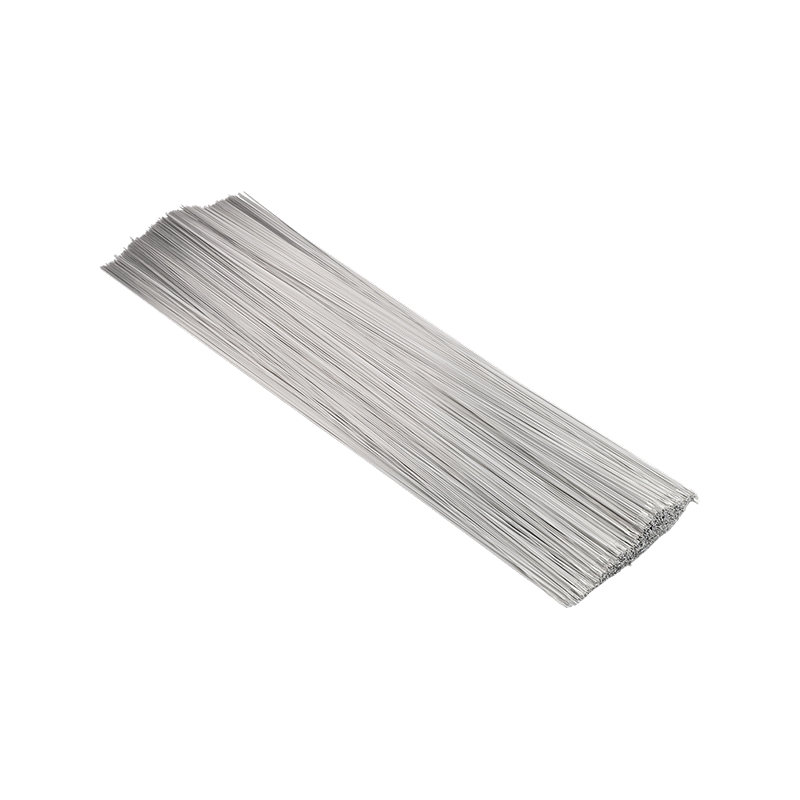
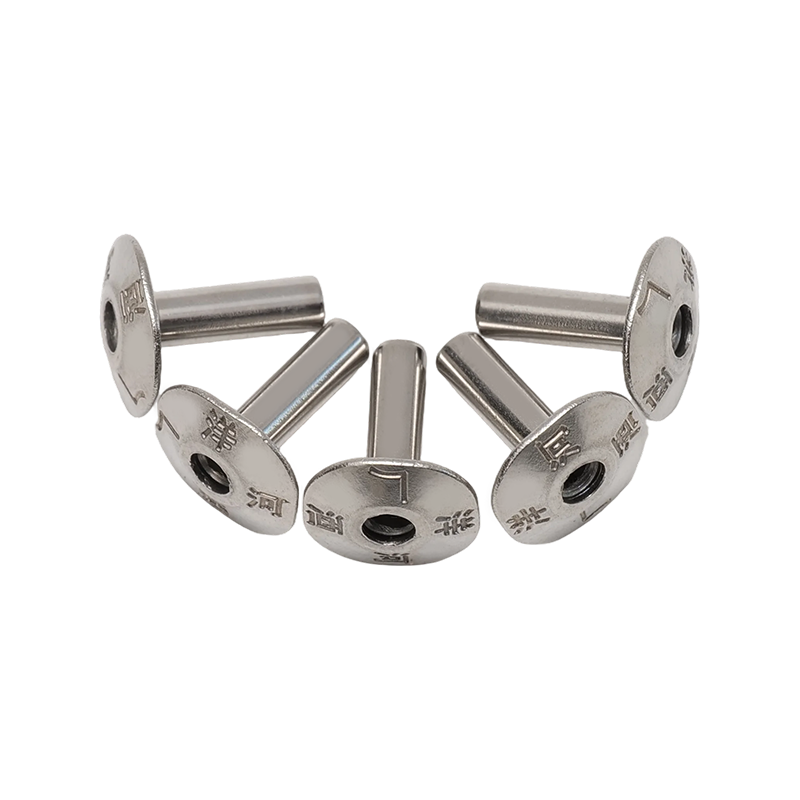
High-strength aluminum alloy wire for rivets is a specialized material designed for fastening systems that must withstand demanding service conditions while supporting lightweight structural design. In aviation, aerospace, military equipment, precision machinery, and high-end industrial assemblies, rivets are not simple connectors; they are load-bearing components that influence structural reliability, fatigue resistance, assembly efficiency, and long-term safety. The product discussed here is a high-strength aluminum alloy wire developed for rivet manufacturing, with a copper content of approximately 3.9 to 4.5 percent and a strengthening mechanism associated with the CuAl2 phase. This material is engineered to provide excellent shear resistance, good oxidation resistance, and dependable performance in applications where ordinary aluminum wire may not meet the required mechanical or metallurgical standards.
For manufacturers of aluminum rivets, the quality of the wire determines the quality of the finished fastener. Wire with unstable chemical composition, poor surface quality, inconsistent diameter, or uncontrolled microstructure can lead to cracking during heading, insufficient shear strength, uneven deformation, premature corrosion, or unreliable assembly performance. By contrast, a carefully produced aluminum alloy rivet wire offers a stronger foundation for precision forming and dependable fastening. Jiangsu Hetuo Aluminum Wire Co., Ltd. focuses on high-purity aluminum wire, high-strength aluminum alloy wire, and aluminum and aluminum alloy welding materials, building an intelligent manufacturing system intended to support customers requiring reliable, customized aluminum wire solutions.
The key value of this rivet wire lies in the balance between strength, formability, surface integrity, and consistency. High strength alone is not enough for rivet applications, because the wire must also be capable of being formed into rivets without unacceptable cracking or dimensional instability. Formability alone is also insufficient if the final rivet cannot resist shear loads in service. Therefore, the product is designed around a controlled alloy system, careful processing, and strict quality management. Its CuAl2 phase strengthening contributes to enhanced mechanical properties, while the material’s oxidation resistance helps support durability during storage, processing, and service.
Content
- 1 Understanding the Role of Aluminum Alloy Wire in Rivet Manufacturing
- 2 Core Material Advantage: CuAl2 Phase Strengthening
- 3 Why This Rivet Wire Offers Advantages Over Ordinary Competitors
- 4 Manufacturing Process Strength: From Alloy Control to Precision Wire
- 5 Quality Management and Certification as Customer Assurance
- 6 Technical Characteristics and Application Benefits
- 7 Why Surface Integrity Matters in Rivet Wire
- 8 Dimensional Accuracy and Coil Consistency
- 9 Customization for Customer-Specific Rivet Requirements
- 10 Company Strengths Supporting Product Reliability
- 11 How the Product Supports Lightweight Engineering
- 12 Application Areas: Aviation, Aerospace, Military, and Beyond
- 13 Comparison with Generic Aluminum Wire
- 14 Purchasing Considerations for Rivet Manufacturers
- 15 Q&A: Common Questions About High-Strength Aluminum Alloy Wire for Rivets
- 15.1 What is the main application of this high-strength aluminum alloy wire?
- 15.2 What is the key chemical composition feature?
- 15.3 Why is CuAl2 phase strengthening important?
- 15.4 How does this wire differ from ordinary aluminum wire?
- 15.5 Why is oxidation resistance important?
- 15.6 Can the wire be customized?
- 15.7 What company strengths support product reliability?
- 15.8 Why should rivet manufacturers consider total cost instead of only purchase price?
- 16 Future Outlook for High-Strength Aluminum Rivet Wire
- 17 Conclusion
- 18 References
- 19 Product: For Rivets
Understanding the Role of Aluminum Alloy Wire in Rivet Manufacturing
Rivets remain essential in many engineering fields because they provide permanent mechanical fastening without requiring threaded engagement or complex detachable hardware. Aluminum rivets are especially important where weight reduction is a priority. Aircraft structures, aerospace components, armored systems, transportation equipment, and precision industrial assemblies often require fasteners that reduce mass while maintaining adequate strength. The wire used to manufacture these rivets must therefore satisfy multiple requirements at the same time: stable composition, controlled hardness, predictable deformation behavior, clean surface condition, and high resistance to shear forces.
High-strength aluminum alloy wire for rivets is usually processed through drawing, intermediate heat treatment, surface preparation, straightening, and inspection. Each step influences the final performance of the rivet. If the wire is drawn too aggressively without proper control, residual stresses may increase and formability may decline. If heat treatment is inconsistent, mechanical properties may vary from coil to coil or even within the same coil. If surface defects remain, those defects can become crack initiation points during cold heading or riveting. For this reason, rivet wire production is not merely a matter of reducing diameter; it is an integrated metallurgical and precision manufacturing process.
The product’s copper content, specified as Cu 3.9 to 4.5 percent, indicates a high-strength aluminum-copper alloy concept suitable for applications requiring improved mechanical performance compared with many general-purpose aluminum wires. Copper in aluminum alloys contributes to precipitation strengthening, especially through the formation of phases such as CuAl2 under appropriate processing conditions. This strengthening mechanism can significantly improve strength and shear performance, making the material suitable for rivets used in demanding environments. At the same time, the process must be managed carefully because aluminum-copper alloys require attention to composition uniformity, temperature control, and mechanical working conditions.
In practical rivet production, the wire must be reliable before it enters the customer’s forming line. A manufacturer using rivet wire expects smooth feeding, stable coil unwinding, consistent diameter, and repeatable response to forming pressure. Any instability can interrupt production, increase scrap rates, or cause hidden quality risks. A competitive rivet wire supplier therefore delivers more than chemical composition; it delivers process confidence. This is where Jiangsu Hetuo Aluminum Wire Co., Ltd. positions its production capabilities, combining advanced equipment, quality inspection throughout production, and management systems certified to ISO 9001 and IATF 16949.
Core Material Advantage: CuAl2 Phase Strengthening
The performance identity of this high-strength aluminum alloy wire is closely connected to CuAl2 phase strengthening. In aluminum-copper alloy systems, copper atoms participate in precipitation processes that can enhance strength when the material is processed under controlled conditions. The resulting strengthening effect improves the resistance of the alloy to deformation under load. For rivets, this is particularly important because rivets must resist shear stresses after installation and during service. In aircraft or military assemblies, a rivet may be small, but many rivets together distribute structural loads. If the material is weak or inconsistent, the entire fastening system can become vulnerable.
CuAl2 strengthening gives the wire an advantage over lower-strength aluminum wires that may be easier to form but less capable of resisting high load. It also provides an advantage over poorly controlled alloy wires that may have nominally similar composition but inconsistent performance. A product’s chemistry must be matched by process discipline. When copper distribution, thermal history, and drawing conditions are properly managed, the alloy can provide a more predictable combination of strength and usability. This predictability is a major advantage for rivet manufacturers serving aviation, aerospace, and defense-related sectors.
Another important consideration is shear resistance. Rivets are often evaluated by their ability to resist forces acting perpendicular to the rivet shank. In many assemblies, shear loading is more critical than tensile loading. A high-strength alloy wire that supports strong rivet formation can help the final fastener maintain joint integrity under vibration, aerodynamic forces, impact, or repeated mechanical loading. Good shear resistance also supports design efficiency because engineers can rely on rivets to perform as intended without excessive oversizing. In lightweight structures, every gram matters, so material efficiency becomes a competitive advantage.
The product also offers good oxidation resistance. Aluminum naturally forms a protective oxide film, but alloy composition, surface condition, and processing quality influence how well the material performs during handling and service. Good oxidation resistance helps protect the wire and the finished rivet from surface degradation. This is important during storage, transportation, and manufacturing, especially when customers require clean, stable wire surfaces for forming. A wire with poor surface stability can generate defects, contamination, or inconsistent forming behavior. By emphasizing oxidation resistance together with strength, the product is suitable for customers seeking a dependable balance of performance properties.
Why This Rivet Wire Offers Advantages Over Ordinary Competitors
Many general aluminum wires can be drawn into usable forms, but rivet wire for aviation, aerospace, and military applications requires a much higher level of control. The first competitive advantage is composition precision. The stated copper range of 3.9 to 4.5 percent provides a defined foundation for high-strength behavior. If copper content varies excessively, the strengthening response and mechanical properties may become unstable. A supplier that controls chemical composition tightly can reduce uncertainty for rivet producers and improve repeatability from batch to batch.
The second advantage is mechanical property consistency. Competitor products may meet a basic specification in a sample test but still show variation across production lots. In rivet manufacturing, consistency is essential because cold heading and forming equipment is tuned for expected material behavior. If wire hardness or ductility changes unexpectedly, customers may experience tooling wear, forming cracks, dimensional fluctuation, or production downtime. A manufacturer with strict inspection throughout production can identify and correct deviations before wire reaches the customer.
The third advantage is surface quality. Rivet wire requires a smooth and clean surface because surface defects can be amplified during forming. Scratches, folds, pits, oxide inclusions, and contamination may cause cracking or poor appearance in finished rivets. Surface quality also affects feeding performance during automated production. A stable surface reduces friction variation, improves coil handling, and supports efficient manufacturing. Compared with suppliers that focus only on diameter reduction, a supplier that treats surface integrity as a core quality parameter delivers greater value to customers.
The fourth advantage is application understanding. The product is not a generic aluminum wire sold without regard to end use. It is specifically positioned for rivets, with emphasis on aviation, aerospace, and military fields. This application focus affects how the material is discussed, processed, inspected, and customized. Customers in these sectors often require documentation, traceability, stable supply, and technical communication. A company with a quality management system aligned with ISO 9001 and IATF 16949 is better prepared to support those requirements than a supplier operating only with informal production control.
The fifth advantage is manufacturing infrastructure. Jiangsu Hetuo Aluminum Wire Co., Ltd. operates from a 40,000-square-meter factory and has built an intelligent manufacturing system covering high-purity aluminum wire, high-strength aluminum alloy wire, and aluminum and aluminum alloy welding materials. The company has 60 employees, including 30 professional managers and technicians, which indicates a strong emphasis on technical management and production support. For customers, this means the supplier is not merely a trading source; it is a production-oriented company with equipment, staff, and process capability.
Manufacturing Process Strength: From Alloy Control to Precision Wire
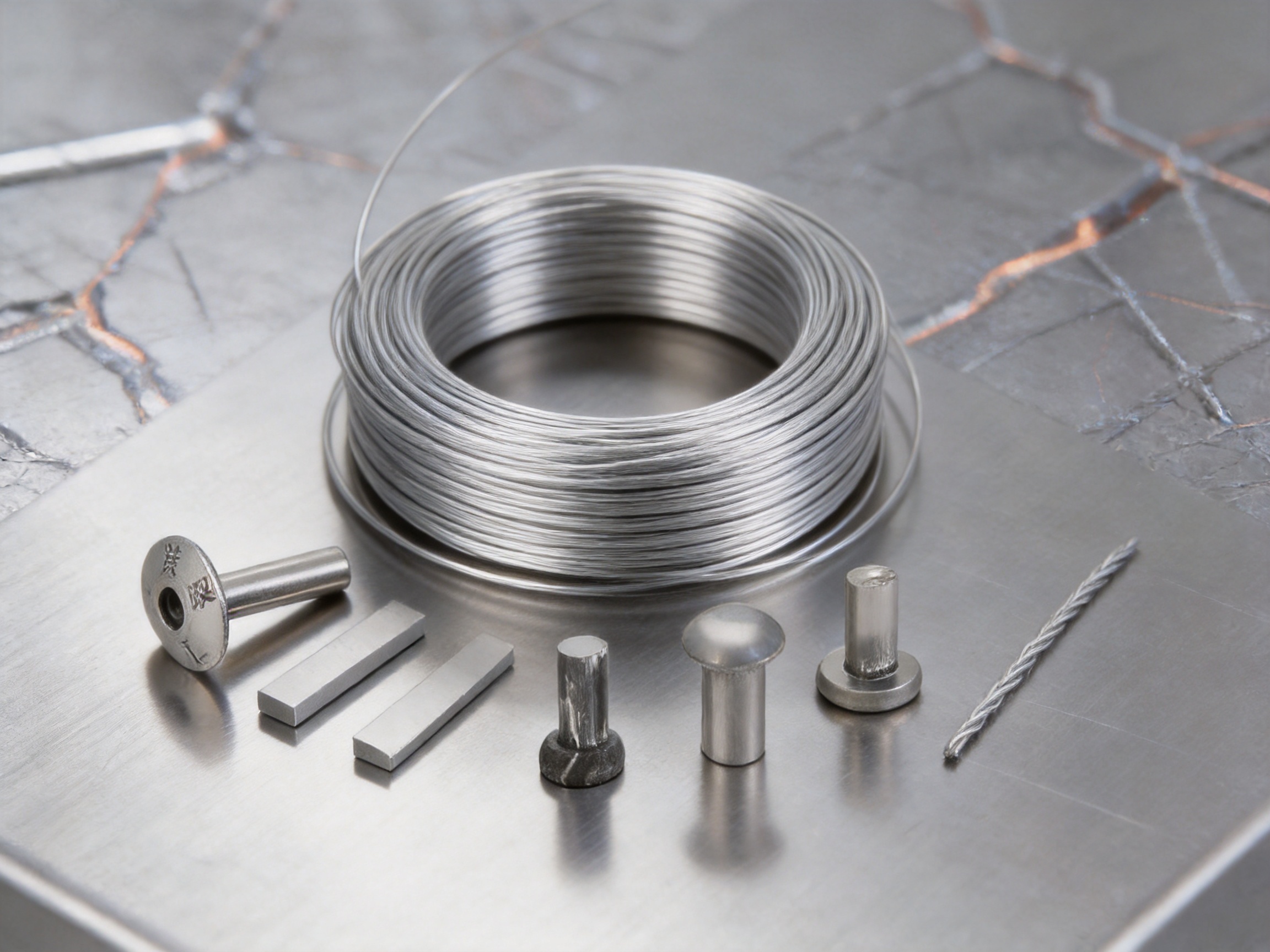
The production of high-strength aluminum alloy wire for rivets begins with alloy control. Aluminum alloy wire performance is strongly influenced by chemical composition, impurity control, melting uniformity, and solidification quality. In a high-strength aluminum-copper alloy, copper must be distributed appropriately to support predictable strengthening. Impurity elements must be controlled because they can influence ductility, corrosion behavior, electrical characteristics, and surface quality. Although customers often see the final wire coil, the quality of that coil begins much earlier in the production chain.
After alloy preparation, the material must be processed into rod or intermediate stock suitable for drawing. Rod quality is critical because internal defects in the rod may become defects in the drawn wire. Segregation, porosity, inclusions, and surface cracks can all compromise downstream performance. Advanced equipment and disciplined process control help reduce these risks. The company’s broader specialization in high-grade aluminum alloy rods, welding wires, and precision profiles supports an understanding of how upstream material quality affects final wire performance.
Wire drawing is a central process. During drawing, the material is pulled through dies to reduce its diameter and improve dimensional precision. Each drawing pass changes the wire’s microstructure, work hardening state, surface condition, and residual stress. For rivet wire, the drawing schedule must be selected carefully. Excessive reduction without proper intermediate treatment may make the wire too hard or brittle for forming. Insufficient reduction or poor die management may produce poor dimensional accuracy or surface marks. Precision drawing therefore requires die quality, lubrication control, tension control, and experienced process planning.
Heat treatment may be used to adjust mechanical properties and restore or optimize formability. In aluminum alloys, thermal processing can influence precipitation behavior, hardness, and ductility. For a copper-containing high-strength aluminum alloy, process temperature and time must be controlled to avoid unstable properties. A well-managed heat treatment process helps ensure the wire can be formed into rivets while still supporting the required final strength. This is one of the reasons customers choose specialized rivet wire rather than generic wire from suppliers with limited metallurgical capability.
Surface finishing and cleaning are also important. Rivet wire may pass through multiple handling and forming operations, so it must have a surface that is clean, smooth, and compatible with the customer’s equipment. Surface contamination may interfere with forming, inspection, or subsequent treatments. A good wire supplier pays attention to coil packaging, handling protection, and surface preservation. The product’s good oxidation resistance is supported by careful processing and suitable handling, helping customers reduce storage-related quality concerns.
Inspection is performed throughout production rather than only at the end. This is a key manufacturing strength because late inspection alone may identify defective product after time and resources have already been spent. In-process inspection can include chemical analysis, diameter monitoring, surface checks, mechanical property testing, coil condition evaluation, and documentation review. The goal is to prevent defects, not simply sort them. This approach aligns with the company’s stated commitment to quality inspection throughout production and compliance with international quality standards.
Quality Management and Certification as Customer Assurance
In high-end industrial supply chains, quality management is as important as product capability. The company has obtained ISO 9001 and IATF 16949 quality management system certifications. ISO 9001 demonstrates a structured approach to quality management, process control, customer satisfaction, corrective action, and continual improvement. IATF 16949, widely associated with automotive quality requirements, reflects a deeper level of process discipline, risk management, traceability, and defect prevention. Even when a product is used outside automotive applications, such as aviation or industrial rivets, a supplier with IATF-oriented quality practices can provide stronger confidence in process consistency.
For rivet wire customers, certified quality systems help reduce procurement risk. A buyer does not want to evaluate every coil as if it came from an unknown source. Instead, the buyer needs a supplier with documented procedures, inspection records, controlled production parameters, and responsive technical support. Quality certification does not replace product testing, but it strengthens confidence that testing results are supported by a repeatable system. This is especially valuable for customers producing rivets for safety-related applications.
Traceability is another important advantage. In high-end manufacturing, customers may need to trace wire back to production batches, inspection records, and chemical composition data. If a problem occurs, traceability allows faster analysis and containment. Suppliers without effective traceability may create major risk because root causes become difficult to identify. A quality-managed production system supports accountability and continuous improvement, which are crucial for long-term customer cooperation.
Quality management also influences customization. Customers may require different diameters, coil forms, temper conditions, packaging methods, or inspection documentation. A supplier with strong process control can adjust to these requirements while maintaining stable quality. This is particularly important for aluminum rivet wire because different rivet designs and forming lines may require different wire characteristics. Jiangsu Hetuo Aluminum Wire Co., Ltd. emphasizes custom wire for aluminum rivets, indicating the ability to work with customers beyond standard commodity supply.
Technical Characteristics and Application Benefits
The technical value of high-strength aluminum alloy wire for rivets can be summarized through composition, strengthening behavior, resistance properties, and manufacturing usability. Its copper range supports the formation of strengthening phases. Its good oxidation resistance supports stable surface condition. Its shear resistance helps finished rivets perform under structural loads. Its process-controlled wire form supports efficient rivet manufacturing. These characteristics work together to provide value in demanding engineering contexts.
| Feature | Technical Meaning | Customer Benefit |
|---|---|---|
| Copper content of approximately 3.9 to 4.5 percent | Supports aluminum-copper alloy strengthening behavior | Improved strength potential and more reliable rivet performance |
| CuAl2 phase strengthening | Strengthening mechanism associated with controlled alloy processing | Enhanced resistance to deformation and improved shear capability |
| Good oxidation resistance | Stable surface behavior during handling, storage, and service | Reduced surface degradation risk and better processing reliability |
| Controlled wire manufacturing | Drawing, surface control, and inspection are managed systematically | Stable feeding, forming, and rivet production performance |
| Quality management certification | ISO 9001 and IATF 16949 systems support process discipline | Greater confidence in batch consistency, traceability, and supply reliability |
| Application focus on rivets | Product is developed for fastening applications rather than generic use | Better fit for aviation, aerospace, military, and high-strength assembly needs |
In aviation, rivets are used extensively in structural assemblies where low weight and reliable fastening are necessary. Aluminum alloy rivets can contribute to weight reduction compared with heavier fastening materials, while high-strength aluminum alloy wire helps improve the mechanical reliability of the rivet itself. Aircraft structures face vibration, cyclic loading, temperature variation, and long service periods. Wire quality directly affects the rivet’s ability to survive these conditions.
In aerospace applications, material reliability becomes even more critical. Components may be exposed to complex stress states, strict safety requirements, and severe quality documentation needs. The use of a high-strength aluminum alloy wire with controlled chemistry and processing helps manufacturers produce rivets suitable for demanding specifications. While final qualification depends on the customer’s design and testing requirements, starting with a stable wire material is an essential step.
In military applications, fasteners may be used in vehicles, equipment, structures, and specialized systems that require strength, durability, and reliable production quality. Military supply chains often value dependable materials because field conditions can be harsh and maintenance access may be limited. A rivet wire offering shear resistance and oxidation resistance supports these requirements. The company’s focus on high-strength aluminum alloy wire aligns with such applications where ordinary soft wire would not provide sufficient performance.
In broader industrial use, the same material principles apply. Transportation equipment, precision machinery, marine-related hardware, and lightweight structural assemblies can benefit from strong and stable aluminum alloy rivets. As industries seek lighter, stronger, and more sustainable material solutions, high-strength aluminum alloy wire becomes increasingly important. Aluminum’s recyclability and weight-saving potential support sustainability goals, while improved alloy strength allows aluminum fasteners to serve in more demanding roles.
Why Surface Integrity Matters in Rivet Wire
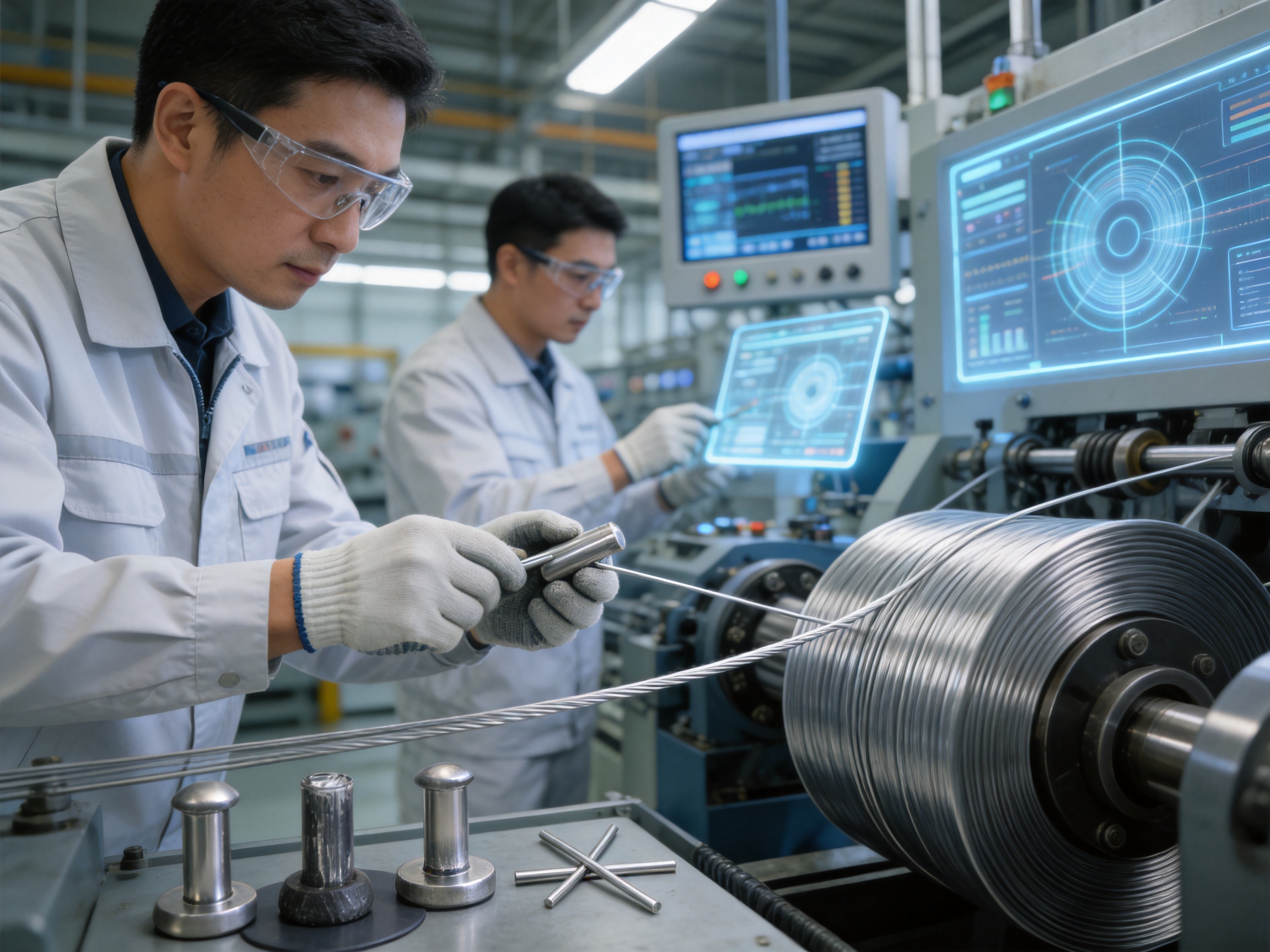
Surface integrity is often underestimated, but it is one of the most important qualities of rivet wire. During cold heading, the wire is subjected to concentrated deformation. A small surface defect may become a crack, fold, or weakness in the finished rivet. Even if the rivet appears acceptable visually, internal or surface-originated defects can reduce fatigue life or shear strength. Therefore, a high-quality rivet wire must have a smooth, clean, and uniform surface.
Surface quality begins with raw material selection and continues through drawing, die maintenance, lubrication, cleaning, handling, and packaging. Drawing dies must be kept in good condition to avoid scratches or uneven reduction. Lubrication must reduce friction without contaminating the wire. Coils must be handled carefully to prevent dents, abrasion, or tangling. Packaging must protect the wire from moisture, dust, and mechanical damage. Each of these details contributes to the customer’s forming efficiency and final rivet quality.
Good oxidation resistance also supports surface integrity. Aluminum naturally forms oxide, but uncontrolled oxidation or surface contamination may create processing challenges. A wire that maintains stable surface condition during storage gives customers more predictable production performance. This is particularly valuable for customers operating automated rivet manufacturing lines, where surface inconsistency can lead to feeding problems or increased tool wear.
Compared with competitors that may treat aluminum wire as a basic semi-finished product, a specialized rivet wire supplier recognizes the surface as a functional property. It is not enough for the wire to have the correct diameter and composition. It must also be suitable for high-speed forming and reliable end-use performance. This practical understanding gives customers a direct productivity advantage, reducing scrap, downtime, and rework.
Dimensional Accuracy and Coil Consistency
Dimensional accuracy is another critical performance factor. Rivet manufacturing equipment depends on wire of consistent diameter and roundness. If the wire diameter varies, the volume of material entering the heading process changes. This can cause rivet head size variation, shank dimensional instability, or tool adjustment problems. In high-volume production, even small variations can result in significant waste.
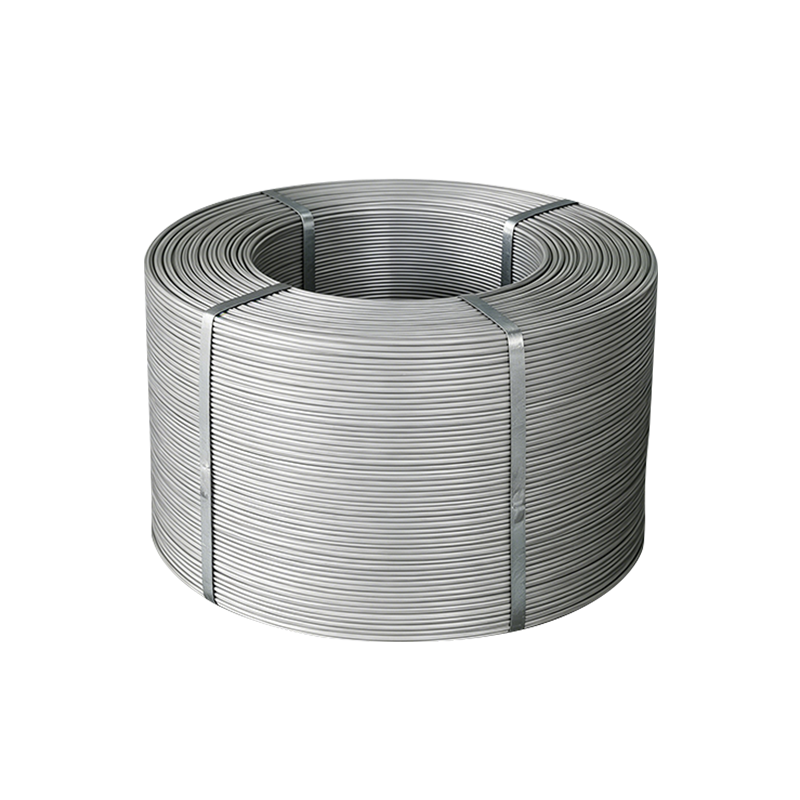
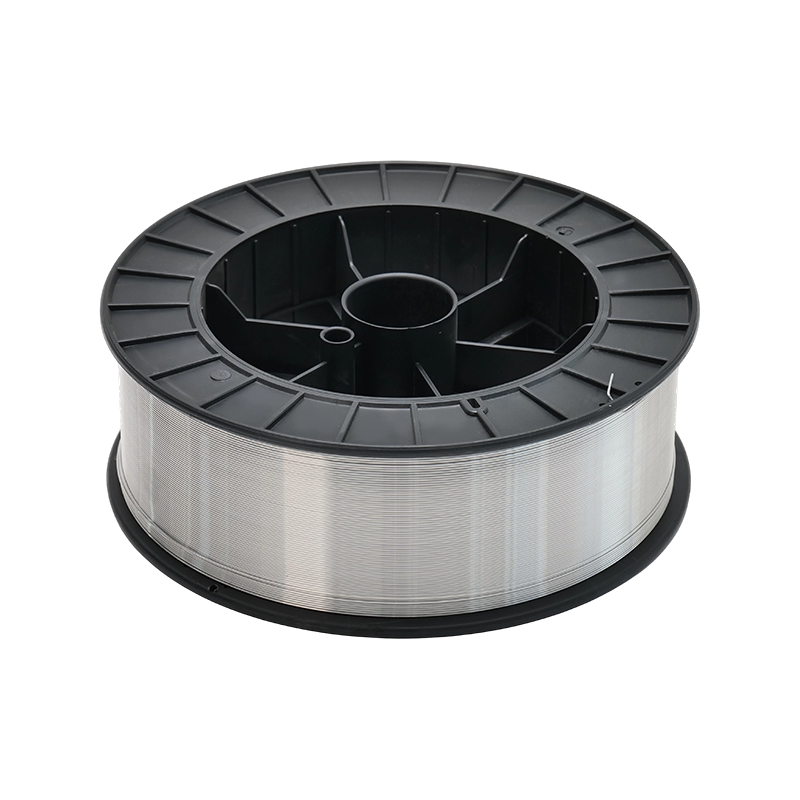
Consistent coil condition is also important. Wire should unwind smoothly without excessive twist, kinks, tangles, or irregular tension. Poor coil winding can interrupt automated production and create safety concerns for operators. A supplier with experience in precision wire manufacturing understands that coil quality is part of product quality. Customers do not buy only metal; they buy a material format that must run efficiently on their equipment.
Advanced manufacturing equipment helps maintain dimensional control, but equipment alone is not sufficient. Operators and technicians must monitor process parameters, inspect intermediate products, and adjust production conditions when necessary. The company’s staff structure, including professional managers and technicians, supports this type of technical production management. The combination of equipment, personnel, and quality procedures helps create a more stable product than wire produced in less controlled environments.
For customers, dimensional and coil consistency translates into lower total cost. A cheaper wire that causes machine stoppages, tool damage, or scrap may be more expensive in practice. High-quality rivet wire supports efficient manufacturing by reducing hidden costs. This is one of the most important competitive arguments for specialized high-strength aluminum alloy wire: value should be measured by performance in the customer’s process, not only by purchase price per kilogram.
Customization for Customer-Specific Rivet Requirements
Rivet manufacturers may require different wire diameters, mechanical states, coil sizes, packaging methods, and documentation packages. A one-size-fits-all wire supply model cannot satisfy all applications. Custom wire for aluminum rivets helps customers align material characteristics with their forming processes and final fastener requirements. Jiangsu Hetuo Aluminum Wire Co., Ltd. positions itself as a custom supplier, which is important for customers developing specialized rivets or serving high-end markets.
Customization may begin with technical communication. The supplier must understand the customer’s forming process, rivet design, target properties, surface requirements, and production conditions. Based on these details, the wire can be produced with suitable dimensions and process characteristics. Technical cooperation reduces trial-and-error and helps customers shorten development cycles. This is particularly valuable when customers are replacing an existing material, improving rivet performance, or developing products for new markets.
Packaging customization also matters. Wire may need to be supplied in coils suitable for the customer’s equipment and storage system. Export customers may require stronger moisture protection, labeling, and transport stability. Since the company’s products are exported to high-end overseas markets, export packaging and documentation are important parts of the service package. International customers need not only quality wire but also reliable logistics preparation and communication.
Customization does not mean compromising consistency. On the contrary, custom production requires stronger control because each specification must be produced according to agreed parameters. A certified quality system helps ensure that customized products are documented and repeatable. When customers reorder the same custom wire, they expect the same performance. A supplier’s ability to reproduce customer-specific material quality is a key factor in long-term partnership.
Company Strengths Supporting Product Reliability
Jiangsu Hetuo Aluminum Wire Co., Ltd. was established in 2019 and has grown as an innovative participant in China’s aluminum alloy materials industry. The company is located in the Guannan Economic Development Zone in Lianyungang, Jiangsu Province. Its factory covers approximately 40,000 square meters, providing a physical foundation for specialized aluminum wire production. The company’s workforce includes 60 employees, among them 30 professional managers and technicians, showing a strong ratio of technical and management personnel within the organization.
The company focuses on customer needs and customer satisfaction. This customer-oriented philosophy is important because aluminum wire customers often require problem-solving support, not only standard shipment. If a customer faces forming cracks, dimensional instability, or surface concerns, the supplier must be able to communicate technically and adjust production when appropriate. A company with professional technicians is better positioned to support these requirements.
The company has introduced advanced equipment and facilities, strictly implements quality inspection throughout production, and complies with international quality standards. These strengths directly support the rivet wire product. Advanced equipment improves production stability. Full-process inspection helps prevent nonconforming product. International quality compliance supports overseas customers and high-end applications. Together, these factors create a stronger supplier profile than competitors that rely on outdated equipment, limited testing, or inconsistent process control.
Another company strength is its product system. By covering high-purity aluminum wire, high-strength aluminum alloy wire, and aluminum and aluminum alloy welding materials, the company has experience across related aluminum material categories. This broader material knowledge supports technical flexibility. High-purity wire requires contamination control; high-strength alloy wire requires alloy and mechanical property control; welding materials require surface, feedability, and metallurgical reliability. Experience across these categories helps build a more complete manufacturing knowledge base.
The company’s goal is to provide lighter, stronger, and more sustainable aluminum alloy wire and welding material solutions for global industries. This goal aligns with modern engineering trends. Lightweight materials reduce energy consumption in transportation and aerospace. Stronger materials support safer and more efficient designs. Sustainable aluminum solutions support recycling and resource efficiency. High-strength aluminum alloy rivet wire is a practical example of this goal because it enables strong fastening with lightweight material characteristics.
How the Product Supports Lightweight Engineering
Lightweight engineering is a major trend in aviation, aerospace, transportation, and advanced manufacturing. Reducing structural weight can improve fuel efficiency, increase payload capacity, reduce emissions, and improve system performance. Fasteners may seem small, but in large structures they are used in significant quantities. The choice of rivet material therefore contributes to overall weight management. Aluminum alloy rivets manufactured from high-strength wire can help designers retain the benefits of aluminum while improving fastening performance.
Compared with heavier fastening materials, aluminum rivets can reduce mass. However, weight reduction must not compromise safety. This is why high-strength aluminum alloy wire is important. It allows rivet manufacturers to produce fasteners that are lighter than many alternatives while still offering improved mechanical performance compared with lower-strength aluminum materials. The CuAl2 strengthening mechanism helps bridge the gap between lightweight design and structural reliability.
Lightweighting also affects assembly and maintenance. Aluminum rivets are often compatible with aluminum structures, reducing concerns associated with dissimilar material interactions in certain designs. When fastener and structure materials are appropriately matched, engineers can better manage corrosion behavior, thermal expansion, and assembly characteristics. The wire’s good oxidation resistance further supports stable performance in aluminum-based systems.
Sustainability is another benefit. Aluminum is widely recyclable, and lighter structures can reduce energy use during service. A high-quality aluminum alloy wire that supports durable rivets contributes to longer-lasting assemblies and fewer replacements. This reduces material waste and maintenance burden. For global industries seeking stronger environmental performance, the use of advanced aluminum alloy materials is an important practical strategy.
Application Areas: Aviation, Aerospace, Military, and Beyond
In aviation, high-strength aluminum alloy rivet wire supports the manufacture of rivets for aircraft skins, internal structures, brackets, panels, and related assemblies where aluminum fastening systems are appropriate. Aircraft manufacturing demands repeatable quality because large numbers of fasteners are installed. A small defect rate can become significant when production volumes are high. Stable wire quality therefore helps maintain assembly efficiency and structural reliability.
In aerospace, the requirements may include tighter documentation, higher performance expectations, and stricter quality review. Rivets may be used in satellites, launch-related structures, precision assemblies, and supporting aerospace equipment, depending on design requirements. Materials used in aerospace manufacturing must be carefully selected, processed, and verified. High-strength aluminum alloy wire with controlled composition and full-process inspection provides a reliable starting point for such applications.
In military fields, rivets may be used in vehicles, protective systems, equipment housings, communication structures, aviation-related systems, and other specialized assemblies. Military applications may face vibration, shock, outdoor exposure, and long storage periods. A material with shear resistance and oxidation resistance is valuable in such conditions. The ability to customize wire also supports specialized designs that standard materials may not satisfy.
Beyond these core markets, the product can be relevant to rail transportation, marine hardware, industrial machinery, electronic equipment structures, and lightweight consumer or commercial products requiring dependable aluminum rivets. As industries continue to replace heavier materials with aluminum alloys, the demand for stronger aluminum fastening materials is likely to increase. High-strength aluminum alloy rivet wire is positioned to serve this trend.

Comparison with Generic Aluminum Wire
Generic aluminum wire is usually selected for applications where conductivity, ductility, low cost, or simple forming are the primary concerns. It may be suitable for basic industrial use, craft applications, or noncritical fastening. However, rivets for high-strength applications demand more. They require material engineered around load-bearing function. The product discussed here differs from generic wire in alloy design, performance focus, manufacturing control, and customer support.
The copper content and CuAl2 strengthening distinguish it from many low-strength aluminum wires. This strengthening mechanism supports improved shear resistance, making the material better suited to rivets that must carry load. Generic wire may lack the required strength or may deform too easily under service conditions. In contrast, high-strength aluminum alloy rivet wire is intended to deliver a more robust mechanical foundation.
Surface and dimensional control also separate specialized rivet wire from commodity wire. Commodity wire may allow wider tolerances or accept surface conditions unsuitable for cold heading. Rivet production requires tighter control because forming defects directly affect final fastener reliability. A specialized supplier understands the customer’s manufacturing process and manages wire quality accordingly.
Finally, technical support and quality documentation are major differences. Customers in aviation, aerospace, military, or high-end industrial markets cannot rely on vague material claims. They need composition data, inspection confidence, process repeatability, and supplier responsiveness. Certified quality systems and full-process inspection provide a stronger support structure than typical commodity supply.
Purchasing Considerations for Rivet Manufacturers
When selecting aluminum alloy wire for rivets, buyers should evaluate several factors. The first is chemical composition. The specified copper range of 3.9 to 4.5 percent should be controlled and documented. Buyers should request relevant inspection information and confirm that the supplier can maintain consistency over repeated orders.
The second factor is mechanical suitability. The wire must have the correct balance of strength and formability for the customer’s heading process. A wire that is too hard may crack, while a wire that is too soft may not provide adequate final performance. Customers should communicate their forming method, rivet design, and required performance to the supplier so that the most suitable material condition can be selected.
The third factor is surface quality. Buyers should inspect or specify requirements for scratches, oxidation, contamination, and coil cleanliness. Surface quality affects both process efficiency and final rivet reliability. A supplier with advanced drawing and handling practices can reduce surface-related problems.
The fourth factor is dimensional tolerance and coil form. Wire must feed smoothly into production equipment. Buyers should confirm diameter requirements, coil weight, winding pattern, packaging method, and labeling. Good coil consistency can significantly reduce downtime in automated production.
The fifth factor is supplier capability. A supplier with a modern factory, technical staff, quality certifications, and export experience is better suited to long-term cooperation than a supplier offering only low prices. The lowest initial price may not deliver the lowest total cost if quality problems occur. Buyers should consider production stability, technical service, and documentation reliability.
Q&A: Common Questions About High-Strength Aluminum Alloy Wire for Rivets
What is the main application of this high-strength aluminum alloy wire?
The wire is mainly used for manufacturing aluminum rivets, especially for demanding fields such as aviation, aerospace, and military applications. It is also suitable for other high-end industrial assemblies requiring lightweight fastening materials with good strength and shear resistance.
What is the key chemical composition feature?
The key composition feature provided is copper content in the range of approximately 3.9 to 4.5 percent. This supports aluminum-copper alloy strengthening behavior and contributes to the product’s high-strength characteristics.
Why is CuAl2 phase strengthening important?
CuAl2 phase strengthening helps improve the mechanical strength of the aluminum alloy. For rivet applications, this is important because rivets must resist deformation and shear forces after installation. A controlled strengthening mechanism improves confidence in structural fastening performance.
How does this wire differ from ordinary aluminum wire?
Ordinary aluminum wire may offer good ductility but often lacks the strength and controlled performance required for demanding rivets. This product is designed as a high-strength aluminum alloy wire with controlled composition, good oxidation resistance, shear resistance, and manufacturing consistency.
Why is oxidation resistance important?
Good oxidation resistance helps preserve surface condition during storage, handling, processing, and service. A stable surface reduces quality risks in rivet manufacturing and supports long-term reliability of the finished fastener.
Can the wire be customized?
Yes. The product is positioned for custom wire for aluminum rivets. Customers can communicate requirements such as diameter, coil format, packaging, and process needs so that the supplier can support suitable production solutions.
What company strengths support product reliability?
Jiangsu Hetuo Aluminum Wire Co., Ltd. operates a 40,000-square-meter factory, has advanced equipment and facilities, employs professional managers and technicians, and implements quality inspection throughout production. The company has obtained ISO 9001 and IATF 16949 quality management system certifications.
Why should rivet manufacturers consider total cost instead of only purchase price?
Low-cost wire can become expensive if it causes forming cracks, machine stoppages, scrap, poor rivet performance, or customer complaints. High-quality rivet wire can reduce hidden costs by improving production stability, reducing defects, and supporting reliable final fasteners.
Future Outlook for High-Strength Aluminum Rivet Wire
The demand for high-strength aluminum alloy wire is expected to grow as industries continue to pursue lightweight, efficient, and durable material solutions. Aerospace and aviation will remain important markets because their structures depend heavily on optimized material performance. Military and transportation applications will also continue to require reliable fastening materials that can withstand demanding environments.
At the same time, customers are likely to demand tighter tolerances, better documentation, improved surface quality, and more customization. Suppliers that invest in advanced equipment, intelligent manufacturing, and quality systems will have a competitive advantage. Material performance alone will not be enough; customers will choose suppliers that can deliver stable quality, responsive service, and long-term technical cooperation.
Jiangsu Hetuo Aluminum Wire Co., Ltd. is positioned within this trend through its focus on high-purity aluminum wire, high-strength aluminum alloy wire, and aluminum and aluminum alloy welding materials. Its commitment to customer needs, international quality standards, and sustainable aluminum alloy solutions supports future growth in high-end industrial markets. The high-strength aluminum alloy wire for rivets reflects the company’s broader direction: lighter, stronger, and more dependable aluminum material solutions.
Conclusion
High-strength aluminum alloy wire for rivets is a critical material for manufacturers serving aviation, aerospace, military, and advanced industrial markets. With copper content of approximately 3.9 to 4.5 percent and CuAl2 phase strengthening, the product offers a valuable combination of strength, shear resistance, oxidation resistance, and processing reliability. These characteristics make it more suitable for demanding rivet production than ordinary aluminum wire or poorly controlled commodity alternatives.
The product’s competitive advantages are reinforced by manufacturing strength. Controlled alloy processing, precision wire drawing, surface management, heat treatment awareness, dimensional inspection, and coil quality all contribute to customer value. Quality certifications such as ISO 9001 and IATF 16949 further demonstrate systematic process management and support customer confidence. For rivet manufacturers, choosing a reliable wire supplier can improve production efficiency, reduce defects, and enhance final fastener performance.
Jiangsu Hetuo Aluminum Wire Co., Ltd. brings together a 40,000-square-meter manufacturing base, advanced equipment, professional technical personnel, strict inspection, and a customer-focused business philosophy. Its high-strength aluminum alloy wire for rivets is not simply a raw material; it is a performance-oriented solution for customers who require dependable fastening materials. As global industries continue to seek lighter, stronger, and more sustainable structures, specialized aluminum alloy rivet wire will remain an important material for the future of engineering.
References
1. Davis, J. R. Aluminum and Aluminum Alloys. ASM International.
2. Polmear, I. J. Light Alloys: Metallurgy of the Light Metals. Butterworth-Heinemann.
3. Hatch, J. E. Aluminum: Properties and Physical Metallurgy. American Society for Metals.
4. Kaufman, J. G. Introduction to Aluminum Alloys and Tempers. ASM International.
5. ISO 9001 Quality Management Systems: Requirements. International Organization for Standardization.
6. IATF 16949 Quality Management System Standard for Automotive Production and Relevant Service Parts Organizations. International Automotive Task Force.