

 English
 中文简体
中文简体 русский
 Deutsch
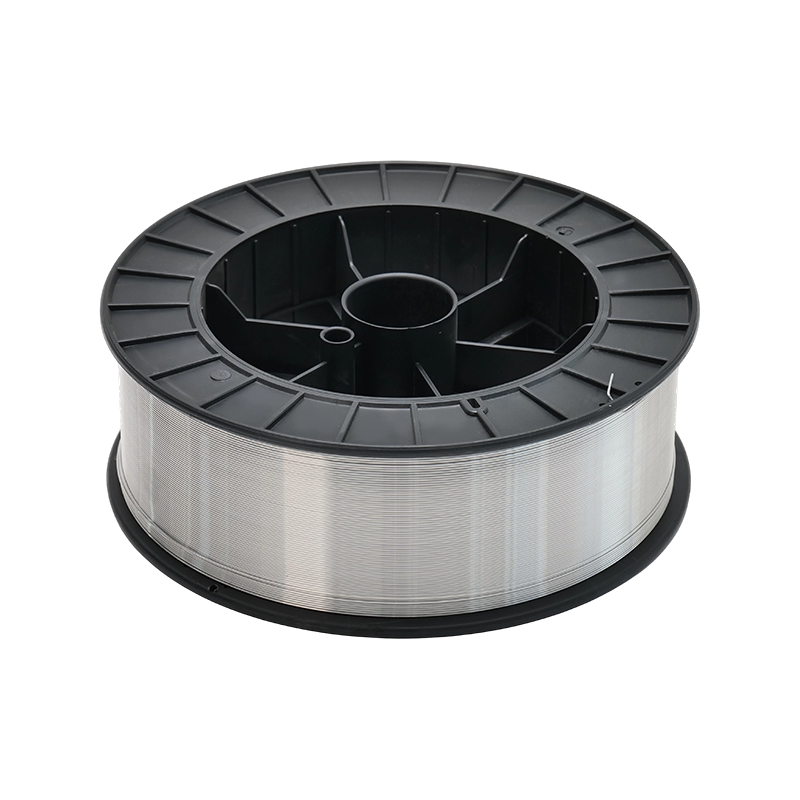
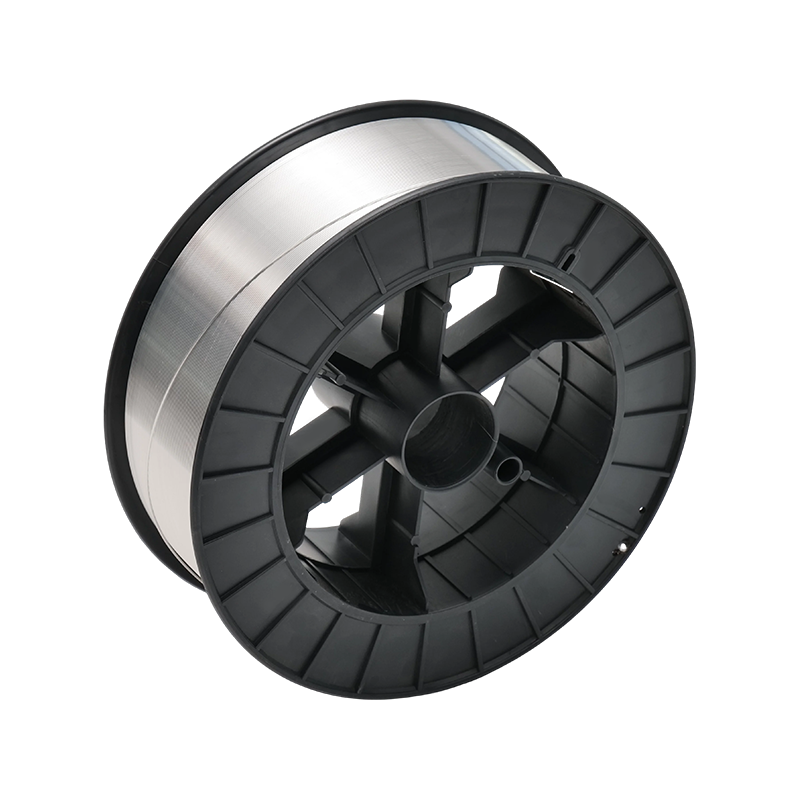
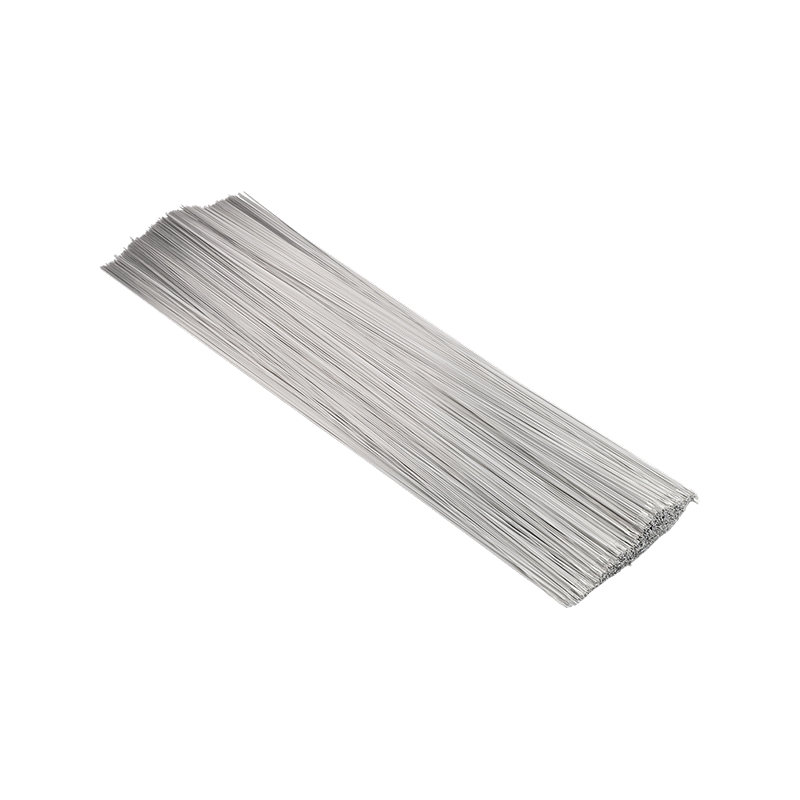
AlMg6 aluminum alloy wire is a high-magnesium aluminum alloy wire designed for demanding structural, joining, and manufacturing applications where strength, corrosion resistance, weldability, and process reliability must work together. As industries continue to pursue lighter structures, cleaner fabrication, longer service life, and more efficient production, AlMg6 wire has become an important material choice for aviation, aerospace, shipbuilding, military equipment, automobile manufacturing, tank structures, precision components, and aluminum alloy welding-related applications.
The defining feature of AlMg6 aluminum alloy wire is its magnesium-rich composition. With magnesium typically controlled in the range of 5.8% to 6.8%, the alloy offers excellent solid-solution strengthening while maintaining the inherent advantages of aluminum, including low density, good formability, thermal conductivity, and natural corrosion resistance. Manganese, titanium, and trace beryllium additions further support mechanical stability, grain control, and performance consistency. The result is a wire product that offers a practical balance between strength, weldability, resistance to exfoliation corrosion, and industrial usability.
Jiangsu Hetuo Aluminum Wire Co., Ltd. manufactures AlMg6 aluminum alloy wire as part of its high-strength aluminum alloy wire portfolio. The company operates with an intelligent manufacturing system that covers high-purity aluminum wire, high-strength aluminum alloy wire, and aluminum and aluminum alloy welding materials. With modern production equipment, strict quality inspection, ISO 9001 certification, and IATF 16949 quality management system certification, the company provides stable and application-oriented aluminum wire solutions for customers requiring dependable material performance.
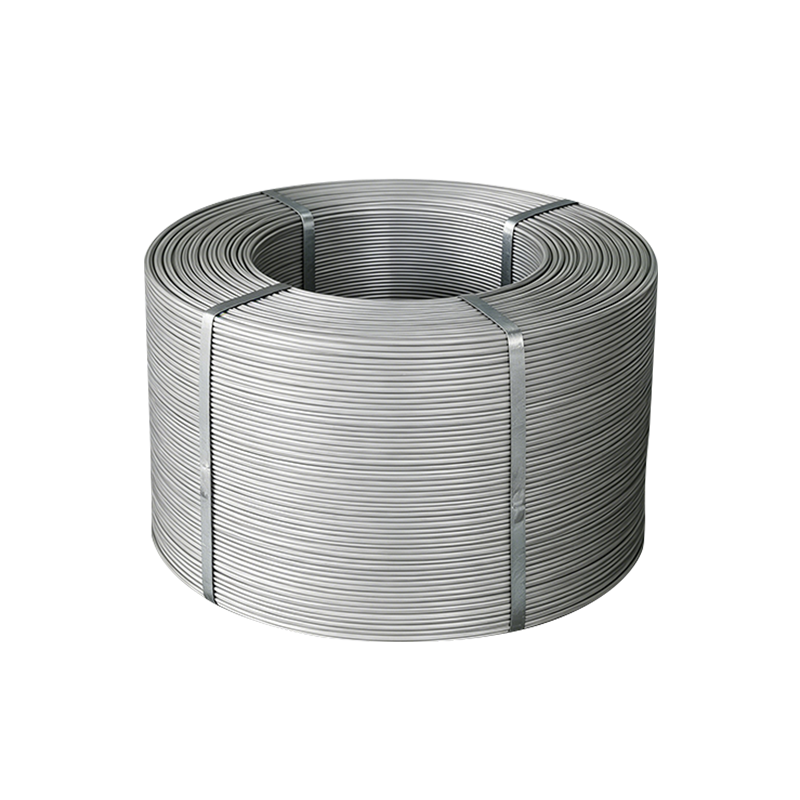
AlMg6 Aluminum Alloy Wire
Content
- 1 Understanding AlMg6 Aluminum Alloy Wire
- 2 Chemical Composition and Performance Foundation
- 3 Key Advantages of AlMg6 Aluminum Alloy Wire
- 4 Applications in Advanced Industries
- 5 How AlMg6 Compares with Other Aluminum Alloy Wires
- 6 Advanced Manufacturing Processes Behind Reliable AlMg6 Wire
- 7 Company Strengths Supporting Product Reliability
- 8 Advantages Over Competitors
- 9 Performance Factors Customers Should Consider
- 10 Sustainability and Lightweight Engineering
- 11 Frequently Asked Questions
- 11.1 What is AlMg6 aluminum alloy wire?
- 11.2 What are the main advantages of AlMg6 wire?
- 11.3 How does AlMg6 differ from pure aluminum wire?
- 11.4 Why is magnesium important in AlMg6?
- 11.5 Is AlMg6 suitable for marine applications?
- 11.6 Can AlMg6 aluminum alloy wire be used for welding?
- 11.7 What industries commonly use AlMg6 aluminum alloy wire?
- 11.8 Why should customers choose a certified manufacturer?
- 11.9 What makes Jiangsu Hetuo Aluminum Wire Co., Ltd. competitive?
- 11.10 What should be specified when ordering AlMg6 wire?
- 12 Conclusion
- 13 References
- 14 Product: AlMg6 Aluminum Alloy Wire
Understanding AlMg6 Aluminum Alloy Wire
AlMg6 aluminum alloy wire belongs to the aluminum-magnesium alloy family. In this alloy system, magnesium is the primary alloying element and plays the central role in strengthening the aluminum matrix. Compared with pure aluminum wire, AlMg6 wire offers significantly improved strength while retaining many of aluminum’s most valued characteristics. It is lighter than steel, more corrosion resistant in many atmospheric and marine environments, and easier to process in numerous manufacturing operations.
The alloy is especially valuable in situations where components may face vibration, dynamic loading, moisture, salt spray, industrial atmosphere, or repeated welding and forming operations. These conditions are common in ships, aircraft assemblies, defense structures, vehicle parts, pressure-related components, and industrial equipment. In these fields, material failure may not simply be a production issue; it can directly affect structural safety, maintenance cost, and long-term reliability.
AlMg6 wire is also valued for its weldability. Many high-strength materials lose performance or become difficult to join when subjected to heat. Aluminum-magnesium alloys, by contrast, are widely used in welding-related applications because they provide a sound combination of strength and joint quality. AlMg6 wire can be used where a magnesium-rich aluminum alloy filler or high-strength aluminum alloy wire is required, depending on the customer’s specific process and technical standards.
Another key feature is resistance to exfoliation corrosion. Exfoliation corrosion is a layered form of corrosion that can occur in certain aluminum alloys, especially when microstructure and processing are not properly controlled. AlMg6 is recognized for good resistance in this area, making it suitable for applications exposed to corrosive environments. This advantage is particularly meaningful for shipbuilding, marine equipment, aerospace structures, and transport systems operating in humid or chloride-rich environments.
Chemical Composition and Performance Foundation
The performance of AlMg6 aluminum alloy wire starts with its chemistry. Precise chemical control is one of the most important factors separating a reliable product from an inconsistent one. A wire may appear similar on the surface, but small variations in magnesium, manganese, titanium, iron, silicon, and trace elements can affect tensile strength, ductility, corrosion resistance, weldability, and surface quality.
The typical chemical composition of AlMg6 aluminum alloy wire is shown below. Values are provided as percentage by mass unless otherwise stated.
| Element | Typical Content | Functional Role |
| Silicon | Up to 0.40 | Controlled impurity; excessive silicon may influence ductility and weld behavior |
| Iron | Up to 0.40 | Controlled impurity; careful limitation supports toughness and processing stability |
| Copper | Up to 0.10 | Maintained at a low level to help preserve corrosion resistance |
| Manganese | 0.5-0.8 | Supports strength, microstructural stability, and corrosion performance |
| Magnesium | 5.8-6.8 | Main strengthening element; improves strength and corrosion resistance |
| Zinc | Up to 0.20 | Controlled to maintain alloy balance and stable corrosion behavior |
| Titanium | 0.1-0.2 | Assists grain refinement and structural uniformity |
| Beryllium | 0.002-0.005 | Trace element control for melt and alloy behavior where applicable |
| Other Elements | Single up to 0.05, total up to 0.15 | Limited to maintain consistency and reliability |
| Aluminum | Remainder | Base metal providing low density, formability, and corrosion resistance |
This composition gives AlMg6 its distinctive identity. The magnesium content is higher than that of common 5xxx aluminum alloy wires such as AlMg3 and many standard welding wires. This higher magnesium level contributes to greater strengthening. Manganese improves structural stability and can help reduce sensitivity to certain corrosion mechanisms. Titanium supports fine grain formation, which is important for wire drawing, surface finish, and uniform mechanical behavior.
Low copper content is another important feature. Copper can increase strength in some aluminum alloys, but it may reduce corrosion resistance if not carefully managed. In AlMg6, copper is controlled at a low level to support use in marine and corrosive environments. Similarly, silicon and iron are limited to prevent undesirable phases that could reduce ductility, surface quality, or fatigue reliability.
Key Advantages of AlMg6 Aluminum Alloy Wire
High Strength with Low Weight
One of the major advantages of AlMg6 aluminum alloy wire is the combination of elevated strength and low density. Steel remains strong but heavy. Pure aluminum is light but relatively soft. AlMg6 provides a middle path: it maintains the lightweight nature of aluminum while achieving significantly better strength through magnesium solid-solution strengthening.
This advantage is especially important in aerospace, aviation, automobiles, ships, and military equipment. Weight reduction can improve fuel efficiency, payload capacity, maneuverability, and operating economy. In vehicle and aircraft applications, every reduction in structural mass can contribute to lower energy consumption. In marine applications, lighter structures may improve speed, stability, and cargo efficiency. In defense systems, weight savings may improve mobility and deployment flexibility.
Excellent Resistance to Exfoliation Corrosion
Corrosion resistance is not a single property; it depends on the alloy, microstructure, environment, surface condition, fabrication method, and maintenance regime. AlMg6 is valued for its good resistance to exfoliation corrosion, a type of corrosion that can propagate along elongated grain structures and cause layer-like separation. In severe cases, exfoliation corrosion can compromise the integrity of structural sections.
The alloy’s magnesium-rich composition, controlled manganese content, and carefully limited impurities help support corrosion performance. In applications exposed to saltwater, humidity, weathering, and industrial atmospheres, this resistance can reduce maintenance demand and extend service life. Compared with alloys that offer strength but have greater corrosion sensitivity, AlMg6 provides a more balanced solution for long-term engineering use.
Good Weldability
AlMg6 aluminum alloy wire also offers good weldability, which is crucial for structural fabrication. Aluminum welding requires careful material selection because weld cracking, porosity, strength loss, oxidation, and inconsistent feeding can create quality risks. A reliable wire product must have proper chemistry, clean surface condition, stable diameter, and predictable melting behavior.
AlMg6 wire is suitable for applications where an aluminum-magnesium alloy wire is needed to support strong welded joints and corrosion-resistant assemblies. It can be used in production environments where fabricators require wire that feeds smoothly, melts consistently, and contributes to weld metal performance. This makes it relevant not only as a high-strength alloy wire but also within the broader family of aluminum and aluminum alloy welding materials.
Balanced Mechanical and Processing Characteristics
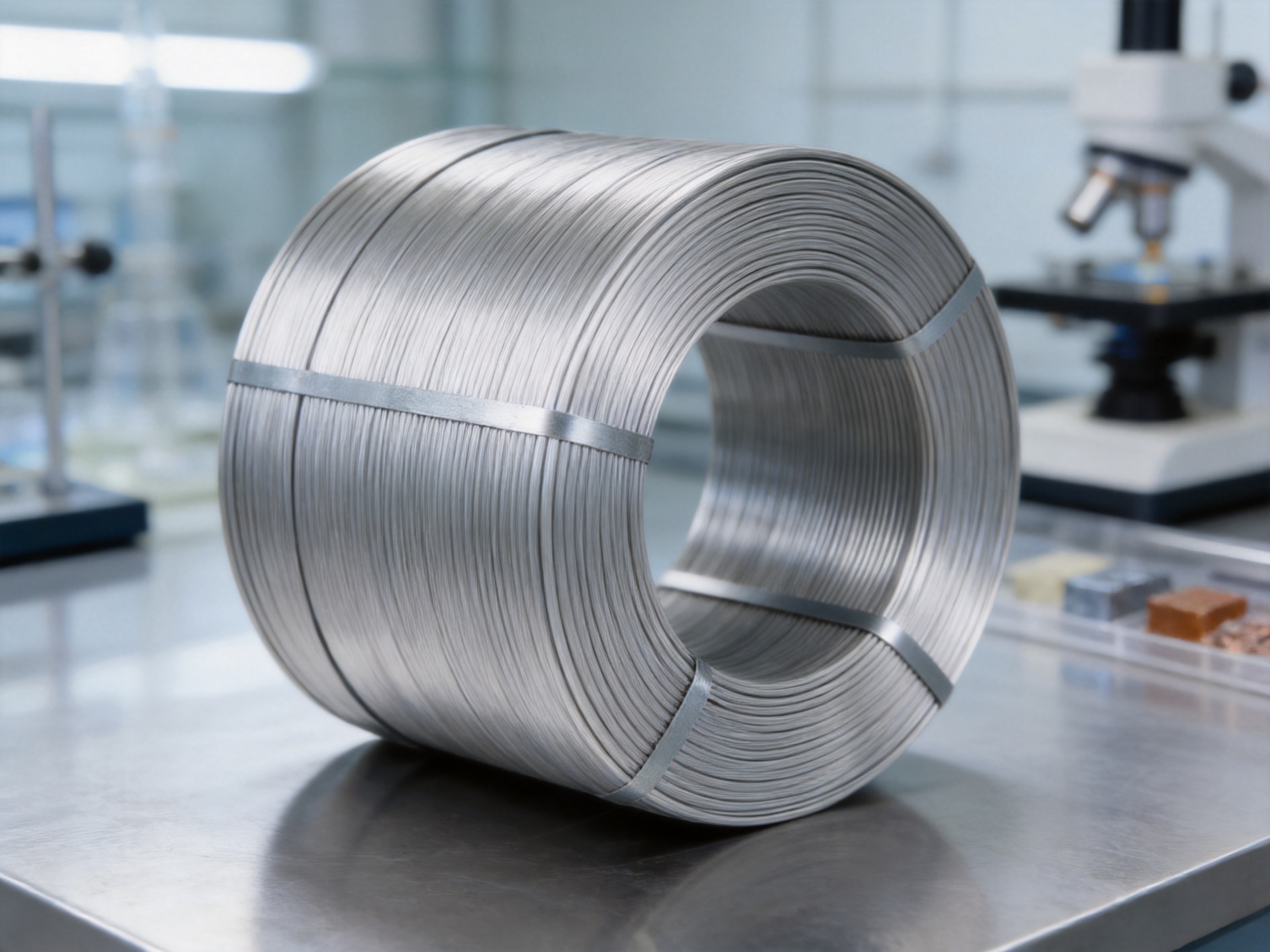
Some materials offer high strength but are difficult to draw, coil, straighten, weld, or process. AlMg6 provides a practical balance. Its composition allows the wire to be manufactured into usable diameters while retaining the mechanical properties required for demanding applications. A stable wire product must pass through multiple process stages, including alloy preparation, casting or rod preparation, hot or cold working, drawing, surface treatment, inspection, and packaging.
When manufactured under strict quality control, AlMg6 wire can deliver consistent diameter, smooth surface, uniform composition, and reliable coil quality. These characteristics directly affect customer productivity. Smooth feeding and stable handling reduce equipment downtime. Uniform chemistry improves weld repeatability and mechanical consistency. Clean surfaces reduce contamination and improve joining quality.
Applications in Advanced Industries
Aviation and Aerospace
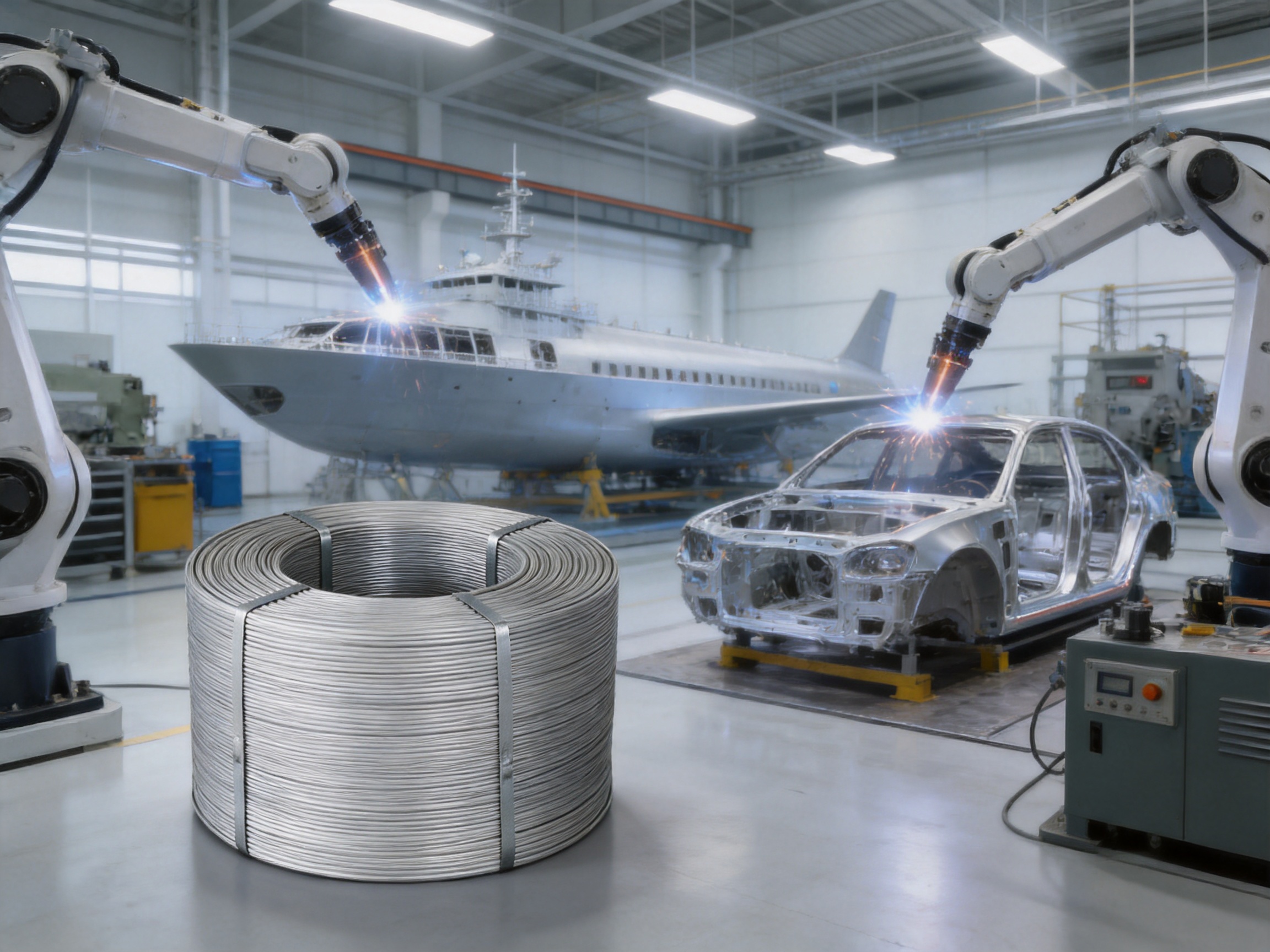
Aviation and aerospace industries require materials that combine low mass, strength, corrosion resistance, and quality consistency. While the exact use of any wire depends on design approval and applicable technical standards, AlMg6 aluminum alloy wire is well aligned with the general requirements of lightweight structural and manufacturing applications. Its magnesium-enhanced strength and corrosion resistance support use in environments where long-term reliability is essential.
In aerospace manufacturing, materials must be controlled from chemical composition to final packaging. A small inconsistency in wire chemistry or surface quality can affect downstream forming or welding results. Jiangsu Hetuo Aluminum Wire Co., Ltd. addresses these concerns through controlled production processes, quality inspection throughout manufacturing, and a quality management system aligned with international expectations.
Shipbuilding and Marine Structures
Marine environments are among the most challenging for metals. Saltwater, humidity, temperature changes, and mechanical stress can accelerate corrosion and fatigue. Aluminum-magnesium alloys are widely valued in marine structures because they offer corrosion resistance with reduced weight. AlMg6 wire is particularly relevant where strength and corrosion resistance are required together.
In shipbuilding and marine equipment, AlMg6 wire may support fabrication of aluminum alloy structures, repair work, or specialized components depending on engineering requirements. Its resistance to exfoliation corrosion is particularly useful in environments where long-term exposure could otherwise damage layered microstructures. Compared with lower-strength aluminum wires, AlMg6 provides a stronger option while still supporting weldability and fabrication efficiency.
Military Equipment, Tanks, and Defense Applications
Defense applications often require materials that perform under demanding conditions. Equipment may be exposed to vibration, impact, moisture, temperature variation, outdoor storage, and severe transportation conditions. AlMg6 aluminum alloy wire offers a useful combination of strength, low weight, and corrosion resistance for manufacturing environments connected with military vehicles, tanks, support equipment, and structural assemblies.
For these applications, the advantage is not merely the alloy itself but the consistency of supply. A defense-related production line needs predictable material behavior from batch to batch. Stable composition and controlled manufacturing reduce risk in welding, forming, and assembly. This is where an experienced aluminum wire manufacturer with certified systems and advanced inspection capability has an advantage over low-cost suppliers that may not provide the same process discipline.
Automobile Manufacturing
Automobile manufacturers are steadily increasing the use of aluminum alloys to reduce vehicle weight and improve energy efficiency. This trend is visible in conventional vehicles, electric vehicles, commercial vehicles, and specialty transport equipment. AlMg6 aluminum alloy wire can be relevant to automotive manufacturing where high-strength aluminum alloy wire or aluminum welding material is needed.
Automotive production places strong emphasis on repeatability. Wire feeding, dimensional control, surface cleanliness, and stable chemical composition are all important for robotic welding, automated assembly, and high-volume manufacturing. Jiangsu Hetuo Aluminum Wire Co., Ltd. has obtained IATF 16949 certification, a quality management standard strongly associated with automotive supply chains. This demonstrates the company’s ability to meet disciplined process and documentation requirements expected in the automotive sector.
Industrial Components and Precision Manufacturing
Beyond aviation, marine, defense, and automotive uses, AlMg6 wire can serve broader industrial markets. Precision profiles, aluminum alloy rods, welding wires, and custom wire solutions are increasingly needed in machinery, rail transport, energy equipment, structural fabrication, and high-end manufacturing. In these sectors, materials are selected for a combination of performance, availability, processability, and cost-effectiveness.
AlMg6 wire is well suited for customers seeking a strong aluminum-magnesium alloy with good corrosion resistance and weldability. It provides an alternative to weaker aluminum wires and heavier steel materials. In applications where the material must withstand mechanical load while resisting corrosion, AlMg6 can help reduce the need for excessive protective treatments or frequent replacement.
How AlMg6 Compares with Other Aluminum Alloy Wires
Customers often compare AlMg6 with other aluminum alloy wires, including AlMg3, AlMg5, 5356, 5183, 4043, and 4047. Each alloy has its own purpose. Silicon-rich alloys such as 4043 and 4047 are often selected for fluidity and brazing or welding characteristics in certain applications. Magnesium-bearing alloys such as 5356, 5183, AlMg5, and AlMg6 are selected when higher strength and corrosion resistance are important.
Compared with AlMg3, AlMg6 contains substantially more magnesium and therefore offers higher strengthening potential. Compared with AlMg5, AlMg6 generally provides a further increase in magnesium content, contributing to greater strength where the application can benefit from it. Compared with silicon-rich 4043 and 4047, AlMg6 is more focused on strength and corrosion resistance rather than primarily on silicon-driven flow characteristics.
Compared with ordinary commodity aluminum wire, AlMg6 offers a more advanced engineering profile. Commodity wire may be acceptable for simple electrical, tying, craft, or low-load uses, but it may not meet demanding structural or welding requirements. AlMg6 is intended for customers who need defined chemistry, controlled mechanical behavior, and reliable industrial performance.
| Comparison Item | AlMg6 Aluminum Alloy Wire | Common Lower-Magnesium Aluminum Wire | Typical Commodity Aluminum Wire |
| Main Strengthening Feature | High magnesium content of 5.8-6.8% | Moderate magnesium content | Little or no alloy strengthening |
| Strength Potential | High for aluminum-magnesium wire | Medium | Low to moderate |
| Corrosion Resistance | Good, including exfoliation corrosion resistance | Generally good | Depends heavily on purity and environment |
| Weldability | Good when properly applied | Good for many applications | Limited for high-performance fabrication |
| Application Level | Aviation, aerospace, ships, vehicles, defense, industrial structures | General structural and welding uses | Basic manufacturing or noncritical uses |
| Quality Requirement | Precise composition and process control | Moderate to high | Often basic |
This comparison shows why AlMg6 is positioned as a high-strength aluminum alloy wire rather than a general-purpose wire. The material is most valuable when the customer needs more than basic conductivity or formability. It is designed for manufacturing operations where material performance directly affects the quality and durability of the final product.
Advanced Manufacturing Processes Behind Reliable AlMg6 Wire
The performance of aluminum alloy wire depends not only on composition but also on manufacturing discipline. Even the best alloy design can fail to deliver expected results if the production process is poorly controlled. Wire manufacturing involves multiple stages, and each stage can influence final properties.
Raw Material Selection and Alloy Preparation
Reliable AlMg6 production begins with carefully selected aluminum and alloying materials. Since the alloy contains controlled amounts of magnesium, manganese, titanium, and trace elements, raw material purity and weighing accuracy are essential. Excess impurities can form brittle phases, reduce corrosion resistance, or create inconsistent drawing behavior.
Jiangsu Hetuo Aluminum Wire Co., Ltd. focuses on producing high-grade aluminum alloy rods, welding wires, and precision profiles. This requires close control over incoming materials and alloy preparation. By managing raw material quality from the beginning, the company reduces the risk of downstream defects and improves batch-to-batch consistency.
Melting and Chemical Control
During melting, aluminum and alloying elements must be combined uniformly. Magnesium is particularly important because it can oxidize and burn off if melting conditions are not controlled properly. The final magnesium content must remain within the specified 5.8-6.8% range to ensure the intended strength and corrosion behavior.
Modern manufacturing uses controlled melting practices, sampling, and chemical analysis to confirm alloy composition. Adjustments can be made before casting or further processing. This step is one of the most important differences between advanced manufacturers and less controlled suppliers. A wire that is out of chemical specification may still look acceptable but may fail in welding, mechanical performance, or corrosion testing.
Casting, Rod Preparation, and Homogenization
After melting and composition confirmation, the alloy must be cast or prepared into feedstock suitable for wire production. The microstructure created at this stage affects later drawing performance. A uniform structure helps reduce cracking, breakage, and uneven deformation during wire drawing. Depending on the production route, thermal treatment or homogenization may be used to improve structural uniformity and reduce segregation.
Proper rod preparation is essential for AlMg6 because high-magnesium aluminum alloys require careful control during deformation. If the feedstock contains internal defects, coarse particles, or uneven chemistry, those problems can appear later as wire breaks, surface scratches, poor ductility, or inconsistent mechanical properties.
Wire Drawing and Dimensional Precision
Wire drawing reduces the rod to the required diameter through a sequence of dies. This process must be carefully designed to avoid excessive work hardening, surface damage, or internal stress. Drawing speed, lubrication, die quality, reduction schedule, and intermediate treatment all influence the final product.
Dimensional precision is especially important for welding wire and automated manufacturing. If the wire diameter fluctuates, feeding stability can suffer. Poor feeding can cause arc instability, inconsistent deposition, equipment stoppage, and weld defects. Smooth and consistent AlMg6 wire helps customers achieve stable production and lower scrap rates.
Surface Treatment and Cleanliness
Aluminum naturally forms an oxide film. While this film helps protect the metal, excessive surface oxide, contamination, oil residue, or mechanical damage can interfere with welding and processing. Therefore, surface quality is a major part of wire manufacturing.
A high-quality AlMg6 wire should have a clean, smooth, and uniform surface. For welding-related uses, surface cleanliness helps reduce porosity and improves process stability. For precision manufacturing, surface quality affects handling, forming, and appearance. Advanced equipment and process control allow Jiangsu Hetuo Aluminum Wire Co., Ltd. to support these requirements.
Inspection Throughout Production
Quality cannot be added only at the end. It must be built into every stage. The company strictly implements quality inspection throughout production, helping ensure that chemical composition, dimensions, surface condition, and packaging meet customer expectations. This approach reduces the probability of nonconforming product reaching the customer and improves confidence in long-term supply.
Inspection may include chemical analysis, dimensional measurement, surface evaluation, tensile-related testing, coil inspection, and documentation review. For customers in aviation, automotive, marine, and defense-related supply chains, documented control is often as important as the physical product itself.
Company Strengths Supporting Product Reliability
Jiangsu Hetuo Aluminum Wire Co., Ltd. was established in 2019 and has developed as an innovative participant in China’s aluminum alloy materials industry. The company is located in the Small and Medium-sized Enterprises Park, Economic Development Zone, Guannan County, Lianyungang City, Jiangsu Province, China. Its factory covers 40,000 square meters and employs 60 people, including 30 professional managers and technicians.
This organizational structure supports both production capacity and technical responsiveness. Aluminum alloy wire customers often require more than standard supply. They may need material consultation, specification matching, quality documentation, trial support, customized packaging, or continuous improvement. A team with professional managers and technicians helps connect manufacturing capability with customer application requirements.
Intelligent Manufacturing System
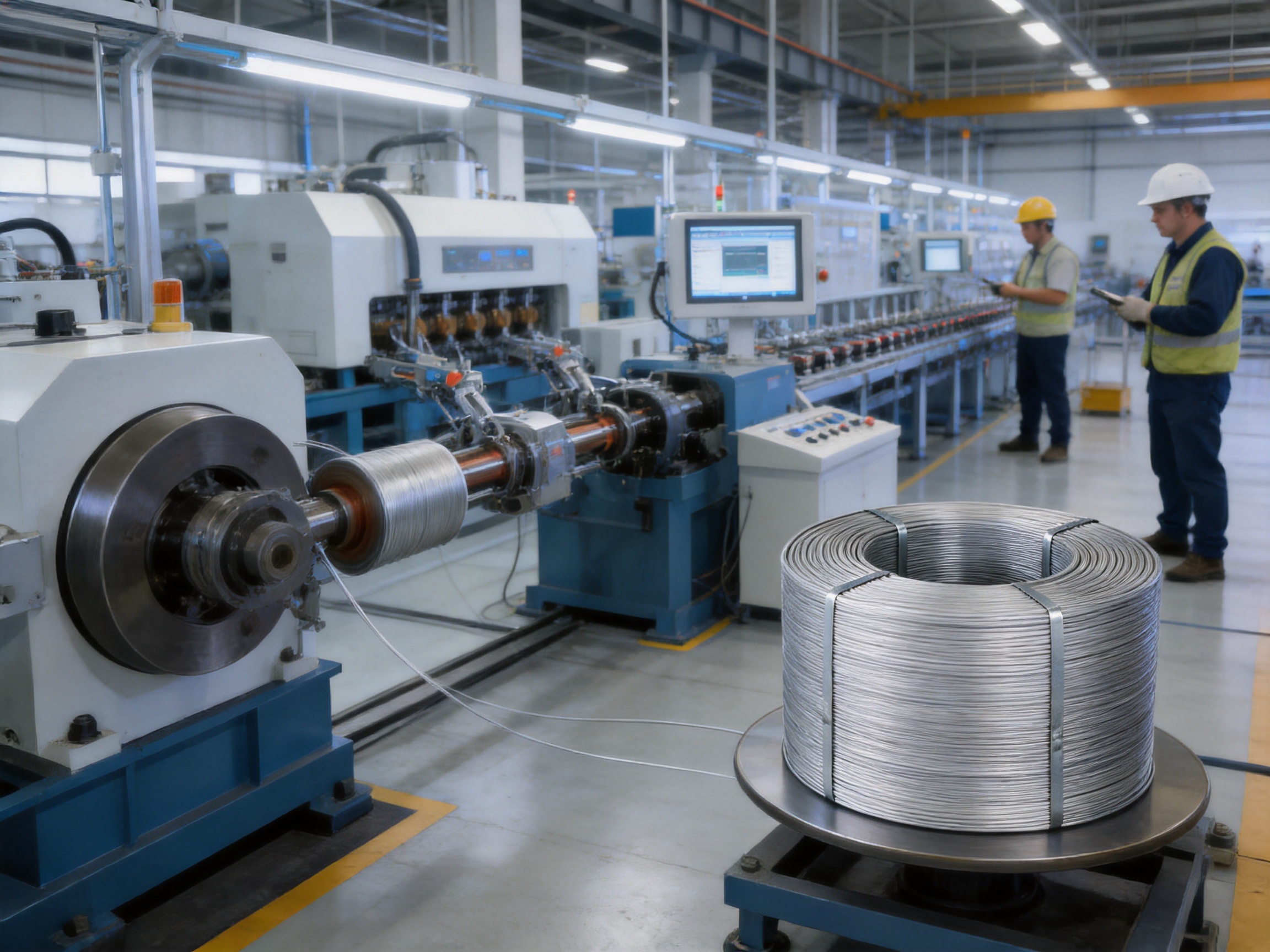
The company has built an intelligent manufacturing system covering high-purity aluminum wire, high-strength aluminum alloy wire, and aluminum and aluminum alloy welding materials. This integrated product structure gives the company a broad understanding of aluminum wire behavior across different purity levels, alloy systems, and end uses.
For AlMg6 wire, intelligent manufacturing helps ensure process consistency. Manufacturing data, equipment control, inspection records, and standardized procedures contribute to repeatable output. This is especially important for customers that purchase wire for continuous production, where a sudden change in wire performance can disrupt schedules and increase costs.
Quality Management Certifications
The company has obtained ISO 9001 and IATF 16949 quality management system certifications. ISO 9001 demonstrates a structured approach to quality management, process control, customer focus, and continuous improvement. IATF 16949 is particularly significant for automotive-related supply chains and reflects stricter expectations for defect prevention, traceability, process discipline, and risk management.
These certifications support the company’s ability to supply customers in high-demand sectors. While certification alone does not guarantee every aspect of product performance, it provides a strong framework for consistent production, corrective action, documentation, and customer satisfaction.
Advanced Equipment and Facilities
Modern aluminum wire production requires advanced equipment. Precision drawing, controlled processing, surface management, and inspection all depend on reliable machinery and trained operators. The company introduces advanced equipment and facilities to support its production of aluminum alloy rods, welding wires, and precision profiles.
Compared with suppliers relying on outdated equipment or inconsistent manual practices, advanced production facilities can deliver better dimensional control, surface quality, and production efficiency. This translates into practical customer benefits: fewer wire breaks, more stable feeding, improved weld consistency, better coil appearance, and lower risk of production delays.
International Market Orientation
The company’s products comply with international quality standards and are exported to many high-end overseas markets. Export experience is important because international customers often require strict documentation, stable packaging, consistent labeling, and adherence to agreed specifications. Serving high-end overseas markets also encourages continuous improvement in product quality, communication, and supply chain reliability.
For AlMg6 aluminum alloy wire buyers, this export capability means the company understands the expectations of customers outside its domestic market. It can support global industries seeking lighter, stronger, and more sustainable aluminum alloy wire and welding material solutions.
Advantages Over Competitors
AlMg6 aluminum alloy wire from a strong manufacturer offers advantages that go beyond nominal chemistry. Many competitors may list similar alloy grades, but the real difference appears in consistency, process control, technical support, and supply reliability. Customers should evaluate not only the alloy name but also the manufacturer’s ability to deliver the same quality from one batch to the next.
More Precise Composition Control
Because AlMg6 depends heavily on magnesium content and impurity control, precise composition management is essential. Suppliers with weak chemical control may produce wire that fluctuates near or outside specification limits. Such variation can cause differences in strength, ductility, corrosion resistance, and weld behavior. Jiangsu Hetuo Aluminum Wire Co., Ltd. emphasizes quality inspection throughout production, helping ensure that AlMg6 wire maintains its intended alloy balance.
Better Fit for High-End Applications
Some competitors focus mainly on low-cost commodity aluminum wire. While these products may be suitable for simple applications, they are not ideal for aviation, aerospace, marine, automotive, or defense-related manufacturing. AlMg6 wire is a higher-performance product that requires careful process control. The company’s manufacturing system, certifications, and technical workforce make it better positioned to support customers with demanding requirements.
Integrated Product Capability
The company manufactures high-purity aluminum wire, high-strength aluminum alloy wire, and aluminum and aluminum alloy welding materials. This broad capability allows it to understand different customer needs and provide more complete solutions. A customer purchasing AlMg6 wire may also require related aluminum alloy welding materials or precision profiles. Working with a manufacturer that has a wider aluminum alloy portfolio can simplify sourcing and improve technical compatibility.
Quality System for Automotive and Industrial Buyers
IATF 16949 certification gives the company an advantage over suppliers without automotive-grade quality management systems. Automotive and industrial buyers often require traceability, risk-based thinking, process validation, defect prevention, and continuous improvement. These requirements are easier to meet when the supplier already operates within a recognized quality framework.
Production Scale and Technical Team
With a 40,000-square-meter factory and a team that includes professional managers and technicians, the company has the foundation for stable supply and responsive service. Smaller or less specialized suppliers may struggle with capacity, documentation, or technical communication. For customers working on long-term projects, supplier stability is a critical factor.
Performance Factors Customers Should Consider
When selecting AlMg6 aluminum alloy wire, customers should consider more than price per kilogram. The lowest initial price may not deliver the lowest total cost. Poor wire quality can cause downtime, weld defects, rejected parts, rework, safety risks, and delayed delivery. A technically reliable wire can improve productivity and reduce hidden costs.
Chemical Certification
Customers should request chemical composition documentation to confirm that the wire meets AlMg6 requirements. The magnesium range, manganese level, copper limit, titanium content, beryllium trace range, and impurity limits should be checked carefully. Proper documentation supports quality assurance and traceability.
Diameter Tolerance
Wire diameter affects feeding, drawing, forming, and welding performance. Tight and consistent diameter tolerance is particularly important for automated equipment. Customers should specify required diameters and tolerances clearly and confirm that the supplier can meet them consistently.
Surface Quality
Surface cleanliness and smoothness influence weld quality, coil handling, and downstream processing. Scratches, oil, excessive oxide, black spots, and contamination can cause problems. High-quality AlMg6 wire should be supplied with controlled surface condition suitable for its intended use.
Mechanical Requirements
Depending on the application, tensile strength, elongation, temper, and formability may be important. Customers should communicate mechanical requirements clearly, especially for structural or safety-related uses. The supplier can then recommend suitable processing conditions and product forms.
Packaging and Storage
Aluminum alloy wire should be packaged to prevent moisture, contamination, mechanical damage, and coil deformation. Good packaging preserves product quality during storage and transportation. Export customers may require specific packaging standards, labels, batch numbers, and documentation.
Sustainability and Lightweight Engineering
Aluminum alloys are closely connected with modern sustainability goals. By reducing structural weight, aluminum can help improve fuel efficiency and lower energy consumption in transportation. In electric vehicles, lightweight materials can contribute to longer driving range or improved battery efficiency. In ships and aircraft, weight reduction can reduce operating costs over the service life of the equipment.
AlMg6 wire supports this trend by offering strength without the mass penalty of heavier materials. It can help designers and manufacturers replace or reduce heavier metals in suitable applications. Its corrosion resistance may also extend service life, reducing replacement frequency and material waste.
Jiangsu Hetuo Aluminum Wire Co., Ltd. aims to provide lighter, stronger, and more sustainable aluminum alloy wire and welding material solutions for global industries. This objective aligns with the broader shift toward resource efficiency, high-performance materials, and cleaner manufacturing.
Frequently Asked Questions
What is AlMg6 aluminum alloy wire?
AlMg6 aluminum alloy wire is an aluminum-magnesium alloy wire with magnesium typically controlled between 5.8% and 6.8%. It is designed for high-strength applications requiring corrosion resistance, weldability, and reliable processing performance.
What are the main advantages of AlMg6 wire?
The main advantages include high strength for an aluminum alloy wire, low weight, good resistance to exfoliation corrosion, good weldability, and suitability for demanding industries such as aviation, aerospace, ships, automobiles, military equipment, tanks, and industrial structures.
How does AlMg6 differ from pure aluminum wire?
Pure aluminum wire is softer and mainly valued for conductivity, ductility, and corrosion resistance. AlMg6 wire contains a high level of magnesium, which greatly improves strength while retaining many lightweight and corrosion-resistant characteristics of aluminum.
Why is magnesium important in AlMg6?
Magnesium is the primary strengthening element in AlMg6. It strengthens the aluminum matrix and supports performance in structural and corrosion-resistant applications. The 5.8-6.8% magnesium range is a key feature of the alloy.
Is AlMg6 suitable for marine applications?
Yes, AlMg6 is well suited for many marine-related applications because of its aluminum-magnesium alloy chemistry and good resistance to corrosion, including exfoliation corrosion. Final suitability should always be confirmed according to the specific design, environment, and applicable standards.
Can AlMg6 aluminum alloy wire be used for welding?
AlMg6 has good weldability and may be used in welding-related applications where a high-magnesium aluminum alloy wire is appropriate. Customers should confirm compatibility with base metals, welding processes, joint requirements, and technical standards.
What industries commonly use AlMg6 aluminum alloy wire?
Common industries include aviation, aerospace, shipbuilding, automotive manufacturing, military equipment, tank production, precision manufacturing, and industrial fabrication. It is selected when high strength, corrosion resistance, and reliable processing are required.
Why should customers choose a certified manufacturer?
A certified manufacturer with ISO 9001 and IATF 16949 systems is more likely to provide consistent process control, traceability, defect prevention, and documented quality management. This is especially important for automotive, aerospace, marine, and high-end industrial customers.
What makes Jiangsu Hetuo Aluminum Wire Co., Ltd. competitive?
The company offers an intelligent manufacturing system, advanced equipment, strict production inspection, ISO 9001 and IATF 16949 certifications, export experience, and a product portfolio covering high-purity aluminum wire, high-strength aluminum alloy wire, and aluminum alloy welding materials.
What should be specified when ordering AlMg6 wire?
Customers should specify alloy grade, diameter, tolerance, temper or mechanical requirements, surface condition, packaging, quantity, documentation needs, and intended application. Clear specifications help ensure that the delivered wire matches production requirements.
Conclusion
AlMg6 aluminum alloy wire is a high-performance material designed for industries that require more than ordinary aluminum wire can offer. Its high magnesium content provides strength, while its aluminum base and controlled alloy chemistry support low weight, corrosion resistance, and good weldability. These characteristics make it suitable for demanding fields such as aviation, aerospace, ships, military equipment, tanks, automobiles, and industrial manufacturing.
The value of AlMg6 wire depends not only on the alloy grade but also on the manufacturer’s ability to control chemistry, microstructure, dimensions, surface quality, inspection, and packaging. Jiangsu Hetuo Aluminum Wire Co., Ltd. supports this requirement through advanced equipment, an intelligent manufacturing system, strict quality inspection, a 40,000-square-meter production base, experienced technical personnel, and ISO 9001 and IATF 16949 quality management certifications.
Compared with commodity aluminum wire and lower-strength alternatives, AlMg6 offers a stronger, more corrosion-resistant, and more application-focused solution. For customers seeking lightweight performance, reliable welding behavior, and stable industrial supply, AlMg6 aluminum alloy wire provides a practical and competitive material choice for modern engineering.
References
1. Davis, J. R. Aluminum and Aluminum Alloys. ASM International.
2. Hatch, J. E. Aluminum: Properties and Physical Metallurgy. American Society for Metals.
3. Kaufman, J. G. Introduction to Aluminum Alloys and Tempers. ASM International.
4. Mathers, G. The Welding of Aluminium and Its Alloys. Woodhead Publishing.
5. Mondolfo, L. F. Aluminum Alloys: Structure and Properties. Butterworths.
6. ISO 9001 Quality Management Systems: Requirements.
7. IATF 16949 Quality Management System Standard for Automotive Production and Relevant Service Parts Organizations.