

 English
 中文简体
中文简体 русский
 Deutsch
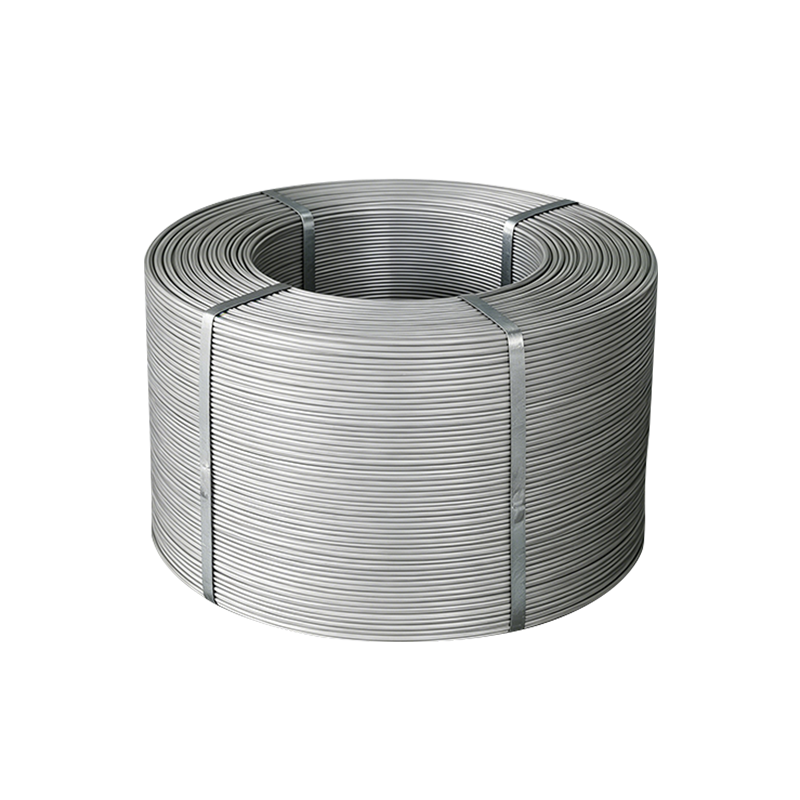
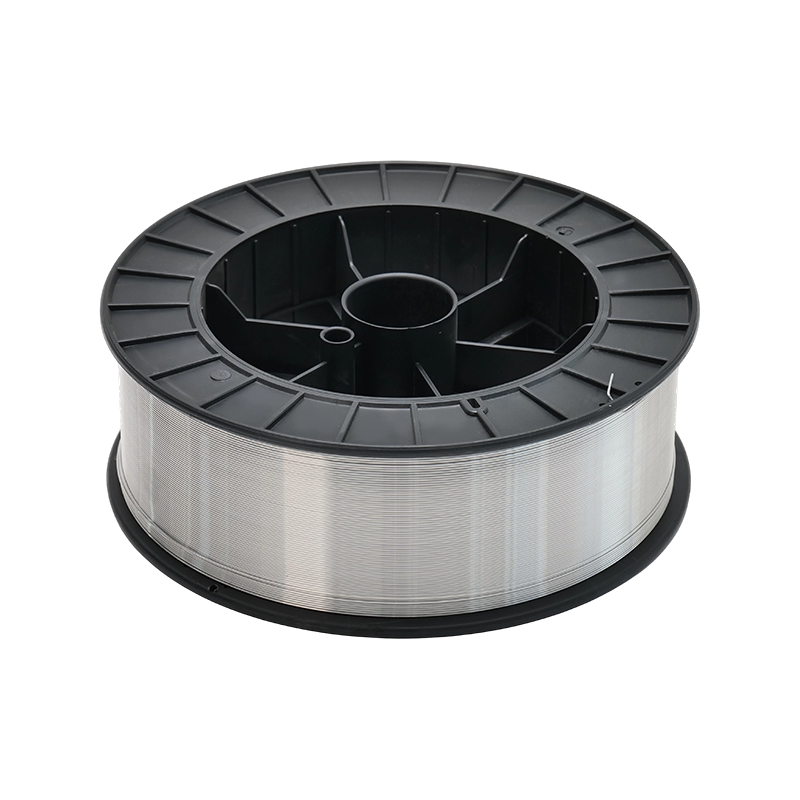
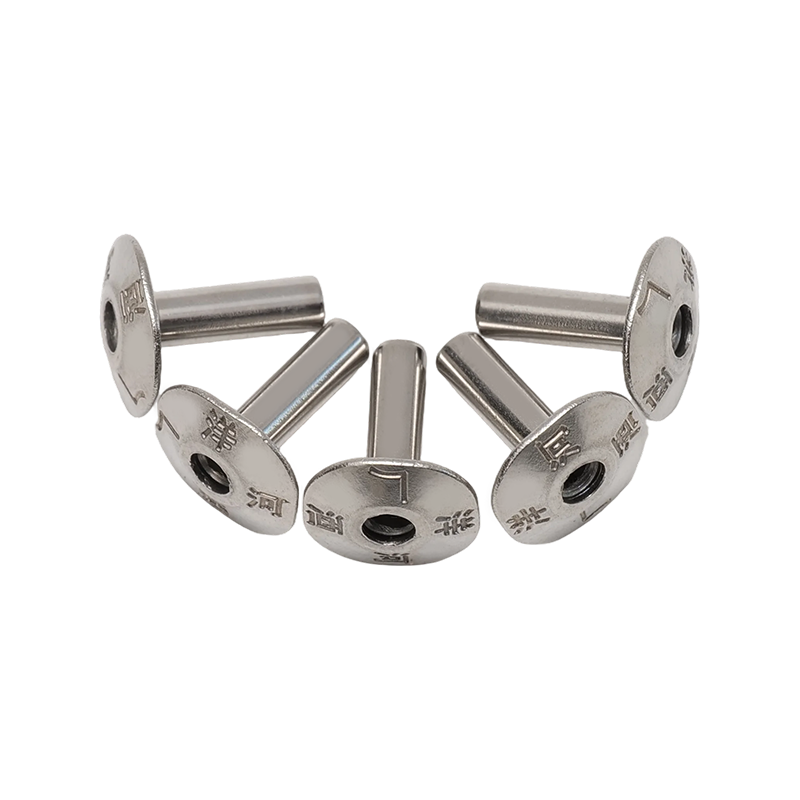
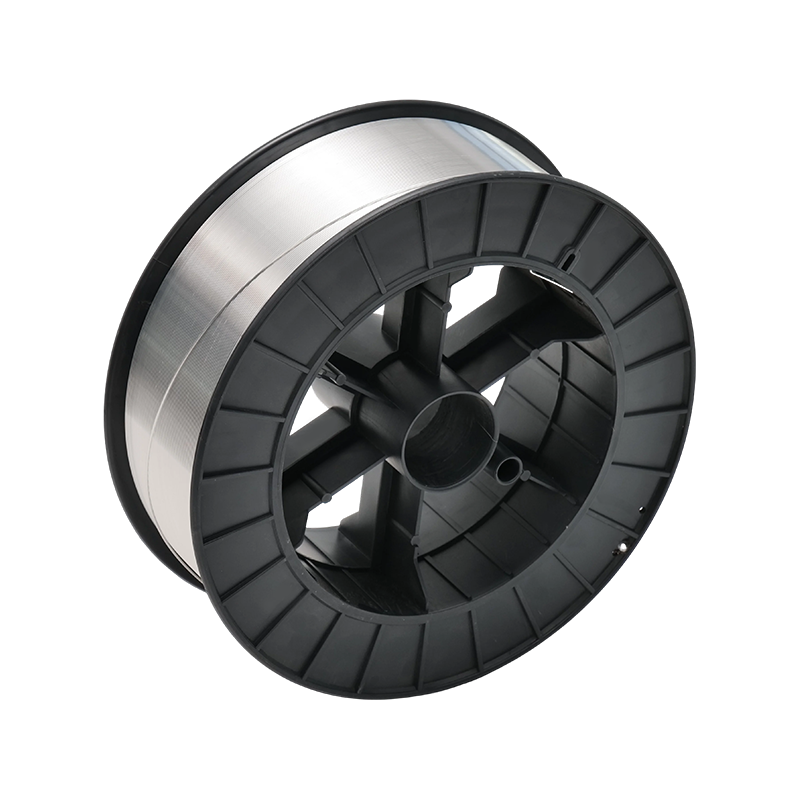
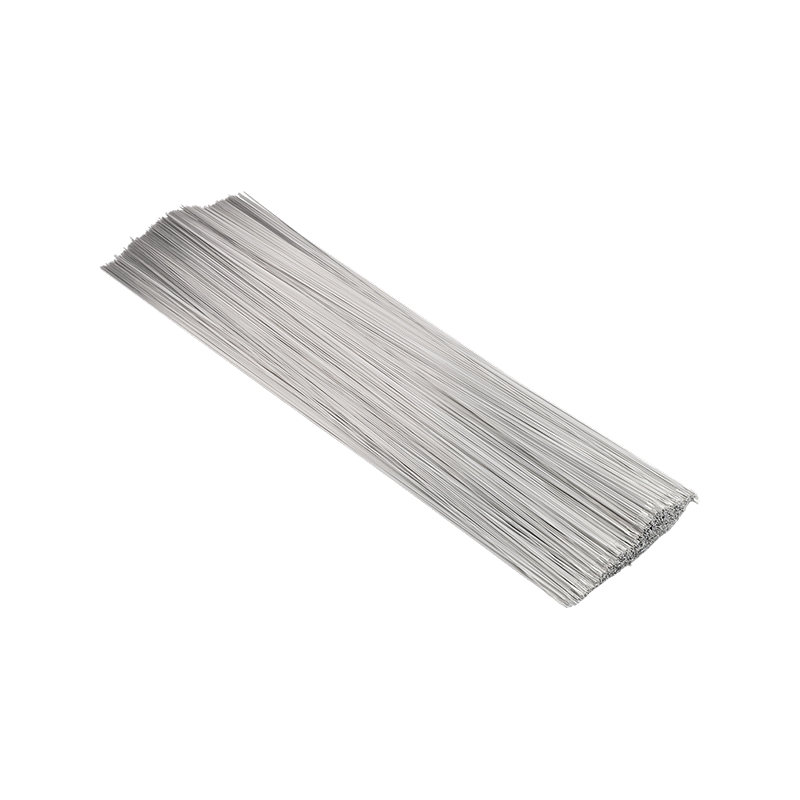
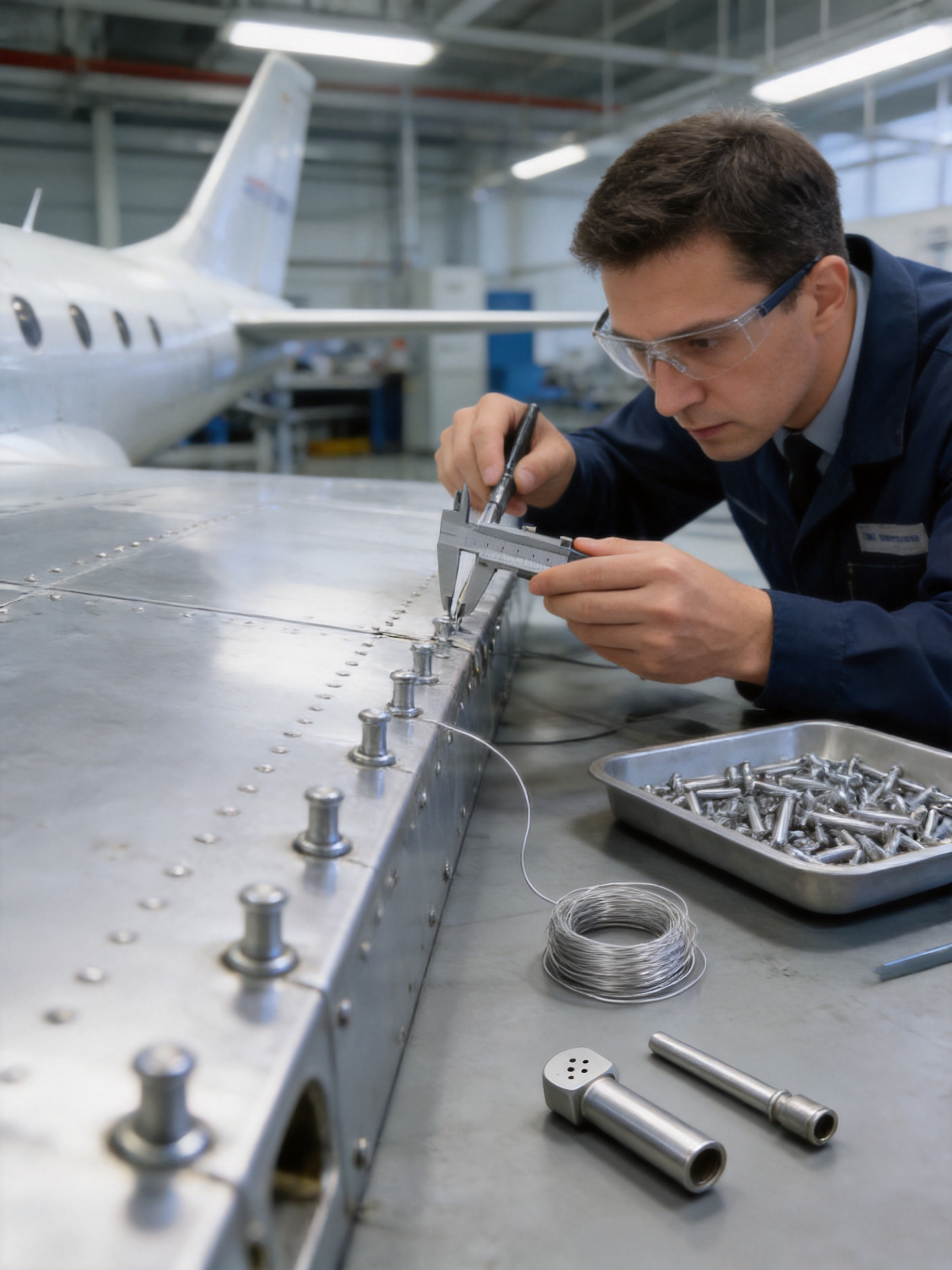
High-strength aluminum alloy wire for rivets is a specialized material designed for demanding fastening applications in aviation, aerospace, defense, transportation, and advanced equipment manufacturing. Unlike ordinary aluminum wire, rivet-grade aluminum alloy wire must combine stable chemical composition, excellent forming behavior, reliable heat-treatment response, and long-term resistance to stress corrosion and exfoliation corrosion. In aircraft structures and other critical assemblies, rivets are not simple fasteners; they are load-transferring components that must perform consistently under vibration, temperature change, moisture, and mechanical stress.
Jiangsu Hetuo Aluminum Wire Co., Ltd. supplies high-strength aluminum alloy wire for rivet applications with a focus on controlled metallurgy, precision wire processing, and strict quality management. The company’s aluminum rivet wire solutions are positioned for customers who require stable batches, clean surfaces, accurate diameters, reliable mechanical properties, and alloy systems suitable for high-end applications. The product is especially relevant where 7xxx-series aluminum alloys such as 7075 and 7050 are required for high strength, while other alloy grades can support different performance requirements in riveting, welding, or structural assembly.
Content
- 1 Product Overview
- 2 Why Aluminum Alloy Wire Is Used for Rivets
- 3 Core Performance Advantages
- 4 Comparison with Ordinary Aluminum Wire
- 5 Chemical Composition and Alloy Selection
- 6 Understanding T6, T73, and T76 Conditions
- 7 Advanced Manufacturing Capabilities
- 8 Manufacturing Process for High-Strength Rivet Wire
- 9 Quality Management and Certification Strength
- 10 Application Fields
- 11 Advantages for Rivet Manufacturers
- 12 Advantages for Aerospace and Industrial End Users
- 13 Customization and Technical Support
- 14 Packaging, Handling, and Storage Considerations
- 15 Why This Product Stands Out in the Market
- 16 Frequently Asked Questions
- 16.1 What is high-strength aluminum alloy wire for rivets?
- 16.2 Which industries commonly use this rivet wire?
- 16.3 Why is 7075 aluminum alloy important for rivet wire?
- 16.4 What is the difference between T6, T73, and T76?
- 16.5 Why does chemical composition control matter?
- 16.6 How does the product help rivet manufacturers?
- 16.7 What makes the supplier suitable for high-end applications?
- 16.8 Can the wire be customized?
- 17 Conclusion
- 18 References
- 19 Product: For Rivets
Product Overview
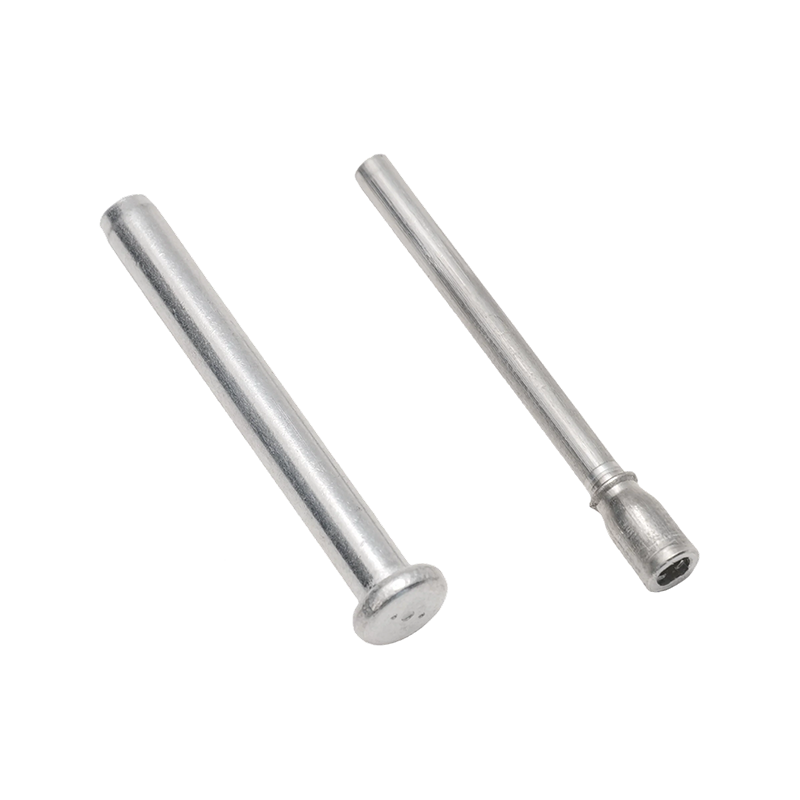
The product category is high-strength aluminum alloy wire, and the specific application focus is rivets. The material is mainly used in aviation, aerospace, and military fields, where high reliability is essential. Rivet wire must be capable of being transformed into rivets through heading, cutting, forming, and heat treatment while retaining the required strength and corrosion resistance after final processing. For high-strength aluminum rivets, alloy selection and temper control are decisive factors.
The supplied product supports applications that require precipitation-strengthened aluminum alloys. In high-strength alloy systems, strengthening is achieved through controlled solution treatment, quenching, natural or artificial aging, and the formation of strengthening phases. The product information highlights E phase and transition phase strengthening, with different temper conditions such as T6, T73, and T76 offering different performance balances. T6 provides high strength, T73 improves fracture toughness and stress corrosion resistance, and T76 offers strength higher than T73 while improving stress corrosion resistance compared with T6.
This flexibility is valuable because not every application requires the same property balance. A structural rivet used in a high-load region may require maximum tensile or shear strength. A rivet exposed to harsh service conditions may require superior stress corrosion resistance. A component expected to maintain performance at low temperature may require a temper that provides stable toughness and resistance to cracking. By supplying high-strength aluminum alloy wire for rivets, the manufacturer supports customers in choosing a material route that matches the final service environment.
Why Aluminum Alloy Wire Is Used for Rivets
Aluminum alloy rivets are widely used because they provide a favorable balance of weight, strength, formability, and corrosion resistance. In aerospace structures, every gram matters. Fasteners may appear small individually, but an aircraft can contain thousands or even hundreds of thousands of rivets. Replacing heavier fastener materials with aluminum alloy rivets can contribute to weight reduction, fuel efficiency, payload optimization, and improved design freedom.
Another key advantage is compatibility with aluminum structures. Many aircraft skins, panels, ribs, frames, and structural components are made from aluminum alloys. Aluminum alloy rivets can reduce galvanic corrosion risks compared with dissimilar metal fastening systems when properly selected and installed. They also allow designers to maintain a consistent material family across the assembled structure.
Rivet wire differs from general-purpose aluminum wire because it must be optimized for subsequent rivet manufacturing. It should withstand cold heading or forming without surface cracking, splitting, or internal defects. It must also respond predictably to heat treatment. If the wire’s composition is unstable or its microstructure is inconsistent, finished rivets may show uneven hardness, reduced strength, or unreliable corrosion behavior. Therefore, high-quality rivet wire begins with carefully controlled alloying, melting, casting, rolling, drawing, annealing, and inspection.
Core Performance Advantages
The main advantage of high-strength aluminum alloy wire for rivets is its combination of high specific strength and processability. Specific strength refers to strength relative to density. Aluminum alloys are much lighter than steels, and high-strength grades can provide excellent performance for weight-sensitive structures. In applications where vibration, fatigue, and environmental exposure are present, this combination gives aluminum rivets a strong competitive position.
A second advantage is temper flexibility. The T6 condition is suitable when maximum strength is the priority. The T73 condition is selected when fracture toughness, stress corrosion resistance, and exfoliation corrosion resistance are especially important. The T76 condition provides an intermediate and highly practical balance, offering higher strength than T73 while providing better stress corrosion resistance than T6. This range allows engineers to select rivet materials according to the structural risk profile rather than relying on a single performance compromise.
A third advantage is alloy versatility. The product information includes high-strength and welding-related aluminum alloy grades such as 2A10, 2219, 4043, 4047, 5183, 5154, 5356, AlMg3, AlMg5, AlMg6, AlMg61, 7050, and 7075. For rivet applications, 7xxx-series alloys such as 7075 and 7050 are particularly notable because of their zinc, magnesium, and copper strengthening systems. These alloys are commonly associated with high strength and aerospace use. The presence of multiple alloy options also reflects broader manufacturing capability and metallurgical knowledge.
A fourth advantage is consistency. In the fastener industry, repeatability is as important as peak performance. A batch of wire that produces excellent rivets once is not enough; customers need every batch to meet strict requirements. Jiangsu Hetuo Aluminum Wire Co., Ltd. emphasizes quality inspection throughout production and operates under ISO 9001 and IATF 16949 quality management systems. These systems help ensure process discipline, traceability, and continual improvement.
Comparison with Ordinary Aluminum Wire
Ordinary aluminum wire may be suitable for electrical conductivity, general binding, decorative use, or low-load components, but rivet applications impose much stricter demands. Rivet wire must show controlled composition, surface quality, dimensional precision, mechanical uniformity, and stable response during forming. It must be free from defects that could become crack initiation points after heading or installation.
Compared with standard commercial aluminum wire, high-strength aluminum alloy rivet wire offers higher strength potential after heat treatment. It also provides a more carefully engineered relationship between alloying elements. In 7075 alloy, for example, zinc is a major strengthening element, with magnesium and copper contributing to precipitation hardening. Chromium can help control grain structure and improve resistance to stress corrosion cracking. The composition must be controlled within defined ranges; excessive variation can reduce reliability.
Compared with low-grade rivet wire suppliers, a specialized manufacturer provides better process control. Advanced equipment, quality inspection, and technical management reduce the risk of inconsistent wire diameter, surface scratches, segregation, inclusions, and poor coil condition. For customers producing rivets at scale, these details affect productivity. Wire that feeds smoothly, forms cleanly, and passes inspection reduces waste, downtime, and customer complaints.
Compared with heavier fastener materials, aluminum alloy rivet wire supports lightweight design. In aerospace and transport applications, lower weight can reduce energy consumption and improve structural efficiency. When properly selected, treated, and installed, aluminum alloy rivets can provide strong and durable joints while supporting the broader industry trend toward lighter, more sustainable materials.
Chemical Composition and Alloy Selection
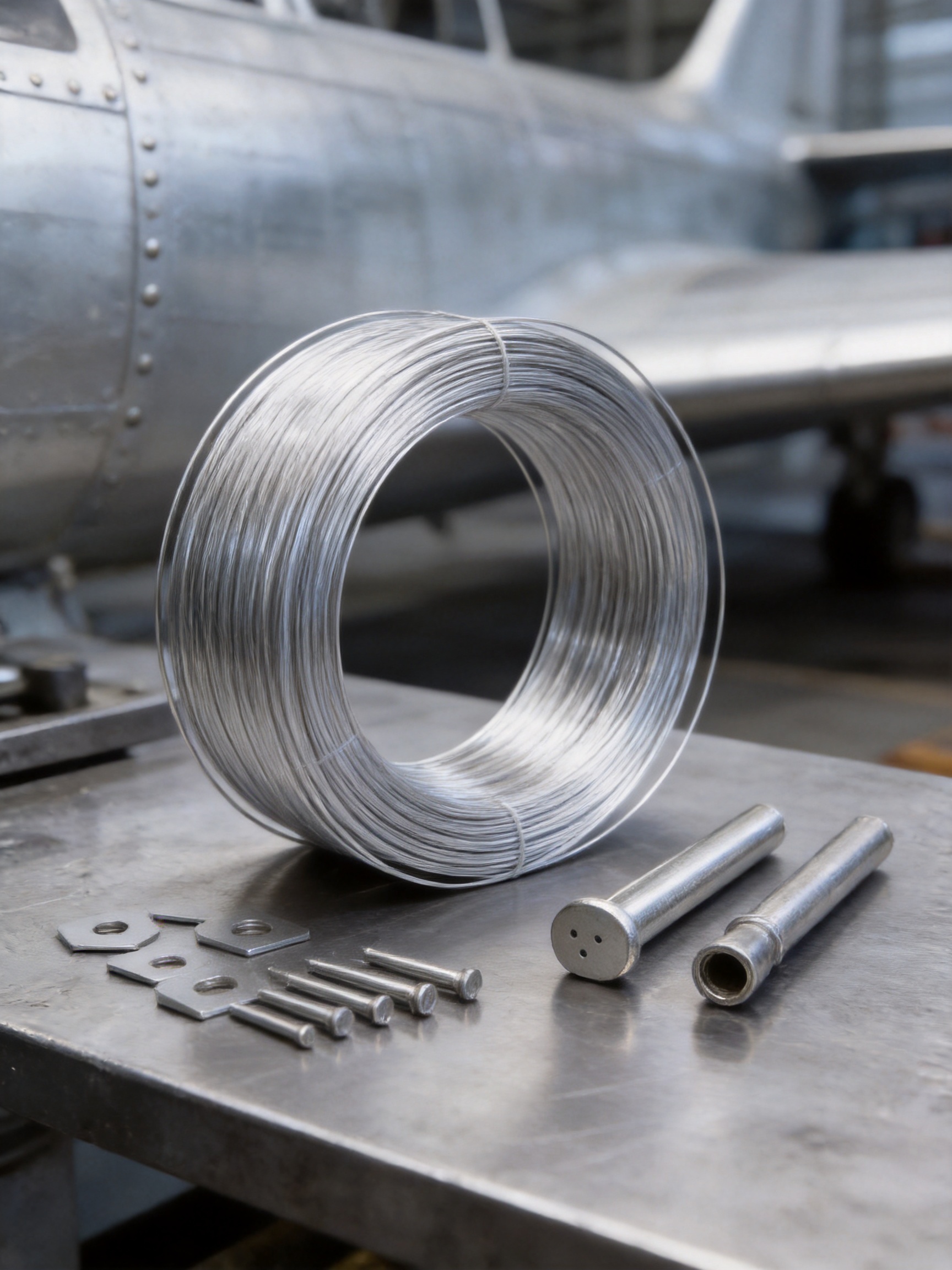
Chemical composition determines the fundamental behavior of aluminum alloy wire. Silicon, iron, copper, manganese, magnesium, chromium, zinc, titanium, zirconium, beryllium, and other elements influence strength, ductility, corrosion resistance, grain refinement, heat-treatment response, and manufacturability. In high-strength rivet wire, zinc, magnesium, and copper are especially important for 7xxx-series alloys, while copper plays a major role in 2xxx-series alloys.
The product information identifies zinc content for the rivet-related material as approximately 5.1 to 6.1 in the provided text, while the detailed table lists zinc ranges for 7050 and 7075 as 5.7 to 6.7 and 5.0 to 7.0 respectively. These values are consistent with high-strength aluminum alloy systems in which zinc is a central strengthening element. Such alloys can achieve high mechanical properties after proper solution heat treatment and aging.
| Alloy Grade | Key Alloying Features | Typical Relevance | Performance Emphasis |
|---|---|---|---|
| 2A10 | Copper 3.9-4.5, manganese 0.30-0.50, magnesium 0.15-0.30 | High-strength aluminum alloy wire applications | Strength with controlled copper-based hardening |
| 2219 | Copper 5.8-6.8, manganese 0.2-0.4, titanium 0.02-0.1 | Aerospace and structural applications requiring heat resistance and weldability considerations | Copper-rich strength and stability |
| 7050 | Zinc 5.7-6.7, magnesium 1.9-2.6, copper 2.0-2.6, zirconium 0.08-0.15 | High-strength aerospace components | Strength, toughness, and stress corrosion resistance |
| 7075 | Zinc 5.0-7.0, magnesium 1.8-2.8, copper 1.4-2.0, chromium 0.10-0.25 | High-strength aluminum rivet wire and aircraft-related fasteners | Very high strength after appropriate heat treatment |
| 5356 | Magnesium 4.5-5.5, manganese 0.05-0.20, chromium 0.05-0.20 | Aluminum alloy welding materials and structural wire uses | Corrosion resistance and good welding performance |
The presence of 7075 in the product offering is especially significant for rivet wire customers. 7075 aluminum alloy is known for high strength and is used in demanding sectors where ordinary aluminum alloys are not sufficient. Its strengthening mechanism is based on precipitation hardening, and its final performance depends greatly on heat treatment and aging condition. When used for rivets, the material must also have suitable formability before final hardening.
7050 is another important high-strength grade because it is associated with strong fracture toughness and improved stress corrosion resistance compared with some traditional high-strength alloys. The addition of zirconium helps control recrystallization and grain structure. For aerospace customers, this can be valuable when durability and long-term structural integrity are priorities.
Understanding T6, T73, and T76 Conditions
The product description highlights T6, T73, and T76 states. These temper conditions are central to high-strength aluminum alloy performance. Each state is created through controlled heat treatment and aging, and each provides a distinct combination of strength, toughness, and corrosion resistance.
T6 is generally associated with high strength. It is suitable when the design requires maximum static strength and when environmental cracking risks are managed through material selection, protection, coating, design, and maintenance. In a rivet application, T6 may be chosen for regions where high load transfer is required and where the fastener must contribute to overall structural stiffness.
T73 is generally selected when improved fracture toughness and resistance to stress corrosion cracking are more important than peak strength. The product description specifically notes relatively high fracture toughness, stress corrosion resistance, exfoliation corrosion resistance, and low-temperature performance. This makes T73 attractive for applications that may encounter harsh environments, sustained tensile stress, or critical safety requirements.
T76 provides a balance between T6 and T73. According to the product description, T76 has higher strength than T73 and higher stress corrosion resistance than T6. This balanced condition can be highly useful because many real-world structures require both strength and durability. Engineers often need to avoid extremes: maximum strength alone may not be ideal if corrosion cracking risk increases, while maximum corrosion resistance may not be ideal if strength is reduced too much. T76 helps address this trade-off.
Advanced Manufacturing Capabilities
Jiangsu Hetuo Aluminum Wire Co., Ltd. was established in 2019 and has developed as an innovative manufacturer in China’s aluminum alloy materials industry. The company is located in Guannan Economic Development Zone, Lianyungang, Jiangsu Province, and operates a factory covering 40,000 square meters. With approximately 60 employees, including 30 professional managers and technicians, the company combines production capacity with technical management.
The company’s intelligent manufacturing system covers high-purity aluminum wire, high-strength aluminum alloy wire, and aluminum and aluminum alloy welding materials. This integrated capability is important because advanced aluminum wire production requires knowledge across alloy design, melting quality, deformation processing, surface control, and final inspection. Manufacturers that understand multiple aluminum wire categories are better positioned to solve technical problems and support customized customer requirements.
Advanced equipment and facilities support process stability. In aluminum alloy wire production, equipment quality influences dimensional accuracy, surface condition, coil quality, and metallurgical uniformity. Drawing equipment must maintain stable tension and reduction schedules. Heat-treatment equipment must provide uniform temperature control. Inspection equipment must detect deviations before material reaches the customer. These capabilities reduce variation and improve final rivet performance.
The company also strictly implements quality inspection throughout production. This approach is essential because defects must be prevented or detected early. A small surface scratch or internal discontinuity in wire may later become a crack during rivet heading. In high-strength alloys, improper thermal history can affect precipitation behavior and mechanical properties. Continuous inspection helps ensure that finished wire is suitable for demanding downstream processing.
Manufacturing Process for High-Strength Rivet Wire
Although specific proprietary process parameters are not publicly disclosed, high-quality aluminum alloy rivet wire generally follows a controlled manufacturing route. The process begins with raw material selection and alloy preparation. Aluminum ingots and alloying elements must be selected according to chemical requirements. Impurities such as iron and silicon must be controlled because excessive levels can form brittle phases that reduce ductility or fatigue performance.
The next step is melting and alloying. Accurate temperature control, stirring, refining, and degassing are essential. Hydrogen content and oxide inclusions must be minimized. In high-strength aluminum alloys, clean melt practice is extremely important because inclusions can reduce toughness and cause failure under cyclic loading. For rivet wire, cleanliness also affects formability and surface quality.
Casting follows melting. The goal is to produce billets, rods, or feedstock with uniform composition and low segregation. Grain refinement may be used to improve structure. After casting, homogenization can reduce segregation and prepare the material for hot working. Homogenization temperature and holding time must be controlled to dissolve soluble phases without causing undesirable melting or excessive grain growth.
Hot working and rolling transform cast material into rod or intermediate stock. This step refines the structure and creates a shape suitable for wire drawing. Controlled reduction schedules help avoid internal cracking and maintain uniform mechanical behavior. For high-strength alloys, deformation must be carefully designed because these alloys can be less forgiving than pure aluminum or soft 1xxx-series wire.
Wire drawing reduces the rod to the required diameter. Drawing may be performed in multiple passes with intermediate annealing or thermal treatment depending on alloy and final requirements. Lubrication, die quality, reduction ratio, and drawing speed influence surface finish and dimensional tolerance. High-quality rivet wire should have a clean surface, stable roundness, and consistent diameter along the coil.
Heat treatment and aging are then used to create the required temper or to prepare the wire for downstream rivet production. In some cases, wire may be supplied in a condition suitable for forming and then heat-treated after rivet manufacture. In other cases, customers may require specific mechanical properties in the supplied wire. The key is that the material must respond predictably.
Final inspection includes chemical verification, dimensional measurement, surface inspection, mechanical testing, coil inspection, and documentation. For aerospace-related applications, traceability and batch control are especially important. Customers need confidence that each shipment corresponds to the specified grade and quality requirements.
Quality Management and Certification Strength
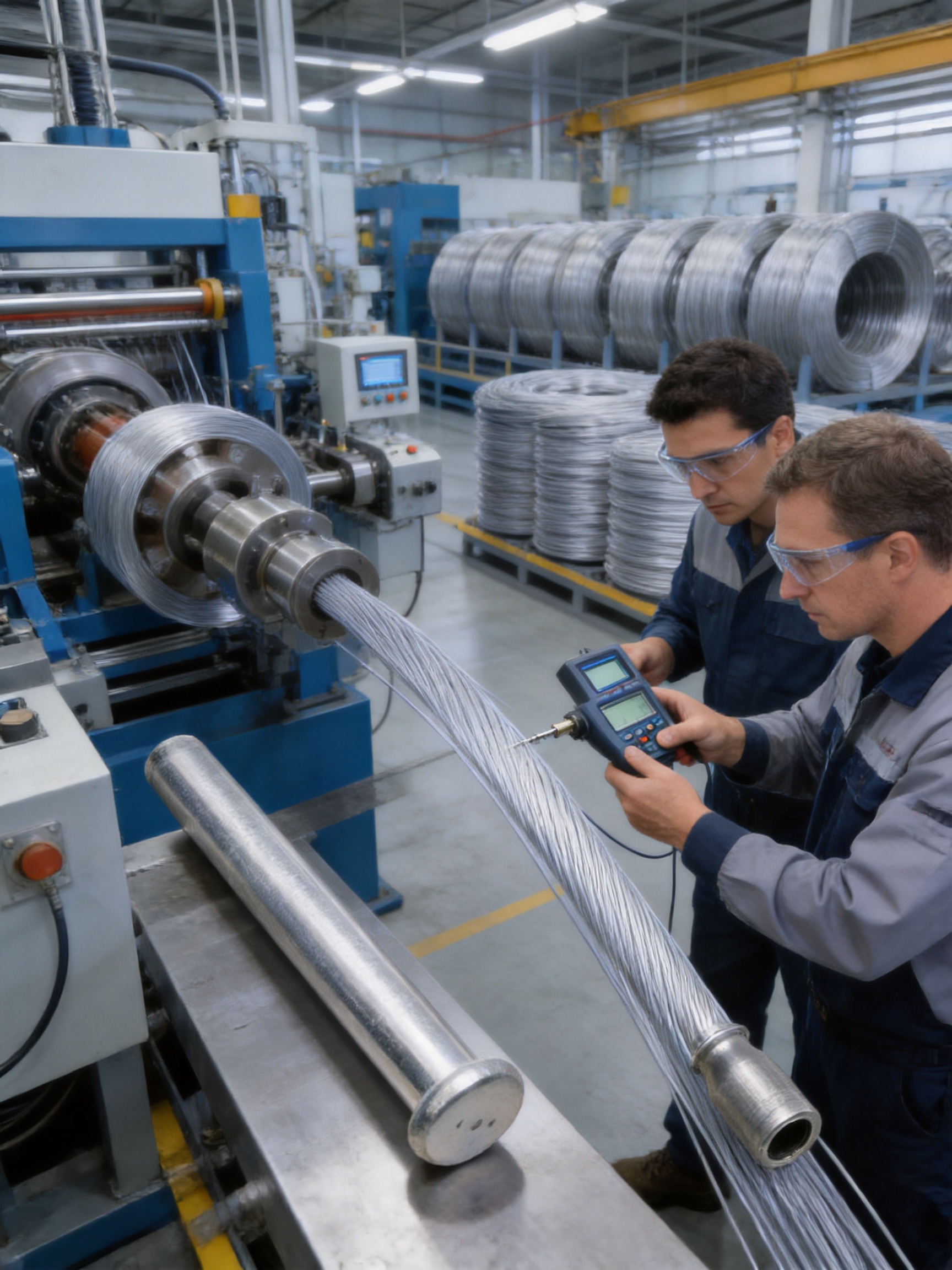
The company has obtained ISO 9001 and IATF 16949 quality management system certifications. ISO 9001 demonstrates a structured quality management framework covering customer requirements, process control, corrective action, documentation, and continuous improvement. IATF 16949 is associated with the automotive industry and imposes rigorous expectations for defect prevention, risk management, and process consistency. For aluminum wire customers, these certifications indicate that the company is familiar with demanding industrial quality systems.
Quality management is more than certification. In high-strength aluminum alloy wire, the practical quality challenge is to control variation. Chemical variation affects precipitation behavior. Diameter variation affects feeding and forming. Surface variation affects rivet appearance and crack resistance. Mechanical variation affects heading and service performance. A mature quality system ensures that these variables are monitored and controlled.
Traceability is also important. If a customer produces rivets for an aircraft or critical industrial assembly, material documentation must be clear. Batch records, inspection results, and process history help support customer audits and technical review. A supplier with strong documentation can reduce purchasing risk and improve customer confidence.
Application Fields
The product is mainly used in aviation, aerospace, and military fields. In aviation, aluminum rivets are used in aircraft skins, frames, panels, stiffeners, access doors, and other structural or semi-structural assemblies. Their low weight and compatibility with aluminum structures make them valuable for airframes.
In aerospace applications, fasteners may face vibration, thermal cycling, and strict weight limitations. Materials must be selected not only for strength but also for long-term reliability. High-strength aluminum alloy wire for rivets supports the production of fasteners that can meet these specialized requirements when processed and installed correctly.
In military equipment, performance requirements may include strength, environmental resistance, durability, and low-temperature behavior. The product description notes the value of T73 for fracture toughness, stress corrosion resistance, exfoliation corrosion resistance, and low-temperature performance. This makes the material relevant for demanding defense-related structures and equipment.
Beyond these core fields, high-strength aluminum alloy rivet wire may also serve advanced transportation, marine equipment, precision machinery, high-end enclosures, and lightweight structural systems. Wherever lightweight fastening with reliable strength is required, aluminum rivet wire can provide value.
Advantages for Rivet Manufacturers
For rivet manufacturers, wire quality directly affects production efficiency. A stable wire reduces machine stoppages, die wear, surface defects, rejected rivets, and inconsistent heat-treatment results. Good coil packaging and uniform feeding behavior also improve automated production.
High-strength aluminum alloy wire from a specialized supplier can help rivet manufacturers produce parts with more predictable heads, shanks, and dimensions. If the wire has uniform hardness and ductility, cold heading becomes more stable. If the surface is clean and free from harmful defects, the risk of visible cracks and hidden flaws is reduced. If the alloy composition is consistent, aging response becomes more predictable.
The company’s broad product range is another advantage. Customers who need more than one aluminum wire grade can simplify supplier management. A single manufacturer capable of producing high-purity aluminum wire, high-strength aluminum alloy wire, and aluminum alloy welding materials can support diverse procurement needs. This is useful for industrial customers who require multiple wire products for fastening, welding, forming, or precision manufacturing.
Advantages for Aerospace and Industrial End Users
For end users, the primary benefit is reliability. High-quality rivets contribute to joint integrity, structural safety, and service life. A weak or inconsistent rivet can compromise a larger assembly. Therefore, material quality at the wire stage has consequences far beyond the value of the wire itself.
Lightweight design is another major benefit. Aluminum alloy rivets support weight reduction without sacrificing necessary strength when properly engineered. In aircraft and transportation equipment, reduced weight can lower energy consumption and improve operational efficiency.
Corrosion performance is also important. T73 and T76 conditions are specifically valued for improved stress corrosion resistance compared with maximum-strength conditions. In structures exposed to moisture, salts, temperature variations, and sustained stress, this property can extend service life and reduce maintenance risk.
Finally, high-quality aluminum rivet wire supports sustainability goals. Aluminum is recyclable, and lightweight structures can reduce energy use during service. A supplier focused on stronger, lighter, and more sustainable aluminum alloy wire solutions can help customers align with modern environmental and efficiency requirements.
Customization and Technical Support
Customers may require customized alloy grades, diameters, temper conditions, coil formats, packaging, or documentation. Because rivet production methods vary, wire requirements may also vary. Some customers prioritize forming ductility, while others prioritize final mechanical strength. Some need wire for aviation rivets, while others require material for general industrial fasteners.
Jiangsu Hetuo Aluminum Wire Co., Ltd. positions itself as a customer-oriented manufacturer guided by customer needs and committed to customer satisfaction. This orientation is important because aluminum alloy wire is not merely a commodity in high-end applications. Technical communication between supplier and customer can help clarify alloy selection, processing condition, inspection requirements, and packaging standards.
For customers working with 7075 aluminum rivet wire, the supplier can support discussions around composition, strength expectations, and appropriate processing routes. For customers requiring 7050 or other high-strength grades, technical support can help align product supply with performance goals. For customers who also use welding wire or precision aluminum materials, the company’s broader product system can provide additional procurement value.
Packaging, Handling, and Storage Considerations
High-strength aluminum alloy wire must be protected during packaging, transportation, and storage. Surface damage can affect downstream forming and final rivet quality. Coils should be packed to prevent abrasion, moisture exposure, deformation, and contamination. Customers should store wire in dry, clean environments and avoid contact with corrosive substances.
Before production, rivet manufacturers should inspect coil condition, verify labels and documents, and ensure that wire is compatible with their forming equipment. Proper handling reduces the risk of scratches, kinks, and feeding problems. For critical applications, incoming inspection may include dimensional checks, surface review, and confirmation of material certificates.
Why This Product Stands Out in the Market
The competitive value of this high-strength aluminum alloy rivet wire comes from the combination of material performance, manufacturing discipline, and supplier capability. Many suppliers can provide aluminum wire, but fewer can reliably support high-strength alloy wire for demanding rivet applications. The difference lies in metallurgy, process control, inspection, and customer support.
The product offers high strength potential through suitable alloy systems, especially 7xxx-series aluminum alloys. It provides options for different temper conditions, including high-strength T6, corrosion-resistant and tough T73, and balanced T76. It supports demanding fields such as aviation, aerospace, and military manufacturing. It is produced by a company with intelligent manufacturing capacity, advanced equipment, a 40,000-square-meter factory, professional technical staff, and quality management certifications.
Compared with competitors that emphasize only price, this product emphasizes total value. In rivet production, low-cost wire can become expensive if it causes scrap, machine downtime, inconsistent heat treatment, customer rejection, or quality claims. A stable and well-controlled wire supplier helps reduce these hidden costs.
Compared with suppliers that offer limited alloy capability, this manufacturer provides a broad aluminum wire portfolio. Customers can access high-purity aluminum wire, high-strength aluminum alloy wire, and aluminum/aluminum alloy welding materials from one source. This breadth reflects stronger manufacturing flexibility and deeper process experience.
Compared with suppliers lacking internationally recognized quality systems, this company’s ISO 9001 and IATF 16949 certifications provide additional confidence. For customers in high-end industries, quality systems, documentation, and process discipline are essential purchasing criteria.
Frequently Asked Questions
What is high-strength aluminum alloy wire for rivets?
It is aluminum alloy wire designed for manufacturing rivets used in demanding structural applications. It has controlled chemical composition, stable dimensions, reliable formability, and heat-treatment response suitable for high-strength fasteners.
Which industries commonly use this rivet wire?
The material is mainly used in aviation, aerospace, and military fields. It can also be used in advanced transportation, precision equipment, and lightweight structural assemblies where reliable aluminum rivets are required.
Why is 7075 aluminum alloy important for rivet wire?
7075 aluminum alloy is a high-strength aluminum alloy containing zinc, magnesium, copper, and chromium. It is widely recognized for very high strength after suitable heat treatment, making it valuable for demanding fastener and structural applications.
What is the difference between T6, T73, and T76?
T6 provides high strength. T73 provides relatively high fracture toughness, stress corrosion resistance, exfoliation corrosion resistance, and low-temperature performance. T76 provides higher strength than T73 and better stress corrosion resistance than T6, making it a balanced choice.
Why does chemical composition control matter?
Small changes in alloying elements can affect strength, ductility, corrosion resistance, and aging behavior. For rivets, consistent composition helps ensure stable forming and reliable final properties.
How does the product help rivet manufacturers?
Stable wire improves feeding, heading, forming, heat treatment, and final inspection results. It can reduce scrap, machine downtime, surface defects, and batch-to-batch variation.
What makes the supplier suitable for high-end applications?
The company has advanced equipment, intelligent manufacturing capability, professional technical staff, strict production inspection, and ISO 9001 and IATF 16949 quality management system certifications.
Can the wire be customized?
Yes. Depending on customer requirements, alloy grade, diameter, condition, packaging, and documentation can be discussed. Technical communication is recommended for aerospace or other critical uses.
Conclusion
High-strength aluminum alloy wire for rivets is a critical material for lightweight, high-reliability fastening systems. Its value depends on more than aluminum content; it depends on controlled alloy design, clean manufacturing, precise drawing, stable heat-treatment response, and strict quality inspection. For aviation, aerospace, military, and advanced industrial applications, rivet wire must deliver strength, toughness, corrosion resistance, and forming stability in a consistent and traceable manner.
Jiangsu Hetuo Aluminum Wire Co., Ltd. offers a strong combination of product capability and manufacturing strength. With a modern factory, advanced equipment, intelligent manufacturing coverage, professional technical personnel, and certified quality management systems, the company is positioned to supply high-strength aluminum alloy wire for rivets and related aluminum wire solutions. Its focus on high-purity aluminum wire, high-strength aluminum alloy wire, and aluminum/aluminum alloy welding materials allows customers to source reliable products for multiple demanding applications.
For customers seeking aluminum rivet wire, especially high-strength grades such as 7075 and 7050, the product provides a practical balance of lightweight performance, strength potential, corrosion-resistance options, and manufacturing consistency. In a market where material reliability directly affects final product safety and production efficiency, choosing a technically capable aluminum wire manufacturer is a strategic decision.
References
1. Aluminum Association, Aluminum Standards and Data, latest referenced edition.
2. ASM International, ASM Handbook, Volume 2: Properties and Selection: Nonferrous Alloys and Special-Purpose Materials.
3. Davis, J. R., Aluminum and Aluminum Alloys, ASM International.
4. International Organization for Standardization, ISO 9001 Quality Management Systems Requirements.
5. International Automotive Task Force, IATF 16949 Automotive Quality Management System Standard.
6. Hatch, J. E., Aluminum: Properties and Physical Metallurgy, American Society for Metals.