

 English
 中文简体
中文简体 русский
 Deutsch
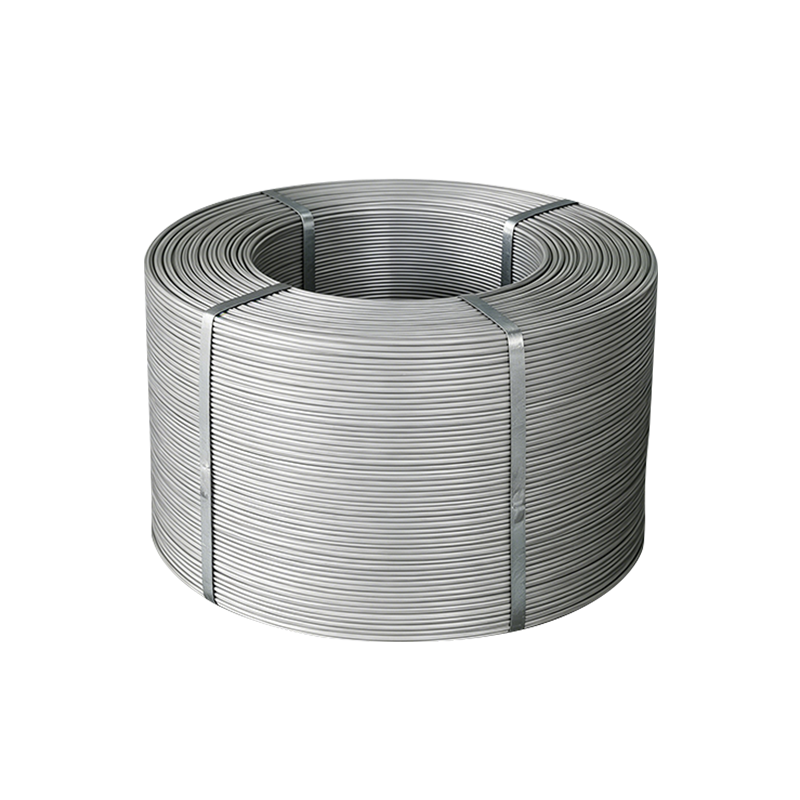
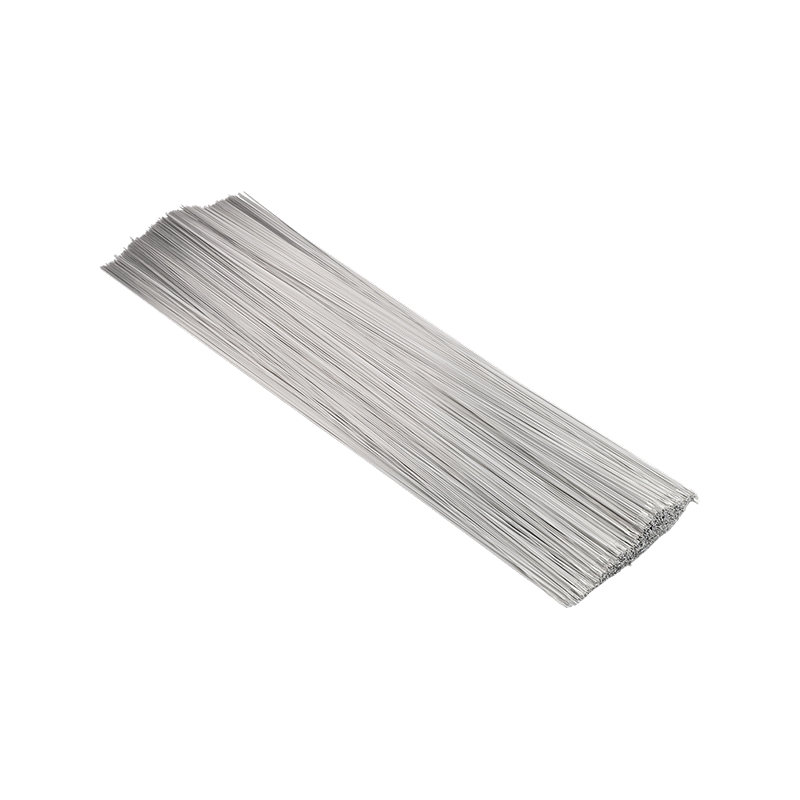
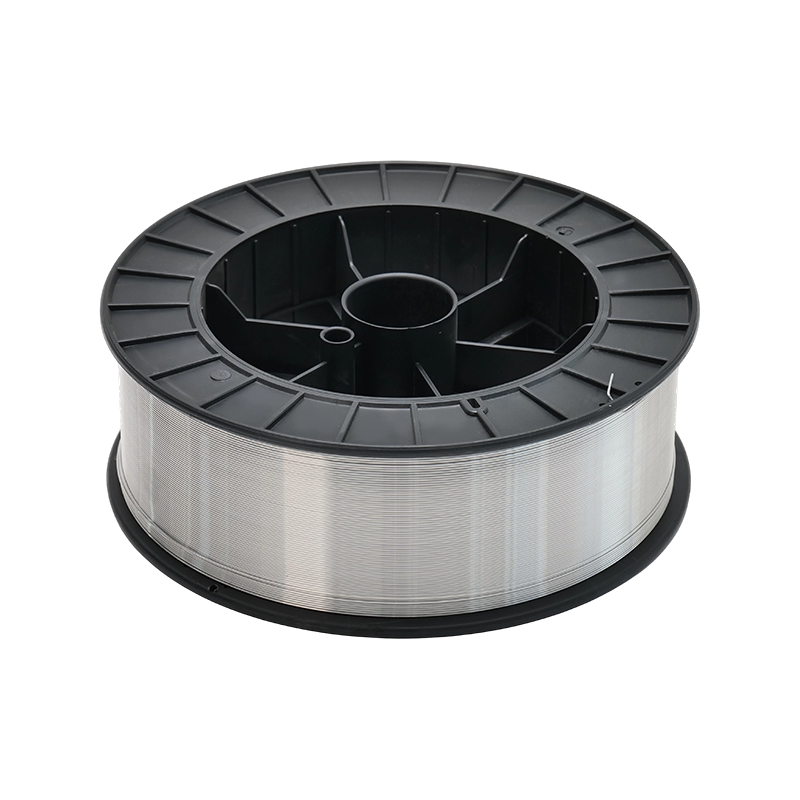
1090 Aluminum Wire is a high-purity aluminum wire designed for applications where clean composition, stable feeding performance, reliable deposition behavior, and long-term corrosion protection are essential. With an aluminum content of not less than 99.90%, this product belongs to the high-purity aluminum wire category and is especially suitable for evaporation, spraying, metallizing, and surface protection processes. Its principal value is simple but powerful: it helps create aluminum coatings that improve the corrosion resistance of base materials and extend the service life of components exposed to atmospheric, marine, industrial, or chemically aggressive environments.
In modern manufacturing, coating quality is often determined before the coating is even applied. The raw wire must be consistent in chemistry, diameter, surface condition, mechanical behavior, and packaging. 1090 Aluminum Wire offers a strong balance of purity, workability, and process stability, allowing users to achieve uniform coating layers, predictable melting behavior, and dependable production efficiency. For companies involved in thermal spraying, arc spraying, vacuum evaporation, anti-corrosion engineering, and related surface treatment operations, this wire provides a practical high-purity solution that supports both performance and productivity.
Jiangsu Hetuo Aluminum Wire Co., Ltd. produces this material within an intelligent manufacturing system focused on high-purity aluminum wire, high-strength aluminum alloy wire, and aluminum and aluminum alloy welding materials. The company combines advanced equipment, strict quality inspection, experienced technical teams, and certified quality management systems to deliver aluminum wire products that meet international expectations. Its manufacturing capability is especially valuable for customers who need not only a wire product, but also a stable supply partner with professional understanding of aluminum alloy materials and industrial processing requirements.
Content
- 1 Product Overview
- 2 Chemical Composition and Purity Control
- 3 Core Application Areas
- 4 Advantages Over Common Alternatives
- 5 Manufacturing Strength Behind the Product
- 6 Quality Management and Certifications
- 7 Why 1090 Aluminum Wire Supports Longer Service Life
- 8 Comparison With 1070 and 1A95 High-Purity Aluminum Wire
- 9 Operational Benefits for Customers
- 10 Recommended Considerations for Use
- 11 Company Strengths Supporting Global Customers
- 12 Technical Value in Modern Surface Engineering
- 13 How 1090 Aluminum Wire Helps Reduce Total Cost
- 14 Frequently Asked Questions
- 14.1 What is 1090 Aluminum Wire?
- 14.2 What is the main advantage of 1090 Aluminum Wire?
- 14.3 Where is 1090 Aluminum Wire commonly used?
- 14.4 How does 1090 Aluminum Wire improve corrosion resistance?
- 14.5 How is 1090 different from 1070 Aluminum Wire?
- 14.6 Is 1090 Aluminum Wire suitable for thermal spraying?
- 14.7 Why does surface cleanliness matter for this product?
- 14.8 What company strengths support the product quality?
- 14.9 Can 1090 Aluminum Wire reduce maintenance costs?
- 14.10 What should users consider before applying the wire?
- 15 Conclusion
- 16 References
- 17 Product: 1090 Aluminum Wire
Product Overview
1090 Aluminum Wire is defined by its high aluminum purity and controlled impurity levels. The product is primarily used in evaporation and spraying fields, where the wire becomes a source material for forming protective or functional aluminum layers on another substrate. The coating produced from high-purity aluminum can act as a barrier between the substrate and the environment, slowing oxidation, moisture attack, chloride penetration, and general corrosion. This makes the wire important for steel structure protection, machinery repair, energy equipment, transportation parts, marine components, and industrial maintenance.
The 1090 grade contains aluminum at a minimum level of 99.90%. Compared with common commercial-purity aluminum wires, the higher purity can contribute to cleaner melting, more predictable behavior during spraying or evaporation, and reduced risk of unwanted inclusions in the coating. Lower impurity content is important because elements such as iron, silicon, copper, and magnesium can influence melting, oxidation, coating appearance, electrical behavior, and corrosion response. By controlling these elements within narrow limits, 1090 Aluminum Wire provides a more refined material foundation for high-quality surface engineering.
As a high-purity aluminum wire, 1090 is also valued for its ductility and processing friendliness. Aluminum at this purity level is naturally soft and workable, which allows it to be drawn into wire with a smooth surface and uniform diameter. A stable wire form is critical in spraying equipment because inconsistent wire feeding can cause arc instability, uneven melting, downtime, spitting, or coating defects. For evaporation applications, the cleanliness and uniformity of the material are equally important because contaminants may affect the deposited film or the efficiency of the process.
Chemical Composition and Purity Control
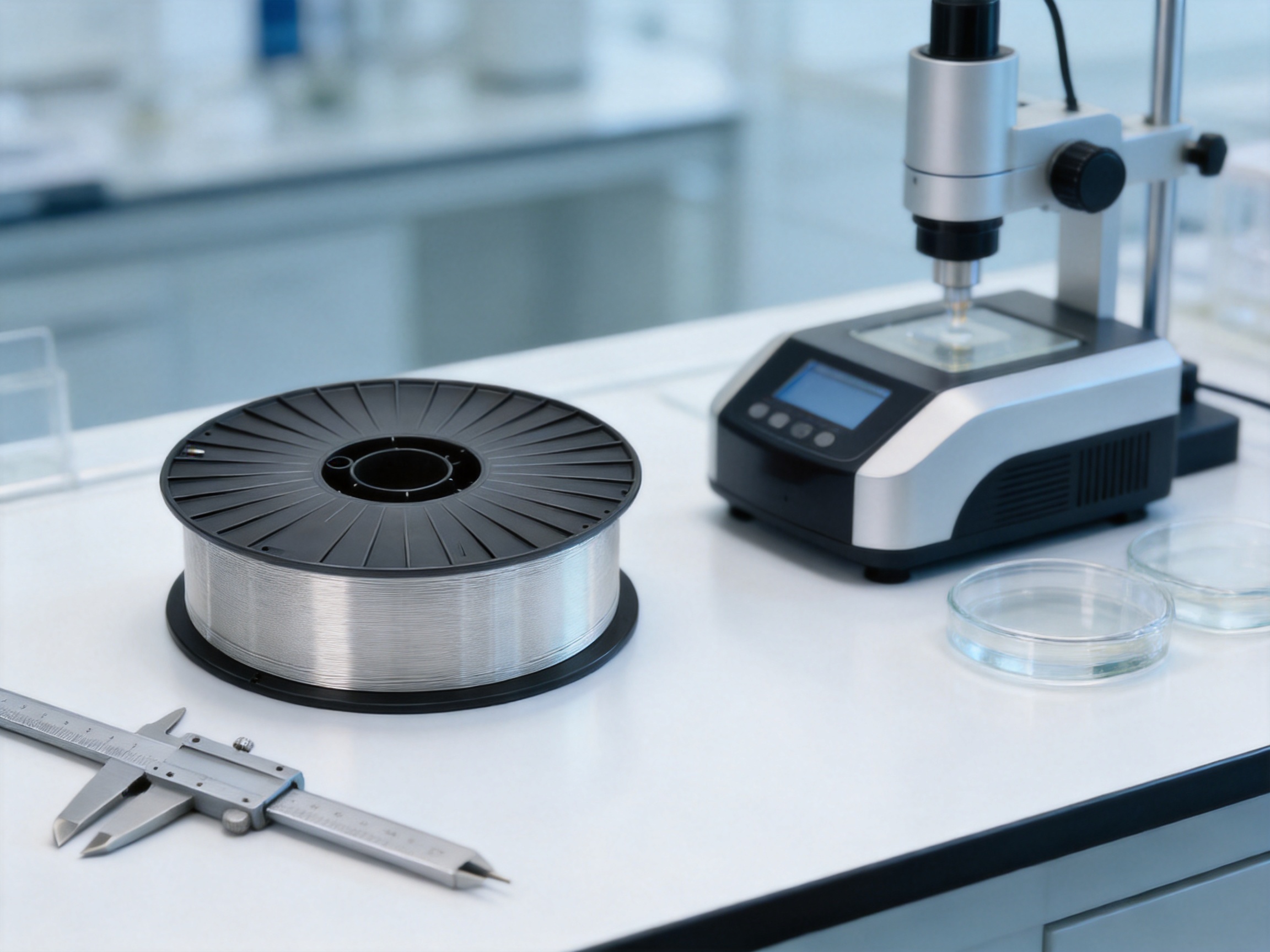
The following table summarizes the typical composition control for 1090 Aluminum Wire based on the supplied product information. Values are presented as maximum limits unless otherwise noted. The aluminum content is expressed as a minimum value.
| Grade | Si | Fe | Cu | Mn | Mg | Zn | Ti | Other Single | Aluminum |
| 1090 Aluminum Wire | 0.07 | 0.07 | 0.02 | 0.01 | 0.01 | 0.03 | 0.01 | 0.01 | 99.90 minimum |
This chemical profile is one of the central advantages of the product. The low silicon and iron limits help reduce the influence of hard or brittle intermetallic phases that may affect processing behavior. The low copper level is beneficial for corrosion resistance, since copper can accelerate localized corrosion in some aluminum systems. The very low manganese and magnesium values support a cleaner high-purity aluminum matrix. Controlled zinc and titanium levels further help maintain the intended grade identity and performance consistency.
In competitive terms, wire sold only as a general aluminum wire may not always offer the same level of compositional control or traceability. For a surface treatment company, even small inconsistencies can create larger problems in production. A batch with higher impurity content may melt differently, oxidize more aggressively, feed less smoothly, or produce a coating that does not match previous performance. 1090 Aluminum Wire reduces these risks by using a defined high-purity composition and by being manufactured under a structured inspection system.
Purity also matters for coating appearance and uniformity. A cleaner aluminum source material can assist in forming coatings with a more even structure. In thermal spraying, the final coating is influenced by molten droplet formation, droplet flight, oxidation, impact, flattening, and bonding. Although equipment settings and surface preparation are also decisive, a stable wire material gives operators a better starting point. In evaporation, chemical cleanliness becomes even more important because the source material directly affects the deposited layer. For applications where consistency is valued, the 99.90% aluminum level is a meaningful specification.
Core Application Areas
Evaporation Applications
In evaporation processes, aluminum wire can be used as a source material that is heated until it vaporizes and deposits onto a target surface. High-purity aluminum is often preferred because the deposited film needs to be clean, uniform, and reliable. 1090 Aluminum Wire, with its high aluminum content and low impurity limits, is well suited to applications where the quality of the evaporated aluminum layer is important. Its composition supports stable evaporation behavior and helps reduce contamination from unwanted alloying elements.
Evaporation applications may involve packaging films, reflective coatings, electronic materials, optical components, decorative layers, or functional thin films. While every process has its own requirements, material purity remains a common concern. A wire with lower purity may introduce contaminants into the chamber or deposited layer, resulting in reduced reflectivity, poor adhesion, color inconsistency, or electrical performance variation. 1090 Aluminum Wire helps address these concerns by providing a clean aluminum source with controlled chemistry.
Spraying and Metallizing Applications
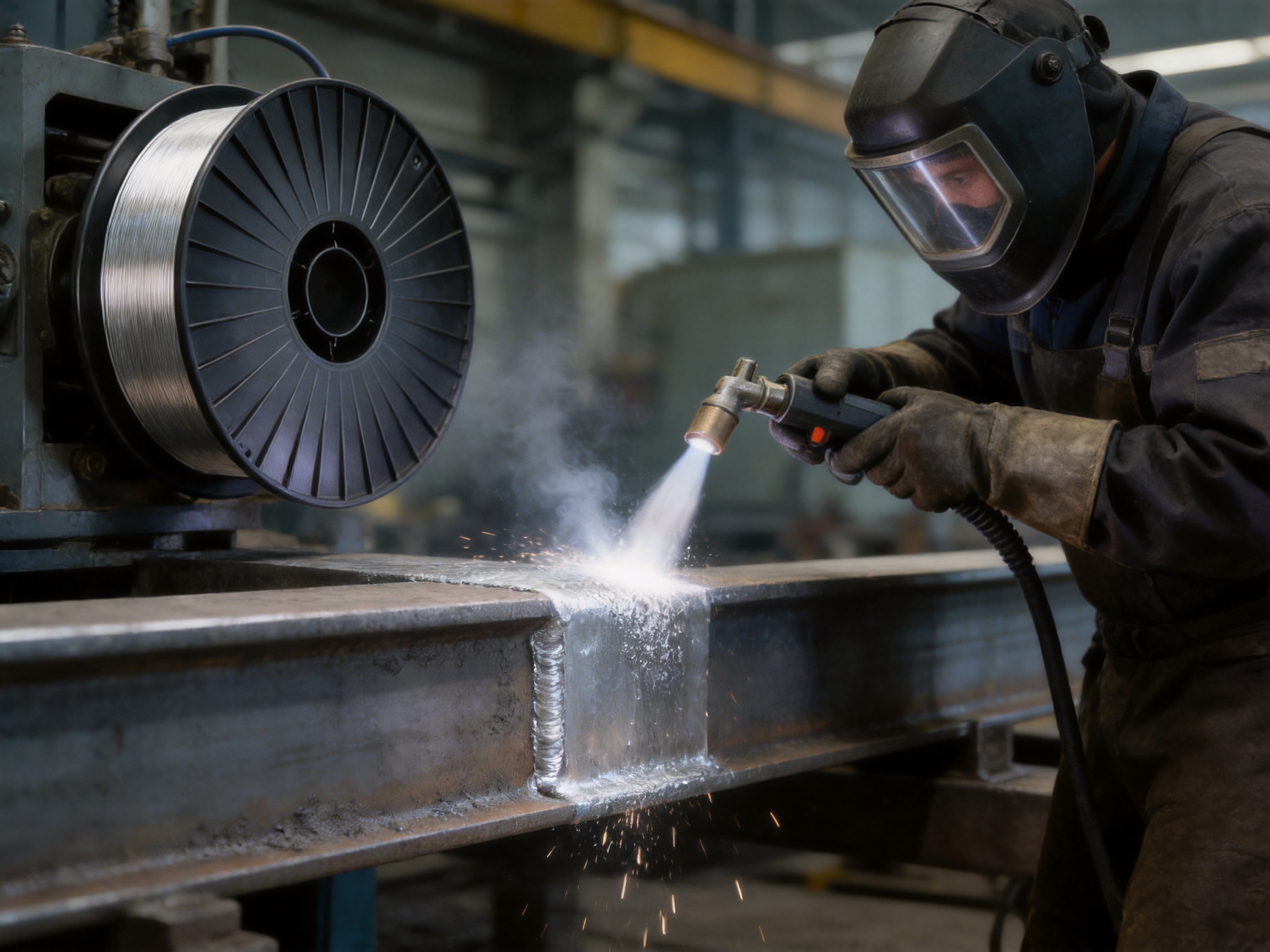
The product is also primarily used in spraying and metallizing applications. In these processes, the wire is fed into a spraying system, melted, atomized, and projected onto a prepared substrate. The resulting aluminum coating can provide sacrificial and barrier protection. This is particularly useful for steel structures because aluminum coatings can shield steel from water, oxygen, salts, and corrosive industrial atmospheres. The coating can also be sealed or painted to form a long-life protection system.
Thermal spraying operations depend heavily on wire feed stability. If the wire diameter changes, if the wire surface is contaminated, or if the wire has inconsistent mechanical properties, the spray pattern and coating quality may fluctuate. 1090 Aluminum Wire is produced to support smooth feeding and consistent melting. Its high-purity aluminum matrix also contributes to good ductility, reducing the risk of brittle wire breaks during handling and operation.
Corrosion Protection of Substrates
The main functional purpose described for this product is improving the surface corrosion resistance of the substrate and extending service life. Aluminum is widely recognized for its ability to form a natural oxide layer. When aluminum is applied as a coating, this oxide film helps protect the underlying metal from further environmental attack. In many service environments, an aluminum coating can perform as a durable protective system, particularly when combined with proper surface preparation and sealing.
For steel components, aluminum coatings are often used in environments where long-term anti-corrosion performance is required. Examples include bridges, offshore structures, tanks, pipelines, industrial frames, power facilities, ships, port equipment, and outdoor machinery. 1090 Aluminum Wire can be used as a feedstock for producing protective aluminum layers that reduce maintenance frequency, improve reliability, and lower life-cycle costs. Compared with uncoated steel, a properly applied aluminum coating can dramatically improve resistance to rust and weathering.
Advantages Over Common Alternatives
Higher Purity Than General-Purpose Aluminum Wire
One of the most direct advantages of 1090 Aluminum Wire is its high purity. General aluminum wire products may be adequate for ordinary forming, fastening, or craft applications, but surface engineering is more demanding. The material used in spraying or evaporation becomes part of the final functional coating. If the wire contains excessive impurities, those impurities may be transferred into the coating. This can reduce corrosion resistance, affect appearance, or create inconsistent process behavior.
With aluminum content of at least 99.90%, 1090 Aluminum Wire offers a refined composition for customers who require more than basic aluminum wire. It provides an advantage where cleanliness, corrosion resistance, and repeatability are important. This is especially relevant for customers working with high-value substrates or large infrastructure components, where coating failure can result in costly repair, downtime, or safety concerns.
Better Process Consistency
In thermal spraying and evaporation, production stability is a major source of cost savings. A wire that feeds smoothly, melts uniformly, and behaves predictably helps operators maintain stable parameters. This reduces troubleshooting, scrap, rework, and equipment interruption. 1090 Aluminum Wire supports this goal through controlled composition and careful manufacturing.
Compared with lower-grade or poorly controlled wire products, a high-quality 1090 wire can help reduce process variation. Even when two wires appear similar from the outside, differences in surface cleanliness, diameter tolerance, internal quality, and packaging can affect performance. Professional production and quality inspection help ensure that the wire received by the customer is suitable for demanding industrial use.
Improved Coating Reliability
The final value of any thermal spray wire is measured by the coating it helps create. 1090 Aluminum Wire is used to form aluminum coatings that improve corrosion resistance and extend service life. High-purity aluminum helps support a coating structure that is less influenced by unwanted alloying elements. This can be beneficial for protective performance, especially in applications where the coating is expected to resist atmospheric exposure over long periods.
For customers, coating reliability means fewer failures and better confidence in long-term operation. A protective coating that performs consistently across different batches and projects is more valuable than a wire that only offers a low purchase price. The true cost of surface protection includes labor, equipment use, preparation, application, inspection, maintenance, and potential failure. Selecting a stable high-purity wire is one way to reduce risk across the entire protection system.
Strong Balance of Ductility and Function
High-purity aluminum is known for good ductility. In wire applications, ductility contributes to drawability during production and handling performance during customer use. Wire that is too brittle may break during winding, unwinding, straightening, or feeding. 1090 Aluminum Wire offers the softness and flexibility expected from high-purity aluminum while maintaining the chemical identity needed for surface engineering applications.
This balance gives the product an advantage over materials that may be harder but less suitable for smooth feeding or clean coating formation. While alloyed aluminum wires have their own strengths in welding or structural applications, 1090 is selected when purity and corrosion-protective aluminum deposition are the primary needs. It is a specialized solution rather than a generic metal wire.
Manufacturing Strength Behind the Product
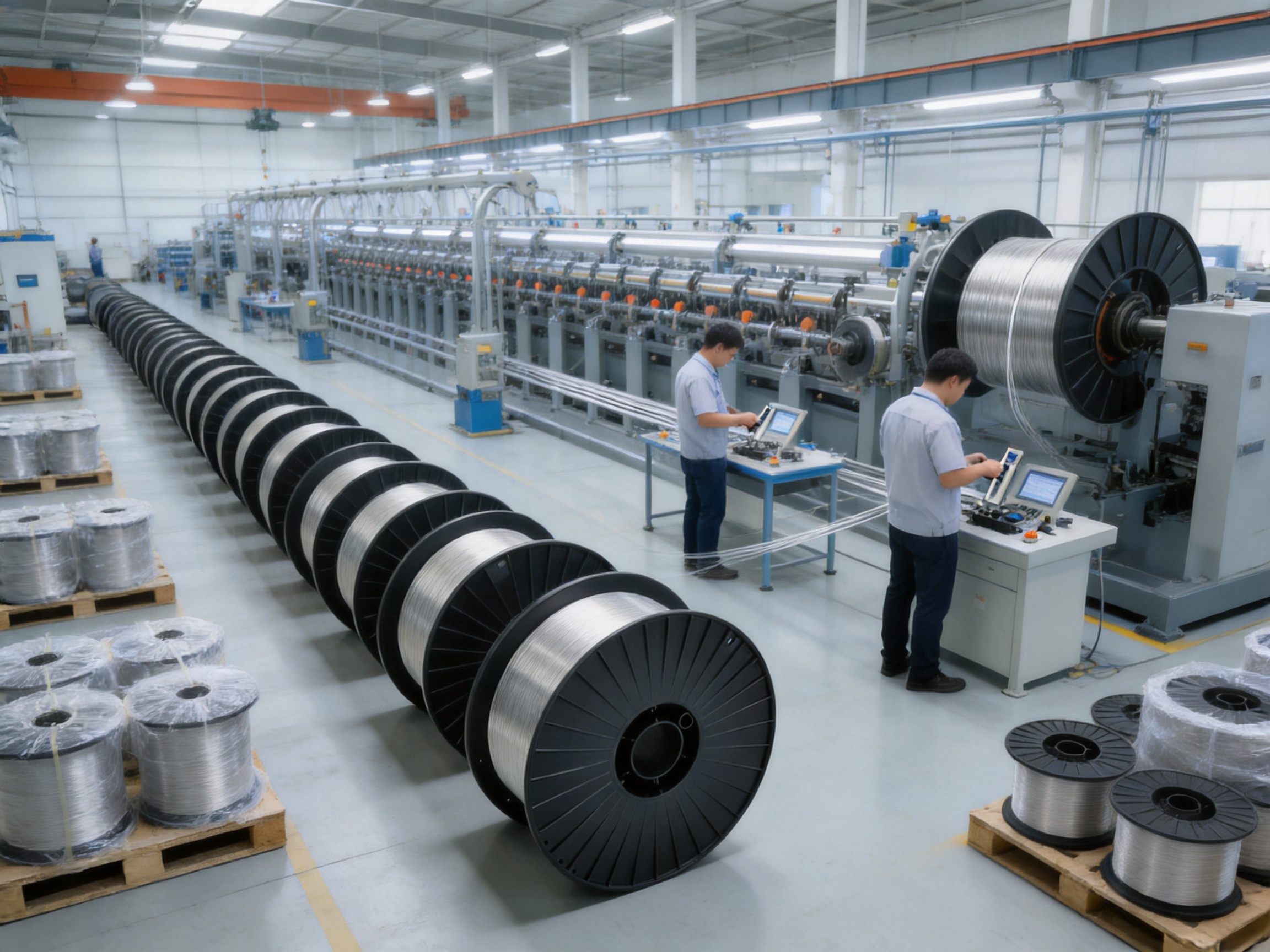
The performance of 1090 Aluminum Wire depends not only on the alloy designation, but also on manufacturing discipline. Jiangsu Hetuo Aluminum Wire Co., Ltd. is an innovative aluminum alloy materials enterprise established in 2019. The company is located in the Guannan Economic Development Zone of Lianyungang, Jiangsu Province, China, and has developed a manufacturing system covering high-purity aluminum wire, high-strength aluminum alloy wire, and aluminum and aluminum alloy welding materials. This broad technical foundation supports the production of 1090 Aluminum Wire with industrial consistency.
The company operates a factory area of approximately 40,000 square meters and has a team of 60 employees, including 30 professional managers and technicians. This structure is important because aluminum wire manufacturing requires both equipment capability and technical judgment. From raw material selection to drawing, cleaning, winding, testing, and packaging, every stage can affect final customer performance. A dedicated technical team helps monitor process conditions, investigate improvements, and respond to customer requirements.
The company has introduced advanced equipment and facilities and strictly implements quality inspection throughout production. This is especially relevant for high-purity aluminum wire, because the product must maintain chemical integrity and physical consistency. Equipment precision helps control wire dimension and surface quality, while inspection systems help verify that the product meets specification before shipment. The result is a wire designed for industrial users who require dependable performance rather than uncertain commodity quality.
Raw Material Selection
Manufacturing begins with the selection of suitable aluminum raw material. For 1090 Aluminum Wire, the raw material must support a final aluminum content of at least 99.90% and maintain low levels of key impurity elements. Careful raw material selection is a competitive advantage because it reduces the risk of off-spec chemistry and supports stable downstream processing. If the starting material is inconsistent, later stages cannot fully correct the problem.
A professional producer evaluates chemical composition and material condition before production. This helps ensure that silicon, iron, copper, manganese, magnesium, zinc, titanium, and other elements remain within the required ranges. For customers, this attention to raw materials translates into more reliable wire behavior, especially in sensitive spraying and evaporation processes.
Melting and Casting Control
For aluminum wire production, melting and casting control influence internal quality, segregation, inclusions, and surface condition. Advanced manufacturing practices help maintain a clean melt and stable casting conditions. Although the exact process route may vary according to production planning, the objective is always to produce a suitable aluminum rod or intermediate material that can be drawn into wire without defects.
High-purity aluminum requires careful handling to avoid contamination. Good furnace management, clean tools, controlled process parameters, and proper inspection help preserve the intended composition. Casting quality also affects later drawing behavior. A clean and uniform cast structure reduces the chance of wire breaks, surface defects, and inconsistent mechanical performance.
Wire Drawing Precision
Wire drawing transforms aluminum rod into the required wire size through a series of controlled reductions. This stage determines diameter accuracy, surface smoothness, roundness, and mechanical condition. For spraying wire, diameter consistency is essential. A wire that is too large may feed poorly or overload equipment, while a wire that is too small may cause unstable feeding or melting behavior. Consistent drawing supports stable production at the customer site.
High-purity aluminum is softer than many alloyed materials, which means drawing parameters must be selected carefully. Lubrication, die quality, reduction schedule, tension, and cleaning must be controlled to prevent scratches, contamination, or deformation irregularities. A manufacturer with advanced equipment and trained technicians can better manage these variables and deliver a wire that performs consistently.
Surface Cleanliness
Surface quality is critical for evaporation and spraying applications. Contaminants on the wire surface may burn, smoke, oxidize, or become incorporated into the coating. Oil, dust, oxide buildup, drawing residue, or handling contamination can all affect process quality. Therefore, cleaning and handling discipline are important parts of producing 1090 Aluminum Wire.
A clean surface supports smoother feeding and more stable melting. It also helps reduce unwanted fumes or deposits in equipment. For evaporation applications, surface cleanliness is especially important because the process environment may be sensitive to contamination. Customers benefit from wire that is manufactured, inspected, and packaged with attention to cleanliness.
Winding and Packaging Quality
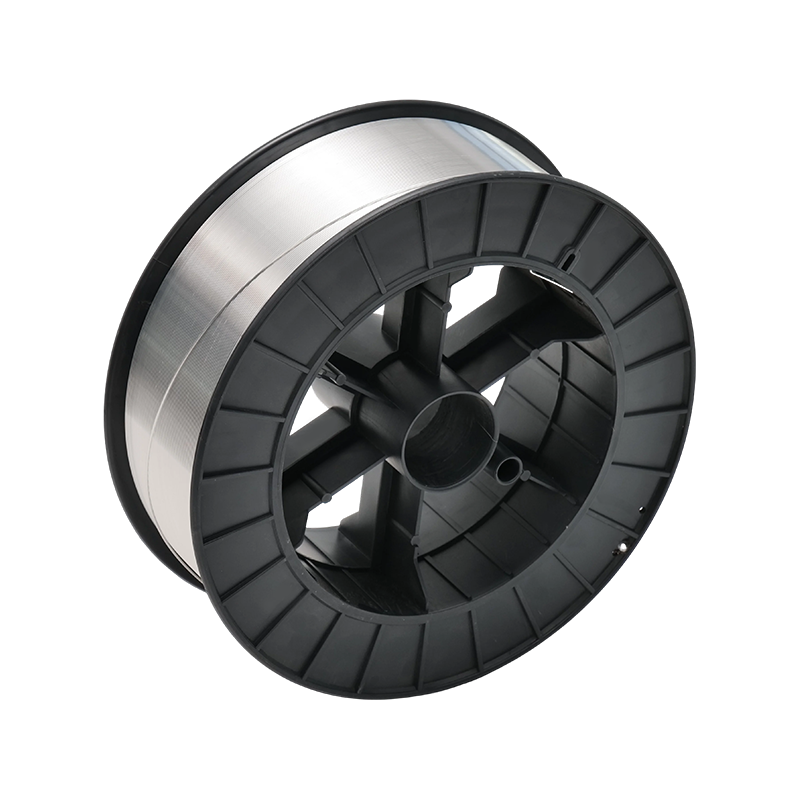
Even a well-made wire can create problems if it is poorly wound or packaged. Uniform winding supports smooth unwinding during production. Tangled wire, crossovers, loose coils, or damaged spools can interrupt operations and waste time. Packaging must protect the wire from moisture, impact, dust, and deformation during storage and transportation.
Professional packaging is part of product performance. For industrial customers, easy handling and reliable unwinding contribute directly to productivity. 1090 Aluminum Wire produced under a structured manufacturing system is designed to reach the user in a condition suitable for efficient processing. This is an advantage over lower-cost alternatives that may not invest sufficient attention in packaging and logistics protection.
Quality Management and Certifications
Jiangsu Hetuo Aluminum Wire Co., Ltd. has obtained ISO 9001 and IATF 16949 quality management system certifications. These certifications are important signals of manufacturing discipline. ISO 9001 reflects a systematic approach to quality management, process control, documentation, corrective action, and customer satisfaction. IATF 16949 is especially associated with automotive quality management requirements and indicates a higher level of process discipline, risk thinking, and continuous improvement culture.
For customers purchasing 1090 Aluminum Wire, certified quality management provides confidence that the product is made within an organized system rather than by informal production methods. High-purity aluminum wire customers often need batch consistency, traceability, and responsive technical support. Quality management systems help ensure that requirements are understood, production is controlled, inspections are recorded, and improvements are pursued.
Strict inspection throughout production is another important strength. Quality cannot rely only on final inspection. It must be built into every stage, including raw material verification, process monitoring, dimensional checks, surface inspection, composition confirmation, winding evaluation, and packaging review. When inspection is integrated into production, problems can be detected earlier and corrected before they reach customers.
Why 1090 Aluminum Wire Supports Longer Service Life
The main application value of 1090 Aluminum Wire is extending the service life of substrates through corrosion-resistant surface layers. Corrosion is one of the largest hidden costs in industry. It damages structures, reduces safety, increases maintenance demand, interrupts production, and consumes resources. Protective coatings are a practical way to slow corrosion, and aluminum coatings are widely used because of their protective oxide behavior and compatibility with many surface engineering systems.
When aluminum is applied to a substrate, it forms a thin oxide film when exposed to oxygen. This oxide layer is stable and helps protect the metal beneath. In a coating system, the aluminum layer can function as a barrier that limits contact between the environment and the substrate. In some conditions, it may also provide sacrificial protection to steel. The effectiveness depends on coating thickness, porosity, adhesion, sealing, environment, and application quality. However, the feedstock material remains a key foundation.
High-purity 1090 Aluminum Wire supports this protective function by reducing the presence of impurities that may interfere with corrosion resistance. Elements such as copper can be undesirable in certain corrosion environments because they can promote galvanic effects or localized attack. By maintaining copper at a very low level, the wire supports the production of coatings aligned with corrosion protection goals. Low impurity content also helps keep the coating closer to pure aluminum behavior.
Longer service life provides economic and environmental benefits. Components that last longer require fewer replacements, less maintenance labor, less downtime, and lower material consumption over time. For infrastructure and heavy industry, the cost of shutting down equipment or repairing corroded structures can far exceed the cost of selecting a higher-quality wire. In this sense, 1090 Aluminum Wire is not merely a consumable; it is part of a life-cycle performance strategy.
Comparison With 1070 and 1A95 High-Purity Aluminum Wire
The supplied product family includes high-purity aluminum wire grades such as 1070, 1090, and 1A95. Each grade has a role depending on required purity and cost-performance balance. 1070 Aluminum Wire has an aluminum content of approximately 99.70% minimum, making it a practical high-purity option for many industrial uses. 1A95 Aluminum Wire has aluminum content of approximately 99.95% minimum, offering an even higher purity level for more demanding applications. 1090 sits between these grades with a strong balance of high purity and practical industrial value.
Compared with 1070, 1090 offers a higher aluminum content and lower impurity limits. This can be beneficial when cleaner composition is desired for evaporation, spraying, or corrosion-resistant coatings. Compared with 1A95, 1090 may offer a more economical choice where 99.90% aluminum is sufficient and ultra-high purity is not necessary. This makes 1090 Aluminum Wire attractive for customers who want a premium high-purity product without selecting the highest-purity grade for every application.
Choosing the correct grade depends on the application. If the process is highly sensitive to trace impurities, a higher-purity grade may be preferred. If the application is general corrosion protection and requires reliable high-purity aluminum behavior, 1090 is often a strong candidate. Its composition gives it a competitive position because it provides clear purity advantages while remaining suitable for broad industrial use.
Operational Benefits for Customers
Reduced Production Interruptions
Wire-related interruptions can be expensive. Feeding problems, wire breaks, inconsistent melting, or contamination can stop production and reduce coating quality. 1090 Aluminum Wire is designed to support stable operation, helping users maintain efficiency. Smooth feeding and predictable behavior are especially valuable in high-volume spraying operations where downtime directly affects project schedules.
Improved Coating Repeatability
Industrial customers often need to repeat the same coating performance across multiple batches, shifts, and projects. A consistent wire product makes this easier. When chemical composition, surface condition, and dimensions remain stable, operators can use established process parameters with greater confidence. Repeatability supports quality assurance and simplifies process control.
Support for International Quality Expectations
The company’s products comply with international quality standards and are exported to many high-end overseas markets. This experience matters for customers who require documentation, stable packaging, professional communication, and reliable batch-to-batch supply. A supplier familiar with demanding markets is better positioned to meet technical and commercial expectations.
Flexible Material Expertise
Because the company specializes not only in high-purity aluminum wire but also in high-strength aluminum alloy wire, welding wire, aluminum alloy rods, and precision profiles, it has a broader understanding of aluminum material behavior. This helps when customers need technical discussion, grade comparison, or recommendations for different applications. A manufacturer with wider aluminum alloy expertise can provide more meaningful support than a simple trading supplier.
Recommended Considerations for Use
To gain the best performance from 1090 Aluminum Wire, users should consider the complete process system. For spraying applications, substrate preparation is essential. The surface should generally be cleaned and roughened according to the coating process requirements. Proper preparation improves mechanical bonding and coating durability. Even the best wire cannot compensate for an improperly prepared substrate.
Spraying parameters should be optimized according to equipment type, wire diameter, desired coating thickness, environmental conditions, and performance requirements. Operators should monitor feed speed, current, voltage, atomizing air, spray distance, traverse speed, and coating temperature. Stable parameters help ensure uniform coating quality. Because 1090 Aluminum Wire is designed for consistent behavior, it can support parameter stability when used with suitable equipment and procedures.
For evaporation applications, users should maintain proper chamber cleanliness, feeding conditions, and process control. The wire should be handled carefully to prevent surface contamination. Storage should avoid moisture, dust, and corrosive environments. Packaging should remain sealed until use when possible. Clean handling is especially important for high-purity applications because contamination introduced after production can reduce the advantage of the material.
Quality inspection of the final coating or film should be performed according to the application. Relevant checks may include visual appearance, thickness measurement, adhesion testing, porosity evaluation, composition analysis, corrosion testing, or functional performance testing. The wire is a key input, but final performance depends on the entire application process. A professional customer will combine high-quality feedstock with controlled application and inspection.
Company Strengths Supporting Global Customers
Jiangsu Hetuo Aluminum Wire Co., Ltd. was established with a customer-oriented philosophy and a commitment to customer satisfaction. This orientation is important in the aluminum wire market because different customers may use the same grade in different equipment, industries, and environments. A responsive manufacturer can help customers select suitable materials, understand specifications, and maintain stable supply.
The company’s intelligent manufacturing system is built around high-purity aluminum wire, high-strength aluminum alloy wire, and aluminum and aluminum alloy welding materials. This creates a product ecosystem rather than a single isolated production line. Customers who source 1090 Aluminum Wire may also need other aluminum wire or welding material solutions. Working with a manufacturer that covers multiple related categories can simplify procurement and technical coordination.
The factory’s 40,000-square-meter scale provides a foundation for stable production capacity. Scale alone is not enough, but when combined with advanced equipment, professional technicians, and quality management certifications, it supports dependable supply. For international customers, stable capacity can be as important as technical quality, especially for long-term projects or recurring production needs.
The company’s 60 employees include 30 professional managers and technicians, showing a strong technical and management ratio. This supports product development, process control, quality assurance, and customer service. In high-purity aluminum wire production, human expertise remains essential even with advanced equipment. Technicians must understand material behavior, identify process risks, and continuously improve production performance.
The company aims to provide lighter, stronger, and more sustainable aluminum alloy wire and welding material solutions for global industries. Although 1090 Aluminum Wire is mainly valued for purity and corrosion protection rather than strength, it fits this broader mission by supporting longer-lasting surfaces and improved resource efficiency. When protective coatings extend service life, they reduce replacement demand and contribute to more sustainable industrial operation.
Technical Value in Modern Surface Engineering
Surface engineering has become increasingly important because industries need materials that perform beyond their natural limits. Steel is strong and economical, but it corrodes. Aluminum is lightweight and corrosion-resistant, but may not provide the structural strength required in every application. By applying an aluminum coating to a steel substrate, engineers can combine the strengths of both materials: the load-bearing ability of steel and the corrosion resistance of aluminum.
1090 Aluminum Wire serves as a practical feedstock for this strategy. It allows users to deposit aluminum where it is needed, rather than manufacturing the entire component from aluminum. This can save cost and improve design flexibility. Thermal spraying can also be applied to existing structures, making it valuable for maintenance and repair. Evaporation processes can create functional layers without changing the bulk material. In both cases, the wire enables surface functionality.
As industries face harsher environments and longer service-life expectations, coating quality becomes more important. Infrastructure near oceans, chemical plants, energy facilities, and transportation networks must resist corrosion over long periods. A high-purity aluminum wire with controlled composition gives engineers a reliable material option for these challenges. It supports the development of protective layers that can withstand demanding service conditions when properly applied.
How 1090 Aluminum Wire Helps Reduce Total Cost
Purchase price is only one part of material cost. In surface treatment operations, total cost includes application efficiency, equipment uptime, coating quality, inspection results, rework, warranty risk, maintenance, and service life. A low-cost wire that causes unstable feeding or inconsistent coatings can become expensive very quickly. 1090 Aluminum Wire offers value by supporting process stability and long-term coating performance.
Higher purity can reduce the risk of performance variation. Consistent wire drawing and packaging can reduce downtime. Professional quality management can reduce the probability of receiving nonconforming material. These benefits may not always be visible in a simple price comparison, but they matter in real production. For customers working on large projects, stable quality can protect schedules and reputations.
Longer service life also changes the cost equation. If an aluminum coating produced from high-quality wire helps reduce corrosion maintenance, the savings can accumulate over years. Fewer repairs mean lower labor cost, less equipment shutdown, and reduced replacement material. For infrastructure owners and industrial operators, this life-cycle benefit is often more important than initial material cost.
Frequently Asked Questions
What is 1090 Aluminum Wire?
1090 Aluminum Wire is a high-purity aluminum wire with aluminum content of not less than 99.90%. It is mainly used in evaporation, spraying, metallizing, and surface protection applications where clean composition and reliable processing are required.
What is the main advantage of 1090 Aluminum Wire?
Its main advantage is high purity combined with controlled impurity levels. This supports cleaner melting, stable process behavior, and corrosion-resistant aluminum coatings that help extend the service life of substrates.
Where is 1090 Aluminum Wire commonly used?
It is commonly used in evaporation and spraying fields. Typical applications include thermal spray aluminum coatings, metallizing for corrosion protection, protective layers on steel structures, and high-purity aluminum deposition processes.
How does 1090 Aluminum Wire improve corrosion resistance?
When applied as an aluminum coating, it forms a protective aluminum layer on the substrate. This layer helps block moisture, oxygen, salts, and corrosive media. Aluminum also naturally forms a stable oxide film that contributes to corrosion resistance.
How is 1090 different from 1070 Aluminum Wire?
1090 has a higher aluminum content than 1070. While 1070 typically has a minimum aluminum content of 99.70%, 1090 has a minimum aluminum content of 99.90%. This makes 1090 more suitable when higher purity and lower impurity levels are desired.
Is 1090 Aluminum Wire suitable for thermal spraying?
Yes. It is mainly used in spraying applications and is suitable as a feedstock for producing aluminum coatings. Its stable composition, ductility, and potential for smooth feeding make it valuable for thermal spraying and metallizing processes.
Why does surface cleanliness matter for this product?
Surface contamination can affect feeding, melting, coating quality, and evaporation cleanliness. Clean wire helps reduce process instability and supports better coating or film quality.
What company strengths support the product quality?
Jiangsu Hetuo Aluminum Wire Co., Ltd. operates advanced equipment, implements strict production inspection, has ISO 9001 and IATF 16949 certifications, and maintains a technical team experienced in aluminum wire and aluminum alloy material manufacturing.
Can 1090 Aluminum Wire reduce maintenance costs?
Yes, when used correctly in protective coating systems, it can help extend the service life of substrates and reduce corrosion-related maintenance. The actual savings depend on coating design, application quality, service environment, and inspection practices.
What should users consider before applying the wire?
Users should consider wire diameter, equipment compatibility, substrate preparation, process parameters, storage conditions, handling cleanliness, and final coating inspection. The best results come from combining high-quality wire with controlled application procedures.
Conclusion
1090 Aluminum Wire is a high-purity aluminum wire solution designed for demanding evaporation and spraying applications. With aluminum content of not less than 99.90%, controlled impurity levels, good ductility, and suitability for corrosion-protective aluminum coating processes, it offers clear advantages over ordinary aluminum wire products. Its value is especially strong where users need stable processing, clean deposition, and long-term substrate protection.
The product supports surface engineering strategies that improve corrosion resistance and extend component service life. By helping create protective aluminum layers, it contributes to reduced maintenance, improved reliability, and better life-cycle economics. For industries facing harsh environments, these benefits are essential.
Behind the product is a manufacturer with advanced equipment, a 40,000-square-meter factory, professional management and technical personnel, strict quality inspection, ISO 9001 certification, and IATF 16949 certification. This manufacturing strength supports consistent product quality and reliable supply. For customers seeking high-purity aluminum wire for evaporation, spraying, metallizing, or corrosion protection, 1090 Aluminum Wire provides a practical, high-performance, and industrially dependable choice.
References
1. Davis, J. R. Aluminum and Aluminum Alloys. ASM International.
2. Davis, J. R. Handbook of Thermal Spray Technology. ASM International.
3. International Organization for Standardization. ISO 9001 Quality Management Systems Requirements.
4. International Automotive Task Force. IATF 16949 Quality Management System Standard.
5. Hatch, J. E. Aluminum: Properties and Physical Metallurgy. American Society for Metals.
6. Wernick, S., Pinner, R., and Sheasby, P. G. The Surface Treatment and Finishing of Aluminum and Its Alloys.