

 English
 中文简体
中文简体 русский
 Deutsch
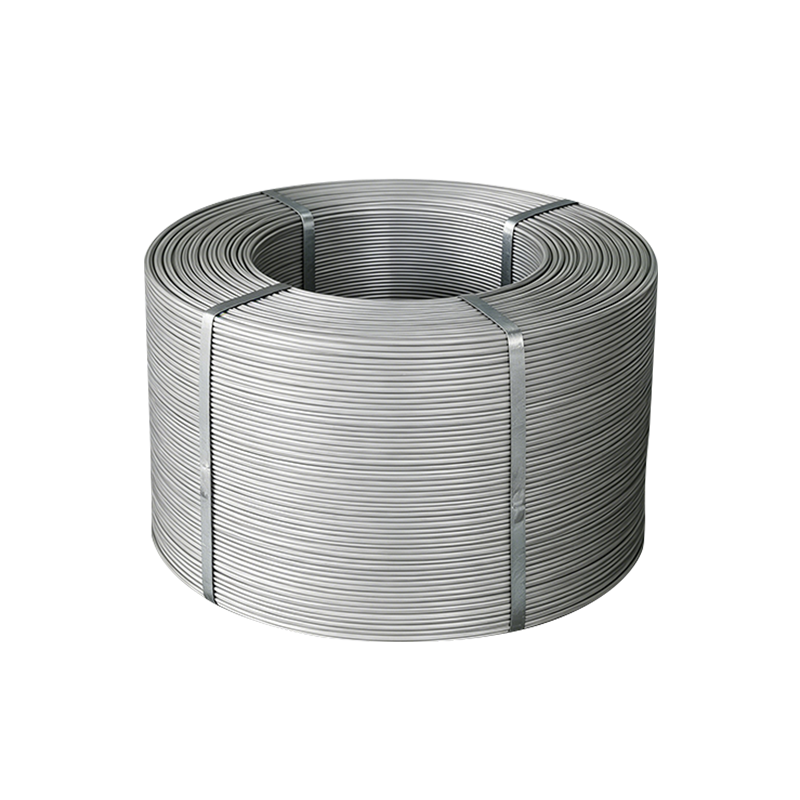
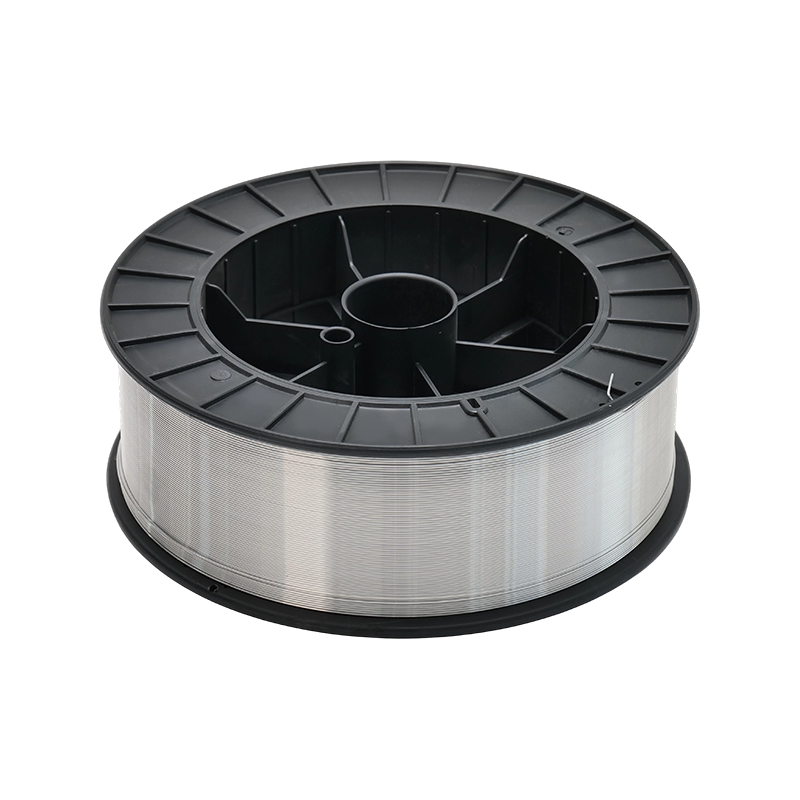
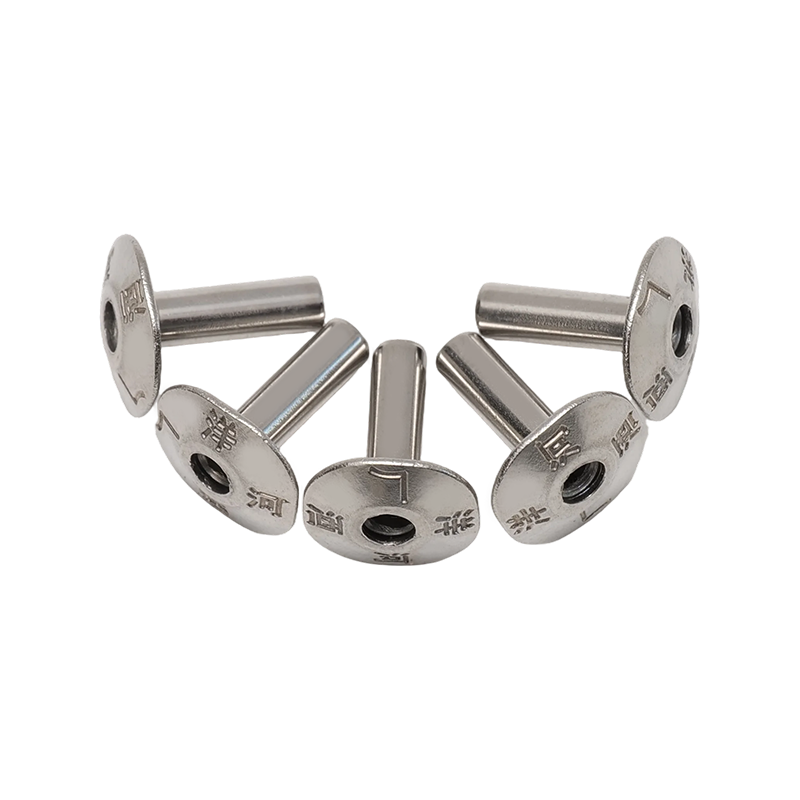
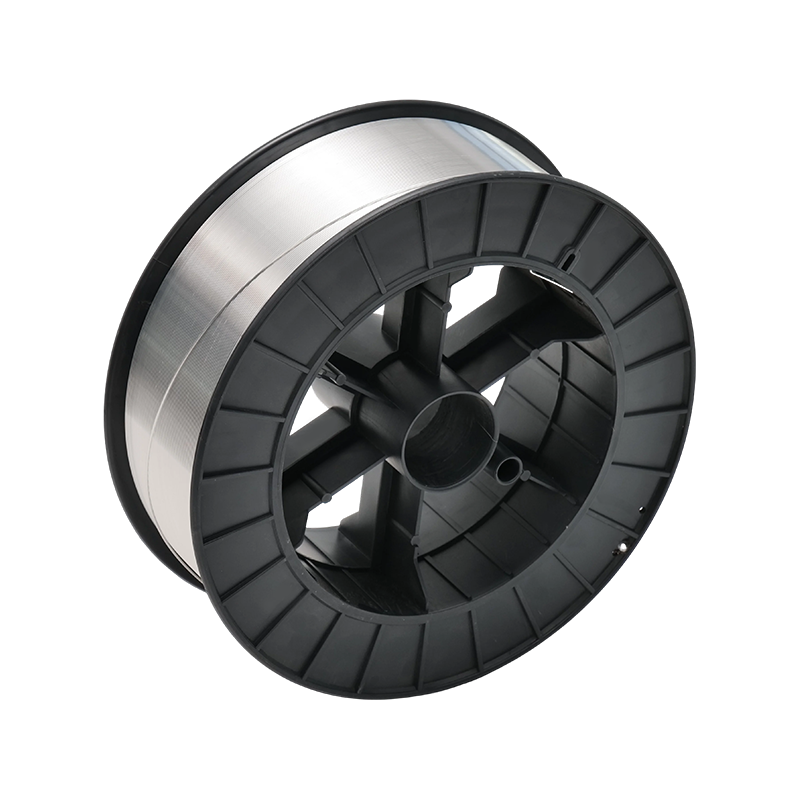
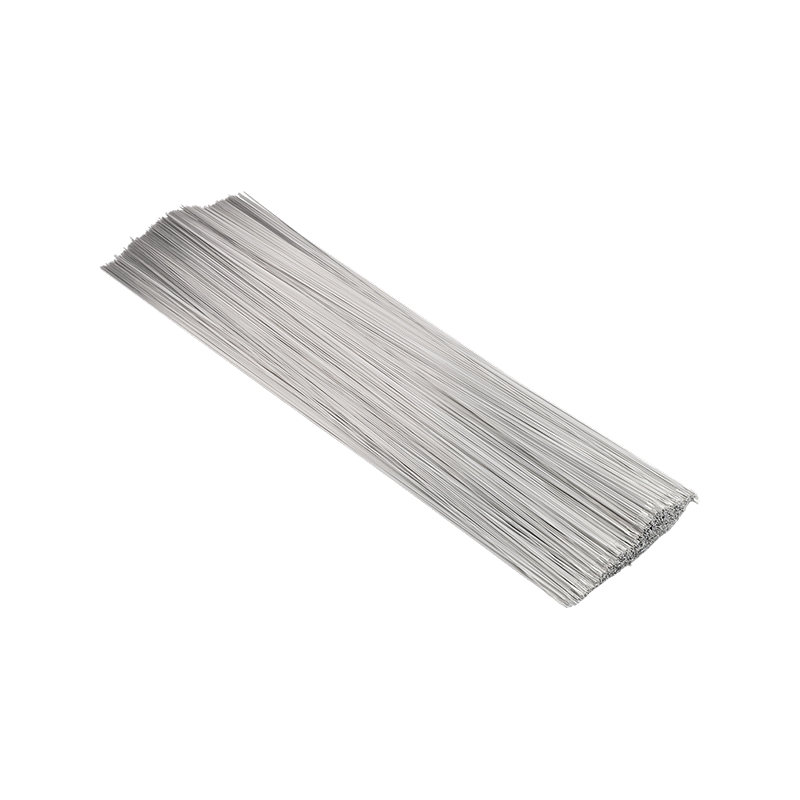
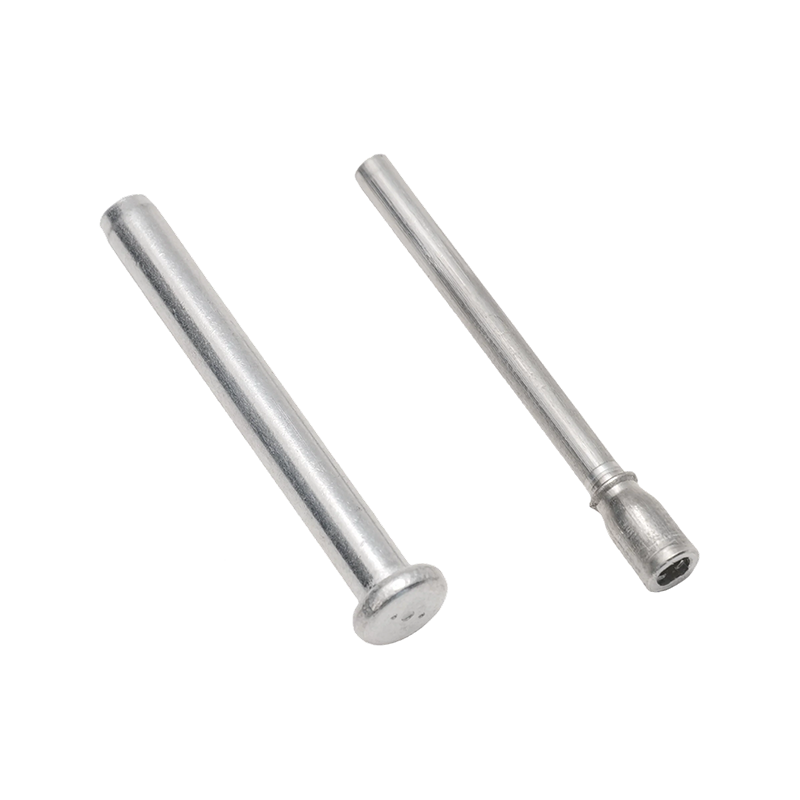
High-strength aluminum alloy wire for rivets is an essential engineering material for industries that require reliable fastening, low structural weight, and consistent mechanical performance. Rivet wire is converted into rivet blanks and finished fasteners used in aircraft structures, aerospace assemblies, military equipment, transportation systems, and other applications where joint integrity is critical. Compared with ordinary aluminum wire, high-strength alloy wire offers a carefully controlled balance of strength, formability, corrosion resistance, fracture toughness, and dimensional stability.
The product range described in this article includes aluminum alloy wire for rivets and related aluminum welding materials. Available alloy grades include 2A10, 2219, 4043, 4047, 5183, 5154, 5356, AlMg3, AlMg5, AlMg6, AlMg61, 7050, and 7075. Each alloy has a different chemical composition and performance profile. This broad selection enables customers to choose a material according to rivet forming requirements, service temperature, corrosion environment, joining method, and required mechanical properties.
The product is particularly relevant to aviation, aerospace, and military applications. Strengthening through alloying and heat treatment allows selected grades to achieve high load-bearing capability while retaining the low density associated with aluminum. In addition, specific tempers provide different combinations of strength, fracture toughness, stress-corrosion resistance, exfoliation-corrosion resistance, and low-temperature performance.
Content
- 1 Why Aluminum Alloy Wire Is Important for Rivet Production
- 2 Product Scope and Alloy Selection
- 3 Performance Advantages of High-Strength Rivet Wire
- 4 Manufacturing Process for Aluminum Alloy Rivet Wire
- 4.1 Raw-material preparation and alloy control
- 4.2 Melting and refining
- 4.3 Casting into suitable feedstock
- 4.4 Homogenization and thermal treatment
- 4.5 Hot working and rod production
- 4.6 Wire drawing
- 4.7 Final heat treatment and temper control
- 4.8 Surface treatment and cleaning
- 4.9 Inspection and quality verification
- 5 Manufacturing Strengths and Factory Capability
- 6 Advantages Compared with Less Specialized Suppliers
- 7 Applications in Aviation, Aerospace, and Military Fields
- 8 Rivet Manufacturing Considerations
- 9 Recommended Purchasing Specification
- 10 Quality Assurance from Order to Delivery
- 11 Sustainability and Lightweight Engineering
- 12 How to Select the Right Grade
- 13 Customer Support and Custom Supply
- 14 Frequently Asked Questions
- 14.1 What is aluminum rivet wire used for?
- 14.2 Which grades are available for high-strength rivet applications?
- 14.3 What is the difference between T6, T73, and T76?
- 14.4 Can welding wire grades be used for rivets?
- 14.5 What information should be included in an inquiry?
- 14.6 Is chemical composition testing available?
- 14.7 Can the wire be supplied in customized dimensions?
- 14.8 Why is surface quality important for rivet wire?
- 14.9 How should aluminum alloy wire be stored?
- 14.10 Does certification guarantee that every product is suitable for aerospace use?
- 15 Conclusion
- 16 References
- 17 Product: For Rivets
Why Aluminum Alloy Wire Is Important for Rivet Production
Rivets are permanent mechanical fasteners. Unlike removable bolts, they are generally installed by deforming or upsetting the end of a rivet shank to create a secure mechanical head. The wire used to manufacture the rivet must therefore meet two apparently opposing requirements: it must have sufficient strength after installation and service, while also having enough ductility and forming capacity during rivet production and assembly.
Material inconsistency can lead to cracking during heading, dimensional variation, incomplete filling of the rivet die, poor contact between mating components, or premature failure in service. For this reason, rivet wire quality depends not only on nominal alloy selection but also on control of chemical composition, internal cleanliness, surface condition, diameter, straightness, heat-treatment condition, and packaging.
Aluminum alloy wire is especially valuable where weight reduction is a major design objective. Aluminum has a lower density than steel and many other structural metals. When the correct alloy is selected, the resulting rivet can reduce the weight of an assembly without sacrificing the required level of joint performance. This advantage is highly significant in aircraft and aerospace structures, where every reduction in unnecessary mass can contribute to improved payload efficiency, fuel economy, range, and operating costs.
Aluminum also provides useful corrosion resistance through the formation of a stable surface oxide film. The actual corrosion performance depends on the alloy, temper, surface treatment, joint design, and surrounding environment. Nevertheless, aluminum alloy rivets are widely used where a combination of low weight, corrosion resistance, and compatibility with aluminum structures is required.
Product Scope and Alloy Selection
The supplied product information identifies the material as high-strength aluminum alloy wire for rivets. The available chemical composition data also covers welding wire grades and aluminum-magnesium alloys. This broad product portfolio is beneficial because different fastening and welding applications require different alloy characteristics.
Grades such as 2A10 and 2219 are copper-containing aluminum alloys associated with high-strength structural applications. They may be considered where strength and elevated-performance requirements are more important than the maximum corrosion resistance available from aluminum-magnesium grades. Grades 7050 and 7075 contain zinc and magnesium, with additional alloying elements that support high-strength performance after appropriate processing and heat treatment.
Grades 4043 and 4047 contain substantial silicon. Silicon improves melting and fluidity characteristics, making these alloys particularly relevant to welding and brazing-related applications. Grades 5183, 5154, and 5356 are aluminum-magnesium materials. They are commonly selected for welding-related purposes where good corrosion performance, weldability, and suitable strength are required.
AlMg3, AlMg5, AlMg6, and AlMg61 provide additional aluminum-magnesium options. Their magnesium levels and minor-element limits differ, which influences strength, ductility, corrosion behavior, and welding suitability. The proper choice should be confirmed against the end-use specification, forming process, required temper, and applicable customer or industry standard.
| Alloy grade | Principal alloying characteristics | Typical product relevance |
|---|---|---|
| 2A10 | Copper approximately 3.9–4.5%; manganese approximately 0.30–0.50%; magnesium approximately 0.15–0.30% | High-strength structural and rivet-related applications |
| 2219 | Copper approximately 5.8–6.8%; manganese approximately 0.2–0.4% | Aerospace and high-strength aluminum applications |
| 4043 | Silicon approximately 4.5–6.0% | Aluminum welding materials and joining applications |
| 4047 | Silicon approximately 11.0–13.0% | Welding, brazing, and applications requiring high silicon content |
| 5183 | Magnesium approximately 4.3–5.2%; manganese approximately 0.5–1.0% | Aluminum-magnesium welding wire and corrosion-conscious applications |
| 5154 | Magnesium approximately 3.1–3.9% | Welding and general aluminum alloy joining applications |
| 5356 | Magnesium approximately 4.5–5.5%; manganese approximately 0.05–0.20% | Aluminum-magnesium welding wire |
| AlMg3 | Magnesium approximately 3.2–3.8% | Aluminum-magnesium wire and corrosion-resistant applications |
| AlMg5 | Magnesium approximately 4.8–5.8% | Higher-magnesium aluminum wire and joining materials |
| AlMg6 | Magnesium approximately 5.8–6.8% | Higher-strength aluminum-magnesium applications |
| AlMg61 | Magnesium approximately 5.5–6.5%; manganese approximately 0.8–1.1% | Specialized aluminum-magnesium wire applications |
| 7050 | Zinc approximately 5.7–6.7%; copper approximately 2.0–2.6%; magnesium approximately 1.9–2.6% | High-strength aerospace-oriented applications |
| 7075 | Zinc approximately 5.0–7.0%; magnesium approximately 1.8–2.8%; copper approximately 1.4–2.0% | High-strength rivet and aerospace applications |
The listed values are composition ranges or maximum limits supplied for the product range. Actual acceptance criteria should be confirmed using the applicable technical specification, purchase agreement, inspection certificate, and customer drawing.
For Rivets
Performance Advantages of High-Strength Rivet Wire
High strength-to-weight ratio
The most important advantage of high-strength aluminum alloy rivet wire is its ability to provide substantial mechanical performance at relatively low weight. A rivet manufactured from an appropriate heat-treatable aluminum alloy can support demanding structural loads while contributing less mass than many conventional steel fastening solutions. This is especially valuable in aircraft frames, fuselage structures, wings, interior systems, military vehicles, and aerospace equipment.
Weight reduction does not mean that every aluminum alloy is interchangeable. The alloy must be selected according to the required shear strength, tensile strength, bearing performance, fatigue behavior, and installation process. High-strength grades such as 7050 and 7075 are intended for demanding applications, while other grades may be more suitable where forming capacity, weldability, or corrosion resistance is the primary concern.
Heat-treatment flexibility
Heat-treatable alloys can be processed into different temper conditions to achieve different performance combinations. The supplied information specifically identifies T6, T73, and T76 conditions as important for high-strength aluminum alloy products. T6 is associated with high strength. T73 is associated with relatively high fracture toughness, stress-corrosion resistance, exfoliation-corrosion resistance, and low-temperature performance. T76 offers higher strength than T73 while providing higher stress-corrosion resistance than T6.
These temper differences are important because the strongest condition is not always the best condition for every structural application. Aircraft and military designers may need to balance strength against resistance to crack growth, environmental degradation, and low-temperature embrittlement. The availability of different temper objectives allows engineers to select a material that reflects the actual service environment rather than relying on a single strength value.
Fracture toughness and damage tolerance
Fracture toughness is a critical consideration in safety-sensitive structures. A material with suitable fracture toughness can provide greater resistance to unstable crack propagation and can support a more predictable damage-tolerance design approach. The T73 condition is identified as having relatively high fracture toughness compared with a condition focused primarily on maximum strength.
For riveted structures, fracture toughness is relevant not only to the rivet itself but also to the surrounding sheet, plate, or profile. Rivet holes create local stress concentrations, and repeated loading can contribute to fatigue damage. A properly selected alloy and temper can help engineers manage these risks when combined with correct hole preparation, rivet installation, edge distance, joint design, and inspection procedures.
Stress-corrosion and exfoliation-corrosion resistance
Aircraft and aerospace components may experience sustained tensile stress while exposed to moisture, salts, temperature variation, and other corrosive influences. Stress-corrosion cracking can develop when susceptible materials are exposed to the right combination of stress and environment. Exfoliation corrosion can affect certain high-strength aluminum alloys through localized attack along elongated microstructural features.
The stated performance of T73 and T76 conditions provides an important advantage for applications where environmental durability is a major concern. T76 is described as offering higher stress-corrosion resistance than T6 while retaining higher strength than T73. This type of balanced performance can be valuable in structural fastening systems that must maintain integrity over long service periods.
Low-temperature performance
Some aerospace and military systems operate at low temperatures or experience rapid changes in temperature. Material properties can change with temperature, and the selection of alloy and temper must account for the service range. The supplied product description identifies low-temperature performance as an advantage of the T73 condition.
Low-temperature suitability should be assessed in relation to the complete joint, not only the rivet wire. The surrounding structure, installation method, surface treatment, load spectrum, and thermal expansion behavior all affect final performance. However, the ability to offer a condition with favorable low-temperature characteristics gives designers another option for demanding environments.
Formability during rivet manufacture
Rivet wire is not simply a raw material that is cut to length. It must be processed into a rivet shape without surface tearing, internal cracking, excessive tool wear, or unacceptable dimensional variation. Wire surface quality and microstructural uniformity are therefore essential.
A good rivet-wire supplier must understand the relationship between alloy chemistry, rod quality, drawing reduction, intermediate annealing, final temper, and heading behavior. High-strength alloys can be more difficult to form than softer aluminum grades. Careful process design is necessary to provide a wire that can be manufactured efficiently while still achieving the required performance after heat treatment.
Manufacturing Process for Aluminum Alloy Rivet Wire
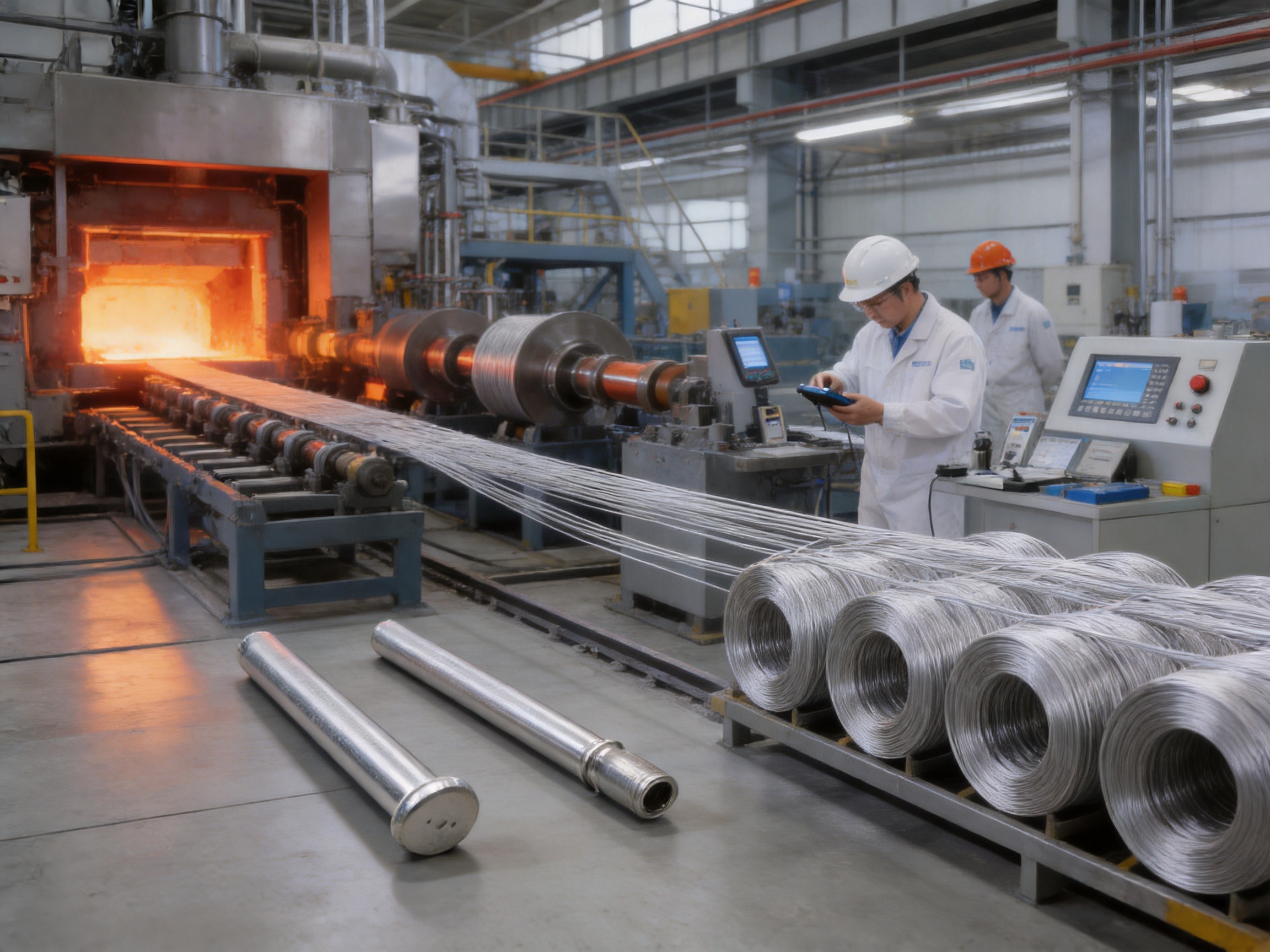
The quality of high-strength aluminum alloy wire is created through a sequence of controlled manufacturing stages. Although the exact production route may differ by alloy and customer specification, the process generally includes raw-material preparation, melting, alloying, casting, homogenization, hot working, drawing, heat treatment, surface finishing, inspection, and packaging.
Raw-material preparation and alloy control
Production begins with the selection and preparation of aluminum and alloying additions. The chemical composition must be controlled within the required ranges for silicon, iron, copper, manganese, magnesium, chromium, nickel, zinc, titanium, zirconium, beryllium, and other elements. Even small deviations can influence strength, ductility, corrosion behavior, conductivity, melting characteristics, and forming performance.
For high-strength alloys, accurate control of copper, magnesium, zinc, and transition elements is particularly important. For welding grades, silicon and magnesium levels strongly influence fluidity, weld-pool behavior, crack sensitivity, and final joint characteristics. Clean charge materials and controlled additions help reduce unwanted inclusions and improve consistency from batch to batch.
Melting and refining
During melting, the producer must maintain a stable temperature and prevent excessive oxidation or contamination. Refining and degassing operations may be used to reduce dissolved hydrogen and nonmetallic inclusions. Filtration can further improve melt cleanliness before casting.
Clean metal is especially important for wire. Inclusions or gas porosity can become elongated during rolling and drawing, potentially creating weak locations or surface defects. A controlled melt-handling process contributes to better internal quality and more reliable downstream performance.
Casting into suitable feedstock
The molten alloy is cast into a form suitable for subsequent processing, commonly a billet, slab, or rod feedstock depending on the manufacturing line. Casting conditions influence grain structure, segregation, porosity, and the distribution of alloying elements.
For high-strength aluminum alloys, uniform solidification and appropriate cooling control are important. Excessive segregation can make later heat treatment less effective and may cause local differences in mechanical properties. The casting stage must therefore be coordinated with homogenization and hot-working requirements.
Homogenization and thermal treatment
Homogenization heat treatment reduces chemical segregation created during casting and improves the uniformity of the microstructure. It can also help dissolve or redistribute certain phases before hot working. The correct temperature and holding time depend on the alloy composition and feedstock dimensions.
Later solution treatment, quenching, and aging may be used for heat-treatable grades. These operations are central to achieving T6, T73, or T76 performance objectives. In practice, the cycle must be precisely controlled because heating rate, soak time, quench delay, quench medium, and aging schedule can all influence the final mechanical and corrosion properties.
Hot working and rod production
The homogenized feedstock is converted into rod through hot rolling, extrusion, or another suitable hot-working operation. Hot working refines the structure, reduces the original cast dimensions, and produces a continuous form for drawing.
Temperature control during hot working is important. If the material is processed outside the appropriate range, it may develop undesirable surface conditions, excessive oxidation, nonuniform deformation, or an unsuitable grain structure. Stable rolling or extrusion conditions help provide consistent rod dimensions and improve the efficiency of subsequent wire drawing.
Wire drawing
Wire drawing reduces the rod to the required diameter by passing it through a series of dies. The process can improve dimensional precision and surface quality, but excessive reduction in one pass may create high residual stress, cracking, or die damage. For this reason, the reduction schedule must be matched to the alloy, starting diameter, final diameter, and required temper.
Intermediate annealing may be applied when necessary to restore ductility between drawing stages. Lubrication and die condition also affect surface finish, dimensional accuracy, and production stability. For rivet applications, the final wire must support reliable cutting and heading, so drawing parameters are selected with the final fastener-forming operation in mind.
Final heat treatment and temper control
Heat-treatable grades receive controlled treatment to obtain their specified condition. T6, T73, and T76 are not merely labels; they represent distinct property objectives resulting from controlled thermal processing. The producer must ensure that the treatment is uniform along the coil or batch and that the final material meets the agreed inspection requirements.
Over-aging can improve resistance to stress-corrosion cracking and exfoliation corrosion but may reduce peak strength. Under-aging may provide a different balance but may not meet the intended final specification. A capable manufacturer must therefore maintain accurate furnace control, traceable batch records, calibrated instruments, and testing procedures that verify the final condition.
Surface treatment and cleaning
Wire surface condition affects feeding, cutting, heading, storage, and compatibility with downstream manufacturing equipment. The surface should be free from harmful oil residues, loose scale, deep scratches, excessive oxidation, and other defects that could interfere with forming or inspection.
Depending on customer requirements, the wire may be supplied in a cleaned, treated, or specially protected condition. Packaging materials must also prevent moisture accumulation and mechanical damage during transport and storage.
Inspection and quality verification
Quality control should cover chemical composition, dimensions, surface quality, mechanical properties, heat-treatment condition, and traceability. Chemical analysis confirms that each grade falls within its specified composition range. Dimensional inspection verifies diameter and tolerance. Mechanical testing can evaluate tensile strength, yield strength, elongation, and other specified properties.
Additional examination may be used when required by the application, including metallographic evaluation, inclusion assessment, conductivity measurement, hardness testing, or corrosion-related testing. The appropriate inspection plan depends on the alloy, product diameter, temper, industry, and customer specification.
Jiangsu Hetuo Aluminum Wire Co., Ltd. states that it implements quality inspection throughout production. This approach is stronger than relying only on a final inspection because process-stage monitoring can identify deviations earlier and reduce the risk of nonconforming material reaching the customer.
Manufacturing Strengths and Factory Capability
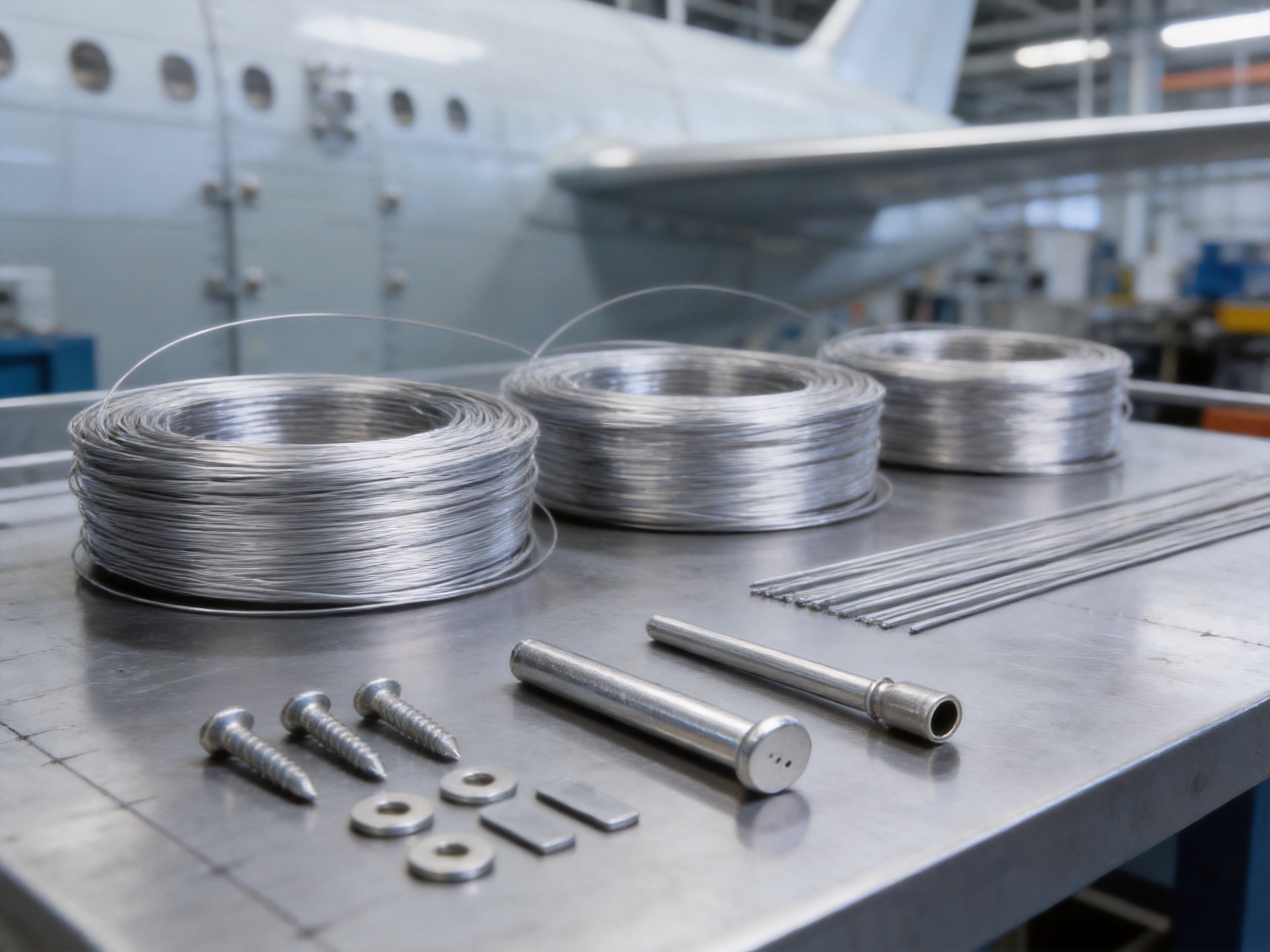
The company was established in 2019 and operates in the Guannan Economic Development Zone of Lianyungang, Jiangsu Province, China. Its factory covers approximately 40,000 square meters and employs 60 people, including professional managers and technicians. This combination of manufacturing space, technical personnel, and specialized product focus supports the production of high-purity aluminum wire, high-strength aluminum alloy wire, and aluminum or aluminum alloy welding materials.
The company describes itself as an innovative participant in China’s aluminum alloy materials industry. Its manufacturing system is intended to respond to customer requirements for lighter, stronger, and more sustainable aluminum alloy wire solutions. The product portfolio covers high-grade aluminum alloy rods, welding wires, and precision profiles, creating opportunities for customers to source related aluminum materials from one supplier.
Intelligent manufacturing orientation
An intelligent manufacturing system can improve consistency by connecting production parameters, equipment operation, material identification, and inspection records. In aluminum wire production, this is useful because the final product is influenced by many variables, including melt temperature, casting conditions, rolling or extrusion parameters, drawing reductions, furnace conditions, and cooling schedules.
Data-based process management can help production teams identify trends before they become quality problems. For example, changes in drawing force may indicate die wear or lubrication problems, while furnace monitoring can reveal deviations from the required thermal cycle. A systematic manufacturing approach supports repeatable quality and provides better documentation for customers in regulated industries.
Quality management certifications
The company has obtained ISO 9001 and IATF 16949 quality management system certifications according to the supplied company information. ISO 9001 provides a structured framework for quality management, documented processes, customer focus, corrective action, and continual improvement.
IATF 16949 is associated with the automotive industry and emphasizes process control, risk management, defect prevention, traceability, and customer-specific requirements. Although rivet wire may be used in aviation, aerospace, military, transportation, and general industrial applications, experience with a demanding quality-management framework can strengthen production discipline and documentation practices.
Certification alone does not replace product testing or customer qualification. However, it indicates that the company has established management procedures intended to control production and address quality issues systematically. Customers should request current certificates and confirm that the relevant manufacturing site and product scope are covered.
Technical personnel and process knowledge
The company employs 30 professional managers and technicians within its total workforce of 60 people. A substantial technical team is valuable for a material manufacturer because alloy production requires coordination between metallurgy, equipment operation, heat treatment, drawing technology, inspection, and customer service.
Technical personnel can also help customers select between grades. For example, a customer producing structural rivets may need to compare a heat-treatable high-strength alloy with an aluminum-magnesium alloy that offers different corrosion and forming characteristics. A customer purchasing welding wire may instead prioritize silicon or magnesium content, weldability, and compatibility with the base metal.
Advantages Compared with Less Specialized Suppliers
Customers comparing rivet-wire suppliers should evaluate more than the lowest quoted price. The actual value of the material depends on production stability, alloy accuracy, surface quality, dimensional control, delivery reliability, documentation, and technical support. A supplier focused on aluminum wire and related materials may offer advantages over a general metal distributor that simply resells standard wire.
Broader alloy coverage
The availability of multiple aluminum alloy families allows the customer to match material properties to the intended application. A supplier offering only one general-purpose grade may not be able to support changes in design requirements or production method. By contrast, a portfolio including 2A10, 2219, 7050, 7075, aluminum-silicon welding grades, and aluminum-magnesium welding grades offers greater flexibility.
This flexibility can be useful during product development. Engineers may compare strength, corrosion behavior, formability, weldability, and cost before selecting a final alloy. It can also simplify procurement for companies that use both structural rivets and aluminum welding materials.
Focus on controlled composition
High-strength aluminum alloys depend on carefully balanced additions of copper, magnesium, zinc, manganese, chromium, zirconium, titanium, and other elements. A supplier with established alloy-control procedures is better positioned to deliver repeatable performance than a supplier that treats all aluminum wire as a generic commodity.
Composition control also improves production planning. When the chemistry remains consistent, drawing behavior, heat-treatment response, and mechanical properties are more predictable. This can reduce process adjustments at the rivet manufacturer and help limit waste caused by inconsistent heading performance.
Integrated material knowledge
The company’s combination of high-purity aluminum wire, high-strength alloy wire, and welding materials gives it knowledge across several aluminum processing areas. This integrated understanding can help customers evaluate the interaction between fasteners, base materials, welding operations, and corrosion protection systems.
For example, a customer may need aluminum rivets for a structure that also contains welded aluminum components. Selecting compatible materials can reduce galvanic or metallurgical concerns and simplify the overall material specification. Final compatibility must always be verified by the responsible design and materials engineers, but a supplier with a broader technical portfolio can contribute useful information during this evaluation.
Quality systems and traceability
Traceability is especially important in aviation, aerospace, defense, and safety-related transportation applications. Each batch should be identifiable through production records, inspection results, heat-treatment information, and packaging labels. Proper traceability supports incoming inspection, production control, root-cause analysis, and future product audits.
A quality system based on documented procedures can also improve corrective action. If a customer observes an unusual forming issue, the supplier can investigate the specific batch, review process data, and determine whether the cause relates to chemistry, thermal processing, drawing, surface condition, or handling.
Applications in Aviation, Aerospace, and Military Fields
Aircraft structures
Aluminum rivets have a long history in aircraft construction. They may be used in fuselage skins, frames, stringers, wing components, brackets, panels, and interior structures, subject to the applicable aircraft design and certification requirements. The low density of aluminum supports weight-efficient construction, while the permanent nature of riveted joints provides reliable mechanical attachment.
High-strength rivet wire is particularly relevant when the joint must resist significant shear, tension, vibration, or repeated loading. Alloy and temper selection depends on the surrounding structure, installation method, service temperature, corrosion environment, and certification basis.
Aerospace equipment
Aerospace equipment may be exposed to vacuum, temperature cycling, vibration, low temperatures, launch loads, or highly controlled structural requirements. Materials must often satisfy strict documentation and inspection expectations. High-strength aluminum alloy wire can provide a useful combination of low weight and structural performance for selected aerospace fasteners and components.
For these applications, it is essential to define the exact alloy designation, temper, diameter, tolerance, mechanical requirements, and inspection standard before ordering. A general reference to “aluminum rivet wire” is not sufficient for a critical aerospace component.
Military equipment
Military vehicles, aircraft, shelters, communication equipment, and specialized systems may benefit from lightweight aluminum fastening materials. The selected alloy may need to withstand vibration, impact, temperature changes, moisture, salt exposure, field maintenance conditions, or long-term storage.
In defense procurement, documentation and supply continuity can be as important as nominal material performance. Batch records, inspection certificates, packaging integrity, and supplier responsiveness all contribute to procurement reliability.
Transportation and industrial structures
Outside aerospace and defense, aluminum alloy rivet wire can be used in rail vehicles, commercial transportation, marine equipment, trailers, industrial enclosures, and lightweight structural assemblies. The optimum grade may differ from aerospace practice because the loading conditions, corrosion environment, production volume, and cost targets are different.
Aluminum-magnesium grades may be considered for some applications requiring corrosion resistance and useful ductility, while heat-treatable high-strength grades may be considered for applications with higher structural loads. The material should be selected based on engineering analysis rather than alloy name alone.
Rivet Manufacturing Considerations
Diameter and dimensional tolerance
Rivet wire diameter influences cutting length, blank volume, finished head dimensions, and forming force. Tolerance must be controlled closely enough to ensure that the rivet manufacturer can maintain consistent production. Excessive variation can cause changes in rivet head geometry or require frequent equipment adjustments.
Customers should specify nominal diameter, tolerance, coil or straight-length format, allowable ovality, straightness requirements, and any special surface conditions. These details should be agreed before production because the acceptable range depends on the rivet design and forming equipment.
Heading and upsetting behavior
The wire must form a complete rivet head without splitting or excessive flash. Heading behavior is influenced by alloy, temper, grain structure, surface condition, diameter, cutting quality, and tool design. A material that is too hard or too heavily cold-worked may crack during forming, while a material that is too soft may not provide the required final properties.
Trial production is recommended for new alloy and diameter combinations. The trial should evaluate cutting, feeding, heading, heat treatment, dimensional stability, surface appearance, and mechanical performance of the finished rivets.
Heat treatment after forming
Some rivet alloys receive heat treatment after the rivet has been formed. The treatment may be required to obtain the final strength and corrosion-resistance balance. The customer must confirm whether the ordered wire is supplied in a condition intended for direct forming or whether additional solution treatment, quenching, and aging will be performed after rivet manufacture.
Heat-treatment distortion, quench sensitivity, and aging response should be evaluated during process qualification. The final rivet properties cannot be assumed solely from the raw wire designation because the complete manufacturing history affects the result.
Surface protection and storage
Aluminum wire should be protected from contamination, excessive humidity, and mechanical damage during transportation and storage. Coils should be handled carefully to prevent deformation, scratches, and impacts. Packaging should maintain product identification and preserve the relationship between the material and its inspection documentation.
Before use, the rivet manufacturer should inspect the wire for corrosion staining, surface damage, contamination, and labeling accuracy. Proper stock rotation is also recommended, particularly when different alloy grades or tempers are stored in the same facility.
Recommended Purchasing Specification
A clear purchase specification helps prevent misunderstandings between the customer and supplier. The order should identify the alloy grade, temper, nominal diameter, tolerance, product form, quantity, packaging, required tests, applicable standard, certificate requirements, and delivery conditions.
| Specification item | Information the customer should define |
|---|---|
| Alloy | Exact grade, such as 2A10, 2219, 7050, or 7075 |
| Temper | Required condition, such as T6, T73, T76, or another agreed condition |
| Diameter | Nominal diameter and permitted dimensional tolerance |
| Product form | Coil, spool, straight length, or another delivery format |
| Application | Rivet blank production, finished rivet manufacture, welding, or another use |
| Quality requirements | Chemical composition, mechanical properties, surface quality, and internal quality |
| Documentation | Inspection certificate, batch number, traceability records, and compliance documents |
| Packaging | Moisture protection, coil dimensions, labels, and handling requirements |
| Delivery | Quantity, lead time, shipping terms, and export documentation |
For aviation, aerospace, and military projects, customers should also provide the relevant drawing, material specification, qualification requirements, and inspection plan. If the product is intended for a certified structure, approval should be obtained from the responsible engineering and quality organizations before material substitution.
Quality Assurance from Order to Delivery
Effective quality assurance begins during technical communication. The supplier should understand the customer’s alloy, temper, diameter, application, and performance expectations before issuing a quotation. This is particularly important when the customer uses a designation that may have different interpretations across national standards.
During production, batch identification should be maintained through melting, casting, hot working, drawing, heat treatment, inspection, and packaging. This enables the final coil or wire bundle to be connected to the relevant process and test records.
Before shipment, the supplier should verify product quantity, packaging condition, labels, certificates, and shipping documents. Customers receiving the material should check the same information during incoming inspection. A consistent documentation process reduces delays and helps prevent the accidental mixing of grades or tempers.
Jiangsu Hetuo’s stated quality inspection throughout production, together with ISO 9001 and IATF 16949 certification, provides a foundation for this type of controlled supply. Customers should nevertheless establish their own incoming inspection and qualification procedures according to the importance of the application.
Sustainability and Lightweight Engineering
Aluminum alloy wire supports lightweight engineering because it can reduce the mass of riveted structures while maintaining useful strength. Lower structural weight can contribute to lower energy consumption during the operating life of aircraft, vehicles, and other transportation equipment. The actual environmental benefit depends on the complete product life cycle, including alloy production, processing energy, transport, service life, repairability, and recycling.
Aluminum is also widely recyclable. Scrap generated during wire drawing, rivet production, or fabrication can potentially be collected and returned to an appropriate recycling stream, subject to contamination and alloy-separation requirements. Maintaining alloy identity is important because mixed scrap can reduce the quality and value of recycled material.
The company describes its objective as providing lighter, stronger, and more sustainable aluminum alloy wire and welding-material solutions. This objective aligns with the broader movement toward material efficiency, resource conservation, and lower-weight industrial design.
How to Select the Right Grade
The correct grade should be selected using a structured evaluation. First, determine whether the product is intended for rivet manufacture or welding. Welding grades such as 4043, 4047, 5183, 5154, and 5356 should not automatically be treated as interchangeable with high-strength structural rivet grades.
Next, identify the required strength level and forming behavior. Heat-treatable grades may provide higher strength, but they may also require more carefully controlled forming and thermal processing. Aluminum-magnesium grades may offer a different balance of corrosion resistance, ductility, and weldability.
The service environment must then be considered. Exposure to moisture, salt, sustained stress, low temperature, vibration, or cyclic loading can influence the preferred temper. For demanding aerospace and military structures, the comparison between T6, T73, and T76 is especially important because these conditions provide different balances of strength, fracture toughness, and corrosion resistance.
Finally, the selected grade must be verified through testing and qualification. Material datasheets are useful for initial selection, but the finished rivet and complete joint should be assessed under the actual manufacturing and service conditions.
Customer Support and Custom Supply
Custom supply may be required when customers need a special diameter, coil weight, packaging arrangement, inspection document, or production quantity. Jiangsu Hetuo provides aluminum wire and aluminum alloy wire for wholesale and customized requirements according to the supplied company information.
Customization should begin with a technical review. The customer can provide the target alloy, temper, diameter, tolerance, application, annual demand, and quality requirements. The supplier can then evaluate production feasibility, tooling, heat-treatment capability, test requirements, and delivery schedule.
For customers who purchase both rivet wire and welding materials, a broader product relationship may simplify sourcing. It can also make it easier to coordinate material certificates and packaging requirements across related aluminum products.
Frequently Asked Questions
What is aluminum rivet wire used for?
Aluminum rivet wire is used to manufacture rivet blanks and finished aluminum rivets. The finished fasteners may be used in aircraft, aerospace equipment, military systems, transportation structures, industrial assemblies, and other lightweight construction applications.
Which grades are available for high-strength rivet applications?
The listed product range includes high-strength grades such as 2A10, 2219, 7050, and 7075. The final choice depends on the required alloy standard, temper, strength, corrosion resistance, forming behavior, service environment, and customer qualification requirements.
What is the difference between T6, T73, and T76?
T6 is associated with high strength. T73 is associated with relatively high fracture toughness, stress-corrosion resistance, exfoliation-corrosion resistance, and low-temperature performance. T76 is described as providing higher strength than T73 and higher stress-corrosion resistance than T6. The appropriate condition depends on the design priorities of the application.
Can welding wire grades be used for rivets?
Welding grades and rivet grades have different purposes, and they should not be substituted without engineering approval. Grades such as 4043, 4047, 5183, 5154, and 5356 are included in the product portfolio as aluminum welding materials. Rivet production requires a grade and temper that have been evaluated for cutting, heading, installation, and final joint performance.
What information should be included in an inquiry?
An inquiry should include the alloy grade, temper, diameter, tolerance, product form, required quantity, application, packaging requirements, delivery destination, inspection requirements, and requested certificates. Providing a drawing or technical specification is helpful for nonstandard products.
Is chemical composition testing available?
The product information identifies chemical composition limits for the listed grades and states that quality inspection is implemented throughout production. Customers should confirm the available test method, certificate format, batch traceability, and acceptance criteria before placing an order.
Can the wire be supplied in customized dimensions?
Customized supply may be possible depending on the alloy, diameter, tolerance, production quantity, and manufacturing requirements. Customers should discuss special dimensions and packaging with the supplier during the quotation stage.
Why is surface quality important for rivet wire?
Surface quality affects feeding, cutting, heading, tool wear, appearance, and the risk of surface-originated defects. Clean, uniform wire is easier to process and can contribute to more stable rivet production.
How should aluminum alloy wire be stored?
Aluminum alloy wire should be kept clean and dry, protected from condensation, corrosive contaminants, impact, and deformation. Product identification should remain attached to the coil or package so that different alloys and tempers are not mixed.
Does certification guarantee that every product is suitable for aerospace use?
No. ISO 9001 and IATF 16949 certification indicate established quality-management systems, but aerospace suitability depends on the exact alloy, temper, specification, testing, qualification, traceability, and approval requirements of the project. The responsible customer engineering and quality teams must confirm final acceptance.
Conclusion
High-strength aluminum alloy wire for rivets provides a practical solution for lightweight, durable, and performance-oriented fastening systems. Its value comes from the combination of controlled alloy chemistry, suitable forming characteristics, precise dimensional control, and heat-treatment options. T6, T73, and T76 conditions allow different balances of strength, fracture toughness, stress-corrosion resistance, exfoliation-corrosion resistance, and low-temperature performance.
The broad product range, which includes high-strength structural grades and aluminum welding materials, enables customers to select materials for different manufacturing and service requirements. Grades such as 2A10, 2219, 7050, and 7075 are relevant to demanding high-strength applications, while 4043, 4047, 5183, 5154, 5356, and aluminum-magnesium grades support welding and related joining needs.
Jiangsu Hetuo Aluminum Wire Co., Ltd. strengthens this product offering through a 40,000-square-meter factory, a technical and management workforce, an intelligent manufacturing orientation, process-wide quality inspection, and stated ISO 9001 and IATF 16949 certifications. These capabilities can provide advantages over less specialized suppliers by supporting alloy flexibility, process control, traceability, and customized supply.
For the best result, customers should define the alloy, temper, dimensions, application, inspection requirements, and documentation expectations before ordering. When material selection, manufacturing process, quality assurance, and joint design are properly coordinated, aluminum alloy rivet wire can support reliable and efficient structures across aviation, aerospace, military, transportation, and industrial markets.

References
1. Aluminum Association, Aluminum Standards and Data, aluminum alloy designation and product information.
2. ASTM International, Standard Specifications for Aluminum and Aluminum-Alloy Wire and Related Products.
3. SAE International, Aerospace Material Specifications for Aluminum and Aluminum Alloy Products.
4. International Organization for Standardization, ISO 9001, Quality Management Systems—Requirements.
5. International Automotive Task Force, IATF 16949, Quality Management System Requirements for Automotive Production and Relevant Service Parts Organizations.
6. ASM International, Aluminum and Aluminum Alloys, materials science and heat-treatment references.
7. Product chemical composition and company information supplied for this article by Jiangsu Hetuo Aluminum Wire Co., Ltd.