

 English
 中文简体
中文简体 русский
 Deutsch
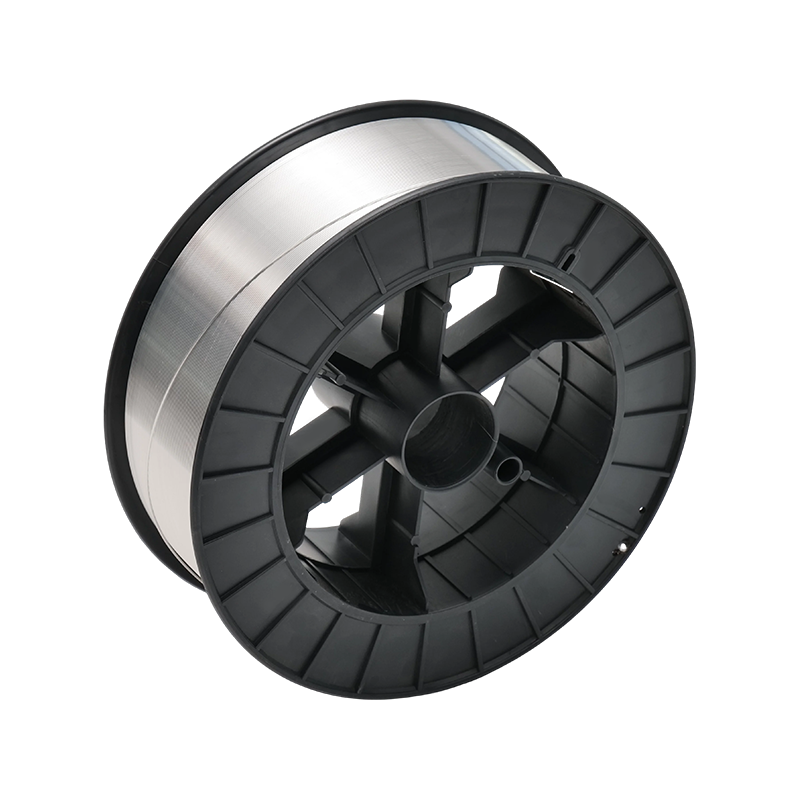
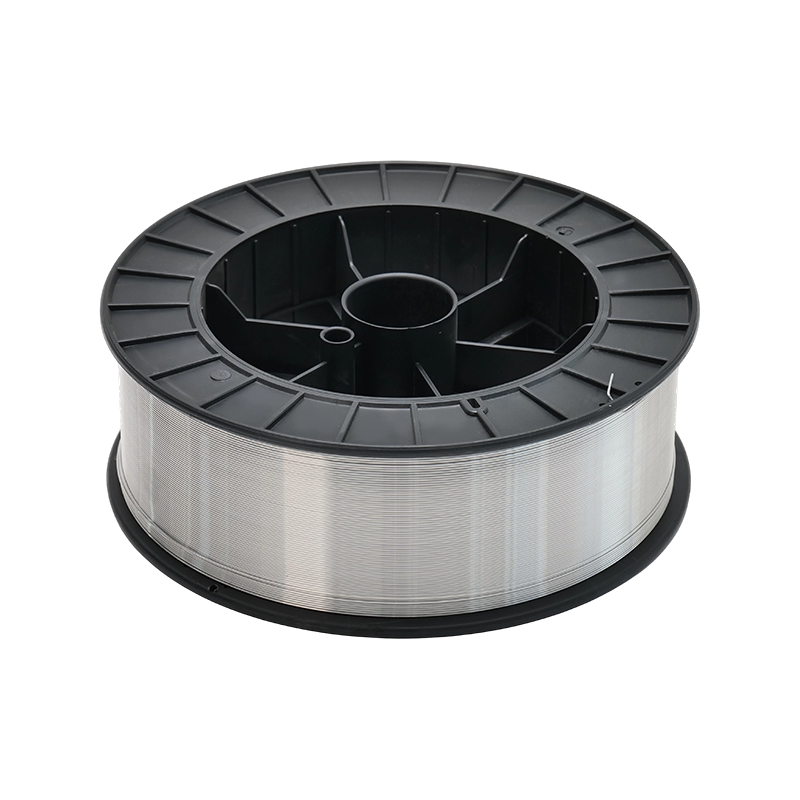
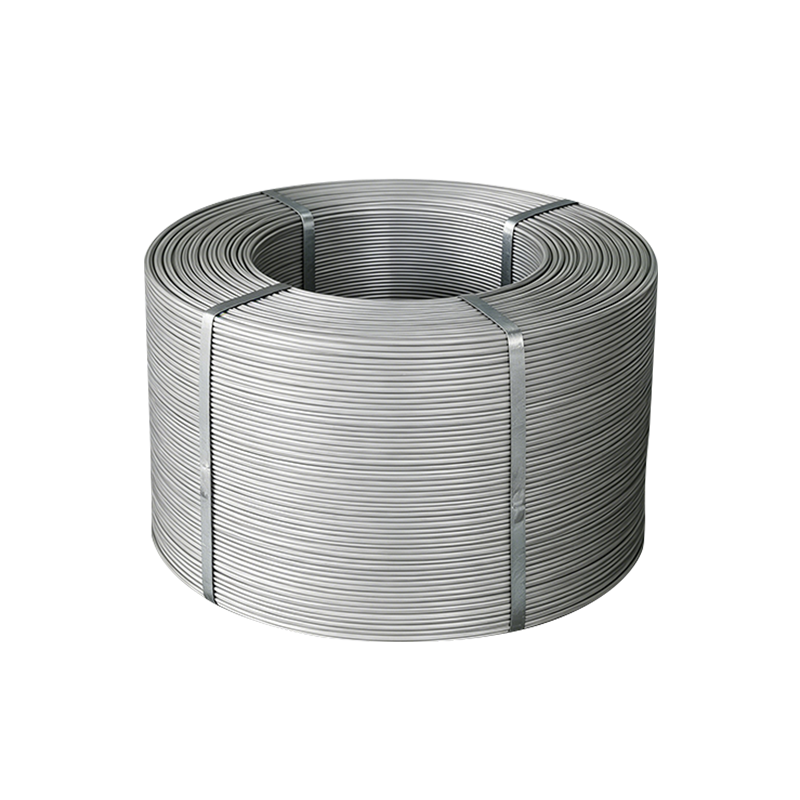
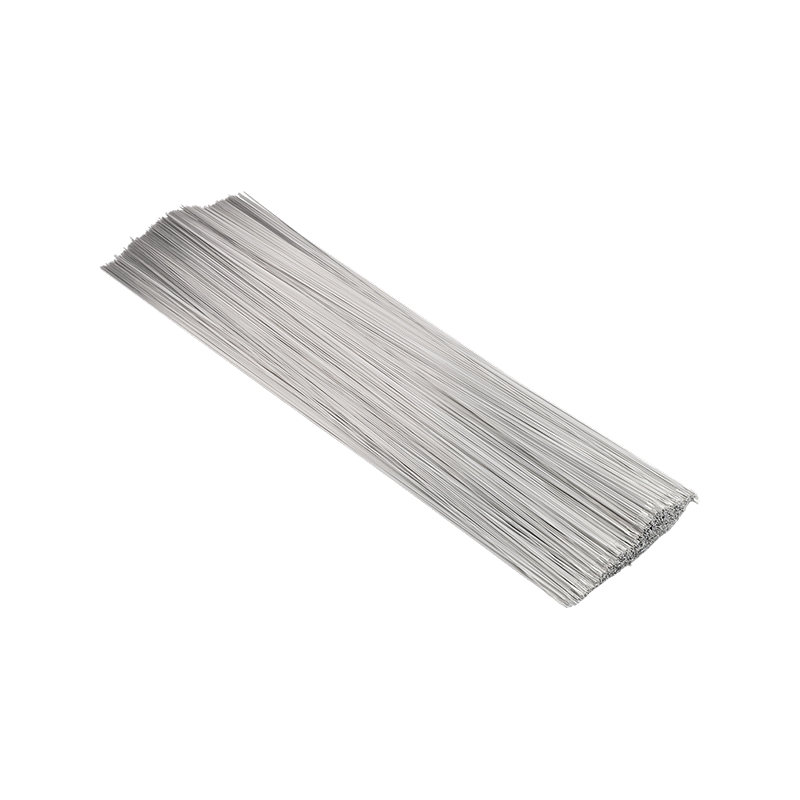
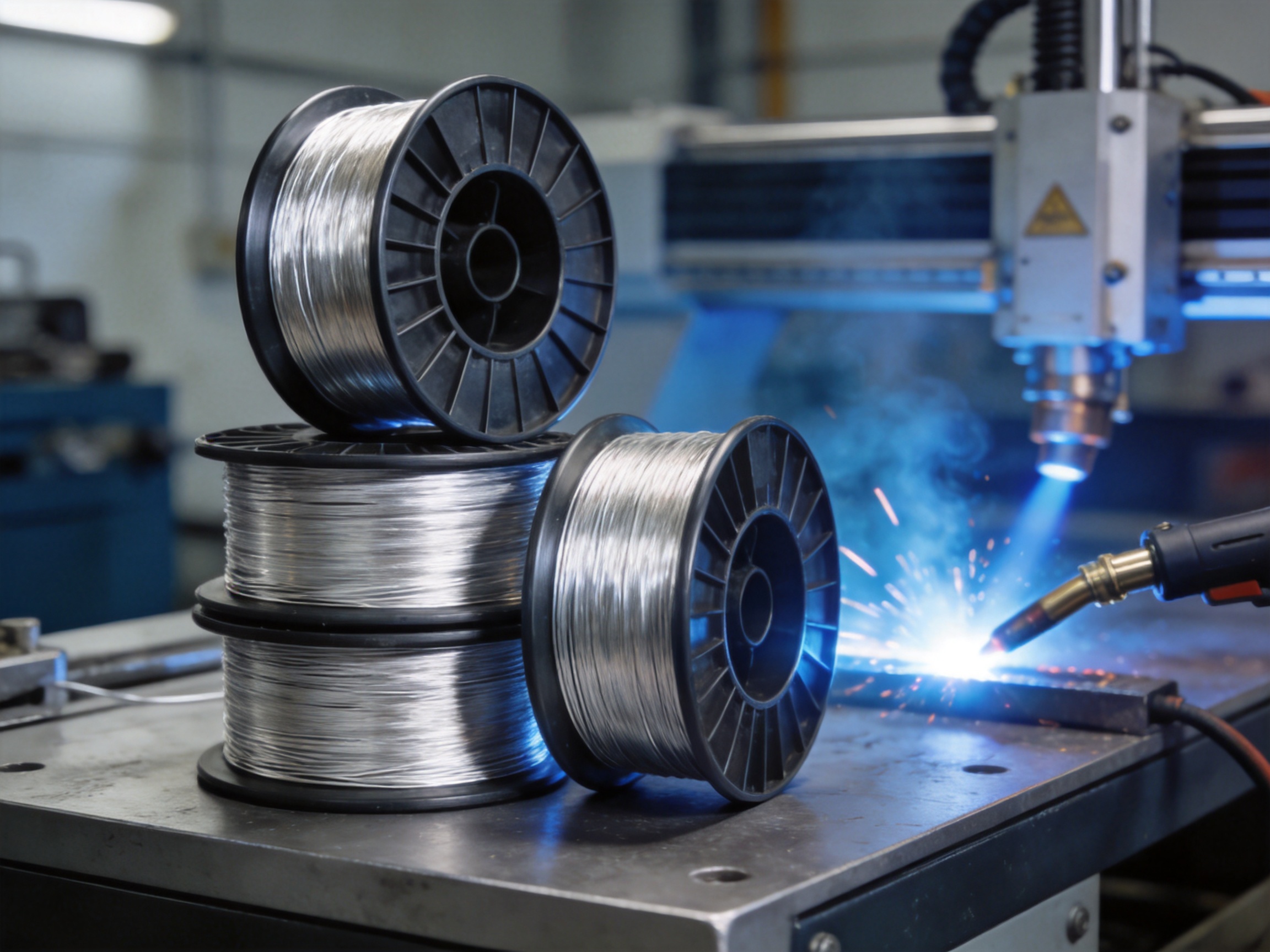
Aluminum MIG wire is a critical welding consumable for industries that require lightweight structures, corrosion resistance, attractive weld appearance, and reliable mechanical performance. As manufacturers pursue higher productivity, cleaner welds, and more consistent results, the quality of aluminum and aluminum alloy welding wire has become increasingly important. MIG wire, mainly used for melting electrode argon arc welding, must combine excellent chemical purity, precise dimensional control, smooth feeding performance, stable arc behavior, and dependable metallurgical compatibility with the base material.
In modern manufacturing, aluminum welding is no longer limited to simple fabrication. It is widely used in transportation, electric vehicles, rail transit, marine engineering, aerospace-related structures, pressure vessels, power systems, construction profiles, heat exchangers, and general industrial equipment. These applications demand welding wire that can help reduce porosity, spatter, burn-through, feed interruption, and inconsistent bead formation. A high-quality MIG wire is therefore not merely a filler metal; it is a process-enabling material that directly affects productivity, structural reliability, and total welding cost.
Jiangsu Hetuo Aluminum Wire Co., Ltd. develops and manufactures aluminum and aluminum alloy welding materials with a focus on intelligent production, strict quality inspection, and advanced process control. Established in 2019 and located in Guannan Economic Development Zone, Lianyungang, Jiangsu Province, China, the company has built a manufacturing system covering high-purity aluminum wire, high-strength aluminum alloy wire, and aluminum/aluminum alloy welding materials. With a 40,000-square-meter factory, professional technical personnel, advanced production equipment, and ISO 9001 and IATF 16949 quality management system certifications, the company is positioned to provide stable, high-grade MIG wire solutions for demanding global customers.
Content
- 1 Understanding Aluminum MIG Wire
- 2 Product Positioning and Core Value
- 3 Key Advantages Over Ordinary Competitor Products
- 4 Manufacturing Strength Behind the Product
- 5 Technical Characteristics of High-Quality Aluminum MIG Wire
- 6 Application Fields
- 7 How Product Quality Improves Welding Efficiency
- 8 Surface Quality and Porosity Control
- 9 Mechanical Performance and Metallurgical Reliability
- 10 Packaging, Storage, and Handling Advantages
- 11 Why Intelligent Manufacturing Matters
- 12 Company Strengths Supporting Global Customers
- 13 Comparison With Conventional Aluminum Welding Wire
- 14 Selection Considerations for Users
- 15 Recommended Welding Practices
- 16 Sustainability and Lightweight Manufacturing
- 17 Quality Assurance From Raw Material to Finished Product
- 18 Customer-Oriented Product Development
- 19 Q&A: Common Questions About Aluminum MIG Wire
- 19.1 What is aluminum MIG wire mainly used for?
- 19.2 Why is wire surface cleanliness so important?
- 19.3 How does precise diameter control improve welding?
- 19.4 Is this type of MIG wire suitable for robotic welding?
- 19.5 What makes a high-quality aluminum MIG wire different from ordinary wire?
- 19.6 How should aluminum MIG wire be stored?
- 19.7 Why are ISO 9001 and IATF 16949 certifications meaningful?
- 19.8 Can high-quality MIG wire eliminate all welding defects?
- 20 Conclusion
- 21 References
Understanding Aluminum MIG Wire
MIG welding, also known as gas metal arc welding, uses a continuously fed consumable electrode wire and shielding gas to create a weld. For aluminum applications, inert shielding gas such as argon is commonly used because aluminum is highly reactive at elevated temperatures and requires protection from oxygen, nitrogen, and moisture. The MIG wire melts in the arc, transfers into the weld pool, and solidifies to form the joint. Because the wire acts simultaneously as electrode and filler metal, its quality has a direct influence on arc stability, deposition efficiency, weld bead shape, metallurgical soundness, and final mechanical properties.
Aluminum MIG wire differs from steel welding wire in several important ways. Aluminum is softer, more sensitive to surface contamination, more thermally conductive, and more prone to oxidation. Aluminum oxide has a much higher melting point than the aluminum substrate, so oxide control is essential. Wire surface finish, diameter tolerance, cleanliness, winding quality, and packaging protection all matter. If the wire is scratched, uneven, oily, moist, poorly wound, or dimensionally inconsistent, it can cause feeding problems, unstable arcs, porosity, excessive burn-back, or weak welds.
A well-manufactured MIG wire is designed to support smooth feeding through the welding gun, consistent electrical contact in the contact tip, predictable melting behavior, and controlled alloying of the weld deposit. It must also remain stable during storage and transportation. In high-volume production environments, even small variations in wire quality can lead to downtime, rework, and quality claims. This is why advanced manufacturing control and rigorous inspection are essential advantages in the welding materials market.
Product Positioning and Core Value
The MIG wire discussed here belongs to the category of aluminum and aluminum alloy welding materials. Its primary use is melting electrode argon arc welding, which is widely applied in aluminum fabrication and repair. The product is designed to help customers achieve clean, strong, and efficient welding results while supporting industrial-scale production requirements.
The core value of this MIG wire can be summarized in five areas: stable feeding, stable arc, clean weld quality, reliable alloy performance, and production consistency. Stable feeding reduces interruption and improves operator confidence. Stable arc performance helps create uniform bead appearance and controlled penetration. Clean weld quality reduces porosity and post-weld cleaning. Reliable alloy performance ensures that the weld deposit meets strength, ductility, and corrosion-resistance expectations. Production consistency allows customers to receive repeated batches with dependable characteristics.
Compared with ordinary welding wire products that may focus only on basic composition compliance, a high-performance aluminum MIG wire must satisfy a more complete set of requirements. It should be produced from carefully selected raw materials, processed through controlled drawing and surface treatment, wound with uniform tension, inspected at multiple stages, and packaged to resist contamination. These details make the difference between a welding wire that merely melts and a welding wire that supports high-quality manufacturing.
Key Advantages Over Ordinary Competitor Products
In the competitive welding consumables market, many products may appear similar by alloy grade and diameter. However, actual welding performance often reveals significant differences. Superior MIG wire is distinguished by its consistency, purity, surface quality, and compatibility with automated welding systems. The following advantages are especially important for customers seeking dependable results.
High Chemical Purity and Controlled Alloy Composition
Aluminum welding performance depends strongly on chemical composition. Excessive impurities may affect fluidity, corrosion resistance, crack resistance, strength, and weld appearance. A controlled alloying system ensures that the wire delivers predictable weld metal characteristics. Advanced producers maintain strict raw material evaluation and melting or rod-processing control to reduce harmful variations.
Compared with lower-grade competitors, a wire manufactured under strict composition management offers more stable metallurgical behavior. This reduces the risk of inconsistent weld properties from batch to batch. For customers welding safety-relevant structures, transportation components, pressure-containing parts, or precision equipment, such predictability is a major advantage.
Excellent Diameter Accuracy
Diameter tolerance is one of the most important technical factors in MIG wire performance. Aluminum wire must pass smoothly through drive rolls, liners, and contact tips. If diameter fluctuates excessively, feeding resistance can change, electrical contact may become unstable, and wire burn-back may occur. In automated production, inconsistent diameter can result in irregular deposition rates and poor bead consistency.
Advanced drawing and online measurement processes help maintain tight diameter control. This provides more uniform current transfer and smoother feeding. Compared with lower-consistency wire, precision-diameter MIG wire supports better process repeatability, especially in robotic welding, long production runs, and thin-section aluminum welding where process windows are narrow.
Smooth and Clean Surface Finish
The surface condition of aluminum MIG wire is especially important because aluminum naturally forms oxide and can attract contamination during handling. A rough or dirty surface may increase liner wear, create feeding dust, produce porosity, or destabilize the arc. Clean surface treatment and controlled lubrication removal help ensure that the wire feeds efficiently and melts cleanly.
Competitor products with poor surface control may generate black residue, inconsistent arc sound, or excessive smoke. A high-quality wire with smooth surface morphology reduces friction in the feeding system and helps maintain a stable weld pool. This is particularly valuable in applications requiring cosmetic welds or low-defect production.
Stable Layer Winding and Spool Quality
Even if wire composition and diameter are acceptable, poor winding can cause serious production issues. Crossed wire, loose winding, excessive tension, or inconsistent cast and helix may lead to tangling, feeding surges, or sudden stops. Stable winding is especially important for aluminum because it is softer than steel and more sensitive to deformation.
High-quality MIG wire is wound with controlled tension and regular layering. The result is smooth unwinding, reduced operator intervention, and improved compatibility with both manual and automated equipment. For customers running continuous welding operations, this advantage can directly reduce downtime and improve daily output.
Reduced Porosity Risk
Porosity is one of the most common problems in aluminum welding. It can be caused by moisture, oil, oxide, hydrogen contamination, improper shielding gas, or unsuitable parameters. While welding procedure and base metal preparation are important, the cleanliness and packaging of the MIG wire also play a major role.
A carefully manufactured and protected wire reduces one potential source of porosity. Clean surface processing, controlled storage conditions, and protective packaging help maintain product integrity before use. Compared with wire that is exposed to moisture or has inconsistent surface cleanliness, well-controlled MIG wire gives welders a stronger foundation for producing dense, sound welds.
Enhanced Suitability for Automated Welding
Automated and robotic welding systems require consistent consumables. Robots repeat the same motion path, but the weld result depends on stable wire feed speed, arc behavior, and deposition. Any fluctuation in wire quality may lead to quality drift. A wire designed with precise diameter control, uniform cast, clean surface, and stable winding is better suited for automation.
This advantage is important as more industries adopt intelligent manufacturing. Electric vehicle battery trays, aluminum frames, rail transit components, and industrial assemblies often require repeatable welding performance. A MIG wire that supports stable automation can help customers reduce rework, improve traceability, and increase production efficiency.
Manufacturing Strength Behind the Product
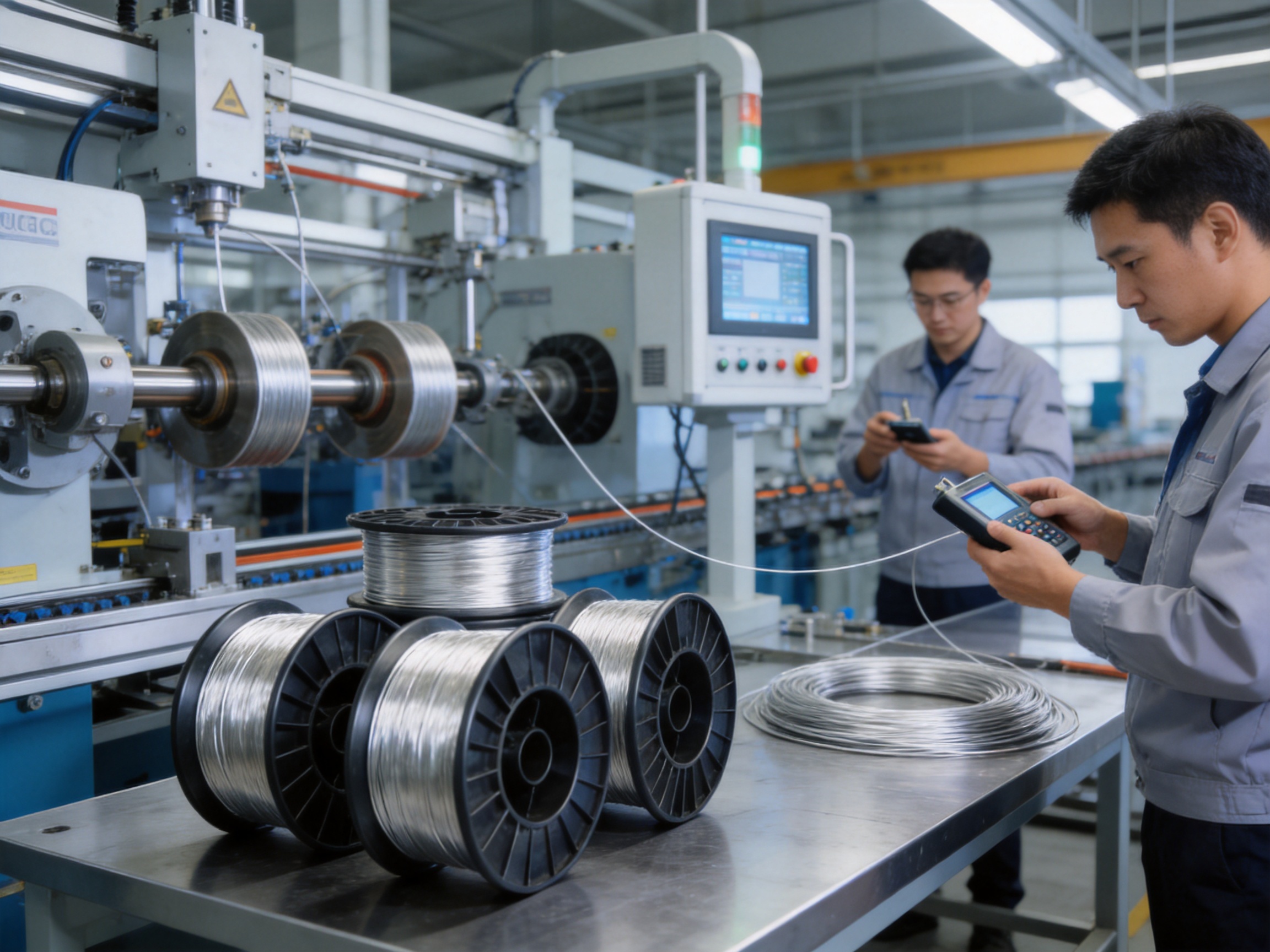
The performance of MIG wire depends not only on its nominal alloy grade but also on the full manufacturing process. Jiangsu Hetuo Aluminum Wire Co., Ltd. has developed an intelligent manufacturing system that integrates raw material control, precision processing, quality inspection, and technical management. This systematic approach supports stable product quality and allows the company to serve customers in high-end overseas markets.
Factory Scale and Production Foundation
The company operates a factory covering 40,000 square meters in Guannan Economic Development Zone, Lianyungang, Jiangsu Province. This production base provides sufficient space for equipment layout, material flow, storage management, process control, inspection, and future capacity expansion. A rational factory layout is important for welding wire production because it helps reduce contamination risks, supports efficient logistics, and improves production stability.
With 60 employees, including 30 professional managers and technicians, the company combines practical production experience with technical management. This structure helps ensure that process standards are not merely written documents but are implemented in daily production. Technical staff can monitor process parameters, resolve production deviations, support product development, and communicate with customers about application needs.
Advanced Equipment and Process Control
Aluminum wire production requires specialized equipment for drawing, surface treatment, winding, and inspection. Advanced facilities help maintain wire precision and reduce defects. Process control must address drawing deformation, annealing or mechanical condition, surface cleanliness, residual lubricant, wire straightness, cast and helix, spool tension, and packaging environment.
A strong producer does not rely only on final inspection. Instead, quality is built into each stage. During raw material preparation, chemical composition and rod quality are controlled. During drawing, die condition, reduction ratio, lubrication, speed, and temperature are monitored. During surface processing, cleanliness and finish are managed. During winding, tension and layer arrangement are controlled. During final inspection, the wire is checked for appearance, diameter, packaging, and compliance with customer requirements.
Quality Management Certifications
The company has obtained ISO 9001 and IATF 16949 quality management system certifications. ISO 9001 reflects a systematic approach to quality management, customer satisfaction, process control, corrective action, and continuous improvement. IATF 16949 is particularly significant for automotive-related supply chains, where defect prevention, traceability, process capability, and strict documentation are essential.
For customers, these certifications provide confidence that the manufacturer has established quality systems, not just production capacity. In sectors such as automotive manufacturing, electric mobility, and industrial equipment, suppliers must demonstrate that they can deliver consistent products under controlled processes. A certified management system supports long-term cooperation, qualification audits, and stable batch supply.
Inspection Throughout Production
Quality inspection throughout production is one of the company’s important strengths. In welding wire manufacturing, final testing alone cannot fully prevent problems because defects may originate early in the process. Continuous inspection helps identify issues before they become finished product defects. For example, if surface contamination is detected early, corrective action can be taken before winding and packaging. If diameter drift is found during drawing, equipment can be adjusted before a large batch is affected.
This approach improves product reliability and reduces customer risk. Customers benefit from fewer feeding problems, fewer unexpected weld defects, and more consistent production performance. In high-volume welding operations, such consistency can be more valuable than small differences in purchase price.
Technical Characteristics of High-Quality Aluminum MIG Wire
Although specific alloy selection depends on application, several technical characteristics are generally important for aluminum MIG wire. These characteristics influence the wire’s usability and the final weld quality.
| Technical Characteristic | Importance in Welding | Customer Benefit |
|---|---|---|
| Controlled chemical composition | Supports predictable weld metal performance and compatibility with base metal | More reliable strength, corrosion resistance, and crack resistance |
| Precise wire diameter | Maintains stable feeding and consistent electrical contact | Reduced burn-back, smoother arc, improved productivity |
| Clean surface condition | Limits contamination and feeding dust | Lower porosity risk and cleaner weld appearance |
| Uniform winding | Allows smooth unwinding from spool or package | Less downtime, fewer feeding interruptions |
| Stable cast and helix | Improves wire travel through feeding systems | Better performance in manual, mechanized, and robotic welding |
| Protective packaging | Reduces moisture and contamination before use | Improved storage stability and weld consistency |
| Batch traceability | Connects finished product to production and inspection records | Better quality assurance and easier customer qualification |
Application Fields
Aluminum MIG wire is used wherever aluminum structures need efficient joining. Its combination of continuous feeding, relatively high deposition rate, and compatibility with automation makes it suitable for many industrial applications.
Transportation and Electric Vehicles
Lightweighting is a major trend in vehicle manufacturing. Aluminum alloys are widely used in body structures, battery housings, crash management systems, frames, doors, brackets, and heat management components. MIG welding remains important because it provides efficient joining for medium and thick aluminum sections and can be adapted to robotic systems.
For electric vehicles, weld quality is especially important because components may need to combine structural integrity, dimensional accuracy, and corrosion resistance. A stable MIG wire helps manufacturers maintain repeatable bead formation and reduce defects. Consistent wire quality also supports automated welding lines where downtime can be costly.
Rail Transit
Rail vehicles use aluminum alloys to reduce weight while maintaining strength and durability. Large aluminum profiles and panels are often joined by MIG welding. Long weld seams, complex structures, and demanding fatigue performance require reliable consumables. High-quality MIG wire helps achieve consistent penetration and bead appearance over extended weld lengths.
In rail transit manufacturing, weld defects can lead to expensive rework and inspection delays. A welding wire with stable feeding and controlled composition can improve production flow and support compliance with customer specifications.
Marine and Offshore Structures
Aluminum alloys are valued in marine applications for their corrosion resistance and weight savings. Boats, decks, superstructures, offshore platforms, and marine equipment may use aluminum MIG welding. In this environment, corrosion resistance and weld soundness are crucial.
A clean, properly alloyed MIG wire contributes to durable welds in corrosive environments. Reduced porosity and controlled weld chemistry help protect long-term performance. Smooth weld appearance can also reduce areas where contaminants or corrosion may initiate.
Construction and Architectural Fabrication
Aluminum is widely used in architectural frames, curtain walls, railings, doors, windows, decorative structures, and building components. Some applications require visually attractive welds in addition to mechanical strength. Stable arc behavior and clean wire surface help produce smoother bead profiles and reduce post-weld finishing.
For fabricators, a wire that feeds smoothly and produces consistent welds can improve labor efficiency. Operators spend less time correcting defects and more time completing assemblies.
Industrial Equipment and General Fabrication
Aluminum MIG wire is also used in tanks, frames, ladders, machinery guards, heat exchangers, electrical cabinets, lifting equipment, and custom fabrication. These applications may involve different aluminum alloy types and thicknesses, so filler wire selection and welding parameter control are important.
A dependable MIG wire gives fabricators flexibility across multiple jobs. When the wire performs consistently, welding supervisors can establish stable procedures and train operators more effectively.
How Product Quality Improves Welding Efficiency
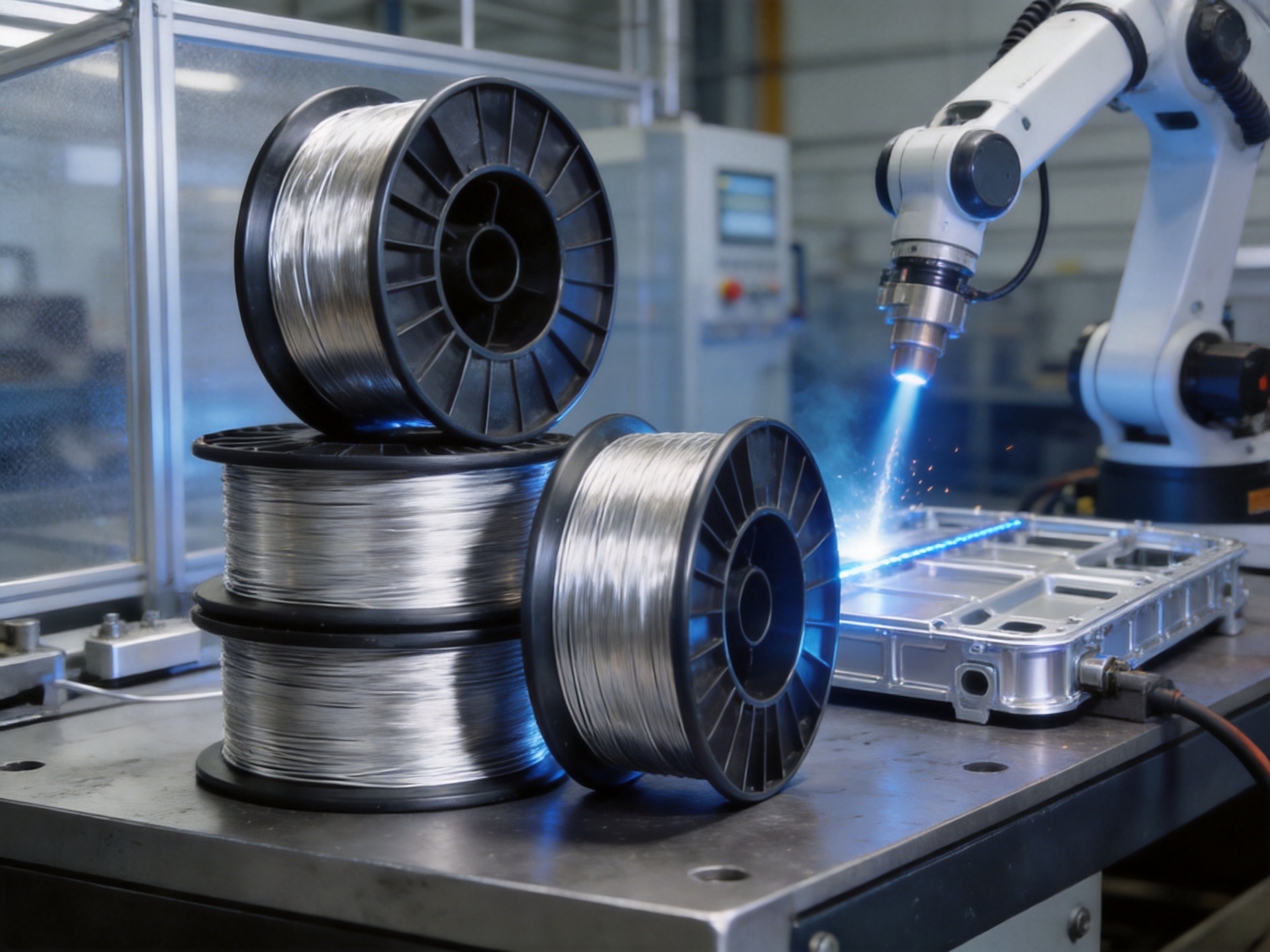
Welding efficiency is not determined only by machine power or operator skill. Consumable quality plays a central role. A low-cost wire that causes frequent feeding problems, porosity, or rework can become more expensive than a premium wire. The total cost of welding includes labor, shielding gas, electricity, equipment maintenance, inspection, repair, downtime, and customer quality risk.
High-performance MIG wire improves efficiency in several ways. First, stable feeding reduces interruptions. Every time a welder must stop to correct a bird nest, burn-back, or tangled spool, productivity decreases. Second, stable arc behavior allows operators to maintain travel speed and bead shape more easily. Third, clean weld quality reduces grinding, repair welding, and rejected parts. Fourth, consistent batches reduce the need for frequent parameter adjustment.
In automated production, the efficiency advantage becomes even more important. Robots are designed for continuous output. If wire quality causes unstable feeding or arc deviation, the entire line may stop. A precise, clean, uniformly wound MIG wire helps automated systems operate closer to their intended capacity.
Surface Quality and Porosity Control
Porosity control is a major concern in aluminum welding. Hydrogen is highly soluble in molten aluminum but has low solubility in solid aluminum, so hydrogen can form pores as the weld solidifies. Sources of hydrogen include moisture, oil, grease, hydrated oxide, contaminated shielding gas, and dirty base metal. While no welding wire can compensate for poor welding practice, a clean MIG wire reduces one important source of contamination.
Surface quality begins with raw material selection and continues through drawing, handling, and packaging. The wire must be protected from excessive lubricant residue, dust, moisture, and mechanical damage. A smooth surface also reduces shaving as the wire passes through liners and contact tips. Shaved particles can accumulate in the feeding system and cause further problems.
Compared with wire that has inconsistent surface treatment, high-quality MIG wire can provide a cleaner arc environment. Welders may observe more stable arc sound, smoother bead wetting, and fewer visible defects when proper parameters and shielding conditions are used. For industries requiring radiographic or ultrasonic inspection, reduced porosity risk can contribute to higher first-pass acceptance rates.
Mechanical Performance and Metallurgical Reliability
The weld metal’s mechanical performance depends on filler alloy, base material, welding parameters, heat input, joint design, and post-weld condition. MIG wire must be selected to match application requirements such as tensile strength, ductility, corrosion resistance, color match after anodizing, and crack resistance. The manufacturer’s role is to provide wire with stable composition and reliable processing quality so that the selected alloy performs as expected.
Controlled composition helps reduce unexpected variation in weld strength or corrosion behavior. For aluminum alloys, elements such as magnesium, silicon, manganese, copper, and zinc must be managed according to the product’s intended grade. Even small variations can influence melting behavior, fluidity, and mechanical properties. A responsible manufacturer follows applicable standards and customer specifications to ensure that each batch remains within defined limits.
Metallurgical reliability is particularly important for critical structures. In transportation, rail, marine, and industrial equipment, weld failure can have serious consequences. High-quality MIG wire contributes to reliability by delivering consistent filler chemistry and clean weld deposition. Combined with correct procedure qualification and skilled operation, it helps create welds that meet structural expectations.
Packaging, Storage, and Handling Advantages
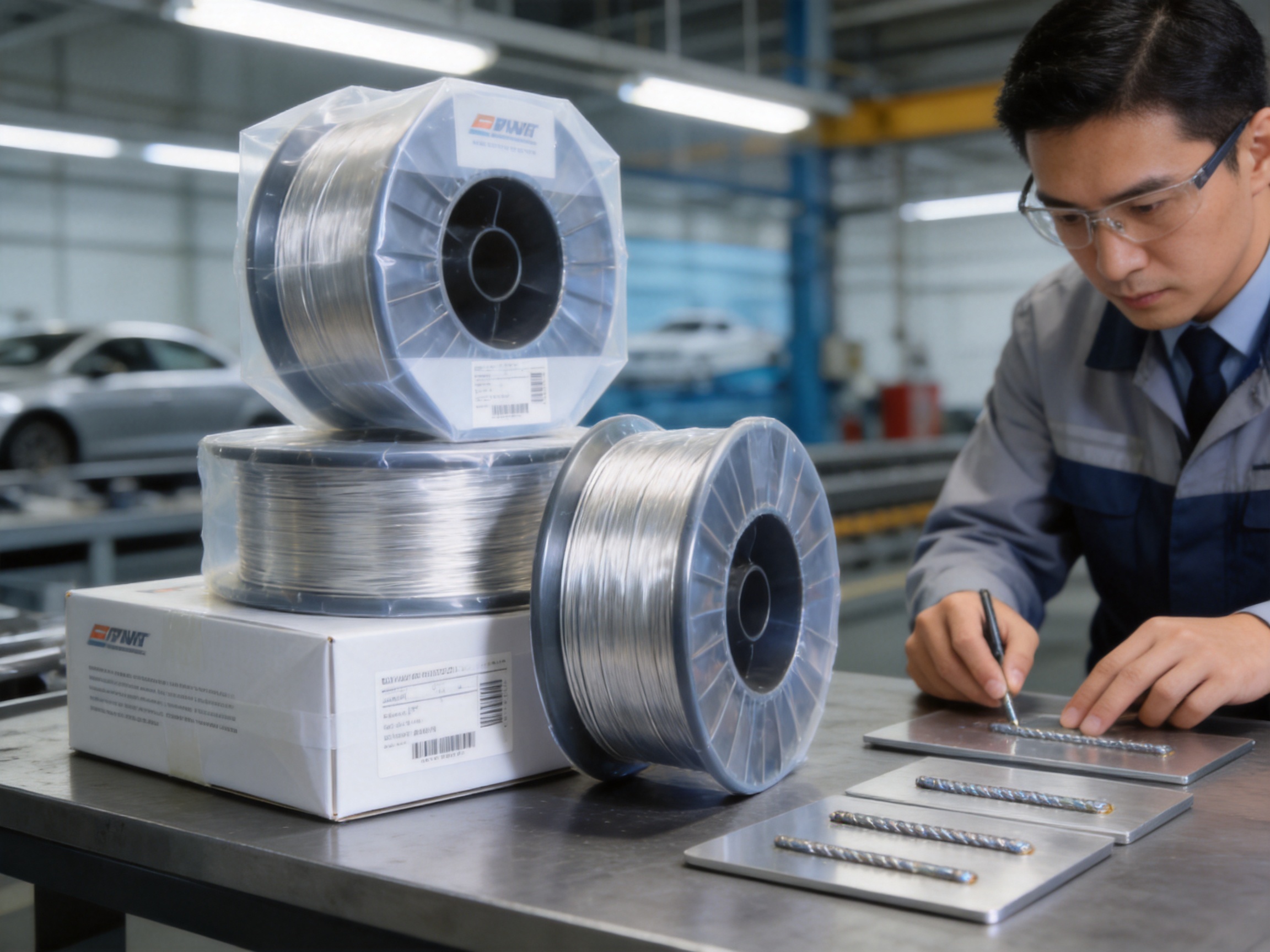
Packaging is often overlooked, but it is essential for aluminum MIG wire. Aluminum wire should be protected from moisture, dust, mechanical impact, and contamination. Good packaging helps preserve the clean surface achieved during manufacturing. It also supports easy identification, traceability, and inventory management.
Customers should store MIG wire in a dry, clean environment and avoid sudden temperature changes that may cause condensation. Spools should remain sealed until use whenever possible. Once opened, they should be protected from dust and humidity. Operators should handle the wire with clean gloves and avoid contact with oil or dirt. Proper storage and handling allow the product’s manufacturing advantages to be fully realized at the welding station.
A producer with strong packaging control can help customers reduce uncertainty. Consistent labeling, batch identification, and protective wrapping support traceability and quality management. This is especially useful for customers operating under certified quality systems or supplying regulated industries.
Why Intelligent Manufacturing Matters
Intelligent manufacturing is more than the use of modern equipment. It is the integration of process data, quality control, skilled personnel, and continuous improvement. In welding wire production, intelligent manufacturing can improve consistency by reducing dependence on manual judgment alone. Process parameters can be standardized, monitored, and adjusted based on inspection feedback.
For MIG wire, intelligent manufacturing supports dimensional stability, surface consistency, controlled winding, and batch traceability. It also allows the manufacturer to respond more effectively to customer requirements. If a customer needs a specific diameter, spool format, packaging method, or technical documentation, a well-managed production system can provide more reliable support.
Jiangsu Hetuo Aluminum Wire Co., Ltd. has built an intelligent manufacturing system covering high-purity aluminum wire, high-strength aluminum alloy wire, and aluminum/aluminum alloy welding materials. This broader technical foundation is valuable because knowledge from high-purity and high-strength wire production can support welding wire improvement. Experience in precision profiles, alloy rods, and advanced aluminum materials strengthens the company’s ability to understand customer applications beyond the consumable itself.
Company Strengths Supporting Global Customers
The company’s strengths include a specialized product range, advanced equipment, strict quality inspection, certified management systems, and experience exporting to high-end overseas markets. These capabilities are important for customers who need more than a simple commodity supplier. International customers often require stable quality, technical communication, documentation, reliable delivery, and long-term cooperation.
As an innovative pioneer in China’s aluminum alloy materials industry, the company is guided by customer needs and committed to customer satisfaction. This customer-oriented approach is important because welding conditions vary widely. Different customers may use different welding machines, shielding gases, base metals, joint designs, and production speeds. A capable supplier can help customers understand product characteristics, select appropriate solutions, and maintain consistent supply.
The company’s location in Lianyungang, Jiangsu Province, also supports manufacturing and logistics development. Jiangsu is one of China’s important industrial regions, with access to skilled labor, supply chains, transportation infrastructure, and export channels. These advantages help the company serve both domestic and overseas markets.
Comparison With Conventional Aluminum Welding Wire
When comparing high-quality MIG wire with conventional products, the difference is often seen in daily use rather than in a simple product label. Conventional wire may meet basic requirements but still cause unstable feeding, inconsistent arc behavior, or variable weld appearance. High-quality wire aims to reduce these uncertainties.
For example, a conventional wire with loose winding may work for short manual welds but cause trouble in long continuous welds. A wire with surface contamination may pass visual inspection but contribute to porosity in demanding applications. A wire with wider diameter variation may feed acceptably at low speed but create problems at higher wire feed rates. These practical differences influence production efficiency and quality cost.
The MIG wire produced under advanced manufacturing and inspection processes is designed to provide a more dependable welding experience. Its value is not limited to the physical wire. It includes process stability, reduced production interruptions, lower defect risk, and better compatibility with modern manufacturing systems.
Selection Considerations for Users
Choosing the right aluminum MIG wire requires attention to base material, joint design, required mechanical properties, corrosion environment, welding position, and finishing requirements. Users should also consider wire diameter, shielding gas, welding current, voltage, travel speed, contact-tip-to-work distance, and pre-cleaning method.
For thin aluminum sections, smaller diameter wire may provide better heat control. For thicker sections or high deposition welding, larger diameter wire may improve productivity. Argon is commonly used for aluminum MIG welding, while argon-helium mixtures may be used for thicker materials when higher heat input is needed. The wire should be stored properly and loaded into clean feeding systems with suitable liners and drive rolls.
Customers should also evaluate supplier capability. A reliable supplier should provide consistent batches, clear labeling, quality documentation, and technical communication. Price is important, but it should be considered together with welding performance and total production cost. A wire that reduces rework and downtime can deliver better overall value.
Recommended Welding Practices
To obtain the best results from aluminum MIG wire, operators should prepare the base metal properly. Oil, grease, moisture, oxide, and dirt should be removed before welding. Stainless steel brushes dedicated to aluminum may be used for oxide removal. The shielding gas flow should be set correctly and protected from drafts. Contact tips, liners, and drive rolls should be suitable for aluminum wire to prevent shaving and feeding damage.
Because aluminum conducts heat rapidly, welding parameters must be adjusted to ensure adequate fusion without excessive burn-through. Push technique is commonly recommended for aluminum MIG welding because it improves shielding coverage and bead cleanliness. Travel speed should be controlled to avoid cold lap or excessive reinforcement. For critical applications, welding procedures should be qualified according to applicable standards.
Even the best MIG wire requires proper use. When high-quality wire is combined with correct welding practice, clean base metal, suitable equipment, and trained operators, the result is a stable process and reliable weld quality.
Sustainability and Lightweight Manufacturing
Aluminum is widely associated with lightweight design and recyclability. Industries seeking lower energy consumption and reduced emissions increasingly use aluminum alloys to replace heavier materials where appropriate. Welding materials support this transition by enabling reliable fabrication of lightweight structures.
High-quality MIG wire contributes to sustainability by improving welding efficiency and reducing waste. Fewer defects mean less scrap, less repair welding, less energy consumption, and less material loss. Stable production also helps customers use resources more efficiently. The company’s goal of providing lighter, stronger, and more sustainable aluminum alloy wire and welding material solutions aligns with the broader direction of global manufacturing.
In electric vehicles, rail transportation, marine equipment, and renewable energy-related structures, aluminum welding will continue to play an important role. Reliable MIG wire helps manufacturers meet performance targets while supporting efficient production.
Quality Assurance From Raw Material to Finished Product
A complete quality assurance system for MIG wire begins before production. Raw materials should be evaluated for chemical composition, cleanliness, and suitability. During processing, wire drawing parameters must be controlled to maintain dimensional accuracy and surface integrity. Intermediate inspections help detect problems before they progress. Final inspection confirms appearance, diameter, winding, packaging, and documentation.
Traceability is another important part of quality assurance. Each batch should be identifiable so that production records, inspection results, and customer deliveries can be connected. Traceability supports corrective action, continuous improvement, and customer audits. For automotive and other demanding industries, this capability is often essential.
The company’s ISO 9001 and IATF 16949 certifications indicate a commitment to organized quality management. These systems encourage preventive thinking, process control, risk analysis, supplier management, and customer feedback response. For customers, this means the MIG wire is supported by a quality culture as well as production equipment.
Customer-Oriented Product Development
Customer needs in aluminum welding are becoming more specialized. Some customers prioritize high-speed robotic welding. Others focus on low porosity, attractive appearance, marine corrosion resistance, or compatibility with specific base alloys. A customer-oriented manufacturer must listen to these requirements and adapt product control accordingly.
Jiangsu Hetuo Aluminum Wire Co., Ltd. is guided by customer needs and committed to customer satisfaction. This philosophy supports cooperation beyond standard supply. The company can use its technical team and manufacturing base to understand customer challenges, improve process stability, and provide welding material solutions for different industries.
As aluminum applications expand, welding wire manufacturers must continue improving purity, surface quality, feedability, and packaging. Customers increasingly expect suppliers to support not only product delivery but also process reliability. A company with advanced facilities, professional technicians, and quality certifications is better prepared to meet these expectations.
Q&A: Common Questions About Aluminum MIG Wire
What is aluminum MIG wire mainly used for?
Aluminum MIG wire is mainly used for melting electrode argon arc welding of aluminum and aluminum alloy materials. It acts as both the consumable electrode and filler metal, melting into the weld pool to form the joint.
Why is wire surface cleanliness so important?
Aluminum welding is sensitive to contamination. Oil, moisture, oxide, and dust on the wire surface can contribute to porosity, unstable arc behavior, and poor weld appearance. Clean wire helps reduce these risks when used with proper welding procedures.
How does precise diameter control improve welding?
Precise diameter control supports stable feeding through the welding gun and consistent electrical contact at the contact tip. This helps reduce burn-back, feeding interruptions, and arc instability.
Is this type of MIG wire suitable for robotic welding?
High-quality aluminum MIG wire with stable diameter, clean surface, uniform winding, and controlled cast is suitable for mechanized and robotic welding applications. Robotic systems benefit from consistent consumables because they require repeatable process performance.
What makes a high-quality aluminum MIG wire different from ordinary wire?
The main differences include tighter composition control, better surface finish, more accurate diameter, stable winding, improved packaging, stronger traceability, and more reliable batch-to-batch consistency. These factors reduce production problems and improve weld quality.
How should aluminum MIG wire be stored?
It should be stored in a clean, dry environment away from moisture, dust, oil, and sudden temperature changes. Spools should remain sealed until use whenever possible, and opened wire should be protected from contamination.
Why are ISO 9001 and IATF 16949 certifications meaningful?
ISO 9001 demonstrates a structured quality management system, while IATF 16949 is especially important for automotive-related supply chains. These certifications indicate that the manufacturer emphasizes process control, traceability, defect prevention, and continuous improvement.
Can high-quality MIG wire eliminate all welding defects?
No. Welding defects can also result from poor base metal preparation, incorrect parameters, inadequate shielding gas, unsuitable equipment, or operator error. However, high-quality MIG wire reduces consumable-related risks and provides a stronger foundation for stable welding.
Conclusion
Aluminum MIG wire is a vital welding material for modern lightweight manufacturing. Its performance affects feeding stability, arc quality, weld appearance, porosity control, mechanical reliability, and production efficiency. For industries such as transportation, electric vehicles, rail transit, marine engineering, construction, and general fabrication, selecting a dependable MIG wire can significantly improve welding outcomes and reduce total production cost.
The MIG wire produced by Jiangsu Hetuo Aluminum Wire Co., Ltd. reflects the company’s focus on advanced aluminum alloy materials, intelligent manufacturing, strict quality inspection, and customer satisfaction. With a 40,000-square-meter factory, professional technical team, advanced equipment, ISO 9001 and IATF 16949 certifications, and experience serving high-end overseas markets, the company has established a strong foundation for supplying reliable aluminum and aluminum alloy welding materials.
Compared with ordinary competitor products, high-performance MIG wire offers advantages in chemical consistency, diameter accuracy, surface cleanliness, winding stability, porosity reduction, automation compatibility, and batch reliability. These advantages are not abstract claims; they directly influence production efficiency, weld quality, and customer confidence. As global industries continue to demand lighter, stronger, and more sustainable materials, high-quality aluminum MIG wire will remain an essential solution for efficient and reliable aluminum welding.
References
American Welding Society. Welding Handbook, Volume 2: Welding Processes.
American Welding Society. Specification for Aluminum and Aluminum-Alloy Welding Electrodes and Rods.
International Organization for Standardization. ISO 9001 Quality Management Systems Requirements.
International Automotive Task Force. IATF 16949 Automotive Quality Management System Standard.
Davis, J. R. Aluminum and Aluminum Alloys. ASM International.
Mathers, G. The Welding of Aluminium and Its Alloys. Woodhead Publishing.
ASM International. ASM Handbook, Volume 6: Welding, Brazing, and Soldering.