

 English
 中文简体
中文简体 русский
 Deutsch
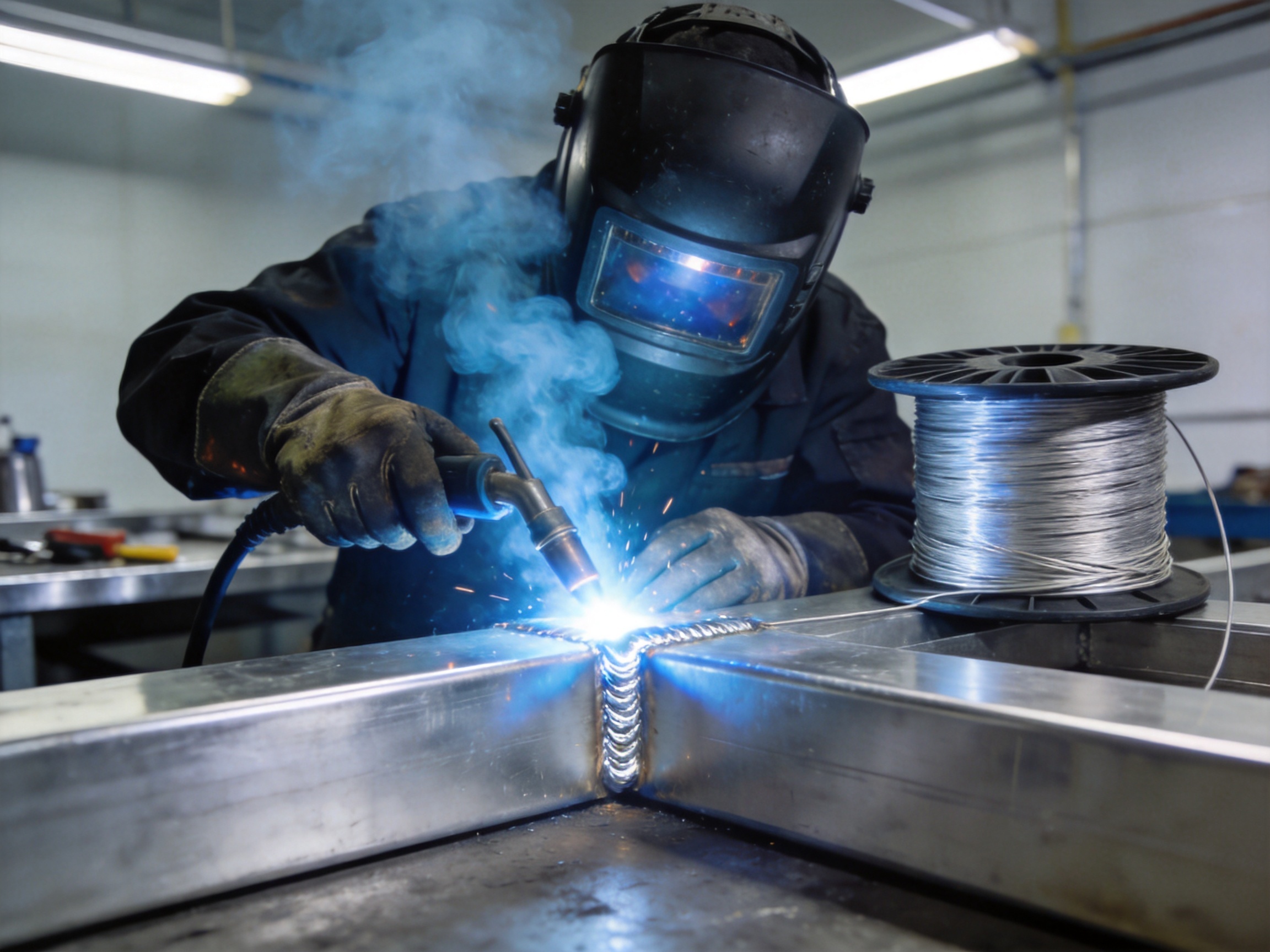
Aluminum MIG wire is a critical welding consumable for industries that require lightweight structures, corrosion resistance, stable weld quality, and efficient production. As aluminum and aluminum alloy components are increasingly used in transportation, energy equipment, machinery, construction, electronics, and precision manufacturing, the performance of the welding wire directly influences weld appearance, joint strength, production speed, and long-term reliability. MIG wire for aluminum and aluminum alloy welding is mainly used in melting electrode argon arc welding, where a continuously fed wire acts as both the electrode and filler metal under the protection of shielding gas.
Compared with general-purpose welding consumables, high-quality aluminum MIG wire must meet more demanding requirements. It needs consistent chemical composition, precise diameter control, smooth surface quality, low hydrogen and low impurity levels, excellent feedability, stable arc ignition, uniform droplet transfer, and reliable compatibility with automated welding systems. In many applications, the difference between ordinary wire and advanced wire is not only visible in the weld bead; it can also affect productivity, rework rate, mechanical performance, and the service life of the final product.
Jiangsu Hetuo Aluminum Wire Co., Ltd. focuses on aluminum wire, aluminum alloy wire, high-purity aluminum wire, high-strength aluminum alloy wire, and aluminum and aluminum alloy welding materials. Established in 2019 and located in Guannan Economic Development Zone, Lianyungang, Jiangsu Province, China, the company has developed an intelligent manufacturing system designed to serve global industries with lighter, stronger, and more sustainable aluminum alloy wire solutions. With a factory area of 40,000 square meters, a professional team, advanced equipment, strict quality inspection, and ISO 9001 and IATF 16949 quality management system certifications, the company provides aluminum MIG wire engineered for demanding industrial use.
Content
- 1 Understanding Aluminum MIG Wire and Its Role in Modern Welding
- 2 Key Advantages of Premium MIG Wire Over Conventional Alternatives
- 3 Company Manufacturing Strength and Quality Foundation
- 4 Advanced Manufacturing Process for Aluminum MIG Wire
- 5 Why Process Control Matters More in Aluminum Welding Wire
- 6 Product Performance Characteristics
- 7 Applications of Aluminum MIG Wire
- 8 Comparison with Competing Welding Wire Options
- 9 Welding Quality Benefits for End Users
- 10 Important Technical Considerations for Using Aluminum MIG Wire
- 11 Sustainability and the Future of Aluminum Welding Materials
- 12 Selection Guidance for Buyers
- 13 Manufacturing Strength as a Competitive Advantage
- 14 Q&A Section
- 14.1 Q1: What is aluminum MIG wire mainly used for?
- 14.2 Q2: Why is wire feedability so important in aluminum MIG welding?
- 14.3 Q3: How does premium MIG wire reduce welding defects?
- 14.4 Q4: What makes this product different from ordinary aluminum welding wire?
- 14.5 Q5: Why are ISO 9001 and IATF 16949 certifications important?
- 14.6 Q6: Can high-quality MIG wire improve productivity?
- 14.7 Q7: What should users do to achieve the best welding results?
- 14.8 Q8: Is aluminum MIG wire suitable for sustainable manufacturing?
- 15 Conclusion
- 16 References
Understanding Aluminum MIG Wire and Its Role in Modern Welding
MIG welding, also known as gas metal arc welding, is widely used because it supports high deposition rates, good welding speed, and easier automation than many traditional welding methods. In aluminum welding, the process typically uses argon or argon-based shielding gas to protect the molten pool from oxidation and atmospheric contamination. Aluminum has a strong affinity for oxygen, and an oxide film forms quickly on its surface. This oxide layer has a much higher melting point than the base metal, so a stable process and clean filler wire are essential for achieving sound welds.
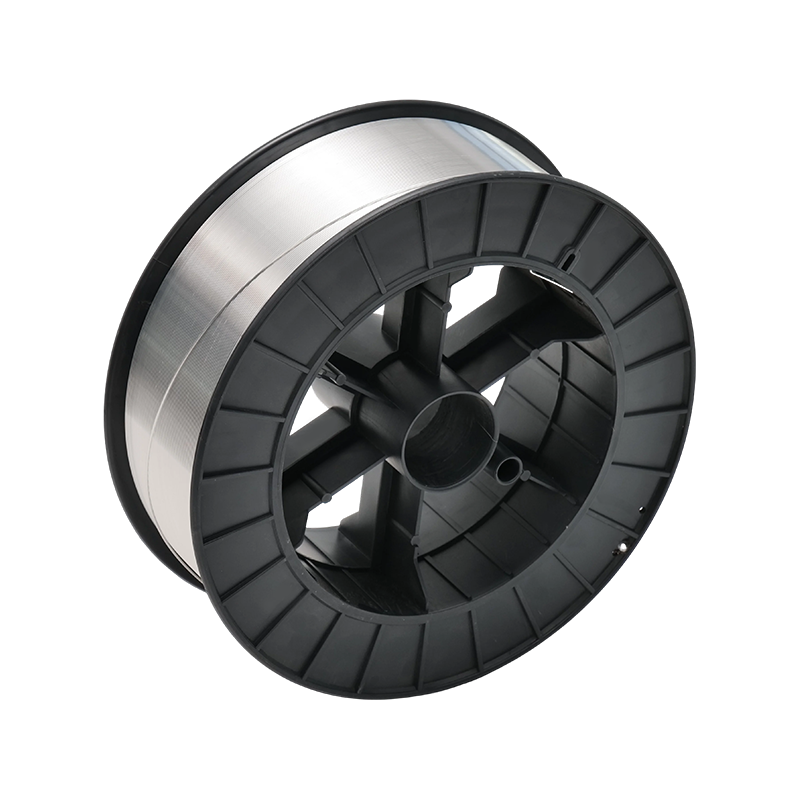
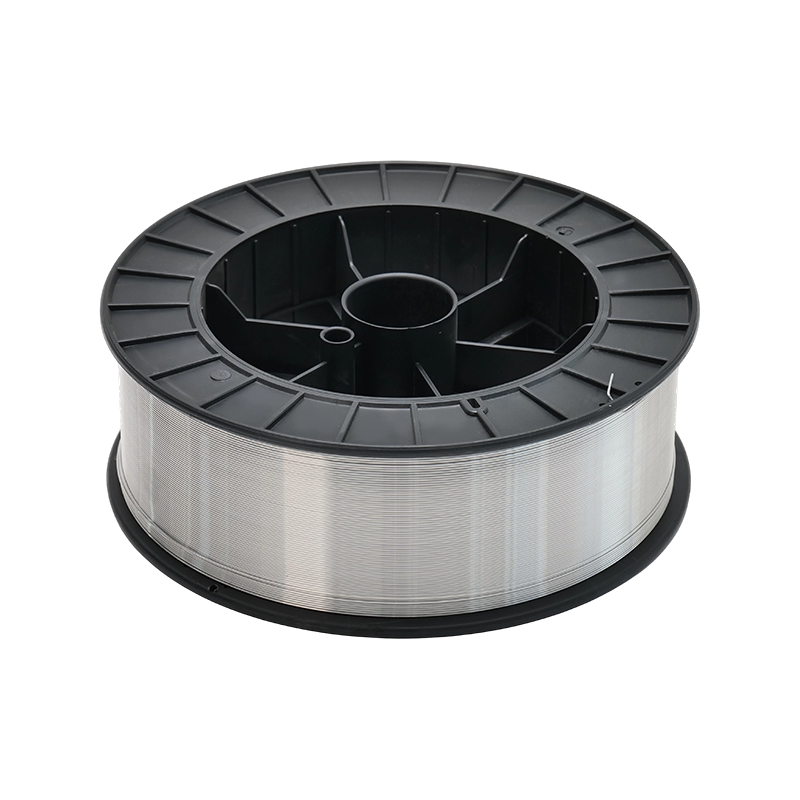
Aluminum MIG wire is fed from a spool, coil, or drum through the welding gun into the arc. During welding, the wire melts and becomes part of the weld joint. Its composition is selected according to the base metal, the required mechanical properties, corrosion resistance, crack resistance, and application environment. Because the filler metal becomes an integral part of the welded structure, wire quality is not a secondary factor. It is a determining element of welding performance and final product quality.
Aluminum MIG wire differs from steel welding wire in several important ways. Aluminum is softer, more sensitive to surface damage, and more vulnerable to feeding problems if the wire is not produced with sufficient dimensional accuracy and surface consistency. Wire shaving, bird-nesting, burn-back, unstable feeding, and inconsistent arcs may occur when inferior wire is used. Therefore, manufacturers must control the entire production chain, from raw material selection and alloy formulation to drawing, cleaning, spooling, packaging, and final inspection.
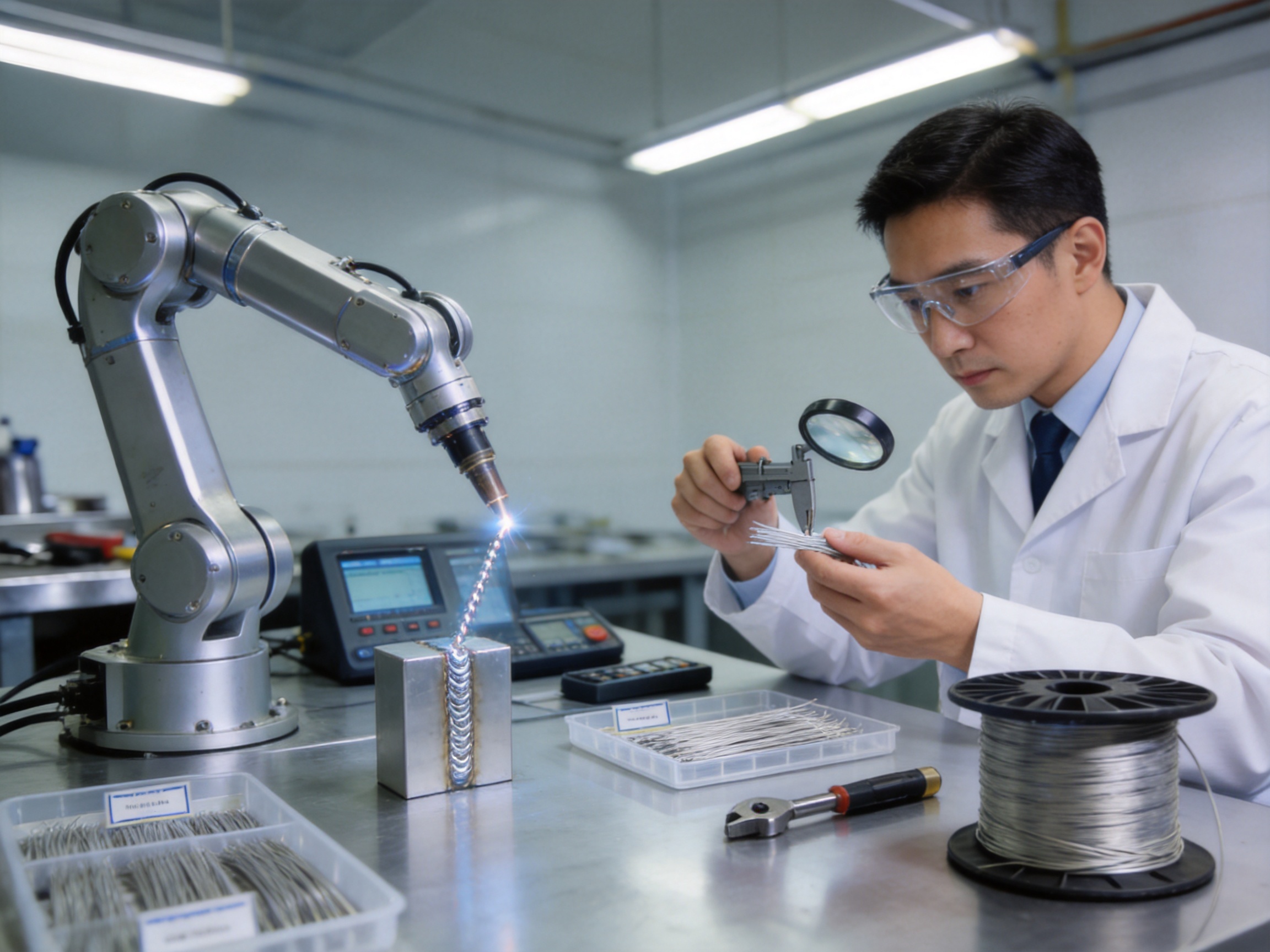
High-performance aluminum MIG wire is especially valuable in production environments where repeatability is essential. Robotic welding cells, automotive component production lines, rail transit manufacturing, shipbuilding, pressure vessel production, and aluminum structure fabrication all require wire that behaves predictably. A wire that feeds smoothly, burns steadily, and produces a clean weld bead helps reduce stoppages, improve productivity, and lower the total cost of welding.
Key Advantages of Premium MIG Wire Over Conventional Alternatives
Premium aluminum MIG wire offers several advantages over common or low-grade alternatives. The first advantage is arc stability. A stable arc reduces spatter, improves bead shape, and helps operators maintain consistent penetration. For aluminum welding, arc instability may lead to porosity, lack of fusion, irregular bead appearance, and excessive heat input. MIG wire manufactured with accurate chemical composition and clean surface characteristics supports steady arc behavior and better process control.
The second advantage is superior feedability. Aluminum wire is relatively soft, and poor surface finish or inconsistent diameter can create feeding resistance. In automated welding, even minor feeding inconsistency may cause welding defects or equipment alarms. High-quality MIG wire is produced with tight diameter tolerance, uniform cast and helix, controlled surface condition, and clean winding. These features help the wire move smoothly through liners, contact tips, and welding guns.
The third advantage is reduced porosity risk. Porosity is one of the most common defects in aluminum welding. It may result from moisture, surface contamination, hydrogen absorption, dirty base metal, or poor shielding gas protection. Although correct welding procedure remains essential, clean and properly packaged MIG wire helps minimize one major source of contamination. Advanced production and inspection processes reduce oil residues, oxide particles, moisture exposure, and foreign material on the wire surface.
The fourth advantage is improved weld appearance. For many aluminum products, weld appearance is not only a cosmetic requirement but also an indicator of process stability. A smooth, bright, uniform weld bead reduces grinding and finishing time. Premium wire contributes to consistent droplet transfer and uniform bead formation, especially in applications where visible welds must meet customer expectations.
The fifth advantage is mechanical reliability. Welding consumables must match the strength, ductility, corrosion resistance, and service requirements of the welded structure. High-strength aluminum alloy wire and carefully formulated aluminum welding wire help achieve dependable joint performance. When the filler metal is produced with strict composition control, the resulting weld metal is more consistent from batch to batch.
The sixth advantage is better suitability for high-end manufacturing. Many industries now use intelligent welding systems, robotic workstations, and digital process monitoring. These systems require consumables with stable performance. A wire that works adequately for manual repair welding may not be suitable for continuous automated production. Premium MIG wire is designed to support industrial-scale efficiency and repeatable weld quality.
Company Manufacturing Strength and Quality Foundation
Jiangsu Hetuo Aluminum Wire Co., Ltd. has built its production capabilities around aluminum alloy material innovation and customer-oriented manufacturing. The company’s factory covers 40,000 square meters and includes advanced equipment and facilities for aluminum wire and aluminum alloy wire production. Its intelligent manufacturing system covers high-purity aluminum wire, high-strength aluminum alloy wire, and aluminum and aluminum alloy welding materials, creating a broad technical foundation for producing MIG wire with dependable quality.
The company has 60 employees, including 30 professional managers and technicians. This technical workforce supports process design, production control, inspection, improvement, and customer service. In aluminum wire manufacturing, skilled technical management is important because production quality depends on many interconnected variables. Raw material purity, alloying accuracy, melting control, casting quality, rod preparation, drawing parameters, surface treatment, winding tension, and packaging environment all influence final wire performance.
The company strictly implements quality inspection throughout production. Instead of relying only on final inspection, a comprehensive quality approach monitors each stage of manufacturing. This reduces the likelihood that defects pass from one process to the next. In welding wire production, early detection of surface defects, chemical deviations, dimensional problems, or winding irregularities can prevent costly quality issues in the customer’s welding operation.
ISO 9001 certification indicates that the company has established a structured quality management system focused on process consistency, customer satisfaction, continual improvement, and documented control. IATF 16949 certification is especially significant for suppliers serving the automotive industry and other demanding sectors. It emphasizes defect prevention, risk management, traceability, process discipline, and continuous improvement. For aluminum MIG wire customers, these certifications provide confidence that the manufacturer operates under recognized international quality principles.
Products from the company comply with international quality standards and are exported to high-end overseas markets. Export experience is important because global customers often have strict expectations for consistency, documentation, packaging, and technical communication. Supplying overseas markets also requires stable production capability and the ability to meet diverse application requirements.
Advanced Manufacturing Process for Aluminum MIG Wire
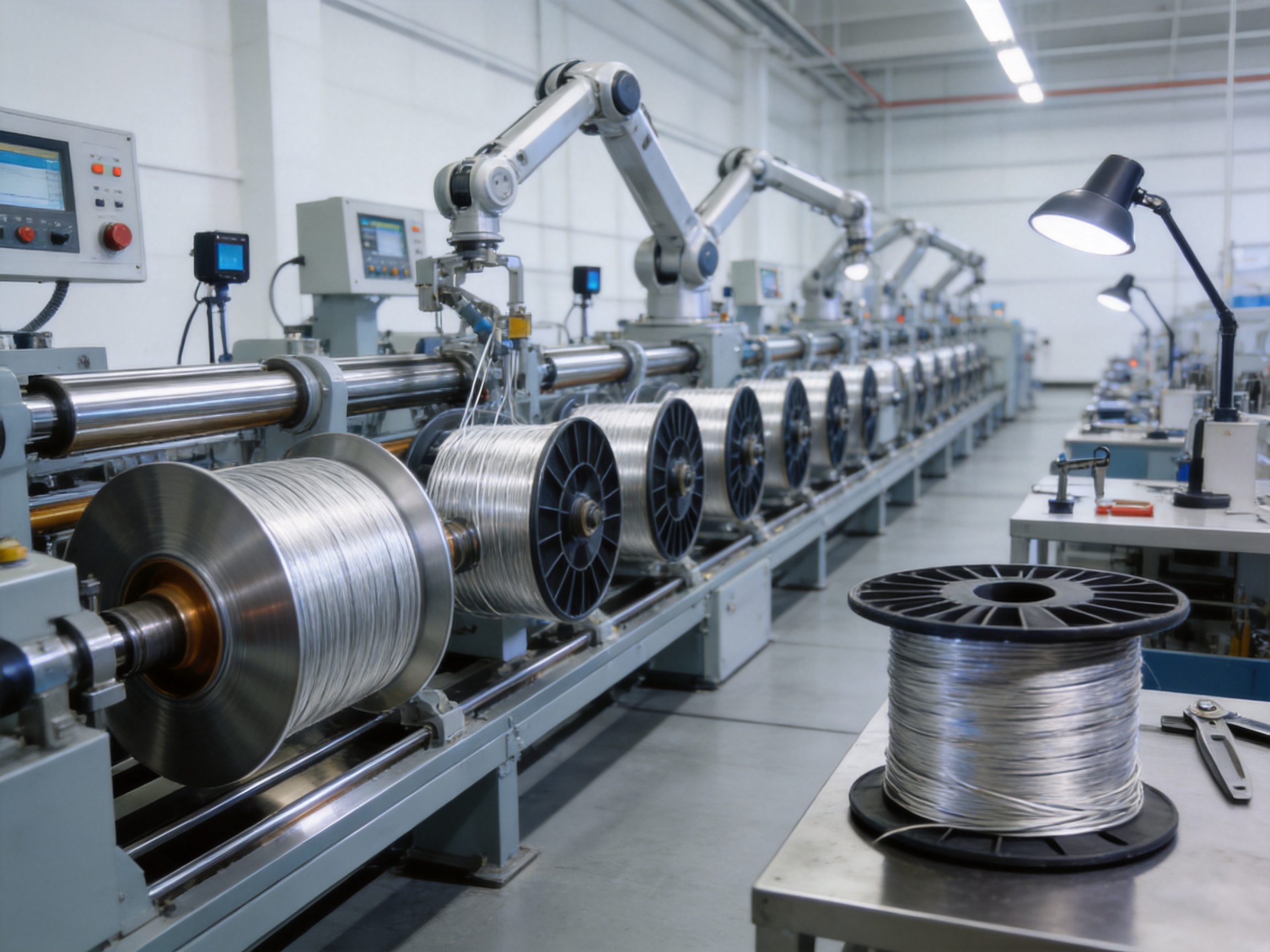
The production of aluminum MIG wire begins with the selection of raw materials. High-quality aluminum and alloying elements must be chosen according to the required grade and performance characteristics. Impurity control is essential. Excessive iron, silicon, copper, magnesium, or other elements beyond specification may change weld behavior, mechanical properties, corrosion resistance, or cracking tendency. For high-purity aluminum wire and precision aluminum alloy wire, strict raw material evaluation is a key first step.
After raw material selection, melting and alloying must be performed under controlled conditions. Aluminum melts at a relatively low temperature compared with steel, but it oxidizes easily and can absorb hydrogen from moisture and contamination. Effective melting practice includes temperature control, composition adjustment, degassing, slag removal, and protection against contamination. Proper molten metal treatment helps reduce inclusions, gas content, and compositional variation.
Continuous casting or rod production follows melting. The quality of the aluminum rod influences the wire drawing process and final product quality. A sound rod should have uniform composition, good surface condition, and internal integrity. Defects at this stage, such as inclusions, segregation, cracks, or surface irregularities, can become wire breakage points or surface flaws during drawing.
Wire drawing is one of the most important steps. Aluminum rod is drawn through a series of dies to reduce its diameter to the required MIG wire size. The drawing process must balance reduction rate, lubrication, die condition, temperature, and wire tension. If drawing parameters are not controlled, the wire may develop scratches, inconsistent diameter, residual stress, poor surface finish, or feeding problems. Advanced drawing equipment and experienced process control help create wire with uniform diameter and smooth surface quality.
Surface treatment and cleaning are essential for aluminum welding wire. The wire surface must be clean enough to reduce contamination of the weld pool while retaining appropriate characteristics for feeding and electrical contact. Excessive lubricant residues, dust, oxide particles, or moisture can contribute to porosity and unstable welding. A controlled cleaning process helps ensure that the wire is suitable for high-performance welding.
Cast and helix control is another specialized requirement. Cast refers to the natural loop diameter of the wire when it is released from the spool, while helix refers to the spiral tendency of the wire. Improper cast or helix can cause feeding instability, wandering arc position, and irregular bead placement. This is particularly important for robotic welding, where the wire must exit the contact tip in a predictable direction. Premium MIG wire is produced with careful control of these characteristics.
Spooling and winding quality are often overlooked, but they are crucial in real welding operations. Even excellent wire can perform poorly if it is wound unevenly or with inconsistent tension. Tangling, overlapping, excessive tightness, or loose winding can interrupt feeding. Precision winding ensures smooth unwinding, especially during long production runs. Clean spools, controlled packaging, and moisture-resistant storage methods further protect the wire before use.
Final inspection verifies that the finished MIG wire meets specification. Typical checks may include chemical composition, diameter tolerance, surface condition, tensile properties, cast and helix, spool winding quality, weight, labeling, and packaging integrity. For demanding customers, additional documentation and batch traceability may be provided. A manufacturer with strong inspection capability can identify trends, maintain consistency, and support customer quality systems.
Why Process Control Matters More in Aluminum Welding Wire
Aluminum welding is more sensitive than many other welding applications. The physical and chemical properties of aluminum create special challenges. Its high thermal conductivity draws heat away from the weld zone quickly, requiring sufficient heat input. Its oxide film melts at a much higher temperature than the aluminum beneath it, requiring proper cleaning and welding parameters. Its low density and low viscosity molten pool behave differently from steel. Its tendency to absorb hydrogen can lead to porosity if cleanliness is not maintained.
Because of these characteristics, MIG wire quality has a direct and visible effect on welding performance. If the wire diameter varies, the current may fluctuate and arc stability may decline. If the wire surface is rough, it may create friction and feeding resistance. If the wire contains contamination, it may introduce gas or inclusions into the weld pool. If the winding is poor, production may stop due to feeding failures. If composition is inconsistent, the weld’s mechanical performance may vary.
Competitors that focus mainly on basic wire production may not provide the same level of process control, traceability, or technical consistency. In contrast, a manufacturer with an intelligent manufacturing system, advanced equipment, and strict inspection can manage the details that matter in high-speed and high-quality welding. This difference is especially important for customers who use MIG wire in automated production, export products, safety-related structures, or high-value components.
The value of premium wire should not be measured only by the purchase price per spool. A lower-cost wire that causes more downtime, more spatter, more porosity, more rework, or more rejected parts may be more expensive in actual use. The total cost of welding includes labor, shielding gas, electricity, machine utilization, inspection, repair, finishing, and delivery reliability. High-quality MIG wire helps reduce hidden costs by improving process stability.
Product Performance Characteristics
Aluminum MIG wire from a quality-focused manufacturer is designed to provide stable welding performance in argon arc welding applications. It supports continuous feeding, stable melting, smooth weld bead formation, and reliable compatibility with aluminum and aluminum alloy base materials. The exact performance depends on alloy grade, wire diameter, base metal, welding parameters, shielding gas, and joint design, but several general characteristics are important across applications.
First, the wire should provide stable arc ignition and arc maintenance. Operators and welding engineers often judge wire quality by how quickly the arc starts and how consistently it burns. A stable arc reduces operator fatigue and improves confidence during welding. In automated welding, consistent arc behavior supports repeatable weld shape and penetration.
Second, the wire should melt evenly. Uniform melting contributes to controlled metal transfer and bead shape. If melting is irregular, the weld may show uneven ripples, poor wetting, or inconsistent reinforcement. Premium wire helps maintain predictable transfer under recommended welding conditions.
Third, the wire should support clean welds with reduced spatter. Aluminum MIG welding generally produces less spatter than some steel welding processes when properly set, but unstable wire feeding or contaminated wire can still cause defects and surface irregularities. Clean wire and consistent diameter help reduce these issues.
Fourth, the wire should demonstrate good compatibility with modern feeding systems. Aluminum welding may use push-pull guns, spool guns, or specialized liners to reduce feeding problems. High-quality MIG wire enhances the effectiveness of these systems by reducing friction, maintaining shape consistency, and unwinding smoothly.
Fifth, the wire should help produce welds with appropriate mechanical and corrosion properties. In industrial applications, filler metal selection must consider the base alloy and service environment. Properly manufactured aluminum alloy wire helps ensure that the intended performance is achieved reliably.
| Performance Factor | Premium Aluminum MIG Wire Advantage | Impact on Welding Operation |
|---|---|---|
| Diameter Consistency | Tight tolerance and stable cross-section | More consistent current, arc stability, and feeding |
| Surface Cleanliness | Reduced residues, dust, oxide particles, and contamination | Lower risk of porosity and improved weld appearance |
| Feedability | Controlled cast, helix, surface finish, and winding | Less downtime, fewer wire jams, and smoother automation |
| Composition Control | Accurate alloy formulation and impurity management | Reliable mechanical properties and batch consistency |
| Packaging Quality | Protected spools or coils with clear identification | Better storage stability and easier traceability |
| Quality Management | ISO 9001 and IATF 16949 system support | Improved process discipline and customer confidence |
Applications of Aluminum MIG Wire
Aluminum MIG wire is used across many industries because aluminum offers an attractive combination of low density, corrosion resistance, conductivity, formability, and recyclability. The product is especially valuable where weight reduction and structural performance are both required. As industries pursue energy savings and lower emissions, aluminum welding materials play an increasingly important role.
In transportation, aluminum MIG wire is used for vehicle frames, trailers, rail transit components, marine structures, fuel tanks, battery trays, and lightweight body assemblies. Automotive and new energy vehicle manufacturers often require welding consumables with high consistency because production lines operate at high speed and rely on automation. MIG wire with excellent feedability and arc stability helps maintain line efficiency.
In shipbuilding and marine equipment, aluminum alloys are valued for their corrosion resistance and light weight. Aluminum MIG wire is used for hull structures, decks, cabins, ladders, railings, and equipment frames. Marine environments are demanding, so weld quality and corrosion compatibility are essential. Clean filler wire and correct alloy selection help improve long-term durability.
In construction and architectural fabrication, aluminum welding wire is used for structural profiles, curtain wall components, handrails, doors, windows, frames, and decorative assemblies. Weld appearance may be particularly important when welds remain visible. High-quality MIG wire helps create smooth beads and reduces the need for excessive finishing.
In machinery and equipment manufacturing, aluminum MIG wire supports the production of frames, housings, platforms, tanks, heat exchangers, and custom fabricated parts. Many manufacturers choose aluminum to reduce equipment weight without sacrificing function. Reliable wire helps improve fabrication efficiency and product consistency.
In electronics and electrical applications, aluminum and aluminum alloy wires are used in components where conductivity, weight, and formability matter. While not every electrical application uses MIG welding, a company with expertise in high-purity aluminum wire and aluminum alloy wire can apply material knowledge across welding and precision wire products.
In energy and renewable equipment, aluminum welding materials can be used for solar panel frames, battery systems, lightweight supports, and related structures. As sustainability becomes a central requirement, aluminum’s recyclability and weight-saving advantages make it increasingly relevant. Welding consumables that support clean and reliable fabrication contribute to the broader sustainability value chain.
Comparison with Competing Welding Wire Options
Customers often compare aluminum MIG wire from different suppliers based on price, surface appearance, packaging, and delivery time. However, deeper evaluation should include process stability, traceability, defect rate, and technical support. A wire that looks similar on the spool may perform very differently during welding. The differences become clearer during long production runs, robotic welding, and high-standard inspection.
Some competing products may have inconsistent winding, leading to feeding interruptions. Others may have surface contamination that increases porosity risk. Some may meet diameter specifications on average but still show variation along the wire length. Certain lower-grade wires may lack reliable batch traceability, making it difficult to investigate quality issues. In contrast, a quality-driven producer emphasizes controlled manufacturing, inspection, and consistency.
The company’s advantage lies in its integrated focus on aluminum wire materials, not only welding consumables. Its product categories include high-purity aluminum wire, high-strength aluminum alloy wire, and aluminum and aluminum alloy welding materials. This broad material foundation strengthens its ability to understand alloy behavior, drawing performance, surface control, and customer requirements. A supplier with specialized aluminum expertise is better positioned than a general wire producer to solve welding wire challenges.
Another advantage is the use of advanced equipment and facilities. Aluminum wire production requires precise control, and modern equipment supports more stable manufacturing. Intelligent production management can improve efficiency, reduce variation, and create better traceability. When combined with skilled technicians and strict inspection, these manufacturing strengths support consistent MIG wire quality.
The company’s quality certifications further differentiate it from competitors that may not operate under comparable systems. ISO 9001 supports systematic quality management, while IATF 16949 reflects a higher level of discipline relevant to automotive supply chains. Customers in demanding sectors often prefer suppliers with these certifications because they reduce quality risk and support audit requirements.
The company’s export experience also matters. Serving high-end overseas markets requires products that meet international expectations, as well as packaging, labeling, documentation, and communication standards. This experience supports customers who need reliable supply for global manufacturing operations.
Welding Quality Benefits for End Users
For end users, the most meaningful benefits of premium MIG wire are practical and measurable. Improved feedability reduces downtime caused by wire jams, tangles, and burn-back. A stable arc reduces operator adjustment time and helps maintain weld quality. Cleaner wire reduces the possibility of porosity and surface defects. Consistent composition supports predictable weld performance. Better winding allows longer uninterrupted production runs.
These benefits influence both manual and automated welding. In manual welding, operators can work more comfortably and produce more consistent welds. In automated welding, consumable consistency is even more critical because robots repeat the programmed movement and rely on stable wire feeding and arc behavior. If the wire changes behavior unexpectedly, the robot cannot compensate the same way an experienced human welder might.
Premium wire also helps improve inspection results. Welds with fewer defects reduce the need for repair, grinding, re-welding, and reinspection. For manufacturers operating under strict delivery schedules, reducing rework is a major advantage. For safety-related components, consistent weld quality supports product reliability and customer trust.
Another benefit is more predictable parameter development. Welding engineers often spend significant time setting current, voltage, wire feed speed, travel speed, shielding gas flow, and torch angle. If the wire quality is inconsistent, parameter optimization becomes difficult. Stable wire allows engineers to establish procedures that remain effective across batches.
In addition, high-quality wire supports better inventory management. Clear labeling, batch traceability, and reliable packaging make it easier to manage stock, identify materials, and maintain quality records. This is important for customers with quality audits, production traceability requirements, or multi-site manufacturing operations.
Important Technical Considerations for Using Aluminum MIG Wire
To obtain the best results, users should combine premium MIG wire with correct welding practices. Even the best wire cannot compensate for poor joint preparation, contaminated base metal, incorrect shielding gas, or unsuitable parameters. Aluminum welding requires attention to cleanliness and process control.
Before welding, the base material should be cleaned to remove oil, moisture, dust, and heavy oxide. Mechanical brushing with a clean stainless steel brush or suitable chemical cleaning may be used depending on the application. The brush should be dedicated to aluminum to avoid cross-contamination from steel particles. Joint surfaces should be dry before welding.
Shielding gas quality and flow rate are important. Pure argon is commonly used for many aluminum MIG welding applications. Argon-helium mixtures may be selected for thicker sections or applications requiring higher heat input. Gas flow must be sufficient to protect the molten pool but not so high that turbulence draws in air. Leaks in gas hoses, poor torch positioning, or drafts in the workplace can all reduce shielding effectiveness.
Wire feeding equipment should be appropriate for aluminum. Because aluminum wire is soft, U-groove drive rolls are often preferred to reduce deformation. Drive roll pressure should be set correctly; too much pressure can crush the wire, while too little can cause slipping. Liners should be clean and suitable for aluminum. Contact tips should match the wire diameter and be replaced when worn.
Storage also matters. Aluminum MIG wire should be kept in dry, clean conditions and protected from dust, moisture, and corrosive atmospheres. Packaging should remain sealed until use when possible. If wire is moved from a cold environment to a warm workshop, condensation should be avoided. Proper storage helps preserve the cleanliness achieved during manufacturing.
Parameter selection should be based on wire diameter, alloy type, material thickness, joint design, welding position, and equipment capability. Excessive heat input may cause burn-through, distortion, or softening, while insufficient heat input may cause lack of fusion. Welding procedure qualification may be required for critical applications.
Sustainability and the Future of Aluminum Welding Materials
Aluminum is strongly associated with lightweight design and recyclability. In transportation, reducing weight can improve fuel efficiency or extend electric vehicle range. In machinery, lighter components can reduce energy consumption during operation. In construction, aluminum’s durability and corrosion resistance can support long service life. Welding materials that enable reliable aluminum fabrication are part of this broader sustainability trend.
High-quality MIG wire contributes to sustainability in several ways. Stable welding reduces scrap and rework, saving material, energy, and labor. Cleaner welds reduce grinding and finishing requirements, lowering consumable use and workplace dust. Reliable wire feeding reduces machine downtime and wasted shielding gas. Consistent quality supports durable products that remain in service longer.
The company’s commitment to lighter, stronger, and more sustainable aluminum alloy wire and welding material solutions aligns with global industry trends. As manufacturers seek low-carbon production, efficient fabrication, and high-performance materials, aluminum welding consumables will continue to evolve. Future developments may include tighter composition control, improved surface technology, specialized wire grades, optimized packaging, and greater compatibility with digital welding systems.
Intelligent manufacturing will also become more important. Data-driven process control can help identify variation early, improve traceability, and support continuous improvement. For customers, this means more reliable products and better technical cooperation. A supplier that invests in advanced manufacturing and quality systems is better prepared for these future requirements.

Selection Guidance for Buyers
When selecting aluminum MIG wire, buyers should consider more than basic product description. The first consideration is base metal compatibility. The filler wire must be suitable for the aluminum alloy being welded and for the desired weld properties. Factors such as strength, ductility, corrosion resistance, color match after anodizing, and crack sensitivity may influence selection.
The second consideration is wire diameter. Common diameters vary according to welding equipment, material thickness, and production requirements. Smaller diameters may be used for thinner materials and lower current ranges, while larger diameters are used for higher deposition rates and thicker materials. Diameter tolerance should be reliable to maintain stable welding conditions.
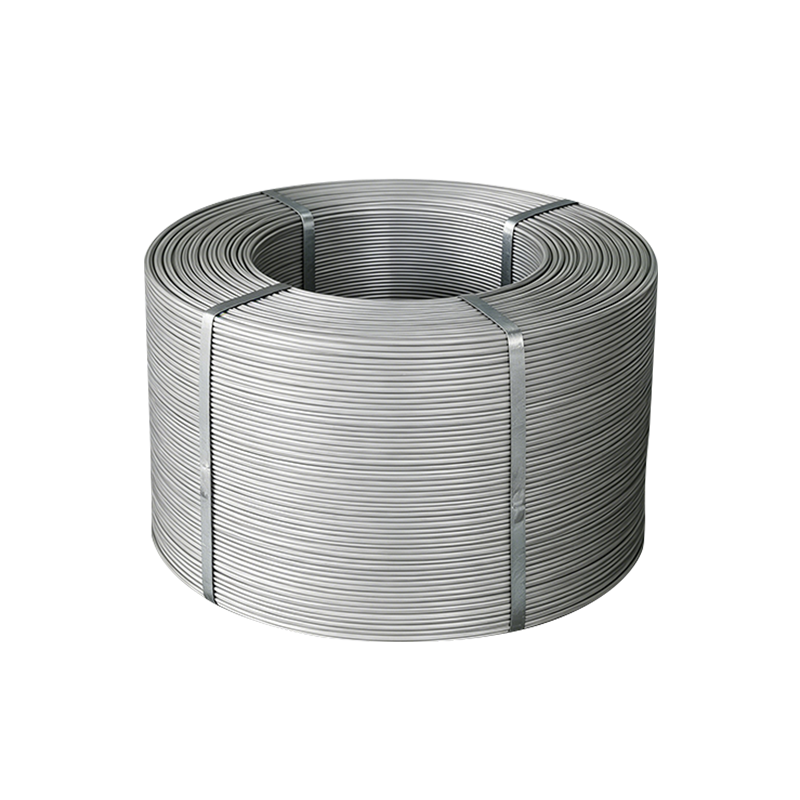
The third consideration is package type. Spools may be suitable for manual and semi-automatic welding, while larger packages may be preferred for robotic or continuous production. Packaging should protect the wire and allow smooth unwinding. Buyers should evaluate whether the supplier can provide packaging formats that match their equipment and production volume.
The fourth consideration is quality documentation. For high-standard production, buyers may need material certificates, batch numbers, inspection records, or compliance documentation. A supplier with strong quality management can support these requirements more effectively.
The fifth consideration is supplier capability. Buyers should examine manufacturing scale, technical expertise, quality certifications, export experience, and responsiveness. A welding wire supplier is not merely a seller of consumables; it is part of the customer’s production quality chain. Selecting a dependable supplier can reduce risk and improve long-term manufacturing performance.
The sixth consideration is trial performance. Before full-scale adoption, customers may test wire under real production conditions. Evaluation should include feeding stability, arc behavior, bead appearance, porosity results, mechanical testing if required, and compatibility with existing welding parameters. Premium wire should demonstrate value through fewer interruptions and more consistent welds.
Manufacturing Strength as a Competitive Advantage
The competitive strength of a MIG wire product is inseparable from the manufacturer’s process capability. Jiangsu Hetuo Aluminum Wire Co., Ltd. combines material specialization, advanced facilities, professional personnel, and quality system certification. These strengths help the company produce aluminum welding wire that supports industrial reliability.
The factory’s 40,000-square-meter scale provides space for organized production, equipment layout, inspection areas, storage, and future development. Scale alone does not guarantee quality, but it supports systematic manufacturing when combined with process discipline. The company’s investment in equipment and facilities reflects its focus on modern production rather than low-level processing.
The professional team, including managers and technicians, supports coordination between production and customer requirements. Technical personnel can analyze process data, manage inspections, improve product consistency, and respond to application feedback. This is important for welding materials because customer issues often require understanding both manufacturing and welding behavior.
Strict quality inspection throughout production reduces variation and increases confidence. For MIG wire, quality control must be continuous because defects can be introduced at multiple stages. A final appearance check is not enough. The company’s approach of inspecting throughout production is a strong advantage over suppliers that rely mainly on end-of-line checks.
ISO 9001 and IATF 16949 certifications provide external recognition of management discipline. They show that the company has established documented processes, quality objectives, corrective action mechanisms, and continuous improvement practices. For customers in automotive, transportation, and high-end manufacturing, this system-based capability is an important supplier selection factor.
Q&A Section
Q1: What is aluminum MIG wire mainly used for?
Aluminum MIG wire is mainly used as a consumable electrode and filler metal in melting electrode argon arc welding. It is used to weld aluminum and aluminum alloy components in industries such as transportation, marine equipment, machinery, construction, energy systems, and precision fabrication.
Q2: Why is wire feedability so important in aluminum MIG welding?
Aluminum wire is softer than steel wire, so it is more sensitive to friction, deformation, poor winding, and diameter variation. Good feedability helps prevent wire jams, bird-nesting, burn-back, and unstable arcs. It is especially important in robotic and continuous production welding.
Premium MIG wire reduces defects through clean surface quality, accurate diameter, controlled chemical composition, stable cast and helix, and reliable winding. These characteristics help reduce porosity risk, improve arc stability, and support consistent weld bead formation.
Q4: What makes this product different from ordinary aluminum welding wire?
The difference lies in manufacturing control and quality consistency. Advanced aluminum MIG wire is produced with strict raw material selection, controlled alloying, precision drawing, surface cleaning, careful winding, and inspection throughout production. Ordinary wire may not provide the same stability, traceability, or automated welding performance.
Q5: Why are ISO 9001 and IATF 16949 certifications important?
ISO 9001 demonstrates a structured quality management system, while IATF 16949 indicates higher-level quality discipline relevant to automotive and demanding industrial supply chains. These certifications help customers trust the manufacturer’s process control, documentation, and continuous improvement capability.
Q6: Can high-quality MIG wire improve productivity?
Yes. Stable wire feeding, fewer interruptions, reduced rework, cleaner welds, and predictable arc behavior can improve productivity. The benefit is especially noticeable in high-volume manufacturing and automated welding lines, where downtime and defects are costly.
Q7: What should users do to achieve the best welding results?
Users should clean the base metal, select suitable shielding gas, use proper aluminum feeding equipment, store the wire in dry and clean conditions, and set welding parameters according to material thickness and joint design. Premium wire performs best when combined with good welding practice.
Q8: Is aluminum MIG wire suitable for sustainable manufacturing?
Yes. Aluminum supports lightweight design and recyclability, while high-quality MIG wire helps reduce scrap, rework, and wasted production time. Reliable welding consumables contribute to efficient fabrication and longer-lasting aluminum products.
Conclusion
Aluminum MIG wire is far more than a simple welding consumable. It is a precision-manufactured material that directly affects weld quality, production efficiency, mechanical reliability, and total manufacturing cost. In aluminum welding, where cleanliness, feeding stability, arc consistency, and alloy compatibility are essential, premium MIG wire provides clear advantages over ordinary alternatives.
Jiangsu Hetuo Aluminum Wire Co., Ltd. brings together advanced manufacturing equipment, aluminum alloy material expertise, strict production inspection, a professional technical team, and internationally recognized quality management certifications. Its intelligent manufacturing system covers high-purity aluminum wire, high-strength aluminum alloy wire, and aluminum and aluminum alloy welding materials, creating a strong foundation for reliable MIG wire production.
For customers in transportation, marine equipment, construction, machinery, energy, and high-end fabrication, choosing a dependable aluminum MIG wire supplier can improve welding stability and reduce hidden costs. The right wire supports smooth feeding, stable arcs, clean welds, consistent performance, and efficient production. As industries continue to demand lighter, stronger, and more sustainable materials, high-performance aluminum MIG wire will remain an essential solution for advanced manufacturing.
References
American Welding Society. Welding Handbook: Materials and Applications, Part 1. American Welding Society.
Mathers, G. The Welding of Aluminium and Its Alloys. Woodhead Publishing.
Davis, J. R. Aluminum and Aluminum Alloys. ASM International.
International Organization for Standardization. ISO 9001 Quality Management Systems: Requirements.
International Automotive Task Force. IATF 16949 Quality Management System Standard for Automotive Production and Relevant Service Parts Organizations.
Kou, S. Welding Metallurgy. Wiley.
ASM International. ASM Handbook, Volume 6: Welding, Brazing, and Soldering.