

 English
 中文简体
中文简体 русский
 Deutsch
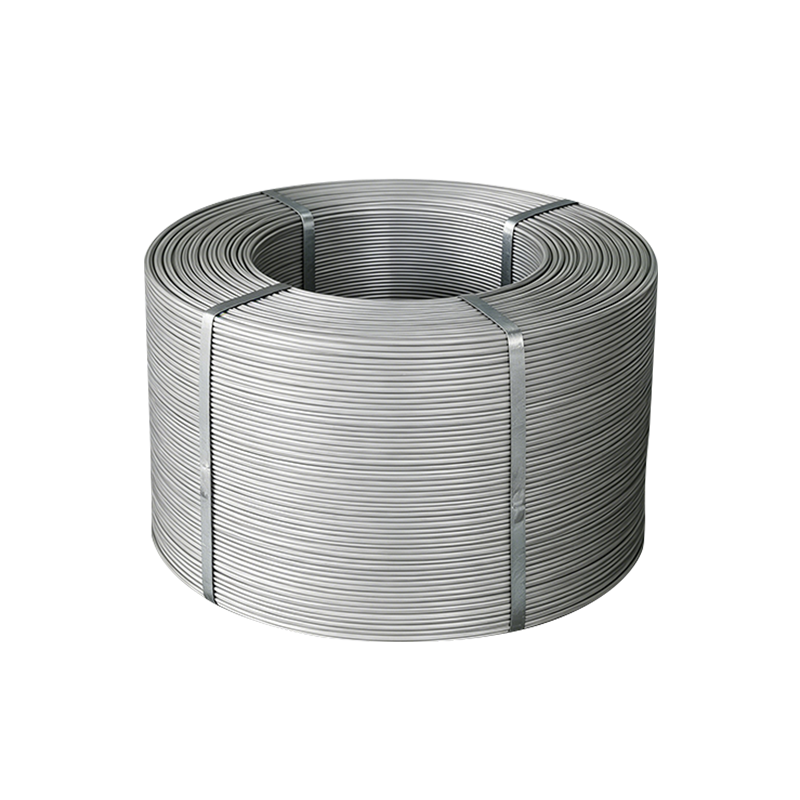
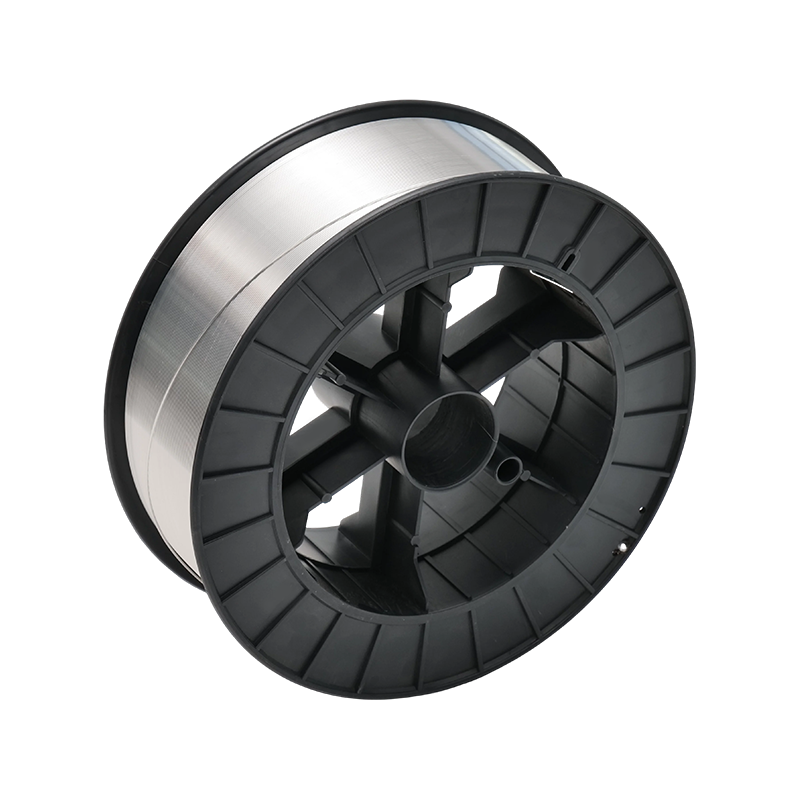
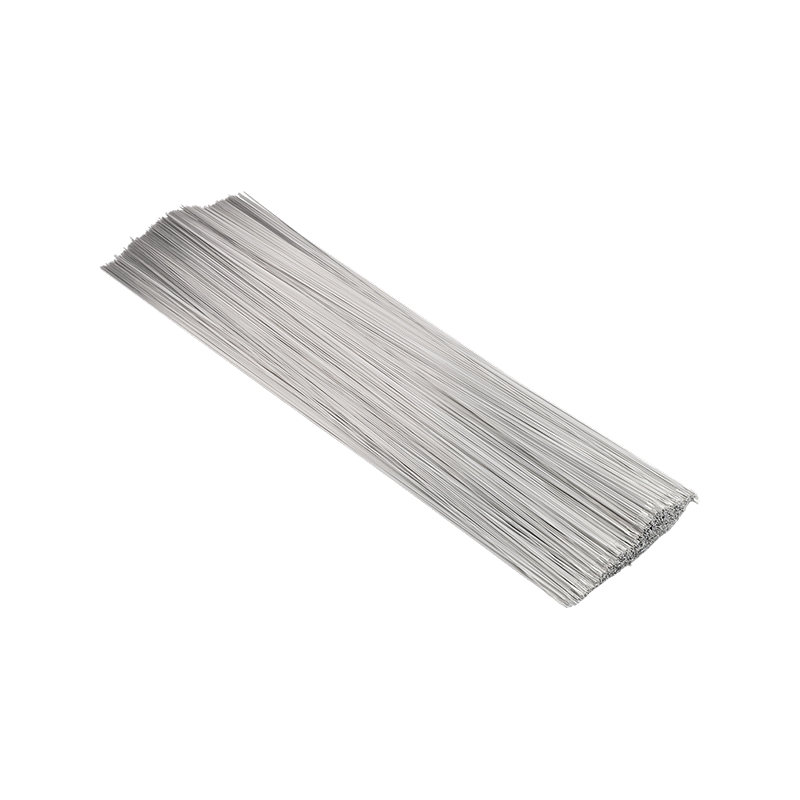
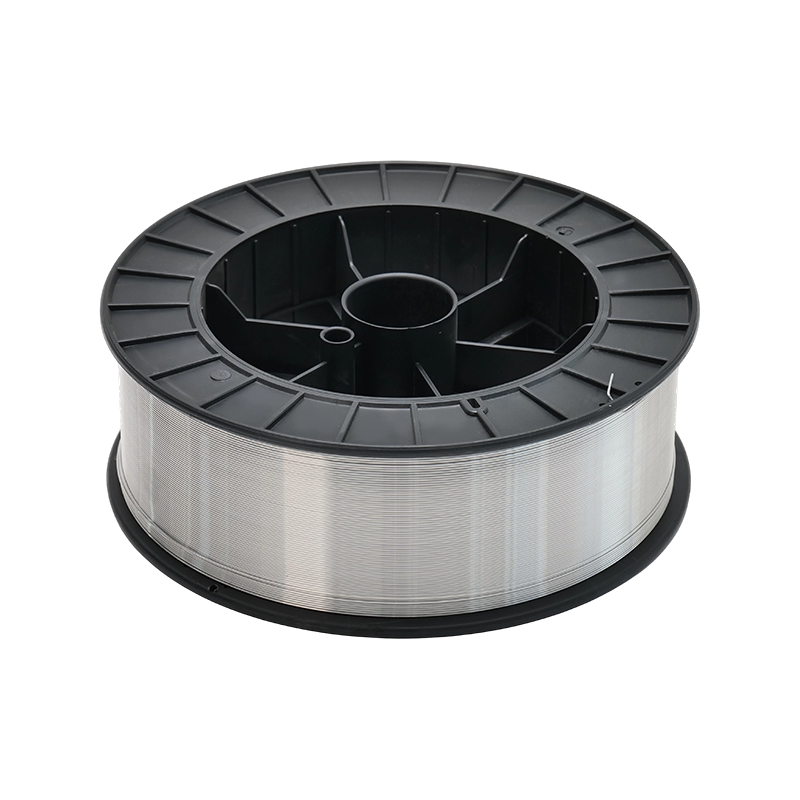
1090 aluminum wire is a high-purity aluminum wire designed for applications where clean chemistry, stable processing behavior, and reliable surface protection performance are essential. With an aluminum content of at least 99.90%, it is especially suitable for evaporation, metal spraying, thermal spray coating, surface repair, and corrosion-resistant layer formation. In industrial use, the value of 1090 aluminum wire lies not only in its purity, but also in its ability to form a consistent aluminum layer that improves the corrosion resistance of the base material and helps extend service life in demanding environments.
For manufacturers, fabricators, and coating service providers, material consistency is one of the most important factors in production efficiency. A high-purity aluminum wire must feed smoothly, melt uniformly, atomize predictably, and create a dense coating with stable adhesion characteristics. Compared with ordinary aluminum wire with higher impurity levels, 1090 aluminum wire offers better chemical cleanliness, reduced contamination risk, and improved suitability for precision surface engineering. These qualities make it a practical material for industries that require dependable corrosion protection, controlled deposition, and repeatable processing results.
Content
- 1 Product Overview
- 2 Core Advantages of 1090 Aluminum Wire
- 3 Chemical Composition and Technical Characteristics
- 4 Advantages Over Ordinary Competitor Products
- 5 Manufacturing Strength and Quality Control
- 6 Raw Material Selection and Metallurgical Cleanliness
- 7 Wire Drawing, Annealing, and Surface Control
- 8 Packaging and Logistics Reliability
- 9 Applications in Evaporation
- 10 Applications in Spraying and Surface Protection
- 11 Industrial Benefits for End Users
- 12 Comparison with 1070 and 1A95 Aluminum Wire
- 13 Role in Sustainable Manufacturing
- 14 Why Supplier Capability Matters
- 15 Selection Guidance for Buyers
- 16 Practical Handling Recommendations
- 17 Quality Assurance and Customer Confidence
- 18 Q&A Section
- 18.1 What is 1090 aluminum wire?
- 18.2 What is the main advantage of 1090 aluminum wire?
- 18.3 Where is 1090 aluminum wire commonly used?
- 18.4 How does 1090 aluminum wire improve corrosion resistance?
- 18.5 How is 1090 different from 1070 aluminum wire?
- 18.6 How is 1090 different from 1A95 aluminum wire?
- 18.7 Why is supplier quality control important?
- 18.8 What certifications support product reliability?
- 18.9 Can 1090 aluminum wire be used for high-strength applications?
- 18.10 How should 1090 aluminum wire be stored?
- 19 Conclusion
- 20 References
- 21 Product: 1090 Aluminum Wire
Product Overview
1090 aluminum wire belongs to the high-purity aluminum wire category. Its typical chemical composition is controlled so that the aluminum content is above 99.90%, while impurity elements such as silicon, iron, copper, manganese, magnesium, zinc, titanium, and other residuals are kept at low levels. This composition gives the wire a combination of excellent corrosion resistance, good electrical and thermal conductivity, high ductility, and reliable melting behavior. These properties are especially useful in evaporation and spraying processes, where the wire is transformed into vapor, droplets, or coating particles and deposited onto a substrate.
The main purpose of 1090 aluminum wire is to enhance the surface performance of the substrate. When applied through thermal spraying or related coating methods, aluminum can create a protective layer that shields the underlying material from corrosive media, moisture, oxidation, and atmospheric attack. This is particularly important for steel structures and metal components used in marine, chemical, energy, construction, and transportation environments. By improving the surface corrosion resistance of the substrate, 1090 aluminum wire contributes to longer service intervals, lower maintenance costs, and improved operational reliability.
In evaporation applications, high-purity aluminum wire is often required because the deposited film must remain clean and uniform. The low impurity level of 1090 aluminum reduces the risk of unwanted residues or inconsistent film quality. In spraying applications, its stable melting and feeding behavior support efficient production. The wire can be supplied in forms suitable for automated or semi-automated equipment, depending on the customer’s process requirements. Dimensional stability, surface cleanliness, and packaging integrity are all important factors that influence downstream performance.
Core Advantages of 1090 Aluminum Wire
The first advantage of 1090 aluminum wire is high purity. The aluminum content of at least 99.90% gives it a clean metallurgical foundation. In coating and deposition processes, purity is not a decorative specification; it directly affects coating behavior, corrosion resistance, melting stability, and final surface quality. Materials with higher impurity content may produce uneven melting, more inclusions, or less predictable coating performance. By contrast, 1090 aluminum wire is suitable for users who need a balanced combination of purity, processability, and industrial availability.
The second advantage is strong corrosion resistance. Aluminum naturally forms a dense oxide film on its surface, and this oxide layer helps protect the material from further oxidation. When aluminum is deposited onto another substrate, the coating can act as a sacrificial or barrier layer depending on the service environment. For metal structures exposed to moisture, salt spray, industrial atmosphere, or outdoor weathering, aluminum coatings are widely valued for their protective function. 1090 aluminum wire provides a high-purity feedstock for producing these coatings.
The third advantage is excellent ductility and workability. A wire used for spraying or evaporation must withstand winding, unwinding, feeding, and mechanical contact with guide systems. Good ductility reduces the likelihood of breakage, surface cracking, or feeding interruption. In production lines where downtime creates direct cost, a stable wire product can help improve operating efficiency. 1090 aluminum wire has the softness and formability associated with high-purity aluminum, making it suitable for fine wire processing and controlled delivery into application equipment.
The fourth advantage is stable melting behavior. During thermal spraying, the wire is heated and atomized, and the resulting particles are projected onto the substrate. Uniform melting helps create consistent coating density and surface appearance. During evaporation, predictable melting and vaporization behavior support more uniform deposition. Because 1090 aluminum wire has low levels of alloying elements, it behaves more consistently than many mixed or less controlled materials. This makes it easier for users to optimize process parameters and maintain quality.
The fifth advantage is broad compatibility with industrial surface treatment systems. 1090 aluminum wire can be used in many applications requiring high-purity aluminum feedstock. It is particularly useful when the customer’s priority is corrosion protection rather than high mechanical strength. While high-strength aluminum alloy wires are valuable in other applications, 1090 aluminum wire is preferred where chemical purity and clean coating behavior are more important. This makes it a focused, specialized product rather than a general-purpose substitute.
Chemical Composition and Technical Characteristics
The following table summarizes the chemical composition information for high-purity aluminum wire grades, including 1090 aluminum wire. Values are presented as typical maximum limits for listed impurity elements, while aluminum is shown as the minimum content. The strict control of impurity elements is essential for stable product performance, especially in evaporation and spraying applications.
| Product Category | Grade | Si | Fe | Cu | Mn | Mg | Cr | Ni | Zn | Ti | Zr | Be | Other Single | Other Total | Al |
| High Purity Aluminum Wire | 1070 | 0.20 | 0.25 | 0.04 | 0.03 | 0.03 | — | — | 0.04 | 0.03 | — | — | 0.03 | — | 99.70 |
| High Purity Aluminum Wire | 1090 | 0.07 | 0.07 | 0.02 | 0.01 | 0.01 | — | — | 0.03 | 0.01 | — | — | 0.01 | — | 99.90 |
| High Purity Aluminum Wire | 1A95 | 0.03 | 0.03 | 0.01 | — | — | — | — | 0.00 | 0.01 | — | — | 0.01 | — | 99.95 |
From the table, 1090 aluminum wire occupies an important position between general high-purity aluminum wire and ultra-high-purity grades. It offers a higher aluminum content than 1070 while remaining practical for industrial production and surface treatment applications. This balance can be valuable for buyers who need purity above 99.90% but do not necessarily require the tighter limits of specialized ultra-high-purity materials. In many spraying and evaporation uses, 1090 provides an effective balance of performance, availability, and cost efficiency.
The low silicon and iron limits are especially relevant. Silicon and iron are common impurities in aluminum, and excessive amounts may influence melting characteristics, appearance, and corrosion behavior. Keeping these elements at controlled levels helps improve consistency. Copper, manganese, and magnesium are also tightly limited. In some aluminum alloys, these elements are intentionally added for strength, but in high-purity aluminum wire they are minimized to preserve purity and chemical simplicity. This is one reason 1090 aluminum wire is suitable for clean deposition applications.
Zinc and titanium are also controlled at low levels. Although these elements can be useful in specific alloy systems, they may not be desirable in high-purity coating feedstock unless intentionally specified. The purpose of 1090 aluminum wire is not to maximize alloy strength; it is to provide a clean aluminum source with stable performance. This distinction is important when selecting between high-purity aluminum wire, high-strength aluminum alloy wire, and aluminum alloy welding materials. Each category serves a different technical purpose.
Advantages Over Ordinary Competitor Products
Compared with many ordinary aluminum wire products, 1090 aluminum wire offers a stronger purity profile. Standard commercial aluminum wires may contain higher impurity levels, broader composition ranges, or less consistent batch control. In applications such as evaporation and spraying, these differences can affect the final result. A coating that appears acceptable at first may show variations in density, corrosion resistance, adhesion, or surface finish if the feedstock is inconsistent. By using 1090 aluminum wire with a controlled aluminum content above 99.90%, users can reduce uncertainty and improve repeatability.
Another advantage is suitability for corrosion-resistant surface engineering. Some competitor wires are produced mainly for general electrical, binding, craft, or forming applications. While these wires may be adequate for low-demand uses, they are not necessarily optimized for thermal spray or evaporation. 1090 aluminum wire is positioned for surface protection applications, where coating quality matters. Its chemical cleanliness, soft texture, and stable melting characteristics help support better process control.
Compared with alloyed aluminum wire, 1090 aluminum wire may offer better purity and corrosion-focused performance when strength is not the primary requirement. High-strength aluminum alloy wire is valuable where mechanical properties are necessary, but alloying elements can change melting behavior and coating chemistry. When the intended function is to create a high-purity aluminum layer, a cleaner grade such as 1090 is often more suitable. This makes product selection more precise: users do not pay for unnecessary alloy strength when the application requires purity and surface protection.
Compared with low-quality wire that has poor surface control, 1090 aluminum wire produced under strict manufacturing procedures can reduce feeding problems. Surface defects, contamination, oxidation, inconsistent diameter, and uneven winding can interrupt automated equipment. A wire that breaks, tangles, or feeds unevenly can increase waste and downtime. A dependable wire product supports continuous operation and allows operators to maintain process stability. For high-volume coating lines, this reliability can become a major competitive advantage.
Another important difference is technical support and manufacturing traceability. Buyers increasingly require more than material delivery; they need documentation, process control, quality assurance, and responsive communication. Jiangsu Hetuo Aluminum Wire Co., Ltd. has developed an intelligent manufacturing system covering high-purity aluminum wire, high-strength aluminum alloy wire, and aluminum and aluminum alloy welding materials. This integrated capability allows the company to serve different user requirements while maintaining technical focus on aluminum wire products.
Manufacturing Strength and Quality Control
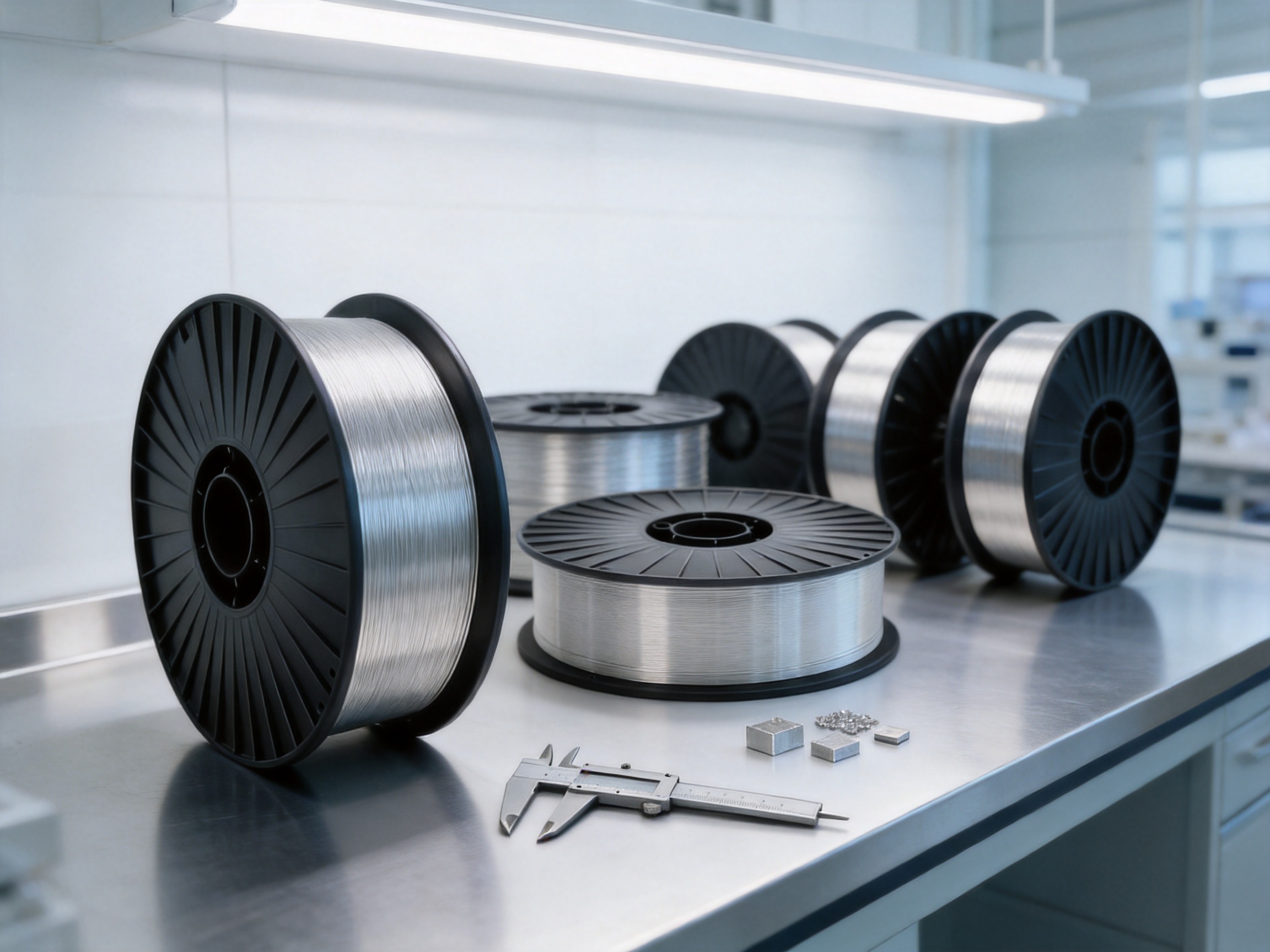
A high-purity aluminum wire is only as reliable as the manufacturing system behind it. Jiangsu Hetuo Aluminum Wire Co., Ltd. was established in 2019 and has developed as an innovative participant in China’s aluminum alloy materials industry. Located in the Guannan Economic Development Zone of Lianyungang, Jiangsu Province, the company operates with a customer-oriented philosophy and emphasizes product quality, process improvement, and reliable delivery. Its factory covers approximately 40,000 square meters and includes a professional team of managers, technicians, and production personnel.
The company’s product system includes high-purity aluminum wire, high-strength aluminum alloy wire, and aluminum and aluminum alloy welding materials. This range reflects a broad understanding of aluminum wire production, from clean high-purity grades to performance-oriented alloy materials. For 1090 aluminum wire, this manufacturing background is valuable because it supports careful control of raw materials, drawing processes, surface condition, winding quality, inspection procedures, and packaging. A wire product used in evaporation and spraying must meet both chemical and mechanical expectations.
Advanced equipment and facilities play an important role in wire production. Wire drawing requires precise reduction control, lubrication management, surface cleaning, and dimensional monitoring. If the drawing process is unstable, the final wire may show diameter variation, surface scratches, internal stress problems, or inconsistent mechanical behavior. A modern production environment helps reduce these risks. By combining equipment capability with trained technical staff, the company is able to support stable batch production.
Quality inspection is performed throughout production rather than only at the final stage. This approach is essential because wire defects can originate from raw material selection, rod preparation, drawing, annealing, surface handling, spool winding, or packaging. Continuous inspection helps identify issues earlier and reduce nonconforming output. For customers, this means more predictable product quality and fewer problems during use. A disciplined inspection system also supports traceability and continuous improvement.
The company has obtained ISO 9001 and IATF 16949 quality management system certifications. ISO 9001 demonstrates a structured approach to quality management, customer satisfaction, process control, and improvement. IATF 16949 is especially significant because it reflects quality management requirements associated with the automotive industry, where consistency, traceability, defect prevention, and supply chain discipline are critical. For customers purchasing 1090 aluminum wire, these certifications provide additional confidence that production is managed according to recognized quality principles.
The company’s products comply with international quality standards and are exported to many high-end overseas markets. Export experience is important because international buyers often have strict requirements for documentation, packaging, specifications, and communication. Serving overseas markets requires stable quality and the ability to respond to varied industrial standards. This experience strengthens the company’s ability to support users in different regions and applications.
Raw Material Selection and Metallurgical Cleanliness
The performance of 1090 aluminum wire begins with raw material selection. High-purity aluminum cannot be achieved through drawing alone; it requires appropriate source material and careful chemical control. The raw aluminum must be selected and verified to ensure that impurity elements remain within required limits. If the starting material contains excessive silicon, iron, copper, magnesium, or zinc, the final wire cannot meet the intended high-purity specification. Therefore, chemical verification is a fundamental step.
Metallurgical cleanliness matters because inclusions, oxides, and contaminants can affect processing and final coating performance. In wire form, these defects may lead to breakage during drawing or feeding. In spraying, they may become defects in the coating. In evaporation, they may contribute to residues or film irregularities. A strong manufacturing process must therefore control not only elemental composition but also cleanliness, handling, and storage conditions.
For high-purity aluminum wire, minimizing contamination during production is also critical. Contact with unsuitable lubricants, dirty equipment, dust, or moisture may influence surface condition. A clean wire surface helps improve feeding stability and reduces the chance of undesirable residues during melting. Proper cleaning and packaging help preserve the wire from production to customer use. This is especially important when the wire is used in sensitive deposition environments.
Wire Drawing, Annealing, and Surface Control
Wire drawing transforms aluminum rod or larger wire into the desired diameter by passing it through precision dies. Each drawing step reduces the cross-section and changes mechanical properties. Because aluminum is soft and ductile, it can be drawn effectively, but process control remains essential. Too much reduction, poor lubrication, damaged dies, or improper tension can cause surface defects or uneven properties. A well-managed drawing route helps create a smooth, uniform wire suitable for industrial feeding systems.
Annealing may be used to adjust softness, ductility, and internal stress. For many applications, a controlled soft condition is beneficial because it allows the wire to unwind and feed smoothly. However, annealing must be carefully managed to avoid excessive oxidation or inconsistent mechanical behavior. Temperature, time, atmosphere, and cooling control all influence the final result. A stable annealing process contributes to product reliability.
Surface quality is especially important for 1090 aluminum wire. The wire surface should be clean, smooth, and free from serious scratches, oil contamination, heavy oxidation, or foreign particles. In spraying and evaporation, the surface enters a high-temperature process, and contaminants can affect the final deposition. Good surface control also helps reduce friction during feeding. Customers using automated equipment benefit from wire that maintains a consistent surface condition throughout the spool or coil.
Diameter accuracy is another key factor. If the wire diameter varies too much, feeding rate and melting behavior can fluctuate. Thermal spray equipment is often set according to a specific wire diameter and feed speed. A consistent diameter helps maintain a stable deposition rate and coating thickness. This supports process repeatability and reduces the need for frequent adjustment.
Packaging and Logistics Reliability
Packaging is sometimes overlooked, but it is a critical part of high-purity aluminum wire supply. Even a well-produced wire can be damaged by poor winding, inadequate protection, moisture exposure, or rough transportation. Proper packaging protects the wire surface, preserves spool integrity, and helps customers use the product efficiently. Neat winding reduces tangling and supports smooth unwinding. Moisture-resistant packaging helps prevent surface oxidation and contamination.
For export customers, logistics reliability is particularly important. Long-distance transportation may involve changes in temperature, humidity, handling conditions, and storage environments. A supplier with export experience understands the importance of packaging strength, labeling clarity, and shipment preparation. This reduces risk for buyers and helps ensure that the wire arrives in usable condition.
Technical documentation can also be part of the supply package. Customers may require grade information, chemical composition, batch identification, inspection records, or compliance statements. A manufacturer with a structured quality management system can better provide such support. This strengthens trust between supplier and customer and makes the purchasing process more professional.
Applications in Evaporation
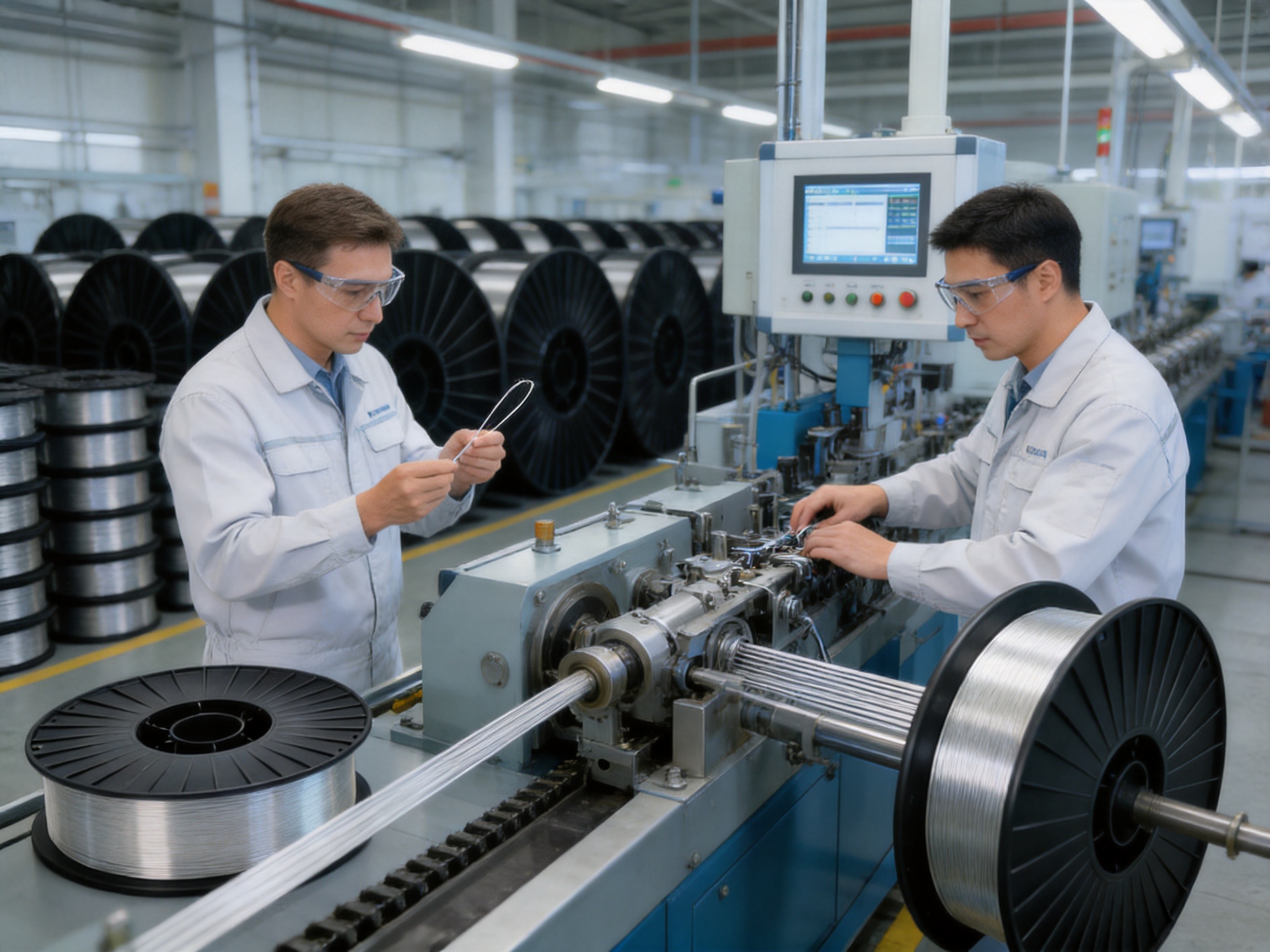
Evaporation is a process in which material is heated until it vaporizes and then deposits onto a target surface as a thin film. In such processes, the quality of the feedstock can strongly influence deposition stability and film quality. 1090 aluminum wire is suitable for evaporation because its high aluminum content and low impurity level support clean vapor generation. When the process requires aluminum deposition with minimal contamination, high-purity wire is a logical choice.
In evaporation applications, consistency is essential. Variations in composition or surface contamination can cause unstable evaporation rates, residue formation, or uneven film characteristics. Because 1090 aluminum wire is controlled to contain more than 99.90% aluminum, it helps reduce unwanted variables. Users can better control process parameters and achieve more repeatable results. This is valuable in manufacturing environments where product uniformity and batch reliability are required.
The physical form of wire also offers practical advantages. Wire can be fed into equipment in a controlled manner, supporting continuous or semi-continuous processing. Compared with irregular feedstock shapes, wire can provide more predictable feeding and melting. This can improve operational efficiency and reduce material handling complexity.
Applications in Spraying and Surface Protection
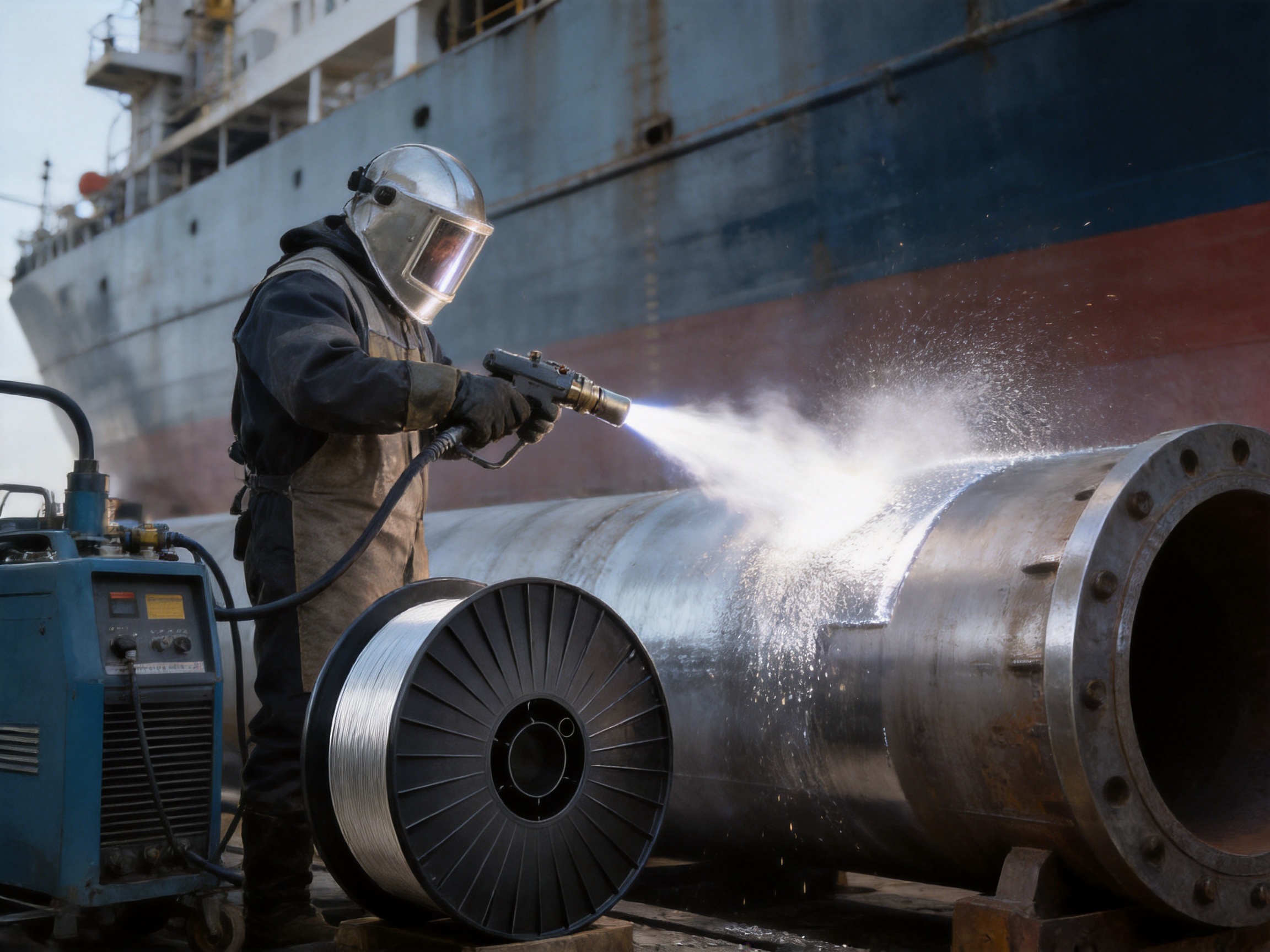
Spraying is one of the main application fields for 1090 aluminum wire. In metal spraying or thermal spray processes, the wire is melted and projected as fine particles onto a substrate. These particles flatten, solidify, and build up a coating layer. When aluminum is sprayed onto steel or other substrates, it can form a protective coating that helps resist corrosion. This is why 1090 aluminum wire is widely associated with improving surface corrosion resistance and extending service life.
Aluminum spray coatings are often used in environments where steel needs long-term protection. Examples include marine structures, offshore equipment, bridges, storage tanks, pipelines, industrial machinery, power facilities, and transportation components. The coating can help protect the substrate from atmospheric corrosion, salt exposure, and industrial pollutants. Because 1090 aluminum wire is high in purity, the resulting coating benefits from the natural corrosion resistance of aluminum.
In thermal spraying, coating quality depends on many factors, including surface preparation, spray parameters, wire feed stability, substrate temperature, particle velocity, and post-treatment. However, the feedstock remains one of the most important inputs. If the wire is inconsistent, the coating process becomes harder to control. A stable 1090 aluminum wire supports uniform melting and deposition, making it easier for operators to produce reliable coatings.
The use of 1090 aluminum wire can also support maintenance and repair strategies. Instead of replacing a large metal component after corrosion damage, operators may protect or restore surfaces with aluminum coating systems. This can reduce lifecycle cost and improve sustainability by extending the useful life of existing assets. In many industries, preventing corrosion is more economical than repairing damage after it occurs.
Industrial Benefits for End Users
For end users, the value of 1090 aluminum wire can be measured in several ways. The first is longer component life. By enabling corrosion-resistant aluminum coatings, the wire helps protect expensive substrates from environmental attack. Longer service life reduces replacement frequency and supports more stable operations. This is especially valuable for infrastructure, marine, energy, and industrial equipment exposed to harsh conditions.
The second benefit is reduced maintenance cost. Corrosion-related maintenance can be expensive, especially when equipment is difficult to access or downtime is costly. A reliable aluminum coating can reduce the need for frequent repainting, repair, or part replacement. While the coating system itself requires proper application, the use of high-quality feedstock is an important foundation for performance.
The third benefit is process efficiency. Stable wire feeding and predictable melting can reduce operational interruptions. In production environments, small improvements in feeding reliability can translate into meaningful savings. Less downtime, less scrap, and fewer parameter adjustments all contribute to better productivity. This gives 1090 aluminum wire an advantage over lower-grade alternatives that may appear cheaper but create hidden costs.
The fourth benefit is improved quality consistency. Customers who apply coatings for regulated or high-performance industries need repeatable results. A consistent wire product helps reduce variation from batch to batch. When paired with proper process control, this supports reliable coating thickness, appearance, and protective performance.
Comparison with 1070 and 1A95 Aluminum Wire
Within the high-purity aluminum wire family, different grades serve different needs. 1070 aluminum wire has a minimum aluminum content of 99.70%. It is widely useful where good purity and general aluminum properties are required. However, for applications demanding a higher purity level, 1090 aluminum wire provides a meaningful improvement. The reduction of impurity elements can be valuable in cleaner deposition processes and higher-performance surface protection.
1A95 aluminum wire has a higher minimum aluminum content of 99.95%, making it suitable for applications requiring even stricter purity. However, not every industrial process requires that level. In many practical evaporation and spraying applications, 1090 aluminum wire offers an attractive balance. It provides high purity above 99.90% while remaining suitable for broader industrial use. This balance can help customers avoid unnecessary material cost while still gaining strong technical performance.
Therefore, the choice between 1070, 1090, and 1A95 should be based on application requirements. If standard purity is sufficient, 1070 may be acceptable. If extremely high purity is mandatory, 1A95 may be selected. If the customer needs a high-purity aluminum wire with reliable corrosion protection performance and good industrial practicality, 1090 is often a strong choice.
Role in Sustainable Manufacturing
Aluminum is widely recognized for its role in lightweighting, recyclability, and long service life. 1090 aluminum wire contributes to sustainability by helping extend the life of metal structures and components. When corrosion is prevented or slowed, fewer materials are consumed for replacement and repair. Longer service intervals can reduce resource use, labor, transportation, and waste. This makes surface protection an important part of sustainable asset management.
In addition, aluminum coatings can help protect steel structures without requiring frequent replacement of the underlying metal. This is important because steel production and replacement can involve significant energy and material consumption. By using high-quality aluminum wire for protective coatings, industries can improve durability and reduce lifecycle environmental impact.
The manufacturing philosophy of Jiangsu Hetuo Aluminum Wire Co., Ltd. also aligns with the demand for lighter, stronger, and more sustainable aluminum alloy wire and welding material solutions. The company’s focus on intelligent manufacturing, quality management, and high-grade aluminum materials supports the broader movement toward efficient industrial production and durable material systems.
Why Supplier Capability Matters
When purchasing 1090 aluminum wire, buyers should consider more than the nominal chemical composition. A certificate showing aluminum content is important, but it is only one part of product performance. Supplier capability influences consistency, delivery reliability, technical communication, packaging quality, and problem-solving. A manufacturer with specialized aluminum wire production experience is better positioned to meet demanding requirements.
Jiangsu Hetuo Aluminum Wire Co., Ltd. has several strengths that support its product competitiveness. The company has a 40,000-square-meter factory, a professional workforce, advanced production equipment, and a quality system certified to ISO 9001 and IATF 16949. Its product range covers high-purity aluminum wire, high-strength aluminum alloy wire, and aluminum and aluminum alloy welding materials. This combination of scale, specialization, and quality management helps customers obtain stable materials for industrial use.
The company’s location in Lianyungang, Jiangsu Province, also provides access to industrial logistics and manufacturing resources. For international customers, the ability to supply export markets is important. Experience with overseas buyers helps the company understand documentation, packaging, and quality expectations. This is particularly useful for customers who need a dependable long-term supplier rather than a one-time material source.
Customer-oriented production is another advantage. Different users may have different requirements for wire diameter, spool type, packaging, surface condition, or inspection documentation. A capable manufacturer can communicate with customers and support suitable product selection. This improves purchasing efficiency and reduces the risk of mismatch between material and application.
Selection Guidance for Buyers
When selecting 1090 aluminum wire, buyers should first confirm the intended application. Evaporation, thermal spraying, metalizing, corrosion protection, and surface repair may have different requirements for wire size, packaging, and cleanliness. Understanding the process conditions helps ensure that the selected wire matches the equipment and performance target.
Second, buyers should review chemical composition requirements. The key feature of 1090 aluminum wire is aluminum content above 99.90%, with controlled impurity levels. If the application involves sensitive deposition, chemical cleanliness should be confirmed carefully. If the application is less demanding, another grade may be sufficient. If the application is extremely demanding, a higher-purity grade may be considered.
Third, buyers should evaluate wire diameter tolerance and surface condition. For automated feeding systems, stable diameter and smooth surface are critical. Poor wire quality can cause feed instability, arc fluctuation, inconsistent melting, or downtime. The apparent price of the wire should be considered together with the cost of process interruptions and coating defects.
Fourth, buyers should consider supplier quality systems. Certifications such as ISO 9001 and IATF 16949 indicate that the manufacturer follows structured quality management practices. While certifications do not replace product testing, they provide confidence in process discipline and traceability. For industrial buyers, this can be an important purchasing factor.
Fifth, buyers should consider packaging and storage. Aluminum wire should be protected from moisture, contamination, and mechanical damage. Proper storage after delivery is also important. Even high-quality wire can suffer if stored in a humid or dirty environment. Users should keep packaging intact until use and avoid exposing the wire to corrosive atmospheres.
Practical Handling Recommendations
To obtain the best performance from 1090 aluminum wire, users should handle it carefully. The wire should be stored in a clean, dry area away from corrosive chemicals and excessive humidity. Packaging should remain sealed until the material is needed. If the wire is supplied on spools, the spool should be mounted correctly to prevent uneven unwinding or tangling. Operators should avoid touching the wire surface with dirty gloves or exposing it to oil and dust.
Before spraying or evaporation, equipment should be checked for proper feeding alignment. Guide tubes, contact tips, rollers, and feeding mechanisms should be clean and suitable for the wire diameter. Excessive pressure from feed rollers can deform soft aluminum wire, while insufficient pressure can cause slipping. Proper adjustment helps maintain stable feeding.
For thermal spraying, substrate preparation is critical. Even the best 1090 aluminum wire cannot compensate for poor surface preparation. The substrate should be cleaned, roughened, and prepared according to process requirements. Proper surface preparation improves coating adhesion and long-term performance. Spray parameters should be optimized according to equipment type, wire diameter, coating thickness target, and service environment.
After coating, inspection may include visual examination, thickness measurement, adhesion testing, porosity assessment, or corrosion testing depending on the application. These steps help verify that the coating meets performance expectations. A high-quality wire supports good results, but complete process control is necessary for successful surface protection.
Quality Assurance and Customer Confidence
Quality assurance for 1090 aluminum wire should cover the entire production chain. This includes raw material inspection, chemical analysis, drawing process control, dimensional inspection, surface examination, winding quality checks, packaging verification, and final documentation. A manufacturer that controls these steps can provide customers with more reliable material. For high-purity aluminum wire, this is essential because small variations can influence downstream processing.
Jiangsu Hetuo Aluminum Wire Co., Ltd. emphasizes strict quality inspection throughout production. This approach supports stable product quality and helps reduce the chance of nonconforming material reaching customers. The company’s quality management certifications reinforce this commitment. For buyers in demanding industries, such assurance can reduce procurement risk and simplify supplier evaluation.
Customer confidence also comes from communication. When technical questions arise, customers need timely and accurate responses. Whether the issue involves grade selection, packaging, wire size, or application suitability, professional support can help buyers make better decisions. A supplier focused on customer needs can provide not only material but also practical cooperation.
Q&A Section
What is 1090 aluminum wire?
1090 aluminum wire is a high-purity aluminum wire with an aluminum content of at least 99.90%. It is mainly used in evaporation and spraying applications where clean chemistry, stable melting, and corrosion-resistant aluminum deposition are required.
What is the main advantage of 1090 aluminum wire?
The main advantage is its high purity combined with reliable industrial processability. It provides better chemical cleanliness than lower-purity aluminum wire and is especially suitable for producing aluminum coatings that improve surface corrosion resistance.
Where is 1090 aluminum wire commonly used?
It is commonly used in evaporation, metal spraying, thermal spraying, surface protection, corrosion-resistant coating, and related deposition processes. It is useful for protecting substrates such as steel components used in marine, industrial, construction, and energy environments.
How does 1090 aluminum wire improve corrosion resistance?
When applied as a coating, aluminum forms a protective oxide layer and helps shield the substrate from moisture, oxygen, salt, and industrial atmosphere. This protective layer can slow corrosion and extend the service life of the base material.
How is 1090 different from 1070 aluminum wire?
1070 aluminum wire typically has a minimum aluminum content of 99.70%, while 1090 aluminum wire has a minimum aluminum content of 99.90%. The higher purity of 1090 makes it more suitable for applications requiring cleaner deposition and improved consistency.
How is 1090 different from 1A95 aluminum wire?
1A95 aluminum wire has a higher minimum aluminum content of 99.95%, while 1090 has a minimum of 99.90%. 1090 often provides a practical balance between high purity, industrial availability, and cost efficiency for many evaporation and spraying applications.
Why is supplier quality control important?
Supplier quality control affects chemical consistency, diameter accuracy, surface cleanliness, winding quality, and packaging reliability. These factors directly influence feeding stability, melting behavior, coating quality, and production efficiency.
What certifications support product reliability?
ISO 9001 and IATF 16949 quality management system certifications support confidence in structured process control, traceability, defect prevention, and continuous improvement. These certifications are valuable for customers seeking stable industrial supply.
Can 1090 aluminum wire be used for high-strength applications?
1090 aluminum wire is mainly selected for high purity, corrosion resistance, and deposition performance rather than high mechanical strength. If high strength is the priority, a high-strength aluminum alloy wire may be more appropriate.
How should 1090 aluminum wire be stored?
It should be stored in a clean, dry environment, protected from moisture, dust, corrosive chemicals, and mechanical damage. Packaging should remain sealed until use to preserve surface cleanliness.
Conclusion
1090 aluminum wire is a technically valuable high-purity aluminum wire for evaporation, spraying, and corrosion-resistant surface protection. With aluminum content above 99.90% and tightly controlled impurity levels, it offers clean chemistry, stable melting behavior, good ductility, and dependable coating performance. These qualities make it a strong choice for users who require reliable aluminum deposition and long-term substrate protection.
Compared with ordinary competitor products, 1090 aluminum wire provides a higher purity level, better suitability for surface engineering, and stronger consistency when produced under advanced manufacturing controls. Compared with lower-purity grades, it offers improved chemical cleanliness. Compared with more specialized ultra-high-purity grades, it can provide a practical balance of performance and industrial usability. This balanced position makes it especially attractive for many evaporation and thermal spray applications.
The manufacturing strength behind the product is equally important. Jiangsu Hetuo Aluminum Wire Co., Ltd. combines advanced equipment, a 40,000-square-meter production base, professional technical personnel, strict inspection procedures, and ISO 9001 and IATF 16949 quality management certifications. Its integrated product system covers high-purity aluminum wire, high-strength aluminum alloy wire, and aluminum and aluminum alloy welding materials. These capabilities support stable supply and customer confidence.
For buyers seeking a high-purity aluminum wire that can improve corrosion resistance, support stable processing, and extend the service life of coated substrates, 1090 aluminum wire is a dependable and efficient material choice. Its value is not limited to chemical purity; it also lies in reliable production, controlled surface quality, professional packaging, and the ability to meet demanding industrial application needs.
References
1. Davis, J. R. Aluminum and Aluminum Alloys. ASM International.
2. Hatch, J. E. Aluminum: Properties and Physical Metallurgy. American Society for Metals.
3. Pawlowski, L. The Science and Engineering of Thermal Spray Coatings. John Wiley & Sons.
4. International Organization for Standardization. ISO 9001 Quality Management Systems Requirements.
5. Automotive Industry Action Group. IATF 16949 Automotive Quality Management System Standard.
6. Totten, G. E., and MacKenzie, D. S. Handbook of Aluminum: Physical Metallurgy and Processes. CRC Press.