

 English
 中文简体
中文简体 русский
 Deutsch
Content
- 1 Introduction
- 2 What Is TIG Wire?
- 3 The Role of TIG Wire in Aluminum Welding
- 4 Key Advantages of Aluminum TIG Wire
- 5 Why Manufacturing Quality Matters
- 6 Advanced Manufacturing Strengths
- 7 Product Consistency and Welding Performance
- 8 Applications for TIG Wire
- 9 Advantages Compared with Less Specialized Alternatives
- 10 Recommended Welding Practices
- 11 How to Select the Correct TIG Wire
- 12 Company Manufacturing and Service Capabilities
- 13 Purchasing Benefits for Industrial Customers
- 14 Quality and Storage Recommendations
- 15 Technical Communication Before Ordering
- 16 Frequently Asked Questions
- 16.1 What is TIG wire used for?
- 16.2 Is TIG wire the same as a tungsten electrode?
- 16.3 Can one aluminum TIG wire be used for every aluminum alloy?
- 16.4 What are the main advantages of aluminum TIG wire?
- 16.5 Why is wire surface cleanliness important?
- 16.6 What wire diameter should be selected?
- 16.7 Does TIG wire require special storage?
- 16.8 What quality certifications does the manufacturer have?
- 16.9 Can the manufacturer support overseas customers?
- 16.10 Can TIG wire be used for repair welding?
- 16.11 What information should be included in a quotation request?
- 17 Conclusion
- 18 References
- 19 Product: TIG Wire
Introduction
Tungsten inert gas welding, commonly known as TIG welding or gas tungsten arc welding, is widely used when a project requires accurate heat control, a clean weld appearance, and dependable joint performance. In aluminum and aluminum alloy fabrication, the choice of filler wire has a direct influence on weld quality, surface finish, crack resistance, productivity, and long-term service reliability. TIG wire is developed to support non-consumable tungsten electrode arc welding under an inert argon atmosphere, allowing the welder to add carefully controlled filler metal to the joint.
For applications involving aluminum structures, precision components, light industrial assemblies, transportation equipment, fabricated profiles, and repair work, a suitable TIG wire can offer a combination of low weight, efficient deposition, favorable corrosion behavior, and compatibility with aluminum-based parent metals. However, the performance of the finished weld depends on more than the wire alone. Alloy selection, wire cleanliness, dimensional consistency, storage conditions, welding current, shielding gas, joint preparation, and operator technique must all work together.
Jiangsu Hetuo Aluminum Wire Co., Ltd. supplies TIG wire within a broader portfolio of high-purity aluminum wire, high-strength aluminum alloy wire, and aluminum and aluminum alloy welding materials. Established in 2019, the company has developed an intelligent manufacturing system focused on aluminum alloy rods, welding wires, and precision profiles. Its manufacturing base covers approximately 40,000 square meters and is supported by professional managers, technicians, production personnel, advanced equipment, and inspection systems.
This article explains the function of TIG wire, the main benefits of aluminum filler wire, the manufacturing strengths that influence product consistency, the advantages of a specialized supplier, practical purchasing considerations, and recommended welding practices. Because the specific alloy designation and diameter are selected according to the parent material and application, buyers should confirm technical requirements before placing an order.
TIG Wire
What Is TIG Wire?
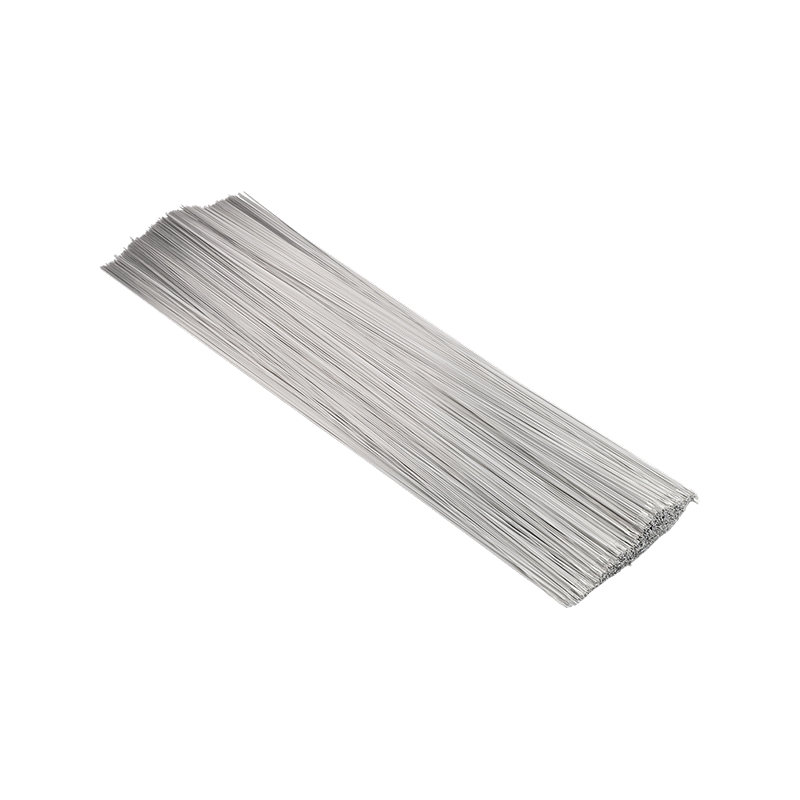
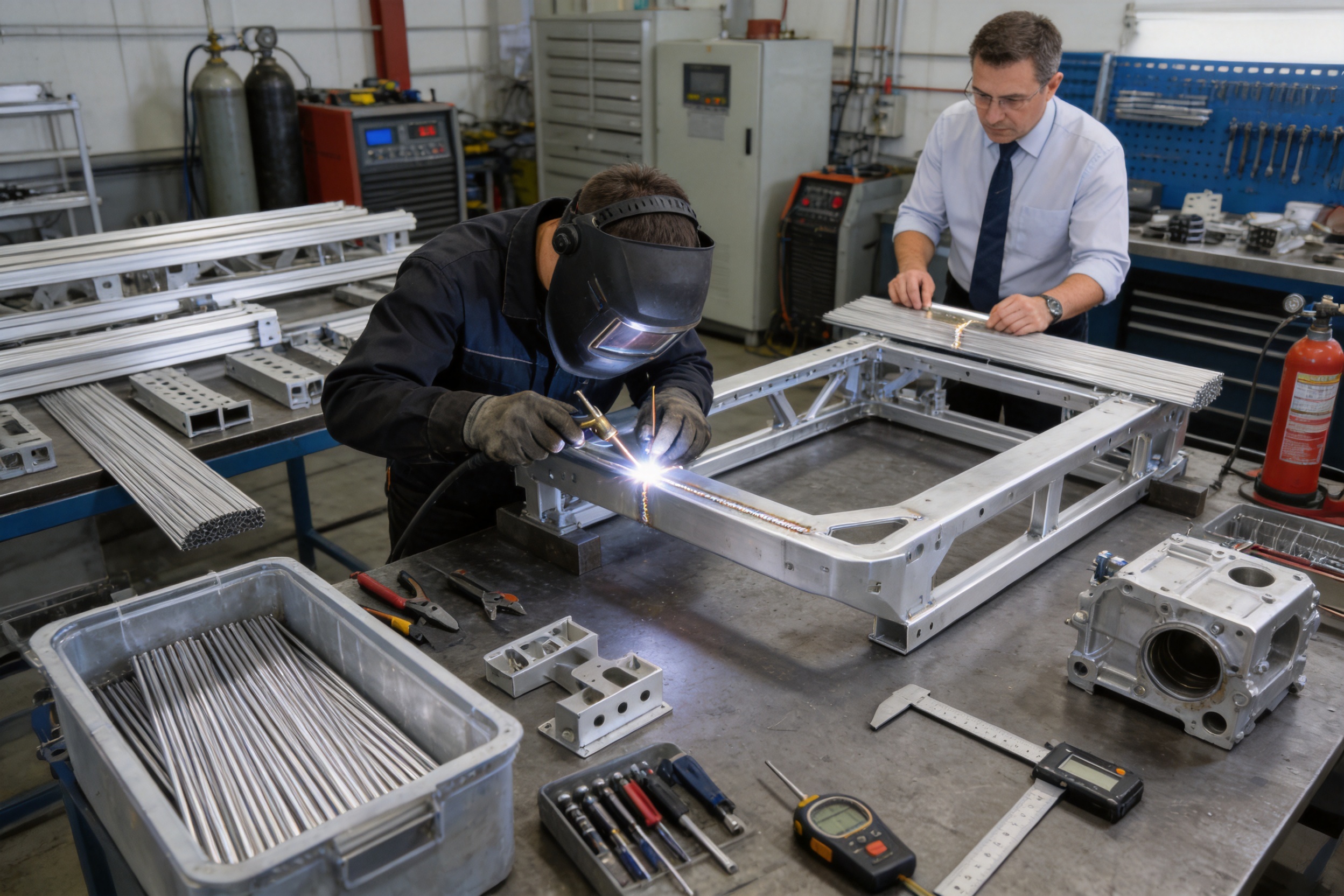
TIG wire is a solid filler metal used during TIG welding. Unlike consumable electrode welding processes, TIG welding uses a tungsten electrode that does not normally melt into the joint. The tungsten electrode creates and maintains the arc, while the filler wire is introduced separately by the welder when additional metal is required.
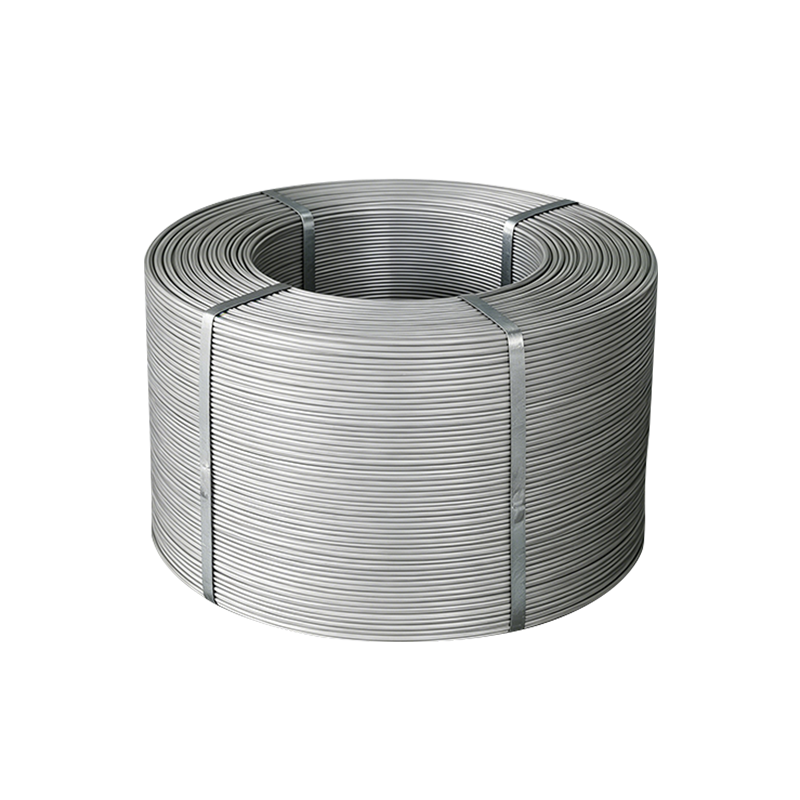
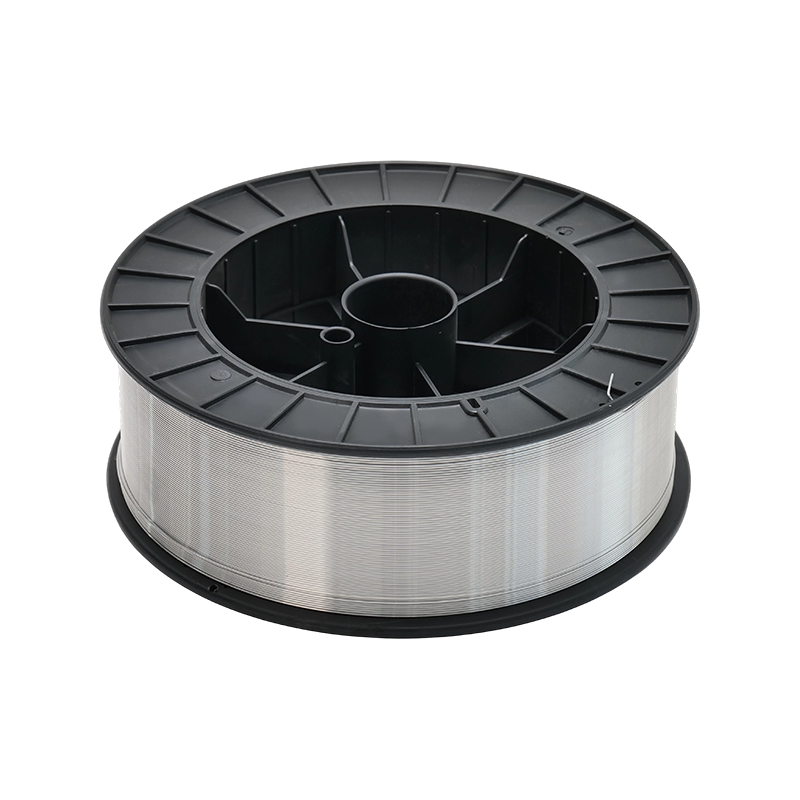
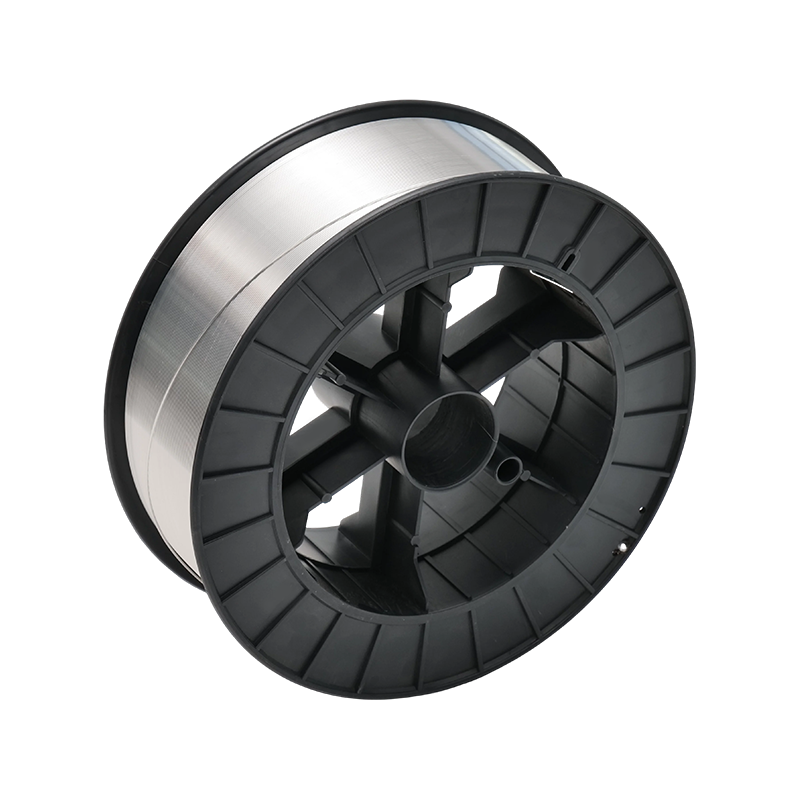
In aluminum welding, TIG wire is typically supplied as straight lengths or other application-appropriate forms. It is fed manually into the leading edge of the molten weld pool. The arc melts the base metal and filler wire together, creating a metallurgical bond as the pool cools and solidifies. Argon or another appropriate inert shielding gas protects the molten aluminum from atmospheric contamination.
The term “TIG wire” describes the application and welding process rather than one single chemical composition. Different aluminum alloys require different filler materials. The correct wire may be selected to match the base alloy, improve crack resistance, increase strength, enhance corrosion performance, control fluidity, or achieve a desired weld appearance. Therefore, a professional supplier must be able to support product selection according to base material, joint design, service environment, and applicable welding procedure.
For aluminum and aluminum alloy fabrication, TIG wire must be clean, dimensionally stable, and suitable for controlled addition to the weld pool. Surface contaminants such as oil, dust, moisture, oxide particles, or handling residue can cause porosity, inclusions, unstable arc behavior, and poor weld appearance. Consistent wire quality is therefore an essential part of the overall welding process.
The Role of TIG Wire in Aluminum Welding
Aluminum has several characteristics that make it valuable in modern manufacturing. It has low density, useful thermal and electrical conductivity, good corrosion resistance in many environments, and a high strength-to-weight ratio when alloyed and processed appropriately. These characteristics support applications where weight reduction, heat transfer, electrical performance, or design flexibility is important.
At the same time, aluminum can be more demanding to weld than many steels. Its high thermal conductivity rapidly draws heat away from the weld area. Its oxide layer has a much higher melting point than the underlying aluminum. The metal also expands significantly with heating and can be susceptible to distortion, porosity, and hot cracking when welding conditions or filler selection are unsuitable.
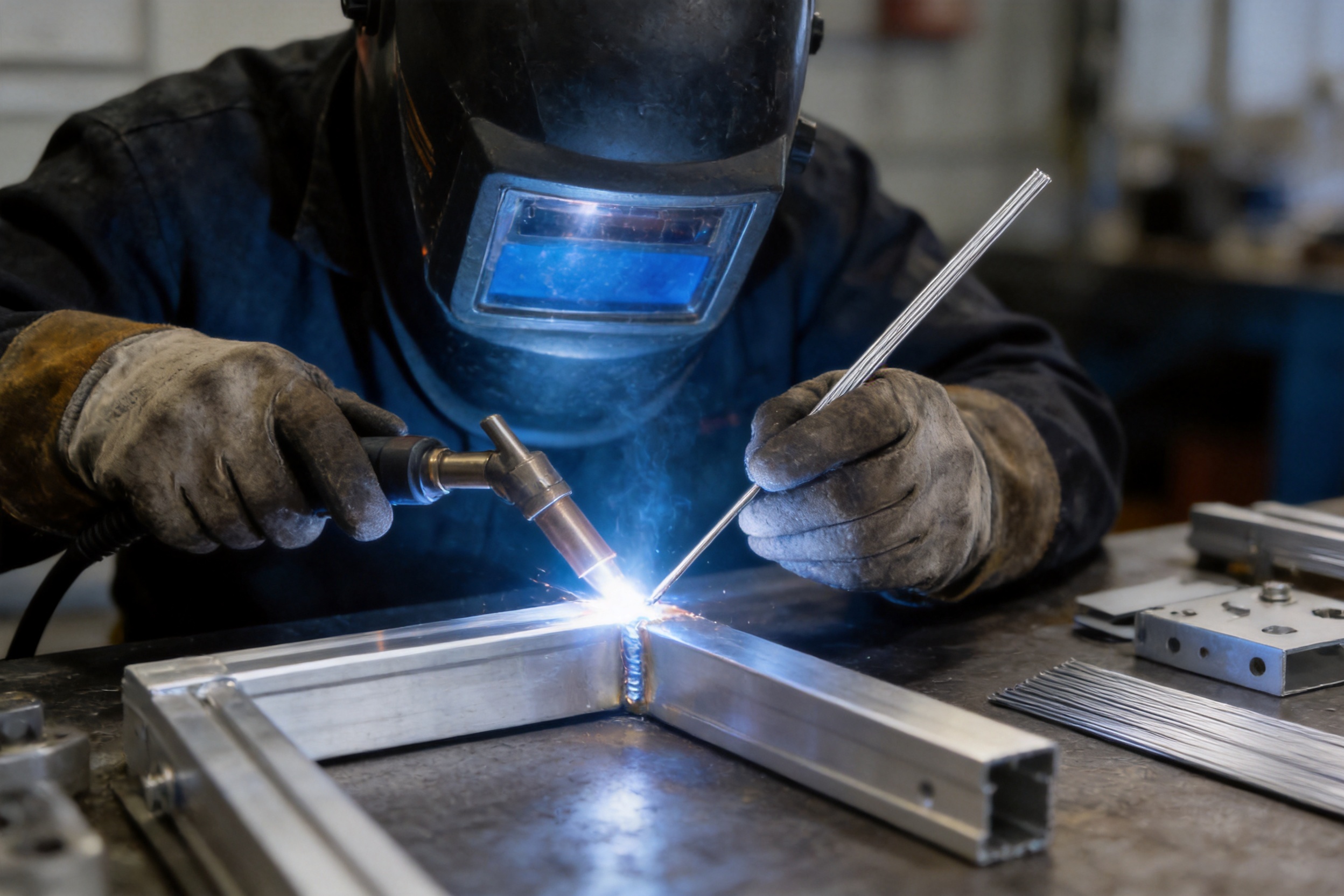
TIG welding gives the operator close control over arc energy and filler addition. This is particularly useful for thin materials, visible joints, root passes, precision assemblies, and parts where appearance matters. TIG wire complements this control by allowing the operator to add metal in small, measured quantities instead of relying on a continuously fed consumable electrode.
A correctly selected wire can help establish a stable weld profile, fill the joint effectively, and reduce the likelihood of cracking during solidification. It may also help produce a smoother transition between the weld metal and base metal. For demanding work, the filler metal should be selected as part of a complete welding procedure rather than treated as an interchangeable accessory.
Key Advantages of Aluminum TIG Wire
Controlled Filler Addition
One of the most important advantages of TIG wire is the ability to control filler addition manually. The welder can add more wire when a joint gap is larger, reduce the addition on thin sections, and adjust the feed rate according to the shape of the molten pool. This flexibility is valuable for complex geometries, short welds, tack welds, corner joints, and precision repair work.
Manual addition also allows the operator to respond immediately to changes in fit-up, heat input, and joint position. When the wire diameter and surface condition remain consistent, the welder can maintain a more predictable rhythm. This can improve bead uniformity and reduce the need for excessive grinding or rework.
Clean and Attractive Weld Appearance
TIG welding is recognized for its clean, controlled weld appearance. When the joint is properly prepared and the shielding gas is stable, the process can produce smooth beads with limited spatter. Aluminum TIG wire supports this advantage by providing a controlled source of compatible filler metal for visible or high-finish components.
Good appearance is not only a cosmetic benefit. A smooth weld profile can simplify inspection, reduce stress concentrations caused by irregular contours, and make subsequent finishing, coating, or cleaning operations easier. In architectural, transportation, food-processing, laboratory, and precision equipment applications, the visual quality of a weld may be an important part of the acceptance criteria.
Suitable for Thin and Precision Materials
TIG welding is often selected for thin aluminum sheet, small-diameter components, precision profiles, and assemblies where excessive heat input could cause distortion. A suitable TIG wire makes it possible to add only the amount of filler needed to support the joint. The welder can use a small wire diameter for delicate work and a larger diameter when more reinforcement or gap filling is required.
Thin aluminum remains sensitive to burn-through and distortion. Appropriate current control, travel speed, torch angle, shielding, and wire addition are still necessary. Nevertheless, the combination of a non-consumable tungsten electrode and separately supplied filler wire gives the operator a high degree of control compared with less precise welding methods.
Support for Aluminum Alloy Compatibility
Aluminum alloys differ in chemical composition, heat treatment, mechanical behavior, and welding response. A specialized TIG wire range can support multiple base-material families and application requirements. Depending on the intended use, filler metal selection may prioritize strength, ductility, corrosion resistance, crack resistance, fluidity, color compatibility, or ease of welding.
For this reason, buyers should not select TIG wire solely by diameter. The parent alloy, temper, service temperature, expected loading, corrosion environment, joint configuration, and applicable standards should also be considered. A knowledgeable manufacturer can help identify a practical material option and clarify whether a matching or non-matching filler is more suitable.
Reduced Spatter and Post-Weld Cleaning
TIG welding normally produces very little spatter compared with many consumable electrode processes. Clean TIG wire contributes to this characteristic by limiting the introduction of surface contamination into the arc and weld pool. Reduced spatter can shorten cleaning time and help preserve the appearance of surrounding surfaces.
It is important to understand that low spatter does not eliminate the need for preparation. Aluminum oxide must be managed through appropriate mechanical cleaning, degreasing, and process control. The filler wire should be stored in a clean, dry environment and protected from dust, moisture, and contact with unsuitable materials.
Efficient Use of Lightweight Materials
Aluminum welding materials are valuable in applications that seek lower overall structure weight. When aluminum components are joined successfully, designers can take advantage of aluminum’s low density without compromising the continuity of the assembly. TIG wire helps create controlled joints in fabricated parts, profiles, panels, frames, heat-related components, and other lightweight structures.
The final performance of a welded aluminum structure depends on design, base material, filler selection, heat treatment, and inspection. TIG wire is one part of that system, but it is an important part because the filler metal becomes a permanent component of the joint.
Why Manufacturing Quality Matters
Welding wire may appear simple, but small variations can have a noticeable effect on welding behavior. Differences in chemical composition, diameter, straightness, surface cleanliness, oxide condition, or packaging can influence arc stability and weld consistency. A professional manufacturing process must therefore control the product from raw material preparation through final inspection and shipment.
For aluminum TIG wire, manufacturing quality may be assessed through several characteristics. Chemical composition should remain within the required range for the selected alloy. The wire should have consistent dimensions and a surface suitable for clean feeding or manual addition. Packaging should protect the material from moisture and contamination. Identification should enable the customer to distinguish grades, sizes, batches, and production information where required.
Jiangsu Hetuo Aluminum Wire Co., Ltd. describes a production system covering high-purity aluminum wire, high-strength aluminum alloy wire, and aluminum and aluminum alloy welding materials. This product focus allows the company to develop process knowledge across related aluminum materials rather than treating welding wire as an isolated commodity.
Advanced Manufacturing Strengths
Intelligent Manufacturing System
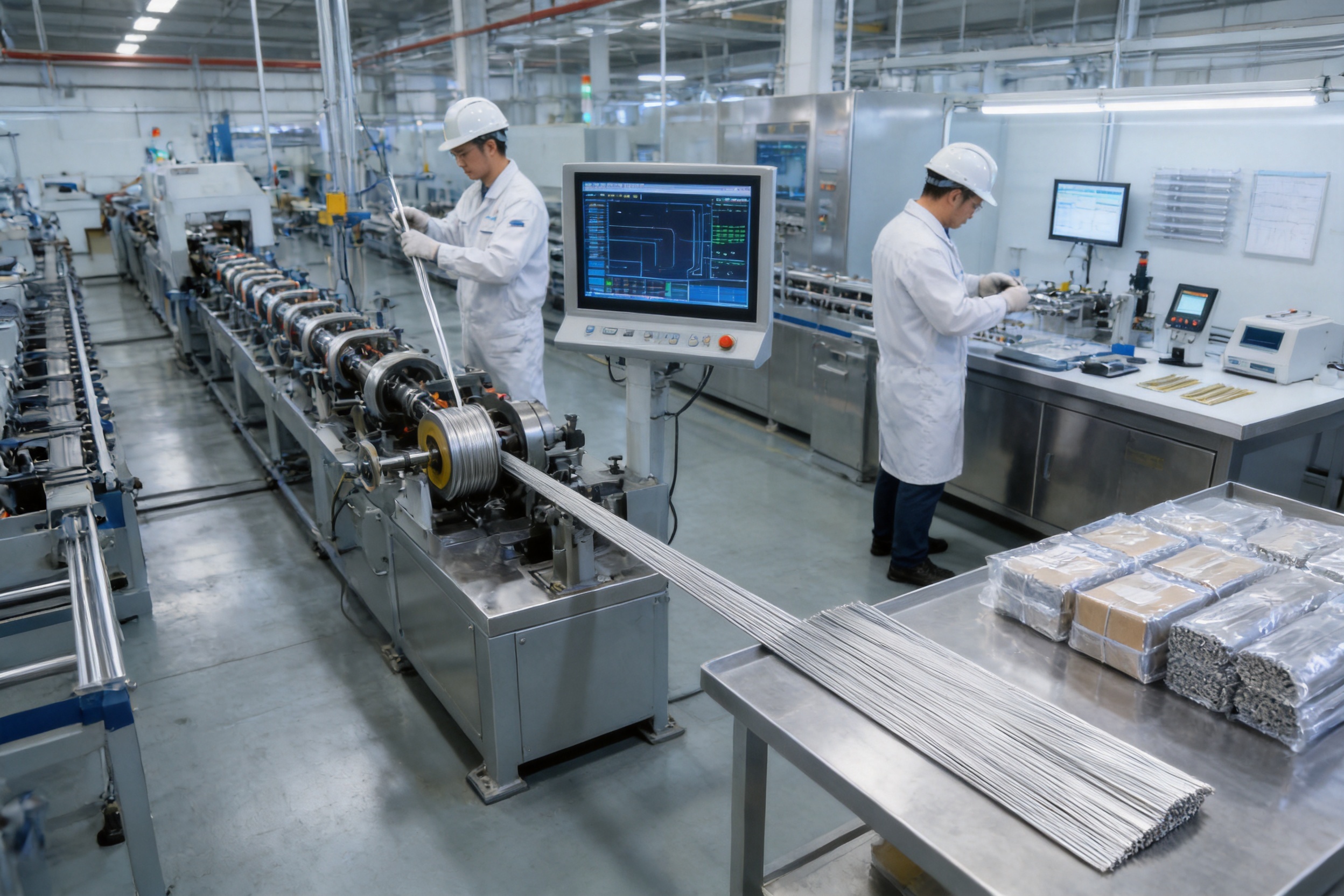
An intelligent manufacturing system can connect production planning, equipment operation, process monitoring, inspection, traceability, and warehouse management. In aluminum wire production, this type of system helps reduce avoidable variation and improves the ability to manage different product specifications.
Digital and automated controls can support more stable processing conditions. They can also help production teams identify deviations earlier, coordinate multiple process stages, and maintain records for quality review. While automation does not replace technical expertise, it gives experienced personnel better tools for monitoring and improving manufacturing performance.
For customers purchasing TIG wire in repeated quantities, process stability is especially important. A welding operation may be qualified using a particular wire, and unexpected variation between batches can create additional testing, adjustment, or approval work. A controlled manufacturing system helps support continuity from one order to the next.
Advanced Equipment and Facilities
The company states that it has introduced advanced equipment and facilities for aluminum alloy material production. Modern equipment can improve the control of material processing, drawing, straightening, cutting, surface handling, and packaging. The exact equipment configuration depends on the product specification, but the overall objective is to deliver accurate and repeatable results.
Equipment condition is closely related to product quality. Regular maintenance, calibration, cleaning, and process verification help prevent defects caused by mechanical wear or improper settings. For wire products, stable equipment operation can support consistent dimensions, smooth surfaces, and reliable handling characteristics.
Quality Inspection Throughout Production
Quality inspection is most effective when it is performed throughout the production process instead of only at the shipping stage. Incoming material verification, process checks, dimensional inspection, surface examination, chemical analysis, and final product review may all contribute to a stronger quality system.
In a welding wire operation, inspection planning should be appropriate to the product and customer requirements. Typical areas of attention may include alloy identity, chemical composition, diameter, length, straightness, surface condition, cleanliness, packaging integrity, and labeling. Additional tests may be arranged when required by a customer specification or industry application.
Jiangsu Hetuo Aluminum Wire Co., Ltd. reports that it strictly implements quality inspection throughout production. This approach is particularly valuable for customers that require stable welding performance, repeatable procurement, and documentation supporting internal quality procedures.
Quality Management Certifications
The company has obtained ISO 9001 and IATF 16949 quality management system certifications. ISO 9001 provides a widely recognized framework for quality management, process control, customer focus, corrective action, and continual improvement. IATF 16949 is associated with the automotive supply chain and emphasizes risk-based process management, defect prevention, traceability, and customer-specific requirements.
Certifications do not mean that every product is automatically suitable for every application. The customer must still select the correct wire alloy, dimension, and approval route. However, certified management systems can provide confidence that documented procedures, responsibilities, process controls, and improvement mechanisms are in place.
For automotive, transportation, equipment, and industrial customers, the presence of an IATF 16949-based quality system may be especially relevant when supplier qualification requires structured production controls. It can also support communication between the manufacturer and the customer regarding specifications, nonconformities, corrective action, and change management.
Product Consistency and Welding Performance
Chemical Composition Control
The filler alloy must be chemically appropriate for the intended application. Small differences in alloying elements can influence weld fluidity, strength, ductility, corrosion behavior, and solidification cracking sensitivity. A reliable supplier should identify the applicable alloy designation and provide available documentation according to the order requirements.
When a customer works with a qualified welding procedure, unexpected changes in filler composition can affect the procedure’s assumptions. For this reason, material certificates, batch identification, and communication about any approved material changes can be important elements of supply management.
Dimensional Accuracy
TIG wire is manually fed, so dimensional consistency affects handling and deposition control. If wire diameter varies noticeably, the amount of filler introduced with each movement can change. This can make it more difficult to maintain a uniform bead, especially on thin material or highly visible joints.
Accurate length and straightness are also useful for organized workshop handling and efficient packaging. Consistent dimensions support easier cutting, distribution, and storage. For automated or semi-automated TIG operations, dimensional stability may be even more important because the feeding mechanism depends on predictable material geometry.
Surface Cleanliness
Aluminum naturally forms an oxide layer, and this layer must be managed as part of the welding process. Additional contamination from oil, moisture, dust, or foreign metals can create serious problems. A clean filler wire reduces one potential source of contamination in the weld pool.
Customers should keep TIG wire sealed or protected until use. Open packages should not be left exposed in humid or dusty areas. Wire should be handled with clean gloves or tools when practical, and it should not be placed directly on dirty work surfaces. Good storage and handling practices preserve the benefits of factory cleanliness.
Packaging and Identification
Suitable packaging protects the wire during transport and storage. It should help prevent bending, surface damage, moisture exposure, and confusion between alloy grades or diameters. Labels should be clear enough for warehouse staff and welding operators to identify the product before use.
For larger industrial customers, packaging can also support inventory management. Batch numbers, product designations, dimensions, quantities, and production information may be organized according to the customer’s purchasing and traceability procedures. Packaging requirements should be confirmed in advance, particularly for export shipments or regulated projects.
Applications for TIG Wire
Precision Aluminum Fabrication
TIG wire is well suited to precision aluminum fabrication where joint appearance, dimensional control, and low spatter are important. Examples may include frames, small assemblies, brackets, housings, panels, profiles, and custom-fabricated components. The operator can carefully control heat and filler addition to reduce distortion and maintain a clean finish.
Transportation and Lightweight Structures
Aluminum alloys are used in transportation because reducing vehicle or equipment weight can support energy efficiency and payload objectives. TIG wire may be used in selected fabrication, repair, prototyping, and low-volume production operations involving aluminum structures and components.
Transportation applications often require strong process discipline. Joint design, welding procedure qualification, inspection, heat input, and material traceability should be managed according to the relevant project or industry requirements. The filler wire must be selected for the specific alloy and service conditions rather than simply chosen as a general-purpose product.
Industrial Equipment
Industrial equipment may use aluminum for corrosion resistance, thermal performance, low weight, or ease of fabrication. TIG welding provides a practical solution for clean joints and controlled repairs on many aluminum components. TIG wire supports both new fabrication and maintenance work when the correct filler is selected.
Heat-Transfer and Conductive Components
Aluminum’s thermal and electrical properties make it useful in heat-transfer and conductive applications. Welding requirements vary widely in these fields, and the filler metal may influence conductivity, mechanical performance, corrosion behavior, and dimensional stability. Engineering review is recommended when the welded area forms part of a thermal or electrical path.
Repair and Maintenance
Repair welding often involves uncertain joint conditions, variable wall thickness, contamination, or previously welded material. TIG wire can provide the fine control needed to build up damaged areas, close small defects, or restore the geometry of aluminum components. Before repair, the base alloy and service history should be investigated as far as possible.
Advantages Compared with Less Specialized Alternatives
A key advantage of a specialized aluminum TIG wire supplier is the ability to focus on the particular requirements of aluminum and aluminum alloy materials. General metal wire suppliers may offer broad product ranges, but they may not provide the same depth of experience in aluminum composition, surface control, welding behavior, and alloy-specific selection.
Compared with using an unsuitable or generic filler, properly selected TIG wire can reduce the risk of cracking, poor fusion, excessive porosity, unacceptable appearance, and premature rework. The value is not limited to the purchase price of the wire. Welding labor, inspection, downtime, rejected components, repair activity, and production delays can all exceed the initial material cost.
Compared with less controlled production, a manufacturer that combines advanced equipment, process inspection, certified quality systems, and aluminum-focused technical capability can offer greater supply confidence. This is particularly important when a customer requires repeat orders, stable performance across batches, export documentation, or integration into an established welding procedure.
Compared with a supplier that only distributes standard products, a manufacturing partner may be better positioned to discuss dimensions, packaging, production schedules, inspection documents, and technical adjustments. The ability to coordinate these matters directly with the factory can improve communication and reduce misunderstandings.
Recommended Welding Practices
Base Metal Preparation
Clean the joint area before welding. Remove oil, grease, paint, dust, and other contaminants with an appropriate cleaning method. Aluminum oxide should be removed or controlled using tools dedicated to aluminum so that iron or other foreign particles are not introduced into the joint.
Joint fit-up should be checked before striking the arc. Excessive gaps require more filler and heat, while poor alignment can increase distortion or reduce penetration. For thin materials, accurate fit-up is particularly important because there may be little tolerance for correction after welding begins.
Wire Preparation
Use the wire designation and diameter specified by the welding procedure or engineering instruction. Cut or handle the wire in a manner that avoids contamination. Do not drag it across dirty benches, allow it to contact wet surfaces, or mix it with other alloy grades.
If wire has been stored for a long time or exposed to unsuitable conditions, inspect it before use. Surface discoloration, dirt, moisture, damaged packaging, or unclear identification should be reviewed before the material is introduced into production.
Shielding Gas and Torch Control
Stable inert gas coverage is essential for TIG welding. Gas flow should be suitable for the torch, joint configuration, material thickness, and workplace conditions. Excessive drafts can disturb shielding and should be controlled. Gas hoses, regulators, cups, and connections should be checked for leaks or damage.
Torch angle, arc length, travel speed, and tungsten condition all influence weld quality. A consistent arc length helps maintain controlled heat input. The wire should be introduced into the leading edge of the molten pool rather than placed carelessly into the arc, which can cause contamination or irregular deposition.
Heat Input and Distortion Control
Aluminum conducts heat rapidly, and the operator may need to manage preheating, current, travel speed, sequence, and fixturing according to the material and joint. Excessive heat can cause distortion, burn-through, loss of dimensional accuracy, or undesirable changes in the heat-affected zone.
Short weld segments, balanced welding sequences, suitable tack welds, and appropriate clamps may help reduce distortion. The correct technique depends on the structure and alloy, so procedure development and testing should precede critical production work.
Inspection After Welding
Visual inspection can identify many problems, including undercut, lack of fill, irregular bead shape, excessive oxidation, crater cracking, surface porosity, and incomplete fusion indications. More advanced inspection may be required for safety-critical or highly regulated applications.
Inspection criteria should be established before production. They may include dimensional tolerances, surface appearance, weld size, discontinuity limits, mechanical test requirements, or non-destructive examination. The TIG wire supplier can provide material information, but the welding organization remains responsible for applying the correct procedure and inspection system.
How to Select the Correct TIG Wire
Identify the Parent Aluminum Alloy
The first step is to identify the base material accurately. The alloy designation, temper, thickness, product form, and prior heat treatment can all influence filler selection. If the base material is unknown, testing or consultation with the material supplier may be necessary.
Define the Required Weld Performance
Consider the mechanical loads, corrosion exposure, operating temperature, fatigue conditions, appearance requirements, and expected service life. A filler that performs well for a decorative assembly may not be suitable for a heavily loaded or corrosive service environment.
Confirm Wire Diameter
Diameter should be selected according to material thickness, joint gap, welding current, torch access, and operator control. Smaller diameters can support delicate work, while larger diameters can provide more filler for wider joints. The wire must remain easy to handle without overheating or disrupting the weld pool.
Review Standards and Documentation
Industrial customers may require compliance with specific national, international, customer, or project standards. Confirm the required designation, test reports, certificates, packaging, labeling, and inspection records before ordering. If the product will be used in a qualified welding procedure, document review should be included in the approval process.
Discuss Production and Delivery Needs
For regular supply, customers should communicate forecast quantities, preferred packaging, delivery schedules, and batch requirements. Early communication helps the manufacturer plan production and reduce the risk of urgent substitutions. It also allows technical questions to be resolved before material is shipped.
Company Manufacturing and Service Capabilities
Jiangsu Hetuo Aluminum Wire Co., Ltd. was established in 2019 and is located in the Guannan Economic Development Zone of Lianyungang, Jiangsu Province, China. The company operates from a manufacturing base of approximately 40,000 square meters and has a workforce of about 60 employees, including professional managers and technicians.
The company’s product structure includes high-purity aluminum wire, high-strength aluminum alloy wire, and aluminum and aluminum alloy welding materials. This combination reflects a focus on aluminum-based material solutions rather than a single narrow product category. Its stated specialties include high-grade aluminum alloy rods, welding wires, and precision profiles.
Customer needs are described as a central guide for product development and service. This orientation is important in welding material supply because customers may require more than a standard product listing. They may need help with grade selection, dimensions, packaging, documentation, sample evaluation, production timing, or application-specific communication.
The company reports that its products meet international quality standards and are exported to high-end overseas markets. International supply requires attention to consistent specifications, export packaging, documentation, communication, and delivery coordination. These requirements can be valuable indicators of a manufacturer’s ability to support customers beyond its domestic market.
Its ISO 9001 and IATF 16949 certifications further support a structured approach to quality management. The combination of a dedicated production site, technical personnel, advanced equipment, inspection throughout production, and an aluminum-focused product portfolio gives customers a foundation for evaluating the company as a long-term welding material supplier.
Purchasing Benefits for Industrial Customers
Industrial customers often measure supplier value through total cost rather than unit price alone. A consistent TIG wire can reduce setup adjustments, improve welder productivity, limit rework, and support more predictable inspection results. Stable packaging and identification can also lower warehouse errors and material mix-ups.
A manufacturer with multiple aluminum product categories may be able to support broader sourcing needs. Customers purchasing welding wire alongside aluminum wire, rods, or profiles may simplify supplier communication and coordinate material requirements through one technical organization. This can be useful for fabricators that work with several aluminum product forms.
Supplier responsiveness is another practical advantage. When a customer has a question about alloy choice, wire size, surface condition, documentation, or delivery, direct communication with a manufacturer can provide a clearer path to resolution. Technical information should always be confirmed against the customer’s design and welding standards, but prompt communication can shorten the decision process.
For overseas buyers, the supplier’s export experience can help with order coordination and shipping preparation. Customers should still provide complete requirements, including destination, packaging expectations, labeling, documents, and any applicable import or compliance conditions.
Quality and Storage Recommendations
After receiving TIG wire, inspect the outer packaging for damage, moisture, punctures, or signs of mishandling. Verify product identification against the purchase order and accompanying documents. Store the material in a dry, clean area with stable conditions and protect it from condensation.
Keep different alloy grades and diameters clearly separated. Mixing materials can create serious welding and traceability problems. Inventory should be rotated so that older material is used appropriately, while opened packages should be resealed or otherwise protected from workplace contamination.
Do not place wire directly on concrete floors or near chemical vapors, water sources, grinding dust, or operations that generate metallic particles. Good storage discipline is especially important for aluminum welding materials because surface cleanliness affects weld performance.
Technical Communication Before Ordering
A useful inquiry should include the base aluminum alloy, required filler designation, wire diameter, straight length or other form, order quantity, packaging preference, application, inspection requirements, destination, and target delivery schedule. If the customer is uncertain about the filler alloy, the inquiry should describe the parent material and service conditions in as much detail as possible.
Drawings, welding procedure specifications, material standards, sample requirements, and customer-specific quality clauses should be shared when applicable. This information allows the manufacturer to evaluate the order accurately rather than making assumptions from a product name alone.
Customers should also clarify whether the wire is intended for manual TIG welding, automated TIG welding, repair work, laboratory evaluation, prototype production, or continuous industrial use. The same basic filler material may require different packaging, quantity planning, or documentation depending on the application.
Frequently Asked Questions
What is TIG wire used for?
TIG wire is used as a separate filler metal during tungsten inert gas welding. It is commonly used to join aluminum and aluminum alloy components when the operator requires precise control of filler addition, heat input, and weld appearance.
Is TIG wire the same as a tungsten electrode?
No. The tungsten electrode creates the arc and is designed to remain non-consumable during normal welding. TIG wire is the separate filler metal that is added to the molten weld pool when the joint requires additional material.
Can one aluminum TIG wire be used for every aluminum alloy?
No. Aluminum alloys have different compositions and welding characteristics. The correct filler depends on the parent alloy, joint design, mechanical requirements, corrosion environment, appearance requirements, and applicable standards. The filler should be confirmed before production welding.
What are the main advantages of aluminum TIG wire?
Main advantages include controlled filler addition, clean weld appearance, suitability for precision and thin-material work, low spatter, support for aluminum alloy fabrication, and the ability to select filler properties according to the application.
Why is wire surface cleanliness important?
Contamination from oil, dust, moisture, or foreign particles can contribute to porosity, inclusions, unstable welding behavior, and poor weld appearance. Clean wire, proper joint preparation, and suitable storage all help reduce contamination risks.
What wire diameter should be selected?
Wire diameter depends on the base-material thickness, joint gap, welding current, joint design, torch access, and required deposition rate. Smaller diameters are often useful for thin or precise work, while larger diameters may be appropriate for wider joints or higher filler requirements.
Does TIG wire require special storage?
It should be stored in a clean, dry, protected environment. Keep packages closed until use, avoid condensation and dust, separate different grades, and protect the wire from contact with dirty or wet surfaces.
What quality certifications does the manufacturer have?
Jiangsu Hetuo Aluminum Wire Co., Ltd. reports ISO 9001 and IATF 16949 quality management system certifications. Customers should confirm the current certification scope and any product-specific documentation needed for their project.
Can the manufacturer support overseas customers?
The company reports that its aluminum products are exported to overseas high-end markets. International customers should provide destination, packaging, labeling, documentation, quantity, and delivery requirements so that export arrangements can be evaluated accurately.
Can TIG wire be used for repair welding?
It can be used for many aluminum repair applications, provided that the base alloy, service history, defect condition, and repair procedure are properly assessed. Critical repairs may require engineering approval, procedure qualification, and non-destructive examination.
What information should be included in a quotation request?
Include the required alloy or parent-metal information, diameter, length or form, quantity, packaging, application, standards, certificates, destination, and delivery expectations. Providing complete information helps the supplier recommend an appropriate product and prepare an accurate quotation.
Conclusion
TIG wire is a critical aluminum welding material for applications that require precision, cleanliness, controlled filler addition, and a dependable weld appearance. Its performance is influenced by alloy selection, chemical composition, dimensional accuracy, surface condition, packaging, storage, and welding procedure control. A suitable filler can help fabricators take advantage of aluminum’s low weight, corrosion resistance, conductivity, and design flexibility while managing the technical challenges of aluminum welding.
Jiangsu Hetuo Aluminum Wire Co., Ltd. combines an aluminum-focused product portfolio with an intelligent manufacturing system, advanced equipment, inspection throughout production, and ISO 9001 and IATF 16949 quality management system certifications. Its 40,000-square-meter facility, technical personnel, and experience in high-purity aluminum wire, high-strength aluminum alloy wire, welding materials, rods, and precision profiles provide a strong foundation for serving industrial and international customers.
The best TIG wire is not simply the least expensive or most widely available option. It is the product that matches the parent alloy, application requirements, welding procedure, documentation needs, and supply expectations. By communicating these requirements clearly and selecting a supplier with controlled aluminum manufacturing capabilities, customers can improve welding consistency, reduce avoidable rework, and build a more reliable material supply chain.
References
American Welding Society. Welding Fundamentals and Gas Tungsten Arc Welding Practice. Industry technical guidance and training materials.
International Organization for Standardization. ISO 9001: Quality Management Systems—Requirements.
International Automotive Task Force. IATF 16949: Quality Management System Requirements for Automotive Production and Relevant Service Parts Organizations.
International Organization for Standardization. Welding and Allied Processes—General Principles for Aluminum and Aluminum Alloy Welding.
ASM International. Aluminum and Aluminum Alloys: Materials Selection, Welding, and Fabrication Principles.
Aluminum Association. Aluminum Design and Fabrication Guidance for Engineering Applications.
Manufacturer-provided company information and product description for aluminum TIG wire, aluminum alloy wire, and aluminum welding materials.