

 English
 中文简体
中文简体 русский
 Deutsch
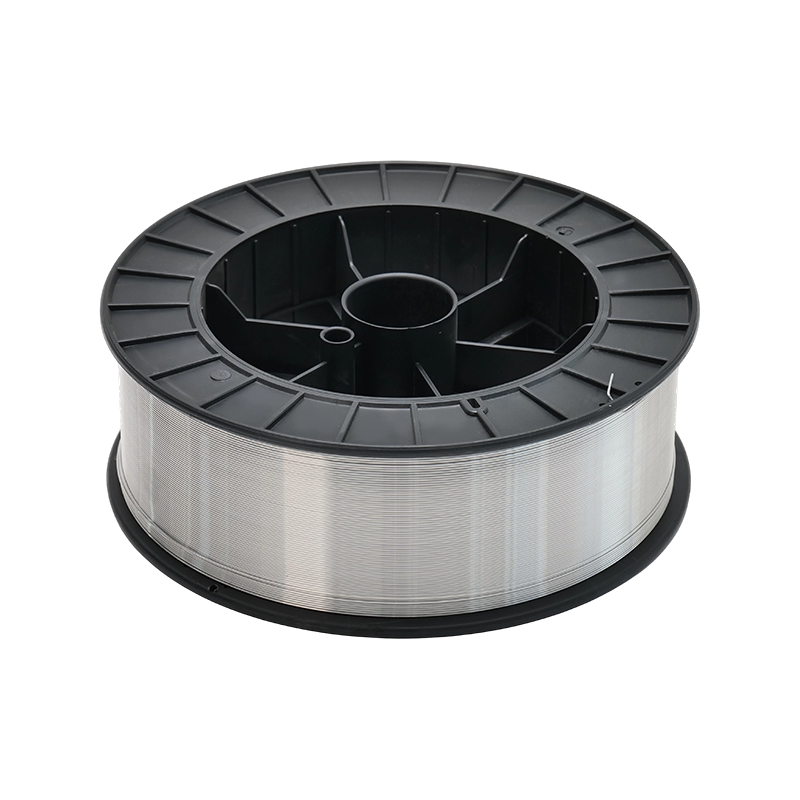
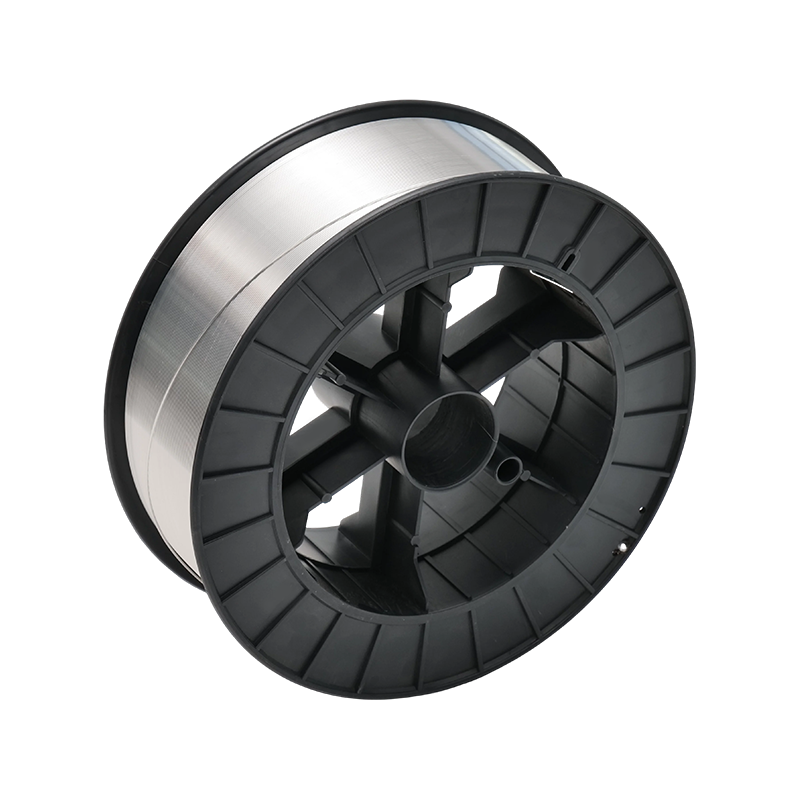
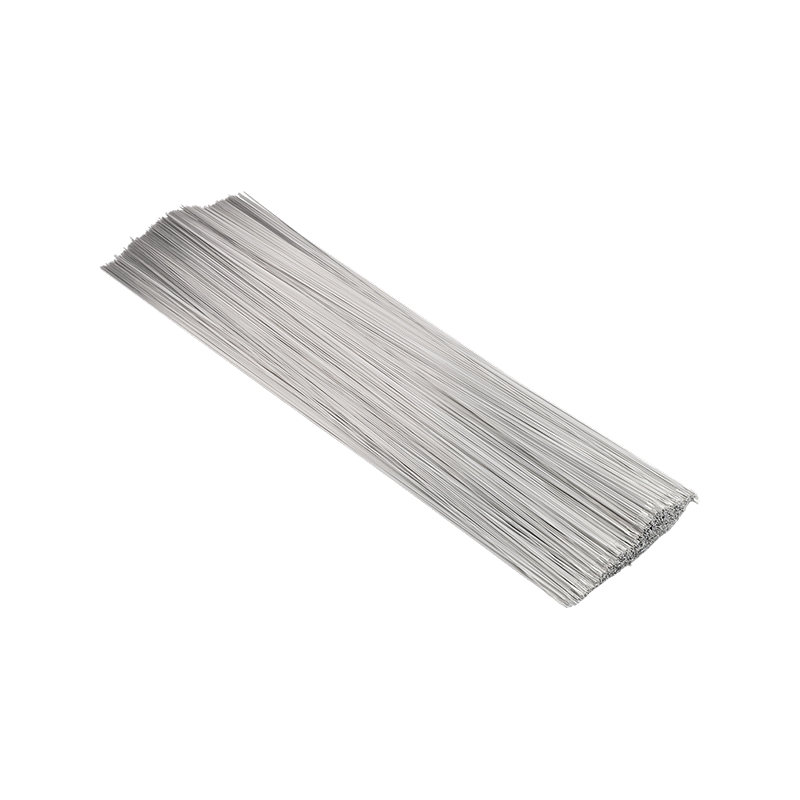
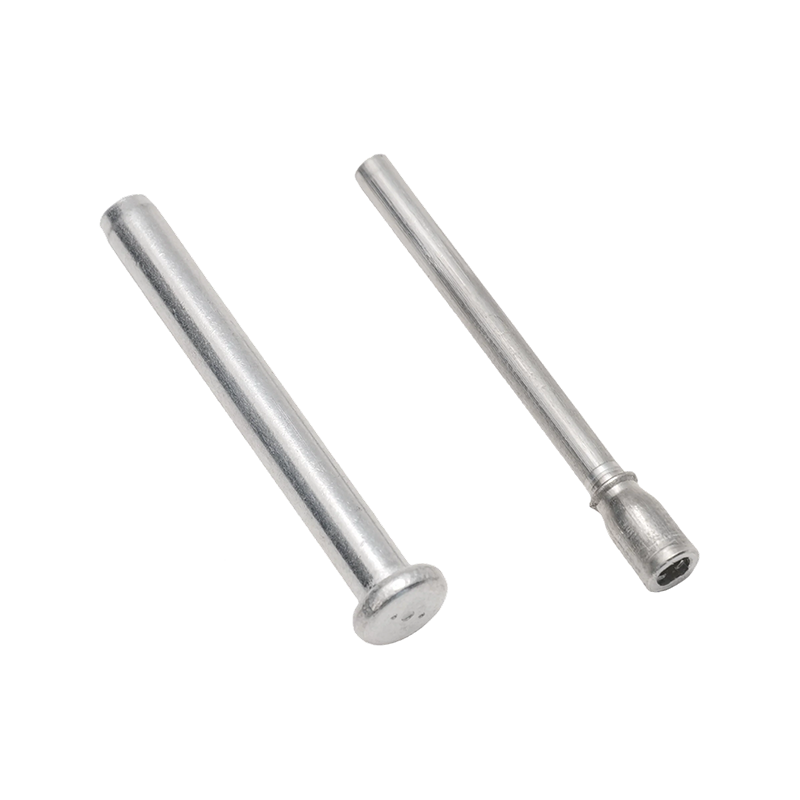
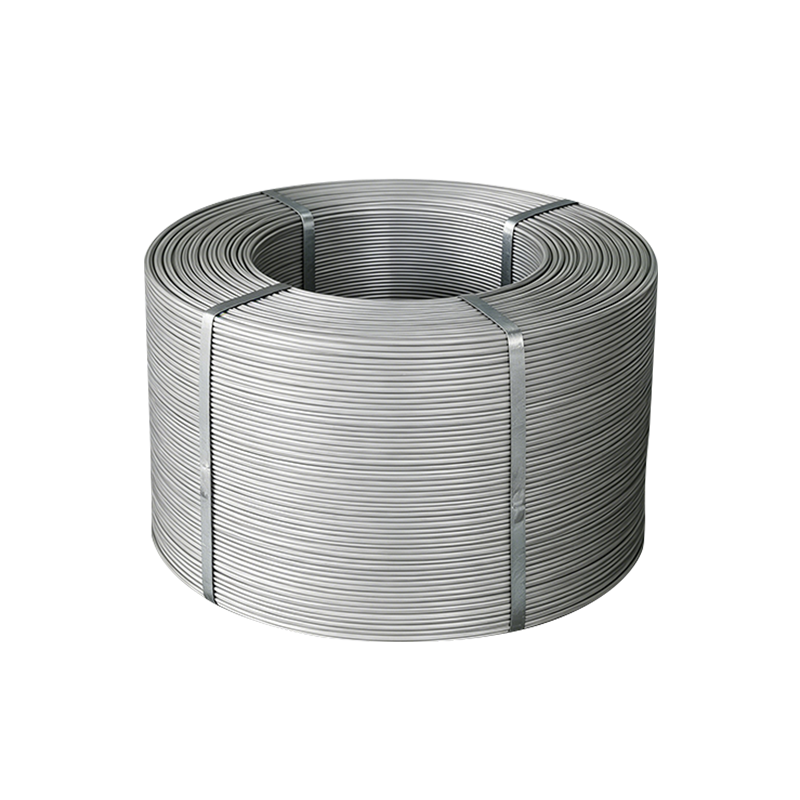
AlMg6 aluminum alloy wire is a high-strength aluminum-magnesium alloy wire engineered for demanding industrial applications where mechanical performance, weldability, corrosion resistance, and stable processing behavior must work together. With magnesium as its primary strengthening element and controlled additions such as manganese, titanium, and beryllium, AlMg6 wire is designed for use in aviation, aerospace, defense, shipbuilding, automobiles, armored vehicles, tanks, and other high-performance manufacturing fields.
In industries where lightweight structures must withstand stress, vibration, humidity, salt exposure, temperature variation, and repeated fabrication processes, material selection is critical. AlMg6 aluminum alloy wire offers a strong balance between strength and practical workability. It supports reliable forming and welding while maintaining good resistance to exfoliation corrosion, making it suitable for structural and joining applications in harsh environments.
Jiangsu Hetuo Aluminum Wire Co., Ltd. manufactures AlMg6 aluminum alloy wire as part of its high-strength aluminum alloy wire product range. The company has developed an intelligent manufacturing system covering high-purity aluminum wire, high-strength aluminum alloy wire, and aluminum and aluminum alloy welding materials. Its production capability, quality management system, technical team, and process control provide a strong foundation for stable product quality and long-term customer cooperation.
Content
- 1 Product Overview
- 2 Chemical Composition of AlMg6 Aluminum Alloy Wire
- 3 Why AlMg6 Wire Offers Advantages Over Conventional Alternatives
- 4 Performance Characteristics
- 5 Applications in Key Industries
- 6 Manufacturing Strengths Behind Product Quality
- 7 Comparison with Other Aluminum Alloy Wire Grades
- 8 Surface Quality, Feeding Stability, and Fabrication Reliability
- 9 Sustainability and Lightweight Material Value
- 10 How Customers Benefit from Choosing a Specialized Manufacturer
- 11 Typical Purchasing Considerations
- 12 Q&A Section
- 12.1 What is AlMg6 aluminum alloy wire?
- 12.2 What are the main advantages of AlMg6 wire?
- 12.3 Why is magnesium important in AlMg6?
- 12.4 Is AlMg6 wire suitable for marine environments?
- 12.5 How does AlMg6 compare with pure aluminum wire?
- 12.6 Why is controlled chemical composition important?
- 12.7 What manufacturing strengths support the quality of this product?
- 12.8 Can AlMg6 wire be used in automotive applications?
- 12.9 What industries commonly use AlMg6 aluminum alloy wire?
- 12.10 Why choose a specialized aluminum wire manufacturer?
- 13 Conclusion
- 14 References
- 15 Product: AlMg6 Aluminum Alloy Wire
Product Overview
AlMg6 aluminum alloy wire belongs to the aluminum-magnesium alloy family. It is characterized by a relatively high magnesium content, typically within the range of 5.8% to 6.8%, which contributes to its strengthening effect. Unlike pure aluminum wire, which is mainly valued for conductivity, softness, and corrosion resistance, AlMg6 wire is selected when higher strength and better structural performance are required.
The product is mainly used in fields where lightweight metallic materials need to deliver dependable service performance. Aviation and aerospace structures require materials that can reduce weight while maintaining safety margins. Marine and shipbuilding applications require materials that resist corrosion in humid or saline environments. Military vehicles, automobiles, and tanks require materials that can support strength, weldability, and manufacturing efficiency. AlMg6 aluminum alloy wire is suited to these requirements because it combines corrosion resistance, welding compatibility, and mechanical reinforcement.
The composition of AlMg6 wire reflects this balance. Silicon and iron are controlled to limited values, copper is kept low, manganese is added for strengthening and stability, magnesium provides the main alloy strengthening contribution, zinc is restricted, titanium is controlled for grain refinement, and beryllium is present in a very small controlled range. Aluminum remains the balance of the alloy.
Chemical Composition of AlMg6 Aluminum Alloy Wire
The chemical composition is one of the most important reasons for the performance of AlMg6 aluminum alloy wire. Every element plays a role in processing behavior, corrosion resistance, weldability, and final mechanical properties. Consistent composition control is therefore essential for manufacturers and end users who require reliable material performance batch after batch.
| Element | Typical Content | Functional Significance |
| Si | 0.40 max | Controlled to help maintain stable processing and avoid excessive brittle phases. |
| Fe | 0.40 max | Limited to support product consistency and reduce negative effects on ductility. |
| Cu | 0.10 max | Kept low to help preserve corrosion resistance in demanding environments. |
| Mn | 0.5-0.8 | Improves strengthening, stability, and resistance to deformation-related issues. |
| Mg | 5.8-6.8 | Main strengthening element, providing high strength in the aluminum alloy system. |
| Zn | 0.20 max | Controlled to maintain corrosion resistance and alloy balance. |
| Ti | 0.1-0.2 | Supports grain refinement and processing stability. |
| Be | 0.002-0.005 | Micro-addition controlled for specific alloy processing characteristics. |
| Al | Balance | Base metal providing light weight, corrosion resistance, and formability. |
Why AlMg6 Wire Offers Advantages Over Conventional Alternatives
AlMg6 aluminum alloy wire stands out because it is not a general-purpose wire. It is formulated for high-strength service conditions and for customers who require dependable aluminum alloy performance rather than simple metallic filler or low-strength wire. Its combination of magnesium strengthening, controlled impurity levels, corrosion resistance, and weldability makes it competitive in applications where weaker aluminum wires or less controlled alloys may not be sufficient.
Compared with ordinary aluminum wire, AlMg6 wire provides significantly better strength potential. Pure aluminum wire is easy to process and highly conductive, but it cannot provide the same structural capability as a magnesium-strengthened alloy. When the application involves load-bearing components, dynamic stress, vibration, or high-performance welded structures, AlMg6 is a more suitable choice.
Compared with some lower-magnesium aluminum alloy wires, AlMg6 offers stronger strengthening because of its higher magnesium range. The 5.8% to 6.8% magnesium content gives it a strong position among aluminum-magnesium wires, especially for applications that require enhanced mechanical resistance without moving into heavier materials. This is particularly valuable in transportation and aerospace-related industries, where weight reduction remains a major engineering goal.
Compared with poorly controlled alloy wire from less advanced manufacturing environments, AlMg6 wire produced under strict quality management has improved batch consistency. The value of an alloy is not only its nominal composition but also the ability to maintain that composition and physical quality during melting, casting, rolling, drawing, inspection, packaging, and delivery. A wire that varies from batch to batch can create welding instability, processing interruptions, and inconsistent final product performance. A controlled manufacturing system reduces these risks.
Another advantage is corrosion performance. AlMg6 wire has good exfoliation corrosion resistance, which is important in layered or worked aluminum structures exposed to aggressive environments. In marine, defense, and aerospace applications, corrosion resistance can be as important as initial strength. A material that performs well during fabrication but deteriorates rapidly in service can increase maintenance cost and safety risk. AlMg6 helps address this concern through its aluminum-magnesium chemistry and controlled low-copper design.
Weldability is also central to its value. Many high-strength materials are difficult to weld or require complex procedures. AlMg6 provides a practical balance by offering strength and weldability together. This makes it attractive for manufacturers who need efficient production, stable joining, and dependable finished structures.
Performance Characteristics
High Strength from Magnesium Alloying
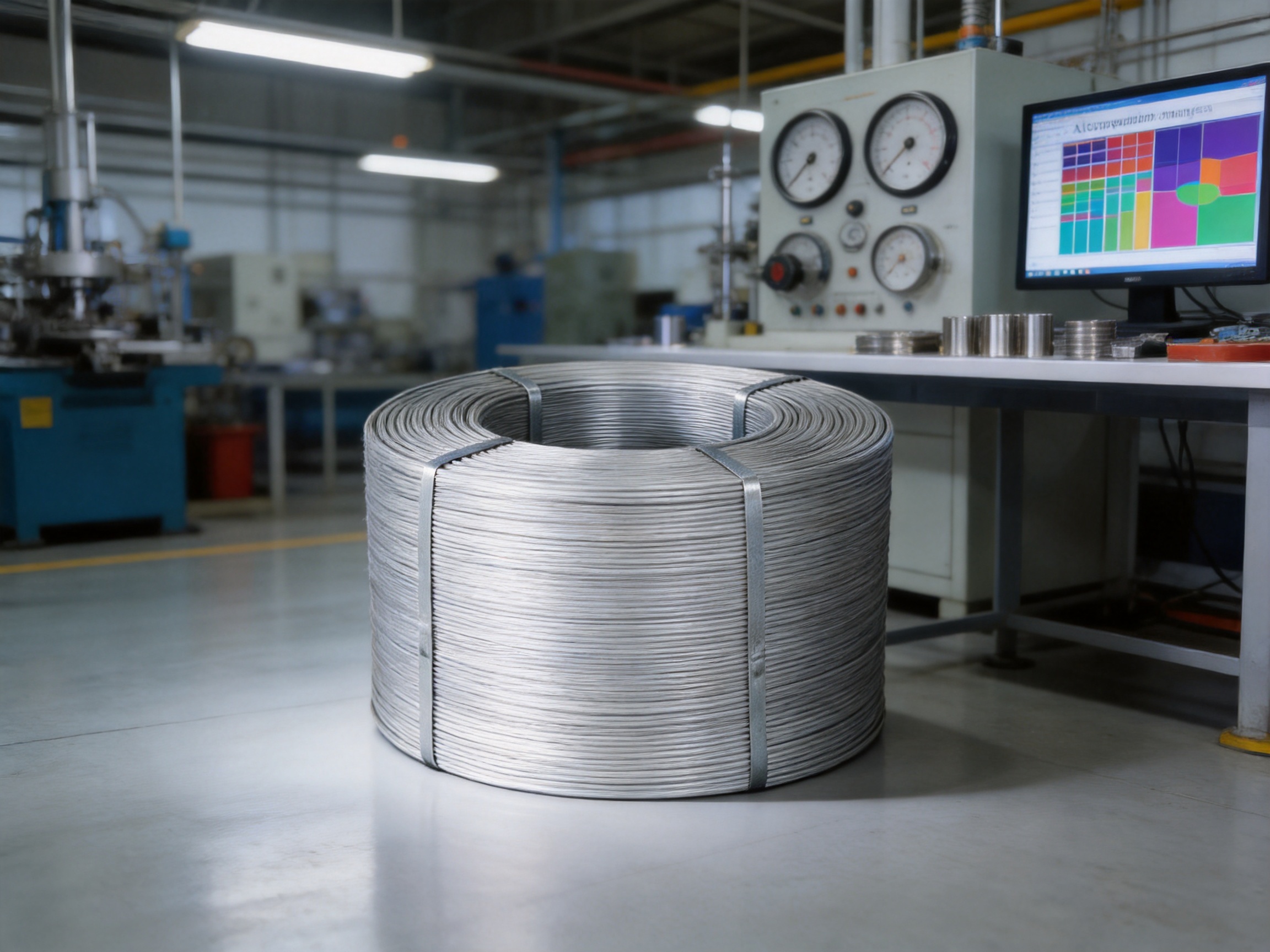
The primary performance feature of AlMg6 aluminum alloy wire is its strengthening effect. Magnesium is one of the most effective alloying elements used in aluminum-magnesium alloys. In AlMg6, the magnesium content is high enough to provide meaningful strengthening while still preserving the useful processing characteristics of aluminum.
This strength advantage supports applications in structural assemblies, welded frameworks, transportation components, and high-performance industrial products. In sectors such as aerospace and defense, every reduction in weight can improve efficiency, mobility, or payload capacity. AlMg6 provides the opportunity to replace heavier material solutions in suitable designs while retaining the strength needed for demanding service.
Good Exfoliation Corrosion Resistance
Exfoliation corrosion is a serious concern for certain aluminum alloys, especially in worked products and layered microstructures exposed to corrosive environments. The provided material description specifically identifies AlMg6 as having good exfoliation corrosion resistance. This characteristic is important for aviation, marine, military, and transportation applications where environmental exposure is unavoidable.
Good corrosion resistance can reduce maintenance frequency, extend component service life, and support safer long-term use. In shipbuilding, marine humidity and salt exposure place continuous stress on metallic materials. In aircraft and aerospace structures, humidity, condensation, and atmospheric contaminants can affect long-term durability. In military and vehicle applications, exposure to mud, water, chemicals, and outdoor environments requires materials that can resist degradation.
Reliable Weldability
AlMg6 aluminum alloy wire is also valued for weldability. Weldability is not simply the ability to melt and join the wire; it includes arc stability, compatibility with base materials, consistency during feeding, predictable fusion behavior, and the quality of the final welded joint. A wire used in professional fabrication must support repeatable production conditions.
Controlled chemistry is especially important in welding materials. Excessive impurities, inconsistent alloying element content, surface contamination, or poor wire dimensional control can produce welding defects. These may include porosity, cracking, spatter, poor bead formation, unstable feeding, or inconsistent mechanical properties. By using advanced production and quality inspection processes, the manufacturer supports stable welding performance for demanding users.
Lightweight Engineering Value
Aluminum alloys are widely selected because they provide a high strength-to-weight ratio. AlMg6 aluminum alloy wire contributes to lightweight engineering because it combines the low density of aluminum with alloy strengthening. In automotive and aerospace industries, lower mass can improve fuel efficiency, range, handling, payload, and energy consumption. In defense and marine fields, lighter structures can improve maneuverability and reduce operational burden.
While weight reduction is important, it cannot come at the expense of reliability. AlMg6 is positioned as a material for customers who need both lightweight design and strength. It allows engineers and manufacturers to develop components that support modern performance expectations while using a material system with established industrial value.
Applications in Key Industries
Aviation and Aerospace
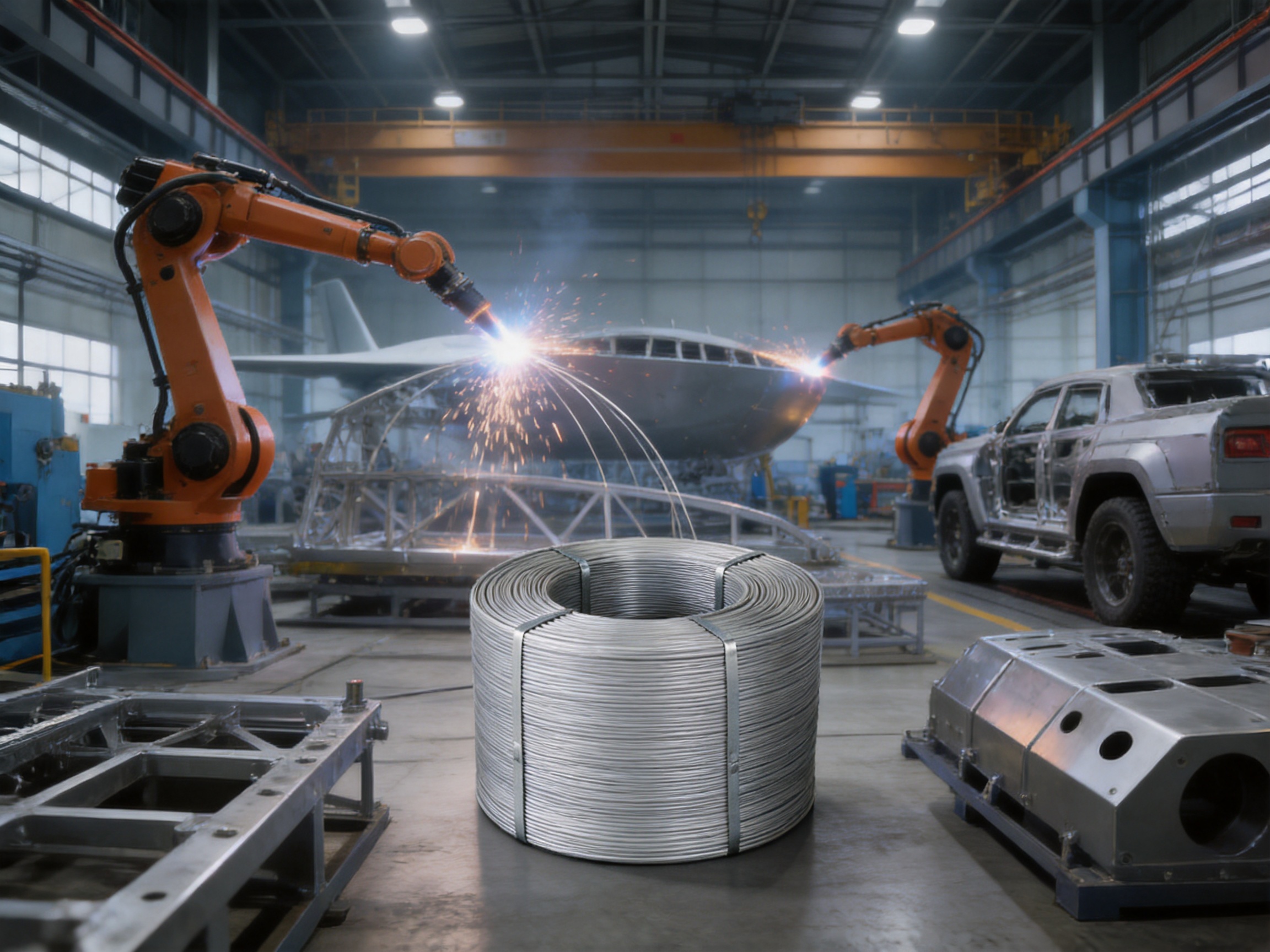
Aviation and aerospace applications demand materials that can perform under strict quality expectations. Components and welded structures may face vibration, fatigue, temperature changes, atmospheric exposure, and mechanical load. AlMg6 aluminum alloy wire is suitable for these industries because it offers strength, corrosion resistance, and weldability.
In aerospace manufacturing, material consistency is essential. Even small deviations in chemical composition or surface quality can influence fabrication behavior. A carefully produced AlMg6 wire supports more predictable processing, which is valuable for manufacturers working with strict technical specifications and production documentation.
Military and Defense Equipment
Military applications often require materials with high reliability under harsh conditions. Vehicles, tanks, field equipment, and structural systems can be exposed to impact, vibration, moisture, dirt, and outdoor storage. AlMg6 wire supports these applications with high-strength aluminum alloy performance and corrosion resistance.
Defense manufacturers also value repeatability. When producing parts or welded assemblies for critical equipment, consistent wire quality reduces uncertainty. Stable alloy chemistry, dimensional control, and clean surface quality contribute to dependable manufacturing outcomes.
Shipbuilding and Marine Structures
Marine environments are among the most demanding for metallic materials. Salt water, humidity, and continuous exposure to moisture can accelerate corrosion. Aluminum-magnesium alloys are widely used in marine-related applications because they provide useful resistance to corrosion while remaining lightweight.
AlMg6 aluminum alloy wire is particularly relevant for shipbuilding because it combines weldability with corrosion resistance. Welded marine structures require filler materials and wires that can perform reliably during fabrication and resist environmental attack during service. The good exfoliation corrosion resistance of AlMg6 adds practical value for vessels and marine equipment.
Automobiles and Transportation
The automotive industry is moving toward lighter, stronger, and more sustainable material solutions. Aluminum alloys help reduce vehicle weight, which can improve fuel economy in traditional vehicles and extend driving range in electric vehicles. AlMg6 wire supports this trend by providing a high-strength aluminum alloy option for manufacturers that require weldability and structural performance.
Automotive production also requires efficiency. Materials must be compatible with high-volume production systems and quality control requirements. A wire with stable composition and reliable surface quality can help reduce production interruptions, welding defects, and rework.
Tanks and Heavy-Duty Vehicles
Tanks and heavy-duty vehicles need materials that withstand severe mechanical and environmental conditions. While steel remains common in many heavy-duty structures, aluminum alloys are valuable where weight reduction, corrosion resistance, and fabricability are important. AlMg6 aluminum alloy wire can contribute to welded assemblies and components requiring these properties.
In such applications, the material must be more than strong. It must also be practical to process, consistent in production, and resistant to environmental deterioration. AlMg6 offers this combination, making it suitable for specialized manufacturing environments.
Manufacturing Strengths Behind Product Quality
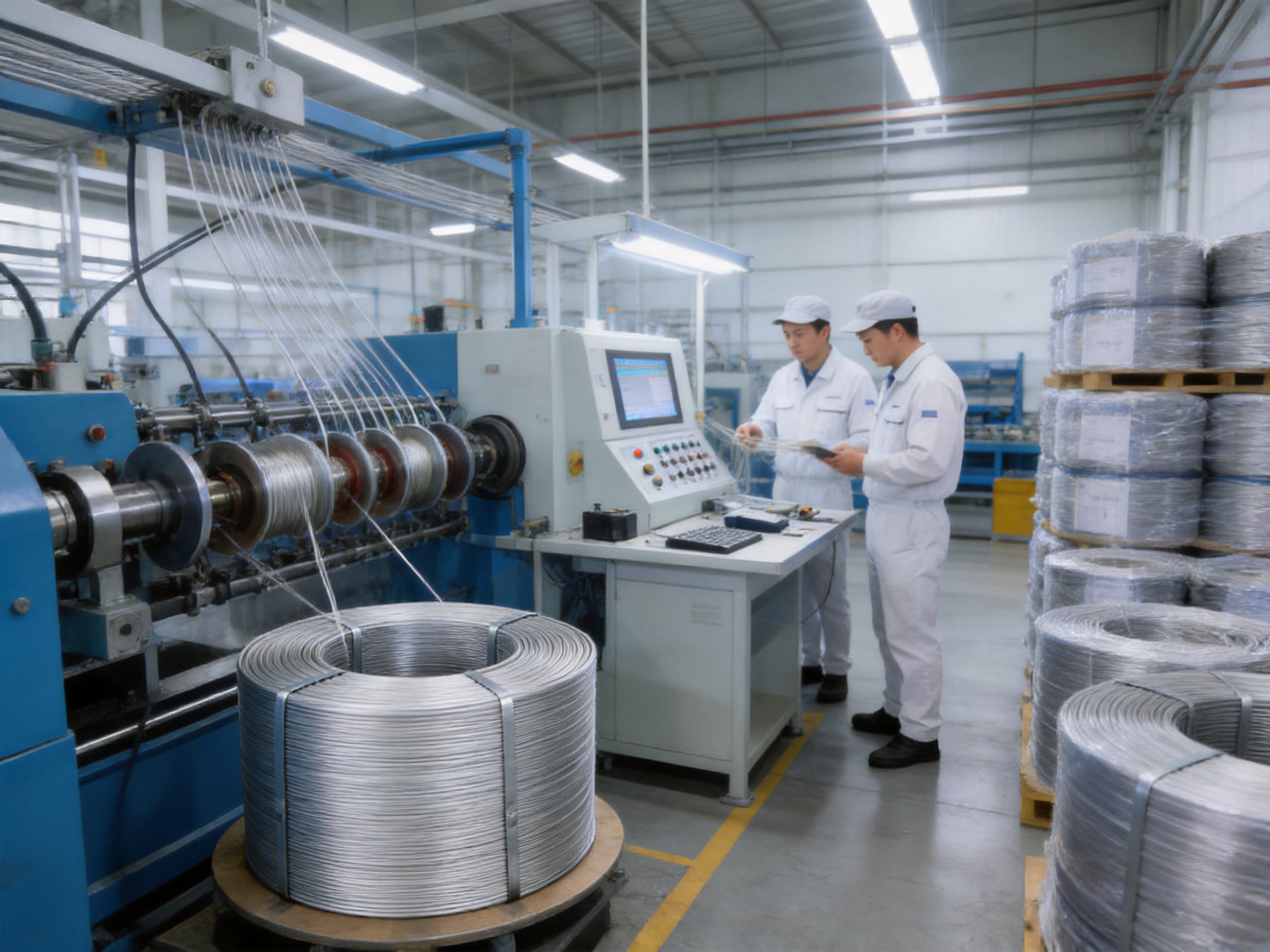
The performance of AlMg6 aluminum alloy wire depends not only on alloy design but also on manufacturing discipline. Jiangsu Hetuo Aluminum Wire Co., Ltd. was established in 2019 and has developed as an innovative participant in China’s aluminum alloy materials industry. The company is guided by customer needs and committed to customer satisfaction, which is reflected in its product range, quality systems, and manufacturing investments.
The company is located in Guannan Economic Development Zone, Lianyungang, Jiangsu Province, China. Its factory covers 40,000 square meters and employs 60 people, including 30 professional managers and technicians. This structure supports both production capacity and technical management. In aluminum alloy wire manufacturing, professional technical personnel are essential because product quality depends on accurate composition control, equipment operation, process monitoring, drawing control, surface treatment, inspection, and packaging.
The company has built an intelligent manufacturing system covering high-purity aluminum wire, high-strength aluminum alloy wire, and aluminum and aluminum alloy welding materials. This integrated product scope allows it to serve customers requiring different types of aluminum wire solutions. For AlMg6 wire, intelligent manufacturing supports tighter control of production parameters and helps reduce variability during processing.
Advanced Equipment and Process Control
Advanced equipment is important in aluminum wire manufacturing because wire quality is highly sensitive to process conditions. Melting and alloying must achieve the correct chemical composition. Casting and rod preparation must produce a stable structure for further processing. Drawing operations must control reduction rates, lubrication, temperature, surface condition, and dimensional accuracy. Final inspection must verify that the product meets relevant specifications.
The company introduces advanced equipment and facilities to support consistent production. Equipment capability helps ensure that AlMg6 wire maintains stable diameter, clean surface quality, and reliable metallurgical characteristics. This is especially important for welding-related wire, where feeding behavior and surface cleanliness directly influence welding performance.
Strict Quality Inspection Throughout Production
Quality control throughout production is one of the key strengths supporting AlMg6 aluminum alloy wire. Inspection cannot be limited to the final product because defects created early in the process may be difficult or impossible to correct later. Effective quality control begins with raw material selection and continues through alloying, production, wire drawing, intermediate checks, final inspection, and packaging.
For AlMg6 wire, chemical composition testing is particularly important. Magnesium, manganese, titanium, and beryllium must remain within the specified ranges, while elements such as silicon, iron, copper, and zinc must be controlled. If the composition drifts, the wire may lose strength, corrosion resistance, or weldability. Strict inspection helps prevent these issues.
Surface quality inspection is also essential. Aluminum wire may be used in precision applications and welding processes where surface contamination, scratches, oxide irregularities, or dimensional inconsistency can affect performance. Proper inspection reduces the risk of customer production problems.
Certified Quality Management
The company has obtained ISO 9001 and IATF 16949 quality management system certifications. ISO 9001 demonstrates a structured approach to quality management, customer requirements, process control, continuous improvement, and documentation. IATF 16949 is especially significant for automotive-related supply chains, where process stability, defect prevention, traceability, and continuous improvement are highly valued.
For customers in high-end markets, these certifications provide confidence that production is managed within recognized quality systems. While certification alone does not replace product testing, it shows that the company has established quality procedures and management discipline. This supports AlMg6 wire customers who require dependable supply and documentation.
Comparison with Other Aluminum Alloy Wire Grades
The supplied product table includes several aluminum alloy wire grades, including 2A10, 2219, 4043, 4047, 5183, 5154, 5356, AlMg3, AlMg5, AlMg6, AlMg61, 7050, and 7075. Each alloy has its own purpose. Silicon-rich alloys such as 4043 and 4047 are often associated with welding and brazing characteristics. Magnesium-containing alloys such as 5183, 5356, AlMg3, AlMg5, and AlMg6 are valued for strength and corrosion resistance. High-strength aluminum alloys such as 7050 and 7075 contain zinc and other elements for different structural performance profiles.
AlMg6 occupies an important position because it contains a higher magnesium level than AlMg3 and AlMg5. This makes it suitable when higher strength is required within the aluminum-magnesium alloy family. At the same time, it keeps copper at a low level, supporting corrosion resistance. Titanium content is controlled at 0.1% to 0.2%, and beryllium is present in a very small range of 0.002% to 0.005%.
For customers comparing aluminum alloy wires, the best choice depends on the base material, welding process, service environment, mechanical requirements, and applicable standards. AlMg6 is especially attractive when the project requires a high-strength aluminum-magnesium alloy wire with good weldability and corrosion resistance.
Surface Quality, Feeding Stability, and Fabrication Reliability
In practical use, wire performance is not judged only by chemical composition. Surface quality and dimensional consistency are also vital. A high-quality aluminum alloy wire should feed smoothly, resist tangling, maintain consistent diameter, and present a clean surface. These characteristics are especially important in automated or semi-automated welding and fabrication systems.
Unstable wire feeding can interrupt production, damage welding quality, and increase downtime. Inconsistent wire diameter can affect arc behavior and deposition rate. Surface contamination can increase porosity and reduce weld quality. Therefore, the manufacturing process must manage both metallurgical and physical wire characteristics.
Jiangsu Hetuo Aluminum Wire Co., Ltd. supports product reliability through advanced equipment, intelligent manufacturing, and inspection throughout production. This approach helps the company deliver AlMg6 aluminum alloy wire suitable for customers who need stable industrial performance rather than only basic material supply.
Sustainability and Lightweight Material Value
Modern industry increasingly demands materials that support sustainability, energy efficiency, and resource optimization. Aluminum alloy wire contributes to these objectives because aluminum is lightweight and widely recyclable. When used appropriately, high-strength aluminum alloys can reduce the weight of vehicles, vessels, equipment, and structures, helping lower energy consumption during operation.
AlMg6 wire supports sustainable manufacturing by enabling lightweight design without sacrificing essential performance characteristics. In vehicles, lighter materials can reduce fuel consumption or improve electric range. In aerospace, weight reduction can support fuel savings and payload efficiency. In marine and defense applications, reduced weight can improve mobility and operational performance.
The company’s goal is to provide lighter, stronger, and more sustainable aluminum alloy wire and welding material solutions for global industries. AlMg6 aluminum alloy wire fits this goal because it offers a performance-oriented solution for customers seeking durable, corrosion-resistant, and weldable aluminum alloy material.
How Customers Benefit from Choosing a Specialized Manufacturer
Choosing the right supplier is as important as choosing the right alloy. A specialized aluminum wire manufacturer understands the challenges of alloy control, wire drawing, surface treatment, packaging, and customer application requirements. This expertise helps reduce risk for customers operating in high-value industries.
Jiangsu Hetuo Aluminum Wire Co., Ltd. specializes in high-grade aluminum alloy rods, welding wires, and precision profiles. This specialization allows the company to develop deeper process knowledge and serve customers with more focused solutions. Rather than treating aluminum wire as a simple commodity, the company approaches it as a technical product requiring strict control.
Customers benefit from the company’s manufacturing scale, technical staff, advanced equipment, and certified quality management. The 40,000-square-meter factory provides production space for organized manufacturing. The team of professional managers and technicians supports process planning, inspection, and continuous improvement. ISO 9001 and IATF 16949 certifications provide additional confidence for customers in global and automotive-related markets.
Typical Purchasing Considerations
When evaluating AlMg6 aluminum alloy wire, customers should consider the intended application, required diameter, surface condition, packaging method, welding process, base material compatibility, mechanical requirements, and applicable industry standards. Since aluminum alloy wire performance depends on both alloy chemistry and production quality, customers should request appropriate technical information and confirm that the wire meets their project needs.
For welding applications, it is important to consider base metal composition, joint design, shielding gas, welding parameters, pre-cleaning requirements, and post-weld service conditions. AlMg6 wire provides weldability, but correct welding procedure development remains important for achieving optimal results.
For structural or high-strength applications, engineers should review mechanical property expectations, corrosion exposure, fatigue conditions, and environmental requirements. AlMg6 can provide excellent value when used in suitable applications and processed correctly.
Q&A Section
What is AlMg6 aluminum alloy wire?
AlMg6 aluminum alloy wire is a high-strength aluminum-magnesium alloy wire containing approximately 5.8% to 6.8% magnesium, with controlled manganese, titanium, beryllium, and aluminum as the balance. It is designed for applications requiring strength, weldability, and corrosion resistance.
What are the main advantages of AlMg6 wire?
The main advantages include high strength from magnesium alloying, good exfoliation corrosion resistance, reliable weldability, lightweight material performance, and suitability for demanding industries such as aerospace, aviation, marine, defense, automobiles, and tanks.
Why is magnesium important in AlMg6?
Magnesium is the primary strengthening element in AlMg6. Its relatively high content improves the strength of the aluminum alloy while maintaining the advantages of aluminum, including low density and useful corrosion resistance.
Is AlMg6 wire suitable for marine environments?
Yes. AlMg6 aluminum alloy wire is suitable for marine and shipbuilding applications because it offers good corrosion resistance, including good exfoliation corrosion resistance, and reliable weldability.
How does AlMg6 compare with pure aluminum wire?
Pure aluminum wire is softer and often selected for conductivity or general-purpose use. AlMg6 wire is stronger and more suitable for structural, welding, and high-performance applications where mechanical strength is required.
Why is controlled chemical composition important?
Controlled chemical composition ensures consistent performance. If elements such as magnesium, manganese, titanium, silicon, iron, copper, or zinc vary outside the required range, the wire may show reduced strength, corrosion resistance, weldability, or processing stability.
What manufacturing strengths support the quality of this product?
The manufacturer uses advanced equipment, intelligent manufacturing systems, strict production inspection, and certified quality management systems. The company has ISO 9001 and IATF 16949 certifications, supporting reliable process control and customer confidence.
Can AlMg6 wire be used in automotive applications?
Yes. AlMg6 wire is suitable for automotive and transportation-related applications where lightweight construction, strength, weldability, and corrosion resistance are important.
What industries commonly use AlMg6 aluminum alloy wire?
Common industries include aviation, aerospace, military, shipbuilding, automobiles, tanks, heavy-duty vehicles, and high-performance industrial manufacturing.
Why choose a specialized aluminum wire manufacturer?
A specialized manufacturer can provide better control of alloy composition, wire surface quality, dimensional consistency, inspection, packaging, and technical support. This reduces production risk and supports stable long-term use.
Conclusion
AlMg6 aluminum alloy wire is a high-value material solution for applications requiring strength, weldability, corrosion resistance, and lightweight performance. Its aluminum-magnesium chemistry, especially the 5.8% to 6.8% magnesium range, provides a strong foundation for demanding industrial use. Controlled additions of manganese, titanium, and beryllium, together with restricted impurity levels, help deliver balanced performance.
In aviation, aerospace, military, marine, automotive, tank, and heavy-duty equipment applications, the right wire can influence manufacturing efficiency and final product reliability. AlMg6 offers advantages over ordinary aluminum wire and less controlled alloy wire because it provides stronger mechanical capability, good exfoliation corrosion resistance, and dependable weldability.
Jiangsu Hetuo Aluminum Wire Co., Ltd. strengthens the product’s value through advanced manufacturing processes, intelligent production systems, strict inspection throughout production, technical personnel, and certified quality management. With a 40,000-square-meter factory, professional staff, ISO 9001 and IATF 16949 certifications, and a product range covering high-purity aluminum wire, high-strength aluminum alloy wire, and aluminum alloy welding materials, the company is positioned to support global customers seeking reliable aluminum alloy wire solutions.
For customers who need lighter, stronger, and more sustainable material solutions, AlMg6 aluminum alloy wire is a practical and performance-oriented choice. It delivers the combination of alloy strength, corrosion resistance, weldability, and manufacturing consistency required by modern high-end industries.
References
1. Aluminum Association. Aluminum Standards and Data.
2. Davis, J. R. Aluminum and Aluminum Alloys. ASM International.
3. Hatch, J. E. Aluminum: Properties and Physical Metallurgy. ASM International.
4. International Organization for Standardization. ISO 9001 Quality Management Systems Requirements.
5. International Automotive Task Force. IATF 16949 Automotive Quality Management System Standard.
6. Mondolfo, L. F. Aluminum Alloys: Structure and Properties. Butterworths.