

 English
 中文简体
中文简体 русский
 Deutsch
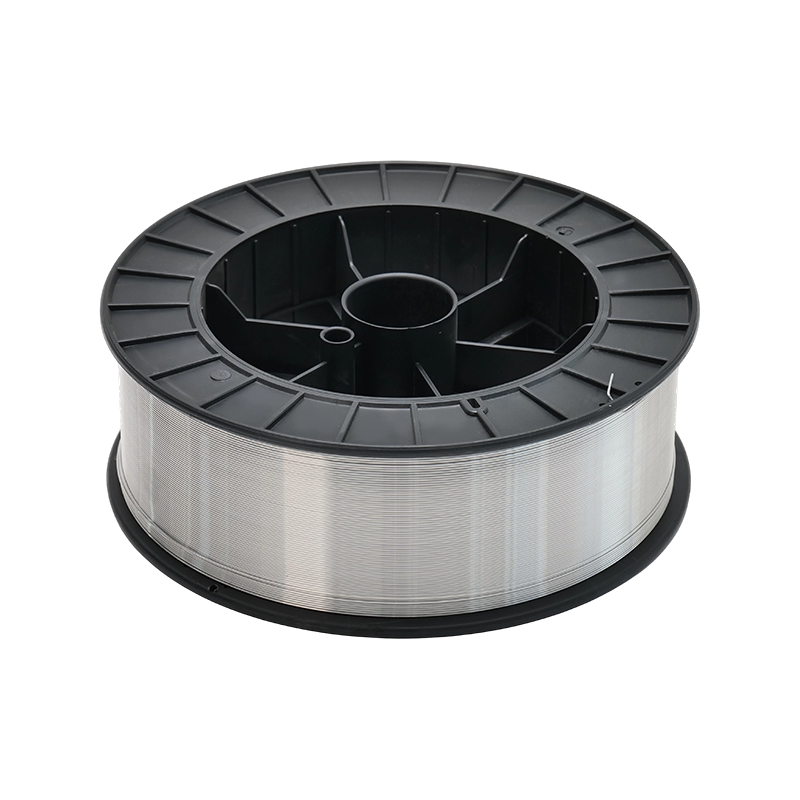
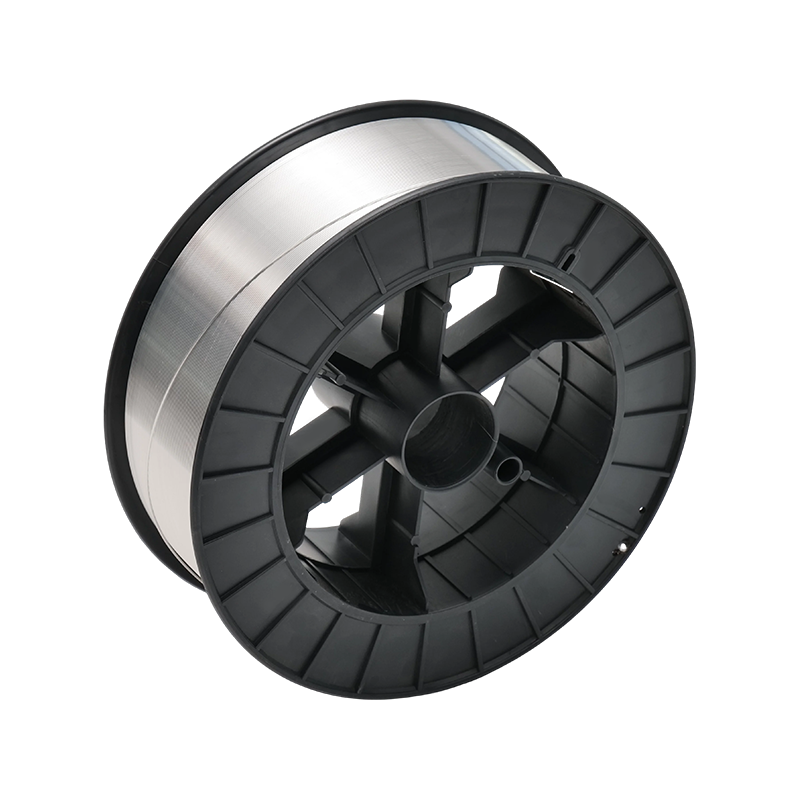
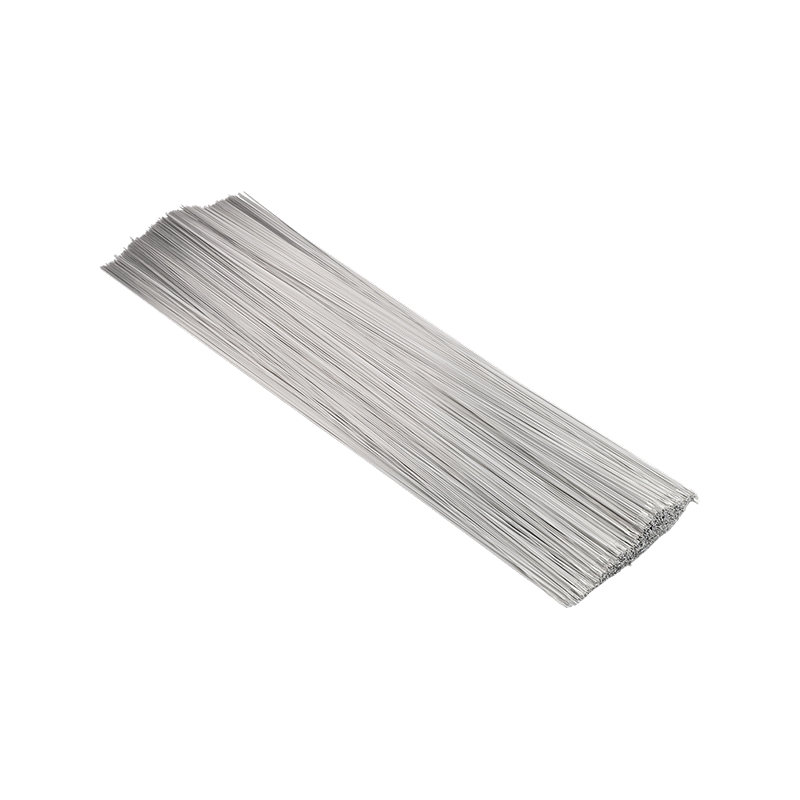
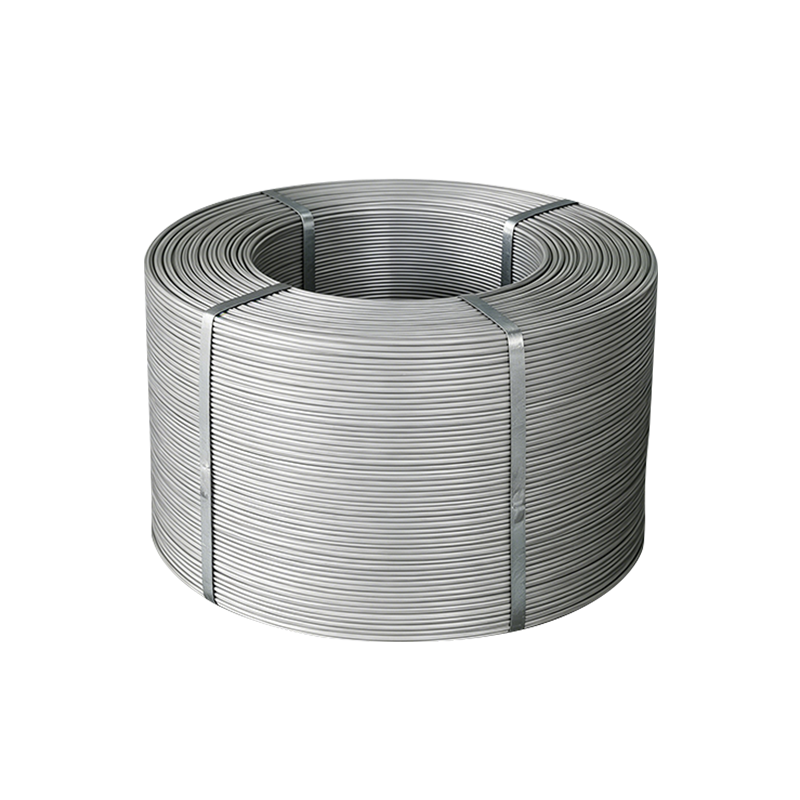
AlMg6 aluminum alloy wire is a high-magnesium aluminum alloy wire designed for demanding industries that require a rare combination of strength, corrosion resistance, weldability, and long-term reliability. As a high-strength aluminum alloy wire, AlMg6 is especially valued in aviation, aerospace, military equipment, shipbuilding, automobiles, tanks, pressure structures, transport systems, and other engineering fields where lightweight metallic materials must endure complex service conditions. Its main alloying element is magnesium, typically controlled at 5.8% to 6.8%, supported by manganese and titanium additions that help improve performance consistency, structure stability, and processing behavior.
In modern manufacturing, choosing the right aluminum alloy wire is not only a matter of meeting a chemical composition range. It is also a decision about processing stability, surface quality, dimensional accuracy, cleanliness, traceability, and the reliability of the supplier’s quality system. AlMg6 aluminum alloy wire stands out because it combines the natural advantages of aluminum, such as low density and good workability, with enhanced mechanical strength and resistance to exfoliation corrosion. These features make it a practical solution for industries where failure prevention, weight reduction, and stable joining performance are equally important.
Jiangsu Hetuo Aluminum Wire Co., Ltd. manufactures AlMg6 aluminum alloy wire as part of its high-strength aluminum alloy wire portfolio. The company has developed an intelligent manufacturing system covering high-purity aluminum wire, high-strength aluminum alloy wire, and aluminum and aluminum alloy welding materials. With a factory area of approximately 40,000 square meters, professional technical teams, advanced equipment, strict inspection procedures, and ISO 9001 and IATF 16949 quality management system certifications, the company is positioned to deliver aluminum alloy wire products that serve both general industrial needs and high-end applications.
Content
- 1 Understanding AlMg6 Aluminum Alloy Wire
- 2 Chemical Composition and Metallurgical Significance
- 3 Key Advantages Over Ordinary Aluminum Wire and Competing Materials
- 4 Application Fields of AlMg6 Aluminum Alloy Wire
- 5 Advanced Manufacturing Strengths
- 6 How Manufacturing Quality Improves AlMg6 Wire Performance
- 7 Comparison With Related Aluminum Alloy Wire Grades
- 8 Why Customers Choose AlMg6 Aluminum Alloy Wire From a Specialized Manufacturer
- 9 Processing Considerations for AlMg6 Aluminum Alloy Wire
- 10 Sustainability and Lightweight Engineering Value
- 11 Quality Indicators Customers Should Evaluate
- 12 Competitive Advantages of AlMg6 Aluminum Alloy Wire
- 13 Q&A Section
- 13.1 What is AlMg6 aluminum alloy wire?
- 13.2 What are the main advantages of AlMg6 wire?
- 13.3 Why is magnesium important in AlMg6?
- 13.4 How does AlMg6 compare with AlMg3 and AlMg5?
- 13.5 Is AlMg6 suitable for marine environments?
- 13.6 Can AlMg6 be used as welding material?
- 13.7 Why does low copper content matter?
- 13.8 What industries commonly use AlMg6 aluminum alloy wire?
- 13.9 What makes a reliable AlMg6 wire supplier?
- 13.10 How should AlMg6 wire be stored?
- 14 Conclusion
- 15 References
- 16 Product: AlMg6 Aluminum Alloy Wire
Understanding AlMg6 Aluminum Alloy Wire
AlMg6 aluminum alloy wire belongs to the aluminum-magnesium alloy family. In this type of alloy, magnesium is the primary strengthening element. Compared with pure aluminum wire, AlMg6 offers much higher strength while still maintaining good ductility and weldability. This balance is important because many structural and welding applications need wire that can be processed, formed, fed, welded, or assembled without becoming brittle or unstable.
The name AlMg6 indicates a high magnesium content around the six-percent level. The alloy’s chemical design includes silicon, iron, copper, manganese, magnesium, zinc, titanium, beryllium, and aluminum as the balance. Each element plays a specific role. Magnesium contributes to solid solution strengthening and improves strength. Manganese helps control grain structure and improves corrosion behavior. Titanium can contribute to grain refinement. Beryllium, used in very small quantities, may help reduce oxidation and improve melt-related behavior during manufacturing. The remaining aluminum matrix provides light weight, good formability, and a favorable strength-to-weight ratio.
AlMg6 is frequently selected where aluminum components face aggressive environments or where welding performance is critical. Marine atmospheres, transportation structures, aerospace assemblies, and defense-related components can expose materials to moisture, salt, mechanical vibration, stress, and repeated thermal changes. The alloy’s good exfoliation corrosion resistance helps improve service reliability in such conditions. Its weldability also makes it suitable for welding materials and related applications where stable arc performance, clean feeding, and compatible metallurgy are required.
For customers comparing different aluminum alloy wire grades, AlMg6 often represents a strong option when greater magnesium content and higher strength are required than medium-magnesium alternatives. While grades such as AlMg3 and AlMg5 may be appropriate for certain fabrication needs, AlMg6 can provide a more robust solution for demanding structural environments. It is especially valuable when the application needs an alloy wire that can support strength without sacrificing the practical processing benefits of aluminum.
Chemical Composition and Metallurgical Significance
The performance of AlMg6 aluminum alloy wire begins with precise chemical control. The composition must remain within defined limits to ensure stable mechanical properties, corrosion resistance, and manufacturing repeatability. Even small variations in alloying elements can affect wire drawing behavior, surface finish, weld response, oxidation behavior, and final product reliability. Therefore, a professional manufacturer must control raw material selection, melting, casting, rolling, drawing, annealing, and inspection as a connected quality chain.
| Element | Typical AlMg6 Requirement | Functional Significance |
| Silicon | Maximum 0.40 | Controlled to maintain alloy consistency and avoid unwanted brittleness or processing instability. |
| Iron | Maximum 0.40 | Controlled because excessive iron can form intermetallic particles that may affect ductility and surface quality. |
| Copper | Maximum 0.10 | Kept low to support corrosion resistance, especially in harsh environments. |
| Manganese | 0.5 to 0.8 | Contributes to strengthening, grain structure control, and corrosion performance. |
| Magnesium | 5.8 to 6.8 | Main strengthening element; improves strength and supports the alloy’s high-performance characteristics. |
| Zinc | Maximum 0.20 | Controlled to preserve alloy balance and corrosion behavior. |
| Titanium | 0.1 to 0.2 | Supports grain refinement and processing uniformity. |
| Beryllium | 0.002 to 0.005 | Used in trace amounts for metallurgical control during production. |
| Aluminum | Balance | Provides lightweight matrix, workability, and the foundation of the alloy system. |
The high magnesium content is the defining feature of AlMg6. Magnesium atoms dissolve into the aluminum matrix and create solid solution strengthening. This mechanism increases resistance to deformation while preserving useful ductility. The result is a wire product with a strong combination of mechanical performance and processability. In many engineering applications, this is more valuable than maximum strength alone because wire must also remain usable during feeding, coiling, cutting, straightening, welding, or forming.
Low copper content is another important advantage. Copper can improve strength in some aluminum alloys, but it may also reduce corrosion resistance in certain environments. AlMg6 keeps copper low, supporting better performance where moisture, marine atmosphere, or corrosive exposure is expected. This is one reason aluminum-magnesium alloys are widely associated with marine, transportation, and structural applications.
Manganese and titanium help improve production stability. In wire manufacturing, grain size and microstructural uniformity influence drawing performance, surface finish, and the risk of defects. Uniform structure helps reduce wire breakage during drawing and supports better final dimensional accuracy. Titanium is often used as a grain-refining element in aluminum alloys, while manganese contributes to both strengthening and microstructural control.
Key Advantages Over Ordinary Aluminum Wire and Competing Materials
AlMg6 aluminum alloy wire offers several advantages over ordinary aluminum wire, lower-magnesium aluminum alloy wire, and certain competing metal wires. Its value comes from the combination of lightweight design, high strength, corrosion resistance, weldability, and suitability for precision manufacturing.
Higher Strength Than Pure Aluminum Wire
Pure aluminum wire is useful where electrical conductivity, softness, and corrosion resistance are primary concerns. However, pure aluminum cannot always satisfy structural strength requirements. AlMg6, strengthened mainly by magnesium, provides much better mechanical capability. This makes it more suitable for applications requiring load support, fatigue resistance, or durability under service stress.
The strength improvement allows engineers to design lighter structures without relying on heavier metals. In transportation, aerospace, ships, and military vehicles, reducing weight can improve fuel efficiency, payload capacity, mobility, and energy performance. AlMg6 supports these goals because it offers improved strength while retaining the low density of aluminum.
Better Corrosion Resistance Than Many High-Strength Alternatives
Some high-strength aluminum alloys depend heavily on copper or zinc for mechanical performance. These alloys can be very strong, but they may require more careful corrosion protection in aggressive environments. AlMg6 emphasizes magnesium-based strengthening and low copper content, giving it strong suitability for corrosion-prone applications.
Its good exfoliation corrosion resistance is particularly important. Exfoliation corrosion can occur in certain aluminum alloys when corrosion progresses along grain boundaries and causes layers of material to lift or separate. In aerospace, marine, and defense environments, such corrosion modes can be dangerous because damage may spread beneath the surface. AlMg6’s corrosion behavior helps improve confidence in long-term service.
Excellent Weldability for Fabrication and Joining
Weldability is one of the major advantages of AlMg6 aluminum alloy wire. A wire used in welding or fabrication must feed smoothly, melt consistently, and produce reliable metallurgical bonding. AlMg6 is recognized for good weldability, making it attractive for structural assemblies, shipbuilding, vehicle manufacturing, aerospace components, and repair operations where aluminum alloy parts must be joined with dependable results.
Good weldability also reduces production challenges. Materials that are difficult to weld can require special procedures, complex preheating, additional testing, or expensive rework. A stable aluminum alloy wire helps improve manufacturing efficiency and lowers the risk of welding defects. For customers, this means less downtime, better process control, and more consistent finished products.
Lightweight Performance Compared With Steel Wire
Steel is strong, but it is much heavier than aluminum. In applications where mass reduction is a priority, AlMg6 aluminum alloy wire can provide a valuable alternative. Although steel may offer higher absolute strength in some cases, the strength-to-weight ratio of aluminum alloys is highly attractive. Replacing or supplementing steel with aluminum alloy materials can reduce total system weight, which is especially important in vehicles, aircraft, ships, and mobile equipment.
Lower weight also affects handling and manufacturing. Aluminum alloy wire is easier to transport, manipulate, and install than heavier materials. In large-scale production environments, these benefits can contribute to efficiency and worker convenience.
Balanced Processing Performance
A high-performance alloy wire must not only look good on a specification sheet. It must also perform reliably in real production. AlMg6 offers a useful balance of strength and ductility, allowing it to be drawn and processed into wire with stable dimensions. The alloy can support coiling, packaging, feeding, and downstream application needs when manufactured under controlled conditions.
This balance differentiates AlMg6 from materials that may be strong but difficult to process. Wire production requires repeated deformation through drawing dies. If an alloy lacks ductility or contains uncontrolled impurities, it may crack, break, or produce poor surface quality. AlMg6, when manufactured with advanced equipment and quality control, can achieve the consistency required for demanding industrial use.
Application Fields of AlMg6 Aluminum Alloy Wire
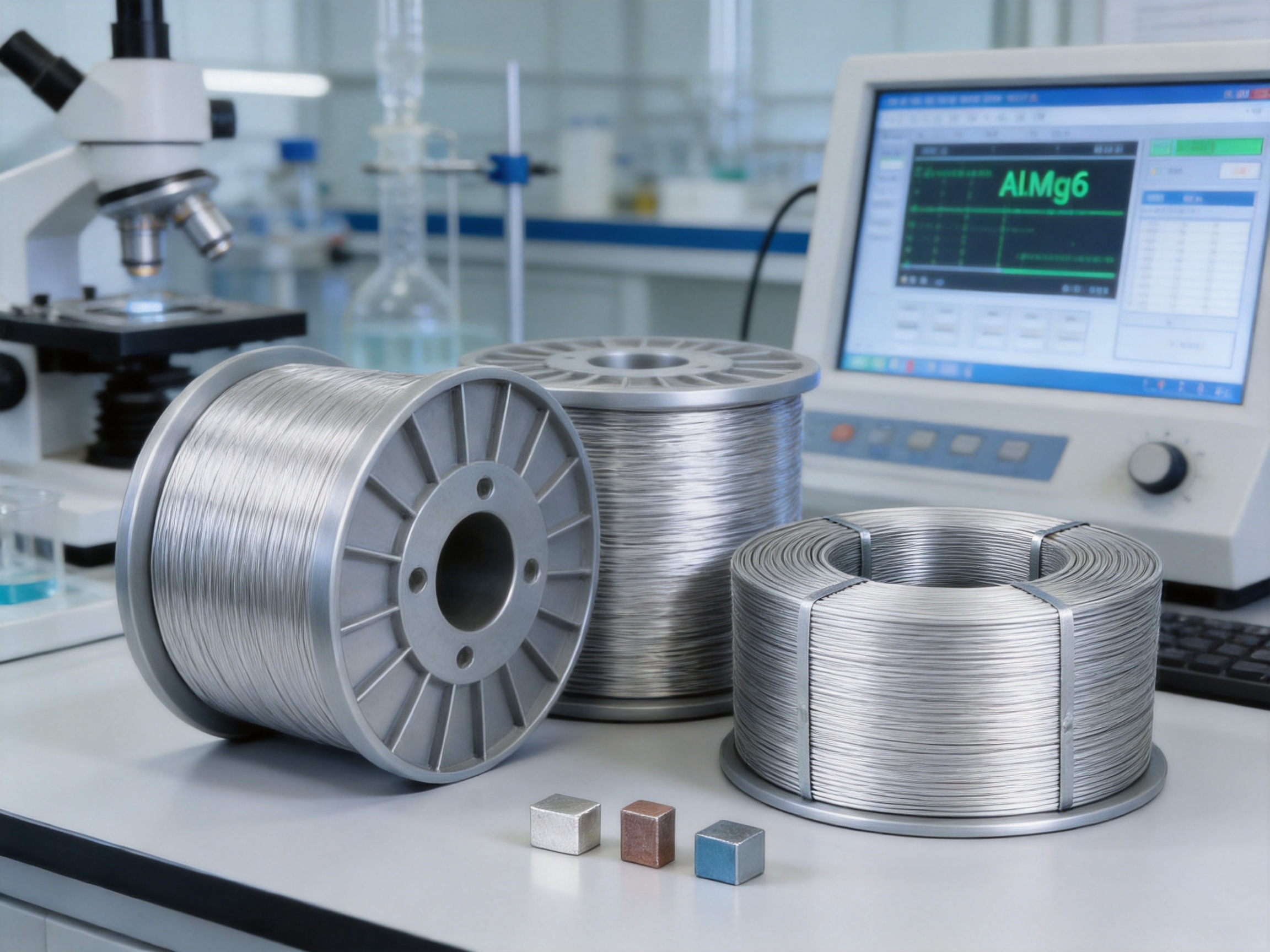
AlMg6 aluminum alloy wire is widely applicable in fields where weight, strength, corrosion resistance, and weldability must be considered together. Its practical value is especially apparent in high-demand sectors.
Aviation and Aerospace
Aviation and aerospace industries demand materials that are lightweight, reliable, and consistent. Even small improvements in material efficiency can contribute to better performance, reduced fuel consumption, and improved payload capability. AlMg6 aluminum alloy wire can serve in aerospace-related manufacturing, welding, structural support, and component applications where corrosion resistance and weight reduction are essential.
Aerospace environments can expose materials to temperature changes, vibration, mechanical loading, and strict inspection requirements. AlMg6’s controlled composition and strength make it suitable for applications where aluminum alloy wire must meet demanding technical expectations. Its resistance to exfoliation corrosion is also important because aircraft and aerospace structures often operate under complex environmental conditions.
Military and Defense Equipment
Military equipment requires materials that can perform under harsh conditions. Vehicles, tanks, support systems, field structures, and specialized assemblies benefit from materials that reduce weight while maintaining durability. AlMg6 aluminum alloy wire is well suited for such needs because it combines high strength with corrosion resistance and weldability.
In defense applications, reliability is essential. Materials may be exposed to vibration, outdoor weather, salt, dust, temperature changes, and mechanical impact. AlMg6 helps support long-term durability while enabling lightweight design. Its suitability for welding also supports repair, assembly, and manufacturing operations where efficient joining is necessary.
Shipbuilding and Marine Engineering
Marine environments are among the most challenging for metallic materials. Saltwater and humid air can accelerate corrosion, especially in alloys that are not properly selected. Aluminum-magnesium alloys are widely valued in marine use because of their corrosion resistance. AlMg6, with its high magnesium content and low copper level, is a strong candidate for shipbuilding, offshore structures, marine equipment, and related welding applications.
Shipbuilders need materials that can withstand corrosion while also reducing vessel weight. Lower weight can improve fuel efficiency, speed, payload, and stability. AlMg6 aluminum alloy wire contributes to these objectives by offering a corrosion-resistant, lightweight wire solution suitable for fabrication and joining tasks.
Automobiles and Transportation
The automotive industry is constantly seeking lighter materials to improve energy efficiency, range, fuel economy, and emissions performance. Aluminum alloys play an important role in this transformation. AlMg6 aluminum alloy wire can support automotive manufacturing where high-strength aluminum alloy wire and welding materials are required.
Electric vehicles, commercial vehicles, trailers, rail transit components, and specialized transport equipment can all benefit from aluminum alloy materials. AlMg6 helps manufacturers reduce mass while maintaining structural performance. Its weldability also supports modern assembly methods, where consistent joining is necessary for productivity and safety.
Tanks and Heavy Equipment
Tanks and heavy-duty equipment require strong materials capable of resisting harsh service environments. Although the word “tank” may refer to military armored vehicles or storage structures depending on context, the material requirements often include strength, corrosion resistance, and weldability. AlMg6 aluminum alloy wire provides these qualities in a lightweight format.
In heavy equipment, weight reduction can improve mobility and decrease energy consumption. Corrosion resistance helps reduce maintenance requirements, particularly when equipment is used outdoors or in industrial environments. AlMg6 is therefore a practical choice for manufacturers looking for a reliable aluminum alloy wire with high performance characteristics.
Advanced Manufacturing Strengths
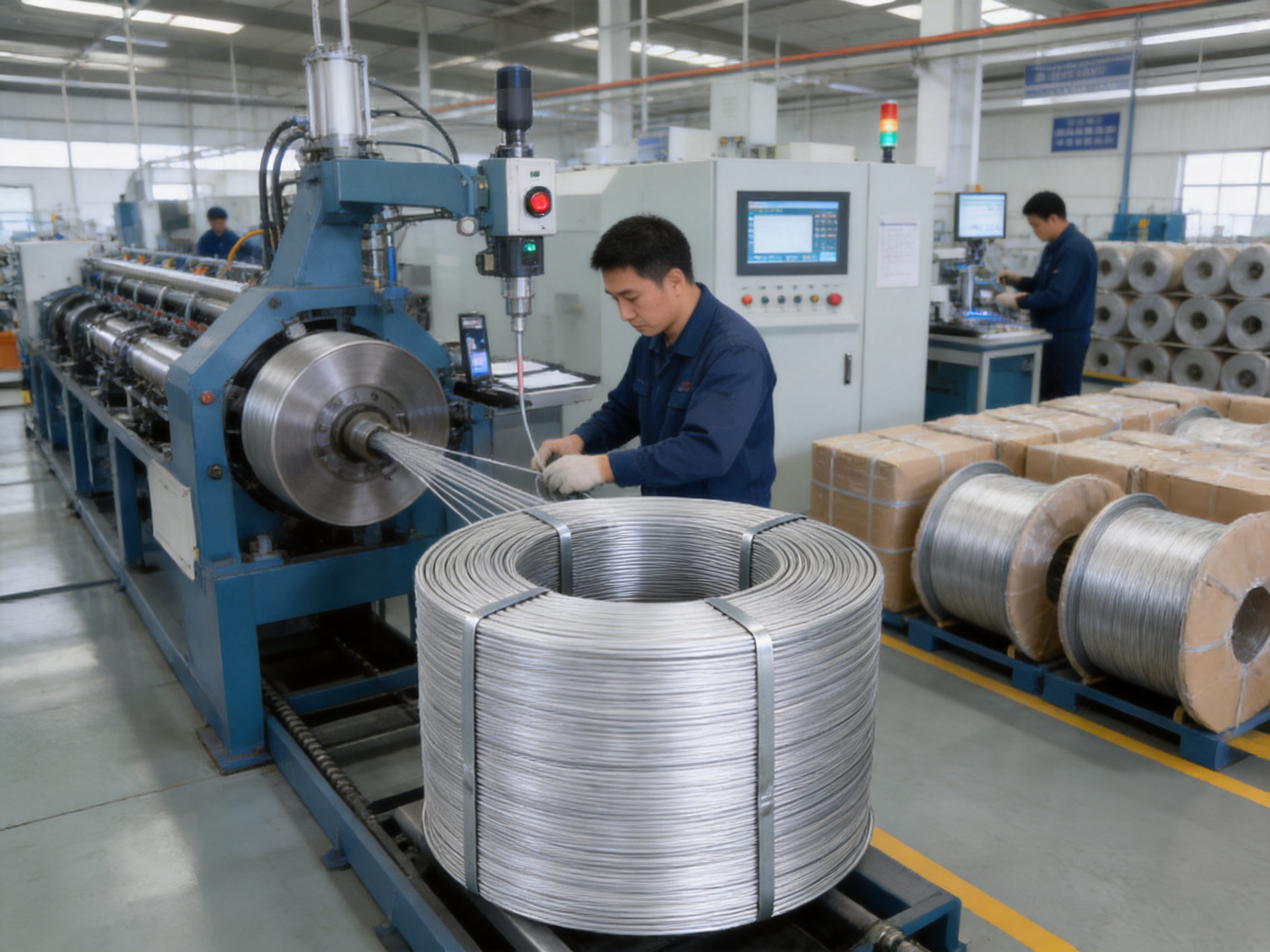
The quality of AlMg6 aluminum alloy wire depends not only on the alloy formula but also on manufacturing control. Jiangsu Hetuo Aluminum Wire Co., Ltd. has built its capabilities around advanced equipment, professional management, technical expertise, and quality inspection throughout production. These strengths enable the company to provide wire products with stable performance and reliable quality.
Integrated Production System
The company has developed an intelligent manufacturing system covering high-purity aluminum wire, high-strength aluminum alloy wire, and aluminum and aluminum alloy welding materials. This integrated system helps support technical coordination across product categories. Experience in high-purity aluminum wire supports cleanliness and process control, while experience in high-strength alloy wire supports metallurgical understanding and drawing technology. Experience in welding materials further supports product performance in joining applications.
An integrated manufacturing approach also helps improve responsiveness to customer needs. Different industries may require different diameters, packaging types, tolerance levels, surface conditions, or technical documentation. A manufacturer with broad aluminum wire production capability can adapt more effectively than a supplier with limited process knowledge.
Large-Scale Factory and Professional Team
The company’s production base covers approximately 40,000 square meters and employs around 60 people, including 30 professional managers and technicians. This structure reflects a strong focus on technical management and quality assurance. Aluminum alloy wire production requires careful coordination between production operators, process engineers, inspection personnel, and sales support teams. A high ratio of professional staff helps ensure that customer requirements are understood and translated into practical production control.
Technical teams play a key role in alloy wire manufacturing. They manage chemical composition control, drawing process parameters, heat treatment or annealing procedures where applicable, surface inspection, packaging requirements, and product traceability. Their work helps reduce variation and ensures that customers receive wire that performs consistently from batch to batch.
Advanced Equipment and Facilities
Advanced manufacturing equipment is essential for producing aluminum alloy wire with stable dimensions, smooth surface quality, and reliable mechanical properties. Wire drawing requires precise die control, lubrication management, tension regulation, speed control, and surface protection. Poor equipment can cause scratches, inconsistent diameter, breakage, contamination, or poor coil formation.
By introducing advanced equipment and facilities, the company strengthens its ability to manufacture products that meet international expectations. Equipment quality supports productivity, but more importantly, it supports repeatability. For industries such as aerospace, automotive, shipbuilding, and welding materials, repeatability is one of the most important indicators of supplier reliability.
Strict Quality Inspection Throughout Production
Quality cannot be achieved only through final inspection. It must be built into each production stage. The company strictly implements quality inspection throughout production, which means potential issues can be identified earlier and corrected before they affect finished products. This approach improves reliability and reduces the risk of defects reaching customers.
Important inspection activities may include raw material verification, chemical composition analysis, dimensional measurement, surface inspection, mechanical performance testing, coil quality checking, packaging inspection, and documentation review. For AlMg6 aluminum alloy wire, such controls are especially important because high-magnesium alloys require careful processing to maintain stable quality.
Certified Quality Management Systems
The company has obtained ISO 9001 and IATF 16949 quality management system certifications. ISO 9001 demonstrates that the company operates under an internationally recognized quality management framework. IATF 16949 is especially important for the automotive industry because it reflects strict requirements for process control, defect prevention, traceability, continual improvement, and customer-specific requirements.
These certifications help distinguish the company from suppliers that rely only on experience or informal inspection. For customers in high-end markets, quality system certification provides confidence that products are manufactured under controlled procedures. It also supports long-term cooperation because certified systems are designed to manage risks, monitor performance, and drive continuous improvement.
How Manufacturing Quality Improves AlMg6 Wire Performance
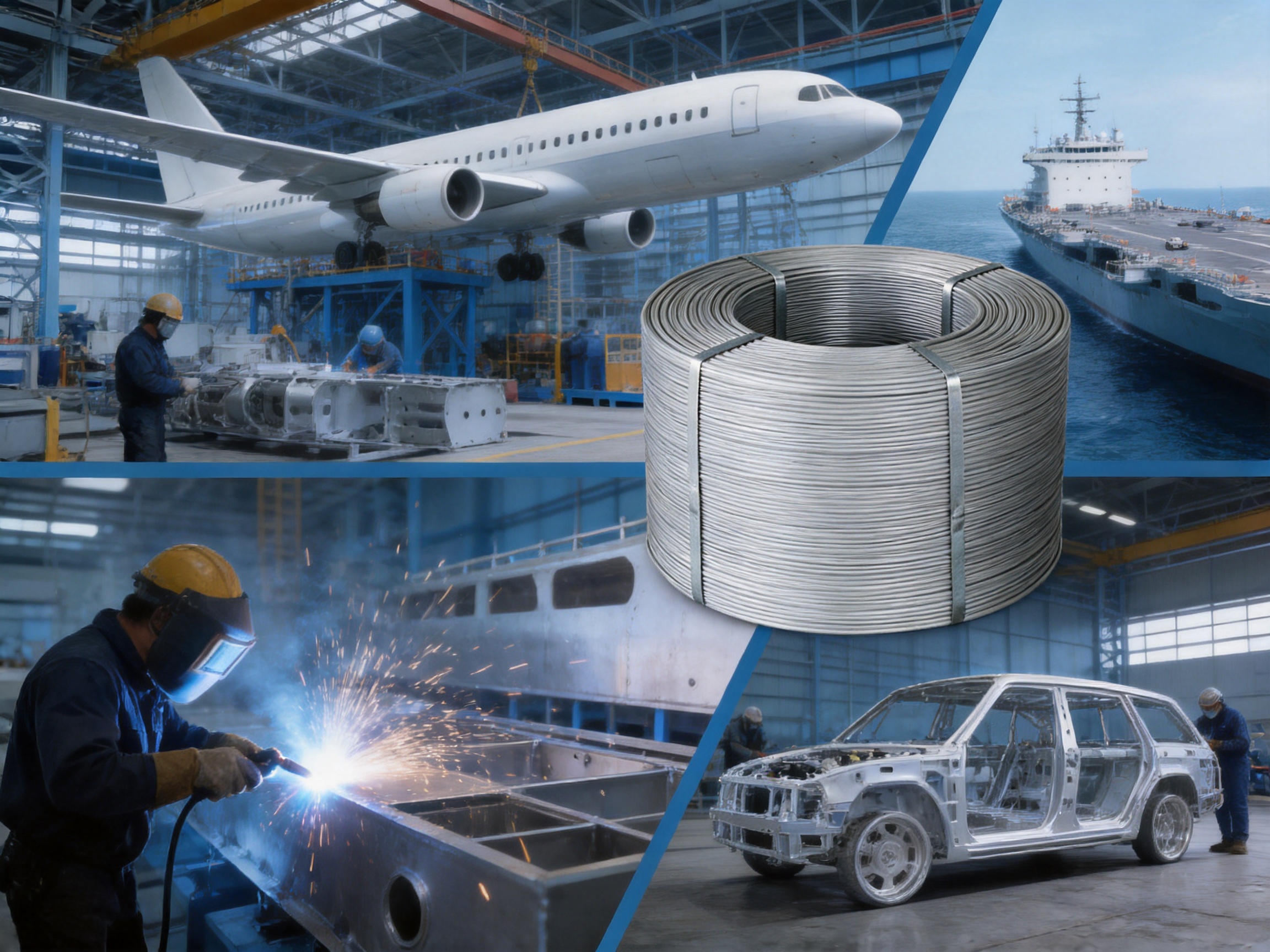
The difference between average aluminum alloy wire and high-quality AlMg6 wire is often found in details that are not visible at first glance. Surface cleanliness, microstructure uniformity, diameter tolerance, coil stability, and composition consistency all influence performance during use. These details depend heavily on manufacturing discipline.
Composition Consistency
AlMg6 must maintain magnesium, manganese, titanium, and other elements within specified ranges. If magnesium is too low, strength may suffer. If magnesium is too high or poorly controlled, processing behavior may become less stable. If iron or silicon impurities are excessive, ductility and surface quality may be affected. If copper rises beyond the intended limit, corrosion resistance may decline.
Professional chemical control ensures that each batch of wire matches customer expectations. This is especially important for welding applications, where changes in alloy composition can influence weld metal properties, arc behavior, and corrosion performance.
Surface Quality
Wire surface quality is critical for feeding, welding, forming, and customer handling. Surface scratches, oxide contamination, oil residue, cracks, or inclusions can cause downstream problems. In welding, poor surface quality can contribute to arc instability, porosity, feeding resistance, or inconsistent weld appearance. In structural wire applications, surface defects can become stress concentration points.
Advanced drawing and inspection processes help produce smooth, clean wire surfaces. Proper packaging also helps preserve surface quality during storage and transportation. For customers operating automated production lines, stable surface quality can reduce interruptions and improve efficiency.
Dimensional Accuracy
Wire diameter consistency is essential. If wire diameter fluctuates, feeding behavior may become unstable and process control may decline. In welding, inconsistent diameter can affect current transfer, wire feed speed, arc stability, and deposition rate. In precision forming or assembly, dimensional variation can cause fit problems or inconsistent mechanical behavior.
High-quality AlMg6 aluminum alloy wire requires accurate drawing dies, stable tension control, and continuous dimensional checks. Consistent diameter supports predictable performance and helps customers maintain stable production.
Mechanical Property Stability
Mechanical properties depend on chemical composition, deformation history, annealing or heat treatment condition, and final processing. Wire that is too hard may be difficult to feed or form. Wire that is too soft may not provide sufficient strength or may deform during handling. The right balance depends on application requirements.
A controlled manufacturing process allows the supplier to deliver wire with the intended temper and performance. For high-strength applications, this stability can be a major competitive advantage because it reduces the need for customers to adjust their processes between batches.
Comparison With Related Aluminum Alloy Wire Grades
AlMg6 is part of a broader family of aluminum alloy wire products. Understanding its position helps customers select the right material. The company’s product range includes grades such as 2A10, 2219, 4043, 4047, 5183, 5154, 5356, AlMg3, AlMg5, AlMg6, AlMg61, 7050, and 7075. Each grade has its own performance profile.
Silicon-rich grades such as 4043 and 4047 are often associated with welding and brazing behavior, particularly where fluidity and crack resistance are important. Magnesium-containing grades such as 5183, 5154, 5356, AlMg3, AlMg5, and AlMg6 are valued for corrosion resistance and strength. High-zinc or high-copper grades such as 7050 and 7075 are known for very high strength, while 2219 and 2A10 have their own high-strength characteristics linked to copper-containing alloy systems.
AlMg6 occupies a valuable position because it provides high magnesium strengthening while maintaining corrosion resistance and weldability. Compared with AlMg3, it offers a higher magnesium level and generally stronger performance. Compared with AlMg5, it provides an even higher magnesium range and can be selected when higher strength or more demanding application conditions are expected. Compared with some zinc- or copper-rich high-strength alloys, it may offer better corrosion suitability in certain environments due to its low copper design.
The right grade always depends on the actual application, but AlMg6 is especially attractive when customers need a high-strength aluminum-magnesium alloy wire with strong resistance to corrosive service environments and reliable joining behavior.
Why Customers Choose AlMg6 Aluminum Alloy Wire From a Specialized Manufacturer
Customers purchasing aluminum alloy wire are not only buying metal. They are buying confidence in quality, service, documentation, and long-term supply. A specialized aluminum wire manufacturer can offer advantages that general metal suppliers may not provide.
Focused Product Expertise
Aluminum alloy wire manufacturing requires specialized knowledge. The process is different from producing plates, billets, extrusions, or castings. Wire products require careful control of drawing deformation, surface condition, coiling, lubrication, straightness, and packaging. A company focused on aluminum wire and aluminum alloy welding materials has practical experience with the specific challenges of wire production.
This expertise helps customers receive products that are easier to use in their own processes. Whether the wire is used for welding, forming, structural applications, or further processing, manufacturing experience directly affects customer productivity.
Ability to Serve High-End Markets
The company’s products comply with international quality standards and are exported to many high-end overseas markets. This demonstrates the ability to meet diverse customer expectations and international supply requirements. Export markets often demand consistent documentation, packaging reliability, communication efficiency, and stable quality from shipment to shipment.
For customers seeking long-term cooperation, export experience is valuable because it shows that the supplier can manage logistics, quality expectations, and technical communication across different regions and industries.
Customer-Oriented Development
The company is guided by customer needs and committed to customer satisfaction. This matters because aluminum alloy wire is often used in production systems where small changes can create significant effects. Customers may need technical consultation on grade selection, packaging, wire diameter, surface condition, or compatibility with downstream processes. A customer-oriented supplier can help reduce trial-and-error and support smoother material adoption.
Customer-oriented development also encourages continuous improvement. Feedback from aviation, shipbuilding, automotive, welding, and industrial users can help refine production methods and strengthen quality control. Over time, this improves product competitiveness.
Broad Product Portfolio
In addition to AlMg6 aluminum alloy wire, the company specializes in high-grade aluminum alloy rods, welding wires, and precision profiles. A broad portfolio allows customers to source related materials from one supplier. This can simplify purchasing, improve technical coordination, and support consistent quality expectations across different aluminum material categories.
For manufacturers that use multiple aluminum alloys, a supplier with broad capability can recommend suitable alternatives or complementary products. This is useful when engineering teams need to balance strength, corrosion resistance, weldability, cost, and availability.
Processing Considerations for AlMg6 Aluminum Alloy Wire
Although AlMg6 has excellent properties, proper handling and processing are important to achieve the best results. Customers should consider storage, surface protection, welding procedures, and compatibility with base materials.
Storage and Handling
Aluminum alloy wire should be stored in a clean, dry environment to prevent moisture contamination and surface oxidation. Coils or spools should remain packaged until use when possible. Rough handling should be avoided because dents, scratches, or deformation can affect feeding and surface quality.
For welding applications, clean wire surfaces are especially important. Moisture or contamination can contribute to porosity or unstable welding results. Good storage practices help preserve the manufacturer’s surface quality and ensure consistent use.
Welding Preparation
When AlMg6 wire is used for welding-related applications, base material cleanliness is also important. Aluminum oxide layers, oils, grease, or dust should be removed according to proper welding practice. Welding parameters should be selected based on material thickness, joint design, shielding gas, equipment type, and expected performance.
Because AlMg6 has good weldability, it can support efficient joining when procedures are properly controlled. However, all aluminum welding requires attention to cleanliness, heat input, and shielding. Customers should validate welding procedures for critical applications.
Compatibility With Base Materials
Aluminum alloy wire selection should consider compatibility with the base metal. The wire must support the desired weld strength, corrosion resistance, crack resistance, and service conditions. AlMg6 may be suitable for many aluminum-magnesium alloy applications, but final selection should be based on engineering requirements.
For critical industries such as aerospace, defense, shipbuilding, and automotive manufacturing, material selection should be confirmed through technical standards, design specifications, and qualification testing.
Sustainability and Lightweight Engineering Value
Aluminum alloys play a major role in sustainable industrial development. Their lightweight nature helps reduce energy consumption in transportation. Aluminum is also recyclable, and recycling aluminum generally requires far less energy than primary production. AlMg6 aluminum alloy wire contributes to this trend by enabling strong, corrosion-resistant, lightweight structures.
In automobiles and commercial transportation, lower mass can improve fuel economy or extend electric vehicle range. In ships, reduced structural weight can improve efficiency and payload. In aerospace, every kilogram saved can influence operating cost and performance. In industrial equipment, lightweight materials can simplify installation and reduce mechanical burden.
Jiangsu Hetuo Aluminum Wire Co., Ltd. aims to provide lighter, stronger, and more sustainable aluminum alloy wire and welding material solutions for global industries. AlMg6 reflects this direction because it supports durable lightweight engineering without sacrificing practical manufacturability.
Quality Indicators Customers Should Evaluate
When sourcing AlMg6 aluminum alloy wire, customers should evaluate more than price. A low-cost wire that causes production problems, welding defects, breakage, corrosion issues, or inconsistent performance may be more expensive in the long term. Important quality indicators include chemical composition, surface finish, dimensional tolerance, coil quality, mechanical properties, packaging, traceability, and supplier certification.
Chemical Analysis
Customers should request or review chemical composition documentation to ensure the wire meets AlMg6 requirements. Magnesium, manganese, titanium, copper, iron, silicon, zinc, and trace elements should be controlled within specified ranges. Reliable composition control supports predictable performance.
Surface Inspection
The wire surface should be smooth, clean, and free from harmful defects. For welding applications, surface cleanliness is critical. For forming or structural applications, surface defects should be minimized to prevent performance issues.
Diameter and Tolerance
Dimensional control should match the customer’s process requirements. Automated wire feeding systems require consistent diameter and coil winding. Precision manufacturing needs tight tolerance control to ensure stable operation.
Packaging and Identification
Proper packaging protects the wire during shipment and storage. Product labels and documentation should allow traceability. This is particularly important for customers in automotive, aerospace, and export markets where quality records are required.
Competitive Advantages of AlMg6 Aluminum Alloy Wire
AlMg6 aluminum alloy wire is competitive because it solves several engineering challenges at once. It provides strength without excessive weight. It supports corrosion resistance without relying on heavy coatings or complex material combinations. It offers weldability, which improves fabrication efficiency. It can be produced in controlled wire form for industrial use. These characteristics make it valuable compared with ordinary aluminum wire, heavier steel wire, and some less corrosion-resistant high-strength alloys.
From a supplier perspective, the product becomes even more competitive when manufactured under a disciplined system. Advanced equipment, strict inspection, professional management, certified quality systems, and experience in high-end markets all help transform a good alloy into a dependable industrial product. Customers need this combination because product performance depends on both metallurgical design and production execution.
Another advantage is versatility. AlMg6 can serve industries from shipbuilding to aerospace and automotive manufacturing. This broad applicability helps customers standardize certain material choices across multiple product lines where suitable. Standardization can reduce procurement complexity and improve production familiarity.
Q&A Section
What is AlMg6 aluminum alloy wire?
AlMg6 aluminum alloy wire is a high-strength aluminum-magnesium alloy wire containing approximately 5.8% to 6.8% magnesium. It is designed to provide strength, corrosion resistance, weldability, and lightweight performance for demanding industrial applications.
What are the main advantages of AlMg6 wire?
The main advantages include high strength compared with pure aluminum wire, good exfoliation corrosion resistance, excellent weldability, low weight, and suitability for aviation, aerospace, military, shipbuilding, automobile, tank, and other structural or fabrication applications.
Why is magnesium important in AlMg6?
Magnesium is the primary strengthening element. It increases the strength of the aluminum matrix through solid solution strengthening while helping preserve useful ductility and corrosion resistance.
How does AlMg6 compare with AlMg3 and AlMg5?
AlMg6 generally contains more magnesium than AlMg3 and AlMg5. This higher magnesium content can provide higher strength and make AlMg6 more suitable for demanding applications where stronger aluminum-magnesium alloy wire is required.
Is AlMg6 suitable for marine environments?
Yes. AlMg6 is suitable for marine and shipbuilding-related applications because aluminum-magnesium alloys are known for corrosion resistance, and AlMg6 has good resistance to exfoliation corrosion.
Can AlMg6 be used as welding material?
AlMg6 has good weldability and can be used in welding-related applications where its alloy characteristics match the base material and engineering requirements. Proper welding procedures, cleanliness, and process control are still necessary.
Why does low copper content matter?
Low copper content helps support corrosion resistance. Copper can reduce corrosion performance in some aluminum alloys, so keeping copper low is beneficial for applications exposed to moisture, salt, or aggressive environments.
What industries commonly use AlMg6 aluminum alloy wire?
Common industries include aviation, aerospace, military equipment, shipbuilding, automobiles, tanks, transport equipment, marine engineering, and industrial fabrication.
What makes a reliable AlMg6 wire supplier?
A reliable supplier should have advanced production equipment, strict quality inspection, chemical composition control, dimensional accuracy, surface quality management, professional technical teams, and certified quality management systems such as ISO 9001 and IATF 16949.
How should AlMg6 wire be stored?
It should be stored in a clean, dry environment, protected from moisture, contamination, mechanical damage, and unnecessary exposure before use. Proper storage helps preserve surface quality and welding performance.
Conclusion
AlMg6 aluminum alloy wire is a high-performance material for industries that demand strength, corrosion resistance, weldability, and lightweight efficiency. Its chemical composition, especially the 5.8% to 6.8% magnesium range, gives it a strong position among aluminum-magnesium alloy wires. With controlled manganese, titanium, low copper, and balanced aluminum content, it provides reliable performance for aerospace, aviation, military, shipbuilding, automotive, tank, and industrial applications.
The value of AlMg6 is not limited to its alloy design. It becomes most effective when manufactured by a company with advanced equipment, strict production inspection, professional teams, certified quality systems, and experience in high-end markets. Jiangsu Hetuo Aluminum Wire Co., Ltd. combines these strengths with an intelligent manufacturing system covering high-purity aluminum wire, high-strength aluminum alloy wire, and aluminum alloy welding materials. This enables the company to provide customers with stable, internationally oriented aluminum alloy wire solutions.
For engineers and purchasing teams, AlMg6 represents a practical choice when ordinary aluminum wire is not strong enough, when steel is too heavy, or when corrosion resistance and weldability cannot be compromised. Its combination of properties supports modern lightweight manufacturing and long-term reliability. As global industries continue to pursue lighter, stronger, and more sustainable materials, AlMg6 aluminum alloy wire will remain an important solution for demanding applications.
References
1. Davis, J. R. Aluminum and Aluminum Alloys. ASM International.
2. Hatch, J. E. Aluminum: Properties and Physical Metallurgy. American Society for Metals.
3. Kaufman, J. G. Introduction to Aluminum Alloys and Tempers. ASM International.
4. Mathers, G. The Welding of Aluminium and Its Alloys. Woodhead Publishing.
5. International Organization for Standardization. ISO 9001 Quality Management Systems Requirements.
6. International Automotive Task Force. IATF 16949 Automotive Quality Management System Standard.