

 English
 中文简体
中文简体 русский
 Deutsch
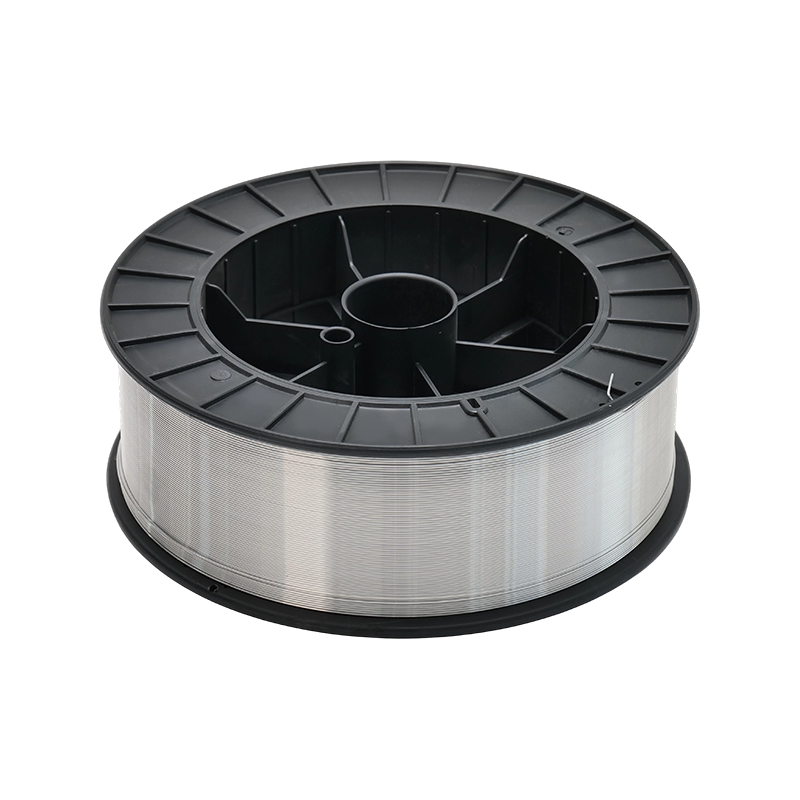
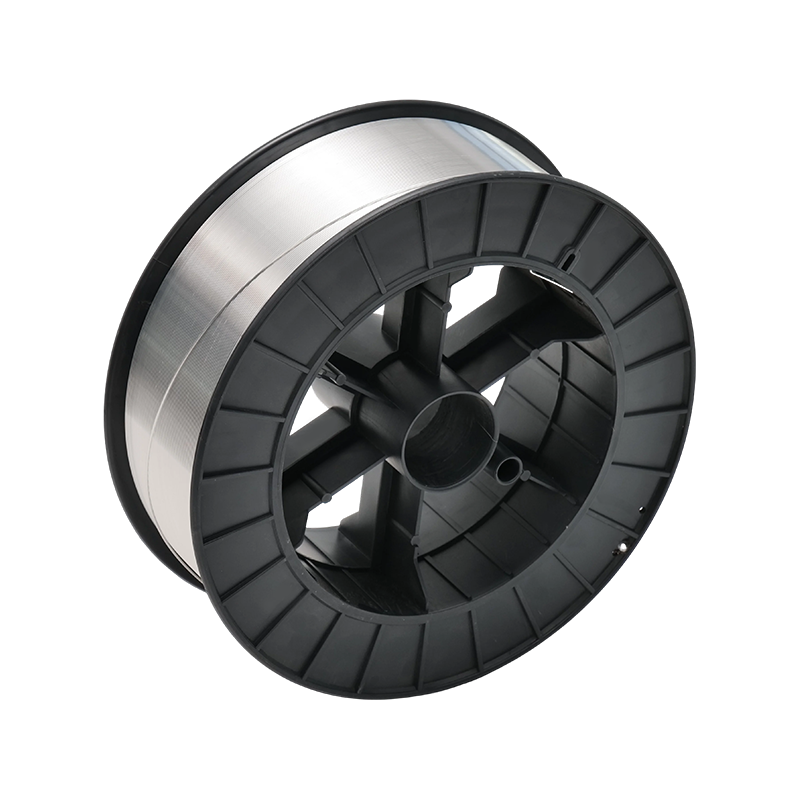
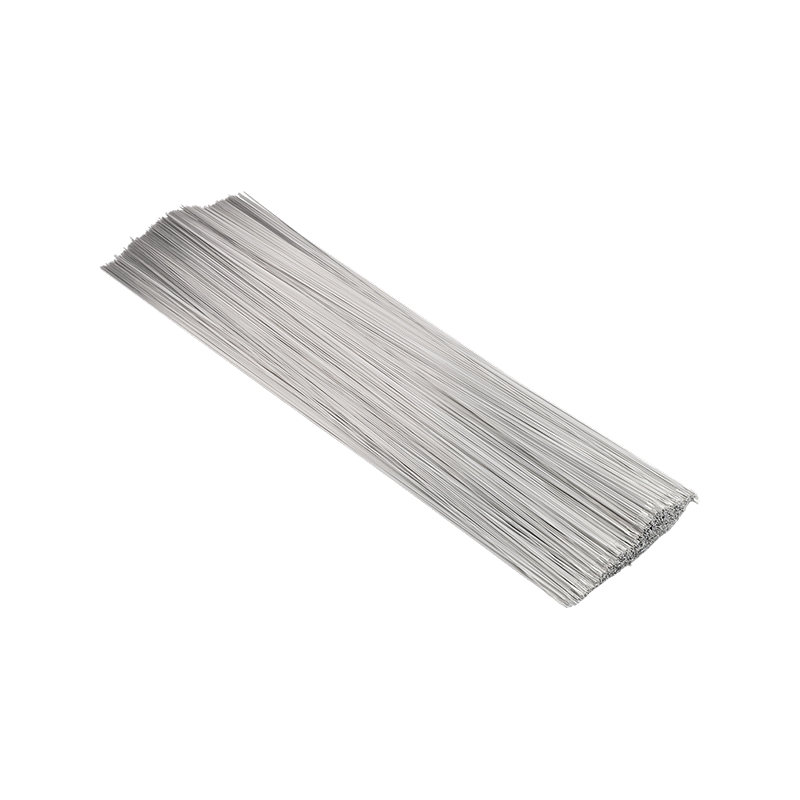
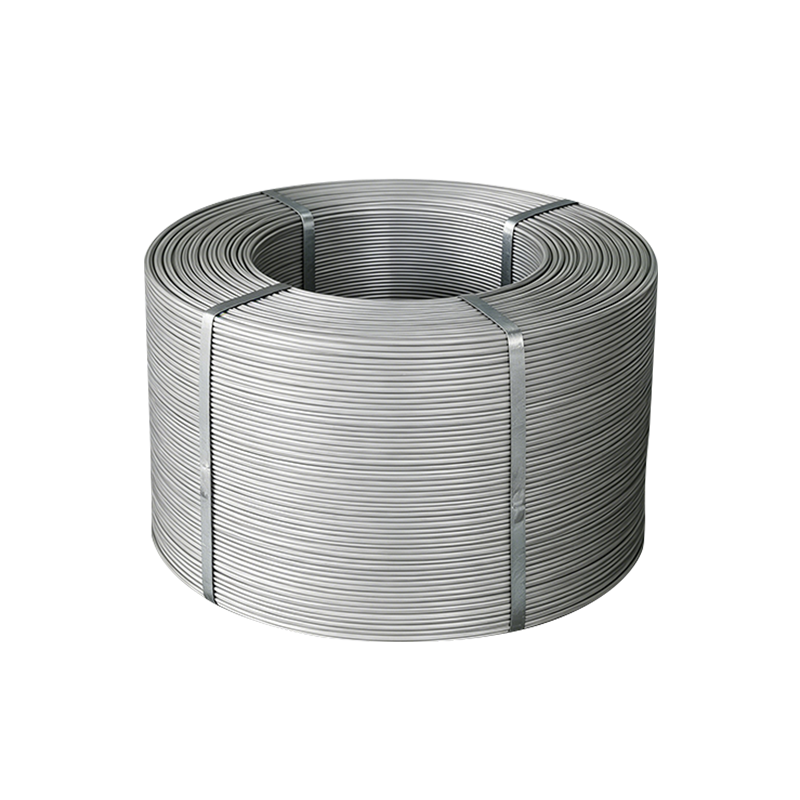
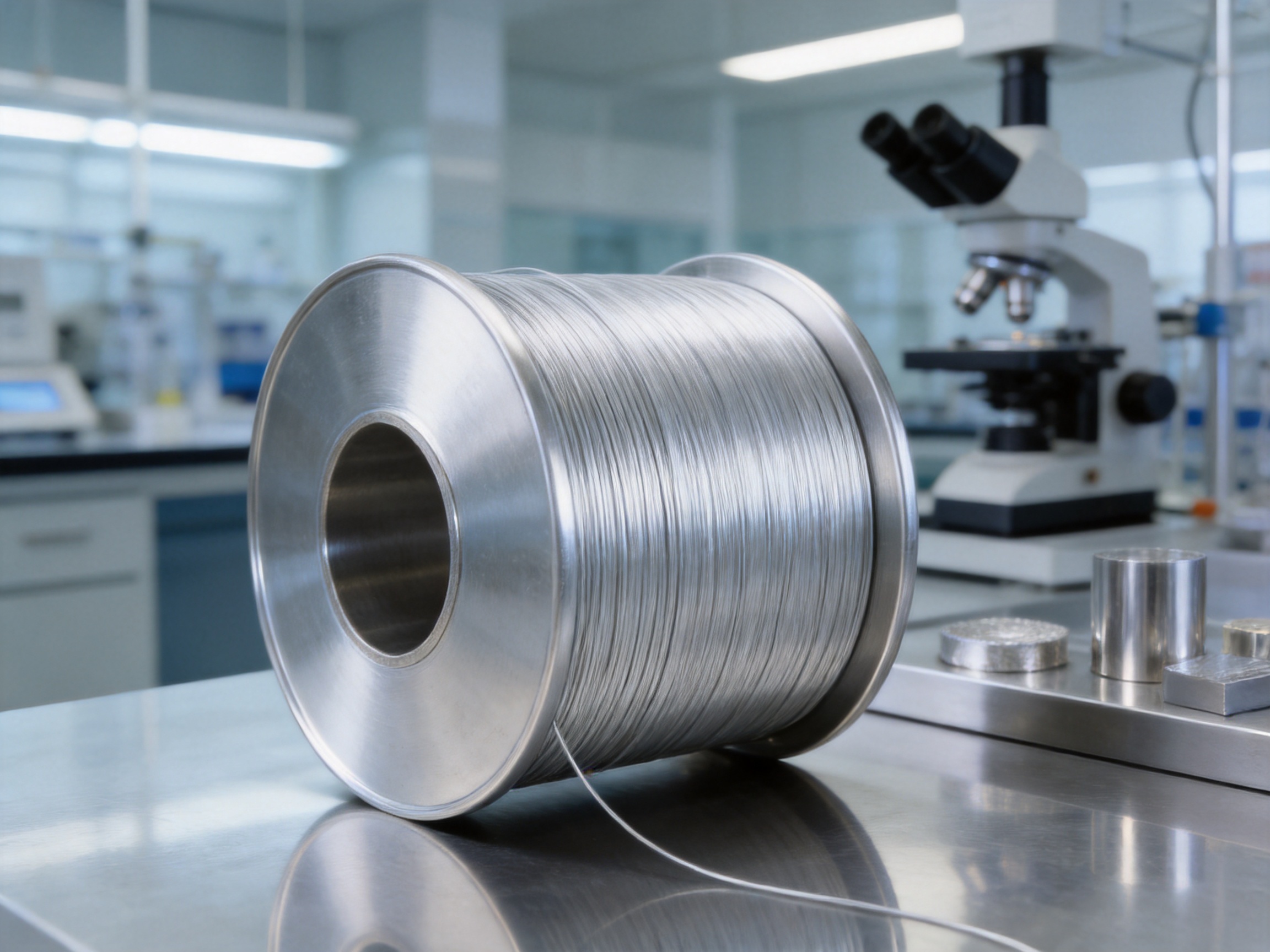
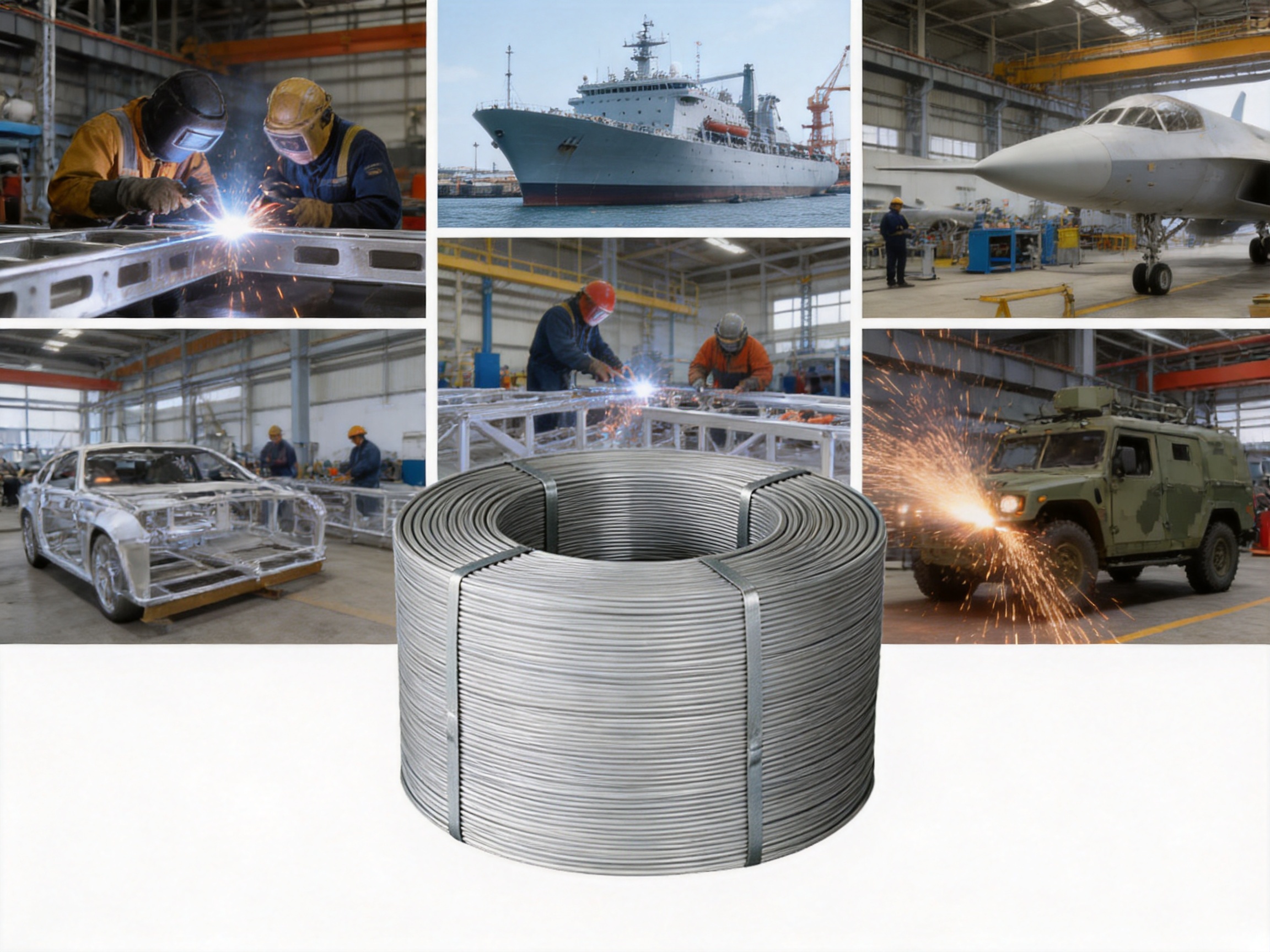
AlMg6 aluminum alloy wire is a high-magnesium aluminum alloy wire engineered for demanding applications where strength, corrosion resistance, weldability, and dependable processing performance must work together. As a high-strength aluminum alloy wire, it is widely relevant to aviation, aerospace, defense equipment, shipbuilding, automotive manufacturing, tank structures, precision fabrication, and other industries that require lightweight materials with reliable mechanical and environmental performance. In modern manufacturing, aluminum alloy wire is no longer selected only as a general-purpose metal input; it is chosen as a performance material that influences product durability, structural efficiency, welding quality, and long-term service reliability.
AlMg6 is especially valued because its magnesium content, typically in the range of 5.8% to 6.8%, gives the alloy a strong balance of strength and corrosion resistance. Compared with lower-magnesium aluminum wires, AlMg6 offers higher strengthening potential and better suitability for structures exposed to marine, humid, or aggressive service environments. Compared with some high-strength aluminum alloys that rely heavily on copper or zinc additions, AlMg6 provides a more favorable combination of weldability and corrosion behavior, making it a practical choice for both manufacturing and maintenance operations.
Jiangsu Hetuo Aluminum Wire Co., Ltd. produces aluminum wire and aluminum alloy wire through an intelligent manufacturing system that covers high-purity aluminum wire, high-strength aluminum alloy wire, and aluminum and aluminum alloy welding materials. Established in 2019 and located in Guannan Economic Development Zone, Lianyungang, Jiangsu Province, China, the company has built a production base of approximately 40,000 square meters. With advanced equipment, strict quality inspection, professional technical personnel, and ISO 9001 and IATF 16949 quality management system certifications, the company supports customers that need stable, traceable, and internationally compatible aluminum alloy wire solutions.
Content
- 1 Product Overview
- 2 Chemical Composition and Metallurgical Significance
- 3 Key Performance Advantages
- 4 Advantages Over Competing Wire Materials
- 5 Applications in Aviation and Aerospace
- 6 Applications in Marine and Shipbuilding Industries
- 7 Applications in Automotive and Transportation
- 8 Applications in Military, Tanks, and Defense Equipment
- 9 Advanced Manufacturing Strengths
- 10 Factory Scale, Technical Team, and Production Capability
- 11 Why Manufacturing Quality Matters for AlMg6
- 12 Role in Sustainable Lightweight Manufacturing
- 13 Selection Considerations for Customers
- 14 Storage and Handling Recommendations
- 15 Quality Assurance and Customer Value
- 16 Frequently Asked Questions
- 16.1 What is AlMg6 aluminum alloy wire?
- 16.2 What are the main advantages of AlMg6 aluminum alloy wire?
- 16.3 Why is magnesium important in AlMg6?
- 16.4 How does AlMg6 compare with pure aluminum wire?
- 16.5 Is AlMg6 suitable for marine applications?
- 16.6 Can AlMg6 aluminum alloy wire be welded?
- 16.7 Why does surface quality matter for aluminum alloy wire?
- 16.8 What industries commonly use AlMg6 aluminum alloy wire?
- 16.9 What quality systems support reliable aluminum alloy wire production?
- 16.10 How should AlMg6 wire be stored?
- 17 Conclusion
- 18 References
- 19 Product: AlMg6 Aluminum Alloy Wire
Product Overview
AlMg6 aluminum alloy wire belongs to the family of aluminum-magnesium alloy wires. Its defining feature is the relatively high magnesium content, supported by controlled additions of manganese, titanium, and trace beryllium, with aluminum making up the balance. This composition provides the alloy with useful strengthening behavior while preserving the low density and formability that make aluminum materials attractive across advanced industries. The wire can be used in production environments where lightweight construction, weld compatibility, anti-corrosion performance, and consistent feeding or forming characteristics are essential.
The product is categorized as a high-strength aluminum alloy wire. This classification reflects its ability to support applications where ordinary pure aluminum wire may not provide sufficient mechanical performance. Pure aluminum is highly conductive, ductile, and corrosion resistant, but it does not always meet the strength requirements of aerospace structures, ship components, military equipment, or high-performance vehicle assemblies. AlMg6 helps bridge that gap by delivering greater alloy strength while retaining many of the practical manufacturing advantages associated with aluminum.
In service, AlMg6 wire is appreciated for its resistance to exfoliation corrosion and its good weldability. Exfoliation corrosion is a serious concern in certain aluminum alloys, especially when materials are exposed to corrosive environments while under structural stress or when elongated grains and unfavorable microstructures are present. A wire product with good resistance to this type of degradation contributes to longer component life and improved safety margins. Weldability is equally important because many industrial structures are fabricated by joining, overlaying, repairing, or building assemblies using filler materials and wire forms. A wire that feeds consistently, melts predictably, and contributes to sound weld metal can reduce defects and improve production efficiency.
Chemical Composition and Metallurgical Significance
The performance of AlMg6 aluminum alloy wire begins with chemistry. In aluminum alloys, small variations in alloying element content can influence mechanical properties, corrosion resistance, casting behavior, hot working response, cold drawing performance, and weld quality. For that reason, chemical composition is not merely a specification line; it is the foundation of product reliability. AlMg6 wire uses magnesium as its primary strengthening element, with manganese and titanium contributing to microstructural control and performance stability.
| Element | Typical Content in AlMg6 Aluminum Alloy Wire | Functional Role |
| Silicon | Up to 0.40% | Controlled impurity level; influences melting behavior and processing response |
| Iron | Up to 0.40% | Controlled impurity level; excessive iron may affect ductility and surface quality |
| Copper | Up to 0.10% | Kept low to support corrosion resistance |
| Manganese | 0.5% to 0.8% | Contributes to strength, grain structure, and stability |
| Magnesium | 5.8% to 6.8% | Main strengthening element; improves strength and corrosion resistance balance |
| Zinc | Up to 0.20% | Controlled impurity or minor addition; limited for corrosion control |
| Titanium | 0.1% to 0.2% | Supports grain refinement and processing stability |
| Beryllium | 0.002% to 0.005% | Trace addition for metallurgical control in specified compositions |
| Aluminum | Balance | Base metal providing low density, corrosion resistance, and workability |
Magnesium is the key alloying element in AlMg6. It provides solid-solution strengthening in aluminum, meaning magnesium atoms dissolve into the aluminum matrix and create lattice distortions that make deformation more difficult. This strengthening mechanism improves mechanical performance without making the alloy dependent on complicated heat-treatment cycles in the same way as certain precipitation-hardening aluminum alloys. For industrial users, this can be an advantage because it allows strength, corrosion resistance, and weldability to coexist in a practical processing window.
Manganese in the range of 0.5% to 0.8% helps improve the alloy’s structural stability and may contribute to improved resistance to certain forms of deformation and corrosion. In aluminum alloy systems, manganese can also influence dispersoid formation and grain behavior during processing. A controlled manganese level helps ensure that the wire performs consistently during drawing, winding, feeding, and final use.
Titanium, typically controlled at 0.1% to 0.2%, is commonly associated with grain refinement in aluminum alloys. Fine and uniform grains are valuable because they can support better mechanical consistency, more stable processing, and improved surface quality. For wire products, grain structure influences drawability, ductility, surface finish, and the ability to maintain predictable performance across different diameters or customer specifications.
The low copper content is significant. Copper-bearing aluminum alloys can achieve high strength, but they may be less favorable in corrosive environments if not properly designed or protected. By keeping copper low, AlMg6 supports better corrosion performance, especially in environments where chloride exposure, humidity, and galvanic effects may occur. This is one of the reasons AlMg6 is attractive for marine and transportation structures.
Key Performance Advantages
The advantages of AlMg6 aluminum alloy wire can be understood through four major performance categories: high strength, corrosion resistance, weldability, and lightweight efficiency. These advantages are important individually, but their combined effect is what makes the alloy valuable for advanced manufacturing. A material that is strong but difficult to weld may increase fabrication costs. A material that resists corrosion but lacks strength may require larger cross sections and heavier designs. A material that is lightweight but inconsistent in processing may create quality risks. AlMg6 offers a practical balance across these requirements.
High Strength with Aluminum’s Weight Advantage
Aluminum has a density of roughly one-third that of steel, making it one of the most important materials for weight reduction. However, pure aluminum is comparatively soft. AlMg6 improves strength through magnesium alloying while preserving the inherent weight advantage of aluminum. In applications such as aircraft assemblies, armored mobility systems, marine structures, and vehicles, even modest reductions in mass can improve fuel efficiency, payload capacity, operating range, or handling performance.
Compared with ordinary aluminum wire, AlMg6 provides a stronger material foundation. This allows designers and fabricators to use aluminum alloy wire in roles where higher mechanical performance is expected. Compared with many competing materials, AlMg6 can help reduce structural weight without sacrificing the practical requirements of joining and fabrication. This is especially important for industries that must balance performance, cost, and manufacturability.
Good Exfoliation Corrosion Resistance
Exfoliation corrosion is a form of corrosion where attack progresses along elongated grain boundaries, causing layers of metal to lift or flake away. It is particularly concerning in some rolled, extruded, or heavily worked aluminum products exposed to aggressive environments. AlMg6’s good exfoliation corrosion resistance makes it suitable for service conditions where long-term structural reliability is essential. In ships, coastal equipment, aerospace structures, and military applications, corrosion is not merely an appearance issue; it can become a safety, maintenance, and lifecycle cost issue.
Because AlMg6 has relatively low copper content and a magnesium-rich aluminum matrix, it can offer favorable resistance compared with some higher-copper aluminum alloys. This does not eliminate the need for correct design, surface protection, or maintenance, but it provides a stronger starting point for corrosion-sensitive applications. The result is a wire material that supports durable assemblies in environments where moisture, salt, temperature variation, and mechanical stress may coexist.
Excellent Weldability for Fabrication and Repair
Good weldability is a major reason aluminum-magnesium alloys are widely used in structural fabrication. AlMg6 wire can support welding processes where stable melting behavior, good flow, and sound weld metal are needed. Welding materials must be carefully controlled because inconsistent chemistry, surface contamination, or unstable diameter can lead to porosity, poor arc stability, lack of fusion, inconsistent bead shape, or reduced mechanical properties in the weld.
AlMg6 aluminum alloy wire provides practical value for both original manufacturing and repair operations. In shipbuilding, automotive production, aerospace support, and military maintenance, repairability is a critical consideration. A material that can be welded effectively reduces downtime and improves the practicality of long-term service. This advantage gives AlMg6 a strong position over materials that may be stronger in laboratory conditions but more difficult to join reliably in real production settings.
Stable Processing Performance
Wire products must perform not only as materials but also as production inputs. They may be drawn to precise diameters, wound on spools, transported, unwound, straightened, fed through welding equipment, or formed into components. Dimensional consistency, surface cleanliness, and metallurgical uniformity are therefore essential. AlMg6 wire manufactured under controlled conditions can deliver stable behavior during these operations, reducing production interruptions and improving final product quality.
For customers, this means fewer feeding issues, more predictable welding results, better batch-to-batch consistency, and improved confidence when scaling from trials to mass production. In competitive industrial environments, material stability can be as valuable as nominal strength because it directly affects productivity and defect rates.
Advantages Over Competing Wire Materials
When selecting aluminum alloy wire, customers often compare AlMg6 with pure aluminum wire, lower-magnesium aluminum-magnesium wires, aluminum-silicon welding wires, and high-strength aluminum alloys containing copper or zinc. Each option has its own strengths, but AlMg6 occupies a distinctive position for applications requiring strength, corrosion resistance, and weldability at the same time.
Compared with High-Purity Aluminum Wire
High-purity aluminum wire is valued for conductivity, softness, ductility, and corrosion resistance. It is suitable for electrical, metallizing, and precision applications where purity matters more than strength. However, high-purity aluminum does not typically provide the mechanical performance required by heavy-duty structural applications. AlMg6 is a better choice where the wire must contribute to strength, durability, and service performance. It provides a higher-strength alternative while maintaining aluminum’s low density and corrosion-friendly character.
Compared with Lower-Magnesium Al-Mg Wires
Alloys such as AlMg3 and AlMg5 are useful where moderate strength and good corrosion resistance are required. AlMg6, with a higher magnesium range of 5.8% to 6.8%, offers greater strengthening potential. This makes it more suitable for demanding applications where lower-magnesium alloys may be insufficient. For marine equipment, military structures, and aerospace-related fabrication, the additional strength margin can be valuable.
At the same time, AlMg6 remains within the aluminum-magnesium family, meaning it retains many of the weldability and corrosion advantages associated with this alloy group. This gives it an advantage over lower-strength materials without forcing customers to move into alloy systems that may be more difficult to weld or more sensitive to corrosion.
Compared with Aluminum-Silicon Welding Wires
Aluminum-silicon wires such as 4043 and 4047 are commonly used because they have good fluidity, reduced cracking tendency in certain welds, and favorable brazing or welding behavior. However, their strength and corrosion profile differ from aluminum-magnesium wires. For applications where higher strength and marine-type corrosion resistance are priorities, AlMg6 may be more suitable than aluminum-silicon wire. The selection depends on base material, welding process, service environment, and mechanical requirements, but AlMg6 provides a stronger option for structural applications where magnesium alloying is beneficial.
Compared with High-Copper or High-Zinc Aluminum Alloys
Alloys such as 2xxx and 7xxx series aluminum materials can achieve very high strength. However, they may require more careful control of heat treatment, welding procedures, and corrosion protection. Some high-strength precipitation-hardening alloys are more difficult to weld and may experience reduced performance in the heat-affected zone. AlMg6 offers a more fabrication-friendly alternative when ultimate peak strength is less important than a balanced combination of strength, weldability, and corrosion resistance.
This balance can reduce total manufacturing complexity. Customers do not only purchase a wire by its chemical composition; they also purchase the ability to process it reliably in real production. AlMg6 can lower risk in applications where difficult welding, corrosion sensitivity, or inconsistent processing would create higher costs.
Applications in Aviation and Aerospace
Aviation and aerospace industries place extraordinary demands on materials. Weight reduction is critical, but so are reliability, traceability, corrosion behavior, and consistent quality. AlMg6 aluminum alloy wire can support these industries where aluminum-magnesium alloy performance is appropriate. It may be used in auxiliary structures, fabrication materials, repair operations, tooling-related components, or other applications requiring strong and weldable aluminum alloy wire.
In aerospace environments, materials may be exposed to temperature variation, vibration, stress cycles, humidity, and strict inspection requirements. A wire with stable chemical composition and controlled surface quality helps manufacturers meet these requirements. AlMg6’s strength-to-weight advantage supports the broader aerospace goal of lightweight design, while its corrosion resistance helps reduce long-term maintenance concerns.
Because aerospace applications are highly regulated, material selection must follow engineering standards, customer specifications, and qualification procedures. The value of a professional manufacturer lies not only in supplying wire but also in maintaining documentation, consistency, and quality control that can support customer approval processes. Jiangsu Hetuo Aluminum Wire Co., Ltd. strengthens this value through certified management systems and production inspection practices that support high-end market requirements.
Applications in Marine and Shipbuilding Industries
Marine environments are among the most challenging for metallic materials. Saltwater, humidity, temperature changes, and galvanic interactions can accelerate corrosion. Ship structures, offshore equipment, decks, tanks, ladders, platforms, and marine transport systems all benefit from materials that can resist corrosion while keeping weight under control. AlMg6 aluminum alloy wire is well matched to these needs because aluminum-magnesium alloys are widely recognized for favorable marine corrosion behavior.
For shipbuilding, weldability is especially important. Large structures require extensive joining, and weld quality can directly affect safety and service life. A wire such as AlMg6 helps fabricators achieve strong, corrosion-resistant joints when used correctly with compatible base materials and welding procedures. Its good resistance to exfoliation corrosion is also valuable because marine components can experience long periods of exposure to corrosive conditions.
Compared with steel, aluminum alloy structures can significantly reduce weight, which may improve vessel speed, fuel consumption, cargo capacity, or handling. Compared with lower-strength aluminum materials, AlMg6 provides better mechanical performance. This combination makes it attractive for modern shipbuilders seeking durable, lightweight, and production-efficient materials.
Applications in Automotive and Transportation
The automotive industry continues to pursue lighter vehicles to improve efficiency, extend electric vehicle range, and reduce emissions. Aluminum alloys are central to this trend. AlMg6 aluminum alloy wire can contribute to manufacturing systems where lightweight strength, corrosion resistance, and weldability are required. It may be relevant for vehicle structures, specialty components, repair materials, high-performance assemblies, and transportation equipment exposed to road salt or outdoor environments.
In automotive production, material consistency is critical because production lines operate at high speed. Wire feeding stability, diameter control, clean surfaces, and predictable melting behavior can influence welding productivity and defect rates. A well-manufactured AlMg6 wire supports more stable production by reducing variability. This is especially important as automotive manufacturers increasingly rely on automated welding, robotic joining, and strict quality monitoring.
For electric vehicles, lightweight materials are especially valuable because every kilogram saved can support range, battery efficiency, or payload. Corrosion resistance also matters because vehicles must endure years of exposure to moisture, road chemicals, and temperature cycles. AlMg6’s properties align with these modern transportation requirements.
Applications in Military, Tanks, and Defense Equipment
Defense applications require materials that provide reliability under demanding conditions. Weight reduction can improve mobility, transportability, fuel efficiency, and operational flexibility. At the same time, structures must maintain strength, withstand harsh environments, and be repairable in practical field or depot conditions. AlMg6 aluminum alloy wire offers a useful combination of high strength, corrosion resistance, and weldability for defense-related manufacturing and maintenance where aluminum alloy wire is specified.
Military vehicles and tanks may use aluminum alloys in selected components, protective systems, support structures, or auxiliary assemblies. A strong aluminum-magnesium wire can support fabrication and repair of compatible aluminum alloy components. The corrosion resistance of AlMg6 is important for equipment deployed in coastal, humid, desert, or variable environments. Weldability helps reduce maintenance complexity and supports readiness by enabling more efficient repair operations.
Compared with materials that are difficult to weld or require highly specialized processing, AlMg6 can offer a more practical solution for certain defense manufacturing scenarios. The alloy’s balance of properties helps manufacturers and maintenance teams reduce the trade-off between performance and processability.
Advanced Manufacturing Strengths
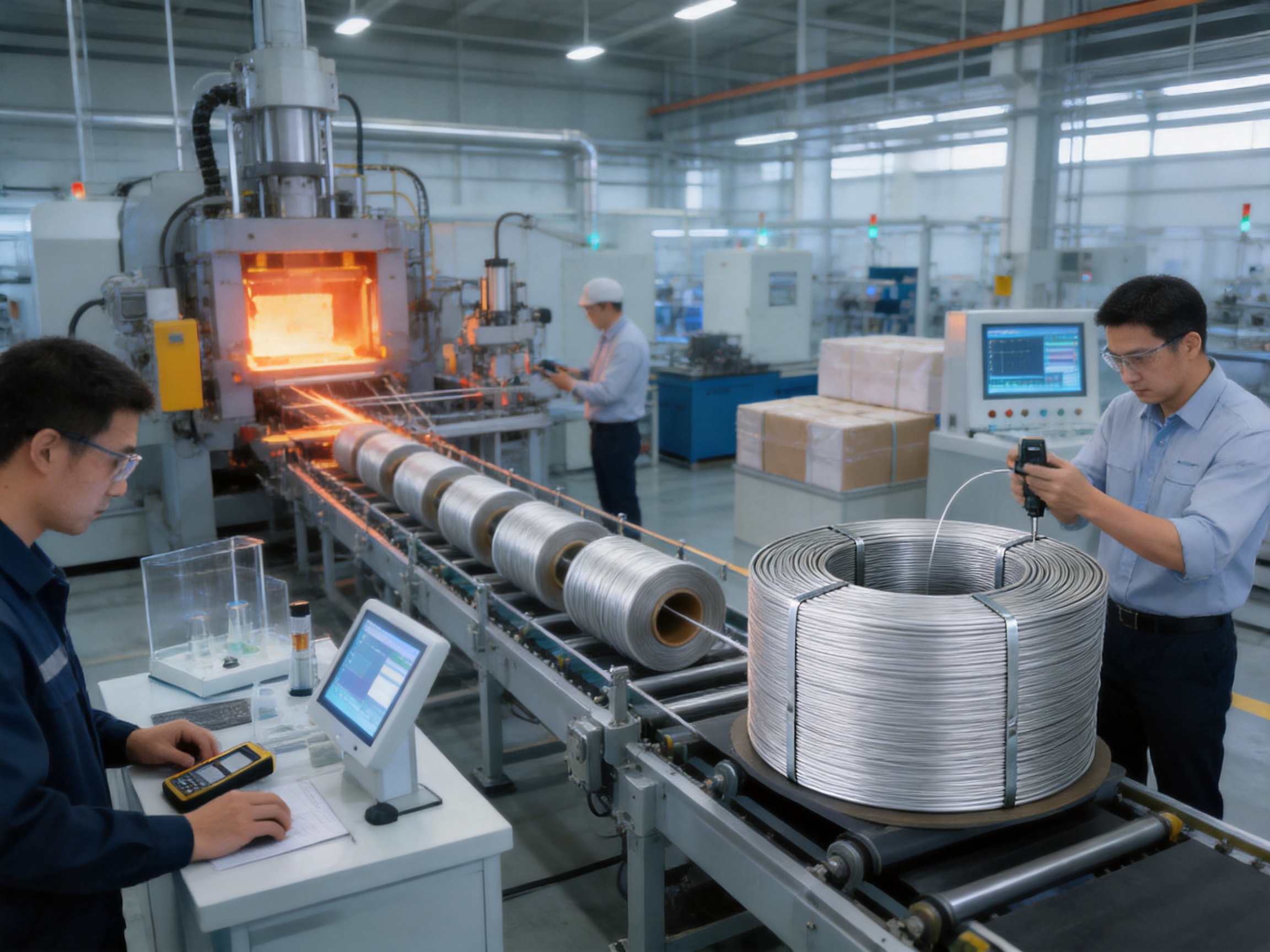
The quality of AlMg6 aluminum alloy wire depends heavily on manufacturing control. Even when the chemical composition is correct on paper, final wire performance can vary if melting, casting, rolling, drawing, annealing, surface treatment, winding, inspection, and packaging are not carefully managed. Jiangsu Hetuo Aluminum Wire Co., Ltd. has developed an intelligent manufacturing system focused on high-purity aluminum wire, high-strength aluminum alloy wire, and aluminum alloy welding materials. This integrated capability allows the company to serve customers that require both material performance and manufacturing reliability.
Controlled Raw Material Selection
High-quality aluminum alloy wire begins with reliable raw materials. Aluminum base metal and alloying elements must be selected and verified to meet chemical requirements. Impurity control is especially important for AlMg6 because excessive or unstable levels of iron, silicon, copper, zinc, or other elements can affect corrosion resistance, ductility, weldability, and surface quality. By controlling raw material input, the company helps ensure that the final product meets specified composition and performance expectations.
Precision Melting and Alloying
During melting and alloying, magnesium must be carefully controlled because it can oxidize and burn off if processing conditions are not properly managed. Achieving the correct magnesium range of 5.8% to 6.8% requires process knowledge, temperature control, melt protection, sampling, and adjustment. Trace elements such as titanium and beryllium also require precise handling because their effects depend on controlled addition levels. A professional production system reduces the risk of composition drift and improves batch consistency.
Microstructure Control
Wire performance is strongly influenced by microstructure. Grain size, phase distribution, inclusions, segregation, and work-hardening condition all affect the final product. Through controlled processing, manufacturers can improve uniformity and reduce defects. Titanium addition supports grain refinement, while controlled deformation and thermal treatment help develop desirable wire properties. For customers, better microstructure control translates into fewer wire breaks, improved drawability, stable welding behavior, and more reliable mechanical performance.
Wire Drawing and Dimensional Accuracy
Wire drawing is a critical stage in which rod or intermediate stock is reduced to the required diameter. Drawing must be performed with appropriate die design, lubrication, reduction schedules, and tension control. If drawing is too aggressive or poorly controlled, defects such as surface cracks, internal stress concentration, poor roundness, or inconsistent diameter may occur. AlMg6, with its higher magnesium content, requires knowledgeable process control to maintain ductility and surface quality.
Dimensional accuracy is important for customers using automated equipment. Welding wire, for example, must feed smoothly through liners, drive rolls, contact tips, and robotic systems. Diameter inconsistency can cause arc instability, burnback, feeding resistance, and weld defects. The company’s focus on inspection throughout production helps ensure that wire dimensions remain within customer requirements.
Surface Quality and Cleanliness
Surface condition is one of the most important features of aluminum alloy wire. Oxides, oil contamination, scratches, roughness, embedded particles, and handling damage can all affect welding quality and forming behavior. Aluminum naturally forms an oxide layer, and while this oxide protects against corrosion, excessive or contaminated oxide can create issues during welding. Proper surface control helps reduce porosity, improve feedability, and support consistent melting.
Advanced manufacturing processes include cleaning, controlled handling, appropriate lubrication removal, inspection, and careful packaging. For high-end applications, surface consistency can be the difference between smooth production and repeated process interruptions. This is one of the areas where a professional manufacturer can distinguish itself from lower-cost competitors that may focus only on nominal composition while neglecting surface quality.
Quality Inspection Throughout Production
Jiangsu Hetuo Aluminum Wire Co., Ltd. strictly implements quality inspection throughout production. This approach is important because quality cannot be added at the end; it must be built into every step. Incoming raw materials, melt chemistry, intermediate dimensions, surface condition, mechanical properties, final wire diameter, spool quality, and packaging integrity all require monitoring. Continuous inspection helps identify deviations early and prevents nonconforming material from reaching customers.
The company has obtained ISO 9001 and IATF 16949 quality management system certifications. ISO 9001 demonstrates a structured quality management approach, while IATF 16949 is especially relevant to automotive supply chains and emphasizes defect prevention, variation reduction, traceability, and continuous improvement. These certifications are meaningful for customers that require disciplined manufacturing and documented quality control.
Factory Scale, Technical Team, and Production Capability
The company’s factory covers about 40,000 square meters and employs approximately 60 people, including 30 professional managers and technicians. This staffing structure reflects an emphasis on technical management and process expertise. Aluminum alloy wire production is not simply a commodity operation; it requires metallurgical knowledge, equipment control, quality systems, and responsiveness to customer requirements. A team with professional managers and technicians can better support product development, process optimization, quality assurance, and after-sales service.
Advanced equipment and facilities allow the company to manufacture high-grade aluminum alloy rods, welding wires, and precision profiles. This broader product capability is important because it indicates experience across multiple aluminum alloy processing routes. Customers benefit from a supplier that understands how upstream rod quality affects downstream wire drawing, how alloy composition affects welding behavior, and how quality inspection must be integrated from raw material to finished product.
By exporting products to many high-end overseas markets, the company demonstrates an ability to meet international expectations. Global customers often require stable packaging, clear documentation, consistent batch quality, and responsiveness to technical questions. Experience in overseas markets helps the company align with these expectations and provide aluminum alloy wire solutions suitable for global industries.
Why Manufacturing Quality Matters for AlMg6
AlMg6’s high magnesium content is a major advantage, but it also makes professional manufacturing essential. Magnesium improves strength, but it can increase sensitivity to processing conditions if not managed correctly. Poor melting control can lead to oxidation or composition inconsistency. Poor drawing control can lead to wire breakage or surface defects. Poor storage and packaging can allow contamination or moisture exposure. Therefore, customers should evaluate not only the alloy grade but also the supplier’s manufacturing discipline.
A well-produced AlMg6 wire should offer consistent chemistry, smooth surface, controlled diameter, stable mechanical properties, and reliable packaging. These attributes reduce risk in customer operations. In welding applications, they improve feed stability and weld quality. In forming applications, they reduce breakage and improve repeatability. In high-strength applications, they support confidence that the wire will perform as expected.
Compared with competitors that may provide basic aluminum alloy wire without comprehensive quality control, a manufacturer with certified systems and full-process inspection can offer a higher level of assurance. The difference may not be obvious from a simple price comparison, but it becomes clear during production, where inconsistent wire can cause downtime, scrap, rework, and customer complaints. For industries such as aerospace, marine, automotive, and defense, these hidden costs can far exceed the initial material price difference.
Role in Sustainable Lightweight Manufacturing
Modern industry increasingly values sustainability, and aluminum alloy wire contributes to this trend in several ways. First, aluminum’s low density supports lightweight design, which can reduce energy consumption during the use phase of vehicles, aircraft, vessels, and equipment. Second, aluminum is highly recyclable, and recycled aluminum can dramatically reduce energy demand compared with primary aluminum production. Third, durable corrosion-resistant materials can extend service life, reducing replacement frequency and material waste.
AlMg6 aluminum alloy wire supports sustainability by combining lightweight performance with strength and corrosion resistance. A component that lasts longer and weighs less delivers environmental benefits across its lifecycle. For transportation industries, reduced weight can mean lower fuel consumption or improved electric range. For marine and infrastructure applications, better corrosion resistance can reduce maintenance materials and downtime.
Jiangsu Hetuo Aluminum Wire Co., Ltd. aims to provide lighter, stronger, and more sustainable aluminum alloy wire and welding material solutions for global industries. This goal aligns with the direction of advanced manufacturing, where material selection is increasingly evaluated not only by immediate cost but also by lifecycle performance, resource efficiency, and long-term reliability.
Selection Considerations for Customers
When choosing AlMg6 aluminum alloy wire, customers should consider base material compatibility, mechanical performance requirements, corrosion exposure, welding process, wire diameter, surface condition, packaging type, and qualification standards. No alloy should be selected in isolation. The best choice depends on the entire manufacturing and service environment. AlMg6 is particularly suitable when the customer needs a strong aluminum-magnesium wire with good corrosion behavior and weldability.
For welding applications, customers should confirm that the wire is compatible with the base alloy and service requirements. Welding parameters, shielding gas, joint design, pre-cleaning, interpass control, and post-weld inspection all influence final results. A high-quality wire improves the foundation for success, but proper welding practice remains essential.
For forming or drawing-related applications, customers should discuss diameter tolerance, temper condition, coil weight, spool type, surface requirements, and mechanical property expectations. The more clearly the application requirements are communicated, the better the manufacturer can recommend suitable specifications and production controls.
Storage and Handling Recommendations
Aluminum alloy wire should be stored in a clean, dry environment away from corrosive chemicals, moisture, dust, and mechanical damage. Packaging should remain sealed until use, especially for welding wire, because surface contamination can affect weld quality. When wire is moved into a production area from a cold warehouse, it should be allowed to reach room temperature before opening if condensation is possible. Moisture on wire surfaces can increase porosity risk during welding.
Operators should avoid touching wire surfaces with bare or contaminated hands. Oils, salts, and particles can transfer to the wire and interfere with welding or forming. Spools should be handled carefully to avoid deformation, tangling, or edge damage. Feeding systems should be kept clean and properly adjusted. Drive roll pressure should be sufficient for feeding but not so high that it deforms the wire.
These practices help preserve the quality built into the product during manufacturing. Even the best wire can underperform if it is stored or handled incorrectly. Therefore, material quality and user discipline must work together.
Quality Assurance and Customer Value
The value of AlMg6 aluminum alloy wire is measured not only by its specification but also by the reliability it brings to customer operations. A consistent wire helps reduce production variability. A clean surface helps improve welding quality. A controlled composition helps ensure predictable mechanical and corrosion performance. A professional supplier helps customers solve problems, refine specifications, and maintain supply continuity.
Jiangsu Hetuo Aluminum Wire Co., Ltd. combines advanced equipment, technical personnel, quality management certifications, and international market experience to support these customer needs. Its product portfolio covers high-purity aluminum wire, high-strength aluminum alloy wire, and aluminum and aluminum alloy welding materials, allowing it to serve a wide range of industries. For customers looking for AlMg6 aluminum alloy wire, this integrated capability provides a dependable supply foundation.
In competitive markets, the lowest initial price is not always the best value. Wire defects can cause welding porosity, feeding instability, downtime, rework, wasted labor, and delayed delivery. A stable product from a capable manufacturer can reduce these risks and improve total cost performance. This is one of the most important advantages of choosing a technically focused supplier rather than treating aluminum alloy wire as a generic commodity.
Frequently Asked Questions
What is AlMg6 aluminum alloy wire?
AlMg6 aluminum alloy wire is a high-strength aluminum-magnesium alloy wire containing approximately 5.8% to 6.8% magnesium, with controlled additions of manganese, titanium, trace beryllium, and aluminum as the balance. It is designed for applications requiring strength, corrosion resistance, and weldability.
What are the main advantages of AlMg6 aluminum alloy wire?
The main advantages include high strength compared with pure aluminum wire, good exfoliation corrosion resistance, favorable weldability, lightweight performance, and suitability for demanding industries such as aviation, aerospace, shipbuilding, automotive manufacturing, military equipment, and tank-related applications.
Why is magnesium important in AlMg6?
Magnesium is the primary strengthening element. It dissolves into the aluminum matrix and increases resistance to deformation, improving mechanical performance while maintaining aluminum’s low density and corrosion-resistant character.
How does AlMg6 compare with pure aluminum wire?
Pure aluminum wire offers excellent ductility and conductivity but limited strength. AlMg6 provides much higher strength while retaining useful aluminum properties, making it more appropriate for structural and demanding industrial applications.
Is AlMg6 suitable for marine applications?
Yes. AlMg6 is well suited to many marine-related applications because aluminum-magnesium alloys are known for good corrosion resistance, and AlMg6 also offers good resistance to exfoliation corrosion. Correct material selection, design, welding practice, and maintenance remain important.
Can AlMg6 aluminum alloy wire be welded?
Yes. AlMg6 has good weldability and can be used in compatible welding and fabrication applications. For best results, users should follow proper welding procedures, surface cleaning practices, shielding gas control, and base material compatibility requirements.
Why does surface quality matter for aluminum alloy wire?
Surface quality affects feeding, welding stability, porosity risk, and final appearance. Contamination, scratches, excessive oxide, or poor packaging can reduce performance. A professionally manufactured wire with controlled surface quality helps improve production reliability.
What industries commonly use AlMg6 aluminum alloy wire?
AlMg6 is relevant to aviation, aerospace, military equipment, ships, automobiles, tanks, transportation systems, and other high-performance manufacturing sectors where lightweight strength and corrosion resistance are needed.
What quality systems support reliable aluminum alloy wire production?
ISO 9001 and IATF 16949 quality management systems support process control, traceability, defect prevention, continuous improvement, and customer confidence. These systems are especially valuable for automotive and other high-end industrial supply chains.
How should AlMg6 wire be stored?
It should be stored in a clean, dry environment and protected from moisture, dust, corrosive chemicals, and mechanical damage. Welding wire packaging should remain sealed until use, and condensation should be avoided before opening.
Conclusion
AlMg6 aluminum alloy wire is a high-performance material choice for industries that require strength, corrosion resistance, weldability, and lightweight efficiency in one product. Its magnesium-rich composition provides a clear strength advantage over pure aluminum and lower-magnesium alternatives, while its low copper content and aluminum-magnesium alloy character support favorable corrosion behavior. For aviation, aerospace, marine, automotive, military, and tank-related applications, this combination can deliver practical value in both manufacturing and long-term service.
The product’s performance depends not only on alloy chemistry but also on manufacturing discipline. Controlled raw materials, precise melting, microstructure management, accurate wire drawing, clean surfaces, full-process inspection, and reliable packaging all influence final quality. Jiangsu Hetuo Aluminum Wire Co., Ltd. supports these requirements through advanced facilities, an intelligent manufacturing system, professional technical personnel, and certified quality management systems. Its experience in high-purity aluminum wire, high-strength aluminum alloy wire, and aluminum alloy welding materials allows it to provide stable and practical solutions for global customers.
For buyers comparing aluminum alloy wire suppliers, AlMg6 offers more than a specification. It offers a balanced material platform for lightweight, durable, and weldable structures. When produced by a capable manufacturer with strong quality control, it can help reduce defects, improve productivity, extend service life, and support sustainable industrial development. These qualities make AlMg6 aluminum alloy wire a valuable choice for modern engineering applications where performance and reliability must work together.
References
1. Davis, J. R. Aluminum and Aluminum Alloys. ASM International.
2. Hatch, J. E. Aluminum: Properties and Physical Metallurgy. American Society for Metals.
3. Kaufman, J. G. Introduction to Aluminum Alloys and Tempers. ASM International.
4. Mathers, G. The Welding of Aluminium and Its Alloys. Woodhead Publishing.
5. European Aluminium Association. Aluminium Automotive Manual.
6. International Organization for Standardization. ISO 9001 Quality Management Systems Requirements.
7. Automotive Industry Action Group. IATF 16949 Automotive Quality Management System Standard.
8. Mondolfo, L. F. Aluminum Alloys: Structure and Properties. Butterworths.