

 English
 中文简体
 русский
 Deutsch
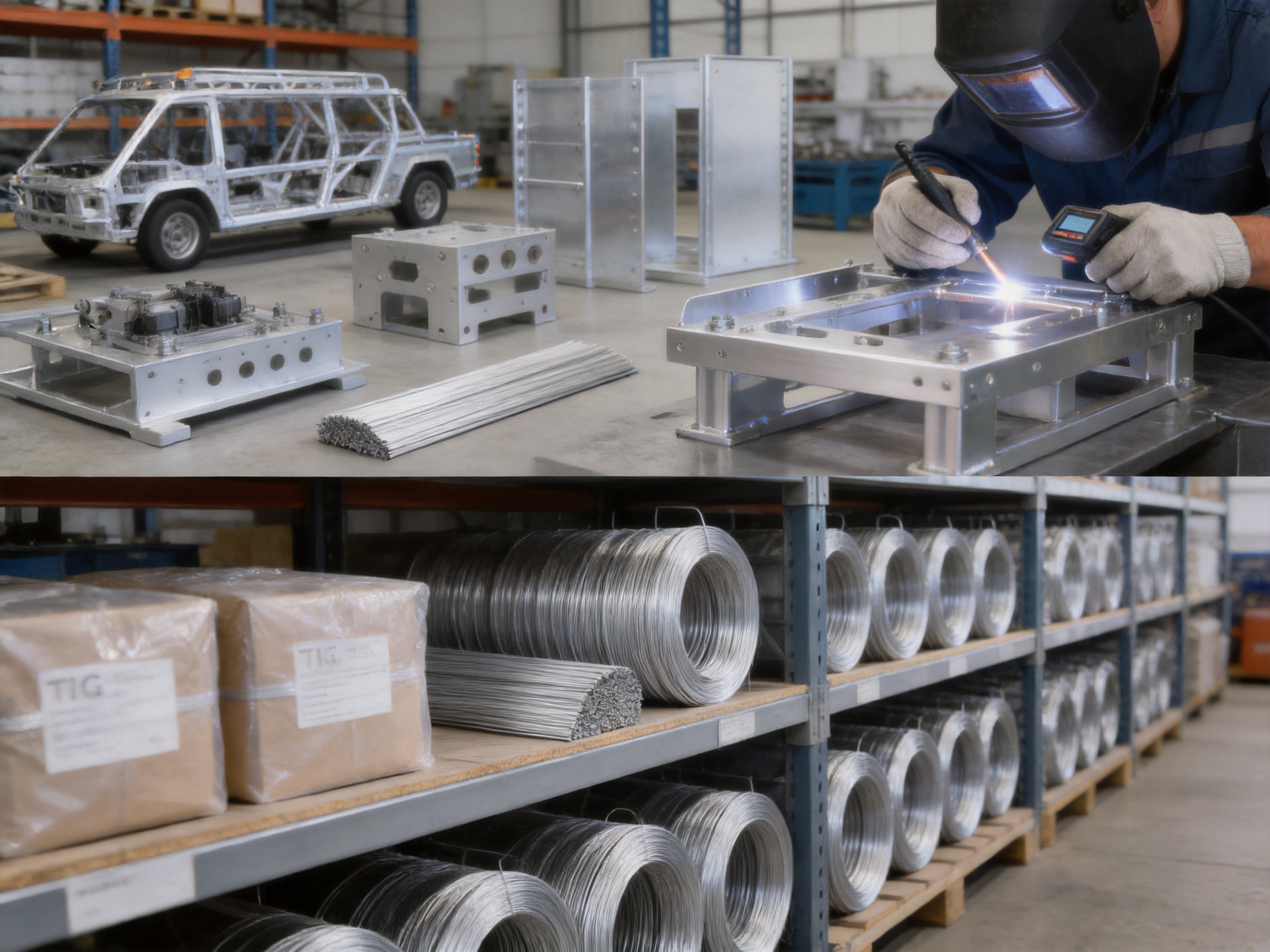
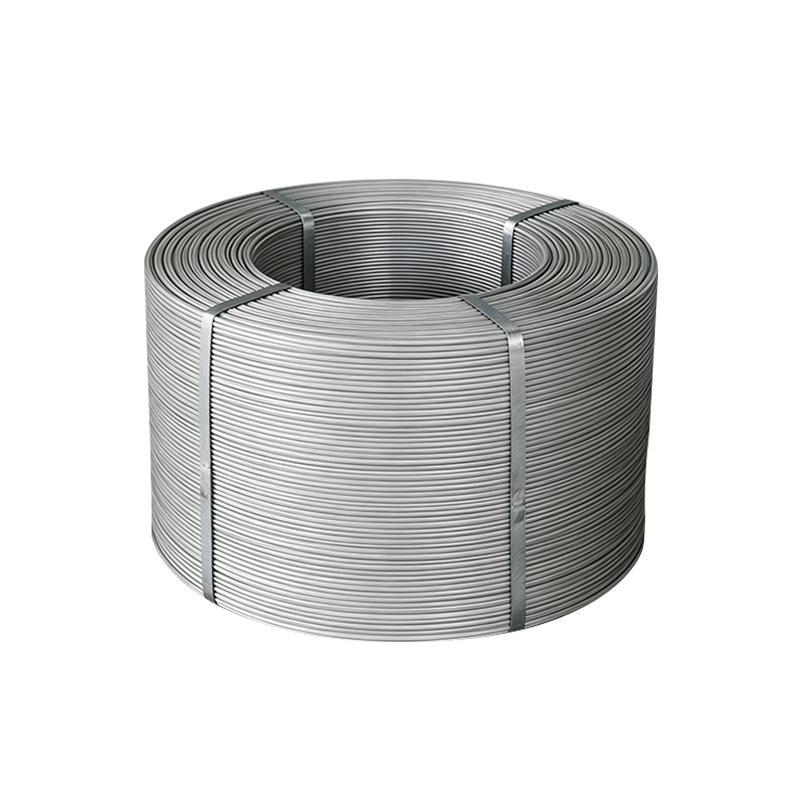
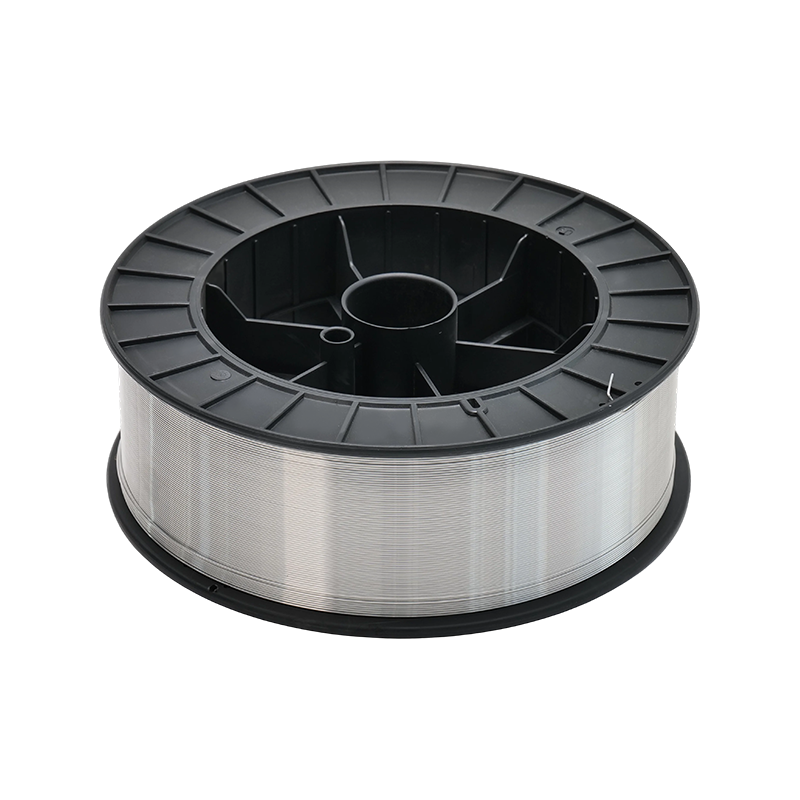
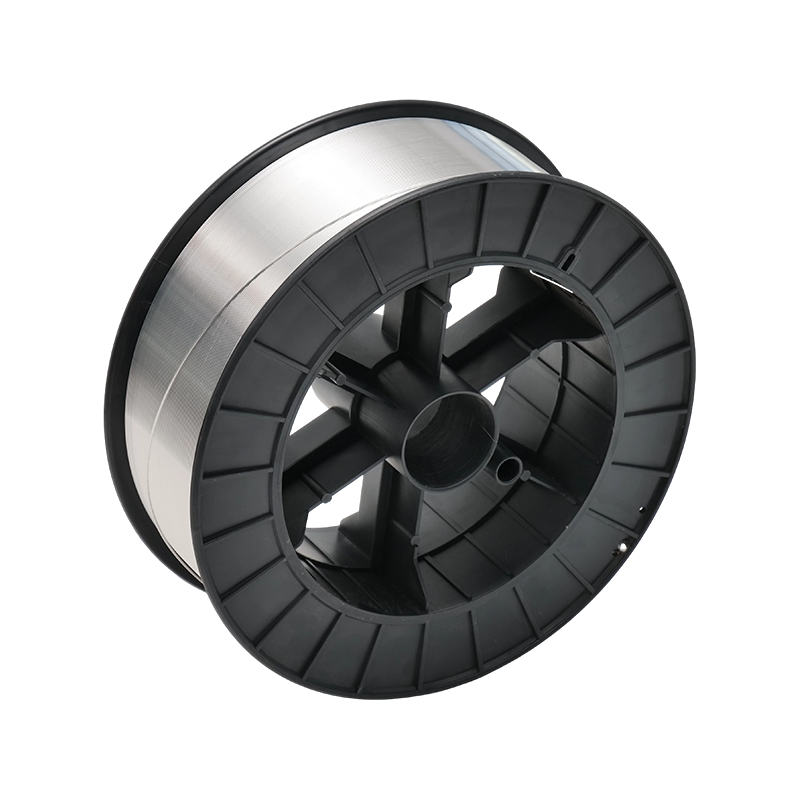
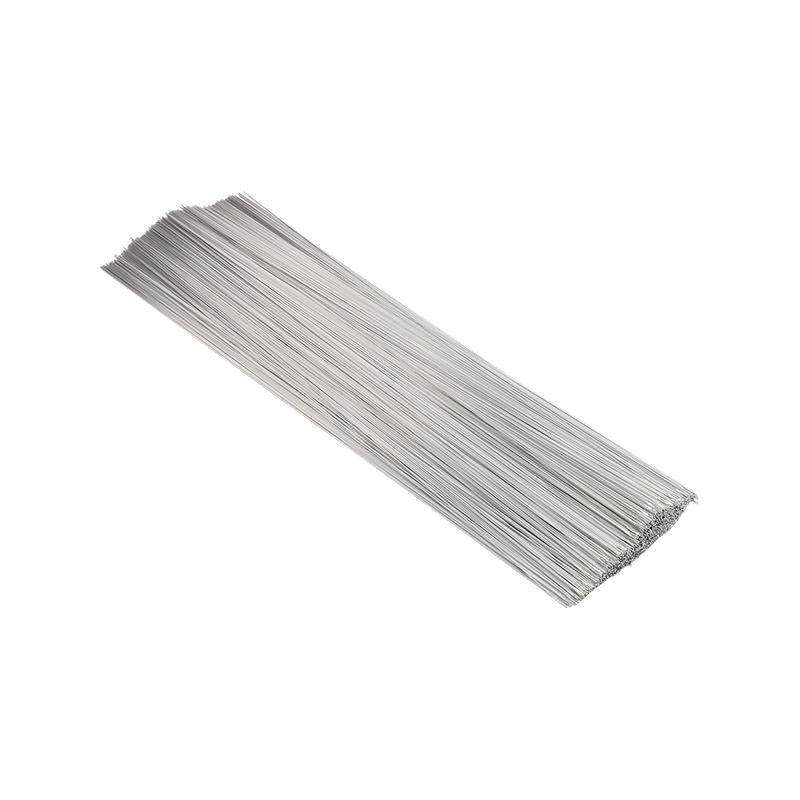
TIG wire is an essential welding material for producing clean, accurate, and high-quality joints in aluminum and aluminum alloy components. Used with tungsten inert gas welding, also known as TIG or gas tungsten arc welding, it supports controlled arc welding where the electrode does not melt and the filler material is added separately. This process is widely selected when appearance, dimensional accuracy, weld integrity, and control of heat input are important.
Aluminum and aluminum alloys are valued for their low density, corrosion resistance, thermal conductivity, electrical conductivity, and favorable strength-to-weight ratio. However, these same characteristics make aluminum more demanding to weld than many conventional steels. The material conducts heat rapidly, develops a tenacious oxide layer, and can be sensitive to contamination, porosity, distortion, and incorrect filler selection. High-quality TIG wire helps address these challenges by providing a consistent filler material that works with the selected base metal and welding procedure.
Manufactured for aluminum and aluminum alloy welding applications, this TIG wire is designed for use with non-melting electrode argon arc welding. It is suitable for professional fabricators, equipment manufacturers, repair workshops, transportation producers, precision engineering companies, and other industrial users that require dependable aluminum welding materials.
TIG Wire
Content
- 1 Understanding TIG Wire and Its Role in Aluminum Welding
- 2 Why Aluminum Welding Requires Specialized Filler Material
- 3 Product Characteristics of Aluminum TIG Wire
- 4 Advantages Compared with Lower-Quality Alternatives
- 5 Manufacturing Strengths Behind the Product
- 6 How TIG Wire Supports Welding Efficiency
- 7 Applications for Aluminum TIG Wire
- 8 Recommended Handling and Storage Practices
- 9 Important Welding Considerations
- 10 Why Supplier Capability Matters
- 11 Quality and Sustainability Considerations
- 12 Selection Guide for Buyers
- 13 Production Process and Control Philosophy
- 14 Application Benefits in Production Environments
- 15 Frequently Asked Questions
- 15.1 What is TIG wire used for?
- 15.2 Is TIG wire the same as a tungsten electrode?
- 15.3 What materials can be welded with aluminum TIG wire?
- 15.4 Why is surface cleanliness important?
- 15.5 What are the main advantages of this product?
- 15.6 Can TIG wire be used in automated welding?
- 15.7 How should TIG wire be stored?
- 15.8 Does a quality certificate guarantee a defect-free weld?
- 15.9 What quality certifications does the manufacturer have?
- 15.10 How can buyers request the correct product?
- 16 Conclusion
- 17 References
- 18 Product: TIG Wire
Understanding TIG Wire and Its Role in Aluminum Welding
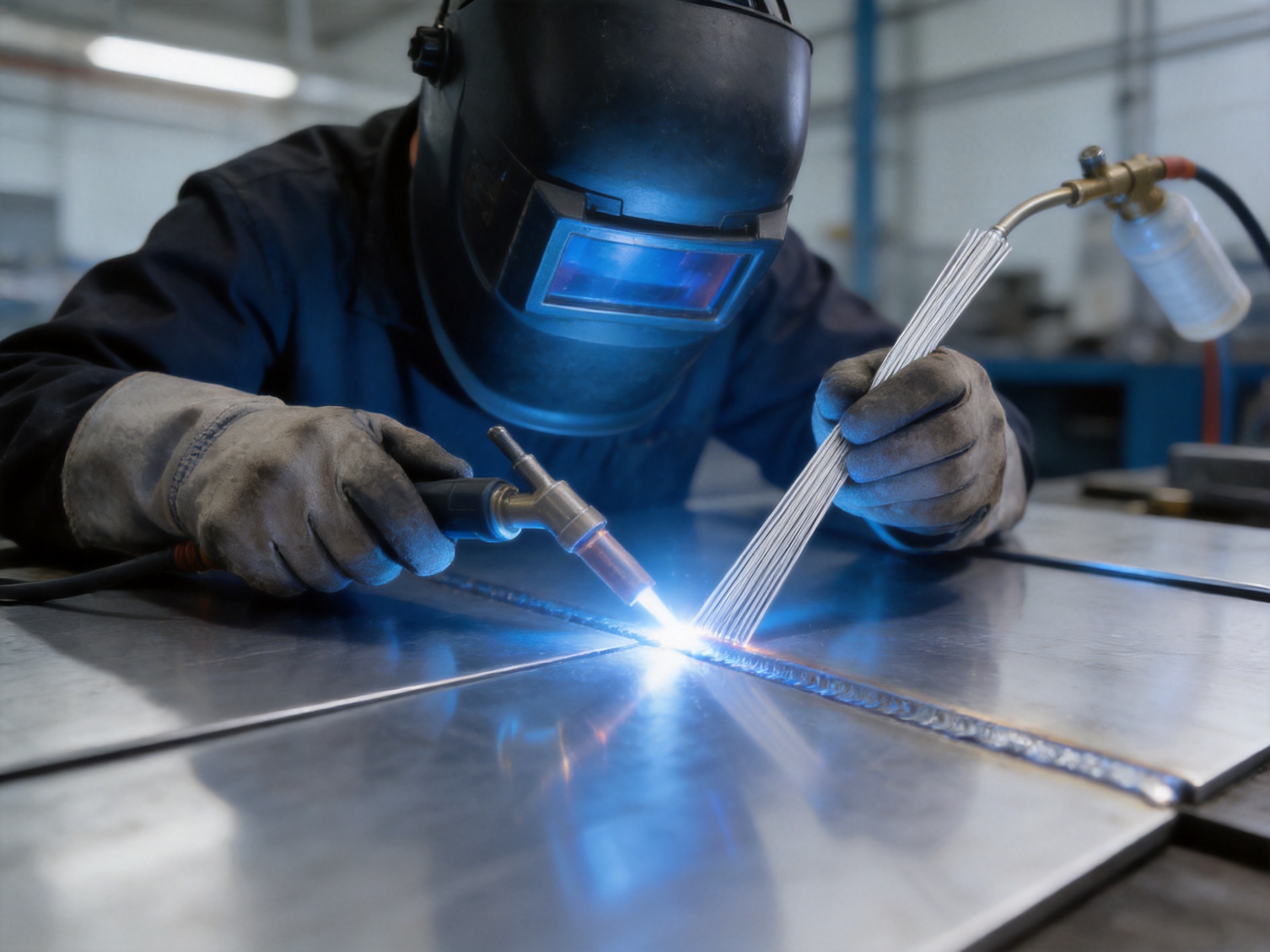
In TIG welding, an electric arc is established between a non-consumable tungsten electrode and the workpiece. The electrode maintains the arc but does not normally become part of the weld. A shielding gas, commonly argon or an argon-based gas mixture, protects the molten weld pool from atmospheric oxygen, nitrogen, and moisture. The operator or automated feeding system introduces TIG wire into the weld pool as a separate filler material.
This arrangement gives the welder a high degree of control. The welding current, arc length, torch movement, shielding gas flow, and filler wire addition can be adjusted independently. Compared with processes that use a continuously melting electrode, TIG welding can produce a more precisely controlled bead and a cleaner weld profile when the procedure is properly managed.
TIG wire is therefore more than a simple metal rod. Its diameter, surface condition, chemical composition, straightness, cleanliness, and consistency all influence the welding result. A filler wire with unstable dimensions or surface contamination can interfere with feeding, create inclusions, increase porosity, and reduce the visual quality of the finished joint.
For aluminum welding, filler material must be compatible with the base alloy and the service conditions of the finished component. The correct selection may depend on strength requirements, corrosion exposure, operating temperature, joint design, crack sensitivity, color matching, and post-welding treatment. Professional users should always select the appropriate filler grade and welding parameters according to the base material, applicable standards, and qualified welding procedure.
Why Aluminum Welding Requires Specialized Filler Material
Aluminum melts at a relatively low temperature compared with many ferrous metals, but it conducts heat very efficiently. This means that heat can spread quickly away from the arc area. A weld may therefore require carefully controlled current, travel speed, preheating conditions, and filler addition. Excessive heat can cause burn-through or distortion, while insufficient heat can result in incomplete fusion.
Another important factor is the oxide layer that forms naturally on aluminum. Aluminum oxide has a much higher melting point than the underlying aluminum. If the oxide is not properly removed or disrupted during welding, it may remain in the joint and weaken the weld. Alternating-current TIG welding is frequently used for aluminum because it can help balance penetration and oxide cleaning action.
Aluminum is also sensitive to hydrogen-related porosity. Moisture, oil, grease, dirt, residual cleaning chemicals, and humid storage conditions can introduce hydrogen into the weld pool. Careful preparation of the base metal, proper storage of filler material, clean gloves, suitable shielding gas, and controlled welding conditions are all important. High-quality TIG wire contributes to this process by offering a clean, stable, and consistent filler surface.
These requirements distinguish professional welding wire from low-grade or poorly controlled alternatives. A product that appears acceptable visually may still produce inconsistent arc behavior, irregular deposition, or variable weld chemistry. For industrial applications, stable manufacturing and quality control are essential to reduce these risks.
Product Characteristics of Aluminum TIG Wire
The TIG wire described here is part of an aluminum and aluminum alloy welding materials range. It is primarily used for non-melting electrode argon arc welding and is intended for applications that require accurate filler placement and controlled weld formation.
The product can be supplied for professional welding operations in workshops and industrial production environments. Depending on the selected material grade and diameter, it may be used for fabrication, assembly, repair, maintenance, and customized aluminum alloy components. Users should confirm the required alloy designation, dimensions, packaging, and applicable technical requirements before placing an order.
| Item | Product Information |
|---|---|
| Product type | TIG wire |
| Material field | Aluminum and aluminum alloy welding materials |
| Welding process | Non-melting electrode argon arc welding |
| Main function | Separate filler material for controlled TIG welding |
| Typical users | Fabricators, manufacturers, repair workshops, and industrial welding teams |
| Important selection factors | Alloy compatibility, diameter, surface cleanliness, weld requirements, and welding procedure |
| Quality considerations | Dimensional consistency, stable composition, clean surface, straightness, and controlled production |
The product’s main value lies in its suitability for a welding process in which precision is important. TIG welding is often selected for visible welds, thin or medium-gauge aluminum components, root passes, small assemblies, and joints that demand careful control. A consistent TIG wire enables the operator to feed filler material smoothly and maintain a stable bead shape.
Advantages Compared with Lower-Quality Alternatives
Consistent Filler Addition
Uniform wire dimensions support predictable filler addition. When the diameter remains consistent, the operator can better control the amount of material entering the weld pool. This helps maintain bead size and reduces the need for constant parameter adjustment. In manual welding, dimensional stability improves handling. In semi-automatic or automated operations, it can support more reliable feeding and fewer interruptions.
Improved Surface Cleanliness
Clean filler wire is particularly important for aluminum TIG welding. Surface contamination can introduce defects, reduce arc stability, and increase the likelihood of porosity or inclusions. A controlled manufacturing and handling process helps protect the wire from oil, dust, moisture, and other contaminants. This provides an advantage over products that are manufactured or stored without adequate process discipline.
Stable Welding Performance
Stable filler composition and surface condition help the operator achieve more consistent arc and weld-pool behavior. While welding performance also depends on torch technique, shielding gas, tungsten preparation, machine settings, joint preparation, and base material, reliable filler wire removes one major source of variation from the process.
Better Appearance of Finished Welds
TIG welding is often used where the appearance of the weld is important. A clean and controlled filler material can support smooth bead formation, even wetting, and a more uniform surface. This is valuable for architectural components, visible equipment, precision assemblies, and products where excessive grinding or rework would be costly.
Support for Lower Rework Costs
Welding defects can lead to grinding, rewelding, inspection delays, rejected components, and production interruptions. Although no filler wire can replace a qualified process, consistent TIG wire can help reduce material-related variability. In high-volume or quality-sensitive manufacturing, improved repeatability may contribute to lower total welding costs.
Compatibility with Professional Quality Systems
Industrial buyers increasingly require suppliers to demonstrate documented quality management, traceability, and process control. TIG wire produced within a structured quality system is easier to evaluate and integrate into a controlled supply chain. This is especially relevant for customers operating under automotive, engineering, machinery, or export-market requirements.
Manufacturing Strengths Behind the Product
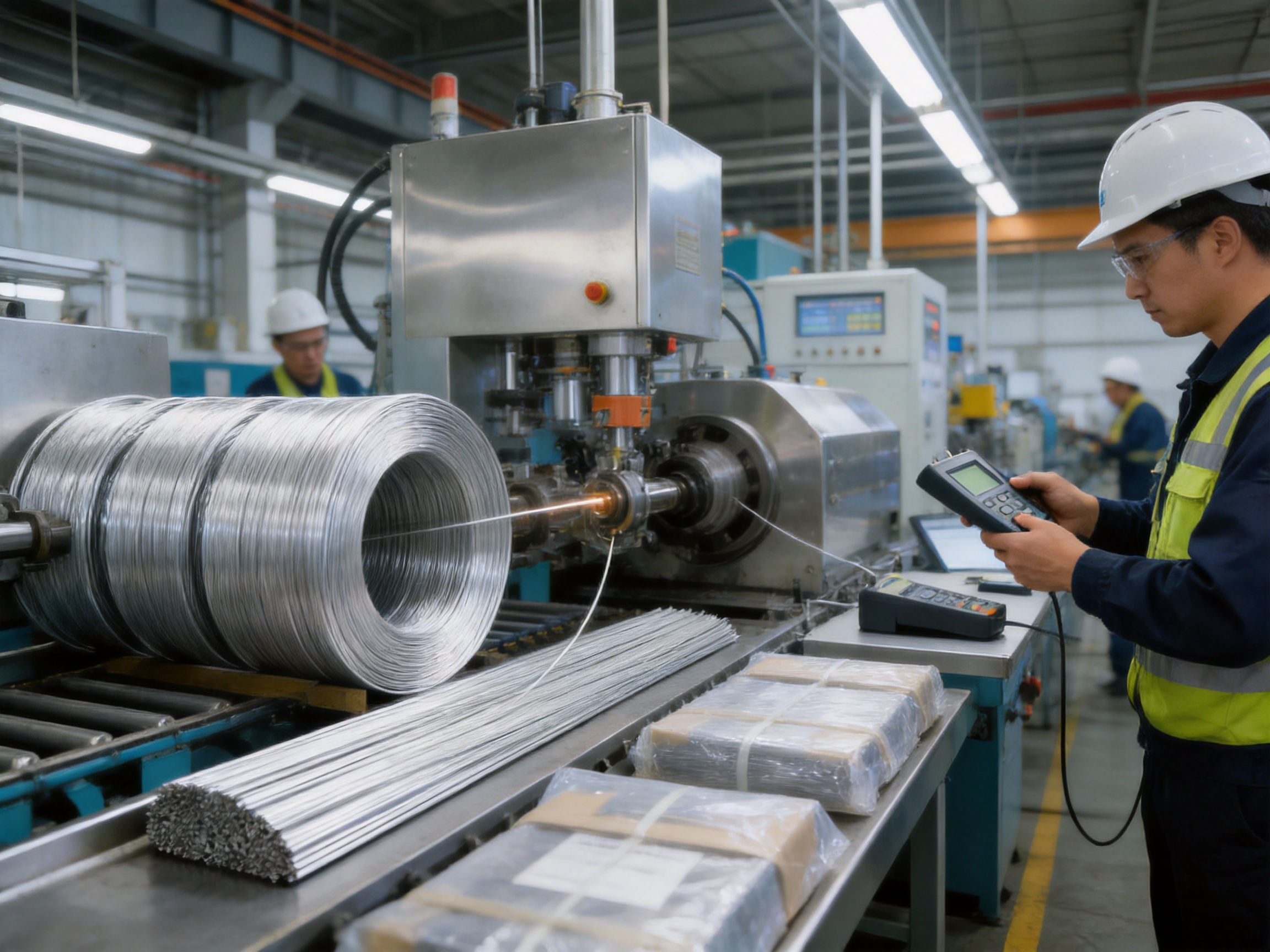
The quality of aluminum TIG wire begins long before the final package reaches the welding operator. It depends on raw material selection, alloy preparation, forming, drawing, surface treatment, straightening, cutting, inspection, packaging, and storage. Each stage must be coordinated because a problem introduced early in production may affect the final welding result.
The manufacturer behind this product operates an intelligent manufacturing system covering high-purity aluminum wire, high-strength aluminum alloy wire, and aluminum and aluminum alloy welding materials. This product focus provides a manufacturing foundation connected to the broader aluminum wire industry rather than treating welding wire as an isolated product.
The company was established in 2019 and operates in the Guannan Economic Development Zone of Lianyungang, Jiangsu Province, China. Its factory covers approximately 40,000 square meters and employs 60 people, including 30 professional managers and technicians. This organizational structure combines production personnel with technical and management resources, supporting coordinated control of manufacturing, quality, customer service, and product development.
Integrated Production Organization
An integrated manufacturing organization can improve communication between material preparation, production, inspection, packaging, and customer support. When technical personnel are involved in production management, customer requirements can be translated more effectively into practical manufacturing controls.
For aluminum welding wire, this coordination is important because customers may require different diameters, alloy families, straightness conditions, packaging methods, or inspection records. A responsive production system can help manage these requirements while maintaining consistency across batches.
Advanced Equipment and Facilities
The company introduces advanced equipment and facilities into its production system. Modern equipment can support more stable processing, repeatable dimensions, efficient handling, and improved production monitoring. In wire manufacturing, equipment condition directly influences diameter control, surface quality, straightness, and productivity.
Advanced equipment is most effective when combined with trained operators and defined process standards. Equipment alone does not guarantee product quality. Its value comes from controlled settings, preventive maintenance, inspection routines, and personnel who understand the relationship between manufacturing conditions and welding performance.
Quality Inspection Throughout Production
Quality inspection is implemented throughout production rather than being limited to a final visual check. In-process inspection can identify deviations before large quantities of material are completed. This approach helps control raw materials, dimensions, surface condition, product identification, packaging, and final release.
For TIG wire, useful inspection activities may include checking chemical composition, diameter, surface cleanliness, straightness, weight, packaging integrity, and product identification. The exact inspection program should correspond to the material grade, customer specifications, applicable standards, and intended application.
Certified Quality Management
The company has obtained ISO 9001 and IATF 16949 quality management system certifications. ISO 9001 provides a widely recognized framework for managing processes, customer requirements, documentation, corrective actions, and continual improvement. IATF 16949 is associated with automotive quality management and emphasizes process discipline, risk-based thinking, defect prevention, traceability, and customer-specific requirements.
These certifications do not replace product testing or welding procedure qualification, but they demonstrate that the company has established formal systems for managing quality. For customers purchasing aluminum welding materials, this can provide greater confidence in supplier consistency and commercial reliability.
How TIG Wire Supports Welding Efficiency
Welding efficiency includes more than deposition speed. It also includes preparation time, arc starts, filler handling, defect rates, rework, inspection results, operator fatigue, and the ability to maintain consistent output. TIG welding is naturally a controlled process, but it can become inefficient if filler wire is difficult to handle or produces inconsistent results.
Straight, clean, and dimensionally consistent wire is easier to pick up, position, and feed into the weld pool. In manual operations, this supports a smooth rhythm between torch movement and filler addition. In mechanized operations, consistent wire can help reduce feeding interruptions and maintain more stable deposition.
A reliable filler material may also reduce the need for excessive post-weld treatment. When weld beads are properly formed and defects are minimized, less grinding, blending, or repair may be required. This is particularly valuable when the aluminum component has a thin wall, a visible surface, a complex geometry, or a strict dimensional tolerance.
However, the best results require a complete welding system. The wire should be matched with a suitable tungsten electrode, appropriate shielding gas, correct polarity and current type, properly prepared joint surfaces, and a qualified procedure. Welders should remove oxide and contamination from the base material, avoid touching cleaned surfaces with bare hands, and protect filler wire from moisture and dust.
Applications for Aluminum TIG Wire
General Aluminum Fabrication
Aluminum TIG wire can be used in general fabrication where clean and controlled welding is required. Examples may include frames, brackets, covers, enclosures, supports, panels, tanks, and custom assemblies. The correct filler grade should be selected based on the alloy and service requirements of each component.
Precision Components
Precision aluminum assemblies often require controlled heat input and a visually acceptable weld profile. TIG welding allows the operator to regulate filler addition and arc movement carefully. This makes the process suitable for small parts, thin sections, and components where distortion must be managed.
Repair and Maintenance
Repair workshops use TIG welding for restoring damaged aluminum components, correcting cracks, rebuilding edges, and joining replacement sections. Repair work frequently involves variable material thicknesses and unusual joint positions. A dependable filler wire gives the operator a consistent material for controlled repair operations.
Transportation Equipment
Aluminum is widely used in transportation because its low density can help reduce overall vehicle or equipment weight. TIG welding may be used for selected structures, components, prototypes, and repair work in transportation-related manufacturing. Automotive and transportation customers may also require strong documentation and process traceability, making a certified supplier advantageous.
Industrial Machinery
Machine manufacturers may use aluminum alloys for guards, frames, housings, fixtures, heat-related components, and lightweight structures. TIG wire supports the fabrication of parts where appearance, fit-up, corrosion resistance, or controlled distortion is important.
Custom and Export Manufacturing
Manufacturers serving overseas markets often need a stable supply of welding materials that can meet documented purchasing requirements. A supplier with international market experience, formal quality systems, and professional technical personnel can provide a stronger foundation for long-term cooperation than an unstructured source.
Recommended Handling and Storage Practices
Even a well-manufactured TIG wire can be affected by poor storage. Aluminum filler material should be kept in a clean and dry area, protected from rain, condensation, oil, dust, and chemical exposure. Packaging should remain sealed until the material is needed. If the package is opened, the remaining wire should be covered or resealed to limit contamination.
Wire should be handled with clean gloves or clean tools. Contact with oily hands can transfer contaminants to the surface. Filler material should not be placed directly on dirty benches, shop floors, or welding tables. Separate storage for different alloy grades helps prevent product mix-ups.
Before welding, the operator should verify the product identification, alloy designation, diameter, and condition. The base metal should be cleaned using methods suitable for aluminum. Oxide removal should be performed with dedicated tools that have not been used on carbon steel or contaminated materials. Any chemical cleaning agent must be fully removed before welding.
Correct storage and handling support the product’s intended advantages. Clean wire, clean base metal, dry shielding gas, and proper equipment preparation work together to reduce contamination-related defects.
Important Welding Considerations
Base Metal Compatibility
The filler wire must be compatible with the aluminum alloy being welded. Different aluminum alloys have different strength, corrosion, crack sensitivity, and heat-treatment characteristics. The strongest filler is not always the most suitable filler. Welders should follow engineering specifications, applicable standards, and qualified welding procedures.
Joint Preparation
Joint preparation influences access, penetration, fusion, and weld volume. Edges should be properly fitted and cleaned. Excessive gaps may increase filler consumption and heat input, while insufficient access may cause incomplete fusion. The joint design should reflect the material thickness and the required mechanical performance.
Shielding Gas
Argon is commonly used for TIG welding of aluminum because it provides effective arc coverage and stable arc behavior. Gas purity, flow rate, torch position, hose condition, and coverage around the weld pool all matter. Turbulence or leaks can draw air into the shielding zone and increase porosity risk.
Heat Control
Aluminum’s high thermal conductivity can require careful adjustment of welding current and travel speed. Excessive heat may increase distortion, enlarge the heat-affected zone, or cause burn-through. Insufficient heat may prevent proper fusion. The operator should control the puddle rather than relying solely on fixed machine settings.
Filler Feeding Technique
The filler wire should be introduced at a controlled angle and kept within the shielding gas envelope. Repeatedly withdrawing the wire into the surrounding atmosphere can increase contamination. Smooth and consistent feeding supports better bead control and reduces the chance of accidentally touching the tungsten electrode.
Inspection and Documentation
Finished welds should be inspected according to the application. Visual inspection may be supplemented by dimensional checks, leak testing, dye penetrant testing, radiographic testing, ultrasonic testing, or mechanical testing where required. Production records should identify the filler material, welding procedure, operator, equipment, and inspection results when traceability is necessary.
Why Supplier Capability Matters
Purchasing decisions for welding wire should consider more than unit price. The actual cost of a filler material includes transportation, storage, handling, production interruptions, inspection, scrap, repair, and customer claims. A low-priced product may become expensive if its quality varies from batch to batch.
A capable supplier can support more reliable purchasing through stable production, clear product identification, responsive communication, and documented quality procedures. The manufacturer’s focus on high-purity aluminum wire, high-strength aluminum alloy wire, and welding materials indicates a specialized understanding of aluminum-based products.
The factory’s approximately 40,000-square-meter production site provides space for organized manufacturing, inspection, storage, and logistics. Its team of professional managers and technicians supports the technical and operational requirements associated with aluminum wire production. The company also exports products to high-end overseas markets, demonstrating experience in serving customers beyond the domestic market.
For international buyers, supplier communication is particularly important. Product inquiries should clearly state the required filler alloy, diameter, length or form, packaging, quantity, application, inspection requirements, and destination market. Providing this information allows the manufacturer to confirm the most appropriate product and documentation.
Quality and Sustainability Considerations
Aluminum is widely recognized as a valuable material for lightweight and energy-conscious product design. Its low density can help reduce the weight of structures and equipment, while its recyclability supports material recovery at the end of a product’s service life. Reliable welding materials contribute to this value by helping manufacturers produce durable aluminum components with fewer defects and less waste.
Welding quality also affects sustainability. Defective assemblies may require additional energy for repair, extra filler consumption, replacement of components, or complete scrapping. Stable TIG wire can support first-pass quality and reduce avoidable resource use when combined with proper process control.
The company’s stated goal is to provide lighter, stronger, and more sustainable aluminum alloy wire and welding material solutions for global industries. This direction aligns with the broader use of aluminum in transportation, equipment, construction-related fabrication, and industrial engineering.
Sustainability should be evaluated across the full manufacturing process, including raw material efficiency, energy consumption, packaging, transportation, defect prevention, and recycling. A formal quality system can support sustainability indirectly by reducing variation, rework, and material loss.
Selection Guide for Buyers
Before ordering TIG wire, buyers should define the technical and commercial requirements of the project. The following questions can help organize the selection process:
- What aluminum or aluminum alloy base material will be welded?
- What filler alloy designation is required by the design or welding procedure?
- What wire diameter is suitable for the joint thickness and welding current?
- Will the wire be used manually, with a cold wire feeder, or in an automated system?
- What surface, appearance, strength, corrosion, or color requirements apply?
- What packaging and length are most convenient for the production line?
- Are inspection certificates, batch identification, or traceability records required?
- What international, industry, or customer-specific standards must be met?
- What storage conditions and delivery schedule are necessary?
Buyers should also ask for technical documentation when needed. This may include product specifications, chemical composition ranges, dimensional tolerances, quality certificates, packaging information, and recommended storage conditions. The exact documentation depends on the application and contractual requirements.
Production Process and Control Philosophy
Although specific internal process parameters are determined by the manufacturer, professional aluminum TIG wire production generally depends on a sequence of controlled operations. Raw material is selected and prepared according to the required composition. The material is then processed into a suitable wire form through specialized forming and drawing operations. Intermediate checks can confirm dimensions and surface condition.
Further operations may include straightening, cutting, cleaning, surface protection, identification, and packaging. At each stage, the objective is to preserve alloy consistency and prevent contamination. Final inspection confirms whether the finished product is suitable for release according to internal and customer requirements.
An intelligent manufacturing system can connect production information, inspection results, equipment conditions, and order requirements. This supports better process visibility and helps management identify deviations. When combined with ISO 9001 and IATF 16949 systems, manufacturing data can support corrective action and continual improvement.
The company’s quality philosophy emphasizes strict inspection throughout production. This is especially relevant for welding materials because a small surface or dimensional variation may affect production performance. Continuous control is generally more effective than relying only on final inspection after all processing is complete.
Application Benefits in Production Environments
In a professional production environment, TIG wire quality can influence several connected outcomes. Consistent wire helps welders maintain their technique and helps supervisors establish repeatable work instructions. It also makes training easier because operators encounter fewer unexpected changes in filler behavior.
For automated or semi-automated systems, consistent diameter and surface condition can support stable wire feeding. This may reduce stoppages, improve deposition uniformity, and simplify equipment adjustment. The exact benefit depends on the feeder, torch, welding power source, joint design, and control system.
For manual welding, the material’s handling characteristics matter. Straight wire with a clean surface is easier to hold, cut, and feed. This can help operators focus on puddle control and joint penetration rather than compensating for irregular filler material.
For quality departments, defined product identification and supplier documentation can simplify incoming inspection and traceability. For purchasing departments, stable supplier capability can help reduce emergency orders and production uncertainty. For engineering departments, a responsive manufacturer can support the evaluation of different material options for specific aluminum alloy applications.
Frequently Asked Questions
What is TIG wire used for?
TIG wire is used as a separate filler material in tungsten inert gas welding. The process uses a non-melting tungsten electrode to establish the arc, while the wire is manually or mechanically added to the molten weld pool. This product is mainly intended for aluminum and aluminum alloy argon arc welding applications.
Is TIG wire the same as a tungsten electrode?
No. TIG wire is the filler material that becomes part of the weld. The tungsten electrode is a non-consumable electrode used to create and maintain the arc. They perform different functions and must not be confused.
What materials can be welded with aluminum TIG wire?
The wire is intended for aluminum and aluminum alloy welding. The specific base alloy and filler alloy must be compatible. Users should confirm the material grade and welding procedure before production use.
Why is surface cleanliness important?
Oil, dust, moisture, oxide, and other contaminants can cause porosity, inclusions, arc instability, and poor weld appearance. Clean filler wire and properly prepared base metal help support a more stable and reliable welding process.
What are the main advantages of this product?
The main advantages include suitability for controlled aluminum TIG welding, support for clean and accurate filler addition, compatibility with professional manufacturing environments, and production within a company that uses advanced equipment, quality inspection throughout production, and certified quality management systems.
Can TIG wire be used in automated welding?
It may be suitable for manual, semi-automatic, or automated TIG applications depending on its diameter, form, packaging, and feeding requirements. Buyers should provide details of the equipment and application so the appropriate product configuration can be confirmed.
How should TIG wire be stored?
It should be stored in a clean, dry, and protected environment. Keep the original packaging intact until use, avoid moisture and contamination, and use clean gloves or tools when handling the material. Different alloy grades should be clearly separated and identified.
Does a quality certificate guarantee a defect-free weld?
No. A quality certificate demonstrates that the product and management system meet stated requirements, but the final weld also depends on base material, joint preparation, equipment, shielding gas, welding parameters, operator skill, and inspection. A qualified welding procedure remains essential.
What quality certifications does the manufacturer have?
The manufacturer has obtained ISO 9001 and IATF 16949 quality management system certifications. These systems support documented process control, customer requirement management, defect prevention, corrective action, and continual improvement.
How can buyers request the correct product?
Buyers should provide the base alloy, required filler alloy, wire diameter, order quantity, packaging preference, application, inspection requirements, delivery destination, and any applicable standards. This information helps the supplier confirm product suitability and prepare an accurate quotation.
Conclusion
High-quality TIG wire is a fundamental component of reliable aluminum and aluminum alloy welding. Because TIG welding depends on precise filler addition and controlled heat input, the quality of the wire can influence arc behavior, bead appearance, porosity risk, rework, and production consistency.
The product discussed in this article is designed for non-melting electrode argon arc welding and forms part of a specialized aluminum and aluminum alloy welding materials portfolio. Its value is supported by the manufacturer’s focus on aluminum wire technologies, advanced equipment, an approximately 40,000-square-meter factory, a team of managers and technicians, inspection throughout production, ISO 9001 certification, and IATF 16949 certification.
Compared with low-quality or poorly controlled alternatives, professionally manufactured TIG wire can provide more dependable dimensions, cleaner surfaces, steadier filler addition, improved handling, and stronger support for repeatable production. These advantages are particularly important for customers serving demanding industrial and overseas markets.
The best welding results still require correct alloy selection, clean preparation, suitable shielding gas, qualified procedures, competent operators, and appropriate inspection. When these elements are combined with a reliable TIG wire supply, manufacturers can produce aluminum assemblies that are cleaner, stronger, lighter, and more consistent.
References
American Welding Society. Welding Handbook: Welding Processes and Practices for Aluminum and Aluminum Alloys.
American Welding Society. Specification for Bare Aluminum and Aluminum-Alloy Welding Rods and Electrodes.
International Organization for Standardization. ISO 9001: Quality Management Systems—Requirements.
International Automotive Task Force. IATF 16949: Quality Management System Requirements for Automotive Production and Relevant Service Parts Organizations.
International Organization for Standardization. Aluminum and Aluminum Alloy Welding Materials—General Technical Guidance.
ASM International. Aluminum and Aluminum Alloys: Properties, Processing, and Welding Considerations.