

 English
 中文简体
 русский
 Deutsch
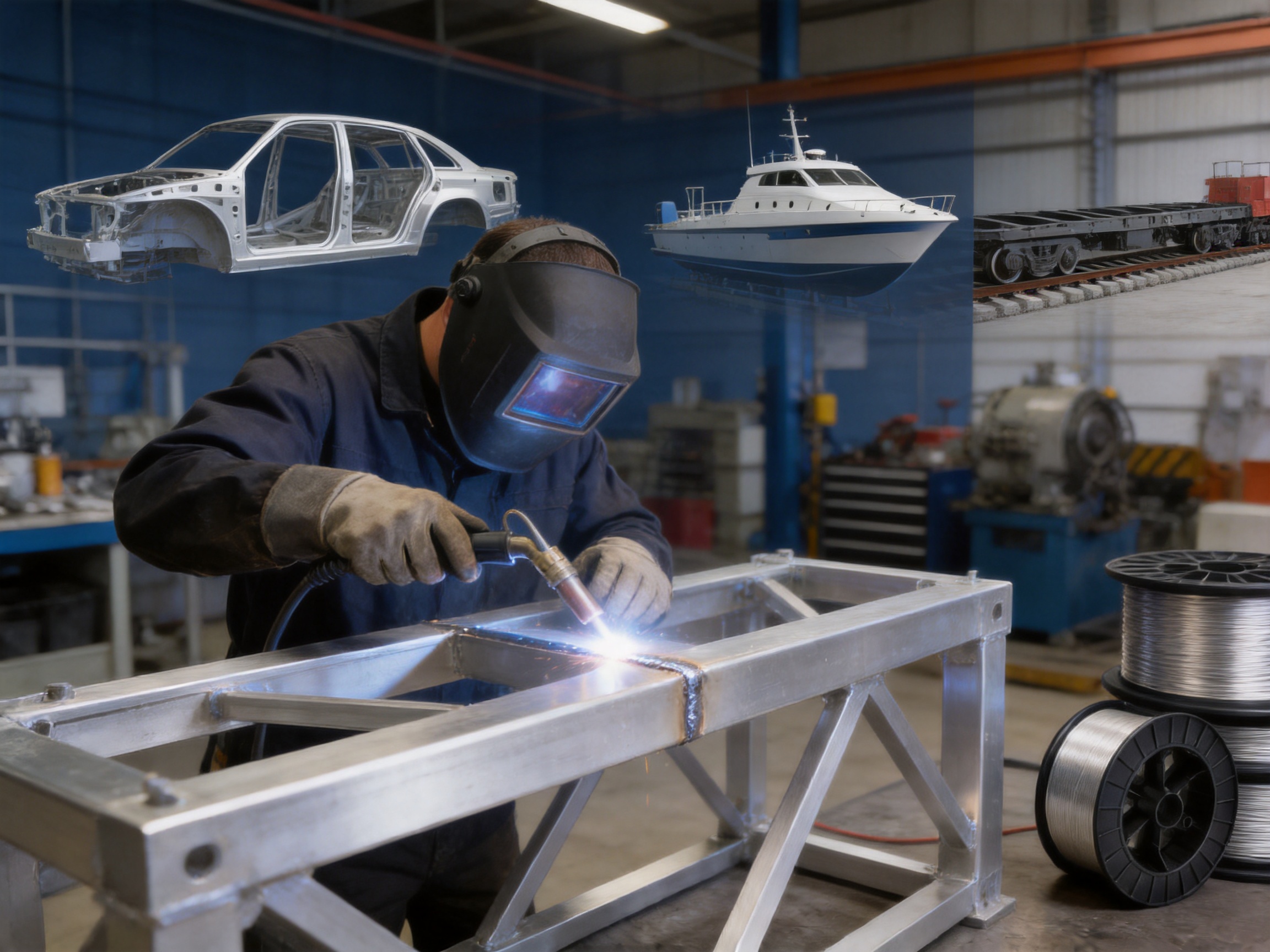
Aluminum MIG wire is a critical consumable for modern fabrication, repair, transportation, construction, marine, and industrial manufacturing applications. When correctly selected and used, it supports efficient arc welding, reliable deposition, attractive weld appearance, and strong, durable joints. Compared with conventional welding consumables designed primarily for steel, aluminum and aluminum alloy MIG wires require more specialized material control, surface preparation, feeding technology, and welding procedure management.
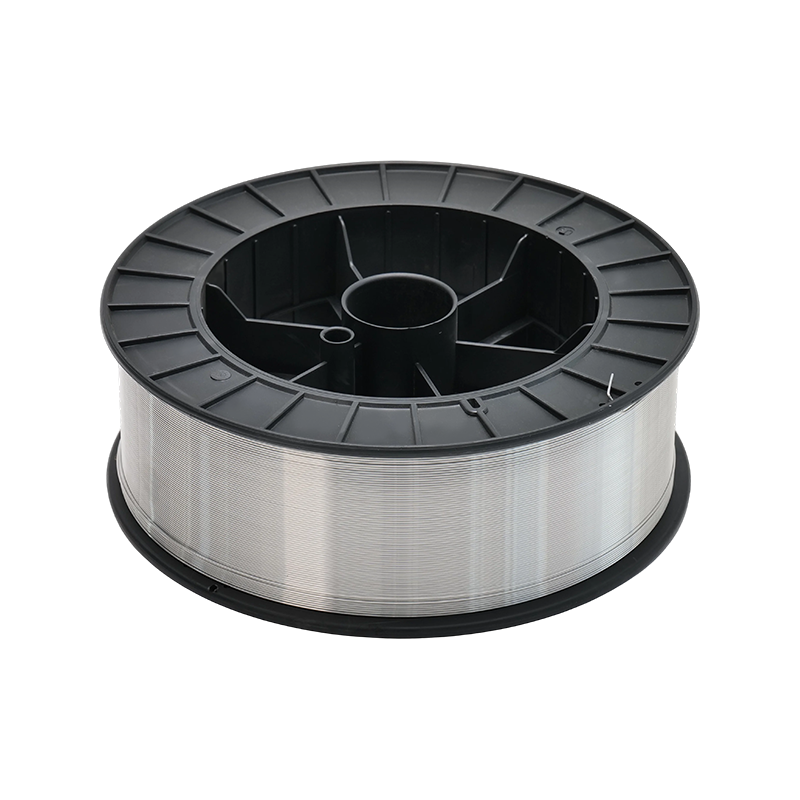
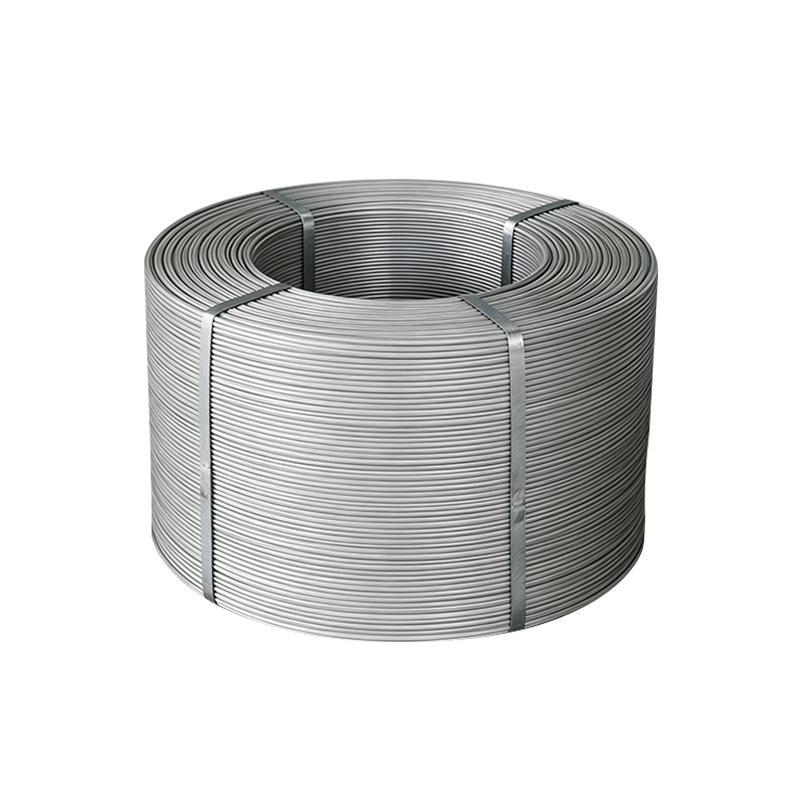
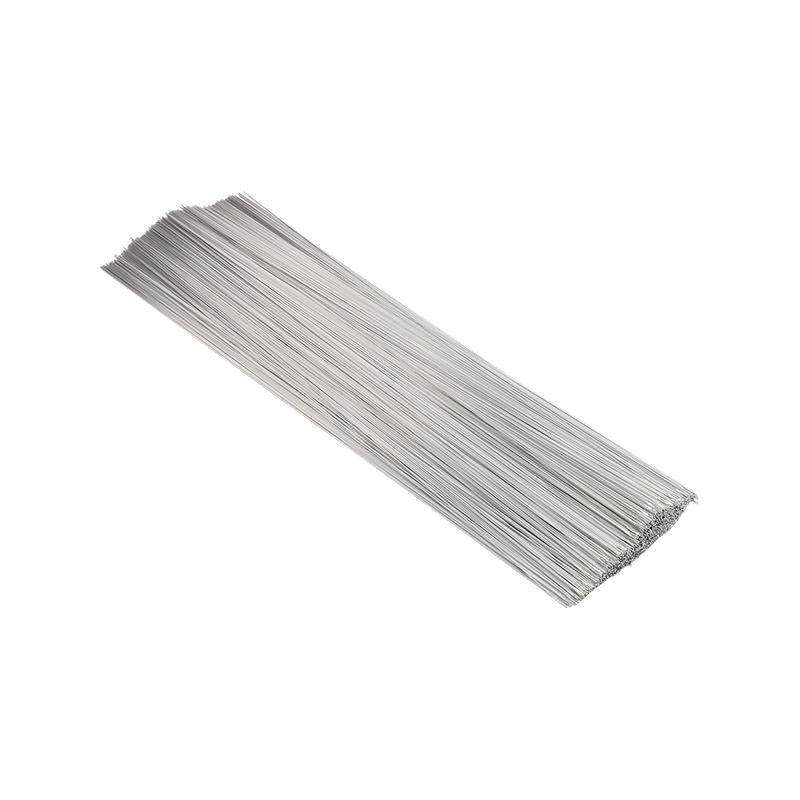
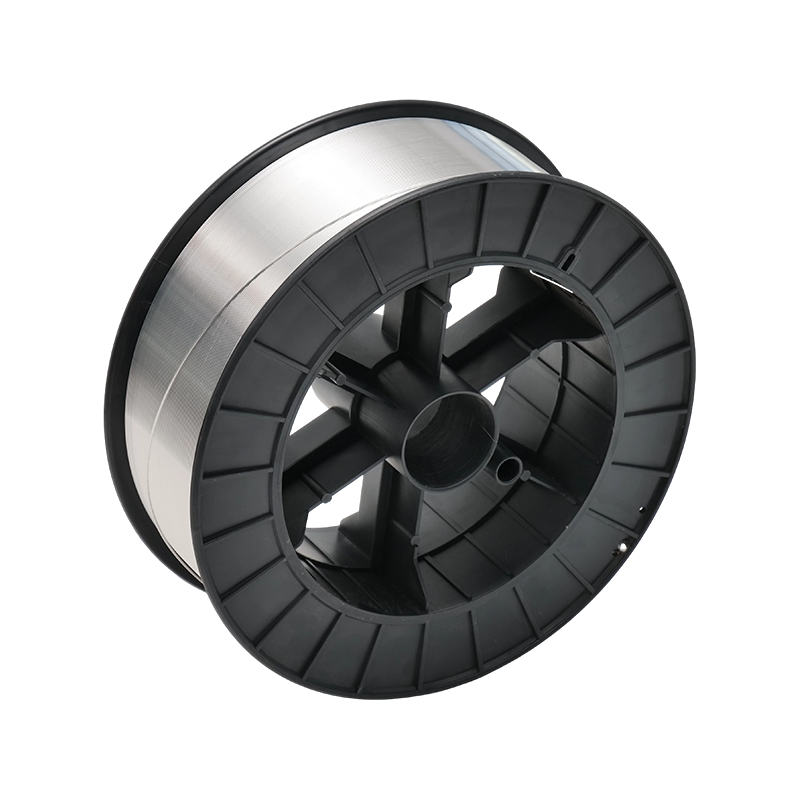
Jiangsu Hetuo Aluminum Wire Co., Ltd. develops and manufactures aluminum and aluminum alloy welding materials for customers seeking dependable performance, stable quality, and consistent supply. Its MIG Wire product is mainly used as a melting electrode for argon arc welding and is designed for applications in which aluminum-based materials must be joined with controlled heat input and accurate filler-metal deposition.
The value of a high-quality aluminum MIG wire extends beyond the wire itself. It depends on the purity and composition of the raw material, the control of drawing and forming processes, surface cleanliness, dimensional consistency, packaging, inspection, and technical service. A wire that performs consistently can help reduce feeding interruptions, welding defects, rework, material waste, and production downtime.
This article examines the characteristics, advantages, manufacturing strengths, application value, and selection considerations associated with advanced aluminum MIG wire. It also explains how a specialized aluminum wire manufacturer can support customers in achieving more stable and efficient welding results.
MIG Wire
Content
- 1 Understanding Aluminum MIG Wire
- 2 Why Aluminum MIG Wire Requires Specialized Manufacturing
- 3 Product Function and Welding Role
- 4 Key Advantages of High-Quality Aluminum MIG Wire
- 5 Manufacturing Strengths Behind the Product
- 6 Competitive Advantages Compared with General-Purpose Suppliers
- 7 Technical Factors for Selecting MIG Wire
- 8 Recommended Handling and Storage Practices
- 9 Applications Across Industrial Sectors
- 10 Quality Assurance and Customer Confidence
- 11 Comparison of Product Value Factors
- 12 How to Achieve Better Welding Results
- 13 Sustainability and Lightweight Material Solutions
- 14 Purchasing Considerations for International Customers
- 15 Why Manufacturer Cooperation Matters
- 16 Frequently Asked Questions
- 16.1 What is aluminum MIG wire used for?
- 16.2 Why is aluminum MIG wire different from steel welding wire?
- 16.3 What should be considered when selecting the wire alloy?
- 16.4 How does wire diameter affect welding?
- 16.5 How should aluminum MIG wire be stored?
- 16.6 What causes feeding problems with aluminum wire?
- 16.7 Can the wire eliminate welding defects?
- 16.8 What quality certifications does the manufacturer have?
- 16.9 Does the manufacturer serve overseas customers?
- 16.10 What information should be supplied when requesting a quotation?
- 17 Conclusion
- 18 References
- 19 Product: MIG Wire
Understanding Aluminum MIG Wire
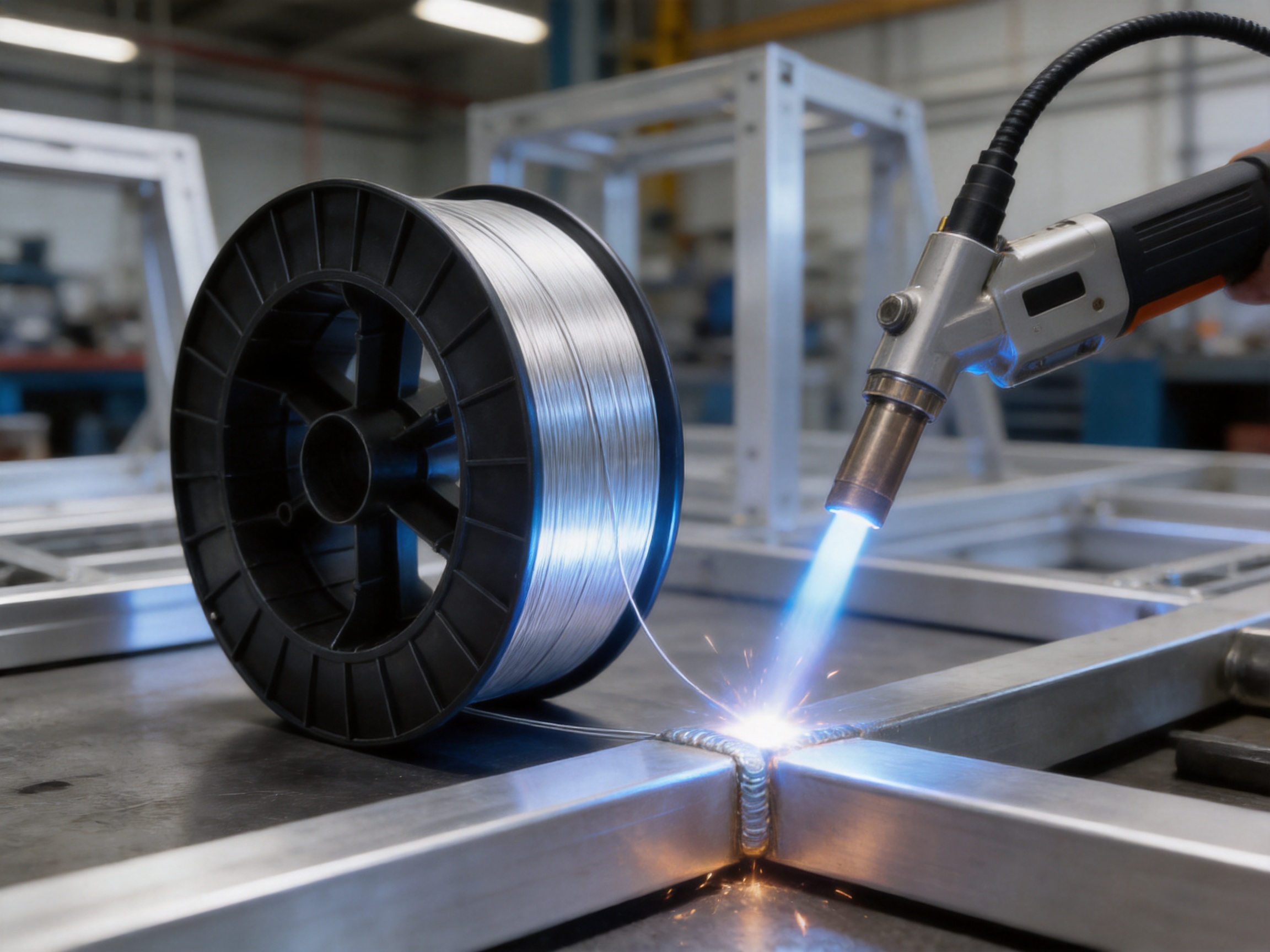
MIG stands for Metal Inert Gas welding. In this process, a continuously fed wire acts as the consumable electrode and filler metal. An electric arc is established between the wire and the workpiece while an inert shielding gas, commonly argon or an argon-based mixture, protects the molten weld pool from atmospheric contamination.
Aluminum MIG wire is formulated for welding aluminum and aluminum alloys. During welding, the wire melts and transfers into the joint, where it combines with the base material to form a solidified weld. Because aluminum has high thermal conductivity, a relatively low melting temperature, and a naturally occurring oxide layer, its welding behavior differs significantly from that of carbon steel and stainless steel.
The oxide layer on aluminum has a much higher melting temperature than the aluminum beneath it. If the oxide is not properly removed or controlled, it can interfere with arc stability, fusion, and weld cleanliness. The wire must therefore work in combination with suitable equipment, shielding gas, joint preparation, and welding parameters.
A high-quality MIG wire contributes to the process in several ways. It supports stable wire feeding, predictable melting behavior, consistent deposition, smooth arc performance, and uniform weld formation. These characteristics are particularly important in automated or semi-automated welding, where variations in wire diameter, surface condition, or mechanical properties can affect the entire production line.
Why Aluminum MIG Wire Requires Specialized Manufacturing
Aluminum is relatively soft and ductile compared with many steel grades. This creates special requirements for wire production and delivery. A wire that is too hard, dimensionally inconsistent, contaminated, or poorly packaged may deform during feeding or create irregular contact within the welding torch.
Wire surface condition is especially important. Lubricants, oxides, dust, moisture, and other contaminants can influence current transfer, shielding conditions, arc behavior, and weld quality. For this reason, professional manufacturers must manage raw-material handling, forming, drawing, cleaning, inspection, and packaging as an integrated system rather than treating wire production as a simple shaping operation.
Dimensional accuracy also matters. The wire must maintain a stable diameter along its length so that the welding machine can feed it at a predictable rate. Variations may result in changes to amperage, deposition rate, arc length, or melting characteristics. In high-volume production, even small inconsistencies can become significant when multiplied across thousands of welds.
Alloy composition must be controlled according to the intended welding application. Aluminum-silicon, aluminum-magnesium, and other alloy families can provide different combinations of fluidity, strength, crack resistance, corrosion performance, and appearance. The appropriate choice depends on the base material, joint design, service environment, required mechanical performance, and post-welding expectations.
Product Function and Welding Role
The primary function of MIG Wire is to provide a continuously supplied consumable electrode and filler metal for aluminum welding. It can be used in manual, semi-automatic, or automatic equipment, provided that the wire diameter, alloy, spool format, and welding parameters are compatible with the system.
During operation, the welding power source supplies current through the contact tip to the wire. The wire melts as it approaches the arc, and the molten droplets transfer into the weld pool. Shielding gas protects the arc and molten metal from oxygen, nitrogen, and moisture in the surrounding atmosphere.
The performance of the wire influences the following process characteristics:
• Arc stability during continuous welding.
• Consistency of wire feeding through the liner and torch.
• Uniformity of deposition rate.
• Weld bead appearance and profile.
• Risk of porosity, lack of fusion, spatter, or cracking.
• Suitability for manual or automated welding.
• Productivity and overall welding cost.
Although the wire is an important component, successful welding requires a complete process approach. The workpiece must be properly cleaned, the torch and liner must be suitable for aluminum wire, the shielding gas must be adequately controlled, and the power source must be adjusted to the selected alloy and diameter.
Key Advantages of High-Quality Aluminum MIG Wire
Stable Feeding Performance
Stable feeding is one of the most important advantages of professionally manufactured aluminum wire. Aluminum wire is softer than many ferrous welding wires, which means it can be more sensitive to excessive tension, unsuitable liners, sharp bends, or rough feeding paths.
Consistent wire dimensions and a controlled surface condition help the wire pass through the welding system more smoothly. This can reduce bird-nesting, feeding resistance, contact-tip problems, and unplanned stoppages. Stable feeding is especially valuable in automated production, where interruption of the wire supply can affect takt time and equipment utilization.
Reliable Arc Behavior
A uniform wire surface and controlled alloy composition support more predictable arc performance. Stable arc behavior helps operators maintain a consistent weld pool and reduces the need for frequent manual correction.
Reliable arc performance can also improve the repeatability of programmed welding operations. When wire melting characteristics remain consistent, the relationship between voltage, current, wire feed speed, and travel speed becomes easier to control.
Consistent Weld Appearance
Weld appearance is not only a cosmetic consideration. A uniform bead profile may indicate that the welding process is properly controlled and that the filler metal is transferring consistently. In visible applications, such as transportation equipment, architectural components, and consumer products, appearance can directly influence customer acceptance.
High-quality wire can support smooth bead formation, controlled wetting, and reduced surface irregularities when used with suitable welding parameters and joint preparation. Final appearance still depends on operator skill, shielding, base-material condition, and equipment setup.
Reduced Defect Risk
Clean, dimensionally stable, compositionally controlled wire can help reduce the possibility of defects associated with inconsistent consumables. These defects may include porosity, irregular fusion, excessive spatter, unstable transfer, and surface contamination.
No welding wire can eliminate all defects by itself. However, dependable filler metal gives the operator a stronger foundation for controlling the process. It also helps production teams identify whether a problem originates from the wire, the equipment, the base material, or the welding procedure.
Improved Production Efficiency
In industrial welding, productivity depends on more than deposition speed. It also depends on uptime, changeover frequency, rework, inspection results, consumable usage, and labor efficiency. A stable MIG wire can contribute to better overall efficiency by supporting continuous operation and reducing avoidable interruptions.
When the wire is supplied in suitable packaging and spool formats, operators can spend less time handling consumables and more time producing finished components. Clear identification and consistent batch management can also simplify inventory control.
Adaptability to Industrial Applications
Aluminum MIG wire is used in a wide range of industries because aluminum combines low density, corrosion resistance, thermal conductivity, and useful strength-to-weight performance. Typical applications include vehicle structures, trailers, rail equipment, marine components, pressure-related fabrication, heat exchangers, frames, tanks, machinery, and general aluminum manufacturing.
The precise wire alloy and diameter should be selected according to the parent material and the required joint properties. A specialized manufacturer can help customers match filler-metal characteristics to the application rather than relying on a one-size-fits-all selection.
Manufacturing Strengths Behind the Product
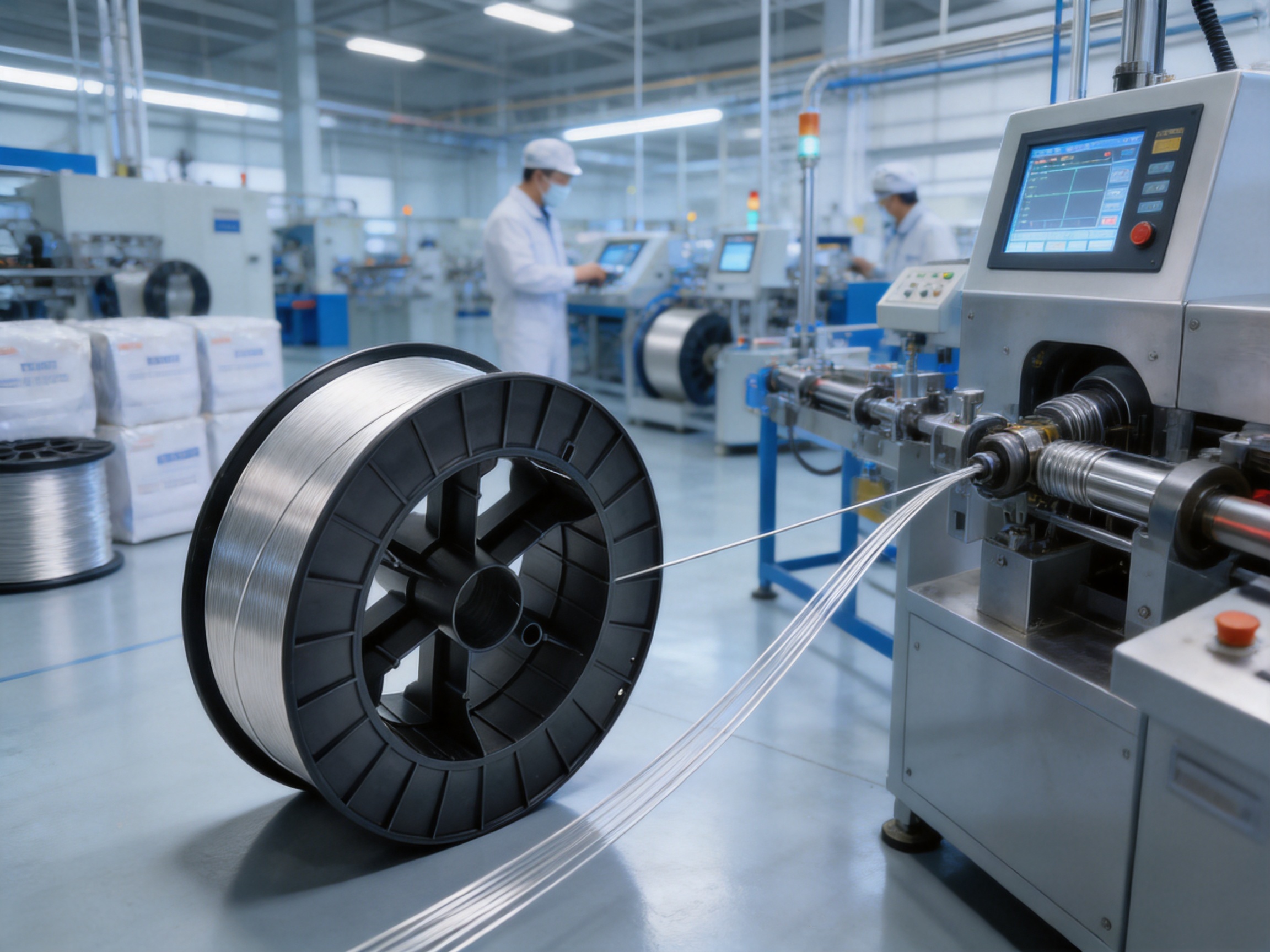
Jiangsu Hetuo Aluminum Wire Co., Ltd. was established in 2019 and focuses on aluminum-based wire and welding-material manufacturing. The company has developed an intelligent manufacturing system covering high-purity aluminum wire, high-strength aluminum alloy wire, and aluminum and aluminum alloy welding materials.
Its factory covers approximately 40,000 square meters and employs 60 people, including 30 professional managers and technicians. This combination of production capacity, management personnel, and technical staff provides a foundation for organized manufacturing and customer-oriented product development.
The company introduces advanced equipment and facilities into its production system. Modern equipment can improve process stability, reduce manual variation, and support more consistent control of wire dimensions and surface condition. Equipment alone, however, is not sufficient. It must be supported by documented procedures, trained personnel, maintenance programs, and inspection controls.
Raw-Material Control
The quality of aluminum MIG wire begins with the raw material. Aluminum feedstock must be selected and managed according to the target alloy and application requirements. Chemical composition, purity, and consistency influence melting behavior, weld performance, mechanical properties, and corrosion resistance.
Professional raw-material control includes supplier evaluation, incoming inspection, identification, storage, and traceability. Separating different alloy families and maintaining clear material records helps prevent mix-ups during production.
For customers serving regulated or high-value industries, traceability can be particularly important. A well-managed production system should make it possible to associate finished products with relevant raw-material and manufacturing records.
Wire Forming and Drawing Control
Wire production generally involves converting aluminum material into a controlled wire form through a series of forming and drawing operations. Each stage can influence diameter, roundness, surface quality, internal stress, and mechanical behavior.
Drawing conditions must be managed carefully because aluminum is ductile and can respond differently from harder metals. Excessive deformation, unsuitable lubrication, or poor process alignment may affect the final wire. Controlled equipment settings and in-process inspection help maintain consistency from one production batch to the next.
For welding wire, the final product must be compatible with feeding equipment. This requires attention to wire straightness, dimensional tolerance, surface finish, spool winding, and pay-off behavior. A wire that is technically within a nominal diameter range but poorly wound may still cause problems during welding.
Surface Cleanliness and Protection
Surface cleanliness is essential for aluminum welding materials. Contaminants can contribute to unstable arc behavior, weld porosity, and inconsistent current transfer. Manufacturing and packaging areas should therefore be managed to reduce the possibility of contamination from dust, moisture, oil, or foreign particles.
After production, appropriate packaging helps protect the wire during storage and transportation. Packaging should preserve the product’s surface condition, prevent mechanical damage, and provide clear information about alloy, diameter, batch, quantity, and recommended storage conditions.
Inspection Throughout Production
Jiangsu Hetuo Aluminum Wire Co., Ltd. states that it strictly implements quality inspection throughout production. This approach is stronger than relying only on a final inspection after all processing has been completed. In-process inspection allows problems to be identified closer to their source, reducing the risk of producing a large quantity of nonconforming material.
Depending on customer and product requirements, quality control may include chemical composition verification, dimensional measurement, surface examination, mechanical testing, spool inspection, packaging checks, and documentation review. The specific inspection program should correspond to the product grade and agreed technical requirements.
Process-based inspection also supports continuous improvement. Data from production and customer feedback can be used to identify recurring issues, improve operating procedures, refine equipment settings, and strengthen preventive controls.
Quality Management Certifications
The company has obtained ISO 9001 and IATF 16949 quality management system certifications. ISO 9001 provides a recognized framework for quality management, process control, customer focus, documented information, corrective action, and continual improvement.
IATF 16949 is an automotive-industry quality management standard that places additional emphasis on risk management, defect prevention, traceability, supplier control, process capability, and customer-specific requirements. Experience with this framework can be valuable for customers involved in automotive or transportation supply chains.
Certification does not replace product testing or customer qualification. However, it indicates that the manufacturer has established a structured management system designed to control quality and improve process performance.
Competitive Advantages Compared with General-Purpose Suppliers
Customers evaluating aluminum MIG wire often compare specialized manufacturers with general-purpose welding-consumable suppliers. The most important differences may be found in technical focus, process control, product consistency, and responsiveness rather than in a single headline specification.
Specialization in Aluminum Materials
A manufacturer focused on aluminum wire and aluminum alloy materials can develop deeper process knowledge than a supplier that treats aluminum products as a small part of a broad catalog. Aluminum requires specialized control of softness, oxide management, drawing behavior, surface condition, and feeding performance.
Jiangsu Hetuo Aluminum Wire Co., Ltd. specializes in high-purity aluminum wire, high-strength aluminum alloy wire, and aluminum and aluminum alloy welding materials. This product focus supports a more concentrated understanding of aluminum-related manufacturing challenges.
Integrated Product Coverage
The company’s product portfolio includes high-purity wire, high-strength alloy wire, welding wire, and precision profiles. This broader aluminum-material capability can benefit customers that need more than one type of aluminum product or are developing multiple components for the same project.
An integrated supplier may simplify communication, technical coordination, purchasing, and quality management. It can also support the development of material solutions that share consistent standards and documentation.
Attention to Customer Requirements
Welding applications vary widely. Customers may require different alloy families, diameters, spool configurations, packaging methods, inspection records, or delivery schedules. A supplier that begins with the customer’s application can provide more useful recommendations than one that offers only fixed, generic products.
The company describes itself as guided by customer needs and committed to customer satisfaction. This customer-oriented approach is important for welding materials because the correct product choice depends on the complete production environment, not simply on the word “aluminum.”
Support for High-End Export Markets
The company’s products are exported to high-end overseas markets and are designed to comply with international quality standards. Export experience requires attention to product consistency, packaging, documentation, communication, and delivery coordination.
For international customers, a supplier’s ability to maintain stable specifications across repeated shipments is often more important than a low initial purchase price. Consistency reduces qualification work and helps manufacturers maintain established welding procedures.
Balance of Capacity and Technical Personnel
A factory area of approximately 40,000 square meters provides room for production, inspection, warehousing, and logistics activities. At the same time, the presence of professional managers and technicians supports process supervision and technical decision-making.
This balance can help the manufacturer serve both regular production orders and customized requirements. Customers should still confirm specific production capacity, lead times, minimum order quantities, and technical capabilities for each project.
Technical Factors for Selecting MIG Wire
Base-Material Compatibility
The first consideration is the aluminum alloy being welded. Filler wire should be selected according to the base-material chemistry, joint design, service environment, and required mechanical performance. Compatibility can affect cracking tendency, corrosion behavior, weld strength, color match, and post-weld appearance.
When the base material is unknown or mixed, customers should identify the alloy through documentation or appropriate material testing before choosing the wire. Welding dissimilar aluminum alloys may require a different selection strategy from welding the same alloy family.
Wire Diameter
Wire diameter influences current range, deposition rate, weld pool size, and equipment settings. Smaller diameters may support lower-current applications and thinner materials, while larger diameters can provide higher deposition rates for heavier sections and production welding.
The selected diameter must match the welding machine, contact tip, liner, drive rolls, spool system, and process parameters. Incorrect component matching can create feeding problems even when the wire itself meets its specification.
Spool and Packaging Format
Spool size should correspond to equipment capacity, production volume, operator handling, and storage conditions. A small spool may be convenient for repair or low-volume work, while a larger package can reduce changeovers in continuous production.
Packaging must protect the wire from moisture, contamination, deformation, and impact. Customers should inspect packaging upon receipt and store the wire in a clean, dry environment according to the supplier’s recommendations.
Shielding Gas and Equipment
Argon is widely used for aluminum MIG welding because it supports suitable arc characteristics and shielding performance. Helium or mixed-gas systems may be selected for particular applications requiring higher heat input or different arc behavior.
Equipment should be configured specifically for aluminum wire. Appropriate liners, drive rolls, contact tips, torch cables, and feeding tension can significantly influence results. Operators should avoid excessive drive-roll pressure, which may deform soft wire and increase feeding resistance.
Joint Preparation
Before welding, aluminum surfaces should be free from oil, grease, dirt, moisture, and other contaminants. The oxide layer should be managed through suitable mechanical or chemical cleaning procedures appropriate for the application.
Joint fit-up, root gap, bevel design, clamping, and preheating practices should be controlled according to material thickness and welding procedure. Inadequate preparation can create defects that may be incorrectly attributed to the wire.
Recommended Handling and Storage Practices
Aluminum MIG wire should remain in its original protective packaging until it is ready for use. Opened packages should be protected from humidity, dust, and contact with contaminated surfaces.
Storage areas should be clean, dry, and stable. Avoid placing spools directly on floors where they may be exposed to water, condensation, or impact. Spools should be handled carefully to prevent flange damage, wire deformation, or winding disruption.
Before installation, operators should verify the product label, alloy designation, diameter, batch information, and spool condition. The welding system should be cleaned and configured before loading a new spool.
Where a production procedure requires pre-use conditioning or a controlled holding time after opening, those requirements should be included in the customer’s welding instructions. Good handling practices preserve the quality built into the wire during manufacturing.
Applications Across Industrial Sectors
Automotive and Transportation Manufacturing
Aluminum is widely used in transportation because weight reduction can improve fuel economy, energy efficiency, payload capacity, and vehicle performance. MIG welding is commonly applied to frames, body structures, brackets, enclosures, tanks, and other components.
In these applications, consistent wire feeding and repeatable weld formation are important for automated lines. IATF 16949 quality-management experience may also be relevant to customers operating within automotive supply chains.
Marine and Offshore Equipment
Aluminum alloys are valued in marine applications for their low density and corrosion resistance. Welding wire used for marine structures must be selected carefully according to alloy compatibility, service conditions, strength requirements, and corrosion considerations.
Weld cleanliness and shielding are particularly important because porosity, contamination, or unsuitable filler metal can weaken joints exposed to demanding environments.
Railway and Structural Fabrication
Railway components and lightweight structural systems may use aluminum to reduce mass while maintaining necessary stiffness and strength. Continuous MIG welding can support the fabrication of long seams, frames, panels, and assemblies.
Production teams benefit from filler metal that provides stable deposition and predictable quality over extended welding cycles. Process documentation and traceability may be important for components subject to formal inspection.
Machinery and Industrial Equipment
Aluminum machinery parts, housings, platforms, frames, and guards can be fabricated using MIG welding. In these applications, the wire may be selected for a combination of weld strength, appearance, corrosion resistance, and ease of machining or finishing.
Reliable wire helps manufacturers control repair rates and maintain consistent production standards across different equipment models.
General Fabrication and Maintenance
Workshops and maintenance departments often weld aluminum components with varying thicknesses and joint designs. A dependable MIG wire can support both routine fabrication and repair work when operators select suitable diameters and parameters.
For maintenance applications, identifying the base material before welding is especially important. The original alloy may not be obvious, and an unsuitable filler can produce a joint that looks acceptable but does not meet service requirements.
Quality Assurance and Customer Confidence
For welding consumables, quality assurance should cover the full product life cycle. It begins with customer requirements and continues through purchasing, production, inspection, packaging, shipment, and feedback.
A strong quality program may include documented work instructions, equipment maintenance, employee training, batch identification, inspection records, nonconformance control, corrective action, and continual improvement. These elements help create repeatable results rather than relying solely on individual operator experience.
Customers may request technical documentation such as product specifications, certificates of analysis, inspection records, safety information, packaging details, and conformance statements. The exact documentation should be agreed before order confirmation.
When a customer experiences a welding issue, effective technical communication is essential. Useful information may include the base alloy, wire alloy and diameter, shielding gas, welding current, voltage, wire feed speed, travel speed, torch configuration, joint design, surface preparation, and photographs of the weld. This information allows the manufacturer and customer to investigate the issue systematically.
Comparison of Product Value Factors
| Evaluation Factor | Value of Specialized Aluminum MIG Wire | Customer Benefit |
|---|---|---|
| Material consistency | Controlled alloy composition and managed raw-material sourcing | More predictable melting and weld performance |
| Dimensional control | Stable wire diameter and forming processes | Improved feeding and parameter repeatability |
| Surface condition | Attention to cleanliness and protective packaging | Lower risk of contamination-related welding problems |
| Manufacturing inspection | Quality checks throughout production | Earlier detection of process variation |
| Technical capability | Focus on high-purity, high-strength, and welding materials | Better support for application-specific requirements |
| Quality management | ISO 9001 and IATF 16949 certified systems | Structured process control and customer confidence |
| Production resources | Approximately 40,000-square-meter factory and dedicated personnel | Support for organized manufacturing and supply planning |
| Market experience | Supply to high-end overseas markets | Greater familiarity with international expectations |
How to Achieve Better Welding Results
Even high-quality wire must be used within a properly controlled welding procedure. Operators should begin by confirming the base alloy, wire alloy, diameter, and shielding gas. The welding machine should then be set according to the material thickness, joint design, transfer mode, and desired deposition rate.
The work area should be protected from drafts that can disturb shielding gas. Gas flow should be sufficient but not excessive, since turbulent flow can draw surrounding air into the weld zone. The torch angle, travel speed, contact-tip condition, and wire extension should remain consistent.
Aluminum surfaces should be cleaned before welding. Dedicated tools should be used where possible to avoid transferring iron or other contaminants onto the aluminum. The joint should be assembled with suitable fit-up and clamping to control distortion.
Operators should monitor the wire spool, feeding path, liner, drive rolls, contact tip, and torch cable. If feeding resistance increases, the equipment should be inspected before increasing drive-roll pressure. Excessive pressure may damage the wire and worsen the problem.
For production work, trial welds and procedure qualification can establish a suitable operating window. Visual inspection, dimensional inspection, and appropriate nondestructive or destructive testing should be used according to the application and applicable standards.
Sustainability and Lightweight Material Solutions
Aluminum contributes to lightweight product design, which can reduce energy consumption during transportation and improve the efficiency of many industrial systems. Durable aluminum structures may also provide long service life and corrosion resistance in suitable environments.
Efficient welding supports sustainability by reducing rework, scrap, excessive filler consumption, and unnecessary energy use. Stable wire feeding and repeatable deposition help manufacturers make better use of raw materials.
Jiangsu Hetuo Aluminum Wire Co., Ltd. describes its mission as providing lighter, stronger, and more sustainable aluminum alloy wire and welding material solutions for global industries. This direction reflects the increasing demand for materials that combine performance with resource efficiency.
Sustainability should be evaluated across the full product life cycle, including raw-material selection, production efficiency, packaging, transportation, service life, repairability, and recyclability. Aluminum is widely recognized as a recyclable material, although actual environmental performance depends on collection systems, processing methods, energy sources, and product design.
Purchasing Considerations for International Customers
When purchasing aluminum MIG wire, customers should provide clear information about the intended application. Useful details include the base-material grade, material thickness, welding position, required production volume, equipment type, wire diameter, spool format, shielding gas, inspection requirements, and destination market.
Customers should also confirm whether they need standard products or customized packaging, labeling, batch documentation, or technical support. For repeat orders, maintaining the same product designation and agreed inspection requirements helps improve supply consistency.
International buyers should evaluate not only product price but also total cost. Total cost may include transportation, storage, welding downtime, rework, rejected components, operator time, equipment maintenance, and qualification expenses. A more consistent consumable can provide value through reduced process disruption even when its purchase price is not the lowest available.
Before large-scale production, customers may conduct sample testing or a qualification order. This allows the welding team to confirm feeding performance, arc behavior, weld appearance, mechanical results, and compatibility with existing procedures.
Why Manufacturer Cooperation Matters
Welding wire is a process material, not merely a commodity. Its effectiveness depends on how well it matches the base material, equipment, procedure, and quality requirements. Cooperation between the customer and manufacturer can therefore improve product selection and reduce avoidable problems.
A specialized manufacturer can help clarify alloy choices, wire diameters, packaging, inspection documentation, storage, and application conditions. Customer feedback can also support product improvement and process optimization.
Jiangsu Hetuo Aluminum Wire Co., Ltd. combines aluminum-material specialization, advanced production equipment, process inspection, quality certifications, technical personnel, and export experience. These capabilities position the company to serve customers seeking aluminum MIG wire for demanding industrial applications.
Frequently Asked Questions
What is aluminum MIG wire used for?
Aluminum MIG wire is used as a continuously fed melting electrode and filler metal for argon-shielded arc welding of aluminum and aluminum alloy components. It can be used in manual, semi-automatic, and automatic welding systems when the product and equipment are properly matched.
Why is aluminum MIG wire different from steel welding wire?
Aluminum is softer, more thermally conductive, and covered by a high-melting-point oxide layer. These characteristics affect feeding, arc behavior, surface preparation, shielding, and heat control. Aluminum MIG wire therefore requires specialized production and suitable welding equipment.
What should be considered when selecting the wire alloy?
The base-material alloy, joint design, service environment, required strength, corrosion conditions, weld appearance, and cracking risk should all be considered. Customers should confirm the base material and consult technical personnel when welding dissimilar alloys or critical components.
How does wire diameter affect welding?
Wire diameter influences current range, deposition rate, weld pool size, and suitable material thickness. The diameter must match the power source, contact tip, liner, drive rolls, spool system, and intended welding parameters.
How should aluminum MIG wire be stored?
Wire should remain in its original protective packaging until use and should be stored in a clean, dry environment. Spools should be protected from moisture, dust, impact, and deformation. Opened packaging should be resealed or otherwise protected according to the supplier’s recommendations.
What causes feeding problems with aluminum wire?
Possible causes include excessive drive-roll pressure, an unsuitable liner, a damaged contact tip, sharp bends in the torch cable, poor spool pay-off, incorrect wire diameter, contamination, or unsuitable equipment settings. The entire feeding system should be checked before changing the welding parameters.
Can the wire eliminate welding defects?
No. Wire quality is important, but welding defects can also result from poor surface preparation, inadequate shielding, incorrect parameters, improper joint fit-up, equipment problems, or insufficient operator control. A reliable wire provides a stronger foundation for a stable process.
What quality certifications does the manufacturer have?
Jiangsu Hetuo Aluminum Wire Co., Ltd. has obtained ISO 9001 and IATF 16949 quality management system certifications. These systems support documented process control, customer focus, defect prevention, traceability, and continual improvement.
Does the manufacturer serve overseas customers?
Yes. The company states that its products are exported to high-end overseas markets and comply with international quality standards. International customers should confirm specific delivery, documentation, packaging, and technical requirements for each order.
What information should be supplied when requesting a quotation?
Customers should provide the required alloy or application, wire diameter, spool size, estimated quantity, packaging preference, delivery destination, inspection requirements, and intended welding use. Information about the base material and equipment can also help the manufacturer recommend a suitable product.
Conclusion
Advanced aluminum MIG wire supports efficient and reliable welding across transportation, marine, machinery, structural, and general fabrication industries. Its value is determined by more than alloy designation alone. Stable dimensions, controlled composition, clean surfaces, dependable spool winding, protective packaging, and consistent inspection all contribute to successful performance.
The MIG Wire product supplied by Jiangsu Hetuo Aluminum Wire Co., Ltd. is mainly used as a melting electrode for argon arc welding and forms part of the company’s broader aluminum and aluminum alloy welding-material portfolio. The company’s specialization in aluminum products, intelligent manufacturing system, approximately 40,000-square-meter factory, professional technical team, advanced equipment, production-wide inspection, and ISO 9001 and IATF 16949 certifications provide important foundations for quality and customer confidence.
Compared with general-purpose supply models, a specialized aluminum wire manufacturer can offer more focused process knowledge, coordinated product development, stronger traceability, and better support for application-specific requirements. For customers seeking dependable aluminum welding consumables, the most effective approach is to evaluate product quality together with manufacturing capability, technical service, quality systems, packaging, and long-term supply reliability.
By selecting a compatible wire, controlling storage and handling, preparing the joint correctly, and maintaining suitable welding parameters, manufacturers can achieve more stable production, lower rework, and stronger aluminum assemblies. High-quality MIG wire is therefore not only a consumable but also an important part of a complete, efficient, and sustainable aluminum welding solution.
References
American Welding Society. Welding Handbook: Welding Processes and Applications.
American Welding Society. Specification for Aluminum and Aluminum-Alloy Bare Welding Electrodes and Rods.
International Organization for Standardization. ISO 9001: Quality Management Systems—Requirements.
International Automotive Task Force. IATF 16949: Quality Management System Requirements for Automotive Production and Relevant Service Parts Organizations.
International Organization for Standardization. Welding—Guidance on the Selection of Aluminum and Aluminum-Alloy Filler Materials.
Materials engineering references on aluminum alloy welding, arc stability, filler-metal selection, shielding-gas control, and weld-defect prevention.