

 English
 中文简体
中文简体 русский
 Deutsch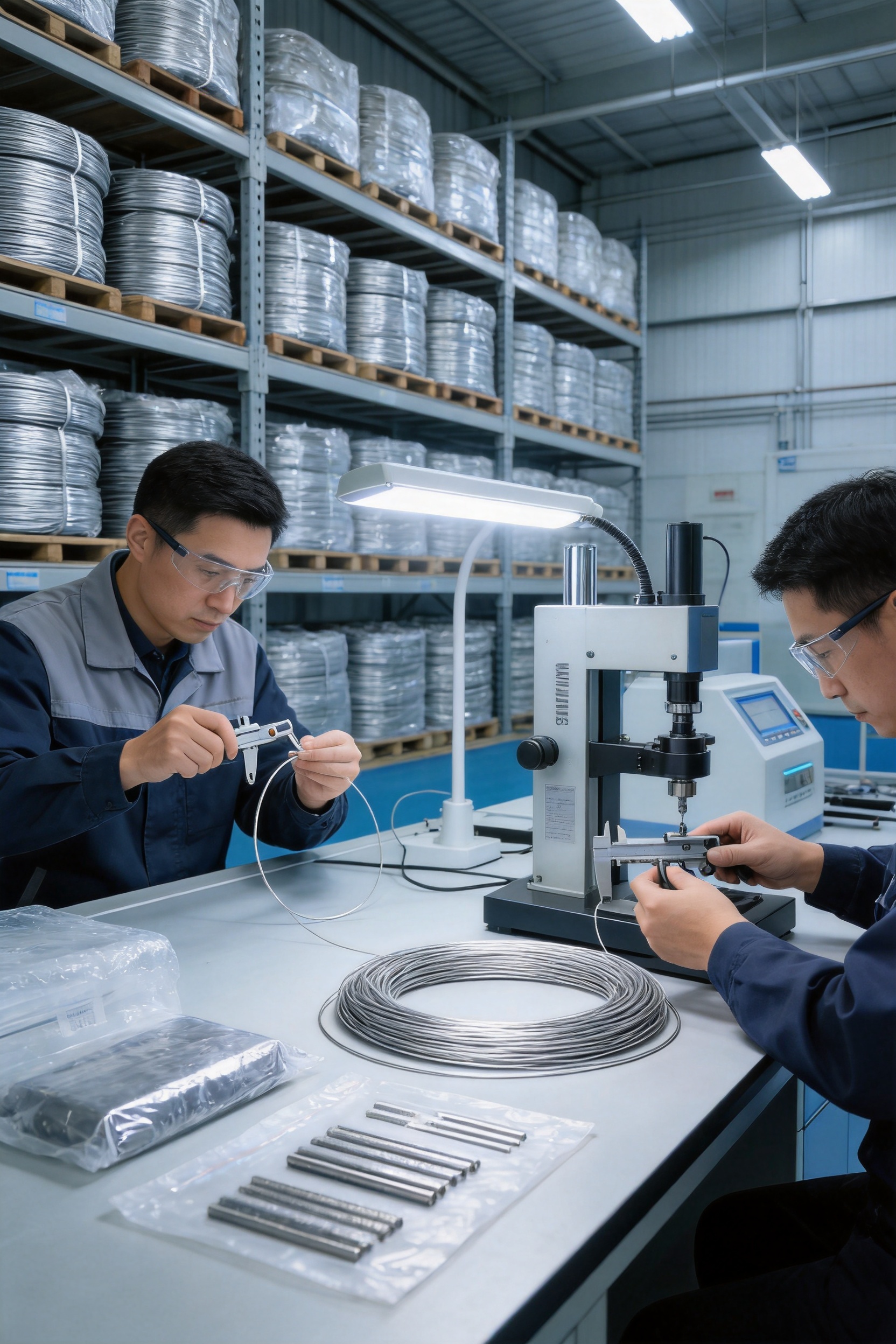
Aluminum rivets are widely used where dependable fastening, low weight, corrosion resistance, and efficient installation are essential. In aviation, aerospace, defense, transportation, machinery, and general engineering, the performance of a rivet depends not only on its final shape but also on the quality and consistency of the wire from which it is produced. High-strength aluminum alloy wire for rivets provides the foundation for reliable rivet forming, stable mechanical performance, and long-term service in demanding environments.
The product discussed in this article is a high-strength aluminum alloy wire designed primarily for rivet manufacturing. It is intended for applications in aviation, aerospace, and military equipment, where a balance of strength, oxidation resistance, shear resistance, formability, and weight reduction is required. Its strengthening mechanism is associated with the CuAl2 phase, while the stated copper composition is approximately 3.9–4.5%. This composition should always be verified against the applicable customer specification, national standard, or project requirement before production use.
Jiangsu Hetuo Aluminum Wire Co., Ltd. manufactures high-purity aluminum wire, high-strength aluminum alloy wire, and aluminum or aluminum alloy welding materials. The company operates an integrated production system in Guannan Economic Development Zone, Lianyungang, Jiangsu Province, China. Its manufacturing capabilities, quality-management systems, specialized equipment, and application-oriented technical approach support the production of aluminum alloy wire for rivets and other precision uses.
Content
- 1 Why Aluminum Alloy Wire Matters in Rivet Production
- 2 Product Overview: Wire for Aluminum Rivets
- 3 Technical Advantages of the Rivet Wire
- 4 Applications in Aviation and Aerospace
- 5 Applications in Military and High-Performance Equipment
- 6 Applications Beyond Aerospace
- 7 Manufacturing Capabilities and Process Control
- 8 Quality Systems and Manufacturing Strengths
- 9 Advantages Compared with General-Purpose Aluminum Wire
- 10 Advantages Compared with Alternative Fastener Materials
- 11 Recommended Purchasing and Technical Specification Items
- 12 Storage, Handling, and Production Use
- 13 Integration with Rivet Manufacturing
- 14 Customization and Customer Support
- 15 Quality Assurance from Production to Shipment
- 16 Sustainability and Resource Efficiency
- 17 How to Select the Right Rivet Wire Supplier
- 18 Frequently Asked Questions
- 18.1 What is aluminum rivet wire used for?
- 18.2 What makes this wire different from ordinary aluminum wire?
- 18.3 What does CuAl2 phase strengthening mean?
- 18.4 Is the product suitable for all aircraft rivets?
- 18.5 Can the wire be customized?
- 18.6 What information should be requested with the shipment?
- 18.7 How should the wire be stored?
- 18.8 Can the wire be used in automated rivet production?
- 18.9 Does good oxidation resistance eliminate the need for corrosion protection?
- 18.10 What quality certifications does the manufacturer have?
- 18.11 Where is the manufacturer located?
- 18.12 How can a buyer request technical information?
- 19 Conclusion
- 20 References
- 21 Product: For Rivets
Why Aluminum Alloy Wire Matters in Rivet Production
A rivet is a permanent mechanical fastener that is installed by deforming one end of a prepared shank. During installation, the rivet must expand or upset in a controlled manner without cracking, excessive work hardening, surface splitting, or dimensional instability. The raw wire used to make the rivet therefore has a direct influence on production yield and final fastening performance.
High-quality rivet wire must exhibit consistent chemical composition, reliable surface condition, controlled diameter, and suitable metallurgical properties. If the wire contains excessive inclusions, surface defects, or significant dimensional variation, the finished rivet may show poor head formation, inconsistent shear behavior, or premature failure. Stable wire quality also reduces die wear and supports predictable performance in automated cold-heading and forming operations.
Aluminum alloys are especially attractive for rivets because they combine relatively low density with useful strength and corrosion resistance. Compared with many steel fastening materials, aluminum rivets can reduce structural weight and simplify handling. They can also be selected for applications where electrical compatibility, thermal behavior, or resistance to atmospheric oxidation is important.
However, not every aluminum wire is suitable for rivet manufacturing. High-purity aluminum wire may be appropriate for electrical, conductive, or specialized industrial applications, but rivets exposed to mechanical loads generally require a carefully selected alloy system. High-strength aluminum alloy wire is designed to provide a stronger balance between formability and load-bearing capacity.
Product Overview: Wire for Aluminum Rivets
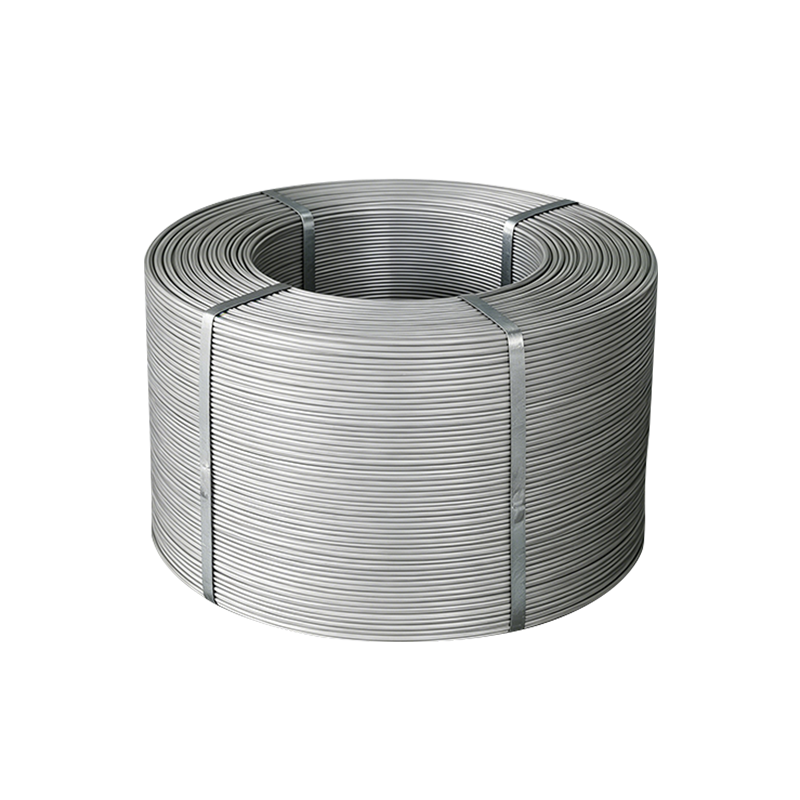
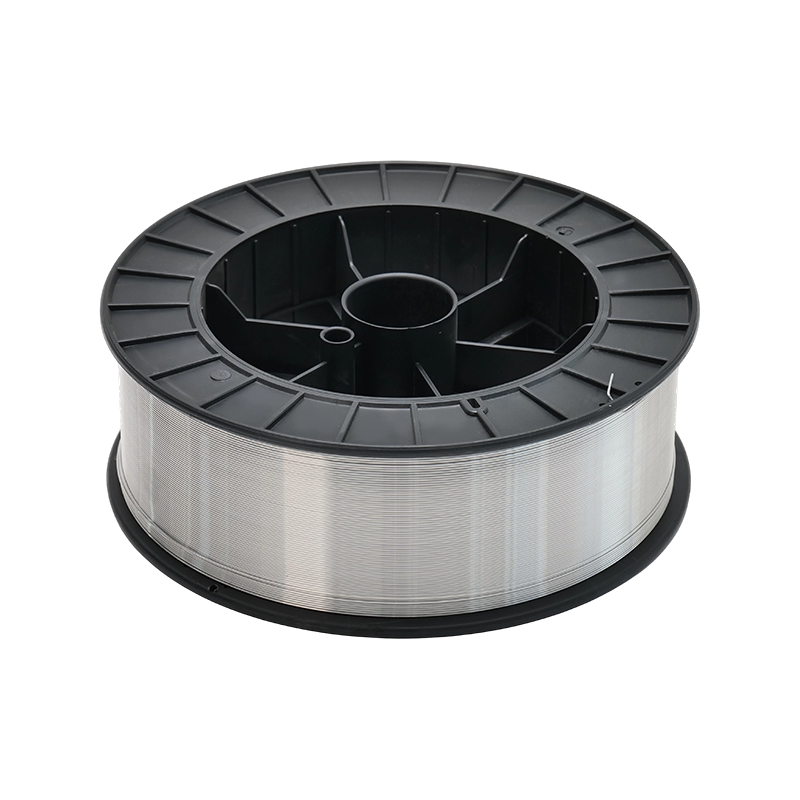
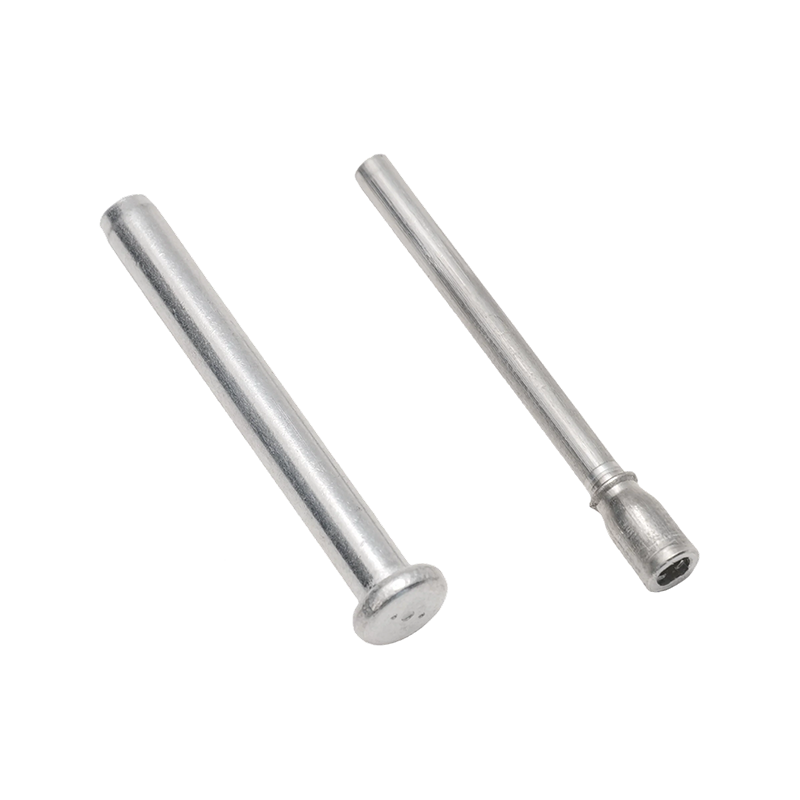
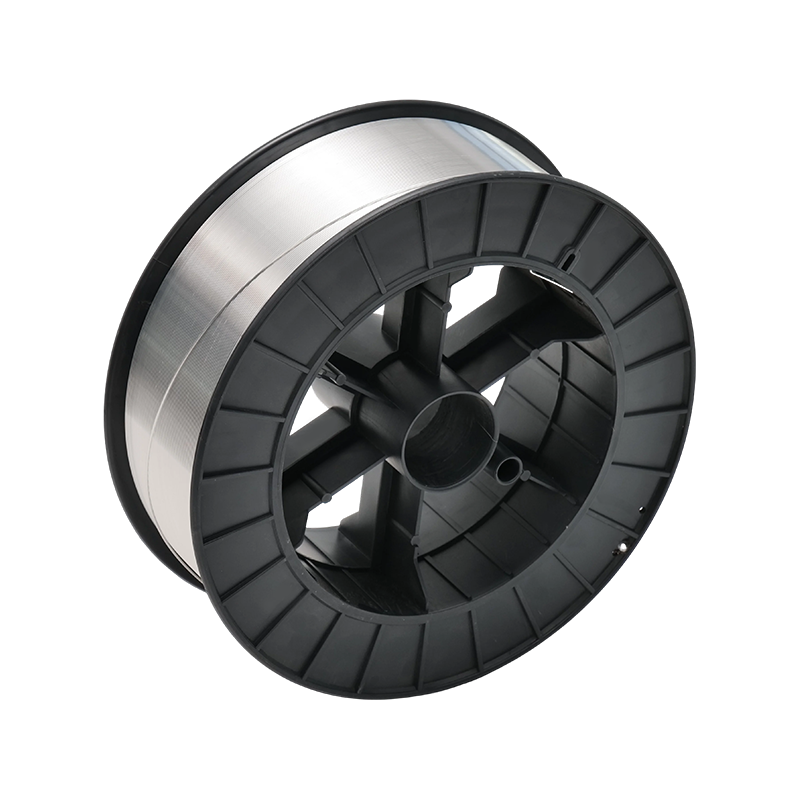
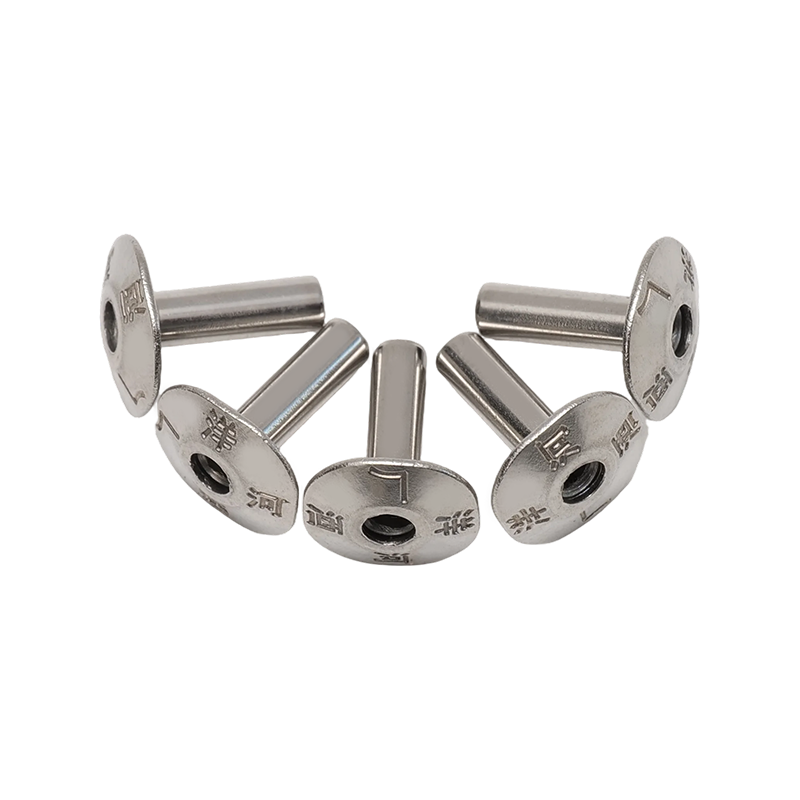
The product is identified as high-strength aluminum alloy wire for rivets. Its main use is the production of aluminum rivets for aviation, aerospace, military, and related engineering applications. The material is strengthened through a CuAl2 phase, which contributes to its mechanical performance when the alloy is processed and treated appropriately.
The reported copper range is Cu: 3.9–4.5%. Copper is an important alloying element in several high-strength aluminum alloy families. It can increase strength through solid-solution effects and precipitation-related strengthening. In suitable processing conditions, copper-containing phases such as CuAl2 can contribute to improved hardness and load resistance.
The presence and behavior of strengthening phases depend on the complete alloy chemistry, thermal history, deformation level, and any applicable heat treatment. For this reason, buyers should evaluate the entire material certificate rather than relying on copper content alone. The final alloy designation, temper, diameter tolerance, tensile properties, elongation, hardness, and other technical requirements should be agreed upon before order confirmation.
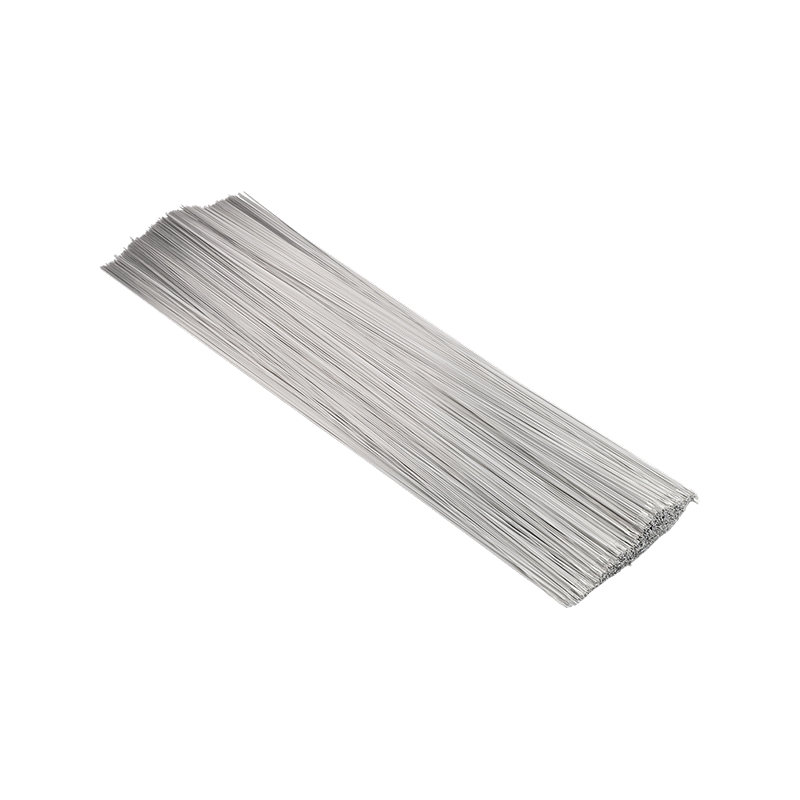
The wire can be supplied for further processing into rivets, fastener blanks, or related formed components. Depending on the customer's equipment and application, the material may be manufactured to specified diameters, coil weights, straightened lengths, surface requirements, and packaging formats.
| Item | Product Information | Application Significance |
|---|---|---|
| Product type | High-strength aluminum alloy wire | Provides feedstock for aluminum rivet production |
| Primary application | Rivets for aviation, aerospace, military, and engineering uses | Supports lightweight and permanent fastening designs |
| Strengthening feature | CuAl2 phase strengthening | Contributes to strength and load-bearing performance |
| Specified copper content | Approximately 3.9–4.5% | Supports alloy identity and composition control |
| Key performance characteristics | Oxidation resistance and shear resistance | Helps the rivet withstand demanding service conditions |
| Available customization | Dimensions, packaging, and technical requirements subject to confirmation | Allows integration with different forming and heading processes |
Technical Advantages of the Rivet Wire
High Strength-to-Weight Potential
One of the most important advantages of aluminum alloy rivets is their favorable strength-to-weight relationship. A well-selected aluminum alloy can deliver useful mechanical performance while weighing less than many conventional steel alternatives. This is particularly valuable in aircraft structures, aerospace equipment, military vehicles, transportation systems, and lightweight assemblies where every reduction in mass can improve efficiency.
Weight reduction can have benefits beyond the fastener itself. Lower fastener mass may reduce the total structural weight, simplify installation and maintenance, and support the design of assemblies with improved mobility or fuel efficiency. In applications involving large numbers of rivets, even a modest reduction in the mass of each fastener can produce a meaningful cumulative result.
CuAl2 Phase Strengthening
The product description identifies CuAl2 phase strengthening as a central metallurgical feature. In copper-containing aluminum alloys, controlled precipitation and phase formation can increase resistance to deformation. This is relevant to rivets because the fastener must retain sufficient strength after forming and during service.
A strengthening phase can help the finished rivet resist shear loading and localized deformation around the joint. It may also improve the ability of the fastener to maintain clamping and structural integrity under vibration or repeated mechanical stress. The actual result depends on alloy composition, production route, heat treatment, forming conditions, and final temper.
Compared with ordinary low-strength aluminum wire, a properly manufactured copper-bearing alloy wire can provide a stronger basis for rivets used in high-load assemblies. Compared with some very hard materials, it may also offer a more practical balance between strength and formability. This balance is one of the reasons aluminum alloy rivets remain valuable in aerospace and specialty engineering.
Good Oxidation Resistance
Aluminum naturally forms a thin oxide film when exposed to air. This protective surface layer helps limit further oxidation under many normal atmospheric conditions. The product is described as having good oxidation resistance, which can support storage, processing, and service performance when suitable handling and environmental controls are maintained.
Oxidation resistance is important for rivet wire because surface deterioration can affect feeding, heading, forming, and final appearance. A stable surface is also useful when rivets are installed in assemblies where consistent contact and controlled fit are required.
Oxidation resistance should not be interpreted as universal immunity to corrosion. The suitability of the alloy must be evaluated against humidity, salt spray, chemicals, temperature, galvanic contact, and other service conditions. Surface treatments, coatings, sealants, isolation methods, or compatible material selection may be required in aggressive environments.
Good Shear Resistance
Rivets commonly transfer loads through shear across the joined materials. The ability of the rivet to resist shearing is therefore a key consideration in joint design. The product is specifically described as having good shear resistance, making it suitable for applications in which the fastener must withstand transverse forces and repeated loading.
Shear performance is influenced by the alloy's tensile and yield strength, the rivet diameter, the formed head geometry, joint thickness, hole quality, installation force, and load distribution. The wire must provide a consistent metallurgical base so that finished rivets can be produced with predictable mechanical properties.
For critical applications, shear testing should be completed on finished rivets rather than inferred only from raw-wire data. The testing method should reflect the applicable industry standard or customer drawing. Jiangsu Hetuo Aluminum Wire Co., Ltd. can coordinate technical requirements with buyers so that material supply is aligned with downstream rivet production and validation procedures.
Suitable for Precision Forming
Rivet wire must be sufficiently formable to undergo drawing, cutting, cold heading, upsetting, or other forming operations. Excessive hardness or poor ductility can cause cracks and splitting during head formation. Excessive softness may lead to dimensional instability, deformation during handling, or insufficient final strength.
A high-strength aluminum alloy wire for rivets is valuable because it is designed around this processing balance. The precise formability of any specific supply condition depends on the agreed temper and manufacturing route. Customers should provide information about their heading equipment, die geometry, forming sequence, target rivet dimensions, and any post-forming treatment so that the wire can be matched to the application.
Applications in Aviation and Aerospace
Aviation and aerospace structures require materials that combine low weight, reliability, repeatability, and resistance to demanding operating conditions. Rivets are used in panels, skins, frames, brackets, ducts, interior structures, and other assemblies. Aluminum alloy rivets can be particularly useful where the joined components are also made from aluminum alloys or where galvanic compatibility must be considered.
The product's high-strength characteristics support rivet applications that require more than basic fastening capacity. Aircraft structures may experience vibration, pressure variation, temperature cycling, and repeated loads. The rivet material must therefore be selected as part of an engineered joint system rather than as an isolated commodity.
In aerospace manufacturing, production consistency is especially important. A small variation in wire diameter or surface quality can affect automatic feeding and heading. A variation in chemistry or temper can change the force required to form the rivet head. Reliable wire supply helps manufacturers reduce process adjustments and maintain stable production rates.
The material may also be considered for maintenance and repair operations, provided that the alloy, temper, rivet dimensions, and installation procedure meet the relevant aircraft or equipment requirements. Repair organizations should always follow approved technical documentation and use qualified fasteners for safety-critical assemblies.
Applications in Military and High-Performance Equipment
Military equipment often requires lightweight construction, durable joints, and materials that can tolerate vibration, transportation, field handling, and changing environmental conditions. Aluminum alloy rivets can be used in vehicle bodies, equipment housings, structural panels, communication equipment, and specialized assemblies.
The combination of strength and low density can help engineers reduce unnecessary mass without abandoning permanent mechanical fastening. Good shear resistance is useful in structures that experience movement, impact, or lateral loads. Good oxidation resistance can support service life in outdoor or variable environments, although additional protection may be necessary for severe exposure.
For defense-related procurement, documentation and traceability are usually as important as the material itself. Buyers may require batch identification, chemical composition reports, dimensional inspection records, mechanical test data, and packaging controls. A supplier with an established quality-management system is better positioned to support these requirements.
Applications Beyond Aerospace
Although the product is mainly associated with aviation, aerospace, and military applications, high-strength aluminum rivet wire may also be relevant to transportation, rail equipment, ship interiors, industrial machinery, energy equipment, and specialty fabrication.
Transportation manufacturers may use aluminum fasteners to support weight reduction and corrosion-conscious design. Industrial equipment manufacturers may select aluminum rivets for enclosures, covers, panels, and assemblies where welding is impractical or where heat input must be minimized. In electrical or electronic equipment, aluminum fasteners may offer material compatibility and ease of installation, subject to the design's electrical and corrosion requirements.
The suitability of the wire depends on the final rivet design and operating conditions. Factors such as temperature, vibration, fatigue, galvanic coupling, chemical exposure, joint thickness, and required disassembly method should be reviewed during material selection.
For Rivets
Manufacturing Capabilities and Process Control
Jiangsu Hetuo Aluminum Wire Co., Ltd. has developed a manufacturing system covering high-purity aluminum wire, high-strength aluminum alloy wire, and aluminum or aluminum alloy welding materials. The company was established in 2019 and operates from a facility covering approximately 40,000 square meters. Its production model combines material preparation, forming, inspection, and order-oriented technical support.
Manufacturing high-strength aluminum alloy wire for rivets requires more than simply drawing aluminum through a die. It involves composition control, melting or alloy preparation, casting or rod production, rolling or reduction, wire drawing, surface management, heat treatment where applicable, dimensional inspection, and final packaging. Each stage can influence the next stage, so process coordination is essential.
Raw Material and Alloy Composition Control
Alloy composition is the foundation of product performance. Copper content in the stated range of approximately 3.9–4.5% must be controlled within the agreed specification. Other elements and impurities must also be managed because they can influence conductivity, strength, ductility, corrosion behavior, and forming response.
Appropriate incoming-material controls help reduce variation before production begins. Material identification, supplier evaluation, batch segregation, and chemical verification can prevent incorrect materials from entering the process. For customers with strict requirements, chemical composition reports can provide documented confirmation of each production batch.
Melting, Alloying, and Metallurgical Homogeneity
During alloy preparation, the distribution of alloying elements must be as uniform as possible. Inadequate mixing or uncontrolled thermal conditions may produce local composition differences, coarse phases, or inclusions. These irregularities can affect wire drawing and rivet forming.
Controlled melting and alloying practices support a more homogeneous feedstock. Temperature management, furnace cleanliness, melt treatment, filtration, and controlled transfer can help reduce unwanted contamination and improve internal quality. The exact process parameters are production-controlled and may vary according to alloy grade, diameter, and order requirements.
Rod Production and Deformation Processing
Aluminum alloy wire is commonly produced through a sequence that converts alloy stock into rod and then reduces the rod to the required wire size. Deformation processing must be carefully controlled to achieve stable dimensions and suitable mechanical properties.
Reduction schedules influence work hardening, surface quality, residual stress, and final formability. A controlled sequence can help the wire achieve the dimensional accuracy needed for automated rivet production. It can also support consistent response during cutting and heading.
Production equipment should be matched to the required product range. Advanced drawing and forming equipment can improve repeatability, reduce manual variation, and support efficient production of customized sizes. Equipment condition is also important because worn dies or poorly aligned guides may cause scratches, diameter variation, or other defects.
Heat Treatment and Temper Management
For precipitation-strengthened aluminum alloys, heat treatment and aging may be used to develop the required combination of strength and ductility. The precise treatment depends on the alloy system and the desired temper. If the wire is intended for subsequent rivet forming, the supplied condition must be selected carefully because the optimal condition for drawing may differ from the optimal condition for final service.
Temper management requires control of heating rate, holding time, cooling conditions, and aging parameters. Inconsistent treatment can produce variation from one coil or batch to another. A disciplined process-control system helps ensure that mechanical properties remain within the agreed range.
Customers should communicate whether they require soft, intermediate, or strengthened delivery conditions. They should also clarify whether final heat treatment will occur after rivet formation. These details affect material selection and should be confirmed during technical review.
Surface Quality Management
The surface of rivet wire must be clean and sufficiently smooth for stable feeding and forming. Surface cracks, laps, deep scratches, embedded particles, excessive oxide, or drawing residues can interfere with automated equipment and may become initiation points for failure.
Surface management may include controlled lubrication, cleaning, inspection, and packaging. The appropriate surface condition depends on the customer's forming process. Some applications may require a particular lubricant compatibility or a clean surface for subsequent coating or treatment.
Dimensional Inspection
Rivet manufacturing depends heavily on wire diameter. Diameter affects the weight of each cut blank, the volume available for head formation, the fit within dies, and the final rivet dimensions. Consistent diameter is therefore essential for stable automated production.
Dimensional inspection can include diameter measurement, ovality evaluation, length checks for cut samples, and visual examination. Statistical sampling or continuous monitoring may be applied according to product requirements. Inspection records provide evidence that the wire conforms to the agreed specification.
Mechanical and Chemical Testing
Quality testing may include tensile strength, yield strength, elongation, hardness, conductivity where relevant, and chemical composition. The exact test program should be based on the applicable standard and customer requirements. For rivet applications, additional evaluation of forming behavior and finished-rivet performance may be appropriate.
Testing is most effective when it is connected to process control. If a result falls outside the target range, the manufacturing team can investigate the associated batch, equipment settings, heat treatment, or raw-material condition. This approach helps prevent recurring defects and supports continuous improvement.
Quality Systems and Manufacturing Strengths
Jiangsu Hetuo Aluminum Wire Co., Ltd. has obtained ISO 9001 and IATF 16949 quality-management system certifications. ISO 9001 provides a structured framework for quality planning, process management, customer requirements, corrective action, and continual improvement. IATF 16949 is associated with the automotive supply chain and emphasizes disciplined process control, risk management, traceability, and defect prevention.
These certifications do not replace product-specific testing, but they demonstrate that the company has established formal systems for managing manufacturing quality. This is particularly relevant for customers purchasing wire for high-volume or high-reliability production.
The company employs approximately 60 people, including professional managers and technicians. A technical team can contribute to process optimization, order review, inspection planning, production troubleshooting, and customer communication. In specialty wire manufacturing, this combination of equipment and technical personnel is important because product performance depends on both machinery and process knowledge.
The factory's reported area of approximately 40,000 square meters provides space for manufacturing, inspection, storage, and logistics operations. A sufficiently organized facility can support better material segregation, clearer process flow, improved inventory management, and more reliable shipment preparation.
The company exports products to overseas markets and positions itself as a supplier of high-grade aluminum alloy rods, welding wires, precision profiles, and related materials. International experience can help a manufacturer understand the importance of packaging, documentation, export coordination, dimensional consistency, and communication across different technical standards.
Advantages Compared with General-Purpose Aluminum Wire
General-purpose aluminum wire is not automatically appropriate for rivets. It may be manufactured for electrical conductivity, binding, decorative use, or other applications with different priorities. Rivet wire must satisfy requirements associated with mechanical forming and structural fastening.
The first advantage of specialized rivet wire is application alignment. The material is developed and supplied with rivet manufacturing in mind, so factors such as forming response, shear behavior, surface condition, and dimensional control receive greater attention than they might in a general-purpose product.
The second advantage is alloy strengthening. A copper-bearing aluminum alloy with CuAl2 phase strengthening can offer higher mechanical performance than commercially pure aluminum wire. This makes it more suitable for fasteners exposed to significant load.
The third advantage is process consistency. A dedicated industrial supplier can establish controls for alloy preparation, wire drawing, heat treatment, inspection, and batch traceability. Consistency helps customers maintain stable production and reduce rejection rates.
The fourth advantage is customization. Industrial users often require specific wire diameters, coil weights, mechanical conditions, packaging formats, or inspection documents. A manufacturer capable of discussing these parameters can provide a better fit than a generic distributor with limited technical control.
Advantages Compared with Alternative Fastener Materials
Steel rivets typically provide high strength, but they can increase assembly weight and may require additional corrosion protection. Aluminum alloy rivets can reduce weight and may offer better compatibility with aluminum structures. Their lower forming force can also be advantageous in certain production environments, although the correct installation equipment and rivet condition remain necessary.
Copper rivets provide excellent conductivity and corrosion characteristics in selected applications, but they are denser than aluminum and may not be appropriate when lightweight construction is a priority. Aluminum alloy rivets offer a different balance of density, strength, and formability.
Composite or specialized polymer fasteners may provide further weight savings in some applications, but they may have limitations related to temperature, impact, creep, electrical behavior, or installation method. Aluminum alloy rivets remain attractive where a metallic, permanent, and mechanically reliable fastener is required.
The best material depends on the joint design. Engineers should compare density, tensile and shear performance, fatigue behavior, temperature range, corrosion compatibility, installation method, inspection requirements, and lifecycle cost rather than selecting a material based on purchase price alone.
Recommended Purchasing and Technical Specification Items
When purchasing aluminum alloy wire for rivets, the buyer should provide a clear technical specification. Important information includes alloy designation, copper range, diameter, diameter tolerance, ovality tolerance, delivery temper, tensile requirements, elongation, hardness, surface condition, coil dimensions, net weight, packaging, and required documentation.
The buyer should also identify the final rivet type and production method. Cold heading, impact extrusion, machining, or other forming routes may require different wire conditions. Information about rivet head geometry, shank length, cut-off method, die design, and production speed can help the supplier recommend an appropriate product condition.
For aerospace and military uses, the procurement package may include traceability, batch certificates, inspection reports, restricted-substance requirements, export documentation, and approval procedures. These requirements should be reviewed before production rather than after shipment.
| Specification Category | Typical Information to Confirm | Why It Matters |
|---|---|---|
| Alloy chemistry | Copper content, alloy designation, impurity limits | Determines metallurgical behavior and compliance |
| Wire dimensions | Nominal diameter, tolerance, ovality, coil length or weight | Controls blank volume and forming accuracy |
| Mechanical properties | Tensile strength, yield strength, elongation, hardness | Indicates strength and forming suitability |
| Surface condition | Cleanliness, oxide condition, lubricant requirements, defect limits | Supports feeding, heading, and final appearance |
| Delivery condition | Temper, heat-treatment status, aging condition | Influences formability and final rivet strength |
| Quality documentation | Mill certificate, inspection report, batch traceability | Supports audits, acceptance, and product control |
| Packaging | Coil type, moisture protection, labels, handling requirements | Protects wire quality during storage and transportation |
Storage, Handling, and Production Use
Even well-manufactured aluminum alloy wire can be damaged by poor storage. Coils should be protected from rain, condensation, standing water, chemicals, impact, and contamination. Storage areas should be clean, dry, and organized so that different alloys and batches remain clearly identified.
Moisture condensation is a particular concern when cold material is moved into a warm environment. Allowing coils to reach room temperature before opening protective packaging can reduce the risk of condensation on the wire surface. Packaging should be inspected before use, and any damaged or wet material should be isolated for evaluation.
During handling, operators should avoid dragging coils across rough floors or allowing them to strike hard edges. Surface damage may not be obvious at first but can become significant during high-speed feeding or heading. Appropriate lifting equipment and protective supports should be used for larger coils.
Before production, the wire should be checked against the work order and material certificate. Operators should confirm alloy, diameter, batch number, surface condition, and delivery temper. Trial forming may be advisable when introducing a new wire size, new supplier, or changed production condition.
Cutting and heading tools should be maintained in good condition. Excessive tool wear can create defects that may be incorrectly attributed to the wire. A controlled process review should distinguish between material-related issues and equipment-related issues.
Integration with Rivet Manufacturing
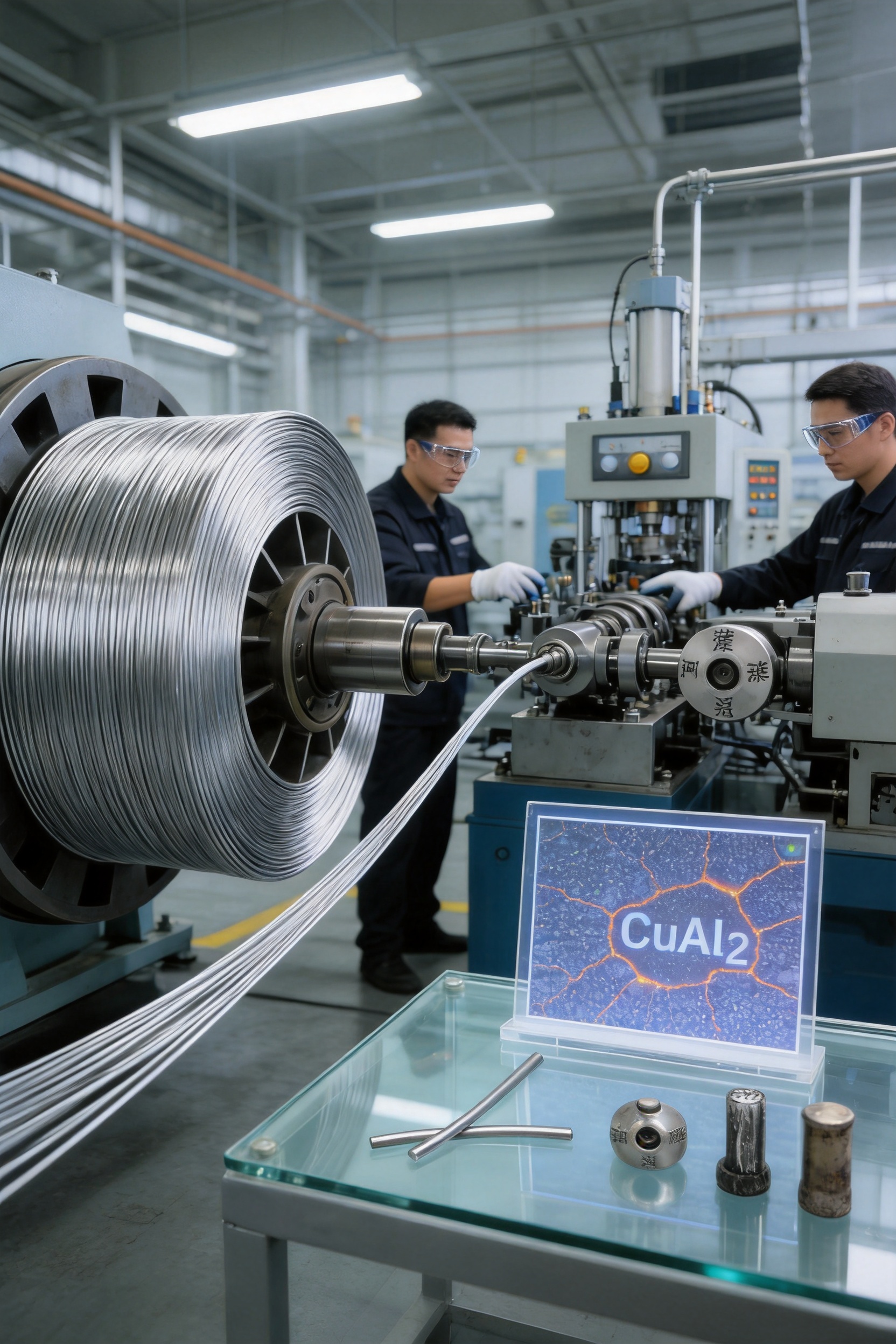
In a typical rivet process, aluminum alloy wire is unwound, straightened or guided, cut into blanks, and formed into rivets. Depending on the rivet design, the blank may undergo cold heading, upsetting, extrusion, or another forming operation. The wire's diameter and temper must be compatible with the forming force and die design.
Stable wire feed is important for automated production. Uneven coil behavior, excessive residual stress, or surface contamination can cause feeding interruptions. Correct packaging and controlled unwinding can help maintain production continuity.
During heading, the material flows into the die cavity to form the rivet head. The alloy must deform sufficiently without producing cracks or folds. If the material is too hard, the head may not fill correctly. If it is too soft, the head may become irregular or fail to meet dimensional requirements. The correct delivery condition should therefore be selected in cooperation with the rivet producer.
After forming, the rivets may be sorted, heat treated, surface treated, inspected, and packaged. Final quality checks can include dimensional measurement, visual inspection, hardness testing, shear testing, and examination of the formed head. The raw wire is one part of this chain, but it is a critical part because defects in the starting material can affect every downstream stage.
Customization and Customer Support
Different customers may use different alloy specifications, production lines, and quality standards. A flexible supplier should be able to review the intended use and establish a technical supply plan. Customization may include wire diameter, coil format, delivery condition, packaging, marking, inspection frequency, and documentation.
Jiangsu Hetuo Aluminum Wire Co., Ltd. presents itself as a manufacturer rather than only a trading company. This manufacturing role can provide better coordination between customer requirements and production parameters. Direct communication with technical personnel may also help resolve questions about forming behavior, surface requirements, or batch performance.
For repeat orders, a documented product specification can improve consistency. The specification should identify the approved alloy, dimensional range, property requirements, packaging, and acceptance criteria. Any proposed change to raw material, equipment, heat treatment, or process should be reviewed through an appropriate change-control procedure.
Customers seeking custom wire for aluminum rivets should provide drawings or technical data where available. Samples of existing wire or finished rivets can also help clarify the required performance. The more complete the technical information, the more effectively the manufacturer can prepare a suitable quotation and production plan.
Quality Assurance from Production to Shipment
Quality assurance begins before production and continues through shipment. Incoming material verification helps establish a reliable starting point. In-process monitoring helps control alloy preparation, wire reduction, heat treatment, surface condition, and dimensions. Final inspection confirms that the completed coils meet the approved requirements.
Batch traceability connects the finished wire to the raw material, process records, inspection results, and shipment information. This is valuable for customers operating under regulated quality systems. If a question arises after delivery, traceability allows the relevant batch to be identified and reviewed.
Packaging should preserve the wire's surface and dimensional condition during transportation. Protective wrapping, moisture control, coil support, labeling, and secure loading all contribute to delivery quality. Export shipments should be prepared according to the destination's handling and documentation expectations.
Corrective and preventive action is another important element of a mature quality system. If a nonconformity is discovered, the supplier should investigate its root cause, implement corrective measures, and verify effectiveness. This approach is more valuable than simply replacing an isolated shipment because it reduces the likelihood of recurrence.
Sustainability and Resource Efficiency
Aluminum is valued for its low density and recyclability. When used in lightweight structures, aluminum alloy components can contribute to reduced transport energy and improved material efficiency. Rivets made from aluminum alloy can support lightweight design while maintaining a permanent mechanical connection.
Responsible production also requires attention to energy use, process yield, scrap management, packaging efficiency, and material recovery. Wire-drawing and forming processes should be managed to reduce unnecessary waste. Production scrap can often be collected and recycled according to the alloy and facility's material-control procedures.
Jiangsu Hetuo Aluminum Wire Co., Ltd. describes its business as focused on lighter, stronger, and more sustainable aluminum alloy wire and welding material solutions. Sustainability claims should be evaluated through specific project data, such as recycled content, energy consumption, scrap recovery, packaging design, and lifecycle analysis, but the lightweight potential of aluminum remains an important advantage in many engineering applications.
How to Select the Right Rivet Wire Supplier
A suitable supplier should demonstrate more than the ability to provide aluminum wire at a competitive price. The buyer should evaluate manufacturing capacity, alloy-control capability, equipment condition, inspection resources, certifications, technical communication, export experience, and consistency of previous deliveries.
Product documentation should be clear and complete. The supplier should be able to state the alloy chemistry, dimensional tolerances, mechanical properties, delivery condition, packaging, and inspection method. If a requirement cannot be confirmed, it should be identified openly before order placement.
Manufacturing-site capability is also important. A factory with dedicated production areas, trained technicians, modern equipment, and established process controls is generally better prepared to manage repeat orders and customized specifications.
Customers should also assess response speed and after-sales support. Rivet manufacturers may need assistance with trial production, material verification, or investigation of forming issues. A supplier willing to work collaboratively can create value beyond the material itself.
Frequently Asked Questions
What is aluminum rivet wire used for?
Aluminum rivet wire is used as raw material for producing aluminum rivets and related formed fasteners. The product described here is intended mainly for aviation, aerospace, military, and other engineering applications requiring lightweight and high-strength fastening materials.
What makes this wire different from ordinary aluminum wire?
This product is a high-strength aluminum alloy wire rather than general-purpose aluminum wire. It contains approximately 3.9–4.5% copper according to the provided product information and uses CuAl2 phase strengthening to support improved mechanical performance. Its suitability for rivets is also connected to controlled forming behavior, surface quality, and dimensional consistency.
What does CuAl2 phase strengthening mean?
CuAl2 phase strengthening refers to the contribution of copper-aluminum strengthening phases to the alloy's mechanical properties. Under suitable composition and processing conditions, these phases can increase resistance to deformation and contribute to strength and shear performance.
Is the product suitable for all aircraft rivets?
No material should be considered suitable for all aircraft rivets without verification. Aircraft applications require an approved alloy, temper, dimension, installation method, and quality standard. The wire should be matched to the specific rivet design and relevant aerospace documentation.
Can the wire be customized?
Customization may be available for dimensions, coil format, delivery condition, packaging, and inspection documentation. The customer should provide technical requirements, drawings, production information, and applicable standards so that the final specification can be confirmed.
What information should be requested with the shipment?
Depending on the application, buyers may request a certificate of chemical composition, mechanical test report, dimensional inspection record, batch number, product identification, packaging list, and other quality documents. Critical applications may require additional traceability or customer-specific forms.
How should the wire be stored?
The wire should be stored indoors in a clean, dry area away from moisture, chemicals, impact, and contamination. Coils should remain identified by batch and alloy. Protective packaging should be opened only after the material has reached a suitable ambient temperature to reduce condensation risk.
Can the wire be used in automated rivet production?
It may be suitable for automated production when its diameter, surface condition, coil format, and delivery temper match the customer's equipment. A production trial is recommended when introducing a new material or changing forming conditions.
Does good oxidation resistance eliminate the need for corrosion protection?
No. Aluminum forms a protective oxide film, and the product is described as having good oxidation resistance, but severe environments may still require coatings, sealants, surface treatments, or galvanic isolation. The complete joint design should be evaluated.
What quality certifications does the manufacturer have?
According to the supplied company information, Jiangsu Hetuo Aluminum Wire Co., Ltd. has obtained ISO 9001 and IATF 16949 quality-management system certifications. Product-specific requirements and test reports should still be confirmed for each order.
Where is the manufacturer located?
The manufacturer is located in the Small and Medium-sized Enterprises Park, Economic Development Zone, Guannan County, Lianyungang City, Jiangsu Province, China.
How can a buyer request technical information?
Buyers can provide the required alloy, diameter, temper, application, quantity, packaging, delivery destination, and documentation requirements to the manufacturer. The company's published contact information includes the telephone numbers +86-15961627690 and +86-18961612067, as well as the email address [email protected].
Conclusion
High-strength aluminum alloy wire for rivets is an important material for lightweight, durable, and reliable fastening systems. Its value comes from the combination of alloy chemistry, CuAl2 phase strengthening, suitable forming behavior, oxidation resistance, shear resistance, dimensional control, and consistent manufacturing.
The product is primarily intended for aviation, aerospace, and military applications, but it may also serve transportation, machinery, equipment, and specialty fabrication markets when the technical requirements are appropriate. Compared with general-purpose aluminum wire, specialized rivet wire offers better alignment with heading and fastening applications. Compared with denser fastener materials, aluminum alloy rivets can support weight reduction and compatibility with aluminum structures.
Jiangsu Hetuo Aluminum Wire Co., Ltd. supports this product category through an integrated aluminum-material manufacturing system, a factory of approximately 40,000 square meters, professional managers and technicians, advanced production equipment, process inspection, and ISO 9001 and IATF 16949 certifications. Its experience with high-purity aluminum wire, high-strength alloy wire, welding materials, alloy rods, and precision profiles provides a foundation for serving customers with specialized material requirements.
For the best result, buyers should confirm the complete chemical, dimensional, mechanical, surface, temper, packaging, and documentation requirements before production. When the wire is properly matched to the rivet design and manufacturing process, it can contribute to efficient forming, stable quality, reduced structural weight, and dependable performance in demanding industrial applications.
References
1. Aluminum Association. Aluminum Standards and Data. Industry reference for aluminum alloy designations, properties, and product requirements.
2. International Organization for Standardization. ISO 9001: Quality Management Systems—Requirements.
3. International Automotive Task Force. IATF 16949: Quality Management System Requirements for Automotive Production and Relevant Service Parts Organizations.
4. ASM International. ASM Handbook, Volume 2: Properties and Selection—Nonferrous Alloys and Special-Purpose Materials.
5. ASM International. ASM Handbook, Volume 14A: Metalworking—Bulk Forming.
6. Aluminum Association. Aluminum Alloy Selection and Application Guidance for Structural and Manufacturing Uses.
7. ASTM International. Standard Test Methods for Mechanical Testing and Chemical Analysis of Aluminum and Aluminum Alloys.
8. Product information supplied for high-strength aluminum alloy wire for rivets, including copper composition of approximately 3.9–4.5%, CuAl2 phase strengthening, oxidation resistance, and shear resistance.