

 English
 中文简体
中文简体 русский
 Deutsch
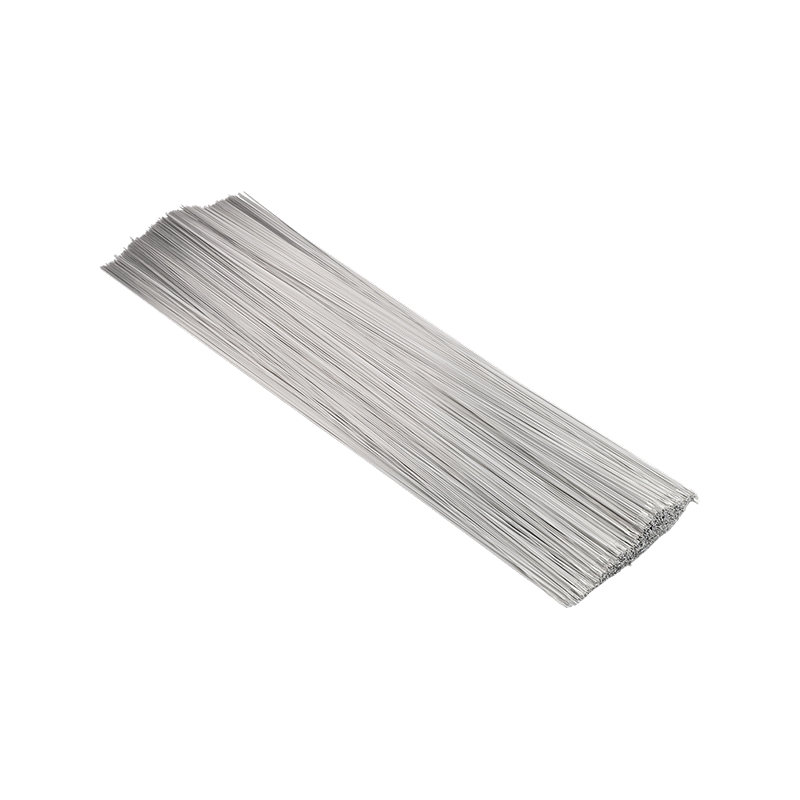
Tungsten inert gas welding, commonly known as TIG welding or gas tungsten arc welding, is widely valued for its accuracy, cleanliness, and ability to produce highly controlled welds. When aluminum or aluminum alloy components require dependable joining, the selection of filler wire has a direct effect on weld appearance, mechanical performance, corrosion resistance, and production efficiency. TIG wire is therefore more than a simple consumable. It is an important part of the complete welding system and must be manufactured with consistent chemistry, reliable dimensional accuracy, and strict surface-quality control.
Jiangsu Hetuo Aluminum Wire Co., Ltd. supplies TIG wire within its range of aluminum and aluminum alloy welding materials. The company also manufactures high-purity aluminum wire and high-strength aluminum alloy wire, giving it experience across several important aluminum material categories. Its production system is designed to support stable quality, professional inspection, and the needs of customers serving demanding industrial markets.
This article explains the role of TIG wire in aluminum welding, the characteristics that distinguish dependable filler wire from ordinary products, and the manufacturing strengths that support consistent performance. It also discusses storage, handling, welding preparation, quality assurance, applications, purchasing considerations, and frequently asked questions.
Content
- 1 Understanding TIG Wire in Aluminum Welding
- 2 Why Aluminum TIG Welding Requires Reliable Filler Wire
- 3 Key Advantages of High-Quality TIG Wire
- 4 Manufacturing Strengths Behind the Product
- 5 Production Process Considerations for TIG Wire
- 6 Comparison of TIG Wire Quality Factors
- 7 Advantages Compared with Ordinary or Inconsistent Wire
- 8 Applications of Aluminum TIG Wire
- 9 Best Practices for Using TIG Wire
- 10 How the Product Supports Customer Requirements
- 11 Quality Management and Continuous Improvement
- 12 Purchasing Considerations for TIG Wire
- 13 Why Choose a Specialized Aluminum Wire Manufacturer
- 14 Technical Summary
- 15 Frequently Asked Questions
- 15.1 What is TIG wire used for?
- 15.2 Is TIG wire the same as the tungsten electrode?
- 15.3 Why is surface cleanliness important for aluminum TIG wire?
- 15.4 How should the correct TIG wire alloy be selected?
- 15.5 Can TIG wire be used for automated welding?
- 15.6 What quality certifications does the manufacturer hold?
- 15.7 Where is the manufacturing facility located?
- 15.8 What other products does the company manufacture?
- 15.9 How should TIG wire be stored?
- 15.10 Does high-quality TIG wire eliminate welding defects?
- 15.11 What information should be included in a quotation request?
- 16 Conclusion
- 17 References
- 18 Product: TIG Wire
Understanding TIG Wire in Aluminum Welding
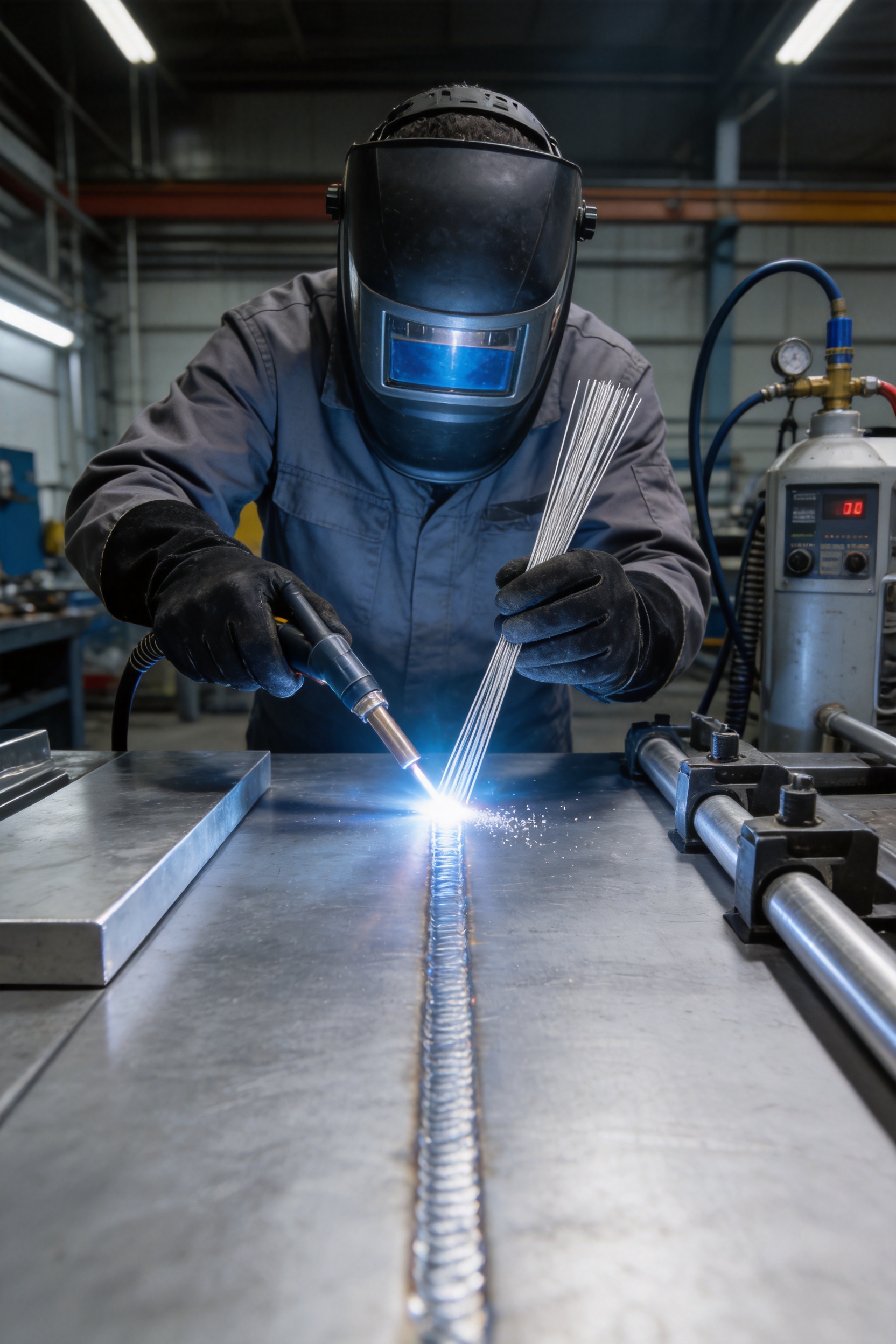
TIG welding creates an arc between a non-consumable tungsten electrode and the workpiece. The arc is protected by an inert shielding gas, usually argon or an argon-based mixture, to reduce exposure to oxygen, nitrogen, and other atmospheric contaminants. Where additional material is needed to complete the joint, the operator introduces TIG filler wire into the molten weld pool.
In this process, the tungsten electrode does not normally become part of the weld. The filler wire melts into the joint and contributes to the final weld metal. This distinction is important because TIG wire is sometimes inaccurately described as a “non-melting electrode.” In practical aluminum welding, TIG wire functions primarily as a filler material, while the tungsten electrode provides the arc.
The wire must melt smoothly and combine effectively with the base metal. Its chemical composition should be suitable for the aluminum alloy being welded and for the required service conditions. The correct choice can help control weld strength, ductility, crack resistance, corrosion behavior, and visual quality.
Because TIG welding is often selected for precision work, defects that might be tolerated in a rough fabrication process can become unacceptable. Surface contamination, inconsistent wire diameter, unsuitable alloy selection, or poor storage can lead to porosity, lack of fusion, irregular bead shape, and reduced joint performance. High-quality TIG wire helps reduce these risks when it is used with appropriate welding parameters and qualified procedures.
Why Aluminum TIG Welding Requires Reliable Filler Wire
Aluminum has several characteristics that make welding technically demanding. It conducts heat rapidly, has a relatively low melting temperature compared with many steels, and forms a tenacious oxide layer on its surface. The oxide melts at a much higher temperature than the underlying aluminum, so the welding process must be carefully controlled to achieve proper cleaning action, arc stability, and fusion.
Aluminum also reflects heat efficiently and can change from solid to liquid with little visible warning. This requires the operator to manage amperage, travel speed, torch angle, shielding gas, arc length, and filler addition precisely. TIG welding offers excellent control, but the process also exposes the quality of the filler wire. A filler wire with unstable dimensions or surface contamination can make an otherwise well-prepared weld more difficult to control.
Dependable TIG wire supports the process in several ways:
First, consistent diameter helps the operator feed material at a predictable rate. This is especially important in manual TIG welding, where the filler is commonly added by hand and small changes in wire size can affect the weld pool.
Second, a clean surface helps minimize the introduction of contaminants into the weld. Aluminum welding is sensitive to oil, moisture, dust, oxide particles, and other foreign matter. Properly produced and packaged wire gives the user a better starting point for clean welding.
Third, stable alloy chemistry helps the filler metal respond consistently to the welding procedure. A controlled composition can support repeatable weld properties when the wire is matched correctly with the base metal.
Fourth, good straightness and uniformity improve feeding, cutting, positioning, and manual handling. These advantages are valuable in both individual fabrication and repetitive industrial production.
Key Advantages of High-Quality TIG Wire
Stable Chemical Composition
Aluminum alloy welding depends on compatibility between the filler wire and the base material. A controlled chemical composition helps maintain predictable melting behavior and supports repeatable mechanical and metallurgical results. Material consistency is particularly important when customers produce components under documented welding procedures or quality management systems.
Stable chemistry also helps reduce variation between production batches. When wire composition changes unpredictably, the operator may observe differences in wetting, bead shape, fluidity, color, or post-weld performance. A professional manufacturing system uses production controls and inspection procedures to minimize such variation.
Reliable Dimensional Accuracy
Diameter consistency is an essential feature of TIG wire. Wire that varies significantly in diameter can produce uneven filler deposition and make it harder to maintain a uniform weld profile. Precision dimensions are useful for hand feeding, automated feeding equipment, and applications where the quantity of deposited metal must be controlled.
Uniform wire also supports more efficient packaging and handling. It can be cut into straight lengths, arranged for easy use, or prepared in forms suitable for customer requirements. These practical benefits contribute to improved shop-floor productivity.
Clean Surface Condition
A clean surface is critical for aluminum filler wire. Oil, grease, moisture, dust, and other residues can increase the risk of porosity and unstable arc behavior. High-quality production includes attention to surface condition throughout forming, inspection, handling, and packaging.
Clean wire does not replace proper preparation of the base metal. The workpiece must still be cleaned with suitable methods, and operators must follow approved welding procedures. However, clean filler material reduces one important source of contamination and helps create a more controlled welding environment.
Improved Weld Appearance
TIG welding is often used where appearance matters. Architectural components, precision fabrications, heat exchangers, vehicle parts, and other visible assemblies may require smooth, consistent, and attractive welds. Filler wire with stable feeding behavior can contribute to uniform bead formation and reduced surface irregularity.
Weld appearance depends on many factors, including joint design, current, shielding gas, travel speed, tungsten preparation, cleaning, and operator skill. Nevertheless, the filler wire remains a central component of the final result.
Support for Repeatable Production
Industrial customers need materials that perform consistently from one order to the next. Repeatable TIG wire quality simplifies welding procedure qualification, production scheduling, operator training, and quality inspection. It can also reduce the need to adjust welding parameters for every new batch of material.
For manufacturers supplying high-end markets, repeatability is often as important as individual performance. A wire that performs well only under ideal conditions may create unnecessary production risk. A controlled product supported by documented quality procedures is more suitable for stable industrial use.
Compatibility with Precision Welding
TIG welding is frequently chosen for thin sections, high-value components, repair work, intricate joints, and assemblies where spatter must be minimized. The process allows careful control of heat input and filler addition. TIG wire designed for this type of work should complement that precision by offering predictable handling and consistent melting characteristics.
In demanding applications, small differences can influence the amount of rework required. Reliable wire helps the operator concentrate on joint preparation and welding technique instead of compensating for inconsistent consumable behavior.
Manufacturing Strengths Behind the Product
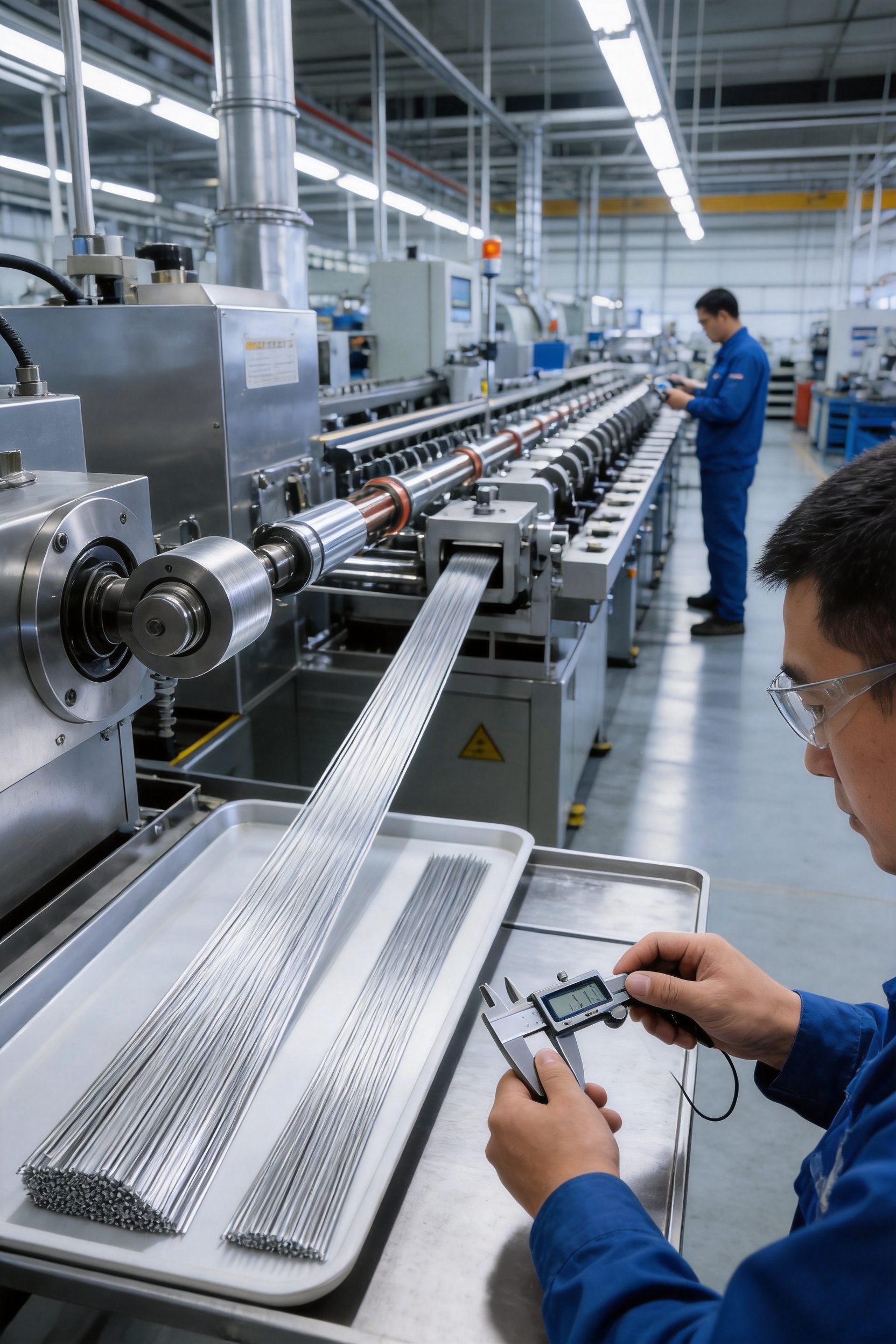
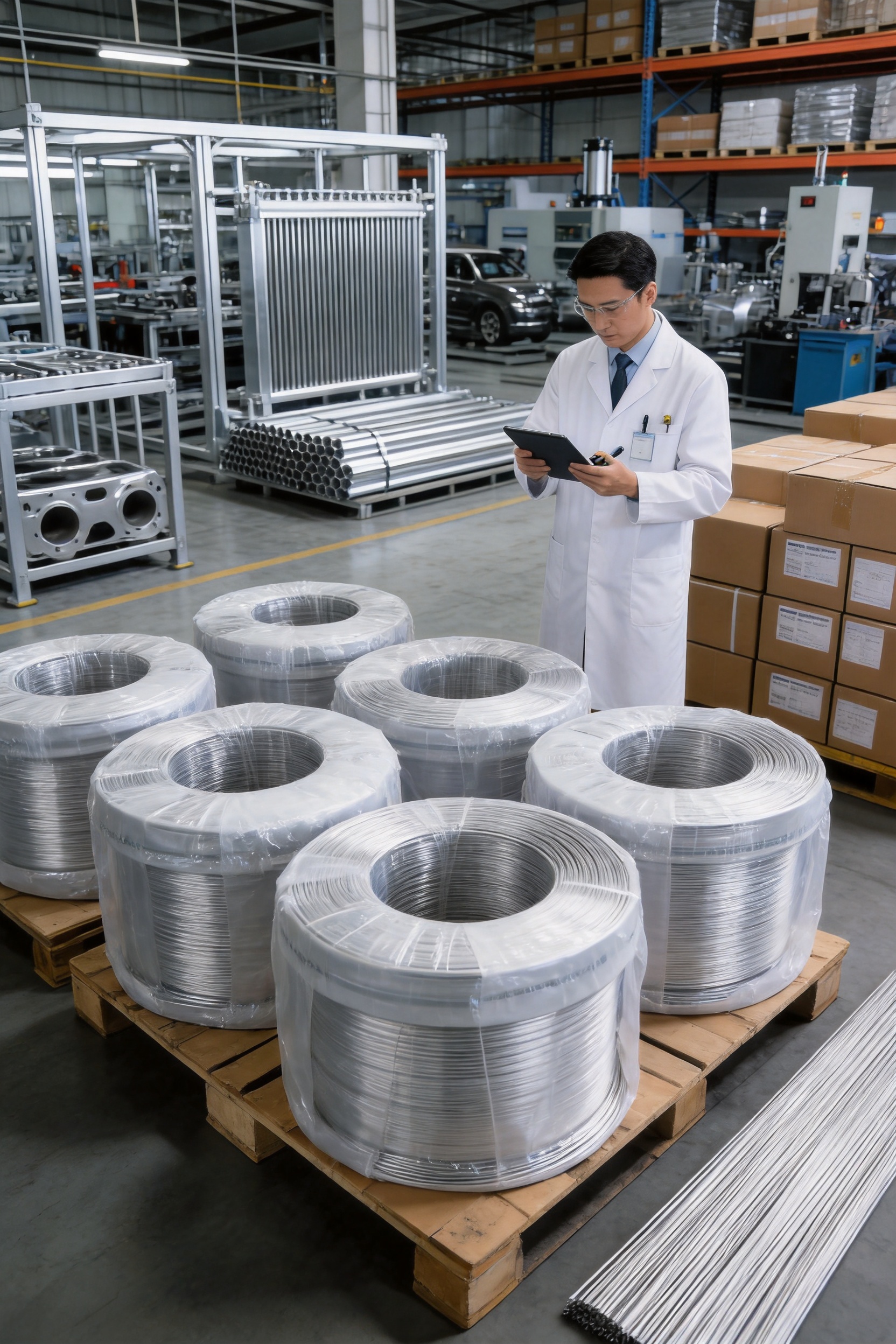
The quality of TIG wire begins long before the product reaches the welding shop. It depends on the selection and control of raw materials, equipment condition, forming technology, inspection methods, personnel training, and packaging. Jiangsu Hetuo Aluminum Wire Co., Ltd. has developed an intelligent manufacturing system covering high-purity aluminum wire, high-strength aluminum alloy wire, and aluminum and aluminum alloy welding materials.
The company was established in 2019 and is located in the Guannan Economic Development Zone of Lianyungang, Jiangsu Province, China. Its factory covers approximately 40,000 square meters and employs 60 people, including 30 professional managers and technicians. This combination of production capacity, technical personnel, and management resources provides a foundation for organized manufacturing and customer service.
Integrated Aluminum Wire Expertise
A manufacturer serving multiple aluminum wire categories can build broader process knowledge than a supplier focused on only one product type. High-purity aluminum wire, high-strength aluminum alloy wire, and welding materials each require attention to chemistry, forming, surface condition, dimensions, and application performance.
Experience across these categories can support a more complete understanding of aluminum material behavior. It also allows the company to organize resources around related production technologies and customer requirements. For TIG wire buyers, this broader specialization is valuable because welding materials must be viewed in relation to base metals, fabrication methods, and end-use conditions.
Advanced Equipment and Facilities
The company introduces advanced equipment and facilities into its manufacturing system. Modern equipment can help improve process stability, production efficiency, dimensional control, and repeatability. It also provides a stronger foundation for managing production records and identifying deviations.
Equipment alone does not guarantee product quality. Its value depends on proper installation, maintenance, calibration, operator competence, and process supervision. A responsible manufacturer combines machinery with quality procedures and technical management so that each stage contributes to the final product.
Quality Inspection Throughout Production
Quality inspection is not limited to a final visual check. Effective control considers raw materials, intermediate processing, finished dimensions, surface condition, packaging, and documentation. Inspection throughout production helps identify issues earlier, when corrective action is more practical and less costly.
For TIG wire, production-stage controls may include checks related to composition, dimensions, appearance, straightness, cleanliness, and batch identification. The exact inspection plan depends on the product specification and customer requirements. Continuous attention to quality provides greater confidence than relying on a single inspection after all processing is complete.
Quality Management Certifications
Jiangsu Hetuo Aluminum Wire Co., Ltd. has obtained ISO 9001 and IATF 16949 quality management system certifications. These certifications demonstrate the company’s commitment to structured management, process control, documentation, corrective action, and continuous improvement.
ISO 9001 is widely associated with quality management systems that emphasize customer requirements, controlled processes, risk-based thinking, monitoring, and improvement. IATF 16949 is an automotive-industry quality management standard with additional requirements for defect prevention, variation reduction, traceability, and process discipline.
Certification does not mean that every welding application is automatically qualified. Customers must still select a suitable alloy, confirm technical requirements, and validate the product under their own welding procedures. However, a certified management system is an important indicator that the manufacturer has established a formal framework for maintaining consistent operations.
Technical and Management Personnel
The company employs professional managers and technicians as part of its workforce. Skilled personnel are essential for interpreting specifications, controlling equipment, investigating quality issues, improving processes, and communicating effectively with customers.
Aluminum wire manufacturing requires cooperation between production, quality, technical, purchasing, warehouse, and customer-service teams. A technically capable organization can respond more effectively to differences in alloy requirements, dimensions, packaging, and application conditions.
Production Process Considerations for TIG Wire
Although exact production parameters vary according to alloy, diameter, and customer specification, the manufacture of TIG wire generally involves a sequence of carefully controlled operations. Understanding these stages helps buyers evaluate suppliers and recognize why process discipline matters.
Raw Material Selection
The process begins with suitable aluminum or aluminum alloy feedstock. Chemical composition must be controlled according to the intended filler wire grade. Raw materials should be identified and managed so that different alloys are not mixed unintentionally.
Material traceability is valuable because it allows a manufacturer to connect finished products with their source materials and production records. This information supports quality investigations and gives customers more confidence in batch consistency.
Melting and Alloy Preparation
Where alloy preparation is part of the manufacturing route, melting and mixing must be managed carefully. Temperature, holding time, material additions, and cleanliness can influence final chemistry and inclusion control. The objective is to create a uniform metal suitable for downstream forming.
Aluminum is sensitive to oxidation and contamination during processing. Clean equipment, controlled handling, and appropriate operating procedures help protect the material. The specific technical controls depend on the alloy system and production design.
Rod or Wire Forming
After preparation, the material is formed into rod or wire through suitable equipment. Forming must achieve the required dimensions while maintaining surface quality and material integrity. Excessive deformation, equipment wear, or unsuitable lubrication can affect the finished product.
Dimensional checks during forming help operators identify drift before a large quantity of material is produced. This is one reason in-process inspection is important for consistent TIG wire.
Drawing and Sizing
Wire drawing or related sizing operations can refine the diameter and surface condition. The number of passes, reduction per pass, equipment condition, and lubrication control may influence straightness, dimensional tolerance, and surface quality.
For TIG wire, proper sizing supports reliable manual feeding and compatibility with customer equipment. The finished wire should be stable enough for the intended form, whether supplied as straight lengths or another agreed configuration.
Cleaning, Inspection, and Packaging
After forming and sizing, the wire is inspected for visible defects, dimensional conformity, and surface condition. Packaging should protect the material from moisture, dust, mechanical damage, and accidental contamination during storage and transportation.
Correct identification is also important. Labels and batch information help customers maintain stock control and traceability. Packaging design should suit the product form and the expected logistics route, particularly when the wire is shipped to overseas markets.
Comparison of TIG Wire Quality Factors
The following table summarizes the main quality factors that buyers should consider when comparing TIG wire suppliers. It is not a substitute for a formal product specification, but it provides a practical framework for evaluation.
| Quality factor | Importance in welding | What a professional supplier should demonstrate |
|---|---|---|
| Chemical composition | Influences compatibility, weld properties, and service performance | Controlled alloy selection, material identification, and appropriate inspection |
| Diameter consistency | Supports stable filler addition and predictable deposition | In-process dimensional control and finished-product verification |
| Surface cleanliness | Helps reduce contamination, porosity, and unstable welding behavior | Controlled handling, inspection, and protective packaging |
| Straightness and form | Improves manual use, cutting, storage, and automated feeding | Suitable forming processes and checks for deformation |
| Batch consistency | Supports repeatable production and procedure stability | Documented processes, traceability, and quality management |
| Packaging and identification | Protects the material and supports inventory management | Clear labels, suitable packaging, and export-ready handling |
| Technical communication | Helps customers select and apply the product correctly | Responsive service and understanding of aluminum welding requirements |
Advantages Compared with Ordinary or Inconsistent Wire
Not all aluminum filler wire provides the same level of reliability. Low-cost or poorly controlled wire may appear acceptable at first, but inconsistencies can become evident during welding or later inspection. Compared with ordinary wire, professionally manufactured TIG wire offers several practical advantages.
Lower Risk of Process Variation
Inconsistent diameter or chemistry can force operators to change current, travel speed, filler addition, or torch movement. This makes production less predictable and can increase the time required to establish a stable welding procedure. Consistent TIG wire reduces the number of variables that the welding team must manage.
Reduced Rework Potential
Weld defects can require grinding, cleaning, rewelding, inspection, or even replacement of a component. While filler wire is not the only factor involved, a clean and consistent consumable can help reduce avoidable problems. Lower rework potential contributes to better material utilization and production efficiency.
Better Suitability for Quality-Controlled Industries
Industries with strict documentation requirements need suppliers that can support traceability and repeatability. A manufacturer operating under ISO 9001 and IATF 16949 systems is better positioned to organize production records, respond to nonconformities, and support customer audits than an unstructured supplier.
More Reliable International Supply
Jiangsu Hetuo Aluminum Wire Co., Ltd. exports its products to a range of high-end overseas markets. Experience with international customers can support more organized communication, packaging, documentation, and shipment coordination. This is important for buyers that need regular supply rather than occasional spot purchases.
Broader Product Knowledge
A supplier producing several aluminum wire categories can provide a more informed response when customers are comparing high-purity wire, high-strength alloy wire, and welding materials. This broader product knowledge can be useful when a project includes both aluminum components and the filler materials needed to join them.
Applications of Aluminum TIG Wire
Aluminum TIG wire can be used in a wide range of fabrication, maintenance, and repair environments. The exact application depends on the alloy, diameter, joint design, base material, welding procedure, and required performance.
Precision Fabrication
TIG welding is suitable for fabrications where operators need close control over heat input and weld placement. Aluminum frames, brackets, enclosures, tubes, and precision assemblies may benefit from the process when appearance and dimensional control are important.
Thin Aluminum Components
When properly controlled, TIG welding can join thin aluminum sections with a clean and focused arc. The filler wire must be selected and fed carefully to avoid excessive reinforcement, burn-through, distortion, or incomplete fusion.
Repair and Maintenance
Aluminum components used in industrial equipment, transportation systems, tanks, housings, and machinery may require repair during their service life. TIG welding provides visibility and control that can be helpful when repairing localized defects or restoring worn sections.
High-Value Assemblies
Some components justify the slower and more precise nature of TIG welding because the cost of failure or rework is high. In such cases, reliable filler wire is part of a broader quality strategy that includes qualified operators, controlled procedures, suitable inspection, and complete documentation.
Development and Prototype Work
During product development, welding teams often need to make controlled changes to joint design, material thickness, and process parameters. Consistent wire helps engineers and technicians evaluate these changes without introducing unnecessary variation from the consumable itself.
Best Practices for Using TIG Wire
Even high-quality wire must be handled correctly. Welding performance depends on the complete system, including the base material, equipment, shielding gas, tungsten electrode, operator technique, and working environment.
Match the Filler Wire to the Base Metal
The filler alloy should be selected according to the base metal and the required weld properties. Factors may include strength, ductility, corrosion resistance, cracking sensitivity, operating temperature, and post-weld treatment. Customers should consult applicable welding standards, engineering specifications, or qualified welding professionals when selecting a grade.
Clean the Workpiece
Remove oil, grease, dirt, paint, moisture, and other contaminants from the joint area. Aluminum oxide should also be addressed using suitable tools and methods. Cleaning tools used for aluminum should not introduce steel particles or other foreign material.
Protect the Wire from Contamination
Keep unused wire sealed in its original packaging whenever possible. Avoid placing filler wire on dirty work surfaces or handling it with oily gloves. If the wire becomes wet, visibly contaminated, or damaged, it should be evaluated before use.
Use Correct Shielding Gas and Flow
Insufficient shielding can expose the weld pool to the atmosphere, while excessive gas flow can create turbulence and draw in air. The appropriate gas type, flow rate, torch configuration, and shielding arrangement should be established according to the welding procedure and working conditions.
Maintain Tungsten and Torch Condition
The tungsten electrode should be prepared correctly and kept free from contamination. A damaged or contaminated tungsten can cause arc instability and transfer unwanted material into the weld. The torch, collet, gas lens, and nozzle should also be inspected regularly.
Control Heat Input
Aluminum conducts heat quickly, so the operator may need to manage current and travel speed carefully. Excessive heat can increase distortion and reduce control, while insufficient heat can cause poor fusion. The best settings depend on material thickness, joint configuration, alloy, equipment, and welding position.
Use Suitable Storage Conditions
Store TIG wire in a dry, clean environment away from chemicals, dust, condensation, and large temperature fluctuations. Proper stock rotation helps prevent long-term exposure to unsuitable conditions. Packaging should remain intact until the material is ready for use.
How the Product Supports Customer Requirements
Different customers may require different wire diameters, lengths, packaging methods, labels, and documentation. A capable manufacturer should be able to discuss these needs clearly before production begins. This reduces misunderstandings and helps ensure that the delivered product fits the customer’s process.
Jiangsu Hetuo Aluminum Wire Co., Ltd. focuses on aluminum wire and related materials, allowing it to serve customers seeking specialized products rather than general-purpose metal supplies. Its factory scale and technical workforce support organized production, while its quality certifications provide a framework for controlled operations.
For overseas buyers, communication is especially important. Product descriptions should identify the material category, applicable standard or specification, dimensions, quantity, packaging, and inspection expectations. Customers may also need information for internal approval, welding procedure development, or supplier qualification.
Where a customer has a special requirement, technical discussions should take place before ordering. These discussions may cover base-metal compatibility, intended application, wire size, supply form, surface condition, quality documents, and delivery schedule. Clear communication helps both sides avoid unsuitable substitutions.
Quality Management and Continuous Improvement
Quality management is most effective when it is treated as an ongoing operating principle rather than a one-time certificate. Customer requirements, production data, inspection results, equipment performance, and corrective actions should all contribute to improvement.
ISO 9001 and IATF 16949 certification indicates that Jiangsu Hetuo Aluminum Wire Co., Ltd. has established formal management systems. In practice, these systems can support controlled documentation, responsibility assignment, process monitoring, customer feedback, and corrective action. Such structures are especially useful when producing materials for customers with strict expectations.
Continuous improvement may involve reducing process variation, improving handling methods, refining inspection, optimizing equipment maintenance, strengthening packaging, or improving communication. Each improvement can contribute to more reliable TIG wire and a better overall customer experience.
A supplier’s strength should therefore be evaluated from several perspectives: product quality, process capability, technical knowledge, management discipline, delivery reliability, and responsiveness. Price remains important, but the lowest initial price may not represent the lowest total cost if inconsistent wire leads to rework, downtime, inspection failures, or delayed production.
Purchasing Considerations for TIG Wire
Before placing an order, buyers should define the technical and commercial requirements as clearly as possible. The following questions can help organize the purchasing process.
What aluminum or aluminum alloy base material will be welded?
What filler alloy or performance characteristics are required?
What wire diameter is appropriate for the joint and welding equipment?
Will the wire be used manually, with a cold-wire feeder, or in another controlled process?
What form and packaging are preferred?
Are batch certificates, inspection records, or traceability information required?
What quantity and delivery schedule are expected?
Will the product be used in a regulated industry or under a customer-specific specification?
How will incoming inspection be performed?
Providing this information allows the supplier to respond more accurately. It also helps the buyer compare quotations on an equivalent basis. A quotation that does not clearly define alloy, dimensions, packaging, and documentation may not be directly comparable with a more detailed offer.
Why Choose a Specialized Aluminum Wire Manufacturer
A specialized manufacturer understands that aluminum wire quality is influenced by many connected factors. It is not enough to produce a wire with an acceptable appearance. The material must be chemically appropriate, dimensionally consistent, clean, properly packaged, and supported by reliable production controls.
Jiangsu Hetuo Aluminum Wire Co., Ltd. concentrates on high-purity aluminum wire, high-strength aluminum alloy wire, and aluminum and aluminum alloy welding materials. This product focus allows the company to develop its equipment, personnel, and management systems around aluminum applications.
The company’s 40,000-square-meter factory provides a substantial manufacturing base. Its workforce includes professional managers and technicians who support production and quality activities. Advanced equipment and inspection throughout production further strengthen the manufacturing system.
Its products are exported to high-end overseas markets, demonstrating experience in serving customers beyond the domestic market. International customers often expect stable quality, clear documentation, dependable packaging, and professional communication. These requirements encourage a disciplined approach to manufacturing and service.
Technical Summary
TIG wire is a filler material used with a non-consumable tungsten electrode during inert-gas arc welding. For aluminum and aluminum alloy fabrication, the wire should be selected according to the base metal, joint requirements, welding procedure, and intended service environment.
The most important product characteristics include controlled chemical composition, consistent diameter, clean surface condition, suitable straightness, reliable batch-to-batch performance, and protective packaging. These characteristics help support arc control, filler addition, weld appearance, production repeatability, and quality assurance.
Manufacturing strengths such as advanced equipment, professional technical personnel, process inspection, traceability, and certified quality management contribute to dependable product performance. They also help the supplier respond to the needs of customers in precision fabrication, repair, transportation, machinery, industrial equipment, and other aluminum-related sectors.
Frequently Asked Questions
What is TIG wire used for?
TIG wire is used as filler metal during tungsten inert gas welding. It is manually or mechanically added to the molten weld pool to fill the joint and contribute to the finished weld. It is commonly used for aluminum and aluminum alloy components that require controlled, clean, and precise welding.
Is TIG wire the same as the tungsten electrode?
No. The tungsten electrode generates the arc and is designed to remain non-consumable during normal welding. TIG wire is the filler material that melts into the joint. Confusing these two components can lead to incorrect product selection and welding preparation.
Why is surface cleanliness important for aluminum TIG wire?
Contaminants such as oil, grease, moisture, dust, and foreign particles can enter the weld pool and increase the risk of porosity or unstable welding behavior. Clean filler wire provides better control, although the base metal, torch, tungsten, and work environment must also be kept clean.
How should the correct TIG wire alloy be selected?
The correct alloy depends on the base metal, required mechanical properties, corrosion conditions, service temperature, joint design, and applicable welding standard. Customers should review engineering requirements and consult qualified welding personnel before choosing a filler grade.
Can TIG wire be used for automated welding?
It may be suitable for manual or automated filler feeding when the diameter, form, surface condition, and packaging meet the requirements of the equipment. Buyers should provide details of the feeding system and application so the supplier can confirm suitability.
What quality certifications does the manufacturer hold?
Jiangsu Hetuo Aluminum Wire Co., Ltd. has obtained ISO 9001 and IATF 16949 quality management system certifications. These systems support controlled production, documentation, process management, and continuous improvement.
Where is the manufacturing facility located?
The company’s factory is located in the Small and Medium-sized Enterprises Park, Economic Development Zone, Guannan County, Lianyungang City, Jiangsu Province, China.
What other products does the company manufacture?
In addition to TIG wire and other aluminum and aluminum alloy welding materials, the company manufactures high-purity aluminum wire and high-strength aluminum alloy wire. Its product range reflects a broader focus on aluminum alloy materials.
How should TIG wire be stored?
Store it in a clean, dry environment and protect it from moisture, dust, chemicals, condensation, and mechanical damage. Keep the original packaging intact until use, and avoid placing the wire on contaminated surfaces.
Does high-quality TIG wire eliminate welding defects?
No. Filler wire is only one part of the welding system. Defect prevention also requires suitable base-metal preparation, correct alloy selection, qualified procedures, appropriate shielding gas, proper equipment settings, and trained operators. Consistent wire helps reduce avoidable variation but cannot compensate for an unsuitable welding process.
What information should be included in a quotation request?
A quotation request should include the desired filler alloy or application, wire diameter, length or supply form, quantity, packaging requirements, quality documents, delivery destination, and expected schedule. Providing the base-metal type and welding method can also help the supplier recommend an appropriate product.
Conclusion
Reliable TIG wire is essential for controlled aluminum and aluminum alloy welding. Its performance depends on more than nominal alloy designation. Chemical consistency, dimensional accuracy, surface cleanliness, straightness, packaging, and batch stability all influence how effectively the wire performs in the welding shop.
Jiangsu Hetuo Aluminum Wire Co., Ltd. combines aluminum material specialization with an intelligent manufacturing system covering high-purity aluminum wire, high-strength aluminum alloy wire, and aluminum and aluminum alloy welding materials. Its 40,000-square-meter factory, professional management and technical workforce, advanced equipment, production-stage inspection, and ISO 9001 and IATF 16949 certifications provide a strong foundation for dependable supply.
For customers seeking aluminum TIG wire, the most effective purchasing decision is one that considers the complete value of the product: suitability for the base metal, consistency during welding, quality assurance, technical support, packaging, traceability, and delivery reliability. A professional manufacturing partner can help reduce process variation, support repeatable production, and provide welding material solutions for demanding domestic and international applications.
References
American Welding Society. Welding Handbook, Volume 1: Welding Science and Technology.
American Welding Society. Specification for Aluminum and Aluminum-Alloy Bare Welding Rods and Wires.
International Organization for Standardization. ISO 9001: Quality Management Systems—Requirements.
International Automotive Task Force. IATF 16949: Quality Management System Requirements for Automotive Production and Relevant Service Parts Organizations.
International Organization for Standardization. Welding and Allied Processes—General Guidance for the Selection of Aluminum and Aluminum Alloy Filler Materials.
Jiangsu Hetuo Aluminum Wire Co., Ltd. Product and company information supplied for this article.