

 English
 中文简体
中文简体 русский
 Deutsch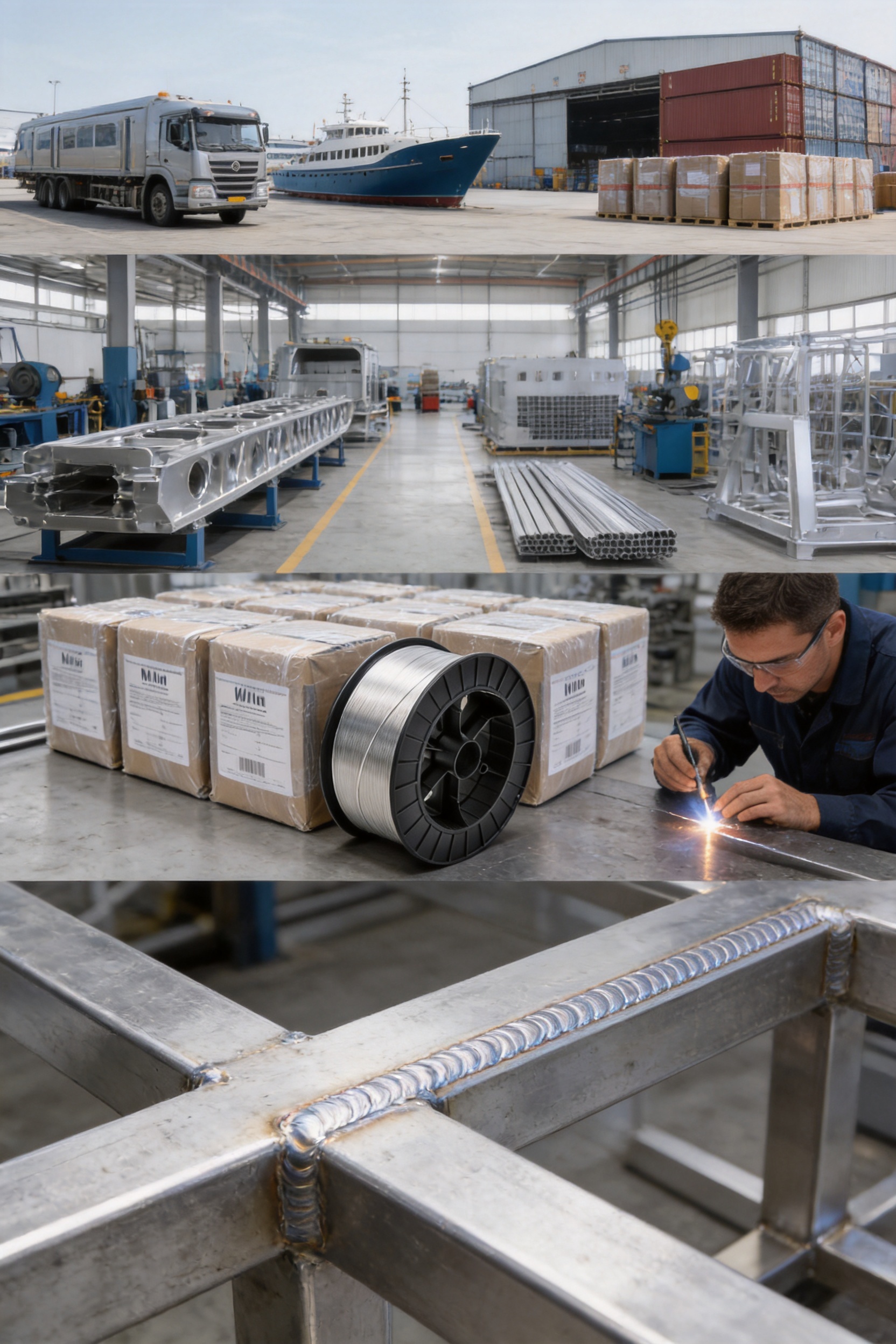
Modern manufacturing increasingly depends on welding materials that combine stable arc performance, high deposition efficiency, dimensional consistency, and dependable mechanical properties. Aluminum and aluminum alloys are especially important in industries seeking lighter structures, improved corrosion resistance, and lower energy consumption. However, welding aluminum successfully requires more than a conventional consumable. The wire must be manufactured with precise chemistry, controlled dimensions, a clean surface, and sufficient feeding reliability to support demanding production environments.
MIG wire is one of the most practical welding materials for aluminum and aluminum alloy fabrication. Mainly used as a melting electrode in argon arc welding, it melts under the welding arc and becomes part of the joint. When the wire is correctly selected and consistently manufactured, it can help produce smooth weld beads, strong connections, controlled deposition, and efficient production cycles.
Jiangsu Hetuo Aluminum Wire Co., Ltd. develops and manufactures aluminum wire, aluminum alloy wire, and aluminum and aluminum alloy welding materials for industrial customers. Its product range is supported by an intelligent manufacturing system covering high-purity aluminum wire, high-strength aluminum alloy wire, welding wire, and precision aluminum products. Through controlled production, continuous inspection, advanced equipment, and internationally recognized quality management systems, the company aims to provide stable welding solutions for global users.
This article examines the role of MIG wire in aluminum welding, the characteristics that distinguish high-quality wire from ordinary alternatives, and the manufacturing strengths that support consistent product performance. It also explains material selection, surface quality, packaging, storage, welding preparation, application considerations, and frequently asked questions.
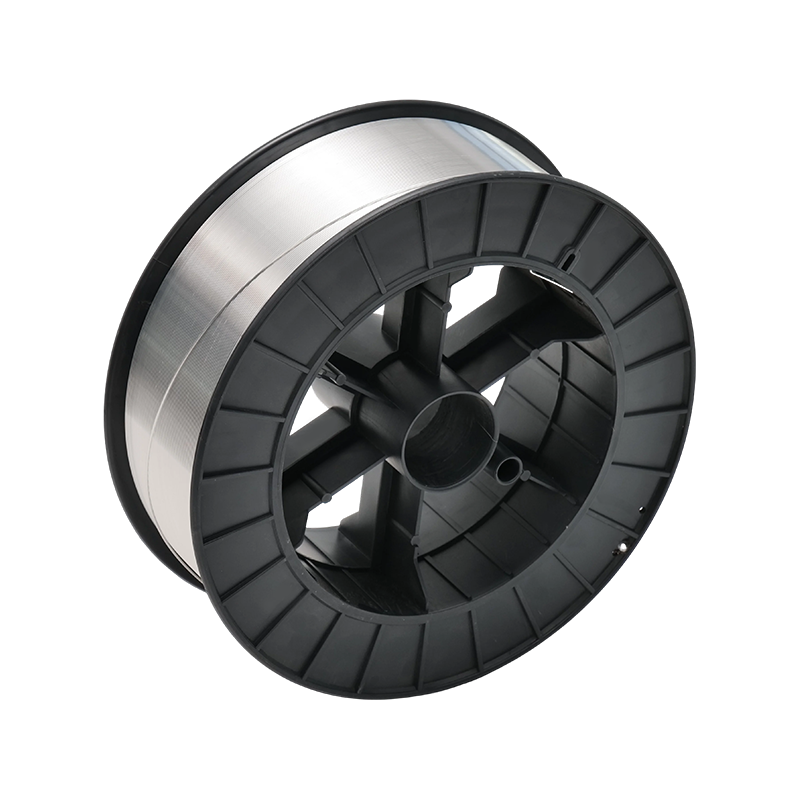
MIG Wire
Content
- 1 Understanding MIG Wire for Aluminum Welding
- 2 Why MIG Wire Quality Matters
- 3 Product Characteristics of Aluminum MIG Wire
- 4 Advantages Compared with Ordinary Welding Wire
- 5 Advanced Manufacturing Strengths
- 6 Manufacturing Process for MIG Wire
- 7 Technical Factors for Selecting MIG Wire
- 8 Recommended Welding Preparation and Handling
- 9 Applications of Aluminum MIG Wire
- 10 Comparison of Key Product and Supply Factors
- 11 Why Choose a Specialized Aluminum Wire Manufacturer?
- 12 Company Manufacturing and Service Profile
- 13 Purchasing Considerations for Industrial Buyers
- 14 Quality, Sustainability, and Long-Term Value
- 15 Q&A
- 15.1 What is aluminum MIG wire used for?
- 15.2 Is MIG wire suitable for all aluminum alloys?
- 15.3 Why is surface cleanliness important when using aluminum MIG wire?
- 15.4 What are the advantages of continuous MIG wire over individual electrodes?
- 15.5 How does wire diameter affect welding?
- 15.6 Why is consistent winding important?
- 15.7 What shielding gas is commonly used for aluminum MIG welding?
- 15.8 What quality certifications does the manufacturer have?
- 15.9 What products does the company manufacture?
- 15.10 Can the wire be used in automated welding?
- 15.11 How should aluminum MIG wire be stored?
- 15.12 How can buyers compare competing MIG wire suppliers?
- 16 Conclusion
- 17 References
- 18 Product: MIG Wire
Understanding MIG Wire for Aluminum Welding
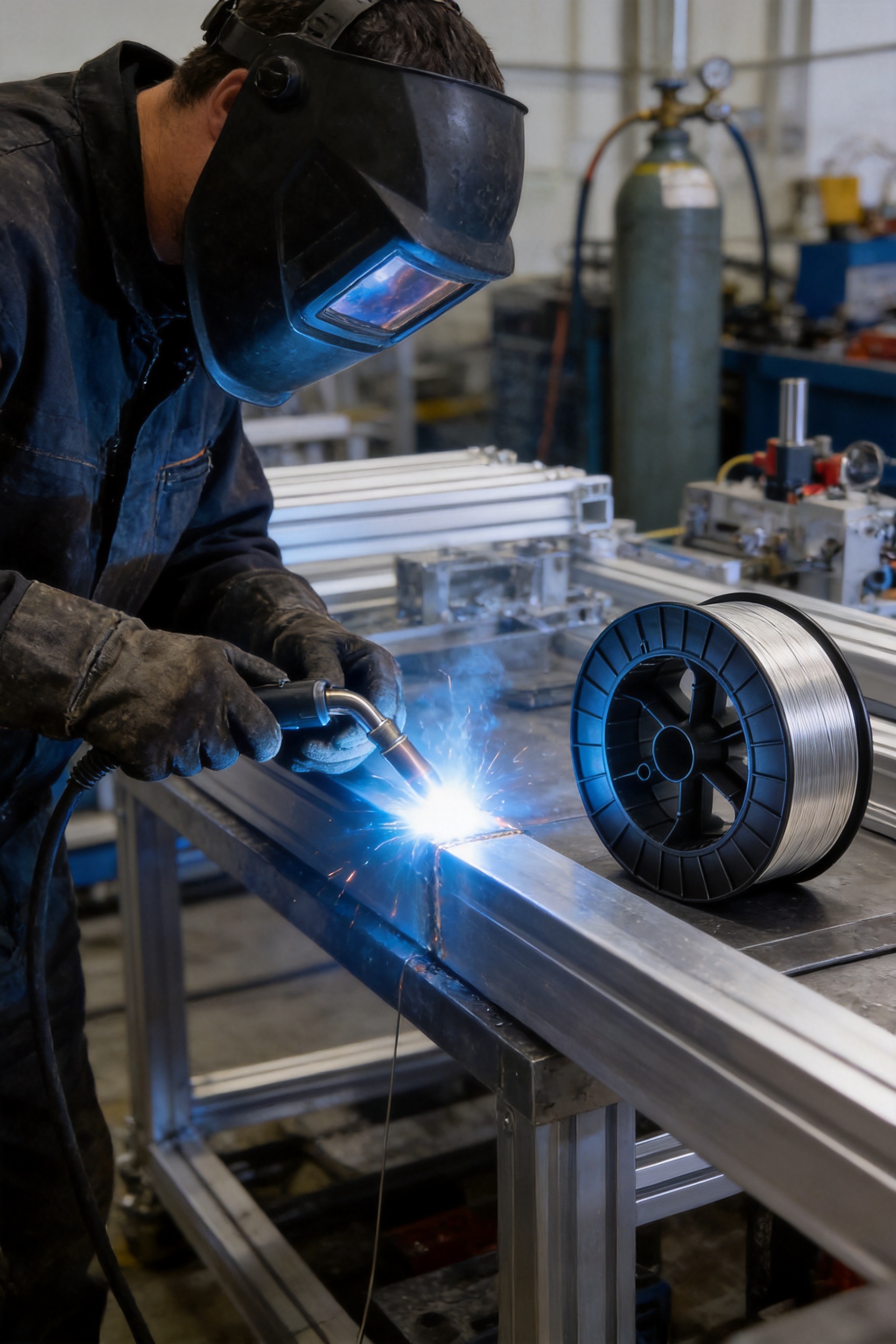
MIG stands for Metal Inert Gas welding. In technical terminology, the process is commonly associated with gas metal arc welding, or GMAW, when an inert or primarily inert shielding gas is used. During operation, a continuously fed wire electrode passes through a welding torch and enters the arc zone. The arc melts the wire and the base material, while shielding gas protects the molten pool from atmospheric contamination.
For aluminum and aluminum alloys, argon is widely used because it supports a stable arc and helps maintain a controllable molten pool. The wire functions both as an electrode and as filler metal. Its composition therefore has a direct influence on weld strength, ductility, corrosion behavior, appearance, and compatibility with the base alloy.
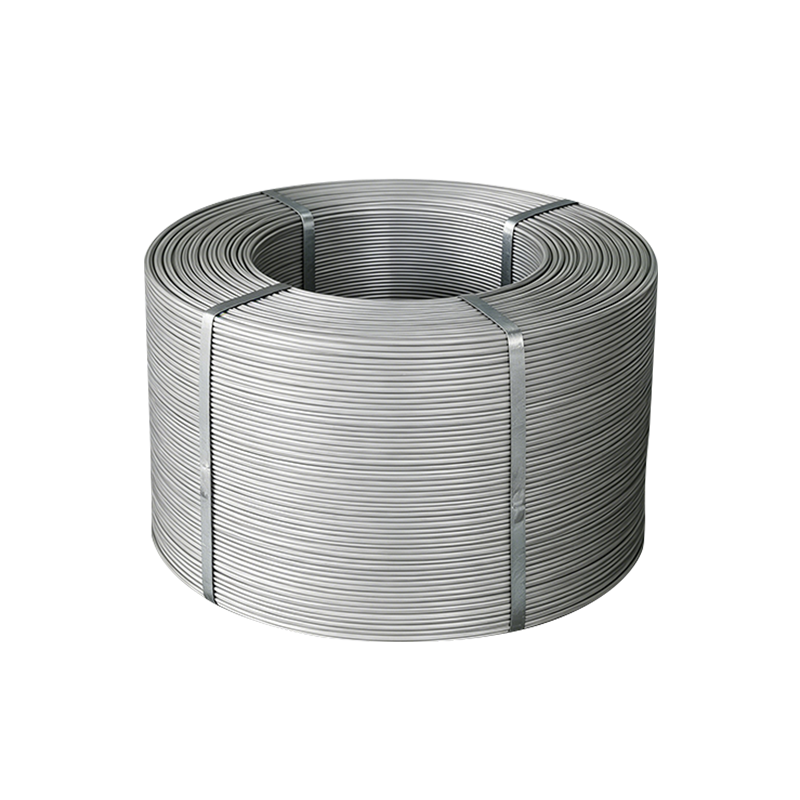
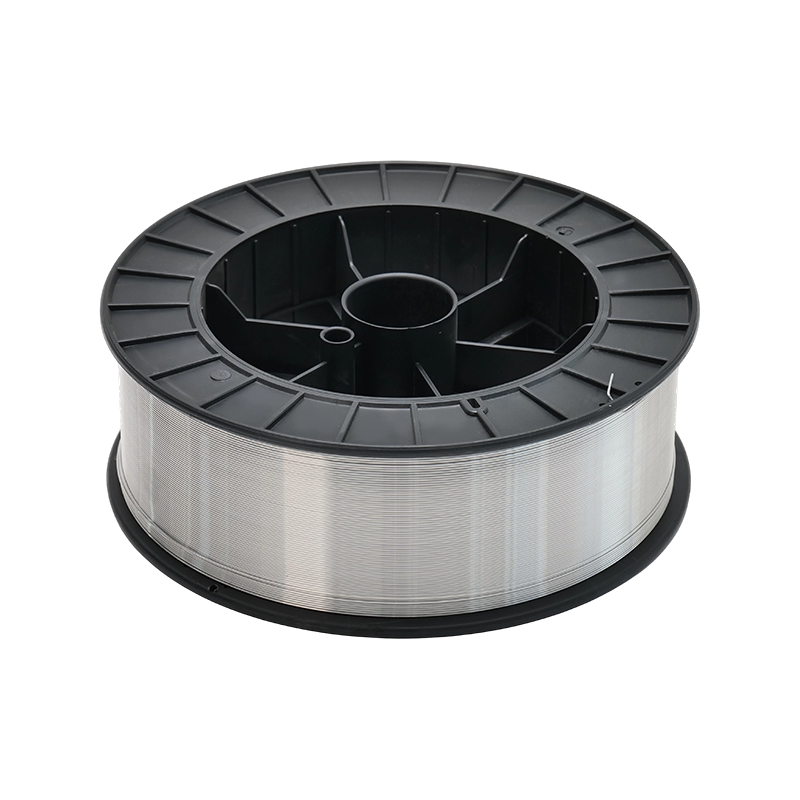
Unlike manual stick electrodes, MIG wire is supplied continuously from a spool, coil, or other controlled package. This continuous-feed design makes it suitable for automated welding, robotic production, high-volume fabrication, and long weld seams. It also reduces the need to stop frequently to replace electrodes, improving productivity and reducing interruptions.
Aluminum MIG welding has several special requirements. Aluminum has high thermal conductivity, a relatively low melting point compared with many structural metals, and a tenacious oxide layer on its surface. The oxide layer melts at a much higher temperature than the aluminum beneath it. As a result, suitable surface preparation, correct equipment settings, proper shielding, and stable wire feeding are essential.
A quality MIG wire cannot eliminate every welding challenge, but it can provide a more stable foundation for the entire process. Consistent diameter supports predictable wire-feed speed. Clean surfaces reduce contamination and feeding resistance. Controlled alloy chemistry helps match the filler to the base material. Uniform winding reduces the risk of tangles, interruptions, and unstable feeding during long production runs.
Why MIG Wire Quality Matters
The performance of a welding wire is influenced by many factors that may not be visible at first glance. Two wires can have similar nominal diameters and alloy designations while producing different results in actual production. Differences in surface cleanliness, dimensional tolerance, winding tension, alloy uniformity, and packaging can affect welding performance significantly.
Stable Arc Performance
A stable arc helps create a smooth and controllable transfer of molten metal from the wire to the weld pool. Irregular wire diameter or inconsistent alloy composition can contribute to changes in current response, arc length, and metal transfer. A well-controlled wire supports more predictable welding parameters and makes it easier for operators or automated systems to maintain process stability.
Reliable Wire Feeding
Aluminum wire is relatively soft compared with steel wire. It can be more sensitive to deformation, feeding resistance, and improper equipment setup. Uniform production and careful winding are therefore important. Wire that is correctly formed and packaged can pass through liners, drive rolls, contact tips, and welding torches with fewer interruptions.
Clean Weld Appearance
Surface contamination can lead to porosity, inclusions, spatter, unstable arcs, or irregular bead formation. Aluminum welding is particularly sensitive to moisture, oil, dust, and oxide-related contamination. Clean, appropriately handled wire supports a more consistent weld appearance and helps reduce avoidable rework.
Mechanical and Metallurgical Compatibility
The filler alloy should be selected according to the base material, design requirements, welding position, service environment, and desired properties. A suitable wire can contribute to the required combination of tensile strength, ductility, corrosion resistance, crack resistance, and weldability. Using an unsuitable filler may create problems even when welding parameters are otherwise correct.
Production Efficiency
In high-volume fabrication, every interruption affects output. A wire that feeds consistently and arrives in stable packaging helps reduce downtime. Continuous MIG wire also supports mechanized and robotic operations, where the welding system depends on predictable delivery and repeatable consumable behavior.
Product Characteristics of Aluminum MIG Wire
The MIG wire offered for aluminum and aluminum alloy welding is designed as a melting electrode for argon arc welding applications. Its role is to provide a controlled stream of filler metal while supporting stable arc operation and efficient joint formation.
Aluminum-Based Material Design
Aluminum-based welding wire is selected for applications where low density, corrosion resistance, thermal conductivity, and lightweight construction are important. Depending on the alloy family, the wire may be used for general fabrication, transportation structures, equipment manufacturing, architectural components, industrial frames, or repair work.
The correct grade should always be matched with the base metal and the required service conditions. Different aluminum alloys vary in strength, magnesium or silicon content, corrosion performance, heat treatment response, and susceptibility to cracking. A professional supplier can help users identify a suitable filler material based on the base alloy and welding requirements.
Consistent Dimensions
Dimensional consistency is an important feature for both manual and automated welding. A wire with a controlled diameter passes more smoothly through the feeding system and provides a more predictable relationship between wire-feed speed and deposition rate. This is especially important when welding equipment has been programmed for a particular wire size.
Consistent dimensions also help maintain stable electrical contact at the contact tip. Variations can increase friction, create intermittent contact, or cause fluctuations in the arc. Through controlled drawing, forming, and inspection procedures, a manufacturer can reduce these risks and provide more dependable material for production welding.
Controlled Surface Condition
Wire surface condition affects feeding, arc stability, and weld cleanliness. A properly processed wire should be free from excessive oil, loose particles, damaging scratches, and other contaminants that could interfere with welding. Surface control is particularly valuable for aluminum because the material is soft and can be affected by careless handling.
Appropriate packaging further protects the wire during transportation and storage. The aim is to preserve the material’s condition from the manufacturing line to the customer’s welding equipment.
Suitable for Continuous Welding
MIG wire is designed for continuous feeding. This makes it suitable for long seams, repetitive components, automated cells, and production lines where frequent electrode replacement would reduce efficiency. Depending on the package and equipment, users can select a format that supports their production volume and welding method.
Compatibility with Argon Shielding
Argon shielding is commonly used for aluminum MIG welding. It helps protect the molten pool from oxygen, nitrogen, and moisture in the surrounding atmosphere. Correct gas flow, torch positioning, and workplace conditions remain essential, but a suitable wire works together with the shielding system to support clean and stable weld formation.
Advantages Compared with Ordinary Welding Wire
Competition in the welding consumables market is not based only on price. Industrial users evaluate total cost, production stability, quality consistency, operator convenience, and the risk of rejected welds. High-quality MIG wire can provide advantages over ordinary or poorly controlled alternatives in several important areas.
More Consistent Welding Results
Ordinary wire may exhibit greater variation in diameter, surface condition, winding, or alloy chemistry. These variations can make welding parameters less predictable. A controlled product helps reduce changes from one spool or batch to another, supporting more consistent weld formation across a production order.
Lower Risk of Feeding Interruptions
Feeding problems can stop a welding operation and require the operator to inspect the spool, liner, drive rolls, and contact tip. Wire that is properly formed and wound can reduce the likelihood of bird-nesting, tangling, excessive friction, and inconsistent delivery. This is especially valuable in automated welding, where an interruption may affect an entire production sequence.
Better Support for Automated Welding
Robotic and mechanized welding systems depend on repeatable consumable behavior. Programmed travel speed, current, voltage, wire-feed speed, and gas flow are effective only when the wire is consistent. High-quality MIG wire supports stable operating conditions and reduces the need for frequent adjustments.
Improved Appearance and Reduced Rework
Stable feeding and clean material can help produce more uniform beads with fewer visible defects. Reduced spatter, smoother bead profiles, and lower contamination risk may help decrease grinding, repair, and inspection work. The actual result still depends on joint design, equipment, operator skill, shielding, and preparation, but wire quality is an important part of the system.
More Reliable Batch-to-Batch Supply
Industrial customers often require repeat orders months or years after an initial purchase. A manufacturer with documented processes and quality management systems is better positioned to maintain consistent production. Traceable manufacturing and systematic inspection support more reliable procurement for customers who need repeatable results.
Broader Application Potential
A supplier specializing in aluminum wire and aluminum alloy materials can provide more focused technical support than a general consumables distributor. Understanding aluminum metallurgy, wire processing, welding materials, and precision products allows the supplier to respond more effectively to different application requirements.
Advanced Manufacturing Strengths
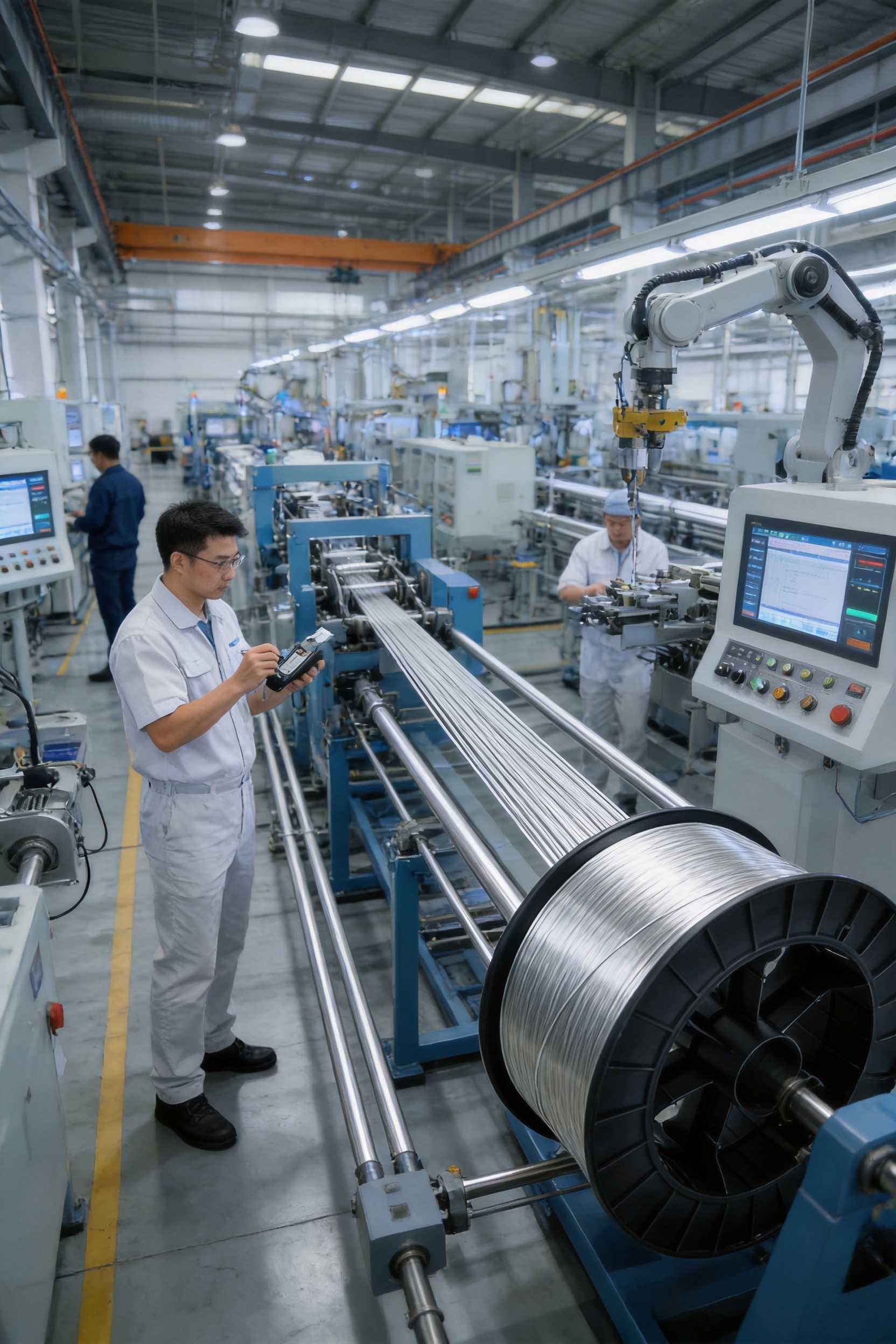
The performance of MIG wire begins long before the product reaches the welding torch. It depends on material sourcing, melting or casting control, alloy preparation, forming, drawing, surface treatment, inspection, packaging, and logistics. Jiangsu Hetuo Aluminum Wire Co., Ltd. has developed an intelligent manufacturing system covering high-purity aluminum wire, high-strength aluminum alloy wire, and aluminum and aluminum alloy welding materials.
Specialized Aluminum Material Experience
The company focuses on aluminum alloy materials rather than treating welding wire as an unrelated product. This specialization supports a deeper understanding of aluminum’s processing characteristics, including its softness, conductivity, oxide formation, alloying behavior, and sensitivity to contamination.
Such experience is important when controlling a wire product intended for reliable feeding and stable arc performance. It also allows the company to connect upstream material knowledge with downstream welding requirements.
Intelligent Manufacturing System
An intelligent manufacturing system integrates equipment, process control, production management, and quality monitoring. While the exact configuration may vary by product line, the purpose is to improve repeatability, reduce avoidable variation, and provide better control over each production stage.
For MIG wire, intelligent production can support more accurate control of dimensions, process parameters, material identification, batch records, and inspection results. These controls are valuable when customers require stable supply for automated equipment or large production programs.
Advanced Equipment and Facilities
The company introduces advanced equipment and facilities for aluminum wire, alloy wire, welding wire, and precision profile production. Modern equipment helps improve forming accuracy, reduce manual variation, and maintain more stable process conditions.
Equipment alone does not guarantee product quality. Its value depends on correct process design, regular maintenance, operator training, calibration, and effective inspection. The combination of advanced facilities and disciplined management allows a manufacturer to convert equipment capability into dependable customer performance.
Quality Inspection Throughout Production
Quality control is most effective when it is applied throughout production rather than only at the final packaging stage. Incoming materials, alloy composition, intermediate dimensions, surface condition, winding, packaging, and final product performance can all be monitored according to product requirements.
Continuous inspection helps identify deviations earlier, reducing the possibility that a problem will continue through multiple processing stages. It also supports more accurate production records and makes it easier to investigate any customer feedback.
Certified Management Systems
Jiangsu Hetuo Aluminum Wire Co., Ltd. has obtained ISO 9001 and IATF 16949 quality management system certifications. ISO 9001 provides a structured framework for quality management, customer focus, process control, documentation, corrective action, and continual improvement.
IATF 16949 is widely associated with automotive quality management and emphasizes risk control, process consistency, defect prevention, traceability, and customer-specific requirements. These systems are especially relevant to customers who require dependable documentation and disciplined production management.
Certification does not replace product testing or customer evaluation, but it demonstrates that the company has established formal management practices for controlling quality and improving processes.
Factory Scale and Professional Team
The company’s factory covers approximately 40,000 square meters and employs 60 people, including 30 professional managers and technicians. This organizational structure combines manufacturing capacity with technical and management support.
Professional personnel are important in aluminum wire production because the product requires coordinated control of materials, equipment, dimensions, surface quality, packaging, and customer requirements. Technical staff can also help analyze application feedback and support improvements to product specifications or process conditions.
Export-Oriented Quality Requirements
The company’s products are exported to high-end overseas markets. International supply requires attention to product consistency, packaging protection, documentation, communication, and delivery coordination. It also exposes the manufacturer to different customer specifications and application standards.
Experience with overseas markets can help a supplier build more disciplined systems for production planning and customer service. It may also support more effective communication with distributors, fabricators, engineering companies, and industrial purchasing teams in different regions.
Manufacturing Process for MIG Wire
The exact manufacturing route depends on the alloy, diameter, product specification, and customer requirements. However, a professional aluminum MIG wire process generally involves a sequence of controlled stages.
Material Selection and Preparation
The process begins with the selection of aluminum or aluminum alloy materials according to the required wire grade. Material identification is important because alloy chemistry influences weld performance and compatibility with the base metal.
Materials should be handled in a manner that reduces the risk of mixing, contamination, or moisture exposure. Correct identification and controlled storage support later traceability and help maintain the intended chemical composition.
Melting and Alloy Control
For alloy wire, alloying elements must be introduced and controlled according to the target composition. Uniform melting and effective mixing help reduce local variations. The composition should be verified through appropriate testing methods so that the finished wire performs consistently within its specified grade.
High-purity aluminum wire requires particular attention to impurity control. Even small amounts of unwanted elements can influence conductivity, ductility, corrosion behavior, and processing characteristics. The required purity level depends on the application, so production controls should be matched with the intended use.
Rod or Intermediate Forming
After material preparation, aluminum may be formed into a rod or other intermediate shape suitable for subsequent processing. This stage establishes the starting geometry for drawing and helps determine the efficiency and stability of downstream operations.
Uniform intermediate material is important because inconsistent rod dimensions can increase variation during drawing. Controlled forming helps create a more stable foundation for the final wire.
Drawing and Size Reduction
Drawing reduces the cross-sectional area of the material and brings it to the required wire diameter. This stage must be managed carefully because aluminum is comparatively soft and can be affected by excessive deformation, surface damage, or unsuitable lubrication.
Controlled drawing supports dimensional accuracy, surface quality, and mechanical consistency. Process parameters may include reduction per pass, drawing speed, die condition, lubrication, tension, and intermediate treatment. The correct balance helps prevent scratches, distortion, excessive hardening, or other defects.
Surface Treatment and Cleaning
Surface treatment and cleaning help prepare the wire for welding. The objective is to remove harmful residues and maintain a condition that supports smooth feeding and stable arc performance. The process must be compatible with the alloy and must not introduce new contamination.
Because aluminum wire is used directly in the welding circuit, surface cleanliness is a practical performance factor rather than merely an aesthetic requirement. Proper handling after cleaning is equally important.
Inspection and Testing
Inspection may include dimensional checks, visual examination, surface evaluation, chemical analysis, mechanical testing, and packaging verification. The specific inspection plan depends on the product grade and customer requirements.
Quality data can be used to confirm that the wire remains within the required specification. When a production system records results by batch, it can also support traceability and help identify opportunities for process improvement.
Winding and Packaging
Correct winding helps ensure smooth payout during welding. The wire should be arranged with suitable tension and alignment so that it does not collapse, overlap excessively, or form tangles during feeding.
Packaging protects the wire from moisture, dust, impact, and handling damage. It should also provide clear identification of the product grade, diameter, batch information, and other relevant details. Good packaging contributes directly to ease of use and supply-chain reliability.
Technical Factors for Selecting MIG Wire
Selecting MIG wire requires more than choosing a diameter. The base alloy, joint design, service environment, welding position, equipment, required strength, and desired appearance should all be considered.
Base Metal Compatibility
The filler alloy should be compatible with the aluminum or aluminum alloy being welded. Compatibility affects weld strength, ductility, corrosion resistance, crack resistance, and appearance. If the base material is unknown, it should be identified before selecting the consumable.
In some applications, the strongest possible filler is not necessarily the best choice. A slightly different alloy may provide improved crack resistance, corrosion behavior, or weldability. Selection should be based on the complete performance requirement.
Wire Diameter
Wire diameter influences deposition rate, current range, heat input, feeding behavior, and access to the joint. Smaller diameters may be useful for thinner materials and lower deposition rates, while larger diameters may support higher production rates and thicker sections.
The chosen diameter should match the welding machine, drive system, contact tip, liner, torch configuration, and programmed parameters. Using an unsuitable size can increase feeding resistance or produce unstable welding conditions.
Welding Position
Flat, horizontal, vertical, and overhead welding may require different parameter settings and filler choices. Aluminum’s fluid molten pool can make out-of-position welding more demanding. A suitable wire, combined with appropriate current, voltage, travel speed, and torch control, can help maintain joint quality.
Joint Design and Thickness
Joint type, gap, bevel angle, root condition, and material thickness affect the amount of filler required. MIG wire should be chosen in relation to the expected deposition rate and access to the weld area.
Thicker sections may require preheating, multiple passes, controlled interpass conditions, or specialized joint preparation. Thin sections require careful heat management to avoid burn-through or distortion.
Service Environment
The finished weld may be exposed to vibration, moisture, salt, chemicals, temperature changes, or cyclic loading. These conditions influence the appropriate filler selection. In corrosive environments, the compatibility of the filler and base metal should be considered carefully.
Automation Requirements
Automated welding requires stable wire delivery and repeatable product behavior. Spool dimensions, package weight, winding quality, wire diameter, and surface condition should all be compatible with the automatic system. Consistent batch performance is particularly important when a robotic program is used across many identical components.
Recommended Welding Preparation and Handling
Even a high-quality MIG wire must be used correctly. Welding performance depends on the interaction between the consumable, the base metal, the equipment, the shielding gas, and the operator or control system.
Clean the Base Material
Remove oil, grease, dust, paint, moisture, and other contaminants from the joint area. Aluminum oxide should be addressed with suitable preparation methods that do not embed contaminants into the surface. Clean material helps reduce porosity and supports more stable arc behavior.
Use Suitable Shielding Gas
Argon is commonly selected for aluminum MIG welding. Gas purity, flow rate, hose condition, regulator performance, and torch positioning should be checked. Excessive flow can create turbulence, while insufficient flow may allow atmospheric contamination to enter the weld pool.
Check the Feeding System
Use equipment configured for aluminum wire. Drive rolls, liners, contact tips, torch length, and feeding pressure should be selected appropriately. Excessive drive-roll pressure can deform soft aluminum wire, while insufficient pressure can cause slipping.
Maintain Correct Torch Technique
Push-angle techniques are often used for aluminum MIG welding, but the correct method depends on the joint and equipment. Maintain a suitable contact-tip-to-work distance, travel speed, torch angle, and arc length. Consistency is particularly important in automated welding.
Protect the Wire During Storage
Store unopened wire in a clean, dry location away from direct moisture and corrosive substances. Once opened, protect the spool from dust and humidity. Before use, inspect the package for damage and verify the product identification.
Follow Welding Procedure Requirements
Production welding should follow an approved welding procedure or qualified process specification where applicable. Parameter selection should be based on the material, thickness, joint design, equipment, and required quality level.
Applications of Aluminum MIG Wire
Aluminum MIG wire is suitable for many fabrication and repair environments. Its lightweight material characteristics and continuous-feed welding method make it valuable where productivity and structural efficiency are important.
Transportation Manufacturing
Transportation industries use aluminum to reduce vehicle weight and improve energy efficiency. MIG wire can support the fabrication of frames, panels, brackets, containers, components, and other aluminum structures. The correct filler helps create joints that meet the required balance of strength, ductility, and corrosion resistance.
Industrial Equipment
Industrial equipment manufacturers may use aluminum for guards, frames, housings, platforms, tanks, heat-related components, and support structures. MIG welding provides a flexible method for joining both standardized and custom-fabricated parts.
Architectural and Structural Fabrication
Aluminum profiles, frames, railings, doors, windows, and decorative structures often require clean weld appearance and dimensional control. A stable wire supports efficient fabrication while helping maintain a consistent finish.
Marine and Coastal Equipment
Aluminum’s corrosion resistance and low density make it useful in marine applications. Welding materials for these environments must be selected with attention to alloy compatibility and service conditions. Proper cleaning and shielding are essential because contamination can compromise the weld.
Energy and Electrical Equipment
Aluminum is used in electrical and energy-related applications because of its conductivity and low weight. Depending on the design, MIG wire may be used for enclosures, support components, frames, and other fabricated parts. Where conductivity is important, alloy selection and joint design should be evaluated carefully.
General Repair and Maintenance
Maintenance teams may use aluminum MIG wire to repair worn, cracked, or damaged aluminum parts. The repair procedure should begin with identification of the base alloy and evaluation of the damage. Surface preparation, heat control, and post-weld inspection are important for reliable results.
Comparison of Key Product and Supply Factors
| Evaluation Factor | Controlled Aluminum MIG Wire | Ordinary or Inconsistently Processed Wire | Customer Benefit |
|---|---|---|---|
| Alloy composition | Managed according to the intended grade and application | May show greater variation or limited documentation | Improved filler compatibility and predictable weld properties |
| Wire diameter | Produced with controlled dimensional requirements | Greater variation may affect feeding and current response | More stable wire delivery and parameter control |
| Surface condition | Processed and handled to reduce contamination risk | May contain residues, particles, or handling damage | Lower risk of feeding issues and weld contamination |
| Winding quality | Designed for smooth payout and continuous operation | Irregular winding can cause tangles or interruptions | Reduced downtime and improved operator convenience |
| Quality management | Supported by systematic inspection and certified systems | May depend mainly on final visual checks | More reliable batch consistency and traceability |
| Application support | Specialized aluminum material experience | Limited technical focus may be available | Better assistance with alloy and welding-material selection |
| Export capability | Experience supplying overseas markets | International documentation and logistics may vary | More dependable global procurement support |
Why Choose a Specialized Aluminum Wire Manufacturer?
A specialized manufacturer can provide value beyond the supply of a standard spool. Aluminum welding involves material-specific challenges, so experience with aluminum processing is important for product development and quality control.
First, specialization encourages focused investment in equipment, testing, and process knowledge. A company that manufactures high-purity aluminum wire, high-strength aluminum alloy wire, welding wire, and precision profiles works with aluminum across several product categories. This broader technical foundation can support better understanding of alloy behavior and processing requirements.
Second, a specialized manufacturer can respond more effectively to different customer specifications. Customers may need particular diameters, packaging formats, alloy grades, dimensional tolerances, or delivery schedules. A focused production system is better positioned to evaluate these requirements.
Third, direct communication with the manufacturer can improve problem solving. If a customer experiences feeding instability, bead irregularity, packaging damage, or a mismatch between wire and base alloy, technical feedback can be sent to the source of production. This may lead to faster investigation and more effective corrective action than communication through multiple intermediaries.
Fourth, quality systems and production records support long-term supply. Welding production often depends on repeatability. Customers do not want a consumable that performs well in one shipment and differently in the next. Documented procedures, inspection, and continual improvement help reduce this uncertainty.
Company Manufacturing and Service Profile
Established in 2019, Jiangsu Hetuo Aluminum Wire Co., Ltd. is an innovative company in China’s aluminum alloy materials industry. The company is guided by customer needs and committed to customer satisfaction. Its location in the Guannan Economic Development Zone of Lianyungang, Jiangsu Province, provides a manufacturing base for aluminum wire and related materials.
The factory covers approximately 40,000 square meters. The company has 60 employees, including 30 professional managers and technicians. This personnel structure reflects an emphasis on both production capability and technical management.
The company’s intelligent manufacturing system includes high-purity aluminum wire, high-strength aluminum alloy wire, and aluminum and aluminum alloy welding materials. It also specializes in high-grade aluminum alloy rods, welding wires, and precision profiles. This product coverage allows the company to serve customers seeking lighter, stronger, and more sustainable material solutions.
Advanced equipment and facilities are introduced to support manufacturing efficiency and product consistency. Quality inspection is implemented throughout production, and the company has obtained ISO 9001 and IATF 16949 quality management system certifications. Its products comply with international quality standards and are exported to high-end overseas markets.
For MIG wire customers, these strengths indicate a supplier with experience in aluminum materials, formal quality management, production infrastructure, technical personnel, and international supply requirements. The company’s goal is not only to provide a welding consumable, but also to support dependable aluminum alloy solutions for global industries.
Purchasing Considerations for Industrial Buyers
Industrial buyers should evaluate MIG wire from both a technical and commercial perspective. A low initial price may not represent the lowest total cost if the product causes feeding interruptions, rework, rejected welds, or excessive adjustment time.
Review the Technical Specification
Confirm the alloy designation, wire diameter, tolerance, package type, net weight, applicable standards, and recommended application. The specification should match the customer’s welding procedure and base material.
Request Quality Documentation
Where required, request certificates, inspection records, material information, and batch identification. Documentation supports internal quality control and may be necessary for regulated or automotive-related production.
Evaluate Packaging and Delivery
Check whether the package is suitable for storage, transportation, and the customer’s feeding equipment. Delivery reliability is also important because production schedules may depend on regular consumable availability.
Consider Trial Welding
A trial evaluation can compare arc stability, feeding behavior, bead appearance, deposition efficiency, and mechanical results. Testing under actual or representative conditions provides more useful information than relying only on a nominal specification.
Assess Technical Communication
A responsive manufacturer should be able to discuss alloy selection, diameter, packaging, welding conditions, and application concerns. Clear communication can help prevent unsuitable purchases and support continuous improvement after delivery.
Quality, Sustainability, and Long-Term Value
Aluminum is widely valued for its low density, durability, corrosion resistance, and recyclability. When used effectively, aluminum alloy structures can reduce weight and improve resource efficiency in transportation, equipment, construction, and other sectors.
Welding material quality contributes to sustainability because reliable welds reduce scrap, repair, rejected components, and unnecessary production cycles. Stable wire feeding can also improve equipment utilization and reduce downtime. Although welding wire represents only one part of a manufacturing process, its consistency can influence the efficiency of the complete operation.
A durable aluminum structure may provide long service life, especially when the alloy, design, surface protection, and welding method are appropriately selected. High-quality MIG wire supports the creation of joints that are suitable for the intended service environment.
Manufacturers that implement systematic quality management can further contribute to resource efficiency by reducing process variation and preventing defects. The combination of material specialization, intelligent production, inspection, and continual improvement supports long-term value for both the supplier and its customers.
Q&A
What is aluminum MIG wire used for?
Aluminum MIG wire is used as a continuously fed melting electrode and filler metal for joining aluminum and aluminum alloy components. It is commonly used with argon shielding in gas metal arc welding and can support manual, semiautomatic, mechanized, and robotic welding.
Is MIG wire suitable for all aluminum alloys?
No. The filler wire should be selected according to the base alloy, joint design, required strength, corrosion conditions, welding position, and service environment. Different aluminum alloys require different filler considerations, so the wire grade should be confirmed before production.
Why is surface cleanliness important when using aluminum MIG wire?
Oil, moisture, dust, oxide contamination, and other residues can contribute to porosity, inclusions, unstable arc behavior, or poor bead appearance. Both the base material and the wire should be handled and prepared carefully to support clean welding.
What are the advantages of continuous MIG wire over individual electrodes?
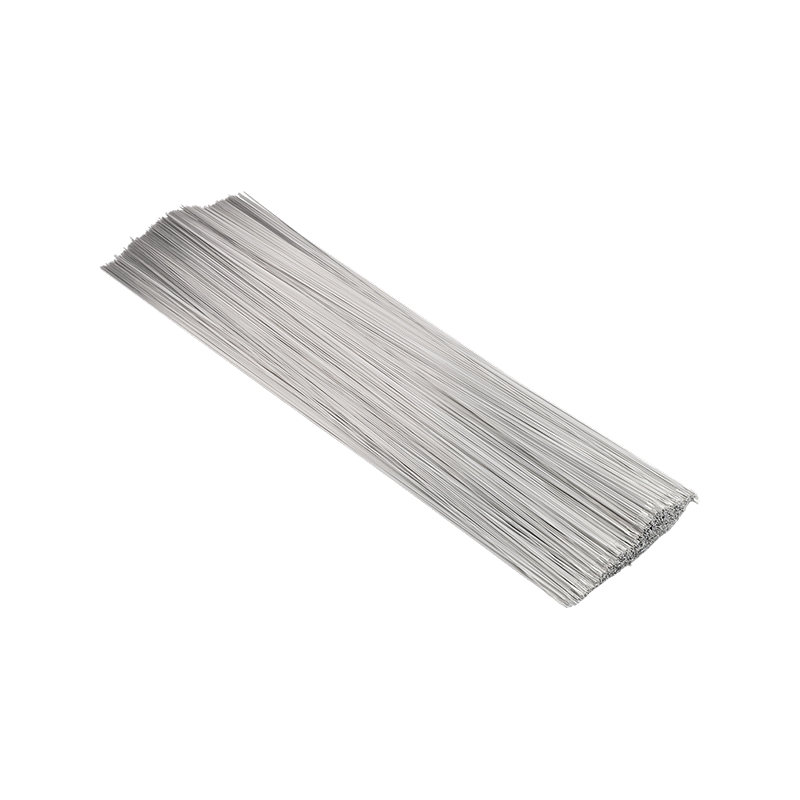
Continuous wire feeding reduces the need to stop and replace electrodes. It can improve productivity, support long weld seams, reduce interruptions, and work effectively with automated or robotic welding systems.
How does wire diameter affect welding?
Wire diameter influences deposition rate, current range, heat input, feeding behavior, and access to the joint. Smaller wire may be suitable for thinner materials, while larger wire can support higher deposition rates on thicker sections. The selected diameter must match the equipment and welding procedure.
Why is consistent winding important?
Consistent winding helps the wire pay out smoothly from the package. Poor winding can cause overlaps, tangles, feeding interruptions, and downtime. Stable winding is particularly important for automated welding systems and long production runs.
What shielding gas is commonly used for aluminum MIG welding?
Argon is commonly used because it provides suitable shielding and arc characteristics for aluminum welding. Gas purity, flow rate, torch position, and workplace conditions must also be controlled to protect the molten weld pool.
What quality certifications does the manufacturer have?
Jiangsu Hetuo Aluminum Wire Co., Ltd. has obtained ISO 9001 and IATF 16949 quality management system certifications. These systems support documented processes, quality control, traceability, risk management, and continual improvement.
What products does the company manufacture?
The company manufactures high-purity aluminum wire, high-strength aluminum alloy wire, aluminum and aluminum alloy welding materials, high-grade aluminum alloy rods, welding wires, and precision profiles.
Can the wire be used in automated welding?
Aluminum MIG wire is suitable for automated welding when the wire diameter, package, alloy, torch, liner, drive rolls, contact tip, and welding parameters are correctly matched. A production trial is recommended before full-scale implementation.
How should aluminum MIG wire be stored?
Store the wire in a clean, dry environment away from moisture, dust, chemicals, and physical damage. Keep the original packaging intact until use whenever possible. After opening, protect the spool from humidity and contamination.
How can buyers compare competing MIG wire suppliers?
Buyers should compare alloy consistency, dimensional control, surface condition, winding quality, packaging, inspection records, certification, production capacity, technical support, delivery reliability, and total cost of use rather than comparing purchase price alone.
Conclusion
Aluminum MIG wire is a critical consumable for efficient and reliable aluminum alloy welding. As a melting electrode in argon arc welding, it influences arc stability, wire feeding, deposition efficiency, weld appearance, joint performance, and production continuity.
The advantages of a controlled product over ordinary alternatives include more consistent dimensions, cleaner surfaces, dependable winding, improved batch repeatability, better support for automated welding, and reduced risk of interruptions and rework. These benefits become particularly important in transportation, industrial equipment, architectural fabrication, marine applications, energy equipment, and other industries that depend on lightweight aluminum structures.
Jiangsu Hetuo Aluminum Wire Co., Ltd. combines aluminum material specialization with an intelligent manufacturing system, advanced equipment, inspection throughout production, professional management and technical personnel, and ISO 9001 and IATF 16949 quality management system certifications. Its 40,000-square-meter factory and export experience support the production and supply of aluminum wire, alloy wire, welding wire, rods, and precision profiles for international customers.
For industrial buyers, selecting MIG wire should involve a complete evaluation of technical compatibility, manufacturing control, packaging, documentation, delivery, and technical service. When the correct filler alloy is combined with proper preparation, shielding, equipment setup, and welding procedures, aluminum MIG wire can provide a practical foundation for stronger, cleaner, more efficient, and more sustainable fabrication.
References
American Welding Society. Welding Processes and Practices for Aluminum and Aluminum Alloys.
American Welding Society. Specification and Classification Principles for Aluminum and Aluminum Alloy Welding Consumables.
International Organization for Standardization. ISO 9001: Quality Management Systems—Requirements.
International Automotive Task Force. IATF 16949: Quality Management System Requirements for Automotive Production and Relevant Service Parts Organizations.
ASM International. Aluminum and Aluminum Alloys: Metallurgy, Processing, and Applications.
International Institute of Welding. Technical Guidance on Gas Metal Arc Welding of Aluminum Materials.
Manufacturer-provided company information concerning aluminum wire, aluminum alloy wire, welding materials, production facilities, quality systems, and manufacturing capabilities.