

 English
 中文简体
 русский
 Deutsch
Content
- 1 Introduction
- 2 What Is AlMg6 Aluminum Alloy Wire?
- 3 Core Advantages of AlMg6 Wire
- 4 AlMg6 Compared with Other Aluminum Alloy Wires
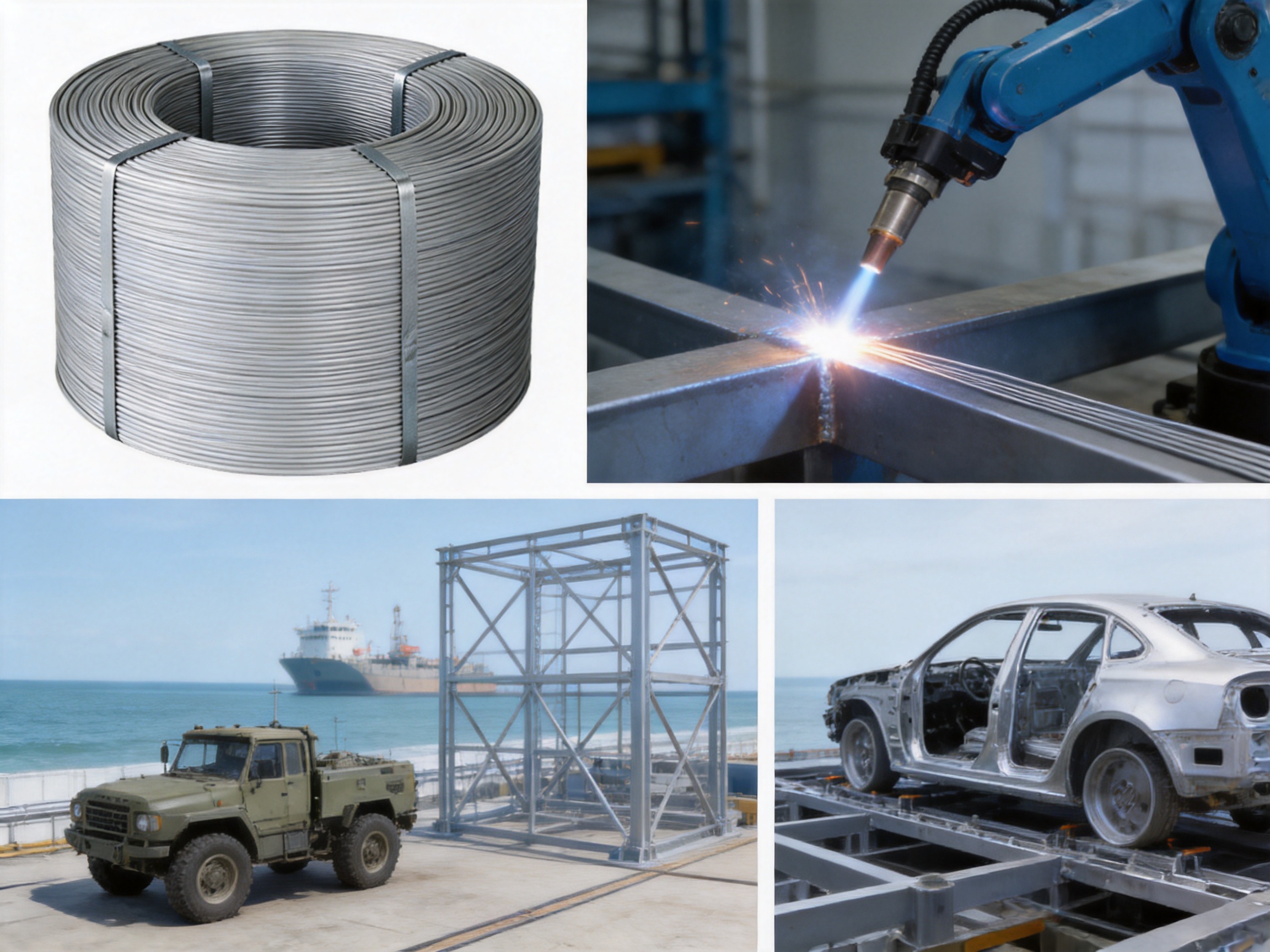
- 5 Applications in Demanding Industries
- 6 Advanced Manufacturing Process
- 7 Quality Control for AlMg6 Wire
- 8 Welding and Handling Recommendations
- 9 Why Choose a Specialized Aluminum Wire Manufacturer?
- 10 Commercial and Technical Benefits for Buyers
- 11 Frequently Asked Questions
- 11.1 What is AlMg6 aluminum alloy wire used for?
- 11.2 What makes AlMg6 different from ordinary aluminum wire?
- 11.3 Is AlMg6 stronger than AlMg3 and AlMg5?
- 11.4 Can AlMg6 be used for marine applications?
- 11.5 Is AlMg6 suitable for automated welding?
- 11.6 What diameters and packaging formats are available?
- 11.7 How should AlMg6 wire be stored?
- 11.8 Can AlMg6 replace 5356 or 5183 wire?
- 11.9 What quality documents can buyers request?
- 11.10 Why is magnesium content important in AlMg6?
- 11.11 What information should be included in an inquiry?
- 12 Conclusion
- 13 References
- 14 Product: AlMg6 Aluminum Alloy Wire
Introduction
AlMg6 aluminum alloy wire is a high-strength aluminum-magnesium alloy wire designed for demanding applications where strength, corrosion resistance, weldability, and reduced weight must be achieved at the same time. With a nominal magnesium content of 5.8% to 6.8%, AlMg6 belongs to the high-magnesium aluminum alloy family and is suitable for sophisticated fabrication, structural joining, repair, and component manufacturing.
The material is mainly used in aviation, aerospace, military equipment, shipbuilding, automotive manufacturing, and tank production. These industries require materials that can provide dependable performance under vibration, cyclic loading, marine exposure, temperature variation, and strict manufacturing conditions. AlMg6 responds to these requirements through a practical combination of high alloy content, good resistance to exfoliation corrosion, and favorable welding characteristics.
Jiangsu Hetuo Aluminum Wire Co., Ltd. manufactures AlMg6 aluminum alloy wire as part of its broader product portfolio, which includes high-purity aluminum wire, high-strength aluminum alloy wire, aluminum rods, precision profiles, and aluminum and aluminum alloy welding materials. The company’s manufacturing system is designed to support consistent chemical composition, dimensional precision, surface quality, and production traceability.
Compared with lower-magnesium aluminum wires, AlMg6 offers a stronger alloying response and improved suitability for structural applications. Compared with some high-strength precipitation-hardened aluminum alloys, it provides better welding practicality and does not rely on the same type of heat-treatment response for its basic strength. This balance makes AlMg6 especially valuable when a project needs both mechanical performance and fabrication efficiency.
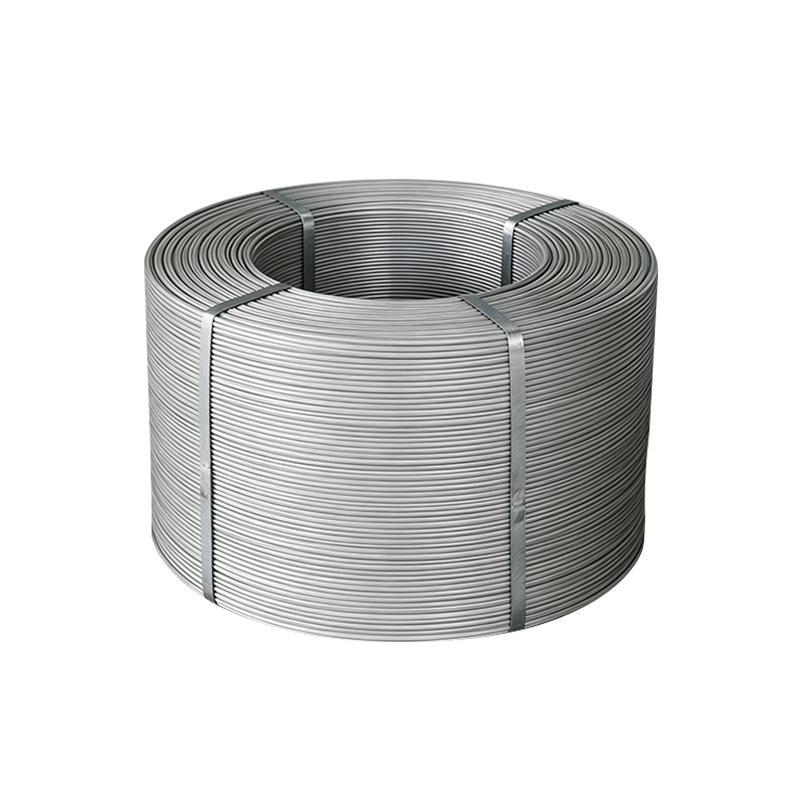
AlMg6 Aluminum Alloy Wire
What Is AlMg6 Aluminum Alloy Wire?
AlMg6 is an aluminum-magnesium alloy wire containing aluminum as the balance element and magnesium as the principal strengthening element. The designation “AlMg6” indicates an aluminum alloy with approximately 6% magnesium. The wire may be supplied for welding, fabrication, reinforcement, structural joining, or other applications requiring a high-strength aluminum alloy feedstock.
The supplied chemical composition for the product includes silicon at up to 0.40%, iron at up to 0.40%, copper at up to 0.10%, manganese at 0.5% to 0.8%, magnesium at 5.8% to 6.8%, zinc at up to 0.20%, titanium at 0.1% to 0.2%, beryllium at 0.002% to 0.005%, and aluminum as the remainder. Other elements are controlled according to the applicable production specification.
Magnesium increases the strength of aluminum through solid-solution strengthening and related microstructural effects. Manganese contributes to strength and structural stability, while titanium can assist grain refinement when properly controlled during melting and casting. The controlled levels of silicon, iron, copper, and zinc help maintain the intended balance between strength, ductility, corrosion resistance, and weldability.
The wire form provides several manufacturing advantages. It can be fed continuously into welding equipment, drawn to controlled diameters, wound into coils or spools, and integrated into automated production lines. Compared with bulk filler pieces, wire supports higher deposition efficiency and more consistent material delivery. These characteristics are important in large-scale vehicle, vessel, aerospace, and industrial fabrication.
Typical Chemical Composition
| Element | Typical or Specified Content | Primary Function or Manufacturing Consideration |
|---|---|---|
| Silicon | Up to 0.40% | Controlled to preserve ductility, weldability, and alloy balance. |
| Iron | Up to 0.40% | Controlled because excessive iron may increase unwanted intermetallic phases. |
| Copper | Up to 0.10% | Maintained at a low level to support corrosion resistance and welding performance. |
| Manganese | 0.5%–0.8% | Contributes to strength and microstructural stability. |
| Magnesium | 5.8%–6.8% | Main strengthening element and defining feature of AlMg6. |
| Zinc | Up to 0.20% | Controlled to maintain the intended alloy behavior. |
| Titanium | 0.1%–0.2% | May support grain refinement and consistent solidification. |
| Beryllium | 0.002%–0.005% | Used within a tightly controlled range according to the product specification. |
| Aluminum | Balance | Provides the lightweight matrix and primary corrosion-resistant base. |
Chemical values should always be confirmed against the applicable order specification, test certificate, and governing standard before production use. Different markets and end-use sectors may apply different designation systems or limits, even when the alloy family is commercially identified as AlMg6.
Core Advantages of AlMg6 Wire
High Strength at Low Weight
The most important advantage of AlMg6 aluminum alloy wire is its favorable strength-to-weight relationship. Aluminum has a substantially lower density than steel, while magnesium alloying increases the mechanical capability of the aluminum matrix. This enables designers to reduce component weight without automatically sacrificing structural performance.
Weight reduction is particularly valuable in aerospace structures, military vehicles, ships, transportation equipment, and automotive systems. Lower mass can improve payload capacity, fuel efficiency, acceleration, operating range, and energy consumption. In mobile equipment, it can also reduce the loads transferred to suspension systems, frames, fasteners, and supporting components.
AlMg6 is not simply selected because it is light. It is selected because the combination of lightness and alloy strength can produce a more efficient design. When engineers consider the total assembly rather than the cost of the wire alone, the alloy can contribute to reduced material consumption, easier handling, lower transportation weight, and improved lifecycle efficiency.
Good Resistance to Exfoliation Corrosion
Exfoliation corrosion is a form of localized corrosion that can develop along elongated grain boundaries, especially in certain high-strength aluminum products exposed to aggressive environments. AlMg6 is recognized for good resistance to this type of corrosion when the alloy, processing condition, surface condition, and service environment are properly controlled.
This characteristic is important for marine structures, military equipment, transportation bodies, outdoor machinery, and components exposed to humidity or salt-containing atmospheres. Improved corrosion resistance can extend service life, reduce maintenance frequency, and preserve the dimensional and mechanical integrity of welded or fabricated assemblies.
Corrosion resistance is not determined by chemical composition alone. Surface cleanliness, heat input, joint design, post-weld treatment, storage conditions, and exposure to dissimilar metals all affect field performance. For this reason, AlMg6 wire should be stored dry and clean, and welding procedures should be qualified for the intended service environment.
Good Weldability
AlMg6 offers a valuable combination of high alloy content and good weldability. It can be used in suitable gas metal arc welding and related aluminum welding processes when the correct shielding gas, wire diameter, current, voltage, travel speed, and joint preparation are selected.
Good weldability helps manufacturers reduce rejection rates and simplify assembly operations. A stable wire feed, clean surface, controlled alloy composition, and suitable winding condition can contribute to a more consistent arc and more uniform deposition. This is especially important for long welds, robotic welding, repeated production, and large structural assemblies.
Weldability also affects repair operations. Aviation, marine, military, and vehicle maintenance teams often need a filler wire that can be handled reliably in field or workshop conditions. AlMg6 is useful where the repair must combine adequate strength, corrosion resistance, and compatibility with an aluminum-magnesium base material.
Strong Suitability for Structural Fabrication
AlMg6 is appropriate for assemblies that require more than decorative or light-duty joining. Its high magnesium content gives it a stronger performance profile than many lower-alloy aluminum wires. This makes it suitable for structural frames, tanks, pressure-related fabrication where approved by the relevant design standard, ship components, transportation structures, and heavy-duty welded parts.
Applications must be evaluated individually. The final properties of a welded assembly depend on the base alloy, heat-affected zone, weld geometry, thermal cycle, restraint, residual stress, and post-weld treatment. Nevertheless, AlMg6 provides a strong starting point for designs that require a high-performance aluminum-magnesium filler or wire product.
Compatibility with Automated Production
Wire products are well suited to mechanized and automated manufacturing. AlMg6 can be supplied in forms compatible with conventional wire-feed equipment, provided the diameter, spool, winding pattern, and surface condition meet the requirements of the machine.
Automated welding benefits from predictable wire characteristics. Variations in wire diameter, ovality, surface contamination, winding tension, or coil shape can affect feeding stability and arc behavior. A manufacturer that controls these factors can help customers improve productivity and reduce equipment interruptions.
AlMg6 Compared with Other Aluminum Alloy Wires
AlMg6 competes with several aluminum alloy wire grades, each designed for a different balance of strength, fluidity, corrosion resistance, crack resistance, and weldability. Selecting the right wire requires consideration of the base metal and the service environment rather than focusing on a single chemical element or nominal strength value.
Comparison with AlMg3
AlMg3 contains less magnesium than AlMg6 and is generally selected when moderate strength, good corrosion resistance, and easy forming are sufficient. AlMg6 provides a higher alloying level and is more appropriate when greater strength is required. The trade-off is that higher-magnesium alloys may require more careful control of welding procedure, storage, and heat input.
For lightly loaded panels, general fabrication, and applications emphasizing formability, AlMg3 may be adequate. For more demanding structural assemblies, AlMg6 offers a stronger performance position. This makes AlMg6 a practical upgrade when a project has outgrown the strength capability of a lower-magnesium wire.
Comparison with AlMg5
AlMg5 is another widely used aluminum-magnesium alloy wire. It provides good corrosion resistance and welding characteristics, with a magnesium range lower than AlMg6. AlMg6 can offer additional alloy strength and is particularly suitable where a higher-strength aluminum-magnesium solution is required.
The difference between AlMg5 and AlMg6 may appear small in a designation, but it can be meaningful in a carefully engineered system. Engineers should review the base alloy, design loads, weld qualification, corrosion exposure, and applicable standards before changing from one grade to another.
Comparison with 4043 and 4047
4043 and 4047 are aluminum-silicon welding wires. Their silicon content improves fluidity and can reduce sensitivity to certain welding problems. They are often used for aluminum-silicon or aluminum-copper base materials, casting repairs, and applications where weld appearance and fluidity are important.
AlMg6 is different because magnesium, rather than silicon, is the main alloying element. It is generally considered when the weld or fabricated structure needs a higher-strength aluminum-magnesium composition and strong marine or structural performance. A 4043 or 4047 wire may be preferable for specific base alloys and crack-control requirements, but it does not provide the same alloy family match as AlMg6 for aluminum-magnesium structures.
Comparison with 5183 and 5356
5183 and 5356 are established aluminum-magnesium welding wires. They are valued for good strength, corrosion resistance, and suitability for many marine and transportation applications. AlMg6 has a magnesium range of 5.8% to 6.8%, which places it at the higher end of common aluminum-magnesium wire compositions listed in the supplied product information.
The most suitable choice depends on the base metal and the required welding standard. In some applications, 5183 or 5356 may be selected because of established procedure qualifications or project specifications. In other applications, AlMg6 may provide a more direct chemical and performance match. The important advantage of AlMg6 is that it gives buyers an additional high-magnesium option for specialized engineering requirements.
Comparison with 2A10, 2219, 7050, and 7075 Wire
2A10, 2219, 7050, and 7075 belong to alloy families associated with higher-strength aerospace or structural applications. Many of these alloys depend on carefully controlled heat treatment and are not interchangeable with aluminum-magnesium welding wires. Their copper or zinc contents may be substantially higher than those of AlMg6.
AlMg6 is not intended to replace every high-strength aerospace alloy. Its competitive advantage is its balance of strength, weldability, corrosion resistance, and practical processing. Where a design requires a weldable aluminum-magnesium wire rather than a precipitation-hardening alloy, AlMg6 can be the more suitable choice.
| Wire Grade or Family | Principal Alloying Feature | Typical Selection Consideration | Position Relative to AlMg6 |
|---|---|---|---|
| AlMg3 | Moderate magnesium | Formability, moderate strength, corrosion resistance | AlMg6 generally offers higher alloy strength. |
| AlMg5 | Approximately 5% magnesium | General aluminum-magnesium welding and fabrication | AlMg6 provides a higher magnesium range. |
| AlMg6 | 5.8%–6.8% magnesium | High-strength, corrosion-resistant structural applications | High-magnesium balance of strength and weldability. |
| 4043 | 4.5%–6.0% silicon | Fluidity, casting alloys, reduced weld cracking in selected applications | AlMg6 is more focused on aluminum-magnesium structural performance. |
| 4047 | 11.0%–13.0% silicon | High fluidity and specialized brazing or welding applications | Different alloy family and application focus. |
| 5183 | 4.3%–5.2% magnesium | High-strength marine and transportation welding | AlMg6 has a higher magnesium range. |
| 5356 | 4.5%–5.5% magnesium | General-purpose aluminum-magnesium welding | AlMg6 is positioned toward higher magnesium content. |
| 7050 or 7075 | Zinc and copper-based strengthening | High-strength heat-treated components | AlMg6 generally offers more practical welding compatibility. |
The comparison is intended as a technical orientation rather than a substitute for welding procedure qualification. The base alloy, design code, service conditions, and customer specification should determine the final grade selection.
Applications in Demanding Industries
Aviation and Aerospace
Aviation and aerospace structures place strict demands on weight, reliability, corrosion resistance, and repeatable manufacturing. AlMg6 wire can be considered for aluminum structural components, repair operations, tanks, frames, panels, brackets, and other approved applications where an aluminum-magnesium wire is compatible with the base material and design specification.
Its low density supports lightweight construction, while its high magnesium content provides a useful strength level. The alloy’s resistance to exfoliation corrosion is also valuable in aircraft environments where moisture, temperature cycling, and surface damage may create corrosion risks.
Aerospace applications require especially rigorous qualification. Wire chemistry, lot traceability, surface condition, dimensional tolerance, weld procedure, non-destructive testing, and documentation must all meet the relevant aerospace requirements. AlMg6 should therefore be purchased with complete technical documentation and used only within an approved process.
Military Equipment and Tanks
Military vehicles, tanks, shelters, equipment frames, and support systems benefit from materials that combine low weight with structural strength. Reducing the mass of a vehicle can improve mobility, transport efficiency, operational range, and payload flexibility.
AlMg6 can be used in suitable welded and fabricated structures where corrosion resistance and repairability are important. Military equipment may be exposed to dust, humidity, salt spray, impact, vibration, and rapid environmental changes. A high-quality wire with consistent composition and stable feeding characteristics can help support reliable production and maintenance.
Shipbuilding and Marine Fabrication
Marine structures require resistance to moisture and salt-containing environments, as well as dependable weld performance. AlMg6 is suitable for consideration in ship components, marine frames, decks, tanks, superstructures, and other aluminum assemblies when the base alloy and project standards are compatible.
The alloy’s aluminum-magnesium chemistry provides a useful balance for marine construction. However, marine durability also depends on joint design, drainage, coating, cathodic protection, isolation from dissimilar metals, and proper cleaning. Good material selection must be supported by good fabrication practice.
Automotive Manufacturing
Automotive manufacturers are reducing vehicle weight while increasing safety, efficiency, and durability requirements. Aluminum alloy wire can support lightweight body structures, frames, tanks, chassis-related assemblies, battery enclosures, commercial vehicle components, and repair applications.
AlMg6 is especially relevant where a project needs stronger aluminum-magnesium performance than a general-purpose wire can provide. It can also support automated welding lines, where repeatable wire feeding and stable spool performance are essential to maintaining production speed.
Industrial Equipment and Precision Fabrication
Beyond transportation, AlMg6 can be used for industrial frames, pressure-related fabrications approved for the intended service, storage systems, equipment housings, and custom aluminum assemblies. The wire can be drawn and supplied in different diameters to match welding equipment and production requirements.
Precision fabrication customers typically evaluate more than alloy chemistry. They also require consistent diameter, controlled ovality, clean surfaces, secure packaging, stable coil geometry, and reliable delivery. These factors influence actual production cost because poor wire quality can cause feeding interruptions, rework, spatter, porosity, and downtime.
Advanced Manufacturing Process
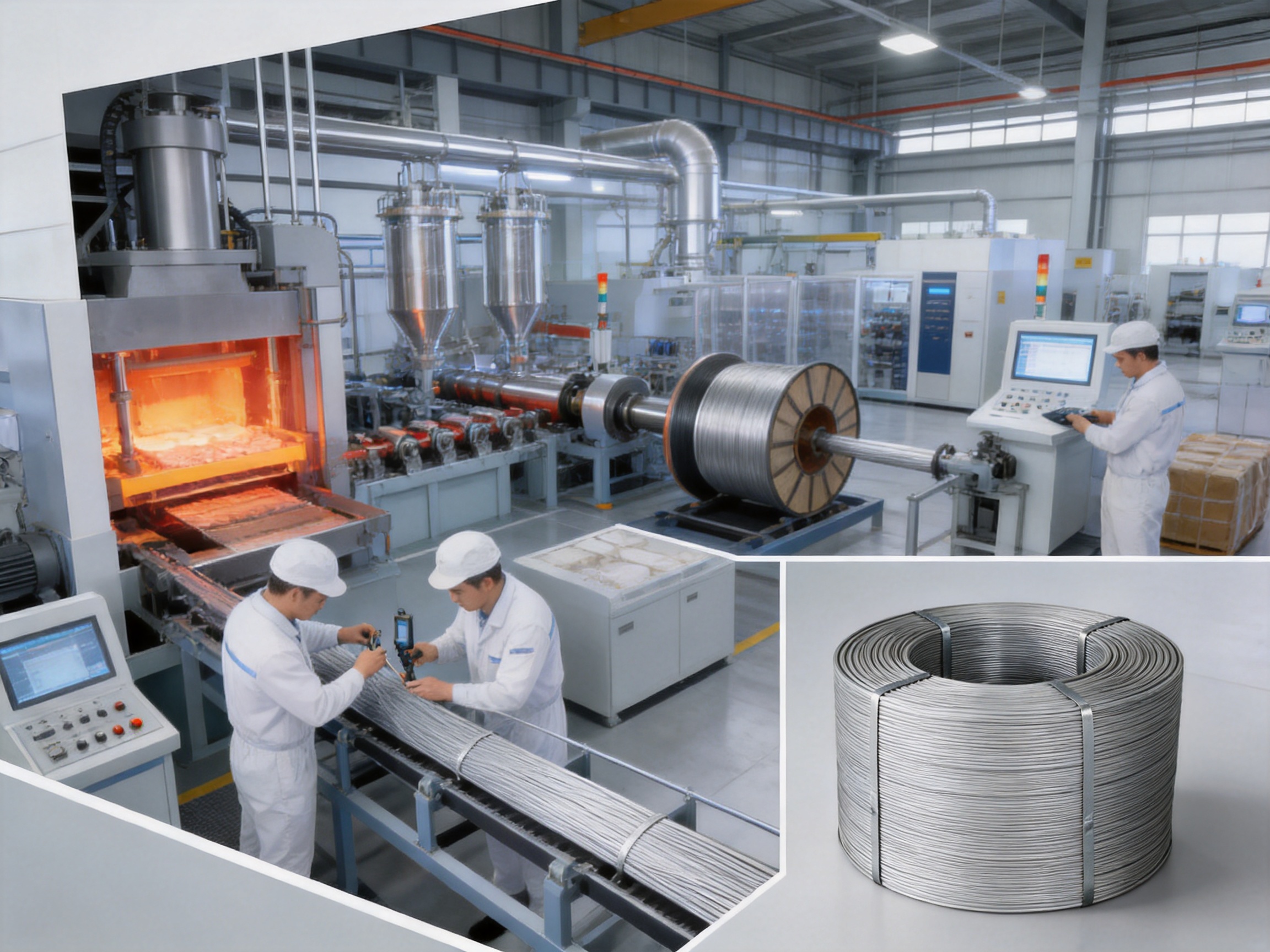
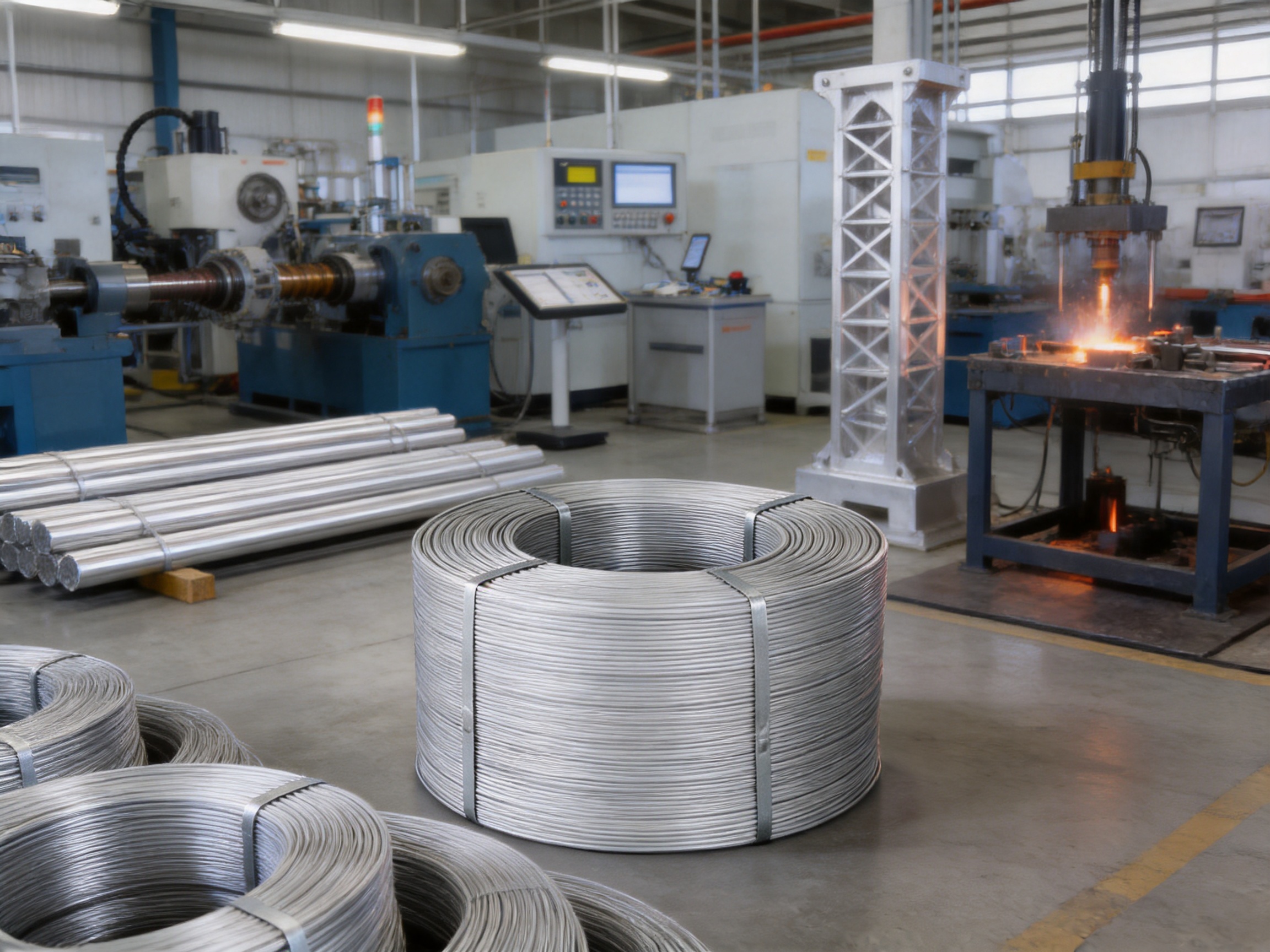
The performance of AlMg6 wire begins with controlled raw materials and continues through melting, alloying, casting, rolling or rod preparation, drawing, surface treatment, winding, inspection, and packaging. Each stage affects the final wire. The objective is not merely to achieve the correct nominal chemistry, but to produce a consistent and usable product from one batch to the next.
Raw Material Selection
High-quality aluminum wire production starts with suitable aluminum feedstock and carefully selected alloying additions. Raw materials must be verified for identity, cleanliness, and chemical content before entering the production process. This reduces the risk of unintended elements, excessive inclusions, and variations in alloy composition.
For AlMg6, magnesium additions must be accurately controlled because magnesium defines the alloy’s principal strengthening response. Manganese, titanium, beryllium, and other elements must also remain within the specified range. Excessive or insufficient alloying additions can change strength, corrosion behavior, fluidity, and weldability.
Controlled Melting and Alloying
During melting, the production team controls furnace temperature, holding time, material additions, stirring, slag removal, and melt protection. Aluminum and magnesium require careful handling because oxidation and element loss can affect the final composition.
Sampling and laboratory analysis are used to verify the melt before casting. If the analysis indicates that an element is outside the required range, corrective additions or process adjustments can be made before the material proceeds. This chemistry-control stage is one of the most important differences between a controlled industrial product and an inconsistent low-cost wire.
Refining and Cleanliness Control
Non-metallic inclusions, hydrogen, oxide films, and other impurities can negatively affect wire quality and weld performance. Appropriate melt treatment and filtration help improve cleanliness and reduce defects. The exact treatment method depends on the production line, alloy, customer requirements, and applicable standards.
Clean metal supports more stable casting and downstream drawing. It can also help reduce porosity and discontinuities in welding applications. Since aluminum naturally forms an oxide film, cleanliness must be managed throughout production, not only at the melting stage.
Casting and Rod Formation
The molten alloy is cast into a suitable intermediate form, such as rod or billet, using controlled temperature and solidification conditions. Casting speed, cooling rate, mold condition, and metal flow can influence grain structure, segregation, surface quality, and internal soundness.
Uniform solidification is essential for producing wire with stable drawing behavior. Excessive segregation or internal defects can lead to breaks, dimensional variation, or inconsistent mechanical properties during later processing. The manufacturing system therefore requires monitoring of casting parameters and inspection of the intermediate product.
Rolling and Drawing
After casting and rod preparation, the material is processed through rolling and drawing operations to reach the required wire diameter. Drawing reduces cross-sectional area while improving dimensional precision and surface consistency. The number of passes, reduction per pass, lubrication, die condition, and intermediate treatment all affect the final product.
Properly controlled drawing can produce a wire that feeds smoothly through welding equipment. In contrast, worn dies, excessive reduction, poor lubrication, or inadequate cleaning may create scratches, ovality, surface contamination, or residual stress. These defects can interfere with automatic wire feeding and weld quality.
Surface Treatment and Cleaning
Surface condition is critical for aluminum welding wire. Oil, dust, oxide fragments, drawing residue, moisture, and foreign particles can contribute to feeding problems, porosity, unstable arcs, or weld contamination. For this reason, the wire surface is cleaned and inspected according to production requirements.
A clean surface also supports longer storage life. Packaging must prevent moisture ingress and protect the wire from mechanical damage. Customers should keep unopened wire in its original packaging until use and allow cold material to reach the workshop temperature before opening if condensation could occur.
Precision Winding and Packaging
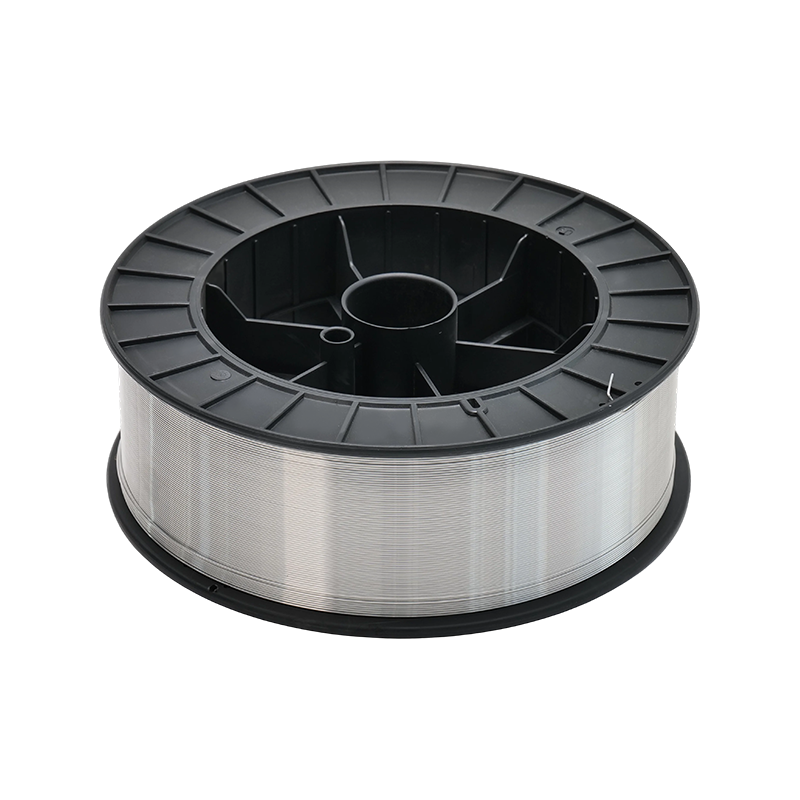
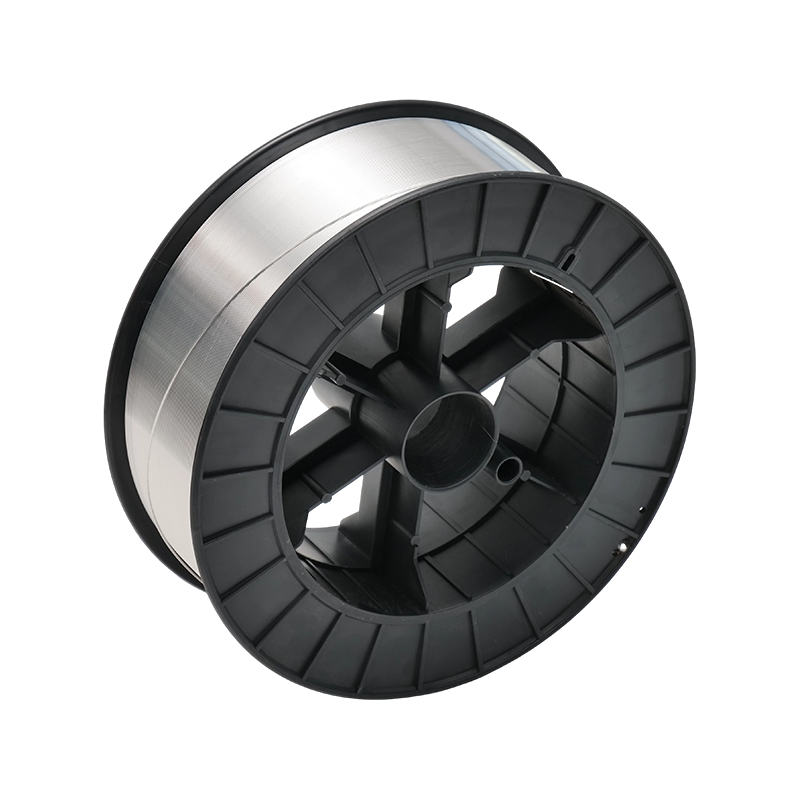
AlMg6 wire may be wound onto spools or formed into coils according to customer equipment and application requirements. Winding tension must be controlled so that the wire pays off smoothly without tangling, crossing, or collapsing. The spool or coil should be compatible with the customer’s feeder, welding machine, and handling system.
Packaging protects the wire from humidity, dust, impact, and deformation during transport. Correct labeling should identify the alloy, diameter, batch or lot number, net weight, production information, and applicable inspection documentation. Clear identification supports traceability and reduces the risk of using an incorrect material.
Quality Management and Traceability
Jiangsu Hetuo Aluminum Wire Co., Ltd. has established a quality management system supported by ISO 9001 and IATF 16949 certifications. ISO 9001 provides a structured framework for quality management and continual process improvement. IATF 16949 is associated with automotive quality requirements and emphasizes process control, risk management, defect prevention, and customer-specific requirements.
The company’s factory covers approximately 40,000 square meters and employs around 60 people, including professional managers and technicians. Its manufacturing system covers high-purity aluminum wire, high-strength aluminum alloy wire, and aluminum and aluminum alloy welding materials.
Advanced equipment and inspection facilities support control from raw material entry to finished-product release. A quality-focused production system can help customers obtain more consistent chemistry, dimensions, surface condition, packaging, and documentation. These capabilities are particularly important for buyers serving automotive, aerospace, military, marine, and other high-demand sectors.
Quality Control for AlMg6 Wire
Quality control should address both measurable material properties and practical production behavior. A wire may meet a basic chemical requirement but still perform poorly if its surface is contaminated, its diameter is inconsistent, or its winding pattern is unsuitable for the customer’s equipment.
Chemical Analysis
Chemical analysis verifies the concentration of magnesium, manganese, titanium, beryllium, silicon, iron, copper, zinc, and other specified elements. The analysis confirms that the wire belongs to the intended alloy range and provides a basis for traceability.
Dimensional Inspection
Diameter, roundness, ovality, and dimensional consistency influence wire feeding and deposition control. Inspection should be performed using calibrated equipment at suitable intervals. Tight dimensional control is particularly important in automated welding, high-speed feeding, and precision fabrication.
Surface Inspection
The wire should be checked for scratches, cracks, dents, excessive oxide, oil, dirt, and other visible defects. Surface inspection can be supported by cleaning controls and appropriate sampling procedures. Customers may also specify limits for surface roughness or appearance depending on the application.
Mechanical and Weld-Related Testing
Depending on the product specification, testing may include tensile properties, elongation, bend performance, weld deposition evaluation, or procedure-specific testing. Weld tests may assess porosity, cracking, penetration, bead appearance, tensile strength, and other relevant characteristics.
For safety-critical applications, non-destructive testing and qualification records may be required. These requirements should be agreed before production because they can affect sampling frequency, test methods, documentation, and batch release procedures.
Batch Traceability
Batch traceability connects the finished wire to raw materials, melting records, casting information, drawing parameters, inspection results, and packaging data. Traceability enables faster investigation when a customer raises a technical question and supports controlled corrective action if a deviation is discovered.
Welding and Handling Recommendations
Successful welding with AlMg6 depends on material preparation and process control. The base metal and wire should be clean, dry, and free from grease, paint, dirt, and excessive oxide. Cleaning tools used for aluminum should not introduce iron or other contaminants.
Shielding gas must provide adequate protection of the molten pool. Argon is commonly used for aluminum welding, while helium or argon-helium mixtures may be selected for particular thicknesses, deposition rates, or heat-input requirements. Gas flow should be sufficient to prevent atmospheric contamination without creating turbulence.
Welding parameters should be developed for the specific wire diameter, base alloy, joint design, material thickness, welding position, and equipment. Excessive heat input may increase distortion and affect the heat-affected zone, while insufficient heat may lead to poor fusion or unstable transfer.
Wire feeders should be fitted with components suitable for aluminum wire. The liner, drive rolls, contact tip, and spool arrangement should minimize friction and deformation. Incorrect drive-roll pressure can flatten the wire and cause feeding instability. The recommended equipment configuration should be confirmed with the welding-machine manufacturer.
Wire should be stored in a clean, dry location and protected from sudden temperature changes. Opened packages should be used promptly or resealed appropriately. Moisture is especially undesirable because it can contribute to hydrogen-related porosity during welding.
For critical applications, weld procedure qualification and welder qualification should be completed before serial production. The final weld should be evaluated according to the applicable design code, customer requirement, and inspection plan.
Why Choose a Specialized Aluminum Wire Manufacturer?
Aluminum alloy wire production is more demanding than simply drawing metal into a smaller diameter. It requires control over alloy chemistry, melt cleanliness, casting, thermal history, drawing conditions, surface quality, winding, packaging, and documentation. A specialized manufacturer can coordinate these factors as one integrated process.
Jiangsu Hetuo Aluminum Wire Co., Ltd. focuses on aluminum wire and related aluminum alloy materials rather than treating wire as a secondary product. This specialization allows the company to develop production knowledge in high-purity aluminum wire, high-strength aluminum alloy wire, welding wire, aluminum rods, and precision profiles.
The company was established in 2019 and has developed an intelligent manufacturing system guided by customer requirements. Its facility in Guannan Economic Development Zone, Lianyungang, Jiangsu Province, supports production and inspection activities within an industrial manufacturing environment.
The company’s product range enables customers to source multiple aluminum material categories from one supplier. This can simplify supplier management, technical communication, sampling, documentation, and repeat ordering. Buyers can discuss alloy selection, wire diameter, spool format, packaging, inspection requirements, and delivery planning with a manufacturer familiar with related aluminum products.
Its ISO 9001 and IATF 16949 certifications further support a structured approach to quality management. Certification alone does not replace product qualification, but it indicates that the company has established documented processes for quality control, corrective action, customer requirements, and continual improvement.
Commercial and Technical Benefits for Buyers
For distributors, fabricators, welding-equipment suppliers, and industrial manufacturers, AlMg6 wire can provide both technical and commercial value. The material serves multiple industries, which can support a broader product portfolio and reduce dependence on a single market.
Its combination of high strength and corrosion resistance makes it relevant to transportation, marine, military, aerospace, and general industrial customers. This diversity can help distributors respond to projects requiring lightweight aluminum structures or higher-performance welding materials.
Customized packaging and wire dimensions may also improve compatibility with customer production systems. Buyers should communicate the required diameter, tolerance, spool type, net weight, surface requirements, batch documentation, and destination regulations at the quotation stage.
For large-volume projects, technical cooperation before mass production can reduce risk. Sample approval, welding trials, spool testing, and inspection-plan confirmation help ensure that the product performs correctly on the customer’s equipment.
Frequently Asked Questions
What is AlMg6 aluminum alloy wire used for?
AlMg6 aluminum alloy wire is used in high-strength aluminum fabrication and welding applications, including aviation, aerospace, military equipment, ships, automobiles, tanks, industrial frames, and other structural assemblies. The exact application must be checked against the base alloy, design requirements, and applicable welding standard.
What makes AlMg6 different from ordinary aluminum wire?
Ordinary or high-purity aluminum wire emphasizes aluminum purity and electrical or general-purpose characteristics. AlMg6 contains approximately 5.8% to 6.8% magnesium, along with controlled manganese and other elements. This alloying increases strength and supports demanding structural and welding applications.
Is AlMg6 stronger than AlMg3 and AlMg5?
AlMg6 generally has a higher alloying level than AlMg3 and AlMg5 and is positioned for higher-strength applications. Actual mechanical performance depends on wire condition, processing, base material, welding procedure, and applicable standards. A technical comparison should use certified test data rather than alloy names alone.
Can AlMg6 be used for marine applications?
AlMg6 can be considered for suitable marine structures because aluminum-magnesium alloys offer useful corrosion resistance and welding performance. Marine designs must also address saltwater exposure, dissimilar-metal contact, drainage, surface treatment, joint design, and the governing marine standard.
Is AlMg6 suitable for automated welding?
Yes, AlMg6 wire can be used in automated welding when the wire diameter, spool format, winding quality, feeder components, shielding gas, and welding parameters are properly matched. Stable dimensions and a clean surface are important for continuous automatic feeding.
What diameters and packaging formats are available?
Available diameters and packaging formats should be confirmed with the manufacturer because they may depend on the customer’s welding equipment, order quantity, application, and production schedule. Customers can request wire on spools or in coils according to their handling and feeding requirements.
How should AlMg6 wire be stored?
AlMg6 wire should be kept in its original sealed packaging in a clean, dry, temperature-controlled location. It should be protected from moisture, condensation, dust, chemicals, and mechanical damage. Opened packages should be resealed or consumed promptly.
Can AlMg6 replace 5356 or 5183 wire?
AlMg6 may be a suitable alternative in some applications, but it should not be substituted automatically. The base alloy, weld qualification, design code, corrosion environment, mechanical requirements, and customer specification must be reviewed before changing wire grades.
What quality documents can buyers request?
Buyers may request a certificate of chemical composition, batch or lot identification, dimensional inspection records, mechanical test results where applicable, product inspection reports, packaging information, and certificates related to the manufacturer’s quality management system. Specific documentation should be agreed before ordering.
Why is magnesium content important in AlMg6?
Magnesium is the principal strengthening element in AlMg6. The specified range of 5.8% to 6.8% helps define the alloy’s strength, corrosion behavior, and welding characteristics. Maintaining the magnesium range is essential for consistent product performance.
What information should be included in an inquiry?
A technical inquiry should include alloy designation, wire diameter, quantity, spool or coil format, application, base material, applicable standard, surface requirements, inspection documents, packaging requirements, delivery destination, and any special welding or qualification conditions.
Conclusion
AlMg6 aluminum alloy wire is a high-performance aluminum-magnesium product for applications that require low weight, high strength, corrosion resistance, and reliable weldability. Its 5.8% to 6.8% magnesium range places it among the higher-strength aluminum-magnesium wire options in the supplied product portfolio.
The alloy is well suited to aviation, aerospace, military, shipbuilding, automotive, tank, and industrial fabrication applications. Its competitive position comes from the balance it provides: more strength than lower-magnesium aluminum wires, better structural suitability than many general-purpose grades, and more practical weldability than some highly alloyed heat-treatable aluminum systems.
Product quality depends on more than chemical composition. Controlled raw materials, accurate melting, clean casting, precision drawing, surface treatment, stable winding, protective packaging, and complete traceability all contribute to reliable performance. Jiangsu Hetuo Aluminum Wire Co., Ltd. supports these requirements through a manufacturing system covering high-purity aluminum wire, high-strength aluminum alloy wire, and aluminum and aluminum alloy welding materials.
With a 40,000-square-meter factory, professional technical personnel, advanced production equipment, inspection throughout manufacturing, and ISO 9001 and IATF 16949 quality management certifications, the company is positioned to supply aluminum wire solutions for demanding domestic and international markets.
For customers selecting AlMg6, the recommended approach is to confirm the base alloy, service environment, wire diameter, welding process, qualification requirements, packaging format, and documentation before production. When these factors are properly coordinated, AlMg6 aluminum alloy wire can contribute to lighter structures, efficient fabrication, dependable corrosion performance, and long-term industrial value.
References
Aluminum Association. Aluminum Standards and Data. Industry reference publication for aluminum alloy designations, properties, and applications.
American Welding Society. Specification for Aluminum and Aluminum-Alloy Welding Electrodes and Rods. Technical reference for aluminum welding consumables.
International Organization for Standardization. ISO 9001: Quality Management Systems—Requirements.
International Automotive Task Force. IATF 16949: Quality Management System Requirements for Automotive Production and Relevant Service Parts Organizations.
ASM International. ASM Handbook, Volume 2: Properties and Selection—Nonferrous Alloys and Special-Purpose Materials.
ASM International. ASM Handbook, Volume 6: Welding, Brazing, and Soldering.
American Welding Society. Welding Handbook, Volume 1: Welding Technology and Applications.
European Committee for Standardization. Aluminum and Aluminum Alloys—Welding Filler Materials and Related Product Standards.
Manufacturer-provided AlMg6 aluminum alloy wire product information, chemical composition data, application description, and company manufacturing profile.