

 English
 中文简体
中文简体 русский
 Deutsch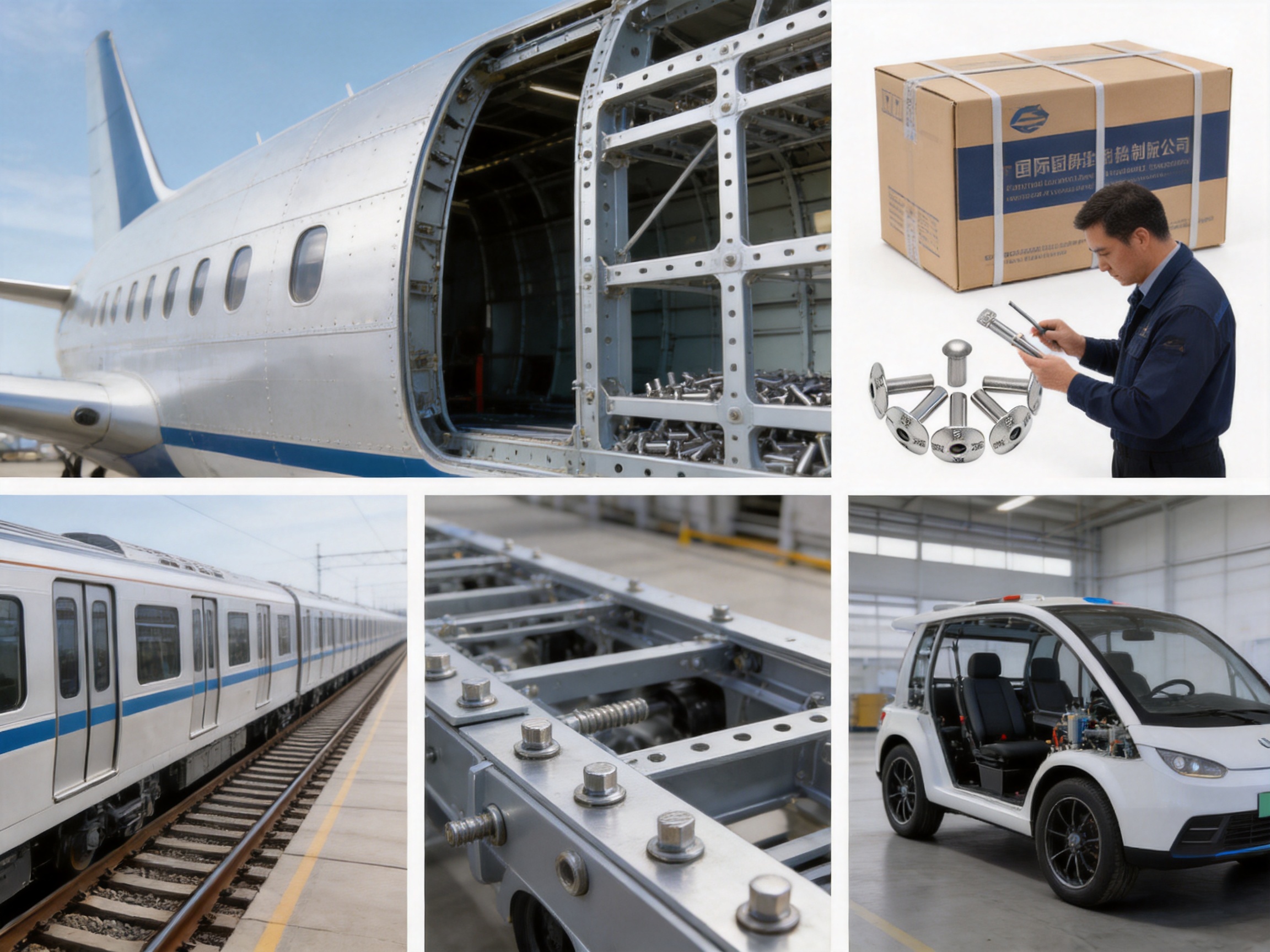
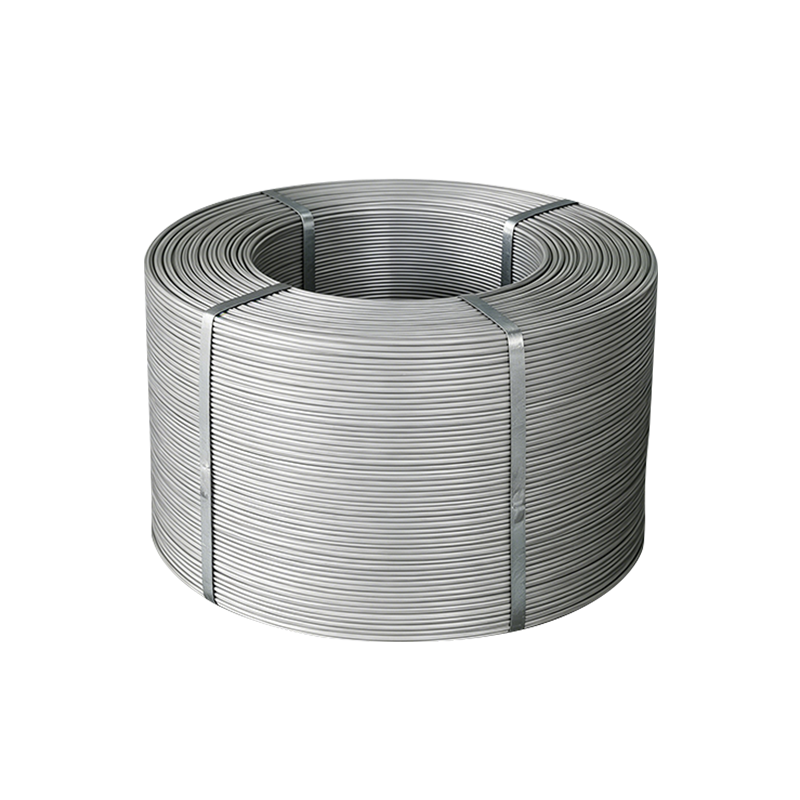
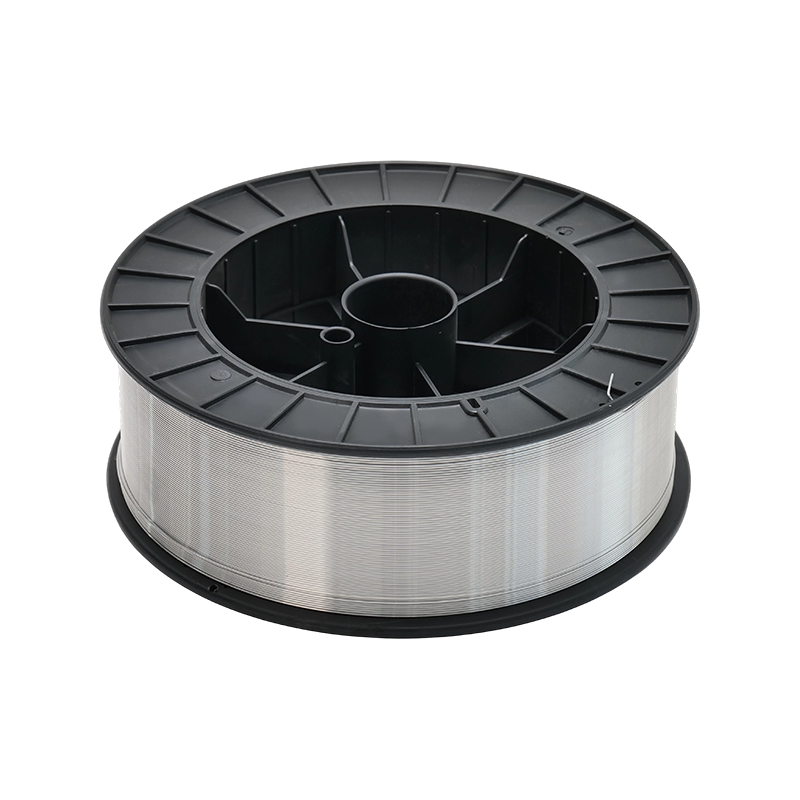
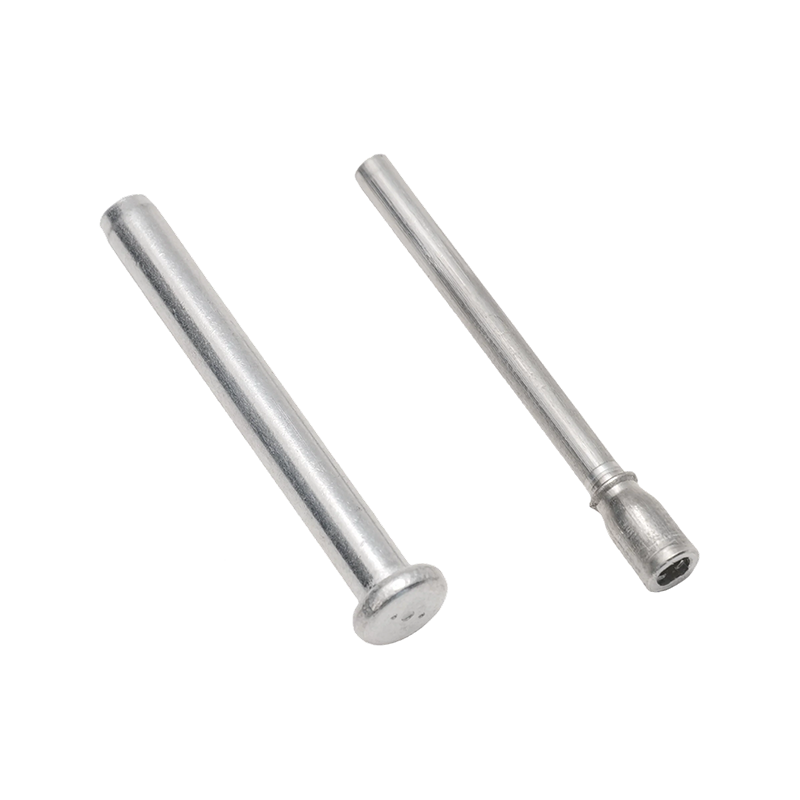
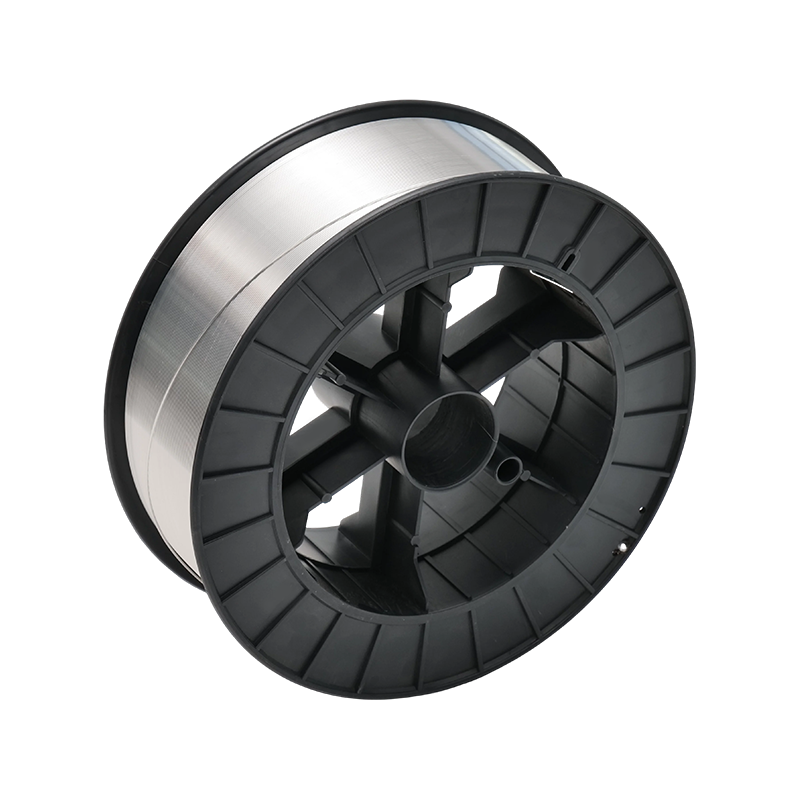
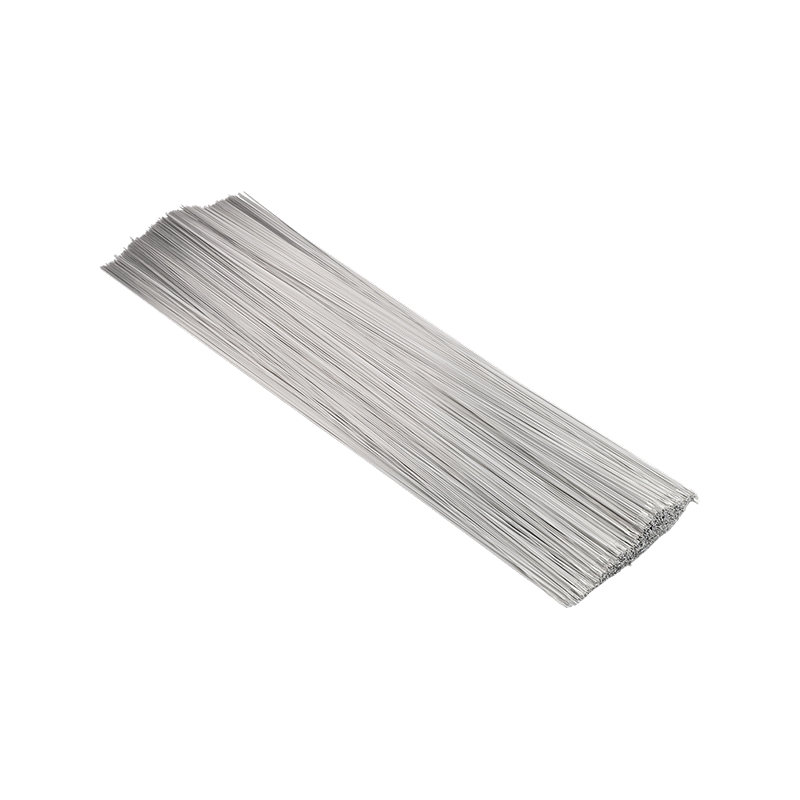
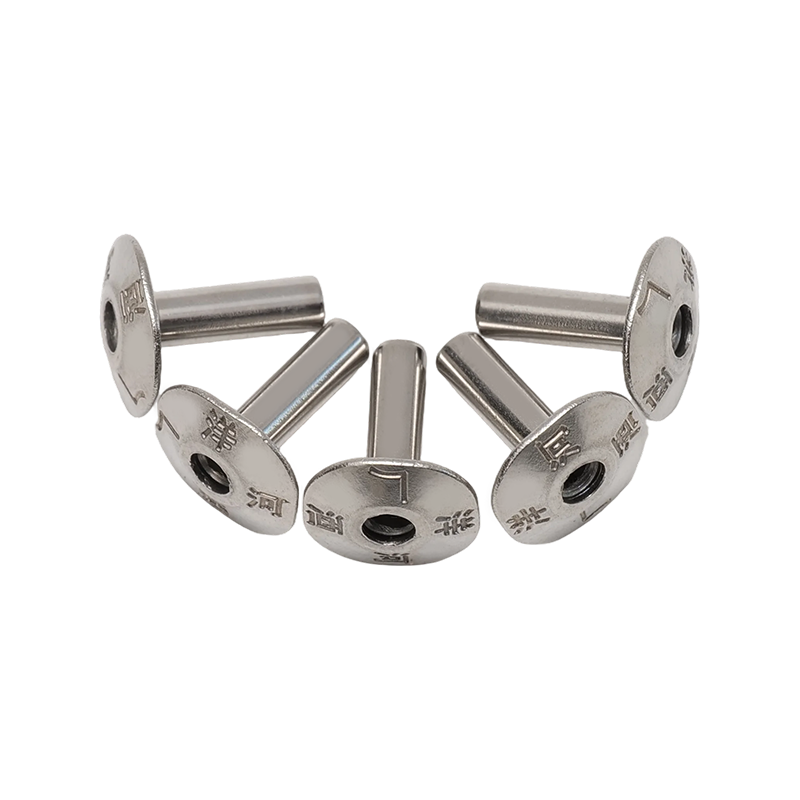
High-strength aluminum alloy wire for rivets is an important engineering material for industries that require reliable fastening, low weight, corrosion resistance, and consistent mechanical performance. Rivet wire is converted into rivets through forming, cutting, heading, and other precision processes. The quality of the wire directly affects the quality of the finished rivet, including its dimensional accuracy, head formation, shear resistance, oxidation resistance, and service life.
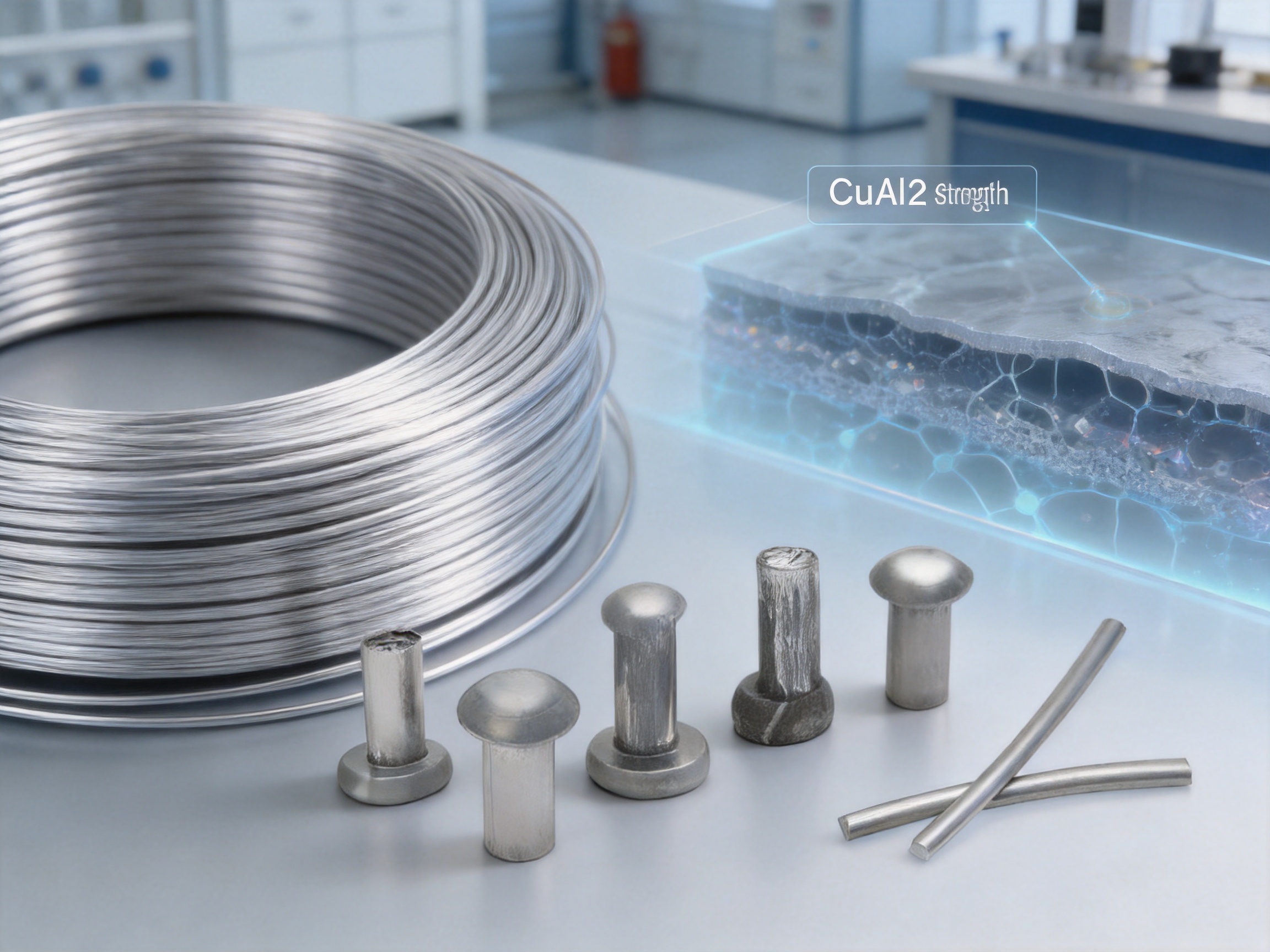
The aluminum alloy wire described in this article is designed mainly for rivet applications in aviation, aerospace, military equipment, transportation, and other demanding industrial fields. Its strengthening mechanism is associated with the CuAl2 phase, which contributes to a favorable combination of strength, oxidation resistance, and shear resistance. The alloy contains approximately 3.9% to 4.5% copper, subject to the applicable specification, production agreement, and inspection requirements.
Jiangsu Hetuo Aluminum Wire Co., Ltd. manufactures high-strength aluminum alloy wire, high-purity aluminum wire, and aluminum and aluminum alloy welding materials. With an intelligent manufacturing system, an approximately 40,000-square-meter factory, professional technical personnel, and certified quality management systems, the company provides aluminum wire solutions for customers that require stable performance and dependable supply.
This article explains the material characteristics, manufacturing process, quality advantages, application fields, purchasing considerations, and technical service capabilities associated with high-strength aluminum alloy rivet wire.
Content
- 1 1. The Role of Aluminum Alloy Wire in Rivet Manufacturing
- 2 2. Material Characteristics of High-Strength Aluminum Alloy Rivet Wire
- 3 3. Key Advantages Compared with General-Purpose Rivet Wire
- 4 4. Manufacturing Strengths of the Supplier
- 5 5. Production Process for Aluminum Rivet Wire
- 6 6. Quality Control for Rivet Wire
- 7 7. Applications in Aviation and Aerospace
- 8 8. Applications in Military Equipment
- 9 9. Other Industrial Applications
- 10 10. Product Selection Considerations
- 11 11. Comparison with Alternative Rivet Materials
- 12 12. Advantages of Working with a Specialized Manufacturer
- 13 13. Customization and OEM Supply
- 14 14. Inspection and Customer Qualification Process
- 15 15. Storage, Handling, and Use Recommendations
- 16 16. Sustainability and Lightweight Engineering
- 17 17. Why Manufacturing Consistency Matters More Than a Low Purchase Price
- 18 18. Frequently Asked Questions
- 18.1 Q1: What is high-strength aluminum alloy rivet wire used for?
- 18.2 Q2: What strengthening mechanism is associated with this product?
- 18.3 Q3: What are the main advantages of this rivet wire?
- 18.4 Q4: Can the wire be used for aerospace or military applications?
- 18.5 Q5: Can customers request customized dimensions?
- 18.6 Q6: How does the manufacturer control chemical composition?
- 18.7 Q7: What quality certifications does the company have?
- 18.8 Q8: What information should be included in a quotation request?
- 18.9 Q9: Is the product suitable for cold heading?
- 18.10 Q10: How should the wire be stored?
- 18.11 Q11: What is the difference between high-strength and general-purpose aluminum rivet wire?
- 18.12 Q12: Does the material certificate replace customer testing?
- 18.13 Q13: Does the company supply other aluminum products?
- 18.14 Q14: What makes a specialized supplier preferable to a general metal trader?
- 19 19. Supplier Evaluation Checklist
- 20 20. Conclusion
- 21 References
- 22 Product: For Rivets
1. The Role of Aluminum Alloy Wire in Rivet Manufacturing
A rivet is a permanent mechanical fastener used to join two or more components. During installation, one end of the rivet is formed into a second head or deformation zone, locking the components together. Unlike a simple bolt-and-nut connection, a rivet is often selected when permanent fastening, vibration resistance, low weight, or production efficiency is important.
The wire used to manufacture rivets must therefore satisfy several requirements at the same time. It must be ductile enough to undergo cold heading or other forming operations without cracking. It must also possess enough strength to maintain the designed rivet geometry and resist shear and tensile loads after installation. In addition, the wire surface must be sufficiently clean and uniform to support stable feeding, cutting, forming, and inspection.
In high-performance applications, the rivet material must be compatible with the surrounding structure. Aluminum alloy rivets are often preferred for aluminum structures because they can help reduce galvanic corrosion risks compared with unsuitable dissimilar metals. Their low density also helps manufacturers reduce the weight of aircraft, vehicles, equipment housings, and other assemblies.
High-strength aluminum alloy rivet wire is not simply a lighter substitute for steel wire. It is an engineered product in which composition, casting, rolling, drawing, heat treatment, surface condition, dimensional control, and packaging all influence the final performance of the rivet. A defect or inconsistency in any stage can affect the reliability of the finished fastener.
2. Material Characteristics of High-Strength Aluminum Alloy Rivet Wire
2.1 Copper-Containing Alloy Design
The product is based on a copper-containing aluminum alloy with a stated copper range of approximately 3.9% to 4.5%. Copper supports strengthening in aluminum alloys and can contribute to improved load-bearing capability after appropriate processing. The CuAl2 phase is identified as an important strengthening phase in the material.
Controlling copper content is essential. If the copper level is outside the intended range, the balance between strength, formability, corrosion behavior, and processing performance may change. A professional manufacturer must therefore control raw materials, melting conditions, alloying additions, sampling, and chemical analysis throughout production.
The specified composition should always be matched with the customer’s technical standard. Different industries may use different designations, temper conditions, dimensional tolerances, and acceptance criteria. For this reason, the nominal copper range should be treated as a key product characteristic rather than the complete specification for every order.
2.2 CuAl2 Phase Strengthening
CuAl2 phase strengthening can improve the resistance of the alloy to deformation and mechanical loading. The strengthening phase contributes to the material’s ability to maintain structural integrity when a rivet is exposed to repeated shear, vibration, or localized contact stress.
For rivet applications, strength must be balanced with formability. A wire that is excessively hard or insufficiently ductile may split during heading or fail to form a smooth rivet head. A wire that is too soft may form easily but deliver inadequate performance in service. The manufacturing process must therefore establish the appropriate balance between the alloy condition and the intended riveting process.
2.3 Oxidation Resistance
Aluminum naturally forms a thin oxide film when exposed to air. A properly controlled aluminum alloy surface can provide useful resistance to further oxidation under many service conditions. The product is described as having good oxidation resistance, which is beneficial in applications where the rivet may encounter moisture, atmospheric exposure, or elevated handling and storage periods.
Oxidation resistance is influenced by more than alloy composition. Surface cleanliness, drawing lubricant control, storage conditions, packaging, and contamination prevention are also important. A consistent manufacturing and packaging system helps preserve the wire surface from production through delivery.
2.4 Shear Resistance
Rivets commonly transfer loads across a joint. When the joined components attempt to slide relative to one another, the rivet is exposed to shear stress. Good shear resistance is therefore a central performance requirement, especially in structural, transportation, aerospace, and defense-related assemblies.
The shear behavior of the finished rivet depends on the alloy, temper, diameter, rivet geometry, installation method, joint design, and surface condition. High-strength aluminum alloy wire provides a strong material foundation for rivets requiring improved resistance to shear loading, while the final design must still be validated under the customer’s specific service conditions.
3. Key Advantages Compared with General-Purpose Rivet Wire
3.1 Higher Performance Potential
Compared with general-purpose aluminum wire, high-strength alloy wire containing a controlled copper range can offer greater mechanical performance potential. The CuAl2 strengthening phase helps the material withstand higher loading than many softer, less strongly alloyed aluminum grades.
This advantage is valuable when a customer needs to reduce rivet size, improve joint performance, or increase the safety margin of a fastening system. The correct comparison must be based on certified test data and the exact temper condition, but the alloy design is intended for applications more demanding than ordinary light-duty fastening.
3.2 Favorable Strength-to-Weight Ratio
Aluminum has a much lower density than steel. A high-strength aluminum rivet can therefore help reduce assembly weight while maintaining useful mechanical performance. Weight reduction is especially important in aircraft, aerospace systems, rail vehicles, automobiles, electric vehicles, portable equipment, and structures that must be lifted or moved frequently.
Reducing fastener weight can also have a cumulative effect. An assembly may contain hundreds, thousands, or even millions of rivets. Even a small weight saving per fastener can produce a meaningful reduction in the total mass of the finished product.
3.3 Reliable Rivet Forming
Rivet wire must be suitable for repeatable forming. Stable wire diameter, uniform surface quality, and controlled metallurgical condition help the customer operate heading and forming equipment more consistently. Reliable feed behavior can reduce interruptions, tool damage, dimensional variation, and scrap.
Forming performance is not determined by strength alone. The wire must also respond predictably to cutting and deformation. A professionally manufactured product can provide a more stable starting point for customers who need consistent rivet head dimensions and high production throughput.
3.4 Better Resistance to Oxidation and Shear
Good oxidation resistance supports storage, handling, and service durability. Good shear resistance supports the structural function of the rivet. Together, these properties make the material more suitable for demanding environments than basic aluminum wire grades intended for less critical applications.
These advantages are particularly relevant when the rivet is exposed to vibration, fluctuating loads, atmospheric moisture, or long service periods. The final application should still include appropriate corrosion protection, joint design, and environmental validation.
3.5 Compatibility with Lightweight Structures
High-strength aluminum alloy rivet wire is a natural choice for lightweight aluminum structures. It can be used where the fastener must provide reliable joining without adding unnecessary mass or creating a substantial material mismatch with the components being joined.
Material compatibility can simplify engineering decisions. When the structure and fastener have similar base-metal characteristics, designers may be able to manage thermal expansion, galvanic effects, and finishing requirements more effectively. The exact suitability depends on the alloy combination, surface treatment, operating environment, and customer standard.
4. Manufacturing Strengths of the Supplier
4.1 Integrated Aluminum Wire Production Capability
Jiangsu Hetuo Aluminum Wire Co., Ltd. has established a manufacturing system covering high-purity aluminum wire, high-strength aluminum alloy wire, and aluminum and aluminum alloy welding materials. This product range demonstrates experience across several aluminum material categories, each requiring different controls for composition, surface quality, dimensional accuracy, and processing performance.
An integrated product system can benefit rivet wire customers in several ways. It allows the manufacturer to apply shared expertise in aluminum melting, forming, drawing, quality inspection, and packaging. It also supports technical communication when customers purchase several aluminum products for different processes or facilities.
4.2 Intelligent Manufacturing System
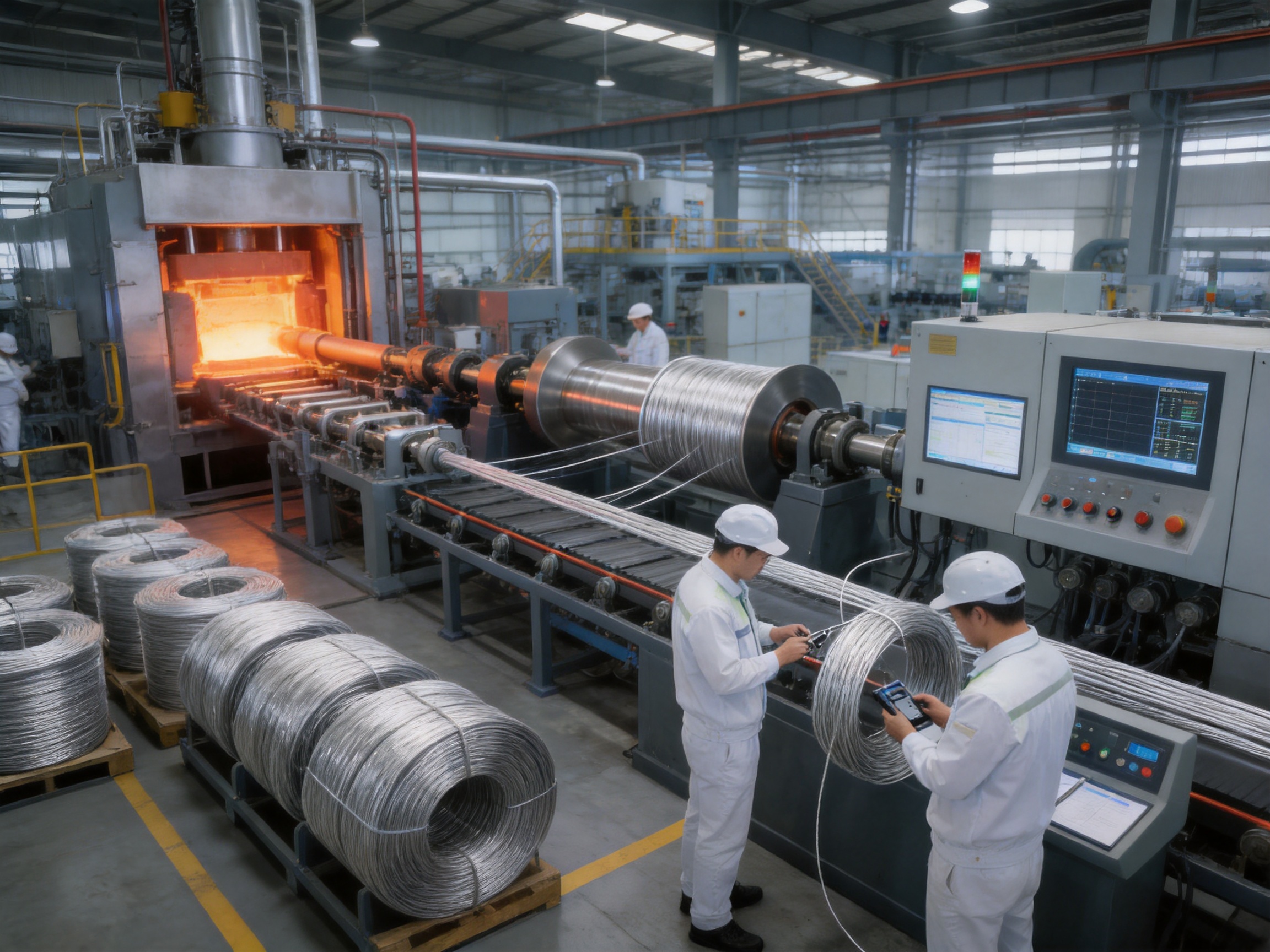
The company has built an intelligent manufacturing system intended to improve process stability and production management. Intelligent manufacturing can involve equipment monitoring, process data collection, production scheduling, batch traceability, automated or semi-automated handling, and digital quality records.
For high-strength rivet wire, process information is valuable because performance is affected by the entire production history. A traceable batch record can connect the final wire to its raw materials, melting sequence, forming operations, drawing parameters, heat treatment condition, inspection results, and packaging information.
Digital production management also helps identify process deviations earlier. When equipment parameters or inspection results move outside established limits, corrective action can be initiated before a large quantity of nonconforming material is produced. This supports both product consistency and production efficiency.
4.3 Factory Scale and Professional Personnel
The factory covers approximately 40,000 square meters and employs around 60 people, including approximately 30 professional managers and technicians. This structure gives technical personnel an important role in production planning, process control, quality management, equipment operation, inspection, and customer support.
A strong technical team is particularly important for customized wire products. Customers may require specific diameters, tolerances, temper conditions, coil weights, straight lengths, packaging formats, or testing documentation. Engineers and quality personnel must translate these requirements into practical production and inspection procedures.
4.4 Quality Management Certifications
The company has obtained ISO 9001 and IATF 16949 quality management system certifications. ISO 9001 provides a systematic framework for quality management, process control, customer requirements, corrective action, documentation, and continual improvement.
IATF 16949 is associated with the automotive supply chain and emphasizes risk-based thinking, defect prevention, process capability, traceability, customer-specific requirements, and continual improvement. Although rivet wire may be used in several industries, the discipline associated with these systems is valuable for any customer seeking stable manufacturing performance.
Certifications do not replace product testing or customer qualification. However, they indicate that the manufacturer has established formal procedures for managing quality and production activities. Customers can use these certifications as part of their supplier evaluation process, together with audits, sample testing, technical documents, and performance validation.
5. Production Process for Aluminum Rivet Wire
5.1 Raw Material Selection
The process begins with the selection and verification of aluminum and copper-bearing raw materials. The supplier must control the purity, identity, and condition of incoming materials. Mixing unverified materials can create composition variation, which may later influence mechanical properties and forming behavior.
Incoming inspection may include document review, visual inspection, weighing, identification, and chemical verification. Clear material identification helps prevent mix-ups between alloy grades and supports batch traceability.
5.2 Melting and Alloying
During melting, aluminum is heated under controlled conditions and alloying elements are added according to the planned composition. Temperature, holding time, melt cleanliness, and mixing must be managed carefully. Excessive contamination or gas absorption can cause defects that affect subsequent forming and mechanical performance.
The target copper range for this product is approximately 3.9% to 4.5%. Chemical analysis is used to verify the composition before the melt proceeds to the next stage. Sampling practices must be representative, and test results should be linked to the relevant production batch.
5.3 Casting or Initial Solidification
The molten alloy is converted into a solid feedstock through an appropriate casting process. Solidification conditions influence grain structure, segregation, porosity, and the uniformity of the material. Controlled cooling and suitable equipment help establish a stable starting structure for subsequent processing.
Defect prevention at this stage is important because internal discontinuities can become more serious during rolling, drawing, or heading. Inspection and process monitoring should therefore focus not only on external appearance but also on the consistency of the internal material.
5.4 Rolling and Intermediate Forming
The cast material may be processed through rolling or other reduction operations to produce a rod or intermediate section. Rolling reduces cross-sectional dimensions and helps refine the structure. The reduction schedule, temperature, speed, and lubrication must be selected according to the alloy and target product.
Uniform deformation is important. Uneven processing can lead to dimensional variation, residual stress, or localized differences in mechanical properties. Process controls help ensure that the material remains suitable for later wire drawing and rivet forming.
5.5 Wire Drawing
Wire drawing reduces the rod to the required wire diameter by pulling it through dies. Drawing must be managed carefully because excessive reduction in a single pass can increase stress, damage the surface, or reduce formability. A multi-pass drawing schedule may be used to achieve the target size while maintaining the desired material condition.
Die condition, lubrication, line speed, tension, and intermediate inspection all influence the final product. A stable drawing process helps deliver uniform diameter, smooth surface quality, and predictable behavior during rivet production.
5.6 Heat Treatment and Temper Control
Depending on the required specification, heat treatment or controlled thermal processing may be applied to establish the desired balance between strength and ductility. The relationship between temperature, time, cooling, and aging condition must be controlled to achieve repeatable performance.
For a rivet wire, temper control is especially important because the customer may need the wire to form a head without cracking while still achieving adequate strength after installation or aging. The appropriate condition should be agreed upon before production and verified through testing.
5.7 Surface Inspection and Cleaning
The wire surface should be inspected for scratches, cracks, contamination, peeling, embedded particles, and other conditions that could interfere with feeding or forming. Surface quality also affects storage behavior and the appearance of the finished rivet.
Cleaning and lubrication must be controlled. Excessive residue can interfere with downstream processes, while insufficient lubrication may increase drawing friction or tool wear. The goal is a surface condition that supports both manufacturing efficiency and final product requirements.
5.8 Final Inspection and Packaging
Before shipment, the wire is inspected according to the agreed specification. Typical control items may include chemical composition, diameter, dimensional tolerance, surface quality, mechanical properties, coil or straight-length condition, and packaging integrity.
Packaging should protect the wire from moisture, contamination, mechanical damage, and deformation during transportation. Labels should identify the alloy, size, batch number, quantity, and other agreed information. Proper packaging and traceability help customers manage inventory and maintain production records.
For Rivets
6. Quality Control for Rivet Wire
6.1 Chemical Composition Control
Chemical composition is the first technical foundation of alloy performance. The copper content of approximately 3.9% to 4.5% must be controlled within the agreed range, while other elements must also remain within the relevant product standard.
Reliable composition control begins with qualified raw materials and continues through furnace management, alloying, sampling, laboratory analysis, and batch release. A manufacturer should retain appropriate records so that test results can be traced to the shipment supplied to the customer.
6.2 Dimensional Control
Rivet manufacturers depend on accurate wire dimensions because the wire is cut into slugs or blanks before forming. Diameter variation can affect blank weight, rivet length, head size, die filling, and finished dimensions.
Dimensional control should consider not only average diameter but also roundness, local variation, straightness where applicable, and consistency along the coil. Measurement equipment must be calibrated, and inspection frequency should reflect the risk associated with the product.
6.3 Mechanical Testing
Mechanical testing may include tensile strength, yield behavior, elongation, hardness, and other properties required by the customer’s standard. These tests help confirm that the alloy condition is appropriate for forming and service.
Testing should be performed on representative samples. Results must be interpreted according to the exact diameter, temper, test method, and applicable specification. A single numerical value cannot describe every application, so the customer and supplier should agree on acceptance criteria before production.
6.4 Formability Evaluation
Formability is critical for rivet wire. A wire may meet a tensile strength requirement yet perform poorly during heading if its ductility, surface condition, or internal structure is unsuitable. Forming trials can therefore provide valuable evidence before full-scale production.
Evaluation may include cutting behavior, head formation, visual inspection after heading, cracking checks, dimensional measurement, and installation trials. When customers provide their actual equipment and forming conditions, the supplier can better understand the practical requirements of the application.
6.5 Surface and Internal Quality
Surface defects may become crack initiation points or interfere with tool contact. Internal inclusions, porosity, segregation, or other discontinuities can reduce the reliability of the finished rivet. Quality control should therefore combine visual inspection with appropriate laboratory or nondestructive evaluation when required by the product specification.
Maintaining clean melting practices, stable casting, controlled reduction, and careful drawing is an effective way to reduce the risk of quality problems. Preventive process control is generally more effective than relying only on final inspection.
6.6 Documentation and Traceability
Industrial customers often require material certificates, inspection reports, batch identification, packaging records, and shipping documentation. Traceability allows a customer to link a finished rivet batch back to the wire supplied and, when necessary, to the original production conditions.
Traceability is particularly valuable in aviation, aerospace, military, automotive, and other regulated or safety-sensitive industries. It supports supplier audits, root-cause analysis, corrective action, inventory management, and long-term quality records.
7. Applications in Aviation and Aerospace
Aviation and aerospace structures require materials that combine low weight with dependable mechanical performance. Rivets are used in aircraft skins, interior structures, panels, brackets, ducts, access covers, and many other assemblies. In these applications, fastener consistency is important because a large number of rivets may contribute to the overall structural reliability.
High-strength aluminum alloy rivet wire is suited to applications where the rivet must resist shear and maintain performance under vibration and repeated loading. Its low density helps support aircraft weight reduction goals. Its aluminum base can also be compatible with aluminum structural components when the complete corrosion-control system is properly designed.
Aerospace customers usually require strict control of composition, temper, dimensions, surface condition, and documentation. They may also require qualification samples, process audits, lot acceptance testing, and long-term traceability. A supplier with formal quality systems and technical personnel is better positioned to support these requirements.
8. Applications in Military Equipment
Military equipment may operate in environments involving vibration, dust, moisture, temperature changes, transportation shock, and extended storage. Fasteners used in such equipment must be selected with attention to mechanical performance, corrosion behavior, weight, maintainability, and compatibility with adjacent materials.
High-strength aluminum alloy rivet wire can be used for equipment housings, lightweight structural panels, transport systems, and assemblies where permanent fastening is appropriate. The material’s oxidation resistance and shear resistance are relevant advantages, although the final suitability must be confirmed by application-specific testing.
Military procurement may also emphasize supply continuity, secure documentation, batch control, inspection records, and manufacturing consistency. A structured production system can help customers establish a reliable supply chain for recurring orders and long-term programs.
9. Other Industrial Applications
9.1 Transportation
Transportation manufacturers use aluminum extensively to reduce vehicle weight and improve energy efficiency. Aluminum rivets can be used in body panels, interior systems, frames, enclosures, and specialized structures. High-strength alloy wire is useful where a lightweight fastener must support greater mechanical demand than a soft aluminum grade.
9.2 Rail Vehicles
Rail vehicles contain large lightweight structures assembled from aluminum profiles and panels. Riveted joints may be selected for production efficiency, repairability, or compatibility with thin sheet materials. Consistent wire dimensions and forming behavior help support stable assembly operations.
9.3 Automotive and Electric Vehicles
Automotive and electric vehicle manufacturers increasingly use aluminum to reduce mass and improve overall efficiency. Rivet wire may support battery housings, body structures, thermal-management components, and interior assemblies, depending on the design and joining method.
In automotive production, process capability and defect prevention are particularly important because production volumes can be high. The quality-management discipline associated with IATF 16949 is relevant to customers seeking consistent output and documented process control.
9.4 Industrial Equipment and Enclosures
Industrial equipment manufacturers may use aluminum rivets for machine covers, control cabinets, ventilation systems, lightweight frames, and protective enclosures. The material can provide a useful combination of low weight, appearance, corrosion resistance, and mechanical performance.
9.5 General Engineering and Maintenance
High-strength aluminum rivet wire may also be used in repair facilities, fabrication workshops, and general engineering applications. When the wire is supplied in suitable coil or straight-length forms, it can support both automated rivet production and smaller-batch manufacturing.
10. Product Selection Considerations
10.1 Alloy and Temper
The first consideration is the required alloy and temper. The alloy must provide an appropriate balance of strength, ductility, corrosion behavior, and formability. The desired temper should be selected according to the rivet manufacturing method and final service condition.
10.2 Wire Diameter
Wire diameter should match the required rivet diameter and blanking process. The customer should specify nominal size, tolerance, roundness requirements, coil or straight-length format, and any restrictions on dimensional variation.
10.3 Forming Method
The supplier should understand whether the rivet will be produced by cold heading, impact forming, extrusion-related forming, or another process. Forming speed, tooling design, lubrication, reduction ratio, and target head geometry all influence the most suitable wire condition.
10.4 Service Environment
Temperature, humidity, salt exposure, vibration, cyclic loading, chemical contact, and storage conditions should be considered. The customer may need additional surface treatment, protective coating, or joint-design measures depending on the environment.
10.5 Documentation Requirements
Customers in regulated industries should identify the required certificates, inspection reports, test methods, lot definitions, packaging labels, and retention periods. Early agreement helps prevent delays and ensures that the supplied material meets the customer’s internal approval procedure.
10.6 Packaging and Delivery
Packaging should match the wire form and transportation method. Coil wire requires protection against deformation and tangling, while straight lengths require support against bending and impact. Moisture-resistant packaging and clear batch labels are important for maintaining product condition and traceability.
11. Comparison with Alternative Rivet Materials
| Evaluation Factor | High-Strength Aluminum Alloy Wire | General-Purpose Aluminum Wire | Steel Rivet Wire |
|---|---|---|---|
| Weight | Low, supporting lightweight structures | Low | Higher |
| Strength potential | Enhanced through copper-containing alloy design and controlled processing | Usually lower, depending on grade and temper | Generally high |
| Shear resistance | Good potential for demanding rivet applications | Suitable for less demanding applications | High, subject to grade and treatment |
| Oxidation behavior | Good aluminum oxide protection when properly processed and stored | Good natural aluminum oxide protection | Requires appropriate corrosion protection |
| Forming considerations | Requires controlled temper to balance strength and ductility | Often easier to form but may provide lower strength | Higher forming force and greater tool loading may be required |
| Material compatibility | Well suited to many aluminum structures | Well suited to many aluminum structures | May require greater attention to galvanic and coating issues |
| Typical value proposition | Lightweight fastening with improved performance | Economical light-duty fastening | High-load fastening where weight is less critical |
The comparison is general and does not replace qualification testing. The actual performance of each material depends on alloy grade, temper, rivet geometry, installation method, joint design, environmental exposure, and applicable standards. The main advantage of the high-strength aluminum alloy option is its attempt to combine the low density and compatibility of aluminum with improved strength and shear performance.
12. Advantages of Working with a Specialized Manufacturer
A specialized aluminum wire manufacturer can provide more than a standard commodity product. The supplier can help customers define the correct material condition, coordinate sampling, review drawings, establish inspection items, and resolve forming or delivery issues.
Technical communication is particularly important when a customer changes rivet geometry, production speed, tooling, or application environment. A wire that worked in one process may require adjustment when the customer changes diameter, forming temperature, lubrication, or installation equipment.
Jiangsu Hetuo Aluminum Wire Co., Ltd. focuses on aluminum wire and related welding materials rather than operating as a general metal distributor. This specialization supports deeper familiarity with aluminum alloy processing, surface behavior, wire drawing, product inspection, and packaging requirements.
The company’s facility, technical workforce, intelligent manufacturing system, and quality certifications provide a foundation for serving customers in China and overseas markets. Its products are exported to a range of high-end international markets, demonstrating experience with cross-border order coordination, packaging, documentation, and customer communication.
13. Customization and OEM Supply
Different rivet producers may require different wire dimensions, material conditions, packaging styles, and inspection documents. A customized supply program can be developed around the customer’s technical drawings, internal standards, production equipment, and annual demand.
Customization may involve:
• Specified alloy composition and copper range.
• Wire diameter and dimensional tolerance.
• Temper or heat-treatment condition.
• Coil weight, inner diameter, outer diameter, or straight-length format.
• Surface condition and lubrication requirements.
• Mechanical and chemical inspection requirements.
• Sample approval and first-article inspection.
• Batch identification and traceability documents.
• Moisture-resistant export packaging.
• Scheduled production and repeat-order management.
Customers should provide as much technical information as possible when requesting a quotation. Useful details include the rivet diameter, rivet length, final head shape, forming method, expected production speed, required performance, service environment, applicable standard, annual quantity, and destination country.
Clear technical communication reduces the risk of selecting an unsuitable temper or packaging format. It also allows the manufacturer to determine whether a sample trial, forming test, or additional inspection plan is appropriate.
14. Inspection and Customer Qualification Process
A professional qualification process normally begins with a technical review. The supplier evaluates the customer’s specification and confirms the alloy, size, temper, delivery form, and testing requirements. If the application is critical, the customer may request production samples before approving regular supply.
Sample evaluation can include chemical analysis, dimensional measurement, tensile testing, hardness testing, surface inspection, forming trials, and finished-rivet testing. The customer may also assess the wire on its own production line to verify feeding, cutting, heading, tool life, and final appearance.
After approval, regular production should continue under the same controlled specification. Changes to raw materials, process parameters, equipment, or product condition should be evaluated through the supplier’s change-control procedure. Customers should be informed when a change could affect product performance or documentation.
For long-term supply, periodic review is beneficial. The review may cover delivery performance, nonconformities, corrective actions, inspection results, customer complaints, and opportunities to improve cost or production efficiency.
15. Storage, Handling, and Use Recommendations
Aluminum alloy wire should be stored in a clean, dry, and well-ventilated area. Direct contact with water, condensation, corrosive chemicals, dust, and dissimilar metal contamination should be avoided. Packaging should remain intact until the wire is ready for use.
When moving coils, operators should use suitable lifting equipment and avoid impact or dragging. Damaged packaging should be inspected before the material enters production. Any signs of contamination, corrosion staining, deformation, or unidentified labeling should be reported for evaluation.
Before forming, customers should confirm that the wire matches the production order. The alloy, diameter, temper, batch number, and quantity should be checked against the material certificate and internal production record.
Rivet forming equipment should be adjusted according to the selected wire condition. Tool alignment, cutting clearance, heading pressure, lubrication, and feed control can influence the final result. If cracks or dimensional abnormalities appear, the customer should stop and investigate rather than continuing production with unverified material.
16. Sustainability and Lightweight Engineering
Aluminum supports lightweight engineering because it provides useful mechanical performance at relatively low density. In transportation and aerospace, reducing mass can contribute to lower energy consumption, increased payload, improved range, or better operating efficiency.
Using a high-strength aluminum alloy rivet can support this objective while maintaining the mechanical requirements of a permanent joint. The environmental value of the material also depends on responsible raw material sourcing, efficient manufacturing, waste reduction, recycling practices, product life, and end-of-life recovery.
A controlled manufacturing process can reduce scrap by preventing defects early. Accurate drawing, stable dimensions, and effective inspection help customers reduce rejected rivets and unnecessary material consumption. Longer-lasting joints may also reduce maintenance requirements and replacement frequency.
Sustainability claims should be evaluated across the entire product life cycle. Customers should consider the alloy, production energy, transportation, joining process, service life, maintenance, and recyclability when assessing the environmental benefits of an aluminum rivet system.
17. Why Manufacturing Consistency Matters More Than a Low Purchase Price
Rivet wire is a relatively small component in many assemblies, but its effect on production efficiency and joint reliability can be significant. A low purchase price may not provide real savings if the wire causes excessive tool wear, unstable feeding, cracking during heading, inconsistent rivet dimensions, or high rejection rates.
Manufacturing consistency helps reduce hidden costs. Stable diameter can improve blank control. Consistent temper can reduce forming adjustments. Clean surfaces can reduce tooling contamination. Reliable documentation can simplify receiving inspection. Traceable batches can shorten investigations when a problem occurs.
For high-volume production, these benefits can exceed the initial difference in material price. A qualified supplier should therefore be evaluated using total cost of ownership, including yield, line efficiency, quality risk, delivery reliability, technical support, and compliance documentation.
18. Frequently Asked Questions
Q1: What is high-strength aluminum alloy rivet wire used for?
It is used to manufacture aluminum alloy rivets for aviation, aerospace, military equipment, transportation, automotive, rail vehicles, industrial equipment, and other applications requiring lightweight and mechanically reliable permanent fastening.
Q2: What strengthening mechanism is associated with this product?
The material is described as using CuAl2 phase strengthening. The copper content is approximately 3.9% to 4.5%, subject to the applicable specification and production agreement. The strengthening phase supports improved mechanical performance when the alloy is processed under suitable conditions.
Q3: What are the main advantages of this rivet wire?
The main advantages include low aluminum density, good oxidation resistance, good shear resistance, a favorable strength-to-weight ratio, suitability for lightweight structures, and controlled forming performance when the correct temper is selected.
Q4: Can the wire be used for aerospace or military applications?
It is mainly used in aviation, aerospace, and military-related fields. However, each application must be qualified according to the customer’s engineering requirements, inspection procedures, applicable standards, and service conditions.
Q5: Can customers request customized dimensions?
Customers can discuss required diameters, tolerances, temper conditions, coil formats, straight lengths, packaging, and inspection documents with the manufacturer. Final customization depends on technical feasibility and the agreed product specification.
Q6: How does the manufacturer control chemical composition?
Composition control involves verified raw materials, controlled alloying, representative sampling, chemical analysis, batch identification, and documented release procedures. The target copper range for the described product is approximately 3.9% to 4.5%.
Q7: What quality certifications does the company have?
Jiangsu Hetuo Aluminum Wire Co., Ltd. has obtained ISO 9001 and IATF 16949 quality management system certifications. These systems support documented process control, traceability, defect prevention, corrective action, and continual improvement.
Q8: What information should be included in a quotation request?
A quotation request should include the alloy or required composition, wire diameter, tolerance, temper, forming method, order quantity, packaging preference, delivery destination, required certificates, inspection standard, and intended application.
Q9: Is the product suitable for cold heading?
The wire is intended for rivet manufacturing, but suitability for a particular cold-heading process depends on diameter, temper, tooling, forming ratio, production speed, lubrication, and rivet geometry. A sample forming trial is recommended for critical or newly developed applications.
Q10: How should the wire be stored?
Store the wire in a clean, dry, well-ventilated area and protect it from moisture, condensation, chemicals, dust, impact, and contamination. Keep the original packaging intact until production and maintain batch identification throughout storage and use.
Q11: What is the difference between high-strength and general-purpose aluminum rivet wire?
High-strength wire uses an alloy and processing condition intended to provide improved mechanical performance, including better shear resistance. General-purpose wire may be easier to form or more economical but may not provide the same level of performance for demanding structural applications.
Q12: Does the material certificate replace customer testing?
No. A material certificate provides important production and inspection information, but customers should perform qualification and application testing when required. Finished-rivet performance depends on the customer’s forming process, rivet design, joint configuration, and service environment.
Q13: Does the company supply other aluminum products?
Yes. The company’s manufacturing system covers high-purity aluminum wire, high-strength aluminum alloy wire, and aluminum and aluminum alloy welding materials. It also specializes in high-grade aluminum alloy rods, welding wires, and precision profiles.
Q14: What makes a specialized supplier preferable to a general metal trader?
A specialized supplier can provide more direct control over alloy processing, wire drawing, surface quality, dimensional accuracy, inspection, customization, traceability, and technical support. These capabilities can reduce risk in demanding rivet production programs.
19. Supplier Evaluation Checklist
When selecting a source for high-strength aluminum alloy rivet wire, purchasing and engineering teams should review the following points:
• Does the supplier have experience with aluminum alloy wire rather than only general metal distribution?
• Can the supplier provide chemical composition records and batch traceability?
• Are diameter, roundness, surface quality, and mechanical properties controlled?
• Can the supplier provide samples for heading and finished-rivet evaluation?
• Is the requested temper suitable for the customer’s forming process?
• Does the supplier maintain ISO 9001 or other relevant quality systems?
• Does the supplier understand automotive, aerospace, military, or other customer-specific requirements?
• Are packaging, labeling, and export documentation suitable for international delivery?
• Can the supplier support repeat orders and production scheduling?
• Is technical communication available throughout qualification and mass production?
Jiangsu Hetuo Aluminum Wire Co., Ltd. can be evaluated against these criteria based on its aluminum-focused product range, intelligent manufacturing system, factory resources, technical personnel, international market experience, and ISO 9001 and IATF 16949 certifications.
20. Conclusion
High-strength aluminum alloy wire for rivets is designed to meet the needs of lightweight structures that require more than basic fastening performance. Its copper-containing alloy composition, approximately 3.9% to 4.5% copper, and CuAl2 phase strengthening provide a material foundation for good shear resistance and dependable mechanical performance. Good oxidation resistance further supports its use in demanding industrial environments.
The product is especially relevant to aviation, aerospace, military equipment, transportation, automotive, rail, and industrial applications. Its low density can help reduce assembly weight, while its controlled strength and forming characteristics support reliable rivet production.
The performance of rivet wire depends on more than alloy chemistry. Raw material control, melting, casting, rolling, drawing, heat treatment, surface inspection, dimensional control, packaging, and traceability must work together. A supplier with an intelligent manufacturing system, professional technical personnel, a large production facility, and formal quality certifications is better positioned to provide stable and customized material solutions.
Jiangsu Hetuo Aluminum Wire Co., Ltd. combines aluminum material specialization with manufacturing and quality-management capabilities. Its product portfolio includes high-purity aluminum wire, high-strength aluminum alloy wire, and aluminum and aluminum alloy welding materials. For customers seeking wire for aluminum rivets, the company offers a basis for technical qualification, customized supply, documented quality control, and long-term cooperation.
Before placing a production order, customers should confirm the alloy, diameter, temper, forming process, service environment, inspection requirements, and packaging format. When these factors are clearly defined, high-strength aluminum alloy rivet wire can provide an effective combination of light weight, strength, oxidation resistance, processability, and supply reliability.
References
1. ISO 9001, Quality Management Systems—Requirements.
2. IATF 16949, Quality Management System Requirements for Automotive Production and Relevant Service Parts Organizations.
3. Aluminum Association, Aluminum Standards and Data.
4. ASM International, Aluminum and Aluminum Alloys: Materials and Processing Principles.
5. ASM International, Properties and Selection: Nonferrous Alloys and Special-Purpose Materials.
6. General engineering principles for permanent mechanical fastening, rivet design, and shear-load evaluation.
7. Manufacturer-provided product information for high-strength aluminum alloy wire intended for rivet applications.
8. Manufacturer-provided company information concerning production capabilities, quality certifications, factory facilities, and aluminum alloy material solutions.
Company contact information: Jiangsu Hetuo Aluminum Wire Co., Ltd., Small and Medium-sized Enterprises Park, Economic Development Zone, Guannan County, Lianyungang City, Jiangsu Province, China.
Telephone: +86-15961627690; +86-18961612067.
Email: [email protected].