

 English
 中文简体
中文简体 русский
 Deutsch
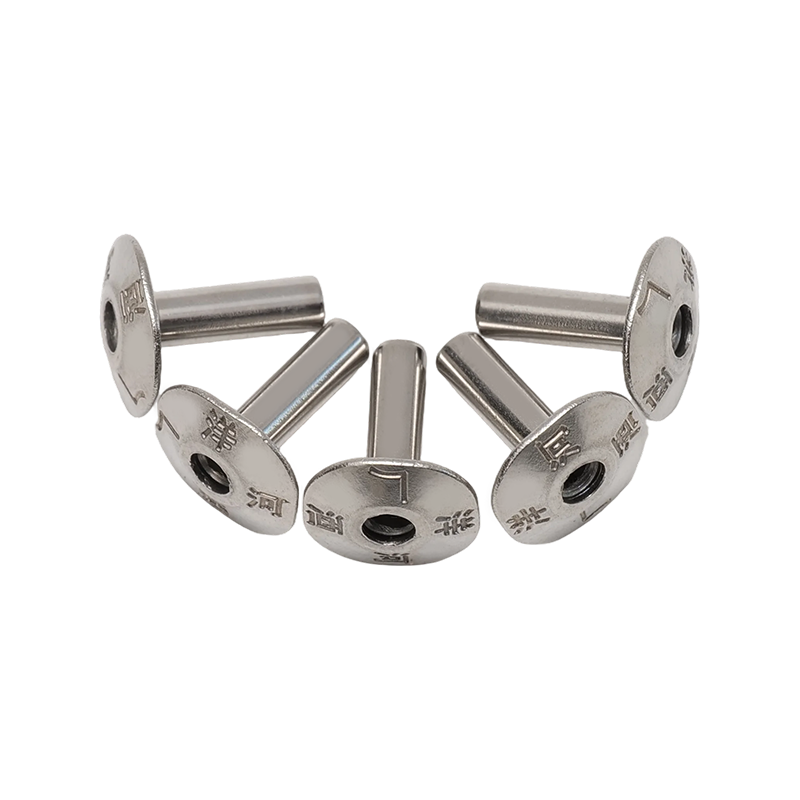
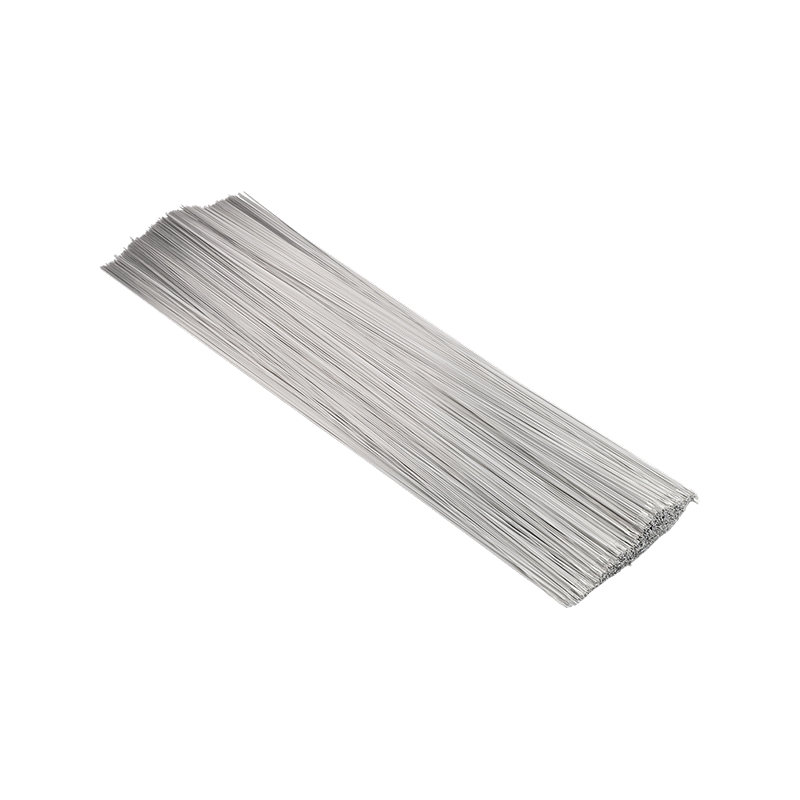
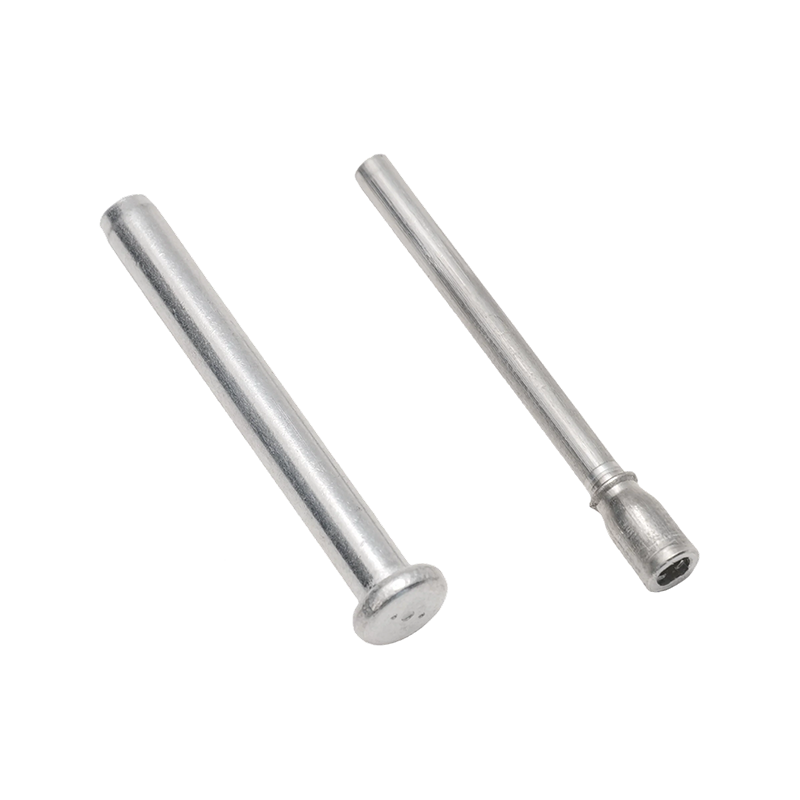
High-strength aluminum alloy wire for rivets is an engineered fastening material developed for applications where low weight, dependable mechanical performance, corrosion resistance, and consistent forming behavior are essential. Rivet wire is widely used to manufacture solid rivets, semi-tubular rivets, and other permanent fasteners for aircraft structures, aerospace equipment, military systems, transportation products, and demanding industrial assemblies.
Jiangsu Hetuo Aluminum Wire Co., Ltd. supplies aluminum alloy wire for rivet production in grades designed to meet different strength, toughness, corrosion-resistance, and processing requirements. The product range includes high-strength alloy grades such as 2A10, 2219, 7050, and 7075, together with aluminum and aluminum-magnesium welding grades that support broader fabrication requirements. This combination allows customers to select a material according to the service environment, forming process, heat-treatment condition, and required mechanical performance.
The main advantage of a properly manufactured aluminum rivet wire is balance. A rivet must be strong enough to secure structural components, ductile enough to form without cracking, stable enough to maintain dimensional accuracy, and resistant enough to perform during long-term exposure to moisture, temperature changes, vibration, and corrosive environments. High-quality wire production is therefore not limited to alloy selection. It also requires controlled melting, purification, casting, rolling, drawing, heat treatment, surface management, inspection, and packaging.
This article explains the characteristics of high-strength aluminum alloy wire for rivets, the differences between important alloy grades and tempers, the manufacturing strengths of Jiangsu Hetuo Aluminum Wire Co., Ltd., and the factors buyers should consider when selecting aluminum rivet wire for industrial use.
For Rivets
Content
- 1 What Is Aluminum Rivet Wire?
- 2 Why High-Strength Aluminum Alloy Wire Is Used for Rivets
- 3 Important High-Strength Alloy Grades for Rivet Applications
- 4 Temper Conditions and Performance Balance
- 5 Chemical Composition and Alloy Control
- 6 Advanced Manufacturing Process for Aluminum Rivet Wire
- 7 Quality Inspection and Traceability
- 8 Manufacturing Strengths of Jiangsu Hetuo Aluminum Wire Co., Ltd.
- 9 Advantages Compared with Generic Aluminum Wire Suppliers
- 10 Applications of High-Strength Aluminum Rivet Wire
- 11 How to Select the Correct Aluminum Rivet Wire
- 12 Rivet Manufacturing Considerations
- 13 Sustainability and Resource Efficiency
- 14 Why Supplier Qualification Matters
- 15 Frequently Asked Questions
- 15.1 What is aluminum rivet wire used for?
- 15.2 Which aluminum alloy is best for rivets?
- 15.3 Is 7075 aluminum wire suitable for rivets?
- 15.4 What is the difference between T6, T73, and T76?
- 15.5 Can the wire be supplied in custom diameters?
- 15.6 What quality documents should be requested?
- 15.7 How should aluminum rivet wire be stored?
- 15.8 Does Jiangsu Hetuo supply only rivet wire?
- 15.9 Why is surface quality important for rivet wire?
- 15.10 What should be tested before placing a large order?
- 16 Conclusion
- 17 References
- 18 Product: For Rivets
What Is Aluminum Rivet Wire?
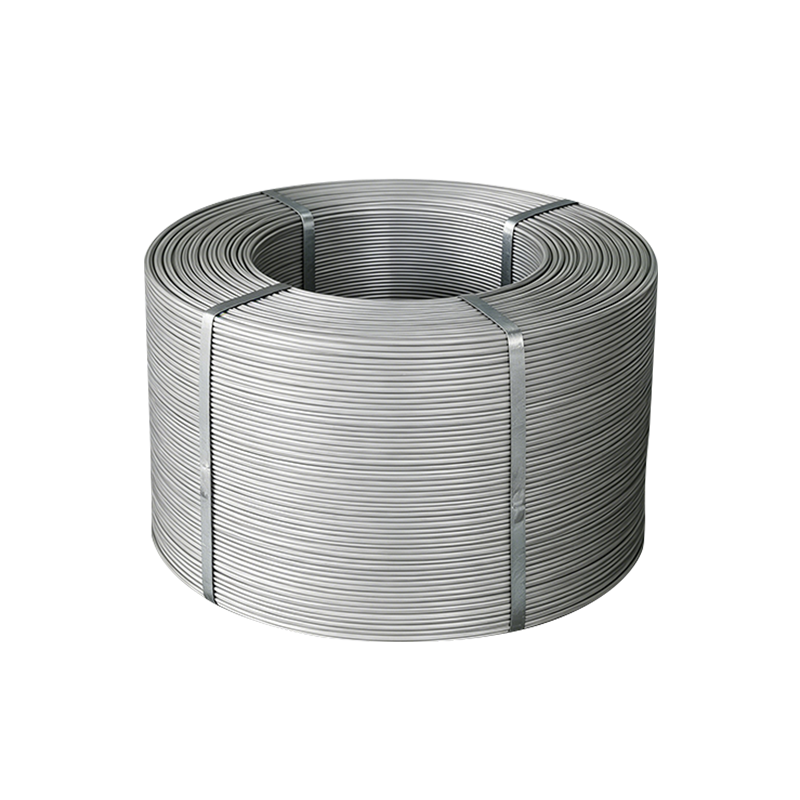
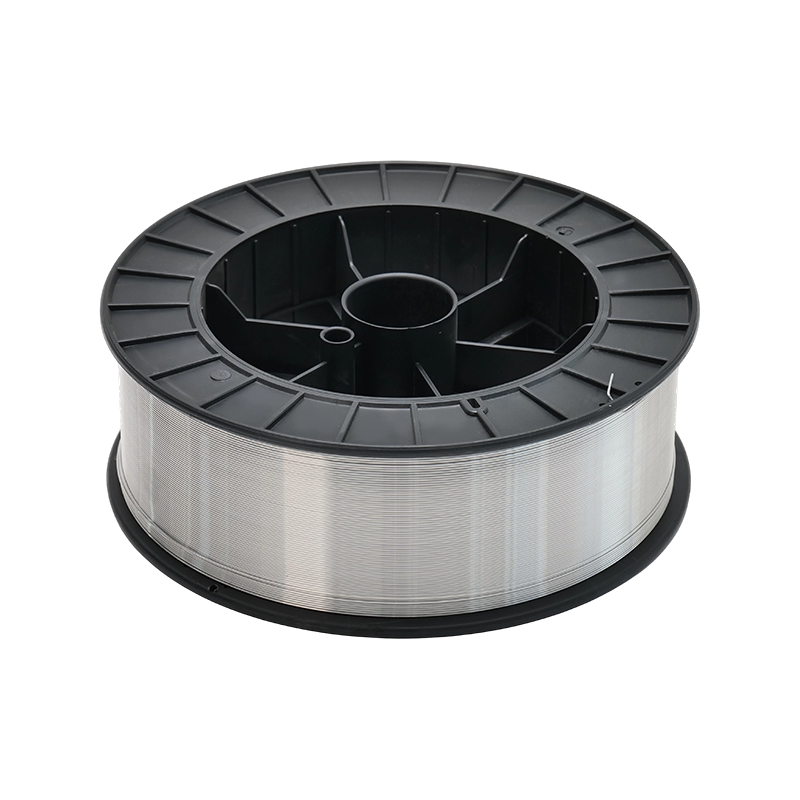
Aluminum rivet wire is a continuous aluminum or aluminum alloy product supplied in coils, straight lengths, or other customer-specified forms for the manufacture of rivets. Depending on the alloy and processing condition, the wire can be cut into blanks and cold formed, hot formed, upset, headed, or otherwise shaped into a finished rivet.
The material is commonly selected for its high strength-to-weight ratio. Compared with many steel fastening materials, aluminum alloy rivets can reduce structural weight while providing adequate load-bearing capability for a wide range of applications. Aluminum also offers good resistance to atmospheric corrosion and can be selected for compatibility with aluminum structures and other lightweight materials.
For aviation and aerospace applications, the wire must satisfy particularly strict requirements. The finished rivet may be exposed to fluctuating loads, low temperatures, pressure variation, vibration, fuel or hydraulic-fluid contact, and the risk of galvanic corrosion when joined to dissimilar metals. The wire must therefore provide reliable forming characteristics and predictable behavior after installation and, where applicable, after heat treatment or aging.
Rivet wire is different from general-purpose aluminum wire. General-purpose wire may be intended for electrical conductivity, tying, mesh, or simple forming. Rivet wire is produced with a specific focus on chemical composition, metallurgical uniformity, surface quality, dimensional consistency, and performance during heading and fastening. Small defects that may be acceptable in a non-structural wire can create cracks, incomplete heads, or premature failure in a rivet.
Why High-Strength Aluminum Alloy Wire Is Used for Rivets
Low Weight with Useful Structural Strength
The most recognized benefit of aluminum alloy rivets is weight reduction. Aluminum has a density substantially lower than steel, allowing designers to reduce the mass of a large number of fasteners without abandoning permanent mechanical joining. In aircraft, aerospace structures, rail equipment, vehicles, and lightweight machinery, even a small saving per rivet can become significant across thousands of fastening points.
High-strength alloying elements such as copper, magnesium, zinc, manganese, chromium, zirconium, and titanium can improve the strength of aluminum. Some alloys respond strongly to precipitation hardening, allowing their properties to be adjusted through solution treatment, quenching, and artificial aging. This makes it possible to produce a rivet wire that combines aluminum’s low density with strength levels suitable for demanding structural applications.
Good Formability During Rivet Manufacturing
A rivet blank must deform in a controlled manner during heading. If the wire is too hard or contains excessive surface defects, the rivet head may split, fold, or develop visible cracks. If the wire is too soft or inconsistent, the head may not form accurately or the finished rivet may not provide the required clamping force.
High-quality aluminum alloy wire is manufactured to provide a controlled balance between strength and plasticity. The exact balance depends on the alloy, diameter, delivery condition, and intended rivet-forming process. Properly controlled drawing and heat treatment help ensure that the wire behaves consistently from coil to coil and throughout a production batch.
Corrosion Resistance
Aluminum naturally forms a thin oxide layer that helps protect the underlying metal. Alloy selection and temper selection influence the level of corrosion resistance available in the final rivet. In aircraft and marine-adjacent environments, resistance to stress corrosion cracking, exfoliation corrosion, and general atmospheric attack can be as important as tensile strength.
For example, certain high-strength 7xxx-series alloys can achieve excellent strength but require careful temper selection and environmental control. A T6 condition may deliver high strength, while an overaged condition such as T73 or T76 can provide improved resistance to stress corrosion and exfoliation corrosion. The correct choice depends on the design requirements and applicable technical standard.
Compatibility with Aluminum Structures
Aluminum rivets are often used to join aluminum sheets, profiles, panels, and formed components. Using a compatible aluminum alloy can reduce the risk of galvanic corrosion compared with joining aluminum components with unprotected steel fasteners. However, compatibility must still be evaluated for every assembly because different aluminum alloys, coatings, surface treatments, and service environments can behave differently.
Material compatibility is especially important in aircraft and aerospace structures. Protective coatings, sealants, joint design, drainage, and installation procedures all contribute to long-term performance. The rivet wire is one part of the complete fastening system, and its chemical composition and temper must be matched to the structure and operating conditions.
Performance at Low Temperature
Aircraft, aerospace vehicles, and high-altitude systems may operate in low-temperature environments. Aluminum alloys are often valued because they retain useful toughness and do not exhibit the same type of low-temperature brittleness associated with some ferrous materials. The exact performance depends on alloy composition, temper, product form, manufacturing history, and test requirements.
For applications involving severe temperature cycling or low-temperature service, buyers should request relevant mechanical and fracture-toughness data rather than relying solely on a grade designation. Controlled processing and traceability are essential when the material will be used in safety-critical structures.
Important High-Strength Alloy Grades for Rivet Applications
2A10 Aluminum Alloy Wire
2A10 is a copper-containing high-strength aluminum alloy suitable for applications where elevated strength and structural performance are required. The supplied composition data identifies copper as the primary alloying element, with a stated range of approximately 3.9% to 4.5%, together with controlled levels of manganese, magnesium, titanium, zirconium, silicon, iron, and other elements.
The alloy is associated with high-strength applications and can be selected for rivet production where the design requires a copper-bearing aluminum alloy with controlled composition. Its suitability for a specific rivet should be confirmed through the required forming tests, mechanical-property requirements, and applicable national or customer standard.
2219 Aluminum Alloy Wire
2219 is another copper-rich aluminum alloy. The supplied chemical composition indicates approximately 5.8% to 6.8% copper, with manganese, vanadium-related or transition-element control, zirconium, titanium, and impurity limits. The alloy is commonly associated with aerospace and high-temperature structural applications because of its combination of strength, weldability in suitable forms, and resistance to elevated-temperature performance loss compared with some other high-strength alloys.
For rivet manufacturing, 2219 can be considered when the customer requires a copper-bearing alloy for aerospace or high-performance structural use. The final selection should account for the rivet size, forming temperature, required head geometry, heat treatment, and exposure environment.
7050 Aluminum Alloy Wire
7050 is a high-strength zinc- and magnesium-containing aluminum alloy with copper and zirconium additions. The supplied composition identifies zinc at approximately 5.7% to 6.7%, magnesium at approximately 1.9% to 2.6%, and copper at approximately 2.0% to 2.6%. These elements support precipitation strengthening and high mechanical performance.
One of the important reasons to consider 7050 is its balance of strength and resistance to certain forms of stress-related corrosion when the alloy is processed and aged correctly. It is often considered for thick-section aerospace structures and other demanding applications. For rivets, customers should define whether the material is required for the rivet itself, a specialized structural fastening component, or a related high-strength aluminum product.
7075 Aluminum Alloy Wire
7075 is one of the best-known high-strength aluminum alloys. Its supplied composition includes zinc at approximately 5.0% to 7.0%, magnesium at approximately 1.8% to 2.8%, copper at approximately 1.4% to 2.0%, and controlled chromium, manganese, titanium, silicon, and iron levels.
7075 is selected when high tensile and yield strength are major priorities. It is widely recognized in aviation, aerospace, military, sporting equipment, tooling, and other high-performance fields. However, high strength alone does not determine whether 7075 is the correct rivet material. Rivet manufacture requires appropriate ductility, forming behavior, temper control, and corrosion protection. Customers should specify the required temper and confirm that the wire is suitable for the intended heading and installation process.
Temper Conditions and Performance Balance
Aluminum alloy temper has a direct influence on strength, toughness, corrosion resistance, and formability. A grade designation identifies the alloy family, but the temper indicates how the material has been thermally and mechanically treated. Two wires with the same alloy designation may perform differently if they are supplied in different tempers.
T6 Condition
The T6 condition generally represents solution heat treatment followed by artificial aging. For precipitation-hardening aluminum alloys, T6 often provides a high level of strength. This can be useful where the final rivet must resist high loads and permanent deformation.
The limitation is that maximum strength may not always provide the best resistance to stress corrosion cracking or the best forming behavior. A T6 material may also require careful control during rivet production to prevent cracking during heading. The suitability of T6 depends on whether the rivet is formed before or after heat treatment and on the requirements of the final assembly.
T73 Condition
The T73 condition is an overaged condition generally chosen to improve fracture toughness and resistance to stress corrosion cracking and exfoliation corrosion. It may provide lower strength than T6, but the increased durability in corrosive or crack-sensitive environments can be more valuable than maximum strength.
For aviation and aerospace structures, the T73 condition may be appropriate when long-term damage tolerance and environmental resistance are critical. The correct condition should be established through the customer’s engineering specification, regulatory requirements, and test program.
T76 Condition
The T76 condition is commonly used when the design requires higher strength than T73 together with better stress corrosion resistance than a conventional T6 condition. It represents a compromise between strength and environmental resistance.
Because rivets are used in large numbers and may be installed in locations that are difficult to inspect or replace, this balance can be important. The best temper is not necessarily the one with the highest initial strength. It is the one that offers the most suitable combination of installation performance, load capacity, fracture resistance, and service life.
| Material or Condition | Primary Characteristics | Typical Selection Consideration |
|---|---|---|
| 2A10 | Copper-containing high-strength aluminum alloy | Structural rivet and aerospace applications requiring elevated strength |
| 2219 | Copper-rich alloy with aerospace-oriented performance | High-performance structures and applications requiring controlled composition |
| 7050 | Zinc-, magnesium-, and copper-containing high-strength alloy | High-strength aerospace components with corrosion-resistance requirements |
| 7075 | Very high-strength zinc-containing aluminum alloy | Demanding structural and military applications where strength is a major priority |
| T6 | High-strength artificially aged condition | Applications prioritizing strength and controlled deformation resistance |
| T73 | Overaged condition with improved fracture toughness and corrosion resistance | Applications exposed to stress corrosion and exfoliation corrosion risks |
| T76 | Balance of high strength and improved stress corrosion resistance | Applications requiring a compromise between T6 strength and T73 durability |
Chemical Composition and Alloy Control
Chemical composition is one of the most important quality factors in aluminum rivet wire. Alloying elements determine strengthening mechanisms, conductivity, corrosion behavior, weldability, melting characteristics, and response to heat treatment. Impurity control is equally important because excessive iron, silicon, or other unwanted elements can affect intermetallic formation, ductility, surface quality, and fatigue behavior.
The product information includes a broad range of aluminum and aluminum alloy wire grades. In addition to high-strength grades, the listed materials include 4043, 4047, 5183, 5154, 5356, AlMg3, AlMg5, AlMg6, and AlMg61. These materials are commonly associated with welding wire and aluminum-magnesium applications rather than high-strength structural rivets. Their inclusion demonstrates the manufacturer’s broader capability in aluminum wire and aluminum alloy welding materials.
For rivet buyers, the essential requirement is that the selected grade be produced within the agreed chemical limits and accompanied by reliable batch identification. A material certificate should identify the alloy, heat or cast number, chemical test results, dimensions, delivery condition, and applicable standard whenever required by the project.
Composition consistency is particularly important for high-strength alloys. Small variations in copper, magnesium, zinc, zirconium, or other strengthening elements can influence precipitation behavior and final mechanical performance. Consistent melting practice and effective quality inspection help reduce this variation.
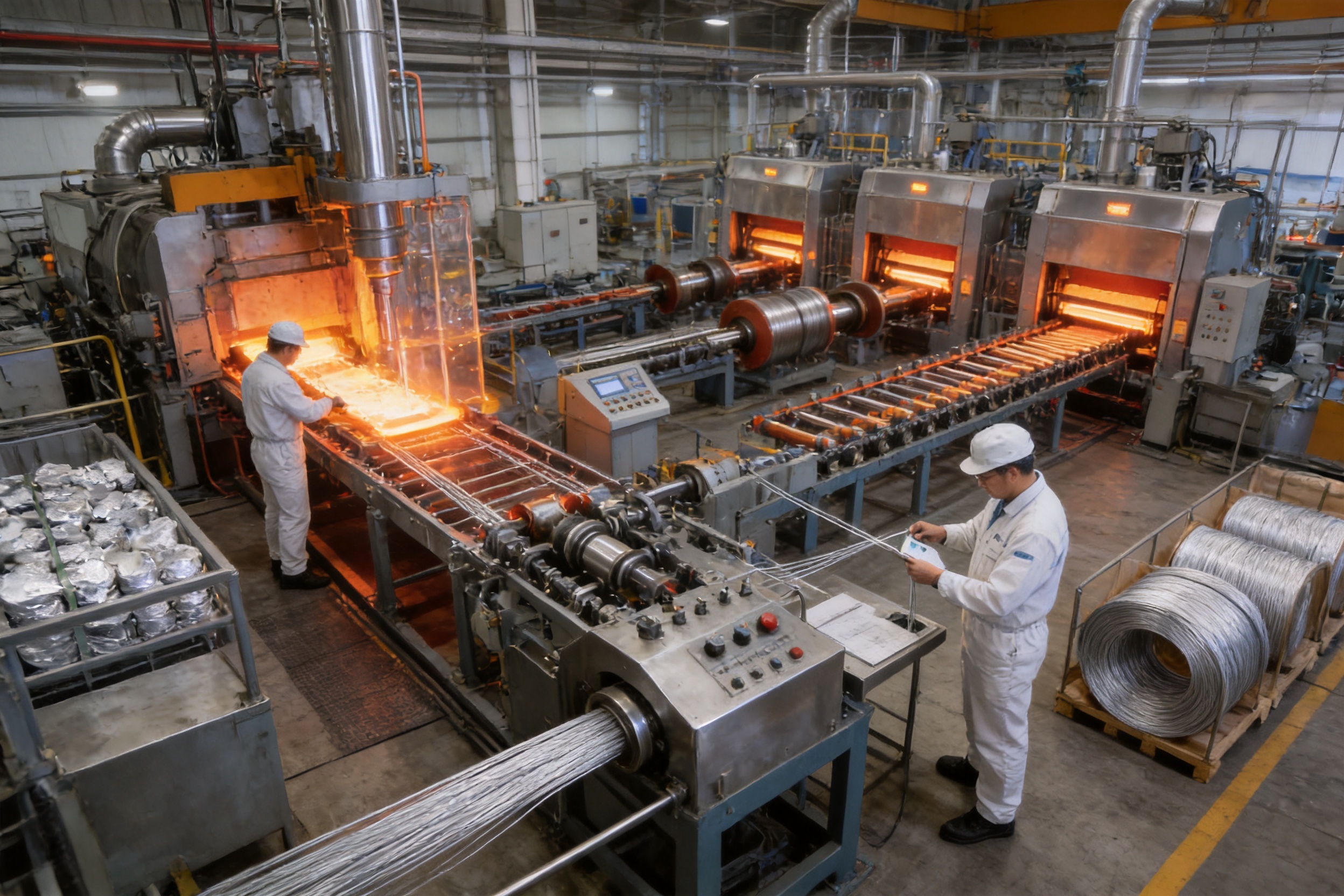
Advanced Manufacturing Process for Aluminum Rivet Wire
Raw Material Selection and Charge Preparation
Production begins with controlled selection and preparation of aluminum and master-alloy materials. The charge must be suitable for the target alloy and free from excessive contamination. Material segregation, proper storage, and traceable batching reduce the risk of composition errors.
For high-strength grades, accurate addition of alloying elements is essential. The production team must account for melting losses, recovery rates, furnace conditions, and the interaction of alloying elements. The objective is not simply to reach an average composition but to maintain a stable composition throughout the melt and across the resulting cast product.
Melting and Refining
During melting, temperature control and furnace management influence the cleanliness and uniformity of the aluminum alloy. Excessive temperature can increase oxidation and hydrogen absorption, while insufficient temperature may prevent complete dissolution of alloying additions. Proper refining helps reduce dissolved gas and non-metallic inclusions.
Clean metal is especially important for rivet wire because inclusions or porosity can become crack initiation points during heading or service. Refining, filtration, and controlled transfer procedures support improved internal quality and reduce the likelihood of defects being carried into the wire rod.
Casting and Solidification Control
The casting stage establishes the initial microstructure of the alloy. Cooling rate, mold conditions, thermal gradients, and casting speed influence grain size, segregation, porosity, and intermetallic distribution. A stable casting process helps create a more uniform starting material for subsequent deformation.
For aerospace-oriented products, internal quality is a critical consideration. The manufacturer’s intelligent manufacturing system and quality inspection throughout production are intended to support process stability and repeatability. Customers with strict requirements can define additional ultrasonic inspection, metallographic examination, or other non-destructive testing procedures.
Homogenization and Heat Treatment
Homogenization can reduce chemical segregation and improve the uniformity of the cast structure before rolling or drawing. Subsequent solution treatment and aging are used for precipitation-hardening alloys to develop the desired strength and corrosion-resistance balance.
Heat treatment must be carefully controlled because time and temperature affect precipitate size, distribution, hardness, ductility, fracture toughness, and corrosion behavior. The appropriate schedule depends on the alloy and required temper. T6, T73, and T76 conditions are not interchangeable; they represent different performance priorities.
Rolling, Extrusion, and Drawing
After casting and preliminary treatment, the material is processed into rod and then reduced to the required wire diameter. Rolling or extrusion establishes the intermediate cross-section, while drawing provides dimensional control and surface improvement.
Drawing must be managed to prevent excessive work hardening, surface tearing, residual stress, or dimensional variation. The reduction schedule, lubrication, die condition, pass design, and intermediate annealing practices all influence the final product. For rivet wire, the finished surface should be smooth and free from laps, cracks, severe scratches, folds, and other defects that could become visible during heading.
Straightening, Cutting, and Coiling
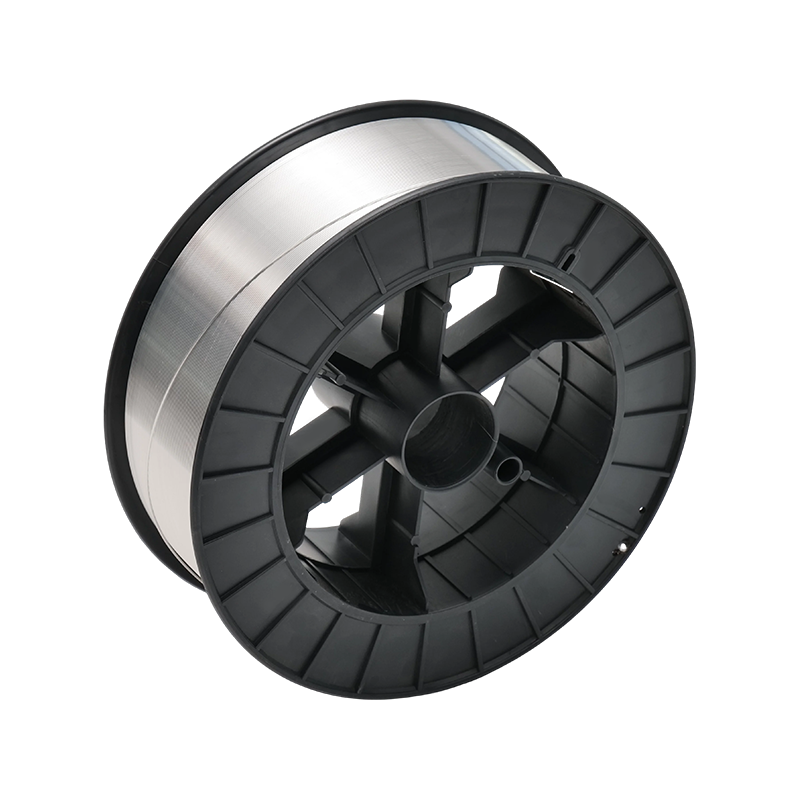
Depending on the customer’s production equipment, aluminum rivet wire may be supplied in coils or straightened and cut lengths. Straightness, coil stability, end condition, and consistent diameter affect automatic feeding and blanking operations.
Correct packaging protects the wire from impact, contamination, moisture, and deformation during transport. For export shipments, packaging must also be suitable for long-distance handling and storage. Clear labels should identify the alloy, temper, dimensions, batch number, net weight, gross weight, and production information where required.
Quality Inspection and Traceability
Quality inspection should cover the entire manufacturing route rather than relying only on final-product testing. Process controls are valuable because they detect variation before it becomes a finished-wire problem. A complete quality system may include chemical analysis, dimensional inspection, surface examination, mechanical testing, heat-treatment records, metallographic evaluation, and packaging verification.
Chemical Analysis
Chemical analysis verifies that the alloy meets the specified composition. Depending on the required standard, testing may be conducted using optical emission spectroscopy or another suitable analytical method. Results should be linked to a heat or batch number so that the customer can trace the wire to the original melt.
Dimensional Inspection
Wire diameter, ovality, length, straightness, and weight are important for automated rivet production. Excessive dimensional variation can cause inaccurate blank lengths, feeding problems, inconsistent rivet heads, or excessive scrap. Inspection frequency and tolerance should be agreed according to the customer’s drawings and production equipment.
Surface and Appearance Inspection
A clean, uniform surface helps prevent defects during forming. Visual inspection may identify scratches, seams, oxidation, dents, discoloration, folds, and other abnormalities. For critical products, magnified examination or specialized surface-testing methods may be added.
Mechanical Testing
Tensile strength, yield strength, elongation, hardness, and other properties may be tested according to the applicable specification. The testing condition should correspond to the supplied temper and product size. Because wire properties can vary with diameter and processing history, test results should be interpreted in relation to the actual product rather than a generic alloy datasheet.
Metallurgical Evaluation
Metallographic examination can provide information about grain structure, segregation, inclusions, precipitate condition, and processing consistency. It is particularly useful when a customer is qualifying a new alloy, a new diameter, or a new heat-treatment condition.
Quality Management Systems
Jiangsu Hetuo Aluminum Wire Co., Ltd. reports certification to ISO 9001 and IATF 16949 quality management systems. ISO 9001 provides a structured framework for quality management, process control, documentation, corrective action, and customer satisfaction. IATF 16949 is associated with the automotive supply chain and emphasizes process capability, risk management, defect prevention, traceability, and continuous improvement.
These systems are valuable for customers seeking a repeatable supplier rather than a one-time material source. Certification does not replace product-specific testing, but it supports a disciplined approach to production and customer service. For aviation and aerospace applications, additional customer audits, qualification tests, special-process approvals, and regulatory documentation may still be required.
Manufacturing Strengths of Jiangsu Hetuo Aluminum Wire Co., Ltd.
Jiangsu Hetuo Aluminum Wire Co., Ltd. was established in 2019 and operates in the Guannan Economic Development Zone of Lianyungang, Jiangsu Province, China. The company has developed an aluminum alloy material manufacturing system covering high-purity aluminum wire, high-strength aluminum alloy wire, aluminum and aluminum alloy welding materials, high-grade aluminum alloy rods, welding wires, and precision profiles.
The factory covers approximately 40,000 square meters and employs about 60 people, including professional managers and technical personnel. This combination of production capacity and technical staffing supports a structured approach to product development, manufacturing control, customer communication, and quality assurance.
The company’s stated manufacturing strategy is based on advanced equipment, intelligent production, and inspection throughout the production process. For aluminum rivet wire, this approach is important because product quality depends on many interconnected stages. A defect introduced during melting may not become visible until drawing or heading. A dimensional issue may not be detected until the wire is installed on an automated rivet machine. Continuous process inspection helps reduce these risks.
Another advantage is product range. A supplier that manufactures high-purity aluminum wire, high-strength alloy wire, and welding materials can provide customers with broader technical support for aluminum fabrication projects. This is useful for industrial customers that require multiple aluminum consumables or want to consolidate purchasing under one qualified supplier.
The company also emphasizes international markets and compliance with international quality standards. Export experience can support more consistent documentation, packaging, communication, and shipment coordination for overseas buyers. Customers should still communicate their exact technical requirements, destination regulations, inspection procedures, and certification needs before placing an order.
Advantages Compared with Generic Aluminum Wire Suppliers
Specialized Product Positioning
Generic aluminum wire suppliers may focus on a narrow range of commercial grades or simple wire products. A specialized aluminum alloy manufacturer can offer more detailed control over alloy composition, heat treatment, diameter, surface quality, and delivery condition. This distinction matters when the wire is used to manufacture structural rivets rather than low-risk general-purpose products.
Broader Alloy Selection
The availability of 2A10, 2219, 7050, and 7075 gives customers access to several high-strength alloy families. This supports material optimization according to load, corrosion environment, temperature, forming method, and cost. The additional welding-wire grades provide options for related aluminum fabrication operations.
Process-Based Quality Control
A process-based quality system is more reliable than final inspection alone. By monitoring raw materials, melting, casting, heat treatment, drawing, and packaging, the manufacturer can identify variation earlier and improve root-cause analysis. This can result in lower rejection rates, improved batch consistency, and more predictable customer processing.
Support for Custom Requirements
Rivet manufacturers may require specific diameters, tolerances, coil weights, cut lengths, temper conditions, packaging formats, or documentation. A manufacturer with technical personnel and an established production system is better positioned to evaluate custom specifications. Before production, the customer and supplier should confirm alloy, temper, dimensions, permissible tolerances, surface condition, test requirements, and acceptance criteria.
Reduced Manufacturing and Assembly Risk
Consistent wire can reduce problems such as cracked rivet heads, incomplete forming, inconsistent rivet length, feeding interruptions, and excessive scrap. These benefits may be more valuable than a small difference in initial material price. In high-volume rivet production, stable processability can reduce total operating cost.
Applications of High-Strength Aluminum Rivet Wire
Aviation
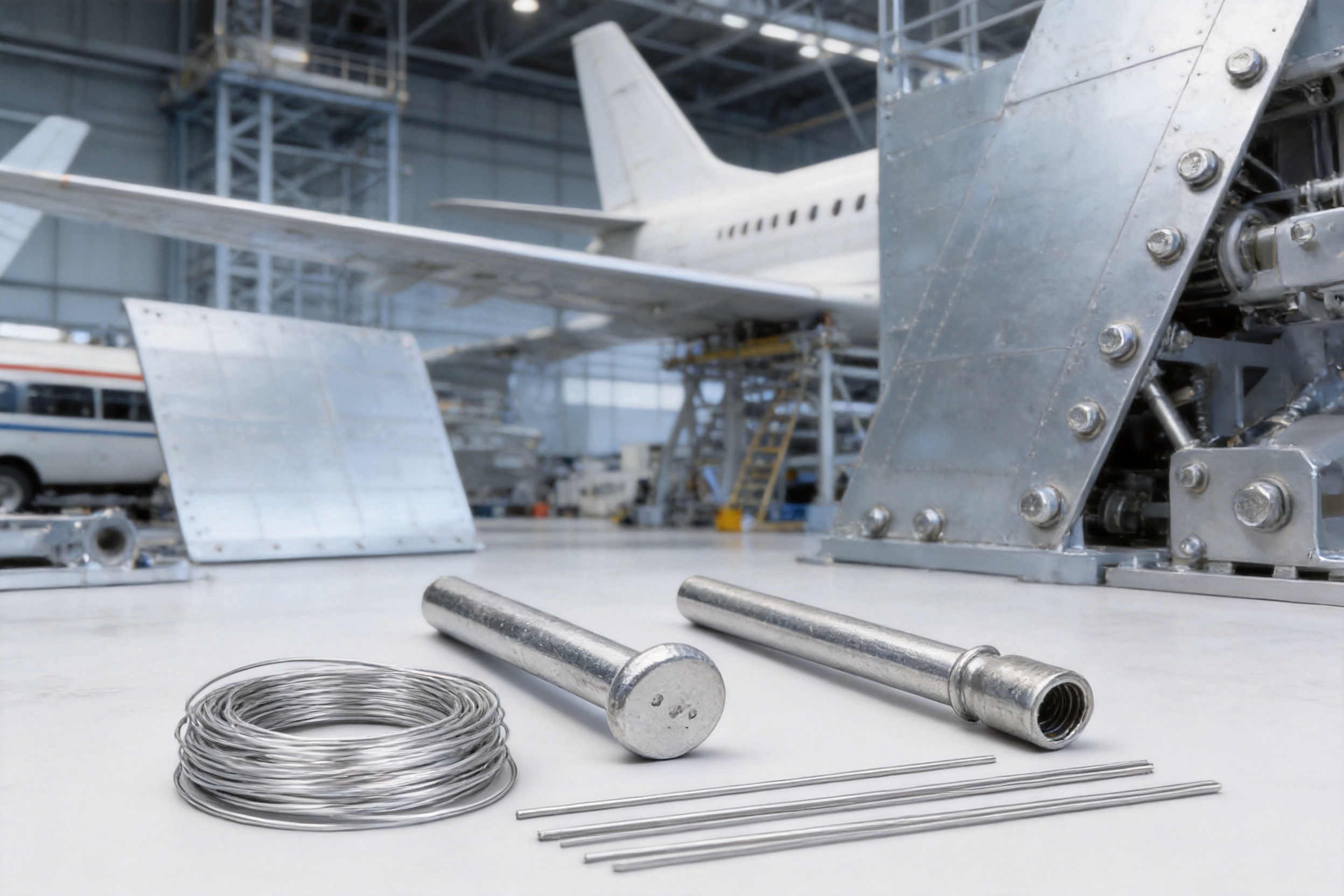
Aircraft structures use permanent fasteners in fuselage panels, wings, control surfaces, interior structures, and other assemblies. Aluminum rivets can reduce weight and offer compatibility with aluminum airframe materials. High-strength grades may be selected for areas exposed to substantial loads, while temper and corrosion performance must be matched to the structural design.
Aerospace
Aerospace systems place demanding requirements on mass, reliability, temperature performance, fracture resistance, and traceability. Aluminum alloy rivet wire may be used in airframes, launch-system components, equipment housings, and specialized structural assemblies. Each application requires qualification against the relevant aerospace standard and customer specification.
Military Equipment
Military vehicles, aircraft, shelters, equipment cabinets, and field systems benefit from strong, lightweight, and corrosion-resistant fastening materials. Aluminum alloy rivets may be used where weight reduction, ease of installation, and resistance to environmental exposure are important.
Transportation and Rail Equipment
Lightweight transportation structures use aluminum extensively to reduce energy consumption and improve payload efficiency. Rivet wire may support the production of panels, frames, interior systems, and other permanently joined components. Automotive and rail customers may also require IATF-oriented process control, batch traceability, and special inspection plans.
Industrial Equipment
Industrial enclosures, heat-management systems, electrical equipment, architectural products, and machinery may use aluminum rivets for lightweight assembly and corrosion resistance. The required alloy may be less demanding than an aviation grade, but dimensional consistency and dependable forming remain essential.
How to Select the Correct Aluminum Rivet Wire
The first step is to define the service requirements of the finished rivet. Buyers should identify the expected tensile and shear loads, operating temperature, exposure to moisture or chemicals, vibration level, fatigue requirements, and required service life.
The second step is to select the alloy family. Copper-containing alloys may be suitable for certain high-strength or aerospace uses. Zinc- and magnesium-containing alloys such as 7050 and 7075 may be selected for very high strength, subject to corrosion and forming considerations. The alloy should never be chosen solely because it has the highest published tensile strength.
The third step is to select the temper and delivery condition. If the wire will be formed after delivery, a condition that supports heading and controlled deformation may be required. If the rivet will undergo subsequent heat treatment, the entire process sequence must be considered. Customers should state whether the wire is intended for cold forming, warm forming, machining, or another production route.
The fourth step is to define dimensions and tolerances. Required information may include wire diameter, diameter tolerance, ovality, coil inside diameter, coil outside diameter, coil weight, straight-length tolerance, and surface requirements. Automatic rivet equipment may require tighter dimensional control than manual or semi-automatic production.
The fifth step is to define documentation. A purchase specification may require a certificate of analysis, mechanical-test report, inspection report, heat-treatment record, certificate of conformity, packing list, or third-party inspection. For regulated industries, the required documents should be agreed before manufacture.
| Selection Factor | Questions for the Buyer | Why It Matters |
|---|---|---|
| Alloy | Is the priority strength, toughness, corrosion resistance, or formability? | Different alloying systems provide different performance balances. |
| Temper | Will the rivet be formed before or after heat treatment? | Temper affects strength, ductility, corrosion resistance, and heading behavior. |
| Diameter | What blank size and finished rivet dimensions are required? | Correct wire size improves feeding, blanking accuracy, and production yield. |
| Surface Quality | Are scratches, oxidation, seams, or other defects unacceptable? | Surface defects may cause cracking or visible defects during rivet heading. |
| Testing | Are chemical, dimensional, tensile, hardness, or metallographic reports required? | Testing supports qualification, traceability, and acceptance control. |
| Packaging | Will the material be shipped in coils or straight lengths? | Packaging must protect the wire and suit the customer’s feeding equipment. |
| Service Environment | Will the rivet face moisture, chemicals, vibration, or low temperatures? | Environmental exposure influences alloy and temper selection. |
Rivet Manufacturing Considerations
When aluminum alloy wire is converted into rivets, the blanking process must produce consistent lengths and clean ends. An uneven or damaged end can lead to an asymmetrical head. The forming machine should be adjusted according to the alloy, temper, wire diameter, and desired rivet geometry.
Lubrication and tooling condition also influence the result. Worn dies can create scratches or excessive forming stress. Incorrect tooling clearance may cause folds, cracks, or incomplete heads. The incoming wire should be inspected before mass production, and a sample forming trial should be completed when changing alloy, temper, supplier, diameter, or equipment settings.
Storage conditions are important. Aluminum wire should be protected from water, condensation, dirt, and contact with incompatible materials. Coils should be stored on suitable supports to prevent deformation. If the wire is supplied in a heat-treated condition, storage and handling procedures should preserve identification and prevent accidental mixing of batches.
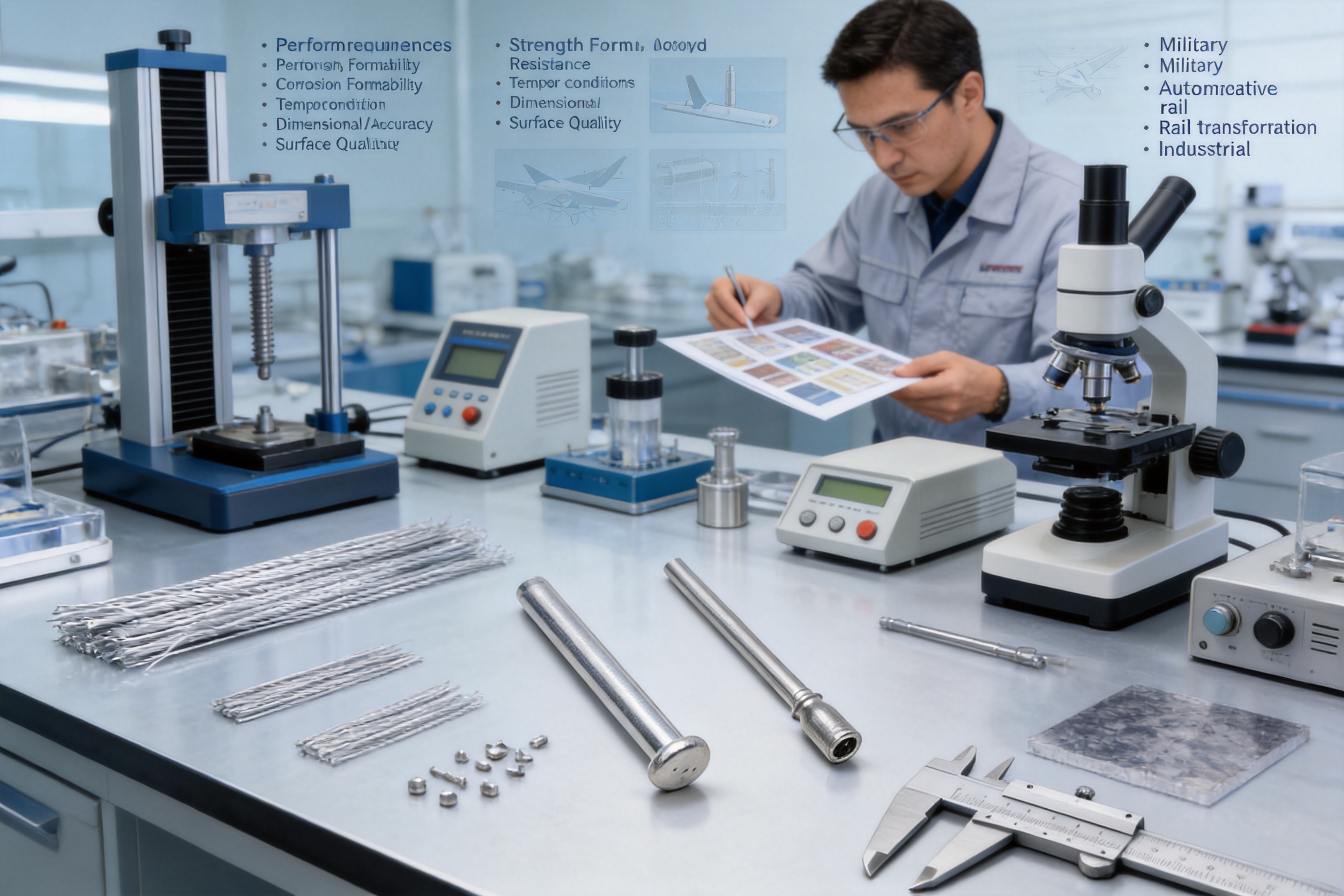
For critical applications, customers should establish a first-article inspection program. This may include dimensional measurement of the rivet, visual inspection of the head, hardness testing, tensile or shear testing, cross-sectional examination, and installation trials in the actual component material.
Sustainability and Resource Efficiency
Aluminum is well suited to lightweight design, which can reduce transportation energy consumption and improve the efficiency of vehicles and equipment. In aircraft and transportation applications, reducing structural mass may deliver operational benefits over the entire service life of the product.
Aluminum can also be recycled, although recycling must be managed carefully to maintain alloy quality. Separate collection and controlled remelting help preserve the value of high-grade aluminum alloys. Efficient drawing, accurate dimensional control, and reduced production scrap also contribute to better material utilization.
A responsible manufacturing system considers energy use, melt loss, process yield, packaging efficiency, and waste control. Customers seeking sustainability documentation should request the supplier’s relevant environmental information and clarify whether recycled content, carbon reporting, or specific environmental certifications are required.
Why Supplier Qualification Matters
A reliable supplier relationship is especially important for rivet wire used in aviation, aerospace, military, automotive, and other regulated industries. Qualification should include an evaluation of the manufacturer’s equipment, laboratory capability, quality system, traceability, production capacity, technical staff, export experience, and ability to maintain consistent delivery.
Jiangsu Hetuo Aluminum Wire Co., Ltd. presents several characteristics that support supplier evaluation: a dedicated aluminum wire manufacturing facility, a broad portfolio of aluminum alloy materials, reported ISO 9001 and IATF 16949 certification, technical and management personnel, process inspection, and experience serving overseas markets.
Customers should conduct their own qualification according to risk and industry requirements. A practical qualification process may include document review, sample testing, production-trial evaluation, factory audit, corrective-action review, and approval of a control plan. The supplier should also be able to explain how changes in raw material, equipment, process parameters, or heat treatment will be communicated.
Frequently Asked Questions
What is aluminum rivet wire used for?
Aluminum rivet wire is used to manufacture solid, semi-tubular, and other permanent rivets. Typical applications include aviation, aerospace, military equipment, transportation structures, industrial machinery, and lightweight aluminum assemblies.
Which aluminum alloy is best for rivets?
There is no single best alloy for every rivet. 2A10, 2219, 7050, and 7075 may be considered for high-strength applications, but the correct choice depends on load, corrosion exposure, temperature, forming method, temper, and applicable standards. Engineering qualification is recommended before final selection.
Is 7075 aluminum wire suitable for rivets?
7075 can be considered for demanding high-strength applications, but suitability depends on the required temper and forming process. Because 7075 is a high-strength alloy, its ductility, corrosion behavior, and heading performance must be evaluated rather than assumed from the alloy name alone.
What is the difference between T6, T73, and T76?
T6 generally prioritizes high strength. T73 is an overaged condition that generally provides improved fracture toughness and resistance to stress corrosion and exfoliation corrosion. T76 is intended to provide higher strength than T73 while offering better stress corrosion resistance than T6. The exact properties depend on the alloy and specification.
Can the wire be supplied in custom diameters?
Custom diameters and delivery formats may be possible depending on the alloy, production route, tooling, order volume, and tolerance requirements. Buyers should provide drawings or a detailed specification covering diameter, tolerance, coil dimensions, straightness, surface quality, and packaging.
What quality documents should be requested?
Common documents include a certificate of analysis, chemical composition report, mechanical-test report, dimensional inspection record, certificate of conformity, batch or heat identification, and packing documentation. Aerospace, military, and automotive projects may require additional approvals or third-party inspection.
How should aluminum rivet wire be stored?
The wire should be stored in a clean, dry area protected from condensation, water, dirt, chemical contamination, and mechanical damage. Coils should remain clearly identified and separated by alloy, temper, diameter, and batch number.
Does Jiangsu Hetuo supply only rivet wire?
The company’s product range includes high-purity aluminum wire, high-strength aluminum alloy wire, aluminum and aluminum alloy welding materials, aluminum alloy rods, welding wires, and precision profiles. The For Rivets product is positioned within the high-strength aluminum alloy wire category.
Why is surface quality important for rivet wire?
Surface cracks, folds, deep scratches, or other defects can expand during heading and lead to defective rivets. A smooth and consistent surface supports better forming, improved appearance, lower scrap, and more reliable fastener performance.
What should be tested before placing a large order?
Customers should test chemical composition, dimensions, surface quality, mechanical properties, forming behavior, and compatibility with their rivet-making equipment. A production trial using the actual blanking and heading process is strongly recommended for critical or high-volume applications.
Conclusion
High-strength aluminum alloy wire for rivets is a specialized material that combines lightweight construction with controlled strength, forming performance, corrosion resistance, and long-term reliability. Grades such as 2A10, 2219, 7050, and 7075 offer different performance profiles, while T6, T73, and T76 tempers provide different balances between strength, fracture toughness, and corrosion resistance.
The quality of the final rivet depends on much more than the nominal alloy designation. Controlled chemical composition, clean melting, stable casting, effective heat treatment, accurate drawing, consistent dimensions, smooth surfaces, reliable testing, and traceable packaging are all essential. These factors directly influence rivet-heading performance, production yield, structural reliability, and service life.
Jiangsu Hetuo Aluminum Wire Co., Ltd. combines a broad aluminum alloy product range with a 40,000-square-meter manufacturing facility, technical personnel, intelligent production capabilities, process inspection, and reported ISO 9001 and IATF 16949 quality management certifications. These strengths make the company a suitable candidate for customers seeking aluminum alloy wire for aviation, aerospace, military, transportation, and industrial fastening applications.
For the best result, buyers should provide a complete technical specification and evaluate the wire through sample testing and production trials. When alloy, temper, dimensions, surface quality, documentation, and packaging are correctly matched to the application, aluminum rivet wire can provide a dependable and efficient solution for lightweight permanent fastening.
References
Aluminum Association. Aluminum Standards and Data. Industry reference for aluminum alloy designations, tempers, and product requirements.
ASTM International. Standard Specifications for Aluminum and Aluminum-Alloy Wire and Related Products. Reference framework for chemical composition, mechanical properties, dimensions, and testing.
International Organization for Standardization. ISO 9001, Quality Management Systems—Requirements. Quality-management reference for manufacturing organizations.
International Automotive Task Force. IATF 16949, Quality Management System Requirements for Automotive Production and Relevant Service Parts Organizations.
ASM International. Properties and Selection: Nonferrous Alloys and Special-Purpose Materials. Technical reference for aluminum alloy composition, heat treatment, corrosion behavior, and mechanical performance.
ASM International. Aluminum and Aluminum Alloys. Reference material covering aluminum metallurgy, processing, precipitation hardening, forming, and applications.
Jiangsu Hetuo Aluminum Wire Co., Ltd. Product and company information supplied for this article, including alloy range, manufacturing capabilities, certifications, and application information.