

 English
 中文简体
中文简体 русский
 Deutsch
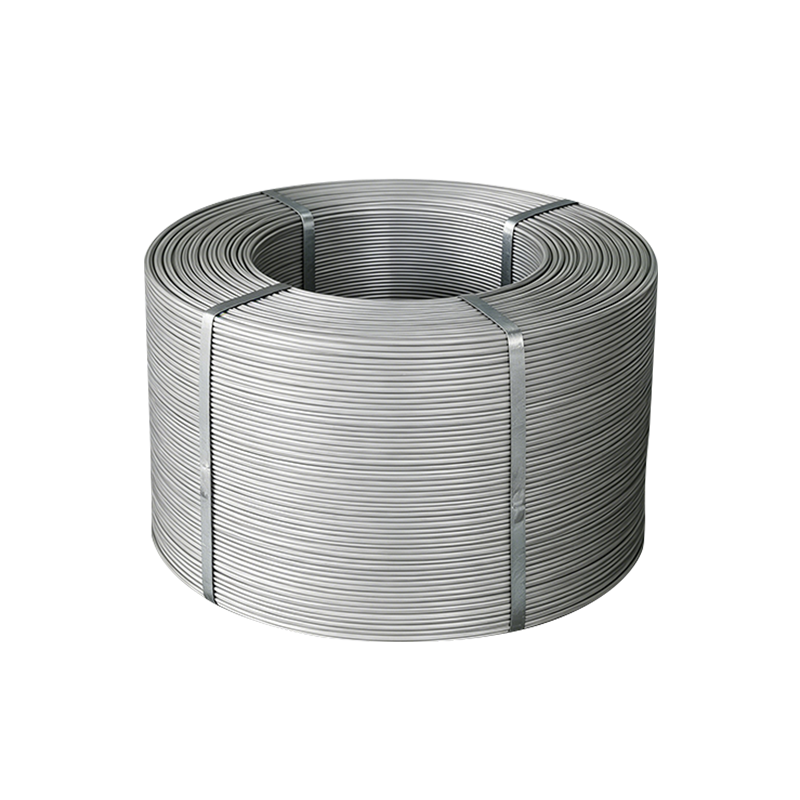
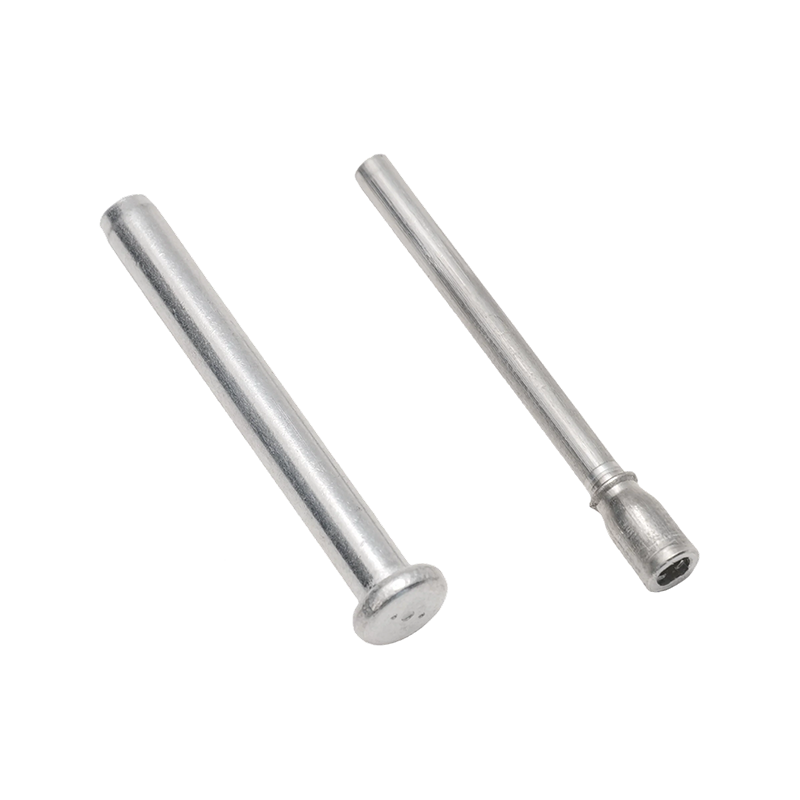
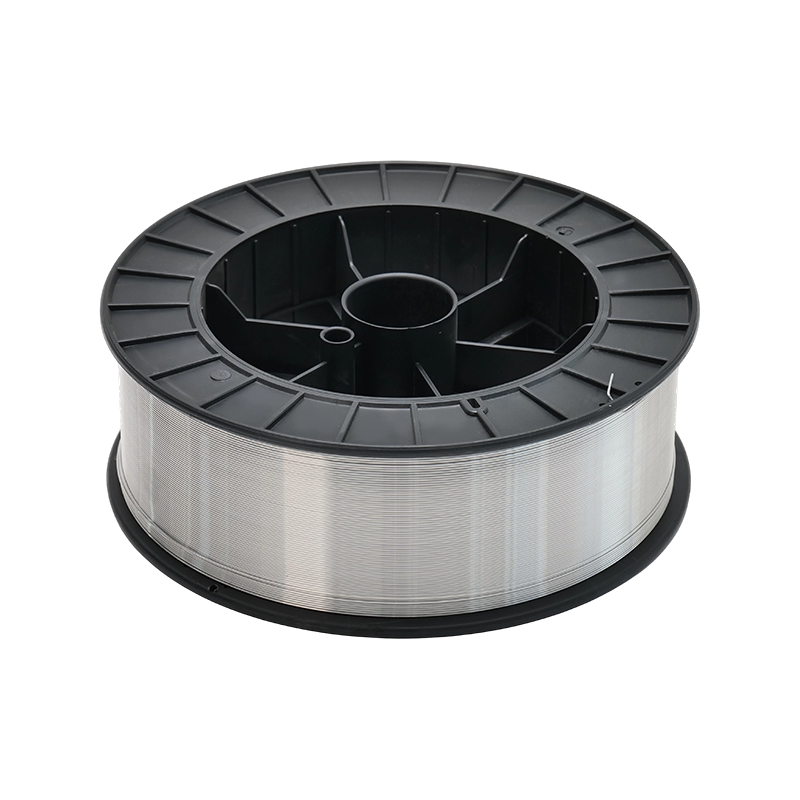
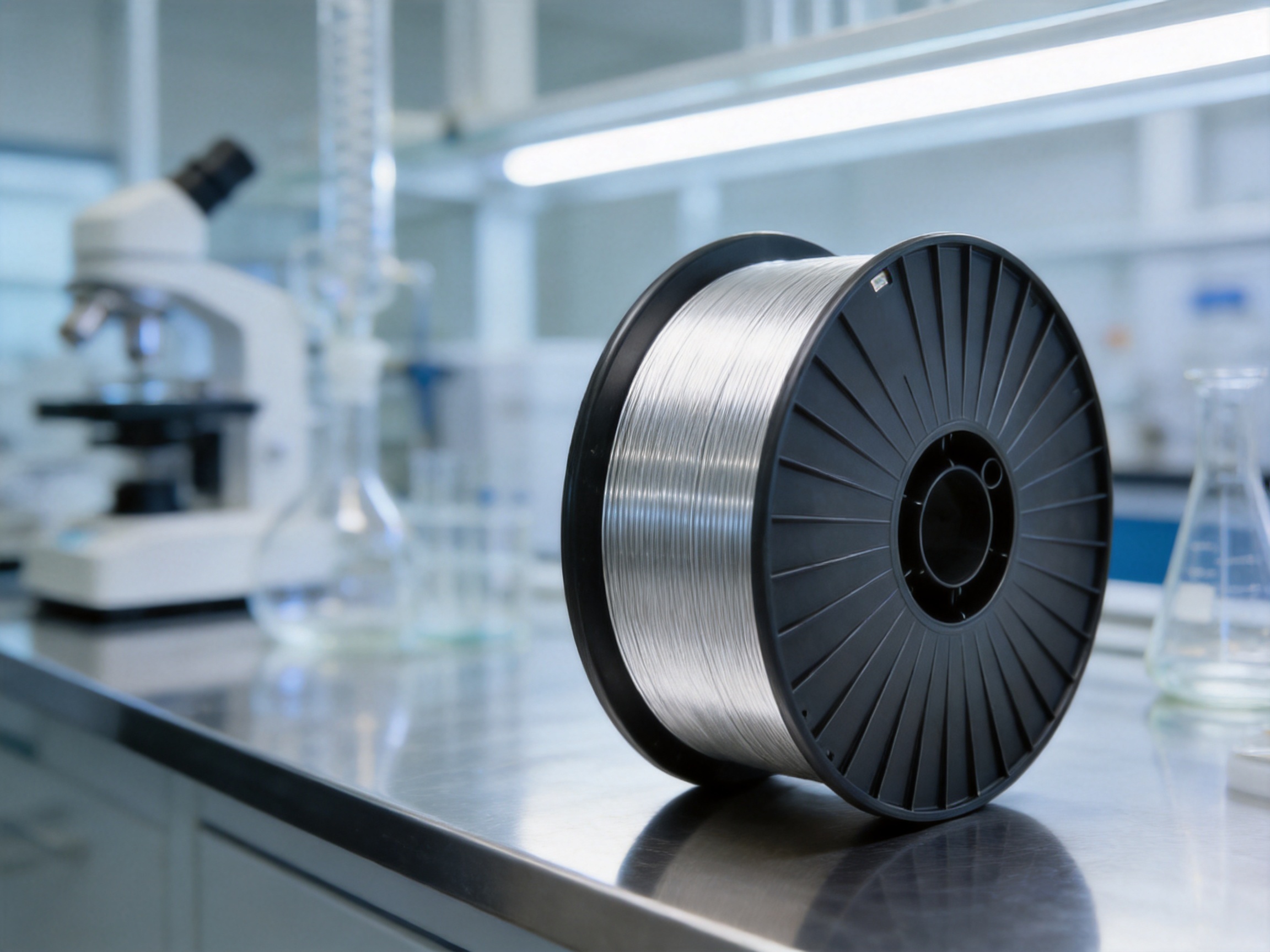
1090 aluminum wire is a high-purity aluminum wire designed for applications where cleanliness, stable composition, corrosion resistance, and dependable processing performance are critical. With an aluminum content greater than 99.90%, it belongs to the high-purity aluminum wire category and is especially suitable for evaporation, thermal spraying, surface metallization, protective coating, and related industrial processes. In these applications, the wire is not merely a consumable material; it is a functional source material that directly affects coating density, surface adhesion, corrosion resistance, electrical behavior, and service life of the treated substrate.
In modern manufacturing, the demand for high-performance surface treatment materials is increasing rapidly. Components used in marine environments, industrial equipment, power systems, transportation, electronic devices, and infrastructure often require additional surface protection to resist oxidation, moisture, salt spray, chemicals, and mechanical wear. 1090 aluminum wire provides a practical and efficient solution because it can be converted into aluminum coatings through spraying or evaporation processes, forming a protective layer that improves the substrate’s surface corrosion resistance and extends its service life.
Compared with lower-purity aluminum wire or general-purpose metallic consumables, 1090 aluminum wire offers a stronger combination of purity, process stability, and coating quality. Its low impurity content helps reduce undesirable inclusions, inconsistent melting behavior, and contamination during coating formation. This is particularly important for vacuum evaporation, where material purity influences film uniformity, reflectivity, conductivity, and adhesion. It is also valuable in thermal spraying, where stable wire feeding, predictable melting, and clean deposition help produce a smoother and more reliable protective coating.
Jiangsu Hetuo Aluminum Wire Co., Ltd. manufactures 1090 aluminum wire within an intelligent production system covering high-purity aluminum wire, high-strength aluminum alloy wire, and aluminum and aluminum alloy welding materials. The company operates with modern equipment, strict process control, and comprehensive quality inspection throughout production. With ISO 9001 and IATF 16949 quality management system certifications, the company is positioned to supply high-grade aluminum wire solutions for demanding global markets. This combination of product purity, manufacturing discipline, and technical expertise makes 1090 aluminum wire a competitive choice for customers seeking consistent performance and long-term value.
Content
- 1 Product Overview
- 2 Chemical Composition and Material Characteristics
- 3 Key Benefits of 1090 Aluminum Wire
- 4 Advantages Over Competing Materials
- 5 Applications in Evaporation
- 6 Applications in Thermal Spraying
- 7 Manufacturing Strengths Behind the Product
- 8 Advanced Process Control and Quality Assurance
- 9 Why Consistency Matters to End Users
- 10 Performance in Corrosive Environments
- 11 Support for Sustainable Manufacturing
- 12 Selection Considerations for Buyers
- 13 Company Capabilities and Customer Value
- 14 Practical Handling and Storage Recommendations
- 15 Frequently Asked Questions
- 15.1 What is 1090 aluminum wire?
- 15.2 What are the main applications of 1090 aluminum wire?
- 15.3 Why is high purity important in evaporation?
- 15.4 Why is 1090 aluminum wire suitable for thermal spraying?
- 15.5 How does 1090 aluminum wire improve corrosion resistance?
- 15.6 How is 1090 different from 1070 aluminum wire?
- 15.7 Is 1090 always better than ultra-high-purity aluminum wire?
- 15.8 What quality factors should buyers consider?
- 15.9 What manufacturing strengths support this product?
- 15.10 Can 1090 aluminum wire help reduce total production cost?
- 16 Conclusion
- 17 References
- 18 Product: 1090 Aluminum Wire
Product Overview
1090 aluminum wire is characterized by its high aluminum content, controlled impurity levels, and suitability for coating-related applications. The product is mainly used in evaporation and spraying fields, where it helps improve the surface corrosion resistance of substrates and extend operating life. Its high purity allows it to perform well in processes requiring clean melting, stable vaporization, and dependable coating deposition.
The “1090” grade indicates a high-purity aluminum material with aluminum content of at least 99.90%. In practical terms, this means the material contains only very small amounts of elements such as silicon, iron, copper, manganese, magnesium, zinc, titanium, and other trace components. These controlled chemical limits are important because impurities can influence melting behavior, coating color, corrosion resistance, electrical properties, and process consistency.
For thermal spraying, 1090 aluminum wire can be fed into spraying equipment and melted or semi-melted before being propelled onto a substrate surface. The deposited aluminum coating can act as a sacrificial protective layer, helping shield steel and other materials from corrosive environments. Aluminum coatings are widely valued because they form a stable oxide film that helps slow further degradation. In many industrial environments, this protective effect can significantly increase component service life and reduce maintenance frequency.
For vacuum evaporation, 1090 aluminum wire can serve as a source material for vapor deposition. Under controlled vacuum conditions, aluminum is heated until it evaporates and condenses onto a target surface as a thin film. The purity of the source wire is a critical factor in achieving uniform, bright, conductive, and adherent films. High-purity wire reduces the risk of process instability and film defects caused by excessive impurity levels.
In addition to its technical role, 1090 aluminum wire also provides practical manufacturing advantages. Aluminum is lightweight, relatively easy to process, and widely compatible with industrial surface treatment technologies. When supplied with reliable diameter control, surface cleanliness, and mechanical consistency, the wire can support efficient production and reduce downtime caused by feeding interruptions, breakage, surface contamination, or unstable melting.
Chemical Composition and Material Characteristics
The performance of 1090 aluminum wire begins with its chemical composition. High-purity aluminum wire is not defined only by its aluminum percentage; it is also defined by how carefully the residual elements are controlled. Even small variations in silicon, iron, copper, magnesium, zinc, or titanium can influence the behavior of the wire during melting, evaporation, spraying, and coating formation.
The following table summarizes the chemical composition information for selected high-purity aluminum wire grades, including 1090 aluminum wire. Values are presented as typical maximum limits or minimum aluminum content according to the supplied product data.
| Product Category | Grade | Si | Fe | Cu | Mn | Mg | Zn | Ti | Other Single | Al Minimum |
| High Purity Aluminum Wire | 1070 | 0.20 | 0.25 | 0.04 | 0.03 | 0.03 | 0.04 | 0.03 | 0.03 | 99.70 |
| High Purity Aluminum Wire | 1090 | 0.07 | 0.07 | 0.02 | 0.01 | 0.01 | 0.03 | 0.01 | 0.01 | 99.90 |
| High Purity Aluminum Wire | 1A95 | 0.03 | 0.03 | 0.01 | Not specified | Not specified | 0.00 | 0.01 | 0.01 | 99.95 |
For 1090 aluminum wire, the aluminum content of more than 99.90% is the central performance foundation. Compared with 1070 aluminum wire, 1090 offers lower silicon and iron limits, as well as reduced copper, manganese, and magnesium levels. This makes it a more suitable option when the application requires cleaner deposition, improved surface quality, and better control of coating behavior. While 1A95 offers even higher purity, 1090 often provides an excellent balance between high purity, availability, workability, and cost-effectiveness for industrial evaporation and spraying.
Low silicon and iron content can be especially important in coating applications. Silicon and iron may affect melting point behavior, surface appearance, and the uniformity of deposited layers. When the wire is used in thermal spraying, controlled impurity levels help produce a more consistent spray stream and reduce defects. When used in evaporation, cleaner composition helps support stable vapor generation and reduces the chance of unwanted particles or contamination affecting the final film.
Low copper content also benefits corrosion resistance. Copper can influence electrochemical behavior, and excessive copper may reduce the corrosion performance of aluminum in certain environments. By maintaining copper at a low level, 1090 aluminum wire helps preserve the natural corrosion-resistant behavior associated with high-purity aluminum coatings.
The low levels of manganese, magnesium, zinc, and titanium further support material consistency. Although these elements may be beneficial in specific alloy systems, 1090 aluminum wire is designed for purity-driven performance rather than strengthening through alloying. This is why it is widely suited to applications that prioritize surface protection, clean deposition, conductivity, reflectivity, and controlled processing.
Key Benefits of 1090 Aluminum Wire
High Purity for Clean and Stable Processing
The primary advantage of 1090 aluminum wire is its high aluminum content. In evaporation and spraying processes, the purity of the feed material directly influences the purity and consistency of the coating. A high-purity wire reduces the risk of introducing unwanted elements into the deposited layer. This helps customers obtain more reliable coating properties and better repeatability across production batches.
Clean processing is particularly important in industries where surface appearance, corrosion resistance, electrical conductivity, and thin-film uniformity matter. When source material contains excessive impurities, the final coating can show reduced brightness, poor adhesion, irregular structure, or inconsistent thickness. 1090 aluminum wire minimizes these risks by offering a controlled chemical profile and stable metallurgical quality.
Improved Corrosion Protection
Aluminum is widely used as a protective coating material because it forms a dense oxide layer on the surface when exposed to air. This natural oxide film helps protect the underlying material against further oxidation. When 1090 aluminum wire is deposited onto a substrate through thermal spraying or related processes, it can create a corrosion-resistant barrier that helps extend the service life of the component.
In many environments, aluminum coatings provide sacrificial protection for steel substrates. This means the aluminum layer preferentially reacts with corrosive agents, helping protect the steel beneath. For structures exposed to moisture, salt spray, industrial gases, or atmospheric corrosion, this protective mechanism can reduce maintenance costs and improve operational reliability.
Stable Melting and Deposition Behavior
Wire used in spraying and evaporation must feed smoothly, melt predictably, and deposit consistently. 1090 aluminum wire is well suited for these requirements because its high purity and controlled composition support stable thermal behavior. With fewer impurity phases, the wire can melt more uniformly and reduce process disturbances.
Stable melting is important for achieving a consistent coating thickness and surface morphology. In thermal spraying, uneven melting may produce coarse particles, weak adhesion, porosity, or surface roughness. In evaporation, unstable vaporization may cause film defects or thickness variation. By using high-purity 1090 aluminum wire, manufacturers can improve process control and reduce quality variation.
Excellent Balance of Performance and Cost
Customers often need to balance technical performance with production economics. Ultra-high-purity aluminum materials may be required for specialized applications, but they can also increase material costs. 1090 aluminum wire provides a strong middle ground. It offers significantly higher purity than 1070-grade material while remaining practical for broad industrial use.
This balance is one reason 1090 aluminum wire is attractive for evaporation and spraying applications. It provides high-purity performance without unnecessary over-specification for many coating processes. Customers can benefit from improved coating quality and corrosion performance while maintaining reasonable material efficiency and procurement flexibility.
Lightweight and Versatile Material Platform
Aluminum is naturally lightweight, which makes it favorable for transportation, aerospace, electronics, construction, and energy-related applications. While 1090 aluminum wire is often used as a processing material rather than a structural component, the lightweight nature of the deposited aluminum coating can still be beneficial. Protective aluminum coatings can improve corrosion resistance without adding excessive weight to the substrate.
This is especially valuable where weight control is important. A corrosion-resistant coating that adds minimal mass can help preserve design efficiency while improving durability. In this way, 1090 aluminum wire supports the broader industrial trend toward lighter, stronger, and more sustainable material solutions.
Advantages Over Competing Materials
In the market for aluminum wire used in spraying and evaporation, customers may compare 1090 aluminum wire with lower-purity aluminum wire, higher-purity aluminum wire, zinc wire, aluminum alloy wire, and other metallic coating consumables. Each option has its place, but 1090 aluminum wire offers several competitive advantages when purity, corrosion resistance, and process stability are the main concerns.
Compared with Lower-Purity Aluminum Wire
Lower-purity aluminum wire, such as some general industrial grades, may be acceptable for applications where coating quality requirements are not strict. However, when the goal is to produce cleaner, more uniform, and more corrosion-resistant coatings, lower-purity grades can introduce limitations. Higher levels of iron, silicon, copper, and other elements may affect melting behavior and coating performance.
1090 aluminum wire provides a clear advantage because it contains more than 99.90% aluminum. This higher purity supports cleaner deposition and more predictable performance. In practical production, this can translate into fewer coating defects, better surface consistency, and improved reliability from batch to batch. For customers who cannot afford coating failure or process interruption, the value of higher purity can exceed the small difference in material price.
Compared with Ultra-High-Purity Aluminum Wire
Ultra-high-purity aluminum wire may be required for specialized electronics, optical coatings, or laboratory applications. However, not every industrial process requires the highest possible aluminum purity. In many spraying and evaporation applications, 1090 aluminum wire provides sufficient purity while offering better commercial practicality.
The advantage of 1090 aluminum wire is its balanced performance. It delivers high-purity characteristics suitable for demanding industrial surface treatment, but it avoids unnecessary cost escalation when ultra-high-purity material is not technically required. This makes it a strong choice for customers seeking both technical reliability and economical operation.
Compared with Zinc Wire
Zinc wire is also used in anti-corrosion thermal spraying, especially for steel protection. Zinc offers strong sacrificial protection, but aluminum coatings can provide different and often superior performance in high-temperature or certain atmospheric environments. Aluminum forms a stable oxide layer that can resist oxidation and environmental attack. It can also offer good performance in marine and industrial atmospheres when properly applied.
1090 aluminum wire provides a high-purity aluminum coating source for customers who prefer the protective behavior of aluminum rather than zinc. Aluminum coatings may offer better heat resistance, lower density, and improved long-term stability in specific environments. The choice between aluminum and zinc depends on the application, but 1090 aluminum wire is particularly attractive when lightweight corrosion protection and stable oxide film formation are priorities.
Compared with Aluminum Alloy Wire
Aluminum alloy wire may provide enhanced mechanical properties or special performance characteristics, depending on alloy composition. However, alloying elements can also affect coating purity, corrosion behavior, and deposition characteristics. For applications where the coating is expected to be as clean and aluminum-rich as possible, pure aluminum wire is often preferable.
1090 aluminum wire is advantageous because it focuses on purity rather than alloy complexity. It is well suited for protective and functional coatings where high aluminum content is desired. Customers choosing 1090 can reduce the risk of unintended effects caused by alloying elements and obtain a coating closer to pure aluminum behavior.
Applications in Evaporation
Vacuum evaporation is a process in which a material is heated under low-pressure conditions until it vaporizes and then condenses onto a target surface. The resulting thin film can serve decorative, reflective, conductive, protective, or functional purposes. Aluminum is one of the most widely used evaporation materials because it has good reflectivity, conductivity, and film-forming capability.
1090 aluminum wire is suitable for evaporation because its high purity supports stable vaporization and clean film deposition. In vacuum coating processes, impurities in the source material can become defects in the deposited film. These defects may appear as particles, discoloration, reduced brightness, non-uniform thickness, or compromised electrical performance. By using a high-purity wire, manufacturers can reduce contamination risk and improve final product quality.
Evaporated aluminum films are used in a wide range of products, including packaging films, electronic components, reflective surfaces, decorative coatings, and functional layers. In packaging, aluminum films can improve barrier performance against moisture, oxygen, and light. In electronics, aluminum layers can serve conductive or reflective functions. In optical applications, film uniformity and brightness are especially important. 1090 aluminum wire supports these requirements by providing a clean and consistent aluminum source.
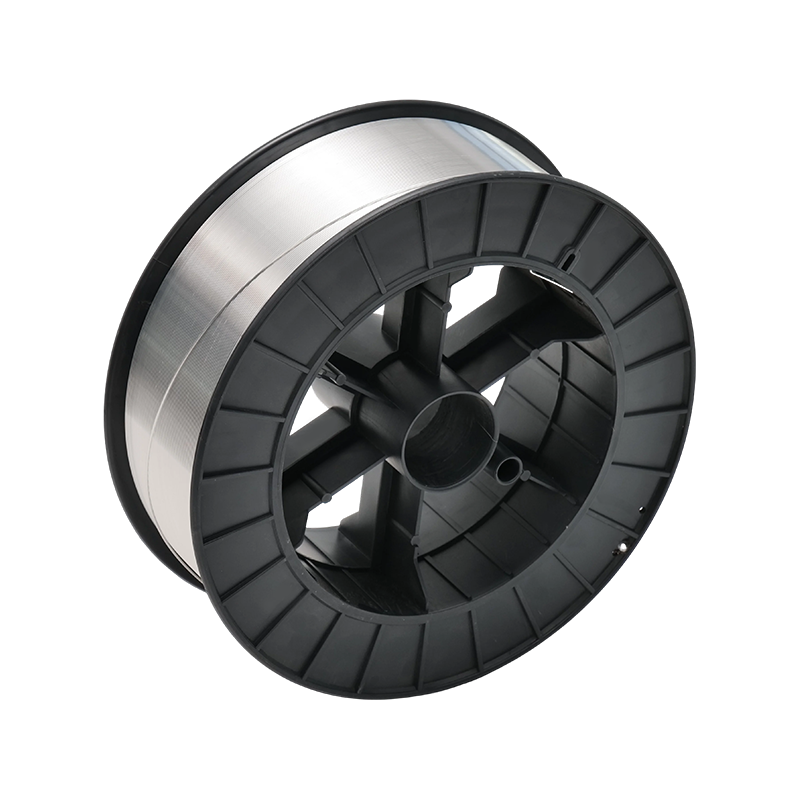
Another benefit of wire form is handling efficiency. Wire can be supplied in spools or coils suitable for feeding into evaporation equipment. Consistent wire diameter and surface cleanliness help support stable feeding and predictable evaporation rates. This can reduce production interruptions and make it easier to maintain process parameters.
For customers operating continuous or semi-continuous evaporation lines, material consistency is essential. A variation in wire purity, diameter, surface condition, or mechanical behavior may lead to uneven evaporation, unstable film thickness, or equipment downtime. 1090 aluminum wire produced under strict quality management helps address these concerns and supports higher productivity.
Applications in Thermal Spraying
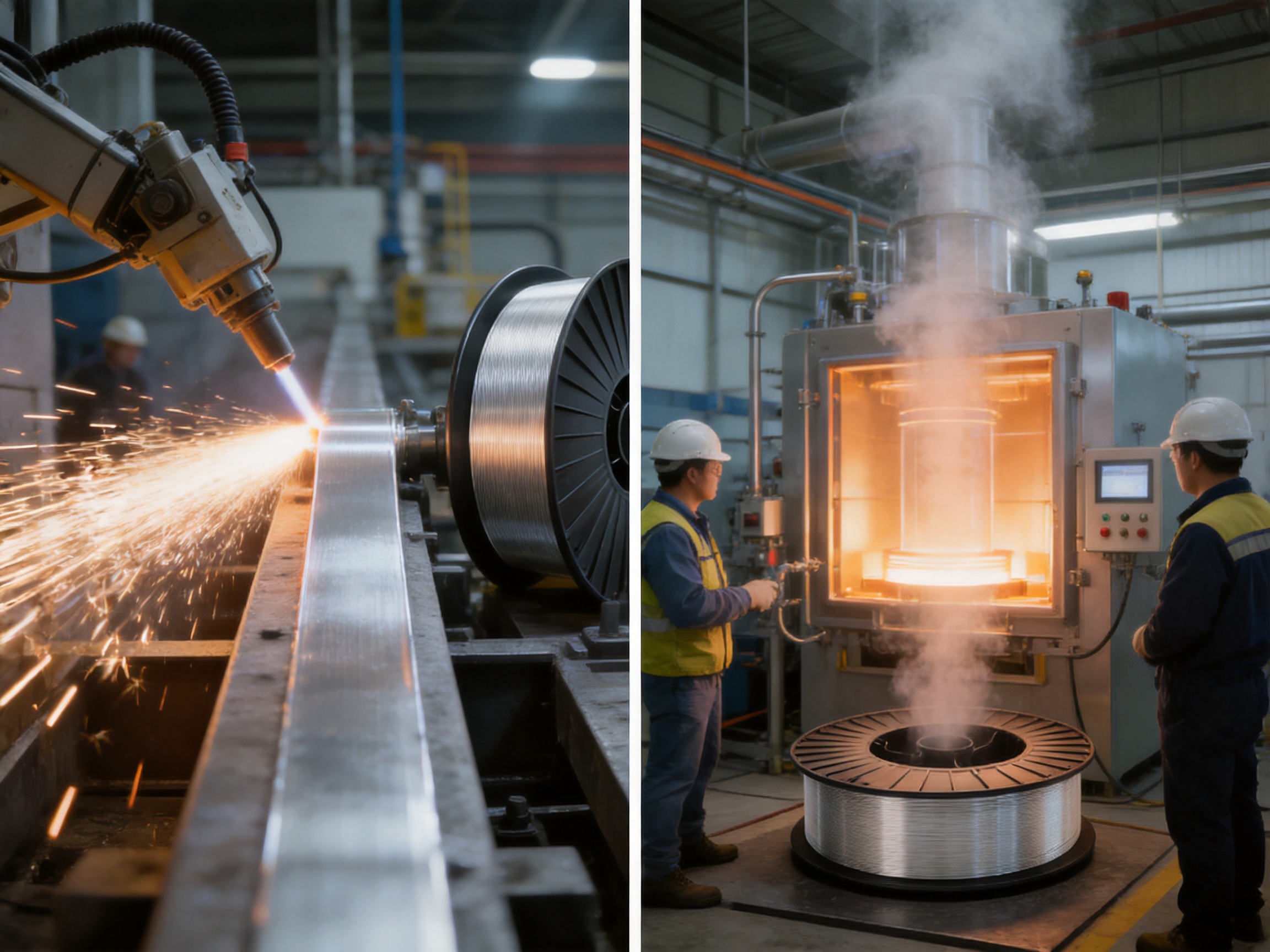
Thermal spraying is a surface engineering process used to deposit protective or functional coatings on substrates. In wire arc spraying or flame spraying, metal wire is fed into a heat source, melted, atomized, and projected onto the substrate. The deposited coating builds up layer by layer, forming a protective surface.
1090 aluminum wire is highly relevant to thermal spraying because aluminum coatings are widely used to improve corrosion resistance. Steel structures, industrial equipment, tanks, pipelines, bridges, offshore components, power facilities, and machinery parts can benefit from aluminum spray coatings. The coating acts as a barrier and may also provide sacrificial protection depending on the environment and coating system.
High-purity 1090 aluminum wire improves spraying performance by supporting consistent melting and atomization. When the wire feeds smoothly and melts uniformly, the spray plume becomes more stable. This helps produce coatings with more consistent thickness, better surface finish, and improved adhesion. Reduced impurity levels can also help minimize inclusions and irregular particles within the coating.
Thermally sprayed aluminum coatings are often sealed after deposition to improve barrier performance. The quality of the initial aluminum coating is important because porosity, contamination, and poor adhesion can reduce the effectiveness of the complete coating system. By choosing a high-purity wire, users can build a stronger foundation for long-term corrosion protection.
For maintenance and repair operations, 1090 aluminum wire can also support efficient surface restoration. Instead of replacing large components, operators may apply protective aluminum coatings to extend service life. This can reduce downtime, lower replacement costs, and improve sustainability by preserving existing assets.
Manufacturing Strengths Behind the Product
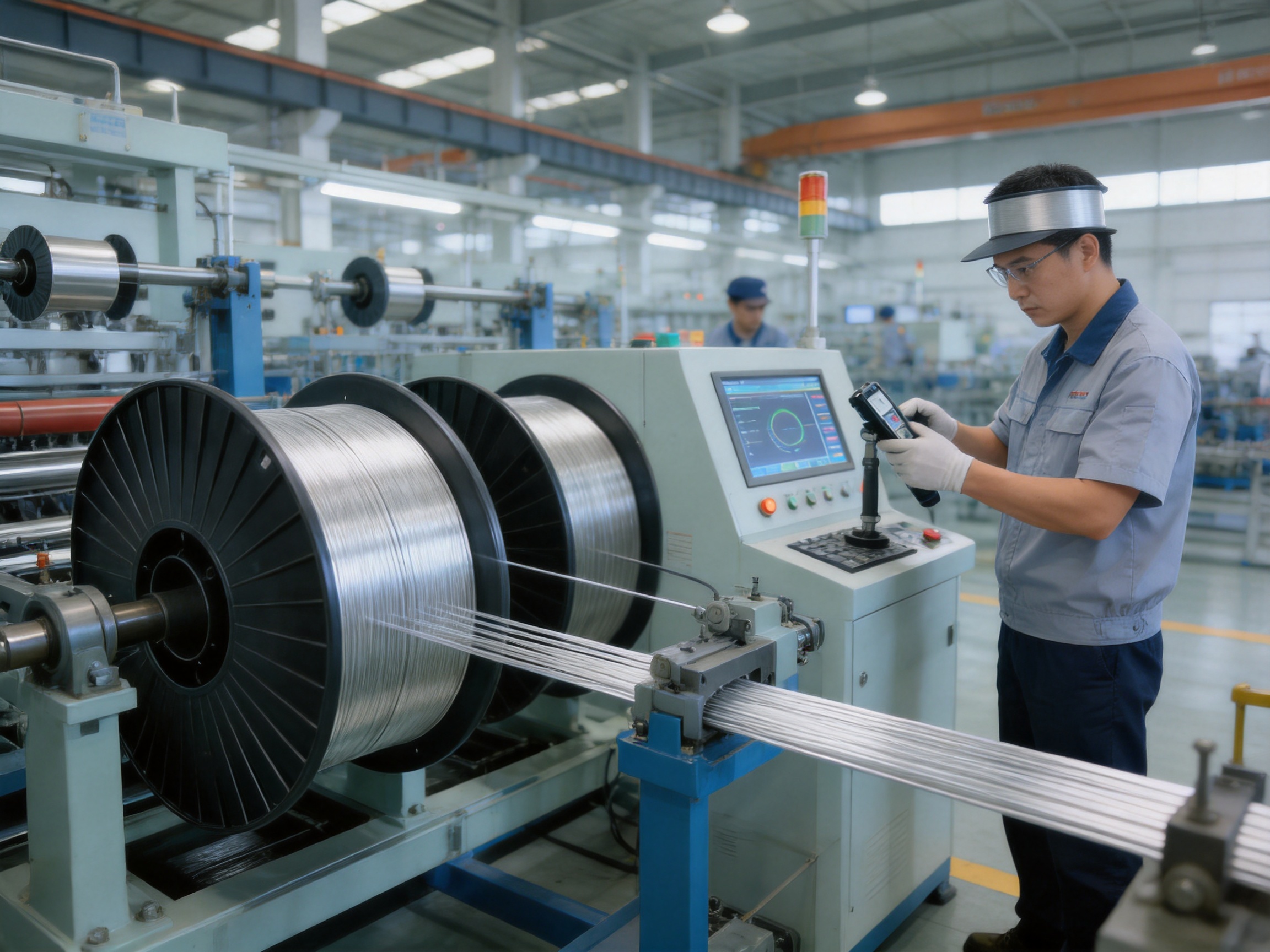
The performance of 1090 aluminum wire depends not only on raw material purity but also on the manufacturing system used to produce it. Jiangsu Hetuo Aluminum Wire Co., Ltd. has built an intelligent manufacturing platform that covers high-purity aluminum wire, high-strength aluminum alloy wire, and aluminum and aluminum alloy welding materials. This integrated capability enables the company to control multiple stages of production and respond to different customer requirements.
The company was established in 2019 and is located in Guannan Economic Development Zone, Lianyungang, Jiangsu Province, China. Its factory covers 40,000 square meters and employs 60 people, including 30 professional managers and technicians. This structure gives the company both production capacity and technical support. The presence of professional managers and technicians is important because high-quality aluminum wire production requires coordination between material selection, melting, casting, rolling, drawing, annealing, surface treatment, packaging, and inspection.
Advanced equipment and facilities are central to the company’s manufacturing approach. In aluminum wire production, equipment precision affects diameter tolerance, surface finish, mechanical uniformity, and coil quality. Modern drawing and processing equipment can help maintain stable wire dimensions and reduce surface defects. Consistent production conditions also help preserve metallurgical quality and minimize variation between batches.
The company strictly implements quality inspection throughout production. This is essential for high-purity aluminum wire because quality cannot be confirmed only at the final stage. Raw material inspection, process monitoring, intermediate testing, and final product verification all contribute to stable quality. By controlling each stage, the manufacturer can reduce the risk of nonconforming material reaching customers.
ISO 9001 certification demonstrates that the company operates a structured quality management system. IATF 16949 certification further indicates capability aligned with automotive industry quality requirements, which are known for strict process discipline, traceability, and continuous improvement. Even when 1090 aluminum wire is used outside automotive applications, these certifications provide customers with confidence that the manufacturer understands advanced quality control principles.
Advanced Process Control and Quality Assurance
High-purity aluminum wire production requires careful control from the earliest stage of material preparation. The first requirement is selecting aluminum raw material that can meet the target purity. If the initial material contains excessive impurities, later processing cannot easily remove them. Therefore, raw material verification is a critical part of producing 1090 aluminum wire.
After raw material selection, controlled melting and casting help preserve chemical consistency. Aluminum is sensitive to oxidation and contamination during melting. Proper process control can reduce inclusions, gas absorption, and unwanted impurity pickup. The goal is to create a clean and homogeneous material that can be further processed into wire.
Subsequent hot or cold working processes shape the material into rod and then wire. During drawing, diameter reduction must be controlled carefully. Excessive stress, poor lubrication, or improper die conditions can cause surface scratches, wire breaks, or uneven mechanical properties. Advanced wire drawing practices help produce smooth, consistent wire suitable for demanding feeding systems.
Annealing may be used to adjust mechanical properties depending on the final application requirements. Wire used in spraying or evaporation must have suitable flexibility, spool behavior, and feeding reliability. If the wire is too hard, it may be difficult to feed smoothly; if it is too soft, it may deform or tangle. Controlled heat treatment helps establish the right balance.
Surface cleanliness is another major quality factor. Oil, dust, oxide contamination, or handling residue can interfere with evaporation or spraying. For evaporation, surface contamination can enter the vacuum chamber and affect film quality. For spraying, contaminants may reduce coating adhesion or create defects. A responsible manufacturer controls surface condition through proper processing, handling, and packaging.
Final inspection may include chemical composition verification, dimensional measurement, surface inspection, mechanical property checks, coil condition evaluation, and packaging review. For customers, these controls help ensure that every batch of 1090 aluminum wire performs consistently in production.
Why Consistency Matters to End Users
In industrial coating processes, inconsistent wire quality can create hidden costs. A low-cost wire may appear economical at the purchasing stage, but if it causes unstable feeding, poor coating adhesion, excessive overspray, equipment contamination, or rejected parts, the actual cost becomes much higher. This is why customers often prioritize reliable material suppliers over the lowest nominal price.
For evaporation users, inconsistency can reduce film yield. If the evaporation rate changes unexpectedly or impurities enter the film, coated products may fail quality inspection. In high-volume production, even a small defect rate can result in significant losses. Stable 1090 aluminum wire helps maintain process repeatability, reduce waste, and improve production planning.
For thermal spraying users, wire inconsistency can affect coating thickness, porosity, and bond strength. Spraying equipment relies on stable wire feeding. If the wire has irregular diameter, poor winding, or inconsistent hardness, the feed system may slip, jam, or fluctuate. These problems can cause coating defects or force operators to stop production for adjustments. High-quality wire reduces these risks.
Consistency also supports technical qualification. Many customers must validate coating processes before full production. Once a wire grade and supplier are qualified, switching to a less consistent product may require requalification or create performance uncertainty. A dependable manufacturer helps customers maintain stable documentation and long-term process confidence.
Performance in Corrosive Environments
The main stated use of 1090 aluminum wire is in evaporation and spraying to improve substrate surface corrosion resistance and extend service life. Corrosion protection is a major challenge across industries because corrosion can weaken structures, reduce efficiency, contaminate products, increase maintenance costs, and create safety risks.
Aluminum coatings protect in several ways. First, they provide a physical barrier between the substrate and the environment. This reduces direct exposure to oxygen, water, salts, and chemicals. Second, aluminum forms a protective oxide layer that slows further reaction. Third, in certain coating systems, aluminum can provide sacrificial protection to steel, helping prevent aggressive corrosion of the base metal.
High-purity aluminum coatings can be especially useful where coating cleanliness and electrochemical behavior matter. Impurities can create micro-galvanic sites or structural discontinuities that may reduce corrosion performance. By using 1090 aluminum wire, applicators can produce coatings with a high aluminum content and controlled impurity levels, supporting more uniform protective behavior.
Common environments where aluminum protective coatings may be valuable include coastal atmospheres, industrial plants, chemical storage areas, power generation facilities, transportation infrastructure, and outdoor equipment. In these settings, coatings must withstand humidity, temperature changes, airborne pollutants, and mechanical stress. A well-applied aluminum coating made from reliable wire can significantly improve durability.
It is important to remember that coating performance depends on the complete system, including surface preparation, spraying parameters, coating thickness, sealing, inspection, and service conditions. However, the wire material is a foundational element. Starting with high-purity 1090 aluminum wire gives the coating system a stronger chance of achieving long-term success.
Support for Sustainable Manufacturing
Sustainability is becoming an important factor in material selection. 1090 aluminum wire supports sustainability in several ways. First, aluminum is recyclable, and aluminum-based materials can contribute to circular manufacturing systems. Second, protective coatings can extend the service life of equipment and structures, reducing the need for premature replacement. Third, lightweight aluminum coatings can improve durability without adding unnecessary mass.
Extending service life is one of the most practical sustainability benefits. When a steel component lasts longer because of a protective aluminum coating, fewer resources are needed for repair, replacement, transportation, and downtime recovery. This reduces material consumption and can lower the environmental footprint of industrial operations.
High-quality wire also reduces waste in production. Stable feeding, predictable melting, and consistent deposition help reduce rejected parts and process scrap. A wire that performs reliably can support leaner manufacturing and lower total resource consumption. In this sense, product quality and sustainability are closely connected.
Jiangsu Hetuo Aluminum Wire Co., Ltd. emphasizes lighter, stronger, and more sustainable aluminum alloy wire and welding material solutions for global industries. Although 1090 aluminum wire is a high-purity aluminum product rather than a high-strength alloy, it fits within this broader mission by enabling protective surface technologies that improve durability and reduce material waste.
Selection Considerations for Buyers
When selecting 1090 aluminum wire, buyers should consider the intended application, process equipment, required purity, wire diameter, packaging form, surface condition, and quality documentation. The right specification can improve process performance and reduce production risk.
For evaporation, buyers should focus on purity, surface cleanliness, wire feeding compatibility, and consistency between batches. Vacuum systems are sensitive to contamination, so a clean and properly packaged wire is important. Customers may also require documentation confirming chemical composition and production traceability.
For thermal spraying, buyers should consider wire diameter tolerance, spool winding quality, mechanical properties, and surface condition. The wire must feed smoothly into spraying equipment and melt consistently. Poor winding or diameter variation can interrupt spraying operations. A supplier with strict inspection and advanced production control can help prevent these issues.
Buyers should also evaluate supplier capability. A manufacturer with modern equipment, quality system certifications, technical staff, and experience in aluminum wire production is more likely to provide stable long-term supply. The company’s ability to produce related aluminum wire and welding material products can also be useful for customers with multiple material needs.
Finally, buyers should avoid choosing wire solely by price. The lowest-cost product may not deliver the best total value. A higher-quality 1090 aluminum wire can reduce downtime, improve coating yield, lower rejection rates, and extend product service life. These benefits can provide greater economic value over the full production cycle.
Company Capabilities and Customer Value
Jiangsu Hetuo Aluminum Wire Co., Ltd. is an innovative enterprise in China’s aluminum alloy materials industry. Guided by customer needs and committed to customer satisfaction, the company has developed manufacturing capabilities for high-purity aluminum wire, high-strength aluminum alloy wire, and aluminum and aluminum alloy welding materials. This product range allows the company to serve customers in surface treatment, welding, manufacturing, transportation, industrial equipment, and other fields requiring advanced aluminum materials.
The company’s factory area of 40,000 square meters provides a strong physical foundation for organized production, storage, inspection, and logistics. With 60 employees, including 30 professional managers and technicians, the company combines manufacturing execution with technical expertise. This is important because aluminum wire production requires not only equipment but also skilled process management.
Advanced equipment helps the company produce wire with stable dimensions, consistent surface quality, and reliable coil condition. Strict inspection throughout production helps ensure that products comply with customer requirements and international quality standards. The company’s ISO 9001 and IATF 16949 certifications further strengthen confidence in its quality management systems.
For customers, these strengths translate into practical benefits. A reliable manufacturer can help reduce supply uncertainty, support technical communication, provide consistent quality, and respond to application-specific requirements. In competitive industrial markets, supplier reliability is a major part of product performance. A strong material supplier helps customers protect their own production schedules and product reputation.
Practical Handling and Storage Recommendations
To maintain the performance of 1090 aluminum wire, users should handle and store it properly. Although aluminum naturally forms a protective oxide film, the surface condition of wire used in evaporation or spraying remains important. Contamination from oil, dust, moisture, or corrosive substances can affect processing results.
Wire should be stored in a clean, dry environment away from aggressive chemicals. Packaging should remain intact until use to prevent contamination. Operators should avoid dragging wire across dirty surfaces or touching it excessively with bare hands, especially for vacuum evaporation applications where cleanliness is critical.
Before use, customers should check spool condition, wire surface, and label information. If the wire is used in automated feeding equipment, the spool should be installed correctly to prevent tangling or uneven feeding. Proper handling helps preserve the quality built into the product during manufacturing.
For thermal spraying, the substrate preparation is just as important as wire quality. Surfaces usually need cleaning, degreasing, and roughening to promote adhesion. Operators should follow established process parameters for spray distance, current, voltage, gas flow, and coating thickness. A high-quality wire such as 1090 aluminum wire delivers the best results when combined with professional application practices.
Frequently Asked Questions
What is 1090 aluminum wire?
1090 aluminum wire is a high-purity aluminum wire with aluminum content greater than 99.90%. It is mainly used in evaporation and spraying applications where clean deposition, corrosion protection, and stable processing are required.
What are the main applications of 1090 aluminum wire?
The main applications include vacuum evaporation, thermal spraying, surface metallization, protective aluminum coating, corrosion-resistant coating systems, and other processes where high-purity aluminum is needed as a wire-form source material.
Why is high purity important in evaporation?
In evaporation, impurities in the source material can affect the deposited film. High-purity 1090 aluminum wire helps improve film uniformity, brightness, conductivity, and cleanliness while reducing the risk of contamination-related defects.
Why is 1090 aluminum wire suitable for thermal spraying?
It is suitable because it melts consistently, feeds reliably when properly produced, and creates aluminum-rich coatings that help improve substrate corrosion resistance. Its low impurity levels support cleaner coating formation and more stable spraying behavior.
How does 1090 aluminum wire improve corrosion resistance?
When deposited as a coating, aluminum provides a protective barrier and forms a stable oxide film. In many systems, the aluminum coating can help protect the substrate from moisture, oxygen, salts, and industrial pollutants, thereby extending service life.
How is 1090 different from 1070 aluminum wire?
1090 aluminum wire has a higher minimum aluminum content than 1070 aluminum wire. According to the supplied data, 1090 contains at least 99.90% aluminum, while 1070 contains at least 99.70% aluminum. The lower impurity levels in 1090 can improve coating cleanliness and process stability.
Is 1090 always better than ultra-high-purity aluminum wire?
Not always. Ultra-high-purity aluminum wire may be required for specialized applications. However, 1090 aluminum wire provides an excellent balance of purity, cost-effectiveness, processability, and availability for many industrial evaporation and spraying applications.
What quality factors should buyers consider?
Buyers should consider chemical composition, diameter tolerance, surface cleanliness, mechanical consistency, spool winding quality, packaging, traceability, and supplier quality management systems. These factors influence production efficiency and final coating quality.
What manufacturing strengths support this product?
Jiangsu Hetuo Aluminum Wire Co., Ltd. uses advanced equipment, strict production inspection, professional technical management, and certified quality systems. The company has ISO 9001 and IATF 16949 certifications and produces high-purity aluminum wire, high-strength aluminum alloy wire, and aluminum welding materials.
Can 1090 aluminum wire help reduce total production cost?
Yes. Although high-purity wire may cost more than lower-grade alternatives, it can reduce coating defects, improve process stability, lower downtime, reduce rejected products, and extend the service life of coated components. These benefits can improve total cost performance.
Conclusion
1090 aluminum wire is a high-purity material solution for customers who need reliable performance in evaporation, thermal spraying, and corrosion-resistant surface treatment. With aluminum content greater than 99.90%, it provides clean composition, controlled impurity levels, stable melting behavior, and strong suitability for aluminum coating applications. Its ability to improve substrate corrosion resistance and extend service life makes it valuable across industrial sectors where durability and process consistency are essential.
Compared with lower-purity aluminum wire, 1090 offers better cleanliness and more dependable coating behavior. Compared with ultra-high-purity options, it often provides a more practical balance of performance and cost. Compared with other coating materials, it offers the unique benefits of aluminum, including lightweight protection, stable oxide film formation, and compatibility with spraying and evaporation processes.
The value of 1090 aluminum wire is further strengthened by the manufacturing capabilities of Jiangsu Hetuo Aluminum Wire Co., Ltd. With an intelligent manufacturing system, advanced equipment, strict inspection, professional technical personnel, and ISO 9001 and IATF 16949 quality management certifications, the company provides customers with a dependable source of high-grade aluminum wire. For users seeking stable production, high-quality coatings, and long-term corrosion protection, 1090 aluminum wire is a compelling and competitive choice.
References
1. Davis, J. R. Aluminum and Aluminum Alloys. ASM International.
2. International Organization for Standardization. ISO 9001 Quality Management Systems Requirements.
3. Automotive Industry Action Group. IATF 16949 Automotive Quality Management System Standard.
4. Pawlowski, L. The Science and Engineering of Thermal Spray Coatings. John Wiley and Sons.
5. Mattox, D. M. Handbook of Physical Vapor Deposition Processing. William Andrew Publishing.
6. Schweitzer, P. A. Fundamentals of Metallic Corrosion: Atmospheric and Media Corrosion of Metals. CRC Press.
7. American Welding Society. Aluminum and Aluminum Alloy Welding Materials Technical References.