

 English
 中文简体
中文简体 русский
 Deutsch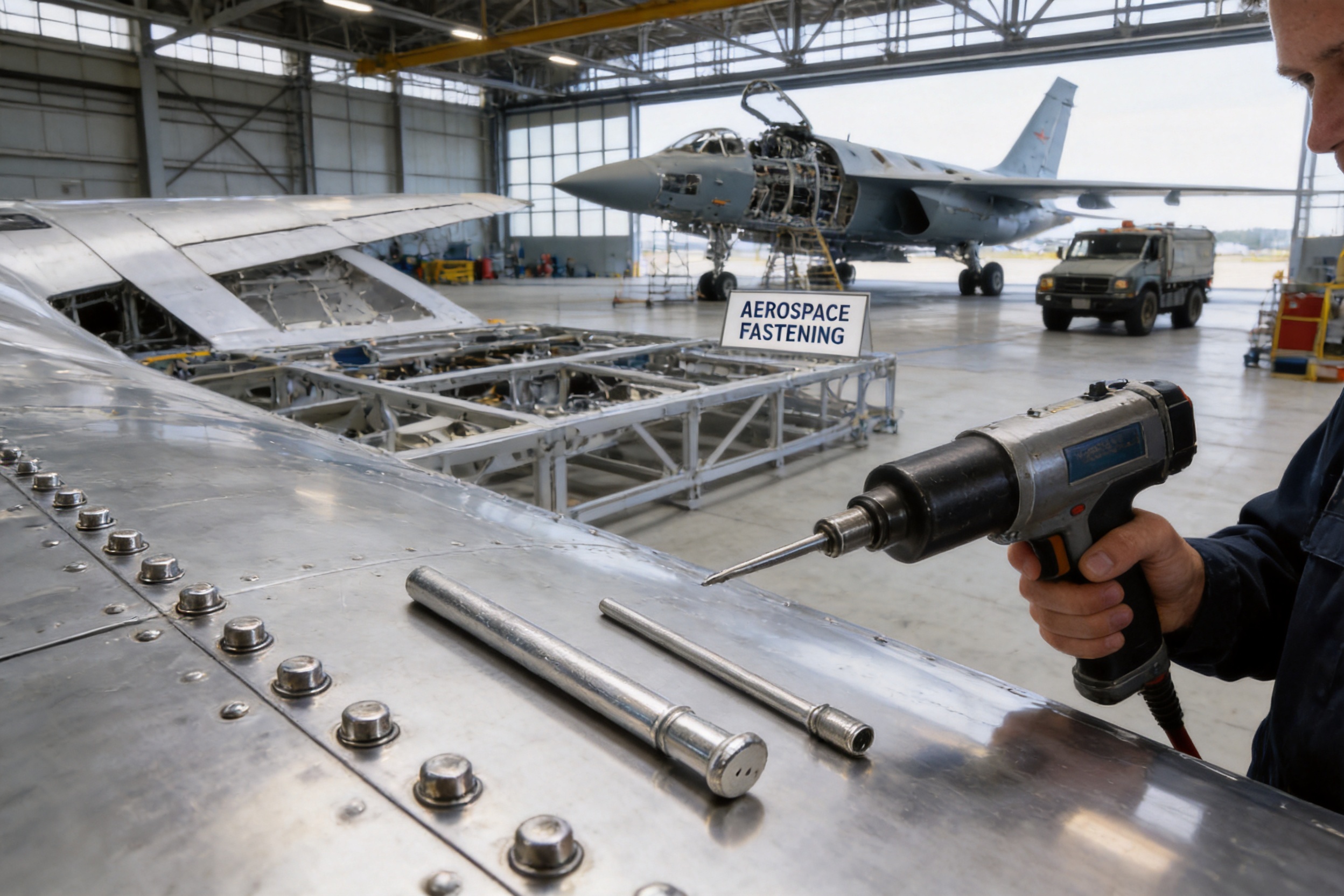
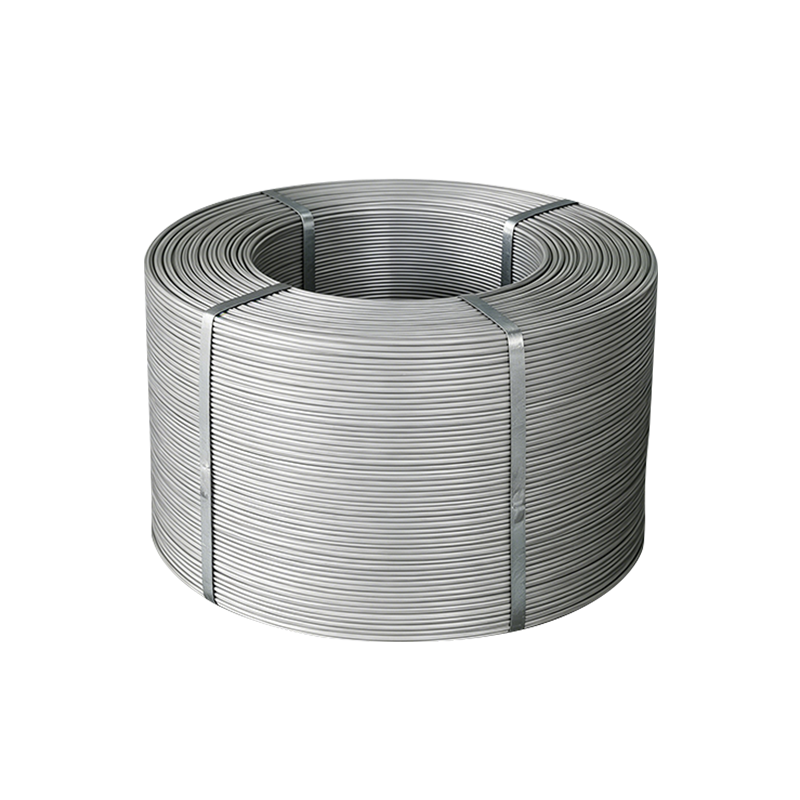
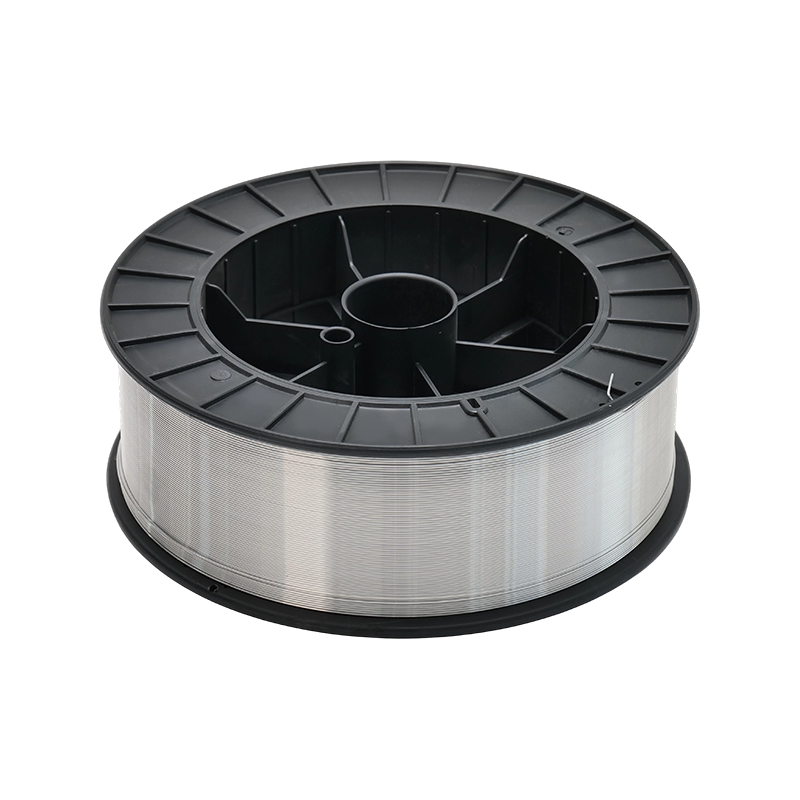
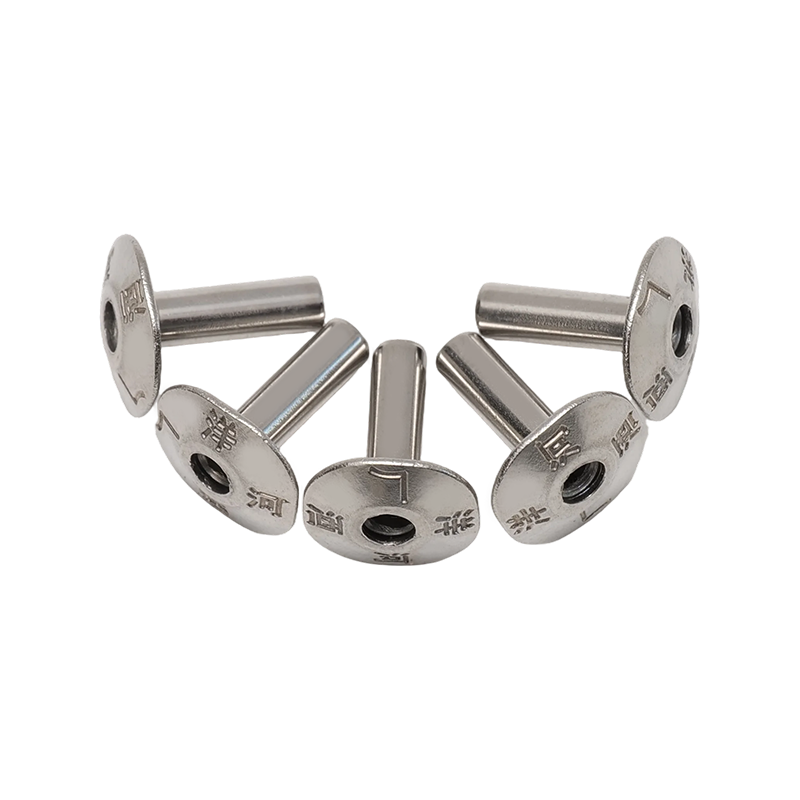
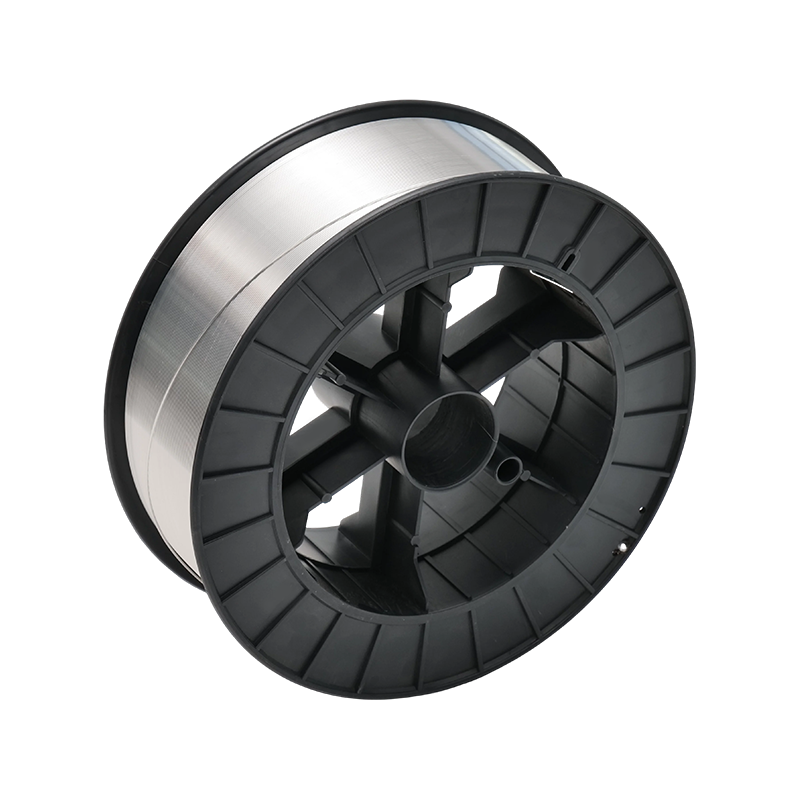
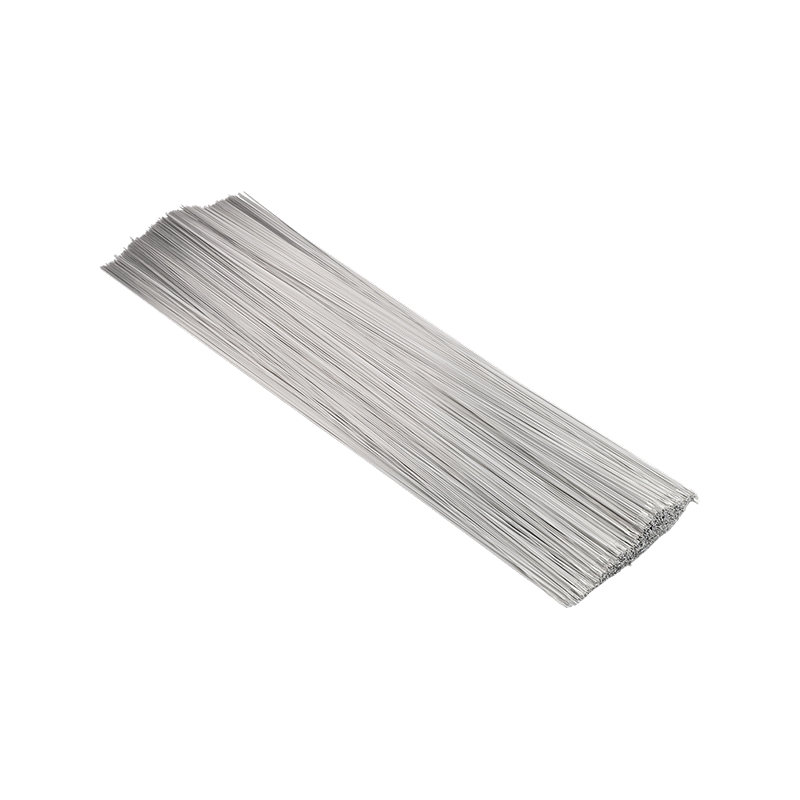
High-strength aluminum alloy wire for rivets is an important engineering material for industries that require reliable fastening, low structural weight, and controlled mechanical performance. Rivet wire is used to manufacture solid rivets and related fastening components for aircraft structures, aerospace equipment, military hardware, transportation systems, and demanding industrial assemblies. Unlike ordinary aluminum wire, rivet-grade alloy wire must provide a carefully balanced combination of strength, ductility, formability, fatigue resistance, corrosion resistance, and dimensional stability.
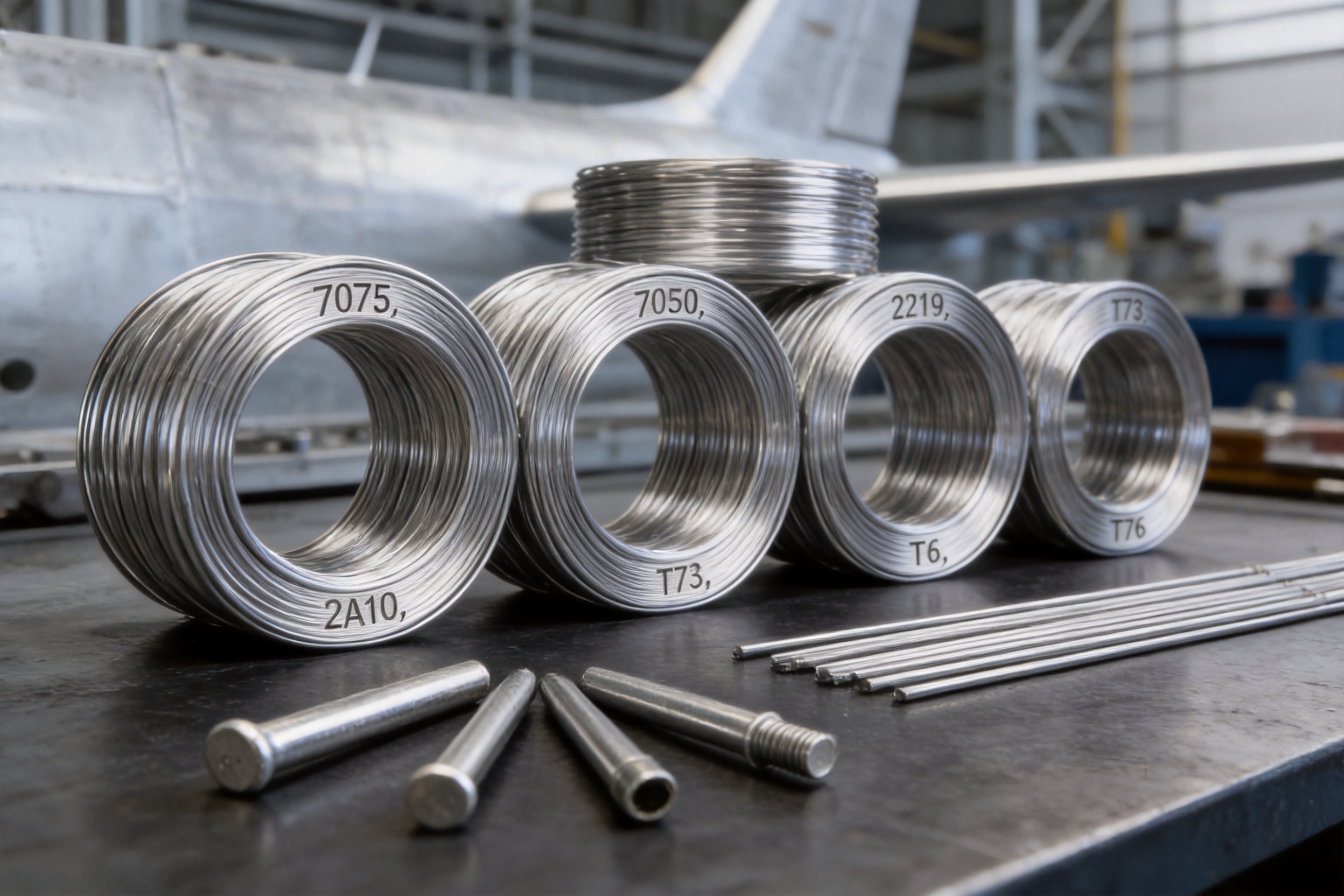
The material described in this article is produced for rivet applications and belongs to the high-strength aluminum alloy wire category. It is particularly suitable for aviation, aerospace, and military fields, where every component must contribute to weight reduction without compromising structural safety. The available material range includes high-strength alloy grades such as 2A10, 2219, 7050, and 7075, together with aluminum alloy grades commonly used in welding and fabrication applications. This broad capability allows customers to select an alloy according to the required rivet strength, forming behavior, corrosion resistance, temperature conditions, and service environment.
A major advantage of aluminum alloy rivet wire is that it combines the light weight of aluminum with the improved strength and performance of alloying elements such as copper, magnesium, zinc, manganese, chromium, titanium, and zirconium. Through controlled alloy design, precision drawing, heat treatment, surface inspection, and strict quality control, the wire can be manufactured to meet demanding requirements for cold heading, riveting, machining, and structural assembly.
Content
- 1 Understanding Aluminum Rivet Wire
- 2 Why Aluminum Is Suitable for Rivet Production
- 3 High-Strength Performance for Demanding Structures
- 4 Available Alloy Options
- 5 Advantages Compared with Ordinary Aluminum Wire
- 6 Advantages Compared with Steel Rivet Materials
- 7 Advanced Manufacturing Process
- 8 Quality Control and Inspection
- 9 Manufacturing Strengths of the Supplier
- 10 Application in Aviation and Aerospace
- 11 Application in Military Equipment
- 12 Application in Transportation and Industrial Equipment
- 13 Selection Guide for Buyers
- 14 Packaging, Storage, and Handling
- 15 Sustainability and Life-Cycle Benefits
- 16 How the Product Supports Competitive Manufacturing
- 17 Recommended Quality and Procurement Checklist
- 18 Frequently Asked Questions
- 18.1 What is high-strength aluminum alloy wire for rivets?
- 18.2 Which industries use aluminum rivet wire?
- 18.3 Why are 2A10, 2219, 7050, and 7075 important grades?
- 18.4 What is the difference between T6, T73, and T76?
- 18.5 Can 7075 aluminum wire be used for every rivet application?
- 18.6 What makes wire suitable for automatic rivet heading?
- 18.7 What chemical elements are controlled in the wire?
- 18.8 Is the material available in custom sizes?
- 18.9 What quality certifications does the manufacturer have?
- 18.10 How should aluminum rivet wire be stored?
- 18.11 Can the same supplier provide welding wire and rivet wire?
- 18.12 What documents should be requested with an aerospace-grade order?
- 19 Conclusion
- 20 References
- 21 Product: For Rivets
Understanding Aluminum Rivet Wire
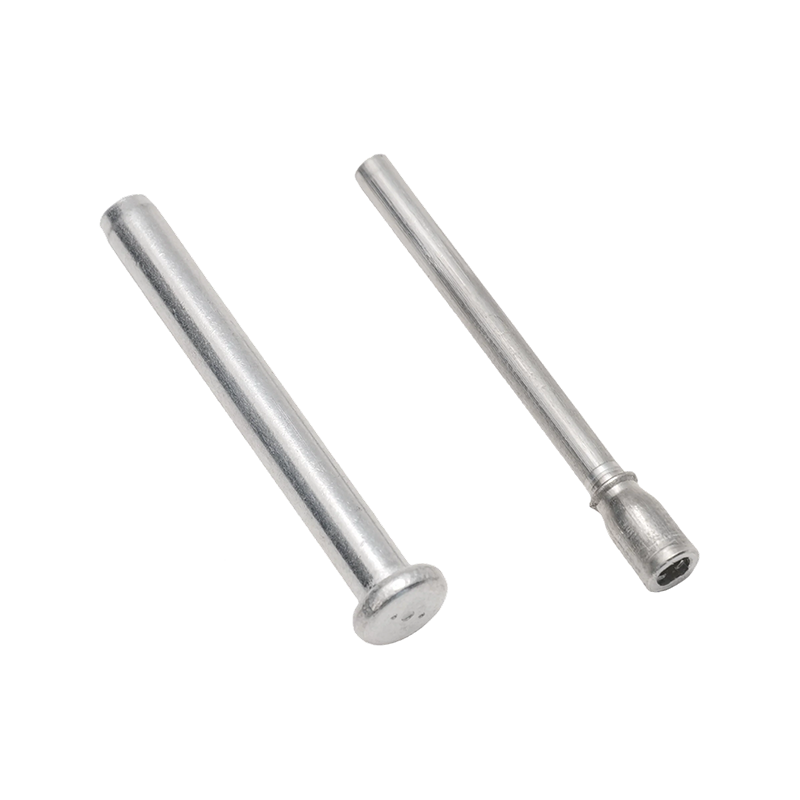
Aluminum rivet wire is a semi-finished material used to produce rivets by cutting, upsetting, heading, and forming the wire into a finished fastener. The wire is generally supplied in coils or straightened lengths, depending on customer requirements and the production method used by the rivet manufacturer. The final rivet may be installed in a solid, blind, or specialized fastening system, although high-strength drawn wire is especially important in solid rivet manufacturing.
During rivet production, the wire must withstand substantial deformation without cracking, splitting, or developing unacceptable surface defects. The head of the rivet is formed by controlled upsetting, while the shank must maintain the required diameter and structural integrity. As a result, the wire must not be judged only by its tensile strength. Its elongation, hardness, metallurgical condition, surface cleanliness, grain structure, and response to heat treatment are equally important.
Rivet manufacturers also require stable dimensional tolerances. Variations in wire diameter can influence heading force, rivet head dimensions, shank filling, and the consistency of the finished fastening joint. For high-volume aerospace production, small differences in wire quality may lead to changes in tooling wear, production speed, rejection rates, or installation reliability. Precision aluminum wire therefore provides both material performance and process efficiency.
High-strength rivet wire is typically selected when the joint must carry higher loads than can be supported by commercially pure aluminum or lower-strength aluminum alloys. However, strength must be balanced with corrosion resistance and formability. A very high-strength alloy may require specialized heat treatment and installation procedures, while a more ductile alloy may be preferred for joints requiring greater deformation during assembly.
Why Aluminum Is Suitable for Rivet Production
Aluminum has several inherent advantages for fastening systems. Its density is substantially lower than that of steel, allowing designers to reduce the weight of aircraft, vehicles, machinery, and structural assemblies. Weight reduction is particularly valuable in aviation and aerospace because lower structural mass can improve fuel efficiency, payload capacity, range, and energy consumption.
Aluminum also offers good electrical and thermal conductivity, natural resistance to atmospheric corrosion, and compatibility with many lightweight structural materials. When properly alloyed and treated, aluminum rivets can provide dependable service in environments where low mass, corrosion resistance, and ease of installation are priorities.
Another important benefit is the ability of aluminum wire to be formed into rivets using high-speed heading equipment. The material can be cut into precise blanks and plastically deformed to create the rivet head. Appropriate alloy selection and temper control help prevent cracking during this operation. The wire can also be heat treated after forming when the required grade and manufacturing route allow it.
Compared with steel rivet materials, aluminum rivet wire generally offers easier handling and lower installation weight. It can also reduce galvanic and thermal mismatch concerns when used with aluminum structures. Nevertheless, alloy compatibility must be evaluated carefully, particularly in aircraft structures exposed to moisture, salt spray, temperature cycling, and dissimilar-metal contact.
High-Strength Performance for Demanding Structures
The central value of high-strength aluminum alloy wire is its ability to provide increased load-bearing performance while maintaining the lightweight characteristics of aluminum. High-strength grades may obtain their performance through precipitation hardening, solid-solution strengthening, work hardening, or a combination of metallurgical mechanisms.
The supplied product information identifies strengthening through E phase and transition phase precipitation. In age-hardenable alloys, controlled heat treatment creates finely distributed precipitates within the aluminum matrix. These precipitates hinder dislocation movement and increase yield strength, tensile strength, and resistance to permanent deformation. The precise properties depend on chemical composition, processing history, wire diameter, heat-treatment schedule, and final temper.
The T6 condition is commonly associated with high strength. It is suitable when the primary design objective is maximum load-bearing capacity. However, a high-strength condition may not always provide the best resistance to stress corrosion cracking or exfoliation corrosion. For this reason, other tempers can be selected when the service environment or structural risk requires a different balance of properties.
The T73 condition is characterized by relatively high fracture toughness, improved stress corrosion resistance, improved exfoliation corrosion resistance, and favorable low-temperature performance. This condition may be appropriate for applications in which damage tolerance and environmental resistance are more important than achieving the maximum possible strength.
The T76 condition provides higher strength than T73 while offering higher stress corrosion resistance than T6. It is therefore a useful compromise for structures that require a combination of high mechanical strength and improved resistance to environmentally assisted cracking. The final choice of temper should be based on the application design, applicable standards, installation process, and required inspection program.
Available Alloy Options
The material range includes multiple aluminum and aluminum alloy grades. Some are especially relevant to high-strength rivets, while others are commonly used as welding wires or general aluminum alloy consumables. The range demonstrates the manufacturer’s ability to manage different chemical compositions, melting requirements, drawing characteristics, and quality-control criteria.
| Alloy grade | Primary alloying characteristics | Typical material advantage | Potential application direction |
|---|---|---|---|
| 2A10 | Copper-based high-strength aluminum alloy | High strength after suitable heat treatment and good structural performance | High-strength rivets and aerospace components |
| 2219 | Copper alloy with controlled manganese, vanadium-related trace additions, and zirconium-related control | High strength, good elevated-temperature capability, and weldability compared with many high-strength grades | Aerospace structures, tanks, and specialized fasteners |
| 7050 | Zinc- and magnesium-containing high-strength alloy with copper and zirconium | High strength and improved resistance to stress corrosion in selected tempers | Aircraft structural fastening and heavy-duty aerospace applications |
| 7075 | Zinc, magnesium, copper, and chromium alloy | Very high strength-to-weight ratio | High-load components and specialized rivet applications |
| 4043 | Silicon-containing aluminum alloy | Good fluidity and reduced melting temperature for welding applications | Aluminum welding wire and repair fabrication |
| 4047 | Higher silicon aluminum alloy | Good fluidity and reduced tendency toward certain welding defects | Brazing, welding, and fabrication consumables |
| 5183 | Magnesium-containing aluminum alloy | Good weld strength, corrosion resistance, and ductility | Welding wire for marine and structural fabrication |
| 5356 | Magnesium-containing aluminum alloy with chromium and titanium control | Good strength, corrosion resistance, and weld appearance | General and industrial aluminum welding |
The chemical composition ranges supplied for each grade are controlled by maximum values, minimum-to-maximum ranges, and balance aluminum. For example, 7075 wire contains approximately 5.0–7.0 percent zinc, 1.8–2.8 percent magnesium, and 1.4–2.0 percent copper, with controlled chromium and titanium additions. These alloying elements contribute to high strength, but they also require careful melting, homogenization, extrusion, and heat-treatment control.
Grade 7050 contains approximately 5.7–6.7 percent zinc, 1.9–2.6 percent magnesium, and 2.0–2.6 percent copper. The inclusion of zirconium within the specified range supports grain-structure control and can contribute to improved performance in demanding aerospace applications. Grade 2219 contains approximately 5.8–6.8 percent copper and is widely recognized as an aerospace-oriented alloy family with a useful combination of strength, weldability, and elevated-temperature performance.
Not every listed grade should automatically be used for the same rivet design. Alloy choice must be based on the design load, forming method, heat-treatment condition, corrosion environment, joining partners, operating temperature, and relevant standard. The broad grade portfolio is valuable because it enables a manufacturer to support different customer requirements instead of offering a single alloy for every application.
Advantages Compared with Ordinary Aluminum Wire
Ordinary high-purity aluminum wire is selected primarily for conductivity, cleanliness, ductility, and corrosion resistance. It is useful in electrical and general-purpose applications, but it does not normally provide the mechanical strength required for high-load structural rivets. High-strength aluminum alloy rivet wire contains carefully selected alloying elements and receives controlled processing to improve mechanical performance.
The first major advantage is higher strength. Copper, magnesium, zinc, manganese, chromium, and zirconium can significantly improve the strength of the aluminum matrix when their concentrations and metallurgical states are properly controlled. This permits smaller or lighter fasteners to carry loads that would otherwise require larger low-strength rivets.
The second advantage is improved resistance to deformation. A high-strength rivet is less likely to experience excessive shank deformation, head distortion, or joint loosening when subjected to service loads. The exact result depends on installation quality and joint design, but stable material properties provide a stronger foundation for reliable fastening.
The third advantage is better performance under specialized environmental conditions. Selected tempers and alloy systems can provide improved resistance to stress corrosion cracking and exfoliation corrosion. This is particularly important for aircraft and military structures exposed to humidity, salt, deicing chemicals, temperature variation, and cyclic loads.
The fourth advantage is better application flexibility. By offering 2A10, 2219, 7050, and 7075, the product range can address different strength and durability targets. A customer may choose a high-strength copper alloy, a zinc-magnesium alloy with a particular corrosion-resistance balance, or a grade that provides a more favorable combination of toughness and heat-treatment response.
Advantages Compared with Steel Rivet Materials
Steel remains an important fastening material, particularly where extremely high strength, high hardness, or elevated-temperature performance is required. However, aluminum alloy rivet wire offers important advantages when weight, corrosion behavior, installation effort, and compatibility with aluminum structures are decisive factors.
The lower density of aluminum allows a substantial reduction in fastening-system weight. In an aircraft containing thousands or millions of rivets, the weight difference between aluminum and steel can become significant. Reduced fastener mass contributes to overall aircraft efficiency and may simplify manual handling during assembly and maintenance.
Aluminum rivets are also well suited to aluminum sheet, plate, and extruded structures. Using a compatible or carefully selected alloy can reduce the risk of galvanic corrosion. This does not eliminate the need for surface treatment, sealants, coatings, or proper design, but it provides a material system that can be integrated effectively into lightweight structures.
Aluminum is generally easier to form than high-strength steel during rivet heading. This can reduce forming loads and support high-speed production when the alloy condition is correctly controlled. Lower tooling forces may also reduce wear on forming dies, although highly alloyed materials still require appropriate tooling design and process monitoring.
For applications that require a combination of strength and low mass, aluminum alloy wire often delivers a more efficient solution than steel. The key is to select the correct alloy and temper rather than comparing materials solely by nominal tensile strength.
Advanced Manufacturing Process
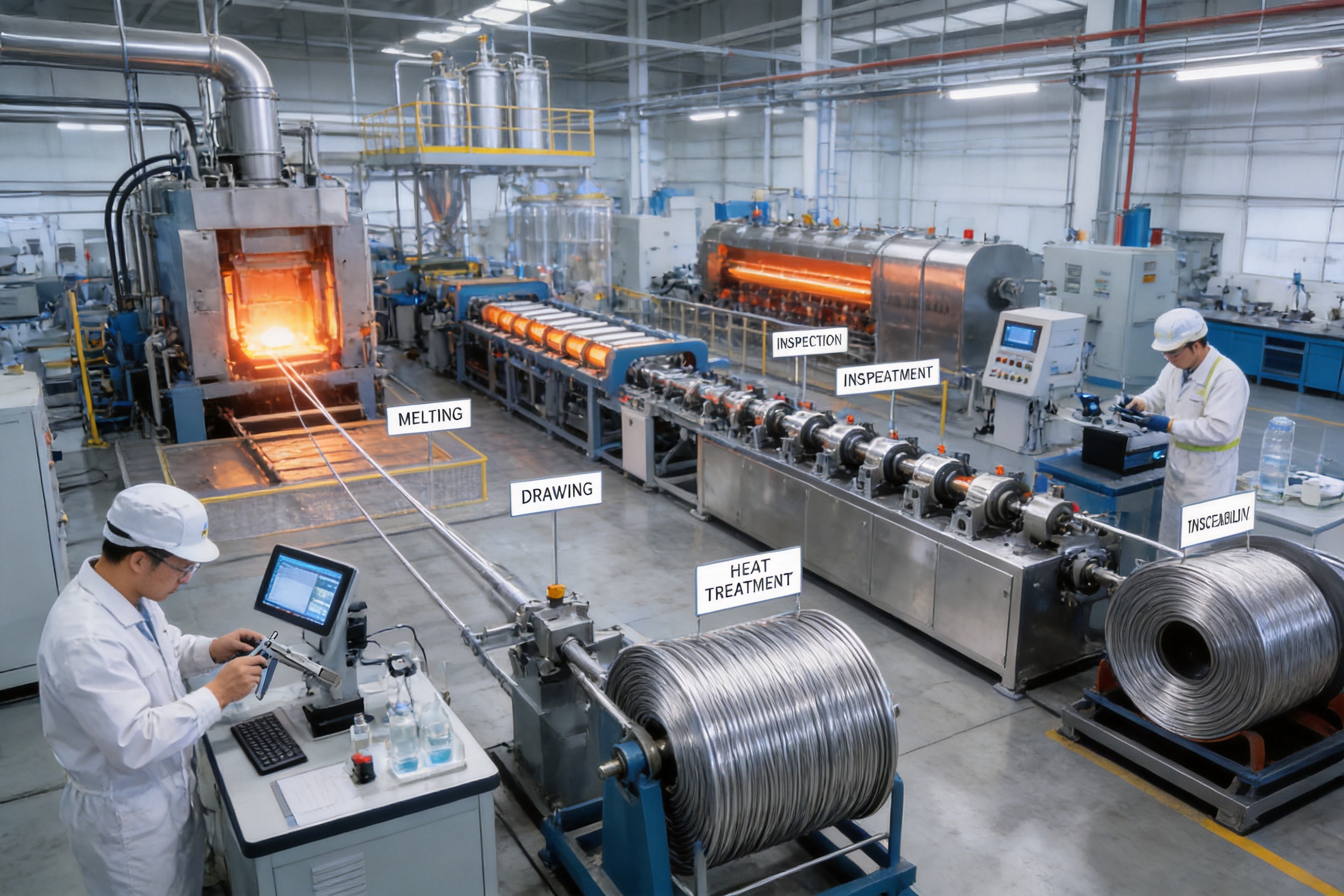
Manufacturing high-strength aluminum alloy wire for rivets requires a controlled process from raw material preparation through final inspection. Each stage influences the final wire’s chemical uniformity, surface quality, dimensions, mechanical properties, and suitability for rivet forming.
Raw Material Selection and Charge Preparation
Production begins with the selection of aluminum and alloying materials that meet the target chemical composition. The charge materials must be clean, traceable, and suitable for the intended grade. Contamination by iron, silicon, moisture, oil, or foreign metals can affect ductility, surface quality, corrosion performance, and heat-treatment response.
Charge preparation is performed according to the selected alloy recipe. The proportion of primary aluminum and alloying additions is calculated to achieve the required composition after melting. For aerospace-oriented grades, the allowable range of trace elements is especially important because small composition changes can affect precipitation behavior and fracture performance.
Controlled Melting and Alloying
The charge is melted in industrial furnaces under controlled temperature conditions. During melting, alloying additions are introduced in an appropriate sequence to promote uniform dissolution and reduce segregation. Furnace temperature, holding time, melt cleanliness, and transfer conditions are monitored to limit oxide formation and gas absorption.
High-quality aluminum wire benefits from melt treatment procedures that reduce hydrogen and nonmetallic inclusions. Degassing and filtration can help improve internal cleanliness. Fine filtration is particularly important for wire that will undergo substantial drawing and heading because inclusions can act as crack initiators during deformation.
Samples may be taken from the molten metal for chemical analysis. Spectrographic or other analytical methods are used to confirm the concentrations of silicon, iron, copper, manganese, magnesium, chromium, nickel, zinc, titanium, zirconium, beryllium, and other controlled elements. Production continues only when the composition meets the specified grade requirements.
Homogenization and Billet Preparation
After casting, billets or rods may undergo homogenization treatment. This process reduces chemical segregation, dissolves or modifies certain intermetallic phases, and improves the consistency of subsequent extrusion and drawing operations. A well-controlled homogenization schedule can improve ductility, reduce drawing defects, and provide a more uniform response to heat treatment.
The billet surface may be inspected and prepared before further processing. Defects such as cracks, laps, deep pits, or inclusions near the surface can become more pronounced during extrusion and drawing. Removing or controlling such defects at an early stage helps protect final product quality.
Extrusion and Rod Production
The homogenized billet is processed into aluminum rod through extrusion or a related forming operation. Extrusion reduces the billet cross-section and creates a continuous rod with a controlled diameter. Temperature, extrusion speed, die condition, lubrication, and cooling must be managed carefully to avoid surface tearing, excessive residual stress, and nonuniform microstructure.
The resulting rod is inspected for straightness, surface condition, and dimensional consistency. Depending on the grade, intermediate heat treatments or controlled cooling may be applied. The objective is to create a rod structure that can be drawn efficiently while preserving the required alloy chemistry and metallurgical condition.
Precision Drawing
Wire drawing reduces the rod diameter through a series of dies. This process improves dimensional accuracy and creates the diameter required for rivet production. Drawing schedules are selected according to alloy strength, reduction ratio, lubrication, die geometry, and the desired final temper.
Excessive reduction in a single pass can create high drawing stress, surface damage, or internal cracking. A carefully designed multi-pass process distributes deformation and improves dimensional control. Intermediate annealing may be used when necessary to restore ductility and allow further reduction.
Drawing also affects the grain structure and mechanical properties of the wire. Work hardening can raise strength, while subsequent heat treatment can modify the balance between strength and ductility. For rivet applications, the process must be designed to support reliable heading and forming rather than simply maximize tensile strength.
Heat Treatment and Temper Control
Heat treatment is a critical stage for age-hardenable aluminum alloys. Solution treatment, quenching, natural aging, and artificial aging may be combined to obtain the required mechanical properties. The time-temperature cycle must be controlled because under-treatment can produce insufficient strength, while over-aging may reduce strength but improve toughness or corrosion resistance.
T6, T73, and T76 conditions represent different property balances. T6 is generally selected where high strength is the main objective. T73 is associated with improved fracture toughness and resistance to stress corrosion and exfoliation corrosion. T76 provides a balance between higher strength than T73 and improved stress corrosion resistance compared with T6.
Temperature uniformity throughout the furnace is essential. Differences in heating or cooling rates can create property variation along the coil or between production batches. Process records, furnace calibration, quench monitoring, and hardness verification help maintain consistency.
Surface Treatment and Cleaning
Surface condition is important for rivet wire because surface cracks, oxide accumulation, scratches, and embedded contaminants can become defects during heading. The wire may undergo cleaning, light surface conditioning, or other finishing procedures to improve its suitability for high-speed forming.
Surface treatment must be selected carefully to avoid altering the wire diameter or introducing residues that could interfere with subsequent rivet production. For customers requiring special surface protection, packaging and preservation procedures may be adjusted according to the storage and transportation environment.
Straightening, Cutting, and Packaging
Depending on the customer’s production process, the wire may be supplied in coils or straightened and cut lengths. Straightening equipment must remove coil set without creating excessive residual stress, flattening, or surface marking. Cut lengths must maintain accurate dimensions and clean ends to support automated rivet heading.
Packaging protects the wire from moisture, contamination, impact, and deformation during shipment. Proper identification includes alloy grade, temper, diameter, batch number, production date, and inspection status. Traceability is especially important for aerospace and military customers, where material records may need to be retained throughout the service life of the finished product.
For Rivets
Quality Control and Inspection
Quality control is not limited to final inspection. A reliable rivet-wire manufacturer applies inspection throughout the production process, from incoming materials to finished coils or cut lengths. Process control reduces variation and allows potential problems to be corrected before they affect a large batch.
Chemical Composition Verification
Chemical analysis confirms that the wire corresponds to the selected alloy grade. The supplied composition data include controlled limits for silicon, iron, copper, manganese, magnesium, chromium, nickel, zinc, titanium, zirconium, beryllium, and other elements. Aluminum forms the balance of the composition.
Chemical analysis is important because alloying elements influence strength, ductility, corrosion behavior, weldability, and heat-treatment response. The composition of 2A10 and 2219, for example, is dominated by copper additions, while 7050 and 7075 rely heavily on zinc and magnesium together with copper. Welding grades such as 4043 and 4047 contain higher silicon levels to improve melting and fluidity.
Dimensional Inspection
Wire diameter is measured using calibrated instruments at appropriate intervals. Ovality, straightness, cut length, and surface condition may also be inspected. Stable diameter is essential for rivet blank volume and finished head geometry.
Dimensional inspection can be performed during drawing and after final processing. Statistical process control may be used to identify trends before the product moves outside the specified tolerance. This approach is more effective than relying only on a final pass-or-fail inspection.
Mechanical Testing
Mechanical testing may include tensile strength, yield strength, elongation, hardness, and bend or forming tests. The appropriate test method depends on the alloy, temper, wire diameter, customer specification, and applicable standard.
For rivet wire, elongation and forming behavior are particularly important. A wire with high tensile strength but insufficient ductility may crack during heading. The desired material must provide enough strength for the finished rivet while retaining the ability to undergo controlled plastic deformation during production and installation.
Metallurgical Examination
Metallographic examination can be used to evaluate grain structure, precipitate condition, segregation, inclusions, and internal defects. This type of analysis helps confirm that the manufacturing process is producing the intended microstructure.
Metallurgical inspection is valuable when developing a new alloy, changing a drawing schedule, introducing a new heat-treatment cycle, or investigating a forming problem. It provides information that cannot be obtained from chemical analysis or tensile testing alone.
Surface and Internal Defect Inspection
Visual inspection, magnified examination, eddy-current testing, ultrasonic methods, or other non-destructive techniques may be applied according to the customer’s requirements. These methods can identify surface discontinuities, cracks, laps, pits, or internal anomalies.
Clean and defect-free wire improves the consistency of automated rivet manufacture. It also reduces the likelihood of premature failure caused by a surface defect acting as a stress concentration in the finished fastener.
Manufacturing Strengths of the Supplier
Jiangsu Hetuo Aluminum Wire Co., Ltd. was established in 2019 and operates in the Guannan Economic Development Zone of Lianyungang, Jiangsu Province, China. The company has developed a manufacturing system covering high-purity aluminum wire, high-strength aluminum alloy wire, and aluminum and aluminum alloy welding materials.
The factory covers approximately 40,000 square meters and employs around 60 people, including professional managers and technicians. This combination of production space, technical personnel, and dedicated equipment supports a structured manufacturing approach for alloy wire and welding materials.
The company introduces advanced equipment and facilities for melting, alloy preparation, rod production, drawing, heat treatment, finishing, and inspection. Advanced equipment is important because high-strength aluminum alloys require tighter process control than basic commercial wire. Temperature stability, drawing-force control, die condition, filtration, and inspection accuracy all influence the final result.
The company implements quality inspection throughout production rather than treating inspection as a final administrative step. Continuous monitoring helps maintain chemical consistency, dimensional accuracy, surface quality, and mechanical performance across different batches.
Jiangsu Hetuo Aluminum Wire Co., Ltd. has obtained ISO 9001 and IATF 16949 quality management system certifications. ISO 9001 provides a framework for documented quality processes, customer requirements, corrective action, traceability, and continual improvement. IATF 16949 is associated with the automotive industry and emphasizes process control, risk management, defect prevention, and supply-chain quality. Although rivet applications may extend beyond automotive production, these management practices can contribute to reliable manufacturing discipline.
The company exports products to high-end overseas markets and specializes in high-grade aluminum alloy rods, welding wires, and precision profiles. Its product-development objective is to provide lighter, stronger, and more sustainable aluminum alloy wire and welding material solutions for global industries.
Application in Aviation and Aerospace
Aviation and aerospace structures place exceptional demands on rivet materials. Fasteners must withstand vibration, repeated loading, temperature changes, pressure cycling, moisture, and exposure to aviation fluids. They must also be compatible with aircraft alloys, protective coatings, sealants, and inspection procedures.
High-strength aluminum rivet wire is used to manufacture fasteners for fuselage panels, wing structures, interior frames, access panels, control surfaces, and other assemblies where low weight and reliable load transfer are important. The exact alloy and temper depend on whether the rivet must prioritize shear strength, tensile strength, corrosion resistance, toughness, or forming performance.
Aircraft structures frequently use thousands of mechanically fastened joints. Consistent rivet geometry and material properties are therefore critical. Variations in wire diameter or hardness can affect rivet installation force and the final clamp condition of the joint. Precision wire helps support predictable production and repeatable assembly.
In aerospace applications, material certification and traceability are also essential. Customers may require heat numbers, batch records, chemical analysis, mechanical test results, inspection documentation, and conformity statements. A professional manufacturer should be prepared to define these requirements before production and maintain records throughout the order lifecycle.
Application in Military Equipment
Military equipment often operates in severe environments, including desert heat, coastal humidity, cold climates, vibration, impact, and rapid temperature changes. Lightweight aluminum alloy rivets can contribute to mobility, fuel efficiency, and ease of maintenance while retaining the strength required for structural assemblies.
High-strength grades such as 7050 and 7075 may be considered for selected military fastening applications because of their high strength-to-weight ratios. Copper-based grades such as 2A10 and 2219 may also be suitable where the design requires a particular combination of strength, toughness, or elevated-temperature performance.
Military customers may require special packaging, batch segregation, inspection frequency, or documentation. The ability to produce several alloy families allows the supplier to support different equipment programs without relying on a single material solution.
Application in Transportation and Industrial Equipment
Beyond aerospace and military use, aluminum alloy rivet wire can support transportation equipment, rail vehicles, commercial vehicles, marine structures, and industrial machinery. Lightweight fastening systems can reduce vehicle mass and improve energy efficiency.
In rail and road transportation, aluminum rivets may be used in body panels, frames, interior structures, and maintenance assemblies. In marine equipment, corrosion resistance and compatibility with aluminum structures are important, although protective design measures remain necessary in saltwater environments.
Industrial equipment manufacturers may use aluminum rivets where ease of installation, low mass, nonmagnetic behavior, and corrosion resistance are beneficial. The alloy selection should always reflect the load, temperature, exposure conditions, and required maintenance interval.
Selection Guide for Buyers
Customers should begin by identifying the function of the finished rivet. Is the fastener intended for a primary structural joint, a secondary panel, a repair assembly, a pressure-containing structure, or a general fabrication application? The answer determines the appropriate strength, toughness, corrosion resistance, and certification requirements.
The next consideration is the rivet manufacturing process. The wire diameter, supply form, cut length, heading method, and forming temperature all influence material selection. A wire for automatic cold heading may require different ductility and surface characteristics from a wire used in a slower, manually controlled process.
Customers should also define the required temper. T6 may be suitable when high strength is the principal target. T73 may be preferred when fracture toughness and stress corrosion resistance are more important. T76 may provide a practical balance between strength and environmental resistance. The selected temper should be confirmed against the applicable design standard.
Corrosion conditions must be evaluated in detail. Atmospheric exposure, salt spray, humidity, chemical contact, temperature cycling, and contact with dissimilar metals can all affect fastener life. Protective coatings, sealants, anodizing, paint systems, and joint design may be required in addition to selecting an appropriate alloy.
Documentation requirements should be clarified before quotation. These may include a material certificate, chemical analysis report, mechanical test report, heat-treatment records, dimensional inspection records, certificate of conformity, packing list, and traceability statement.
| Buyer requirement | Recommended evaluation point | Why it matters |
|---|---|---|
| High structural load | Tensile strength, yield strength, shear performance, and temper | Ensures the finished rivet can carry the design load |
| Severe corrosion environment | Alloy composition, temper, surface protection, and joint compatibility | Reduces the risk of stress corrosion and galvanic attack |
| High-speed rivet production | Diameter tolerance, ductility, surface quality, and heading behavior | Improves production stability and lowers rejection rates |
| Low-temperature service | Fracture toughness, elongation, and low-temperature performance | Supports reliable performance during cold exposure |
| Aerospace traceability | Batch identification, inspection reports, and quality certificates | Supports regulatory compliance and long-term product control |
| Weight reduction | Aluminum density and required fastener dimensions | Reduces total assembly mass without sacrificing required performance |
Packaging, Storage, and Handling
Aluminum alloy wire should be stored in a clean, dry environment. Moisture condensation can lead to surface staining or corrosion, especially when the material is moved from a cold environment into a warm, humid area. Packaging should remain intact until the product is ready for processing.
Coils should be handled with suitable lifting equipment to prevent deformation. Sharp impacts can create dents or scratches that may become forming defects. Straight lengths should be supported properly to maintain straightness and prevent bending during storage.
Material identification must remain visible throughout internal handling. If several alloy grades or tempers are stored in the same facility, physical segregation and clear labeling help prevent mixing. This is particularly important for aerospace and military production, where using an incorrect alloy can have serious consequences.
Sustainability and Life-Cycle Benefits
Aluminum is highly recyclable, and production scrap from cutting, machining, and forming can often be collected and returned to the recycling stream. Recycling aluminum generally requires less energy than producing primary aluminum, although alloy segregation and contamination control are necessary to preserve material value.
Lightweight rivets contribute to lower operating energy in aircraft, vehicles, and transportation equipment. A small reduction in individual fastener mass can become meaningful when multiplied across a large assembly. Durable corrosion-resistant fastening systems can also reduce maintenance requirements and extend service life.
Sustainability depends on the complete life cycle, including raw material sourcing, melting efficiency, process yield, packaging, transportation, service life, and recycling. A manufacturer that controls scrap, improves process stability, and produces consistent material can help customers reduce waste and improve overall resource efficiency.
How the Product Supports Competitive Manufacturing
In a competitive fastening market, customers evaluate more than the nominal alloy grade. They also consider supply reliability, production consistency, technical communication, customization ability, inspection capability, and delivery performance.
A broad product portfolio is a competitive advantage because it allows one supplier to support high-purity aluminum wire, high-strength alloy wire, and welding materials. Customers can coordinate related materials through one technical source and reduce the complexity of multi-supplier management.
Manufacturing flexibility is another advantage. Rivet producers may require specific diameters, coil weights, cut lengths, temper conditions, tolerances, packaging styles, and inspection documents. A supplier with precision drawing, heat-treatment, and finishing capabilities can adapt production more effectively than a distributor offering only standard stock sizes.
Process-based quality control also provides an advantage over low-cost products with inconsistent properties. Stable chemistry, clean surfaces, accurate dimensions, and reliable mechanical performance can reduce downstream problems in heading, installation, inspection, and field service.
Technical support is especially valuable when a customer is selecting between 2A10, 2219, 7050, 7075, or another alloy. The best material depends on the complete application rather than the highest strength number. A knowledgeable supplier can help identify the appropriate balance of strength, ductility, corrosion resistance, heat treatment, and cost.
Recommended Quality and Procurement Checklist
Before placing an order, the buyer should provide the required alloy designation, temper, nominal diameter, diameter tolerance, supply form, quantity, packaging requirements, and applicable standard. If the wire will be converted into aircraft or military rivets, the buyer should also specify the required certification and traceability level.
The buyer should request confirmation of chemical composition limits and verify whether the supplied limits are based on an international standard, customer specification, or internal product specification. Where an alloy designation may differ between national standards, equivalent grades should be confirmed in writing.
Mechanical requirements should include tensile strength, yield strength, elongation, hardness, and any special forming or heading requirements. If the customer has previously experienced cracking, splitting, excessive tool wear, or inconsistent rivet heads, these problems should be communicated during technical review.
Inspection requirements may include surface examination, eddy-current testing, metallographic evaluation, sampling frequency, and batch-release documentation. Clear requirements at the quotation stage help avoid disputes after production.
Finally, packaging and delivery conditions should be agreed. The material should be protected against moisture and mechanical damage, and each package should be labeled with alloy, temper, size, batch, quantity, and inspection status.
Frequently Asked Questions
What is high-strength aluminum alloy wire for rivets?
It is precision-manufactured aluminum alloy wire used as the starting material for producing rivets. The wire is designed to provide a controlled combination of strength, ductility, surface quality, dimensional accuracy, and forming performance.
Which industries use aluminum rivet wire?
The principal industries include aviation, aerospace, military equipment, transportation, marine structures, industrial machinery, and aluminum fabrication. The most demanding applications generally require documented alloy composition, heat treatment, mechanical properties, and traceability.
Why are 2A10, 2219, 7050, and 7075 important grades?
These grades are associated with high-strength aluminum alloy applications. They use different alloying systems and therefore offer different balances of strength, ductility, corrosion resistance, toughness, weldability, and heat-treatment response. The correct grade depends on the finished rivet design and service environment.
What is the difference between T6, T73, and T76?
T6 is generally associated with high strength. T73 provides relatively high fracture toughness and improved resistance to stress corrosion and exfoliation corrosion, together with favorable low-temperature performance. T76 offers higher strength than T73 and higher stress corrosion resistance than T6. The final selection should follow the applicable engineering specification.
Can 7075 aluminum wire be used for every rivet application?
No. 7075 offers a very high strength-to-weight ratio, but the highest-strength alloy is not automatically the best choice. Formability, corrosion resistance, toughness, heat treatment, installation method, and compatibility with the structure must all be evaluated.
What makes wire suitable for automatic rivet heading?
Important characteristics include accurate diameter, low ovality, clean surface condition, suitable ductility, consistent hardness, controlled microstructure, and freedom from cracks or harmful inclusions. These characteristics help produce consistent rivet heads and reduce production interruptions.
What chemical elements are controlled in the wire?
The supplied product information identifies silicon, iron, copper, manganese, magnesium, chromium, nickel, zinc, titanium, zirconium, beryllium, and other elements. Their levels vary by alloy grade and affect strength, corrosion resistance, weldability, ductility, and heat-treatment behavior.
Is the material available in custom sizes?
Custom diameters, coil weights, cut lengths, packaging methods, and inspection documents may be discussed with the manufacturer. Availability depends on the alloy, temper, production schedule, and required tolerance.
What quality certifications does the manufacturer have?
Jiangsu Hetuo Aluminum Wire Co., Ltd. has obtained ISO 9001 and IATF 16949 quality management system certifications. These systems support documented processes, traceability, defect prevention, corrective action, and continual improvement.
How should aluminum rivet wire be stored?
It should be kept in a clean, dry, protected environment and allowed to reach ambient temperature before opening moisture-resistant packaging. Coils and straight lengths should be handled carefully to avoid dents, scratches, deformation, or loss of identification.
Can the same supplier provide welding wire and rivet wire?
Yes. The company’s manufacturing system covers high-purity aluminum wire, high-strength aluminum alloy wire, and aluminum and aluminum alloy welding materials. The available material range includes grades such as 4043, 4047, 5183, and 5356 for welding-related applications in addition to high-strength grades for rivet production.
What documents should be requested with an aerospace-grade order?
Typical documents may include a certificate of chemical analysis, mechanical test report, heat-treatment record, dimensional inspection report, certificate of conformity, batch traceability information, and packing documentation. The exact package should be agreed with the customer’s quality department before production.
Conclusion
High-strength aluminum alloy wire for rivets provides an effective solution for lightweight, high-performance fastening systems. Its value comes from the combination of aluminum’s low density, controlled alloy chemistry, precision drawing, suitable heat treatment, reliable surface quality, and compatibility with demanding structural applications.
For aviation, aerospace, military, transportation, and industrial customers, alloy selection must be based on the complete performance requirement. Grades such as 2A10, 2219, 7050, and 7075 offer different strength and environmental-resistance profiles, while T6, T73, and T76 tempers provide different balances between strength, toughness, and corrosion resistance.
The manufacturing capabilities of Jiangsu Hetuo Aluminum Wire Co., Ltd. include advanced equipment, a 40,000-square-meter production facility, trained managers and technicians, process-wide inspection, and ISO 9001 and IATF 16949 quality management systems. These strengths support consistent production of aluminum alloy rods, precision wire, rivet materials, welding wires, and related aluminum products.
When supported by correct design, installation, corrosion protection, and inspection, high-strength aluminum rivet wire can help manufacturers reduce structural weight, improve production consistency, and achieve dependable long-term performance. For customers seeking a balance of strength, low mass, customization, and documented quality, precision aluminum alloy rivet wire is a strong and adaptable material choice.
References
Aluminum Association. Aluminum Standards and Data. Industry reference for aluminum alloy designations, properties, and applications.
ASTM International. Standard Specifications and Test Methods for Aluminum and Aluminum-Alloy Products. Reference framework for chemical composition, mechanical testing, dimensional control, and product conformity.
International Organization for Standardization. ISO 9001 Quality Management Systems—Requirements. Quality-management reference for controlled manufacturing and continual improvement.
International Automotive Task Force. IATF 16949 Quality Management System Requirements for Automotive Production and Relevant Service Parts Organizations. Reference for process control, risk management, traceability, and defect prevention.
ASM International. ASM Handbook, Volume 2: Properties and Selection—Nonferrous Alloys and Special-Purpose Materials. Technical reference for aluminum alloy composition, strengthening mechanisms, heat treatment, and performance.
ASM International. ASM Handbook, Volume 4: Heat Treating. Technical reference for solution treatment, quenching, aging, precipitation hardening, and temper development.
Aircraft and Aerospace Fastener Engineering References. General guidance on aluminum alloy rivet selection, structural fastening, corrosion protection, fatigue performance, and installation practices.
Manufacturer-provided product and company information for high-purity aluminum wire, high-strength aluminum alloy wire, aluminum welding materials, alloy composition ranges, manufacturing capabilities, and quality certifications.