

 English
 中文简体
中文简体 русский
 Deutsch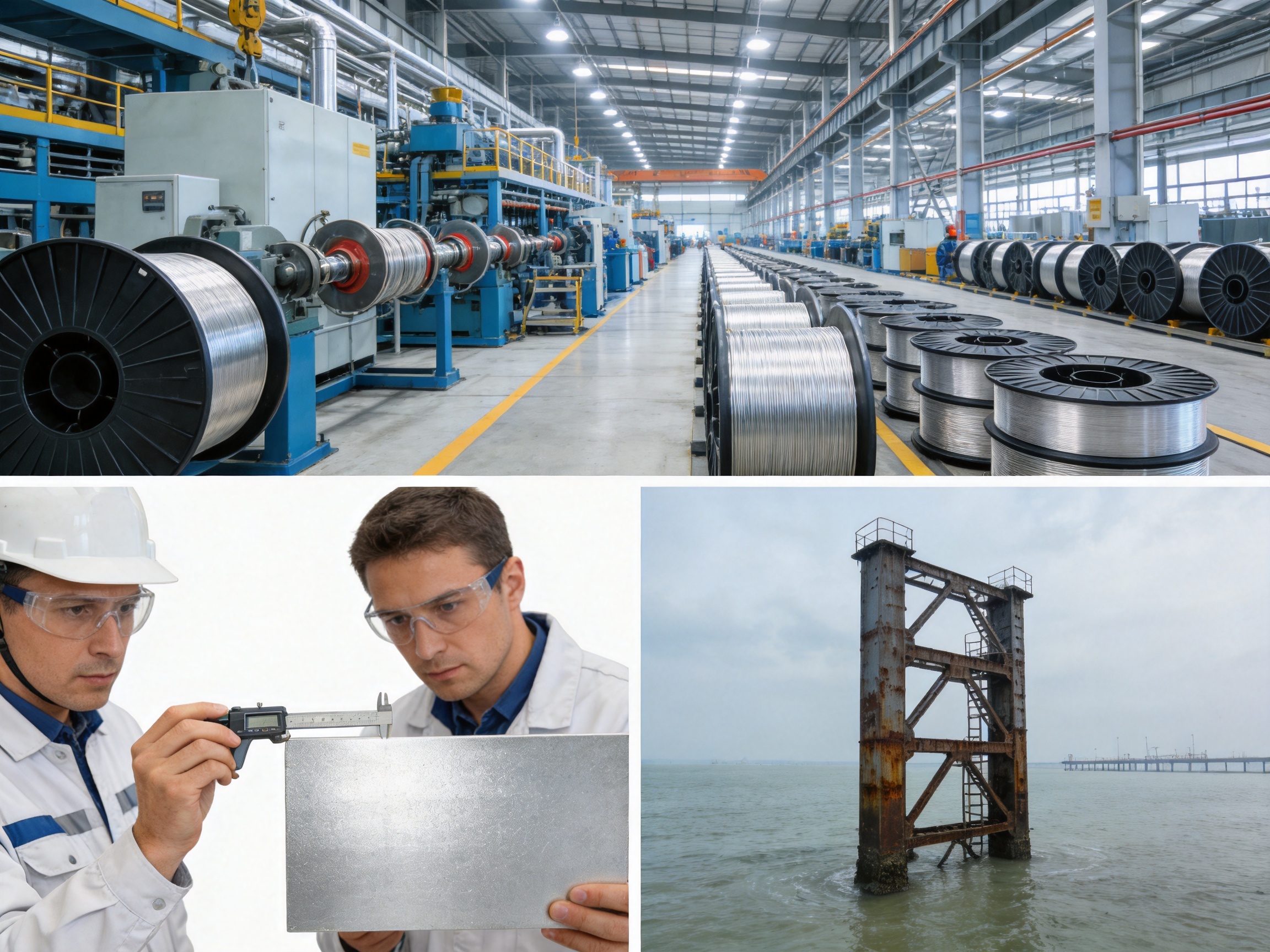
1090 aluminum wire is a high-purity aluminum product designed for applications in which surface quality, corrosion resistance, material consistency, and dependable processing are essential. With an aluminum content of at least 99.90%, the wire provides a clean and stable material source for evaporation and thermal spraying operations. It is mainly used to improve the corrosion resistance of a substrate surface and to extend the service life of components exposed to moisture, atmospheric conditions, chemicals, or other corrosive environments.
Although aluminum wire is widely available, not all aluminum wire products deliver the same level of purity or process stability. Differences in chemical composition, manufacturing control, surface condition, dimensional consistency, packaging, and quality inspection can significantly affect the final coating. For this reason, selecting a suitable grade is more important than simply choosing a wire with a competitive price.
1090 aluminum wire combines high aluminum purity with the practical advantages of a lightweight, corrosion-resistant, and readily processable material. It is particularly suitable for manufacturers and coating specialists seeking a reliable feedstock for aluminum evaporation, arc spraying, flame spraying, and related surface-treatment processes. The material can help create a protective aluminum layer that acts as a barrier between the substrate and the surrounding environment.
Jiangsu Hetuo Aluminum Wire Co., Ltd. manufactures 1090 aluminum wire within an integrated aluminum materials production system. The company focuses on high-purity aluminum wire, high-strength aluminum alloy wire, and aluminum and aluminum alloy welding materials. Its manufacturing approach combines specialized production equipment, process control, inspection procedures, and experience in serving industrial customers in domestic and overseas markets.
Content
- 1 What Is 1090 Aluminum Wire?
- 2 Typical Chemical Composition
- 3 Primary Application: Evaporation
- 4 Primary Application: Thermal and Surface Spraying
- 5 Advantages of 1090 Aluminum Wire
- 6 Comparison with Other Aluminum Wire Options
- 7 Manufacturing Strengths and Quality Management
- 8 Why Choose a Specialized Manufacturer?
- 9 Production and Application Considerations
- 10 Environmental and Economic Benefits
- 11 Supply Capability for Global Customers
- 12 Quality Assurance Checklist for Buyers
- 13 Frequently Asked Questions
- 13.1 What is the aluminum purity of 1090 aluminum wire?
- 13.2 What is 1090 aluminum wire mainly used for?
- 13.3 Is 1090 aluminum wire suitable for thermal spraying?
- 13.4 Can 1090 aluminum wire be used for welding?
- 13.5 How does 1090 compare with 1070 aluminum wire?
- 13.6 How does 1090 compare with 1A95?
- 13.7 Does high purity automatically guarantee a corrosion-resistant coating?
- 13.8 What quality certifications does the manufacturer report?
- 13.9 Can the product be supplied for overseas customers?
- 13.10 What information should be provided when requesting a quotation?
- 14 Conclusion
- 15 References
- 16 Product: 1090 Aluminum Wire
What Is 1090 Aluminum Wire?
1090 aluminum wire is a commercially pure aluminum wire grade containing at least 99.90% aluminum according to the supplied product information. The remaining portion consists of controlled trace elements and unavoidable impurities, including small quantities of silicon, iron, copper, manganese, magnesium, zinc, titanium, and other elements.
The 1090 designation identifies a high-purity aluminum composition rather than a conventional heat-treatable aluminum alloy. This distinction is important. Alloying elements are intentionally added to many aluminum grades to increase strength, hardness, or temperature performance. In contrast, 1090 aluminum wire emphasizes purity, corrosion resistance, electrical and thermal conductivity, and clean deposition behavior.
For evaporation and spraying, high purity can be advantageous because excessive alloying elements or uncontrolled impurities may influence melting, atomization, deposition, coating appearance, and the performance of the finished layer. A carefully controlled 1090 composition helps coating operators maintain more predictable process conditions.
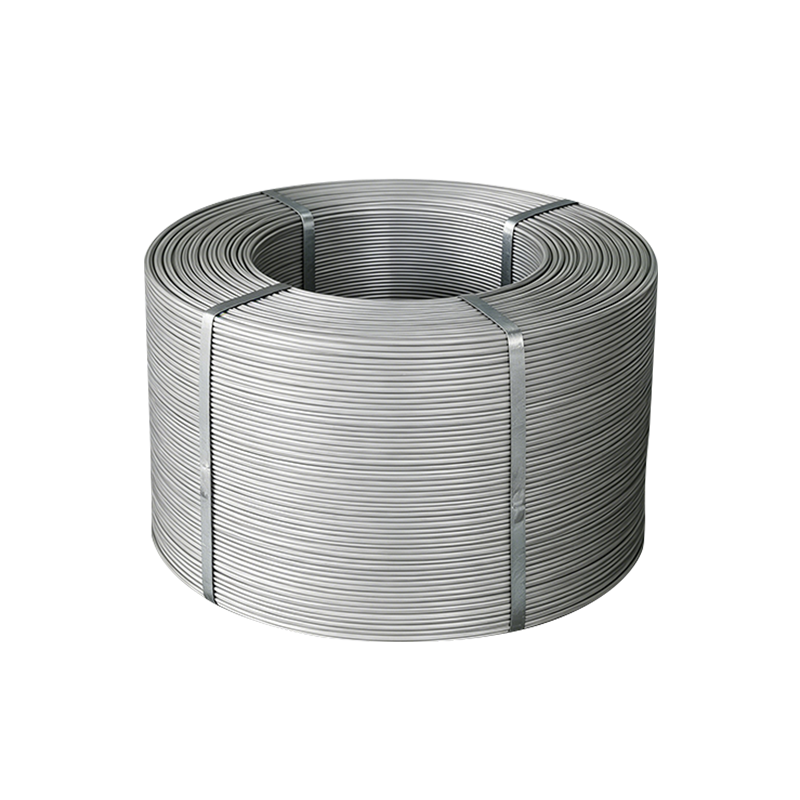
The wire form is also significant. A continuous wire feed can support efficient coating operations, reduce material waste compared with some bulk-feed methods, and make it possible to maintain a stable deposition rate. Depending on the equipment and process, the wire may be melted and atomized by an electric arc, flame, plasma, or another thermal spray energy source. In evaporation applications, the material is converted into a vapor or deposited film under controlled conditions.
Typical Chemical Composition
The supplied product information lists 1090 aluminum wire with an aluminum content of 99.90%. The reported maximum or reference values for selected elements are shown below. The actual purchasing specification should always be confirmed with the manufacturer’s technical documentation, inspection certificate, and applicable standard.
| Grade | Aluminum, minimum (%) | Si (%) | Fe (%) | Cu (%) | Mn (%) | Mg (%) | Zn (%) | Ti (%) | Other (%) |
| 1070 | 99.70 | 0.20 | 0.25 | 0.04 | 0.03 | 0.03 | 0.04 | 0.03 | 0.03 |
| 1090 | 99.90 | 0.07 | 0.07 | 0.02 | 0.01 | 0.01 | 0.03 | 0.01 | 0.01 |
| 1A95 | 99.95 | 0.03 | 0.03 | 0.01 | — | — | 0.00 | 0.01 | 0.01 |
The comparison demonstrates the position of 1090 between 1070 and 1A95 in the supplied high-purity product range. Compared with 1070, 1090 offers a higher minimum aluminum content and lower listed levels for several impurities. Compared with 1A95, 1090 provides a slightly lower purity level while remaining suitable for many industrial evaporation and spraying applications where 99.90% aluminum is sufficient.
This balance can be commercially useful. A buyer does not always need the highest available purity for every application. Choosing a grade that meets the technical requirement without unnecessary over-specification can help control material costs while maintaining process performance. For demanding applications requiring extremely low impurity levels, 1A95 or another specialized grade may be considered. For a broad range of protective coating operations, 1090 can provide an effective combination of purity, performance, and value.
Primary Application: Evaporation
In evaporation processes, aluminum is transformed into a vapor or fine deposited layer and applied to a selected surface. The process may be used to create a reflective, conductive, decorative, or protective film, depending on the substrate and the operating conditions.
High-purity aluminum wire can be suitable for evaporation because its controlled composition supports more predictable melting and vaporization behavior. When the feed material contains excessive or inconsistent impurities, the operator may encounter changes in evaporation rate, residue formation, coating appearance, or film uniformity. A stable 1090 feedstock can help reduce variation related to the raw material itself.
Aluminum evaporation is used in a range of industrial fields. Applications may include reflective films, protective layers, packaging-related materials, optical components, electronic products, and other manufactured surfaces. The exact suitability of 1090 wire depends on the equipment, substrate, film thickness, operating atmosphere, and required performance characteristics.
One important advantage of aluminum is its ability to form a naturally protective oxide layer. This oxide contributes to the material’s resistance to atmospheric degradation. When aluminum is deposited onto a compatible substrate, the resulting layer may help reduce direct exposure of the base material to moisture, oxygen, salts, and other environmental factors.
For evaporation users, consistency from one production batch to another is essential. A wire with controlled chemistry and stable surface condition makes it easier to establish process parameters and maintain them over time. This can support more predictable production planning, reduce adjustment frequency, and improve the repeatability of finished products.
Primary Application: Thermal and Surface Spraying
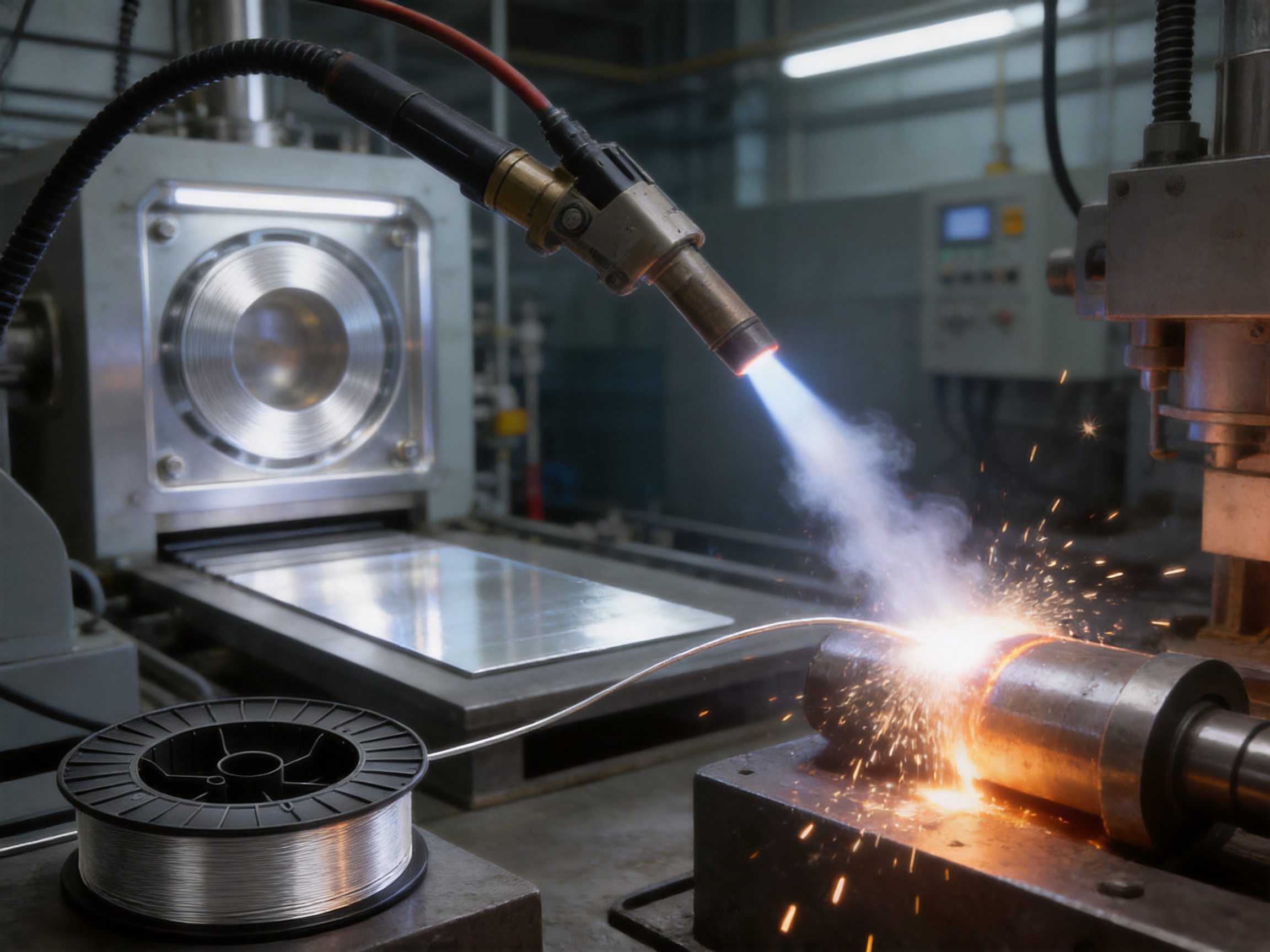
1090 aluminum wire is mainly promoted for spraying applications that improve the corrosion resistance of a substrate and extend its service life. In thermal spray processes, the wire is continuously fed into a heat source, melted, atomized, and propelled toward a prepared surface. The particles flatten and solidify to form a coating.
Aluminum coatings are valued for their ability to provide sacrificial and barrier protection. In suitable environments, aluminum can protect an underlying steel or other metal substrate by reducing contact with corrosive agents. The coating can also serve as part of a multilayer system in which sealing, painting, or another finishing treatment is applied after spraying.
Common application areas may include steel structures, fabricated components, infrastructure parts, storage equipment, transportation-related products, and industrial machinery. The final performance depends on coating thickness, surface preparation, spray parameters, porosity, adhesion, sealing, environmental exposure, and the design of the complete protection system.
Wire-arc spraying is one of the important processes for aluminum wire. Two electrically charged wires are brought together at the arc point, where the heat melts the wire tips. Compressed gas then atomizes and propels the molten aluminum onto the workpiece. Because the wire is continuously supplied, the process can be productive for large surfaces and repeated industrial operations.
Flame spraying is another possible process. In this method, a fuel gas and oxygen or air provide the energy required to melt the wire. The molten material is atomized and projected onto the substrate. Flame spray equipment may be selected for repair, maintenance, or production operations depending on the required deposition rate and coating specification.
Before spraying, surface preparation is critical. The substrate may require cleaning, degreasing, grit blasting, or another treatment to remove contaminants and create a suitable profile. Even high-quality 1090 aluminum wire cannot compensate for poor substrate preparation. A properly prepared surface helps improve mechanical bonding and contributes to a more durable coating.
After spraying, the coating may be inspected for thickness, uniformity, adhesion, surface condition, and coverage. In some applications, a sealer is used to reduce porosity and improve resistance to fluids or atmospheric exposure. The correct post-treatment depends on the service environment and the requirements of the customer.
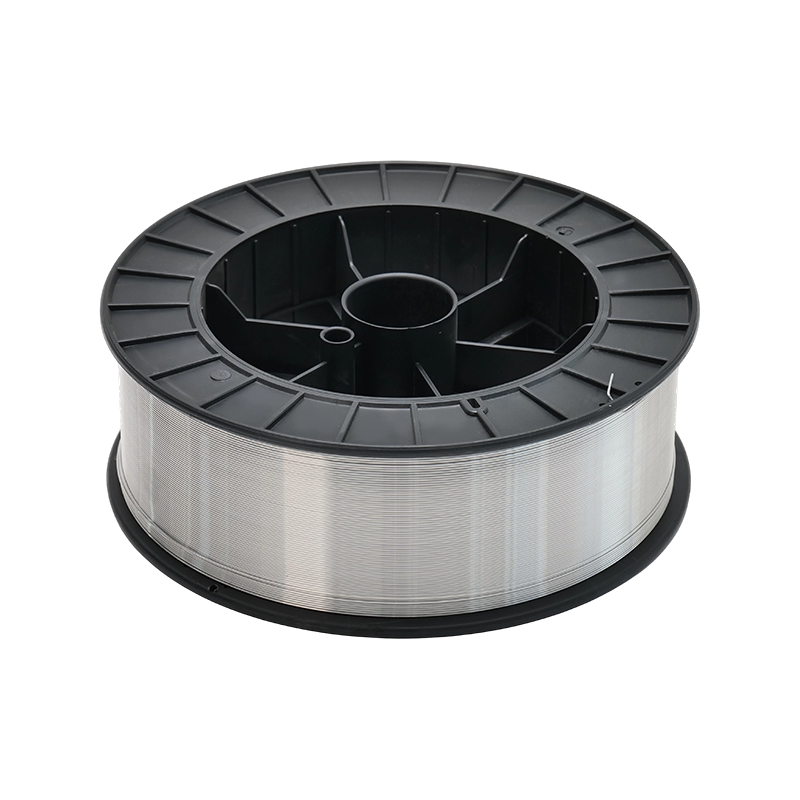
1090 Aluminum Wire
Advantages of 1090 Aluminum Wire
High Aluminum Purity
The most direct advantage of 1090 aluminum wire is its minimum aluminum content of 99.90%. High purity supports a clean and predictable feedstock for processes where the chemical composition of the deposited material matters. It also reduces the proportion of alloying elements that could influence melting, atomization, vaporization, or coating behavior.
In comparison with lower-purity commercial grades, 1090 may provide greater control in applications requiring a consistent aluminum surface. This can be valuable when appearance, deposition stability, corrosion resistance, or electrical characteristics are important.
Corrosion Protection
Aluminum naturally develops a thin oxide layer when exposed to oxygen. This layer helps protect the underlying aluminum from further rapid oxidation. In sprayed coating systems, an aluminum layer can act as a barrier and, under suitable conditions, provide sacrificial protection to a less noble substrate.
The corrosion performance of a sprayed coating is influenced by the complete system rather than the wire alone. Nevertheless, a high-purity aluminum feedstock provides a strong foundation for producing a protective surface layer when the process is correctly designed and controlled.
Extended Substrate Service Life
Corrosion can reduce the thickness, strength, appearance, and reliability of metal components. Applying a protective aluminum coating can help slow this deterioration and reduce the frequency of repairs or replacement. For infrastructure and industrial assets, extending service life may lower maintenance costs and reduce production interruptions.
The potential service-life improvement depends on the exposure conditions and coating design. Marine, coastal, industrial, and high-humidity environments may require careful specification of coating thickness, sealing, inspection, and maintenance. 1090 wire is therefore best viewed as an important component of a broader corrosion-control strategy.
Stable Processing Characteristics
A controlled chemical composition can make it easier for operators to establish stable equipment settings. Consistency in wire chemistry and physical condition supports predictable feed rates, arc behavior, flame melting, and particle deposition.
Stable processing can also contribute to efficient production. When the feedstock performs consistently, operators may spend less time correcting irregular melting, wire feeding, or coating appearance. This can improve utilization of equipment and help reduce avoidable material waste.
Lightweight Material
Aluminum has a lower density than steel and many other engineering metals. A protective aluminum coating can therefore provide corrosion resistance without adding excessive weight to the finished component. This is useful for transportation, equipment, and structures where weight affects handling, energy consumption, or design efficiency.
The actual added mass depends on coating thickness and surface area. Even so, the combination of low density and protective performance makes aluminum an attractive material for many surface-engineering applications.
Good Formability and Process Compatibility
Commercially pure aluminum is generally known for its ductility and favorable forming behavior. In wire applications, this characteristic can support continuous feeding through compatible spraying or evaporation equipment. The precise feedability depends on wire diameter, temper, surface finish, coil or spool configuration, and equipment design.
Manufacturers can select different wire specifications according to the requirements of their application. Before placing an order, users should confirm the available diameter range, dimensional tolerance, package format, coil weight, and compatibility with their equipment.
Comparison with Other Aluminum Wire Options
One of the advantages of a specialized high-purity aluminum wire supplier is the ability to compare different grades rather than treating all aluminum wire as interchangeable. The most appropriate grade depends on the required purity, mechanical properties, process conditions, and final application.
1090 Compared with 1070
Both 1070 and 1090 are high-purity aluminum grades. Based on the supplied composition data, 1090 has a minimum aluminum content of 99.90%, while 1070 has a minimum aluminum content of 99.70%. The listed impurity limits for silicon and iron are also lower for 1090.
For applications where a higher level of chemical cleanliness is desirable, 1090 may provide an advantage over 1070. It can be considered when the customer wants a purer aluminum coating or a more controlled evaporation source. However, 1070 may remain suitable for applications where its composition already meets the process and performance requirements.
1090 Compared with 1A95
1A95 is listed with a minimum aluminum content of 99.95%, making it purer than 1090. It may be selected for applications with particularly strict purity requirements. However, the highest-purity option is not automatically the most economical or necessary choice for every project.
1090 can occupy a practical middle position. It provides 99.90% aluminum purity and is intended for demanding industrial use while potentially avoiding the cost of specifying a higher-purity grade when that additional purity does not provide a meaningful benefit.
1090 Compared with High-Strength Aluminum Alloy Wire
High-strength aluminum alloy wire is designed around a different performance objective. Alloying elements may be added to increase tensile strength, hardness, wear resistance, or other mechanical properties. These grades can be advantageous when the wire itself must withstand higher mechanical loads.
1090, by contrast, prioritizes aluminum purity and surface-deposition performance. It may not be the preferred choice when the main requirement is high structural strength. Selecting 1090 for a spraying or evaporation application is therefore a decision based on chemical purity and coating behavior rather than maximum wire strength.
1090 Compared with Welding Wire
Aluminum and aluminum alloy welding wires are formulated for joining operations. Their chemistry, surface requirements, feeding characteristics, and qualification criteria may differ from those of thermal spray or evaporation wire. A welding wire should not automatically be substituted for 1090 aluminum wire unless the application and equipment have been specifically validated.
A manufacturer that supplies high-purity aluminum wire as well as welding materials can help customers select a product according to the actual process. This broader product capability can be useful for companies operating several aluminum fabrication or surface-treatment lines.
Manufacturing Strengths and Quality Management
Jiangsu Hetuo Aluminum Wire Co., Ltd. was established in 2019 and has developed a manufacturing system focused on aluminum alloy materials. According to the supplied company information, the factory covers approximately 40,000 square meters and employs 60 people, including 30 professional managers and technicians.
The combination of production personnel, technical staff, and management resources supports an organized approach to product development, manufacturing, process supervision, and customer service. In aluminum wire production, technical attention is required at every stage, from raw material control and melting to wire forming, surface treatment, inspection, and packaging.
The company reports that it has introduced advanced equipment and facilities and established an intelligent manufacturing system covering high-purity aluminum wire, high-strength aluminum alloy wire, and aluminum and aluminum alloy welding materials. An integrated production base can provide operational advantages over a fragmented supply chain, particularly when product consistency and delivery coordination are important.
Raw Material and Composition Control
High-purity products require careful control of incoming raw materials. The purity of the final wire can be affected by the composition of primary aluminum, the cleanliness of the production environment, furnace management, tools, containers, and handling procedures.
A disciplined manufacturing process begins with the verification of raw material chemistry. Material identification, batch records, and composition testing help reduce the risk of unintended contamination. For 1090 aluminum wire, the manufacturer must maintain the required balance between aluminum content and trace-element limits.
Composition control is especially important for evaporation and spraying users because the final coating may be affected by changes in the feedstock. When chemical data are documented and traceable, customers can better correlate raw material batches with coating results.
Melting and Casting Management
During melting and casting, temperature control and furnace cleanliness influence the quality of the aluminum. Excessive temperature, prolonged holding, or contamination can affect metal quality and increase the risk of inclusions or composition variation.
An advanced manufacturing system typically uses controlled operating procedures, equipment monitoring, and inspection checkpoints to maintain stable conditions. The precise equipment configuration and process parameters are determined by the manufacturer’s production technology, but the objective remains the same: produce a clean and uniform aluminum feedstock for subsequent wire processing.
Wire Forming and Dimensional Consistency
After the aluminum is prepared, it is formed into wire through a sequence of suitable processes. Depending on the production route, these may include rolling, drawing, straightening, surface conditioning, and coiling or spooling.
Dimensional consistency is important for automatic wire-feeding equipment. Variations in diameter, ovality, surface condition, or winding tension can cause feeding interruptions or changes in deposition rate. A professional wire manufacturer must therefore monitor dimensions and handling characteristics as part of routine production control.
Consistent wire geometry also supports more stable coating thickness. If the wire feed rate is related to the cross-sectional area of the wire, even small variations can influence the amount of material delivered over time. Maintaining uniformity helps operators achieve more predictable production results.
Surface Condition and Cleanliness
The wire surface must be suitable for the intended process. Oxides, oil, moisture, particles, or other contamination may influence feeding, melting, atomization, and coating quality. Appropriate surface management and packaging help protect the product between manufacturing and use.
For high-purity aluminum wire, cleanliness is not merely an appearance issue. Surface contaminants can enter the coating process and may create defects or reduce process efficiency. A controlled manufacturing and packaging environment can reduce these risks.
Inspection Throughout Production
The company states that it implements quality inspection throughout production. This approach is stronger than relying only on a final inspection after all processing has been completed. In-process checks can identify deviations earlier, allowing corrective action before a large quantity of material is affected.
Potential quality-control checkpoints may include raw material verification, chemical composition analysis, dimensional measurement, surface inspection, mechanical testing where applicable, packaging inspection, and final batch review. The specific test items should be defined by the product specification, applicable standards, and customer requirements.
ISO 9001 and IATF 16949 Certifications
Jiangsu Hetuo Aluminum Wire Co., Ltd. reports that it has obtained ISO 9001 and IATF 16949 quality management system certifications. ISO 9001 provides a recognized framework for quality-management processes, customer focus, documentation, corrective action, and continual improvement.
IATF 16949 is associated with quality management in the automotive supply chain. Its presence indicates that the company has developed management processes intended to address the demanding expectations commonly associated with automotive customers, including process discipline, risk management, traceability, defect prevention, and supply-chain control.
Certification does not replace product-specific testing or customer qualification. Nevertheless, these systems can give buyers greater confidence that manufacturing activities are organized and monitored according to recognized quality principles. Customers should still request current certificates, technical data sheets, inspection reports, and samples when evaluating 1090 aluminum wire for a new application.
Why Choose a Specialized Manufacturer?
Purchasing aluminum wire from a specialized manufacturer can provide several advantages over sourcing from a general metal distributor. A specialized producer understands the relationship between composition, wire processing, surface condition, packaging, and end-use performance.
First, the manufacturer can offer product selection across several categories. The supplied company portfolio includes high-purity aluminum wire, high-strength aluminum alloy wire, and aluminum and aluminum alloy welding materials. This enables customers to compare products within one technical supply network.
Second, direct manufacturing communication can simplify technical clarification. Buyers may need to discuss purity, wire size, tolerances, package formats, delivery schedules, inspection documentation, and application-specific requirements. Direct contact with a production-oriented supplier can make this process more efficient.
Third, specialized manufacturing supports better batch traceability. Traceable records can help customers investigate coating variation, manage incoming inspection, and maintain their own quality documentation. This is particularly important for automotive, infrastructure, and other applications where consistent performance and documented controls are required.
Fourth, an experienced manufacturer can support customization within its production capabilities. Possible areas for discussion may include wire diameter, coil or spool arrangement, labeling, packaging protection, inspection frequency, and delivery configuration. Any customization should be confirmed in writing before production.
Finally, a specialized supplier can help customers avoid selecting a grade that is either insufficient or unnecessarily expensive. By comparing 1070, 1090, 1A95, high-strength alloy grades, and welding materials, the buyer can select a product that matches the process rather than relying on a generic aluminum-wire description.
Production and Application Considerations
Confirm the Required Purity
Before ordering, the customer should identify whether the application requires 99.70%, 99.90%, 99.95%, or another aluminum purity level. A higher-purity grade may be necessary for certain evaporation processes, while 1090 may be fully adequate for many protective spraying operations.
Purity requirements should be based on the coating specification, process qualification, environmental exposure, and customer or industry standards. Avoiding both under-specification and over-specification helps balance performance and cost.
Confirm Wire Diameter and Tolerance
Wire diameter must match the feeding system and energy source. The customer should confirm the available size range, diameter tolerance, roundness, surface condition, and the suitability of the wire for the selected equipment.
Automatic systems are particularly sensitive to dimensional and winding variation. A wire that is chemically correct but mechanically inconsistent may still cause operational problems. Technical approval should therefore include both chemical and physical requirements.
Check Packaging and Storage
Aluminum wire should be protected from moisture, dirt, mechanical damage, and contamination during transport and storage. The package should maintain the wire’s shape and prevent deformation that could interfere with feeding.
Customers should store the product in a clean, dry area and allow cold packages to reach room temperature before opening if condensation could occur. Opened packages should be protected from dust and humidity until the wire is used.
Prepare the Substrate Correctly
For spraying applications, surface preparation is one of the most important factors affecting coating adhesion and service life. Oil, rust, mill scale, paint residue, salts, and other contaminants should be removed according to the coating procedure.
The surface profile should be appropriate for the selected spray process. Excessively smooth surfaces may provide insufficient mechanical anchoring, while an irregular or contaminated surface can create coating defects. The preparation method should be selected according to the substrate material and the final service environment.
Control Spray Parameters
Spray distance, wire feed rate, current, voltage, gas pressure, travel speed, substrate temperature, and spray angle can all affect coating quality. Operators should establish parameters through equipment instructions, process qualification, and application testing.
Even when the same 1090 wire is used, different equipment and substrate geometries may require different settings. Large flat surfaces, edges, corners, recesses, and complex shapes may not receive material in the same way. Process monitoring and operator training are therefore essential.
Inspect the Finished Coating
Inspection may include visual examination, thickness measurement, adhesion testing, porosity evaluation, and other tests required by the project specification. Coating inspection should consider both the aluminum layer and any sealer or topcoat applied afterward.
Records should identify the wire grade, batch, equipment settings, substrate preparation method, coating thickness, inspection results, and any repair work. This documentation supports quality assurance and future maintenance planning.
Environmental and Economic Benefits
Aluminum is attractive for surface protection because it can help extend the useful life of metal components. Longer service life may reduce the demand for replacement materials, labor, transportation, and downtime. In infrastructure and industrial maintenance, these benefits can be significant over the full life cycle of an asset.
The lightweight nature of aluminum can also reduce the mass added by a protective coating compared with some alternative metallic systems. This may be beneficial in applications where weight is a design consideration.
Thermal spraying can be used to repair or protect existing components without replacing the entire structure. Applying a protective layer to a serviceable substrate may conserve resources and reduce the environmental impact associated with manufacturing a replacement part.
The environmental performance of any coating system should be evaluated as a complete process. Energy consumption, surface preparation media, compressed air, overspray collection, waste management, sealing materials, and worker-protection requirements all contribute to the overall impact. 1090 aluminum wire offers a material option, but responsible process design remains necessary.
Supply Capability for Global Customers
The company is located in Guannan Economic Development Zone, Lianyungang, Jiangsu Province, China. Its position in an established industrial area supports access to manufacturing infrastructure, transportation resources, suppliers, and technical services.
According to the supplied company information, its products are exported to high-end overseas markets. International buyers generally require more than a product name. They may need technical data, certificates, packing lists, inspection records, batch identification, shipping coordination, and responsive communication.
A supplier serving international customers should be able to clarify product specifications before order confirmation. Important details include grade, aluminum content, element limits, wire diameter, tolerance, package type, quantity per package, delivery schedule, inspection requirements, and applicable standards.
For new customers, a sample order or trial production can help verify compatibility with existing evaporation or spraying equipment. The trial should evaluate feedability, melting behavior, deposition stability, coating appearance, thickness control, and final performance under the intended conditions.
Long-term supply relationships can be strengthened by regular performance reviews, documented corrective actions, stable batch control, and communication between the customer’s process engineers and the manufacturer’s technical team.
Quality Assurance Checklist for Buyers
When evaluating 1090 aluminum wire, buyers can use the following checklist:
- Confirm that the product is identified as 1090 aluminum wire and intended for the required process.
- Verify the minimum aluminum content and the limits for silicon, iron, copper, manganese, magnesium, zinc, titanium, and other elements.
- Request a current certificate of analysis or inspection certificate for the supplied batch.
- Confirm wire diameter, dimensional tolerance, roundness, and surface condition.
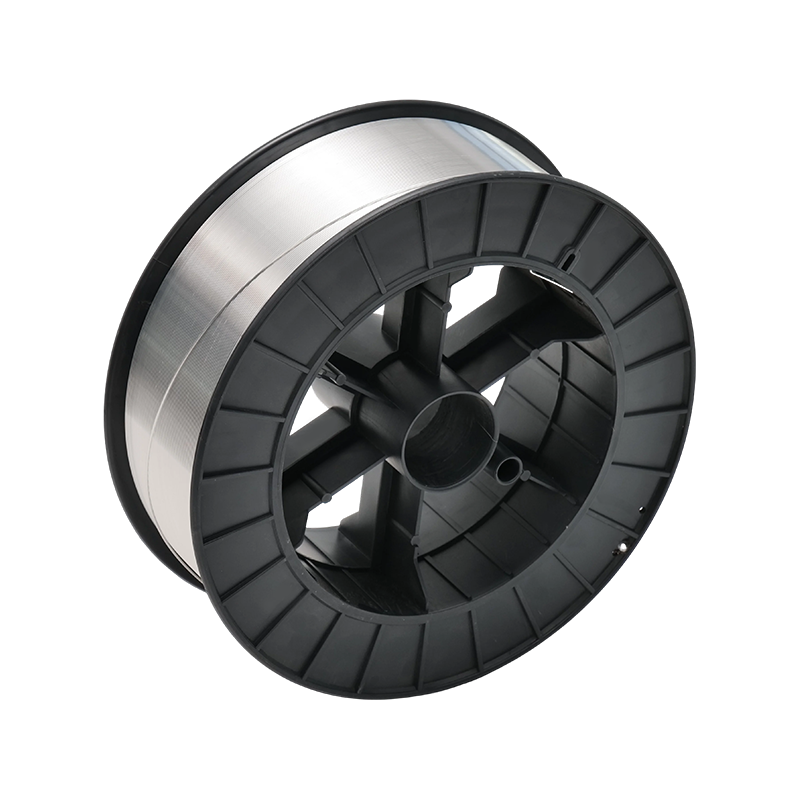
- Check whether the wire is supplied on a spool, in a coil, or in another package format.
- Verify package weight, labeling, batch number, and traceability information.
- Confirm compatibility with the wire-feeding equipment and thermal spray or evaporation process.
- Review storage, handling, and moisture-protection requirements.
- Conduct a process trial before approving full-scale production when the material is being introduced to a new line.
- Agree on inspection, delivery, and after-sales communication requirements in advance.
This checklist helps separate material quality from marketing language. A reliable supplier should be able to provide clear answers and supporting documentation rather than only a general statement that the product is high purity.
Frequently Asked Questions
What is the aluminum purity of 1090 aluminum wire?
The supplied product information identifies 1090 aluminum wire as containing at least 99.90% aluminum. The remaining percentage consists of controlled trace elements and other permitted impurities.
What is 1090 aluminum wire mainly used for?
It is mainly used for evaporation and surface spraying. In spraying applications, it is used to create an aluminum coating that can improve the corrosion resistance of a substrate and help extend the substrate’s service life.
Is 1090 aluminum wire suitable for thermal spraying?
Yes, it is intended for suitable thermal spray applications, including processes that use continuous aluminum wire feed. The final suitability depends on the equipment, wire diameter, coating specification, substrate preparation, and operating parameters.
Can 1090 aluminum wire be used for welding?
1090 aluminum wire is presented primarily as high-purity aluminum wire for evaporation and spraying. Welding applications normally require welding wire designed and qualified for the specific base alloy and joining process. Customers should select a dedicated aluminum or aluminum alloy welding material when the purpose is welding.
How does 1090 compare with 1070 aluminum wire?
Based on the supplied composition table, 1090 has a higher minimum aluminum content than 1070: 99.90% compared with 99.70%. The listed limits for several impurities are also lower in 1090. The appropriate grade depends on the purity requirement and the economics of the application.
How does 1090 compare with 1A95?
1A95 is listed with a higher aluminum content of 99.95%. It may be selected for applications requiring a higher purity level. 1090, with 99.90% aluminum, can be a practical choice for many industrial evaporation and spraying applications where the additional purity of 1A95 is not necessary.
Does high purity automatically guarantee a corrosion-resistant coating?
No. High purity is an important material characteristic, but coating performance also depends on substrate preparation, coating thickness, spray parameters, adhesion, porosity, sealing, environmental conditions, and maintenance. The complete coating system must be properly designed and controlled.
What quality certifications does the manufacturer report?
Jiangsu Hetuo Aluminum Wire Co., Ltd. reports ISO 9001 and IATF 16949 quality management system certifications. Buyers should request current certification documents and verify that the certification scope is relevant to the product being purchased.
Can the product be supplied for overseas customers?
The company reports that its products are exported to overseas markets. International customers should confirm shipping terms, export documentation, package requirements, production lead time, inspection documents, and communication procedures before placing an order.
What information should be provided when requesting a quotation?
A quotation request should include the grade, wire diameter, estimated quantity, package preference, application, equipment type, destination, required certificates, delivery schedule, and any special inspection or labeling requirements. Providing complete information helps the manufacturer recommend a suitable specification and prepare an accurate offer.
Conclusion
1090 aluminum wire is a high-purity aluminum feedstock developed for evaporation and surface-spraying applications. With a minimum aluminum content of 99.90%, it provides a practical combination of chemical cleanliness, corrosion-resistant material characteristics, process stability, low density, and broad industrial usefulness.
Its principal value lies in helping manufacturers produce aluminum films or coatings that protect substrates from environmental exposure. When used with proper surface preparation, controlled spray or evaporation parameters, suitable coating thickness, and appropriate inspection, 1090 aluminum wire can support longer component service life and more dependable surface performance.
Compared with 1070, 1090 offers higher listed aluminum purity and lower levels for several specified impurities. Compared with 1A95, it provides a slightly lower purity level that may be more economical for applications that do not require the highest available aluminum content. This makes 1090 a balanced option within a high-purity aluminum product range.
The manufacturing capabilities of Jiangsu Hetuo Aluminum Wire Co., Ltd. further support the product’s value. The company operates an approximately 40,000-square-meter factory, employs professional management and technical personnel, uses advanced equipment and facilities, and reports ISO 9001 and IATF 16949 certifications. Its product range across high-purity wire, high-strength alloy wire, and welding materials allows it to serve different aluminum-material requirements.
For buyers, the best purchasing decision should be based on verified chemistry, dimensional consistency, surface condition, packaging, equipment compatibility, quality documentation, and application testing. With these factors properly controlled, 1090 aluminum wire can be a dependable solution for manufacturers seeking efficient corrosion protection and high-quality aluminum deposition.
References
1. Product information supplied for 1090 Aluminum Wire, including stated application, chemical composition, product category, and grade comparison data.
2. Company information supplied for Jiangsu Hetuo Aluminum Wire Co., Ltd., including factory profile, product range, manufacturing capabilities, certifications, and export experience.
3. ISO 9001, Quality Management Systems—Requirements.
4. IATF 16949, Quality Management System Requirements for Automotive Production and Relevant Service Parts Organizations.
5. General technical principles of aluminum thermal spraying, wire-arc spraying, flame spraying, and protective metallic coating inspection.
6. General materials-engineering references concerning commercially pure aluminum, aluminum oxide formation, corrosion protection, and high-purity aluminum processing.