

 English
 中文简体
 русский
 Deutsch
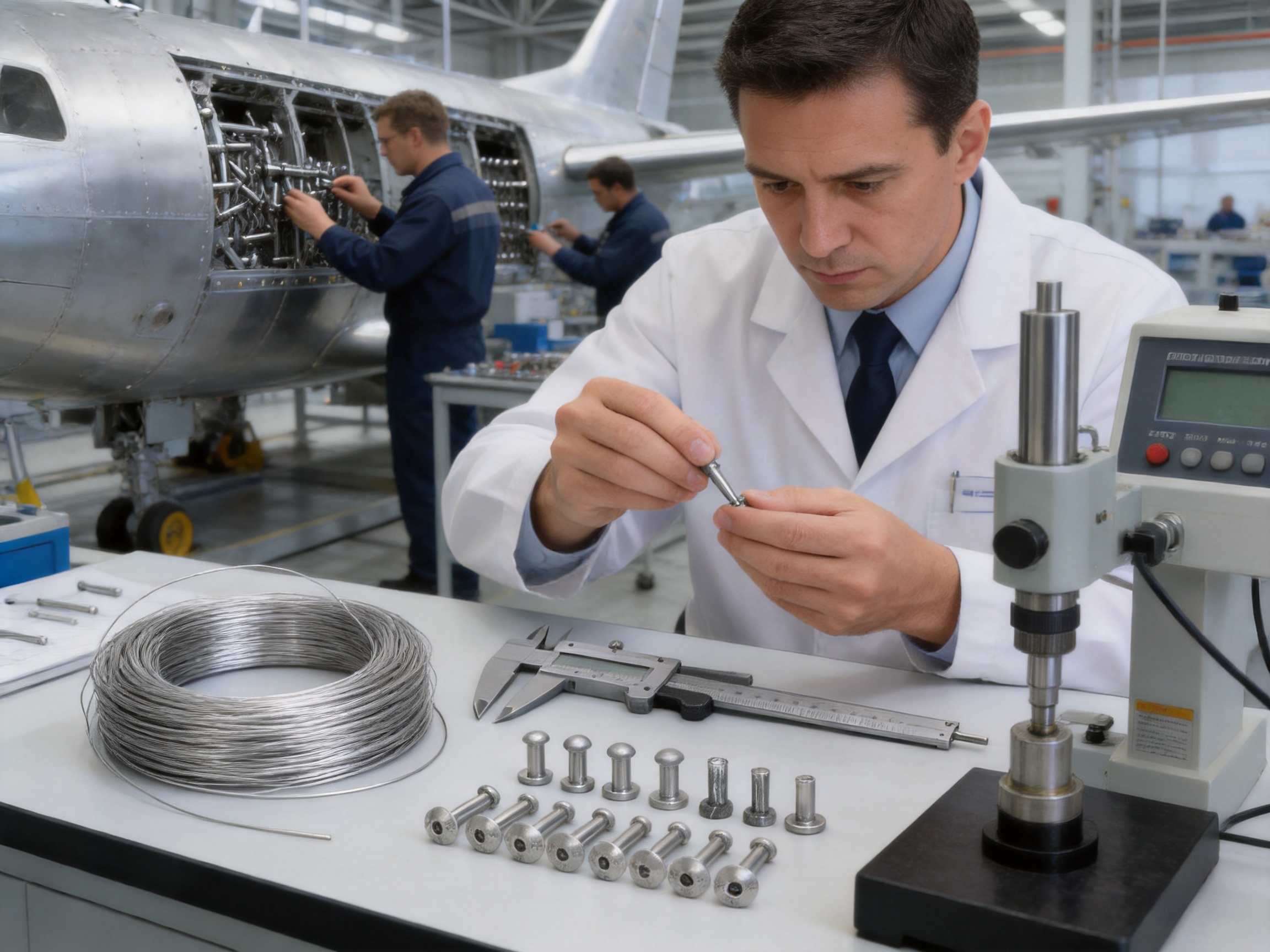
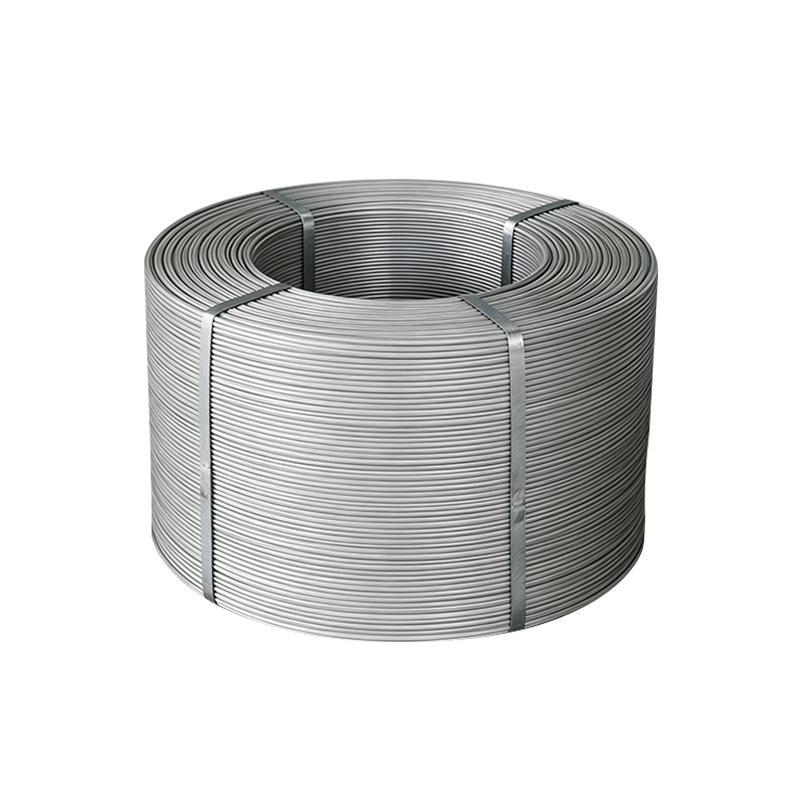
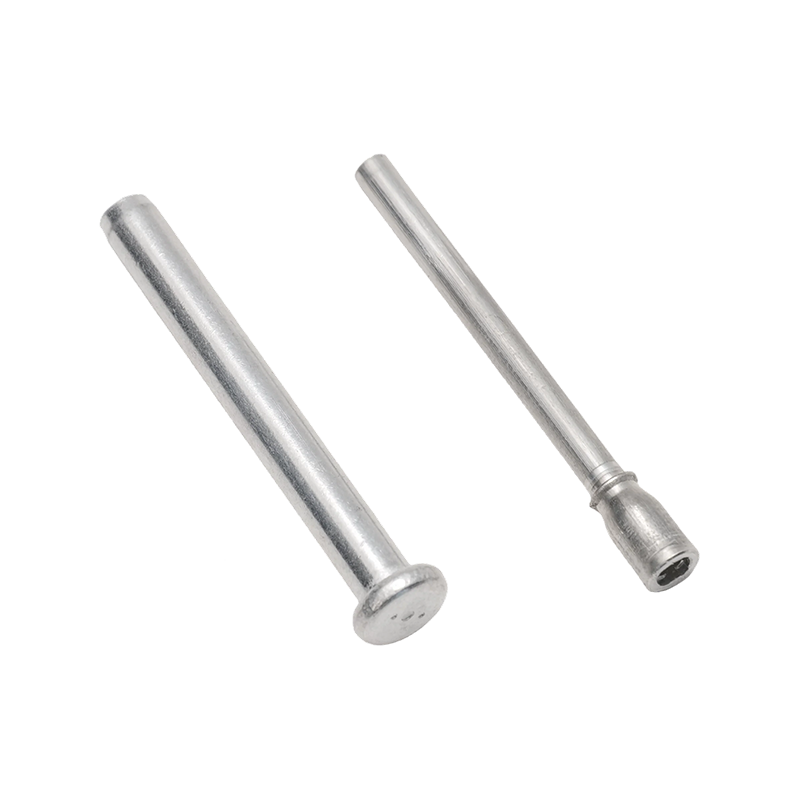
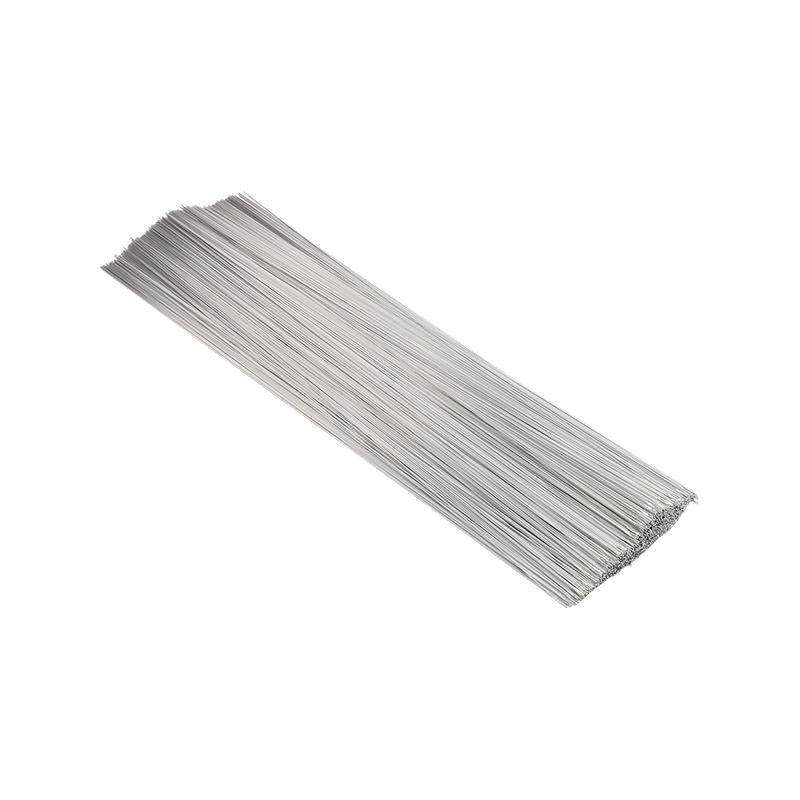
High-strength aluminum alloy wire for rivets is an essential semi-finished material for manufacturers that require reliable fastening, low weight, corrosion resistance, and consistent forming performance. Rivet wire is converted into rivet blanks and finished fasteners used in demanding industries, including aviation, aerospace, defense, transportation, machinery, and general structural fabrication. In these applications, the quality of the wire directly affects the quality of the finished rivet. Surface defects, inconsistent diameter, unstable mechanical properties, or unsuitable chemical composition can lead to forming problems, premature cracking, dimensional variation, and reduced service reliability.
The rivet wire described in this article is designed for high-strength applications and is based on a copper-containing aluminum alloy. Its strengthening behavior is associated with the formation of the CuAl2 phase, while its performance profile includes good oxidation resistance and shear resistance. The reported copper content is approximately 3.9% to 4.5%, although the complete chemical composition, temper, diameter range, and mechanical requirements should be confirmed against the purchaser’s technical specification and the applicable product standard.
As a specialized product manufactured by Jiangsu Hetuo Aluminum Wire Co., Ltd., this material combines an aluminum alloy composition suitable for rivet production with controlled wire processing, inspection, and customization capabilities. The manufacturer operates an intelligent production system covering high-purity aluminum wire, high-strength aluminum alloy wire, and aluminum and aluminum alloy welding materials. Its manufacturing base covers approximately 40,000 square meters and includes professional management and technical personnel, quality-control systems, and production equipment intended for industrial-scale supply.
This article explains the material characteristics, advantages, manufacturing process, application value, quality considerations, and purchasing factors associated with high-strength aluminum alloy wire for rivets.
Content
- 1 1. Why Rivet Wire Quality Matters
- 2 2. Product Overview
- 3 3. Material Strengthening Through the CuAl2 Phase
- 4 4. Advantages Compared with Conventional Rivet Materials
- 5 5. Manufacturing Process for Rivet Wire
- 6 6. Advanced Manufacturing Strengths
- 7 7. Quality Control from Raw Material to Finished Wire
- 8 8. Applications in Aviation, Aerospace, and Military Equipment
- 9 9. Applications Beyond Aerospace
- 10 10. Choosing the Correct Wire Specification
- 11 11. Storage, Handling, and Processing Recommendations
- 12 12. Sustainability and Resource Efficiency
- 13 13. Why a Specialized Manufacturer Adds Value
- 14 14. Quality and Cost Considerations
- 15 15. Frequently Asked Questions
- 15.1 Q1: What is this product primarily used for?
- 15.2 Q2: What makes the wire high strength?
- 15.3 Q3: What is the reported copper content?
- 15.4 Q4: Is the wire suitable for cold heading?
- 15.5 Q5: What advantages does aluminum alloy wire have over steel rivet wire?
- 15.6 Q6: Does good oxidation resistance mean that no corrosion protection is needed?
- 15.7 Q7: Can the manufacturer supply customized sizes?
- 15.8 Q8: What documentation should accompany the wire?
- 15.9 Q9: How should the wire be stored?
- 15.10 Q10: What should a customer do before placing a large order?
- 15.11 Q11: Is the product certified for every aerospace or military application?
- 15.12 Q12: How can the company support international buyers?
- 16 16. Conclusion
- 17 References
- 18 Product: For Rivets
1. Why Rivet Wire Quality Matters
A rivet begins as a wire or rod that is cut into a controlled length and formed into a head and shank. Although the final fastener may appear simple, the manufacturing process requires a careful balance between ductility and strength. The material must be strong enough to maintain clamping force and resist service loads, yet formable enough to withstand heading, upsetting, cold working, or other shaping operations without splitting.
Rivet manufacturers typically evaluate several wire characteristics at the incoming-material stage. These include chemical composition, diameter tolerance, straightness, surface condition, internal soundness, tensile properties, elongation, hardness, and the stability of the material during forming. If any of these characteristics vary excessively, the result may be a higher rejection rate, greater tool wear, more frequent production stoppages, and increased inspection costs.
For aerospace and defense-related components, the consequences of material inconsistency can be even more serious. A rivet may be used in a structure where vibration, shear loading, temperature changes, oxidation, and repeated stress are present. Consequently, the wire must be produced under controlled conditions and supported by traceable inspection records.
High-strength aluminum alloy wire is often selected when ordinary aluminum wire cannot provide sufficient load-bearing performance. Compared with low-strength commercial aluminum grades, a copper-containing alloy can deliver a higher-strength material system through alloying and phase strengthening. At the same time, aluminum remains significantly lighter than many steel-based alternatives, supporting weight reduction in assembled products.
2. Product Overview
The product is a high-strength aluminum alloy wire intended primarily for rivet production. It is especially associated with aviation, aerospace, and military applications, where the combination of low density and structural performance is valuable. Its principal strengthening mechanism is related to the CuAl2 phase. The material is also described as having good oxidation resistance and shear resistance, properties that are important for rivets exposed to mechanical loading and outdoor or elevated-temperature environments.
The specified copper range is Cu: 3.9–4.5%. Copper is a significant alloying element in this material family because it can contribute to precipitation or phase strengthening after suitable thermal and processing treatment. However, copper content alone does not define the entire performance of the wire. Aluminum balance, additional alloying elements, impurity control, processing history, temper, and final diameter all influence the result.
For that reason, buyers should request a complete mill certificate or inspection report for each production lot. The documentation should identify the alloy designation, chemical composition, product size, heat or cast number, mechanical properties, surface requirements, and any relevant heat-treatment condition. If the wire will be used in a regulated aerospace or defense program, the purchaser should also specify all required standards and approval procedures before production begins.
| Product characteristic | Importance for rivet production | Typical evaluation focus |
|---|---|---|
| High-strength aluminum alloy base | Supports load-bearing and structural fastening applications | Tensile strength, yield strength, hardness, and elongation |
| Copper-containing composition | Supports CuAl2-related strengthening behavior | Verified chemical analysis and composition uniformity |
| Good shear resistance | Helps rivets withstand transverse and joint-loading conditions | Mechanical testing and application-specific validation |
| Good oxidation resistance | Helps maintain surface stability during storage and service | Surface inspection, packaging, and environmental testing |
| Controlled wire geometry | Promotes accurate cutting and consistent rivet heading | Diameter tolerance, roundness, straightness, and surface quality |
| Custom production capability | Allows adaptation to different rivet machines and end uses | Specified diameters, tempers, packaging, and inspection plans |
One of the important advantages of purchasing the material from a dedicated aluminum wire manufacturer is the ability to coordinate composition, casting, drawing, heat treatment, finishing, and inspection as one connected process. This reduces the risk that a material will be transferred between unrelated suppliers with inconsistent controls.
3. Material Strengthening Through the CuAl2 Phase
The performance of copper-containing aluminum alloys is influenced by the interaction between the aluminum matrix and copper-rich phases. During suitable thermal treatment, copper can participate in the development of strengthening precipitates or intermetallic phases. The CuAl2 phase is commonly associated with strengthening in aluminum-copper alloy systems. These phases can hinder dislocation movement within the aluminum matrix, increasing resistance to plastic deformation.
For rivet wire, strengthening must be controlled carefully. Maximum hardness is not always the best condition for heading. A wire that is excessively hard or insufficiently ductile may crack when the rivet head is formed. Conversely, a wire that is too soft may form easily but fail to provide the required service strength. The best condition depends on the rivet design, forming method, required mechanical properties, and any subsequent heat treatment.
Controlled processing therefore plays a central role. Melting and alloying must produce a uniform chemical composition. Solidification must be managed to limit segregation and undesirable internal structures. Thermal treatment must be selected to obtain the intended balance of strength and formability. Drawing reductions must be controlled so that the wire reaches the required diameter without excessive residual stress or surface damage.
In practical production, the correct material condition is determined through testing and customer consultation. A rivet maker may require wire with a particular combination of hardness, elongation, and tensile strength to match a heading machine. Another customer may prioritize higher final strength after heat treatment. The wire manufacturer must therefore understand the relationship between alloy chemistry, process route, final size, and end-use requirements.
4. Advantages Compared with Conventional Rivet Materials
4.1 Lower Weight
Aluminum and aluminum alloys have a lower density than steel and many other structural metals. When aluminum alloy rivets can meet the design requirements, they may reduce the weight of an assembled structure. This is particularly valuable in aircraft, aerospace vehicles, military equipment, rail transportation, automotive systems, and portable machinery, where every reduction in component mass can improve efficiency or payload capacity.
Weight reduction is not limited to the rivet itself. Lightweight fasteners may also help designers optimize the surrounding joint. A lower-mass fastener can contribute to an overall lightweight design strategy when used together with aluminum panels, profiles, sheets, and other compatible components.
4.2 High Strength-to-Weight Ratio
The main performance advantage of a high-strength aluminum alloy is the possibility of achieving useful mechanical strength without the mass associated with steel fasteners. The CuAl2-related strengthening mechanism supports a stronger alloy system than unalloyed aluminum. This makes the wire suitable for rivet applications where ordinary soft aluminum would not provide adequate resistance to deformation or shear loading.
A high strength-to-weight ratio is particularly useful in structures subjected to vibration and repeated acceleration. It can also simplify material handling and reduce the weight of assemblies that must be installed, transported, or serviced in difficult locations.
4.3 Shear Resistance
Rivets frequently carry shear loads across overlapping plates or components. Shear resistance is therefore a key consideration in rivet selection. A high-strength copper-containing aluminum alloy can provide a more robust load-bearing base than low-strength aluminum wire when the design requires increased resistance to transverse forces.
The actual shear performance of a finished rivet depends on more than the wire composition. Rivet diameter, head geometry, installation method, joint design, clamping force, hole quality, plate material, and service environment all influence the final result. Nevertheless, a stable high-strength wire provides a reliable starting point for producing rivets with consistent mechanical behavior.
4.4 Oxidation Resistance
Aluminum naturally develops a thin oxide film when exposed to air. This protective surface layer can slow further oxidation under many normal conditions. The described rivet wire is intended to provide good oxidation resistance, which can help preserve surface quality during storage, processing, and service.
Oxidation resistance should not be confused with unlimited corrosion immunity. The performance of an aluminum alloy depends on the environment, contact with dissimilar metals, humidity, salts, chemicals, temperature, and protective treatments. In critical applications, joint designers should evaluate galvanic compatibility and consider coatings, sealants, surface treatments, or isolation layers where appropriate.
4.5 Forming Suitability
High-quality wire must be suitable for cutting and heading. A controlled surface allows the wire to enter tooling with less risk of scoring or generating cracks. Uniform diameter helps the forming machine produce rivets with stable head dimensions. Appropriate mechanical properties help the material deform predictably instead of splitting, buckling, or producing uneven heads.
Compared with poorly controlled commodity wire, precision-manufactured rivet wire can reduce production variability. This advantage becomes increasingly important when rivets are produced in large quantities or when automated heading equipment is used.
4.6 Customization Potential
Different rivet manufacturers require different wire diameters, lengths, tempers, packaging formats, and inspection requirements. A specialized wire producer can work with the customer to define these parameters rather than offering only a limited standard product range.
Customization may include wire size, coil or straight-length delivery, surface requirements, mechanical-property targets, lot traceability, packing configuration, and documentation. Such flexibility can help customers integrate the material into existing manufacturing lines without unnecessary changes to tooling or process settings.
5. Manufacturing Process for Rivet Wire
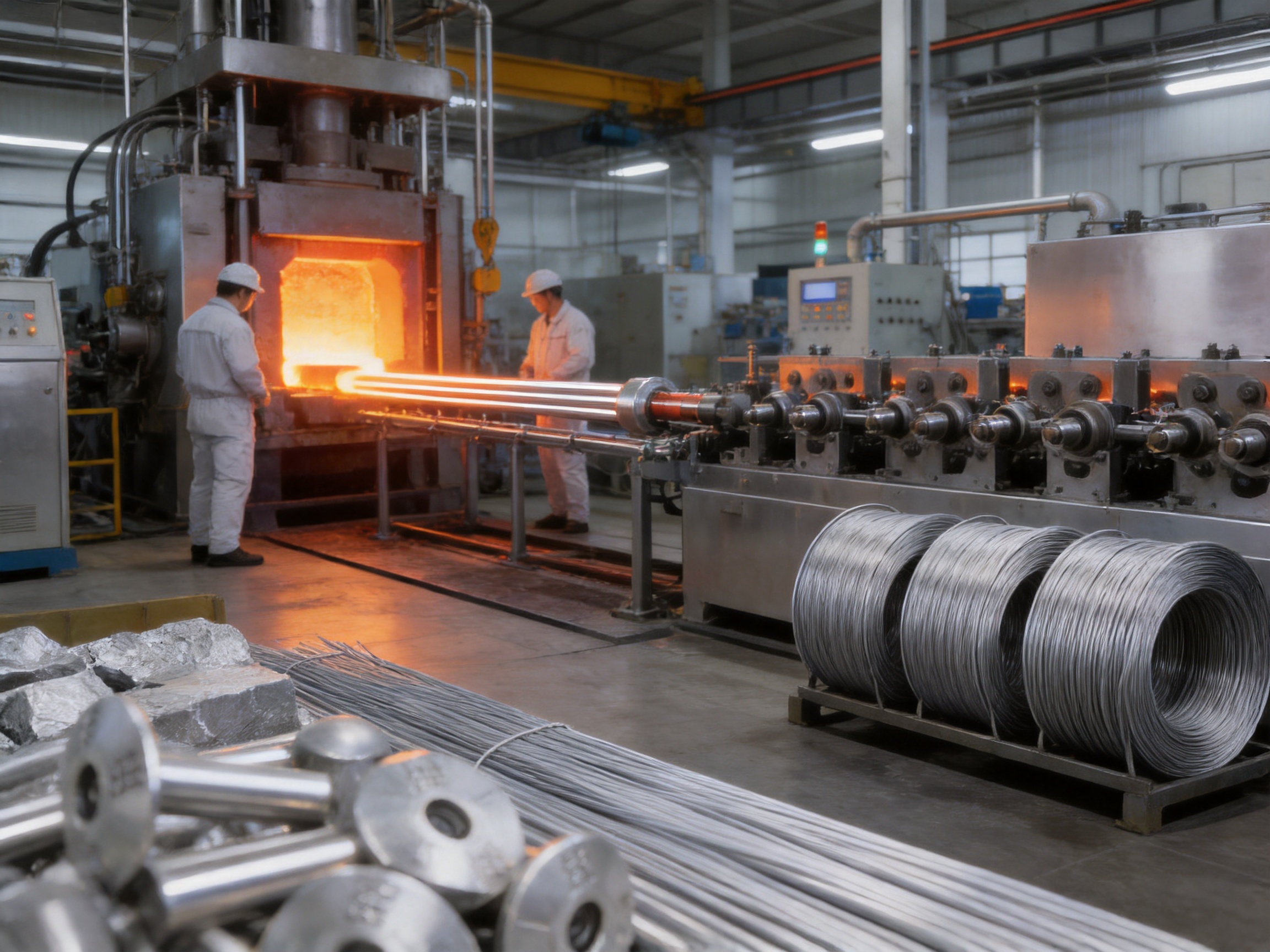
The quality of a finished aluminum alloy wire depends on the entire production chain. Each stage affects the next, and weakness at an early stage may not be corrected later. A modern manufacturing process normally includes raw-material preparation, melting, alloying, casting, homogenization or other thermal treatment, hot working, drawing, intermediate treatment, final sizing, inspection, and packaging.
5.1 Raw-Material Preparation
The process begins with the selection and preparation of aluminum and alloying materials. Incoming materials must be identified, weighed, and checked against the production plan. Control of raw materials helps reduce unwanted variations in iron, silicon, copper, magnesium, zinc, and other elements that may influence strength, ductility, conductivity, corrosion behavior, and forming performance.
For a copper-containing rivet alloy, copper additions must be accurately measured and properly introduced into the melt. Impurity levels should be controlled because excessive or uncontrolled impurities can affect phase formation and reduce the consistency of the wire. Material identification and batch records also support traceability from the finished coil back to the original melt.
5.2 Melting and Alloying
During melting, the aluminum base is brought to a controlled temperature and alloying elements are introduced according to the specified formulation. The melt must be protected from excessive contamination and unwanted gas absorption. Operators and process engineers monitor temperature, holding time, stirring or mixing conditions, and sampling requirements.
A chemical sample may be analyzed before casting to confirm that the composition is within the required range. The reported copper content of 3.9% to 4.5% provides a central control point for the described product, but a complete composition should be verified for every applicable grade and order.
Uniform alloying is important because local composition differences can create uneven strengthening behavior. If one area of a billet or rod contains more copper-rich material than another, later drawing and heat treatment may not produce uniform mechanical properties. Melt control and representative sampling are therefore essential.
5.3 Casting and Solidification
After the melt reaches the required condition, it is cast into a suitable intermediate form. Casting technology influences grain structure, segregation, porosity, inclusions, and the subsequent workability of the alloy. Stable casting conditions help produce a more consistent feedstock for downstream processing.
Solidification must be controlled to minimize defects that could become more serious during drawing. Internal discontinuities may cause wire breaks, surface cracks, or reduced fatigue performance. For critical applications, the manufacturer may use additional inspection or process controls to verify the soundness of the cast product.
5.4 Homogenization and Thermal Treatment
Thermal treatment can reduce chemical segregation and improve the uniformity of the cast structure. In copper-containing aluminum alloys, heating may also influence the distribution and dissolution of copper-rich phases. The selected temperature and time must be managed carefully because overheating can cause undesirable grain growth or surface effects, while insufficient treatment may leave the structure nonuniform.
Later solution treatment, aging, or tempering may be used depending on the required product condition. The objective is not simply to maximize hardness. The intended balance may involve sufficient strength, adequate forming ductility, stable dimensions, and acceptable residual stress. Process records for thermal treatment should be maintained as part of the manufacturing quality system.
5.5 Hot Working and Rod Preparation
The cast and thermally treated material may be processed into rod or another intermediate form through controlled hot working. This stage can refine the structure, close certain internal imperfections, and prepare the material for precision drawing. Temperature, reduction, speed, lubrication, and equipment alignment all influence the quality of the resulting rod.
A well-prepared rod supports more stable downstream drawing. If the rod contains excessive surface scale, uneven dimensions, or internal defects, those problems may be transferred into the final wire. Rod inspection before drawing can therefore prevent unnecessary processing of unsuitable material.
5.6 Wire Drawing
Wire drawing reduces the diameter through dies while improving dimensional precision and surface finish. Multiple drawing passes may be used, with intermediate annealing or other treatment when required. Each pass must be matched to the alloy condition and target reduction. Excessive reduction in a single pass can raise drawing stress and increase the risk of cracks or breaks.
Die condition is important. Worn or damaged dies can create scratches, flats, chatter marks, or diameter instability. Proper lubrication reduces friction and heat while supporting surface quality. Drawing equipment must also maintain alignment so that the wire remains centered through the die sequence.
The final wire should meet the agreed diameter and tolerance. For rivet production, dimensional consistency is particularly important because the wire is frequently cut automatically. A small variation in diameter changes the volume of each blank and may influence rivet-head formation.
5.7 Surface Finishing and Straightening
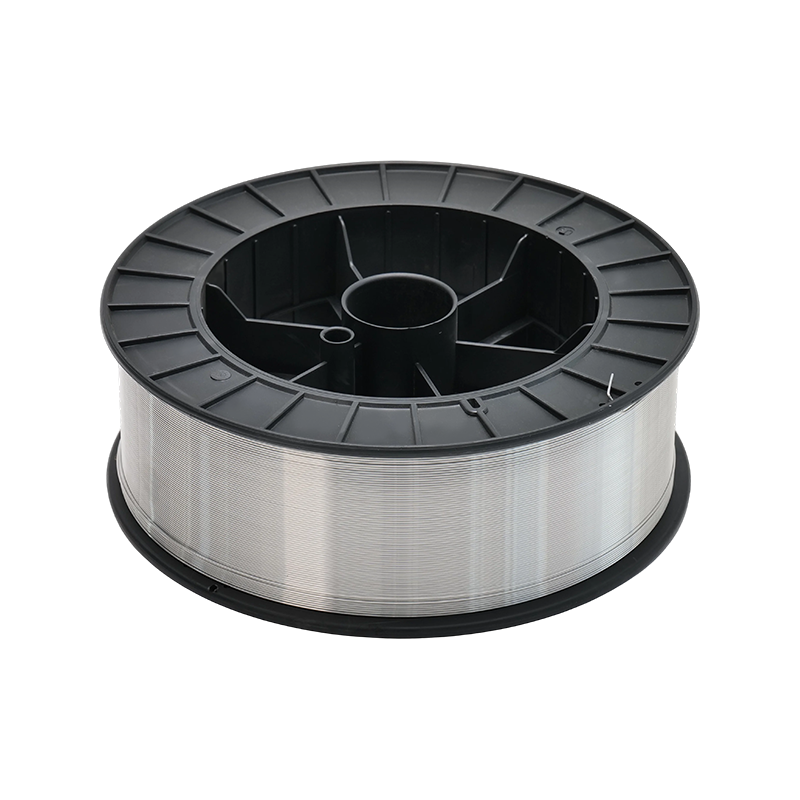
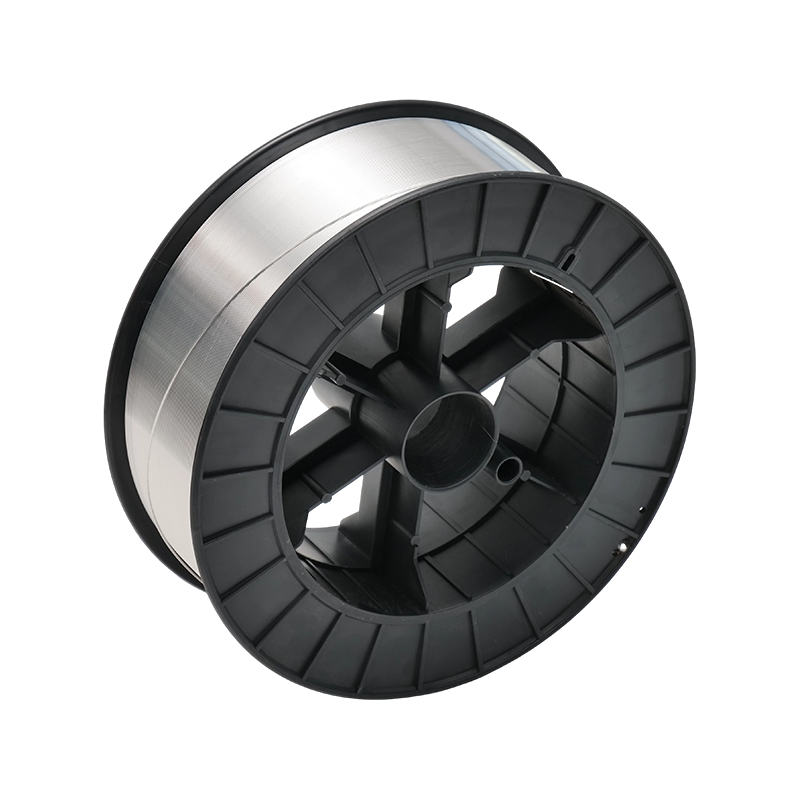
Depending on the delivery format, the wire may be supplied in coils or straightened lengths. Surface cleaning, controlled straightening, and final sizing may be applied to meet customer requirements. The process must avoid introducing dents, excessive residual stress, or bending marks.
Surface quality is normally assessed visually and, where necessary, through additional inspection methods. The finished wire should be free from harmful cracks, seams, folds, deep scratches, embedded contamination, and other defects that could interfere with rivet forming or service performance.
5.8 Final Inspection and Packaging
Final inspection may include dimensional checks, chemical verification, tensile testing, elongation testing, hardness measurement, surface examination, and review of heat-treatment records. Inspection frequency and acceptance criteria should be defined by the customer’s order, the applicable standard, and the intended application.
Packaging must protect the wire from moisture, contamination, impact, and deformation. Coils should be supported so that they do not collapse or become difficult to pay off. Straight lengths should be bundled and protected from bending. Labels should identify the alloy, size, lot number, quantity, production date, and any other traceability information required by the customer.
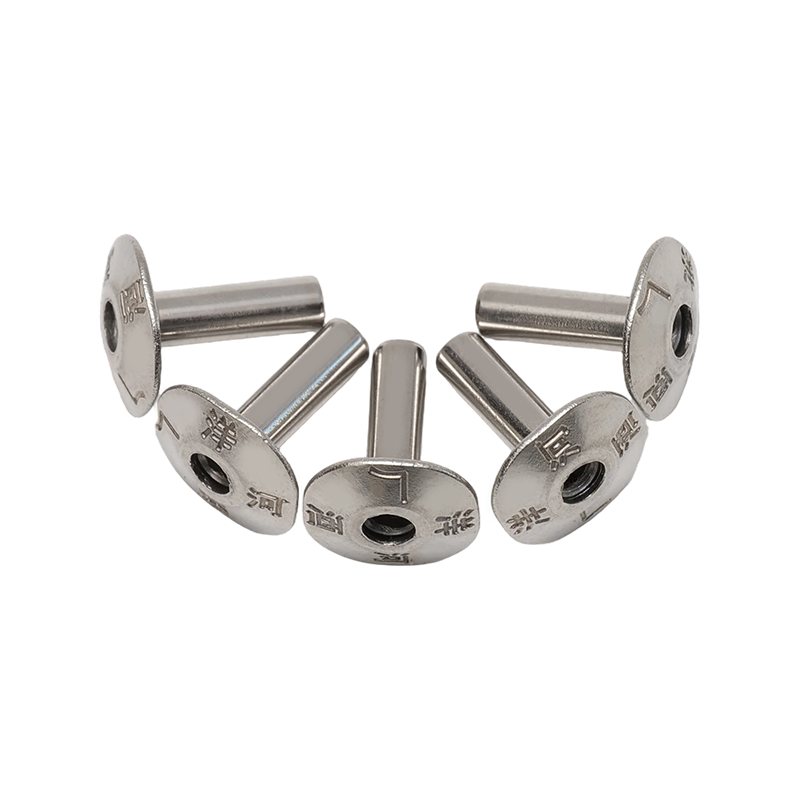
For Rivets
6. Advanced Manufacturing Strengths
Jiangsu Hetuo Aluminum Wire Co., Ltd. has developed a manufacturing system focused on aluminum wire and aluminum alloy material products. Its product coverage includes high-purity aluminum wire, high-strength aluminum alloy wire, and aluminum or aluminum alloy welding materials. This product scope allows the company to build process knowledge across several aluminum material categories while maintaining a dedicated focus on wire and related semi-finished products.
The company’s factory covers approximately 40,000 square meters. This scale provides space for production equipment, raw-material management, inspection facilities, finished-goods storage, packaging operations, and internal logistics. An organized factory layout can support process separation and reduce the risk of material mix-ups between different alloy grades or product families.
The company employs approximately 60 people, including around 30 professional managers and technicians. The presence of experienced technical personnel is important for controlling alloy production, drawing parameters, thermal treatment, equipment maintenance, inspection planning, and customer-specific requirements. Aluminum alloy wire is a process-sensitive product, so technical knowledge is essential for translating a customer’s application needs into measurable manufacturing controls.
The company reports the use of advanced equipment and facilities and an intelligent manufacturing system. In practice, intelligent manufacturing may support production scheduling, equipment monitoring, process data recording, lot management, and inspection traceability. The value of these systems depends on implementation, but digital production records can improve consistency and make it easier to identify the source of any nonconformity.
Quality inspection is implemented throughout production rather than only at the final packing stage. This approach is advantageous because early detection can prevent defective material from moving into later stages. For example, a composition problem is best identified before drawing, while a die-related surface problem is best identified during or immediately after the affected drawing operation.
The company has obtained ISO 9001 and IATF 16949 quality management system certifications according to the supplied company information. ISO 9001 provides a framework for quality management, process control, customer requirements, corrective action, and continual improvement. IATF 16949 is associated with automotive quality management and emphasizes defect prevention, variation reduction, traceability, and structured process control. Certification does not replace product-specific testing, but it indicates that the organization operates within recognized quality-management frameworks.
7. Quality Control from Raw Material to Finished Wire
A reliable quality system for rivet wire should connect customer requirements with measurable inspection activities. The first step is a clear technical specification. This should identify the alloy or chemical composition, nominal diameter, tolerance, temper, surface condition, mechanical-property requirements, delivery form, packaging, and inspection documents.
Incoming raw materials should be checked against purchasing documents and supplier certificates. Where required, chemical analysis can confirm the identity and composition of alloying additions. Raw materials should be stored to prevent contamination, mixing, and moisture-related problems.
During melting, the manufacturer should record charge materials, furnace conditions, alloying additions, temperature, and sampling results. During casting, the process should be monitored for stable output and suitable surface and internal quality. During thermal treatment, records should include the treatment cycle and relevant equipment information.
Drawing operations should be controlled through die inspection, lubrication management, reduction schedules, speed control, and dimensional checks. Operators should be trained to identify early signs of wire damage, including unusual vibration, surface marks, abnormal force, or frequent breaks.
Final inspection should confirm that the product meets the agreed requirements. A certificate of conformity or mill test certificate may include chemical composition, tensile strength, elongation, hardness, dimensions, lot identification, and test results. For customers serving regulated markets, documentation may need to be retained for a defined period and linked to the finished rivet production record.
Recommended Inspection Categories
| Inspection category | Purpose | Examples of information recorded |
|---|---|---|
| Chemical composition | Confirms alloy identity and alloying-element control | Copper content, aluminum balance, specified minor elements, impurity levels |
| Dimensional inspection | Ensures compatibility with cutting and heading equipment | Diameter, ovality, tolerance, straightness, coil dimensions |
| Mechanical testing | Confirms strength and forming-related properties | Tensile strength, yield strength where applicable, elongation, hardness |
| Surface examination | Detects defects that may initiate cracks or disrupt forming | Scratches, seams, laps, cracks, dents, contamination |
| Traceability review | Connects product to raw materials and process records | Heat number, lot number, production date, inspection report |
| Packaging inspection | Protects the wire during storage and transport | Coil stability, moisture protection, labels, quantity, external condition |
8. Applications in Aviation, Aerospace, and Military Equipment
Aviation and aerospace structures often require materials that combine low weight with dependable mechanical performance. Aluminum alloy rivets have long been used in aircraft structures, interior systems, panels, frames, and other assemblies because aluminum is lightweight and compatible with many aluminum-based structural materials.
High-strength rivet wire is relevant where the fastener must provide stronger resistance to shear and deformation than a soft aluminum grade. It may be used in the production of solid rivets, special rivets, or other formed fasteners, depending on the customer’s design and processing route.
Military equipment may be exposed to vibration, transport shocks, outdoor conditions, temperature variation, and maintenance cycles. A rivet material with good shear resistance and oxidation resistance can support durable fastening when selected and installed correctly. However, the complete system must still be evaluated for corrosion compatibility, fatigue, environmental exposure, and structural loads.
In aerospace and defense applications, the wire itself is only one part of the qualification process. The finished rivet must be assessed according to the relevant engineering specification. Customers may require sample production, forming trials, metallographic review, mechanical testing, environmental testing, and approval of the production process before full-scale procurement.
Using a dedicated manufacturer can make this process more efficient because material parameters and documentation can be discussed directly with technical personnel. The wire supplier may assist with selecting a suitable diameter, temper, packaging method, and inspection plan for the intended rivet-production equipment.
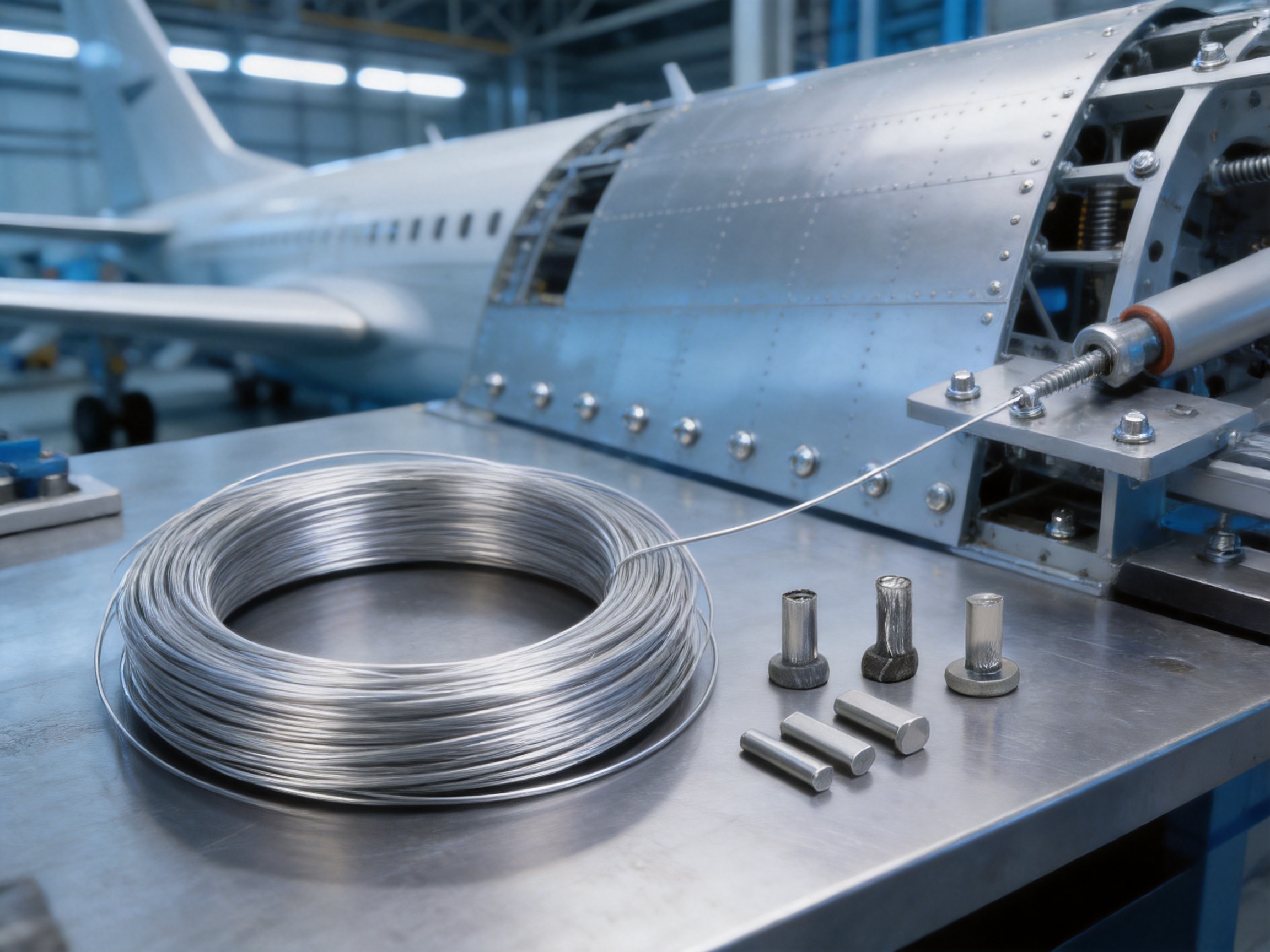
9. Applications Beyond Aerospace
Although the product is mainly associated with aviation, aerospace, and military fields, high-strength aluminum alloy rivet wire may also be relevant to transportation equipment, rail vehicles, ship interiors, automotive components, electrical enclosures, industrial machinery, and engineered structures.
In rail and transportation equipment, lightweight fastening materials can support energy-efficiency objectives and reduce the mass of panels or interior assemblies. In automotive applications, aluminum rivets may be used with lightweight body structures, brackets, heat shields, and mixed-material components, subject to compatibility and joining requirements.
In industrial equipment, rivets may be used where welding is impractical, heat input must be minimized, or access is available from only one or both sides of a joint. A stable wire supply helps rivet producers maintain predictable dimensions and production rates.
For electrical and electronic enclosures, aluminum’s low density and oxidation behavior can be attractive, although electrical contact, galvanic compatibility, and surface treatment must be considered. The selected rivet alloy should be matched to the enclosure material and the environmental conditions.
10. Choosing the Correct Wire Specification
Purchasers should begin by describing the finished rivet rather than selecting wire based only on a general alloy category. Important questions include the rivet diameter, shank length, head type, installation method, required strength, expected service temperature, environmental exposure, and whether the rivet will be heat treated after forming.
The wire diameter should be selected according to the blank dimensions and forming equipment. A diameter that is too large may increase forming force and cause premature tool wear. A diameter that is too small may create insufficient head volume or require excessive deformation.
Temper selection is equally important. A condition intended for maximum final strength may not be suitable for cold heading. If the rivet will be formed first and aged or heat treated later, the required initial ductility may differ from that of a rivet used in its supplied condition.
Surface requirements should be clearly defined. Customers should state whether light drawing marks are acceptable, whether lubricants must be removed, whether the wire must be bright or treated, and what types of discontinuities are unacceptable. Clear surface criteria help avoid disagreements during incoming inspection.
Packaging requirements should also be discussed before production. Coils may be suitable for automatic feeding, while straight lengths may be preferred for cutting systems that require fixed bundles. Packaging should protect the material from moisture and physical damage during long-distance transportation.
Questions to Ask a Supplier
What alloy designation and complete chemical composition apply to the product?
Is the copper content controlled within the specified 3.9% to 4.5% range for the ordered grade?
What mechanical properties are available in each diameter and temper?
Is the wire supplied in coils, straight lengths, or both formats?
What dimensional tolerances and surface-quality criteria are used?
Can the supplier provide lot traceability and material certificates?
Can samples be supplied for rivet-heading trials before mass production?
Which quality-management certifications and inspection procedures support the product?
Can the supplier customize diameter, temper, packaging, and documentation?
11. Storage, Handling, and Processing Recommendations
Aluminum alloy wire should be stored in a clean, dry area protected from rain, condensation, salt spray, corrosive chemicals, and direct contamination. Coils should remain on stable supports and should not be stacked in a way that deforms the wire or damages the packaging.
Before use, the wire should be inspected for moisture, dirt, dents, corrosion staining, broken bands, and other transportation damage. If condensation has formed inside the packaging, the customer should consult the supplier before processing the material. Sudden movement from a cold environment to a warm humid environment can create condensation even when the external package appears intact.
During feeding, the wire path should be clean and properly aligned. Sharp guides, damaged rollers, or excessive tension can create scratches and bending. Lubrication should be compatible with the drawing and heading process and should not interfere with subsequent cleaning, heat treatment, coating, or assembly.
Rivet-heading conditions should be established through controlled trials. Forming speed, tooling geometry, die clearance, blank length, and lubrication can affect the final rivet. If cracking or incomplete head formation occurs, the customer should evaluate the complete forming system rather than changing the wire specification without analysis.
12. Sustainability and Resource Efficiency
Aluminum is attractive in lightweight engineering because reducing component mass can lower transportation and operating energy requirements. The ability to produce strong rivets from a lower-density alloy can support material-efficiency goals in vehicles and equipment.
Aluminum is also a recyclable material. Scrap generated during wire cutting and rivet forming may be collected and returned through an appropriate recycling channel, subject to contamination and alloy-separation requirements. Keeping different alloy families properly identified can improve the value and usability of recovered material.
A controlled manufacturing process contributes to sustainability by reducing rejected wire, unnecessary reprocessing, and production downtime. Dimensional stability and consistent mechanical properties can improve yield at the rivet manufacturer, while appropriate packaging can reduce transit damage and avoid avoidable waste.
Sustainability claims should always be supported by actual production data, recycling practices, energy information, and verified environmental procedures. The general benefits of aluminum do not remove the need for responsible sourcing and process management.
13. Why a Specialized Manufacturer Adds Value
A general metal distributor may provide standard aluminum products, but a specialized aluminum wire manufacturer can offer deeper control over alloy processing and wire geometry. For rivet producers, this difference can affect productivity and final product consistency.
A specialist understands that the required material is not simply “aluminum wire.” It is a carefully processed feedstock that must perform during cutting, heading, possible heat treatment, and service. The supplier should therefore be able to discuss the relationship between composition, temper, diameter, drawing reduction, and rivet-forming behavior.
Jiangsu Hetuo Aluminum Wire Co., Ltd. positions its production around aluminum wire, aluminum alloy wire, welding wire, and related materials. Its stated technical and manufacturing capabilities include high-purity wire, high-strength alloy wire, and precision-oriented aluminum products. This product focus can support customers that require a continuing supply rather than a one-time purchase.
The company’s reported certifications, professional technical team, intelligent manufacturing system, and full-process inspection approach are additional factors for industrial buyers to evaluate. Customers should still conduct their own supplier qualification, sample testing, document review, and application validation, particularly for safety-critical or regulated products.
14. Quality and Cost Considerations
The lowest purchase price is not always the lowest total cost. Inconsistent wire may lead to broken blanks, rejected rivets, tool damage, machine downtime, additional sorting, and customer complaints. These indirect costs can exceed the initial price difference between a basic supplier and a controlled manufacturer.
When comparing suppliers, buyers should consider chemical consistency, diameter tolerance, mechanical-property stability, surface quality, documentation, packaging, delivery reliability, minimum order quantity, customization capability, and technical support.
A stable product can also improve line efficiency. If the wire performs consistently, operators may spend less time adjusting machine settings. Automated heading equipment can run for longer periods without interruption, and the finished rivets may require less sorting before assembly.
For long-term programs, the purchaser should establish a quality agreement that defines change notification, lot traceability, inspection documentation, nonconforming-product handling, and corrective-action procedures. This creates a clear basis for cooperation when a process, raw material, or production location changes.
15. Frequently Asked Questions
Q1: What is this product primarily used for?
The product is high-strength aluminum alloy wire intended mainly for manufacturing rivets. Its principal application fields include aviation, aerospace, and military equipment, although other transportation, industrial, and structural applications may also be considered after technical evaluation.
Q2: What makes the wire high strength?
The material is a copper-containing aluminum alloy. Its strengthening behavior is associated with the CuAl2 phase and the alloy’s processing condition. The final performance depends on chemical composition, thermal treatment, drawing history, diameter, and temper.
Q3: What is the reported copper content?
The supplied product information gives a copper range of approximately 3.9% to 4.5%. Buyers should request the complete composition and lot-specific test results because copper is only one part of the alloy chemistry.
Q4: Is the wire suitable for cold heading?
It may be suitable for rivet-heading operations when supplied in an appropriate condition, but suitability depends on the selected temper, diameter, rivet geometry, forming force, and machine settings. Customers should conduct forming trials before approving large-scale production.
Q5: What advantages does aluminum alloy wire have over steel rivet wire?
Aluminum alloy wire offers lower density and can provide a favorable strength-to-weight ratio. It may also be advantageous where lightweight construction, aluminum-to-aluminum joining, or reduced installation mass is important. Steel may remain preferable for applications requiring very high strength, high temperature capability, or specific wear performance.
Q6: Does good oxidation resistance mean that no corrosion protection is needed?
No. The material is described as having good oxidation resistance, but corrosion behavior depends on humidity, salts, chemicals, temperature, surface condition, and contact with dissimilar metals. Application-specific protection may still be necessary.
Q7: Can the manufacturer supply customized sizes?
The company’s product positioning includes custom wire solutions. Customers should provide the required diameter, tolerance, temper, delivery form, surface condition, quantity, packaging, and inspection requirements so that feasibility can be confirmed.
Q8: What documentation should accompany the wire?
Depending on the purchase order, documentation may include a certificate of conformity, chemical-composition report, mechanical-test results, dimensional inspection records, heat or lot identification, packaging details, and quality-system information.
Q9: How should the wire be stored?
Store it in a clean, dry, covered area protected from condensation, rain, salt spray, chemicals, impact, and deformation. Keep the original packaging intact until the material is ready for use, and inspect the wire after transportation.
Q10: What should a customer do before placing a large order?
The customer should provide the complete technical specification, request samples, conduct rivet-forming trials, verify the finished rivet’s mechanical performance, review supplier documentation, and approve the packaging and traceability method.
Q11: Is the product certified for every aerospace or military application?
No general product statement can replace project-specific approval. Aerospace and military programs often require defined standards, qualification testing, approved processes, and traceable documentation. The customer must confirm the applicable requirements for each project.
Q12: How can the company support international buyers?
The company reports experience supplying aluminum alloy materials to overseas markets. International buyers can discuss product specifications, sample approval, packaging, inspection documents, delivery arrangements, and technical communication directly with the manufacturer.
16. Conclusion
High-strength aluminum alloy wire for rivets is a specialized material for producing lightweight, durable, and mechanically reliable fasteners. Its copper-containing composition, CuAl2-related strengthening behavior, good shear resistance, and good oxidation resistance make it a suitable candidate for demanding rivet applications in aviation, aerospace, military equipment, transportation, and industrial structures.
The performance of the finished rivet depends on the entire manufacturing chain. Controlled alloying, stable casting, appropriate thermal treatment, precision drawing, careful surface management, dimensional inspection, and secure packaging are all necessary. A wire that meets only a nominal composition requirement may not be sufficient if its diameter, temper, surface quality, or forming behavior is inconsistent.
Jiangsu Hetuo Aluminum Wire Co., Ltd. offers this product within a broader aluminum wire and aluminum alloy materials manufacturing system. Its reported factory scale, technical personnel, intelligent production approach, process inspection, ISO 9001 certification, and IATF 16949 certification provide a foundation for industrial supply and customer-specific cooperation. Buyers should nevertheless complete application testing and supplier qualification according to their own quality standards.
For manufacturers seeking a reliable aluminum rivet wire source, the best procurement strategy is to define the finished-rivet requirements first, then align alloy composition, temper, wire dimensions, mechanical properties, surface condition, packaging, and documentation with those requirements. When these factors are controlled together, high-strength aluminum alloy wire can contribute to improved rivet quality, more efficient production, lower assembly weight, and dependable service performance.
References
1. Aluminum Association. Aluminum Standards and Data. Industry reference for aluminum alloy designations, properties, and product terminology.
2. American Society for Testing and Materials. Standard specifications and test methods for aluminum and aluminum-alloy wire products.
3. International Organization for Standardization. ISO 9001, Quality Management Systems—Requirements.
4. International Automotive Task Force. IATF 16949, Quality Management System Requirements for Automotive Production and Relevant Service Parts Organizations.
5. ASM International. ASM Handbook, Volume 2: Properties and Selection—Nonferrous Alloys and Special-Purpose Materials.
6. ASM International. ASM Handbook, Volume 4: Heat Treating.
7. Aluminum alloy metallurgy references covering aluminum-copper phase behavior, precipitation strengthening, wire drawing, and rivet manufacturing.
8. Manufacturer-supplied product information for high-strength aluminum alloy wire for rivets, including product description, copper-content range, application fields, manufacturing capabilities, and quality-management information.