

 English
 中文简体
中文简体 русский
 Deutsch
Content
- 1 Introduction
- 2 Product Overview
- 3 Advantages of High-Strength Aluminum Rivet Wire
- 4 Chemical Composition and Available Alloy Grades
- 5 Advanced Manufacturing Process
- 6 Why Choose This Product for Rivet Production?
- 7 Rivet Wire Selection Guide
- 8 Comparison with Conventional Rivet Materials
- 9 Packaging, Storage, and Handling
- 10 Quality Assurance for Critical Applications
- 11 Environmental and Sustainability Benefits
- 12 Recommended Purchasing Information
- 13 Company Manufacturing Strengths
- 14 Q&A
- 14.1 What is high-strength aluminum rivet wire?
- 14.2 Where is this rivet wire mainly used?
- 14.3 What is the difference between T6, T73, and T76?
- 14.4 Is 7075 aluminum wire suitable for every rivet?
- 14.5 Are all grades in the chemical composition table rivet materials?
- 14.6 What information should be included in an inquiry?
- 14.7 Why is surface quality important for rivet wire?
- 14.8 Can the wire be customized?
- 14.9 What quality systems does the manufacturer report?
- 14.10 How should aluminum rivet wire be stored?
- 15 Conclusion
- 16 References
- 17 Product: For Rivets
Introduction
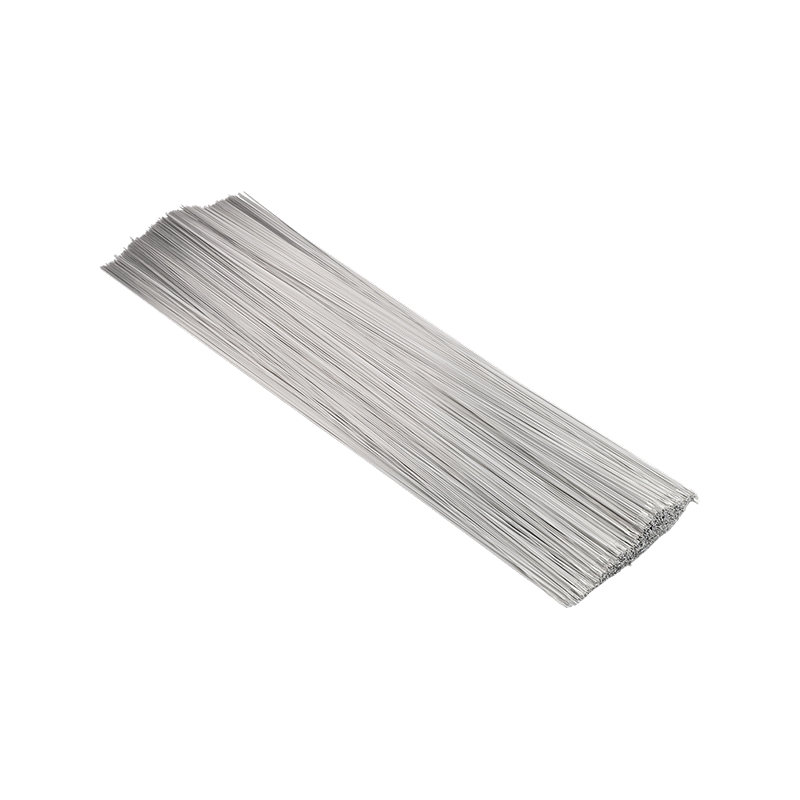
High-strength aluminum alloy wire for rivets is an important material in industries where lightweight construction, structural reliability, corrosion resistance, and controlled forming performance must work together. Rivet wire is used to manufacture fasteners that join aircraft structures, aerospace assemblies, military equipment, transportation components, and other engineered products. Unlike ordinary aluminum wire, rivet-grade alloy wire must offer a carefully balanced combination of strength, ductility, dimensional consistency, heat-treatment response, and resistance to environmental damage.
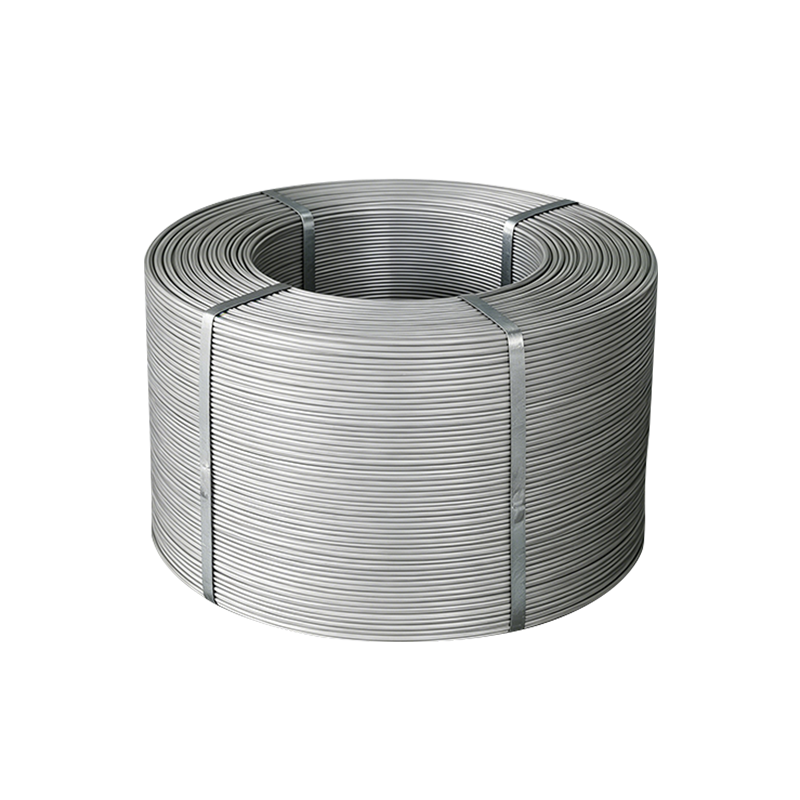
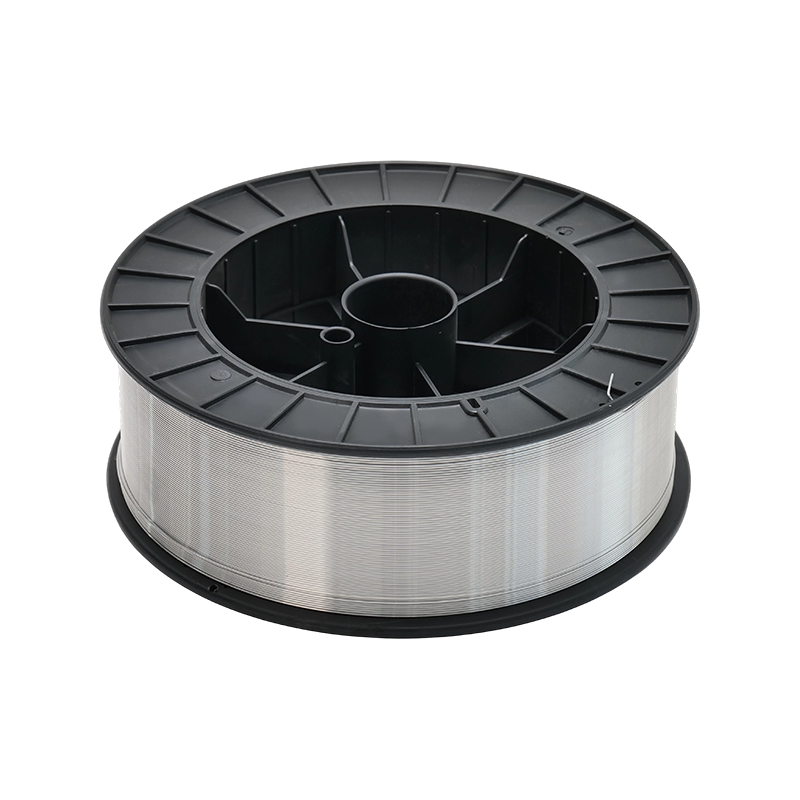
The product presented in this article is a high-strength aluminum alloy wire designed mainly for rivet production and demanding structural applications. It is particularly relevant to aviation, aerospace, and military fields. The material is associated with precipitation-strengthened aluminum alloys and can be supplied or processed for different tempers, including T6, T73, and T76 conditions. These tempers provide different performance profiles, allowing users to select a suitable balance between tensile strength, fracture toughness, stress-corrosion resistance, exfoliation-corrosion resistance, and low-temperature performance.
The wire is manufactured by Jiangsu Hetuo Aluminum Wire Co., Ltd., an aluminum wire producer based in Jiangsu Province, China. The company operates a manufacturing facility covering approximately 40,000 square meters and employs professional managers, engineers, technicians, and production personnel. Its product portfolio includes high-purity aluminum wire, high-strength aluminum alloy wire, and aluminum and aluminum alloy welding materials.
For customers purchasing aluminum rivet wire, the value of the product is determined by more than its nominal alloy grade. A reliable supply requires stable chemical composition, controlled processing, consistent wire dimensions, suitable surface quality, traceability, and technical support. These factors are essential because inconsistencies in rivet wire can affect heading behavior, rivet installation, fatigue performance, and long-term structural integrity.
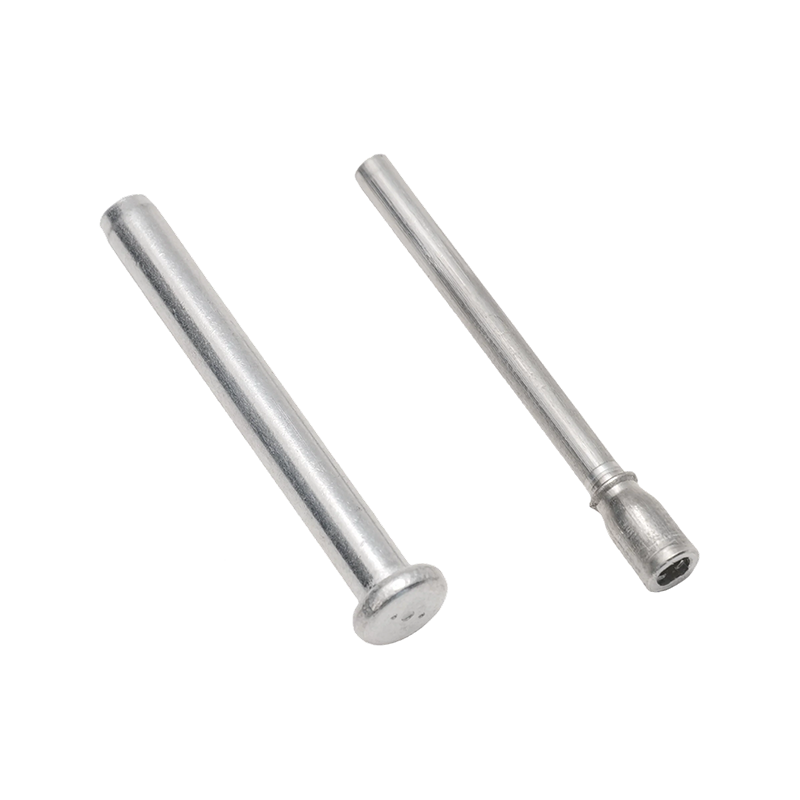
For Rivets
Product Overview
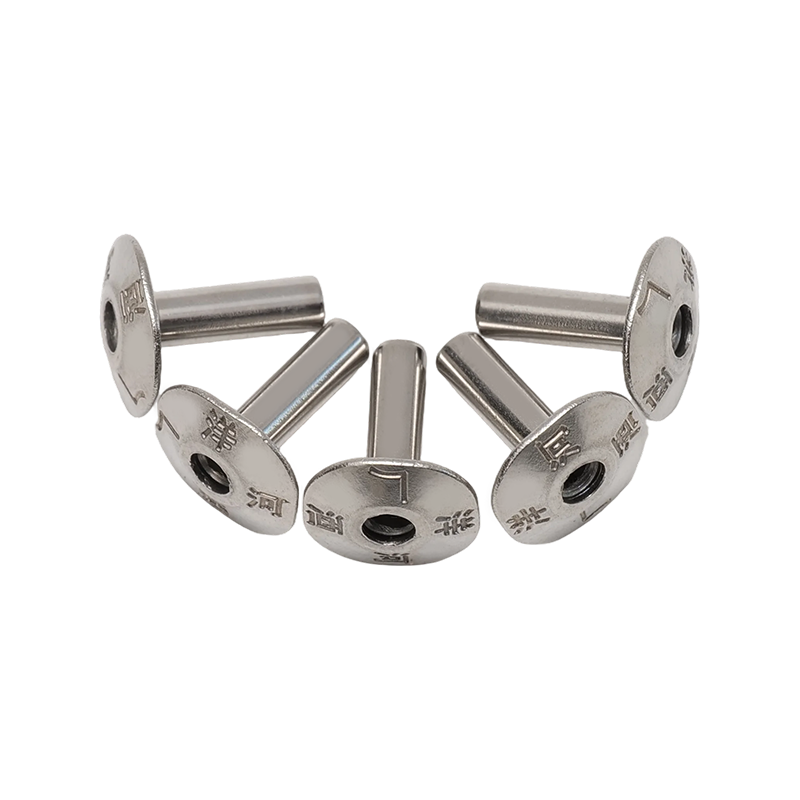
High-strength aluminum alloy rivet wire is produced for conversion into rivets and related fasteners. The wire can be cut into blanks and formed through cold heading, hot heading, or other controlled forming processes, depending on the alloy, diameter, temper, and application. After forming, rivets may undergo solution treatment, aging, or other heat-treatment operations to achieve the specified mechanical properties.
The material is especially suitable for applications that require a lower structural weight than steel fasteners while maintaining dependable joining performance. Aluminum alloy rivets are widely selected for aircraft skins, frames, panels, fuel-system structures, interior assemblies, and other components where weight reduction is a major design objective.
Compared with commercially pure aluminum wire, high-strength alloy wire offers substantially greater mechanical performance because of alloying and precipitation-strengthening mechanisms. Elements such as copper, magnesium, zinc, manganese, chromium, titanium, and zirconium can contribute to strength, grain control, thermal stability, or corrosion behavior. The exact benefit depends on the alloy system and heat-treatment condition.
The supplied product information identifies a range of aluminum alloy grades associated with the company’s aluminum wire and welding material capabilities. These include 2A10, 2219, 4043, 4047, 5183, 5154, 5356, AlMg3, AlMg5, AlMg6, AlMg61, 7050, and 7075. Not every listed alloy is intended for the same rivet application. Some are high-strength structural alloys, while others are commonly used as welding wires or filler materials. Final grade selection should therefore be based on the customer’s technical specification, rivet design, forming process, heat-treatment plan, and applicable standard.
Primary Application: Rivet Manufacturing
The principal application is the manufacture of rivets for aviation, aerospace, and military equipment. Rivets produced from aluminum alloy wire provide a permanent mechanical connection while supporting lightweight design. In aircraft construction, riveted joints are often used because they can be inspected, repaired, and assembled without the high heat input associated with welding.
Rivet wire must be compatible with the selected rivet-forming method. A wire that is excessively hard may crack during heading, while a wire that is too soft may fail to provide the required final strength. The material must therefore be processed and delivered in a condition that supports reliable forming and subsequent strengthening operations.
The product may also be considered for specialized fasteners, structural pins, aerospace hardware, and other formed aluminum components. These applications require a complete review of mechanical requirements and environmental conditions before production approval.
Application in Aviation and Aerospace
Aviation structures place demanding requirements on joining materials. Fasteners must withstand vibration, repeated loading, temperature variation, moisture, hydraulic fluids, fuel exposure, and possible corrosive environments. Aluminum alloy rivet wire helps address these requirements through a combination of low density and engineered alloy performance.
For aerospace customers, the selected temper is especially important. A high-strength T6 condition may be appropriate where maximum strength is a priority. A T73 condition may be selected where fracture toughness and resistance to stress-corrosion cracking are more important. A T76 condition can provide a compromise, offering higher strength than T73 while maintaining better stress-corrosion resistance than T6 in suitable alloy systems.
These conditions should not be treated as interchangeable. The correct condition depends on design loads, joint geometry, fastener diameter, installation method, environmental exposure, inspection requirements, and the governing aerospace specification.
Advantages of High-Strength Aluminum Rivet Wire
High Strength-to-Weight Ratio
One of the main advantages of aluminum alloy rivet wire is its favorable strength-to-weight ratio. Aluminum has a lower density than steel, so aluminum rivets can reduce the mass of a finished structure. This benefit is particularly valuable in aircraft, aerospace vehicles, military platforms, rail equipment, and transportation systems where every kilogram can influence fuel consumption, payload, operating range, or energy efficiency.
When combined with alloy strengthening and suitable heat treatment, aluminum rivet wire can deliver structural performance far beyond that of unalloyed aluminum. The resulting fasteners can support lightweight construction without sacrificing the reliability required for permanent joints.
Precipitation-Strengthened Performance
The material description refers to E-phase and transition-phase strengthening. In precipitation-hardening aluminum alloys, carefully controlled thermal treatment produces fine particles or phases within the aluminum matrix. These particles impede dislocation movement and increase strength.
The effectiveness of this mechanism depends on alloy chemistry, solution treatment, quenching, aging temperature, aging time, and cooling control. A stable manufacturing process is therefore essential. If the thermal cycle is inconsistent, the final properties may vary from batch to batch, even when the nominal alloy grade remains unchanged.
For rivet manufacturers, predictable heat-treatment response makes production planning easier. It supports more consistent hardness, tensile behavior, forming performance, and final fastener properties. It also helps reduce the risk of excessive scrap caused by uneven treatment response.
Multiple Temper Options
The availability of different temper conditions is an important advantage because no single heat-treatment condition is ideal for every application. T6 generally represents a high-strength condition achieved through solution treatment and artificial aging. It can be attractive for applications where strength is the dominant requirement.
T73 is commonly associated with overaged performance. Although its peak strength may be lower than T6, it can offer improved fracture toughness and better resistance to stress-corrosion cracking and exfoliation corrosion. It may also provide improved performance at low temperatures in appropriate alloy systems.
T76 is another controlled overaging condition. It is generally selected when the customer needs a stronger condition than T73 while still requiring better stress-corrosion resistance than a peak-aged T6 condition. The exact properties depend on the alloy and specification, so certification and testing remain essential.
Corrosion-Resistance Considerations
Aircraft and military structures can be exposed to humidity, salt, industrial contaminants, condensation, and temperature cycling. Corrosion resistance is therefore a central consideration in fastener selection. Alloy design and temper control influence resistance to stress-corrosion cracking, exfoliation corrosion, and localized attack.
The product information specifically emphasizes the corrosion-related benefits of T73 and T76 conditions. These characteristics may help extend service life and reduce the risk of premature fastener deterioration in demanding environments. However, corrosion resistance also depends on installation practices, contact with dissimilar metals, surface protection, joint design, drainage, sealants, and inspection programs.
A responsible supplier should help customers distinguish between general alloy capability and certified performance under a specific standard. Buyers should request relevant test reports and confirm that the product is suitable for the intended exposure conditions.
Fracture Toughness and Structural Reliability
Fracture toughness measures a material’s ability to resist crack growth under severe loading conditions. In aircraft and aerospace assemblies, this characteristic can be as important as nominal tensile strength because structural components may experience notches, holes, fretting, impact, or fatigue-related defects.
The T73 condition is highlighted for its relatively high fracture toughness. This makes it potentially valuable in structures where damage tolerance and crack-growth resistance are critical. A fastener with suitable toughness can contribute to joint reliability, particularly when combined with correct installation, appropriate interference control, and regular inspection.
Low-Temperature Performance
Aerospace components can experience low temperatures during high-altitude flight, launch operations, storage, or military service. The product description identifies low-temperature performance as an advantage associated with the T73 state. This characteristic can support applications in which fasteners must maintain dependable behavior across wide temperature ranges.
Low-temperature suitability should be validated through the customer’s required testing program. Mechanical properties, ductility, impact response, and dimensional behavior should be considered together rather than relying on a single room-temperature value.

Chemical Composition and Available Alloy Grades
The chemical composition table supplied for this product family includes the nominal limits or maximum values for major alloying elements. These values are useful for initial material selection, but they should be reviewed against the customer’s required national, international, aerospace, or military standard before procurement.
| Grade | Si (%) | Fe (%) | Cu (%) | Mn (%) | Mg (%) | Cr (%) | Ni (%) | Zn (%) | Ti (%) | Zr (%) | Be (%) | Other Single (%) | Other Total (%) | Al |
|---|---|---|---|---|---|---|---|---|---|---|---|---|---|---|
| 2A10 | 0.25 | 0.20 | 3.9–4.5 | 0.30–0.50 | 0.15–0.30 | — | — | 0.10 | 0.15 | — | — | 0.05 | 0.10 | Rest |
| 2219 | 0.20 | 0.30 | 5.8–6.8 | 0.2–0.4 | 0.02 | — | — | 0.10 | 0.02–0.1 | — | — | 0.05 | 0.15 | Rest |
| 4043 | 4.5–6.0 | 0.80 | 0.30 | 0.05 | 0.05 | — | — | 0.10 | 0.20 | — | — | 0.05 | 0.15 | Rest |
| 4047 | 11.0–13.0 | 0.80 | 0.30 | 0.15 | 0.10 | — | — | 0.20 | — | — | — | 0.05 | 0.15 | Rest |
| 5183 | 0.40 | 0.40 | 0.10 | 0.5–1.0 | 4.3–5.2 | 0.05–0.25 | — | 0.25 | 0.15 | — | — | 0.05 | 0.15 | Rest |
| 5154 | 0.25 | 0.40 | 0.10 | 0.10 | 3.1–3.9 | 0.15–0.35 | — | 0.20 | 0.20 | — | — | 0.05 | 0.15 | Rest |
| 5356 | 0.25 | 0.40 | 0.10 | 0.05–0.20 | 4.5–5.5 | 0.05–0.20 | — | 0.10 | 0.06–0.20 | — | — | 0.05 | 0.15 | Rest |
| AlMg3 | 0.40 | 0.50 | 0.05 | 0.3–0.6 | 3.2–3.8 | — | — | 0.20 | 0.15 | — | — | 0.10 | 0.85 | Rest |
| AlMg5 | 0.40 | 0.40 | 0.05 | 0.5–0.8 | 4.8–5.8 | — | — | 0.20 | 0.1–0.2 | — | — | 0.10 | 1.40 | Rest |
| AlMg6 | 0.40 | 0.40 | 0.10 | 0.5–0.8 | 5.8–6.8 | — | — | 0.20 | 0.1–0.2 | — | 0.002–0.005 | 0.05 | 0.15 | Rest |
| AlMg61 | 0.40 | 0.40 | 0.05 | 0.8–1.1 | 5.5–6.5 | — | — | 0.20 | — | — | 0.0001–0.0003 | 0.10 | 1.15 | Rest |
| 7050 | 0.12 | 0.15 | 2.0–2.6 | 0.10 | 1.9–2.6 | 0.04 | — | 5.7–6.7 | 0.06–0.20 | 0.08–0.15 | — | 0.05 | 0.15 | Rest |
| 7075 | 0.50 | 0.50 | 1.4–2.0 | 0.2–0.6 | 1.8–2.8 | 0.10–0.25 | 0.10 | 5.0–7.0 | 0.05 | — | — | 0.05 | 0.10 | Rest |
Understanding the Alloy Families
Grades such as 2A10 and 2219 belong to copper-containing aluminum alloy families. These alloys are known for strength and elevated-temperature capability in suitable applications. Their performance can make them relevant to aerospace components, although forming and heat-treatment requirements must be carefully controlled.
Grades 7050 and 7075 are zinc-containing high-strength aluminum alloys. They are widely associated with high-strength structural applications. Depending on the product form and temper, these alloys may offer excellent strength, but they require careful attention to corrosion behavior, heat treatment, and manufacturing specifications.
Grades 5183, 5154, 5356, AlMg3, AlMg5, AlMg6, and AlMg61 are magnesium-containing alloys. These grades are commonly associated with welding materials and corrosion-resistant aluminum applications. Their suitability for a specific rivet or formed fastener must be confirmed by the engineering specification.
Grades 4043 and 4047 contain higher silicon levels and are generally associated with aluminum welding and brazing filler applications. Silicon can improve fluidity and reduce melting-point characteristics in welding-related processes. These grades should not automatically be considered substitutes for high-strength rivet alloys.
Advanced Manufacturing Process
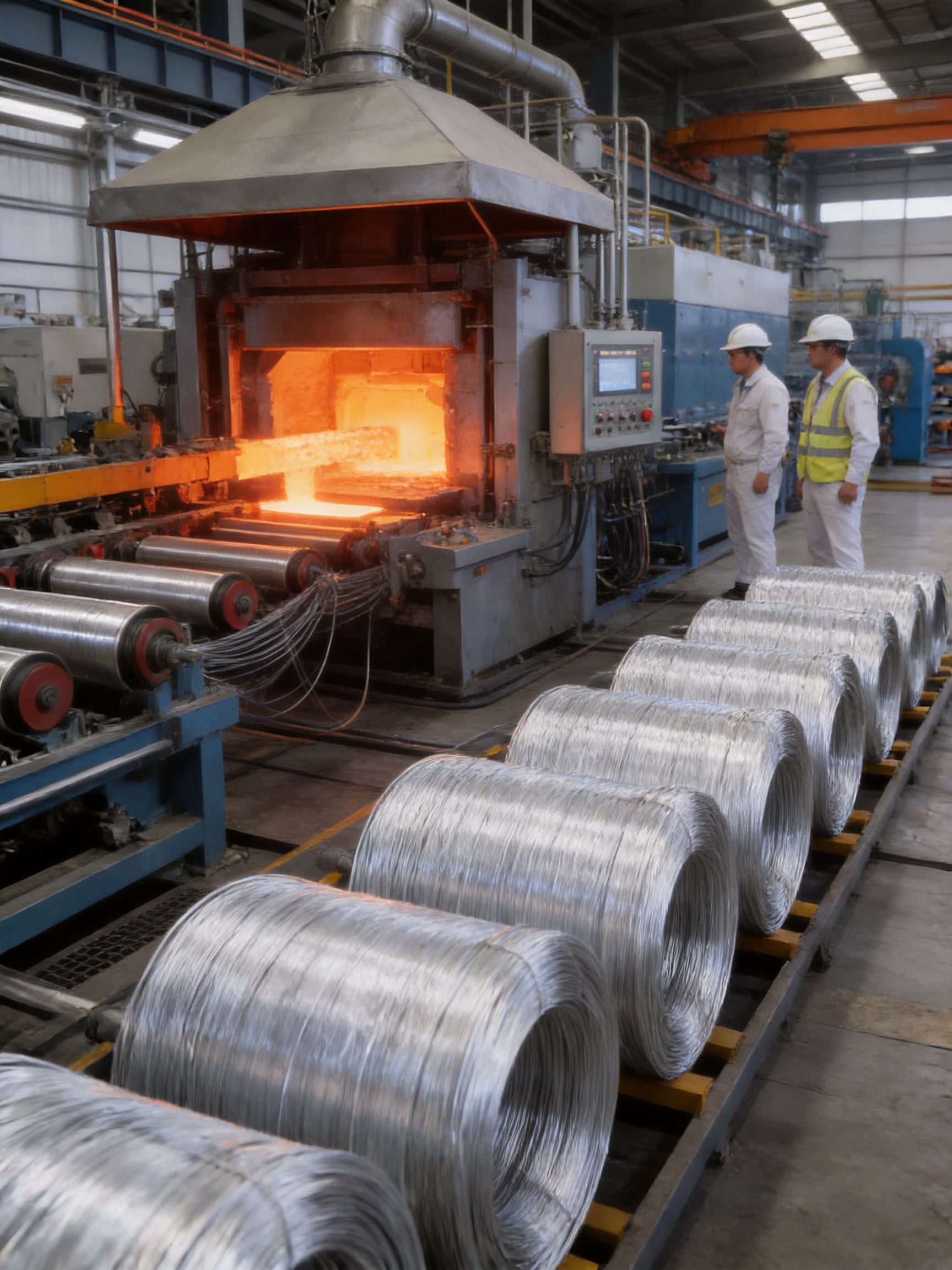
The performance of aluminum alloy wire begins with process control. A high-quality rivet wire manufacturer must manage the entire production chain, from raw material selection and melting through casting, homogenization, rolling, drawing, heat treatment, surface inspection, and packaging.
Raw Material Selection
Raw material quality directly affects the final wire. Aluminum and alloying additions must be selected according to the required grade and controlled for purity, trace elements, and consistency. Accurate weighing and charge preparation help ensure that the melt reaches the target chemical composition.
For high-strength alloys, small changes in copper, magnesium, zinc, zirconium, or other elements can affect precipitation behavior and final mechanical performance. The use of controlled charge materials and documented batch records supports repeatability and improves traceability.
Controlled Melting and Alloying
During melting, temperature, holding time, stirring, and alloy addition sequence must be carefully controlled. Excessive temperature or prolonged holding can increase oxidation, hydrogen pickup, or unwanted reactions. Insufficient mixing can create chemical segregation and inconsistent composition.
A controlled melting process helps produce a uniform alloy before casting. This is especially important for wire because any internal chemical variation can be amplified during subsequent reduction and drawing operations.
Degassing and Melt Cleanliness
Molten aluminum can contain dissolved hydrogen and nonmetallic inclusions. If not controlled, these defects may contribute to porosity, reduced ductility, surface defects, or inconsistent forming behavior. Degassing and melt-cleaning procedures are therefore important parts of high-quality aluminum production.
Improved melt cleanliness supports a more uniform internal structure. For rivet wire, this can help reduce the risk of cracking during heading and improve the reliability of finished fasteners.
Casting and Homogenization
After melting, the alloy is cast into a suitable intermediate form. The cast structure may contain segregation, intermetallic compounds, or residual stresses. Homogenization heat treatment is used to reduce chemical nonuniformity and improve the structure before deformation processing.
A well-controlled homogenization cycle can improve hot-workability, reduce processing variation, and support more consistent properties along the length of the finished wire. The exact cycle depends on the alloy grade and production route.
Rolling and Rod Preparation
Aluminum alloy wire is commonly produced from rod or another intermediate feedstock. Rolling reduces the cross-section and modifies the grain structure. Controlled deformation helps prepare the material for drawing while maintaining suitable surface and internal quality.
For high-strength alloys, the rolling schedule must be matched to the alloy’s work-hardening behavior and heat-treatment requirements. Excessive deformation or unsuitable temperature control may cause cracking or unwanted texture. Proper process design supports stable downstream drawing.
Precision Drawing
Drawing reduces the rod to the specified wire diameter by pulling it through a series of dies. This process requires careful control of reduction per pass, lubrication, die condition, line speed, tension, and intermediate annealing where required.
Precision drawing provides dimensional consistency, which is important for automatic rivet-making equipment. Stable diameter helps maintain accurate blank weight, predictable heading pressure, and consistent rivet geometry.
Surface quality is also critical. Scratches, seams, laps, dents, or embedded particles can become stress concentrators during forming or service. Regular die maintenance, suitable lubrication, and intermediate inspection help protect the finished wire surface.
Heat Treatment and Temper Control
Heat treatment is one of the most important stages for precipitation-strengthened aluminum alloys. Solution treatment dissolves selected alloying phases into the aluminum matrix. Rapid cooling helps retain the supersaturated solid solution, after which artificial aging produces a controlled distribution of strengthening precipitates.
For T6, the objective is generally to achieve high strength through a carefully controlled aging schedule. For T73 and T76, additional or modified aging is used to improve the balance between strength, toughness, and corrosion resistance.
Furnace uniformity, loading arrangement, temperature calibration, quench delay, cooling rate, and aging time all influence the final result. These parameters must be documented and monitored. A capable manufacturer should maintain records linking the heat-treatment cycle to the specific material lot.
Inspection and Quality Control
Quality inspection should cover chemical composition, dimensions, surface condition, mechanical properties, and, where required, metallurgical structure. Typical controls may include spectrometric analysis, tensile testing, hardness testing, dimensional measurement, visual inspection, and examination for surface or internal defects.
Testing frequency depends on the product specification and customer requirements. Aerospace and military customers may require more extensive documentation, lot traceability, special process approval, or additional corrosion and fatigue testing.
Jiangsu Hetuo Aluminum Wire Co., Ltd. states that it implements quality inspection throughout production and has obtained ISO 9001 and IATF 16949 quality management system certifications. ISO 9001 indicates a structured quality management framework, while IATF 16949 is associated with the automotive supply chain and emphasizes process control, risk management, defect prevention, and continual improvement. Customers should confirm the current scope of certification and whether it covers the specific product and production site.
Why Choose This Product for Rivet Production?
Designed Around Demanding End Uses
The product is positioned for aviation, aerospace, and military applications rather than general-purpose low-load uses. This focus encourages attention to strength, toughness, corrosion resistance, and heat-treatment response. These are the properties that distinguish engineering-grade rivet wire from commodity aluminum wire.
Broad Material Portfolio
The company’s range includes high-purity aluminum wire, high-strength alloy wire, and welding materials. This broad portfolio can be valuable to customers that purchase more than one aluminum material. A customer may require high-strength wire for fasteners, aluminum wire for electrical or industrial purposes, and welding wire for fabrication or repair.
A supplier with multiple alloy families can also support material comparison and application-specific selection. However, the final grade must always be approved by the customer’s engineering team and specified according to the applicable standard.
Manufacturing Scale and Facility Resources
The reported 40,000-square-meter factory provides space for production equipment, raw material handling, heat treatment, testing, warehousing, and packaging. A dedicated manufacturing facility can improve process organization and support higher-volume production.
The company reports a workforce of approximately 60 employees, including 30 professional managers and technicians. A substantial technical team can contribute to process development, quality assurance, production troubleshooting, and customer communication.
International Quality Orientation
The company states that its products comply with international quality standards and are exported to high-end overseas markets. International customers generally require clear specifications, reliable packaging, repeatable quality, timely documentation, and responsive communication. Experience with export markets can help suppliers understand these expectations.
Nevertheless, buyers should request product-specific certificates, inspection reports, test results, and compliance documentation rather than relying only on general company statements.
Customization Capability
Aluminum rivet wire may need to be customized according to alloy grade, temper, diameter, coil format, straightened length, surface condition, packaging, and testing requirements. Jiangsu Hetuo Aluminum Wire Co., Ltd. presents itself as a manufacturer capable of providing customized aluminum wire and alloy wire solutions.
Before placing an order, customers should provide a complete technical data sheet. Important details include the alloy designation, temper, nominal diameter, diameter tolerance, length or coil weight, mechanical properties, chemical limits, surface requirements, delivery condition, inspection standard, packaging method, and marking requirements.
Rivet Wire Selection Guide
Step One: Define the Fastener Function
The first step is to identify whether the rivet is used in a primary structural joint, secondary structure, interior assembly, repair application, or noncritical fixture. Primary structural applications normally require more stringent material controls and documentation.
The customer should also determine whether the rivet will be installed in a factory environment or a field repair environment. Installation equipment, access limitations, and repair procedures may affect the required alloy and temper.
Step Two: Establish the Required Strength
Strength requirements should be defined using tensile, shear, bearing, fatigue, and joint-load calculations. Selecting a high-strength alloy solely because it has a high nominal tensile strength may be inappropriate if the wire cannot be formed reliably or if its corrosion performance does not match the environment.
For many aerospace applications, the joint design determines the required rivet performance. The fastener must work with the parent material, hole size, clamping force, and installation method.
Step Three: Evaluate Corrosion Exposure
Applications involving salt spray, humidity, marine air, chemical exposure, or dissimilar-metal contact require careful corrosion analysis. The temper, alloy, protective finish, sealant, and joint design should be evaluated together.
Where stress-corrosion cracking or exfoliation corrosion is a concern, a T73 or T76 condition may provide advantages over a peak-strength T6 condition, depending on the alloy and governing specification.
Step Four: Confirm Forming Behavior
Rivet wire must be compatible with the forming process. The customer should consider wire diameter, blank length, heading speed, die geometry, forming temperature, intermediate annealing, and final heat treatment.
Trial production is recommended for new alloy grades or new diameters. Evaluation should include visual inspection after heading, dimensional measurement, hardness mapping, metallographic review where required, and mechanical testing of finished rivets.
Step Five: Confirm Documentation
For controlled applications, each material lot should be identifiable. Documentation may include a certificate of analysis, certificate of conformity, heat-treatment records, mechanical test reports, dimensional inspection results, and packaging records.
Traceability is particularly important in aviation and military supply chains. It allows manufacturers to investigate nonconformities, manage recalls, verify process history, and demonstrate compliance during audits.
Comparison with Conventional Rivet Materials
Steel rivets generally provide high strength and stiffness, but they add significant weight and may require protective coatings to reduce corrosion. Aluminum alloy rivets are lighter and can be more compatible with aluminum structures, helping reduce galvanic and thermal-expansion concerns when properly selected.
Commercially pure aluminum is highly formable and corrosion resistant but does not provide the same strength as precipitation-hardened alloys. It may be suitable for low-load applications, but it is not a direct replacement for high-strength rivet alloys.
Stainless steel fasteners can provide excellent corrosion resistance and strength, but their density is much higher than aluminum. They may also create compatibility concerns when installed in aluminum structures. The correct decision depends on the joint’s loads, service environment, maintenance plan, and lifecycle objectives.
| Material Option | Typical Advantage | Potential Limitation | Common Selection Consideration |
|---|---|---|---|
| High-strength aluminum alloy wire | Low density, high strength-to-weight ratio, adjustable temper performance | Requires careful heat treatment and alloy selection | Aviation, aerospace, military, and lightweight structural joints |
| Commercially pure aluminum wire | High formability and good general corrosion resistance | Lower strength | Low-load fasteners and general forming applications |
| Steel wire | High strength and stiffness | Higher density and possible corrosion-protection requirements | High-load joints where weight is less critical |
| Stainless steel wire | Good corrosion resistance and strength | High density and possible galvanic compatibility concerns | Corrosive environments and specialized hardware |
Packaging, Storage, and Handling
Aluminum wire should be protected during storage and transportation to prevent damage, contamination, and moisture exposure. Packaging should prevent coil deformation and protect the surface from scratches, dirt, oil, and corrosive substances.
Storage areas should be dry, clean, and temperature controlled where practical. Aluminum wire should not be placed directly on wet floors or exposed to condensation. Sudden temperature changes can cause moisture to form on cold material, so unopened packages should be allowed to reach ambient temperature before opening.
Operators should use clean gloves when handling precision wire. Contact with chlorides, acids, alkaline residues, or unapproved lubricants may affect the surface. Coils should be lifted with suitable equipment to prevent bending, crushing, or edge damage.
Proper identification is also essential. Each coil or bundle should retain its alloy, temper, size, batch, and inspection information throughout internal handling. Mixing different alloys or tempers can result in serious production and traceability problems.

Quality Assurance for Critical Applications
A high-quality rivet wire program should combine supplier controls, incoming inspection, process validation, and finished-fastener testing. The responsibility for final suitability is shared by the wire supplier, rivet manufacturer, installer, and end user.
Chemical Verification
Chemical composition should be verified against the purchase specification. The analysis must distinguish between maximum values, minimum values, and controlled ranges. For example, a range such as 3.9–4.5 percent copper is different from a maximum value of 0.25 percent silicon.
Customers should also clarify the meaning of “other single” and “other total” elements in the applicable standard. The supplied table presents these categories, but exact reporting conventions can vary between standards.
Dimensional Inspection
Wire diameter and roundness influence blank volume and rivet-head geometry. Measurement should be performed at suitable intervals along the coil. Excessive variation may lead to inconsistent forming loads and nonuniform fastener dimensions.
Mechanical Testing
Mechanical testing can include tensile strength, yield strength, elongation, hardness, and shear performance. The specific test method and acceptance limits must be agreed before production.
Testing should account for the delivery condition and the final rivet condition. Wire properties before heading do not automatically represent the properties of a formed and heat-treated rivet.
Surface and Internal Quality
Visual inspection can identify scratches, oxidation, dents, discoloration, seams, and other surface conditions. Depending on the application, additional non-destructive testing or metallographic analysis may be appropriate.
Surface defects are particularly important because rivet forming increases local strain. A small imperfection can become a crack during heading or act as a fatigue initiation point in service.
Environmental and Sustainability Benefits
Aluminum is attractive for lightweight engineering because reducing structural mass can lower energy consumption during the use phase. In aircraft and transportation systems, lightweight fasteners contribute to broader weight-reduction programs.
Aluminum can also be recycled when appropriate collection and separation systems are available. Recycling aluminum generally requires less energy than producing primary aluminum, although the actual environmental benefit depends on scrap quality, energy sources, transportation, and recycling practices.
The company describes its objective as providing lighter, stronger, and more sustainable aluminum alloy wire and welding material solutions. Customers seeking sustainability improvements should evaluate the complete lifecycle, including alloy selection, manufacturing energy, product yield, service life, repairability, and end-of-life recovery.
Recommended Purchasing Information
To obtain an accurate quotation and technically suitable material, buyers should provide the following information:
1. Required alloy grade and equivalent designation.
2. Required temper, such as T6, T73, or T76 where applicable.
3. Wire diameter and permitted dimensional tolerance.
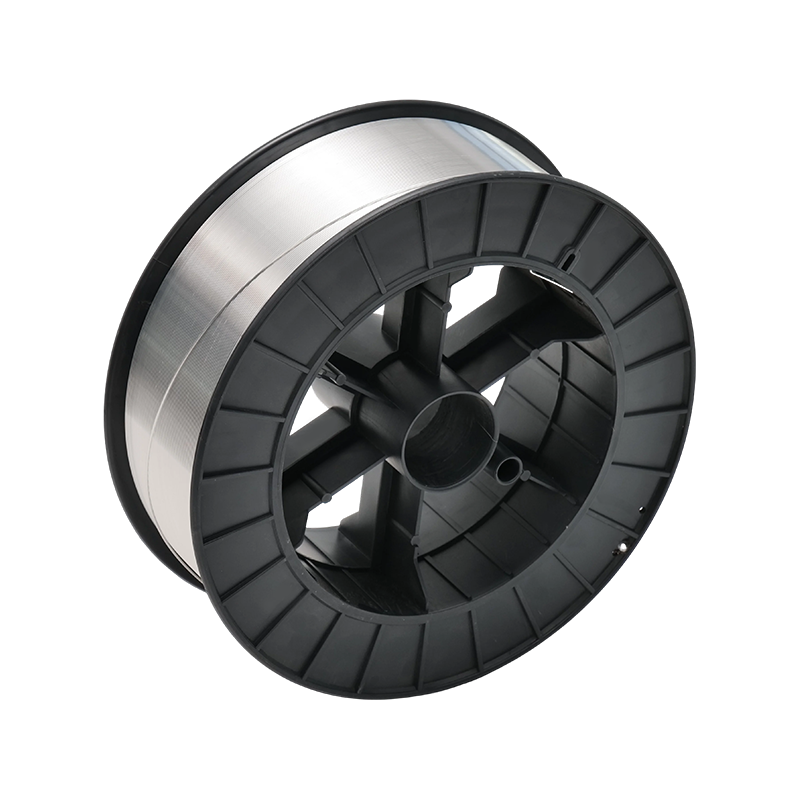
4. Coil, spool, straight-length, or cut-wire delivery format.
5. Required mechanical properties.
6. Chemical composition standard.
7. Surface-quality requirements.
8. Intended rivet-forming process.
9. Final heat-treatment requirements.
10. Applicable aviation, aerospace, military, automotive, or industrial specification.
11. Required inspection documents and traceability level.
12. Packaging, labeling, and export requirements.
Clear technical information reduces the risk of selecting a grade that is chemically similar but unsuitable for forming, corrosion exposure, or final mechanical performance.
Company Manufacturing Strengths
Jiangsu Hetuo Aluminum Wire Co., Ltd. was established in 2019 and focuses on aluminum alloy materials. Its operations are located in the Guannan Economic Development Zone in Lianyungang, Jiangsu Province, China.
The company’s manufacturing system covers high-purity aluminum wire, high-strength aluminum alloy wire, aluminum welding wire, and related precision aluminum materials. This integrated focus allows the company to serve several industrial sectors while maintaining expertise in aluminum processing.
The company reports the use of advanced production equipment and facilities. In a wire manufacturing environment, modern equipment can support improved dimensional control, more stable process conditions, automated handling, and greater production efficiency.
Quality inspection is reported throughout the production process rather than only at the final shipment stage. In-process inspection is valuable because it allows deviations to be detected before they affect a large quantity of material. It can also help identify trends in furnace behavior, drawing performance, surface quality, and dimensional stability.
The stated ISO 9001 and IATF 16949 certifications demonstrate an emphasis on formal quality management and process discipline. For customers in highly regulated industries, the next step is to review the certificate scope, audit status, technical procedures, and product-specific records.
The company also emphasizes overseas supply capability. International customers can benefit from coordinated communication regarding specifications, production schedules, packaging, shipping documents, and inspection requirements.
Q&A
What is high-strength aluminum rivet wire?
High-strength aluminum rivet wire is aluminum alloy wire manufactured for forming into rivets and other fasteners. It contains controlled alloying elements and may be heat treated to increase strength, toughness, and corrosion resistance.
Where is this rivet wire mainly used?
The principal applications are aviation, aerospace, military equipment, and other lightweight structural assemblies. It may also be considered for specialized fasteners and formed aluminum components after technical approval.
What is the difference between T6, T73, and T76?
T6 is generally a high-strength condition. T73 is associated with improved fracture toughness and stress-corrosion, exfoliation-corrosion, and low-temperature performance in suitable alloy systems. T76 is designed to provide higher strength than T73 while maintaining better stress-corrosion resistance than T6. The exact properties depend on the alloy and governing specification.
Is 7075 aluminum wire suitable for every rivet?
No. 7075 is a high-strength aluminum alloy, but suitability depends on the rivet design, forming process, heat-treatment condition, corrosion environment, and applicable specification. A technical review and validation test are recommended before production use.
Are all grades in the chemical composition table rivet materials?
No. The listed grades represent the broader aluminum wire and welding material portfolio. Some grades, such as 4043 and 4047, are commonly associated with welding or brazing filler applications. Customers should confirm the intended use of each grade with the supplier and their engineering department.
What information should be included in an inquiry?
An inquiry should include alloy grade, temper, diameter, tolerance, delivery form, quantity, intended application, mechanical requirements, chemical standard, surface requirements, packaging, and inspection documentation.
Why is surface quality important for rivet wire?
Surface defects can become cracks or stress concentrators during heading and service. Clean, uniform wire supports more reliable forming, better appearance, improved fatigue behavior, and reduced production scrap.
Can the wire be customized?
Customization may be available for alloy, temper, diameter, coil size, straight length, packaging, marking, and inspection documentation. The buyer should provide a complete technical specification before production.
What quality systems does the manufacturer report?
The manufacturer reports ISO 9001 and IATF 16949 quality management system certifications. Customers should verify the current certificates, scope, validity, and applicability to the ordered product.
How should aluminum rivet wire be stored?
It should be stored in a clean, dry area away from condensation, chemicals, wet floors, and mechanical damage. Original packaging should remain intact until the wire reaches ambient temperature and is ready for use.
Conclusion
High-strength aluminum alloy wire for rivets provides a practical solution for lightweight, durable, and technically demanding fastening applications. Its principal advantages include a strong strength-to-weight ratio, precipitation-strengthening capability, selectable temper conditions, fracture-toughness potential, corrosion-resistance options, and suitability for aviation, aerospace, and military structures.
The most important benefits over conventional aluminum wire come from controlled alloy chemistry and heat treatment. T6, T73, and T76 conditions allow engineers to balance strength, toughness, corrosion resistance, and low-temperature performance rather than relying on a single universal material condition.
Product quality also depends on manufacturing discipline. Raw material control, melting, degassing, casting, homogenization, rolling, precision drawing, heat treatment, dimensional inspection, surface inspection, and traceability all contribute to reliable rivet wire. Jiangsu Hetuo Aluminum Wire Co., Ltd. combines a dedicated aluminum-materials facility, technical personnel, advanced equipment, in-process inspection, and reported ISO 9001 and IATF 16949 certifications to support its product offering.
For the best results, customers should select the alloy and temper according to the complete engineering requirement. Chemical composition, mechanical performance, forming behavior, corrosion exposure, installation method, final heat treatment, and documentation should be evaluated together. With correct specification and process validation, high-strength aluminum rivet wire can support lighter structures, dependable fastening, and long-term performance in demanding industrial environments.
References
Aluminum Association, Aluminum Standards and Data, industry reference publication.
ASTM International, Standard Test Methods and Specifications for Aluminum and Aluminum Alloys.
European Committee for Standardization, Aluminum and Aluminum Alloy Product Standards.
International Organization for Standardization, ISO 9001 Quality Management Systems—Requirements.
International Automotive Task Force, IATF 16949 Quality Management System Requirements for Automotive Production and Relevant Service Parts Organizations.
ASM International, Aluminum and Aluminum Alloys: Materials and Processing Reference.
ASM International, Heat Treating of Aluminum Alloys, technical reference material.
Supplier-provided product information for high-strength aluminum alloy wire, rivet applications, alloy grades, chemical composition, manufacturing capabilities, and company profile.