

 English
 中文简体
 русский
 Deutsch
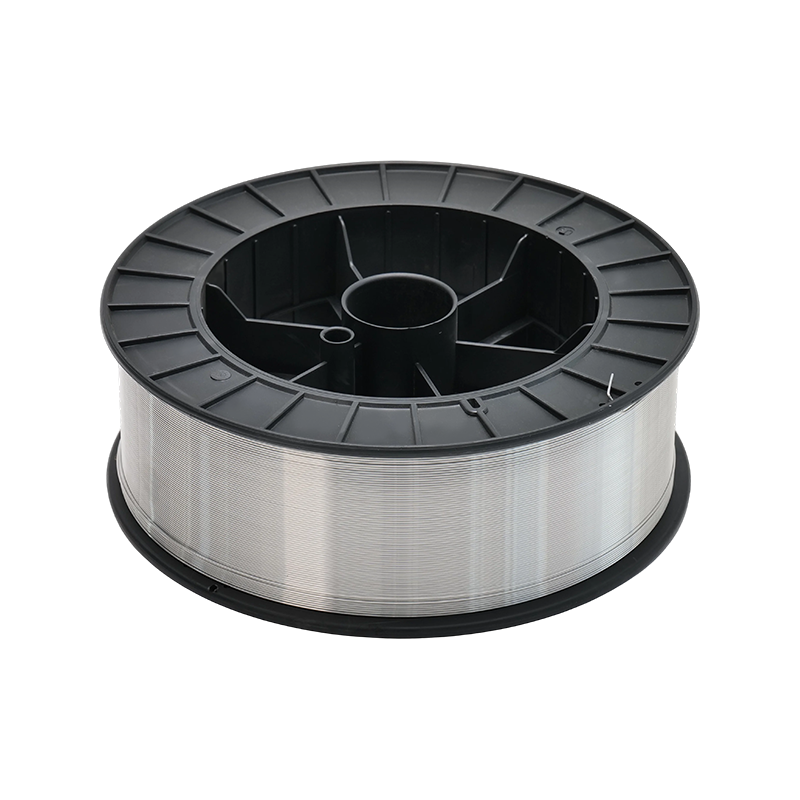
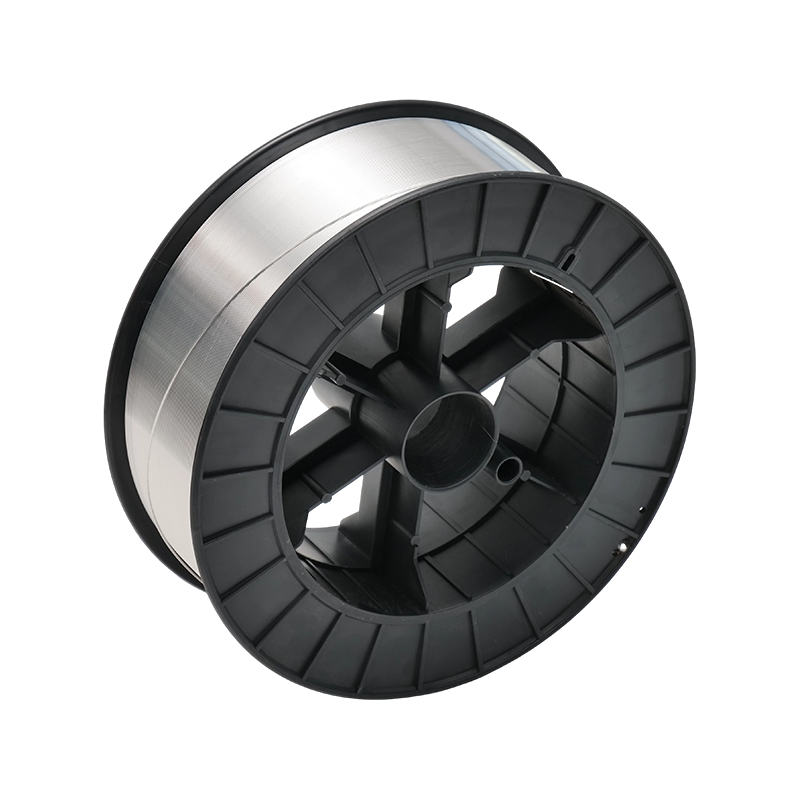
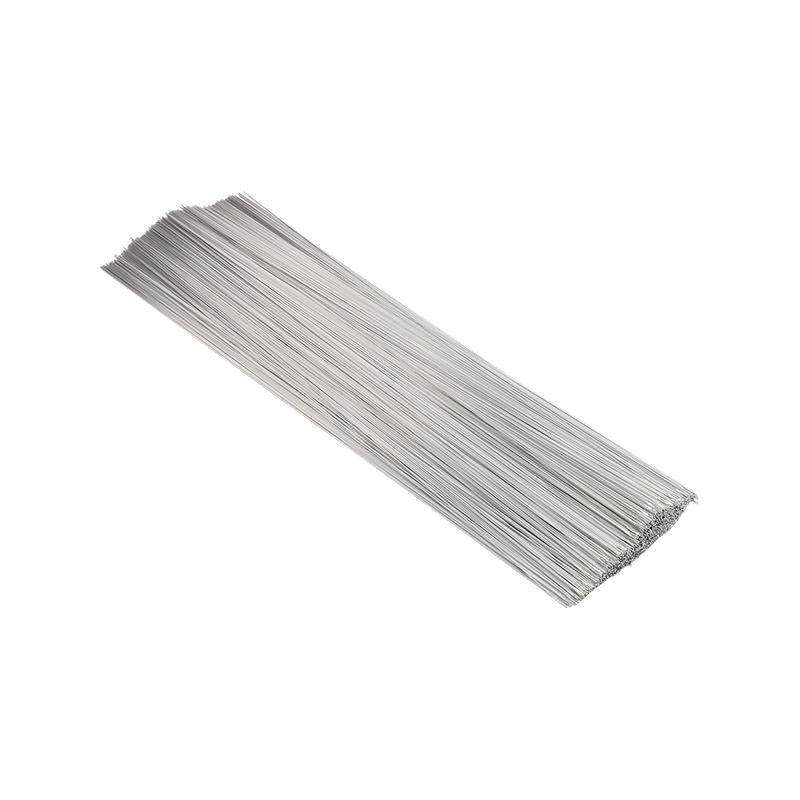
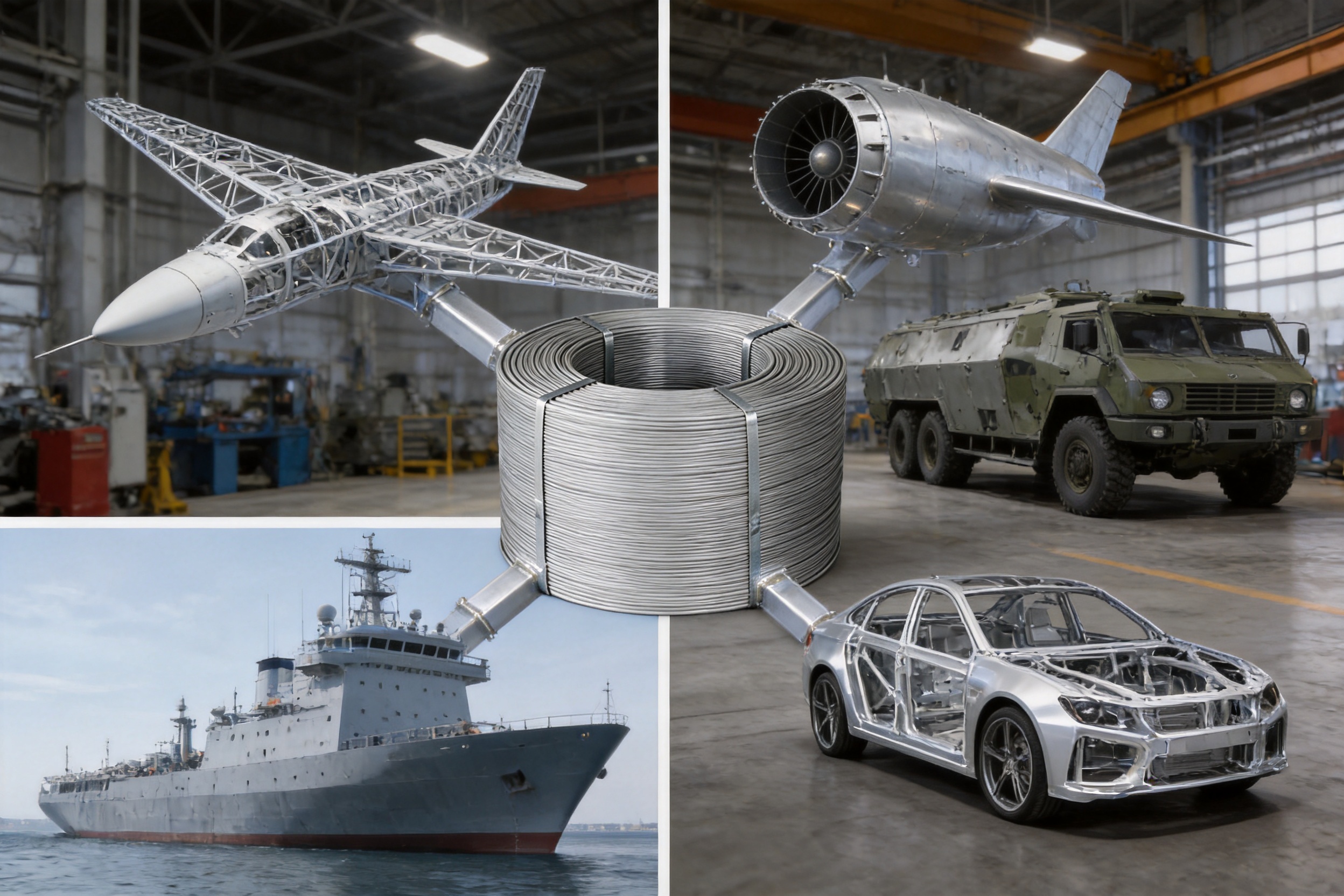
AlMg6 aluminum alloy wire is a high-strength aluminum-magnesium wire designed for demanding industrial applications where low weight, corrosion resistance, weldability, and dependable mechanical performance are all important. With a nominal magnesium content of 5.8% to 6.8%, this alloy belongs to the higher-strength non-heat-treatable aluminum-magnesium family. It is suitable for applications in aviation, aerospace, military equipment, ships, automobiles, tanks, structural fabrication, and other industries that require durable aluminum alloy materials.
The combination of aluminum’s low density and magnesium’s strengthening effect gives AlMg6 a useful balance between weight reduction and structural performance. Compared with commercially pure aluminum wire, AlMg6 offers substantially higher strength. Compared with many lower-magnesium aluminum alloys, it provides improved load-bearing capability while retaining good resistance to exfoliation corrosion and suitable welding characteristics. This balance makes it a practical choice for both manufacturing and repair operations.
Jiangsu Hetuo Aluminum Wire Co., Ltd. manufactures AlMg6 aluminum alloy wire as part of its high-strength aluminum alloy wire product range. The company operates an intelligent manufacturing system covering high-purity aluminum wire, high-strength aluminum alloy wire, and aluminum and aluminum alloy welding materials. Its manufacturing capabilities, process control, quality inspection system, and experience with precision aluminum materials support the production of wire for demanding domestic and international markets.
Content
- 1 What Is AlMg6 Aluminum Alloy Wire?
- 2 Key Chemical Composition
- 3 Performance Advantages of AlMg6 Wire
- 4 Comparison with Other Aluminum Alloy Wires
- 5 Applications of AlMg6 Aluminum Alloy Wire
- 6 Manufacturing Process and Quality Control
- 7 Manufacturing Strengths of Jiangsu Hetuo Aluminum Wire Co., Ltd.
- 8 Why Choose AlMg6 from a Specialized Wire Manufacturer?
- 9 Guidelines for Selecting and Using AlMg6 Wire
- 10 Inspection and Acceptance Considerations
- 11 Sustainability and Lightweight Material Benefits
- 12 Frequently Asked Questions
- 12.1 What is AlMg6 aluminum alloy wire used for?
- 12.2 What does AlMg6 mean?
- 12.3 Is AlMg6 stronger than pure aluminum wire?
- 12.4 Does AlMg6 resist corrosion?
- 12.5 Is AlMg6 suitable for welding?
- 12.6 How does AlMg6 compare with 5356?
- 12.7 How does AlMg6 compare with 4043?
- 12.8 Can AlMg6 replace 7050 or 7075 wire?
- 12.9 What quality certifications does the manufacturer have?
- 12.10 What industries does the manufacturer serve?
- 12.11 How should AlMg6 wire be stored?
- 12.12 What information should be included in an inquiry?
- 13 Conclusion
- 14 References
- 15 Product: AlMg6 Aluminum Alloy Wire
What Is AlMg6 Aluminum Alloy Wire?
AlMg6 is an aluminum-magnesium alloy whose principal strengthening element is magnesium. The alloy is based on aluminum, with aluminum making up the balance after the specified alloying elements and allowable impurities are accounted for. The material supplied as wire can be used as a feedstock for welding, fabrication, component production, reinforcement-related applications, and other precision industrial processes.
The “AlMg6” designation indicates a material with approximately six percent magnesium. Actual chemical limits may vary according to the applicable standard, product specification, and customer requirements. For the product described here, magnesium is controlled within the range of 5.8% to 6.8%. Manganese is specified at 0.5% to 0.8%, titanium at 0.1% to 0.2%, and beryllium at 0.002% to 0.005%. Silicon and iron are each limited to 0.40%, copper to 0.10%, and zinc to 0.20%.
The alloy chemistry is designed to support a stable combination of strength, corrosion resistance, and weldability. Magnesium strengthens the aluminum matrix and improves the material’s ability to withstand mechanical loading. Manganese contributes to structural stability and can help improve the overall performance of the alloy. Titanium may support grain refinement, while careful control of copper, iron, silicon, and zinc helps preserve the intended corrosion and welding characteristics.
As an aluminum alloy wire, AlMg6 is available in a form that can be handled efficiently in automated production lines, welding equipment, fabrication workshops, and precision processing systems. Wire products also provide advantages in feeding consistency, material utilization, storage, and production automation when compared with less uniform forms of filler or raw material.
Key Chemical Composition
Chemical composition is one of the most important factors controlling the performance of AlMg6 wire. The following specification summarizes the principal elements provided for this product.
| Element | Specified Content | Primary Role or Control Purpose |
|---|---|---|
| Silicon | Maximum 0.40% | Controlled to support suitable weldability and alloy consistency |
| Iron | Maximum 0.40% | Limited to help manage intermetallic phases and material quality |
| Copper | Maximum 0.10% | Kept low to support corrosion resistance |
| Manganese | 0.5%–0.8% | Contributes to strength and structural stability |
| Magnesium | 5.8%–6.8% | Main strengthening element in the aluminum matrix |
| Zinc | Maximum 0.20% | Controlled for consistent alloy performance |
| Titanium | 0.1%–0.2% | Supports grain control and product consistency |
| Beryllium | 0.002%–0.005% | Specified at a tightly controlled low level |
| Aluminum | Balance | Base metal providing low density and corrosion resistance |
The values in this table should be understood as a product composition guide. Final acceptance should always be based on the relevant purchase specification, test certificate, applicable standard, and agreed inspection requirements. Customers working in regulated sectors can request documentation for chemical analysis, batch traceability, dimensional control, and quality inspection.
Performance Advantages of AlMg6 Wire
High Strength with Reduced Weight
One of the main reasons to select AlMg6 is its favorable strength-to-weight relationship. Aluminum is considerably lighter than steel, while magnesium increases the strength of the aluminum matrix. This enables designers to reduce component weight without automatically sacrificing the structural performance required for service.
Weight reduction can be especially valuable in aircraft structures, aerospace systems, military vehicles, ships, rail equipment, commercial transportation, and mobile machinery. Lower component weight can improve payload capacity, reduce fuel or energy consumption, simplify handling, and reduce the demands placed on supporting structures. When AlMg6 wire is used in a welding or fabrication operation, it can help create lightweight assemblies that remain capable of handling mechanical and environmental loads.
Compared with high-purity aluminum wire, AlMg6 provides a clear strength advantage. High-purity aluminum is valued for conductivity, ductility, and chemical purity, but it is not normally selected when the primary requirement is high structural strength. AlMg6 is more appropriate when the finished product must carry load, resist deformation, or maintain performance in demanding service conditions.
Good Resistance to Exfoliation Corrosion
AlMg6 is also valued for its resistance to exfoliation corrosion. Exfoliation corrosion is a form of localized corrosion associated with susceptible microstructures and can cause layers near the surface to lift, separate, or peel. This type of damage is particularly undesirable in transportation, marine, military, and aerospace environments, where exposure to moisture, salt, and cyclic loading can accelerate degradation.
The alloy’s aluminum-magnesium composition, together with controlled levels of other elements, supports corrosion-resistant performance. This does not mean that the wire is immune to every corrosive condition. Surface preparation, joint design, heat input, environmental exposure, protective coatings, storage, and post-fabrication treatment all influence service life. Nevertheless, the material’s inherent resistance is an important advantage over less suitable aluminum grades and over materials that require heavier corrosion-protection systems.
For marine and shipbuilding applications, corrosion resistance can help reduce maintenance requirements and protect the integrity of fabricated structures. In vehicle and tank applications, it can support longer-lasting assemblies exposed to rain, condensation, road salts, mud, or other aggressive conditions. In aerospace and military applications, material selection must be evaluated together with the complete design, but the alloy’s resistance to exfoliation corrosion is a meaningful performance benefit.
Suitable Weldability
AlMg6 is designed to provide good weldability when appropriate welding procedures, filler selection, shielding gas, joint preparation, and heat-control practices are used. Aluminum welding requires careful process management because aluminum conducts heat rapidly, forms a tenacious oxide layer, and can be sensitive to contamination and porosity. A consistent wire product helps welding operators maintain stable feeding and predictable deposition behavior.
AlMg6 wire can be used in applications where the wire acts as a filler or feed material. Depending on the base material, joint design, required strength, and applicable welding procedure, the user may select a matching or compatible aluminum-magnesium welding material. The final selection should be verified by a qualified welding engineer or according to the applicable welding code.
Good weldability does not eliminate the need for proper preparation. Surfaces should be clean, dry, and free from oil, grease, oxide contamination, and foreign particles. Welding equipment should be correctly configured, and wire storage should prevent moisture or contamination. Proper shielding gas and stable wire feeding are also important for reducing defects and producing consistent weld geometry.
Stable Performance in Demanding Industries
The product is intended for sectors in which material reliability is essential. Aviation and aerospace structures require lightweight materials with controlled quality. Military vehicles and tanks require strength, durability, and resistance to harsh environments. Ships and marine equipment require materials that can perform in the presence of moisture and salt. Automotive manufacturers seek lightweight alloys that support fuel economy, vehicle range, safety, and production efficiency.
AlMg6 does not replace every other aluminum alloy in these industries. Instead, it fills a specific performance position between highly conductive or highly formable aluminum grades and specialized heat-treatable alloys designed for maximum tensile performance. Its value lies in the balance it provides: relatively high strength, useful corrosion resistance, and suitable welding behavior in a low-density material.
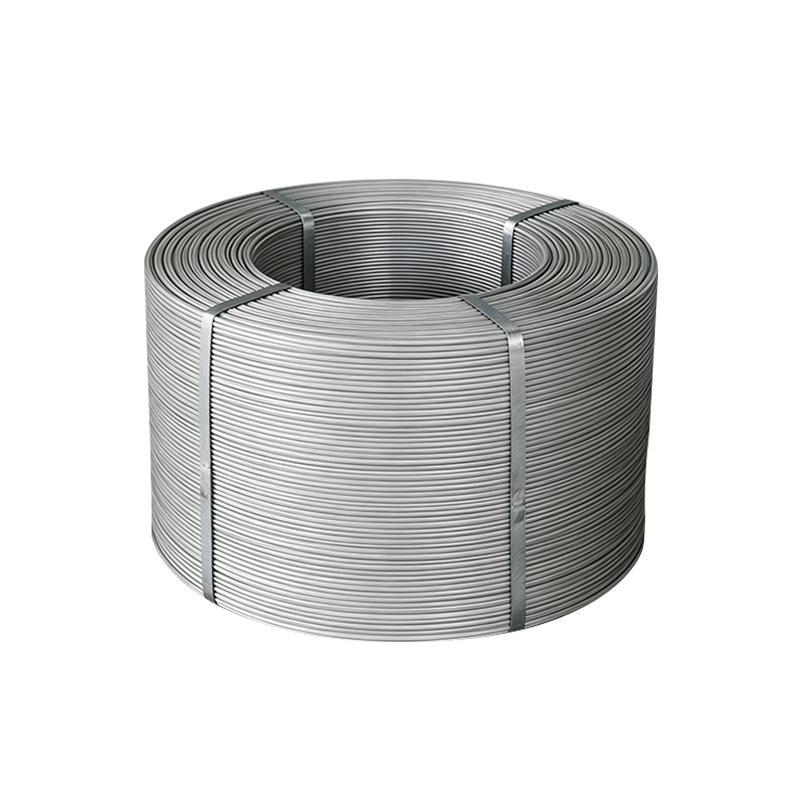
AlMg6 Aluminum Alloy Wire
Comparison with Other Aluminum Alloy Wires
AlMg6 is best understood by comparing it with related aluminum alloy wires. Each alloy has a different chemical balance and therefore a different performance profile. The correct choice depends on the base metal, welding process, design loads, corrosion environment, operating temperature, and required finish.
| Alloy or Grade | Typical Main Characteristics | Relative Position Compared with AlMg6 |
|---|---|---|
| High-purity aluminum wire | High purity, excellent conductivity, low strength | Better suited to conductivity-focused uses rather than high-strength structures |
| AlMg3 | Approximately 3.2%–3.8% magnesium | Generally lower magnesium strengthening than AlMg6 |
| AlMg5 | Approximately 4.8%–5.8% magnesium | Similar alloy family, but normally a lower magnesium level |
| 5356 | Approximately 4.5%–5.5% magnesium with chromium and manganese | Widely used aluminum-magnesium welding alloy; final choice depends on compatibility and procedure |
| 5183 | Approximately 4.3%–5.2% magnesium with manganese and chromium | Strong aluminum-magnesium option with a different chemistry balance |
| 4043 | Approximately 4.5%–6.0% silicon | Silicon-rich welding alloy often selected for fluidity and crack sensitivity considerations |
| 4047 | Approximately 11.0%–13.0% silicon | Higher silicon content and different melting and flow behavior |
| 2A10 | Copper-rich alloy with approximately 3.9%–4.5% copper | Different strength and heat-treatment profile; not a direct substitute for AlMg6 |
| 2219 | Copper-rich alloy with approximately 5.8%–6.8% copper | Designed for different high-strength and elevated-temperature requirements |
| 7050 and 7075 | Zinc-rich heat-treatable alloys | High-strength aerospace grades with different welding and corrosion considerations |
AlMg6 Compared with AlMg3 and AlMg5
AlMg3 and AlMg5 belong to the same broad aluminum-magnesium family as AlMg6. Their lower magnesium levels can make them appropriate when moderate strength, formability, or a different welding response is desired. AlMg6 contains a higher magnesium range and is therefore positioned toward the higher-strength side of this non-heat-treatable family.
The choice between these grades should not be based only on the highest alloying percentage. Forming requirements, service temperature, corrosion exposure, joint design, and fabrication method are equally important. AlMg6 is advantageous when the application benefits from increased magnesium strengthening, while AlMg3 or AlMg5 may be preferable for products requiring a different balance of ductility, forming response, and strength.
AlMg6 Compared with 5356 and 5183
5356 and 5183 are widely recognized aluminum-magnesium welding materials. Their compositions overlap partly with AlMg6, but their specific ranges for magnesium, manganese, chromium, titanium, and other elements differ. As a result, they should not be treated as identical materials even when they appear similar in a general alloy comparison.
AlMg6 can be attractive when a higher magnesium range and the associated high-strength aluminum-magnesium profile are required. The exact suitability for a welding application depends on the base alloy and the approved welding procedure. Customers should confirm compatibility before substituting one aluminum-magnesium wire for another.
AlMg6 Compared with Silicon-Rich 4043 and 4047
4043 and 4047 contain much higher silicon levels than AlMg6. Silicon-rich aluminum welding wires are often selected for their distinct melting behavior, fluidity, and response to certain joint conditions. They can be useful when crack sensitivity, bead appearance, or casting-related properties are priorities.
AlMg6 is a different type of product. Its principal performance advantage comes from magnesium strengthening rather than a high silicon content. When the finished structure needs a higher-strength aluminum-magnesium weld or filler material, AlMg6 may offer a more suitable direction than a silicon-rich wire. Conversely, if fluidity or a specific crack-control characteristic is the dominant requirement, a 4043 or 4047 product may be more appropriate.
AlMg6 Compared with Heat-Treatable High-Strength Alloys
Grades such as 7050 and 7075 use zinc and other alloying elements to achieve high strength through heat treatment. They are important aerospace materials, but their welding behavior and corrosion considerations are different from those of AlMg6. Many high-strength heat-treatable aluminum alloys are difficult to weld without compromising properties in the heat-affected zone.
AlMg6 offers an alternative where the design places greater emphasis on weldability, corrosion resistance, and stable non-heat-treatable alloy behavior. It may not provide the same peak strength as a properly heat-treated 7050 or 7075 product, but it can be more practical for welded assemblies. Material selection should therefore consider the entire manufacturing route rather than strength values alone.
Applications of AlMg6 Aluminum Alloy Wire
Aviation and Aerospace
Aviation and aerospace manufacturers use lightweight aluminum alloy materials to reduce structural mass and improve system efficiency. AlMg6 wire may be considered for welding, repair, fabrication, and related production tasks where corrosion resistance and reliable strength are required.
In aircraft-related environments, quality control and traceability are essential. The wire must be supplied with consistent composition, controlled dimensions, suitable surface quality, and documentation appropriate to the application. Welding procedures should be qualified for the base metal and service conditions. Where the product is used in safety-critical structures, customer specifications and aviation regulations take precedence over general product descriptions.
Military Vehicles and Tanks
Military equipment is exposed to vibration, impact, temperature changes, moisture, dust, and corrosive environments. Aluminum alloy wire can support the fabrication and maintenance of lightweight armor-related structures, vehicle bodies, storage systems, frames, brackets, and other assemblies where reducing mass is beneficial.
AlMg6’s resistance to exfoliation corrosion and its high-strength aluminum-magnesium profile make it relevant to military fabrication. Its suitability for a specific tank or defense application must be evaluated against ballistic design, structural loads, welding qualification, repair requirements, and any defense-sector material standards.
Shipbuilding and Marine Structures
Marine structures benefit from materials that combine low weight and corrosion resistance. Aluminum alloys are widely used in vessels, decks, superstructures, workboats, patrol craft, passenger vessels, and marine equipment. AlMg6 wire can be considered for welded assemblies where the material must function in a humid or salt-containing atmosphere.
Marine welding requires particular care with surface cleanliness, joint preparation, shielding, and post-weld inspection. Salt contamination and moisture should be removed before welding. Proper storage of the wire is equally important because contaminated filler material can increase the risk of porosity and inconsistent weld quality.
Automotive and Transportation Equipment
Automotive manufacturers continue to use aluminum alloys to reduce vehicle mass and improve efficiency. Lower weight can support fuel economy in internal-combustion vehicles and increase driving range in electric vehicles. Aluminum alloy wire may be used in body structures, frames, enclosures, vehicle components, and repair operations where the selected alloy is compatible with the design.
AlMg6 is especially relevant where the assembly requires more strength than a high-purity or low-alloy aluminum material can provide. It can also support automated welding and production systems when its diameter, surface quality, and feeding performance are controlled consistently.
Industrial Fabrication and Repair
Beyond major transportation sectors, AlMg6 wire can be used in industrial equipment, pressure-related assemblies where approved, machinery frames, structural supports, storage systems, and repair work. Its practical value increases when a manufacturer needs a wire that is compatible with aluminum fabrication processes but offers a stronger alloy profile than commercially pure aluminum.
Manufacturing Process and Quality Control
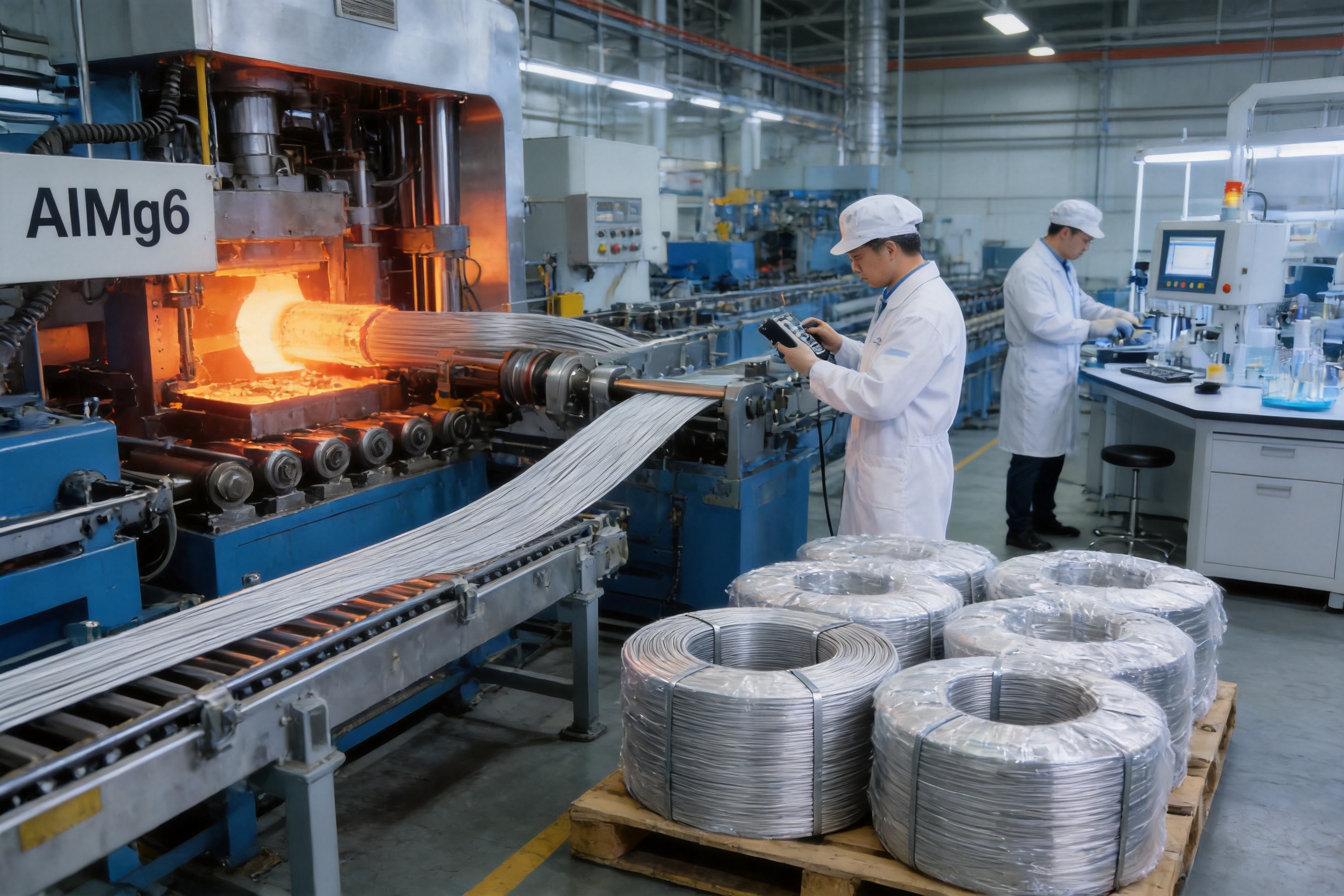
The performance of an aluminum alloy wire depends not only on its nominal chemistry but also on how it is melted, cast, processed, drawn, finished, inspected, packaged, and stored. A controlled manufacturing process helps ensure that each batch has the required composition, dimensional accuracy, surface quality, and feeding behavior.
Raw Material Selection
The production process begins with controlled raw materials. Aluminum and alloying additions must be selected according to the required AlMg6 composition. The use of verified inputs helps reduce the risk of unwanted impurities and supports batch-to-batch consistency.
Because magnesium is the primary strengthening element, its addition and recovery must be carefully managed. The producer must also control manganese, titanium, beryllium, silicon, iron, copper, and zinc within the required limits. Consistent raw material preparation is the foundation for reliable final-wire performance.
Melting and Alloying
During melting, aluminum is brought to a controlled liquid state and alloying elements are introduced according to the production recipe. Temperature, holding time, mixing, and furnace conditions affect the uniformity of the melt. Excessive exposure to air, moisture, or unsuitable materials can increase contamination or oxidation risks.
Process personnel must control the melt carefully because an incorrect alloying addition can alter strength, corrosion resistance, weldability, and downstream processing behavior. Chemical analysis is used to verify that the melt conforms to the required specification before the material proceeds to casting or further production.
Refining, Degassing, and Inclusion Control
Molten aluminum can contain dissolved hydrogen and nonmetallic inclusions. If these are not controlled, they may contribute to porosity, surface defects, reduced ductility, or inconsistent wire performance. Appropriate refining and degassing procedures can help improve melt cleanliness.
Inclusion control is particularly important for welding wire and precision wire because surface and internal defects can affect feeding, arc stability, deposition quality, and the integrity of the finished weld. A manufacturer with dedicated inspection and process-control systems is better positioned to identify and reduce such risks.
Casting and Homogenization
After the melt reaches the required condition, it is cast into an intermediate form suitable for subsequent rolling, extrusion, or drawing. Controlled solidification helps produce a consistent structure. Depending on the manufacturing route, homogenization or related thermal treatment may be used to reduce chemical segregation and improve processing behavior.
Uniform intermediate material supports stable deformation during later stages. It also helps reduce variations in wire properties from one section to another. The specific processing schedule should be selected according to alloy composition, product diameter, required temper, and customer requirements.
Rolling, Extrusion, and Drawing
Aluminum alloy wire may be produced through a series of forming operations that reduce the cross-section and improve dimensional precision. Rolling or extrusion can create an intermediate rod, which is then drawn through dies to obtain the specified wire diameter and surface condition.
Drawing requires careful control of reduction per pass, lubrication, die condition, line speed, and intermediate annealing where applicable. Excessive deformation or poor lubrication can cause surface damage, dimensional variation, cracking, or increased residual stress. Controlled processing helps produce wire that feeds smoothly and performs consistently in downstream operations.
Surface Treatment and Finishing
The wire surface must be clean and suitable for the intended application. Surface finishing may include cleaning, removal of processing residues, controlled treatment, and inspection for scratches, laps, seams, corrosion, or other defects. For welding wire, surface quality directly affects feeding and weld cleanliness.
A uniform surface also improves packaging stability and reduces the chance of contamination during transportation. The final surface requirements should be defined according to the product standard and customer application.
Dimensional and Chemical Inspection
Quality inspection should cover chemical composition, diameter, ovality, surface condition, weight, packaging, and traceability. Chemical analysis confirms that the material is within the specified limits. Dimensional measurements verify that the wire can be fed through the intended equipment and that the product meets the customer’s tolerance requirements.
Where required, additional testing may include tensile properties, elongation, metallographic evaluation, weld performance, cleanliness inspection, or other application-specific tests. The exact test program should be agreed between the manufacturer and customer.
Packaging and Traceability
Correct packaging protects the wire from moisture, dust, mechanical damage, and contamination. Packaging must also support efficient installation on welding equipment or production lines. Clearly identified coils, spools, or other units help operators maintain batch traceability.
Traceability is especially important in aerospace, military, automotive, shipbuilding, and other regulated sectors. It enables users to connect the finished wire with its raw materials, production records, inspection results, and shipment information.
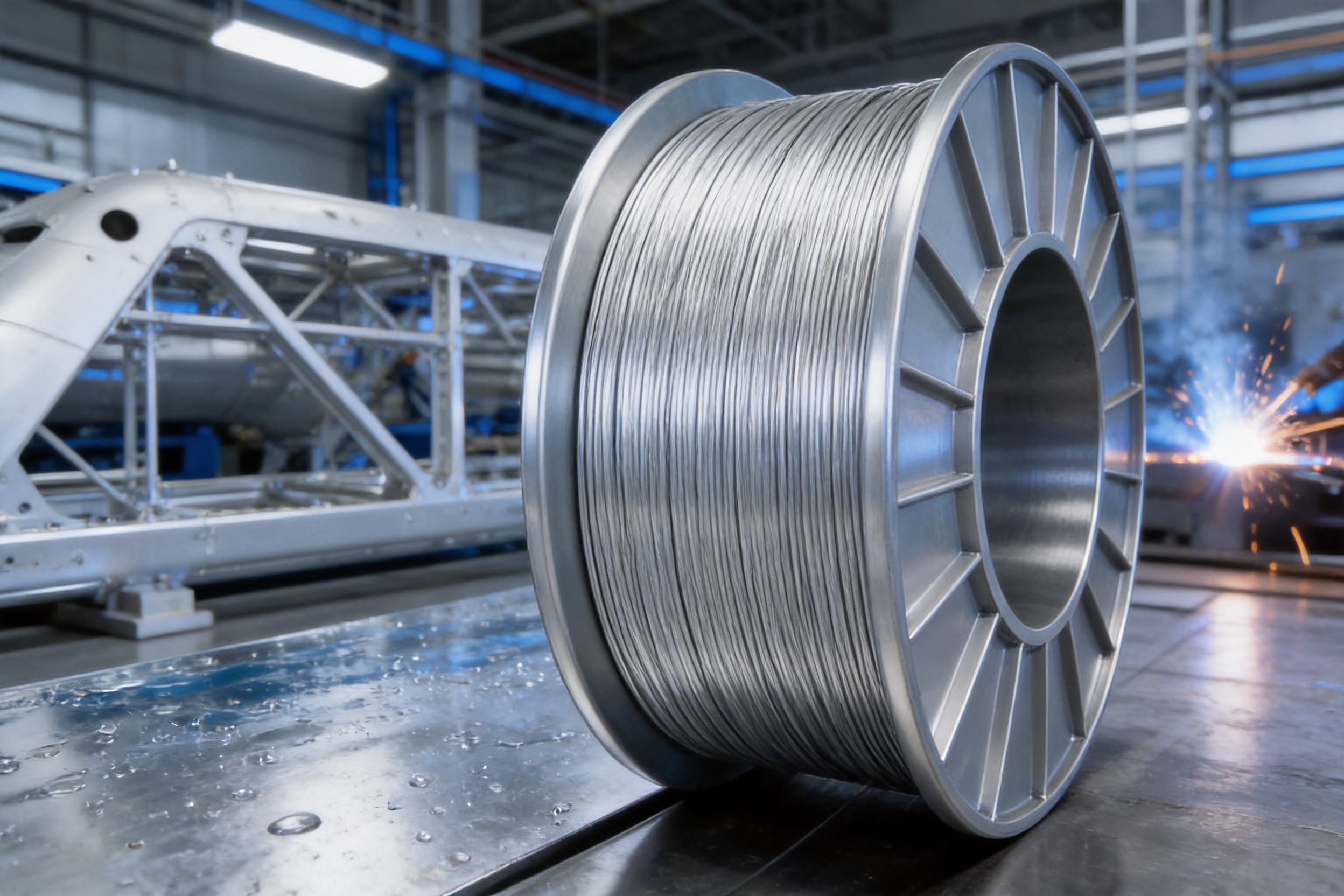
Manufacturing Strengths of Jiangsu Hetuo Aluminum Wire Co., Ltd.
Jiangsu Hetuo Aluminum Wire Co., Ltd. was established in 2019 and focuses on aluminum alloy materials and wire products. The company’s manufacturing system covers high-purity aluminum wire, high-strength aluminum alloy wire, and aluminum and aluminum alloy welding materials. This product coverage allows the company to serve customers that require different grades and performance profiles from a single specialized supplier.
The factory covers approximately 40,000 square meters and employs about 60 people, including approximately 30 professional managers and technical personnel. This combination of manufacturing space and technical staffing supports production management, process development, quality assurance, and customer communication.
The company introduces advanced production equipment and facilities for aluminum alloy wire manufacturing. Modern equipment can improve process repeatability, reduce manual variation, support accurate dimensional control, and increase production efficiency. Equipment capability is most valuable when combined with standardized operating procedures, trained personnel, preventive maintenance, and systematic inspection.
Quality inspection is implemented throughout production rather than being limited to the final shipment stage. In-process inspection allows potential issues to be identified earlier, reducing the risk of large-volume nonconforming material. This approach may include checking raw materials, melt chemistry, intermediate products, drawn wire, surface quality, packaging, and final documentation.
The company has obtained ISO 9001 and IATF 16949 quality management system certifications. ISO 9001 supports a structured quality management approach across customer requirements, process control, documentation, corrective action, and continual improvement. IATF 16949 is associated with automotive quality management and emphasizes process consistency, risk control, defect prevention, traceability, and customer-specific requirements.
These certifications do not eliminate the need for product-specific inspection or customer approval. However, they demonstrate that the company has established formal management processes relevant to quality control and manufacturing consistency. Customers can use the available certification and product documentation as part of their supplier evaluation process.
Jiangsu Hetuo Aluminum Wire Co., Ltd. exports products to high-end overseas markets and aims to provide lighter, stronger, and more sustainable aluminum alloy wire and welding material solutions. Its product range includes high-grade aluminum alloy rods, welding wires, and precision profiles. This broader technical scope can support customers looking for coordinated material solutions rather than a single isolated wire product.
Why Choose AlMg6 from a Specialized Wire Manufacturer?
A specialized manufacturer understands that aluminum alloy wire is not simply a metal composition converted into a thin form. The final product must meet requirements for chemistry, diameter, surface condition, coil or spool configuration, feeding reliability, packaging, and traceability.
Specialized production also allows closer attention to alloy-specific processing. AlMg6 contains a relatively high magnesium level, and its melting, casting, forming, surface treatment, and storage requirements must be managed accordingly. A manufacturer with experience in aluminum-magnesium materials can develop procedures that reflect the behavior of this alloy family.
Another advantage is technical communication. Customers may need assistance selecting among AlMg3, AlMg5, AlMg6, 5356, 5183, 4043, 4047, or other grades. A product-focused supplier can help organize the comparison around the actual application: base-metal chemistry, welding method, strength requirement, corrosion environment, operating temperature, and production volume.
Quality documentation is also important. A reliable supplier should be able to provide relevant product information, batch identification, chemical composition data, and agreed inspection records. For critical applications, customers may request samples, qualification testing, process audits, or additional certificates before placing regular orders.
Guidelines for Selecting and Using AlMg6 Wire
Confirm the Base Material
Before selecting AlMg6 wire, identify the aluminum alloy being joined or processed. The chemistry of the base material affects weld compatibility, dilution, strength, corrosion behavior, and heat-affected-zone performance. A filler that performs well with one aluminum alloy may not be optimal for another.
Define the Required Mechanical Performance
Determine whether the finished assembly requires high tensile strength, fatigue resistance, ductility, impact resistance, or a specific combination of properties. AlMg6 is attractive for high-strength aluminum-magnesium applications, but the finished joint properties depend on the welding process and joint design as well as the wire itself.
Evaluate the Service Environment
Consider moisture, salt spray, chemicals, temperature changes, ultraviolet exposure, vibration, and contact with dissimilar metals. AlMg6 provides good resistance to exfoliation corrosion, but environmental protection and galvanic-corrosion control may still be required.
Select the Correct Wire Diameter
Wire diameter affects deposition rate, current range, feeding performance, bead shape, and production speed. The correct diameter depends on material thickness, welding position, equipment, joint geometry, and required heat input. Customers should specify the diameter tolerance and spool or coil format needed for their equipment.
Store the Wire Properly
Aluminum alloy wire should be stored in a clean, dry environment and protected from condensation, dust, oil, and chemical contamination. When cold wire is moved into a warmer environment, condensation may form on the surface. Allowing the product to reach room temperature while protected can reduce moisture-related problems.
Use Qualified Welding Procedures
Welding parameters should be established through qualified procedures or validated production trials. The procedure should define cleaning, joint preparation, shielding gas, current, voltage, travel speed, preheating if applicable, interpass control, and inspection requirements. Operators should be trained in aluminum welding and in the handling of aluminum-magnesium wire.
Inspection and Acceptance Considerations
Customers purchasing AlMg6 aluminum alloy wire should define acceptance requirements before production begins. Important points include alloy designation, chemical composition, nominal diameter, dimensional tolerance, surface condition, coil or spool dimensions, unit weight, packaging method, marking, and certificate requirements.
For critical applications, the purchaser may also specify mechanical testing, metallographic examination, welding trials, lot traceability, nonconformance procedures, and retention of production records. The inspection plan should reflect the risk and importance of the final application.
| Inspection Item | Purpose |
|---|---|
| Chemical composition | Confirms the alloy is within the specified AlMg6 limits |
| Wire diameter | Ensures compatibility with feeding and processing equipment |
| Surface condition | Reduces the risk of feeding problems, contamination, and weld defects |
| Spool or coil dimensions | Supports proper installation and uninterrupted production |
| Batch identification | Maintains traceability from production through delivery |
| Mechanical or application testing | Confirms suitability for the customer’s specific use |
| Packaging inspection | Protects the wire during storage and transportation |
| Documentation review | Provides evidence of conformity and quality control |
Sustainability and Lightweight Material Benefits
Aluminum is widely recognized as a material that can support lightweight design and recycling. When used effectively, aluminum alloy wire can help reduce the mass of vehicles, ships, machinery, and structures. Lower mass may reduce energy consumption during operation and improve transportation efficiency.
The sustainability benefit of AlMg6 depends on the full product life cycle. Efficient manufacturing, reduced scrap, responsible packaging, long service life, repairability, and recycling all contribute to the environmental performance of the final product. A durable wire that enables reliable welded structures can help extend the service life of equipment and reduce the need for premature replacement.
Material selection should still be based primarily on engineering requirements. Using a stronger alloy does not automatically make a product more sustainable if it creates unnecessary processing complexity or is not compatible with the design. AlMg6 is most valuable when its strength, corrosion resistance, and weldability are used to create an efficient and durable solution.
Frequently Asked Questions
What is AlMg6 aluminum alloy wire used for?
AlMg6 wire is mainly used in aviation, aerospace, military equipment, ships, automobiles, tanks, structural fabrication, and other applications requiring high-strength aluminum alloy material with good corrosion resistance and weldability. The exact use depends on the wire form, diameter, processing method, and customer specification.
What does AlMg6 mean?
AlMg6 identifies an aluminum-magnesium alloy with approximately six percent magnesium. The product described here contains 5.8% to 6.8% magnesium, with aluminum as the balance and controlled amounts of manganese, titanium, beryllium, silicon, iron, copper, and zinc.
Is AlMg6 stronger than pure aluminum wire?
Yes. The magnesium and manganese additions increase the strength of the aluminum matrix compared with high-purity or commercially pure aluminum wire. AlMg6 is intended for applications where structural strength is more important than maximum electrical conductivity.
Does AlMg6 resist corrosion?
AlMg6 offers good resistance to exfoliation corrosion and is suitable for many humid, marine, transportation, and outdoor environments. However, corrosion performance also depends on surface condition, joint design, exposure, protective treatment, galvanic contact, and maintenance.
Is AlMg6 suitable for welding?
AlMg6 has good weldability when used with an appropriate welding process and qualified procedure. The operator must control surface preparation, shielding gas, heat input, wire feeding, and contamination. Compatibility with the base metal should be confirmed before production use.
How does AlMg6 compare with 5356?
Both are aluminum-magnesium materials, but their chemical composition ranges are not identical. AlMg6 has a specified magnesium range of 5.8% to 6.8%, while the listed 5356 composition contains approximately 4.5% to 5.5% magnesium along with different chromium, manganese, titanium, and other limits. The correct selection depends on the base alloy and welding procedure.
How does AlMg6 compare with 4043?
4043 is a silicon-rich aluminum welding alloy, while AlMg6 is a magnesium-strengthened aluminum alloy. 4043 may be selected for its different fluidity and welding characteristics, whereas AlMg6 is selected when a high-strength aluminum-magnesium profile is required.
Can AlMg6 replace 7050 or 7075 wire?
It should not be assumed to be a direct replacement. 7050 and 7075 are zinc-rich heat-treatable alloys with different strength, heat-treatment, and welding characteristics. AlMg6 is generally considered when weldability, corrosion resistance, and aluminum-magnesium alloy behavior are important.
What quality certifications does the manufacturer have?
Jiangsu Hetuo Aluminum Wire Co., Ltd. has obtained ISO 9001 and IATF 16949 quality management system certifications. Customers should also request product-specific documentation and confirm any additional approval requirements for their industry.
What industries does the manufacturer serve?
The company supplies products for high-purity aluminum wire, high-strength aluminum alloy wire, and aluminum or aluminum alloy welding materials. Its stated application fields include aviation, aerospace, military equipment, ships, automobiles, tanks, and other industrial sectors.
How should AlMg6 wire be stored?
Store the wire in a clean, dry, protected environment. Avoid moisture, condensation, oil, dust, and mechanical damage. Keep the original packaging intact until the material is ready for use, and allow cold packages to acclimatize in a protected condition before opening if condensation is possible.
What information should be included in an inquiry?
An inquiry should include the alloy designation, required wire diameter, quantity, spool or coil format, application, base material, welding process if applicable, delivery destination, inspection requirements, packaging needs, and any required certifications or test reports.
Conclusion
AlMg6 aluminum alloy wire provides a practical combination of high strength, low density, good resistance to exfoliation corrosion, and suitable weldability. Its aluminum-magnesium chemistry makes it a strong candidate for aviation, aerospace, military, marine, automotive, tank, and industrial applications where weight reduction and dependable performance are important.
Compared with high-purity aluminum wire, AlMg6 delivers a stronger structural profile. Compared with lower-magnesium alloys, it offers a higher magnesium range for increased strengthening. Compared with silicon-rich welding wires, it provides a different performance balance centered on aluminum-magnesium strength and corrosion resistance. It also offers a weldable alternative to some high-strength heat-treatable alloys whose welding behavior may be more difficult to manage.
The value of the product depends on more than alloy chemistry. Controlled melting, refining, casting, forming, drawing, surface treatment, inspection, packaging, and traceability are essential for producing reliable wire. Jiangsu Hetuo Aluminum Wire Co., Ltd. combines specialized aluminum wire production with advanced equipment, process-wide quality inspection, technical personnel, ISO 9001 certification, IATF 16949 certification, and experience serving overseas markets.
For customers seeking a high-strength aluminum alloy wire, AlMg6 is a versatile option that can support lighter, stronger, and more durable products. Final selection should always be confirmed through engineering evaluation, applicable standards, welding procedure qualification, and product-specific quality documentation.
References
1. Aluminum Association, Aluminum Standards and Data, aluminum alloy designation and composition principles.
2. American Welding Society, Specification for Bare Aluminum and Aluminum-Alloy Welding Electrodes and Rods.
3. International Organization for Standardization, ISO 9001, Quality Management Systems—Requirements.
4. International Automotive Task Force, IATF 16949, Quality Management System Requirements for Automotive Production and Relevant Service Parts Organizations.
5. ASM International, Aluminum and Aluminum Alloys materials reference information.
6. ASM International, Metals Handbook, Volume 6: Welding, Brazing, and Soldering.
7. Product chemical composition and company information supplied for AlMg6 aluminum alloy wire.