

 English
 中文简体
 русский
 Deutsch
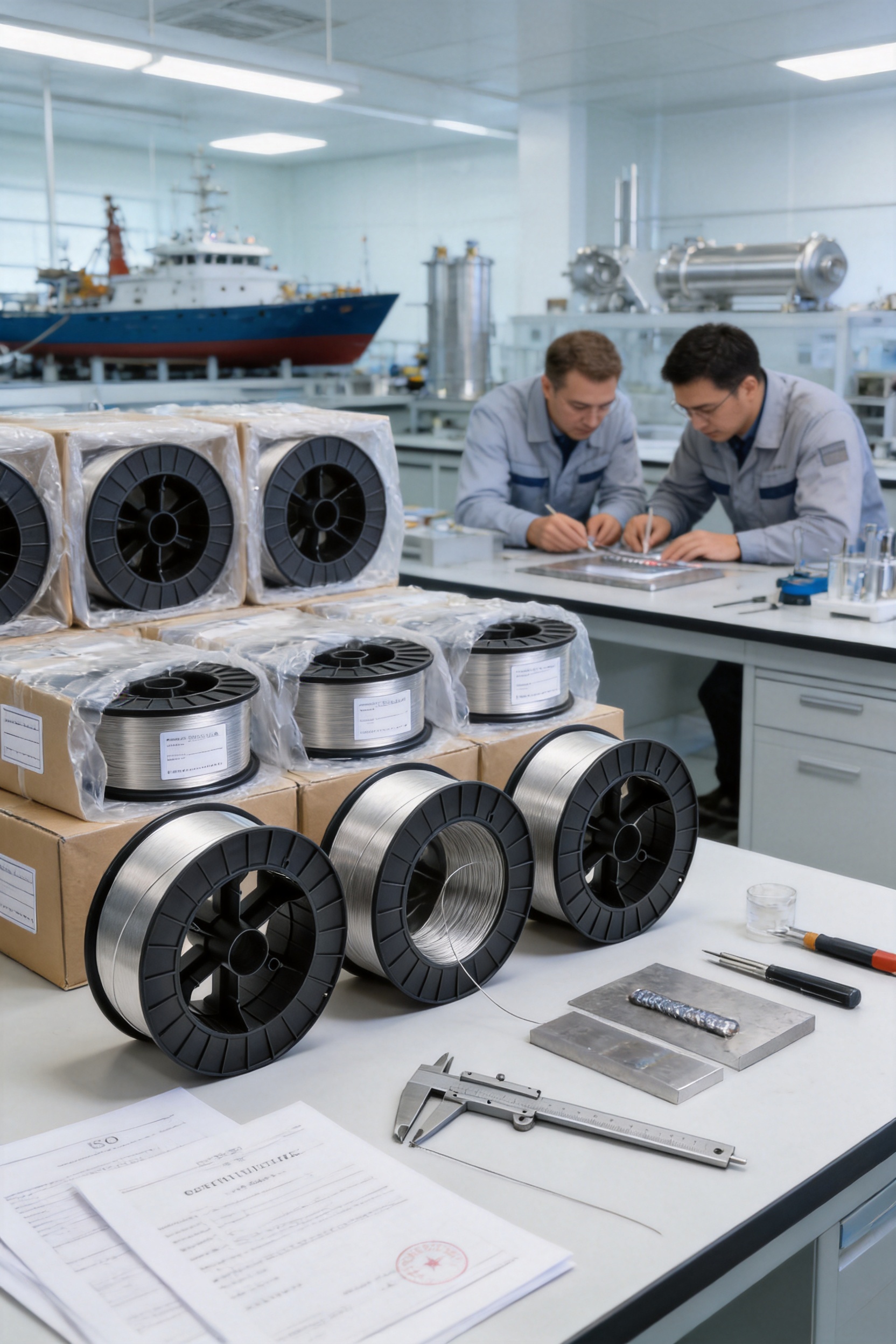
Modern fabrication industries increasingly rely on aluminum and aluminum alloys because these materials combine low weight, corrosion resistance, electrical conductivity, and attractive strength-to-weight performance. However, the value of an aluminum structure depends not only on the base metal. The welding material used to join aluminum components has a direct influence on joint integrity, appearance, productivity, and long-term service performance. For this reason, selecting a dependable MIG wire is an essential decision for manufacturers working in transportation, engineering, energy, construction, machinery, and general metal fabrication.
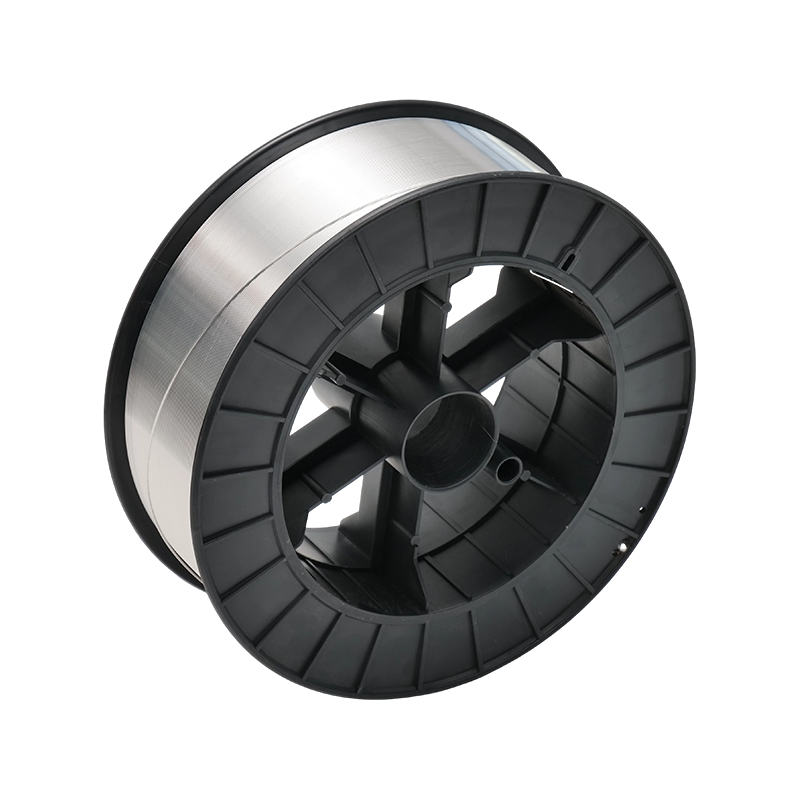
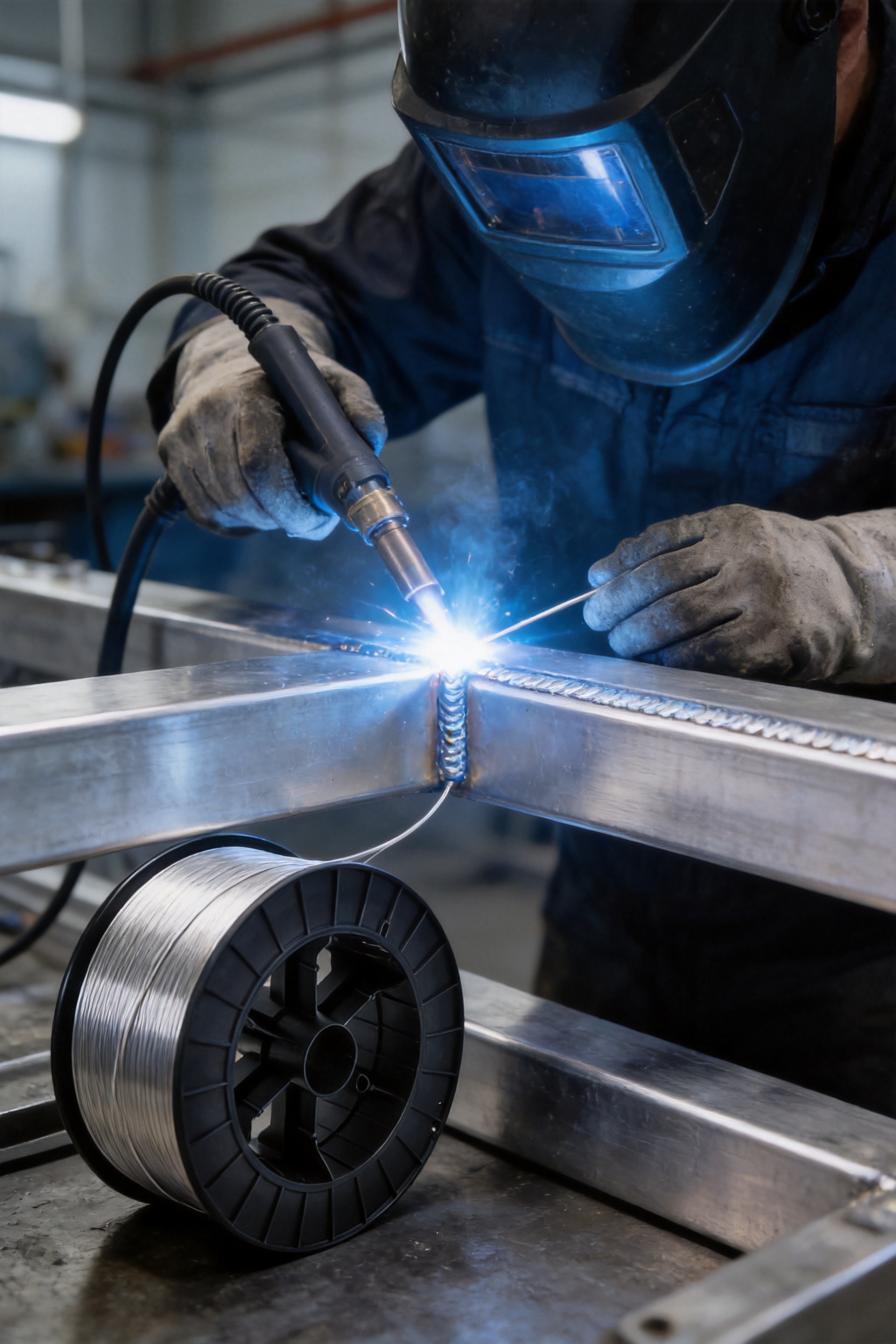
MIG Wire is an aluminum and aluminum alloy welding material designed primarily for melting electrode argon arc welding. In common industrial terminology, this process is known as gas metal arc welding, or GMAW, when an inert shielding gas such as argon is used. The wire acts as a continuously fed electrode and filler metal. As it enters the welding arc, it melts and combines with the prepared edges of the workpieces to form a joint.
A high-quality aluminum MIG wire must do more than melt consistently. It must feed smoothly, support a stable arc, produce a clean weld bead, and provide reliable metallurgical compatibility with the selected aluminum alloy. It must also be manufactured with attention to dimensional accuracy, surface condition, chemical consistency, packaging, and traceability. Jiangsu Hetuo Aluminum Wire Co., Ltd. supplies aluminum and aluminum alloy wire products with a manufacturing system focused on these requirements.
Established in 2019, the company operates in the Economic Development Zone of Guannan County, Lianyungang City, Jiangsu Province, China. Its production system covers high-purity aluminum wire, high-strength aluminum alloy wire, and aluminum and aluminum alloy welding materials. With a factory covering approximately 40,000 square meters and a team of 60 employees, including professional managers and technicians, the company combines specialized personnel, advanced equipment, and systematic quality control.
The following discussion explains the role of MIG wire, the performance characteristics that distinguish dependable welding materials, the manufacturing strengths behind the product, and the reasons industrial buyers may consider this type of aluminum welding wire for demanding applications.
Content
- 1 Understanding Aluminum MIG Wire
- 2 Key Product Advantages
- 3 Manufacturing Strengths Behind the Product
- 4 Product Quality Factors Buyers Should Evaluate
- 5 Applications for Aluminum MIG Wire
- 6 Recommended Welding and Handling Practices
- 7 Advantages Over Less Specialized Alternatives
- 8 Quality Assurance and Customer Value
- 9 How to Select the Right Product
- 10 Frequently Asked Questions
- 10.1 What is aluminum MIG wire used for?
- 10.2 Is MIG wire suitable for all aluminum alloys?
- 10.3 Why is wire surface condition important?
- 10.4 Why can aluminum wire be difficult to feed?
- 10.5 What shielding gas is commonly used?
- 10.6 How does quality management benefit MIG wire buyers?
- 10.7 What certifications does the supplier hold?
- 10.8 Can the wire be used in automated welding?
- 10.9 How should aluminum MIG wire be stored?
- 10.10 What information should be provided when requesting a quotation?
- 11 Conclusion
- 12 References
- 13 Product: MIG Wire
Understanding Aluminum MIG Wire
MIG welding uses a continuously supplied consumable wire electrode. The welding gun delivers the wire through a liner and contact tip while shielding gas protects the molten weld pool from atmospheric contamination. When the wire contacts the energized circuit, an electric arc forms between the wire and the workpiece. The heat from the arc melts both the filler wire and a controlled portion of the base metal.
Aluminum requires careful control during this process. It has high thermal conductivity, a relatively low melting temperature compared with steel, and a naturally forming oxide layer with a much higher melting point than the base aluminum. These characteristics influence arc starting, heat input, wire feeding, surface preparation, and shielding requirements.
The oxide layer can interfere with fusion if it is not properly managed. At the same time, excessive heat may cause burn-through, distortion, or reduced mechanical performance in thin sections. A suitable aluminum MIG wire helps the welding operator maintain a stable process by providing consistent melting behavior and predictable deposition.
In practical production, MIG wire is selected according to the base alloy, joint design, required mechanical properties, corrosion conditions, operating temperature, appearance, and welding procedure. Different alloy families may require different filler compositions. The choice should therefore be confirmed through engineering evaluation, applicable standards, and procedure qualification where necessary.
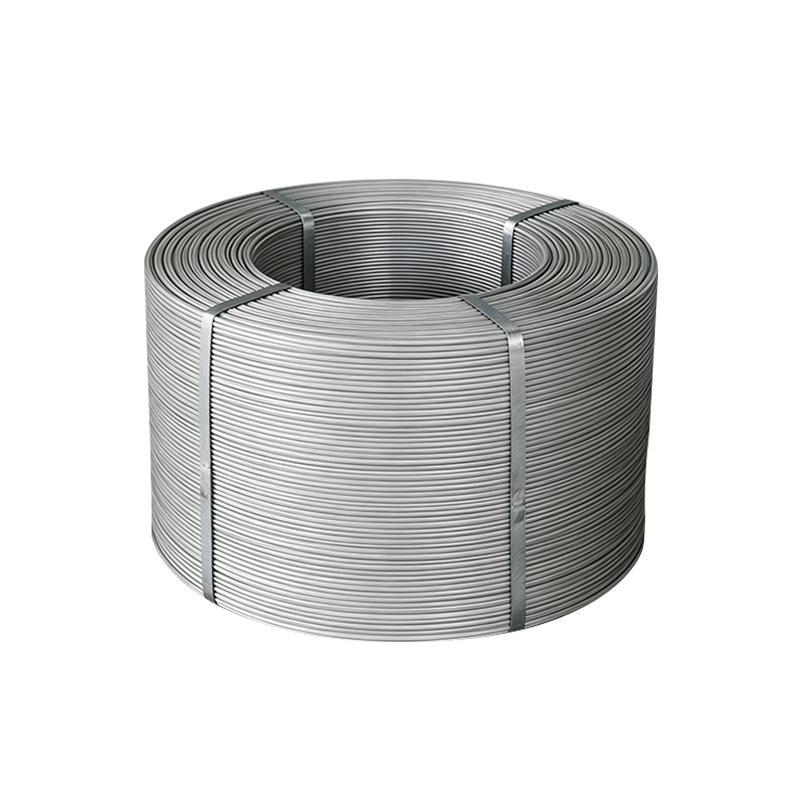
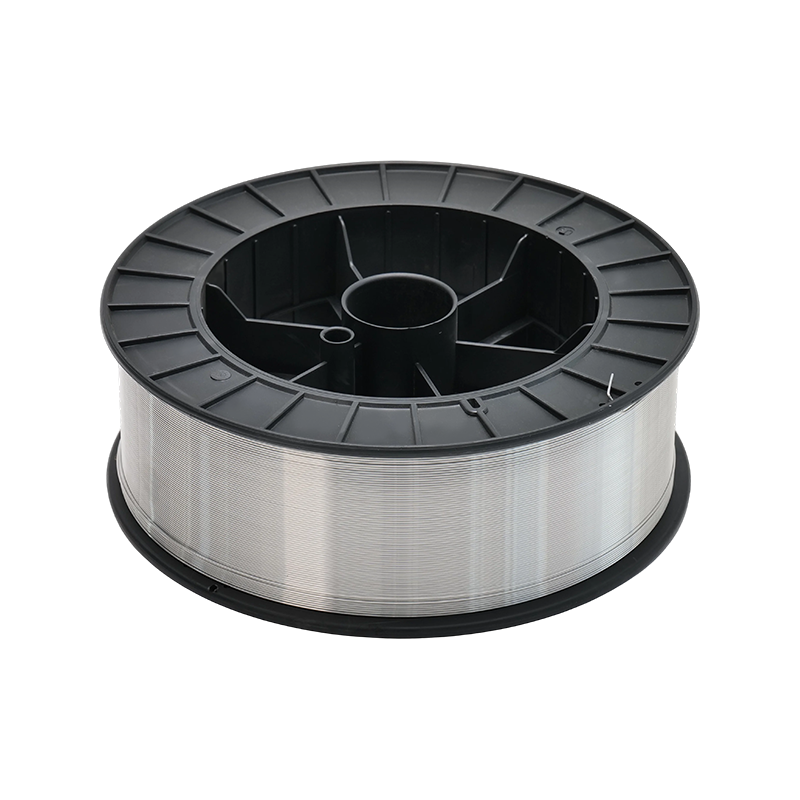
Aluminum MIG wire is commonly supplied in spools or other controlled packages that allow continuous feeding. The wire surface should be clean and suitable for contact with the feeding system. Any contamination, excessive oxide, oil, moisture, or dimensional irregularity can increase the risk of poor feeding, unstable arc behavior, porosity, or inconsistent weld appearance.
Key Product Advantages
Stable and Consistent Wire Feeding
Aluminum is softer than many ferrous welding wires, so feeding performance is particularly important. A wire that is too soft, irregular, contaminated, or poorly wound may create friction in the liner, bird-nesting near the drive rolls, or inconsistent delivery to the arc. These problems reduce productivity and may require frequent interruption of the welding operation.
Reliable MIG wire should be produced with close attention to diameter consistency, surface quality, winding quality, and packaging protection. Consistent wire dimensions allow the feeding system to operate more predictably. Proper winding helps the wire unwind without sudden tension changes, crossovers, or tangles. A clean surface helps reduce contamination in the liner and contact tip.
For automated and semi-automated welding, feeding consistency is especially valuable. Robotic systems and production lines depend on repeatable wire delivery because unexpected interruptions can affect cycle time and increase scrap. A stable product supports smoother operation and makes it easier for process engineers to establish repeatable welding parameters.
Dependable Arc Performance
The welding arc is affected by wire chemistry, diameter, electrical contact, shielding gas, current, voltage, travel speed, and the condition of the base material. Consistent wire quality contributes to more predictable arc behavior across a production batch.
A stable arc can help the operator control the weld pool and manage bead formation. It may also reduce irregular spatter, arc interruptions, and visible surface defects. Although welding results depend on the complete system rather than the filler wire alone, a controlled and uniform electrode is an important foundation for successful aluminum GMAW.
When a wire melts in a consistent manner, the operator can adjust current and voltage with greater confidence. This makes it easier to establish a welding procedure for fillet welds, butt joints, lap joints, and other common configurations. Stable melting is also useful in applications that require a consistent bead profile or a clean visual appearance.
Suitable for Aluminum and Aluminum Alloy Applications
Aluminum components are used in structures where weight reduction, corrosion resistance, conductivity, and fabrication flexibility are important. The welding material must complement the base alloy and the intended service conditions. Aluminum MIG wire is used to join compatible aluminum materials in fabricated assemblies, repair work, equipment manufacturing, and engineered structures.
Its continuous-feed design makes it suitable for both manual and mechanized welding. In manual work, it can support efficient deposition and reduce the need to stop for electrode replacement. In automated work, it can be integrated into programmable welding systems where consistent wire delivery and repeatable process parameters are required.
The appropriate filler alloy should always be selected according to the base metal and application. Factors such as crack sensitivity, strength, ductility, corrosion resistance, color matching, and service temperature may affect the decision. Product selection should be made with reference to the relevant welding standard and the recommendations of qualified welding professionals.
Support for Productivity
Compared with processes that use individually handled filler pieces, continuous MIG wire can improve welding efficiency by reducing interruptions. The operator can maintain a longer welding cycle, while production teams can organize material handling around standardized spools and controlled feeding equipment.
Productivity also depends on reducing rework. A wire that supports consistent deposition can help reduce problems such as incomplete fusion, excessive spatter, unstable bead geometry, and inconsistent penetration. Fewer defects mean less grinding, cleaning, repair welding, inspection time, and material waste.
For manufacturers, productivity should be evaluated as total process performance rather than wire price alone. A lower-cost product may not be economical if it produces more downtime, unstable feeding, or rework. A reliable aluminum MIG wire can contribute to lower operating risk and more predictable production planning.
Clean Weld Appearance
In many aluminum fabrication applications, the weld bead is visible after production. A clean and uniform appearance can improve the perceived quality of a finished product and reduce the need for cosmetic correction. The final appearance depends on joint preparation, shielding, parameter selection, operator technique, and base material condition, but filler wire quality remains an important factor.
Consistent melting and controlled deposition help support a regular bead profile. Good surface condition reduces the likelihood that avoidable contaminants will enter the weld pool. When combined with proper cleaning and shielding practices, a suitable MIG wire can contribute to attractive and technically sound welds.
Compatibility with Industrial Welding Systems
Aluminum MIG wire can be used with appropriate power sources, wire feeders, contact tips, liners, drive rolls, and shielding gas equipment. Many aluminum welding systems are configured specifically to handle the feeding characteristics of softer wire. A production team should confirm that the wire diameter and package format match the equipment.
For longer-distance feeding, a push-pull gun or other specialized feeding arrangement may be beneficial. Correct drive-roll pressure is also important. Excessive pressure may deform the wire, while insufficient pressure may cause slipping. The selected liner should be suitable for aluminum wire, and the contact tip should match the wire diameter and be maintained in good condition.
These equipment considerations do not reduce the importance of the wire. Instead, they demonstrate that reliable welding performance results from compatibility between the consumable, machine, operating parameters, and workpiece preparation.
MIG Wire
Manufacturing Strengths Behind the Product
Integrated Aluminum Wire Expertise
Jiangsu Hetuo Aluminum Wire Co., Ltd. focuses on aluminum-related wire and welding material production rather than treating MIG wire as an unrelated product line. Its manufacturing scope includes high-purity aluminum wire, high-strength aluminum alloy wire, and aluminum and aluminum alloy welding materials.
This product focus provides an industrial foundation for understanding aluminum processing, alloy behavior, wire forming, surface control, and finished-product handling. Experience across related aluminum wire categories can support the development of production methods that prioritize consistency and application suitability.
The company’s product structure also reflects the broad needs of modern aluminum users. Some customers require high-purity conductive wire. Others need high-strength alloy wire or welding materials for joining fabricated components. A supplier with a concentrated aluminum materials portfolio may be better positioned to communicate with customers about the relationship between base materials and filler materials.
Advanced Equipment and Intelligent Manufacturing
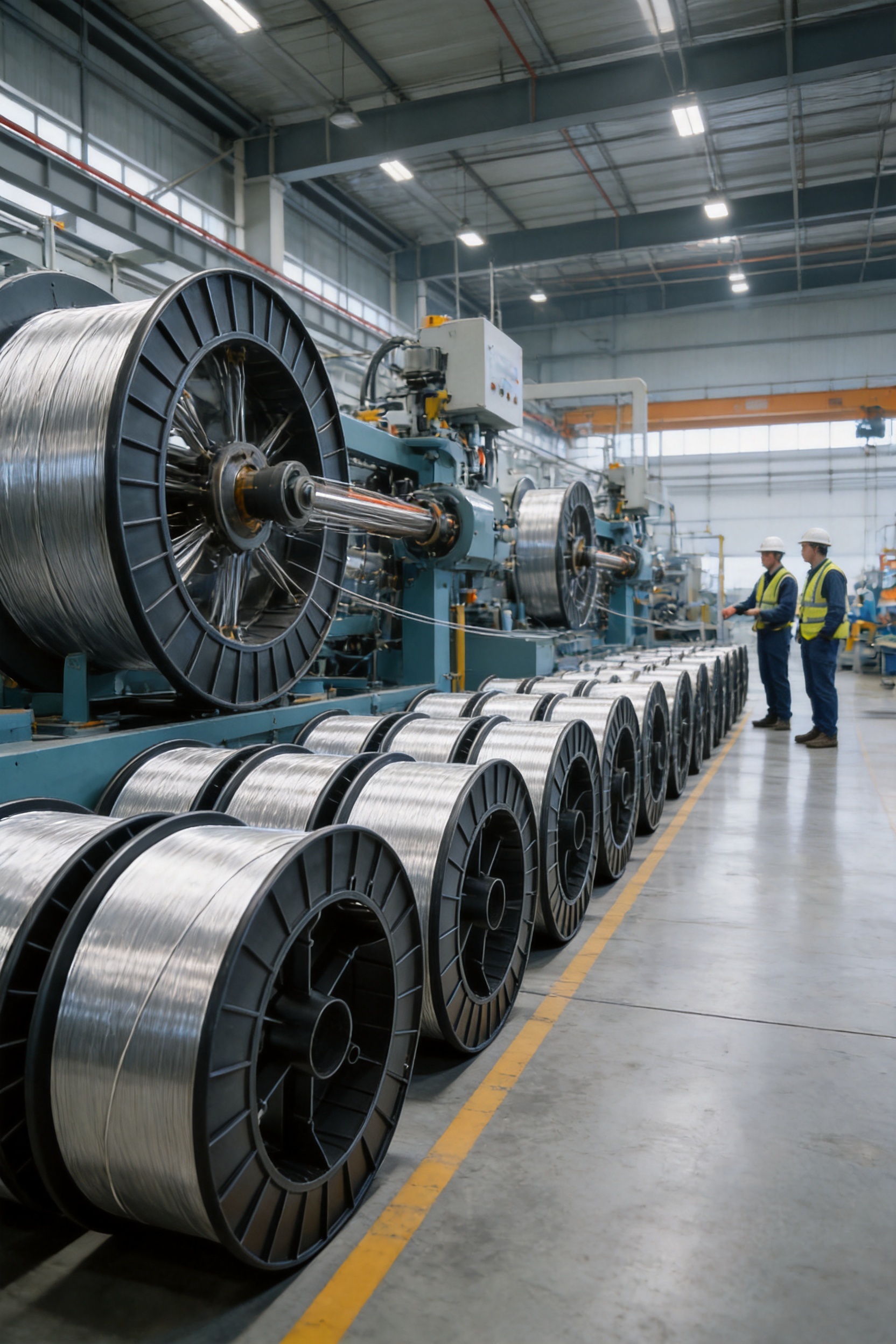
The company has introduced advanced equipment and facilities to build an intelligent manufacturing system. In wire production, equipment quality affects drawing, forming, winding, dimensional control, and production stability. Modern equipment can also help manufacturers standardize operating conditions and collect process information.
An intelligent manufacturing system supports greater process visibility. Production teams can monitor key stages, identify deviations, and improve the repeatability of manufacturing operations. This is particularly important for welding materials because customers expect the product to perform consistently from one spool or batch to another.
Automation and controlled equipment do not replace skilled personnel. Instead, they give managers, technicians, and operators better tools for maintaining process discipline. The combination of equipment and technical experience helps reduce variation and supports a more systematic approach to quality management.
Quality Inspection Throughout Production
Quality should not be treated as a final inspection activity only. For aluminum MIG wire, performance can be influenced by raw material condition, alloy composition, intermediate processing, surface cleanliness, diameter, winding, packaging, and storage. Inspection at several stages helps identify possible deviations before they become finished-product problems.
Jiangsu Hetuo Aluminum Wire Co., Ltd. states that it strictly implements quality inspection throughout production. This approach can include control of incoming materials, monitoring of manufacturing parameters, inspection of wire dimensions and surface condition, and review of finished-product packaging. The specific inspection plan may vary according to product grade, customer requirements, and applicable standards.
Process-based inspection is valuable because it supports prevention rather than relying only on detection after production is complete. When quality information is recorded at different stages, technical staff can investigate trends and take corrective action more efficiently.
ISO 9001 Quality Management Certification
The company has obtained ISO 9001 quality management system certification. ISO 9001 is associated with a structured management approach covering processes such as customer requirements, production control, documentation, corrective action, and continual improvement.
Certification does not mean that every welding result is independent of application conditions. Welding still requires correct procedure development and operation. However, a formal quality management system provides a framework for controlling how products are developed, manufactured, inspected, released, and supported.
For buyers, this type of system can improve confidence in supplier organization and traceability. It also indicates that quality-related responsibilities and procedures are managed within a recognized framework rather than depending solely on informal practices.
IATF 16949 Quality Management Certification
The company has also obtained IATF 16949 quality management system certification. This standard is widely associated with the automotive supply chain and emphasizes process consistency, risk-based thinking, defect prevention, customer-specific requirements, and continual improvement.
Automotive-related quality expectations can be demanding because components may be produced in high volumes and used in applications where reliability is critical. A supplier working within an IATF 16949 framework is expected to pay close attention to process control, documentation, performance monitoring, and corrective action.
For aluminum MIG wire buyers serving transportation or automotive-related markets, this certification may be a useful part of supplier evaluation. It should be considered together with product specifications, test reports, sample evaluation, application trials, and customer-specific approval requirements.
Professional Personnel and Technical Support
The company employs 60 people, including 30 professional managers and technicians. This proportion reflects a significant emphasis on management and technical capability within the organization. Skilled personnel are essential for coordinating production, quality control, equipment operation, process improvement, customer communication, and technical documentation.
Welding materials are application-sensitive products. Customers may need guidance on wire selection, package format, equipment compatibility, storage, or welding procedure development. Technical staff can help clarify product information and support communication between the material supplier and the user’s welding engineers.
A technically informed supplier is also better prepared to respond to process feedback. If a customer identifies a feeding, surface, or application issue, the supplier can investigate the situation using production records, inspection data, and material knowledge.
Product Quality Factors Buyers Should Evaluate
Chemical Composition
The filler alloy must be chemically compatible with the base material and the required weld properties. Chemical composition influences strength, ductility, crack resistance, corrosion behavior, thermal response, and color after finishing. Buyers should request the applicable product grade and chemical composition information before placing an order.
The correct filler is not necessarily the one with the highest strength. A balanced selection may be needed to optimize joint integrity, ductility, corrosion resistance, workability, and appearance. The welding engineer should consider the full service environment and the design requirements of the assembly.
Diameter Consistency
Wire diameter affects current density, deposition rate, feeding behavior, and welding parameter ranges. Inconsistent diameter can cause changes in arc behavior and may increase contact-tip wear or feeding resistance. Quality control of diameter helps maintain predictable welding conditions.
Different applications may require different diameters. Thin sheet, medium-gauge fabrication, heavy structural sections, and automated production can each have different requirements. The selected diameter should be matched to the equipment, joint design, welding position, and target deposition rate.
Surface Cleanliness
Surface condition is particularly important for aluminum welding. Oils, moisture, dust, excessive oxide, or other contaminants can contribute to porosity and unstable arc behavior. Clean wire supports cleaner operation, although the workpiece itself must also be properly prepared.
Storage and handling affect surface condition after the wire leaves the factory. Spools should remain sealed or protected until use, and they should be stored in a clean, dry environment. Condensation must be avoided because moisture can contribute to hydrogen-related porosity in the weld.
Winding and Package Integrity
A well-formed spool allows the wire to unwind smoothly. Poor winding may cause loops, tangles, sudden tension changes, or feeding interruptions. Package integrity also protects the wire against dust, moisture, impact, and handling damage during transportation.
Buyers should evaluate whether the selected package is suitable for manual, semi-automatic, robotic, or high-volume production. The package should be compatible with the wire feeder and should allow the operator to identify the product grade, diameter, batch information, and recommended handling conditions.
Traceability
Traceability is valuable when welding materials are used in controlled manufacturing environments. Batch identification allows users to connect a spool with its production records, inspection results, and delivery documentation. This can support incoming inspection, production records, nonconformance investigations, and customer audits.
Traceability is especially relevant in industries where welded products require documented material control. Buyers should clarify the level of documentation supplied with each order and whether certificates or test reports are available for the selected product.
| Evaluation Area | Why It Matters | Buyer Consideration |
|---|---|---|
| Alloy and chemical composition | Influences weld strength, ductility, corrosion behavior, and compatibility | Match the filler to the base alloy and service requirements |
| Wire diameter | Affects current, deposition rate, feeding, and parameter range | Confirm compatibility with the welding equipment |
| Surface condition | Can affect arc stability, porosity, and weld cleanliness | Review cleanliness controls and storage recommendations |
| Winding quality | Influences uninterrupted wire delivery | Check package format and feeding performance |
| Quality management | Supports process consistency and corrective action | Review certifications and supplier quality procedures |
| Traceability | Helps connect material to production and inspection records | Request batch identification and documentation |
| Technical support | Assists with product selection and process evaluation | Confirm communication and application support capability |
Applications for Aluminum MIG Wire
Transportation Manufacturing
Transportation manufacturers use aluminum to reduce weight while maintaining functional performance. Components may include vehicle bodies, frames, tanks, brackets, panels, trailers, rail equipment, and specialized structures. Welding materials must support production efficiency while meeting requirements for strength, appearance, and durability.
In transportation production, consistent wire feeding and stable deposition can help support repeatable weld quality. Automated and robotic welding systems may also require carefully controlled wire dimensions and package performance. Supplier quality systems are important because production volumes can be high and repair costs can be significant.
General Fabrication
Fabrication workshops use aluminum MIG wire for frames, enclosures, platforms, guards, covers, supports, and custom assemblies. The material can be used in both small-batch and repetitive work, provided the wire grade and welding procedure are appropriate for the base alloy.
Workshops often value a welding wire that is easy to feed, produces a clean bead, and performs consistently across different joint configurations. Reduced interruption can be particularly valuable in environments where one operator handles multiple jobs during a production day.
Industrial Equipment
Industrial equipment manufacturers may use aluminum for housings, machine structures, heat-transfer components, access systems, and corrosion-resistant assemblies. The final product may be exposed to vibration, moisture, chemicals, temperature changes, or repeated loading.
In such applications, the weld should be evaluated as part of the complete design. Material selection, joint preparation, welding parameters, post-weld treatment, and inspection all contribute to performance. MIG wire provides the filler material needed to create the joint, but it should be integrated into a qualified welding procedure.
Marine and Corrosion-Resistant Structures
Aluminum is widely valued in marine and outdoor applications because of its low density and corrosion resistance. Examples may include marine components, water-related structures, outdoor equipment, and fabricated assemblies exposed to humid conditions.
Marine welding requires careful attention to alloy selection, surface preparation, shielding, joint design, and corrosion management. The filler wire should be selected according to the base material and the expected environment. A clean, stable welding process can help reduce defects that might become more serious under corrosive service conditions.
Electrical and Conductive Applications
High-purity and aluminum alloy materials are used in electrical and conductive applications, although welding requirements vary widely by design. Where welded joints are incorporated into conductive assemblies, the engineering team must consider electrical resistance, thermal behavior, joint geometry, and surface condition.
The use of aluminum MIG wire in such applications should be based on the intended electrical and mechanical performance of the finished joint. Product documentation and application testing are recommended where conductivity is a critical design factor.
Recommended Welding and Handling Practices
Prepare the Base Material
Aluminum surfaces should be cleaned before welding. Oil, grease, dirt, paint, moisture, and other contaminants should be removed using methods suitable for the material and application. The oxide layer may require controlled mechanical cleaning or another approved preparation method.
Cleaning tools used for aluminum should not introduce ferrous contamination. Stainless steel brushes dedicated to aluminum are often used for appropriate surface preparation, but the exact method should follow the welding procedure and engineering requirements.
Use Suitable Shielding Gas
Argon is commonly used for aluminum MIG welding because it supports a stable arc and effective shielding. Gas selection may vary depending on material thickness, welding position, power source, and production requirements. Shielding gas flow must be sufficient to protect the weld pool without creating turbulence.
Leaks, damaged hoses, blocked nozzles, drafts, and excessive torch distance can reduce shielding effectiveness. Operators should inspect the gas delivery system and protect the welding area from air movement that could disturb the shielding envelope.
Select the Correct Equipment Settings
Welding current, voltage, wire feed speed, travel speed, torch angle, and inductance or arc-control settings should be established according to the wire grade, diameter, base alloy, thickness, joint design, and welding position.
Too little heat may result in inadequate fusion or an irregular bead. Excessive heat may increase distortion, burn-through, or metallurgical changes in the heat-affected zone. Procedure trials help identify a suitable balance and provide a basis for operator instructions.
Maintain the Feeding System
The wire feeder should be kept clean and adjusted for aluminum wire. Drive rolls must be suitable for the wire and set with appropriate pressure. The liner should be compatible with aluminum and replaced when contaminated or worn. Contact tips should be checked for wear and correct fit.
Feeding problems should not automatically be attributed to the wire. The spool, feeder, liner, contact tip, drive rolls, torch cable position, and operator technique should all be checked. A systematic troubleshooting process can prevent unnecessary material rejection and reduce downtime.
Store Wire Correctly
Unopened packages should remain protected until use. Wire should be stored in a clean, dry location away from water, condensation, chemicals, dust, and large temperature fluctuations. After opening, the wire should be protected from atmospheric contamination and used according to the supplier’s recommendations.
Proper storage is a low-cost way to preserve welding material quality. Even a well-manufactured wire can perform poorly if it absorbs contamination or is exposed to moisture before use.
Advantages Over Less Specialized Alternatives
Aluminum MIG wire is not interchangeable with every welding consumable. Products designed for steel or other metals may have unsuitable chemistry, feeding characteristics, or melting behavior. Using a material developed specifically for aluminum and aluminum alloy welding can reduce the risk of incompatibility.
A specialized aluminum wire supplier can also provide more relevant technical support. The company’s focus on aluminum wire, alloy wire, and welding materials gives it a product orientation that is closely connected to the needs of aluminum users.
Another advantage is the combination of product specialization and formal quality systems. Suppliers that operate with ISO 9001 and IATF 16949 certification have established procedures for managing production and quality-related activities. This can be especially important for customers that need controlled purchasing, audit support, consistent documentation, and corrective-action processes.
Manufacturing scale also contributes to supplier capability. A 40,000-square-meter factory provides space for organized production, equipment, inspection, warehousing, and logistics activities. While facility size alone does not guarantee product quality, it can support a more complete manufacturing system when combined with appropriate equipment and technical management.
The company’s export experience is another practical strength. Products are supplied to high-end overseas markets, meaning the organization has experience serving customers with international quality expectations. Export-oriented operations commonly require attention to packaging, documentation, communication, delivery coordination, and customer-specific requirements.
These advantages should be verified through product samples, technical documents, audits, and application trials. A responsible purchasing decision evaluates the supplier’s claims alongside measurable product performance and the customer’s own quality requirements.
Quality Assurance and Customer Value
Customer value is created when a product performs consistently throughout its useful application. For MIG wire, this means more than meeting a nominal diameter or alloy designation. The wire must arrive in good condition, run properly through the customer’s equipment, and support the required weld quality.
Jiangsu Hetuo Aluminum Wire Co., Ltd. positions itself around customer needs and customer satisfaction. This approach is relevant because welding consumables are integrated into a broader manufacturing process. Customers may require product customization, packaging coordination, documentation, technical communication, or assistance with material selection.
A customer-oriented supplier should be able to discuss application conditions rather than simply quote a product name. Important questions may include the base alloy, wire diameter, welding position, production volume, equipment type, shielding gas, surface requirements, inspection method, and service environment.
Clear communication before production helps reduce misunderstandings. It also allows the supplier to identify whether the requested wire is appropriate for the intended application and whether additional information is needed for evaluation.
After delivery, feedback can support continuous improvement. Information about feeding behavior, bead appearance, packaging, or production results can help both supplier and customer identify opportunities to improve process compatibility. This is consistent with the continual-improvement principles associated with formal quality management systems.
How to Select the Right Product
Define the Base Alloy
Begin by identifying the exact aluminum or aluminum alloy being welded. If the material designation is uncertain, review mill certificates, drawings, purchase documents, or laboratory analysis. Filler selection based only on appearance or general material category may not be sufficient.
Identify the Performance Objective
Determine whether the priority is strength, ductility, corrosion resistance, appearance, conductivity, crack resistance, or a combination of these properties. Different applications require different compromises, and the strongest filler is not automatically the best choice.
Confirm Welding Equipment
Check the welding power source, feeder, liner, contact tip, drive rolls, torch configuration, and package size. Confirm that the chosen wire diameter and spool format are suitable for the system.
Review Production Conditions
Consider whether the work will be manual, semi-automatic, robotic, or fully automated. Production volume, welding position, joint access, part size, and required deposition rate will influence the most practical wire specification.
Request Technical Documentation
Ask for available product specifications, chemical composition information, quality certificates, batch identification, packaging details, and applicable test documentation. Where the application is critical, request samples for controlled welding trials.
Conduct Procedure Evaluation
Evaluate the wire using the actual base material, equipment, shielding gas, joint design, and expected welding parameters. Inspect the weld visually and, where required, through nondestructive or destructive testing. The evaluation should reflect the customer’s applicable standards and acceptance criteria.
Frequently Asked Questions
What is aluminum MIG wire used for?
Aluminum MIG wire is used as a continuously fed filler metal and electrode for gas metal arc welding of aluminum and aluminum alloy components. It is commonly used in fabrication, transportation, industrial equipment, marine structures, repair work, and other applications where aluminum assemblies must be joined.
Is MIG wire suitable for all aluminum alloys?
No. Different aluminum alloys may require different filler materials. The correct selection depends on the base alloy, required mechanical properties, corrosion conditions, service temperature, appearance, and applicable welding standards. Product selection should be confirmed by a qualified welding professional.
Why is wire surface condition important?
Contamination or excessive surface oxidation can affect feeding, arc stability, and weld cleanliness. It may also increase the risk of porosity or other weld defects. Clean manufacturing, protected packaging, and proper storage help preserve wire condition.
Why can aluminum wire be difficult to feed?
Aluminum wire is relatively soft and can deform if the drive-roll pressure is excessive or if the feeding system is not correctly configured. The use of a suitable liner, correct drive rolls, a matching contact tip, proper spool handling, and appropriate torch setup can improve feeding reliability.
What shielding gas is commonly used?
Argon is commonly used for aluminum MIG welding. The specific gas choice and flow rate depend on the wire, base material, thickness, welding position, equipment, and procedure. The shielding system should be checked for leaks, drafts, and nozzle obstruction.
How does quality management benefit MIG wire buyers?
A structured quality management system supports controlled production, documented procedures, traceability, corrective action, and continual improvement. It does not replace application testing, but it can improve confidence in supplier consistency and organizational reliability.
What certifications does the supplier hold?
Jiangsu Hetuo Aluminum Wire Co., Ltd. has obtained ISO 9001 and IATF 16949 quality management system certifications. Buyers should request current certification information and confirm whether the certification scope applies to the products and manufacturing activities relevant to their purchase.
Can the wire be used in automated welding?
Aluminum MIG wire can be used in suitable automated or robotic welding systems when the wire diameter, spool format, feeding equipment, shielding gas, and welding procedure are properly matched. Production trials should be conducted before full-scale implementation.
How should aluminum MIG wire be stored?
Store the wire in a clean, dry environment and protect it from moisture, condensation, dust, chemicals, and physical damage. Keep packaging closed until the product is needed. Follow the supplier’s storage and handling recommendations.
What information should be provided when requesting a quotation?
A buyer should provide the required alloy or grade, wire diameter, package type, estimated quantity, application, base material, delivery requirements, documentation needs, and any customer-specific quality standards. More complete information helps the supplier recommend a suitable product and prepare an accurate quotation.
Conclusion
Aluminum MIG wire is a critical consumable for efficient and reliable aluminum fabrication. Its performance influences feeding stability, arc behavior, deposition consistency, weld appearance, productivity, and the quality of the finished assembly. Selecting the correct wire requires attention to alloy compatibility, diameter, surface condition, winding quality, packaging, storage, and welding procedure.
Jiangsu Hetuo Aluminum Wire Co., Ltd. offers MIG wire within a broader portfolio of high-purity aluminum wire, high-strength aluminum alloy wire, and aluminum and aluminum alloy welding materials. The company’s manufacturing strengths include a 40,000-square-meter factory, advanced equipment and facilities, an intelligent manufacturing system, quality inspection throughout production, and a technically experienced workforce.
Its ISO 9001 and IATF 16949 certifications provide a structured foundation for quality management, process control, traceability, and continual improvement. Experience supplying products to overseas high-end markets further supports its ability to address international customer requirements.
For buyers, the most effective approach is to evaluate the wire as part of the complete welding system. Product documentation, sample testing, equipment compatibility, procedure qualification, and production feedback should all be considered. When the correct aluminum MIG wire is combined with suitable equipment, controlled parameters, proper preparation, and disciplined storage, it can help manufacturers achieve more stable welding results and more efficient production.
References
American Welding Society. Specification and guidance documents for gas metal arc welding and aluminum welding consumables.
International Organization for Standardization. ISO 9001, Quality Management Systems—Requirements.
International Automotive Task Force. IATF 16949, Quality Management System Requirements for Automotive Production and Relevant Service Parts Organizations.
International Organization for Standardization. Standards and technical guidance relating to welding quality requirements and qualification.
Manufacturing and welding engineering references concerning aluminum alloy metallurgy, gas metal arc welding, filler metal selection, shielding gas control, and wire feeding systems.
Supplier technical information for aluminum wire, aluminum alloy wire, and aluminum and aluminum alloy welding materials.