

 English
 中文简体
 русский
 Deutsch
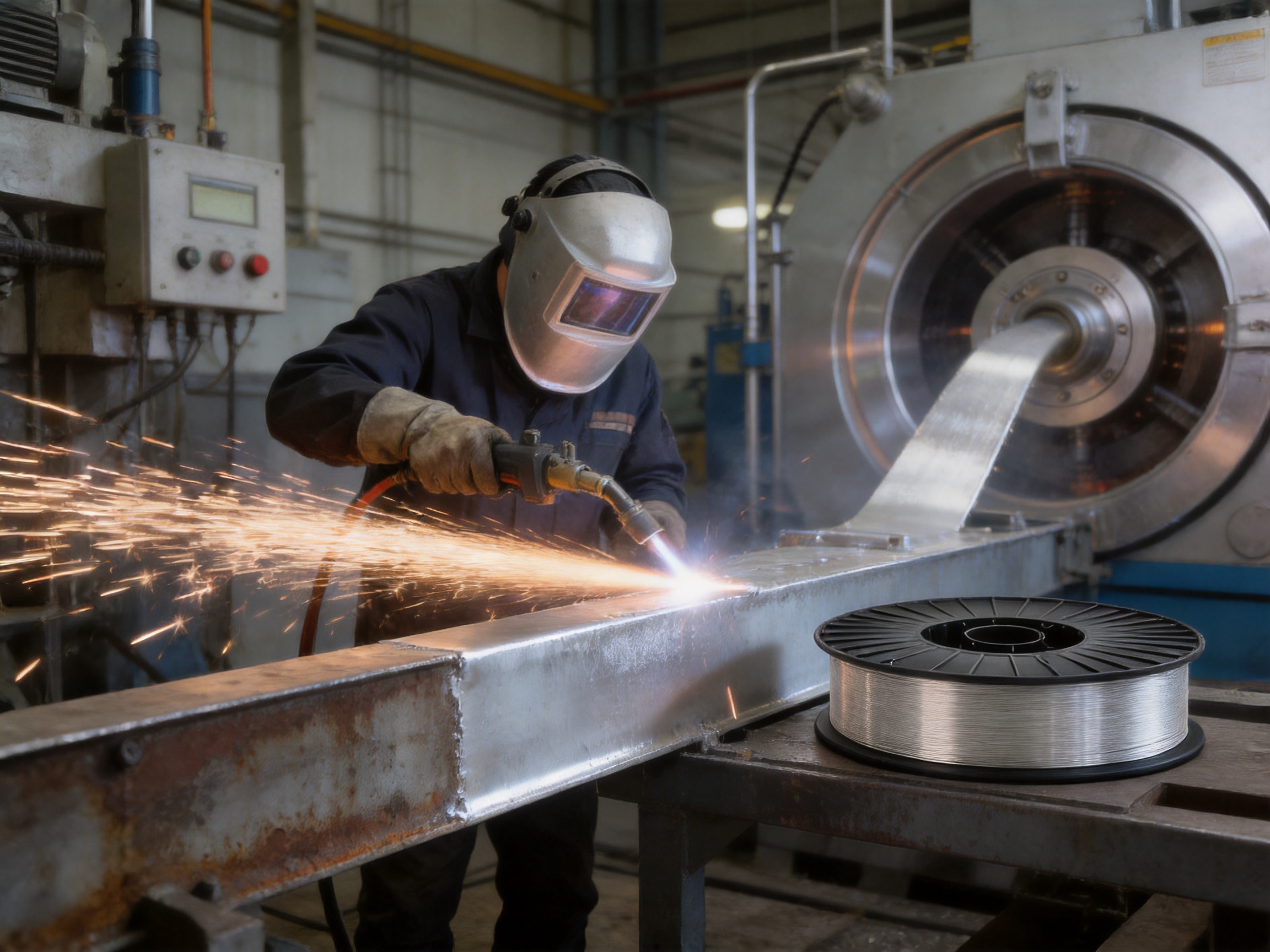
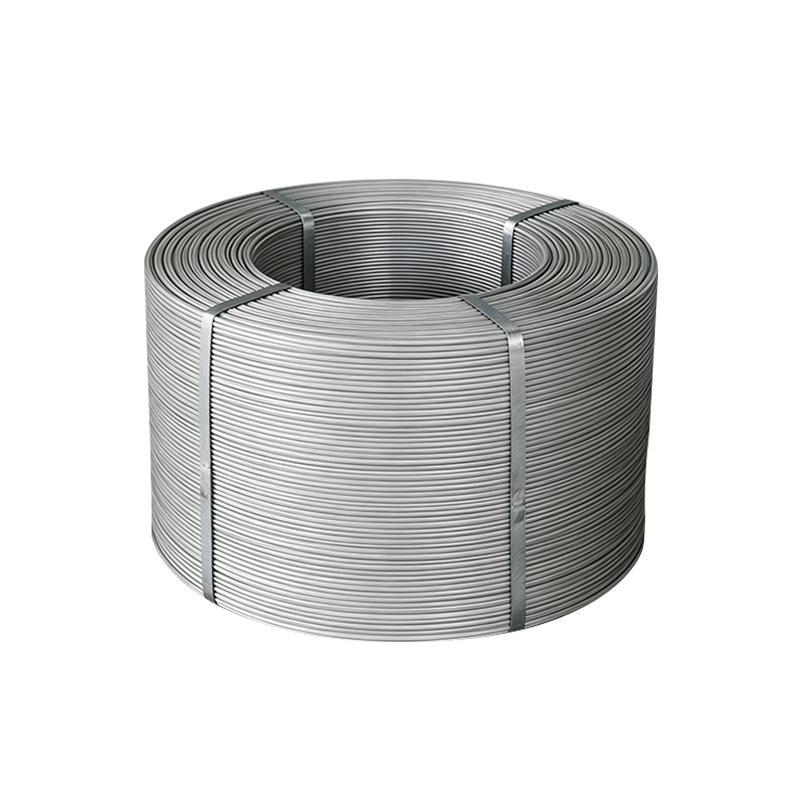
1090 aluminum wire is a high-purity aluminum material developed for surface engineering applications in which corrosion resistance, stable deposition behavior, and dependable material quality are essential. With an aluminum content of at least 99.90%, the wire provides a clean and consistent source of aluminum for evaporation, thermal spraying, and related coating processes. It is particularly suitable for improving the corrosion resistance of metallic substrates and extending the service life of components exposed to moisture, chemicals, salt, heat, or other demanding environmental conditions.
As industries seek lighter, longer-lasting, and more sustainable surface protection solutions, high-purity aluminum wire has become an important consumable for manufacturers, maintenance providers, and coating specialists. Compared with lower-purity aluminum materials, 1090 aluminum wire contains fewer metallic and nonmetallic impurities. This characteristic supports stable melting, predictable atomization, uniform transfer, and reliable coating formation when the wire is processed under controlled conditions.
The product is manufactured by Jiangsu Hetuo Aluminum Wire Co., Ltd., a specialized aluminum material producer with capabilities covering high-purity aluminum wire, high-strength aluminum alloy wire, and aluminum and aluminum alloy welding materials. The company combines modern equipment, production monitoring, quality inspection, and application-oriented product development to serve customers requiring dependable wire materials for industrial coating and joining processes.
For users comparing aluminum wire suppliers, the most important considerations are not limited to nominal aluminum content. Wire diameter consistency, surface cleanliness, chemical stability, winding quality, production traceability, packaging, and technical support all influence the final result. A high-purity product must therefore be supported by a reliable manufacturing system. The production and quality-management strengths behind this 1090 aluminum wire make it suitable for customers that need repeatable performance across multiple production batches.
Content
- 1 Product Overview
- 2 Key Material Characteristics
- 3 Advantages Compared with Conventional Aluminum Wire Options
- 4 Chemical Composition and Grade Comparison
- 5 Applications of 1090 Aluminum Wire
- 6 Manufacturing Strengths and Production System
- 7 From Raw Material to Finished Wire
- 8 Performance Factors in Evaporation and Spraying
- 9 Quality Evaluation and Customer Acceptance
- 10 Benefits for Industrial Buyers
- 11 Storage, Handling, and Use Recommendations
- 12 How to Select the Right Aluminum Wire
- 13 Frequently Asked Questions
- 13.1 What is 1090 aluminum wire?
- 13.2 What is the main purpose of this product?
- 13.3 How does 1090 compare with 1070 aluminum wire?
- 13.4 How does 1090 compare with 1A95?
- 13.5 Can 1090 aluminum wire be used for thermal spraying?
- 13.6 Can it be used for evaporation?
- 13.7 Does high purity guarantee corrosion protection?
- 13.8 What information should be included in an inquiry?
- 13.9 What quality certifications does the manufacturer report?
- 13.10 How should the wire be stored?
- 13.11 Is technical testing recommended before bulk purchase?
- 14 Conclusion
- 15 References
- 16 Product: 1090 Aluminum Wire
Product Overview
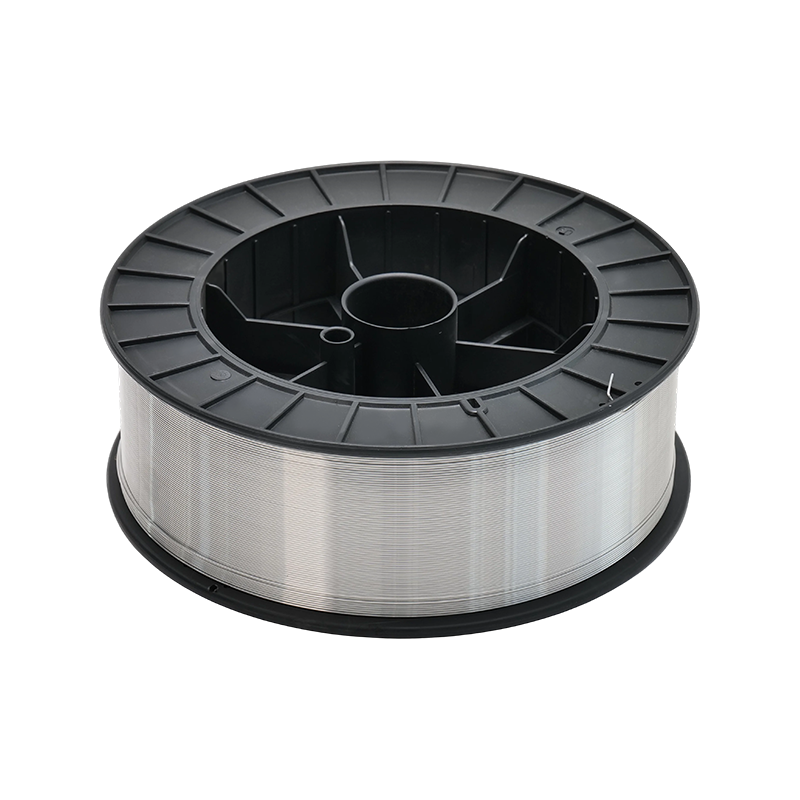
1090 aluminum wire belongs to the high-purity aluminum wire category. Its primary application is the deposition of aluminum onto a substrate through evaporation or spraying. During these processes, the wire is heated, melted, atomized, or vaporized and then transferred to the target surface. The resulting aluminum layer can provide a protective barrier against corrosion while also contributing to an improved appearance and longer component life.
The supplied product information identifies a minimum aluminum content of Al greater than 99.90%. The chemical composition data also lists 1090 alongside 1070 and 1A95 reference grades. The 1090 grade offers a balanced combination of high aluminum purity and practical availability for industrial coating applications. The low levels of silicon, iron, copper, manganese, magnesium, zinc, titanium, and other listed elements help reduce contamination during melting and deposition.
High-purity aluminum wire is often selected when coating quality is more important than maximum mechanical strength. Unlike precipitation-hardened or heavily alloyed aluminum wires, 1090 aluminum wire is designed primarily for purity, process stability, and the formation of a relatively clean aluminum coating. This makes it a logical material choice for applications where the coating acts as a sacrificial or barrier layer rather than as a load-bearing structural element.
The wire can be supplied for use with compatible evaporation systems, arc spraying equipment, flame spraying equipment, and other industrial coating systems. Final suitability depends on the equipment design, wire diameter, feed system, substrate material, operating temperature, deposition rate, and required coating properties. Customers should confirm technical parameters with the manufacturer before placing production orders.
Key Material Characteristics
High Aluminum Purity
The defining characteristic of 1090 aluminum wire is its high aluminum content. A stated minimum purity of more than 99.90% means that the total quantity of other metallic elements is tightly controlled. This purity is valuable in processes where the wire is melted or vaporized, because excessive impurities can affect melting behavior, spray stability, coating appearance, and the final chemical composition of the deposited layer.
High purity can also reduce the risk of unwanted inclusions and surface defects. When a coating is intended to create a continuous protective layer, nonmetallic particles or localized impurity concentrations may interfere with coating uniformity. The controlled composition of 1090 wire helps coating operators maintain a more predictable process when equipment and operating parameters are properly managed.
Low Impurity Content
The listed 1090 composition includes silicon at 0.07%, iron at 0.07%, copper at 0.02%, manganese at 0.01%, magnesium at 0.01%, zinc at 0.03%, titanium at 0.01%, and other elements at 0.01%, according to the supplied material table. Chromium, nickel, zirconium, and beryllium are shown as absent or not specified for this grade in the provided data. These low levels support a clean feedstock for aluminum coating and evaporation operations.
Low impurity content is particularly relevant where the coating will be exposed to corrosive media or where surface appearance matters. A carefully controlled aluminum layer can develop a stable oxide film when exposed to air. This naturally formed film helps protect the underlying aluminum from further oxidation. When the coating is applied correctly and remains continuous, it can contribute to the long-term durability of the protected substrate.
Stable Processing Behavior
A consistent chemical composition allows operators to establish stable process parameters. In a thermal spraying or evaporation operation, variations in feedstock composition can influence melting temperature, droplet formation, vaporization behavior, deposition efficiency, and coating morphology. A controlled 1090 wire reduces one source of variation and makes it easier for production teams to maintain repeatable results.
Stable processing is also beneficial for automated equipment. Automatic wire feeders and coating systems depend on consistent feeding, predictable melting, and uniform consumption. When the wire is manufactured with controlled dimensions and a clean surface, the risk of feeding interruptions, irregular arcs, or unstable deposition can be reduced. Equipment condition and operating practice remain important, but the wire itself should not introduce unnecessary variability.
Corrosion-Protection Potential
The principal application described for the product is improving the surface corrosion resistance of a substrate and extending its service life. Aluminum coatings can protect steel and other metallic substrates through a combination of barrier protection and sacrificial behavior. The deposited aluminum separates the substrate from the surrounding environment, while the aluminum surface develops an oxide film that contributes to environmental resistance.
The level of protection achieved depends on coating thickness, surface preparation, porosity, adhesion, sealing, exposure conditions, and post-treatment. 1090 aluminum wire provides the feedstock for the coating; it does not replace the need for proper engineering and process control. Nevertheless, high-purity feedstock is a strong foundation for producing a consistent and functional protective layer.
Advantages Compared with Conventional Aluminum Wire Options
More Consistent Purity than General-Purpose Aluminum Materials
General-purpose aluminum wire may be suitable for less demanding applications, but its composition can contain higher levels of alloying elements or residual impurities. These elements may be acceptable in structural or fabrication applications while being less desirable for evaporation and thermal spraying. 1090 aluminum wire is specifically positioned as a high-purity product, making it more appropriate when coating chemistry and process cleanliness are important.
Compared with an aluminum alloy wire designed for strength, 1090 wire prioritizes chemical purity and deposition performance. High-strength alloy wires may contain silicon, magnesium, manganese, copper, zinc, or other elements that improve mechanical properties. However, those additions can change melting behavior and the properties of the deposited material. For a protective aluminum coating, a high-purity grade may deliver a more straightforward and controllable process.
Improved Suitability for Evaporation and Spraying
Evaporation and spraying systems are sensitive to the condition of the consumable. Wire with an appropriate diameter, clean surface, and controlled composition can help operators maintain uniform feeding and melting. 1090 aluminum wire is designed around this type of industrial use rather than being a general-purpose wire with an unrelated primary function.
For coating contractors and industrial users, application specialization can reduce the time required to adjust equipment. Once the correct wire size and process settings have been established, a consistent supply can support stable production from one batch to another. This is especially useful in automotive components, steel structures, mechanical parts, infrastructure products, and other items requiring repeatable surface protection.
Reduced Risk of Coating Contamination
In surface engineering, contamination may appear as discoloration, inclusions, rough areas, poor adhesion, or premature corrosion. Although many factors can cause these problems, the composition and cleanliness of the wire are important variables. Low impurity levels reduce the likelihood that the feedstock will introduce unwanted constituents into the coating.
A cleaner aluminum deposit can also simplify subsequent inspection, sealing, painting, or finishing. Where the aluminum layer is used as a base for another coating system, a stable and clean surface may improve compatibility with primers, sealers, or topcoats. Actual compatibility should always be confirmed through testing for the intended substrate and service environment.
Useful Balance between Purity and Commercial Practicality
Ultra-high-purity aluminum can be reserved for specialized electrical, optical, chemical, or research applications where purity levels above 99.99% are necessary. For many industrial evaporation and spraying operations, 1090 aluminum wire offers a practical balance: it provides more than 99.90% aluminum while remaining suitable for regular manufacturing and maintenance work.
This balance can help users control material costs without sacrificing the quality level required for protective coating applications. The correct grade should always be selected according to the process and performance requirements. When the application does not require ultra-high-purity aluminum, 1090 can provide an efficient and technically appropriate option.
Chemical Composition and Grade Comparison
The supplied product data includes composition values for 1070, 1090, and 1A95 high-purity aluminum wire grades. The following table reproduces the available values. A dash indicates that no value is listed in the source information. Because chemical limits may vary by standard, purchase specification, and testing method, customers should confirm the applicable standard and certificate requirements before production use.
| Grade | Silicon | Iron | Copper | Manganese | Magnesium | Chromium | Nickel | Zinc | Titanium | Zirconium | Beryllium | Other Single | Aluminum |
|---|---|---|---|---|---|---|---|---|---|---|---|---|---|
| 1070 | 0.20% | 0.25% | 0.04% | 0.03% | 0.03% | — | — | 0.04% | 0.03% | — | — | 0.03% | 99.70% |
| 1090 | 0.07% | 0.07% | 0.02% | 0.01% | 0.01% | — | — | 0.03% | 0.01% | — | — | 0.01% | 99.90% |
| 1A95 | 0.03% | 0.03% | 0.01% | — | — | — | — | 0.00% | 0.01% | — | — | 0.01% | 99.95% |
Based on the provided values, 1090 is substantially purer than 1070 and is positioned below 1A95 in total aluminum content. This makes 1090 a suitable choice for users seeking a high-purity aluminum wire with controlled alloying and residual element levels. The grade is not selected solely by its numerical designation; the actual application, equipment, coating specification, and environmental exposure must also be considered.
When purchasing the wire, customers may request a material certificate identifying the heat or batch number, chemical composition, product grade, wire dimensions, and applicable inspection results. Batch-level documentation helps support traceability and allows the user to compare incoming material with process performance. For critical applications, independent laboratory testing or customer-approved inspection procedures may also be appropriate.
1090 Aluminum Wire
Applications of 1090 Aluminum Wire
Thermal Spraying
Thermal spraying uses heat to melt or soften a feedstock and propel it toward a prepared substrate. Aluminum wire may be used in arc spraying, flame spraying, or other wire-based systems. Once deposited, the aluminum forms a coating that can protect the substrate from atmospheric moisture, industrial pollutants, marine exposure, and other corrosive conditions.
1090 aluminum wire is appropriate for operations in which the coating must be chemically clean and reasonably uniform. It can be used on steel structures, fabricated parts, equipment components, and maintenance surfaces, subject to the limitations of the selected spray system. Surface preparation is essential. The substrate generally needs to be cleaned and suitably roughened so the sprayed aluminum can achieve adequate mechanical interlocking and adhesion.
Evaporation and Vapor Deposition
In evaporation applications, aluminum wire is heated until it vaporizes or becomes suitable for transfer in a vacuum or controlled atmosphere. The vapor then condenses on a target surface, creating a thin aluminum layer. High-purity wire is valuable in this process because unwanted elements may affect vaporization behavior, film appearance, optical properties, electrical performance, or adhesion.
Depending on the equipment and end use, aluminum evaporation can be applied to packaging films, decorative components, reflectors, electronic parts, and other products requiring a thin aluminum layer. The precise suitability of 1090 wire should be evaluated against vacuum level, evaporation source, substrate temperature, deposition rate, film thickness, and surface requirements.
Protection of Steel and Industrial Components
Aluminum spray coatings are often used to protect steel components that must withstand outdoor or industrial exposure. Potential applications include structural members, machinery parts, storage equipment, transport-related components, pipelines, and fabricated assemblies. Aluminum coatings can be especially useful where painting alone may not provide the desired service life or where a metallic protective layer is preferred.
Coating design should account for the environment. Marine, coastal, chemical-processing, high-humidity, and elevated-temperature conditions may require different coating thicknesses, sealers, or topcoat systems. The use of 1090 aluminum wire can support the coating process, but the complete protection system should be designed and validated for the actual service conditions.
Maintenance and Repair Coating
Wire spraying can be useful for maintenance because it may be applied to large structures or selected areas without requiring the entire component to be replaced. Properly prepared surfaces can receive a new aluminum layer that restores protective performance. This approach may reduce downtime and help extend the operating life of expensive assets.
Before repair, the user should evaluate the existing coating, remove corrosion products and contaminants, define the repair boundary, and confirm that the remaining substrate is structurally sound. The wire type, spray method, coating thickness, and finishing system should be documented so future maintenance teams can reproduce the repair procedure.
Manufacturing Strengths and Production System
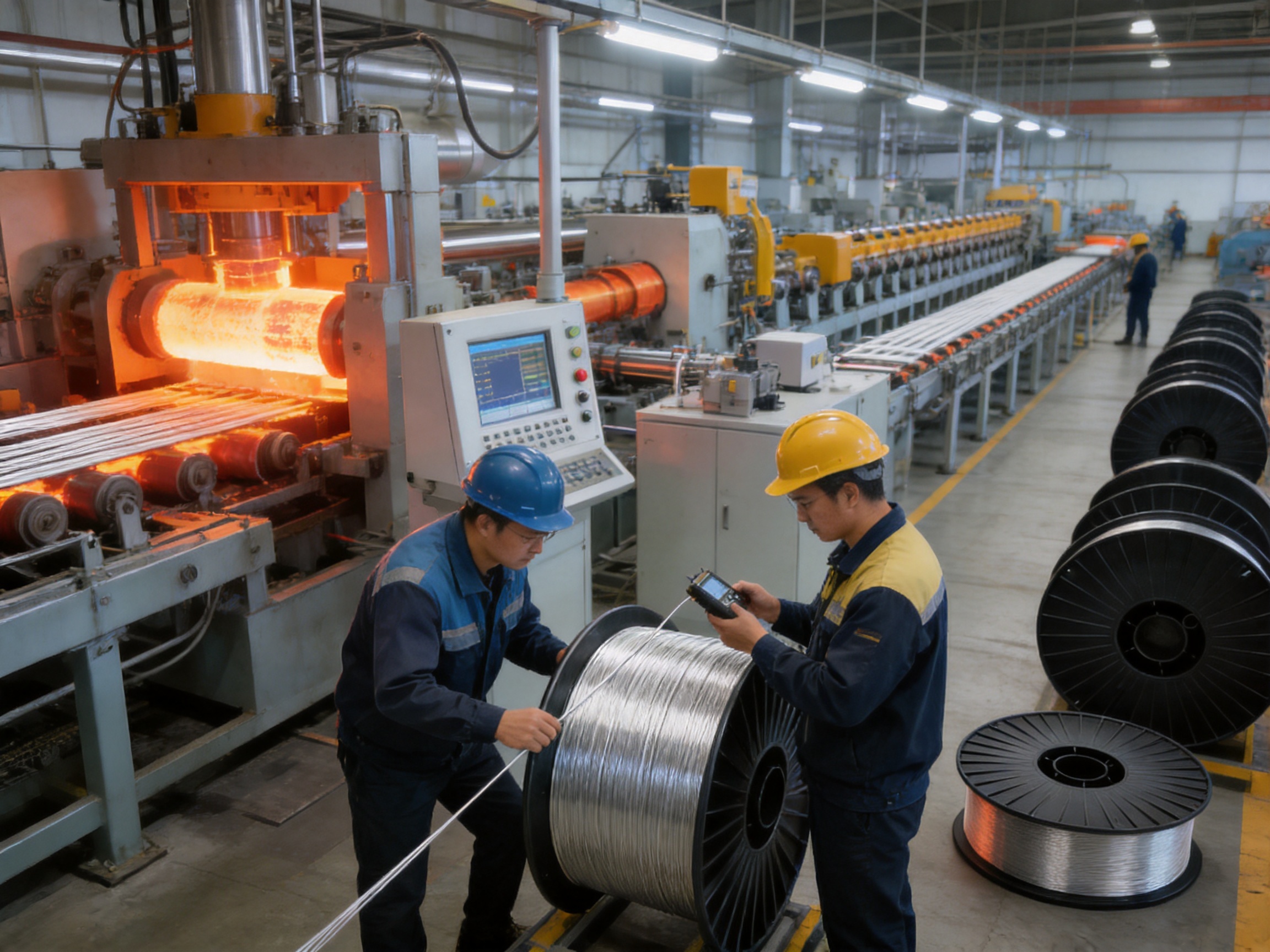
Jiangsu Hetuo Aluminum Wire Co., Ltd. was established in 2019 and has developed a manufacturing system for aluminum alloy materials. The company operates in the Guannan Economic Development Zone in Lianyungang, Jiangsu Province, China. Its factory covers approximately 40,000 square meters and employs 60 people, including professional managers and technicians.
The company’s product scope includes high-purity aluminum wire, high-strength aluminum alloy wire, and aluminum and aluminum alloy welding materials. This product structure gives the manufacturer experience across several related material categories. It also supports a broader understanding of customers’ needs in coating, joining, fabrication, and precision material applications.
Intelligent Manufacturing Orientation
The company describes its factory as having an intelligent manufacturing system. In practical terms, an intelligent production approach may include equipment integration, standardized process control, digital production records, production scheduling, and data-supported quality monitoring. These methods can help reduce manual variation and improve the repeatability of wire manufacturing.
For high-purity aluminum wire, production stability is important at every stage. Melting and alloy preparation influence chemistry. Casting and rod formation influence internal quality. Drawing and sizing influence diameter and surface condition. Winding and packaging influence delivery performance. A connected manufacturing system helps manufacturers monitor these stages as part of one controlled process rather than treating them as separate operations.
Advanced Equipment and Facilities
The manufacturer states that it has introduced advanced equipment and facilities for aluminum wire production. Modern equipment can improve dimensional consistency, surface finish, production efficiency, and inspection capability. It may also support customized wire sizes and packaging configurations when these requirements are technically and commercially feasible.
Equipment alone does not guarantee product quality. The effectiveness of a production system depends on calibration, preventive maintenance, operator training, process documentation, and inspection discipline. The combination of equipment and management practice is therefore an important consideration when evaluating a long-term supply partner.
Quality Inspection throughout Production
The company emphasizes quality inspection throughout production rather than relying only on a final check. Process-based inspection may include verification of incoming raw materials, chemical composition, rod condition, wire dimensions, surface appearance, winding quality, and packaging integrity. The exact inspection items and acceptance limits should be agreed with the customer according to the application.
Inspection at multiple stages provides earlier opportunities to identify deviations. If a composition issue, dimensional variation, or surface defect is discovered before the product reaches final packaging, corrective action can be more efficient. This approach also supports traceability and continuous improvement.
Quality Management Certifications
The company has obtained ISO 9001 and IATF 16949 quality management system certifications according to the supplied company information. ISO 9001 is widely associated with documented quality-management processes, customer focus, process control, corrective action, and continual improvement. IATF 16949 is an automotive-sector quality management standard that emphasizes risk management, defect prevention, supply-chain control, and process consistency.
Certification does not eliminate the need for customer qualification, technical approval, or incoming inspection. However, it indicates that the company has established a formal management framework for controlling quality-related activities. For customers in automotive, transportation, machinery, or other demanding sectors, such systems can be an important part of supplier evaluation.
From Raw Material to Finished Wire
Raw Material Selection
The production of high-purity aluminum wire begins with the selection and control of suitable aluminum raw materials. The starting material must be consistent with the required 1090 chemistry. Incoming materials should be identified, recorded, and checked to reduce the risk of cross-contamination or incorrect grade use.
Material segregation is especially important when a factory produces several aluminum grades. High-purity wire should be managed in a way that prevents unintended mixing with alloying elements from high-strength aluminum or welding-wire production. Clear labeling, controlled storage, equipment cleaning, and production scheduling can all contribute to grade integrity.
Melting and Composition Control
During melting, the aluminum is brought to a controlled temperature and prepared for further processing. Operators must manage temperature, holding time, furnace condition, and material additions. Excessive exposure to contamination sources can affect the final composition and cleanliness of the metal.
Composition testing can be used to verify that the molten or cast material meets the intended grade. In a high-purity product, small changes in iron, silicon, copper, zinc, or other elements may be significant. Careful control during melting supports the final goal of producing wire with stable chemistry and predictable processing behavior.
Rod Formation
After melting and preparation, the aluminum is formed into rod or an intermediate product suitable for drawing. The quality of this intermediate stage influences later wire performance. Internal discontinuities, surface defects, or dimensional irregularities can become more difficult to correct during subsequent reduction.
Controlled cooling and handling help preserve the quality of the rod. The specific rod-forming method should be selected according to the product grade, required dimensions, production volume, and final application. Consistent intermediate material makes downstream drawing more stable.
Drawing and Dimensional Control
Wire drawing reduces the rod to the required diameter by passing it through a series of dies. Drawing parameters, die condition, lubrication, reduction schedule, and line speed all influence the finished wire. Proper control helps achieve consistent diameter and surface quality.
Dimensional consistency is important for automatic feeders and thermal spray equipment. A wire that varies excessively in diameter may feed unevenly or alter the deposition rate. The manufacturer’s ability to manage drawing operations and inspect the finished dimensions is therefore directly related to customer productivity.
Surface Treatment and Cleaning
The wire surface should be free from excessive oil, dirt, oxide scale, metal particles, and other contaminants that could interfere with melting or deposition. Depending on the production route, surface cleaning and controlled handling may be used to meet the required condition.
Surface cleanliness is also influenced by storage and transportation. Even a well-manufactured wire can be affected by moisture, dust, damaged packaging, or contact with incompatible materials. Protective packaging and appropriate warehouse conditions help preserve the wire until it reaches the customer’s equipment.
Winding and Packaging
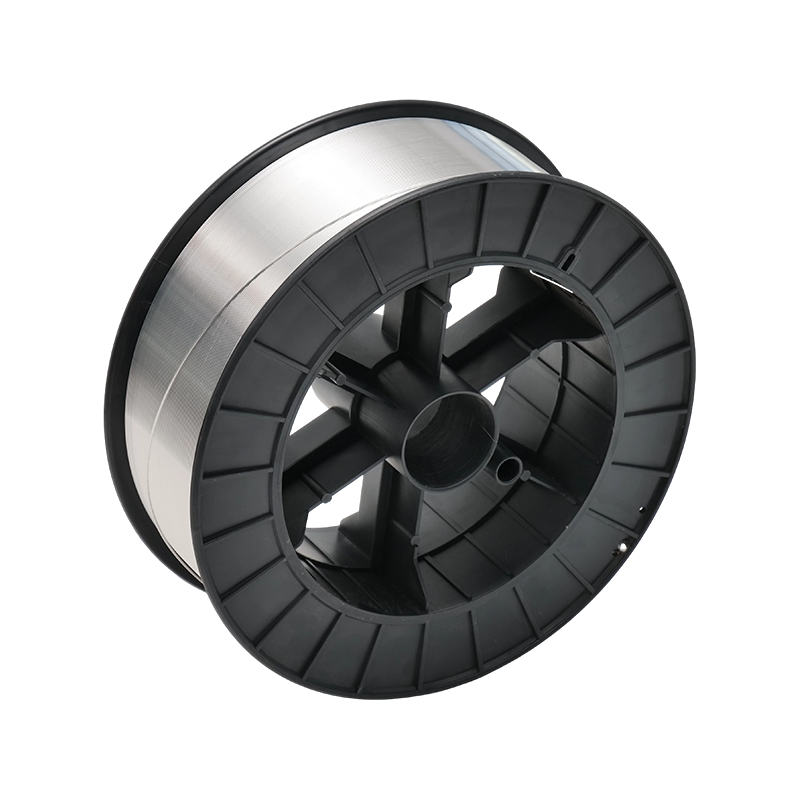
Uniform winding supports reliable unwinding and feeding. Poor winding can create tangles, crossed layers, or sudden changes in feed tension. For automated production, spool or coil design should be compatible with the customer’s feeder and equipment configuration.
Packaging should protect the wire from moisture, impact, contamination, and deformation. Customers should communicate spool dimensions, net weight, outer packaging, labeling, and identification requirements before production. Clear labels may include grade, diameter, batch number, production date, weight, and handling instructions.
Performance Factors in Evaporation and Spraying
Substrate Preparation
The quality of an aluminum coating depends heavily on the substrate. Oil, grease, rust, mill scale, paint residue, dust, and moisture may prevent proper adhesion. Cleaning and surface preparation should be performed according to the selected coating specification. Abrasive blasting is commonly used for metallic substrates when a suitable anchor profile is required.
After preparation, the surface should be protected from recontamination. Delays between blasting and spraying can allow flash rust or dust accumulation, especially in humid conditions. The coating team should control the interval between preparation and deposition and should monitor ambient temperature, relative humidity, and surface temperature where appropriate.
Wire Feeding
The wire feeder must be adjusted for the selected wire diameter and coating system. Feed rollers, guides, liners, contact tips, and drive components should be maintained in good condition. Excessive tension can deform the wire or increase wear, while insufficient tension can cause unstable feeding.
Consistent 1090 aluminum wire dimensions help the feeder operate more smoothly, but the equipment must still be calibrated. Operators should monitor wire consumption, arc stability, spray pattern, and coating appearance. Unusual changes may indicate a feeding problem, equipment wear, contamination, or incorrect settings.
Heat and Deposition Control
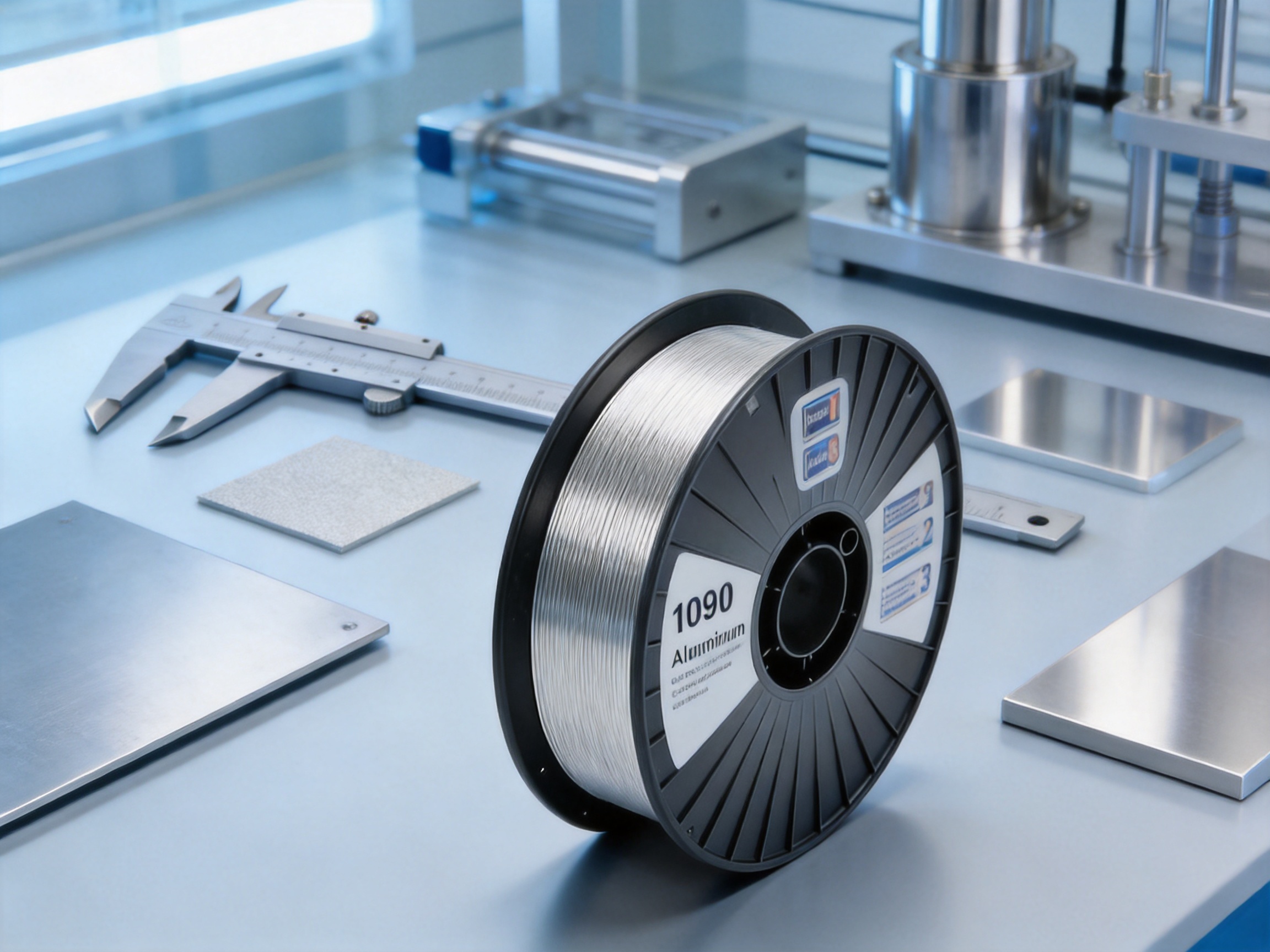
Thermal spraying involves a balance among heat input, wire feed rate, atomizing gas, spray distance, travel speed, and deposition angle. If the wire is not melted adequately, the coating may contain unmelted particles or exhibit poor adhesion. If the process is excessively hot, the substrate may be overheated or the coating may develop undesirable characteristics.
The correct parameters depend on the equipment and application. High-purity aluminum wire provides a consistent consumable, but the process must be developed through equipment trials and coating inspection. Production teams should record approved settings and update them when equipment, substrate, wire diameter, or environmental conditions change.
Coating Thickness and Coverage
Protective performance generally increases when the coating is continuous and sufficiently thick for the exposure environment. Thin or discontinuous areas may become weak points. Operators should use an inspection plan that covers representative locations, edges, corners, recesses, and areas with complex geometry.
Coating thickness requirements should be based on the relevant project specification or customer standard. A thicker coating is not automatically better if it causes excessive roughness, poor adhesion, dimensional interference, or unnecessary cost. The most effective approach is to establish a technically justified thickness range and verify it through inspection.
Sealing and Finishing
Sprayed aluminum coatings may be sealed to reduce porosity and improve resistance to liquids or corrosive agents. A compatible sealer can fill interconnected pores and provide an additional barrier. In some systems, a primer and topcoat may be applied over the aluminum to create a duplex protection system.
The choice of sealer or paint should consider surface condition, service temperature, chemical exposure, flexibility, and expected maintenance. Before applying additional layers, the aluminum surface should be cleaned and prepared according to the coating manufacturer’s instructions. Compatibility testing is recommended for critical applications.
Quality Evaluation and Customer Acceptance
Customers purchasing 1090 aluminum wire may establish an acceptance plan based on the intended application. Common evaluation areas include chemical composition, wire diameter, ovality, surface condition, spool or coil dimensions, weight, winding quality, and packaging. For coated products, additional tests may include coating thickness, adhesion, porosity, roughness, and corrosion performance.
Chemical composition can be verified using an appropriate elemental analysis method. Dimensional inspection may be performed with calibrated gauges or automated measurement systems. Visual inspection can identify scratches, cracks, discoloration, embedded particles, excessive oxide, and packaging damage.
For thermal spray qualification, a customer may create sample panels or representative components using the proposed wire and approved process parameters. The samples can then be evaluated for coating thickness, adhesion, microstructure, porosity, surface appearance, and corrosion resistance. This qualification stage helps ensure that the material is suitable for the complete process rather than being judged only by its certificate.
Batch traceability is valuable when a customer operates multiple production lines or supplies safety-critical products. If a problem occurs, the customer can identify the affected batch, production date, equipment, and finished components. The manufacturer’s quality system and documentation practices can support this type of investigation.
Benefits for Industrial Buyers
Reliable Supply from a Specialized Manufacturer
Industrial buyers need more than a single shipment of acceptable material. They need consistent supply, predictable lead times, responsive communication, and the ability to maintain specifications over time. A manufacturer focused on aluminum wire and related welding materials can provide more relevant technical support than a general metals distributor.
The company’s product portfolio and dedicated factory indicate a focus on aluminum material manufacturing. Its location in Jiangsu provides access to established industrial infrastructure, logistics networks, engineering resources, and export channels. Customers should still confirm capacity, lead time, minimum order quantity, and delivery terms for each project.
Support for Customized Requirements
Different coating systems may require different wire diameters, spool sizes, weights, surface conditions, and packaging methods. A manufacturer with production and engineering capabilities can evaluate these requirements and determine whether customization is feasible. Clear technical communication is essential, particularly when the wire will be used in automated equipment.
Customers should provide information about the equipment model, wire diameter, consumption rate, spool interface, coating specification, annual demand, environmental conditions, and inspection requirements. This information helps the supplier recommend an appropriate product configuration and reduces the risk of incompatibility.
Traceable Quality Management
ISO 9001 and IATF 16949 certification, together with inspection throughout production, can help customers establish a more structured supplier relationship. Documentation, corrective-action procedures, process control, and continuous improvement provide a framework for addressing quality concerns.
For large or repeated orders, buyers may also request a control plan, product specification, inspection report, certificate of analysis, packaging standard, and change-notification procedure. These documents help align the expectations of the manufacturer and customer before mass production begins.
Storage, Handling, and Use Recommendations
1090 aluminum wire should be stored in a clean, dry, and protected environment. Packaging should remain sealed until the material is needed. Sudden movement from a cold storage area into a warm, humid environment can cause condensation, so the package should be allowed to reach a suitable temperature before opening.
Spools and coils should be handled carefully to prevent deformation or impact damage. Forklifts, lifting devices, and storage racks should support the package without crushing the wire. Contact with steel dust, corrosive chemicals, water, and dirty surfaces should be avoided.
Before loading the wire into equipment, operators should inspect the package label, grade, diameter, batch number, and visible surface condition. The feed path should be clean, and the equipment should be set according to the approved process procedure. Any unusual discoloration, contamination, broken wire, or winding problem should be recorded and reported.
Because thermal spraying and evaporation involve heat, electricity, compressed gases, fumes, and potentially ultraviolet radiation, operators must follow the equipment manufacturer’s safety instructions and applicable workplace regulations. Appropriate ventilation, personal protective equipment, fire prevention, and environmental controls are essential.
How to Select the Right Aluminum Wire
Material selection should begin with the required end performance. If the primary objective is a high-purity aluminum coating for corrosion protection, 1090 may be an appropriate candidate. If the coating must have specific alloy chemistry, enhanced mechanical properties, or compatibility with a specialized process, another aluminum grade may be more suitable.
The customer should compare the following factors:
First, confirm the required aluminum purity and allowable impurity limits. The grade designation alone may not define every limit needed for a critical application.
Second, confirm the wire diameter and dimensional tolerance required by the equipment. A wire that is chemically suitable may still be unsuitable if it cannot feed reliably.
Third, review the surface condition and winding format. Clean, evenly wound wire helps reduce interruptions in automated systems.
Fourth, evaluate coating requirements, including thickness, adhesion, porosity, surface roughness, sealing, and environmental exposure.
Fifth, request documentation covering composition, batch traceability, inspection, packaging, and change control.
Finally, conduct a trial using representative equipment and substrates. A short qualification test can reveal feeding, melting, deposition, and coating-quality issues before the material is introduced into full production.
Frequently Asked Questions
What is 1090 aluminum wire?
1090 aluminum wire is a high-purity aluminum wire with a stated aluminum content of more than 99.90%. It is primarily used as a feedstock for evaporation, thermal spraying, and related surface-coating applications.
What is the main purpose of this product?
The main purpose is to deposit aluminum onto a substrate to improve surface corrosion resistance and help extend the service life of the underlying material. The final protection depends on surface preparation, coating thickness, adhesion, sealing, and service conditions.
How does 1090 compare with 1070 aluminum wire?
According to the supplied composition data, 1090 contains at least 99.90% aluminum, while 1070 contains 99.70%. The listed impurity levels for 1090 are generally lower. Therefore, 1090 may be preferable when higher purity and cleaner deposition are required.
How does 1090 compare with 1A95?
The supplied table lists 1A95 at 99.95% aluminum, which is higher than the listed 1090 value. The choice between these grades should be based on the required purity, process conditions, cost, availability, and customer specification. The highest nominal purity is not automatically necessary for every coating application.
Can 1090 aluminum wire be used for thermal spraying?
Yes. The product is described for spraying applications and can be evaluated for compatible arc spraying, flame spraying, or other wire-based thermal spray systems. The required diameter, equipment settings, and coating procedure must be confirmed before production.
Can it be used for evaporation?
Yes. High-purity aluminum wire is suitable for evaluation in evaporation processes where aluminum is vaporized and deposited onto a target surface. Vacuum level, evaporation source, deposition rate, film thickness, and substrate requirements should be reviewed with the supplier and equipment provider.
Does high purity guarantee corrosion protection?
No. High purity supports clean and consistent deposition, but corrosion protection also depends on substrate preparation, coating continuity, thickness, adhesion, sealing, environmental exposure, and maintenance. The complete coating system must be properly designed and controlled.
What information should be included in an inquiry?
An inquiry should include the required grade, wire diameter, tolerance, quantity, spool or coil format, application, equipment model, substrate, coating thickness, packaging requirements, inspection documents, delivery destination, and any applicable industry or customer standard.
What quality certifications does the manufacturer report?
The manufacturer reports ISO 9001 and IATF 16949 quality management system certifications. Customers with specific audit or certification requirements should confirm the current certificate scope and validity directly with the supplier.
How should the wire be stored?
The wire should remain in its protective packaging and be stored in a clean, dry location away from moisture, contaminants, corrosive chemicals, and physical damage. Condensation should be avoided when moving packages between areas with different temperatures.
Is technical testing recommended before bulk purchase?
Yes. A sample or pilot trial is recommended, particularly for automated evaporation or thermal spraying. Testing allows the customer to confirm feeding, melting, deposition behavior, coating quality, and compatibility with the intended substrate and process.
Conclusion
1090 aluminum wire is a practical high-purity material for evaporation, thermal spraying, and surface-corrosion protection applications. Its stated aluminum content above 99.90%, controlled impurity levels, and application focus make it a strong candidate for customers seeking a clean and consistent aluminum feedstock. Compared with lower-purity or general-purpose aluminum wires, it can provide a more predictable basis for coating-process development and repeatable production.
The value of the product is supported by the manufacturing system behind it. Jiangsu Hetuo Aluminum Wire Co., Ltd. operates a 40,000-square-meter factory, employs professional managers and technicians, produces several categories of aluminum wire and welding materials, and reports the use of advanced equipment, process-wide quality inspection, ISO 9001 certification, and IATF 16949 certification. These strengths provide a foundation for stable production, traceability, customized supply, and technical cooperation.
For the best result, customers should evaluate 1090 aluminum wire as part of a complete coating system. The wire grade, diameter, surface condition, equipment, substrate preparation, spray or evaporation parameters, coating thickness, sealing, inspection, and storage conditions must work together. With appropriate qualification and process control, 1090 aluminum wire can help manufacturers improve surface durability, reduce corrosion-related maintenance, and extend the useful life of industrial components.
References
1. Product technical information for 1090 Aluminum Wire, including supplied grade description, application statement, and chemical composition data.
2. Company information for Jiangsu Hetuo Aluminum Wire Co., Ltd., including manufacturing scope, factory size, staffing, quality certifications, and production capabilities.
3. ISO 9001, Quality Management Systems — Requirements.
4. IATF 16949, Quality Management System Requirements for Automotive Production and Relevant Service Parts Organizations.
5. General technical principles for aluminum thermal spraying, surface preparation, coating inspection, and corrosion-protection systems.
6. General materials-engineering guidance for high-purity aluminum, aluminum wire production, evaporation processes, and protective metallic coatings.
End of article.