

 English
 中文简体
 русский
 Deutsch
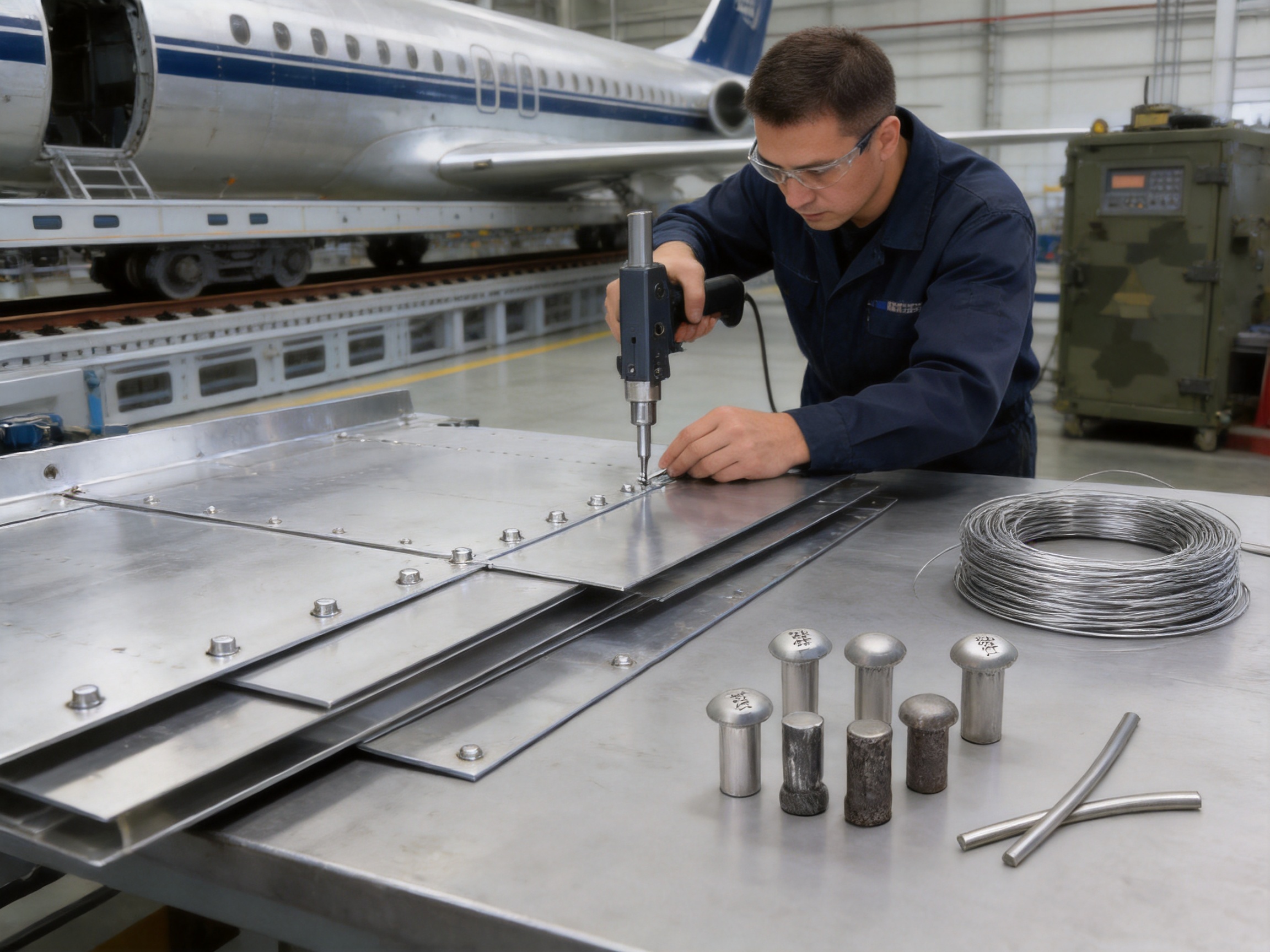
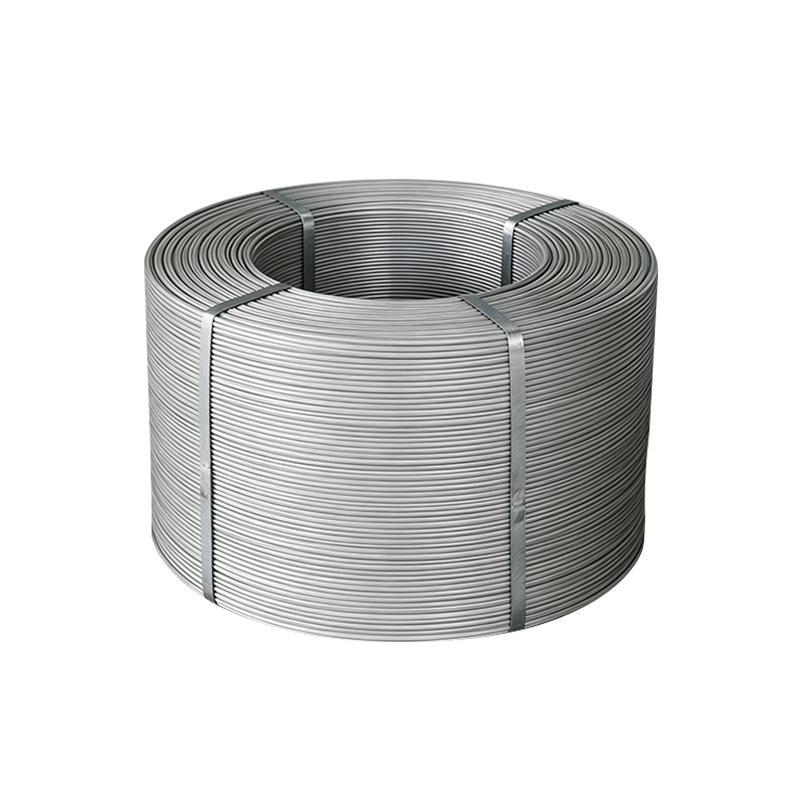
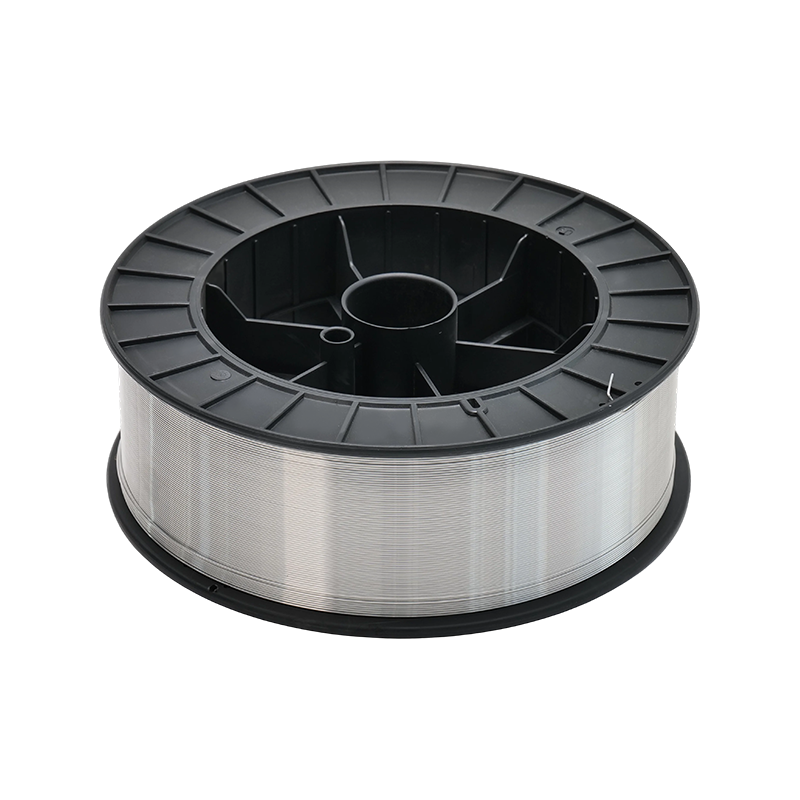
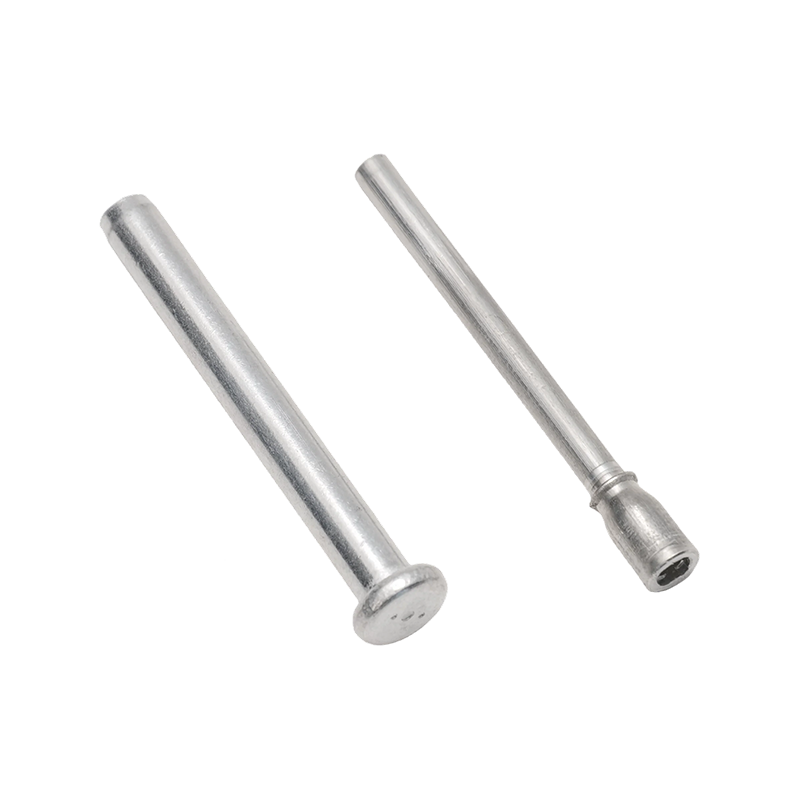
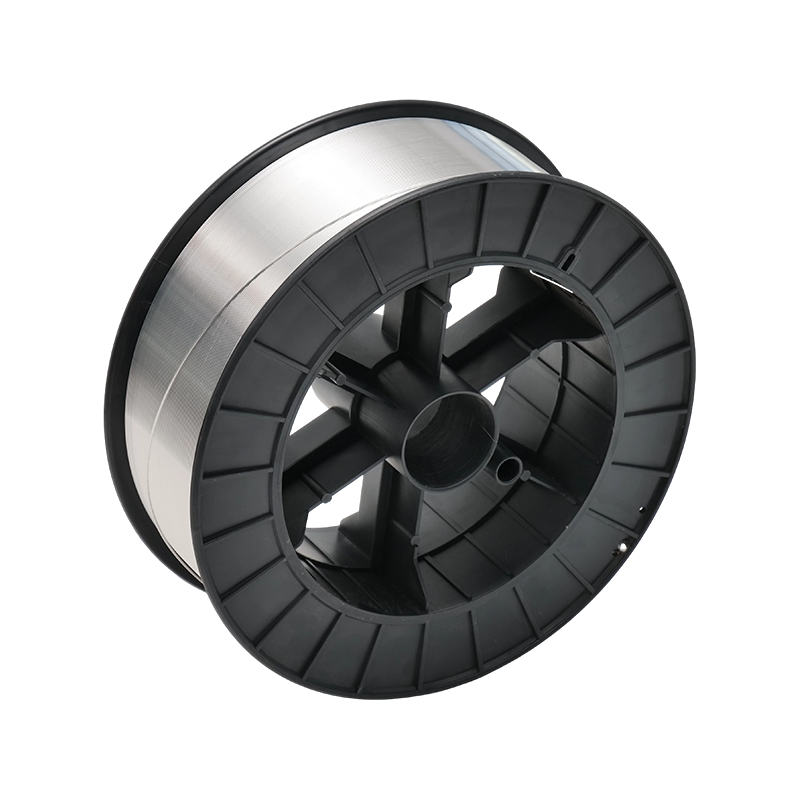
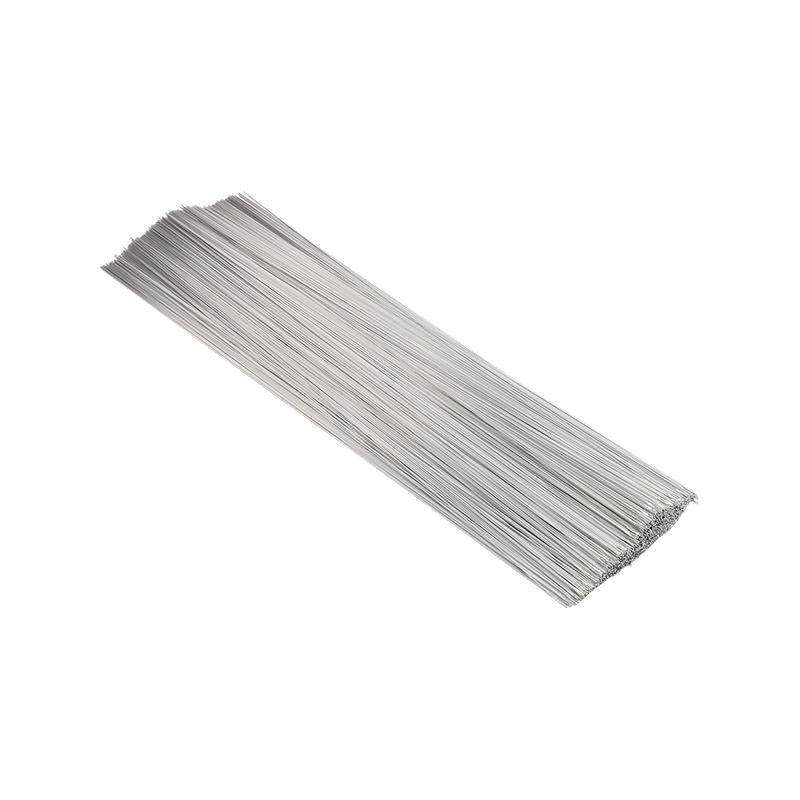
Aluminum rivet wire is a critical semi-finished material for producing reliable fasteners in aviation, aerospace, defense, transportation, and other industries where low weight, corrosion resistance, and dependable mechanical performance are essential. Rivets made from high-strength aluminum alloy wire must satisfy demanding requirements throughout forming, installation, and service. The wire must be consistent in diameter, chemically controlled, sufficiently ductile for cold heading, and strong enough to resist shear and deformation after installation.
The high-strength aluminum alloy wire for rivets described in this article is designed primarily for demanding applications in aviation, aerospace, and military manufacturing. Its strengthening mechanism is associated with the CuAl2 phase, which contributes to improved strength, oxidation resistance, and shear resistance. These characteristics make the material suitable for manufacturers seeking an alternative to ordinary aluminum wire or general-purpose low-strength rivet materials.
Jiangsu Hetuo Aluminum Wire Co., Ltd. manufactures this product as part of its high-strength aluminum alloy wire portfolio. The company combines controlled alloy preparation, precision wire processing, systematic quality inspection, and modern production management to supply wire for aluminum rivets and related applications. Its manufacturing system covers high-purity aluminum wire, high-strength aluminum alloy wire, and aluminum and aluminum alloy welding materials.
For rivet producers, material selection affects more than the final tensile or shear strength of a fastener. It also influences heading behavior, dimensional accuracy, surface quality, storage stability, installation consistency, and the service life of assembled structures. A suitable rivet wire therefore needs to provide a balanced combination of strength, forming performance, corrosion-related stability, and production reliability.
Content
- 1 Product Overview
- 2 Key Material Characteristics
- 3 Why Specialized Rivet Wire Is Important
- 4 Comparison with Conventional Aluminum Rivet Wire
- 5 Manufacturing Process and Quality Control
- 6 Advanced Manufacturing Strengths
- 7 Benefits for Rivet Manufacturers
- 8 Applications
- 9 Customization and Supply Options
- 10 How to Select the Correct Rivet Wire
- 11 Storage and Handling Recommendations
- 12 Quality Assurance and Customer Support
- 13 Environmental and Operational Considerations
- 14 Technical Advantages in Summary
- 15 Questions and Answers
- 15.1 What is this product used for?
- 15.2 What makes the wire different from ordinary aluminum wire?
- 15.3 What is the copper content of the alloy?
- 15.4 Why is CuAl2 phase strengthening important?
- 15.5 Is the wire suitable for cold heading?
- 15.6 Can the wire be customized?
- 15.7 What industries use high-strength aluminum rivet wire?
- 15.8 Does the wire eliminate the need for joint testing?
- 15.9 What quality certifications does the manufacturer report?
- 15.10 How should the wire be stored?
- 15.11 What information should be included in an inquiry?
- 16 Conclusion
- 17 References
- 18 Product: For Rivets
Product Overview
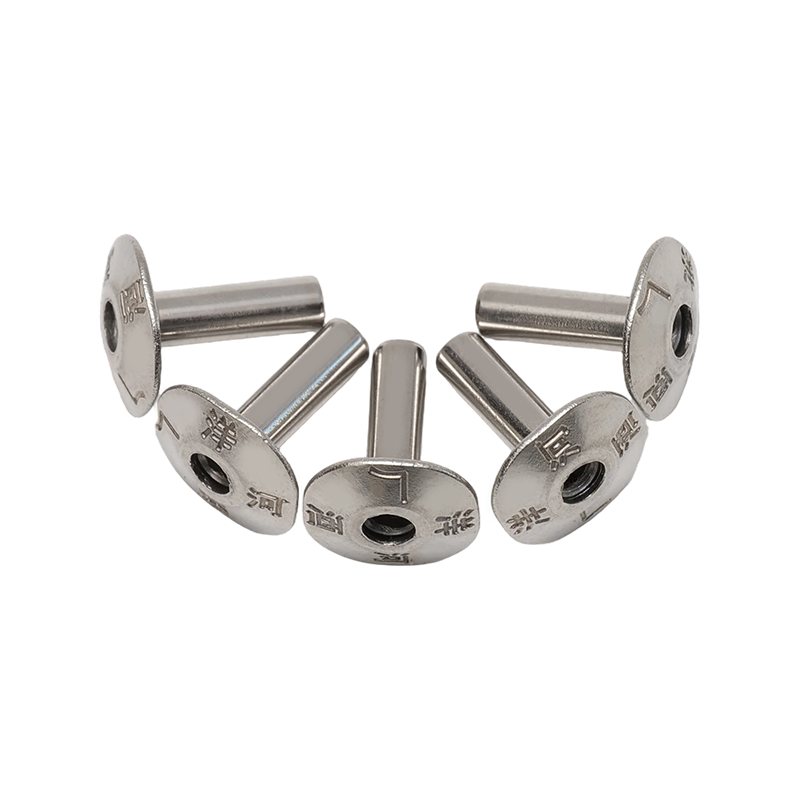
This product is a high-strength aluminum alloy wire developed for rivet manufacturing. It is intended for applications in which ordinary aluminum wire may not provide sufficient shear resistance or structural reliability. The wire is particularly relevant to rivets used in lightweight structures, aircraft assemblies, aerospace components, defense equipment, and engineered transportation systems.
The principal alloying characteristic identified for this grade is a copper content of approximately 3.9% to 4.5%. Copper contributes to strengthening in aluminum alloys through solid-solution effects and the formation of strengthening phases. In this product, the CuAl2 phase is identified as an important source of strengthening. The resulting material is designed to deliver a stronger performance profile than many commercially available low-strength aluminum rivet wires.
Although strength is a major advantage, the material is not intended to be viewed only as a high-strength commodity wire. Rivet production requires a carefully balanced material. Excessive hardness or insufficient ductility can make heading difficult, cause cracking during forming, or reduce the quality of the finished rivet head. The value of a specialized rivet wire lies in its ability to combine strength with suitable processing behavior.
The wire can be supplied for customized production requirements. Depending on the customer’s manufacturing process, requirements may include wire diameter, dimensional tolerances, coil or spool format, surface condition, length, packaging, inspection documentation, and application-specific technical specifications. Close communication between the wire producer and the rivet manufacturer helps determine the most appropriate supply condition.
Key Material Characteristics
High Strength Through CuAl2 Phase Strengthening
The primary performance feature of this rivet wire is its high-strength aluminum alloy design. Copper-containing aluminum alloys can develop strengthening phases that improve resistance to plastic deformation. The CuAl2 phase contributes to the material’s ability to carry load and resist localized deformation, which is particularly important in riveted joints exposed to vibration, impact, and shear forces.
In a rivet, the shank transfers load between joined components, while the formed head maintains clamping and prevents the fastener from pulling through the joint. If the material is too soft, the rivet may deform excessively during service. If the material is not sufficiently resistant to shear, the joint may be vulnerable to failure under transverse loading. A strengthened aluminum alloy wire helps address these concerns while preserving the weight advantages associated with aluminum.
The strengthening response depends on alloy chemistry, thermal history, processing condition, and final temper. Consequently, consistent production control is essential. A nominal copper range alone does not guarantee equivalent performance between suppliers. The quality of melting, casting, homogenization, drawing, heat treatment, and inspection all influence the final wire’s behavior.
Good Oxidation Resistance
The product is also characterized by good oxidation resistance. Aluminum naturally forms a thin oxide film when exposed to air, and this passive layer provides a degree of protection against further surface reaction. For rivet wire, stable surface condition is important during storage, forming, and assembly.
Good oxidation resistance can help manufacturers maintain a cleaner and more uniform wire surface during handling. It may also support reliable feeding through automated forming equipment, provided that the material is correctly packaged and stored. Surface stability is especially valuable in aerospace and defense production, where contamination, inconsistent lubrication, or surface defects may affect downstream assembly.
Oxidation resistance should not be confused with complete immunity to corrosion. The actual service performance of a riveted joint depends on the surrounding materials, environmental exposure, joint design, coatings, sealants, surface treatments, and electrical contact conditions. Appropriate engineering validation remains necessary for each application.
Improved Shear Resistance
Rivets commonly experience shear loads because they connect overlapping components that may move or transmit forces across the joint. The wire used to make the rivet must therefore resist shearing during service while also maintaining adequate integrity during installation.
The high-strength alloy structure of this product supports improved shear resistance compared with general-purpose low-strength aluminum wire. This feature is particularly valuable in structural applications where the joint must withstand vibration, repeated loading, equipment movement, or aerodynamic forces.
Improved shear resistance can allow designers to evaluate lightweight aluminum rivets for applications that might otherwise require heavier fastener materials. However, the complete joint must always be assessed. Rivet diameter, grip length, spacing, hole quality, sheet thickness, installation force, edge distance, and the strength of the joined materials all influence the final joint performance.
Compatibility with Lightweight Structural Design
Aluminum is widely used when weight reduction is a major design objective. A high-strength aluminum rivet can complement lightweight panels, frames, skins, profiles, and assemblies without introducing the mass of a comparable steel fastener.
Weight reduction can contribute to improved fuel efficiency in aircraft and transportation equipment, easier handling of assembled components, reduced structural inertia, and more efficient logistics. In aerospace and defense equipment, every component may be evaluated for its contribution to total weight and operational performance. A strengthened aluminum rivet wire provides an opportunity to maintain a lightweight fastening system while improving resistance to load and deformation.
Why Specialized Rivet Wire Is Important
Not every aluminum wire is suitable for rivet production. General-purpose wire may be designed for electrical conductors, mesh, welding, springs, or other applications with different performance requirements. Rivet wire must be selected for a specific combination of forming response, strength, surface quality, dimensional consistency, and service behavior.
During cold heading, the wire is cut into slugs and upset to form a rivet head. This process produces substantial localized plastic deformation. If the wire contains inclusions, surface laps, excessive residual stress, or inconsistent hardness, defects can appear during heading. Typical concerns include radial cracking, incomplete head formation, folding, eccentricity, and dimensional variation.
A specialized rivet wire is produced with these conditions in mind. Its chemical composition, internal cleanliness, drawing reduction, annealing or heat treatment, and surface condition are controlled to support stable forming. The wire must also feed consistently through production equipment, especially where high-speed automatic rivet machines are used.
The use of a purpose-developed wire can reduce the risk of production interruptions and rejected rivets. It may also help manufacturers establish more stable process parameters, reduce die wear caused by inconsistent material behavior, and improve repeatability between production batches.
For Rivets
Comparison with Conventional Aluminum Rivet Wire
When compared with ordinary aluminum rivet wire, high-strength copper-containing alloy wire offers several potential advantages. The most important distinction is the balance between weight and load-bearing performance. A conventional low-strength aluminum wire may be easy to form, but it may not deliver the shear resistance or deformation resistance required for more demanding assemblies.
High-strength alloy wire can provide a more suitable material option when the rivet must withstand greater mechanical stress. Its CuAl2 phase strengthening mechanism is intended to improve the strength profile without abandoning the low-density characteristics associated with aluminum.
Compared with heavier steel rivet materials, aluminum alloy rivet wire offers a lower-density solution. It can also be advantageous where corrosion compatibility with aluminum structures is important. Nevertheless, steel may remain appropriate for applications requiring extremely high strength or elevated-temperature performance. The correct selection depends on the complete engineering environment.
Compared with poorly controlled low-cost wire, precision-manufactured wire can offer better consistency in composition, diameter, surface condition, and processing response. This consistency is especially valuable to aerospace, military, and other regulated industries, where traceability and repeatable quality are often as important as nominal material strength.
| Evaluation factor | General-purpose aluminum wire | High-strength aluminum alloy rivet wire | Potential value to rivet manufacturers |
|---|---|---|---|
| Primary design objective | Broad, non-specialized applications | Structural and high-performance rivet production | Better alignment with demanding fastener requirements |
| Strength level | Typically lower | Enhanced through copper-containing alloy design and CuAl2 phase strengthening | Improved resistance to deformation and service loading |
| Shear resistance | Suitable for moderate-duty uses | Designed for improved shear performance | Greater suitability for loaded joints |
| Weight | Low | Low | Supports lightweight structural design |
| Forming requirements | May not be optimized for rivet heading | Developed for controlled rivet manufacturing processes | More predictable production behavior |
| Application focus | General industrial uses | Aviation, aerospace, military, transportation, and engineered assemblies | Supports applications with strict performance requirements |
| Quality expectations | Varies by supplier and application | Controlled through alloy preparation, processing, and inspection | Improved batch-to-batch confidence |
The comparison above is a general engineering guide rather than a substitute for qualification testing. Rivet manufacturers should evaluate the selected wire under their actual heading, heat treatment, installation, and service conditions.
Manufacturing Process and Quality Control
Alloy Preparation
The manufacturing process begins with the preparation of aluminum alloy materials according to the required composition. Copper content is a key control point for this rivet wire, with the stated composition range of approximately 3.9% to 4.5%. Accurate weighing, controlled melting, effective mixing, and representative sampling are essential to ensure that the composition remains within the specified range.
Alloy preparation must also address unwanted impurities and inclusions. Excessive non-metallic inclusions can reduce ductility, create internal discontinuities, and increase the risk of cracks during drawing or heading. A disciplined raw material management system therefore supports the reliability of the final product.
Modern production requires more than checking the final product after processing. Quality must be built into each stage. Process records, batch identification, furnace control, sampling procedures, and laboratory analysis help create traceability from raw materials to finished wire.
Casting and Homogenization
After melting and composition adjustment, the alloy is cast into suitable intermediate forms for further processing. Casting quality affects internal structure, segregation, porosity, and the distribution of alloying elements. Controlled casting conditions help produce a more uniform starting material.
Homogenization may be used to reduce chemical segregation and create a more consistent microstructure before hot working or rod processing. This stage is important for copper-containing aluminum alloys because the distribution and subsequent transformation of alloying phases influence strength, ductility, and forming behavior.
Uniform intermediate material provides a stronger foundation for later drawing and heat treatment. If the initial rod contains significant variations, those differences can become more pronounced during reduction and may cause inconsistent wire properties.
Rod Processing and Precision Drawing
The cast or processed alloy is converted into rod and then drawn to the required wire dimensions. Drawing reduces the cross-sectional area while improving dimensional control and producing the required surface finish. The number of drawing passes, reduction per pass, lubrication, die condition, and intermediate heat treatment all require careful management.
Precision drawing is particularly important for rivet wire because diameter affects slug volume, rivet head dimensions, forming force, and final joint geometry. Even small dimensional variations can influence automated heading operations. Consistent wire diameter helps rivet manufacturers maintain stable machine settings and reduce adjustment frequency.
Drawing also affects work hardening and residual stress. Excessive reduction without suitable process control can make the wire too hard or less ductile for the intended forming operation. A balanced drawing schedule helps achieve the required combination of dimensional accuracy and processing performance.
Heat Treatment and Temper Control
Heat treatment is a central part of producing copper-containing high-strength aluminum alloys. The material’s final performance depends on the relationship between solution treatment, quenching, aging, drawing condition, and any intermediate thermal processes used during production.
For rivet wire, the selected temper must be appropriate for both manufacturing and service. The wire must be strong enough after processing or installation, but it must also retain sufficient ductility for head formation. Heat treatment parameters therefore need to be controlled carefully and recorded for traceability.
Temperature uniformity, holding time, transfer speed, cooling conditions, and aging time can all influence the final microstructure. Advanced manufacturing facilities use calibrated equipment and documented procedures to reduce variation between batches.
Surface Management
The surface of the wire is inspected and managed to support reliable feeding, forming, and storage. Surface defects such as scratches, seams, laps, pits, embedded particles, or excessive oxide can interfere with rivet production. A clean and uniform surface also contributes to consistent lubrication and die contact.
Surface management may include controlled cleaning, suitable drawing lubrication, removal of processing residue, and protective packaging. The specific treatment depends on the customer’s forming equipment and the final application. The objective is to deliver wire that reaches the rivet manufacturer in a condition suitable for immediate or planned processing.
Inspection and Testing
Quality inspection may include chemical composition analysis, dimensional measurement, tensile testing, hardness testing, surface examination, and visual inspection. Depending on the customer’s requirements, additional tests may be performed to evaluate microstructure, conductivity, internal quality, or forming behavior.
Testing should be linked to clear acceptance criteria. For example, diameter measurements should be taken at defined locations using calibrated instruments. Mechanical tests should follow appropriate standards and use properly prepared specimens. Chemical analysis should be representative of the production batch rather than an isolated sample.
Inspection throughout production is more effective than relying only on final inspection. Early detection of deviations can prevent large quantities of nonconforming wire from progressing to later stages. It also helps manufacturers identify process trends and implement corrective action before a problem becomes widespread.
Advanced Manufacturing Strengths
Jiangsu Hetuo Aluminum Wire Co., Ltd. was established in 2019 and has developed a manufacturing system focused on aluminum alloy materials. The company’s facility covers approximately 40,000 square meters and employs around 60 people, including professional managers and technicians. This structure supports the production of high-purity aluminum wire, high-strength aluminum alloy wire, and aluminum and aluminum alloy welding materials.
The company introduces advanced equipment and facilities to support alloy preparation, processing, inspection, and product handling. The use of specialized equipment is important because aluminum wire production requires close control of temperature, drawing force, dimensional accuracy, surface condition, and material uniformity.
A manufacturing system that combines equipment capability with trained technical personnel can respond more effectively to customized requirements. Customers may require specific wire sizes, packaging methods, mechanical properties, surface conditions, or production documentation. Technical communication between the supplier and customer is necessary to translate those requirements into practical process parameters.
The company states that it has obtained ISO 9001 and IATF 16949 quality management system certifications. ISO 9001 provides a framework for consistent quality management, documented processes, customer focus, corrective action, and continual improvement. IATF 16949 is associated with the automotive supply chain and emphasizes process control, risk management, defect prevention, traceability, and customer-specific requirements.
Although certification does not replace product-specific testing, these systems can provide an organized foundation for stable manufacturing. They encourage the use of documented procedures, controlled records, supplier management, internal audits, and systematic handling of nonconformities.
The company also reports that its products comply with international quality standards and are exported to high-end overseas markets. For international customers, export experience can support communication regarding specifications, packaging, documentation, inspection requirements, and shipment coordination.
Benefits for Rivet Manufacturers
Reliable Cold Heading Performance
Rivet manufacturers need wire that can be cut and headed without excessive cracking or dimensional variation. A controlled alloy and carefully managed temper can help achieve stable cold heading performance. The exact result depends on the customer’s equipment and processing conditions, but specialized wire provides a more appropriate starting point than a material intended for unrelated applications.
Stable heading performance can improve production efficiency in several ways. It may reduce die cleaning, limit tool damage, reduce the frequency of machine adjustment, and lower scrap caused by incomplete or cracked heads. Consistent slugs also make it easier to maintain uniform rivet dimensions throughout a production run.
Consistent Rivet Geometry
Wire diameter and surface condition directly affect the amount of material delivered to the heading machine. Consistent wire dimensions help maintain uniform slug volume, which supports consistent head diameter, head height, shank diameter, and overall rivet length.
Uniform rivet geometry is essential for automated installation. Rivets with inconsistent dimensions may produce variable clamping force or require additional sorting. In precision industries, dimensional consistency can also simplify inspection and reduce the risk of assembly delays.
Improved Joint Reliability
The final rivet is only one part of a joint, but its material properties have a direct influence on joint reliability. High-strength alloy wire can help produce rivets with improved resistance to shear and deformation. This is particularly relevant where the joint is exposed to vibration, repeated loading, or structural movement.
Improved material performance may allow engineers to consider smaller or lighter aluminum rivets in selected applications, although such decisions must be confirmed through engineering calculations and qualification testing. The advantage is not simply higher strength in isolation; it is the possibility of achieving an efficient balance between rivet performance and structural weight.
Support for High-Value Applications
Aviation, aerospace, and military manufacturers often require strict control over incoming materials. They may request certificates of analysis, batch traceability, inspection records, and evidence of process control. A supplier with an organized quality management system is better positioned to support these requirements.
High-value applications also place greater importance on repeatability. A material that performs well in one trial but varies significantly between batches may create unacceptable production risk. Consistent manufacturing and documented inspection help customers establish confidence in long-term supply.
Applications
Aviation and Aerospace
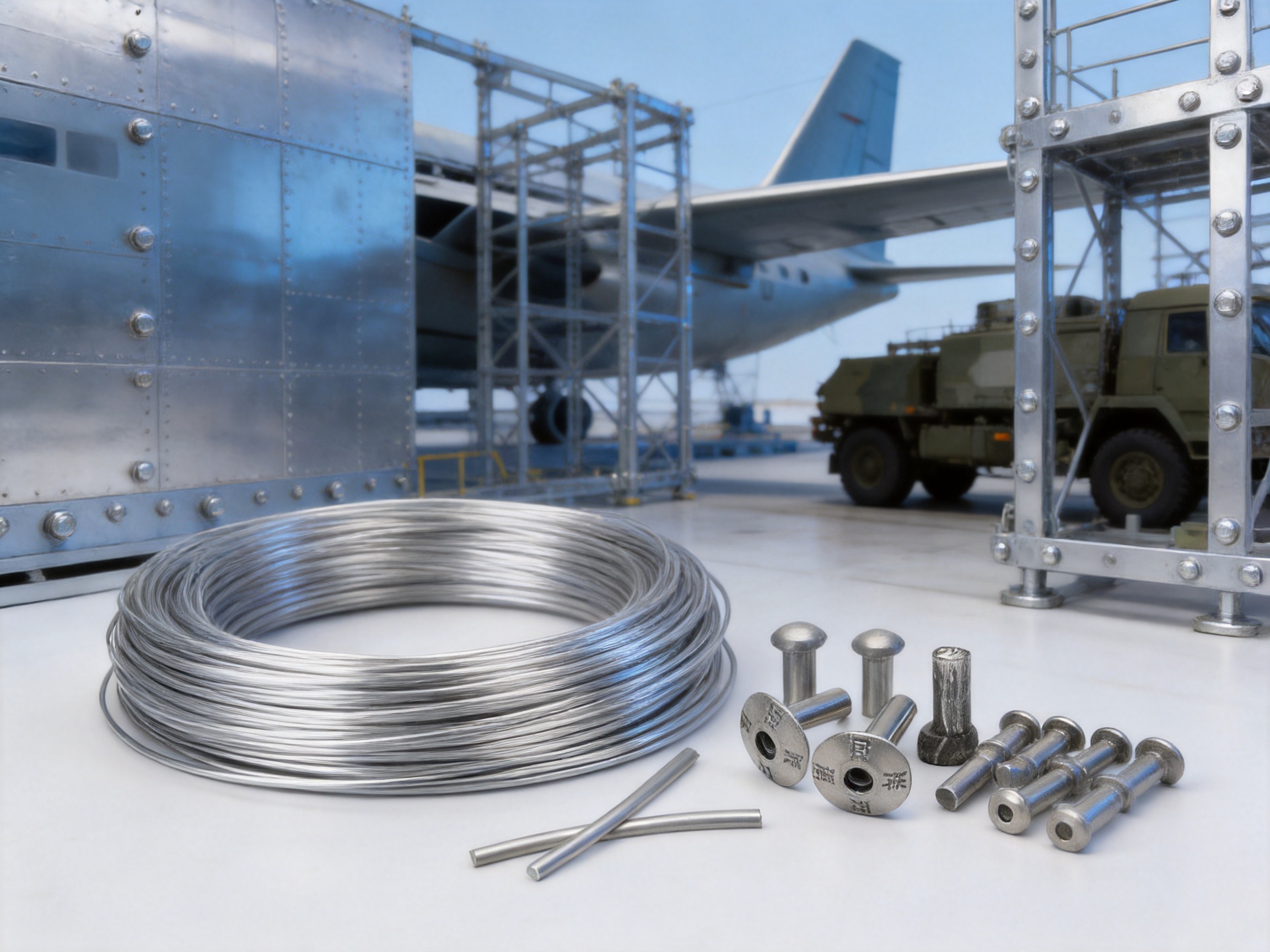
Aircraft structures use riveted joints in skins, frames, brackets, panels, interiors, and supporting assemblies. In these applications, low weight and structural reliability are both important. Aluminum alloy rivets can be selected to maintain material compatibility with aluminum structures while contributing to a lower overall assembly weight.
Aerospace applications may also involve temperature changes, vibration, pressure cycles, and strict maintenance requirements. The rivet wire must therefore be evaluated with the complete assembly environment in mind. Customers may require additional qualification related to fatigue, corrosion, galvanic compatibility, or installation tooling.
Military Equipment
Military equipment often combines mobility, vibration, impact, environmental exposure, and strict weight requirements. High-strength aluminum rivets can be considered for vehicle bodies, enclosures, panels, equipment frames, and other assemblies where a lightweight fastening solution is useful.
Military supply chains may also require documentation, batch identification, controlled packaging, and long-term supply capability. A manufacturing partner capable of responding to technical specifications and inspection requirements can provide value beyond the material itself.
Transportation Equipment
Transportation manufacturers use aluminum to reduce vehicle weight and improve energy efficiency. Rivet wire for aluminum fasteners may be used in rail vehicles, commercial vehicles, specialized trailers, marine equipment, and lightweight structural systems.
The suitability of this material depends on the design loads, environmental exposure, assembly method, and compatibility between the rivet and joined materials. Its low density and high-strength alloy design make it a candidate for applications where the fastener must contribute to weight reduction without compromising joint performance.
Industrial and Engineered Assemblies
Other potential applications include equipment housings, fabricated structures, machinery panels, heat-management assemblies, and custom fastening systems. Where a manufacturer requires a specialized aluminum rivet with controlled properties, high-strength alloy wire can provide a suitable production material.
Before adopting the wire, customers should verify the required forming condition, final rivet temper, surface requirements, and performance criteria. Application-specific sampling and testing help ensure that the product is appropriate for the intended assembly.
Customization and Supply Options
Rivet manufacturers rarely operate with one universal wire specification. Different rivet sizes and forming machines require different wire diameters, tolerances, coil weights, and packaging formats. Customization allows the material supply to fit the customer’s manufacturing process rather than forcing the customer to make unnecessary changes.
Possible customization areas include nominal diameter, tolerance range, coil or spool configuration, straightened lengths, surface condition, packaging, labeling, and inspection documentation. Customers may also discuss specific mechanical property targets or forming requirements with the technical team before placing an order.
Packaging should protect the wire from moisture, contamination, mechanical damage, and deformation during transport. Proper identification of alloy grade, batch number, diameter, quantity, and production date supports traceability after receipt.
For export customers, clear commercial and technical documentation is important. Documentation may include product specifications, packing lists, certificates of analysis, quality inspection reports, and certificates related to the company’s management systems when applicable.
How to Select the Correct Rivet Wire
Define the Joint Requirements
The first step is to understand the loads and service conditions of the riveted joint. Engineers should consider tensile loads, shear loads, bearing loads, fatigue, vibration, temperature, corrosion exposure, and accessibility during installation.
The joined materials must also be reviewed. Aluminum rivets may provide good compatibility with aluminum components, but contact with other metals can create galvanic concerns in certain environments. Surface treatments, sealants, washers, or isolation methods may be required.
Confirm the Forming Process
Customers should identify whether the rivets will be made by cold heading, hot forming, machining, or another process. Cold heading places specific demands on ductility, surface quality, lubrication, and temper. The wire condition should be selected to support the intended process.
It is also important to review machine speed, die design, cut-off method, lubrication, and inspection frequency. Small process differences can affect the behavior of the same material. Trial production using representative equipment is recommended before full-scale adoption.
Set Dimensional and Quality Criteria
Wire diameter, roundness, straightness, surface finish, and allowable defect levels should be clearly defined. Where the wire will be used for automated rivet production, tighter dimensional control may be necessary than for manual or low-volume forming.
Customers should also determine the required inspection documents. High-reliability industries may need heat numbers, batch traceability, composition reports, mechanical test results, and records of conformity. Defining these requirements at the quotation stage helps prevent delays later.
Conduct Qualification Testing
Qualification should include more than checking the incoming wire. The wire should be converted into rivets using production-representative equipment. Finished rivets can then be evaluated for dimensions, head formation, surface defects, hardness, tensile performance, shear behavior, and installation characteristics.
Where appropriate, assembled joints should be tested under the expected service loads. Testing may include static shear, tensile pull-through, fatigue, environmental exposure, vibration, or corrosion evaluation. The scope depends on the application and applicable customer or industry standards.
Storage and Handling Recommendations
Aluminum alloy wire should be stored in a clean, dry environment protected from condensation, water, corrosive chemicals, and physical impact. Packaging should remain intact until the material is ready for use. Sudden temperature changes can cause moisture to condense on cold metal surfaces, so gradual acclimatization may be appropriate before opening sealed packages.
Wire coils and spools should be handled with equipment that prevents crushing, bending, or contamination. Damaged packaging should be inspected before the wire is released to production. If surface discoloration, corrosion products, or mechanical damage is observed, the affected material should be isolated and evaluated.
Good storage practice helps preserve the surface condition that was established during manufacturing. It also protects identification labels and batch records, which are important for traceability and quality documentation.
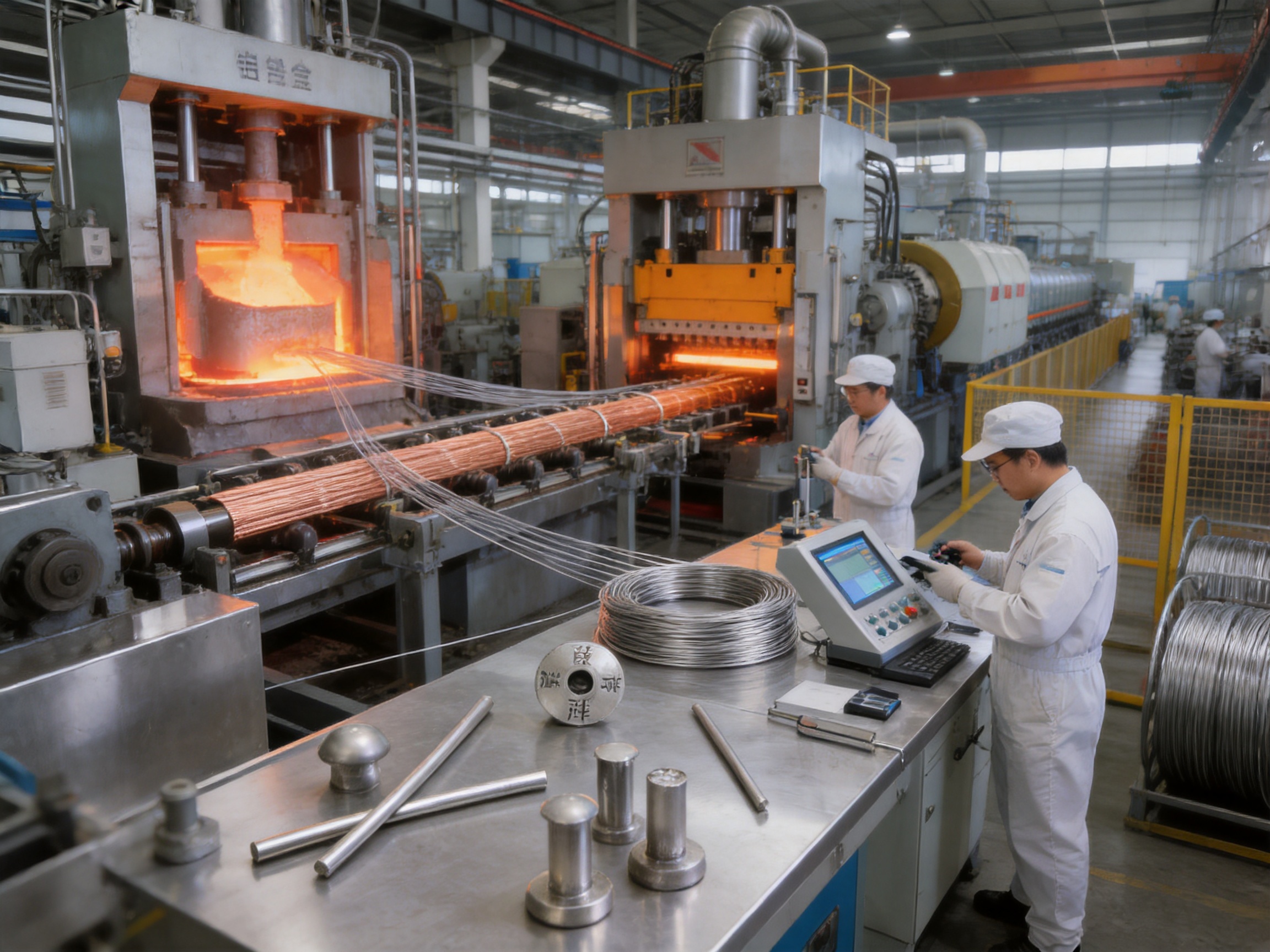
Quality Assurance and Customer Support
A reliable wire supplier should support customers before, during, and after delivery. Before production, technical communication helps determine the correct alloy condition, dimensions, and packaging. During production, documented inspection helps confirm conformity. After delivery, responsive communication supports problem solving, repeat orders, and process improvement.
Jiangsu Hetuo Aluminum Wire Co., Ltd. positions itself as a supplier of customized aluminum alloy wire and welding materials. Its product range includes high-purity aluminum wire, high-strength aluminum alloy wire, and aluminum and aluminum alloy welding materials. This broader product capability can be useful to customers who purchase more than one aluminum material category.
The company’s stated focus on customer needs and customer satisfaction is supported by its manufacturing and quality system. Its technical and management personnel contribute to production planning, process control, inspection, and customer communication. For customers in international markets, this combination of manufacturing capability and service coordination can simplify supplier management.
Quality assurance should remain transparent and application-focused. Customers should receive information that clearly identifies the material, production batch, applicable requirements, and inspection results. When a special specification is agreed, the supplier and customer should maintain a shared record of the requirements and any approved deviations.
Environmental and Operational Considerations
Aluminum is valued for its low density and recyclability. Lightweight aluminum components can support reduced energy consumption during transportation and operation. Riveted assemblies made with aluminum fasteners may also be easier to disassemble or recycle when the design permits.
Manufacturing efficiency contributes to sustainability as well. Stable drawing processes, reduced scrap, efficient inspection, and controlled packaging can lower material waste. Consistent wire quality also helps rivet manufacturers reduce rejected parts and avoid unnecessary reprocessing.
Sustainability claims should be assessed across the complete product life cycle. Energy sources, recycled content, alloy composition, process yield, transport distance, service life, and end-of-life recovery all influence the environmental profile. Suppliers and customers can work together to identify practical opportunities for reducing waste while maintaining performance.
Technical Advantages in Summary
The high-strength aluminum alloy wire for rivets provides a combination of characteristics that is well suited to demanding fastening applications. Its copper-containing composition, with approximately 3.9% to 4.5% copper, supports a strengthened aluminum alloy structure. The associated CuAl2 phase contributes to strength and shear resistance, while the aluminum base maintains the weight advantages required in lightweight engineering.
The product’s reported oxidation resistance supports stable handling and surface performance. Its intended application in aviation, aerospace, and military fields reflects the need for a material that can support reliable rivet production under demanding technical conditions.
Compared with ordinary aluminum wire, the product offers a more application-specific approach to rivet manufacturing. Compared with heavier fastener materials, it can support weight reduction. Compared with inconsistent low-cost wire, controlled manufacturing and inspection can provide improved process confidence.
The most important advantage is the combination of material design and manufacturing control. A strong alloy is valuable only when its chemistry, microstructure, dimensions, surface quality, and forming response are consistent. The production system, quality management certifications, advanced equipment, and technical personnel described by Jiangsu Hetuo Aluminum Wire Co., Ltd. are intended to support this consistency.
Questions and Answers
What is this product used for?
This high-strength aluminum alloy wire is mainly used to manufacture aluminum rivets for aviation, aerospace, military, transportation, and other engineered structural applications. It is intended for rivets that require a combination of low weight, strength, oxidation resistance, and shear resistance.
What makes the wire different from ordinary aluminum wire?
The wire is designed as a high-strength alloy rather than a general-purpose aluminum product. Its copper-containing composition and CuAl2 phase strengthening mechanism are intended to improve resistance to deformation and shear. It is also produced with rivet manufacturing requirements in mind, including dimensional consistency and forming performance.
What is the copper content of the alloy?
The provided product information specifies a copper content of approximately 3.9% to 4.5%. The final chemical composition should be confirmed through the applicable product specification and certificate of analysis for each production batch.
Why is CuAl2 phase strengthening important?
CuAl2 is a strengthening phase associated with copper-containing aluminum alloys. Its presence can improve resistance to plastic deformation and contribute to higher strength. In rivet applications, this can support improved shear resistance and better retention of joint integrity under load.
Is the wire suitable for cold heading?
The product is developed for rivet manufacturing and can be evaluated for cold heading applications. The correct result depends on the selected temper, diameter, heading equipment, die design, lubrication, and forming parameters. Customers should conduct trials using their actual production process before approving the wire for full-scale use.
Can the wire be customized?
Customization may be available for dimensions, tolerances, packaging, coil or spool format, surface condition, inspection documentation, and other customer-defined requirements. Technical requirements should be discussed before ordering so that the material can be matched to the customer’s rivet production process.
What industries use high-strength aluminum rivet wire?
Typical industries include aviation, aerospace, military equipment, transportation, vehicle manufacturing, rail systems, marine equipment, and industrial fabrication. The material may be considered wherever a lightweight aluminum rivet with improved strength and shear resistance is required.
Does the wire eliminate the need for joint testing?
No. Material selection does not replace joint qualification. The completed rivet and assembly must be evaluated according to the loads, environment, installation process, and applicable standards. Testing may include dimensional inspection, heading trials, mechanical testing, shear testing, fatigue evaluation, and environmental exposure.
What quality certifications does the manufacturer report?
Jiangsu Hetuo Aluminum Wire Co., Ltd. reports that it has obtained ISO 9001 and IATF 16949 quality management system certifications. These systems support documented production control, inspection, traceability, corrective action, and continual improvement.
How should the wire be stored?
The wire should be kept in a clean, dry environment and protected from moisture, condensation, corrosive chemicals, contamination, and mechanical damage. Original packaging should remain sealed until use whenever practical. Damaged packages should be inspected before the material enters production.
What information should be included in an inquiry?
An inquiry should include the required alloy or product type, wire diameter, tolerance, application, forming process, mechanical property requirements, surface requirements, packaging preference, annual or batch quantity, destination, and documentation requirements. Providing this information allows the supplier to recommend a suitable supply condition.
Conclusion
High-strength aluminum alloy wire for rivets is an important material for manufacturers seeking lightweight fastening solutions with improved mechanical performance. Its copper-containing alloy design, CuAl2 phase strengthening, oxidation resistance, and shear resistance make it suitable for demanding applications in aviation, aerospace, military, transportation, and engineered industrial assemblies.
The product’s value depends on both alloy design and production discipline. Controlled alloy preparation, casting, homogenization, precision drawing, heat treatment, surface management, and inspection are necessary to achieve consistent wire for rivet manufacturing. Dimensional stability and suitable forming behavior are just as important as nominal strength.
Jiangsu Hetuo Aluminum Wire Co., Ltd. combines a dedicated aluminum materials manufacturing system with advanced equipment, professional technical personnel, international quality management certifications, and experience in supplying products to overseas markets. Its capabilities cover high-purity aluminum wire, high-strength aluminum alloy wire, and aluminum and aluminum alloy welding materials.
For customers evaluating wire for aluminum rivets, the best purchasing decision should be based on a complete review of joint requirements, forming conditions, quality documentation, packaging, and qualification results. When the material is correctly selected and properly processed, high-strength aluminum alloy rivet wire can help manufacturers produce lighter, more reliable, and more consistent fastening systems.
References
1. Aluminum Association, Aluminum Standards and Data, industry reference edition.
2. American Society for Testing and Materials, Standard Specifications and Test Methods for Aluminum and Aluminum-Alloy Products.
3. International Organization for Standardization, ISO 9001 Quality Management Systems—Requirements.
4. International Automotive Task Force, IATF 16949 Quality Management System Requirements for Automotive Production and Relevant Service Parts Organizations.
5. Aluminum Alloy Phase Diagrams and Microstructural Analysis, technical metallurgy reference.
6. Principles of Aluminum Alloy Heat Treatment and Precipitation Strengthening, materials engineering reference.
7. Riveted Joint Design, Fastener Selection, and Structural Assembly Practices, mechanical engineering reference.
8. Manufacturer-provided product and company information for high-strength aluminum alloy wire for rivets.