

 English
 中文简体
中文简体 русский
 Deutsch
Content
- 1 Introduction
- 2 What Is AlMg6 Aluminum Alloy Wire?
- 3 Typical Chemical Composition
- 4 Key Performance Advantages
- 5 Applications of AlMg6 Aluminum Alloy Wire
- 6 Comparison with Other Aluminum Alloy Wire Grades
- 7 Advanced Manufacturing Process
- 8 Why Manufacturing Capability Matters
- 9 Advantages for Industrial Buyers
- 10 Storage, Handling, and Welding Considerations
- 11 How to Select the Correct AlMg6 Wire
- 12 Environmental and Sustainability Benefits
- 13 Quality Assurance at Jiangsu Hetuo Aluminum Wire Co., Ltd.
- 14 Frequently Asked Questions
- 14.1 What is AlMg6 aluminum alloy wire used for?
- 14.2 What is the magnesium content of AlMg6?
- 14.3 How does AlMg6 compare with 5356 wire?
- 14.4 Is AlMg6 suitable for marine applications?
- 14.5 Can AlMg6 replace 4043 or 4047 wire?
- 14.6 What quality documents should buyers request?
- 14.7 How should AlMg6 wire be stored?
- 14.8 What information should be included in an inquiry?
- 14.9 Does Jiangsu Hetuo Aluminum Wire Co., Ltd. supply other aluminum wire products?
- 15 Conclusion
- 16 References
- 17 Product: AlMg6 Aluminum Alloy Wire
Introduction
AlMg6 aluminum alloy wire is a high-strength aluminum-magnesium alloy wire developed for demanding fabrication, welding, and structural applications. With a nominal magnesium content of 5.8% to 6.8%, the alloy combines low density with useful mechanical strength, strong resistance to exfoliation and general corrosion, and good weldability. These characteristics make it suitable for industries where weight reduction, durability, process reliability, and service performance are all essential.
The material is particularly relevant to aviation, aerospace, military equipment, shipbuilding, automotive manufacturing, and tank production. In these sectors, aluminum alloy wire is not simply a consumable or semi-finished material. It can influence weld quality, structural integrity, corrosion life, dimensional stability, and the total efficiency of the production process. A correctly formulated and consistently manufactured AlMg6 wire can therefore provide value throughout the entire product life cycle.
Jiangsu Hetuo Aluminum Wire Co., Ltd. manufactures AlMg6 aluminum alloy wire as part of a broader portfolio covering high-purity aluminum wire, high-strength aluminum alloy wire, and aluminum and aluminum alloy welding materials. The company’s manufacturing system is designed around controlled alloy composition, advanced processing equipment, systematic quality inspection, and customer-specific material solutions. Its production capabilities support applications requiring reliable aluminum wire with stable chemical, physical, and processing characteristics.
This article examines the composition, performance, manufacturing advantages, application value, quality considerations, and purchasing requirements associated with AlMg6 aluminum alloy wire. It also explains how the product compares with other aluminum alloy wire grades and why a specialized supplier can offer important advantages in demanding industrial environments.
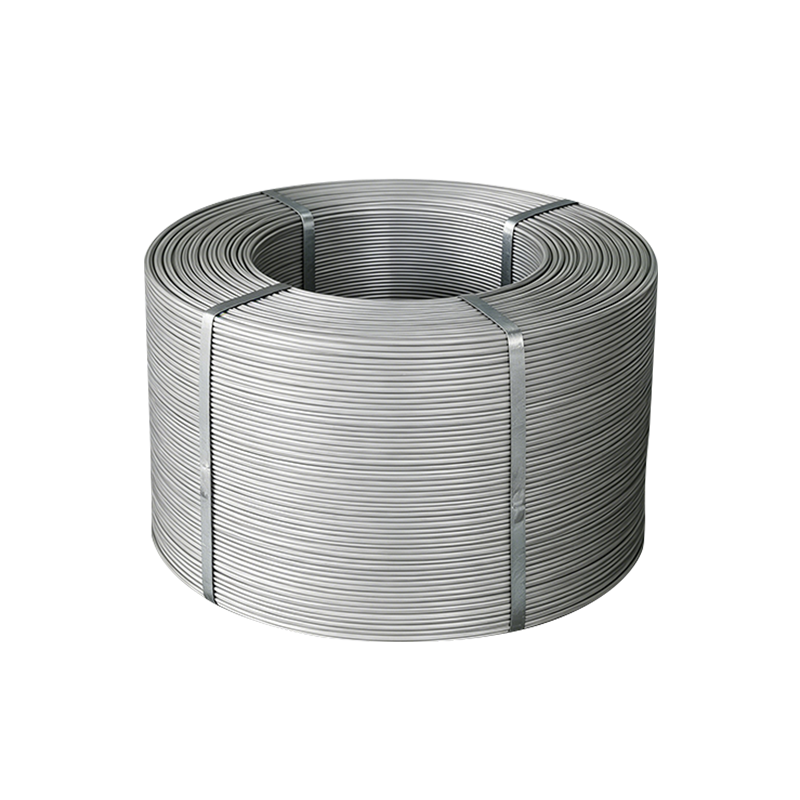
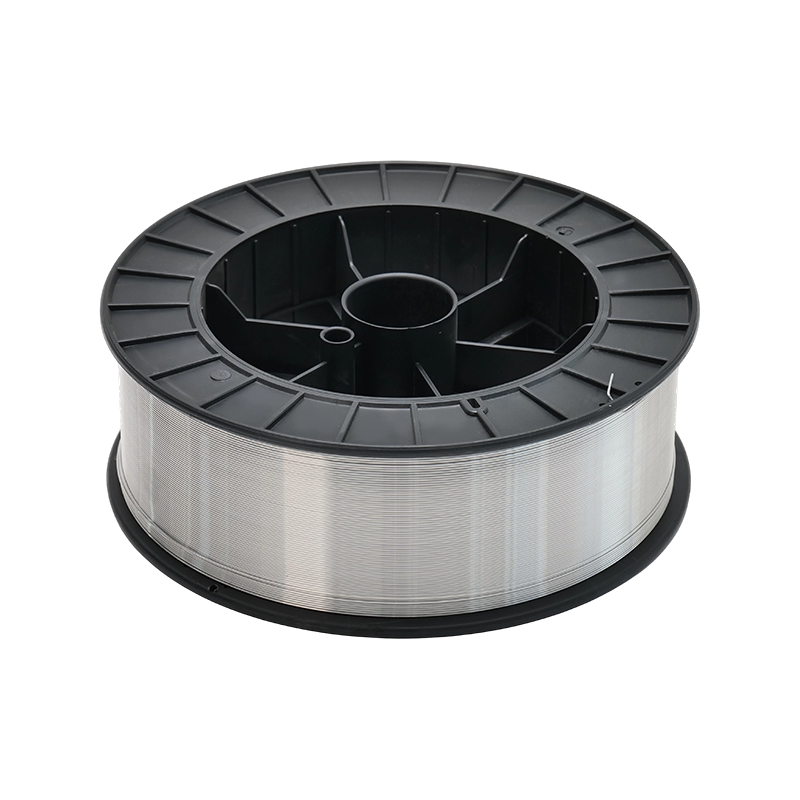
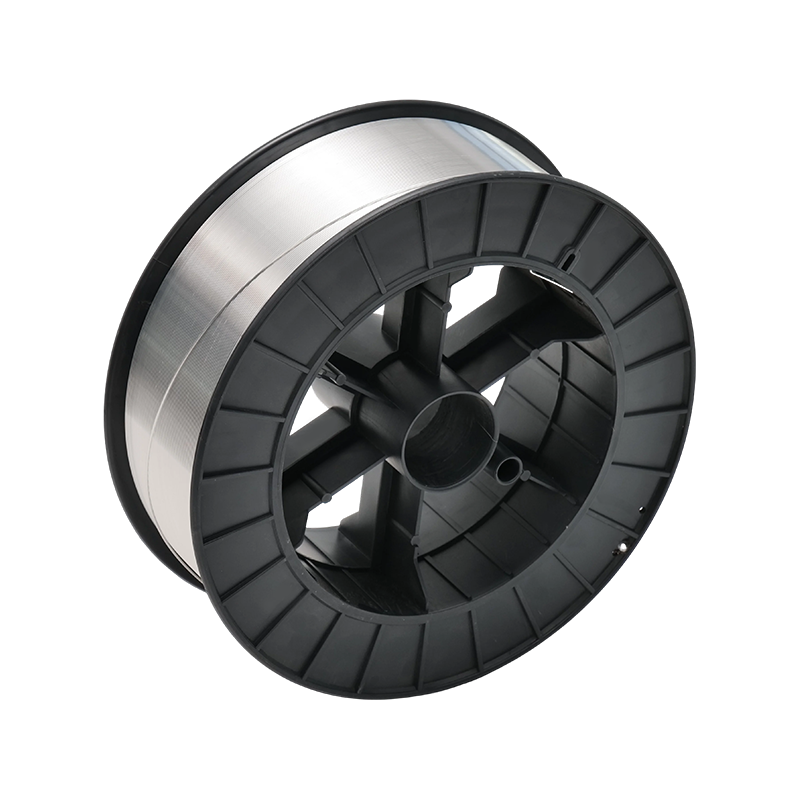
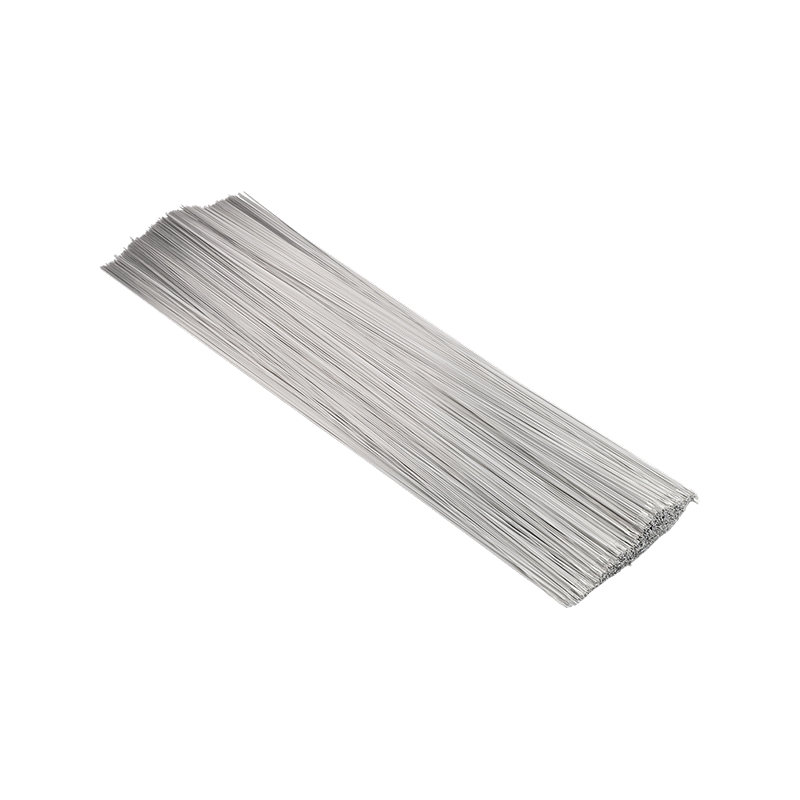
AlMg6 Aluminum Alloy Wire
What Is AlMg6 Aluminum Alloy Wire?
AlMg6 is an aluminum-magnesium alloy containing aluminum as the balance element and magnesium as the principal strengthening element. The product data provided for this grade specifies silicon at a maximum of 0.40%, iron at a maximum of 0.40%, copper at a maximum of 0.10%, manganese at 0.5% to 0.8%, magnesium at 5.8% to 6.8%, zinc at a maximum of 0.20%, titanium at 0.1% to 0.2%, beryllium at 0.002% to 0.005%, other single elements at a maximum of 0.05%, and other total elements at a maximum of 0.15%, with aluminum as the remainder.
The chemical balance is important. Magnesium increases the strength of aluminum through solid-solution strengthening and contributes to the alloy’s ability to withstand demanding service conditions. Manganese can support strength and structural stability, while carefully controlled silicon, iron, copper, and zinc help limit unwanted effects on corrosion behavior, weldability, ductility, and metallurgical consistency.
As a wire product, AlMg6 may be used for welding, joining, fabrication, or specialized forming processes depending on the wire diameter, temper, surface condition, and customer specification. The required wire characteristics will vary according to the welding method, base material, joint design, equipment, shielding gas, and service environment. For this reason, chemical composition is only one part of the product specification. Surface cleanliness, dimensional accuracy, winding quality, feeding performance, and packaging are also important.
AlMg6 belongs to the higher-magnesium group of non-heat-treatable aluminum alloys. Unlike precipitation-hardened aluminum alloys, its strength is primarily achieved through alloying and work hardening rather than conventional solution treatment and artificial aging. This makes the grade attractive for applications that need a practical balance of strength, corrosion resistance, and welding performance without relying on complex post-weld heat treatment.
Typical Chemical Composition
The following table summarizes the listed chemical composition for AlMg6 aluminum alloy wire. Unless otherwise agreed in a purchase specification, the values should be understood as product range or maximum limits supplied in the provided technical information.
| Element | Specified Content | Primary Relevance |
|---|---|---|
| Silicon (Si) | Maximum 0.40% | Controlled to support weldability, ductility, and metallurgical consistency |
| Iron (Fe) | Maximum 0.40% | Controlled to limit excessive intermetallic formation and preserve performance |
| Copper (Cu) | Maximum 0.10% | Kept low to support corrosion resistance and welding suitability |
| Manganese (Mn) | 0.5%–0.8% | Contributes to strength and structural stability |
| Magnesium (Mg) | 5.8%–6.8% | Main strengthening element and an important contributor to corrosion performance |
| Zinc (Zn) | Maximum 0.20% | Controlled for composition balance and service performance |
| Titanium (Ti) | 0.1%–0.2% | Can assist grain refinement and improve consistency |
| Beryllium (Be) | 0.002%–0.005% | Specified at a controlled low level in the listed formulation |
| Other single elements | Maximum 0.05% | Limits unintended alloying or impurity effects |
| Other total elements | Maximum 0.15% | Maintains overall chemical cleanliness |
| Aluminum (Al) | Balance | Provides the lightweight matrix of the alloy |
In industrial production, the consistency of these values is as important as the nominal range itself. A wire that varies significantly from batch to batch may produce differences in arc stability, deposition behavior, penetration, surface appearance, or joint strength. Consistent chemical control helps manufacturers develop repeatable welding procedures and reduces the likelihood of production interruptions caused by unpredictable material behavior.
Key Performance Advantages
High Strength with Low Density
One of the most important advantages of AlMg6 wire is the strength-to-weight benefit associated with aluminum-magnesium alloys. Aluminum has a substantially lower density than steel and many other structural metals. By combining the lightweight aluminum matrix with a relatively high magnesium content, AlMg6 can help manufacturers reduce component weight while retaining useful structural performance.
Weight reduction is valuable in aircraft structures, marine vessels, military vehicles, tanks, transport equipment, and automotive systems. Lower mass can reduce fuel consumption, increase payload capacity, improve acceleration, simplify handling, and reduce the load imposed on supporting structures. In mobile equipment, the weight advantage can also improve energy efficiency and operating range.
The practical benefit is not limited to the material itself. A lighter welded assembly may require smaller supporting components, lower-capacity lifting equipment, and less reinforcement. These secondary effects can contribute to a more efficient design and a lower total system weight.
Strong Resistance to Corrosion
AlMg6 is designed for environments where corrosion resistance is a major consideration. Aluminum naturally forms a thin oxide film when exposed to air. This film helps protect the underlying metal, while the magnesium alloying system provides additional performance benefits for many atmospheric, marine, and industrial environments.
The product description specifically identifies good resistance to exfoliation corrosion. This characteristic is highly relevant to aerospace and other applications involving layered, stressed, or mechanically worked aluminum structures. Resistance to exfoliation corrosion can help preserve surface integrity and reduce the risk of corrosion progressing along grain boundaries or beneath surface layers.
Corrosion resistance can extend maintenance intervals, protect appearance, preserve joint geometry, and reduce the risk of premature repair. However, actual corrosion performance depends on the complete system, including the base alloy, heat input, surface preparation, residual stress, coating system, joint design, environmental exposure, and post-weld treatment. AlMg6 wire should therefore be selected as part of a complete corrosion-control strategy.
Good Weldability
AlMg6 offers a useful combination of alloy strength and weldability. It can be used in aluminum welding processes when the wire specification, base metal, shielding gas, current mode, and process parameters are appropriately matched. Good weldability can help reduce cracking risk, improve joint appearance, and support efficient production.
Stable wire feeding is especially important in automated or semi-automated welding. Variations in wire diameter, surface cleanliness, winding tension, or spool condition can cause feeding resistance, arc instability, inconsistent deposition, and increased downtime. A well-controlled wire manufacturing process helps the welding operation achieve more predictable results.
For critical applications, welding procedures should be qualified according to the applicable engineering standard and customer requirement. Qualification may include visual inspection, dimensional checks, tensile testing, bend testing, radiographic or ultrasonic examination, corrosion evaluation, and metallographic analysis. The suitability of AlMg6 wire should be confirmed for the specific base material and joint configuration rather than assumed solely from the alloy name.
Useful Resistance to Mechanical Damage
The magnesium-rich aluminum alloy structure can provide a favorable balance of strength and ductility. This helps the wire support welded joints and fabricated components exposed to vibration, impact, repeated handling, or moderate deformation. In transportation and defense applications, this balance is important because structures may experience dynamic loading rather than only static loads.
Maintaining ductility is also valuable during fabrication. A material that is strong but excessively brittle may be difficult to form or may be more vulnerable to cracking during service. AlMg6 is attractive because it combines strength with a level of workability appropriate for many aluminum alloy fabrication processes.
Compatibility with Lightweight Design
Modern engineering increasingly focuses on lightweight construction, lower energy consumption, and sustainable material utilization. AlMg6 wire supports this direction by allowing aluminum structures to replace heavier materials in suitable applications. Its low density, corrosion resistance, and weldability make it particularly useful where a product must remain strong while becoming lighter and easier to transport.
Lightweight design can also reduce embodied and operational costs. During transport, lower mass may reduce fuel use. During installation, lighter parts may require fewer workers or smaller lifting systems. During maintenance, components may be easier to remove, replace, or repair. These benefits make aluminum alloy wire relevant not only to high-technology industries but also to general industrial fabrication.
Applications of AlMg6 Aluminum Alloy Wire
Aviation and Aerospace
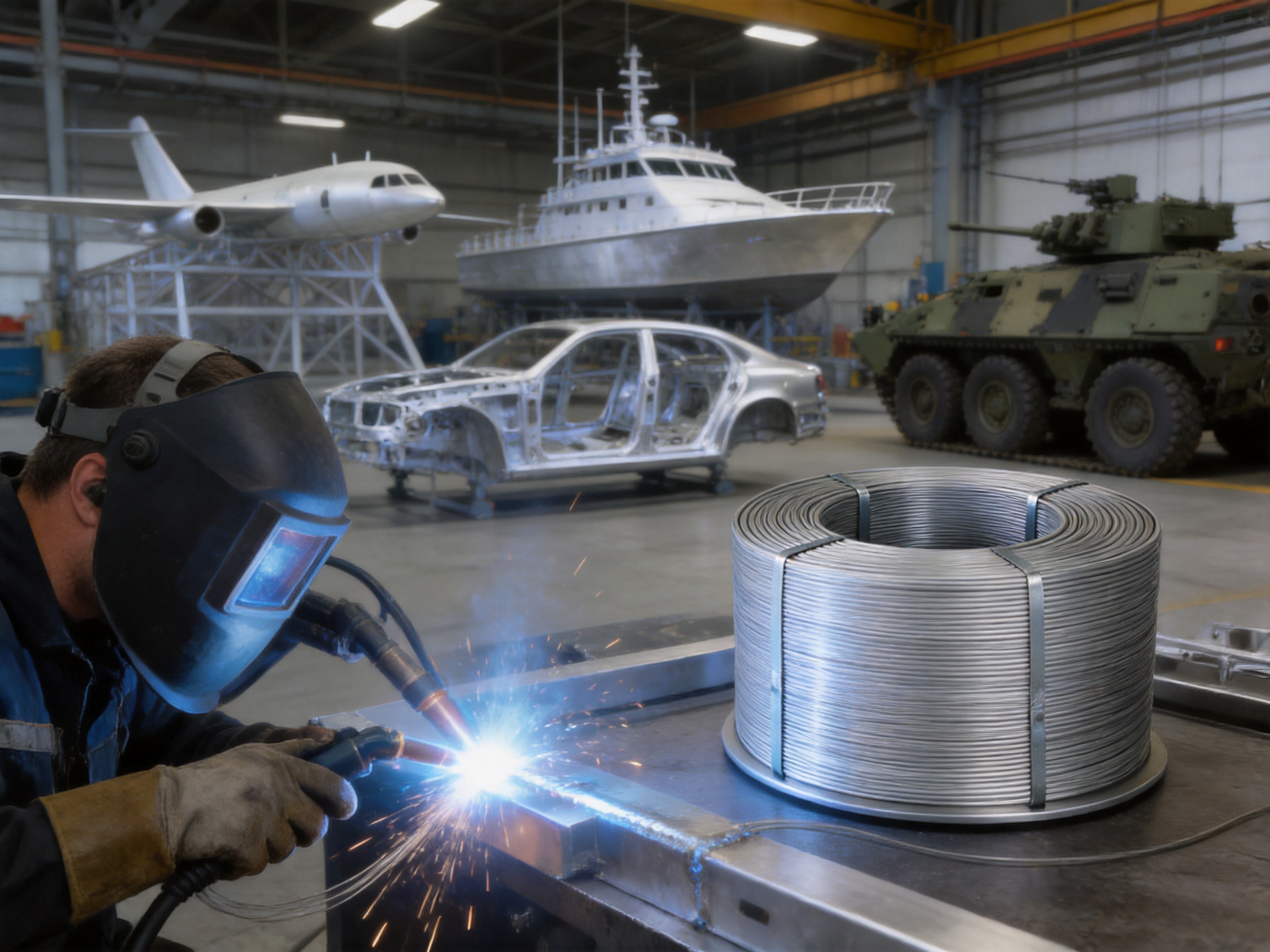
Aviation and aerospace structures require materials that combine low weight, high reliability, corrosion resistance, and controlled manufacturing quality. AlMg6 can be considered for suitable welded or fabricated components where these characteristics are required. Its resistance to exfoliation corrosion is particularly relevant to aerospace environments in which long-term structural integrity is critical.
Possible applications include structural assemblies, panels, brackets, frames, tanks, ducts, and repair or maintenance operations, subject to the applicable design and certification requirements. Aerospace use requires strict traceability and procedure control. Material certificates, batch identification, dimensional records, and welding qualification documents may all be necessary.
Military Equipment and Tanks
Military vehicles and equipment often require a combination of mobility, protection, repairability, and resistance to harsh environments. Aluminum alloy construction can reduce vehicle weight and improve transport efficiency, while AlMg6 wire can support welding and fabrication operations on appropriate aluminum components.
In tank and armored vehicle production, the wire may contribute to welded structures that must withstand vibration, shock, changing temperatures, humidity, and field maintenance conditions. The selected wire must be compatible with the base alloy and the required mechanical and ballistic performance of the completed structure. Welding parameters should be verified through production trials and formal procedure qualification.
Shipbuilding and Marine Fabrication
Marine structures are exposed to saltwater, humidity, immersion, spray, and cyclic mechanical loading. Aluminum-magnesium alloys are widely considered for marine applications because of their favorable strength-to-weight ratio and corrosion resistance. AlMg6 wire can support the fabrication of marine components when the alloy, welding process, and protection system are correctly selected.
Potential uses include ship structures, deck components, marine frames, superstructures, workboats, offshore equipment, and other lightweight fabricated assemblies. In marine construction, proper cleaning before welding is essential because aluminum oxide, oil, moisture, and other contaminants can affect arc stability and weld quality. Post-weld inspection and appropriate surface protection also contribute to service life.
Automotive Manufacturing
Automotive manufacturers use aluminum alloys to reduce vehicle mass and improve efficiency. AlMg6 wire can be suitable for selected structural or fabricated components where the required strength, corrosion resistance, and joining performance align with the product’s capabilities.
Applications may include vehicle frames, body structures, brackets, tanks, commercial vehicle components, buses, trailers, and specialty vehicles. Automated welding lines require wire with consistent diameter, smooth unwinding, reliable feeding, and stable deposition. These requirements make manufacturing control and packaging quality important factors when selecting a supplier.
Industrial Equipment and Fabricated Structures
Beyond transportation and defense, AlMg6 wire may be used in industrial equipment, pressure-related fabrications, storage systems, frames, platforms, pipelines, and custom aluminum assemblies. Its combination of strength and corrosion resistance is useful wherever a structure must remain durable without becoming unnecessarily heavy.
Manufacturers can also use aluminum alloy wire for repair, maintenance, and modification work. In these situations, the wire must be stored correctly and matched to the existing material. A technical review should confirm whether the wire is appropriate for the base alloy, service temperature, stress level, and expected corrosion environment.
Comparison with Other Aluminum Alloy Wire Grades
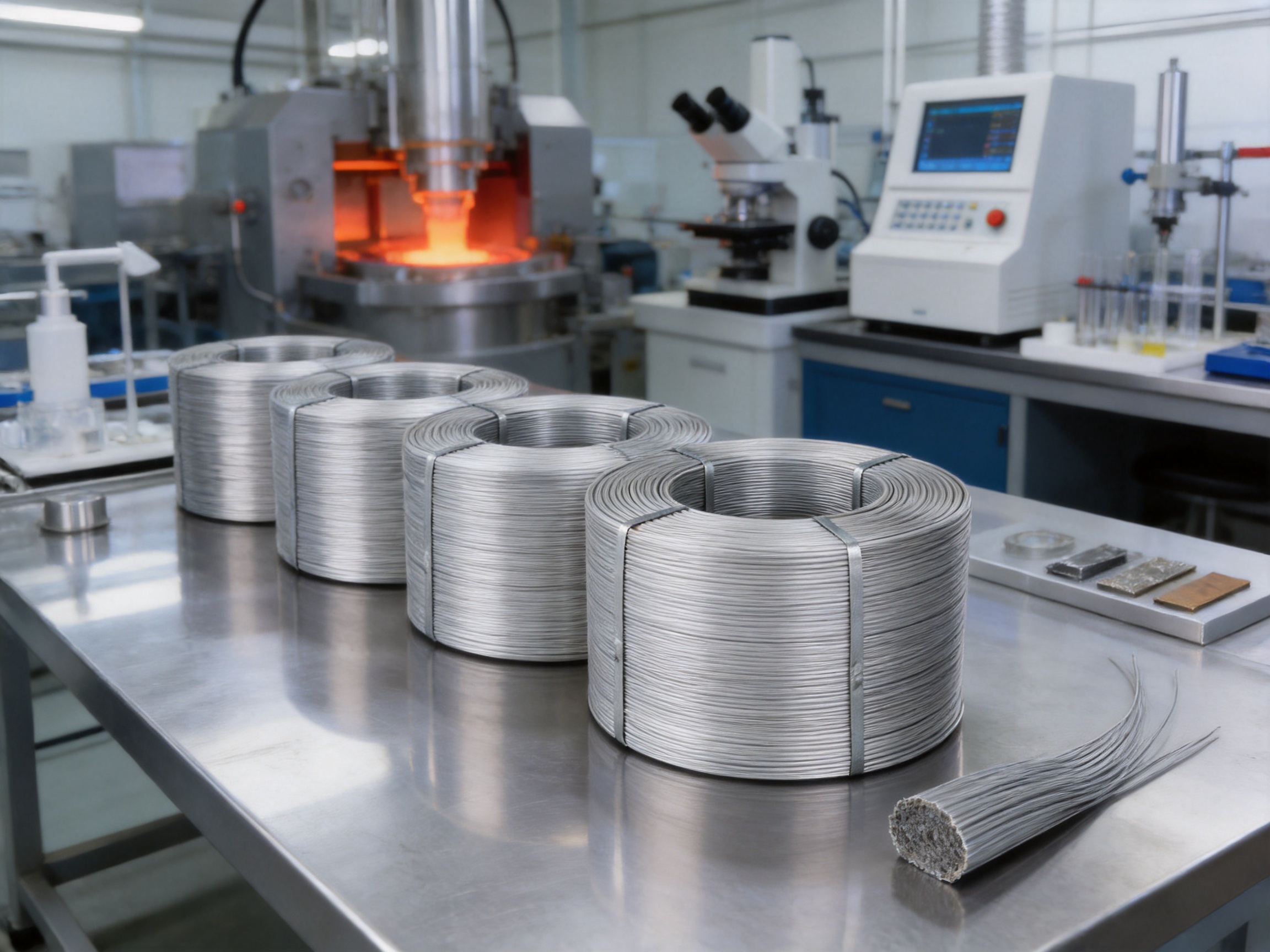
AlMg6 is one of several aluminum alloy wire grades available for welding and fabrication. Each grade has a different balance of strength, fluidity, corrosion resistance, crack resistance, and application suitability. The correct choice depends on the base metal and the service requirements of the finished joint.
Comparison with AlMg3
AlMg3 contains less magnesium than AlMg6, with the listed magnesium range at approximately 3.2% to 3.8%. It may offer useful weldability and corrosion resistance, but AlMg6 provides a higher alloying level and is generally selected when greater strength is required. AlMg3 may be preferred where lower strength, easier processing, or a specific compatibility requirement is more important than maximum strength.
Comparison with AlMg5
AlMg5 contains approximately 4.8% to 5.8% magnesium, slightly below the 5.8% to 6.8% range listed for AlMg6. The two grades are closely related, but AlMg6 can offer a higher strength potential because of its greater magnesium content. The choice between them should consider welding procedure qualification, base alloy composition, corrosion requirements, and the mechanical properties expected from the completed joint.
Comparison with AlMg61
The listed AlMg61 grade has magnesium at 5.5% to 6.5% and manganese at 0.8% to 1.1%, with a different beryllium range and other-element limits. It may be appropriate for applications requiring a different alloy balance. AlMg6, by comparison, specifies manganese at 0.5% to 0.8% and beryllium at 0.002% to 0.005%. These differences can influence material behavior and should be evaluated against the applicable standard or customer specification.
Comparison with 5183 and 5356
Aluminum alloy 5183 contains approximately 4.3% to 5.2% magnesium and 0.5% to 1.0% manganese in the supplied comparison data. Alloy 5356 contains approximately 4.5% to 5.5% magnesium. Both are widely recognized aluminum-magnesium wire families for welding applications. AlMg6 provides a higher listed magnesium range than these two grades, which can be advantageous when strength and alloy-specific compatibility are priorities.
However, the highest magnesium content is not automatically the best choice for every weld. Weld cracking sensitivity, corrosion behavior, base-metal chemistry, post-weld requirements, and governing standards must all be considered. A specialized manufacturer can help customers select between AlMg6, 5183, 5356, AlMg5, and related grades based on the complete application.
Comparison with 4043 and 4047
Alloys 4043 and 4047 are aluminum-silicon wire grades. The provided composition lists silicon at 4.5% to 6.0% for 4043 and 11.0% to 13.0% for 4047. These alloys are often selected for their fluidity, lower melting behavior, and suitability for particular welding and brazing conditions. They are not direct substitutes for AlMg6 in every application.
AlMg6 is an aluminum-magnesium wire designed around strength and corrosion-related performance, while 4043 and 4047 emphasize a silicon-rich composition. If a welded structure requires the characteristics of an aluminum-magnesium filler, replacing it with an aluminum-silicon grade could alter joint strength, corrosion behavior, color match, and service performance. Material selection should therefore be based on engineering requirements rather than price or general availability alone.
Comparison with 2A10, 2219, 7050, and 7075
The supplied comparison table also includes high-strength or specialized grades such as 2A10, 2219, 7050, and 7075. These alloys contain significant copper or zinc additions and may be intended for specific high-strength applications. Their chemistry and welding behavior differ substantially from AlMg6.
AlMg6 may be preferable where corrosion resistance and weldability are more important than the maximum strength associated with certain copper- or zinc-containing alloys. Conversely, a high-strength aerospace design may require another grade after detailed evaluation. The advantage of AlMg6 is its balanced performance profile: it is not positioned as a universal replacement for every aluminum alloy, but as a practical solution for applications requiring strong, corrosion-resistant, weldable aluminum-magnesium wire.
Advanced Manufacturing Process
Controlled Raw Material Selection
Reliable AlMg6 wire begins with carefully selected aluminum and alloying materials. The manufacturer must control the purity and consistency of the input materials before melting. Elements such as magnesium, manganese, titanium, and beryllium must be introduced within precise limits, while unwanted impurities must be restricted.
Raw material control affects the entire production chain. If the starting materials vary excessively, later stages may need additional correction, and the final wire may show inconsistent composition or performance. A disciplined purchasing and inspection system helps ensure that each production batch begins with suitable material.
Melting and Alloying Control
During melting, aluminum and alloying additions are combined under controlled temperature and process conditions. Magnesium requires careful handling because it is reactive and can be affected by oxidation or process loss. The melting operation must therefore be managed to achieve uniform dissolution and minimize contamination.
Sampling and chemical analysis are important at this stage. The melt can be tested to verify that the composition remains within the required range before casting or further processing. Proper stirring, holding time, temperature management, and slag removal contribute to a more homogeneous alloy.
Refining and Grain Control
Metal cleanliness and grain structure influence wire processing and final performance. Refining practices can help reduce undesirable inclusions, while grain-control methods can support consistent solidification and downstream drawing behavior. Titanium is included in the listed AlMg6 composition at 0.1% to 0.2%, a range that can support grain refinement when properly managed.
Improved grain consistency may contribute to stable mechanical behavior, reduced variation between sections, and more predictable response during drawing or welding. The effectiveness of grain control depends on the complete metallurgical process rather than on a single element alone.
Casting and Homogenization
After alloying, the molten metal is cast into suitable feedstock. Casting conditions must be controlled to reduce porosity, segregation, surface defects, and internal discontinuities. Homogenization or related thermal treatment may be used where appropriate to improve chemical uniformity and prepare the material for subsequent deformation.
A well-controlled feedstock is essential for wire production. Defects introduced during casting may become more pronounced during rolling, extrusion, or drawing. Early inspection and process monitoring help prevent unsuitable material from moving into later stages.
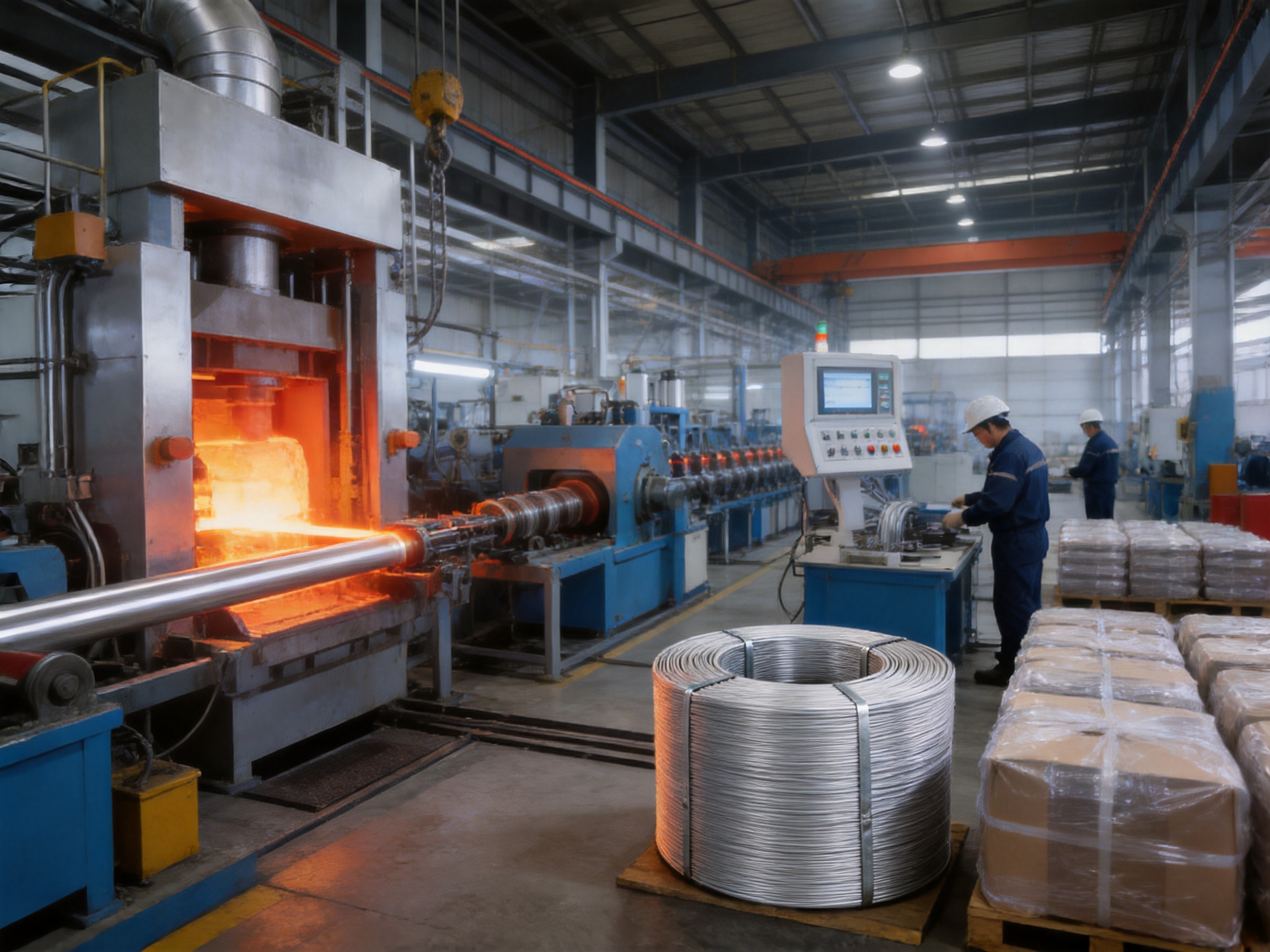
Rolling, Extrusion, and Drawing
Depending on the product design, aluminum alloy feedstock may pass through hot working, rod production, extrusion, and multi-stage drawing. These operations reduce the cross-sectional area and produce the required wire diameter. Each reduction stage must be selected according to the alloy condition, target diameter, surface requirements, and mechanical properties.
Drawing equipment must maintain accurate alignment, controlled tension, suitable lubrication, and stable die condition. Excessive deformation in one pass can increase the risk of surface damage, dimensional variation, or undesirable work hardening. A carefully designed sequence produces smooth, uniform wire that feeds reliably through welding equipment.
Surface Treatment and Cleaning
The surface of welding wire must be clean and suitable for feeding and arc formation. Oil, moisture, oxide particles, dust, metal residues, and handling contamination can affect welding performance. Manufacturing systems should therefore include appropriate cleaning, surface inspection, and controlled handling procedures.
Surface quality is particularly important for automated welding. Small amounts of contamination can lead to unstable current transfer, spatter, porosity, poor wetting, or inconsistent bead appearance. Clean packaging after final processing helps preserve the wire condition until it reaches the customer.
Dimensional and Visual Inspection
Final wire inspection may include diameter measurement, roundness evaluation, surface examination, winding inspection, and package verification. Dimensional accuracy helps ensure compatibility with contact tips, liners, drive rolls, and automatic feeding equipment.
Visual inspection can identify scratches, laps, cracks, discoloration, contamination, irregular winding, or other defects. These checks are valuable because a wire can meet a chemical specification yet still cause production problems if its surface and dimensional quality are poor.
Quality Testing and Traceability
A professional aluminum wire manufacturer should maintain batch identification from raw material receipt through final shipment. Traceability supports quality investigation, customer documentation, and process improvement. If a customer identifies a problem, the manufacturer can use batch data to review chemical analysis, equipment settings, inspection records, and packaging information.
Jiangsu Hetuo Aluminum Wire Co., Ltd. states that it implements quality inspection throughout production and operates under ISO 9001 and IATF 16949 quality management system certifications. ISO 9001 supports systematic quality management, while IATF 16949 is particularly relevant to automotive supply-chain requirements. These systems indicate an organized approach to process control, documentation, corrective action, and customer satisfaction.
Why Manufacturing Capability Matters
Product performance depends on more than the alloy designation printed on a certificate. Two wires with similar nominal chemistry can produce different results if they differ in cleanliness, surface condition, dimensional tolerance, winding quality, or process consistency. Manufacturing capability is therefore a major competitive factor in aluminum alloy wire purchasing.
A supplier with integrated production resources can control more stages of the value chain. This may improve coordination between melting, casting, rod production, drawing, inspection, and packaging. It can also make it easier to investigate quality issues, respond to customer specifications, and develop customized products.
Jiangsu Hetuo Aluminum Wire Co., Ltd. operates a manufacturing facility covering approximately 40,000 square meters and employs 60 people, including 30 professional managers and technicians, according to the supplied company information. This structure combines production capacity with technical and managerial resources. The company’s stated product scope includes high-purity aluminum wire, high-strength aluminum alloy wire, aluminum alloy rods, welding wires, and precision profiles.
The company was established in 2019 and describes itself as an innovative manufacturer focused on customer needs and customer satisfaction. Its intelligent manufacturing system is intended to support efficient production, controlled quality, and the development of aluminum alloy material solutions for international customers.
Advantages for Industrial Buyers
Consistent Batch Performance
Industrial buyers need material that performs consistently across repeated orders. Stable composition, diameter, surface quality, and package configuration reduce the need to change welding parameters from one shipment to the next. Consistency also improves production planning and makes it easier to validate manufacturing procedures.
For high-volume automotive, marine, or industrial fabrication, small variations can accumulate into significant costs. Unplanned wire changes may increase scrap, rework, inspection time, and downtime. A supplier with structured quality controls can help reduce these risks.
Support for International Standards
International customers often require documented quality systems, inspection reports, conformity declarations, packing records, and traceability information. Certification to ISO 9001 and IATF 16949 demonstrates that the company has established management procedures for controlling production and responding to customer requirements.
Certification does not replace application-specific testing, but it can provide a reliable foundation for supplier qualification. Buyers should still confirm the applicable product standard, chemical limits, mechanical requirements, delivery condition, inspection frequency, and certificate format before placing an order.
Flexible Product Development
Different customers may require different wire diameters, tolerances, spool sizes, winding patterns, surface conditions, or packaging materials. A manufacturer with technical staff and multiple product categories may be better equipped to adapt the product to a customer’s process.
Customization can be particularly valuable for automated welding lines. A wire that is technically acceptable but poorly matched to the customer’s equipment can result in feeding problems or inefficient setup. Product discussions should address the welding process, wire diameter, delivery format, base material, and expected production rate.
Export and Supply Capability
The supplied company information states that the products are exported to high-end overseas markets. International supply capability requires attention to packaging strength, moisture protection, labeling, documentation, shipping coordination, and communication across time zones. These logistics factors are important when the product is shipped over long distances or stored for extended periods before use.
Storage, Handling, and Welding Considerations
Aluminum alloy wire should be stored in a clean, dry environment protected from condensation, dust, chemicals, and mechanical damage. Sudden temperature changes can cause moisture to form on the wire or package. If the wire becomes damp, it should not be used without an appropriate evaluation because moisture and surface contamination can contribute to weld porosity and unstable arc behavior.
Packages should remain sealed until the wire is ready for use. During handling, operators should avoid dropping, crushing, or dragging spools. Damaged packages may cause irregular unwinding or expose the wire to contaminants. Wire feeders, liners, drive rolls, and contact tips should be selected and maintained for aluminum wire service.
Before welding, the base metal should be cleaned of oil, grease, dirt, paint, and excessive oxide. Aluminum oxide has a higher melting point than the aluminum beneath it, so inadequate cleaning can affect penetration and arc stability. Operators should use suitable tools and procedures that avoid transferring steel particles or other contaminants to the aluminum surface.
Shielding gas selection and flow rate should match the welding process and joint design. Argon, helium, or an appropriate gas mixture may be considered depending on the equipment and production requirements. Current mode, wire feed speed, travel speed, torch angle, preheating, and interpass temperature should be established through qualified procedures.
Welding results should be evaluated using the inspection methods specified by the customer or governing standard. Visual appearance alone is not sufficient for critical structures. Depending on the application, inspection may include dimensional verification, surface examination, radiography, ultrasonic testing, dye penetrant testing, tensile testing, bend testing, or metallographic review.
How to Select the Correct AlMg6 Wire
Confirm the Base Alloy
The first step is to identify the aluminum alloy being welded or joined. AlMg6 is not automatically suitable for every aluminum substrate. The base alloy may have specific requirements related to strength, corrosion resistance, heat treatment, service temperature, or post-weld performance.
When the base metal is unknown, a material certificate, positive material identification test, or engineering review may be necessary. Using an incompatible filler can reduce joint performance even when the welding procedure appears stable.
Define the Welding Process
The selected wire should be matched to the welding method, such as gas metal arc welding or another qualified aluminum joining process. Wire diameter, spool design, feeding equipment, shielding gas, and current range all depend on the process.
Customers should provide the supplier with sufficient technical information, including application, wire diameter, package format, production volume, and applicable standard. This allows the manufacturer to recommend a product configuration rather than supplying a generic wire that may not perform optimally.
Specify Quality and Documentation Requirements
Industrial purchases should define chemical composition, dimensional tolerance, surface condition, mechanical requirements where applicable, packaging, marking, inspection records, and certificate requirements. For critical projects, buyers may also request production samples, first-article approval, batch traceability, or third-party testing.
Clear specifications reduce misunderstandings and make supplier comparison more meaningful. They also help ensure that a lower-cost product is not being compared with a higher-quality product under different documentation or inspection requirements.
Evaluate Total Cost
The purchase price of wire is only one part of the total cost. Feeding problems, porosity, rework, rejected welds, downtime, and inconsistent bead appearance can be more expensive than a modest difference in material price. A consistent AlMg6 wire may provide a lower total cost by improving productivity and reducing process interruptions.
Packaging efficiency, delivery reliability, technical support, and quality response should also be considered. A supplier capable of supporting repeat orders and corrective actions can provide value beyond the initial shipment.
Environmental and Sustainability Benefits
Aluminum is widely valued for its recyclability. At the end of a product’s service life, aluminum components can often be recovered and recycled, provided that collection and separation systems are available. The low density of aluminum also supports lower transport energy requirements and lighter product designs.
AlMg6 wire can contribute to sustainability when it enables a structure to use less material or operate at lower weight. In vehicles and transport equipment, lower mass may reduce fuel or electricity consumption during operation. In industrial assemblies, lighter components may reduce the energy used for handling, installation, and logistics.
Sustainable performance also depends on manufacturing efficiency. Controlled production can reduce scrap, minimize rework, and improve the yield of raw materials. Quality inspection helps prevent defective wire from reaching customers and reduces waste caused by failed fabrication processes.
Manufacturers and buyers should evaluate sustainability across the complete life cycle, including raw material sourcing, production energy, packaging, transport, use, maintenance, and recycling. AlMg6 is not a sustainability solution by itself, but its lightweight and durable characteristics can support more efficient product designs when used appropriately.
Quality Assurance at Jiangsu Hetuo Aluminum Wire Co., Ltd.
Jiangsu Hetuo Aluminum Wire Co., Ltd. positions itself as a specialized Chinese manufacturer of aluminum wire and aluminum alloy wire. Its product categories include high-purity aluminum wire, high-strength aluminum alloy wire, and aluminum or aluminum alloy welding materials. This specialization allows the company to focus its equipment, personnel, and process knowledge on aluminum-based products rather than treating aluminum wire as a secondary product line.
The company’s stated facility size of approximately 40,000 square meters provides room for coordinated production, inspection, storage, and logistics operations. Its workforce includes professional managers and technicians who support manufacturing control, product development, and customer service.
The company reports that it has obtained ISO 9001 and IATF 16949 certifications. These management systems can support documented procedures for incoming inspection, process monitoring, final inspection, nonconformance control, corrective action, and continual improvement. For customers in automotive and other regulated sectors, such systems may simplify supplier evaluation and approval.
The company also reports that its products comply with international quality standards and are exported to overseas markets. Buyers should request the exact standards and test documentation applicable to the specific AlMg6 wire order. Product certification, management-system certification, and application approval are related but distinct requirements, and each should be reviewed separately.
Frequently Asked Questions
What is AlMg6 aluminum alloy wire used for?
AlMg6 aluminum alloy wire is mainly used for demanding aluminum fabrication and welding applications in aviation, aerospace, military equipment, shipbuilding, automobiles, tanks, industrial equipment, and other lightweight structures. It is selected for its combination of strength, corrosion resistance, and weldability.
What is the magnesium content of AlMg6?
The listed magnesium content for AlMg6 is 5.8% to 6.8%. Magnesium is the principal strengthening element in this alloy and contributes to the material’s performance in structural and corrosion-sensitive applications.
How does AlMg6 compare with 5356 wire?
The supplied comparison data lists magnesium at 4.5% to 5.5% for 5356 and 5.8% to 6.8% for AlMg6. AlMg6 therefore has a higher listed magnesium range. The correct choice depends on the base alloy, welding procedure, strength requirements, corrosion environment, and applicable standard.
Is AlMg6 suitable for marine applications?
AlMg6 may be suitable for selected marine applications because aluminum-magnesium alloys offer a favorable combination of low density, strength, and corrosion resistance. The exact suitability depends on the base metal, joint design, exposure conditions, welding procedure, and surface-protection system.
Can AlMg6 replace 4043 or 4047 wire?
AlMg6 should not be considered a universal replacement for 4043 or 4047. Those grades are aluminum-silicon wires with different composition and welding characteristics. AlMg6 is an aluminum-magnesium wire intended for a different performance balance. Replacement should be approved through engineering review and procedure qualification.
What quality documents should buyers request?
Buyers may request a certificate of analysis, product conformity certificate, batch traceability information, dimensional inspection results, packaging details, and applicable quality-system documentation. For critical projects, additional mechanical, metallurgical, or third-party test reports may be required.
How should AlMg6 wire be stored?
The wire should be kept sealed in a clean, dry location protected from moisture, condensation, dust, chemicals, and mechanical damage. Packages should be opened only shortly before use, and damaged or damp wire should be evaluated before welding.
What information should be included in an inquiry?
An inquiry should identify the alloy grade, required diameter, package or spool size, welding process, base material, application, quantity, delivery destination, applicable standard, certificate requirements, and any special surface or dimensional tolerances. Providing complete information helps the manufacturer recommend the correct product configuration.
Does Jiangsu Hetuo Aluminum Wire Co., Ltd. supply other aluminum wire products?
Yes. The company’s stated product range includes high-purity aluminum wire, high-strength aluminum alloy wire, aluminum and aluminum alloy welding materials, aluminum alloy rods, welding wires, and precision profiles. Customers can discuss related material requirements with the company’s technical and sales personnel.
Conclusion
AlMg6 aluminum alloy wire is a practical material solution for industries that require lightweight construction, useful strength, corrosion resistance, and reliable weldability. Its 5.8% to 6.8% magnesium content, controlled manganese addition, low copper level, titanium content, and aluminum balance create a composition suited to demanding aluminum fabrication applications.
The product is particularly relevant to aviation, aerospace, military equipment, tanks, shipbuilding, automotive manufacturing, and industrial structures. Compared with lower-magnesium AlMg3 and AlMg5 grades, AlMg6 offers a higher listed magnesium range and a strength-oriented composition. Compared with silicon-rich 4043 and 4047 wires, it provides a different performance balance centered on aluminum-magnesium alloy behavior.
The product’s real value depends on consistent manufacturing. Controlled raw materials, accurate melting and alloying, refining, casting, drawing, surface treatment, dimensional inspection, packaging, and batch traceability all contribute to reliable welding and fabrication results. Jiangsu Hetuo Aluminum Wire Co., Ltd. combines a specialized aluminum product portfolio, a reported 40,000-square-meter facility, technical personnel, intelligent manufacturing resources, and ISO 9001 and IATF 16949 quality management system certifications.
For buyers, the best procurement decision involves more than comparing nominal alloy chemistry or unit price. The base material, welding process, wire diameter, package format, service environment, quality documentation, and total production cost should all be considered. With proper technical selection and process qualification, AlMg6 aluminum alloy wire can support stronger, lighter, more corrosion-resistant, and more sustainable fabricated products.
References
1. Aluminum Association, Aluminum Standards and Data, alloy designation and product specification guidance.
2. American Welding Society, Specification for Bare Aluminum and Aluminum-Alloy Welding Electrodes and Rods.
3. American Welding Society, Welding Handbook, aluminum alloy welding processes and procedure considerations.
4. International Organization for Standardization, ISO 9001, Quality Management Systems—Requirements.
5. International Automotive Task Force, IATF 16949, Quality Management System Requirements for Automotive Production and Relevant Service Parts Organizations.
6. ASM International, ASM Handbook, Volume 2: Properties and Selection: Nonferrous Alloys and Special-Purpose Materials.
7. ASM International, ASM Handbook, Volume 6: Welding, Brazing, and Soldering.
8. Manufacturer-provided technical information for AlMg6 aluminum alloy wire, including chemical composition, applications, company capabilities, and quality certifications.