

 English
 中文简体
 русский
 Deutsch
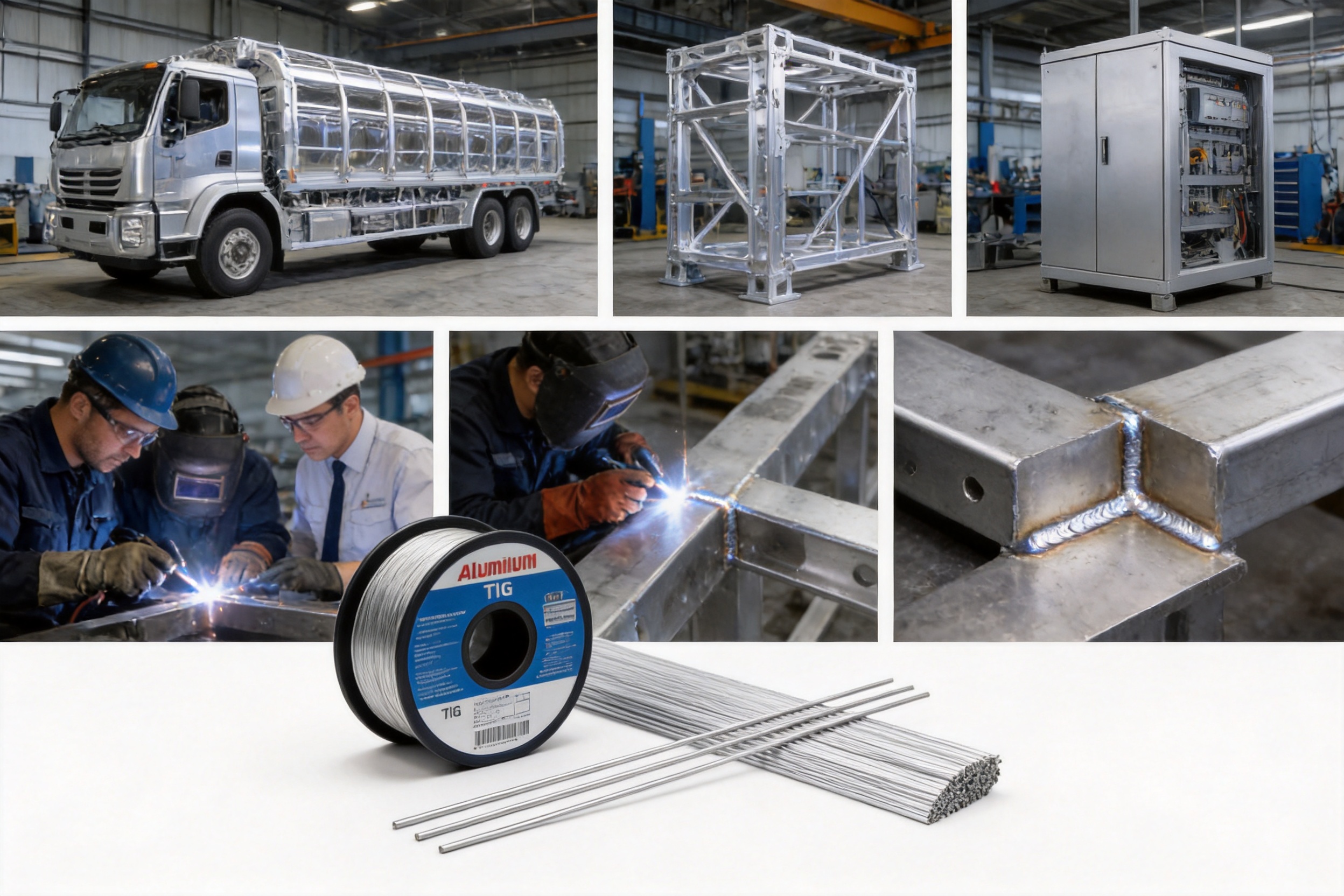
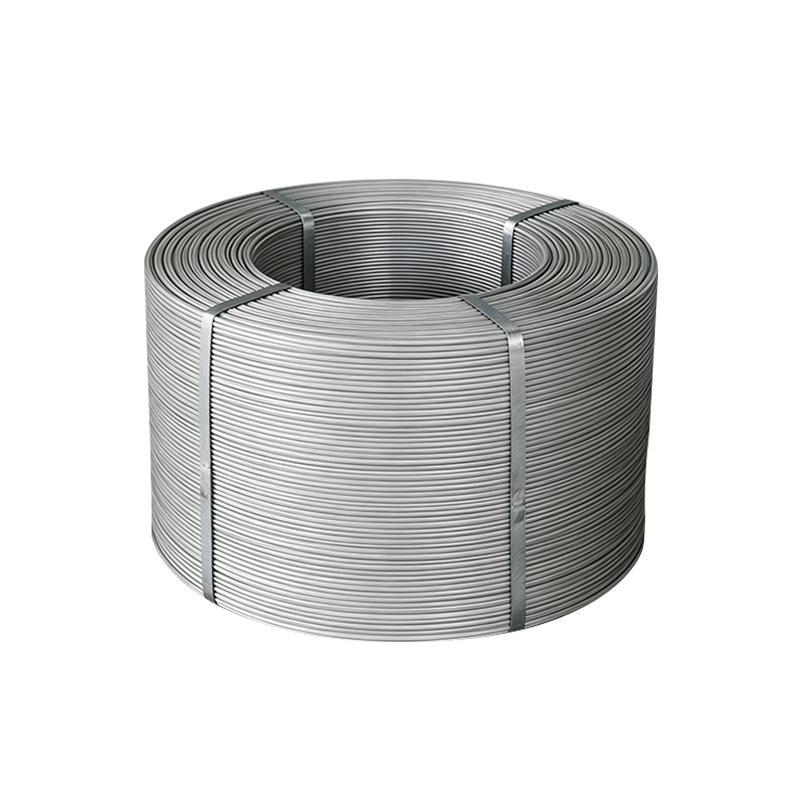
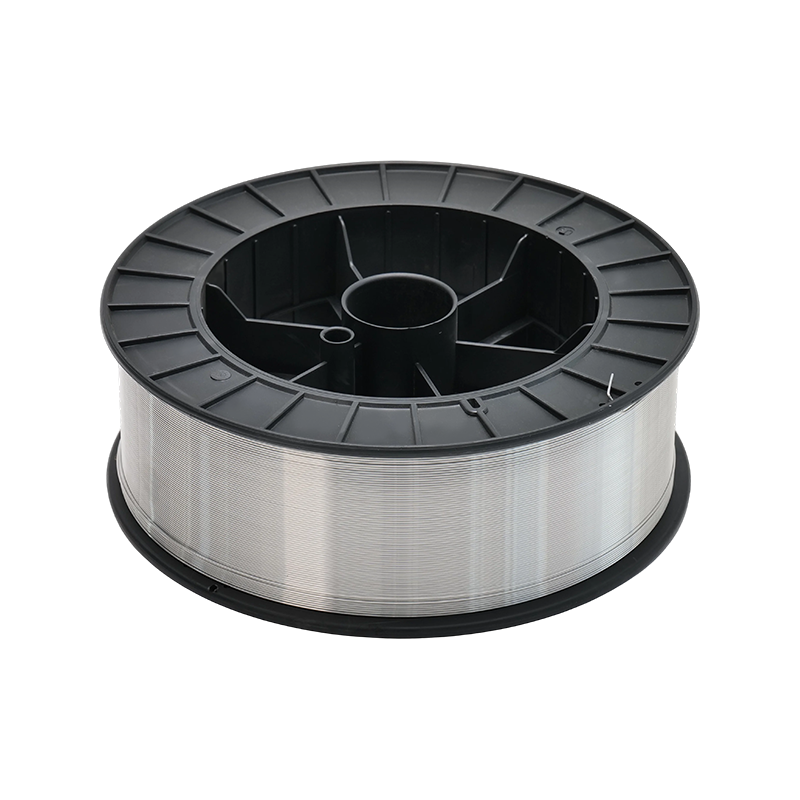
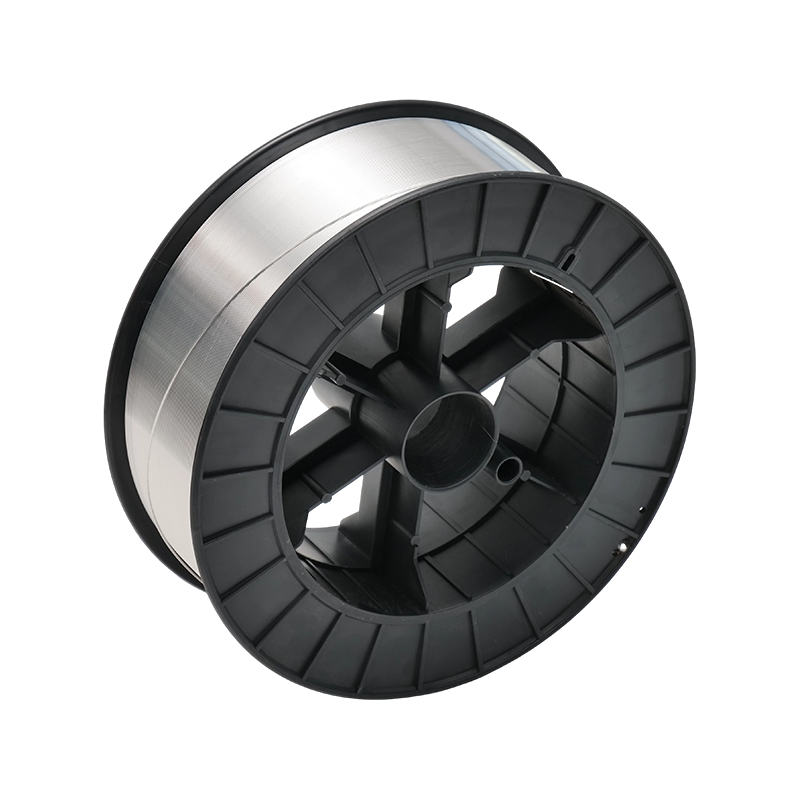
TIG wire is an essential welding material for producing clean, controlled, and reliable joints in aluminum and aluminum alloy components. Used primarily in non-consumable electrode argon arc welding, commonly known as tungsten inert gas welding or gas tungsten arc welding, TIG wire provides filler metal when a joint requires additional material. It supports applications where weld appearance, dimensional accuracy, corrosion resistance, and process control are more important than simply achieving the highest deposition rate.
Aluminum is valued for its low density, electrical conductivity, thermal performance, and resistance to atmospheric corrosion. However, welding aluminum requires carefully controlled conditions. Its high thermal conductivity, relatively low melting temperature, stable oxide layer, and sensitivity to contamination can make the welding process more demanding than the welding of many steels. The quality and consistency of the filler wire therefore have a direct influence on weld formation, arc behavior, surface appearance, mechanical performance, and production efficiency.
Jiangsu Hetuo Aluminum Wire Co., Ltd. supplies TIG wire for aluminum and aluminum alloy welding applications. The company operates within a manufacturing system covering high-purity aluminum wire, high-strength aluminum alloy wire, and aluminum and aluminum alloy welding materials. Its production capabilities, quality management systems, professional workforce, and dedicated focus on aluminum materials allow it to provide welding wire solutions for customers requiring stable and dependable performance.
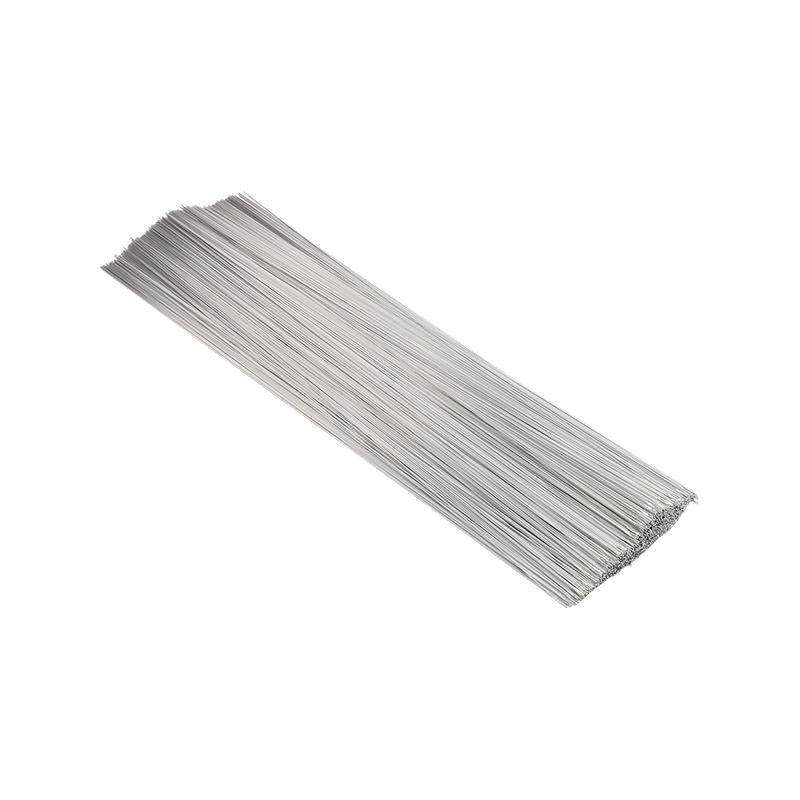
TIG Wire
Content
- 1 Understanding TIG Wire and Its Role in Welding
- 2 Key Characteristics of High-Quality Aluminum TIG Wire
- 3 Advantages of TIG Wire Compared with Less Specialized Alternatives
- 4 Manufacturing Strengths Behind Reliable TIG Wire
- 5 Production Process for Aluminum TIG Wire
- 6 Technical Benefits in Practical Welding Applications
- 7 Why Manufacturer Capability Matters to Buyers
- 8 How to Select the Appropriate TIG Wire
- 9 Recommended Welding Practices for Aluminum TIG Wire
- 10 Quality Control Considerations for Professional Users
- 11 Environmental and Sustainability Considerations
- 12 Applications Across Global Industries
- 13 Company Manufacturing Profile
- 14 Frequently Asked Questions
- 14.1 What is TIG wire used for?
- 14.2 Is TIG wire the same as a tungsten electrode?
- 14.3 What are the main advantages of aluminum TIG wire?
- 14.4 How should I choose the correct aluminum TIG wire?
- 14.5 Can aluminum TIG wire be used for every aluminum alloy?
- 14.6 Why is wire surface cleanliness important?
- 14.7 What quality systems does the manufacturer have?
- 14.8 Does the company supply products internationally?
- 14.9 What should be checked when TIG wire arrives?
- 14.10 Can TIG wire be used in automated welding?
- 14.11 What should be done if weld quality is poor?
- 15 Conclusion
- 16 References
- 17 Product: TIG Wire
Understanding TIG Wire and Its Role in Welding
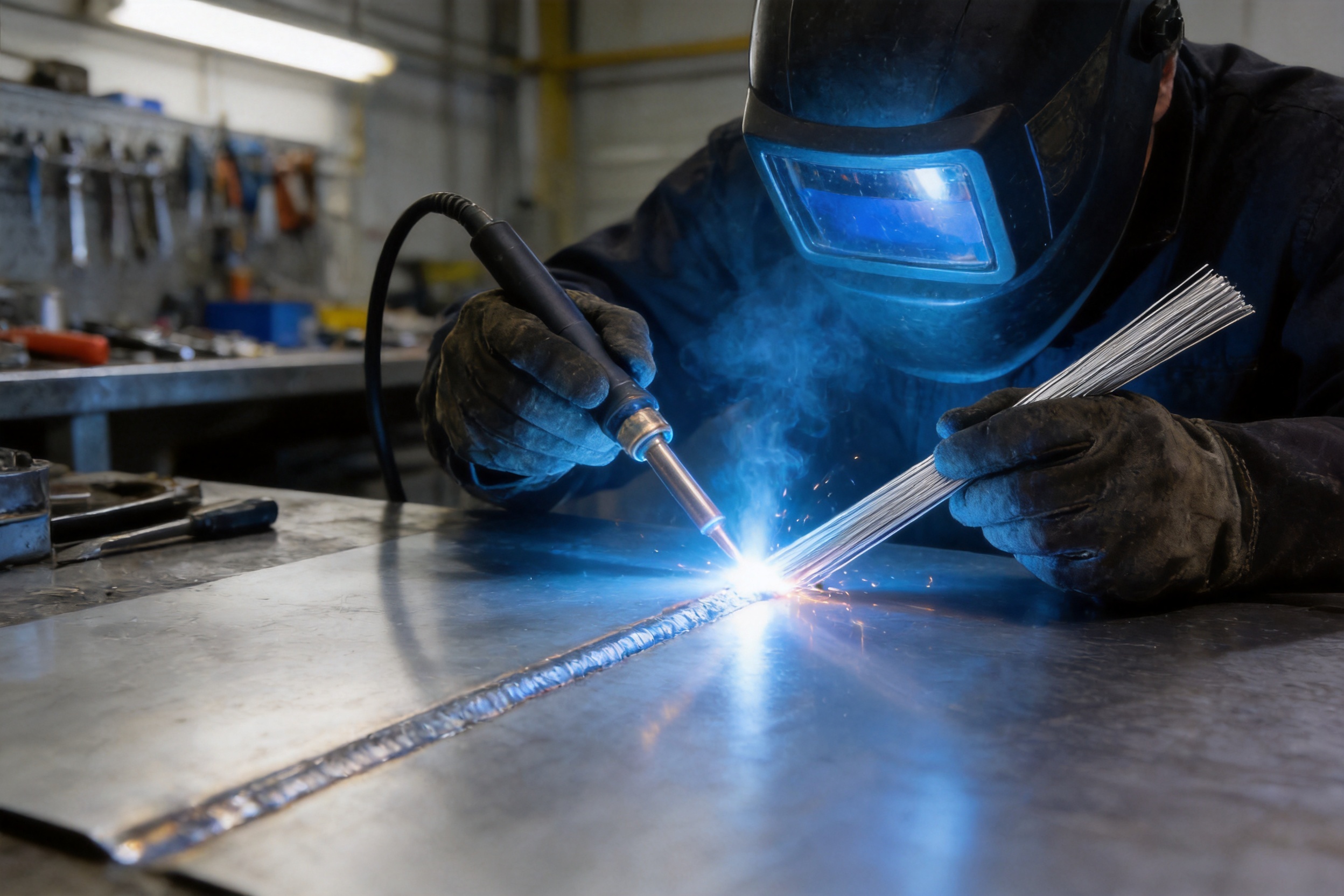
TIG welding uses a non-consumable tungsten electrode to create and maintain the arc. Unlike metal inert gas welding, the tungsten electrode is not intended to become part of the weld. An inert shielding gas, commonly argon or an argon-based gas mixture, protects the arc and molten weld pool from atmospheric contamination. When a joint design, gap, or required weld profile calls for additional metal, the operator introduces TIG wire separately into the weld pool.
This separation between arc generation and filler addition gives TIG welding a high level of control. The welder can regulate the amount and timing of filler wire independently of the arc current. This is especially useful for thin sections, precision assemblies, visible welds, root passes, repair work, and applications where heat input must be managed carefully.
TIG wire must melt smoothly and integrate with the base material without producing excessive spatter, unstable wetting, or unwanted inclusions. The wire surface should be clean and consistent, because oil, moisture, oxide particles, and other contaminants may affect shielding conditions and weld integrity. Dimensional consistency is also important. Variations in diameter can change the amount of filler deposited and make manual feeding or automated wire delivery less predictable.
For aluminum welding, filler wire selection normally considers the base alloy, required mechanical properties, service environment, joint design, welding position, and applicable standards. The correct grade can improve compatibility between the filler and the parent material, while the wrong choice may lead to reduced strength, cracking susceptibility, poor corrosion behavior, or an unsatisfactory appearance. For this reason, professional users should confirm the appropriate alloy grade and diameter before production.
Key Characteristics of High-Quality Aluminum TIG Wire
Consistent Chemical Composition
Aluminum filler wire must have a controlled chemical composition appropriate for its intended welding application. Alloying elements influence strength, fluidity, corrosion resistance, crack sensitivity, color matching, and the final properties of the weld metal. Consistency from batch to batch helps welding engineers establish repeatable procedures and reduces the need for frequent parameter adjustments.
A reliable manufacturing process begins with controlled raw material selection. High-purity aluminum and carefully prepared alloy inputs can support stable melting, casting, drawing, and finishing operations. Chemical verification during production helps ensure that the finished wire remains within the required composition range. Although the precise alloy grade should be confirmed with the supplier for each application, a controlled material system is essential for producing dependable welding wire.
Stable Diameter and Surface Condition
Wire diameter affects filler addition, deposition volume, feeding behavior, and the amount of heat required to melt the wire. A stable diameter is particularly important in precision welding, where small changes in filler volume may alter the weld bead profile. It is also beneficial in mechanized or automated processes that use fixed feeding speeds.
The surface of TIG wire should be smooth, clean, and free from visible defects that could interfere with feeding or contaminate the weld pool. Surface quality is affected by drawing conditions, tooling, handling, storage, and packaging. Controlled processing and careful inspection help reduce scratches, irregularities, particles, and other conditions that may influence welding performance.
Good Arc and Weld Pool Compatibility
Aluminum TIG welding requires a stable arc and a well-controlled weld pool. The filler wire should melt in a predictable manner and combine with the base metal without unnecessary turbulence. A suitable wire can help the operator create smooth transitions, uniform bead contours, and controlled reinforcement.
Weld pool behavior also depends on many factors beyond the wire itself, including the power source, tungsten condition, shielding gas flow, torch angle, current, travel speed, joint preparation, and operator technique. High-quality TIG wire cannot compensate for incorrect welding parameters, but consistent filler material gives the welding process a dependable foundation.
Clean Weld Appearance
TIG welding is often selected when a clean and attractive weld is required. Components may remain visible after welding, or they may need limited post-weld finishing. Consistent wire quality supports a smooth bead profile and reduces the risk of surface imperfections caused by contamination or irregular melting.
Appearance is not merely an aesthetic concern. A clean weld profile can make inspection easier, support consistent dimensional control, and reduce the time required for grinding or finishing. In industries where appearance and workmanship influence customer acceptance, these benefits can contribute to lower total manufacturing costs.
Advantages of TIG Wire Compared with Less Specialized Alternatives
One of the primary advantages of dedicated aluminum TIG wire is that it is designed for controlled filler addition in a process where precision is central. General-purpose metal wire may not provide the same dimensional stability, surface consistency, or alloy compatibility required for aluminum TIG welding. Selecting a suitable dedicated product helps the operator work within a more predictable process window.
Precision Over High-Speed Deposition
TIG welding is usually slower than high-deposition welding processes, but it offers superior control over the weld pool and filler addition. This makes it particularly valuable for thin materials, complex geometries, small components, and joints requiring careful heat management. TIG wire complements this advantage by allowing the welder to add only the amount of material needed at a controlled rate.
Compared with processes that feed a continuously energized consumable wire electrode, TIG welding separates the electrode from the filler. This can make it easier to control bead size, manage starts and stops, and respond to changes in the joint. For repair operations and low-volume production, this level of control may be more valuable than maximum deposition speed.
Reduced Risk of Uncontrolled Filler Addition
When the filler material is introduced separately, the operator can adjust the addition according to the changing width or depth of the joint. This is helpful where the fit-up is not perfectly uniform or where different sections of a component require different weld profiles. A stable TIG wire diameter contributes to more predictable addition and helps limit excessive reinforcement.
Suitable for High-Visibility Applications
Aluminum parts used in architectural, transportation, equipment, fabrication, and specialized engineering applications may require a clean and consistent appearance. TIG welding and suitable filler wire can produce fine, controlled beads with limited spatter. The result may reduce the need for post-weld cleaning and help maintain the visual quality of the finished product.
Compatibility with Repair and Maintenance Work
TIG welding is widely used for repair because it enables careful control of heat and filler placement. Aluminum components can have thin walls, localized damage, or geometries that make broad heat application undesirable. A suitable TIG wire allows the operator to rebuild worn areas, fill small defects, restore edges, or join replacement sections with precision.
Support for Lightweight Structures
Aluminum alloys are commonly selected where weight reduction is important. A controlled welding process helps preserve the design advantages of aluminum by producing joints without unnecessary excess material. TIG wire can support lightweight fabrication when the welding procedure is properly developed and the filler alloy is correctly matched to the base material.
Manufacturing Strengths Behind Reliable TIG Wire
The performance of welding wire depends on more than the final drawing operation. It reflects the entire chain of material preparation, processing, inspection, handling, and packaging. Jiangsu Hetuo Aluminum Wire Co., Ltd. has established a manufacturing system focused on aluminum and aluminum alloy materials, including high-purity wire, high-strength alloy wire, and welding materials.
Dedicated Aluminum Material Focus
A manufacturer specializing in aluminum wire and related materials can develop process knowledge specific to aluminum’s physical and metallurgical characteristics. Aluminum behaves differently from steel during melting, solidification, drawing, surface treatment, and storage. Specialized experience helps the manufacturer manage these factors more effectively and respond to different customer requirements.
The company’s product scope includes high-purity aluminum wire, high-strength aluminum alloy wire, and aluminum and aluminum alloy welding materials. This product structure supports knowledge sharing among related production areas. Experience with aluminum rods, precision profiles, and welding wires can contribute to better understanding of composition control, dimensional accuracy, surface quality, and application requirements.
Intelligent Manufacturing System
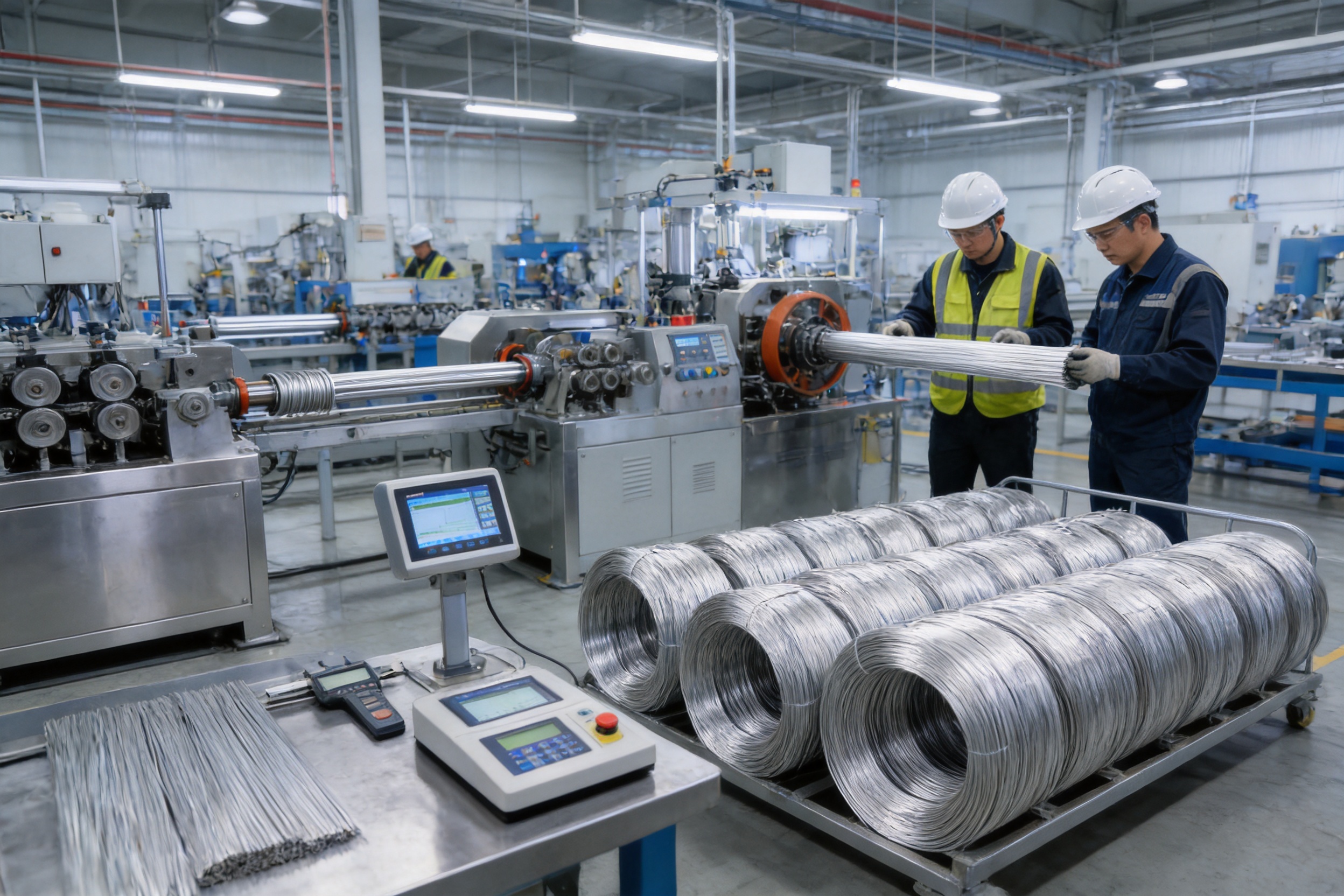
The company has built an intelligent manufacturing system covering its main aluminum material categories. Intelligent production does not simply mean the use of modern machines. It also involves organized process control, data-based monitoring, equipment coordination, traceability, and systematic quality management.
For TIG wire, a controlled manufacturing environment can help reduce variations in melting, forming, drawing, and finishing. Process information may be used to identify deviations, support corrective action, and improve repeatability. This is particularly valuable for customers who require consistent wire behavior across multiple orders or production locations.
Advanced Equipment and Facilities
Modern equipment contributes to better control over production conditions. Suitable machinery can improve the consistency of rod preparation, drawing, straightening, cutting, surface treatment, and packaging. Advanced facilities also help the manufacturer serve different wire specifications and order requirements more efficiently.
Equipment alone does not guarantee quality. Its effectiveness depends on proper calibration, preventive maintenance, operator training, process discipline, and inspection. The combination of advanced facilities and experienced personnel gives a manufacturer a stronger foundation for producing stable aluminum welding materials.
Quality Inspection Throughout Production
Jiangsu Hetuo Aluminum Wire Co., Ltd. strictly implements quality inspection throughout production. In-process inspection is important because it allows potential problems to be identified before they affect a large quantity of finished wire. Depending on the product and order requirements, quality control may involve checks related to raw materials, chemical composition, dimensions, surface condition, mechanical properties, packaging, and final identification.
Inspection at multiple stages is generally more effective than relying only on a final check. Early verification can prevent unsuitable material from moving into later operations, while final inspection helps confirm that the completed product meets the customer’s specified requirements. This layered approach supports reliability and reduces the risk of inconsistent deliveries.
Professional Management and Technical Personnel
The company has 60 employees, including 30 professional managers and technicians. A strong technical and management team is important in a materials manufacturing business because product quality depends on both operational execution and organized decision-making.
Technical staff can support process optimization, product evaluation, quality analysis, and application communication. Professional managers can coordinate production planning, procurement, documentation, customer service, and delivery. Together, these functions help create a more responsive and controlled manufacturing organization.
Quality Management Certifications
Jiangsu Hetuo Aluminum Wire Co., Ltd. has obtained ISO 9001 and IATF 16949 quality management system certifications. ISO 9001 provides a recognized framework for quality management, process control, customer focus, documentation, and continual improvement. IATF 16949 is associated with the automotive supply chain and emphasizes rigorous quality planning, risk management, defect prevention, traceability, and process consistency.
Certification does not replace product testing or application engineering, but it demonstrates that the company has established formal systems for managing quality. For customers in demanding industries, these systems can provide confidence in process discipline, documentation, corrective action, and supplier management.
Production Process for Aluminum TIG Wire
The exact process route depends on the alloy, wire diameter, delivery condition, order volume, and customer specification. Nevertheless, high-quality aluminum TIG wire generally depends on a sequence of controlled operations rather than a single production step.
Raw Material Selection and Verification
Production begins with the selection of suitable aluminum and alloying materials. The raw material must be appropriate for the requested grade and application. Verification of incoming material helps confirm identity, condition, and chemical suitability before processing begins.
Raw material control is especially important for welding wire because small changes in alloy composition can affect weld metal behavior. A disciplined receiving and identification procedure supports traceability and helps prevent material mix-ups.
Melting and Alloy Preparation
Where alloy preparation is required, aluminum and alloying elements are melted and combined under controlled conditions. Temperature, holding time, melt cleanliness, and composition uniformity can influence the quality of the resulting rod or wire feedstock.
Aluminum oxide and other inclusions must be managed carefully. Clean material preparation supports better downstream performance, while uncontrolled contamination can create defects or reduce process stability. The manufacturer’s experience with high-purity aluminum and aluminum alloys is valuable at this stage.
Rod Formation
The prepared material is formed into a suitable rod or intermediate feedstock for subsequent processing. Uniformity during this stage influences the efficiency and consistency of drawing. Dimensional variation or internal imperfections can become more significant during reduction, so appropriate process control is necessary.
Drawing and Dimension Control
Drawing reduces the cross-sectional area of the material and brings it toward the specified wire diameter. It also influences surface condition, straightness, work hardening, and dimensional consistency. Tool condition, lubrication or process aids, reduction schedules, and line speed must be controlled to achieve a stable result.
For TIG wire, dimensional control is important because the welder or wire feeder relies on predictable wire size. A wire that varies excessively may feed unevenly, change the filler addition rate, or require frequent adjustment. Controlled drawing and measurement help support stable production.
Finishing and Surface Management
After drawing, the wire may undergo finishing operations intended to improve surface condition, straightness, length, or delivery form. The objective is to provide material that is clean, consistent, and convenient for the customer to use.
Surface management is especially important for aluminum because the material naturally forms an oxide film and can also collect contamination during handling. Proper production, storage, and packaging practices help protect the wire before it reaches the welding operation.
Final Inspection and Packaging
Before shipment, the finished product is checked against the order requirements. Identification and packaging should make it possible to distinguish the alloy, size, quantity, batch, and other relevant information. Proper packaging also helps protect the wire against damage, moisture, dirt, and deformation during storage and transportation.
Good packaging is part of product quality. Even a well-manufactured wire can be compromised if it is exposed to unsuitable conditions after production. Customers should store TIG wire in a dry, clean environment and follow their internal procedures for material protection and traceability.
Technical Benefits in Practical Welding Applications
Thin Aluminum Sheet and Precision Components
Thin aluminum sections can be easily overheated or distorted if the welding process is not carefully controlled. TIG welding allows the operator to adjust heat input and filler addition with precision. A suitable TIG wire supports the creation of a small, controlled bead and can help minimize excessive reinforcement.
Applications may include precision enclosures, lightweight panels, instrument components, custom fabrications, and small assemblies. The exact suitability depends on the alloy and joint design, but the controlled nature of TIG welding makes it an important option where dimensional accuracy matters.
Structural and Fabricated Aluminum Parts
Aluminum structures used in equipment, machinery, transportation, and general fabrication require reliable joints. In these applications, the filler wire must be selected according to the base alloy, design requirements, service conditions, and relevant welding procedure. Consistent wire quality supports repeatable production and helps welding personnel maintain established parameters.
For larger structures, TIG may be used for critical root passes, visible joints, repairs, or sections where appearance and control are important. Other welding processes may be selected for high-volume filling, but TIG wire remains valuable where precision is required.
Repair, Refurbishment, and Maintenance
Maintenance welding often involves variable joint conditions, limited access, or components with existing surface wear. TIG provides the operator with a high level of control when adding material to a damaged area. Aluminum TIG wire can be used for localized repairs when the filler alloy is compatible and the surface has been properly prepared.
Before repair welding, contaminants, coatings, oil, and damaged oxide layers should be removed according to the applicable procedure. The repair area should be evaluated for cracks, porosity, distortion, and changes in material condition. The welding wire is one part of a broader repair system that also includes preparation, preheating where appropriate, shielding, and post-weld inspection.
Visible and Decorative Welds
Where the welded area remains visible, bead uniformity and color consistency may be important. TIG welding can produce a clean appearance when the joint, base material, shielding, and filler wire are correctly matched. A stable wire diameter and clean surface help the operator control the bead and reduce unnecessary post-weld finishing.
Automated or Semi-Automated TIG Welding
Although TIG is often associated with manual welding, it can also be integrated into automated or semi-automated systems. In such cases, consistent wire diameter, straightness, surface condition, and packaging are especially important. Automated equipment depends on predictable material behavior, and variations can affect feed reliability or production uptime.
Before implementing automation, users should evaluate wire delivery form, feeder compatibility, guide dimensions, required tolerances, and storage conditions. The supplier should be consulted when special packaging or dimensional requirements apply.
Why Manufacturer Capability Matters to Buyers
Purchasing TIG wire is not only a matter of comparing unit prices. The real value of a welding material is influenced by performance consistency, quality assurance, delivery reliability, technical communication, and the cost of defects or rework. A manufacturer with a broad aluminum material base and a structured management system can offer advantages beyond the product itself.
Lower Process Variation
Consistent raw materials and controlled manufacturing reduce the likelihood of variation between coils, straight lengths, or production batches. Lower variation helps welding operators maintain stable parameters and reduces the need for repeated qualification or adjustment.
Improved Production Efficiency
When wire feeds smoothly and melts predictably, operators can spend more time welding and less time correcting material-related problems. A clean surface may also reduce the need for additional cleaning or troubleshooting. These improvements can be meaningful in both small workshops and larger production environments.
Better Quality Documentation
Quality-conscious customers may require records related to product identification, inspection, batch control, and management systems. A supplier operating under ISO 9001 and IATF 16949 frameworks is better positioned to organize such information and respond to customer quality requirements.
Support for International Supply
Jiangsu Hetuo Aluminum Wire Co., Ltd. exports products to many high-end overseas markets. International experience requires attention to product specifications, packaging, communication, documentation, delivery coordination, and customer expectations. This background can be valuable to buyers seeking a supplier capable of supporting cross-border procurement.
Product Range and Related Expertise
The company’s product categories include high-purity aluminum wire, high-strength aluminum alloy wire, and aluminum and aluminum alloy welding materials. A broader product range may help customers consolidate purchasing or discuss related material requirements with one specialized manufacturer. It also reflects an organizational focus on aluminum rather than a general, undifferentiated approach to metal products.
How to Select the Appropriate TIG Wire
Confirm the Base Alloy
The first step is to identify the aluminum or aluminum alloy being welded. The base alloy may be marked on drawings, material certificates, purchase documents, or component specifications. If the base material is unknown, technical evaluation should be completed before selecting filler wire.
Different aluminum alloys have different requirements for strength, corrosion resistance, weldability, and service temperature. A filler that performs well with one alloy may not be the best choice for another. The supplier should receive complete information about the base material and the intended service conditions.
Define the Required Wire Diameter
Wire diameter is selected according to material thickness, joint configuration, welding current, torch access, operator technique, and whether the process is manual or automated. Smaller diameters may be appropriate for thin materials and delicate joints, while larger diameters may support higher filler addition for thicker sections.
The selected diameter should also be compatible with the welding torch, wire feeder, guide system, and storage format. Customers should specify dimensional requirements clearly when requesting a quotation.
Consider Mechanical and Service Requirements
The finished joint may need to withstand static loading, vibration, fatigue, impact, corrosion, or elevated temperature. Filler selection should be based on the most important service requirements rather than appearance alone. Welding procedure qualification and inspection requirements should also be considered.
Review Applicable Standards
Different industries and regions may use specific standards for aluminum welding materials, product identification, testing, and acceptance. Before purchasing, the customer should identify the required standard or internal specification and confirm that the supplier can provide the relevant product information.
Discuss Packaging and Delivery Form
TIG wire may be supplied in different forms depending on the application, including straight lengths or other controlled formats. Packaging should protect the wire from contamination and deformation. Customers with automated processes may have special requirements concerning length, arrangement, labeling, and handling.
Recommended Welding Practices for Aluminum TIG Wire
Successful welding depends on the complete process, not only on the filler wire. The following principles can help users obtain reliable results, although the final procedure should be developed and qualified for the specific alloy and component.
Clean the Joint and Filler Material
Aluminum surfaces should be free from oil, grease, paint, dirt, moisture, and other contaminants. Oxide removal should be performed using suitable tools and procedures reserved for aluminum work. The filler wire should also be kept clean and protected from unnecessary handling.
Use Suitable Shielding
Argon is commonly used for aluminum TIG welding because it supports a stable arc and effective shielding. Shielding gas flow must be sufficient for the torch, joint, welding position, and surrounding conditions. Excessive flow can create turbulence, while insufficient flow may allow atmospheric contamination into the weld pool.
Control Heat Input
Aluminum conducts heat rapidly, so the operator must manage current, travel speed, arc length, and torch movement carefully. Excessive heat can cause burn-through, distortion, or an oversized weld pool. Insufficient heat may result in poor fusion or incomplete wetting.
Maintain Correct Filler Technique
The TIG wire should be introduced into the leading edge of the weld pool according to the established welding procedure. It should remain within the shielding gas envelope and should not be withdrawn in a way that exposes the hot end to contamination. Consistent feeding helps produce a uniform bead.
Protect Wire During Storage
Unused TIG wire should be stored in a clean, dry location and kept in its original packaging whenever practical. Wire should be protected from moisture, dust, chemicals, and accidental mixing with other grades. Proper identification and stock rotation support traceability and reduce the risk of using unsuitable material.
Quality Control Considerations for Professional Users
Professional welding operations should establish incoming inspection and process control procedures for TIG wire. The level of inspection depends on the application, but basic controls may include checking product identification, packaging condition, wire diameter, surface appearance, quantity, and documentation.
For critical applications, users may require material certificates, chemical composition information, batch records, or additional testing. These requirements should be communicated before order confirmation so the supplier can prepare the appropriate documentation.
Welding procedure qualification should be based on the actual combination of base material, filler wire, shielding gas, equipment, joint design, and operator technique. A wire that meets its specification may still require parameter development for a new application. Trial welds and inspection can help confirm bead appearance, penetration, mechanical performance, and resistance to defects.
Common causes of unsatisfactory aluminum TIG welds include inadequate cleaning, poor shielding, excessive arc length, incorrect current, unsuitable travel speed, contaminated tungsten, improper filler selection, and poor joint fit-up. A systematic troubleshooting approach should examine all of these factors rather than attributing every problem to the wire.
Environmental and Sustainability Considerations
Aluminum is widely recognized as a material that can support lightweight design and efficient resource use. Lower component weight may reduce energy consumption in transportation and handling applications. Aluminum’s durability and recyclability also support longer product life and potential material recovery.
Welding materials contribute to sustainability when they enable durable, repairable, and lightweight structures. TIG wire can support precise joints with limited spatter and reduced post-weld finishing. Proper process control may reduce scrap, rework, and unnecessary material consumption.
Jiangsu Hetuo Aluminum Wire Co., Ltd. describes its mission as providing lighter, stronger, and more sustainable aluminum alloy wire and welding material solutions for global industries. This objective reflects the broader role of aluminum materials in modern manufacturing. Sustainability should be evaluated across the full product life cycle, including raw material sourcing, energy use, manufacturing efficiency, product service life, repairability, and recycling.
Applications Across Global Industries
Aluminum TIG wire can be used in a wide range of fabrication and maintenance environments. The precise application depends on alloy grade, diameter, procedure, and customer requirements, but common areas of use include general aluminum fabrication, precision engineering, transportation-related components, equipment manufacturing, repair work, and specialized metalworking.
In transportation applications, aluminum’s low density can help reduce weight, while controlled welding supports the fabrication and repair of lightweight assemblies. In equipment manufacturing, TIG may be used for clean joints, small components, and parts requiring close dimensional control. In general fabrication, it provides flexibility for prototypes, custom work, low-volume production, and visible welds.
Overseas customers may also value a supplier that understands the importance of consistent specifications and professional export support. Jiangsu Hetuo Aluminum Wire Co., Ltd. has developed products for high-end international markets and maintains a manufacturing base intended to serve customers requiring aluminum wire and welding material solutions.
Company Manufacturing Profile
Jiangsu Hetuo Aluminum Wire Co., Ltd. was established in 2019 and is located in the Guannan Economic Development Zone of Lianyungang, Jiangsu Province, China. The company’s factory covers approximately 40,000 square meters and employs 60 people, including professional managers and technicians.
The company’s manufacturing activities cover three primary areas: high-purity aluminum wire, high-strength aluminum alloy wire, and aluminum and aluminum alloy welding materials. This structure enables it to serve customers across different aluminum material applications while maintaining a focused specialization.
Its production philosophy is guided by customer needs and customer satisfaction. The company introduces advanced equipment and facilities, applies quality inspection throughout production, and operates under ISO 9001 and IATF 16949 quality management system certifications. Its products are developed to comply with international quality expectations and are exported to multiple overseas markets.
For buyers of TIG wire, this profile indicates a supplier with relevant material expertise, organized manufacturing resources, formal quality systems, and experience serving demanding customers. Product-specific requirements should still be confirmed through technical discussions, samples, specifications, and applicable inspection documents.
Frequently Asked Questions
What is TIG wire used for?
TIG wire is used as filler metal during tungsten inert gas welding. The process uses a non-consumable tungsten electrode to generate the arc, while the operator introduces the wire separately into the weld pool. Aluminum TIG wire is intended for welding aluminum and aluminum alloy components when additional material is required.
Is TIG wire the same as a tungsten electrode?
No. TIG wire is a filler material that becomes part of the weld. The tungsten electrode is a non-consumable electrode used to establish the arc. They have different functions and must not be treated as interchangeable products.
What are the main advantages of aluminum TIG wire?
The main advantages include controlled filler addition, suitability for clean and precise welds, support for thin or complex components, low-spatter operation when correctly used, and compatibility with repair, visible, and precision welding applications. Performance depends on selecting the correct alloy and applying a suitable welding procedure.
How should I choose the correct aluminum TIG wire?
Consider the base aluminum alloy, required weld properties, service environment, joint design, material thickness, welding position, wire diameter, applicable standards, and equipment compatibility. Provide these details to the supplier so the appropriate product can be confirmed.
Can aluminum TIG wire be used for every aluminum alloy?
No single filler wire is suitable for every aluminum alloy or every service condition. Aluminum alloys differ in chemistry, weldability, strength, corrosion behavior, and crack sensitivity. The filler grade should be selected according to the base material and application requirements.
Why is wire surface cleanliness important?
Contamination on the wire can enter the weld pool or interfere with shielding and melting behavior. Oil, moisture, dirt, and particles may contribute to porosity, inclusions, unstable welding, or poor appearance. Clean production, suitable packaging, and proper storage are therefore important.
What quality systems does the manufacturer have?
Jiangsu Hetuo Aluminum Wire Co., Ltd. has obtained ISO 9001 and IATF 16949 quality management system certifications. The company also applies quality inspection throughout production and uses advanced equipment and facilities in its aluminum material manufacturing system.
Does the company supply products internationally?
Yes. The company states that its products are exported to many high-end overseas markets. International buyers should provide complete technical, packaging, documentation, and delivery requirements when requesting a quotation.
What should be checked when TIG wire arrives?
Users should check the product label, alloy identification, diameter, quantity, packaging condition, surface appearance, and accompanying documents. Any damage, contamination, or identification discrepancy should be reported before the material is released for production.
Can TIG wire be used in automated welding?
It can be used in automated or semi-automated TIG systems when the wire diameter, straightness, delivery form, packaging, and surface condition are compatible with the equipment. Automation may require tighter control of material consistency and special packaging arrangements.
What should be done if weld quality is poor?
Review the complete welding process, including joint cleaning, oxide removal, filler alloy, wire condition, shielding gas, gas flow, tungsten condition, current, travel speed, arc length, joint fit-up, and operator technique. The wire should be evaluated as part of the entire process rather than in isolation.
Conclusion
Aluminum TIG wire is a precision welding material for applications where clean appearance, controlled filler addition, dimensional accuracy, and dependable weld performance are important. Its value is greatest when it is matched correctly to the base alloy and used within a qualified welding procedure.
Compared with less specialized alternatives, dedicated aluminum TIG wire offers advantages in process control, surface quality, filler consistency, repair capability, and suitability for lightweight and high-visibility components. These advantages are supported by stable diameter, controlled chemical composition, clean surface condition, and reliable packaging.
Jiangsu Hetuo Aluminum Wire Co., Ltd. combines a dedicated aluminum material focus with an intelligent manufacturing system, advanced equipment, inspection throughout production, and professional management and technical personnel. Its factory covers approximately 40,000 square meters, and its workforce includes 30 professional managers and technicians among 60 employees. ISO 9001 and IATF 16949 certifications further demonstrate a structured approach to quality management.
With product coverage extending from high-purity aluminum wire and high-strength aluminum alloy wire to aluminum and aluminum alloy welding materials, the company is positioned to support customers seeking specialized aluminum solutions. For TIG wire buyers, the most important next step is to communicate the base alloy, wire size, application, standard, packaging, and quality requirements clearly so that the supplied material can be properly matched to the welding process.
References
American Welding Society. Welding Handbook: Welding Processes and Practices for Aluminum and Aluminum Alloys.
International Organization for Standardization. ISO 9001, Quality Management Systems: Requirements.
International Automotive Task Force. IATF 16949, Quality Management System Requirements for Automotive Production and Relevant Service Parts Organizations.
American Welding Society. Specification and Classification Guidance for Aluminum and Aluminum-Alloy Welding Materials.
International Organization for Standardization. General Guidance on Aluminum and Aluminum Alloy Welding Quality Requirements.
Manufacturer-provided company information and product description for aluminum TIG wire, aluminum alloy wire, and aluminum welding materials.