

 English
 中文简体
 русский
 Deutsch
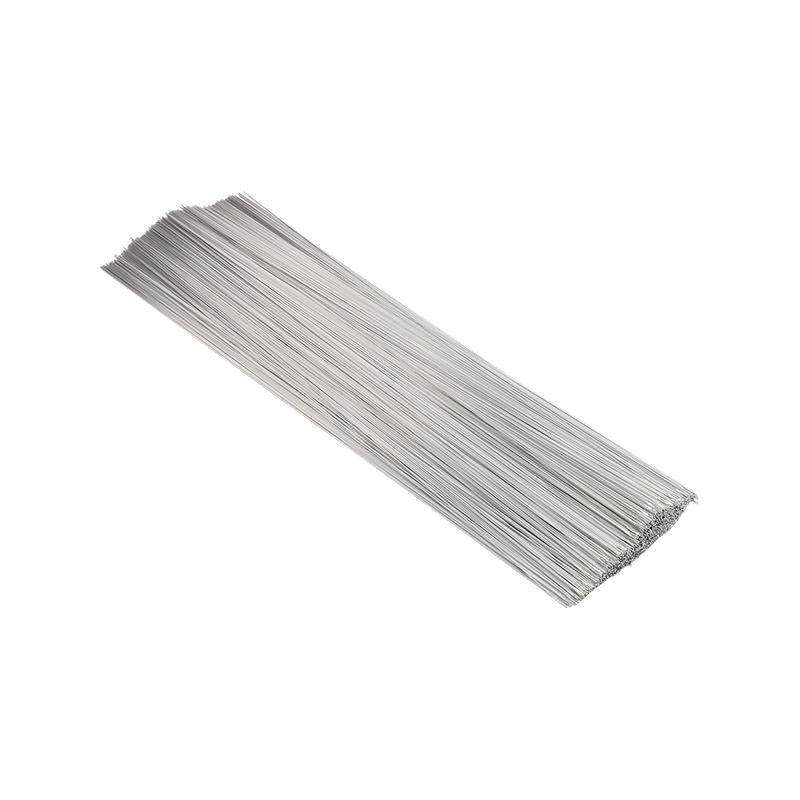
Aluminum rivets are widely used where low weight, corrosion resistance, dependable joining performance, and efficient installation are required. In aviation, aerospace, military equipment, transportation, machinery, and other demanding industries, the quality of the rivet begins with the quality of the wire used to manufacture it. Rivet wire must offer a carefully balanced combination of strength, shear resistance, oxidation resistance, forming performance, dimensional consistency, and production reliability.
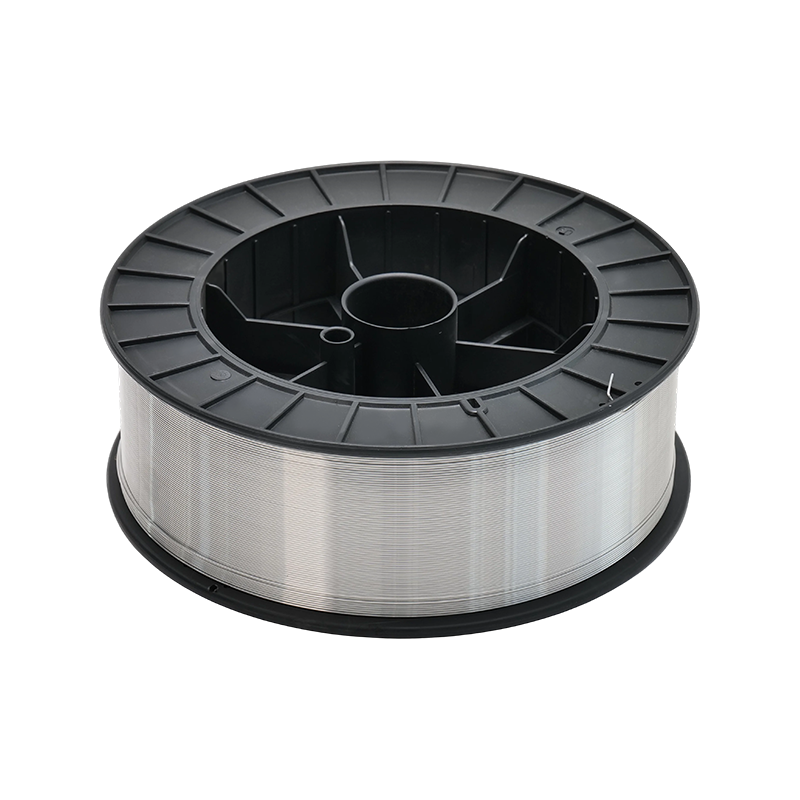
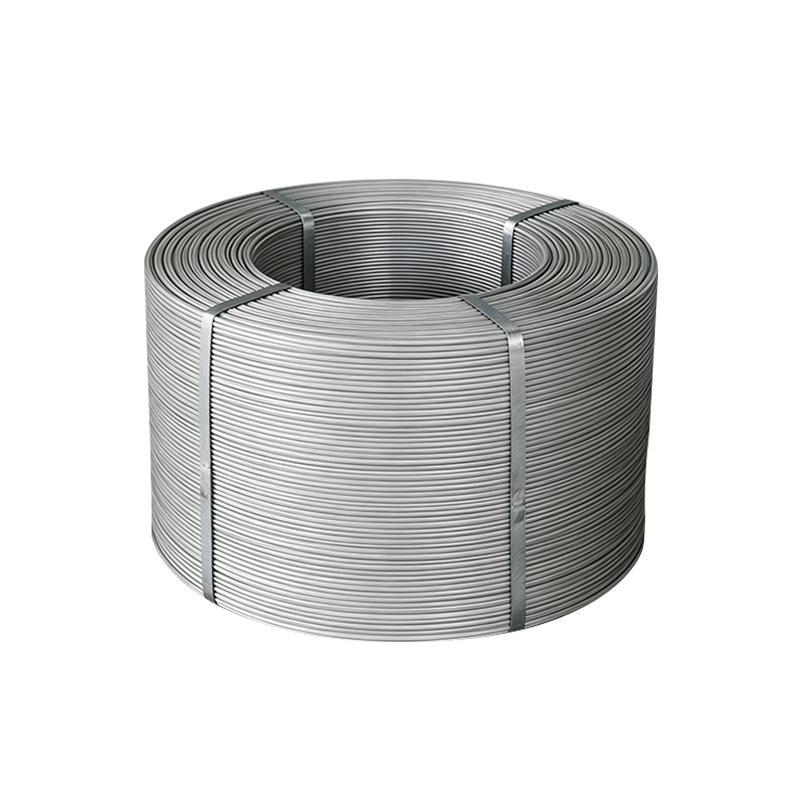
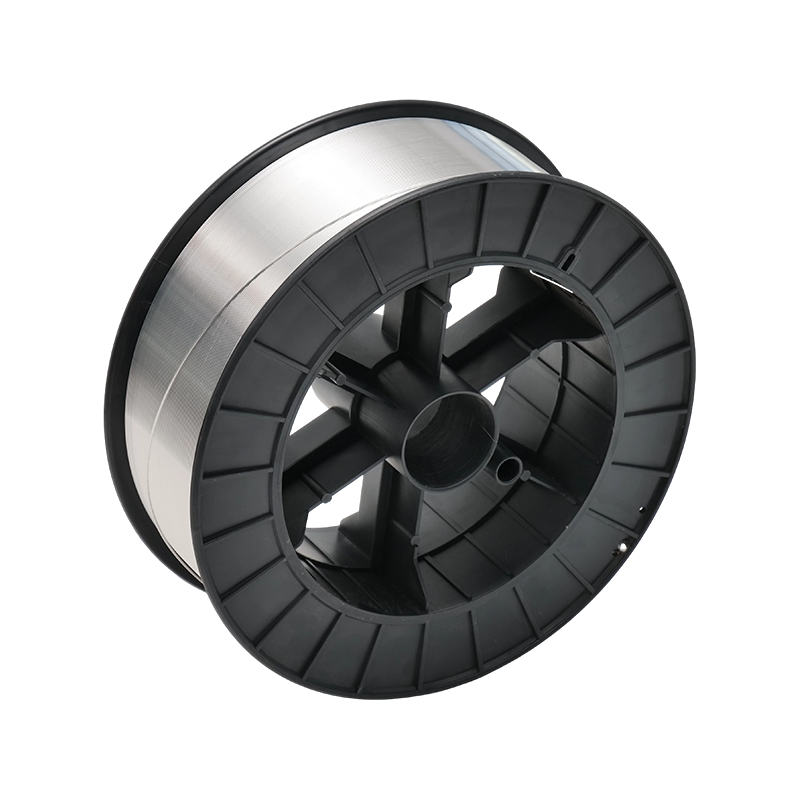
High-strength aluminum alloy wire designed for rivet production provides a practical solution for manufacturers seeking lighter fastening systems without sacrificing mechanical performance. The product described in this article is developed mainly for aviation, aerospace, and military applications. Its strengthening mechanism is associated with the CuAl2 phase, while its material characteristics include good oxidation resistance and strong resistance to shear loads. These properties make it suitable for the production of rivets that must remain dependable during assembly, service, vibration, and exposure to challenging environments.
Jiangsu Hetuo Aluminum Wire Co., Ltd. manufactures this type of high-strength aluminum alloy wire as part of its broader portfolio of high-purity aluminum wire, aluminum alloy wire, and aluminum/aluminum alloy welding materials. The company operates an intelligent manufacturing system in Jiangsu Province, China, and combines alloy-material expertise with process control, quality inspection, and customized supply capabilities.
This article explains the product’s technical value, manufacturing advantages, application suitability, quality considerations, and purchasing benefits for rivet manufacturers and industrial users.
Content
- 1 1. The Role of Aluminum Wire in Rivet Manufacturing
- 2 2. Product Overview
- 3 3. Why High-Strength Aluminum Alloy Is Suitable for Rivets
- 4 4. Advantages Compared with General-Purpose Aluminum Wire
- 5 5. Performance Benefits for Aviation and Aerospace Applications
- 6 6. Manufacturing Strengths of the Supplier
- 7 7. Advanced Manufacturing Process for Rivet Wire
- 8 8. Quality Control Considerations
- 9 9. Benefits for Rivet Manufacturers
- 10 10. Application Areas
- 11 11. Purchasing and Supplier Evaluation Guide
- 12 12. Storage, Handling, and Processing Recommendations
- 13 13. Sustainability and Lightweight Engineering
- 14 14. Why Choose a Specialized Aluminum Wire Manufacturer
- 15 15. Frequently Asked Questions
- 15.1 Q1: What is this product mainly used for?
- 15.2 Q2: What provides the alloy’s strengthening effect?
- 15.3 Q3: What are the main advantages of the rivet wire?
- 15.4 Q4: Can the wire be used for automatic rivet production?
- 15.5 Q5: Is the wire available in customized dimensions?
- 15.6 Q6: What quality certifications does the manufacturer have?
- 15.7 Q7: Where is the manufacturing facility located?
- 15.8 Q8: How should customers qualify the wire?
- 15.9 Q9: What information should be included in an inquiry?
- 15.10 Q10: Why is surface condition important for rivet wire?
- 15.11 Q11: Can this product replace steel rivet wire in every application?
- 15.12 Q12: What makes the supplier suitable for industrial customers?
- 16 16. Conclusion
- 17 References
- 18 Product: For Rivets
1. The Role of Aluminum Wire in Rivet Manufacturing
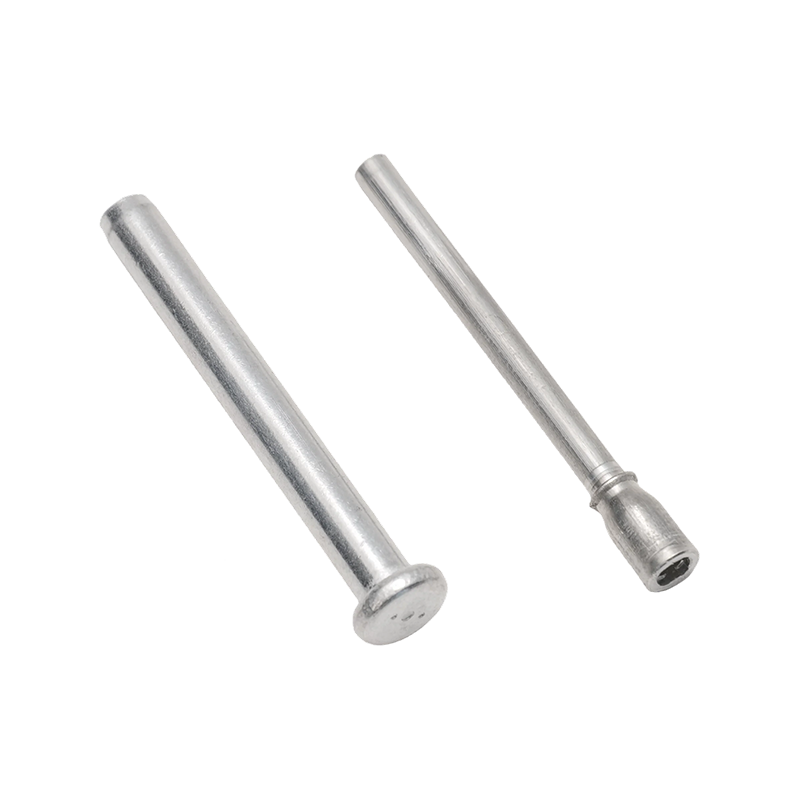
A rivet is a permanent mechanical fastener formed by inserting a manufactured rivet into aligned holes and deforming one end to create a second head. Although the finished rivet may appear simple, its performance depends on multiple stages of material preparation and forming. The wire must be chemically consistent, mechanically suitable, clean, and dimensionally stable before it enters the heading or cold-forming process.
Rivet wire is commonly processed through operations such as straightening, cutting, upsetting, heading, trimming, heat treatment, surface preparation, and inspection. During these operations, the wire may experience substantial compressive and shear stresses. If the material is too soft, the rivet may not maintain sufficient service strength. If it is too hard or insufficiently formable, cracking may occur during head formation. A suitable alloy therefore has to balance strength with manufacturing workability.
For high-performance applications, the wire also needs to maintain a stable surface. Excessive oxidation, contamination, or inconsistent surface condition may interfere with feeding, forming, storage, or final assembly. The wire’s diameter and straightness are equally important because variations can affect automatic production equipment, finished rivet dimensions, and the consistency of installed fasteners.
High-strength aluminum alloy wire for rivets is intended to address these requirements through a controlled alloy design and a disciplined manufacturing process. Its principal application is the production of rivets for sectors where weight reduction and mechanical reliability are both important.
2. Product Overview
The product is a high-strength aluminum alloy wire for rivet manufacturing. It is mainly used in aviation, aerospace, and military fields, although it may also be considered for other industrial fastening applications requiring lightweight aluminum alloy components.
The alloy is strengthened through the CuAl2 phase. Copper-containing aluminum alloys can develop strengthening phases that improve the material’s resistance to deformation and load. In this product, the stated copper content is approximately 3.9 to 4.5 percent. The final suitability of the wire depends not only on chemical composition but also on processing history, thermal condition, dimensional accuracy, surface condition, and the requirements of the customer’s rivet-forming process.
| Item | Product Information |
|---|---|
| Product type | High-strength aluminum alloy wire |
| Primary application | Manufacturing aluminum rivets |
| Main industries | Aviation, aerospace, military, and other demanding industrial sectors |
| Strengthening feature | CuAl2 phase strengthening |
| Specified copper range | Approximately 3.9–4.5 percent |
| Key performance characteristics | Good oxidation resistance and shear resistance |
| Available supply approach | Industrial production with quality inspection and customized support |
| Manufacturer | Jiangsu Hetuo Aluminum Wire Co., Ltd. |
The product’s value is not limited to its nominal alloy chemistry. For rivet manufacturers, consistency from coil to coil is often as important as the target composition itself. Stable production enables more predictable heading behavior, fewer interruptions, better control of finished rivet dimensions, and improved confidence in downstream inspection.
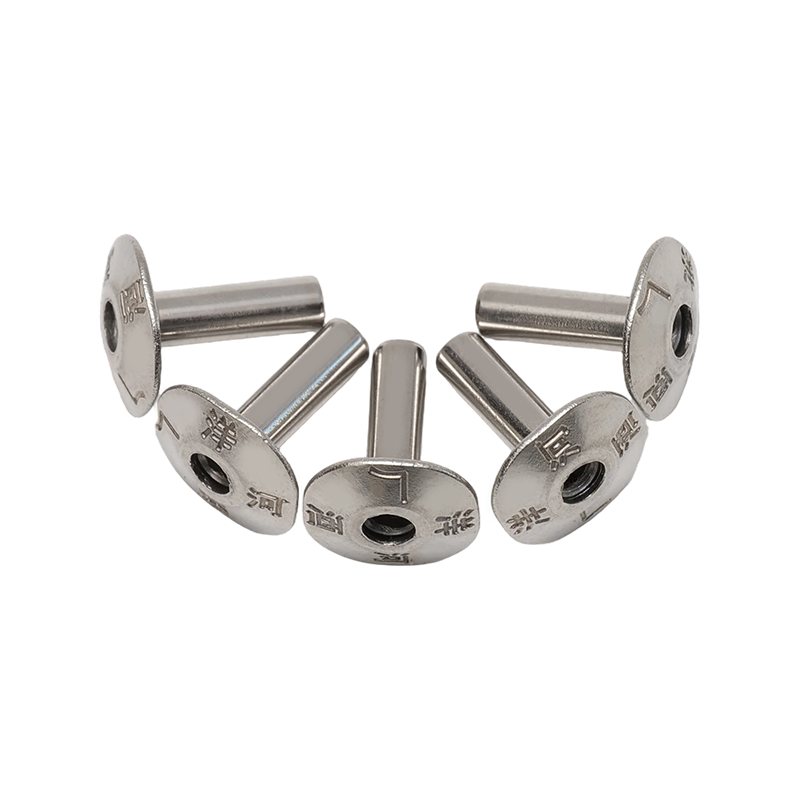
For Rivets
3. Why High-Strength Aluminum Alloy Is Suitable for Rivets
3.1 Lightweight fastening
Aluminum alloys have a lower density than many steels and other structural metals. When aluminum rivets replace heavier fasteners in suitable applications, the overall weight of an assembly can be reduced. This advantage is especially important in aviation and aerospace, where every reduction in structural and fastening weight can contribute to improved payload efficiency, fuel economy, and system performance.
Weight reduction must not compromise joint integrity. A lightweight rivet still needs to withstand the forces applied during installation and service. High-strength aluminum alloy wire helps manufacturers produce fasteners with a favorable balance between low density and mechanical capability.
3.2 Shear resistance
Riveted joints frequently carry shear loads. These loads act parallel to the joined surfaces and can be caused by vibration, pressure differences, structural movement, equipment operation, or changes in temperature. A rivet with insufficient shear resistance may deform, loosen, or fail prematurely.
The product is specifically described as having good shear resistance. This characteristic makes it suitable for rivet designs in which the fastener must maintain its shape and load-bearing function after installation. The CuAl2 phase strengthening mechanism contributes to the alloy’s ability to resist deformation under demanding conditions.
3.3 Oxidation resistance
Aluminum naturally forms a thin oxide layer when exposed to air. This surface film can protect the underlying metal, but uncontrolled oxidation or contamination during manufacturing and storage may still create challenges. Good oxidation resistance supports more stable material handling and can help the wire maintain a suitable surface condition before forming.
For rivet manufacturers, a stable surface may help reduce variability in feeding, cutting, heading, and storage. It can also support more consistent appearance and preparation for subsequent assembly or finishing operations.
3.4 Strengthening through the CuAl2 phase
The stated copper range of approximately 3.9 to 4.5 percent is an important part of the product’s material identity. In aluminum-copper alloys, appropriate processing can promote strengthening phases, including CuAl2-related phases. These phases restrict dislocation movement within the metal structure and improve resistance to plastic deformation.
Phase strengthening is valuable for rivets because the finished fastener must remain stable after the installation process. The material needs to tolerate forming while also providing adequate strength in the completed joint. Achieving this balance requires control over melting, casting, deformation, thermal treatment, and final sizing.
4. Advantages Compared with General-Purpose Aluminum Wire
Not every aluminum wire is suitable for rivet production. General-purpose aluminum wire may be selected for conductivity, basic forming, or nonstructural applications, but it may not provide the strength, shear performance, or process stability required for high-performance fasteners.
The high-strength rivet wire described here is differentiated by its intended application and alloy design. It is developed for the manufacture of rivets rather than for a broad range of low-load uses. Its copper-containing composition and CuAl2 phase strengthening provide a basis for improved mechanical performance compared with softer, non-strengthened aluminum wire grades.
Another advantage is the focus on industrial consistency. Rivet manufacturers often operate high-speed equipment, and small fluctuations in wire diameter, hardness, straightness, or surface condition can create production losses. A specialized supplier with an integrated aluminum wire manufacturing system can focus process controls around the needs of fastener production.
Compared with heavier steel rivet materials, aluminum alloy rivet wire offers the potential for lower assembly weight and easier handling. Compared with lower-strength aluminum grades, the high-strength alloy offers enhanced resistance to shear and deformation. Compared with inconsistent commodity wire, a controlled industrial product can provide more predictable feeding and forming performance.
| Comparison factor | High-strength aluminum rivet wire | General-purpose aluminum wire | Steel rivet wire |
|---|---|---|---|
| Weight reduction potential | High, due to aluminum’s low density | High, but dependent on required strength | Usually lower than aluminum |
| Target use | High-performance rivet manufacturing | General forming or noncritical applications | High-load fastening where greater density is acceptable |
| Strengthening approach | CuAl2 phase strengthening | May vary by alloy and condition | Steel alloy and heat-treatment based |
| Shear performance | Designed for good shear resistance | Depends strongly on grade | Often high, with greater weight |
| Oxidation behavior | Good oxidation resistance | Depends on alloy and surface condition | Requires attention to rust prevention |
| Forming considerations | Requires controlled rivet-forming conditions | May be easier to form but less strong | Higher forming force may be required |
The correct comparison should always be based on the final rivet design, joint load, installation method, environmental conditions, and applicable technical standards. The product should be qualified within the customer’s own manufacturing and application system before full-scale adoption.
5. Performance Benefits for Aviation and Aerospace Applications
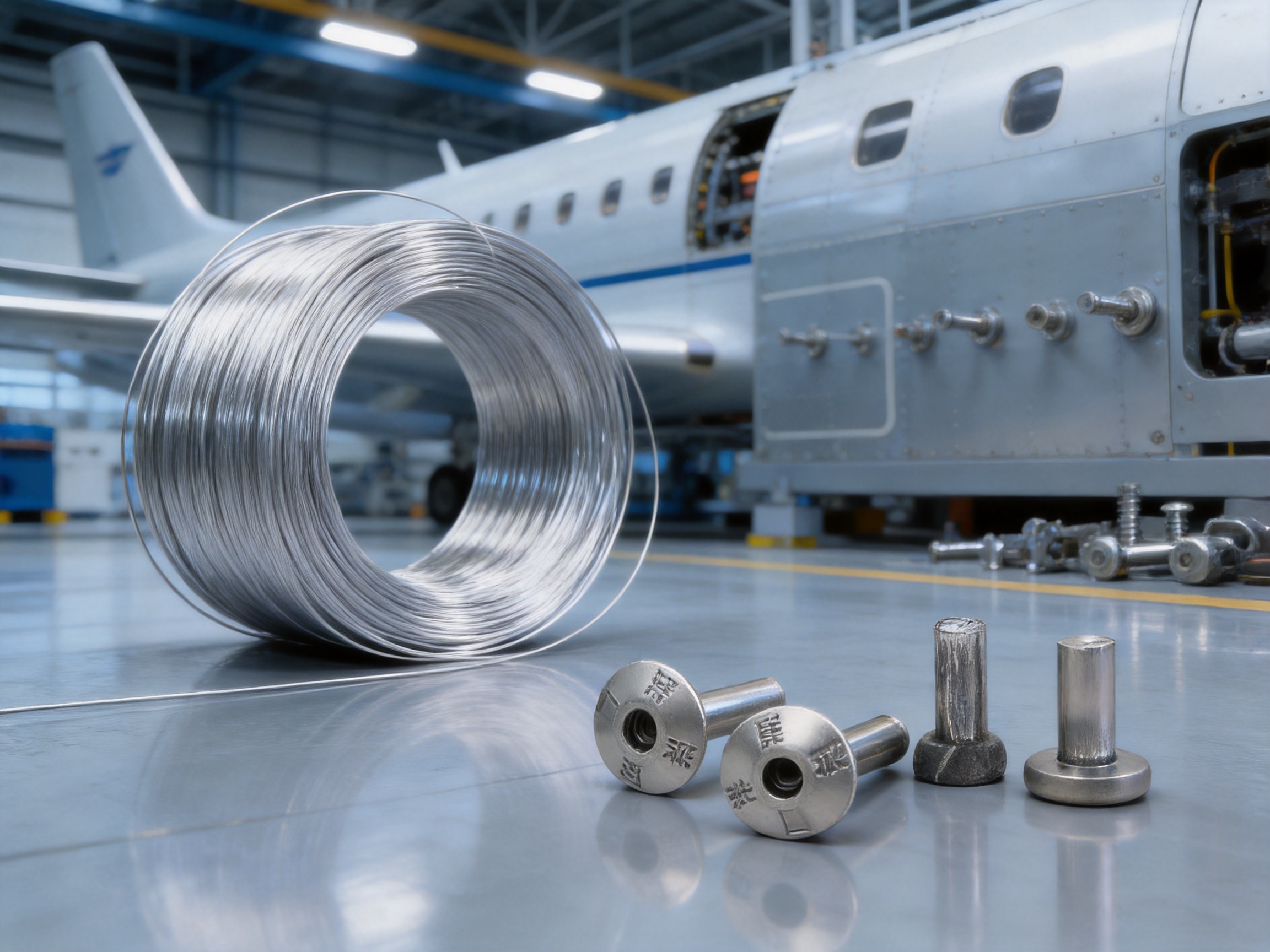
Aviation and aerospace structures require materials that combine low weight, mechanical dependability, dimensional precision, and stable performance over long service periods. Rivets are used in airframes, interior structures, panels, ducts, equipment supports, and other assemblies. Even though an individual rivet is small, the total number of fasteners in an aircraft or aerospace system can be substantial. Material selection therefore has a cumulative effect on system weight and reliability.
High-strength aluminum alloy rivet wire is suitable for applications where a lightweight permanent fastener must resist shear and maintain structural integrity. Its oxidation resistance is also valuable during storage, processing, and use. The wire can be supplied for conversion into rivets according to the customer’s size, forming, and inspection requirements.
In aerospace manufacturing, repeatability is essential. Rivets are typically produced in large quantities, and each fastener must conform to a defined geometry and performance range. A material supplier must therefore support not only alloy development but also stable production, batch control, documentation, and communication with the customer’s quality department.
The product’s application in military fields reflects the importance of reliability under demanding service conditions. Military equipment may experience vibration, impact, temperature variation, transportation stress, and long storage periods. A rivet material with good shear resistance and oxidation resistance can help support durable assembly solutions when correctly designed and processed.
6. Manufacturing Strengths of the Supplier
6.1 Integrated production capability
Jiangsu Hetuo Aluminum Wire Co., Ltd. was established in 2019 and focuses on aluminum alloy materials. Its manufacturing system covers high-purity aluminum wire, high-strength aluminum alloy wire, and aluminum/aluminum alloy welding materials. This product coverage provides a technical environment in which alloy composition, wire processing, and application requirements can be considered together.
The company specializes in high-grade aluminum alloy rods, welding wires, precision profiles, and related wire products. This broader manufacturing background can support customers that purchase multiple aluminum material categories or require coordinated development across different products.
6.2 Intelligent manufacturing system
The company has established an intelligent manufacturing system in its factory. Intelligent manufacturing can support the collection of process information, production scheduling, equipment coordination, traceability, and quality monitoring. For a product such as rivet wire, where consistency is critical, a connected production system can improve control over each stage.
Modern manufacturing methods are particularly useful when producing material for automated rivet-forming lines. Stable process parameters can help reduce variation in wire dimensions and mechanical behavior. Digital production management can also support more efficient communication between manufacturing, quality, logistics, and customer service departments.
6.3 Factory scale and technical personnel
The factory covers approximately 40,000 square meters and has 60 employees, including 30 professional managers and technicians. This staffing structure indicates a strong proportion of personnel dedicated to technical, managerial, quality, and production coordination activities.
A capable technical team is important for aluminum alloy wire because product performance is influenced by multiple variables. These include raw material selection, alloy melting, casting, rolling or drawing, heat treatment, straightening, surface condition, packaging, and inspection. Technical personnel can help identify the most important control points and respond to customer-specific requirements.
6.4 Quality management certifications
The company has obtained ISO 9001 and IATF 16949 quality management system certifications. ISO 9001 provides a recognized framework for quality management, process documentation, customer focus, corrective action, and continual improvement. IATF 16949 is associated with automotive quality management and emphasizes process discipline, risk management, traceability, defect prevention, and supply-chain control.
Although a customer must confirm the certification scope and the specific requirements applicable to its own industry, these systems demonstrate the company’s commitment to structured quality management. For aluminum wire buyers, formal quality systems can support supplier evaluation, documentation review, audit preparation, and long-term supply planning.
7. Advanced Manufacturing Process for Rivet Wire
The exact production route may vary according to alloy grade, wire diameter, final temper, and customer specification. However, the manufacturing of high-strength aluminum alloy wire generally depends on a sequence of controlled operations. Each stage influences the final product and must be managed as part of an integrated system.
7.1 Raw material selection
Production begins with the selection of suitable aluminum and alloying materials. For the rivet wire described here, copper content is a key consideration, with the stated range of approximately 3.9 to 4.5 percent. Raw materials must be properly identified, weighed, stored, and introduced into the process to support chemical consistency.
Careful raw material control helps prevent unintended elements or composition fluctuations from affecting phase formation, mechanical properties, corrosion behavior, or forming performance. Traceability at this stage provides a basis for later batch documentation.
7.2 Melting and alloy preparation
During melting, aluminum and alloying elements are combined under controlled conditions. Temperature, holding time, stirring, and transfer practices influence chemical uniformity and inclusion control. The objective is to prepare a homogeneous molten alloy suitable for casting.
Clean melting practice is important because nonmetallic inclusions or excessive contamination can affect wire drawing, surface quality, fatigue performance, and rivet forming. Process personnel must manage furnace conditions and material handling to maintain a stable melt.
7.3 Casting
The molten alloy is formed into an appropriate cast product, such as a billet, rod, or other intermediate form. Cooling rate and solidification conditions influence the initial microstructure. A controlled cast structure provides a stronger foundation for subsequent deformation and heat-treatment operations.
For copper-containing aluminum alloys, the distribution of alloying elements in the cast structure is especially important. Subsequent processing may be used to refine the structure and prepare the material for the development of the desired strengthening condition.
7.4 Hot working and rod preparation
Cast material is typically processed into rod through controlled deformation. Hot working can break down the cast structure, improve uniformity, and produce a form suitable for further processing. The process must be carefully managed to avoid excessive defects, surface damage, or undesirable variation along the length of the rod.
The quality of the rod affects the efficiency of subsequent wire production. A uniform rod can reduce drawing interruptions and improve the consistency of the finished wire.
7.5 Drawing and sizing
Wire drawing reduces the cross-sectional area and improves dimensional accuracy. The number of passes, reduction per pass, die condition, lubrication, and intermediate treatment all influence the final result.
For rivet applications, dimensional control is important because wire is often cut into precise blanks before heading. Consistent diameter helps maintain blank volume, finished rivet dimensions, and compatibility with automatic equipment. Drawing must also be balanced against ductility and forming behavior. Excessive cold work may increase strength but reduce the ability of the material to form without cracking.
7.6 Heat treatment and phase control
Heat treatment may be used to control the aluminum-copper microstructure and support CuAl2 phase strengthening. Solution treatment, controlled cooling, aging, or other thermal operations may be selected according to the required alloy condition. The appropriate cycle depends on composition, wire size, production route, and performance requirements.
Thermal processing must be uniform throughout the batch. Variations in temperature or holding time can produce differences in hardness, strength, ductility, and rivet-forming behavior. Consistent heat-treatment management is therefore essential for a product intended for precision fastening.
7.7 Straightening, surface preparation, and finishing
After drawing and heat treatment, the wire may be straightened or otherwise prepared for final handling. Straightness supports stable feeding into cutting and heading equipment. Surface preparation helps remove residues and maintain an appropriate condition for storage and further processing.
The product’s good oxidation resistance is beneficial at this stage, but proper packaging and storage remain necessary. Aluminum wire should be protected from moisture, contamination, and mechanical damage during transportation and warehouse handling.
7.8 Final inspection and packaging
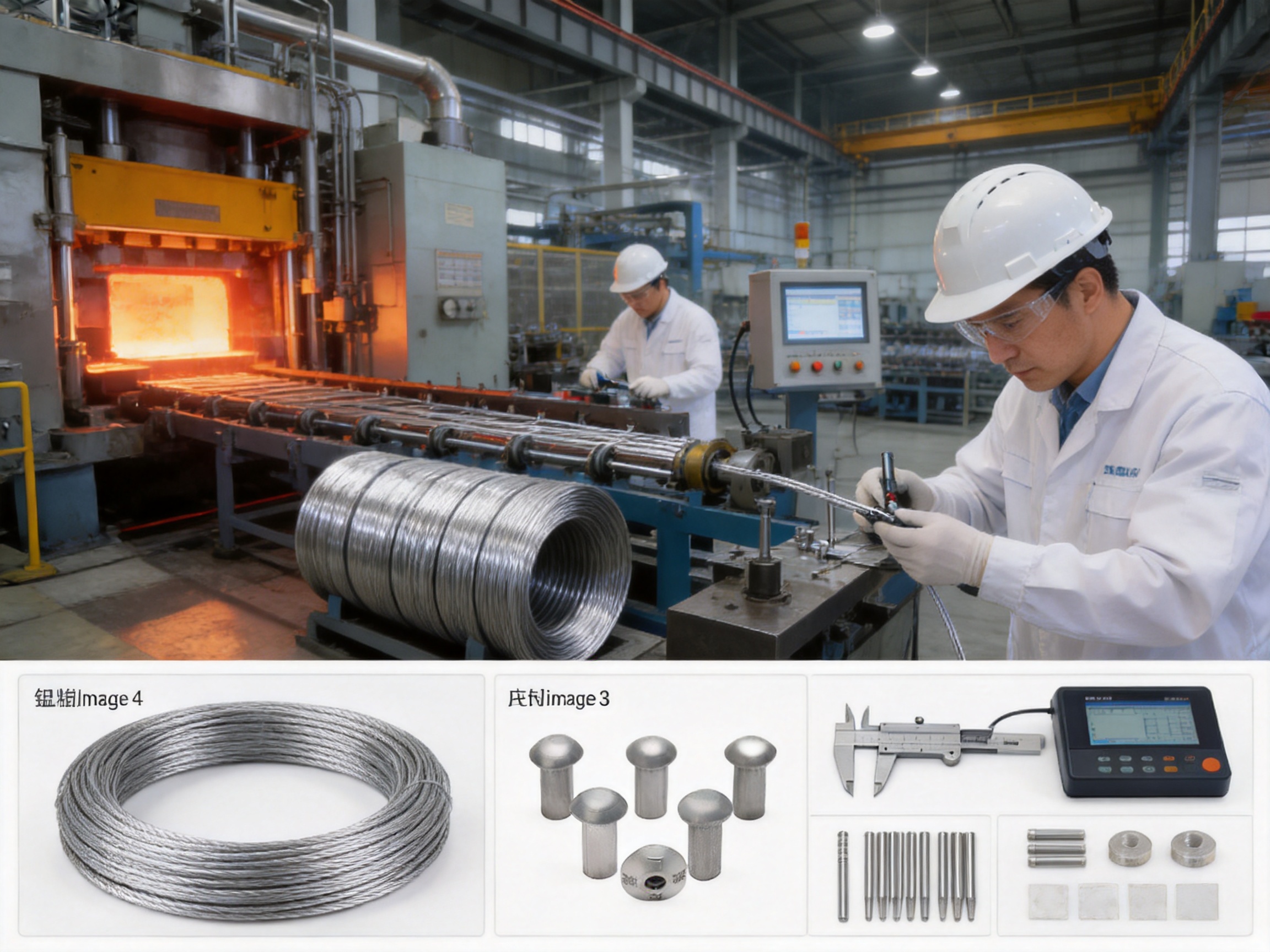
Final inspection may include visual examination, dimensional measurement, chemical verification, mechanical testing, surface checks, and review of production records. The specific inspection plan should reflect the customer’s technical specification and the intended application.
Packaging should prevent tangling, deformation, contamination, and exposure to damaging conditions. Clear identification of alloy, size, lot, quantity, and production information supports traceability from the wire supplier to the rivet manufacturer and, where required, to the final assembly.
8. Quality Control Considerations
Quality control for rivet wire must extend beyond a single chemical analysis. A product can meet a composition target and still perform poorly if its dimensions, surface condition, heat-treatment state, or mechanical properties are inconsistent. A comprehensive control plan should therefore examine the complete relationship between material chemistry and production behavior.
8.1 Chemical composition control
Copper content is a principal consideration for this alloy, with the stated range of 3.9 to 4.5 percent. Other elements should also be controlled in accordance with the applicable product specification. Chemical testing confirms that the material is within the intended alloy range and helps support batch-to-batch consistency.
8.2 Dimensional control
Wire diameter, ovality, straightness, and length-related characteristics may affect rivet production. Diameter variation can change the mass and volume of individual blanks, while poor straightness can interfere with high-speed feeding. Dimensional checks should be performed using calibrated equipment and documented according to the quality plan.
8.3 Mechanical testing
Tensile strength, yield behavior, elongation, hardness, and shear-related performance may be evaluated according to the customer’s standard or agreed test method. These properties should be considered together. A rivet wire that is very strong but insufficiently ductile may not form reliably, while a very ductile wire may not provide the required finished-rivet performance.
8.4 Surface inspection
Surface defects such as cracks, seams, scratches, embedded contamination, or excessive oxidation can affect drawing and heading. Visual inspection and appropriate surface examination help identify material that could create defects in the finished rivet.
8.5 Process traceability
Traceability allows a customer to connect finished wire with raw materials, melting records, casting information, drawing operations, heat treatment, inspection results, and packaging data. This information is valuable for aerospace, military, automotive, and other regulated or quality-sensitive industries.
9. Benefits for Rivet Manufacturers
9.1 More stable heading operations
Consistent wire properties can support more stable cutting and heading. When wire diameter, hardness, and surface condition remain within a controlled range, the forming equipment can operate with fewer adjustments. This may help reduce scrap and improve output consistency.
9.2 Improved finished-rivet uniformity
The performance of a finished rivet depends on its head dimensions, shank size, material condition, and absence of forming cracks. Controlled wire provides a better foundation for producing rivets with uniform geometry. This is particularly important for automated assembly, where fasteners must fit consistently into prepared holes and installation tools.
Unexpected wire breaks, surface defects, tangles, or dimensional changes can interrupt production. A supplier with structured process control and inspection can help reduce the risk of material-related disruptions. The customer should still conduct incoming inspection and process qualification, but consistent supply can make production planning easier.
9.4 Support for lightweight product design
Aluminum rivets can help designers reduce the mass of assemblies where the material’s strength and environmental performance are appropriate. This may support efficiency goals in aircraft, aerospace structures, transportation equipment, and lightweight machinery.
9.5 Customization potential
Different rivet manufacturers may require different wire diameters, coil configurations, material conditions, packaging formats, and documentation. Jiangsu Hetuo Aluminum Wire Co., Ltd. presents itself as a supplier capable of supporting customized wire requirements. Customization should be confirmed through technical discussion, sample evaluation, and an agreed specification.
10. Application Areas
10.1 Aviation structures
Aviation applications place strong emphasis on weight, reliability, fatigue performance, and repeatable installation. Aluminum rivets may be used in suitable structural and nonstructural assemblies, including panels, skins, brackets, interiors, and equipment supports. The selection of alloy and rivet condition must be matched to the aircraft design and applicable standards.
10.2 Aerospace equipment
Aerospace systems may require lightweight fasteners for airframes, spacecraft components, instrumentation housings, support structures, and specialized equipment. The product’s high-strength characteristics and shear resistance may be valuable where fastening performance must be combined with mass efficiency.
10.3 Military equipment
Military products can include vehicles, aircraft, shelters, communication equipment, protective structures, and field systems. These products may be exposed to vibration, transportation loads, changing climate, and long-term storage. Aluminum alloy rivets can provide a lightweight joining option when their strength and environmental performance meet the engineering requirements.
10.4 Industrial equipment
Outside aerospace and defense, high-strength aluminum rivet wire may be evaluated for transportation equipment, machinery, enclosures, fabricated panels, and specialized assemblies. Its use should be based on joint design, load analysis, installation conditions, and compatibility with surrounding materials.
11. Purchasing and Supplier Evaluation Guide
When purchasing wire for aluminum rivets, buyers should evaluate more than price per kilogram. The most economical material is often the one that produces stable output, minimizes scrap, supports traceability, and reduces interruptions throughout the customer’s manufacturing process.
11.1 Confirm the technical specification
The purchaser should define alloy composition, copper range, wire diameter, dimensional tolerances, mechanical properties, temper or heat-treatment condition, surface requirements, coil dimensions, and packaging. If the wire will be used for a regulated application, the applicable standard and documentation requirements should be identified at the beginning of the project.
11.2 Request samples and process trials
Sample wire should be evaluated through the customer’s actual cutting and heading process. Trial production can reveal feeding behavior, blank consistency, head formation, surface condition, cracking tendency, and compatibility with existing tooling. Laboratory data is important, but production trials provide practical confirmation.
11.3 Review quality documentation
Customers may request certificates of analysis, inspection reports, lot traceability, test results, packaging records, and quality-system information. The supplier’s ISO 9001 and IATF 16949 certifications can be included in the supplier evaluation process, subject to confirmation of their current validity and scope.
11.4 Evaluate production capacity
Long-term supply requires confidence in capacity, lead time, equipment availability, raw material planning, and emergency response. The company’s 40,000-square-meter factory and established aluminum-wire production system provide a basis for discussing volume requirements and delivery planning.
11.5 Consider technical communication
Aluminum rivet wire may require adjustment during the transition from one supplier to another. Clear technical communication helps address questions concerning alloy condition, drawing behavior, forming parameters, packaging, storage, and inspection. A supplier’s technical and management personnel should be able to support the customer during qualification and mass production.
12. Storage, Handling, and Processing Recommendations
Even a high-quality wire can be damaged by unsuitable storage. Coils should be kept clean, dry, and protected from condensation. Contact with corrosive chemicals, excessive humidity, dust, and mixed-metal contamination should be avoided. Packaging should remain intact until the material is ready for processing.
Before production, operators should inspect the coil identification, external condition, wire diameter, and surface appearance. The wire should be fed through equipment that is properly adjusted for the selected alloy and size. Cutting tools, dies, guides, and lubricants should be maintained to avoid scratches or deformation.
Heading parameters should be developed through controlled trials. Excessive forming speed, unsuitable tooling, or incorrect material condition may cause cracks or incomplete head formation. The correct combination of blank length, die geometry, forming force, lubrication, and thermal condition should be established by the rivet manufacturer.
Storage time and environmental exposure should also be considered. Customers should follow their internal material-control procedures and the supplier’s packaging recommendations. Any unusual discoloration, surface damage, or moisture exposure should be reviewed before production use.
13. Sustainability and Lightweight Engineering
Aluminum materials contribute to lightweight engineering because they provide lower density than many competing structural metals. In transportation and aerospace, reducing component weight can support lower energy consumption and improved operating efficiency. The use of aluminum rivets can contribute to this objective when the joint design and service conditions are appropriate.
Aluminum is also a material that can be recovered and recycled through established metal-recycling systems. Responsible material management includes controlling production scrap, separating alloy grades where necessary, and returning recyclable material to qualified processing channels. The environmental benefit depends on the complete life cycle, including extraction, alloy production, manufacturing energy, transportation, service life, and recycling practices.
A durable rivet can support sustainability by helping extend the service life of the assembled product. Reliable fastening reduces the need for premature repairs or replacement, while lightweight construction may reduce energy use during operation. These advantages must be evaluated through engineering analysis rather than assumed solely from material selection.
14. Why Choose a Specialized Aluminum Wire Manufacturer
A specialized manufacturer understands that aluminum wire is not a single generic product. High-purity wire, high-strength alloy wire, welding wire, and precision profiles have different chemistry, processing, inspection, and packaging requirements. A supplier that focuses on these product categories can organize its equipment, personnel, and quality systems around their specific needs.
For rivet manufacturers, specialization may provide better support during alloy selection and process qualification. The supplier can discuss the relationship between copper content, strengthening behavior, wire drawing, thermal condition, and rivet forming. It can also help align product documentation with the customer’s purchasing and quality procedures.
Jiangsu Hetuo Aluminum Wire Co., Ltd. combines an aluminum-alloy product portfolio with an intelligent manufacturing system, a dedicated factory, technical personnel, and recognized quality-management certifications. Its focus on high-grade aluminum alloy rods, wires, welding materials, and precision products allows it to serve customers seeking more than a basic commodity wire.
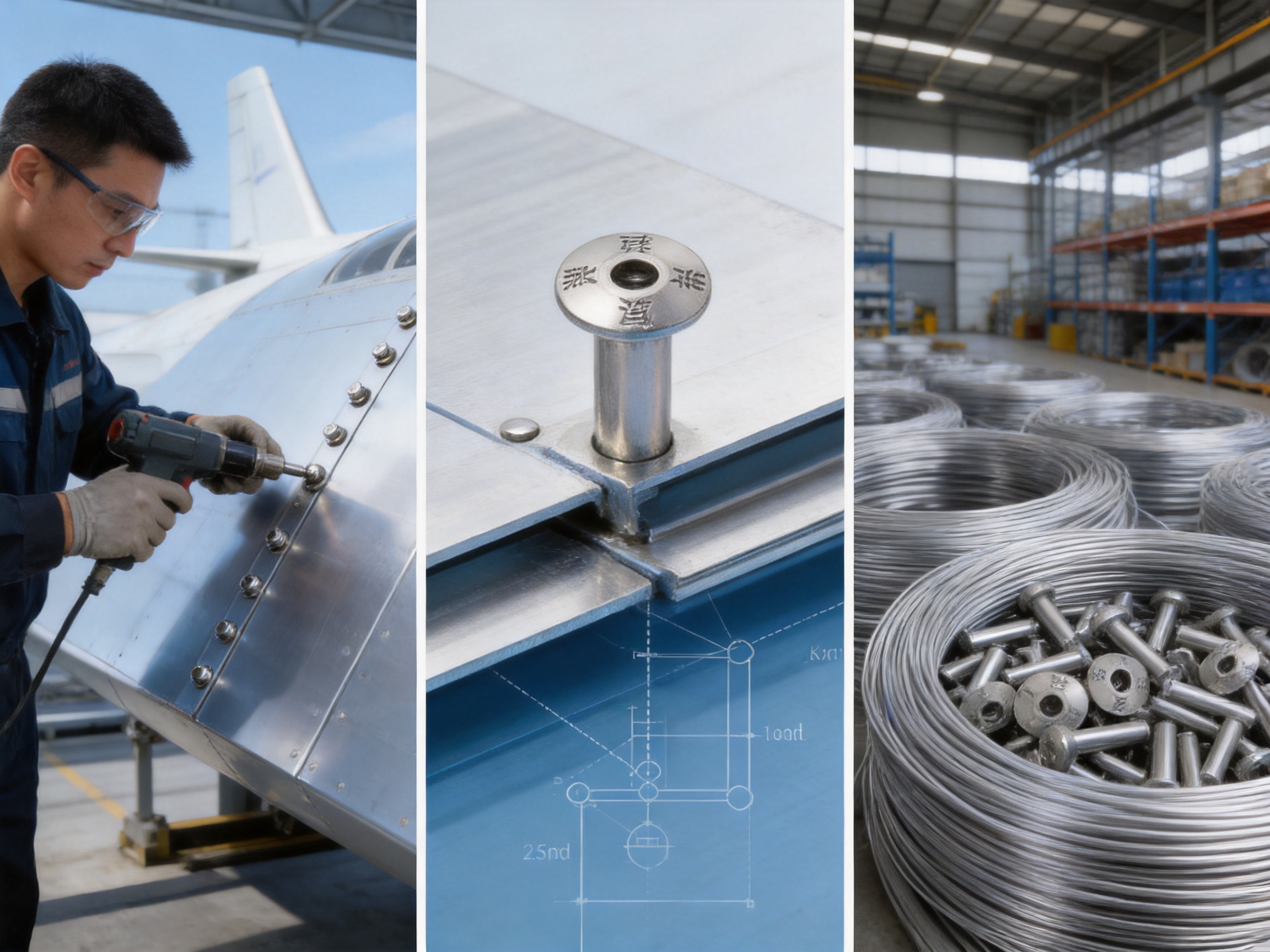
15. Frequently Asked Questions
Q1: What is this product mainly used for?
The product is mainly used to manufacture aluminum rivets for aviation, aerospace, military, and other demanding industrial applications. It is a high-strength aluminum alloy wire rather than general-purpose aluminum wire.
Q2: What provides the alloy’s strengthening effect?
The product uses CuAl2 phase strengthening. The stated copper content is approximately 3.9 to 4.5 percent. The final performance also depends on the material’s processing history and heat-treatment condition.
Q3: What are the main advantages of the rivet wire?
The main stated advantages are good oxidation resistance and shear resistance, combined with the lightweight characteristics of aluminum and the strength associated with the CuAl2 phase.
Q4: Can the wire be used for automatic rivet production?
It may be suitable for automatic rivet production when the supplied diameter, straightness, material condition, and surface quality match the customer’s equipment and tooling. A production trial should be completed before full-scale adoption.
Q5: Is the wire available in customized dimensions?
Customized wire requirements can be discussed with the manufacturer. Buyers should provide the required diameter, tolerance, coil or spool format, mechanical condition, packaging, quantity, and documentation requirements.
Q6: What quality certifications does the manufacturer have?
Jiangsu Hetuo Aluminum Wire Co., Ltd. has obtained ISO 9001 and IATF 16949 quality management system certifications. Customers should confirm the current validity and applicable scope during supplier qualification.
Q7: Where is the manufacturing facility located?
The company’s factory is located in the Small and Medium-sized Enterprises Park, Economic Development Zone, Guannan County, Lianyungang City, Jiangsu Province, China. The factory covers approximately 40,000 square meters.
Q8: How should customers qualify the wire?
Customers should review the chemical and mechanical specifications, inspect samples, conduct cutting and heading trials, evaluate finished rivets, verify documentation, and complete any required environmental or joint-performance testing.
Q9: What information should be included in an inquiry?
An inquiry should include the alloy or copper range, wire diameter, tolerance, required mechanical properties, surface condition, heat-treatment state, quantity, packaging preference, application, applicable standard, and delivery destination.
Q10: Why is surface condition important for rivet wire?
Surface condition affects feeding, drawing, cutting, heading, storage, and the appearance of the finished rivet. Cracks, scratches, contamination, or excessive oxidation can increase production problems and should be controlled.
Q11: Can this product replace steel rivet wire in every application?
No. Material substitution must be based on engineering analysis. The joint load, temperature, corrosion environment, installation method, galvanic compatibility, fatigue requirements, and applicable standards must all be considered before replacing another material.
Q12: What makes the supplier suitable for industrial customers?
The supplier offers an aluminum-focused manufacturing system covering high-purity wire, high-strength alloy wire, and welding materials. Its factory scale, technical personnel, intelligent manufacturing approach, quality certifications, and customized supply support can benefit industrial customers seeking stable aluminum material sourcing.
16. Conclusion
High-strength aluminum alloy wire for rivets is a specialized material developed for applications that require low weight, reliable forming, shear resistance, oxidation resistance, and consistent production quality. Its CuAl2 phase strengthening and stated copper range of approximately 3.9 to 4.5 percent provide the foundation for its high-strength characteristics.
The wire is mainly intended for aviation, aerospace, and military rivet manufacturing, where material performance and process consistency are critical. Compared with general-purpose aluminum wire, it offers a more application-focused balance of strength and forming requirements. Compared with heavier steel fastening materials, it provides the potential for lighter assemblies while maintaining suitable mechanical performance when correctly engineered.
Jiangsu Hetuo Aluminum Wire Co., Ltd. supports the product with an aluminum-alloy manufacturing system, an intelligent factory, professional managers and technicians, quality inspection throughout production, and ISO 9001 and IATF 16949 certifications. Its capabilities in high-purity aluminum wire, high-strength alloy wire, welding materials, alloy rods, and precision profiles provide a broad technical foundation for customized industrial supply.
For rivet manufacturers, the best results come from evaluating the complete material-production relationship. Chemical composition, CuAl2 phase development, wire dimensions, heat-treatment condition, surface quality, packaging, and traceability should all be considered. Through appropriate qualification and process control, high-strength aluminum rivet wire can help manufacturers produce lighter, more consistent, and more dependable fastening solutions for demanding global industries.
References
1. Aluminum Association. Aluminum Standards and Data. Industry reference publication.
2. International Organization for Standardization. ISO 9001: Quality Management Systems — Requirements.
3. International Automotive Task Force. IATF 16949: Quality Management System Requirements for Automotive Production and Relevant Service Parts Organizations.
4. ASM International. ASM Handbook, Volume 2: Properties and Selection: Nonferrous Alloys and Special-Purpose Materials.
5. ASM International. ASM Handbook, Volume 14A: Metalworking: Bulk Forming.
6. Aluminum alloy metallurgy and precipitation-strengthening principles. General materials engineering reference literature.
7. Industrial practices for aluminum wire drawing, heat treatment, surface control, and fastener production. General manufacturing engineering reference literature.
8. Product and company information supplied for the high-strength aluminum alloy wire for rivet manufacturing.