

 English
 中文简体
 русский
 Deutsch
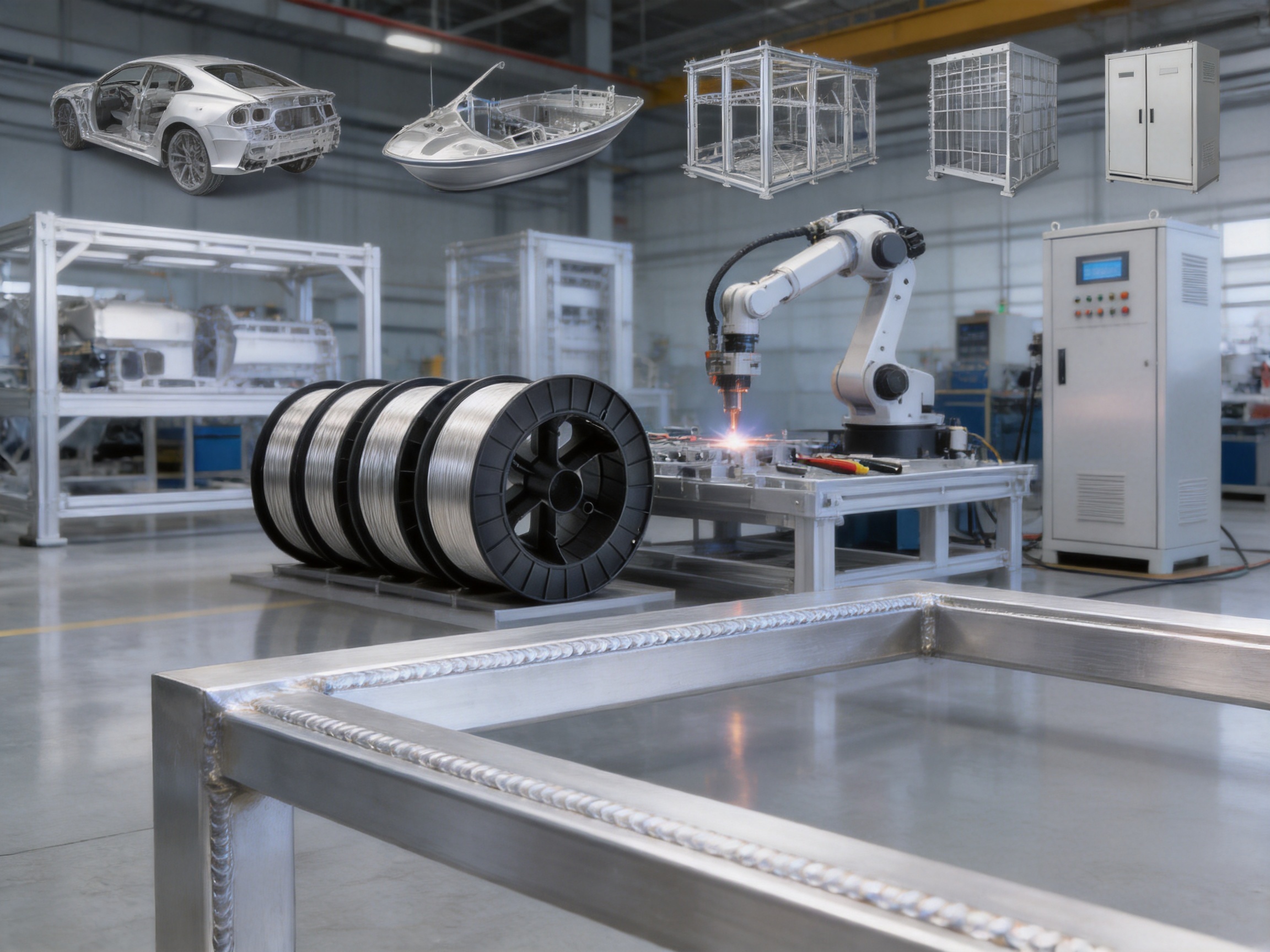
Aluminum MIG wire is a critical consumable for manufacturers that need fast, clean, and reliable welding of aluminum and aluminum alloy components. Used in gas metal arc welding with an inert shielding gas, aluminum MIG wire melts to form the joint between prepared workpieces. Its performance directly affects arc stability, weld appearance, deposition efficiency, production speed, and the long-term integrity of the finished structure.
Although aluminum is lightweight and highly corrosion resistant, it can be more demanding to weld than many steels. Its high thermal conductivity, relatively low melting temperature, tenacious oxide layer, and sensitivity to feeding problems require a welding wire manufactured with strict control over chemistry, surface condition, dimensional accuracy, and mechanical consistency. A wire that appears acceptable during a basic visual inspection may still create instability, inconsistent feeding, porosity, excessive spatter, or weld defects when used in continuous production.
High-quality MIG wire is therefore more than a simple filler material. It is an engineered welding product designed to work together with the power source, welding torch, liner, contact tip, shielding gas, and base metal. The correct wire helps operators maintain a stable arc and produce repeatable welds while reducing rework, downtime, and material waste.
Jiangsu Hetuo Aluminum Wire Co., Ltd. supplies MIG wire within its aluminum and aluminum alloy welding materials portfolio. The company also manufactures high-purity aluminum wire, high-strength aluminum alloy wire, alloy rods, and precision aluminum profiles. Its production capabilities, quality management systems, technical personnel, and focus on customer requirements support the development of aluminum wire solutions for demanding industrial applications.
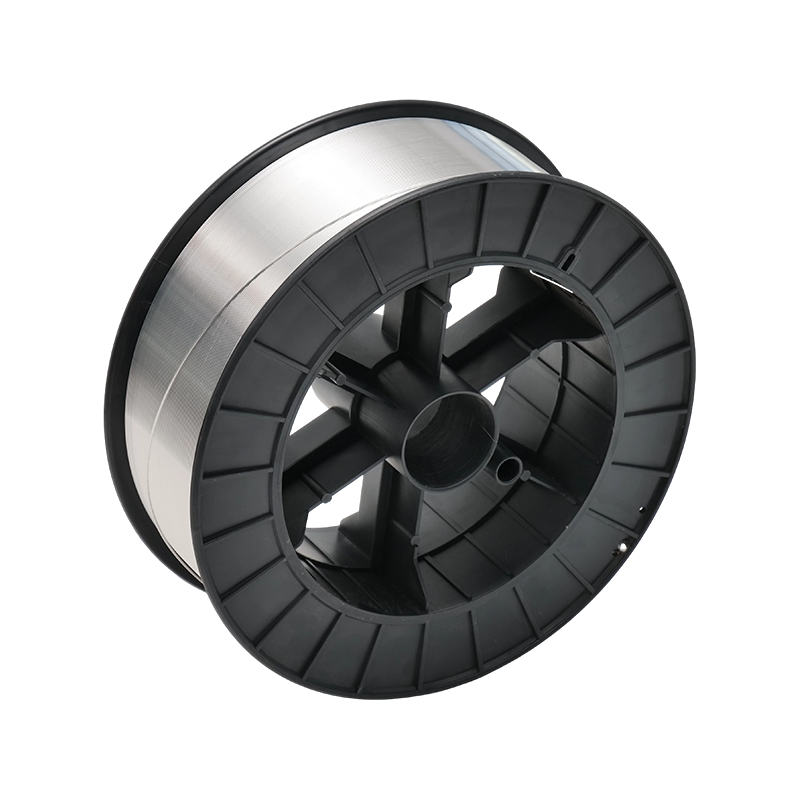
MIG Wire
Content
- 1 Understanding Aluminum MIG Wire
- 2 Key Advantages of High-Quality Aluminum MIG Wire
- 3 Manufacturing Strengths Behind Consistent MIG Wire
- 4 Comparison with Lower-Quality or Less Controlled Alternatives
- 5 Material Selection and Application Matching
- 6 Recommended Handling and Storage Practices
- 7 Process Controls for Better Welding Results
- 8 Industrial Applications
- 9 Why Manufacturer Scale and Location Matter
- 10 Customer-Oriented Product Development
- 11 Environmental and Efficiency Considerations
- 12 Purchasing Checklist for Aluminum MIG Wire
- 13 Quality and Performance Summary
- 14 Questions and Answers
- 14.1 What is aluminum MIG wire used for?
- 14.2 Why is wire quality important in aluminum welding?
- 14.3 Is aluminum MIG wire suitable for automated welding?
- 14.4 How should aluminum MIG wire be stored?
- 14.5 What information should be provided when requesting aluminum MIG wire?
- 14.6 What quality certifications does the manufacturer hold?
- 14.7 Can one aluminum MIG wire be used for every aluminum alloy?
- 14.8 How can welding defects be reduced?
- 15 References
- 16 Product: MIG Wire
Understanding Aluminum MIG Wire
MIG stands for metal inert gas welding. The process is also commonly known as gas metal arc welding, or GMAW, when an inert shielding gas protects the molten weld pool from atmospheric contamination. During welding, a continuously fed wire electrode passes through the contact tip and enters the arc. The wire melts and becomes part of the weld metal, while argon or another suitable inert gas shields the arc and molten pool.
For aluminum applications, MIG welding is valued for its productivity. Unlike manual processes that use individual filler rods, a continuous wire electrode allows the operator or automated system to maintain a steady deposition rate. This makes the process suitable for fabrication lines, repair operations, structural components, transportation equipment, machinery, storage systems, and many other applications where aluminum’s low weight and corrosion resistance are important.
The quality of the welding wire influences the complete welding process. Wire diameter, alloy composition, surface cleanliness, tensile consistency, spool winding, and feeding behavior must be controlled carefully. If the wire is not uniform, the welding system may experience variations in current transfer or inconsistent melting. If the surface contains excessive contamination, the arc may become unstable and the finished weld may contain inclusions or porosity.
Aluminum MIG wire must also be compatible with the base material and the required properties of the joint. Different aluminum alloy families offer different combinations of strength, ductility, corrosion resistance, crack resistance, and weldability. A technically suitable wire should be selected according to the base alloy, service environment, joint design, welding position, required appearance, and applicable standards.
Why Aluminum Requires Specialized Welding Wire
Aluminum forms a thin, hard oxide film almost immediately when exposed to air. The oxide has a much higher melting point than the aluminum beneath it. During welding, the oxide layer must be removed or disrupted sufficiently for the arc to establish a stable connection with the base metal. The cleaning action associated with alternating current in certain welding processes is especially important for aluminum, while direct-current wire processes require appropriate equipment settings, surface preparation, and shielding.
Aluminum also transfers heat rapidly away from the weld area. This can make arc starts and penetration control more difficult, especially on thicker sections or cold workpieces. At the same time, aluminum expands considerably when heated and contracts as it cools. These characteristics can contribute to distortion, dimensional changes, and residual stress if the welding procedure is not properly controlled.
A well-manufactured MIG wire helps address these challenges by providing consistent melting behavior. Stable diameter and controlled surface quality support smoother feeding through the liner and contact tip. Uniform alloy chemistry helps produce predictable weld metal properties. Proper packaging and winding reduce the risk of tangles, kinks, or interruptions during continuous welding.
Key Advantages of High-Quality Aluminum MIG Wire
Stable Arc Performance
Arc stability is one of the most visible differences between reliable welding wire and inconsistent consumables. A stable arc produces a more controlled transfer of molten metal from the electrode to the weld pool. This allows the operator to maintain the intended voltage, wire feed speed, travel speed, and shielding gas flow with fewer unexpected fluctuations.
Stable arc behavior can contribute to a smoother weld bead, more consistent penetration, and reduced spatter. It can also make the process easier for less experienced operators because the welding system is less sensitive to minor variations in torch movement or wire position. In automated applications, stable wire behavior supports repeatable programming and helps reduce interruptions caused by wire feeding or arc faults.
Reliable Wire Feeding
Aluminum is relatively soft compared with steel. This means it can be more easily deformed during feeding, particularly when the wire encounters excessive resistance in the liner, a worn contact tip, or an improperly adjusted drive roll. High-quality wire with controlled diameter and suitable surface condition helps reduce feeding resistance and supports smooth movement from the spool to the arc.
Consistent winding is also essential. A properly wound spool allows the wire to unwind evenly without sudden loops, crossovers, or excessive tension. Good winding quality becomes especially important in long welding cycles, robotic systems, and high-volume production, where a feeding problem can interrupt an entire operation.
Lower Risk of Porosity and Contamination
Porosity occurs when gas becomes trapped in solidifying weld metal. Aluminum welding is particularly sensitive to moisture, oil, dirt, oxide residues, inadequate shielding, and other sources of hydrogen or atmospheric contamination. The wire itself must be manufactured and packaged in a way that supports a clean welding environment.
Surface cleanliness does not eliminate the need for proper preparation. Workpieces still need to be cleaned, and the welding area must be protected from drafts and contamination. However, clean and consistently manufactured MIG wire reduces one potential source of instability. It helps the welding procedure achieve a more reliable result when combined with appropriate gas flow, equipment maintenance, and operator practices.
Consistent Weld Appearance
For many aluminum products, appearance is an important indicator of process control. Uneven bead shape, excessive spatter, undercut, discoloration, or irregular tie-in may require grinding, repair, or rejection. Consistent wire chemistry and feeding behavior help the operator maintain a more uniform weld profile.
A clean, regular bead can reduce post-weld finishing work. This is valuable in visible architectural components, transportation products, fabricated equipment, and precision assemblies where appearance and dimensional accuracy are both important. The final result still depends on joint preparation and welding technique, but the wire provides a stable foundation for achieving the desired finish.
Efficient Deposition and Productivity
Continuous MIG wire supports a high deposition rate compared with many manual welding methods. When the wire is dimensionally consistent and feeds without interruption, more production time can be spent welding rather than correcting jams, changing damaged spools, cleaning excessive spatter, or repairing inconsistent joints.
Productivity improvements are not limited to welding speed. A reliable consumable can reduce downtime, lower the frequency of rework, improve labor utilization, and support more predictable production planning. For large-scale users, even small reductions in interruptions can create meaningful savings across multiple welding stations.
Compatibility with Automated Welding
Modern manufacturers increasingly use mechanized and robotic welding to improve repeatability. Automated systems require a consumable with predictable dimensions, feeding characteristics, melting behavior, and packaging. Variations that may be manageable during manual welding can create significant problems in a programmed production environment.
Aluminum MIG wire designed for consistent feeding can support automated operations when the wire, welding equipment, torch configuration, shielding gas, and joint design are properly matched. It can help maintain a stable process window and reduce the number of manual interventions required during production.
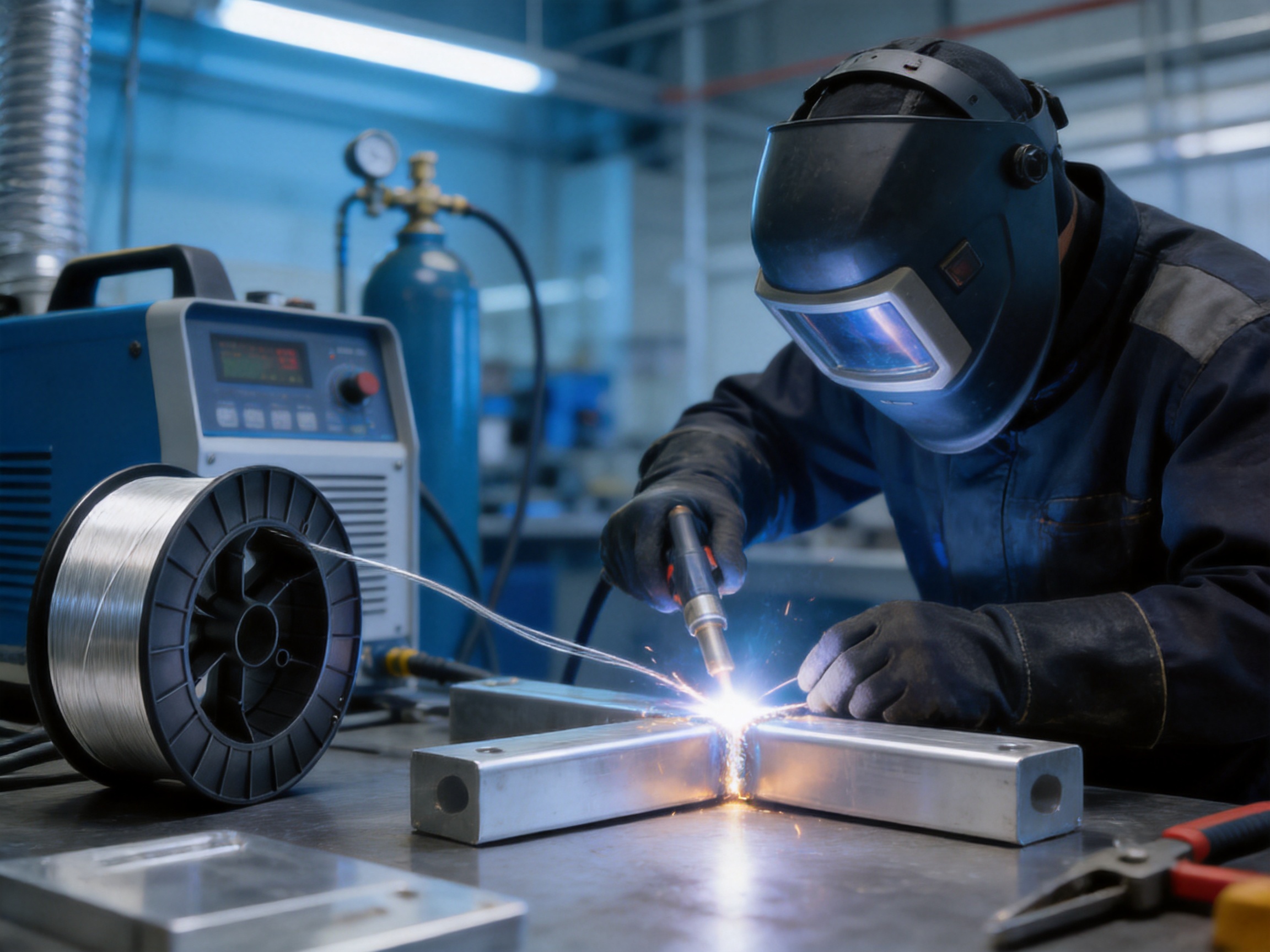
Manufacturing Strengths Behind Consistent MIG Wire
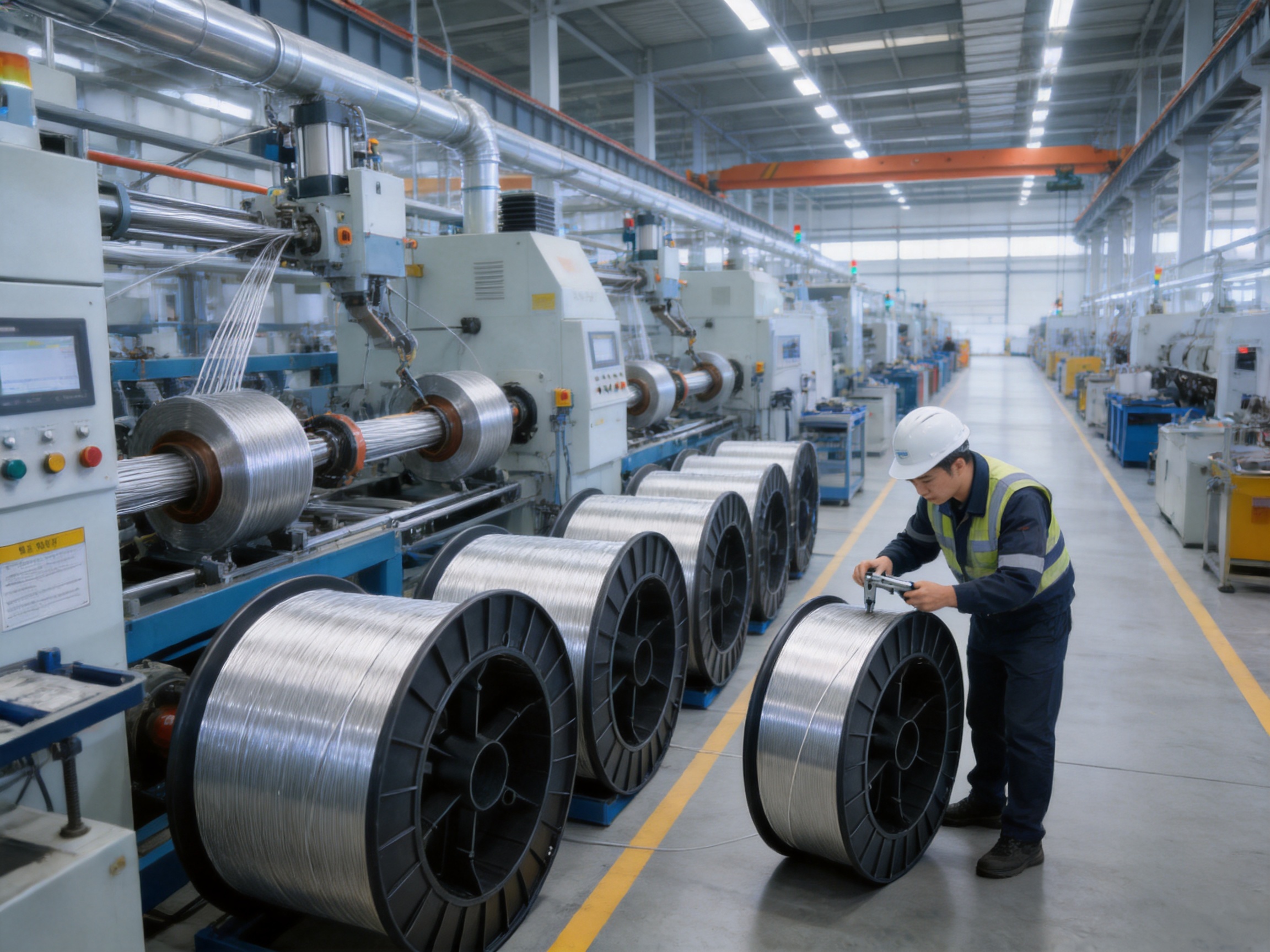
The performance of aluminum MIG wire begins before the wire reaches the welding machine. It depends on material selection, melting and casting control, forming operations, drawing, heat treatment where applicable, surface treatment, inspection, packaging, and traceability. Every stage can influence the final consumable.
Integrated Aluminum Material Expertise
Jiangsu Hetuo Aluminum Wire Co., Ltd. was established in 2019 as an aluminum alloy materials manufacturer focused on customer needs and product development. Its product scope includes high-purity aluminum wire, high-strength aluminum alloy wire, and aluminum and aluminum alloy welding materials. This broader material expertise is valuable because welding wire production requires a detailed understanding of aluminum chemistry, alloy behavior, drawing characteristics, and final-use requirements.
A company that works across multiple aluminum wire categories can apply knowledge gained from high-purity and high-strength products to welding material development. This includes control of raw material quality, alloy consistency, surface condition, dimensional accuracy, and production stability. Such knowledge supports a more systematic approach than treating welding wire as an isolated product.
Intelligent Manufacturing System
The company has established an intelligent manufacturing system covering its main aluminum material categories. Intelligent manufacturing can support production planning, equipment coordination, process monitoring, quality data collection, and traceability. These capabilities are increasingly important for welding consumables because industrial customers expect stable batches and consistent supply over time.
Manufacturing control is especially important when products are used in automated welding lines. A customer may qualify a particular wire under a specific welding procedure and then expect future deliveries to perform in the same manner. Consistent process control helps reduce variation between batches and supports more dependable purchasing and production planning.
Advanced Equipment and Facilities
The company has introduced advanced equipment and facilities for aluminum wire production. Appropriate equipment supports accurate forming, controlled drawing, stable winding, and efficient handling. It also helps reduce the influence of manual variation and enables production personnel to maintain repeatable settings across different orders.
In the manufacture of fine or precision wire, equipment capability has a direct relationship with dimensional control. Small changes in wire diameter can affect electrical resistance, current response, feeding force, and deposition characteristics. Production equipment that maintains stable dimensions helps welding users establish and preserve their qualified welding parameters.
Quality Inspection Throughout Production
Quality inspection is most effective when it is performed throughout production rather than only at the final packaging stage. Incoming materials can be evaluated before entering the process. Intermediate stages can be monitored for dimensional, surface, and process-related conditions. Finished wire can then be checked before release to the customer.
This approach allows potential problems to be identified closer to their source. It can also support better corrective action, more accurate records, and improved process learning. For welding wire, relevant control areas may include chemical composition, dimensional consistency, surface condition, spool winding, packaging integrity, and product identification.
ISO 9001 and IATF 16949 Quality Systems
Jiangsu Hetuo Aluminum Wire Co., Ltd. has obtained ISO 9001 and IATF 16949 quality management system certifications. ISO 9001 provides a recognized framework for quality management, customer focus, process control, documentation, corrective action, and continual improvement.
IATF 16949 is a quality management standard associated with the automotive supply chain. Its emphasis on risk-based thinking, defect prevention, traceability, process consistency, and customer-specific requirements is relevant to automotive and transportation applications. For customers evaluating aluminum MIG wire suppliers, these systems indicate that quality is addressed through organized management processes rather than relying only on end-product inspection.
Certification alone does not replace technical evaluation or welding qualification. Nevertheless, a documented quality system provides an important foundation for consistent manufacturing, supplier communication, nonconformance handling, and ongoing improvement.
Experienced Personnel and Technical Support
The company operates with a workforce of 60 employees, including 30 professional managers and technicians. A strong proportion of technical and management personnel can support process control, production coordination, quality assurance, customer communication, and product improvement.
Technical support is particularly useful when customers require assistance with material selection or application matching. The best welding wire is not determined solely by price or nominal alloy designation. It must be matched to the base metal, joint configuration, welding position, equipment, shielding gas, and required performance. A supplier with technical understanding can help customers ask the right questions before finalizing a product specification.
Comparison with Lower-Quality or Less Controlled Alternatives
Price is often a consideration when purchasing welding wire, but the lowest unit price may not represent the lowest total cost. Inconsistent wire can create hidden expenses through downtime, rejected welds, rework, excess cleaning, equipment maintenance, and operator frustration.
| Evaluation Area | High-Quality Aluminum MIG Wire | Less-Controlled Alternative | Potential Customer Benefit |
|---|---|---|---|
| Wire diameter consistency | Controlled dimensions support predictable feeding and electrical behavior | Variation may cause feeding resistance or unstable current transfer | More consistent welding parameters and fewer interruptions |
| Surface condition | Managed production and packaging help reduce contamination risks | Surface residues or inconsistent handling may affect arc behavior | Lower risk of weld instability and avoidable defects |
| Spool winding | Uniform winding supports continuous unwinding | Crossovers, loops, or tension changes may interrupt feeding | Improved uptime and more reliable automated operation |
| Alloy consistency | Controlled chemistry supports repeatable weld metal behavior | Batch variation may affect strength, appearance, or weldability | More predictable qualification and production results |
| Quality management | Structured systems support inspection, traceability, and corrective action | Limited documentation may make problems difficult to analyze | Better supplier accountability and process confidence |
| Technical cooperation | Product selection can be linked to customer requirements | Sales may focus mainly on basic product availability | Improved material matching and application support |
The comparison does not mean that every lower-priced product will fail or that every premium wire will be suitable for every application. Welding performance depends on the complete system. However, controlled manufacturing provides a stronger basis for consistency, especially in high-volume, safety-sensitive, or automated production.
Material Selection and Application Matching
Selecting aluminum MIG wire should begin with the base material and the intended service conditions. Aluminum alloys differ in strength, corrosion behavior, heat treatment response, and weldability. The filler wire should be selected to achieve an appropriate balance between joint strength, ductility, crack resistance, corrosion resistance, and appearance.
Base Metal Compatibility
The base alloy should be identified before selecting the wire. Material labels, purchase documentation, mill certificates, and positive material identification may be used depending on the importance of the application. Welding an unknown or incorrectly identified alloy can result in an unsuitable filler choice and unpredictable joint performance.
For dissimilar aluminum joints, selection becomes more complex. The filler must be compatible with both base metals and with the expected service environment. The joint may also require special consideration regarding galvanic behavior, thermal expansion, and the possibility of hot cracking.
Joint Design and Welding Position
Joint geometry affects heat input, penetration, access, and weld pool control. Butt joints, lap joints, fillet welds, and corner joints may each require different parameters. Welding position also affects the ability to control molten metal, particularly when working overhead or in vertical orientations.
Wire selection cannot compensate for an unsuitable joint design. Proper fit-up, edge preparation, clamping, and access are necessary to create a stable welding process. The selected MIG wire should be evaluated as part of the complete procedure rather than in isolation.
Shielding Gas and Equipment
Argon is widely used for aluminum MIG welding because it supports arc stability and appropriate heat transfer. Some applications may use blended shielding gases depending on material thickness, welding position, productivity targets, and equipment configuration. Gas purity, flow rate, nozzle condition, and protection from drafts all influence weld quality.
Equipment setup is equally important. Aluminum wire generally requires feeding components suitable for soft wire, including appropriate drive rolls, liner arrangements, contact tips, torch configurations, and feeding distances. Excessive friction can lead to buckling, bird-nesting, or inconsistent wire delivery. A high-quality wire performs best when the entire feeding system is correctly maintained.
Recommended Handling and Storage Practices
Welding wire should be stored in a clean, dry environment that protects it from moisture, dust, oil, chemicals, and sudden temperature changes. The original packaging should remain sealed until the material is ready for use. Once opened, the spool should be protected from contamination and used according to the customer’s internal handling procedures.
Operators should inspect the spool before installation. The wire should be free from visible damage, severe oxidation, dirt, or deformation. The spool should rotate smoothly, and the wire should unwind in the intended direction. If a package has been damaged during transportation, it should be evaluated before use.
Clean gloves should be used when handling exposed aluminum wire. Contact with oily hands or contaminated surfaces can introduce substances that affect the arc and weld pool. The wire should not be dragged across dirty floors or placed directly on wet or contaminated work surfaces.
Equipment maintenance is also essential. Contact tips should be checked for wear, liners should be kept clean and properly installed, and drive roll pressure should be adjusted to provide reliable feeding without deforming the wire. Excessive pressure can flatten or damage soft aluminum wire, while insufficient pressure can cause slipping.
Process Controls for Better Welding Results
Surface Preparation
Aluminum surfaces should be cleaned before welding to remove oil, grease, dirt, moisture, and loose oxide. Approved tools and cleaning methods should be used for the specific application. Stainless steel brushes dedicated to aluminum may be used to remove surface oxide without introducing contaminants from other metals.
Cleaning should take place close enough to the welding operation that the surface does not become heavily recontaminated. Edges and joint areas deserve special attention because residues in these locations can contribute to porosity or incomplete fusion.
Arc Length and Torch Angle
Maintaining a suitable arc length and torch angle helps control penetration, bead shape, and shielding coverage. Excessive arc length can increase the risk of atmospheric contamination and reduce process control. Poor torch positioning may cause uneven gas coverage or inconsistent fusion at the joint edges.
Operators should follow the qualified welding procedure for travel speed, voltage, wire feed speed, current, gas flow, and torch movement. Any significant change in wire type, diameter, base metal, or joint design may require a new evaluation.
Heat Input and Distortion Control
Because aluminum conducts heat rapidly and expands significantly during welding, distortion control is important. Clamping, tack welding, balanced weld sequencing, suitable joint design, and controlled heat input can help maintain dimensional accuracy.
Increasing welding speed may improve productivity, but speed must be balanced against penetration and fusion requirements. Excessive heat can enlarge the heat-affected zone, increase distortion, or affect the properties of heat-treatable alloys. Insufficient heat may result in incomplete fusion or poor tie-in.
Inspection and Continuous Improvement
Welded components should be inspected according to their application and quality requirements. Visual inspection can identify surface issues such as cracks, undercut, excessive spatter, irregular bead shape, and incomplete filling. Additional non-destructive or destructive testing may be required for critical applications.
When a defect occurs, the investigation should consider the complete process. Possible causes include base metal contamination, incorrect wire selection, inadequate shielding, poor equipment maintenance, excessive wire resistance, incorrect parameters, operator technique, or environmental conditions. Replacing the wire without investigating the entire system may not solve the underlying problem.
Supplier feedback is an important part of continual improvement. Batch information, production records, photographs, test results, and welding parameters can help identify trends. A manufacturer with organized quality and technical systems can use this information to improve products and assist customers with corrective action.
Industrial Applications
Aluminum MIG wire is used across many industries because aluminum combines low density with useful strength, corrosion resistance, electrical conductivity, and formability. The precise wire alloy and welding procedure depend on the application.
Transportation and Automotive Components
Transportation manufacturers use aluminum to reduce vehicle weight and improve fuel efficiency or energy consumption. MIG welding may be used for frames, brackets, panels, structural members, trailers, vehicle bodies, and related components. In these applications, repeatability and traceability are especially important because production volumes can be high and quality requirements demanding.
The availability of IATF 16949 quality management certification is relevant to suppliers serving automotive-related customers. It demonstrates alignment with a recognized quality framework used throughout the automotive supply chain, although customers must still complete their own qualification and approval processes.
Marine and Coastal Equipment
Aluminum is widely used in boats, marine structures, storage systems, and coastal equipment because of its corrosion resistance and low weight. Weld quality is important because joints may be exposed to moisture, salt, cyclic loading, and difficult maintenance conditions. Correct filler selection, surface preparation, shielding, and post-weld inspection all contribute to reliable performance.
Industrial Machinery and Fabrication
Machine frames, platforms, guards, enclosures, conveyors, tanks, fixtures, and fabricated assemblies may use aluminum components to reduce weight or improve resistance to the operating environment. MIG wire supports efficient fabrication and repair, particularly where long welds or repeated joints are required.
Electrical and Thermal Applications
Aluminum’s electrical conductivity and thermal performance make it useful in electrical equipment, busbars, heat-related structures, and enclosures. Welding procedures must account for the intended electrical or thermal function of the component. Surface condition and joint integrity are important because defects may affect both mechanical performance and conductivity.
Architectural and General Engineering Products
Railings, frames, doors, windows, decorative structures, display systems, and general engineering products may use aluminum for its appearance and corrosion resistance. In visible applications, the ability to create uniform weld beads and minimize finishing work can be a major advantage.
Why Manufacturer Scale and Location Matter
Jiangsu Hetuo Aluminum Wire Co., Ltd. is located in the Small and Medium-sized Enterprises Park within the Economic Development Zone of Guannan County, Lianyungang City, Jiangsu Province, China. Its factory covers approximately 40,000 square meters. A dedicated production site of this scale provides room for manufacturing equipment, inspection areas, raw material management, finished-product storage, packaging, and internal logistics.
Factory organization affects more than production capacity. Proper separation of materials, controlled movement through production stages, and organized storage can reduce the possibility of mix-ups or contamination. Adequate space also supports equipment maintenance and process improvements as customer requirements develop.
Jiangsu is an important manufacturing region with established industrial infrastructure and access to transportation, engineering resources, and supply networks. For international customers, a manufacturer with export experience and organized production systems can provide greater confidence in order coordination, documentation, and shipment preparation.
Customer-Oriented Product Development
Welding applications vary significantly. One customer may prioritize high deposition efficiency, while another may focus on appearance, corrosion resistance, mechanical properties, or compatibility with a robotic cell. A customer-oriented supplier should be prepared to discuss these priorities before recommending or producing a wire solution.
Useful technical information may include base alloy, material thickness, joint design, welding position, equipment type, shielding gas, target production rate, required certifications, packaging preference, and applicable standards. The more complete the application information, the easier it is to evaluate the correct wire and identify suitable process conditions.
Customization may involve product specifications, packaging, labeling, order quantities, documentation, or delivery arrangements. Any customized product should be confirmed through technical communication and, where required, sample testing or welding procedure qualification.
The company’s portfolio of aluminum wire, alloy wire, and welding materials allows it to serve customers with different material requirements. Its stated objective is to provide lighter, stronger, and more sustainable aluminum alloy wire and welding material solutions for global industries. This direction reflects the wider industrial movement toward lightweight structures, resource efficiency, and longer product service life.
Environmental and Efficiency Considerations
Aluminum is attractive for lightweight design because reducing component mass can lower transportation energy use and improve equipment efficiency. It is also highly recyclable, making aluminum-based products relevant to circular material strategies when collection and recycling systems are available.
Efficient welding contributes to sustainability by reducing scrap, rework, energy waste, and unnecessary use of shielding gas. A wire that feeds consistently can help shorten arc-on time and reduce the number of rejected components. Clean welds may also require less grinding, polishing, or chemical treatment after welding.
Environmental performance must be considered across the entire product life cycle. Responsible material sourcing, controlled manufacturing, durable product design, repairability, and recycling all influence the overall outcome. High-quality welding wire supports this approach by helping manufacturers produce durable and resource-efficient aluminum assemblies.
Purchasing Checklist for Aluminum MIG Wire
Before placing an order, buyers should confirm the wire alloy and its compatibility with the base material. The required diameter, spool size, packaging format, surface requirements, and quantity should be specified clearly. Customers should also identify whether product certificates, inspection records, batch traceability, or special labeling are required.
It is useful to evaluate the supplier’s manufacturing capabilities, quality certifications, export experience, technical support, production capacity, and response to nonconformities. Buyers should consider total operating cost rather than focusing only on the purchase price. A wire that costs slightly more but reduces downtime and rework may provide a lower overall cost per acceptable welded component.
Trial welding is recommended for new applications or new suppliers. Testing should represent actual production conditions, including the intended equipment, base metal, shielding gas, joint design, and operator or automation method. The evaluation should consider feeding performance, arc stability, bead appearance, penetration, porosity, mechanical requirements, and post-weld finishing needs.
Quality and Performance Summary
High-quality aluminum MIG wire provides a foundation for controlled and repeatable welding. Its value is reflected in stable arc behavior, reliable feeding, consistent deposition, reduced contamination risk, improved weld appearance, and compatibility with automated systems.
These benefits depend on disciplined manufacturing. Material control, advanced equipment, process monitoring, inspection throughout production, appropriate packaging, and traceability all contribute to the final result. Quality certifications such as ISO 9001 and IATF 16949 further support a structured approach to customer requirements and continual improvement.
Jiangsu Hetuo Aluminum Wire Co., Ltd. combines aluminum material expertise with an intelligent manufacturing system, a 40,000-square-meter factory, advanced production equipment, technical personnel, and quality management certification. Its MIG wire is positioned as part of a broader range of aluminum and aluminum alloy welding materials for customers seeking dependable performance and industrial supply capability.
For the best result, the wire should be selected as part of a complete welding system. Base alloy, joint design, equipment, shielding gas, surface preparation, parameters, storage, and inspection all influence weld quality. When these factors are properly matched, aluminum MIG wire can help manufacturers achieve efficient production, attractive welds, durable joints, and lower total operating costs.
Questions and Answers
What is aluminum MIG wire used for?
Aluminum MIG wire is a continuously fed consumable electrode used to join aluminum and aluminum alloy components through gas metal arc welding. It melts in the arc and becomes filler metal within the joint. It is commonly used in fabrication, transportation, machinery, marine equipment, architectural products, and general industrial manufacturing.
Why is wire quality important in aluminum welding?
Aluminum wire quality affects feeding, arc stability, deposition behavior, weld appearance, and the risk of defects. Dimensional variation, contamination, inconsistent alloy chemistry, or poor spool winding can create interruptions and unstable welding. Consistent wire helps the welding system operate within a more predictable process window.
Is aluminum MIG wire suitable for automated welding?
Yes. Aluminum MIG wire is commonly used in mechanized and robotic welding when its diameter, alloy, packaging, and feeding characteristics are compatible with the system. Automated welding requires consistent wire behavior because variations can interrupt programmed operations. The torch, liner, contact tip, drive rolls, shielding gas, and welding parameters must also be correctly configured.
How should aluminum MIG wire be stored?
Store the wire in a clean, dry location protected from moisture, dust, oil, chemicals, and physical damage. Keep it in its original packaging until use whenever possible. After opening, protect the spool from contamination and inspect it before installation. Clean handling helps preserve surface condition and welding performance.
What information should be provided when requesting aluminum MIG wire?
Customers should provide the base alloy, material thickness, joint type, welding position, equipment type, shielding gas, required wire diameter, application, expected production volume, packaging preference, and any applicable quality or documentation requirements. This information helps the supplier identify a suitable product and support application evaluation.
What quality certifications does the manufacturer hold?
Jiangsu Hetuo Aluminum Wire Co., Ltd. has obtained ISO 9001 and IATF 16949 quality management system certifications. These certifications support structured process management, customer focus, quality control, traceability, risk management, and continual improvement. Customers may still require application-specific testing and approval.
Can one aluminum MIG wire be used for every aluminum alloy?
No. Aluminum alloys have different chemical compositions and service requirements. Filler selection should consider base metal compatibility, strength, ductility, corrosion resistance, crack resistance, appearance, and the intended service environment. Dissimilar alloy joints may require additional technical evaluation.
How can welding defects be reduced?
Defect reduction requires a complete process approach. Clean the base metal, protect the weld from drafts, use suitable shielding gas flow, maintain the feeding system, select compatible wire, control heat input, and follow qualified welding parameters. If problems occur, investigate the wire, equipment, materials, environment, and operator technique together.
References
American Welding Society. Welding Handbook: Welding Processes and Practices.
American Welding Society. Specification for Bare Aluminum and Aluminum-Alloy Welding Rods and Electrodes.
International Organization for Standardization. ISO 9001, Quality Management Systems—Requirements.
International Automotive Task Force. IATF 16949, Quality Management System Requirements for Automotive Production and Relevant Service Parts Organizations.
International Organization for Standardization. Aluminium and Aluminium Alloys—Welding Consumables and Related Product Standards.
ASM International. ASM Handbook, Volume 6: Welding, Brazing, and Soldering.
Company technical information supplied for Jiangsu Hetuo Aluminum Wire Co., Ltd., including product scope, manufacturing capabilities, facility information, certifications, and contact profile.