

 English
 中文简体
 русский
 Deutsch
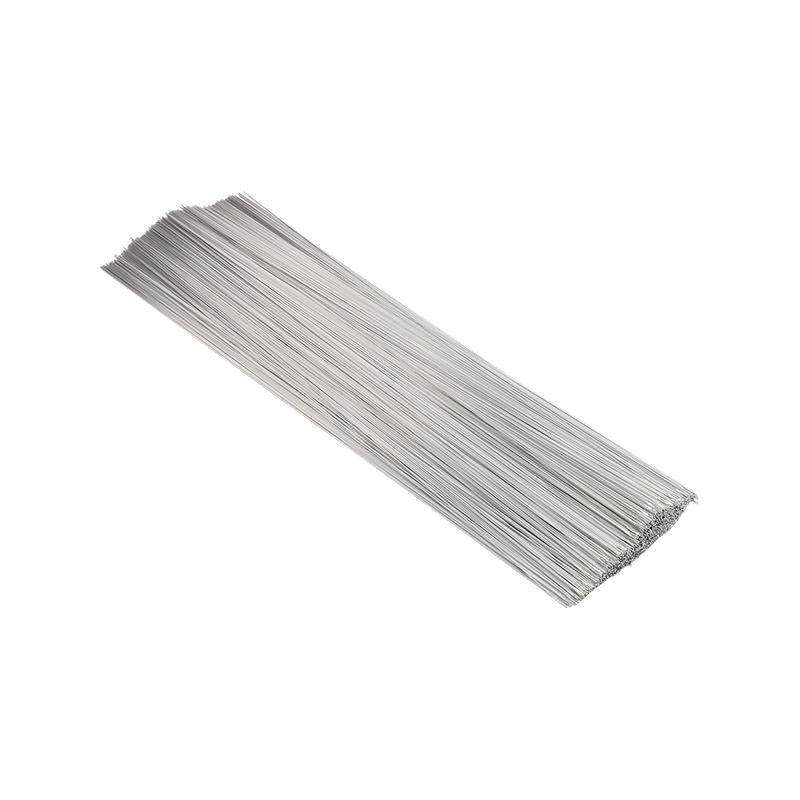
High-strength aluminum alloy wire for rivets is a specialized material designed for demanding fastening applications in aviation, aerospace, defense, transportation, and other industries where low weight, high reliability, and controlled mechanical performance are essential. Unlike ordinary aluminum wire, rivet-grade alloy wire must combine precise chemical composition, consistent diameter, dependable forming behavior, and stable performance after heat treatment or installation.
Jiangsu Hetuo Aluminum Wire Co., Ltd. supplies aluminum alloy wire for rivet production, including high-strength grades such as 2A10, 2219, 7050, and 7075. These alloys are supported by a broader material portfolio that also includes high-purity aluminum wire and aluminum or aluminum alloy welding materials. This product range allows customers to select a wire according to strength, corrosion resistance, fracture toughness, weldability, forming requirements, and service temperature.
Rivet wire is not simply a basic aluminum raw material. It is an engineered input for the production of permanent mechanical fasteners. The wire must be clean, uniform, and suitable for processing into rivets with reliable heads, shafts, and dimensional tolerances. It must also support the required final condition, whether the application calls for high tensile strength, improved stress-corrosion resistance, fracture toughness, or performance at low temperatures.
For aviation and aerospace applications, material selection is particularly important. Rivets are often used in structures where weight reduction must be achieved without compromising joint integrity. A properly selected aluminum alloy can provide an attractive balance between density, strength, corrosion resistance, and manufacturability. High-strength aluminum alloy wire therefore plays a critical role in producing lightweight fastening systems for aircraft structures, space-related equipment, military hardware, and advanced industrial assemblies.
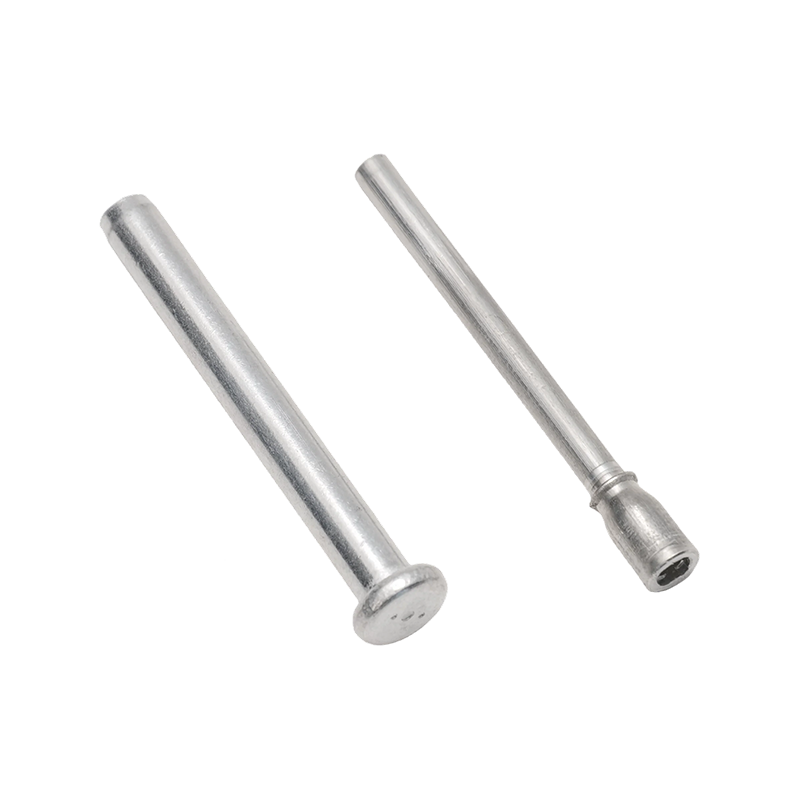
For Rivets
Content
- 1 What Is Aluminum Rivet Wire?
- 2 Why High-Strength Aluminum Alloy Wire Is Used for Rivets
- 3 Key Alloy Options for Rivet Applications
- 4 Temper Selection and Performance Balance
- 5 Advantages Compared with Conventional Rivet Materials
- 6 Manufacturing Strengths and Quality Control
- 7 From Alloy Selection to Finished Wire
- 8 Chemical Composition and Material Verification
- 9 Dimensional Accuracy and Surface Quality
- 10 Applications in Aviation, Aerospace, and Military Fields
- 11 Custom Supply for Industrial Requirements
- 12 How the Product Supports Sustainable Manufacturing
- 13 Inspection and Customer Acceptance
- 14 Comparison with Other Fastening Material Choices
- 15 Buying Guide for Aluminum Rivet Wire
- 16 Frequently Asked Questions
- 16.1 What is aluminum rivet wire used for?
- 16.2 Which aluminum alloys are available for high-strength rivet applications?
- 16.3 Is 7075 aluminum wire suitable for aviation rivets?
- 16.4 What is the difference between T6, T73, and T76?
- 16.5 Can aluminum rivet wire be customized?
- 16.6 How is rivet wire quality controlled?
- 16.7 Are all listed aluminum wire grades suitable for rivets?
- 16.8 What information should be included in a quotation request?
- 16.9 Why is surface quality important in rivet wire?
- 16.10 How should the best temper be selected?
- 17 Conclusion
- 18 References
- 19 Product: For Rivets
What Is Aluminum Rivet Wire?
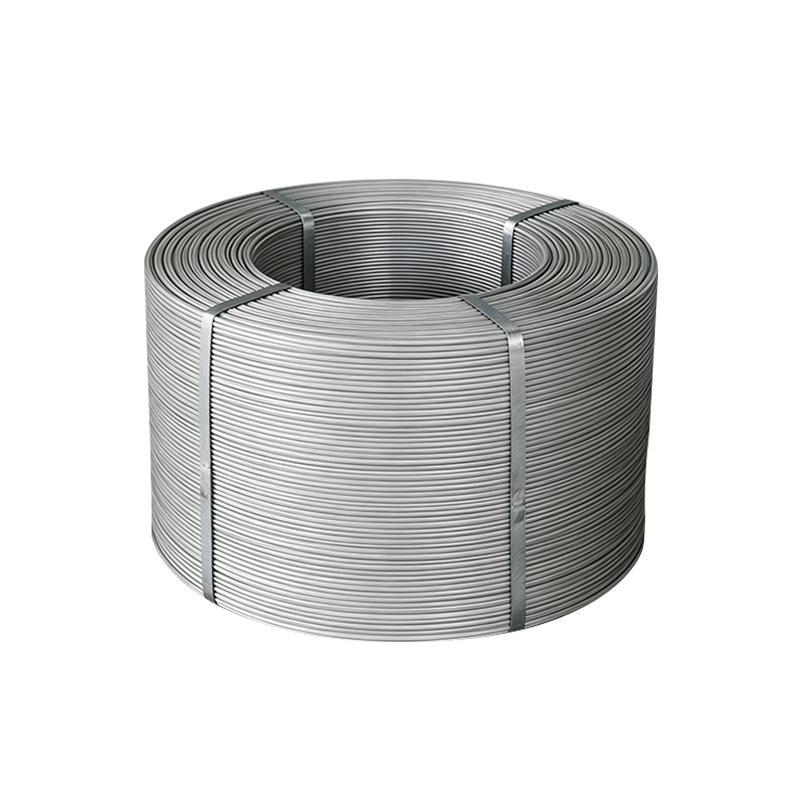
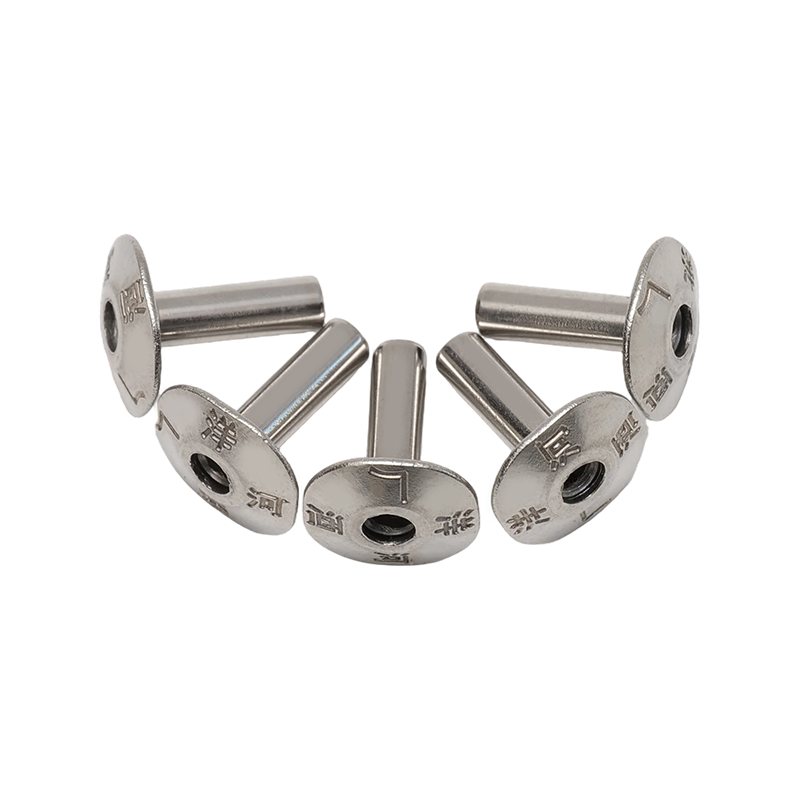
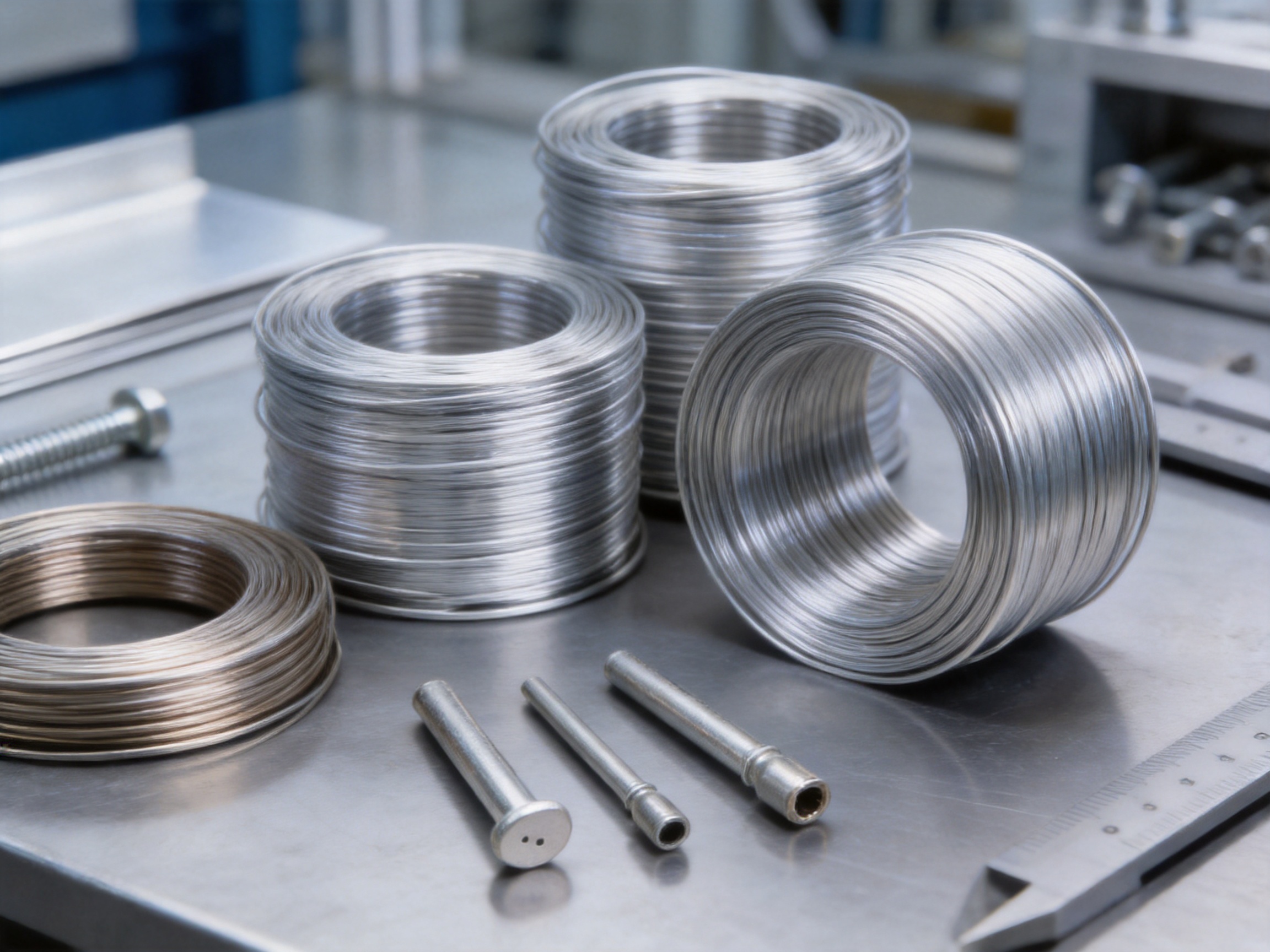
Aluminum rivet wire is aluminum alloy wire manufactured for conversion into rivets or related fastening components. The wire is normally supplied in continuous coils or other customer-specified forms and is processed by cutting, heading, upsetting, forming, heat treatment, surface preparation, and inspection. Depending on the alloy and temper, the final rivet may be used in a soft, solution-treated, aged, or otherwise controlled metallurgical condition.
The main material characteristics required for rivet wire include stable chemical composition, good surface quality, consistent cross-sectional dimensions, controlled straightness, and predictable deformation behavior. During rivet manufacture, the wire is cut into slugs and formed under high pressure. If the wire contains excessive inclusions, surface defects, segregation, or dimensional variation, the resulting rivets may show cracks, incomplete heads, uneven fill, or inconsistent mechanical properties.
Aluminum alloy rivet wire differs from general-purpose aluminum wire because it is selected and processed with the final fastener application in mind. A general wire may be suitable for electrical conductors, mesh, ties, or simple forming, but rivet wire must withstand concentrated deformation during heading. It must maintain structural continuity through the formed head and shank, while also meeting application-specific strength and corrosion requirements.
High-strength grades are especially important when rivets must carry substantial loads or function in highly stressed structures. Alloys in the 7000 series, including 7050 and 7075, are known for their high strength after suitable heat treatment. Copper-bearing alloys such as 2A10 and 2219 can also provide high strength and useful elevated-temperature performance when correctly processed. The best choice depends on the design environment and the required balance of properties.
Why High-Strength Aluminum Alloy Wire Is Used for Rivets
Aluminum alloys provide a lower density than steel and many other structural metals. This makes aluminum rivets attractive in aircraft and aerospace structures, where every reduction in mass can contribute to improved payload capacity, fuel efficiency, range, or operating economy. The benefit is not limited to the weight of the individual rivet. When thousands of fasteners are used in a structure, the cumulative weight reduction can be significant.
High-strength aluminum alloy wire also offers a useful combination of strength and formability. Rivets must be formed during manufacturing or installation, and an alloy that is too hard or poorly controlled may crack during heading. Conversely, a material that is too soft may not provide the required load-bearing performance after installation. Proper alloy selection and temper control allow manufacturers to achieve a suitable balance between forming behavior and final strength.
Corrosion performance is another important consideration. Aircraft and military structures may be exposed to humidity, temperature cycling, deicing chemicals, salt-laden air, industrial contaminants, and other aggressive conditions. Certain high-strength alloys and tempers offer improved resistance to stress corrosion cracking, exfoliation corrosion, or environmental degradation compared with conventional high-strength conditions.
Aluminum also has good compatibility with many aluminum structural components. Using aluminum rivets with aluminum sheets, profiles, or frames can help reduce galvanic corrosion risks compared with joining dissimilar metals without adequate protection. Fastener selection must still consider coatings, sealants, joint design, and the surrounding material system, but an aluminum-based fastening solution can simplify material compatibility.
Another advantage is the ability to tailor performance through temper and heat treatment. The same general alloy family may be supplied or processed into different conditions to prioritize strength, fracture toughness, stress-corrosion resistance, or low-temperature behavior. This flexibility is especially valuable for aerospace customers, who may require different performance profiles for primary structures, secondary structures, pressure vessels, interior assemblies, or military equipment.
Key Alloy Options for Rivet Applications
The product information includes several aluminum alloy grades. Although not every listed grade is intended for the same rivet application, the range demonstrates the ability to support different material requirements. High-strength grades are particularly relevant to demanding rivet applications, while other grades may be selected for welding, corrosion resistance, ductility, or specialized fabrication.
| Alloy | Typical material emphasis | Potential application relevance |
| 2A10 | Copper-bearing high-strength aluminum alloy | High-strength structural rivets and demanding aerospace components |
| 2219 | Copper-bearing alloy with high-strength potential | Aerospace structures, tanks, and elevated-performance applications |
| 7050 | Zinc- and magnesium-bearing high-strength alloy | High-load aerospace and defense fastening systems |
| 7075 | High-strength zinc-bearing aluminum alloy | Custom high-strength rivet wire and aviation-related components |
| 4043 | Silicon-bearing aluminum welding alloy | Welding filler applications rather than primary high-strength rivets |
| 4047 | Higher-silicon aluminum welding alloy | Welding and brazing-related applications |
| 5183 | Magnesium-bearing aluminum alloy | Welding materials and corrosion-conscious fabrication |
| 5356 | Magnesium-bearing aluminum alloy | Welding wire and general fabrication applications |
2A10 is a copper-containing high-strength aluminum alloy suitable for applications that require substantial structural performance. Its copper content contributes to precipitation-strengthening potential. When processed and heat treated correctly, the alloy can provide the strength needed for demanding fastening systems. Its use should be matched to the customer’s design standard, forming process, and corrosion-control requirements.
2219 is another copper-bearing alloy commonly associated with aerospace engineering. It is valued for its strength potential and usefulness in applications where reliable performance under demanding service conditions is required. The specific suitability of 2219 rivet wire depends on the final product design, temper, dimensions, and applicable standards.
7050 and 7075 belong to the high-strength 7000-series aluminum alloy family. These alloys are widely considered when high strength-to-weight performance is a priority. 7075 is often selected for high-strength structural components, while 7050 may be preferred where the design requires a carefully balanced combination of strength, toughness, and resistance to certain forms of environmental cracking.
The product description identifies 7075 aluminum rivet wire as a custom offering for aviation applications. Custom supply can include agreed alloy, temper, wire diameter, coil configuration, inspection requirements, packaging, and documentation. This flexibility is useful for customers whose rivet manufacturing equipment or engineering standards require dimensions and processing conditions beyond common stock sizes.
Temper Selection and Performance Balance
Temper selection has a direct effect on the performance of high-strength aluminum alloy wire and the rivets produced from it. The product information highlights T6, T73, and T76 conditions. These conditions represent different heat-treatment objectives and therefore provide different balances among strength, fracture toughness, stress-corrosion resistance, exfoliation-corrosion resistance, and low-temperature performance.
T6 conditions are generally associated with high strength. For rivet applications, a T6-type condition may be considered when the primary design objective is load-carrying capacity. However, the highest nominal strength is not always the only or most important requirement. A fastener exposed to sustained stress and a corrosive environment may need a condition that provides greater resistance to stress corrosion even if the strength is somewhat lower.
T73 conditions are described as providing relatively high fracture toughness, stress-corrosion resistance, exfoliation-corrosion resistance, and low-temperature performance. This makes the condition relevant to structures where damage tolerance and environmental reliability are important. The material may be considered for components exposed to cyclic loads, harsh weather, or service conditions where crack growth and corrosion-related damage must be carefully controlled.
T76 conditions are described as providing higher strength than T73 while offering higher stress-corrosion resistance than T6. This intermediate balance can be attractive for applications that require both elevated strength and enhanced environmental resistance. The actual performance must always be confirmed against the applicable material specification and customer qualification requirements.
| Temper condition | Primary performance emphasis | Design consideration |
| T6 | High strength | Useful where load-bearing capacity is the main priority |
| T73 | Fracture toughness and environmental resistance | Suitable for applications emphasizing stress-corrosion and exfoliation-corrosion resistance |
| T76 | Higher strength than T73 with improved stress-corrosion resistance compared with T6 | Useful when strength and environmental resistance must be balanced |
Temper should not be selected in isolation. Engineers should consider rivet diameter, installation method, joint design, service temperature, applied stress, exposure conditions, inspection procedures, and any requirements for aging after installation. A supplier with experience in aluminum alloy wire can help customers identify a practical starting specification, while final approval should follow the customer’s engineering and quality systems.
Advantages Compared with Conventional Rivet Materials
The principal advantage of high-strength aluminum alloy rivet wire is its combination of low density and high specific strength. Steel rivets may offer high absolute strength, but they generally add more mass and may introduce galvanic or thermal-expansion considerations when used with aluminum structures. Aluminum alloy rivets can reduce weight while maintaining suitable mechanical performance for many structural applications.
Compared with soft, unalloyed aluminum wire, high-strength alloy wire can provide substantially greater load-carrying capability after appropriate processing. This allows designers to select smaller or lighter fasteners in some applications, although the final design must account for shear strength, tensile strength, bearing strength, fatigue, hole quality, installation force, and joint geometry.
Compared with low-quality or inconsistently processed wire, precision-manufactured rivet wire offers better repeatability. Consistent wire diameter helps maintain stable slug volume and predictable rivet dimensions. A clean and uniform surface reduces the risk of defects during cold forming. Stable alloy chemistry supports consistent heat treatment and mechanical performance across production batches.
High-strength aluminum alloy wire can also offer a more balanced performance profile than a material optimized only for strength. For aerospace fastening, fracture toughness and resistance to stress-corrosion cracking may be as important as tensile strength. The availability of T6, T73, and T76-type conditions allows the customer to select a material that better reflects the actual service environment.
Another advantage is the broad product range available from one specialized supplier. In addition to high-strength rivet grades, the company supplies welding alloys such as 4043, 4047, 5183, 5154, 5356, AlMg3, AlMg5, AlMg6, and AlMg61. This enables manufacturers, fabricators, and distributors to source complementary aluminum wire products from a single technical partner instead of coordinating multiple suppliers.
Manufacturing Strengths and Quality Control
Jiangsu Hetuo Aluminum Wire Co., Ltd. was established in 2019 and operates in the Guannan Economic Development Zone in Lianyungang, Jiangsu Province, China. The company’s factory covers approximately 40,000 square meters and employs 60 people, including professional managers and technical personnel. This structure supports a manufacturing model that combines production capacity with technical supervision and customer-oriented service.
The company has developed an intelligent manufacturing system covering high-purity aluminum wire, high-strength aluminum alloy wire, and aluminum or aluminum alloy welding materials. For customers purchasing rivet wire, this broader manufacturing base can provide access to equipment, process knowledge, and inspection resources developed across multiple aluminum wire categories.
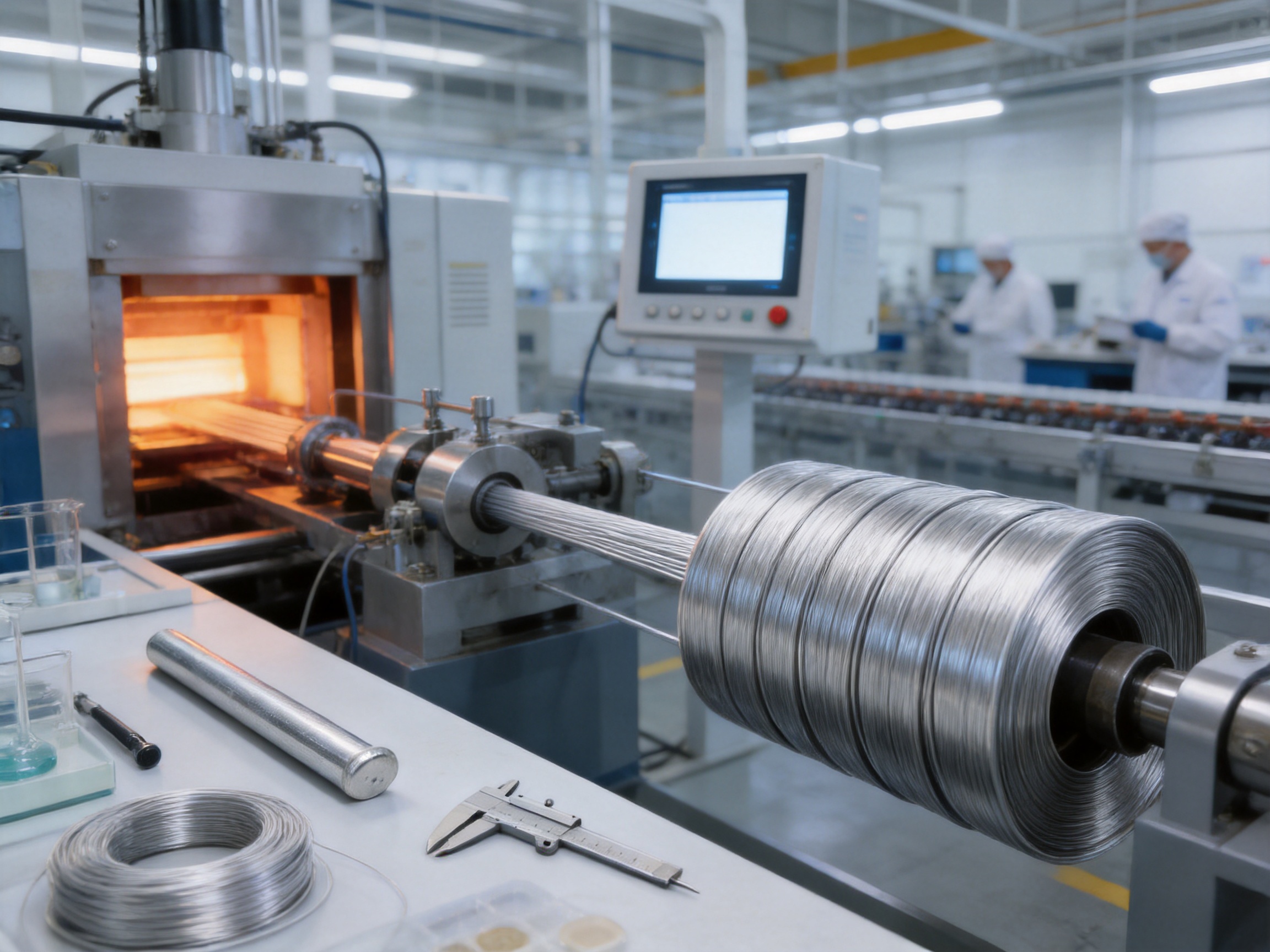
Advanced equipment is introduced into the production system to support stable processing. In a precision wire operation, equipment quality influences melting, casting, rolling, drawing, annealing, straightening, coiling, and packaging. The exact process route varies according to alloy, diameter, temper, and customer specification, but each stage must be coordinated to avoid introducing defects or excessive variation.
Quality inspection is implemented throughout production rather than being limited to a final visual check. Process controls may include raw material verification, alloy composition analysis, dimensional measurement, surface inspection, mechanical testing, and documentation review. Continuous or staged inspection helps identify deviations earlier, reducing the risk that nonconforming material will proceed to later operations.
The company reports certification to ISO 9001 and IATF 16949 quality management systems. ISO 9001 provides a structured framework for quality management, process control, customer requirements, corrective action, and continual improvement. IATF 16949 is associated with automotive quality management and emphasizes risk-based thinking, defect prevention, traceability, process capability, and disciplined production control.
Although aerospace and defense customers may apply additional standards, audits, and qualification procedures, these quality-management foundations can support systematic manufacturing. Customers should request current certificates, product test reports, inspection plans, and any sector-specific approvals required for their projects.
From Alloy Selection to Finished Wire
The production of high-strength aluminum alloy rivet wire begins with careful selection and verification of raw materials. Aluminum and alloying additions must be weighed and controlled to achieve the specified chemical composition. Elements such as copper, magnesium, zinc, manganese, chromium, titanium, and zirconium influence strength, grain structure, corrosion behavior, weldability, and heat-treatment response.
Melting and alloy preparation must be controlled to limit contamination and unwanted inclusions. Aluminum is sensitive to hydrogen absorption and oxide formation during melting. Appropriate furnace practice, filtration, degassing, and transfer procedures can help improve melt cleanliness. Cleaner metal supports better surface quality and reduces the risk of internal discontinuities in the finished wire.
After alloy preparation, the material is formed into a suitable intermediate product, such as rod or bar, before being reduced to the required wire diameter. Rolling and drawing operations must be managed to control reduction ratios, work hardening, dimensional accuracy, and surface condition. Excessive deformation without appropriate intermediate treatment can reduce ductility and make the wire unsuitable for rivet heading.
Annealing or other thermal treatment may be used to restore formability, reduce residual stress, or prepare the wire for further drawing. For precipitation-hardening alloys, solution treatment and aging require controlled temperature and time. Variations in heat-treatment practice can change strength, elongation, toughness, and corrosion performance, so the process must be matched to the specified alloy and temper.
Drawing dies and equipment condition also influence final quality. Worn or improperly aligned dies can create scratches, dimensional variation, or residual stress. Proper lubrication and controlled reduction help protect the wire surface and improve drawing stability. For rivet applications, surface defects are especially important because they may act as stress concentrators during heading or service.
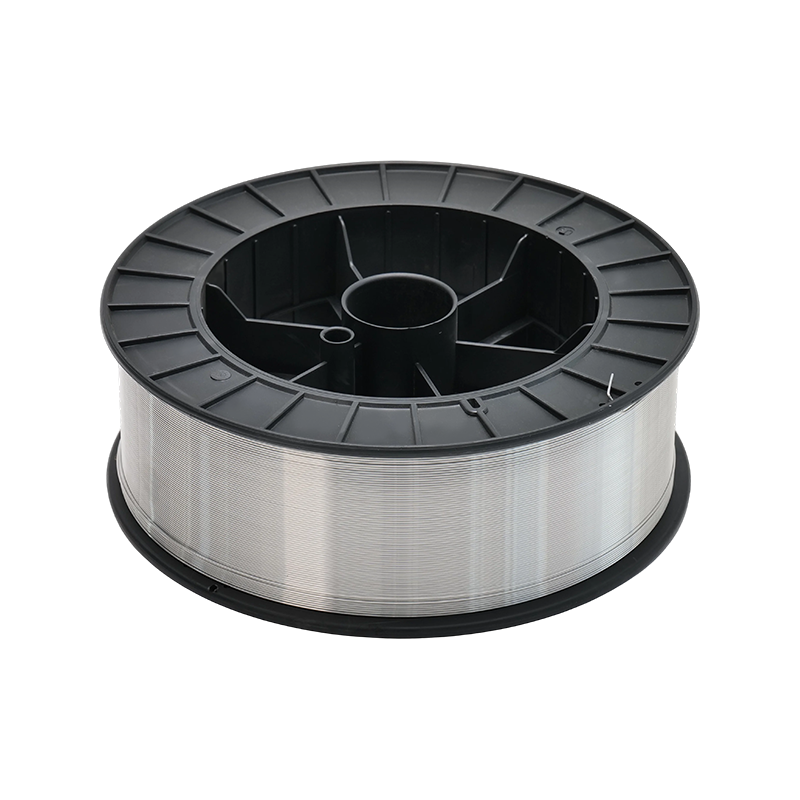
After drawing and heat treatment, the wire may be straightened, coiled, or otherwise prepared according to customer requirements. Packaging must protect the material against moisture, contamination, impact, and deformation during transportation. Identification and traceability are also essential. Each production batch should be connected to its alloy, temper, dimensions, inspection results, and shipping documentation.
Chemical Composition and Material Verification
Chemical composition is a fundamental control point for aluminum alloy rivet wire. Even small changes in key alloying elements can affect precipitation response, strength, corrosion behavior, and formability. The supplied material data lists composition limits for multiple grades, including 2A10, 2219, 7050, and 7075.
For example, the listed 2A10 composition includes approximately 3.9 to 4.5 percent copper, 0.30 to 0.50 percent manganese, and 0.15 to 0.30 percent magnesium, with aluminum as the balance. The listed 2219 composition includes approximately 5.8 to 6.8 percent copper and 0.2 to 0.4 percent manganese. These copper-bearing compositions support the development of high-strength properties through suitable processing and heat treatment.
The listed 7050 composition includes approximately 2.0 to 2.6 percent copper, 1.9 to 2.6 percent magnesium, and 5.7 to 6.7 percent zinc, together with smaller controlled quantities of zirconium and titanium. The listed 7075 composition includes approximately 1.4 to 2.0 percent copper, 1.8 to 2.8 percent magnesium, and 5.0 to 7.0 percent zinc. These ranges indicate the alloying systems used to obtain high strength in 7000-series materials.
| Grade | Selected composition characteristics from supplied data | General performance direction |
| 2A10 | Cu 3.9–4.5%; Mn 0.30–0.50%; Mg 0.15–0.30% | Copper-bearing, precipitation-strengthenable, high-strength potential |
| 2219 | Cu 5.8–6.8%; Mn 0.2–0.4%; Mg approximately 0.02% | Copper-rich aerospace alloy with high-strength potential |
| 7050 | Cu 2.0–2.6%; Mg 1.9–2.6%; Zn 5.7–6.7%; Zr 0.08–0.15% | High-strength alloy with a balanced aerospace performance profile |
| 7075 | Cu 1.4–2.0%; Mg 1.8–2.8%; Zn 5.0–7.0%; Cr 0.10–0.25% | High-strength alloy for demanding structural applications |
The composition values shown above are summarized from the supplied product information. Customers should confirm the applicable standard, edition, and product-specific certificate before approving material for production. Different national or industry standards may use different designations, limits, test requirements, and temper definitions.
Material verification may involve optical emission spectroscopy, sample preparation, laboratory analysis, and comparison with the purchase specification. Chemical analysis should be connected to batch identification to support traceability. For critical aerospace and defense applications, customers may also require retained samples, independent testing, source inspection, or special process approval.
Dimensional Accuracy and Surface Quality
Rivet manufacturing depends on consistent wire dimensions. The amount of material cut into each slug determines the volume available to form the rivet head and shank. If wire diameter varies significantly, the finished rivet may show changes in head height, head diameter, shank fill, or overall length. Such variation can affect installation quality and joint performance.
Precision drawing and final sizing help control diameter and roundness. The required tolerance should be agreed with the customer because it depends on the rivet design, forming equipment, and applicable standard. For automated high-volume rivet production, tighter dimensional control can improve process stability and reduce adjustments or material waste.
Surface quality is equally important. The wire should be free from harmful cracks, laps, folds, deep scratches, excessive oxide, oil contamination, and other conditions that could interfere with forming or service. A clean and consistent surface supports reliable feeding into heading machines and reduces the probability of defects in the finished fastener.
Surface inspection may be performed visually and, where required, using magnification or other non-destructive methods. The appropriate inspection method depends on wire diameter, alloy, customer standard, and risk level. Packaging should preserve surface condition after inspection by preventing abrasion and exposure to moisture or contaminants.
Applications in Aviation, Aerospace, and Military Fields
High-strength aluminum alloy rivet wire is mainly associated with aviation, aerospace, and military fields because these industries require lightweight structural materials with predictable performance. Rivets may be used in aircraft skins, frames, stringers, brackets, access panels, interior structures, fuel-related assemblies, and other components where permanent fastening is required.
In aircraft construction, riveted joints can distribute loads across a broad area and can be inspected using established maintenance procedures. Aluminum rivets are often selected to match the structural alloy system or to provide an appropriate balance of strength and compatibility. The exact rivet grade is determined by engineering specifications, joint loads, installation equipment, corrosion protection, and maintenance requirements.
Aerospace applications may impose particularly strict controls on traceability and documentation. The material supplier may need to provide certificates of conformity, chemical analysis, mechanical test results, temper information, heat-treatment records, lot numbers, and packaging details. A supplier with a structured quality system is better positioned to support these documentation requirements.
Military equipment may operate in harsh environments involving vibration, rapid temperature changes, dust, humidity, salt spray, and field repair constraints. A rivet material with suitable strength and environmental resistance can help improve long-term reliability. However, the rivet design must be evaluated as part of the complete joint, including substrate material, coatings, sealants, hole preparation, installation force, and inspection method.
Space-related equipment may demand low mass, high reliability, and stable performance across extreme temperature ranges. T73 or T76-type performance objectives may be considered when fracture toughness and resistance to environmental damage are important. Material selection should be validated through application-specific testing because the service environment can differ significantly from conventional aircraft use.
Custom Supply for Industrial Requirements
Standard alloy availability is useful, but many rivet manufacturers require customized supply. Requirements may include a particular alloy designation, temper, diameter, tolerance, coil weight, inner diameter, outer diameter, surface condition, straight length, or packaging method. A custom program can also include special testing and documentation.
Jiangsu Hetuo Aluminum Wire Co., Ltd. positions its 7075 aluminum rivet wire as a custom product for aviation use. Custom manufacturing can help customers align incoming material with their heading machines and downstream quality controls. It may also reduce the need for repeated wire preparation, re-sizing, or sorting before production.
Before placing a custom order, buyers should provide a complete technical specification. Important information includes the alloy and equivalent standard, temper, nominal diameter, dimensional tolerances, mechanical property requirements, surface requirements, coil or spool configuration, quantity per lot, delivery schedule, and inspection documentation.
It is also helpful to provide details about the customer’s forming process. Cold heading, warm forming, machining, and other production routes impose different requirements on ductility and surface condition. If the wire will be heat treated after forming, the customer should state the planned cycle so that the supplied condition can be matched to the final property target.
Technical communication during sampling is especially valuable. A first-article sample can be evaluated for feeding behavior, cutting performance, heading quality, head formation, cracking, dimensional stability, heat-treatment response, and final mechanical properties. Feedback from this stage can be used to refine the production specification before volume supply.
How the Product Supports Sustainable Manufacturing
Aluminum is attractive in lightweight engineering because reducing component mass can lower energy consumption during transportation and operation. In aviation and other mobility applications, weight reduction can contribute to improved efficiency over the service life of the equipment. High-strength aluminum alloy rivets support this approach by combining structural utility with relatively low density.
Aluminum is also a recyclable material. Manufacturing scrap, offcuts, and end-of-life aluminum components can potentially re-enter recycling systems, subject to alloy separation and contamination control. Responsible recycling can reduce the demand for primary metal and improve material efficiency.
Precision wire production further supports sustainability by reducing process waste. Stable diameter, reliable surface quality, and controlled packaging can lower the amount of material rejected during rivet manufacturing. Consistent incoming wire also helps customers reduce setup losses and improve production yields.
Sustainability should not be considered separately from quality. A low-cost material that creates excessive waste, premature fastener failure, or repeated rework may have a higher overall environmental impact. Durable, traceable, and application-appropriate rivet wire can provide a better balance of production efficiency, service reliability, and responsible resource use.
Inspection and Customer Acceptance
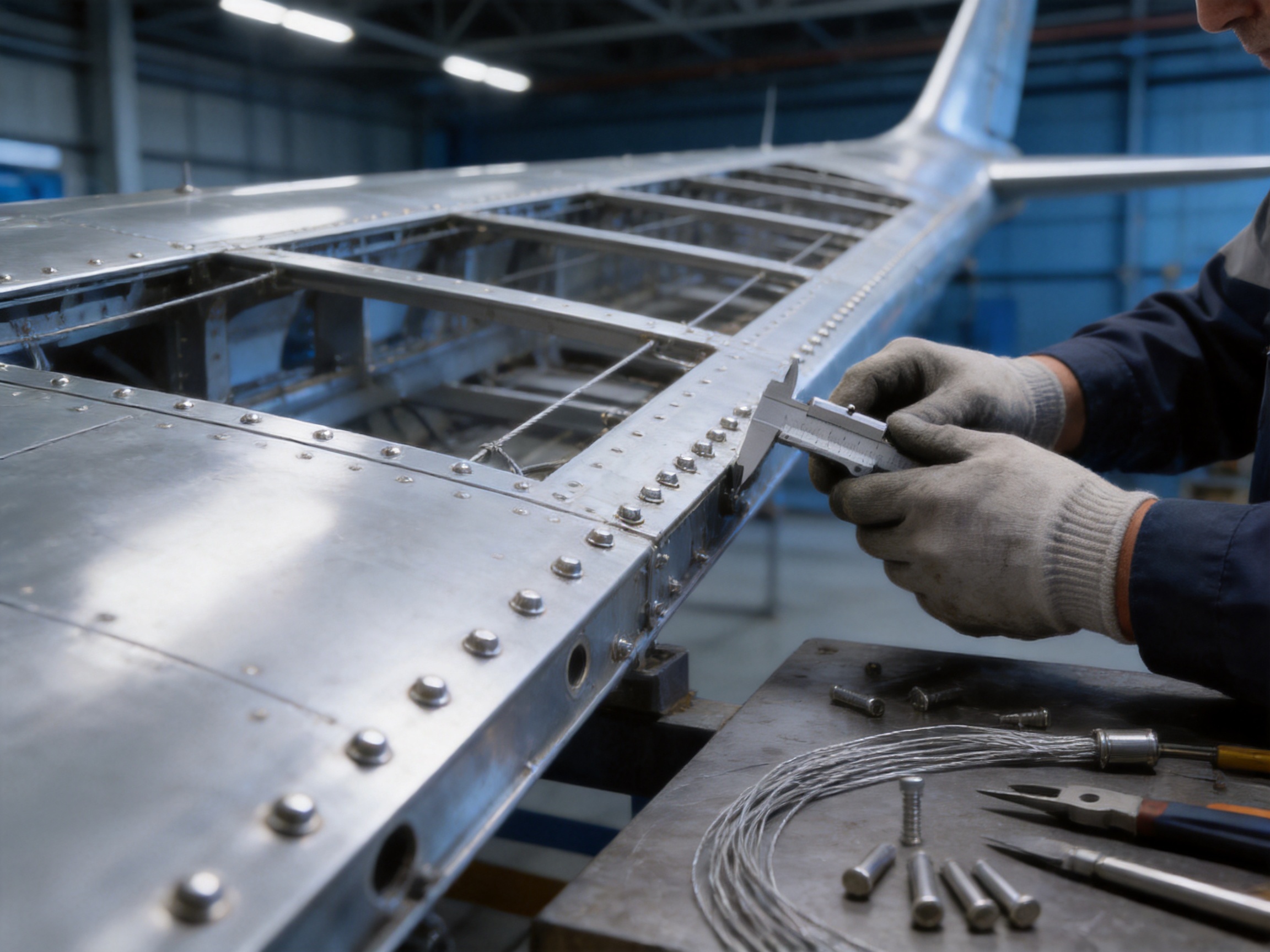
Customer acceptance requirements vary according to the industry and application. For general industrial use, customers may focus on alloy, diameter, surface appearance, packaging, and basic test reports. For aerospace or defense projects, acceptance may include detailed chemical, mechanical, metallurgical, dimensional, and traceability requirements.
Typical documentation may include a certificate of conformity, chemical composition report, mechanical test report, heat-treatment record, dimensional inspection report, batch identification, and packing list. If a customer requires special process controls, these should be agreed before production begins.
Mechanical testing can include tensile strength, yield strength, elongation, hardness, and other tests relevant to the specified alloy and temper. For high-strength materials, the results should be interpreted together with the heat-treatment condition and test direction. Rivet wire may also require tests related to heading performance or formability, particularly when the material will be cold formed.
Metallographic examination can provide information about grain structure, inclusions, segregation, and heat-treatment condition. Such testing may be especially valuable during qualification of a new supplier or alloy. The exact acceptance criteria should come from the customer’s engineering standard or purchasing specification.
Dimensional inspection should verify diameter, roundness, straightness where applicable, coil dimensions, and other agreed characteristics. Surface inspection should confirm that the wire is free from defects that could affect rivet formation or service performance. Traceability links these results to the manufacturing batch and supports effective investigation if a problem arises later.
Comparison with Other Fastening Material Choices
Steel remains an important fastener material because it offers high strength and broad availability. However, steel rivets are heavier and may require additional corrosion protection. When joining aluminum structures, the difference in electrochemical potential between steel and aluminum must be managed through coatings, sealants, insulation, and joint design.
Titanium fasteners provide excellent strength-to-weight performance and corrosion resistance in selected applications, but they are generally more expensive and may require specialized tooling and processing. Aluminum alloy rivets can offer a more economical solution where their mechanical and environmental performance is sufficient.
Soft aluminum rivets are easy to form and may be suitable for low-load or noncritical applications. They are not necessarily appropriate where high shear, tensile, fatigue, or environmental resistance is required. High-strength aluminum alloy wire expands the range of applications by providing substantially greater performance potential while retaining the lightweight characteristics of aluminum.
Composite fastening solutions may reduce weight in certain structures, but they can involve different installation methods, inspection requirements, and long-term durability considerations. Aluminum alloy rivets remain attractive because their production, installation, repair, and inspection methods are well established in many industries.
The appropriate comparison is therefore not based on strength alone. Buyers should compare total system performance, including material cost, tooling, installation speed, corrosion protection, inspection, repairability, weight, service life, and supply stability.
Buying Guide for Aluminum Rivet Wire
When purchasing high-strength aluminum alloy wire for rivets, the first step is to define the application. State whether the material will be used for aviation, aerospace, military equipment, transportation, general structural fabrication, or another purpose. The service environment should include temperature range, humidity, salt exposure, vibration, sustained stress, and expected fatigue conditions.
The alloy and temper should then be selected according to the required performance. T6 may be appropriate where high strength is the main objective. T73 may be preferred where fracture toughness and resistance to stress corrosion or exfoliation corrosion are more important. T76 may offer a balance between strength and environmental resistance. These choices must be verified against the relevant engineering standard.
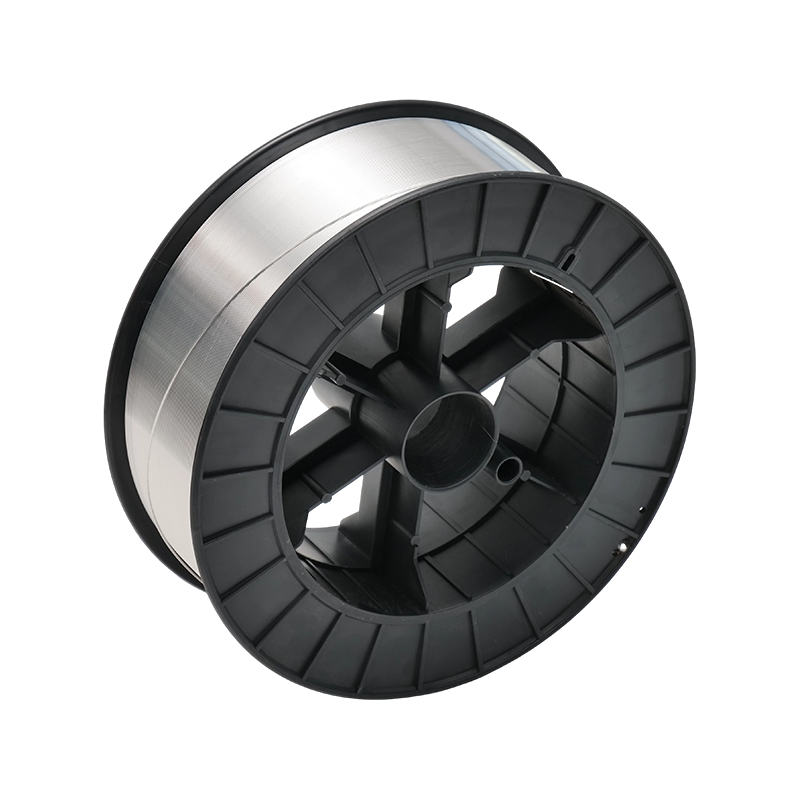
Specify the wire diameter and tolerance clearly. Include the required coil or spool format, weight range, inner and outer diameter, winding method, and maximum allowable joints if applicable. The material should be compatible with the customer’s cutting and heading equipment.
Surface requirements should address cleanliness, oxidation, scratches, cracks, lubrication, and any limitations on surface treatment. If the wire will be stored before production, packaging requirements should protect it from humidity and contamination. Customers may also request vacuum packaging, sealed bags, corrosion-inhibiting materials, or special labels.
Documentation requirements should be agreed in advance. Important documents may include a certificate of conformity, chemical composition report, mechanical test report, heat-treatment information, dimensional report, and traceability statement. For regulated applications, customers may also require supplier audits, sample approval, first-article inspection, or ongoing batch testing.
Finally, confirm production capacity, lead time, minimum order quantity, sample policy, export packaging, and technical support. A reliable supplier should be able to discuss the relationship between alloy, temper, diameter, forming process, and final application rather than treating the order as a simple commodity purchase.
Frequently Asked Questions
What is aluminum rivet wire used for?
Aluminum rivet wire is used to manufacture rivets and related fastening components. High-strength grades are mainly intended for aviation, aerospace, military, transportation, and other structural applications where low weight and dependable mechanical performance are required.
Which aluminum alloys are available for high-strength rivet applications?
The supplied product information identifies 2A10, 2219, 7050, and 7075 as important high-strength alloy options. The exact grade should be selected according to required strength, fracture toughness, corrosion resistance, forming behavior, service temperature, and applicable standards.
Is 7075 aluminum wire suitable for aviation rivets?
7075 is a high-strength aluminum alloy and is offered as a custom aluminum rivet wire for aviation-related applications. Suitability depends on the specified temper, wire diameter, rivet design, installation process, environmental conditions, and customer qualification requirements.
What is the difference between T6, T73, and T76?
T6 is generally associated with high strength. T73 emphasizes fracture toughness and resistance to stress corrosion and exfoliation corrosion, together with low-temperature performance. T76 provides higher strength than T73 while offering greater stress-corrosion resistance than T6. The exact values and acceptance criteria must be confirmed in the applicable material standard.
Can aluminum rivet wire be customized?
Yes. Custom requirements may include alloy, temper, diameter, tolerance, coil dimensions, packaging, surface condition, mechanical properties, inspection, and documentation. Custom 7075 rivet wire is identified as one of the available product offerings.
How is rivet wire quality controlled?
Quality control can cover raw material verification, chemical composition, melt cleanliness, drawing, heat treatment, dimensional accuracy, surface quality, mechanical properties, packaging, and traceability. Production is supported by an intelligent manufacturing system and quality management certifications reported for the supplier.
Are all listed aluminum wire grades suitable for rivets?
No. The product portfolio includes both high-strength alloy wire and aluminum welding materials. Grades such as 4043, 4047, 5183, 5154, 5356, AlMg3, AlMg5, AlMg6, and AlMg61 are primarily associated with welding or fabrication uses. Customers should confirm the intended application before ordering.
What information should be included in a quotation request?
A quotation request should include alloy, temper, diameter, tolerance, quantity, coil or spool format, surface requirements, packaging, delivery destination, required certificates, applicable standards, and intended application. Information about the customer’s forming or heading process is also useful.
Why is surface quality important in rivet wire?
Rivet wire is cut and formed under pressure. Scratches, cracks, laps, folds, or other surface defects can become more severe during heading and may reduce the reliability of the finished rivet. A clean, uniform surface supports stable feeding and consistent forming.
How should the best temper be selected?
The best temper depends on the balance required between strength, toughness, environmental resistance, and forming behavior. Engineers should consider the complete joint design and service environment instead of choosing a temper based only on the highest strength value.
Conclusion
High-strength aluminum alloy wire for rivets is an essential material for lightweight, reliable fastening systems. Its value comes from more than the nominal alloy designation. Consistent chemistry, controlled processing, precise dimensions, clean surfaces, suitable temper, dependable documentation, and stable supply all contribute to the performance of the finished rivet.
The available product range includes high-strength grades such as 2A10, 2219, 7050, and 7075, along with multiple aluminum welding alloys for complementary fabrication requirements. T6, T73, and T76-type conditions provide different balances of strength, toughness, stress-corrosion resistance, exfoliation-corrosion resistance, and low-temperature performance.
Jiangsu Hetuo Aluminum Wire Co., Ltd. supports these applications through a manufacturing system covering high-purity aluminum wire, high-strength aluminum alloy wire, and aluminum or aluminum alloy welding materials. Its reported 40,000-square-meter facility, technical personnel, advanced equipment, process inspection, ISO 9001 certification, and IATF 16949 certification provide a foundation for controlled production and customer-focused supply.
For buyers, the most reliable approach is to define the application carefully, select the alloy and temper through engineering analysis, agree on dimensional and surface requirements, and confirm all testing and documentation before production. When these factors are controlled together, aluminum rivet wire can provide an effective combination of lightweight construction, high specific strength, environmental performance, and manufacturing efficiency.
References
Aluminum Association. Aluminum Standards and Alloy Designation Practices.
ASTM International. Standards for Aluminum and Aluminum-Alloy Wire, Rod, and Related Products.
International Organization for Standardization. ISO 9001 Quality Management Systems—Requirements.
International Automotive Task Force. IATF 16949 Quality Management System Requirements for Automotive Production and Relevant Service Parts Organizations.
ASM International. ASM Handbook, Volume 2: Properties and Selection: Nonferrous Alloys and Special-Purpose Materials.
ASM International. ASM Handbook, Volume 4: Heat Treating of Aluminum Alloys.
Supplied product information for high-strength aluminum alloy wire, aluminum rivet wire, chemical composition, temper characteristics, manufacturing capabilities, and company quality systems.