

 English
 中文简体
 русский
 Deutsch
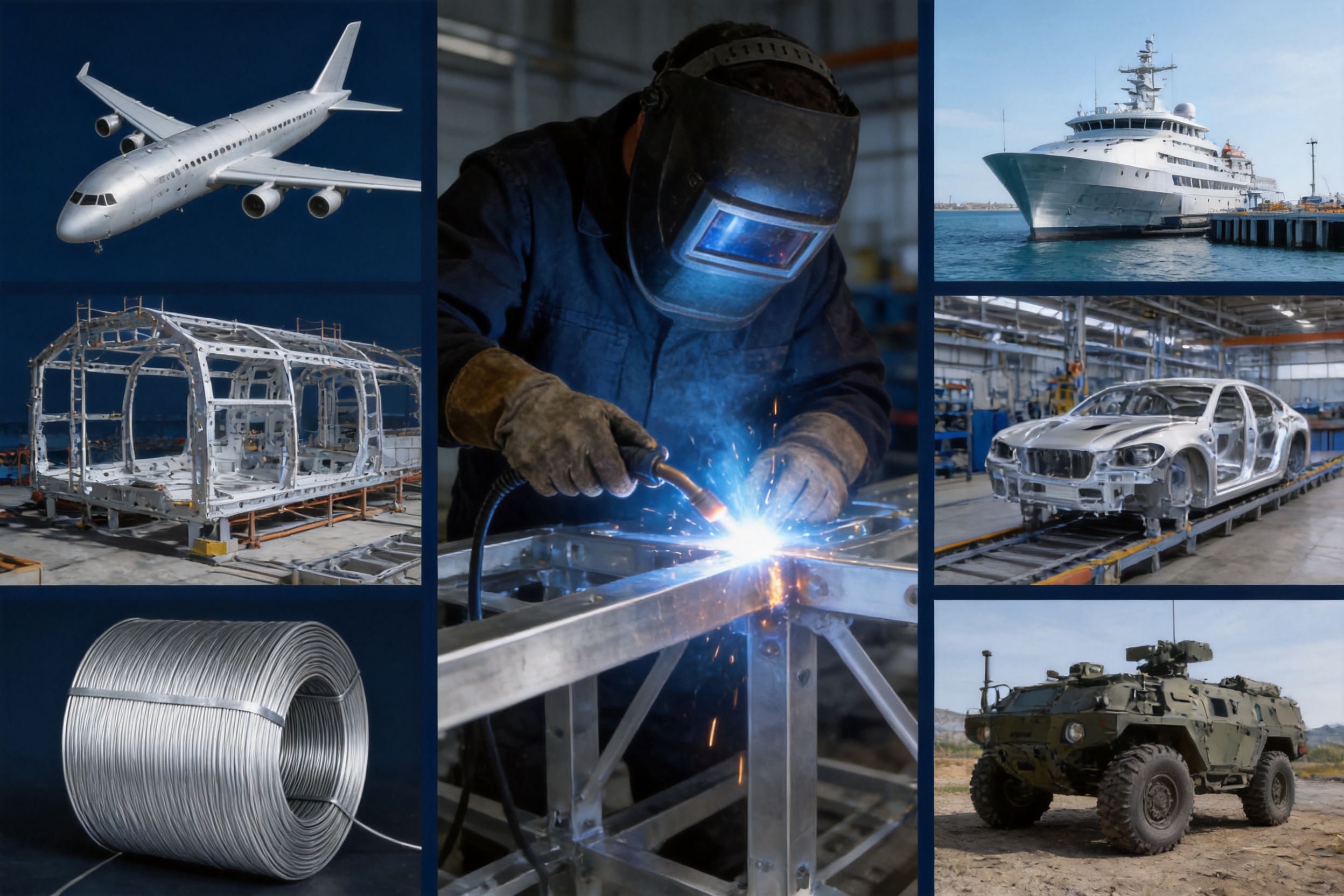
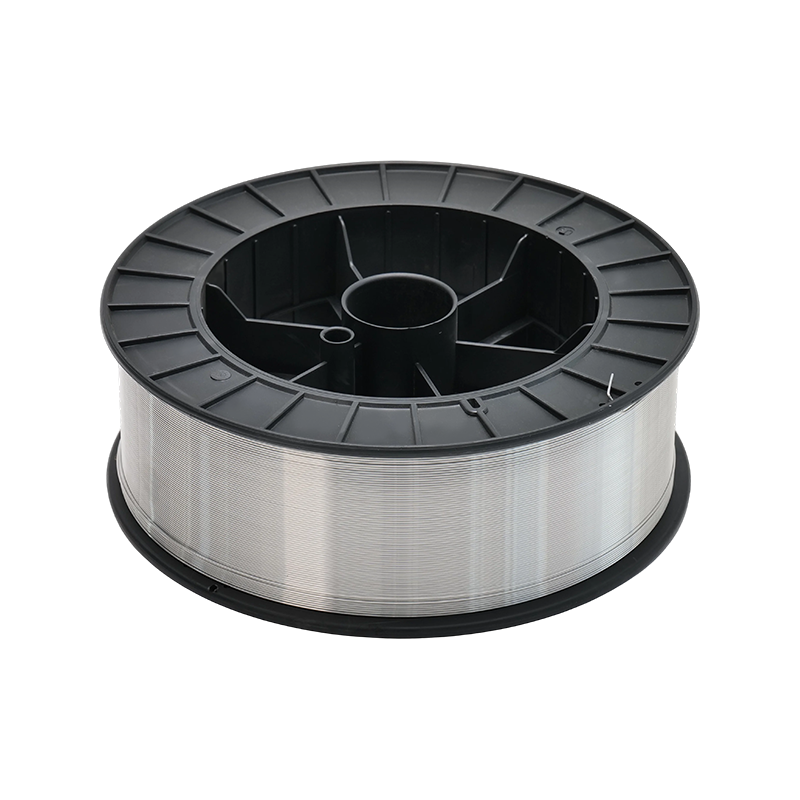
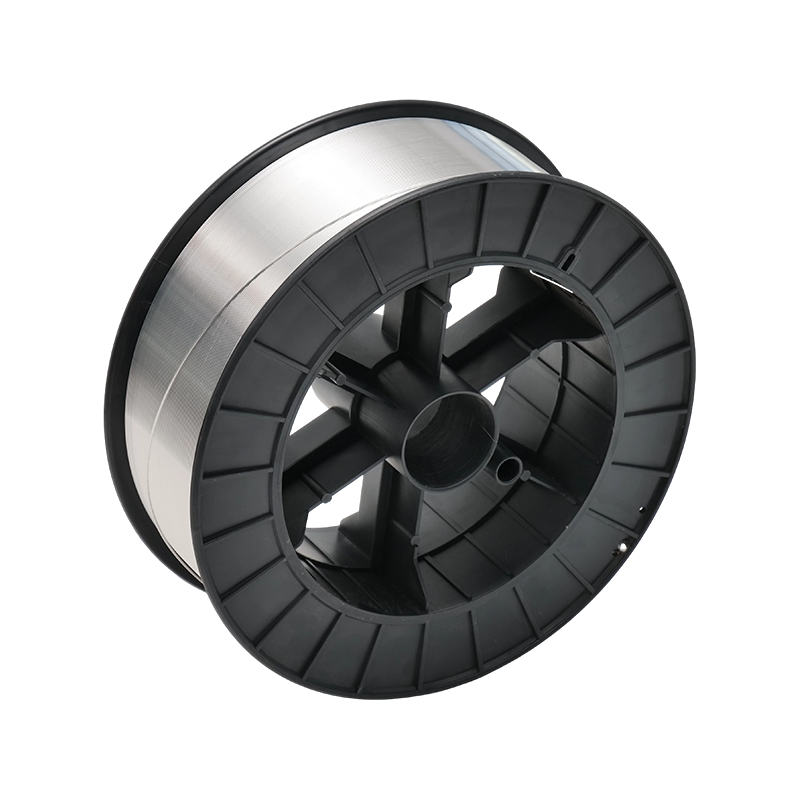
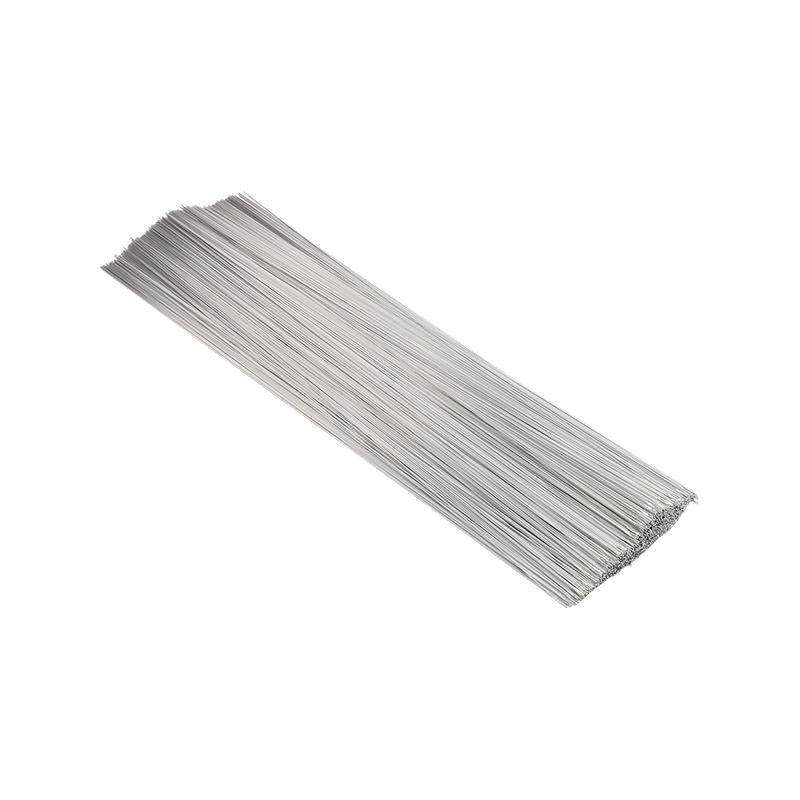
AlMg6 aluminum alloy wire is a high-strength aluminum-magnesium alloy wire designed for demanding industrial applications where strength, corrosion resistance, weldability, and dependable composition control are essential. With a nominal magnesium content of 5.8–6.8%, AlMg6 offers a useful balance between mechanical performance and fabrication efficiency. It is particularly suitable for industries such as aviation, aerospace, military equipment, shipbuilding, automotive manufacturing, and tank production, where lightweight materials must withstand severe service environments.
As industries continue to reduce structural weight while improving durability and operational efficiency, aluminum alloy wire has become an increasingly important material for welding, joining, fabrication, and specialized component production. AlMg6 responds to this demand through its combination of aluminum’s low density and magnesium’s strengthening effect. The alloy is also recognized for good resistance to exfoliation corrosion and favorable welding characteristics, making it an effective choice for structures exposed to moisture, salt spray, changing temperatures, and mechanical stress.
Jiangsu Hetuo Aluminum Wire Co., Ltd. manufactures AlMg6 aluminum alloy wire as part of its high-strength aluminum alloy wire portfolio. The company operates an integrated manufacturing system covering high-purity aluminum wire, high-strength aluminum alloy wire, aluminum welding wire, aluminum alloy welding materials, alloy rods, and precision profiles. Its production capabilities, process controls, quality inspection procedures, and experience with international markets support the consistent supply of aluminum alloy wire for professional industrial users.
Content
- 1 What Is AlMg6 Aluminum Alloy Wire?
- 2 Core Chemical Composition
- 3 Performance Advantages of AlMg6
- 4 Comparison with Other Aluminum Alloy Wires
- 5 Applications of AlMg6 Aluminum Alloy Wire
- 6 Advanced Manufacturing Process
- 7 Quality Management and Company Strengths
- 8 Why Choose AlMg6 from an Integrated Manufacturer?
- 9 Recommended Storage and Handling
- 10 Welding and Processing Considerations
- 11 Ordering Information
- 12 Frequently Asked Questions
- 12.1 What is AlMg6 aluminum alloy wire used for?
- 12.2 What is the magnesium content of AlMg6?
- 12.3 How does AlMg6 compare with AlMg5?
- 12.4 Is AlMg6 suitable for marine applications?
- 12.5 Is AlMg6 a heat-treatable aluminum alloy?
- 12.6 Can AlMg6 be used in automated welding equipment?
- 12.7 What advantages does AlMg6 offer over 4043 wire?
- 12.8 What quality certifications does the manufacturer have?
- 12.9 How should AlMg6 wire be stored?
- 12.10 What information should be included in a purchase inquiry?
- 13 Conclusion
- 14 References
- 15 Product: AlMg6 Aluminum Alloy Wire
What Is AlMg6 Aluminum Alloy Wire?
AlMg6 is an aluminum-magnesium alloy containing approximately 5.8–6.8% magnesium. The principal alloying element, magnesium, strengthens the aluminum matrix and improves the material’s resistance to many corrosive environments. The alloy also contains controlled amounts of silicon, iron, copper, manganese, zinc, titanium, beryllium, and other elements. Aluminum remains the balance of the composition.
In the product specification supplied for this material, the typical chemical composition is listed as follows: silicon up to 0.40%, iron up to 0.40%, copper up to 0.10%, manganese at 0.5–0.8%, magnesium at 5.8–6.8%, zinc up to 0.20%, titanium at 0.1–0.2%, beryllium at 0.002–0.005%, other elements up to 0.05% individually and 0.15% in total, with aluminum as the remainder.
AlMg6 belongs to the non-heat-treatable aluminum alloy family. Its useful properties are primarily developed through alloy composition, controlled processing, cold working, and the selected temper or delivery condition rather than through precipitation hardening. This distinction is important when comparing AlMg6 with high-strength aluminum-copper or aluminum-zinc alloys. AlMg6 may not provide the same peak strength as certain heat-treatable grades, but it offers advantages in corrosion resistance, welding behavior, and production reliability.
As wire, AlMg6 can be supplied for applications requiring a controlled and continuous feedstock. Depending on customer requirements, aluminum alloy wire may be used as welding filler metal, joining material, fabricated wire, or a precursor for further forming and processing. Surface cleanliness, dimensional accuracy, coil integrity, and chemical uniformity are especially important because wire is commonly fed through automated or semi-automated equipment.
Core Chemical Composition
The chemical composition of AlMg6 must be carefully controlled because even small changes in alloying elements can influence strength, corrosion behavior, weldability, surface quality, and processing stability. Magnesium provides the primary strengthening effect. Manganese can contribute to structural stability and improve resistance to certain forms of corrosion. Titanium assists grain refinement when managed within the specified range, while beryllium may be used in very small quantities as part of the alloy design and production practice.
| Element | Specified Content | Primary Contribution or Control Objective |
|---|---|---|
| Silicon | Up to 0.40% | Controlled to limit unwanted phases and preserve alloy consistency |
| Iron | Up to 0.40% | Controlled to reduce excessive intermetallic formation |
| Copper | Up to 0.10% | Maintained at a low level to support corrosion resistance |
| Manganese | 0.5–0.8% | Supports alloy strengthening and structural stability |
| Magnesium | 5.8–6.8% | Main strengthening element and key performance contributor |
| Zinc | Up to 0.20% | Controlled to maintain composition balance |
| Titanium | 0.1–0.2% | Supports grain refinement and process consistency |
| Beryllium | 0.002–0.005% | Controlled micro-addition within the product specification |
| Other elements | Up to 0.05% single and 0.15% total | Limits unintended impurities |
| Aluminum | Remainder | Provides the lightweight metallic matrix |
Composition control is one of the most important differences between general-purpose aluminum wire and industrial-grade alloy wire. A stable chemical range helps maintain predictable feeding behavior, consistent welding performance, and repeatable mechanical characteristics from batch to batch. It also supports the needs of customers who operate automated production lines and cannot tolerate significant variation in material behavior.
Performance Advantages of AlMg6
High Strength Compared with Conventional Aluminum Wire
Pure aluminum wire is valued for its electrical conductivity, low density, and excellent general corrosion resistance, but it does not provide the same strength as a magnesium-alloyed product. By adding 5.8–6.8% magnesium, AlMg6 develops substantially higher strength and improved resistance to deformation. This makes it more appropriate for structural fabrication, high-load joining, and components exposed to vibration or repeated service stress.
The strength advantage is particularly useful when a manufacturer wants to reduce material thickness or component weight without sacrificing structural function. Lower weight can simplify transportation, reduce energy consumption, and improve the efficiency of vehicles, vessels, military platforms, and aerospace structures. AlMg6 therefore supports lightweight engineering while retaining the practical processing characteristics expected from aluminum alloy wire.
Good Exfoliation Corrosion Resistance
Exfoliation corrosion can affect certain aluminum alloy structures when corrosion develops along grain boundaries and causes layered or flaking damage. This risk is especially important in humid, marine, coastal, and industrial environments. AlMg6 is described as having good exfoliation corrosion resistance, which makes it suitable for applications where the material may be exposed to moisture, salt, condensation, or corrosive atmospheric conditions.
The alloy’s corrosion performance is one of its main advantages over some high-strength aluminum grades that depend heavily on copper or zinc additions. Certain high-strength alloys can provide excellent tensile performance but may require careful surface treatment, cladding, sealing, or environmental controls. AlMg6 offers a useful alternative when corrosion resistance and weldability are more important than achieving the highest possible strength level.
Favorable Weldability
AlMg6 is well suited to welding-related applications because aluminum-magnesium alloys generally offer good weldability when the correct process conditions, shielding gas, filler selection, surface preparation, and heat control are used. The wire can support stable filler delivery in suitable gas metal arc welding, tungsten inert gas welding, and other compatible aluminum joining processes.
Good weldability can reduce production complexity. It may help minimize cracking risk, improve bead continuity, and support efficient joining of aluminum structures. For manufacturers operating large-scale fabrication lines, these advantages can influence productivity, rework rates, maintenance requirements, and overall manufacturing cost.
Low Density and Weight Reduction
Aluminum provides a significant weight advantage compared with steel and many other structural metals. AlMg6 retains this lightweight characteristic while providing considerably greater strength than high-purity aluminum. This balance is valuable in aerospace structures, transportation equipment, ship components, vehicle bodies, armored systems, and mobile machinery.
Weight reduction can produce benefits beyond the material itself. In vehicles and ships, lower structural weight can support improved fuel economy or operating range. In aerospace applications, weight savings can contribute to payload efficiency. In automated equipment, lighter components can reduce actuator loads and energy use. AlMg6 wire is therefore part of a broader lightweight manufacturing strategy rather than merely a substitute for another welding wire.
Stable Performance in Demanding Environments
AlMg6 is suitable for applications requiring a combination of strength, corrosion resistance, and fabricability. Its performance is relevant to equipment that may experience mechanical vibration, changing temperatures, humidity, salt exposure, or repeated handling. The alloy’s value comes from the balance of these characteristics rather than from one isolated property.
For engineering teams, selecting AlMg6 can simplify material decisions when a project requires a wire that is stronger than pure aluminum, more corrosion-resistant than certain high-strength copper-bearing alloys, and easier to weld than some specialized high-strength grades. The final performance remains dependent on design, temper, welding parameters, joint geometry, surface preparation, and service conditions, but the alloy provides a strong foundation for demanding applications.
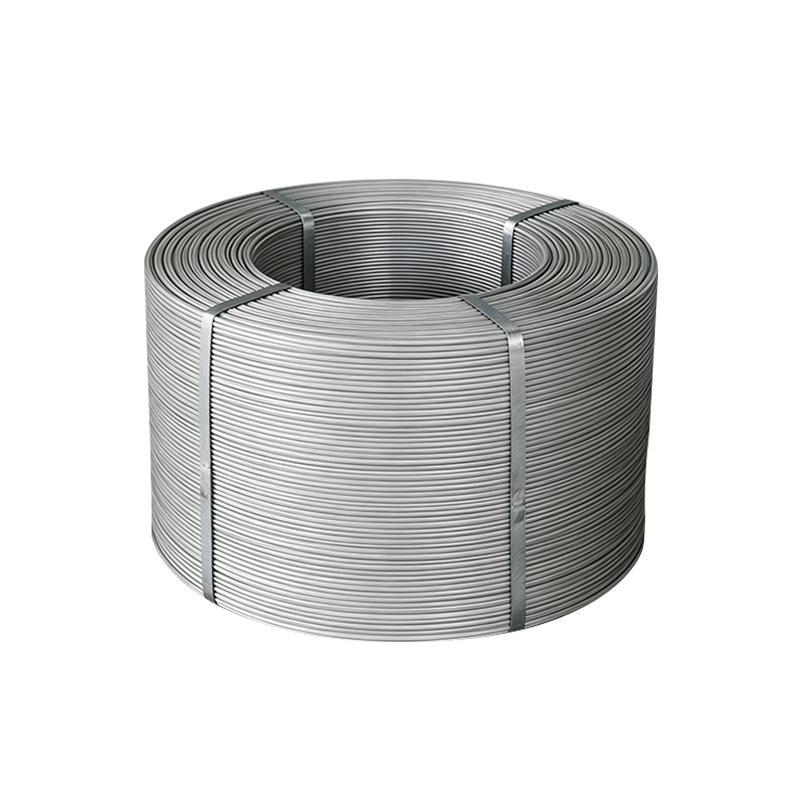
AlMg6 Aluminum Alloy Wire
Comparison with Other Aluminum Alloy Wires
AlMg6 is one of several aluminum alloy wires available for industrial use. Each grade has a different balance of strength, fluidity, corrosion resistance, crack resistance, machinability, and welding performance. The best choice depends on the base material, joint requirements, service environment, design strength, and production method.
Comparison with High-Purity Aluminum Wire
High-purity aluminum wire is normally selected when electrical conductivity, chemical purity, or extreme softness is the main objective. It is easier to deform and may provide excellent conductivity, but it does not match AlMg6 in strength. AlMg6 is a better choice when the wire must contribute to structural performance or when the finished joint must resist mechanical loading.
High-purity aluminum can be advantageous in electrical conductors, specialized chemical applications, and processes where maximum conductivity is essential. AlMg6 is more appropriate when the application involves load-bearing structures, welded assemblies, or harsh environments. The choice should therefore be based on the complete performance requirement rather than on alloy cost alone.
Comparison with AlMg3 and AlMg5
AlMg3 and AlMg5 contain lower magnesium levels than AlMg6. The supplied product table lists AlMg3 at approximately 3.2–3.8% magnesium and AlMg5 at approximately 4.8–5.8% magnesium, while AlMg6 contains approximately 5.8–6.8%. As magnesium content increases, the alloy family generally moves toward higher strength, although weldability, ductility, forming behavior, and sensitivity to processing conditions must also be considered.
AlMg3 may be selected for applications that need good corrosion resistance and easier forming with moderate strength. AlMg5 provides a middle position between AlMg3 and AlMg6. AlMg6 is often preferred when greater strength and structural performance are required, particularly in demanding transportation, marine, and defense-related applications.
The selection between these grades should also consider the base alloy being joined. A filler that is too soft may not provide the desired joint strength, while a filler with excessive alloying content may affect crack sensitivity, ductility, or appearance. Technical consultation and welding procedure qualification are recommended for safety-critical assemblies.
Comparison with 5356 and 5183
Alloy 5356 is a widely used aluminum-magnesium welding wire with a magnesium range listed in the supplied table at approximately 4.5–5.5%. Alloy 5183 is listed at approximately 4.3–5.2% magnesium and includes a manganese range of approximately 0.5–1.0%. Both are established choices for aluminum welding and are valued for useful strength and corrosion resistance.
AlMg6 contains a higher magnesium range than the listed 5356 and 5183 compositions. This can provide a higher alloy-strengthening potential, subject to the final wire condition and application requirements. Customers seeking a higher-magnesium aluminum alloy wire may consider AlMg6 when the design requires stronger performance and the welding procedure is qualified for the selected material.
However, a higher magnesium content is not automatically the correct choice for every weld. Welding current, heat input, joint design, base material, post-weld requirements, and service temperature must be evaluated together. The benefit of AlMg6 is its ability to provide a high-strength aluminum-magnesium option while retaining good weldability and corrosion performance.
Comparison with 4043 and 4047
Alloy 4043 and alloy 4047 are aluminum-silicon welding wires. The supplied table lists 4043 with approximately 4.5–6.0% silicon and 4047 with approximately 11.0–13.0% silicon. These grades are commonly associated with good fluidity, lower melting characteristics, and favorable behavior for specific welding and brazing applications.
Compared with silicon-rich wires, AlMg6 emphasizes magnesium-based strengthening rather than silicon-based fluidity. AlMg6 may therefore be more suitable where joint strength, corrosion resistance, and compatibility with aluminum-magnesium structures are important. In contrast, 4043 or 4047 may be preferred when weld pool fluidity, reduced shrinkage, or specific crack-resistance characteristics are the dominant requirements.
The distinction illustrates why alloy selection should be based on the complete welding objective. A wire with excellent fluidity is not necessarily the best wire for a high-strength structural joint, while a high-strength magnesium alloy wire may not be the best option for every casting repair or brazing operation.
Comparison with 2A10, 2219, 7050, and 7075
The supplied product information also lists several high-strength aluminum grades, including 2A10, 2219, 7050, and 7075. These alloys contain significant copper or zinc additions and are associated with high-strength applications. They may provide excellent mechanical performance in the correct heat-treated condition, but their welding behavior and corrosion-management requirements can differ substantially from those of AlMg6.
AlMg6 provides a practical advantage when welding performance and corrosion resistance are central priorities. Copper-bearing or zinc-rich alloys may require specialized welding procedures and careful control of heat input. Some may be more sensitive to cracking, softening in the heat-affected zone, or corrosion-related issues after welding. AlMg6 offers an alternative for projects that need strong aluminum alloy performance without relying on the same alloy system.
It is important to recognize that “high strength” must be defined within the context of the application. The highest tensile strength is not always the most useful selection if the material is difficult to weld, vulnerable to the service environment, or expensive to process. AlMg6 is competitive because it delivers a well-balanced combination of properties that can reduce compromises in design and production.
Applications of AlMg6 Aluminum Alloy Wire
Aviation and Aerospace
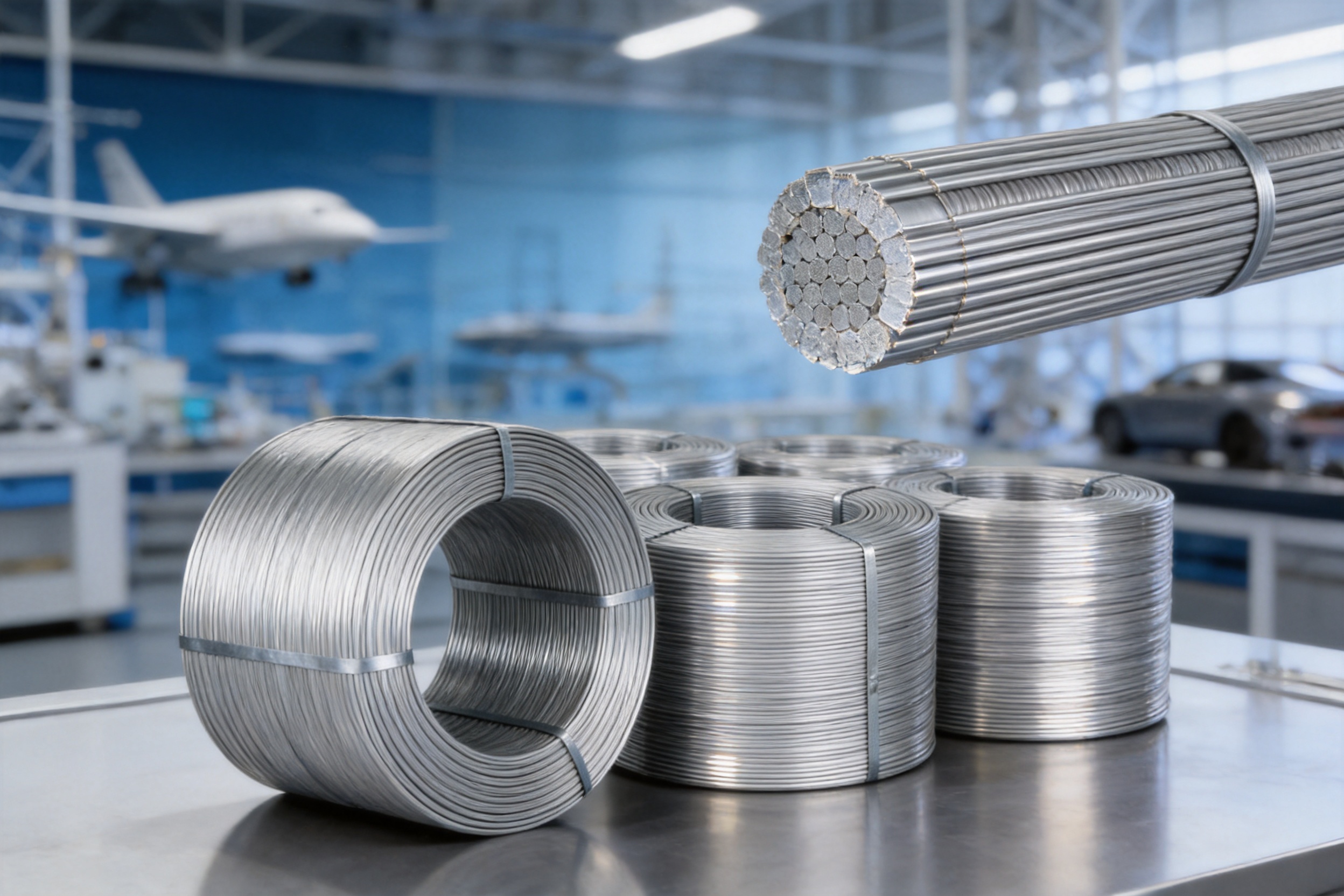
Aviation and aerospace manufacturers require materials that combine low weight, high reliability, corrosion resistance, and repeatable manufacturing behavior. AlMg6 can be used in selected welding, joining, repair, and fabrication applications where aluminum-magnesium performance is appropriate. Its low density supports lightweight construction, while its strength and corrosion resistance support long-term service requirements.
Aerospace applications generally require strict material identification, traceability, process qualification, and inspection. AlMg6 wire can be integrated into such systems when the alloy, wire condition, diameter, surface quality, and welding procedure meet the applicable engineering requirements. The material should be evaluated against the relevant aircraft or aerospace standard before use in flight-critical structures.
Military Equipment and Tanks
Military vehicles and tanks require materials capable of handling vibration, impact, environmental exposure, and demanding maintenance conditions. Aluminum alloy construction can reduce weight and support mobility, while high-strength wire can assist in the fabrication and repair of structural components. AlMg6’s corrosion resistance and welding characteristics are useful in equipment that may be exposed to rain, mud, humidity, salt, and field conditions.
For defense applications, consistent batch quality is especially important. Materials may be required to perform under unusual combinations of temperature, mechanical stress, and corrosive exposure. A controlled aluminum-magnesium wire can help manufacturers maintain consistent joining practices across production and maintenance operations.
Shipbuilding and Marine Structures
Marine structures are exposed to water, salt, humidity, and cyclic loading. The corrosion performance of AlMg6 makes it a suitable candidate for selected shipbuilding and marine fabrication applications. Aluminum construction can also reduce vessel weight, improve fuel efficiency, and increase payload or operating range.
Marine welding requires attention to surface cleanliness, shielding gas, joint preparation, heat control, and post-weld inspection. AlMg6 wire can support production when the welding method and filler selection are compatible with the base alloy. Engineers should also consider galvanic corrosion, coating systems, drainage, joint design, and the specific marine environment.
Automotive Manufacturing
Automotive manufacturers use aluminum alloys to reduce vehicle mass and improve energy efficiency. AlMg6 wire may be used in aluminum body structures, frames, tanks, brackets, vehicle components, and repair or fabrication operations where a high-strength aluminum-magnesium solution is required.
Automotive production benefits from wire with stable diameter, reliable feeding, consistent surface condition, and predictable melting behavior. These qualities support robotic welding, automated production cells, and repeatable joint quality. Jiangsu Hetuo Aluminum Wire Co., Ltd. holds IATF 16949 certification according to the supplied company information, supporting its connection with automotive-oriented quality management practices.
Industrial Equipment and Fabricated Structures
AlMg6 can also be considered for industrial equipment, pressure-related assemblies where applicable, platforms, frames, containers, machinery components, and specialized fabricated structures. The alloy’s balance of strength and corrosion resistance is useful where steel would add unnecessary weight or where a more corrosion-resistant material is desired.
Every industrial application must be reviewed for design stress, operating temperature, fatigue, corrosion exposure, welding procedure, and applicable standards. AlMg6 wire provides material capability, but the finished product’s performance depends on the total design and manufacturing system.
Advanced Manufacturing Process
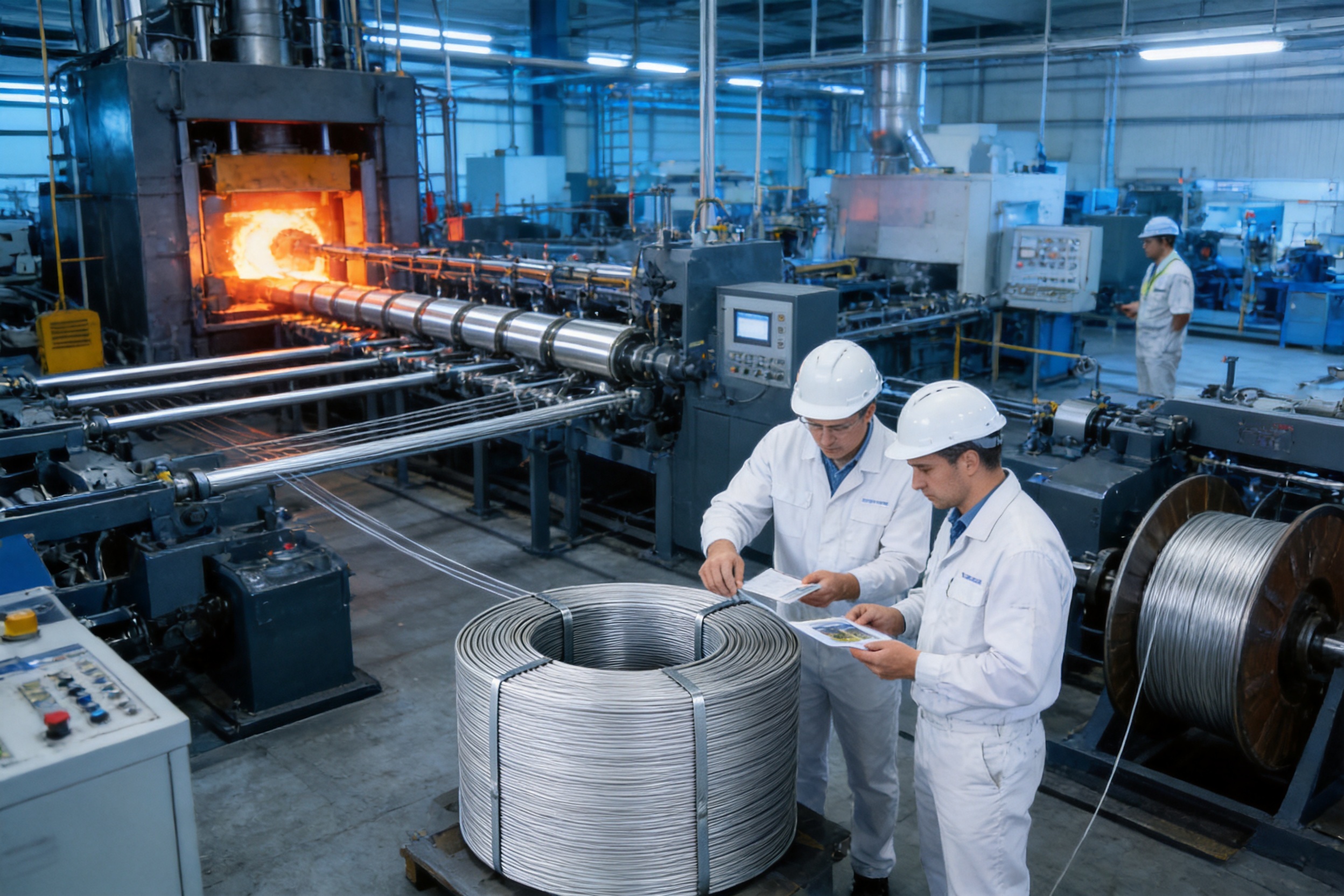
The quality of aluminum alloy wire depends on the complete production chain. Chemical composition alone is not sufficient. Melting, alloying, casting, homogenization, rod production, drawing, surface treatment, winding, inspection, packaging, and traceability all influence the final product. Jiangsu Hetuo Aluminum Wire Co., Ltd. has developed an intelligent manufacturing system covering aluminum alloy rods, welding wires, high-purity wire, high-strength alloy wire, and precision profiles.
Raw Material Selection and Melting Control
Production begins with the selection and preparation of aluminum and alloying materials. Raw materials must be inspected and managed to achieve the required alloy composition. During melting, the production team controls temperature, alloy additions, stirring, holding time, and melt cleanliness. These controls help ensure that magnesium and other elements are distributed consistently throughout the molten metal.
Magnesium requires careful handling because it can oxidize and evaporate under unsuitable conditions. Controlled furnace operation and appropriate process practice help reduce composition variation. The goal is to produce a clean, stable melt that can be converted into an aluminum alloy rod with uniform internal quality.
Refining and Melt Cleanliness
Non-metallic inclusions, hydrogen, oxides, and other impurities can affect aluminum wire quality. Refining and melt-treatment practices are therefore important parts of the manufacturing process. Clean metal supports improved surface quality, stable drawing behavior, and lower risk of defects in the finished wire.
Good melt cleanliness is particularly important for welding wire. Inclusions or contamination can interfere with wire feeding, arc stability, weld appearance, and joint integrity. A controlled production environment helps reduce these risks before the material reaches the drawing and winding stages.
Casting and Rod Formation
After composition adjustment and melt treatment, the aluminum alloy is cast and formed into rod or another intermediate product. Solidification conditions influence grain structure, segregation, porosity, and the material’s response to subsequent processing. Controlled casting helps create a consistent starting material for drawing.
Rod quality is critical because drawing cannot fully correct serious internal defects. Uniform dimensions and sound metallurgical structure make it easier to achieve the required final wire diameter and surface finish. The manufacturing system therefore connects upstream casting quality with downstream wire performance.
Homogenization and Thermal Processing
Depending on the production route, thermal treatment may be used to improve compositional uniformity and relieve certain internal stresses in the alloy rod. Homogenization can help reduce segregation and support more consistent deformation during drawing. Temperature, time, furnace uniformity, and cooling conditions must be controlled to achieve repeatable results.
For AlMg6, thermal processing must be managed carefully to preserve the intended alloy condition and avoid unnecessary oxidation or dimensional changes. A controlled process supports stable mechanical behavior and contributes to more predictable wire production.
Drawing and Dimensional Control
Drawing reduces the rod to the required wire diameter while improving dimensional accuracy and surface condition. The number of drawing passes, reduction per pass, die condition, lubrication, line speed, and intermediate treatment all influence the final product. Excessive deformation without suitable process control can lead to surface damage, residual stress, or wire breakage.
Advanced drawing equipment helps maintain stable diameter and roundness along the length of the wire. This is essential for automatic feeding equipment, where even small dimensional variations can affect spool tension, feeding resistance, and arc stability. Accurate wire geometry also supports predictable deposition rates and consistent weld bead formation.
Surface Treatment and Cleaning
Aluminum wire surfaces must be clean and suitable for the intended application. Oil, dust, oxide particles, moisture, and foreign matter can negatively affect welding and downstream processing. Proper cleaning and surface management help improve feeding performance and reduce contamination risks.
For welding wire, surface quality can influence arc initiation, current transfer, weld pool behavior, and final appearance. For non-welding applications, surface cleanliness can also affect coating, bonding, forming, or electrical contact. The production process should therefore protect the wire from contamination after cleaning and before packaging.
Winding and Packaging
Uniform winding is essential for a wire product intended for continuous feeding. The wire must be arranged without tangles, crossovers, excessive looseness, or uncontrolled tension. Correct winding supports smooth unwinding and reduces production interruptions.
Packaging must protect the wire against moisture, impact, dust, and deformation during storage and transportation. Identification labels should provide information such as alloy designation, diameter, batch number, net weight, production date, and inspection status where required. Traceable packaging helps customers manage inventory and connect the product with quality records.
Inspection Throughout Production
Jiangsu Hetuo Aluminum Wire Co., Ltd. states that it implements quality inspection throughout production. In practice, a comprehensive quality system may include raw material inspection, chemical analysis, dimensional measurement, surface examination, mechanical testing, winding checks, packaging inspection, and final release review.
In-process inspection is more effective than relying only on final inspection. Early detection of composition variation, dimensional drift, or surface defects allows corrective action before large quantities are produced. This supports stable quality, reduces waste, and improves delivery reliability for customers.
Quality Management and Company Strengths
Jiangsu Hetuo Aluminum Wire Co., Ltd. was established in 2019 and is located in the Guannan Economic Development Zone of Lianyungang, Jiangsu Province, China. The company’s factory covers approximately 40,000 square meters and employs 60 people, including 30 professional managers and technicians, according to the provided company information.
The company specializes in high-purity aluminum wire, high-strength aluminum alloy wire, aluminum and aluminum alloy welding materials, aluminum alloy rods, welding wires, and precision profiles. This product range gives the company experience across multiple aluminum material categories and allows it to serve customers with different performance and processing requirements.
ISO 9001 Quality Management Certification
ISO 9001 certification demonstrates the use of a structured quality management system covering areas such as customer requirements, process control, documentation, corrective action, continual improvement, and management responsibility. For aluminum alloy wire customers, a quality management system supports consistency in production and communication.
Certification does not replace product-specific testing or application qualification, but it provides an organized framework for controlling manufacturing activities. It also helps customers evaluate the supplier’s approach to documented processes, complaint handling, inspection records, and improvement programs.
IATF 16949 Automotive Quality Management Certification
The company also states that it has obtained IATF 16949 certification. This standard is associated with automotive supply chains and emphasizes defect prevention, risk management, process capability, traceability, customer-specific requirements, and continual improvement. These principles are valuable for aluminum wire supplied to automotive manufacturers and component producers.
Automotive customers often require stable deliveries, strict change control, documented inspection, and rapid response to quality issues. An automotive-oriented management system can help align the supplier’s manufacturing and documentation practices with these expectations.
Technical and Management Team
The presence of professional managers and technicians supports process development, production planning, quality control, equipment maintenance, and customer communication. Aluminum alloy wire manufacturing requires practical knowledge of alloy chemistry, metallurgy, drawing, surface quality, packaging, and welding performance. A technically trained team can help convert customer requirements into suitable production specifications.
International Market Experience
The company reports that its products comply with international quality standards and are exported to high-end overseas markets. International supply requires attention to packaging, documentation, delivery schedules, product identification, customs requirements, and technical communication. Experience with overseas customers can help reduce misunderstandings and improve the efficiency of order execution.
Why Choose AlMg6 from an Integrated Manufacturer?
Purchasing AlMg6 from an integrated aluminum wire manufacturer provides advantages beyond the alloy designation. The supplier’s ability to manage melting, rod production, drawing, inspection, and packaging under coordinated control can improve consistency. It also makes it easier to discuss custom diameters, coil formats, tolerances, surface requirements, and application-specific documentation.
An integrated manufacturer can often identify the source of a problem more quickly because production information is connected across multiple stages. If a customer reports feeding instability or dimensional variation, the supplier can review drawing conditions, die performance, surface treatment, winding tension, and inspection records rather than treating the issue as an isolated packaging concern.
Jiangsu Hetuo Aluminum Wire Co., Ltd. combines production facilities, technical personnel, quality systems, and a broad aluminum product range. This combination supports customers who need more than a commodity wire and instead require a controlled material solution for demanding industrial production.
Recommended Storage and Handling
AlMg6 wire should be stored in a clean, dry, and well-ventilated environment. Moisture condensation must be avoided because water can contribute to surface oxidation and may create welding problems. Wire should remain in its original protective packaging until it is ready for use.
Storage areas should be protected from rain, direct water exposure, corrosive chemicals, excessive dust, and sudden temperature changes. If cold wire is moved into a warm and humid environment, condensation may form on the package or wire surface. Allowing the material to reach ambient temperature before opening can reduce this risk.
Care should be taken during handling to prevent spool deformation, wire scratches, crushed packaging, or contamination. Damaged packages should be inspected before use. Operators should also verify the alloy designation, diameter, batch number, and product condition before loading the wire into welding or production equipment.
Welding and Processing Considerations
Successful use of AlMg6 wire requires a suitable welding procedure. The base material, joint design, thickness, welding position, current type, shielding gas, wire diameter, travel speed, and heat input should be selected together. Aluminum surfaces should be properly cleaned to remove oil, dirt, moisture, and excessive oxide contamination.
Welding equipment should be configured for aluminum wire feeding. Drive rolls, liners, contact tips, torch geometry, and spool mounting must be compatible with the wire diameter and alloy. Poorly adjusted feeding equipment can create bird-nesting, inconsistent deposition, wire slipping, or arc interruptions even when the wire itself is manufactured correctly.
Shielding gas must be clean and appropriate for the selected welding method. Gas flow should be sufficient to protect the arc and molten pool without creating turbulence. Excessive flow can also cause instability by drawing surrounding air into the shielding zone. Welding operators should follow qualified procedures and confirm results through visual inspection and, where necessary, mechanical or non-destructive testing.
Aluminum alloys conduct heat efficiently, so preheating, travel speed, current, and heat input may require careful adjustment. Excessive heat can increase distortion or affect the local properties of the joint, while insufficient heat can cause incomplete fusion or poor bead formation. The correct parameters depend on the specific base alloy and joint configuration.
Ordering Information
When requesting an AlMg6 aluminum alloy wire quotation, customers should provide the required wire diameter, tolerance, coil or spool format, net weight, packaging method, estimated order quantity, delivery destination, and intended application. It is also useful to specify whether the wire will be used for welding, fabrication, forming, or another industrial process.
Technical requirements may include chemical composition certification, mechanical property data, surface condition, dimensional inspection records, batch traceability, and packaging labels. For automotive, aerospace, defense, and other regulated sectors, customers should also identify the required standards and approval procedures before production begins.
Jiangsu Hetuo Aluminum Wire Co., Ltd. can be contacted through the supplied business channels for product specifications, availability, technical discussions, and quotation requests. Customers should confirm current product details, delivery schedules, packaging options, and applicable certifications directly with the manufacturer before placing an order.
Frequently Asked Questions
What is AlMg6 aluminum alloy wire used for?
AlMg6 aluminum alloy wire is mainly used in aviation, aerospace, military equipment, shipbuilding, automotive manufacturing, tanks, industrial structures, and other applications requiring a strong and corrosion-resistant aluminum alloy wire. It can be used as welding or fabrication material when the alloy and welding procedure are compatible with the application.
What is the magnesium content of AlMg6?
The specified magnesium content for the product is approximately 5.8–6.8%. This relatively high magnesium range contributes to the alloy’s strength and corrosion resistance. Actual certified composition should be confirmed through the supplier’s batch inspection documentation.
How does AlMg6 compare with AlMg5?
AlMg6 contains a higher magnesium range than AlMg5. The supplied composition table lists AlMg5 at approximately 4.8–5.8% magnesium and AlMg6 at approximately 5.8–6.8%. AlMg6 may therefore be selected when higher alloy strength is needed, while AlMg5 may be suitable where a slightly lower magnesium composition better matches the base material or welding procedure.
Is AlMg6 suitable for marine applications?
AlMg6 can be considered for selected marine applications because it offers good exfoliation corrosion resistance and low density. Marine designs must also address galvanic corrosion, joint design, coatings, drainage, welding quality, and service conditions. The alloy should be approved through the applicable engineering and marine standards before use in critical structures.
Is AlMg6 a heat-treatable aluminum alloy?
AlMg6 is generally treated as a non-heat-treatable aluminum-magnesium alloy. Its performance is primarily influenced by alloy composition, processing, cold work, and delivery condition rather than precipitation hardening. Customers should request the specific temper and mechanical property information relevant to their application.
Can AlMg6 be used in automated welding equipment?
Yes, AlMg6 wire can be used in suitable automated or semi-automated welding systems when the wire diameter, spool format, equipment settings, shielding gas, and welding procedure are correctly matched. Consistent diameter, surface cleanliness, and uniform winding are important for stable automatic feeding.
What advantages does AlMg6 offer over 4043 wire?
AlMg6 is a magnesium-based high-strength alloy wire, while 4043 is a silicon-rich aluminum alloy wire. AlMg6 may be preferred where strength, corrosion resistance, and compatibility with aluminum-magnesium structures are important. 4043 may be preferred where fluidity and specific welding characteristics are more important. The correct choice depends on the base alloy and joint requirements.
What quality certifications does the manufacturer have?
According to the supplied company information, Jiangsu Hetuo Aluminum Wire Co., Ltd. has obtained ISO 9001 and IATF 16949 quality management system certifications. Customers should request current certificates and verify that the certification scope applies to the product and manufacturing site relevant to their order.
How should AlMg6 wire be stored?
AlMg6 wire should be stored in a dry, clean, and protected environment. It should remain sealed until use and be protected from rain, condensation, dust, corrosive substances, and mechanical damage. Before welding, operators should inspect the package and wire surface for moisture or contamination.
What information should be included in a purchase inquiry?
A purchase inquiry should include alloy designation, wire diameter, required quantity, spool or coil format, packaging requirements, delivery location, intended application, inspection documentation, and applicable standards. Providing complete information helps the manufacturer prepare an accurate quotation and production plan.
Conclusion
AlMg6 aluminum alloy wire is a high-strength aluminum-magnesium material that combines low density, useful structural strength, good exfoliation corrosion resistance, and favorable weldability. Its 5.8–6.8% magnesium composition distinguishes it from lower-magnesium AlMg3 and AlMg5 wires and provides a strong option for demanding applications in aerospace, defense, marine, automotive, tank, and industrial manufacturing.
Compared with high-purity aluminum wire, AlMg6 offers substantially greater strength. Compared with silicon-rich 4043 and 4047 wires, it emphasizes magnesium-based structural performance and corrosion resistance. Compared with some copper- and zinc-rich high-strength aluminum grades, it offers a more welding-oriented and corrosion-conscious balance. These advantages make it a competitive choice when a project requires more than basic aluminum conductivity or general-purpose filler performance.
The value of AlMg6 also depends on manufacturing quality. Consistent melting, alloying, casting, rod production, drawing, cleaning, winding, inspection, and packaging are necessary to achieve reliable wire performance. Jiangsu Hetuo Aluminum Wire Co., Ltd. supports this production approach through an intelligent manufacturing system, professional technical personnel, a 40,000-square-meter factory, ISO 9001 and IATF 16949 certifications, and experience serving international markets.
For customers seeking dependable high-strength aluminum alloy wire, AlMg6 provides a balanced solution for lightweight structures and reliable welded assemblies. Final selection should always be confirmed against the base material, welding procedure, service environment, required mechanical performance, applicable standards, and supplier documentation.
References
Aluminum Association. Aluminum Standards and Data. Industry reference publication.
American Welding Society. Specification for Aluminum and Aluminum-Alloy Welding Electrodes and Rods. Welding materials reference.
International Organization for Standardization. ISO 9001 Quality Management Systems—Requirements.
International Automotive Task Force. IATF 16949 Quality Management System Requirements for Automotive Production and Relevant Service Parts Organizations.
ASM International. Aluminum and Aluminum Alloys: Properties, Processing, and Applications. Materials engineering reference.
European Committee for Standardization. Aluminum and Aluminum Alloys—Chemical Composition and Product Standards. Technical reference.
Manufacturer-provided AlMg6 aluminum alloy wire product specifications, chemical composition data, company information, and quality system details.