

 English
 中文简体
中文简体 русский
 Deutsch
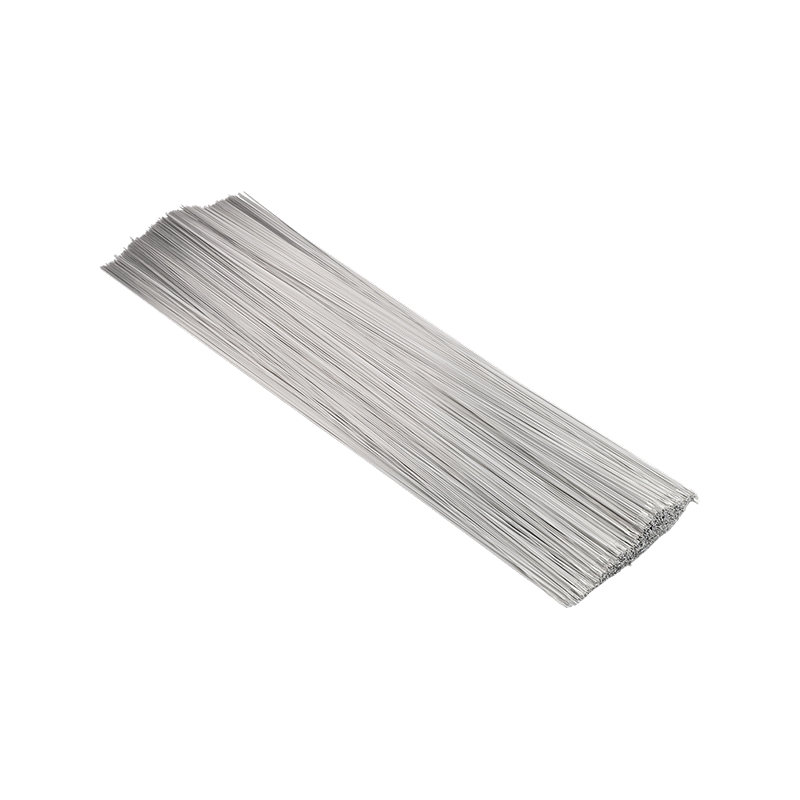
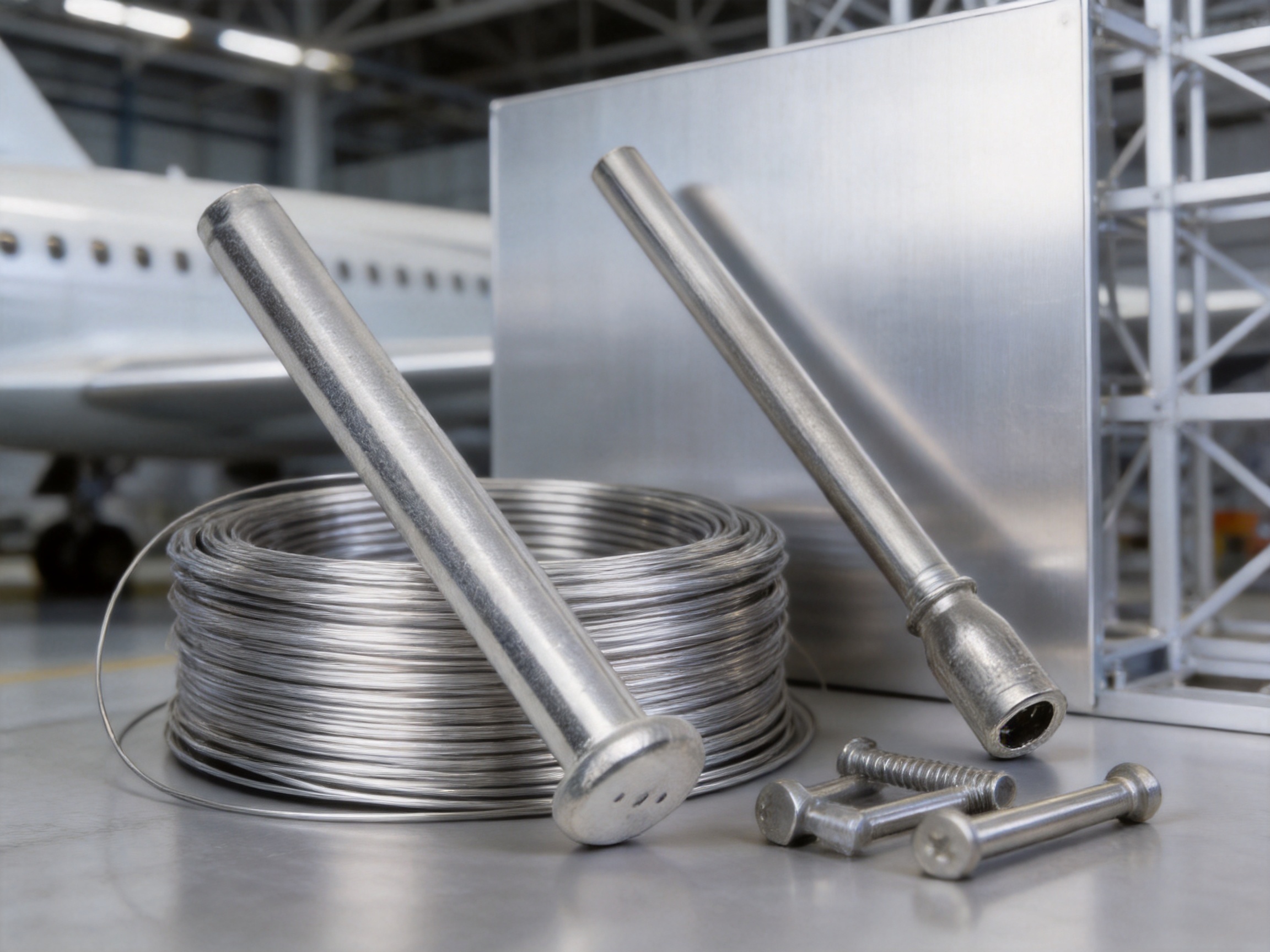
High-strength aluminum rivet wire is an essential engineering material for producing reliable fasteners used in aviation, aerospace, defense, transportation, and other demanding industries. Rivets manufactured from suitable aluminum alloys provide a valuable combination of low weight, high specific strength, corrosion resistance, formability, and long-term service reliability. When the wire is produced with controlled chemistry, consistent dimensions, stable mechanical properties, and carefully managed heat treatment, it can support secure joints in structures where safety, fatigue resistance, and weight reduction are all important.
Jiangsu Hetuo Aluminum Wire Co., Ltd. supplies aluminum alloy wire for rivet production as part of a broader portfolio that includes high-purity aluminum wire, high-strength aluminum alloy wire, and aluminum and aluminum alloy welding materials. The company operates an intelligent manufacturing system designed to support demanding industrial applications. Its product range includes alloy options such as 2A10, 2219, 7050, and 7075 for high-strength applications, together with additional aluminum alloy grades used for welding and specialized fabrication.
This article examines the characteristics, material advantages, production technology, alloy selection principles, quality controls, applications, and purchasing considerations associated with high-strength aluminum rivet wire. It also explains how different tempers influence performance and why the correct combination of alloy, diameter, surface condition, and heat treatment is necessary for dependable rivet manufacturing.
Content
- 1 What Is Aluminum Rivet Wire?
- 2 Why Aluminum Alloy Rivet Wire Is Preferred
- 3 Key Advantages of High-Strength Rivet Wire
- 4 Alloy Selection for Rivet Applications
- 5 Influence of Temper on Rivet Performance
- 6 Chemical Composition and Metallurgical Control
- 7 Advanced Manufacturing Process
- 8 Company Manufacturing Strengths
- 9 How the Product Compares with Generic Rivet Wire
- 10 Applications in Aviation, Aerospace, and Military Equipment
- 11 Important Technical Considerations for Buyers
- 12 Quality Risks and How They Are Controlled
- 13 Recommended Incoming Inspection by the Customer
- 14 Rivet Manufacturing Considerations
- 15 Why Choose a Specialized Aluminum Wire Manufacturer?
- 16 Customization and International Supply
- 17 Frequently Asked Questions
- 17.1 What is high-strength aluminum rivet wire used for?
- 17.2 Which alloys are available for high-strength rivet applications?
- 17.3 Is 7075 aluminum wire suitable for aviation rivets?
- 17.4 What is the difference between T6, T73, and T76?
- 17.5 Can high-strength wire be formed directly into rivets?
- 17.6 Does the company provide welding wire as well as rivet wire?
- 17.7 What quality certifications does the company have?
- 17.8 Can the wire be customized?
- 17.9 What documents should accompany an order?
- 17.10 How should aluminum rivet wire be stored?
- 17.11 What information is needed for a quotation?
- 18 Conclusion
- 19 References
- 20 Product: For Rivets
What Is Aluminum Rivet Wire?
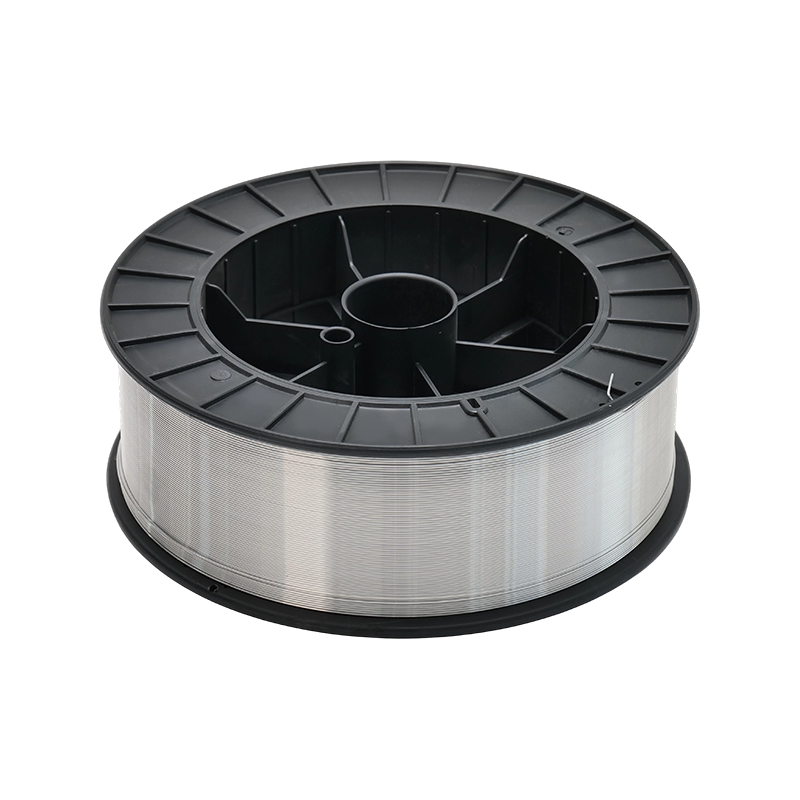
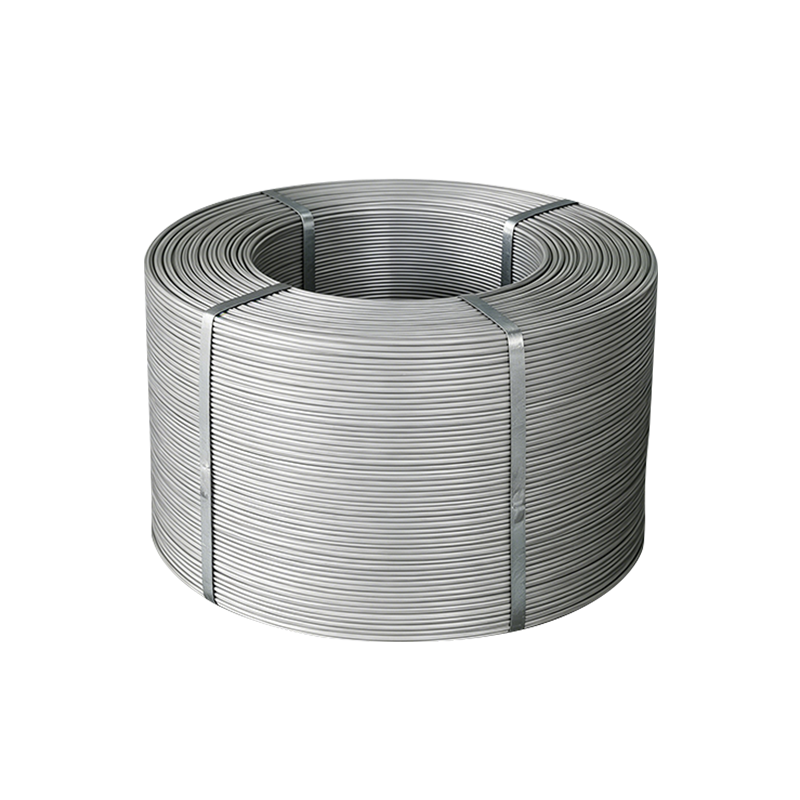
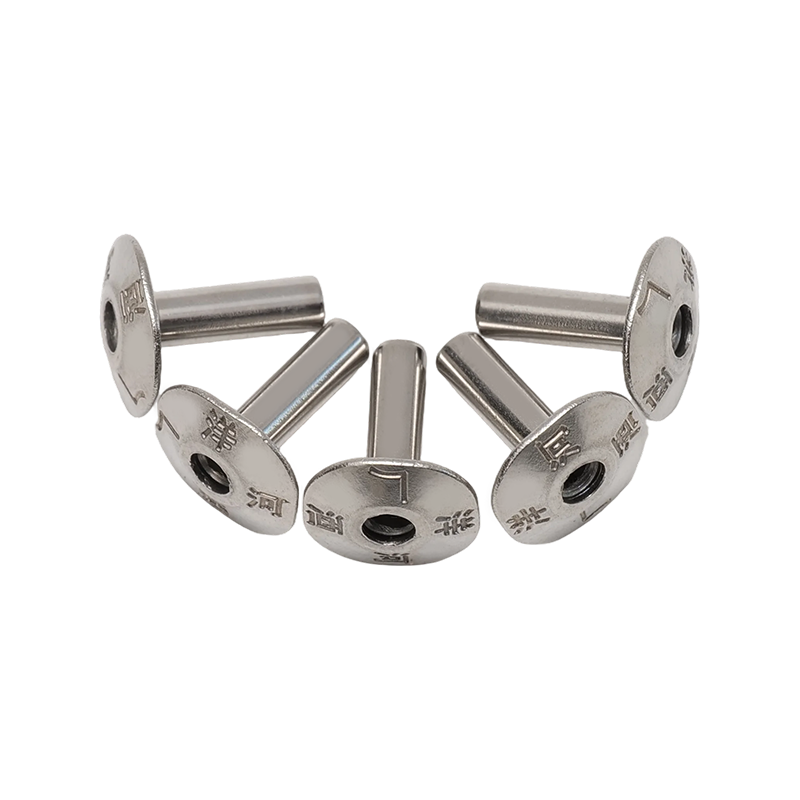
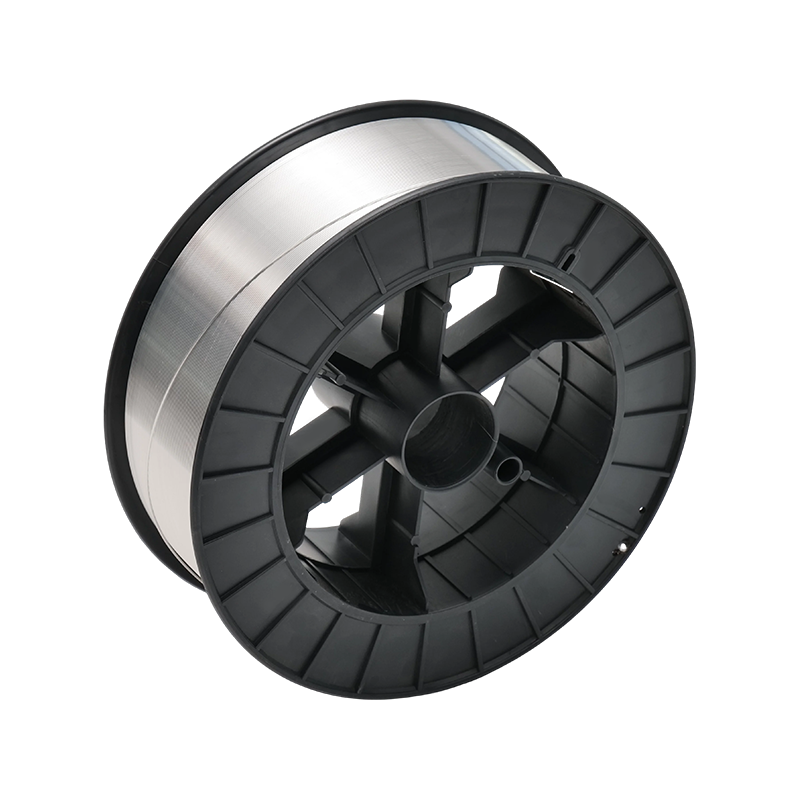
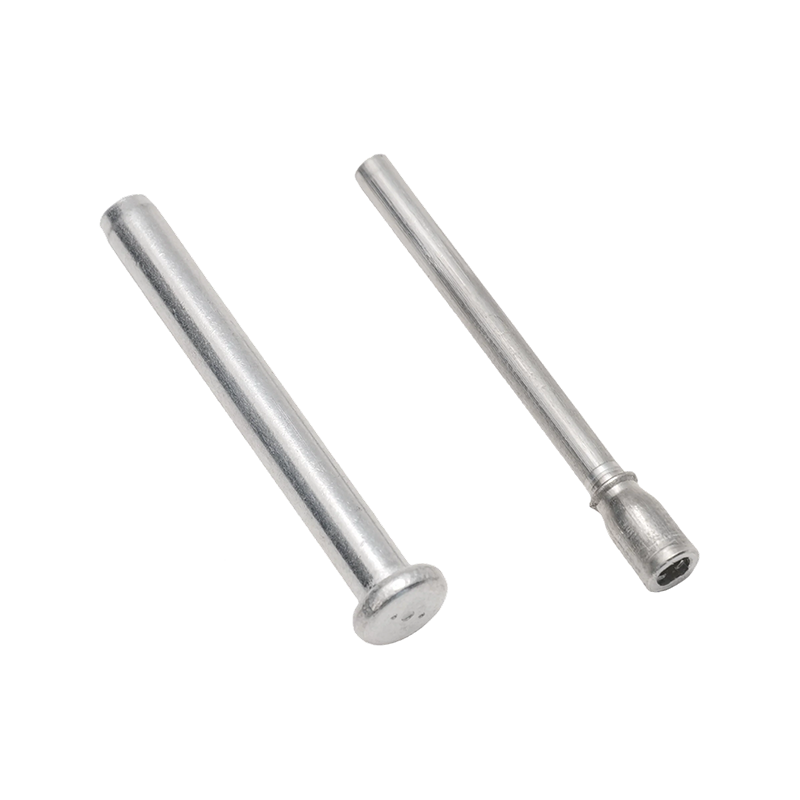
Aluminum rivet wire is a precision-processed aluminum alloy product supplied in continuous wire form for the manufacture of rivets and other formed fasteners. The wire is cut into suitable lengths and then shaped through cold heading, upsetting, forging, or related forming operations to produce a rivet body and head. Depending on the alloy and final condition, the material may be used for solid rivets, semi-tubular rivets, special fasteners, or other permanent mechanical joining components.
Rivet wire must perform well during both manufacturing and service. During forming, it needs sufficient ductility and controlled plastic deformation so that the rivet head can be produced without cracking, splitting, or excessive tool wear. After installation, it must provide the required shear strength, tensile performance, fatigue resistance, dimensional stability, and corrosion behavior. These requirements can vary significantly between aircraft skin assemblies, aerospace tanks, military equipment, transportation structures, and general industrial products.
The selection of a high-strength alloy does not mean that strength alone is the only consideration. Excessive hardness or inadequate forming capability may make a wire unsuitable for rivet production. For this reason, a professional supplier must balance chemical composition, metallurgical condition, heat treatment, surface quality, straightness, diameter tolerance, and customer-specific forming requirements.
Why Aluminum Alloy Rivet Wire Is Preferred
Aluminum alloys are widely selected for rivets because they can reduce structural weight while maintaining useful mechanical performance. Compared with many steel fasteners, aluminum rivets generally offer a lower density and can help engineers reduce the overall mass of an assembly. This benefit is particularly important in aircraft, spacecraft, high-speed transportation, and mobile equipment, where every reduction in weight can contribute to improved fuel efficiency, payload capacity, or operating economy.
Aluminum also has a naturally protective oxide film. Under suitable environmental conditions, this film helps resist atmospheric corrosion. Alloy selection remains important because alloying elements such as copper, magnesium, zinc, manganese, and zirconium can affect corrosion behavior. Surface treatment, joint design, sealants, and contact with dissimilar metals must also be considered when rivets are used in aggressive environments.
Another advantage is the relatively favorable forming behavior of many aluminum alloys. Properly selected wire can be cut and headed at high production speeds while maintaining a clean surface and consistent head geometry. This supports automated or semi-automated riveting operations and helps reduce the risk of inconsistent fastener dimensions.
Aluminum rivets can also provide useful compatibility with aluminum sheet, plate, extrusion, and forged components. Matching or compatible materials can help reduce galvanic corrosion risks and simplify thermal expansion considerations. In aircraft and aerospace structures, aluminum alloy rivets have long been used in combination with aluminum skins, frames, stringers, brackets, and other structural members.
Key Advantages of High-Strength Rivet Wire
High Specific Strength
High-strength aluminum alloys provide an effective strength-to-weight ratio. This allows the finished rivet to contribute to joint performance without introducing unnecessary mass. Alloys containing copper or zinc can achieve substantially higher strength than commercially pure aluminum after suitable processing and heat treatment.
For structural fastening, high specific strength is particularly valuable when thousands or millions of rivets are used in one product. A small weight difference per fastener can become significant at the aircraft, vehicle, equipment, or system level. The use of a suitable high-strength wire can therefore support both mechanical performance and overall design efficiency.
Reliable Forming Performance
A rivet wire must be able to form a head consistently. If the material is too hard, it may crack during upsetting or require excessive forming force. If it is too soft or inconsistent, the rivet may develop dimensional variation or insufficient final strength. Controlled manufacturing helps create the balance required for stable heading performance.
Consistent grain structure and uniform deformation behavior are important advantages over poorly controlled material. A wire with stable metallurgical properties can help manufacturers reduce rejected rivets, improve tool life, and maintain more predictable production conditions.
Corrosion and Environmental Resistance
Different alloy and temper combinations provide different levels of corrosion resistance. For example, certain overaged tempers are selected when resistance to stress corrosion cracking and exfoliation corrosion is more important than maximum short-term strength. This is a critical consideration for aircraft and aerospace structures exposed to humidity, temperature variation, cyclic loading, and maintenance chemicals.
The final corrosion performance of a riveted assembly also depends on design and processing. Proper cleaning, surface protection, sealant application, compatible materials, and controlled installation are all necessary. Nevertheless, the quality of the starting rivet wire remains a fundamental factor.
Lightweight and Sustainable Material Choice
Aluminum is recyclable and can be recovered from manufacturing scrap and end-of-life products. Its low density reduces the material mass required for many applications, while its durability supports long service life. These characteristics make aluminum alloy rivet wire relevant to manufacturers seeking lower lifecycle impacts without sacrificing structural performance.
Compatibility with Precision Production
High-quality wire can be produced to consistent diameter, surface condition, and straightness. These characteristics are important in automated cutting and forming lines. Stable wire geometry helps ensure accurate blank lengths, repeatable head dimensions, and consistent feeding through production equipment.
For Rivets
Alloy Selection for Rivet Applications
The most suitable alloy depends on the required strength, forming behavior, corrosion resistance, service temperature, joining method, and applicable standard. The material information supplied for this product includes several high-strength and welding-related aluminum grades. Not every listed alloy is intended for the same purpose, so technical confirmation should be completed before placing an order.
2A10 Aluminum Alloy Wire
2A10 is a copper-containing high-strength aluminum alloy. The supplied composition indicates approximately 3.9–4.5 percent copper, 0.30–0.50 percent manganese, and 0.15–0.30 percent magnesium, with aluminum as the balance. Copper-based alloys can provide useful strength after appropriate heat treatment and are often considered for structural components requiring higher mechanical performance than non-heat-treatable aluminum alloys.
For rivet production, 2A10 may be considered where a combination of high strength and controlled forming behavior is required. The exact suitability depends on the delivered temper, wire diameter, forming temperature, and the customer's rivet manufacturing process. Heat treatment and aging conditions should be agreed in advance because they can substantially influence hardness, ductility, and final joint performance.
2219 Aluminum Alloy Wire
2219 is another copper-containing aluminum alloy. The supplied data lists approximately 5.8–6.8 percent copper and 0.2–0.4 percent manganese, with smaller quantities of other elements. This alloy is recognized for high strength, good weldability compared with many other high-strength copper-containing alloys, and useful performance in demanding aerospace environments.
2219 can be attractive for aerospace applications where strength, elevated-temperature capability, and material compatibility are important. However, the required temper and forming condition must be carefully selected. A wire intended for riveting may need a condition that allows heading before subsequent strengthening treatment, depending on the design and production route.
7050 Aluminum Alloy Wire
7050 is a high-strength zinc-containing aluminum alloy. The supplied composition indicates approximately 5.7–6.7 percent zinc, 1.9–2.6 percent magnesium, and 2.0–2.6 percent copper, with zirconium and titanium also controlled within the listed limits. This alloy family is associated with high strength and improved resistance to certain forms of stress corrosion compared with some earlier high-strength zinc alloys when properly processed.
7050 may be considered for advanced structural applications where strength and damage tolerance are significant requirements. The alloy should be evaluated carefully for rivet forming because its high-strength potential must be balanced against the ductility required during heading. A supplier with controlled heat treatment and drawing capabilities can help tailor the delivered condition to the customer's forming process.
7075 Aluminum Alloy Wire
7075 is one of the best-known high-strength aluminum alloys. The supplied data lists approximately 5.0–7.0 percent zinc, 1.8–2.8 percent magnesium, and 1.4–2.0 percent copper, together with controlled chromium and titanium. The alloy is widely associated with high tensile strength and is used in aerospace, defense, tooling, transportation, and other structural applications.
The product information identifies custom 7075 aluminum rivet wire and aluminum rivet wire for aviation as part of the company's supply capability. When 7075 is selected for rivet-related use, the manufacturer must confirm the required temper, dimensional tolerance, forming route, and corrosion protection system. Strength alone is not sufficient; the final fastener must meet the required balance of installation behavior and service performance.
Welding Alloy Grades in the Product Range
The supplied product information also lists 4043, 4047, 5183, 5154, 5356, AlMg3, AlMg5, AlMg6, and AlMg61. These grades are generally associated with aluminum and aluminum alloy welding materials rather than high-strength rivet production. They demonstrate the breadth of the company's aluminum wire manufacturing capability and its ability to control different alloy families.
4043 and 4047 contain significant silicon and are commonly used where improved weld fluidity and reduced melting temperature are beneficial. 5183, 5154, 5356, and the AlMg-series grades are magnesium-containing alloys used for various welding applications. Their properties and applications differ from those of heat-treatable high-strength rivet alloys. Customers should therefore identify the intended use clearly when requesting material recommendations.
Influence of Temper on Rivet Performance
Temper describes the metallurgical condition produced through combinations of heat treatment, cold working, and aging. It can have a major effect on strength, ductility, fracture toughness, corrosion resistance, and forming behavior. The supplied product description refers to T6, T73, and T76 conditions for high-strength aluminum alloy wire.
T6 Condition
The T6 condition is generally associated with solution heat treatment followed by artificial aging. It is selected when high strength is a principal requirement. For a rivet, a T6 condition may provide high final mechanical performance, but the material may be less formable than a softer condition. Depending on the rivet design and production process, forming may need to occur before final aging or after a controlled softening treatment.
T73 Condition
The T73 condition is an overaged condition developed to improve resistance to stress corrosion cracking. According to the supplied product information, T73 offers relatively high fracture toughness, stress corrosion resistance, exfoliation corrosion resistance, and low-temperature performance. Although its strength may be lower than T6, its improved environmental resistance can be valuable in critical aerospace and defense applications.
When a structure is exposed to sustained stress and corrosive conditions, a modest reduction in peak strength may be acceptable if it delivers a more durable and damage-tolerant joint. The correct decision depends on engineering specifications, structural calculations, environmental exposure, and applicable standards.
T76 Condition
The T76 condition is described as offering higher strength than T73 and higher stress corrosion resistance than T6. It can therefore provide an intermediate balance between strength and corrosion performance. This makes it a potential choice for applications where the highest possible strength is not the only design objective.
Because temper designations can vary by alloy and standard, customers should confirm the exact specification, heat treatment route, and inspection requirements. A technical data sheet or certificate of conformity should identify the alloy, temper, lot number, dimensions, and test results supplied with each production batch.
Chemical Composition and Metallurgical Control
Chemical composition is the foundation of aluminum alloy performance. Small changes in copper, magnesium, zinc, manganese, chromium, zirconium, silicon, iron, titanium, and other elements can affect precipitation behavior, grain structure, strength, corrosion resistance, weldability, and formability.
Jiangsu Hetuo's supplied composition table includes limits for major alloying elements, minor elements, other elements, and aluminum balance. These limits are used to identify alloy families and establish the basis for process control. In practical production, chemical analysis should be conducted on incoming raw materials and finished or semi-finished products using appropriate analytical equipment and documented procedures.
| Alloy | Si (%) | Fe (%) | Cu (%) | Mn (%) | Mg (%) | Cr (%) | Zn (%) | Ti (%) | Al |
|---|---|---|---|---|---|---|---|---|---|
| 2A10 | 0.25 max. | 0.20 max. | 3.9–4.5 | 0.30–0.50 | 0.15–0.30 | Not listed | 0.10 max. | 0.15 max. | Balance |
| 2219 | 0.20 max. | 0.30 max. | 5.8–6.8 | 0.2–0.4 | 0.02 max. | Not listed | 0.10 max. | 0.02–0.10 | Balance |
| 7050 | 0.12 max. | 0.15 max. | 2.0–2.6 | 0.10 max. | 1.9–2.6 | 0.04 max. | 5.7–6.7 | 0.06–0.20 | Balance |
| 7075 | 0.50 max. | 0.50 max. | 1.4–2.0 | 0.2–0.6 | 1.8–2.8 | 0.10–0.25 | 5.0–7.0 | 0.05 max. | Balance |
| 4043 | 4.5–6.0 | 0.80 max. | 0.30 max. | 0.05 max. | 0.05 max. | Not listed | 0.10 max. | 0.20 max. | Balance |
| 5356 | 0.25 max. | 0.40 max. | 0.10 max. | 0.05–0.20 | 4.5–5.5 | 0.05–0.20 | 0.10 max. | 0.06–0.20 | Balance |
The composition values above are reproduced from the supplied product information and should be used as a general product reference. The applicable national, international, aerospace, or customer specification should take priority for any controlled engineering application. A purchase order should state the required standard and acceptance criteria clearly.
Advanced Manufacturing Process
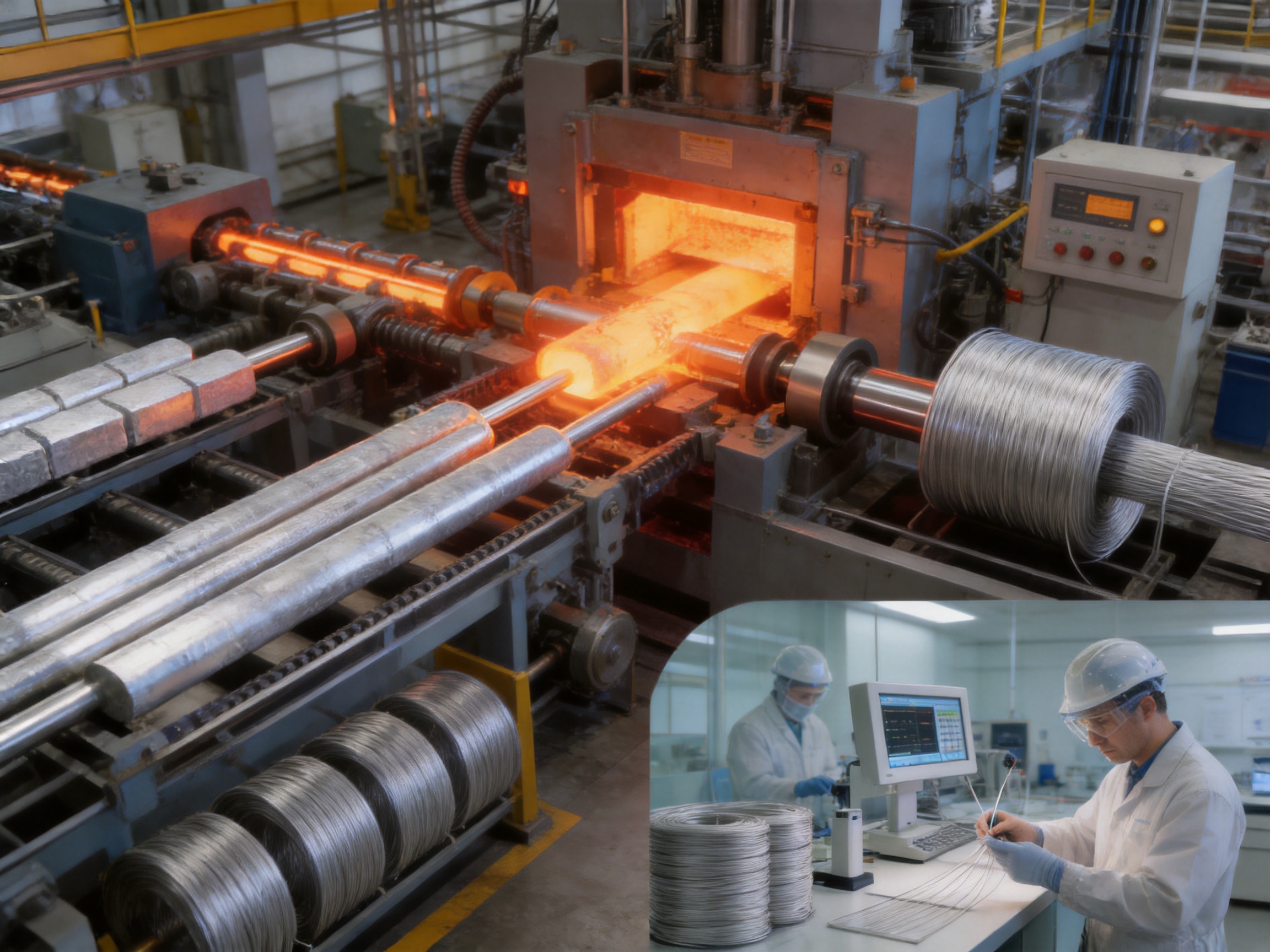
The quality of aluminum rivet wire depends on the entire manufacturing chain rather than on one isolated operation. An advanced production system coordinates raw material preparation, melting or billet production, casting, homogenization, hot working, drawing, heat treatment, surface finishing, dimensional inspection, mechanical testing, packaging, and traceability.
Raw Material Preparation
Production begins with controlled alloy inputs. Primary aluminum and alloying additions must be selected according to the target composition. Raw material identification, supplier evaluation, storage conditions, and batch segregation help prevent cross-contamination and alloy mix-ups.
For high-strength alloys, the accuracy of additions such as copper, magnesium, and zinc is especially important. Excessive iron or uncontrolled impurity levels can influence intermetallic particles and reduce ductility or corrosion performance. Maintaining a clean charge and carefully controlled melting practice supports consistent downstream properties.
Melting and Composition Adjustment
During melting, temperature, holding time, stirring, and composition adjustment must be controlled. Samples can be taken for chemical analysis before casting. If the composition is outside the required range, corrections may be made before the melt is released to the next stage.
Good melt management also reduces hydrogen absorption, oxide inclusion, and unwanted segregation. Filtration and degassing practices may be used where appropriate to improve metal cleanliness. Clean metal is important for wire because internal defects can become stress concentrators during drawing and may lead to cracking during rivet heading or service.
Casting and Homogenization
After composition approval, the alloy is cast into a suitable billet, rod, or other semi-finished form. Casting parameters influence grain structure, segregation, porosity, and surface quality. Homogenization heat treatment can help reduce chemical segregation and prepare the material for subsequent hot working.
For high-strength alloy wire, the condition of the cast structure is particularly important. A uniform and refined structure helps support stable deformation during extrusion or rolling and can improve the consistency of later drawing and heat treatment operations.
Hot Working
Hot extrusion, rolling, or related operations reduce the cross-section and develop the desired metallurgical structure. Process temperature, deformation ratio, reduction schedule, and line speed must be controlled for each alloy family. Improper hot working may generate surface defects, internal stress, or nonuniform properties.
Advanced equipment allows production parameters to be recorded and adjusted with greater precision. This supports repeatability between lots and makes it easier to investigate any deviation identified during inspection.
Precision Drawing
Drawing reduces the wire to the specified diameter and improves dimensional accuracy. Multiple drawing passes may be used, with intermediate annealing or other treatments when required. Die condition, lubrication, reduction per pass, drawing speed, and alignment all affect surface quality and mechanical properties.
For rivet manufacturers, diameter consistency is essential. Variations can influence blank weight, head formation, fit within the receiving hole, and final clamping behavior. Precision drawing also helps provide a smooth surface that is less likely to damage feeding equipment or create stress concentrations.
Heat Treatment and Aging
Heat treatment is a critical process for heat-treatable alloys such as 2A10, 2219, 7050, and 7075. Solution treatment, quenching, artificial aging, and overaging must be controlled according to the alloy and required temper. Furnace uniformity, loading arrangement, transfer time, quenching conditions, and aging temperature all influence final performance.
For high-strength rivet wire, the supplier must consider whether the customer will form the rivet before or after final heat treatment. Some manufacturing routes require a condition that permits easier heading, followed by aging after installation. Other routes use wire supplied in a condition suitable for direct forming. The correct process should be established through technical communication and, when necessary, trial production.
Surface Treatment and Protection
Wire surfaces must be clean, smooth, and free from harmful contamination. Depending on the application, the product may receive suitable surface protection or be packaged with protective materials to prevent damage during storage and transport. Surface condition is especially important when the wire is used in precision forming or when the finished rivet will be exposed to demanding environments.
Inspection and Traceability
Inspection may include chemical analysis, diameter measurement, surface examination, tensile testing, hardness testing, elongation testing, metallographic evaluation, and special corrosion or forming tests where required. Each lot should be traceable to the raw materials, production route, heat treatment record, inspection results, and packaging information.
Traceability is particularly important in aviation, aerospace, and military supply chains. It supports quality assurance, customer audits, nonconformance investigation, and long-term product documentation. A supplier that maintains organized records can provide greater confidence than a low-cost source with limited process visibility.
Company Manufacturing Strengths
Jiangsu Hetuo Aluminum Wire Co., Ltd. was established in 2019 and operates from the Guannan Economic Development Zone in Lianyungang, Jiangsu Province, China. The company has developed a factory covering approximately 40,000 square meters and employs 60 people, including professional managers and technicians.
The company describes its production system as an intelligent manufacturing system covering high-purity aluminum wire, high-strength aluminum alloy wire, and aluminum and aluminum alloy welding materials. This product specialization allows the company to build experience across several aluminum material categories while maintaining a focus on wire production, alloy control, precision processing, and customer-specific supply.
Advanced equipment and facilities are used throughout production, with quality inspection implemented across the manufacturing process. This approach is important because wire performance is influenced by many connected variables. Inspection only at the final stage may not be enough to identify the origin of a defect. In-process monitoring provides earlier feedback and helps reduce the possibility of inconsistent material reaching the customer.
The company has obtained ISO 9001 and IATF 16949 quality management system certifications according to the supplied company information. ISO 9001 provides a framework for quality management, documented processes, customer focus, corrective action, and continual improvement. IATF 16949 is associated with the automotive supply chain and emphasizes process control, risk management, traceability, defect prevention, and structured improvement.
Although certification does not replace product-specific testing, it indicates that the company has established formal systems for managing quality-related activities. For customers purchasing aluminum rivet wire, these systems may support more consistent order handling, production documentation, inspection planning, corrective action, and supplier communication.
The company's stated export experience and focus on high-grade aluminum alloy rods, welding wires, and precision profiles further support its ability to serve overseas industrial customers. Its objective is to provide lighter, stronger, and more sustainable aluminum alloy wire and welding material solutions for global industries.
How the Product Compares with Generic Rivet Wire
Better Material Consistency
Generic wire may be offered with limited information about alloy origin, heat treatment, dimensional tolerance, or lot traceability. A professionally manufactured product provides more complete control over these factors. Consistency is especially valuable for rivet producers because forming tools and automated lines are designed around predictable material behavior.
More Suitable Alloy Options
A basic supplier may provide only one general-purpose aluminum grade. A specialized aluminum wire manufacturer can offer several alloy families, allowing the customer to select a material based on strength, corrosion resistance, ductility, welding compatibility, and service environment. The availability of 2A10, 2219, 7050, and 7075 supports a wider range of high-strength requirements.
Controlled Temper Selection
Uncontrolled or incorrectly identified temper can cause major problems during rivet production. A supplier with heat treatment expertise can help customers identify whether T6, T73, T76, or another condition is appropriate. This may reduce forming defects and improve the balance between strength and environmental resistance.
Improved Documentation
Industrial customers increasingly require certificates, test reports, batch identification, and production records. A structured quality system makes it easier to provide these documents and maintain a clear material history. This is an important advantage for aerospace and defense customers, where material control is closely connected to product safety.
Greater Customization Potential
Rivet producers may require specific wire diameters, coil weights, straight lengths, packaging methods, surface conditions, or mechanical property ranges. A manufacturer with an integrated production system can discuss these requirements more effectively than a trading company that only resells standard stock.
Applications in Aviation, Aerospace, and Military Equipment
High-strength aluminum alloy rivet wire is mainly used in aviation, aerospace, and military fields according to the supplied product description. These sectors require materials that can support lightweight structures while maintaining reliable performance under vibration, pressure changes, temperature variation, fatigue loading, and exposure to moisture or corrosive contaminants.
In aircraft construction, rivets may be used to join fuselage skins, wing components, frames, stringers, brackets, access panels, and interior structural elements. The selected alloy must be compatible with the surrounding material and the installation procedure. The joint designer must also consider hole quality, edge distance, rivet spacing, load transfer, sealant, and inspection access.
Aerospace equipment may impose additional requirements related to low-temperature performance, fracture toughness, stress corrosion resistance, and dimensional stability. The T73 and T76 conditions referenced in the product information can be relevant where environmental resistance and damage tolerance must be balanced with strength.
Military equipment may operate in highly variable conditions, including field exposure, shock, vibration, salt spray, temperature cycling, and difficult maintenance environments. Aluminum rivets can contribute to weight savings in vehicles, enclosures, structural panels, and equipment assemblies. Alloy and temper selection should be made according to the actual duty cycle rather than by strength rating alone.
Additional applications may include rail vehicles, automotive structures, marine equipment, industrial machinery, electrical enclosures, and fabricated aluminum products. In each case, the design authority should verify whether the selected wire meets the applicable mechanical, chemical, dimensional, and environmental requirements.
Important Technical Considerations for Buyers
Specify the Exact Alloy
Buyers should identify the required alloy designation rather than ordering only “aluminum rivet wire.” 2A10, 2219, 7050, and 7075 have different chemistry and performance characteristics. If an equivalent designation is acceptable, that should be stated together with the governing standard.
Define the Temper
The required temper should be specified based on the rivet production process and final service condition. If the customer forms rivets before aging, the supplier may need to provide a different condition from that required for finished mechanical performance. Technical discussions should cover solution treatment, aging, overaging, and any customer-side heat treatment.
Confirm Diameter and Tolerance
Wire diameter affects blank volume, heading force, rivet dimensions, and assembly fit. Customers should provide the nominal diameter, allowable tolerance, coil or straight-length format, and any requirements for ovality or straightness.
Discuss Surface Quality
The wire should be free from harmful scratches, laps, seams, cracks, excessive oxide, oil contamination, and other defects that could affect forming or service. If the wire will be automatically fed, surface friction and cleanliness may also influence line performance.
Request Inspection Documents
For controlled applications, customers should request a certificate of conformity and, where required, a material test report. Documents may include chemical composition, tensile strength, yield strength, elongation, hardness, dimensional results, heat treatment information, lot identification, and inspection date.
Evaluate Packaging and Storage
Aluminum wire should be protected against moisture, impact, contamination, and deformation during transportation. Packaging should maintain coil integrity and provide clear identification. Storage should take place in a clean, dry environment with protection from condensation and corrosive chemicals.
Conduct a Production Trial
Even when a wire meets a published specification, a production trial is valuable. The trial can evaluate feeding, cutting, heading, die wear, surface appearance, dimensional stability, and the performance of the installed rivet. Trial results can be used to confirm the final alloy, temper, and process settings before volume production.
Quality Risks and How They Are Controlled
One common risk in aluminum wire production is chemical variation. This can be reduced through controlled raw material purchasing, accurate weighing of alloy additions, melt sampling, and laboratory analysis. Another risk is internal porosity or oxide inclusion, which may be addressed through clean melting, filtration, degassing, and controlled casting.
Surface cracking can originate during casting, hot working, or drawing. Process parameters must be adjusted to the alloy's deformation characteristics, and finished wire should be visually or instrumentally inspected. Drawing dies and lubrication systems must also be maintained to avoid scoring and dimensional instability.
Heat treatment variation can lead to inconsistent strength or ductility. Furnace calibration, temperature uniformity surveys, load control, quench monitoring, and aging records help reduce this risk. When a customer requires a special temper, the supplier should document the complete treatment cycle rather than reporting only the final hardness.
Mixed lots and incorrect labeling are serious risks in multi-alloy production. Segregated storage, barcode or batch systems, material identification, and final packaging checks can help prevent shipment errors. Traceability should remain intact from raw material through finished coil.
Packaging damage may bend wire, deform coils, introduce contamination, or expose the surface to moisture. Appropriate wrapping, separators, edge protection, and moisture-resistant packaging help preserve product condition until the material reaches the customer's facility.
Recommended Incoming Inspection by the Customer
Upon receipt, the customer should verify the packaging condition, product identification, alloy, temper, diameter, quantity, and lot number. Any damage or discrepancy should be recorded before the material is released to production.
A dimensional check should be performed using calibrated instruments. Several points around the coil and along the wire length may be measured to confirm diameter consistency. Surface inspection should look for cracks, scratches, dents, corrosion, discoloration, and contamination.
For critical applications, the customer may conduct independent chemical analysis and mechanical testing. The testing frequency should be determined by the applicable specification and quality plan. If the wire will be used in high-volume heading operations, a forming trial can reveal issues that may not be visible through basic dimensional inspection.
Material should not be exposed to uncontrolled humidity or corrosive chemicals while awaiting production. Proper stock rotation and clear segregation of different alloys and tempers are also recommended.
Rivet Manufacturing Considerations
The wire diameter and temper must be compatible with the blank-cutting and heading equipment. Cutting tools should be sharp and correctly aligned so that the blank ends remain square and free from excessive burrs. Poorly cut blanks can produce uneven heads or create localized stress during forming.
Heading conditions should be optimized for the selected alloy. Forming speed, die geometry, lubrication, reduction ratio, and tooling clearance can influence the final appearance and internal structure of the rivet. High-strength alloys may require more carefully controlled forming parameters than softer commercial aluminum grades.
After forming, rivets may receive heat treatment, aging, surface treatment, or inspection depending on the application. The relationship between forming and heat treatment should be confirmed before production begins. A rivet that is easy to form may not yet have its final strength, while a fully aged rivet may be stronger but more difficult to upset.
Installation quality is equally important. Hole diameter, hole roundness, countersink geometry, rivet length, driving force, and inspection method all affect joint reliability. Even premium wire cannot compensate for poor joint design or improper installation.
Why Choose a Specialized Aluminum Wire Manufacturer?
A specialized manufacturer understands that different aluminum wire products require different process windows. High-purity wire, heat-treatable high-strength wire, and aluminum welding wire cannot be produced successfully through one generalized process without careful adjustment. Alloy-specific melting, drawing, annealing, heat treatment, and inspection are necessary.
Jiangsu Hetuo's concentration on aluminum wire and related materials provides a foundation for technical communication with customers. Instead of treating rivet wire as a generic commodity, the company can evaluate the relationship between alloy, temper, dimensions, application, and production method.
The combination of a 40,000-square-meter facility, intelligent manufacturing equipment, trained managers and technicians, process-wide quality inspection, and ISO 9001 and IATF 16949 certifications supports a structured manufacturing approach. These capabilities may provide advantages in repeatability, customization, documentation, and international supply.
The company also offers a broad material portfolio. This can simplify sourcing for customers that require both structural aluminum wire and welding wire for related manufacturing operations. Centralized supplier management may reduce administrative complexity and improve coordination between material specifications.
Customization and International Supply
Customization may include alloy grade, temper, diameter, tolerance, coil dimensions, straight-length supply, surface condition, inspection documentation, and packaging. Customers should provide drawings, standards, annual consumption, forming method, and service environment when requesting a quotation.
For overseas orders, shipping conditions and packaging requirements should be discussed at the beginning of the project. Export packaging must protect the wire from moisture and impact, while product labels should remain legible throughout transportation. Commercial documents, packing lists, certificates, and batch records should correspond accurately to the shipped material.
Jiangsu Hetuo Aluminum Wire Co., Ltd. is located in Lianyungang, Jiangsu Province, China. The company's stated contact details include the telephone numbers +86-15961627690 and +86-18961612067 and the email address [email protected]. Customers should confirm current contact information and technical requirements directly with the company before placing an order.

Frequently Asked Questions
What is high-strength aluminum rivet wire used for?
It is used to manufacture rivets and related fasteners for aviation, aerospace, military, transportation, structural, and industrial assemblies. The exact application depends on the alloy, temper, diameter, and customer specification.
Which alloys are available for high-strength rivet applications?
The supplied product information identifies 2A10, 2219, 7050, and 7075 as high-strength aluminum alloy wire options. Each alloy has different chemistry and performance characteristics, so the appropriate grade should be selected according to the required strength, corrosion resistance, forming behavior, and service environment.
Is 7075 aluminum wire suitable for aviation rivets?
7075 is a high-strength aluminum alloy associated with aerospace and structural applications, and the supplied company information specifically identifies custom 7075 aluminum rivet wire for aviation. Suitability must still be confirmed against the aircraft specification, rivet design, required temper, forming process, and corrosion protection system.
What is the difference between T6, T73, and T76?
T6 is generally selected for high strength after solution treatment and artificial aging. T73 is an overaged condition associated with improved fracture toughness and resistance to stress corrosion and exfoliation corrosion. T76 is described in the supplied information as providing higher strength than T73 while offering higher stress corrosion resistance than T6. The exact values depend on the alloy and governing standard.
Can high-strength wire be formed directly into rivets?
It depends on the alloy, temper, diameter, rivet geometry, and forming equipment. Some high-strength alloys may require a condition that provides sufficient ductility during heading, followed by aging or another treatment. Customers should conduct a forming trial and confirm the production route with the supplier.
Does the company provide welding wire as well as rivet wire?
Yes. The supplied product range includes aluminum and aluminum alloy welding materials such as 4043, 4047, 5183, 5154, 5356, AlMg3, AlMg5, AlMg6, and AlMg61. These grades serve different welding purposes and should not automatically be substituted for high-strength rivet alloys.
What quality certifications does the company have?
According to the supplied company information, Jiangsu Hetuo Aluminum Wire Co., Ltd. has obtained ISO 9001 and IATF 16949 quality management system certifications. Customers should request current certification documentation and confirm that the supplied product is covered by the relevant quality procedures.
Can the wire be customized?
The supplied SEO description identifies custom 7075 aluminum rivet wire, and the company describes its business as providing aluminum alloy wire solutions for global industries. Customization should be discussed for alloy, temper, diameter, tolerances, packaging, surface condition, and inspection documentation.
What documents should accompany an order?
Depending on the application, customers may request a certificate of conformity, chemical composition report, mechanical test results, dimensional inspection record, heat treatment record, lot traceability information, and packaging documentation. The required documents should be listed in the purchase order.
How should aluminum rivet wire be stored?
It should be stored in a clean, dry area protected from condensation, water, corrosive chemicals, impact, and contamination. Coils should remain properly supported, and different alloys and tempers should be clearly separated and labeled.
What information is needed for a quotation?
Useful information includes the required alloy, temper, diameter, dimensional tolerance, quantity, coil or straight-length format, application, forming method, surface requirements, inspection standard, packaging requirements, destination, and delivery schedule.
Conclusion
High-strength aluminum alloy wire for rivets is a specialized material that must combine controlled chemistry, reliable forming behavior, dimensional precision, suitable heat treatment, corrosion resistance, and traceable quality. Alloys such as 2A10, 2219, 7050, and 7075 can support demanding structural applications, but the final selection must be based on the complete engineering requirement rather than maximum strength alone.
The T6, T73, and T76 conditions provide different balances of strength, toughness, corrosion resistance, and low-temperature performance. Understanding these differences helps designers and rivet manufacturers select a material that is appropriate for both production and service.
Jiangsu Hetuo Aluminum Wire Co., Ltd. combines an aluminum-focused product portfolio with an intelligent manufacturing system, a 40,000-square-meter facility, professional technical personnel, process-wide quality inspection, and ISO 9001 and IATF 16949 certifications. These strengths support the production of high-purity aluminum wire, high-strength aluminum alloy wire, welding wire, and customized aluminum material solutions.
For buyers in aviation, aerospace, military, transportation, and other critical industries, the best procurement approach is to define the alloy, temper, dimensions, standards, inspection requirements, and forming process at the beginning of the project. With appropriate technical coordination and production validation, high-quality aluminum rivet wire can contribute to lighter, stronger, more durable, and more efficient assembled structures.
References
1. Supplied product information for “For Rivets,” High-Strength Aluminum Alloy Wire.
2. Supplied chemical composition data for 2A10, 2219, 4043, 4047, 5183, 5154, 5356, AlMg3, AlMg5, AlMg6, AlMg61, 7050, and 7075 aluminum alloy wires.
3. Aluminum Association, Aluminum Standards and Data.
4. ASTM International, Standard Specifications and Test Methods for Aluminum and Aluminum-Alloy Products.
5. Aerospace material specifications for aluminum and aluminum alloy wire, rod, and rivet materials.
6. ISO 9001, Quality Management Systems — Requirements.
7. IATF 16949, Quality Management System Requirements for Automotive Production and Relevant Service Parts Organizations.