

 English
 中文简体
中文简体 русский
 Deutsch
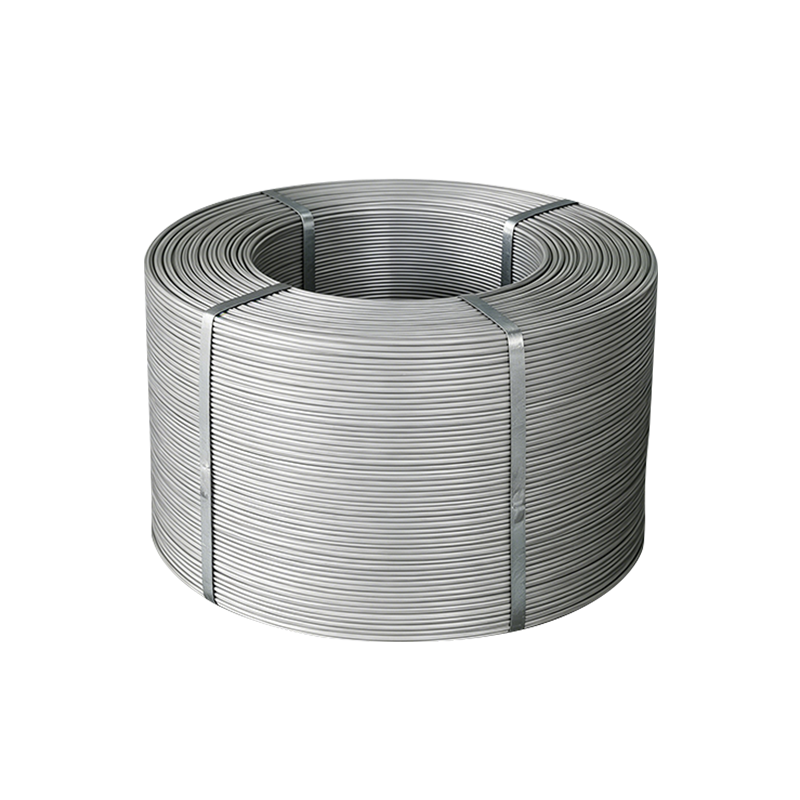
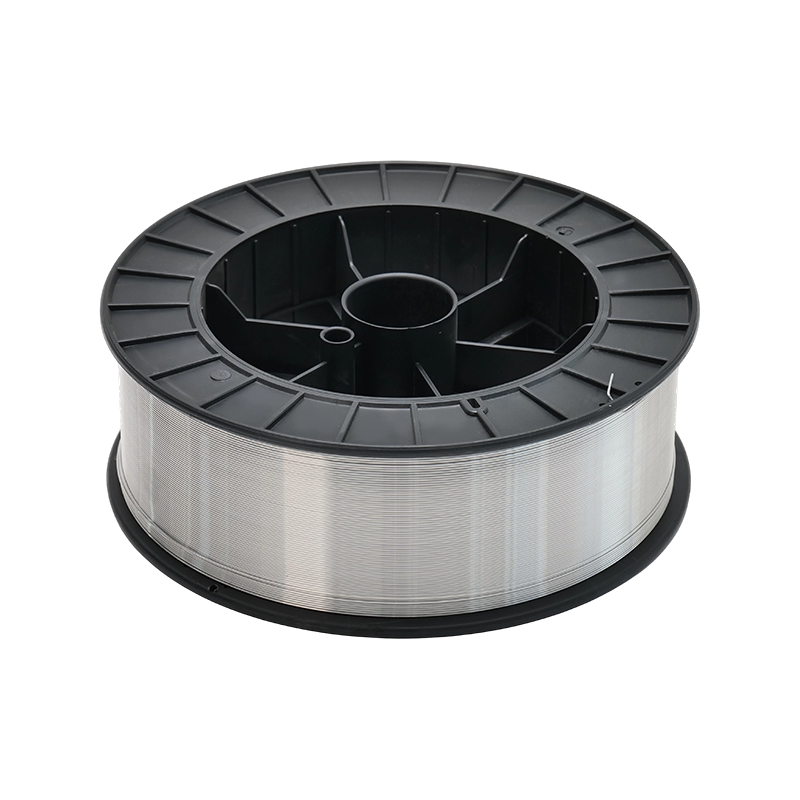
1090 Aluminum Wire is a high-purity aluminum material developed for applications that require a clean, stable, and corrosion-resistant aluminum coating. With an aluminum content of at least 99.90%, the wire is designed primarily for evaporation and thermal spraying. It can help improve the surface corrosion resistance of a substrate, extend component service life, and provide a dependable aluminum layer for industrial surface protection.
As industries seek lighter materials, longer service intervals, and more efficient surface-treatment methods, high-purity aluminum wire has become an important engineering material. Aluminum is naturally protected by a thin, adherent oxide film. When properly deposited onto a steel or other metallic substrate, it can provide a barrier against moisture, atmospheric exposure, and selected corrosive environments. 1090 Aluminum Wire combines these inherent characteristics with the processing advantages of wire-based coating technology.
Manufactured by Jiangsu Hetuo Aluminum Wire Co., Ltd., the product belongs to the company’s High Purity Aluminum Wire category. The company also produces high-strength aluminum alloy wire and aluminum and aluminum alloy welding materials. Its manufacturing system includes high-purity aluminum wire, high-strength alloy wire, welding wire, and precision aluminum profiles, allowing customers to source complementary materials from one specialized producer.
Content
- 1 Understanding 1090 Aluminum Wire
- 2 Primary Applications in Evaporation and Spraying
- 3 How Aluminum Coatings Improve Surface Protection
- 4 Advantages of 1090 Aluminum Wire Over Lower-Purity Alternatives
- 5 Comparison with Other Aluminum Wire Grades
- 6 Manufacturing Strengths of Jiangsu Hetuo Aluminum Wire Co., Ltd.
- 7 Process Control from Raw Material to Finished Wire
- 8 Quality Assurance for Industrial Customers
- 9 Application Benefits in Different Industries
- 10 Storage, Handling, and Process Preparation
- 11 Why Manufacturer Capability Matters
- 12 Technical Selection Guide for Buyers
- 13 Frequently Asked Questions
- 13.1 What is 1090 Aluminum Wire?
- 13.2 What is the main use of this product?
- 13.3 How does 1090 compare with 1070 aluminum wire?
- 13.4 Is 1090 Aluminum Wire suitable for welding?
- 13.5 Can 1090 wire be used in arc-spray equipment?
- 13.6 Does high purity guarantee corrosion protection?
- 13.7 What information should be included in an inquiry?
- 13.8 What quality certifications does the manufacturer report?
- 13.9 How should the wire be stored?
- 13.10 Can the company supply other aluminum materials?
- 14 Conclusion
- 15 References
- 16 Product: 1090 Aluminum Wire
Understanding 1090 Aluminum Wire
In common aluminum designation systems, the 1090 grade belongs to the commercially pure aluminum family. The first digits identify the material series, while the final digits indicate the nominal purity level. In practical terms, 1090 aluminum is characterized by an aluminum content of approximately 99.90% or higher, with tightly controlled levels of silicon, iron, copper, manganese, magnesium, zinc, titanium, and other elements.
The supplied product information identifies 1090 Aluminum Wire as a high-purity aluminum wire with an aluminum content of 99.90%. The listed chemical limits include approximately 0.07% silicon, 0.07% iron, 0.02% copper, 0.01% manganese, 0.01% magnesium, no specified chromium or nickel addition, 0.03% zinc, 0.01% titanium, and 0.01% other elements. These values are important because even small quantities of alloying or residual elements can influence melting behavior, coating appearance, electrical characteristics, oxide formation, and the condition of a sprayed or evaporated layer.
| Element or Property | Typical Listed Limit for 1090 | Importance in Processing |
|---|---|---|
| Aluminum | 99.90% | Provides the primary coating material and supports high-purity surface deposition. |
| Silicon | 0.07% | Controlled silicon helps maintain consistent melting and coating behavior. |
| Iron | 0.07% | Low iron content supports a cleaner material structure and stable processing response. |
| Copper | 0.02% | Maintained at a low level to preserve the characteristics of commercially pure aluminum. |
| Manganese | 0.01% | Low manganese content helps retain high-purity aluminum behavior. |
| Magnesium | 0.01% | Controlled magnesium supports predictable surface and thermal characteristics. |
| Zinc | 0.03% | Limited zinc helps minimize unintended alloying effects. |
| Titanium | 0.01% | Low titanium content contributes to controlled material consistency. |
| Other elements | 0.01% | Low residual content supports stable quality from batch to batch. |
Customers should confirm the applicable product standard, diameter tolerance, temper, spool specification, and inspection documentation before purchase. Chemical composition is a central quality indicator, but the suitability of a wire for a specific application also depends on wire diameter, surface cleanliness, tensile properties, straightness, winding quality, packaging, and compatibility with the selected spray or evaporation equipment.
Primary Applications in Evaporation and Spraying
The main stated application for 1090 Aluminum Wire is surface evaporation and spraying. In these processes, aluminum is transferred from wire form to a target surface. Depending on the equipment and process parameters, the wire may be melted and atomized, vaporized, or otherwise deposited to produce a continuous or semi-continuous aluminum layer.
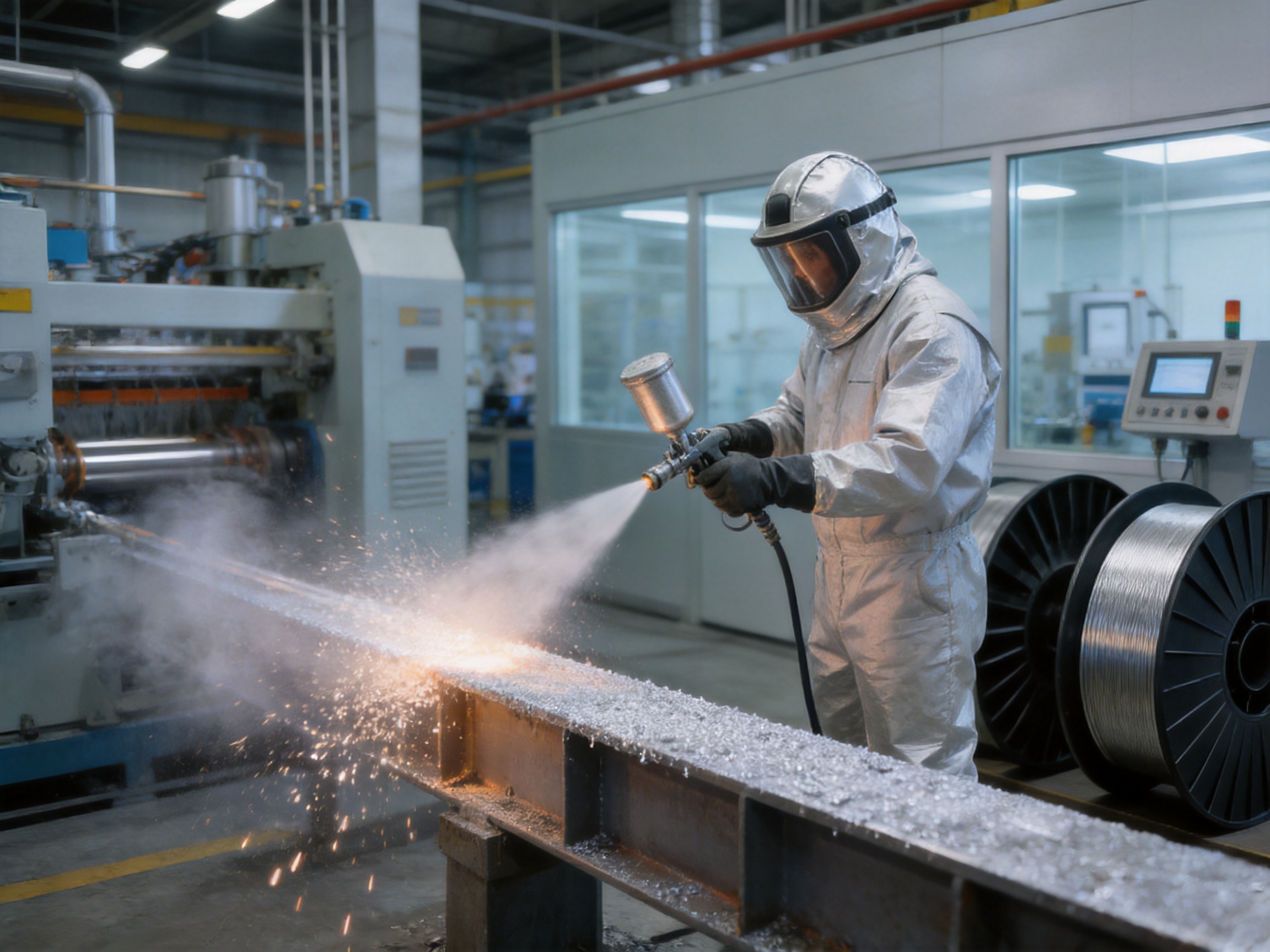
Thermal spraying is commonly used to apply metallic coatings to large components, complex structures, and parts that would be difficult or costly to protect through bulk alloy selection alone. Aluminum wire can be used in suitable arc-spray or flame-spray systems. The process melts the feedstock and projects droplets toward a prepared substrate, where they flatten, cool, and build up into a coating. The final result depends on substrate preparation, spray distance, current or flame settings, wire feed rate, air pressure, environmental conditions, and post-treatment.
Evaporation processes use a different transfer mechanism. Aluminum is heated in a controlled environment until it becomes a vapor, which then condenses on the surface of a product or component. High-purity wire is valuable in such applications because the feedstock composition can influence the quality of the vapor, the uniformity of deposition, and the appearance and functional performance of the final film.
In both application groups, consistency is essential. A wire with uncontrolled contamination can cause irregular melting, unstable feeding, excessive spatter, deposits with unwanted discoloration, or variations in coating thickness. A high-purity product helps provide a more predictable starting material for process engineers who are optimizing coating quality.
1090 Aluminum Wire
How Aluminum Coatings Improve Surface Protection
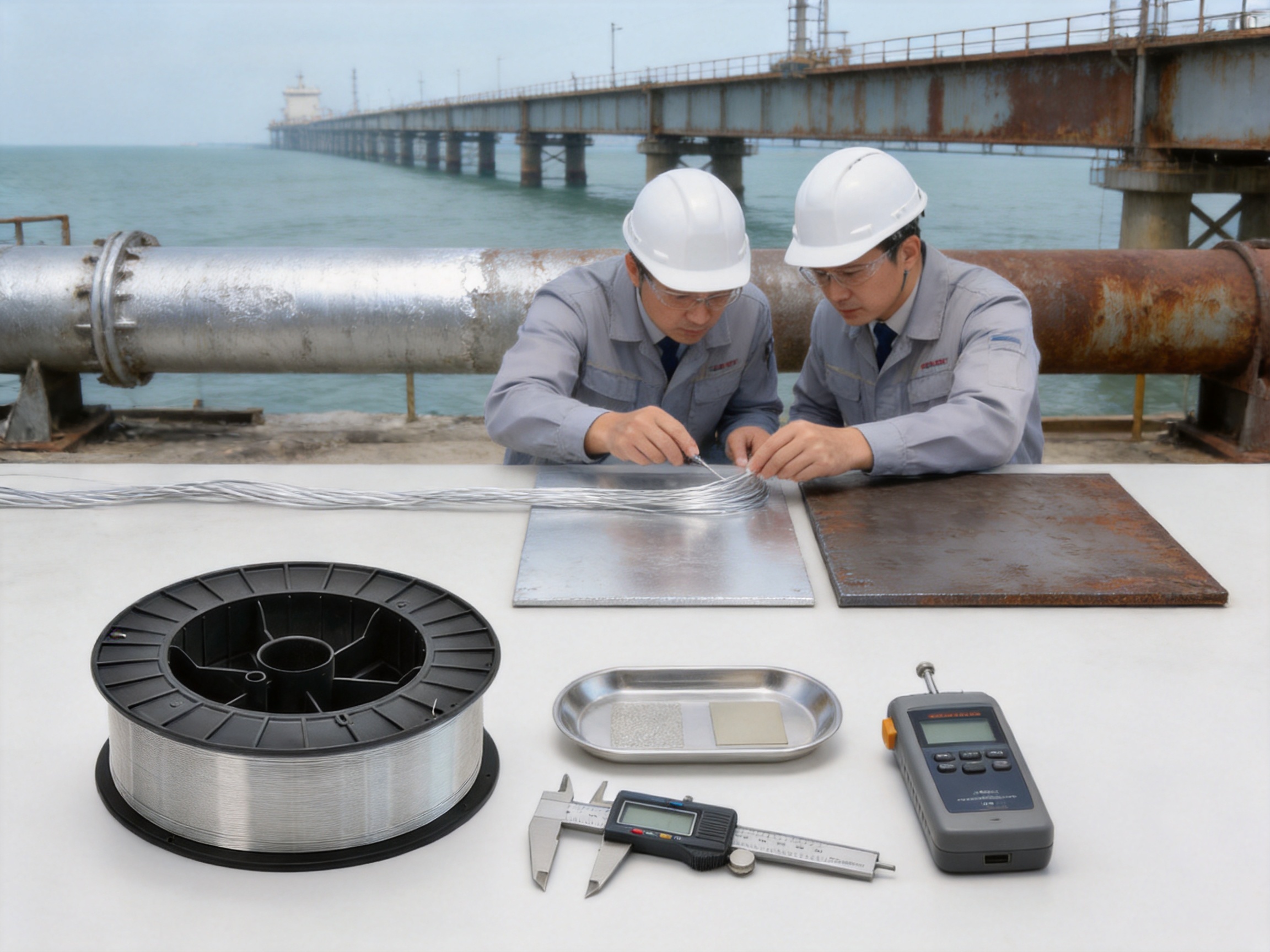
Aluminum is widely valued for its natural resistance to atmospheric oxidation. When exposed to air, it forms a thin oxide film that adheres closely to the underlying metal. This oxide layer can slow further reaction and contributes to aluminum’s usefulness as a protective coating material. When aluminum is applied to a steel substrate, the coating can help isolate the base metal from moisture and corrosive agents.
A sprayed aluminum layer may provide both barrier protection and a degree of sacrificial protection, depending on the coating system, environment, substrate, and electrical continuity of the coating. In many conditions, aluminum can act as a protective metal for steel, helping reduce the rate at which the substrate is attacked. The actual protection mechanism depends on coating thickness, porosity, sealing, surface preparation, exposure conditions, and the presence of dissimilar metals.
The product information specifically identifies improved surface corrosion resistance and extended service life as the principal benefits. These advantages are especially relevant for structures and components exposed to humidity, industrial atmospheres, coastal conditions, and other environments where unprotected steel may deteriorate quickly.
It is important to distinguish between the potential of the aluminum wire and the performance of a completed coating system. Wire quality is one part of the result. The substrate must be properly cleaned and roughened, the spraying or evaporation equipment must be correctly calibrated, and the finished coating should be inspected for thickness, adhesion, continuity, porosity, and visual uniformity. In demanding applications, a compatible sealer or topcoat may also be considered.
Advantages of 1090 Aluminum Wire Over Lower-Purity Alternatives
High aluminum content
The most direct advantage of 1090 Aluminum Wire is its high aluminum content. At 99.90%, it contains less non-aluminum material than lower-purity commercial grades such as 1070, which is listed at 99.70% aluminum in the supplied composition information. The difference may appear small numerically, but it represents a meaningful reduction in total non-aluminum constituents when the wire is used as a coating feedstock.
High purity can be beneficial where the coating must maintain a clean aluminum composition. It can support stable melting and reduce the influence of unintended alloying elements. This makes 1090 a logical choice when the objective is to deposit commercially pure aluminum rather than to obtain the higher strength, hardness, or specialized corrosion behavior of an alloyed coating.
More consistent process behavior
Wire-based deposition equipment depends on a stable feedstock. Variations in composition, diameter, surface condition, or winding can affect the feeding process. A carefully controlled 1090 wire gives operators a consistent material basis for setting wire feed speed, energy input, atomization conditions, and spray distance.
Consistency is particularly useful in automated or semi-automated production. When the feedstock responds predictably, process engineers can establish repeatable operating windows and reduce the need for frequent adjustments. This can improve production efficiency and help minimize coating defects associated with erratic melting or feeding.
Suitable purity for evaporation and spraying
Evaporation and thermal spraying often place stricter demands on the feedstock than ordinary metal forming. Contaminants or excessive alloying additions may influence vaporization, molten droplet behavior, oxidation, deposit structure, and surface appearance. The 1090 composition is intended for applications where the characteristics of high-purity aluminum are preferred.
For users comparing standard aluminum wire with high-purity wire, 1090 can offer a practical balance between purity and industrial availability. It is more purity-focused than many general-purpose aluminum alloys while remaining suitable for routine wire processing and large-scale coating applications.
Potential for extended substrate service life
The purpose of a protective aluminum coating is not merely cosmetic. A properly applied coating can reduce direct exposure of the substrate to the environment. By helping control corrosion, it may reduce maintenance frequency, delay replacement, and preserve the dimensional and structural integrity of the protected part.
Longer service life can generate savings over the total operating period of a component. The economic benefit depends on the component’s size, environment, accessibility, maintenance cost, downtime risk, and required coating system. Nevertheless, the use of high-purity aluminum wire is consistent with a preventive-maintenance strategy focused on protecting the substrate before severe corrosion develops.
Lower density than many protective metals
Aluminum has a relatively low density compared with many ferrous and non-ferrous metals. A protective aluminum coating can therefore provide corrosion protection without adding the same mass as a thicker or denser metallic coating. This advantage may be meaningful for transportation equipment, elevated structures, rotating parts, and components where weight affects installation or operation.
Lower weight can also simplify handling during coating and maintenance. However, coating designers should select thickness based on the exposure environment and required durability rather than using weight reduction as the only criterion.
Comparison with Other Aluminum Wire Grades
The supplied product information includes composition data for grades 1070, 1090, and 1A95. All three are high-purity aluminum materials, but their listed aluminum levels and impurity limits differ. The selection should be based on the required purity, applicable standard, equipment compatibility, procurement availability, and the performance requirements of the coating or evaporation process.
| Grade | Listed Aluminum Content | General Position | Potential Selection Rationale |
|---|---|---|---|
| 1070 | 99.70% | High-purity aluminum | Suitable where a high-purity aluminum feedstock is required and the specified composition is acceptable. |
| 1090 | 99.90% | Higher-purity aluminum | Suitable where reduced non-aluminum content and stable high-purity processing are important. |
| 1A95 | 99.95% | Very high-purity aluminum | Suitable for applications requiring an even higher listed aluminum content, subject to process and cost requirements. |
The comparison does not mean that one grade is universally better than another. A customer may choose 1070 for a cost-sensitive application, 1090 for a balance of high purity and industrial practicality, or 1A95 when the highest listed purity is necessary. The correct choice depends on the final coating specification and the requirements of the deposition system.
Compared with high-strength aluminum alloy wire, 1090 Aluminum Wire has a different purpose. High-strength alloys are designed to provide greater mechanical strength and may contain alloying additions such as magnesium, silicon, copper, manganese, or zinc. Those alloys can be preferable for load-bearing wire products, structural applications, or applications requiring specific tensile performance. However, when the wire is intended primarily as a high-purity aluminum coating feedstock, the lower alloy content of 1090 may be more appropriate.
Compared with aluminum welding wires, 1090 is also selected for a different role. Welding wire is usually matched to a base material and a welding procedure. Its composition, feeding behavior, and mechanical properties are evaluated in relation to weld metal performance. 1090 Aluminum Wire is principally positioned for evaporation and spraying, where coating purity and deposition behavior are central considerations.
Manufacturing Strengths of Jiangsu Hetuo Aluminum Wire Co., Ltd.
Jiangsu Hetuo Aluminum Wire Co., Ltd. was established in 2019 and focuses on aluminum alloy materials. According to the supplied company information, its facility is located in the Guannan Economic Development Zone of Lianyungang, Jiangsu Province, China. The factory covers approximately 40,000 square meters and employs 60 people, including 30 professional managers and technicians.
This combination of production space and technical personnel supports a structured manufacturing environment rather than a purely trading-oriented supply model. For international customers, that distinction can matter. A producer with dedicated process, quality, and management resources is better positioned to maintain documented production procedures, investigate nonconformities, coordinate inspections, and support custom requirements.
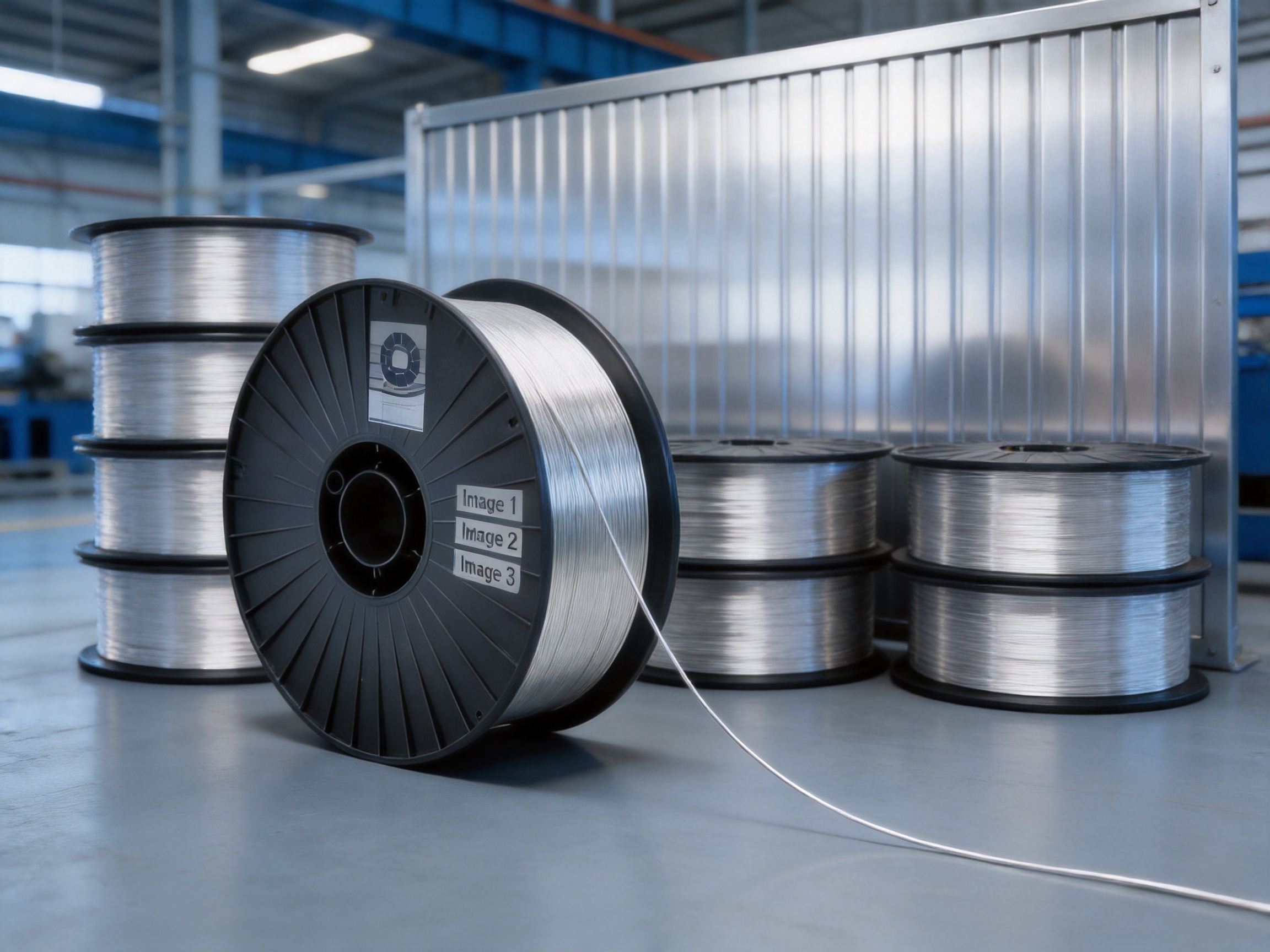
The company has built an intelligent manufacturing system covering high-purity aluminum wire, high-strength aluminum alloy wire, and aluminum and aluminum alloy welding materials. This product structure creates several potential advantages for customers. First, the company can apply experience from related aluminum processing activities to new specifications. Second, customers with multiple aluminum material requirements may be able to consolidate procurement. Third, the manufacturer can develop a broader understanding of the relationship between alloy chemistry, wire processing, surface condition, and end-use performance.
The company states that it introduces advanced equipment and facilities and implements quality inspection throughout production. Continuous inspection is important for wire products because quality problems can develop at multiple stages. Incoming raw material quality affects the final chemistry. Melting and casting influence internal consistency. Rolling, drawing, straightening, and winding affect diameter and surface condition. Packaging determines whether the product remains clean and undamaged during storage and transportation.
Jiangsu Hetuo Aluminum Wire Co., Ltd. also states that it has obtained ISO 9001 and IATF 16949 quality management system certifications. ISO 9001 provides a framework for quality management, documentation, process control, customer focus, and continual improvement. IATF 16949 is associated with automotive quality management and emphasizes risk control, defect prevention, traceability, process capability, and customer-specific requirements. These certifications can be valuable indicators for customers that require a formal management system.
Process Control from Raw Material to Finished Wire
Raw material selection
High-purity wire manufacturing begins with controlled raw materials. The aluminum source must meet the required chemical composition, and incoming materials should be identified and inspected. For 1090 Aluminum Wire, the objective is to keep the material within the specified limits for aluminum and residual elements.
Material identification and segregation are important when a factory produces multiple grades. 1070, 1090, 1A95, high-strength alloys, and welding materials should be managed through clear production planning and traceability procedures. Proper segregation helps prevent grade mixing and protects the chemical consistency of the finished product.
Melting and alloy preparation
During melting, temperature control and furnace management influence material quality. Operators must avoid unnecessary contamination and maintain suitable conditions for transferring molten aluminum. Even when the target product is commercially pure aluminum, the process must control the introduction of unwanted elements from tools, containers, and previous production campaigns.
For high-purity grades, production planning may include cleaning procedures, furnace preparation, and batch verification. These measures help reduce the risk that residual material from another aluminum alloy will affect the chemistry of the 1090 product.
Casting and primary forming
Once the composition is prepared, molten aluminum is cast into a suitable intermediate form. Casting quality can influence subsequent processing. Defects, inclusions, porosity, or excessive segregation may create problems during rolling and drawing or may become visible in the final wire.
Controlled casting conditions support a more uniform starting structure. The exact equipment and procedure depend on the product diameter, production volume, and factory design. Regardless of the specific method, the goal is to produce an intermediate aluminum form that can be processed efficiently while maintaining the required purity and internal quality.
Rolling and drawing
Wire dimensions are achieved through a series of forming operations. Rolling reduces the cross-section and prepares the material for drawing. Drawing passes the aluminum through dies to achieve the required diameter, surface finish, and dimensional accuracy.
Drawing parameters must be balanced carefully. Excessive deformation in a single pass may increase the risk of surface damage, dimensional variation, or wire breakage. Appropriate pass schedules, lubrication, die condition, and tension control contribute to stable production. The final wire must feed smoothly through the customer’s equipment, so straightness, roundness, surface condition, and diameter consistency are all important.
Surface cleaning and inspection
Because 1090 Aluminum Wire is used for evaporation and spraying, surface cleanliness deserves particular attention. Oil, dirt, oxide scale, moisture, and foreign particles may interfere with feeding or deposition. The manufacturing process should therefore include suitable cleaning, visual inspection, and protection against contamination after the wire has been processed.
Inspection may include chemical analysis, dimensional measurement, appearance checks, tensile testing where applicable, winding evaluation, and packaging verification. The required inspection program should be agreed with the customer and linked to the applicable product standard or purchase specification.
Winding and packaging
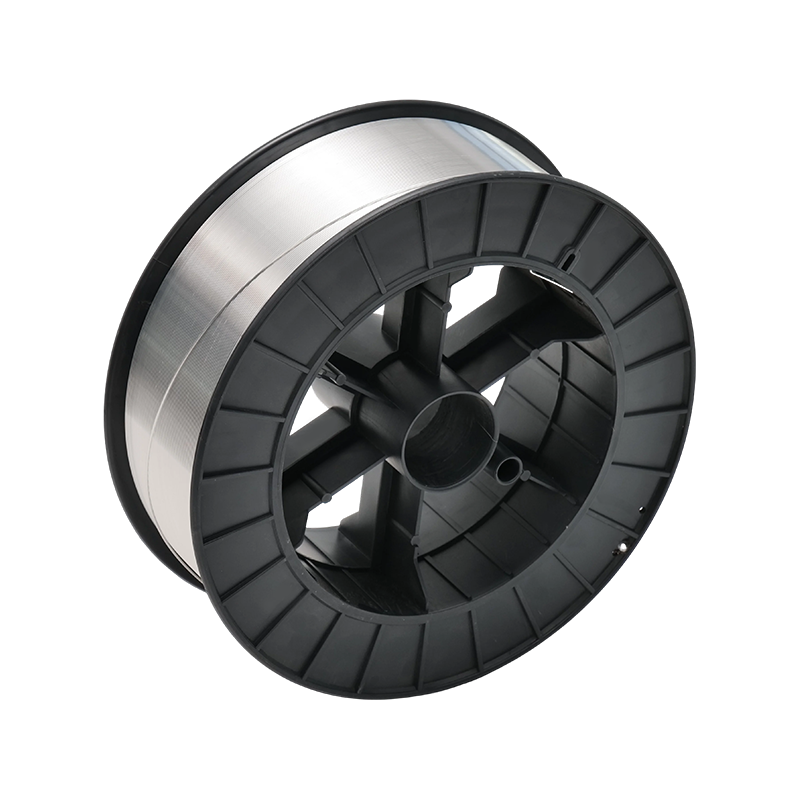
Wire winding affects usability at the customer’s site. Poor winding can cause loops, tangles, inconsistent feeding, and unplanned equipment stoppages. A properly wound coil or spool allows the wire to unwind in a controlled manner and supports more stable operation.
Packaging should protect the product from moisture, dust, mechanical impact, and mixed-grade identification. Export packaging may require additional measures because the wire can be exposed to extended transportation, temperature changes, and warehouse conditions before use.
Quality Assurance for Industrial Customers
When selecting a supplier, customers should evaluate more than the nominal aluminum content. A complete technical review can include the following points:
1. Chemical composition: Confirm that the aluminum content and impurity limits meet the required grade and standard.
2. Wire diameter: Verify the nominal diameter, tolerance, and measurement method.
3. Surface condition: Confirm that the wire is free from excessive oil, dirt, cracks, deep scratches, oxidation, and other defects that could affect feeding or deposition.
4. Spool or coil format: Check the internal diameter, external dimensions, winding direction, net weight, and compatibility with the customer’s equipment.
5. Feeding performance: Assess whether the wire can be delivered smoothly through the selected spray or evaporation system.
6. Documentation: Request a mill test certificate, inspection report, certificate of conformity, or other documentation required by the project.
7. Traceability: Confirm that the product can be traced to a production batch and inspection record.
8. Packaging: Review moisture protection, labeling, palletization, and export handling arrangements.
9. Technical support: Discuss recommendations for storage, handling, wire selection, and process trials.
10. Repeatability: Evaluate the supplier’s capacity to maintain consistent chemistry, dimensions, and delivery performance across repeat orders.
A manufacturer that controls these details can help reduce risk during qualification and serial procurement. Jiangsu Hetuo Aluminum Wire Co., Ltd. describes its quality inspection as covering the production process, supported by ISO 9001 and IATF 16949 systems. Customers should still request current certificates and product-specific inspection documents for their own evaluation.
Application Benefits in Different Industries
Infrastructure and structural steel
Steel infrastructure can be exposed to rain, humidity, condensation, industrial pollutants, and coastal salt. Aluminum thermal spray coatings are used in suitable projects to improve corrosion protection. 1090 Aluminum Wire provides a high-purity feedstock for such coating systems, subject to the project’s coating specification and environmental requirements.
Potential applications include steel frames, support structures, bridges, towers, platforms, and other fabricated components. The ability to apply a coating on site or in a fabrication facility can be advantageous when hot-dip galvanizing or other bulk processes are impractical because of component dimensions, local repair requirements, or design constraints.
Marine and coastal equipment
Marine atmospheres are demanding because salt and moisture accelerate corrosion. A properly designed aluminum coating system can provide a protective barrier for suitable steel components. The effectiveness of the system depends on surface preparation, coating thickness, sealing, edge treatment, and inspection.
For coastal infrastructure, port facilities, marine support structures, and selected ship-related components, high-purity aluminum wire can offer a clean and efficient coating feedstock. Engineers should verify the coating system against the applicable marine exposure category and project requirements.
Industrial equipment
Industrial facilities often contain humid, chemically active, or temperature-variable environments. Equipment surfaces may be exposed to condensation, process vapors, dust, and maintenance chemicals. Aluminum spraying can be considered as part of a broader corrosion-control plan.
The use of wire as a consumable provides flexibility in coating thickness and process scale. Operators can adjust deposition passes and coverage according to component geometry. This flexibility is useful for large parts and localized repairs.
Evaporated aluminum films
In evaporation applications, aluminum is deposited as a thin film on a prepared product surface. The use of high-purity wire can support stable vaporization and the production of a clean aluminum layer. Film thickness, adhesion, reflectivity, optical appearance, and electrical behavior depend on the substrate, chamber conditions, heating method, deposition rate, and post-treatment.
Potential markets may include reflective surfaces, decorative finishes, packaging-related materials, electronic components, and specialized industrial products. The exact application should be validated through process trials because evaporation systems differ significantly in equipment design and operating conditions.
Storage, Handling, and Process Preparation
High-purity aluminum wire should be stored in a dry, clean, and protected environment. Moisture condensation can lead to surface oxidation or contamination, particularly when cold material is moved into a warm and humid area. Allowing sealed packages to reach ambient temperature before opening can help reduce condensation risk.
Packages should remain closed until the wire is needed. Once opened, the product should be protected from dust, water, oils, and contact with incompatible materials. Operators should use clean gloves or suitable handling methods when surface cleanliness is important.
Before loading the wire into equipment, the operator should inspect the spool or coil for damage, confirm the grade and diameter, and check that the wire is free from visible contamination. The equipment’s guide tubes, rollers, contact tips, and feed mechanism should also be clean and correctly adjusted.
For thermal spraying, the substrate is normally prepared by removing oil, rust, paint, and other contaminants. Abrasive blasting or another approved preparation method may be used to create a surface profile that improves mechanical interlocking. The time between preparation and spraying should be controlled to reduce flash rusting or renewed contamination.
For evaporation, chamber cleanliness and vacuum conditions are critical. The wire should be introduced in a manner that avoids unnecessary handling and contamination. Process parameters should be established through controlled trials and monitored during production.
Why Manufacturer Capability Matters
The difference between a satisfactory and unsatisfactory coating can be caused by small variations in feedstock quality. A manufacturer’s process control therefore becomes an important part of the customer’s risk-management strategy.
Jiangsu Hetuo Aluminum Wire Co., Ltd. combines product specialization with a broad aluminum-material portfolio. Its stated focus on high-purity aluminum wire, high-strength aluminum alloy wire, welding materials, and precision profiles suggests that the company is organized around aluminum processing rather than general metal distribution. This specialization can support better communication when customers need guidance on grade selection, wire formats, or related aluminum materials.
The company’s 40,000-square-meter factory provides space for manufacturing, inspection, storage, and order preparation. Its team of professional managers and technicians can support production coordination, quality control, and customer service. The company also reports exports to high-end overseas markets, indicating experience with international order requirements and cross-border delivery.
ISO 9001 and IATF 16949 certification further support a process-oriented approach. Quality systems do not replace product testing, but they can help establish responsibilities, procedures, corrective actions, document control, supplier management, and continual improvement. For customers in automotive, infrastructure, industrial, and export markets, these systems can simplify supplier qualification.
Another strength is the company’s stated commitment to intelligent manufacturing. Modern aluminum wire production benefits from equipment monitoring, digital production records, process parameter control, and systematic inspection. These tools can improve repeatability and provide information for troubleshooting when a customer reports a coating or feeding issue.
Technical Selection Guide for Buyers
Define the end-use environment
Start by identifying the exposure conditions. Consider humidity, salt spray, temperature, chemicals, abrasion, ultraviolet exposure, immersion, and maintenance access. The required aluminum coating system will vary according to the environment.
Define the deposition process
Specify whether the wire will be used for arc spraying, flame spraying, vacuum evaporation, or another process. Equipment manufacturers often define acceptable wire diameters, spool dimensions, surface conditions, and feeding characteristics.
Confirm the purity requirement
1090 is listed at 99.90% aluminum. If the application requires 99.95% or another specific purity, the buyer should compare 1090 with 1A95 or another qualified grade. If the application allows 99.70%, 1070 may also be considered. The decision should account for technical requirements and total cost, not purity alone.
Specify dimensional requirements
Wire diameter and tolerance affect feed rate, melting behavior, and equipment compatibility. The buyer should provide the nominal diameter, tolerance, spool or coil format, and required net weight. If automatic feeding is used, winding quality and spool geometry should be specified clearly.
Request qualification samples
A sample trial is recommended before large-scale production. The trial can evaluate feeding stability, melting response, coating appearance, deposition efficiency, coating thickness, adhesion, and corrosion performance. It also allows the customer to confirm compatibility with existing equipment.
Review documentation
Customers should request the applicable product data sheet, chemical composition report, inspection certificate, packaging details, and quality-system information. For regulated or safety-critical applications, additional project-specific documents may be necessary.
Frequently Asked Questions
What is 1090 Aluminum Wire?
1090 Aluminum Wire is a high-purity aluminum wire with a listed aluminum content of 99.90%. It is primarily intended for evaporation and spraying applications where a clean and consistent aluminum feedstock is required.
What is the main use of this product?
The principal use is surface evaporation and thermal spraying. The resulting aluminum layer can help improve the corrosion resistance of a substrate and may contribute to longer service life when the complete coating system is properly designed and applied.
How does 1090 compare with 1070 aluminum wire?
The supplied composition data lists 1070 at 99.70% aluminum and 1090 at 99.90% aluminum. Therefore, 1090 provides a higher listed purity. The best choice depends on the process, required coating composition, applicable standard, and cost considerations.
Is 1090 Aluminum Wire suitable for welding?
The product is categorized as High Purity Aluminum Wire and is primarily described for evaporation and spraying. Welding applications require a wire selected for the base alloy, welding process, joint design, mechanical requirements, and applicable welding standard. Customers should not assume that a coating wire is automatically suitable as welding filler metal.
Can 1090 wire be used in arc-spray equipment?
It may be suitable for compatible arc-spray systems, but the exact answer depends on the equipment specification, wire diameter, feeding system, and process qualification. The customer should confirm compatibility with the equipment supplier and conduct a controlled trial.
Does high purity guarantee corrosion protection?
No. High purity supports consistent feedstock characteristics, but final corrosion protection depends on surface preparation, coating thickness, adhesion, porosity, sealing, environmental exposure, application technique, and inspection. The complete coating process must be qualified for the intended service conditions.
What information should be included in an inquiry?
An inquiry should identify the required grade, wire diameter, quantity, spool or coil format, intended process, application environment, packaging requirements, delivery destination, and documentation needs. Providing equipment details and a target coating specification can help the manufacturer recommend a suitable configuration.
What quality certifications does the manufacturer report?
Jiangsu Hetuo Aluminum Wire Co., Ltd. reports ISO 9001 and IATF 16949 quality management system certifications. Customers should request current copies of the relevant certificates and confirm that the required product is covered by the supplier’s quality and inspection procedures.
How should the wire be stored?
The wire should be stored in a dry, clean area away from water, condensation, dust, oils, and corrosive chemicals. Original packaging should remain sealed until use, and opened packages should be resealed or otherwise protected from contamination.
Can the company supply other aluminum materials?
Yes. The company’s stated product range includes high-purity aluminum wire, high-strength aluminum alloy wire, aluminum and aluminum alloy welding materials, high-grade aluminum alloy rods, welding wires, and precision profiles.
Conclusion
1090 Aluminum Wire is a practical high-purity aluminum feedstock for evaporation and spraying applications. With a listed aluminum content of 99.90%, it offers a purity level above the supplied 1070 comparison grade and is positioned for customers seeking stable commercially pure aluminum deposition. Its principal value lies in helping produce protective aluminum layers that can improve substrate corrosion resistance and support longer service life.
The performance of the finished coating depends on more than chemical composition. Wire diameter, surface cleanliness, winding quality, equipment compatibility, substrate preparation, deposition parameters, coating thickness, and inspection all contribute to the final result. Buyers should therefore evaluate 1090 as part of a complete surface-protection system.
Jiangsu Hetuo Aluminum Wire Co., Ltd. strengthens the product offering through specialized aluminum manufacturing, a 40,000-square-meter facility, a team of managers and technicians, intelligent production capabilities, process-wide quality inspection, and reported ISO 9001 and IATF 16949 certifications. Its wider product portfolio also enables customers to discuss high-purity wire, high-strength alloy wire, welding materials, rods, and profiles with one experienced aluminum-material supplier.
For projects requiring a reliable high-purity aluminum wire, 1090 is a strong candidate for technical evaluation. A properly documented sample trial, supported by chemical analysis and process testing, can confirm whether the grade and supplied format meet the customer’s equipment and performance requirements.
References
1. Aluminum Association, Aluminum Standards and Data, aluminum alloy designation and material reference principles.
2. International Organization for Standardization, ISO 9001, Quality Management Systems—Requirements.
3. International Automotive Task Force, IATF 16949, Quality Management System Requirements for Automotive Production and Relevant Service Parts Organizations.
4. ASM International, ASM Handbook, Volume 5: Surface Engineering, thermal spraying and surface-protection principles.
5. ASM International, ASM Handbook, Volume 2: Properties and Selection: Nonferrous Alloys and Special-Purpose Materials.
6. American Welding Society, reference materials concerning aluminum welding consumables and aluminum alloy classification.
7. Product composition, application, and company information supplied for Jiangsu Hetuo Aluminum Wire Co., Ltd.