

 English
 中文简体
中文简体 русский
 Deutsch
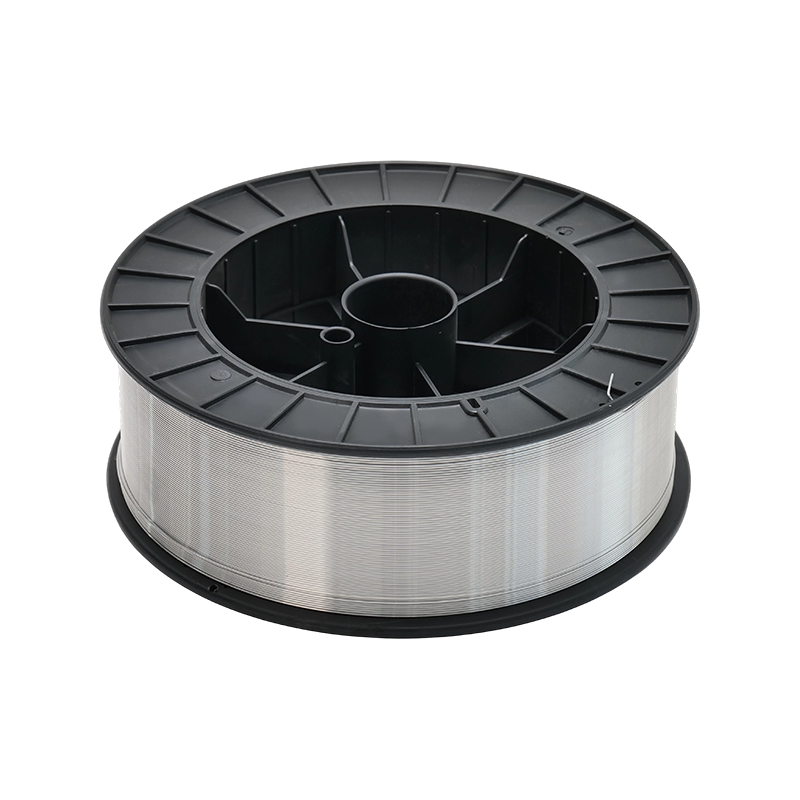
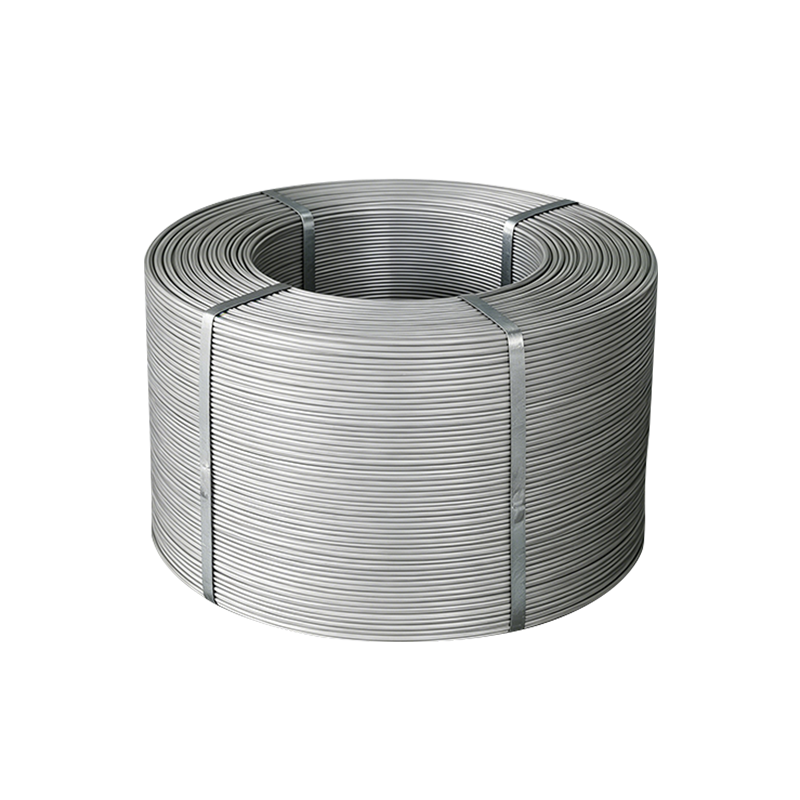
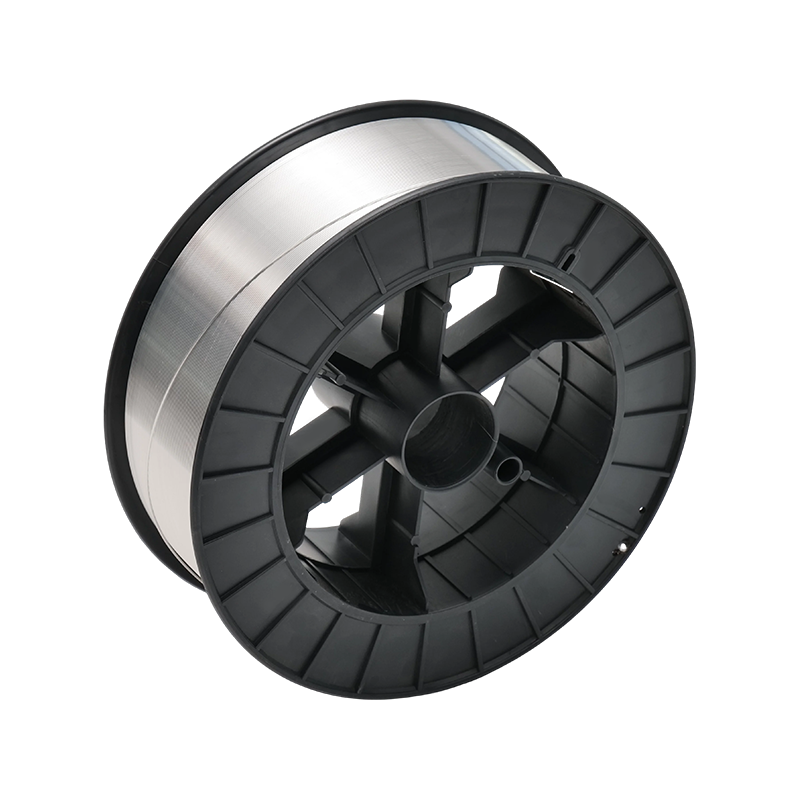
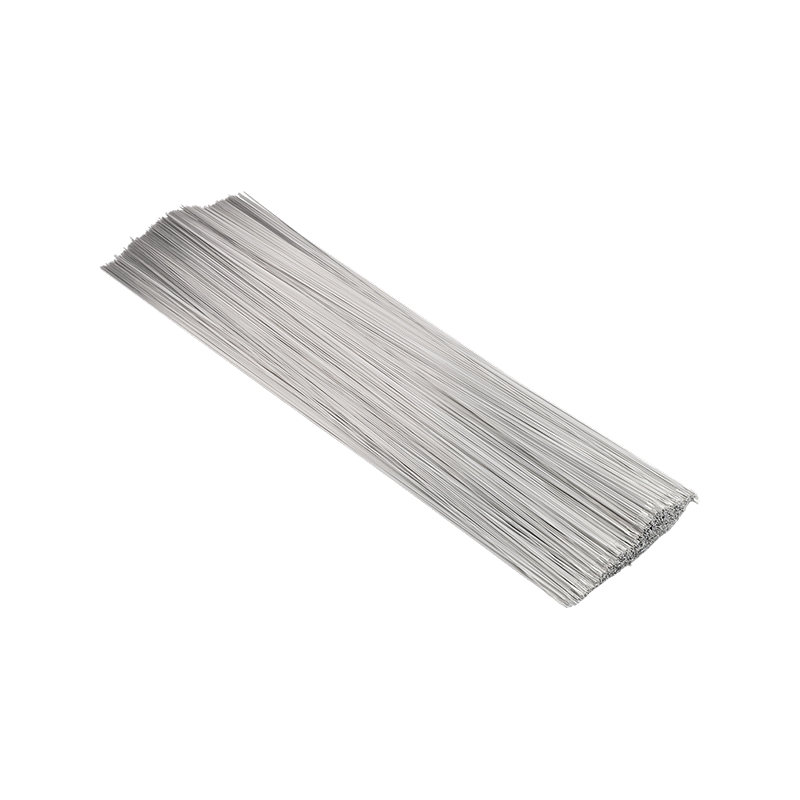
Aluminum rivet wire is a critical semi-finished material for producing reliable fasteners used in aviation, aerospace, military equipment, transportation, and other demanding engineering applications. Although a rivet may appear to be a small component, its performance depends heavily on the quality, consistency, and metallurgical condition of the wire from which it is manufactured. The wire must provide a controlled balance of strength, ductility, oxidation resistance, machinability, and shear performance so that it can be formed accurately without cracking and can continue to perform under vibration, cyclic loading, and environmental exposure.
High-strength aluminum alloy wire for rivets is designed to meet these requirements. The product described in this article is a high-strength aluminum alloy wire mainly intended for rivet production. Its strengthening mechanism is associated with the CuAl2 phase, while its principal application advantages include good oxidation resistance and shear resistance. The specified copper content is approximately 3.9% to 4.5%, providing a useful basis for a copper-containing aluminum alloy designed for demanding structural fastening applications.
Jiangsu Hetuo Aluminum Wire Co., Ltd. manufactures this type of aluminum rivet wire as part of a broader portfolio covering high-purity aluminum wire, high-strength aluminum alloy wire, and aluminum and aluminum alloy welding materials. The company combines alloy-material expertise, controlled production systems, modern equipment, process inspection, and application-oriented customization to supply wire for aluminum rivets and related industrial uses.
For Rivets
Content
- 1 Understanding Aluminum Rivet Wire
- 2 Alloy Characteristics and CuAl2 Phase Strengthening
- 3 Advantages of High-Strength Aluminum Rivet Wire
- 4 Manufacturing Process for Aluminum Rivet Wire
- 5 Advanced Manufacturing Strengths
- 6 Comparison with Other Aluminum Wire Options
- 7 Applications in Aviation, Aerospace, and Military Equipment
- 8 How to Select the Correct Aluminum Rivet Wire
- 9 Quality Control Considerations
- 10 Benefits of Working with a Specialized Manufacturer
- 11 Ordering and Technical Communication
- 12 Frequently Asked Questions
- 12.1 What is aluminum rivet wire used for?
- 12.2 What makes this product a high-strength aluminum alloy wire?
- 12.3 Why is copper important in the alloy?
- 12.4 Does the wire have good corrosion resistance?
- 12.5 Can the wire be customized?
- 12.6 Is this wire suitable for automatic rivet production?
- 12.7 What information should be included in an inquiry?
- 12.8 What quality certifications does the manufacturer have?
- 12.9 Can this material replace steel rivet wire?
- 12.10 How should aluminum rivet wire be stored?
- 13 Conclusion
- 14 References
- 15 Product: For Rivets
Understanding Aluminum Rivet Wire
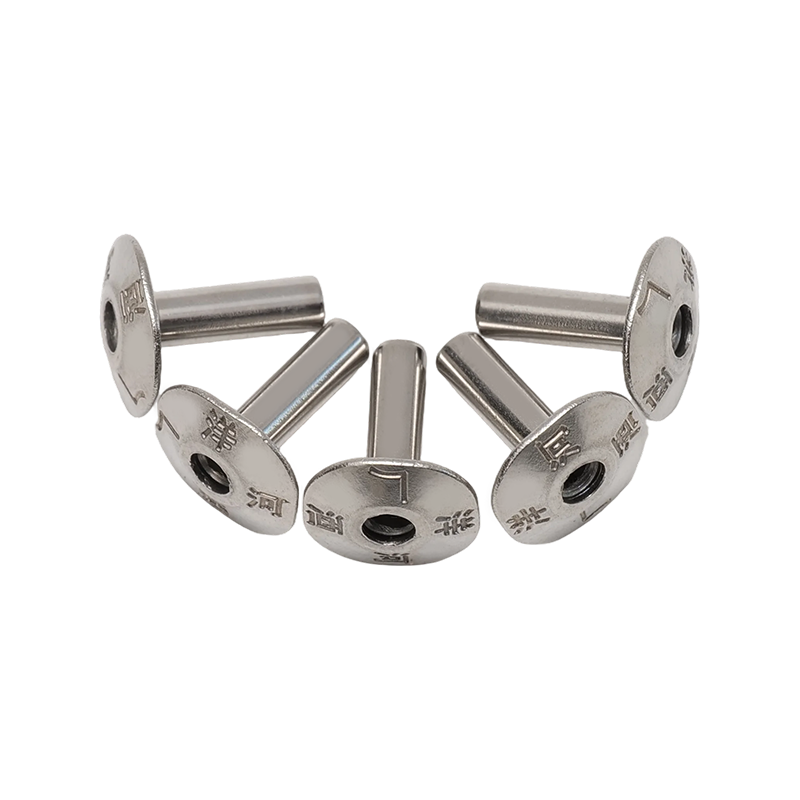
Aluminum rivet wire is a drawn or processed aluminum alloy product supplied in a form suitable for conversion into rivets. Depending on the customer’s manufacturing process, the wire may be cut into blanks, headed, cold formed, machined, heat treated, or otherwise processed into a finished fastening component. The wire must therefore possess more than a high nominal tensile strength. It must also respond predictably during forming and maintain suitable properties after the rivet has been installed.
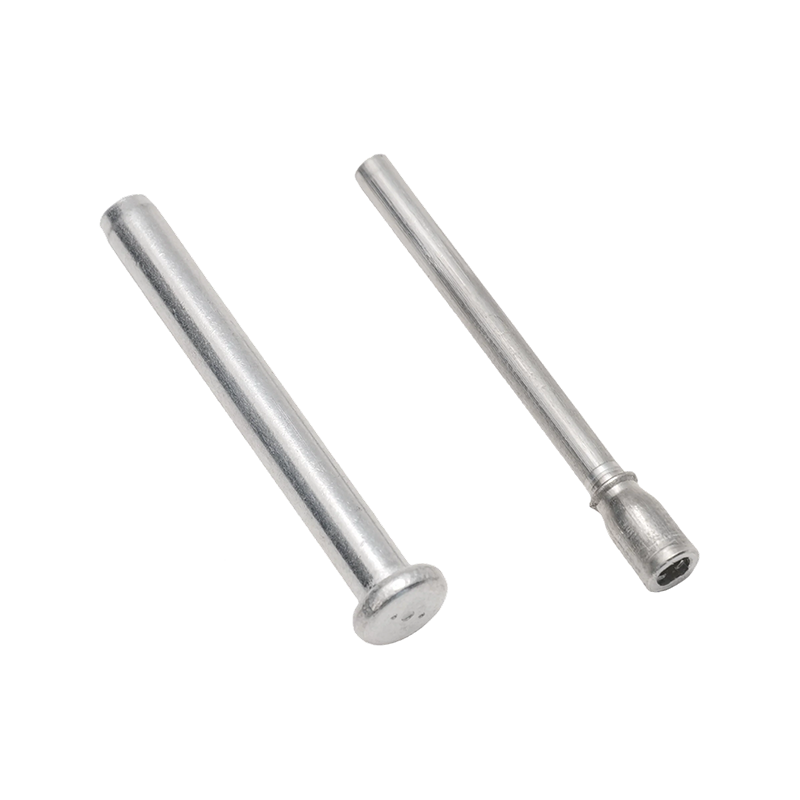
Rivets are commonly used to join overlapping sheets, plates, profiles, brackets, and structural components. Unlike a threaded fastener, a rivet is permanently deformed during installation. One end is generally manufactured with a preformed head, while the other end is upset or formed during installation to create a second head. This process requires the material to deform in a controlled manner. If the wire is too hard or brittle, the rivet may crack during heading. If it is too soft or inconsistent, the finished fastener may not achieve the required clamping force or shear performance.
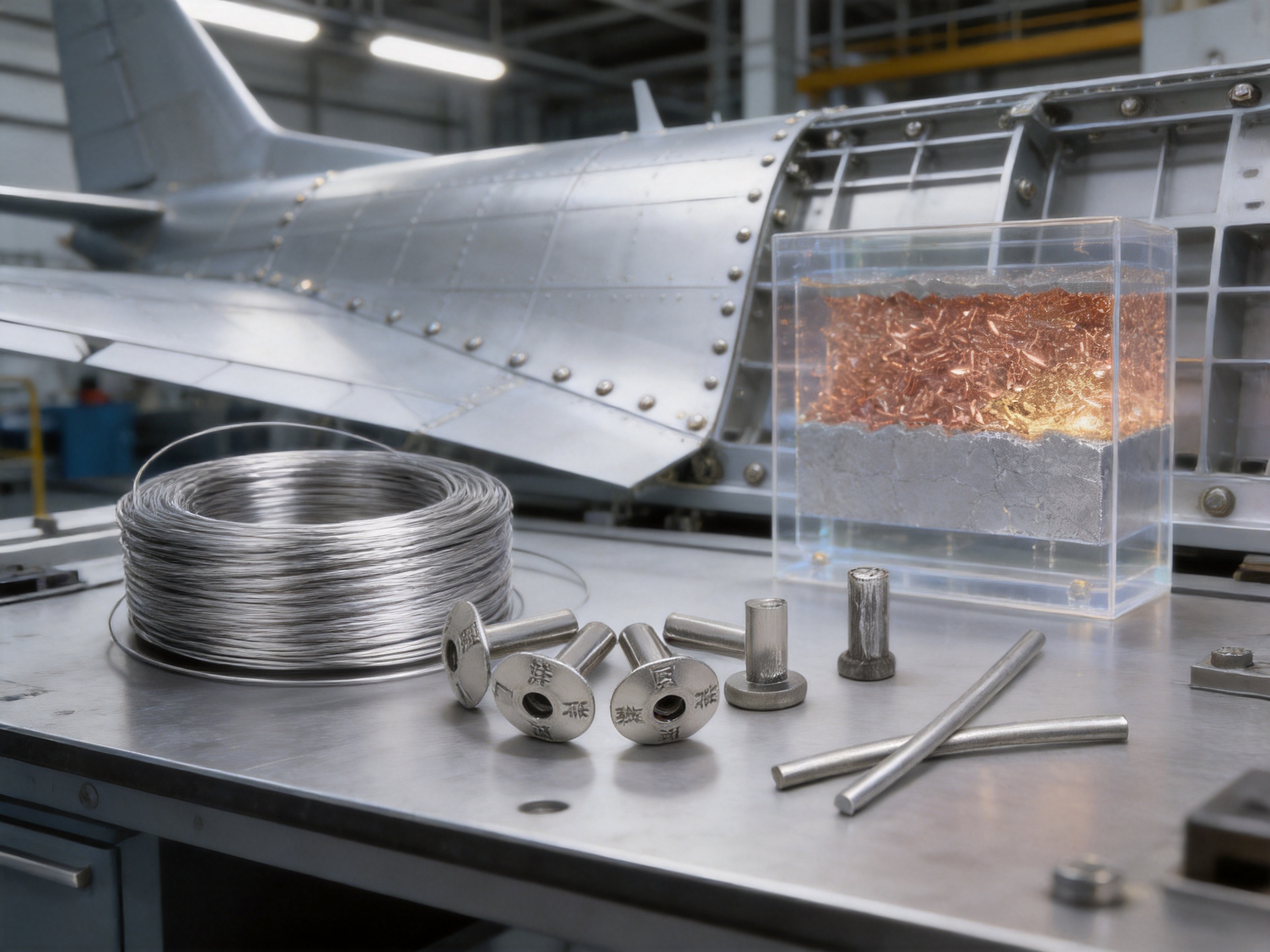
High-strength aluminum alloy wire provides a practical solution for applications in which low density, corrosion resistance, and structural efficiency are important. Aluminum is substantially lighter than many ferrous alternatives, helping reduce the weight of aircraft structures, transportation equipment, and other assemblies. A properly selected alloy can also offer good resistance to atmospheric oxidation while maintaining adequate mechanical performance.
The performance of aluminum rivet wire is determined by several interacting factors:
Alloy chemistry influences phase formation, strength, corrosion behavior, and response to heat treatment.
Metallurgical cleanliness affects surface quality, fatigue behavior, and resistance to cracking during forming.
Wire diameter and dimensional tolerance determine the consistency of rivet blanks and the repeatability of automated production.
Processing history controls the balance between work hardening, ductility, residual stress, and final mechanical properties.
Surface condition affects feeding, cutting, heading, storage, and compatibility with downstream equipment.
Inspection and traceability determine whether each production batch can be linked to its raw materials, process conditions, and test results.
Alloy Characteristics and CuAl2 Phase Strengthening
The product is identified as a copper-containing high-strength aluminum alloy wire with a copper range of approximately 3.9% to 4.5%. Copper is an important alloying element in several high-strength aluminum alloy systems because it can contribute to precipitation strengthening. During suitable thermal and metallurgical processing, copper can participate in the formation of strengthening phases, including the CuAl2 phase or related copper-rich precipitates.
CuAl2 phase strengthening can increase the resistance of the aluminum matrix to plastic deformation. Fine and appropriately distributed strengthening phases hinder dislocation movement, allowing the alloy to achieve greater strength than commercially pure aluminum. This is particularly valuable in rivet applications where the fastener must carry shear loads, resist deformation, and retain its shape under service conditions.
At the same time, the presence of copper means that the alloy must be carefully processed and controlled. Excessive or poorly distributed second phases may reduce ductility, increase sensitivity to localized corrosion, or cause forming problems. For this reason, the alloy’s value does not come from copper content alone. It depends on the combined control of chemistry, solidification, homogenization, deformation, drawing, heat treatment, and inspection.
A copper range of 3.9% to 4.5% provides a defined compositional window rather than an uncontrolled nominal value. Maintaining chemistry within an established range helps the manufacturer achieve more consistent phase formation and more predictable downstream behavior. Customers producing rivets can benefit from reduced variation in cutting, heading, heat treatment, and final fastener performance.
The product description emphasizes two specific application advantages: oxidation resistance and shear resistance. Good oxidation resistance helps protect the wire during handling, storage, and service in normal industrial environments. Shear resistance is especially relevant because rivets commonly transfer loads across overlapping sheets or plates. In aircraft and military structures, the fastener may be exposed to vibration, repeated loading, temperature changes, and demanding installation conditions. A wire that supports reliable rivet formation and strong shear performance can contribute to longer service life and improved structural confidence.
Relationship Between Alloy Design and Rivet Performance
Alloy design must be matched to the intended rivet manufacturing route. A wire used for automatic cold heading may require a different temper and surface condition from wire intended for machining or a special heat-treatment sequence. The manufacturer must therefore understand not only the target chemistry but also the customer’s forming process, equipment, finished rivet geometry, and performance requirements.
For example, a rivet with a relatively large head may require greater local deformation during heading. A small-diameter precision rivet may place greater emphasis on surface quality and diameter control. A structural rivet for aerospace service may require tighter documentation and traceability than a general industrial fastening product. The same general alloy family may be processed differently to address these requirements.
Jiangsu Hetuo Aluminum Wire Co., Ltd. positions its product for high-demand applications and supports custom wire requirements. Customization may involve dimensions, packaging, production quantity, surface condition, delivery form, inspection documentation, or process coordination. Exact technical specifications should be confirmed according to the customer’s drawings, standards, and application conditions.
Advantages of High-Strength Aluminum Rivet Wire
High Strength at Low Weight
One of aluminum’s most important advantages is its low density. When high-strength alloy design is combined with appropriate processing, aluminum rivet wire can provide a favorable strength-to-weight ratio. This is valuable in aviation and aerospace, where every reduction in structural weight can improve payload efficiency, fuel economy, range, or operating cost.
Lightweight fastening materials can also simplify assembly and maintenance. Workers handling large numbers of rivets may experience less fatigue than when using heavier fasteners. In transportation equipment, reducing fastener weight across thousands of joints can produce a meaningful cumulative benefit.
Good Shear Resistance
Riveted joints frequently experience shear loading. The fastener must resist the tendency of joined components to slide relative to one another. Copper-containing aluminum alloy wire strengthened through CuAl2-related phases can provide a stronger material base for rivets than high-purity aluminum wire intended primarily for conductivity or extreme ductility.
Good shear resistance supports the use of the product in structural and semi-structural applications. It can help reduce the risk of rivet shank deformation, joint loosening, and premature failure when the fastener is correctly designed, installed, and matched to the surrounding materials.
Oxidation Resistance
Aluminum naturally forms a thin oxide film when exposed to air. This passive surface layer helps protect the underlying metal from further oxidation under many ordinary conditions. For aluminum rivet wire, good oxidation resistance supports stable storage, handling, and manufacturing performance.
Oxidation resistance is especially helpful when wire is transported through multiple production stages. A clean and stable surface can support more consistent feeding into cutting and forming machinery. It may also reduce the risk of surface defects that could become initiation points for cracking during rivet formation.
Formability Appropriate for Rivet Production
Strength alone is not sufficient for a rivet wire. A high-strength alloy must also be capable of controlled deformation. The wire should tolerate cutting and heading without excessive edge cracking, splitting, folding, or surface tearing. The correct balance between strength and ductility is achieved through alloy selection and process control.
Rivet manufacturers benefit from wire with consistent metallurgical condition because automated forming equipment is sensitive to variation. If one section of a coil behaves differently from another, production interruptions and increased rejection rates may result. Uniform wire properties improve process stability and help maintain consistent rivet dimensions.
Compatibility with Demanding Industries
The product is mainly used in aviation, aerospace, and military fields. These sectors require careful attention to material traceability, dimensional consistency, quality documentation, and production reliability. They also demand materials that can operate under vibration, cyclic stress, temperature changes, and long service periods.
Aluminum rivet wire can be advantageous in these sectors because it combines low weight with useful strength and corrosion-related benefits. It can also be selected for joining aluminum components where a compatible or technically appropriate fastening material is needed. Final compatibility must be evaluated by the design authority, particularly where galvanic corrosion, thermal expansion, surface treatment, or fatigue performance is involved.
Potential for Customized Supply
Different rivet manufacturers may require different wire diameters, coil weights, straight lengths, tolerances, tempers, or packaging methods. A supplier capable of organizing production around customer requirements can reduce the need for additional processing and make material integration easier.
Customization can also include production scheduling and inspection arrangements. For example, a customer may require batch identification, chemical analysis, dimensional reports, mechanical test records, or special packaging to protect the wire during long-distance transportation. A responsive manufacturer can coordinate these requirements before production begins.
Manufacturing Process for Aluminum Rivet Wire
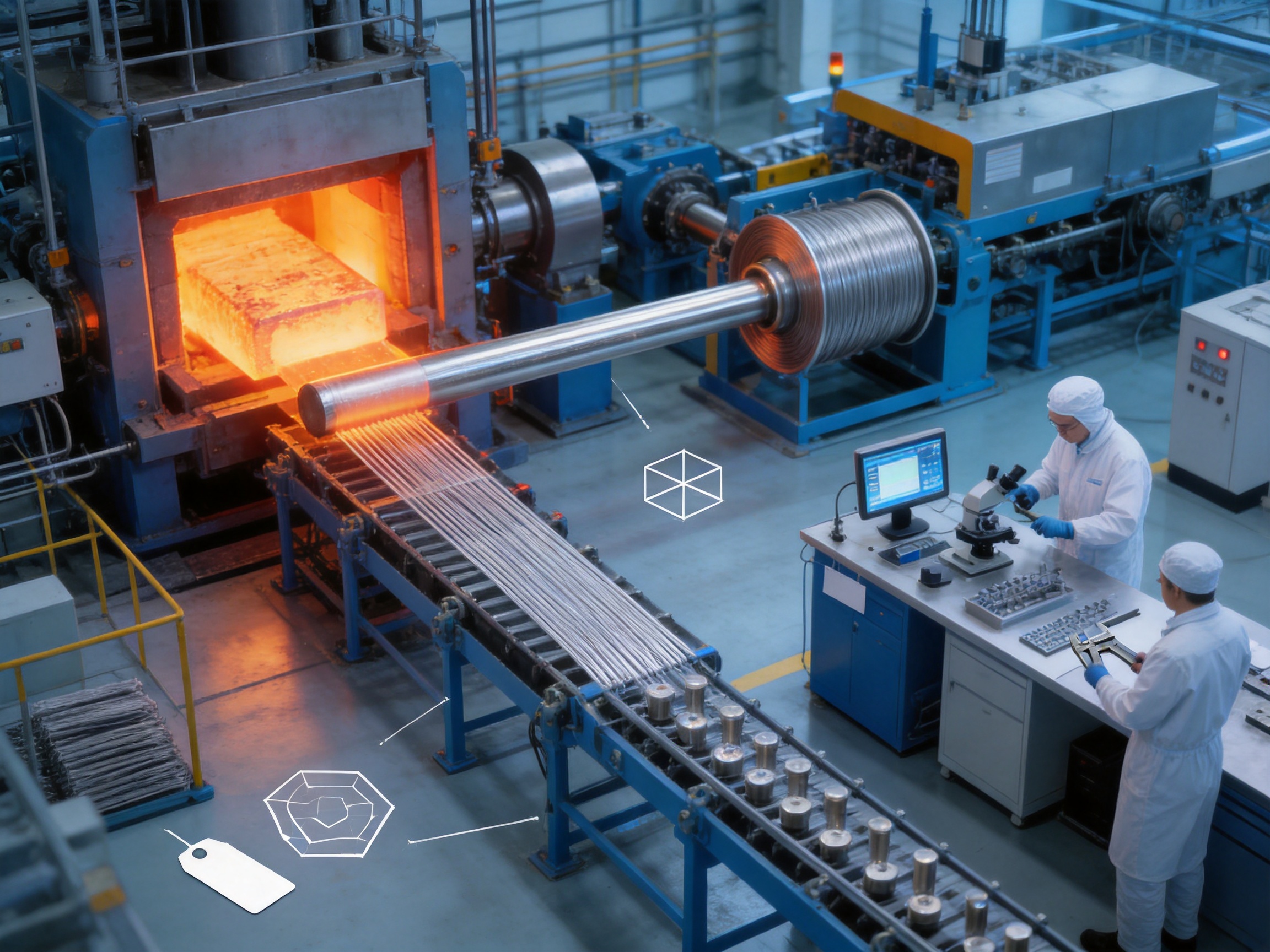
The quality of aluminum rivet wire is built through a sequence of controlled manufacturing operations. Although exact parameters may vary according to alloy, diameter, temper, and customer specification, a professional production route generally includes raw-material preparation, melting, alloying, casting, homogenization, hot working, intermediate processing, drawing, heat treatment where applicable, surface control, testing, and final packaging.
Raw-Material Selection and Preparation
Production begins with the selection of aluminum and alloying materials that meet the required purity and chemical standards. For a copper-containing rivet alloy, copper must be introduced in a controlled amount so that the final composition remains within the specified range of approximately 3.9% to 4.5%.
Raw materials should be inspected before charging. Contamination, moisture, and unverified materials can affect melt quality and create defects. Proper storage and identification help ensure that each batch can be traced from the beginning of production to final delivery.
Controlled Melting and Alloying
During melting, the manufacturer manages furnace temperature, holding time, charge sequence, and melt handling. These parameters influence chemical uniformity and inclusion control. Alloying additions must dissolve sufficiently and distribute evenly throughout the melt.
Careful melt treatment is important because nonmetallic inclusions, hydrogen, and oxide films can affect wire quality. Inclusions may contribute to surface defects or act as stress concentration sites during drawing and rivet forming. Melt cleaning and filtration practices help improve metallurgical cleanliness.
Casting and Solidification Control
The casting stage converts the liquid alloy into a solid billet, rod, or other suitable feedstock. Solidification conditions influence grain structure, segregation, porosity, and the distribution of alloying elements. A controlled casting process supports a more uniform material for subsequent deformation.
For copper-containing aluminum alloys, attention to segregation is particularly important because local variations in copper concentration can affect phase formation and mechanical behavior. Uniform solidification and suitable downstream homogenization help reduce these variations.
Homogenization and Thermal Treatment
Homogenization is used to reduce chemical segregation and improve the distribution of alloying elements before further working. The thermal cycle must be controlled to avoid excessive grain growth or undesirable phase changes. Properly treated feedstock can respond more consistently during rolling, extrusion, and drawing.
Where the product specification requires precipitation strengthening, additional heat-treatment operations may be used to develop the desired microstructure. The exact sequence depends on alloy composition, wire size, required temper, and the customer’s rivet production route. Heat treatment must be documented and monitored because small variations can affect hardness, strength, ductility, and forming behavior.
Hot Working and Rod Preparation
Hot working breaks down the cast structure and shapes the alloy into rod or intermediate stock. Rolling, extrusion, or related operations can refine the grain structure and improve material uniformity. The process must be selected to achieve sufficient deformation while limiting surface damage and internal defects.
Rod preparation is an important stage because drawing quality depends on the condition of the incoming rod. Poor surface preparation may transfer defects into the wire. Before drawing, the rod may undergo cleaning, peeling, straightening, pointing, or other preparation steps depending on its condition and final diameter.
Precision Drawing
Drawing reduces the cross-sectional area of the rod while increasing dimensional accuracy and improving surface finish. Multiple drawing passes may be used for smaller wire sizes. The reduction schedule, die condition, lubrication, line speed, and intermediate annealing strategy must be carefully managed.
Precision drawing is especially important for rivet production. A variation in wire diameter changes the volume of the rivet blank and may affect head formation, shank dimensions, installation force, and finished joint geometry. Consistent drawing helps customers maintain stable automatic production.
Drawing also influences the wire’s work-hardening condition and residual stress. Excessive reduction without suitable intermediate treatment may make the wire too hard for forming or increase the risk of cracking. A balanced process maintains the required combination of strength, ductility, and dimensional accuracy.
Surface Treatment and Cleaning
A clean surface supports reliable handling and downstream forming. Surface treatment may include cleaning, removal of drawing residues, controlled lubrication, or other customer-specific preparation. The objective is to deliver wire that is suitable for cutting, feeding, heading, and storage without introducing contamination into the customer’s process.
Surface quality should be assessed for scratches, seams, laps, folds, pits, and other discontinuities. The acceptance criteria depend on wire diameter, application, and applicable technical standards. High-demand aerospace and military applications generally require stricter documentation and inspection than ordinary commercial uses.
Final Inspection and Packaging
Before shipment, finished wire is inspected for chemical composition, dimensions, appearance, mechanical properties, and other agreed requirements. Each batch should be identified in a way that allows the customer to connect the delivered material with its manufacturing records.
Packaging protects the wire from mechanical damage, moisture, contamination, and deformation during transportation. Coil or spool design should be selected according to wire diameter and customer equipment. Proper winding reduces tangling and improves feeding performance in automated rivet production.
Advanced Manufacturing Strengths
Jiangsu Hetuo Aluminum Wire Co., Ltd. was established in 2019 and has developed an intelligent manufacturing system for aluminum alloy materials. The company operates from a facility covering approximately 40,000 square meters and employs about 60 people, including approximately 30 professional managers and technicians. This organization combines production capacity with technical oversight and quality-management support.
The company’s product scope includes high-purity aluminum wire, high-strength aluminum alloy wire, and aluminum and aluminum alloy welding materials. This broad portfolio is useful because aluminum wire production requires knowledge of alloy chemistry, melting, deformation, surface treatment, inspection, and application requirements across different product categories.
Intelligent Manufacturing System
An intelligent manufacturing system can improve process visibility and repeatability by connecting production equipment, process records, inspection data, and batch information. For aluminum alloy wire, this approach may help monitor key parameters such as furnace conditions, casting behavior, drawing schedules, heat-treatment cycles, and dimensional inspection results.
Digital production records can also support traceability. When a customer raises a technical question, the manufacturer can review the relevant batch, raw materials, process conditions, and test results. This is particularly important for aerospace, military, and other industries where documentation is an essential part of product acceptance.
Equipment and Facility Capability
The company introduces advanced equipment and facilities to support its manufacturing operations. Modern equipment can improve control over melting, casting, forming, drawing, heat treatment, and inspection. Equipment capability alone does not guarantee product quality, but it provides a foundation for stable production when combined with trained personnel and disciplined procedures.
A dedicated manufacturing facility also allows the company to coordinate different production stages efficiently. Material movement, process identification, inspection points, and storage conditions can be organized to reduce mix-ups and protect product quality.
Quality Inspection Throughout Production
Jiangsu Hetuo Aluminum Wire Co., Ltd. states that it implements quality inspection throughout production rather than relying only on final inspection. This approach is valuable because many defects are more easily corrected or prevented at the stage where they originate.
Incoming-material inspection helps confirm the identity and quality of raw materials. Melt inspection supports chemical control. Casting and rod inspection can identify structural or surface problems before drawing. In-process dimensional checks help detect changes in die condition or equipment performance. Final testing verifies that the delivered wire meets the agreed specification.
For rivet-wire customers, a process-based quality system can reduce the risk of receiving material that appears acceptable visually but behaves inconsistently during forming. It also supports continuous improvement by allowing production personnel to identify recurring causes of variation.
ISO 9001 and IATF 16949 Certifications
The company has obtained ISO 9001 and IATF 16949 quality management system certifications. ISO 9001 provides a framework for controlled processes, customer focus, documented procedures, corrective action, and continual improvement. IATF 16949 is associated with automotive supply-chain quality requirements and emphasizes process discipline, risk management, defect prevention, and consistency.
These certifications do not replace product-specific testing or customer approval. However, they demonstrate that the company has established formal quality-management practices. For buyers evaluating aluminum rivet wire suppliers, a certified management system can be an important indicator of organizational maturity and production control.
Comparison with Other Aluminum Wire Options
| Evaluation Factor | High-Strength Aluminum Alloy Wire for Rivets | High-Purity Aluminum Wire | General-Purpose Aluminum Wire |
|---|---|---|---|
| Primary design objective | Strength, controlled forming, and structural fastening performance | Purity, conductivity, and clean material characteristics | Broad utility across less specialized applications |
| Typical alloying approach | Copper-containing alloy, with Cu approximately 3.9%–4.5% for the stated product | Very low alloy content | Varies according to application and grade |
| Rivet suitability | Well suited to high-strength rivet applications when correctly processed | May be too soft for demanding structural rivets | Depends on grade, temper, and forming requirements |
| Key performance emphasis | CuAl2 phase strengthening, shear resistance, oxidation resistance | Electrical and material purity characteristics | Balanced cost and general performance |
| Recommended purchasing approach | Specify chemistry, diameter, temper, mechanical properties, and documentation | Specify purity, conductivity, and surface requirements | Define application-specific requirements before selection |
The comparison shows why material selection should be based on application rather than price or alloy name alone. High-purity aluminum wire may be the correct choice for electrical or highly ductile applications, but it may not deliver the strength required for structural rivets. Conversely, a high-strength copper-containing alloy may be inappropriate where maximum conductivity or extreme formability is the main priority.
Compared with less specialized suppliers, a manufacturer focused on aluminum alloy wire can provide better coordination between alloy design, production route, inspection, and customer application. This integrated approach is one of the main competitive advantages of a dedicated aluminum wire producer.
Applications in Aviation, Aerospace, and Military Equipment
Aviation Structures
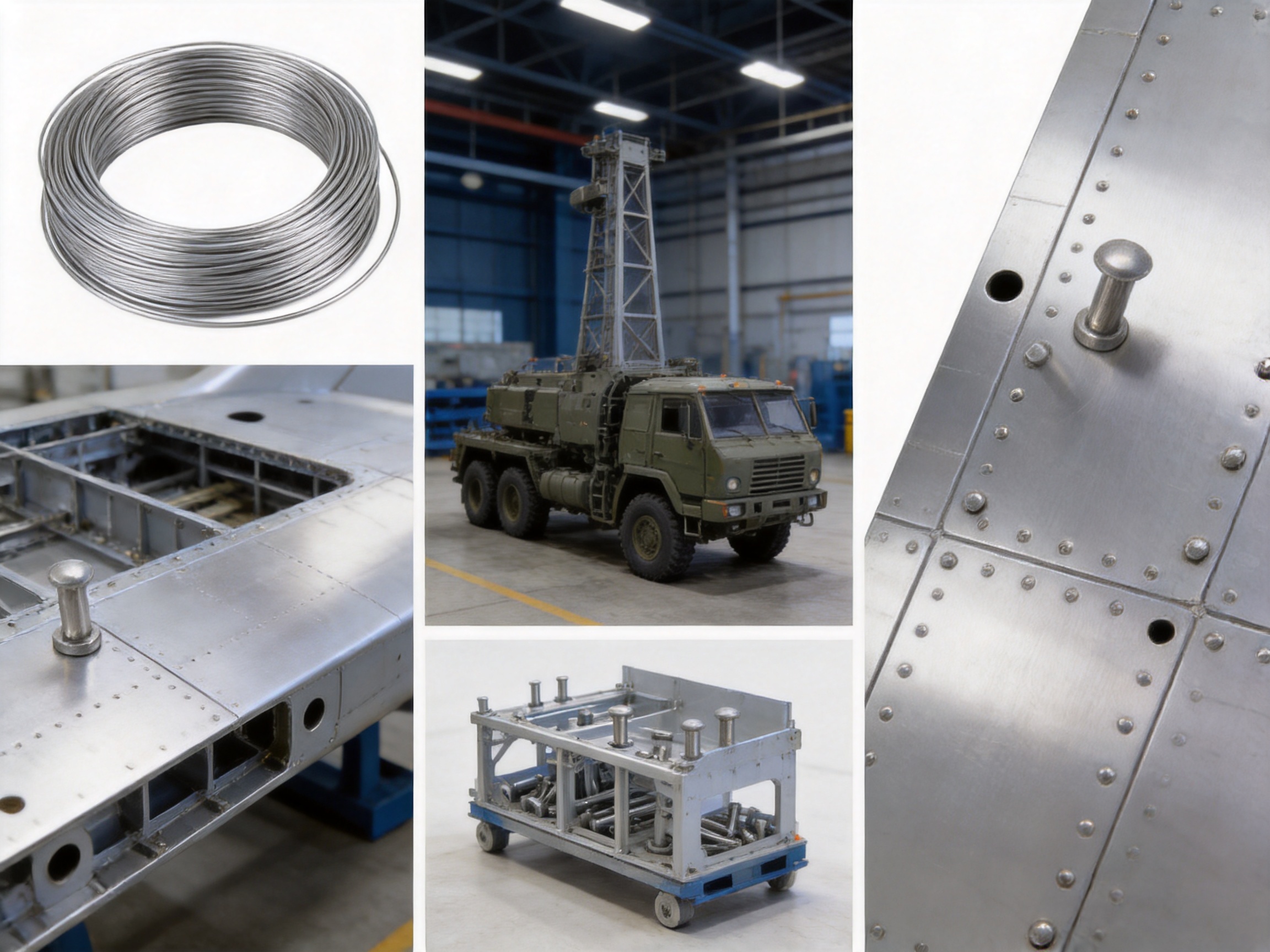
Aircraft structures require materials that combine low weight, reliable strength, fatigue resistance, and compatibility with established assembly processes. Rivets are widely used in airframe construction and repair because they can provide durable joints without adding the weight or complexity associated with some alternative fastening methods.
High-strength aluminum rivet wire can be used as feedstock for rivets applied to sheet-metal assemblies, interior structures, brackets, skins, and other components where the design permits aluminum alloy fastening. The specific alloy and temper must always be approved for the relevant aircraft structure and installation procedure.
Aerospace Equipment
Aerospace systems often operate under more severe combinations of vibration, thermal cycling, launch or flight loads, and environmental exposure. Weight reduction is also a central design objective. Aluminum alloy rivets produced from controlled high-strength wire can contribute to lightweight assembly solutions while maintaining useful shear performance.
In aerospace applications, material certification, lot traceability, process qualification, and inspection records are particularly important. A supplier must be able to communicate clearly about chemistry, dimensions, heat treatment, packaging, and test documentation.
Military Applications
Military equipment may require reliable fastening under vibration, mobility, field handling, temperature changes, and variable environmental conditions. Aluminum rivets can be used in selected vehicle, equipment, enclosure, and structural applications where their weight and corrosion-related characteristics are advantageous.
Military procurement may also include special requirements for confidentiality, batch control, delivery reliability, and quality assurance. An experienced manufacturer should clarify these requirements at the quotation and technical-review stages.
Transportation and Industrial Equipment
Although the product is mainly associated with aviation, aerospace, and military applications, high-strength aluminum rivet wire may also be considered for transportation equipment, lightweight machinery, energy-related structures, marine components, and industrial assemblies. The suitability of the wire depends on the joint design, loads, environment, installation method, and applicable standards.
In all applications, the wire should be treated as a precision engineering material rather than a generic metal product. The finished rivet must be evaluated as part of the complete joint system, including the sheets or profiles being joined, hole quality, installation force, surface treatment, and expected service conditions.
How to Select the Correct Aluminum Rivet Wire
Define the Finished Rivet Requirements
Purchasing should begin with the finished rivet rather than the raw wire alone. Important questions include the rivet diameter, length, head style, shank geometry, installation method, and expected load. The customer should also identify whether the rivet will be cold headed, hot formed, machined, or produced through a combination of processes.
Mechanical requirements should include tensile strength, shear strength, hardness, elongation, and any fatigue or corrosion performance requirements. Not every application requires the same property combination. A wire optimized for one rivet geometry may not be ideal for another.
Specify Chemistry and Temper
The copper range for the stated product is approximately 3.9% to 4.5%. Customers should confirm the complete chemical composition required for their design, including aluminum balance and any limits on other elements. If a standard alloy designation is required, it should be agreed upon in the technical specification rather than assumed from a general product description.
Temper is equally important. The same chemical alloy can behave differently depending on its thermal and mechanical history. Customers should state whether they require a soft, intermediate, precipitation-strengthened, or other condition, subject to the supplier’s technical recommendations and the rivet-forming process.
Confirm Dimensional Tolerances
Wire diameter tolerance affects blank volume, forming force, and finished rivet dimensions. The required tolerance should be established according to the customer’s equipment and quality system. Smaller wire diameters and automated high-speed processes may require tighter control.
Coil or spool dimensions should also be specified. The inside diameter, outside diameter, weight, winding direction, and maximum coil mass can influence whether the material runs smoothly on production equipment.
Evaluate Surface Quality
Surface defects can become more serious during drawing, cutting, and heading. Buyers should establish requirements for scratches, pits, seams, laps, oxide, oil residue, and other surface conditions. If the rivets will receive plating, anodizing, coating, or other treatment, surface preparation requirements should be communicated before production.
Request Documentation
For high-value or safety-related applications, customers may request a certificate of chemical analysis, mechanical test report, dimensional inspection report, heat-treatment record, certificate of conformity, and batch traceability information. These documents help support internal quality audits and customer approval procedures.
Quality Control Considerations
Quality control for aluminum rivet wire should cover chemistry, microstructure, dimensions, surface condition, mechanical properties, and process traceability. A single test cannot fully characterize the suitability of the material. Instead, the supplier and customer should establish a quality plan that connects the wire specification with the final rivet application.
Chemical Analysis
Chemical analysis verifies that alloying elements remain within the approved range. For the product discussed here, copper content is a key control point, with the stated range of approximately 3.9% to 4.5%. Analysis may be performed on representative samples using an appropriate laboratory method.
Dimensional Inspection
Diameter measurements should be taken at suitable intervals and in multiple orientations when required. Ovality, straightness, and coil consistency may also be evaluated. Inspection equipment must be calibrated so that measurement results are reliable and comparable.
Mechanical Testing
Mechanical tests may include tensile strength, yield strength, elongation, hardness, and shear-related evaluation. The selected tests should reflect the customer’s technical standard and finished rivet design. Test results should be associated with the relevant batch or heat number.
Metallographic Evaluation
Metallographic examination can reveal grain structure, phase distribution, inclusions, porosity, and other internal characteristics. For a CuAl2-strengthened alloy, microstructural control is important because the distribution and morphology of copper-rich phases influence strength and ductility.
Surface and Nondestructive Inspection
Visual inspection, eddy-current testing, or other nondestructive methods may be used where appropriate. The chosen method depends on wire diameter, production volume, customer requirements, and the types of defects that must be detected.
Benefits of Working with a Specialized Manufacturer
A specialized aluminum wire manufacturer can offer advantages beyond the basic supply of metal. Technical communication is often more direct because the supplier understands the relationship between alloy chemistry, wire processing, and final application. This can reduce the time required to identify a suitable specification.
Jiangsu Hetuo Aluminum Wire Co., Ltd. focuses on aluminum-based materials rather than operating as a general metal distributor. Its product categories cover high-purity aluminum wire, high-strength aluminum alloy wire, and aluminum or aluminum alloy welding materials. This concentration supports the development of focused production knowledge and application experience.
The company’s factory size, technical personnel, intelligent manufacturing system, and quality certifications provide a foundation for serving both standard and customized requirements. Its products are exported to high-end overseas markets, indicating experience with international customer expectations, shipment coordination, and quality documentation.
Another advantage is the potential for integrated material solutions. A customer that purchases rivet wire may also need welding wire, aluminum alloy rod, or precision aluminum profiles. A supplier with multiple aluminum-material capabilities can help coordinate material selection across related products and projects.
Ordering and Technical Communication
When requesting a quotation for aluminum rivet wire, customers should provide the intended application, alloy or chemistry requirement, wire diameter, tolerance, temper, surface condition, coil or spool format, quantity, packaging requirement, inspection standard, and destination. A drawing or technical data sheet is preferable when the material will be converted into a specialized rivet.
Customers should also explain the forming process. Information about cutting speed, heading equipment, lubrication, heat treatment, and rejection modes can help the supplier recommend a more appropriate wire condition. If the customer is replacing an existing material, supplying comparative data can accelerate technical evaluation.
Jiangsu Hetuo Aluminum Wire Co., Ltd. can be contacted through the following company channels:
Company: Jiangsu Hetuo Aluminum Wire Co., Ltd.
Address: Small and Medium-sized Enterprises Park, Economic Development Zone, Guannan County, Lianyungang City, Jiangsu Province, China
Telephone: +86-15961627690
Additional telephone: +86-18961612067
Email: [email protected]
Before placing a production order, customers should confirm the current technical specification, minimum order quantity, lead time, packaging format, inspection documents, and export requirements directly with the manufacturer.
Frequently Asked Questions
What is aluminum rivet wire used for?
Aluminum rivet wire is used as feedstock for manufacturing rivets. The finished rivets may be used to join aluminum sheets, plates, profiles, brackets, and other components in aviation, aerospace, military, transportation, and industrial applications.
What makes this product a high-strength aluminum alloy wire?
The product is a copper-containing aluminum alloy wire designed for strength-focused applications. Its strengthening is associated with the CuAl2 phase, and its stated copper content is approximately 3.9% to 4.5%. The alloy is intended to provide better structural performance than high-purity aluminum wire in applications requiring stronger rivets.
Why is copper important in the alloy?
Copper can participate in the formation of strengthening phases in aluminum alloys. With suitable processing, copper-rich phases can hinder dislocation movement and increase strength. The exact performance depends on the complete chemistry and metallurgical treatment, not copper content alone.
Does the wire have good corrosion resistance?
The product description identifies good oxidation resistance. Aluminum naturally forms a protective oxide film, but the complete corrosion behavior depends on alloy chemistry, temper, joint design, surface treatment, environment, and contact with other metals. Application-specific corrosion evaluation is recommended.
Can the wire be customized?
Custom supply may be possible for dimensions, temper, surface condition, packaging, inspection documentation, and other requirements. Customers should provide detailed technical information so the manufacturer can confirm feasibility.
Is this wire suitable for automatic rivet production?
It may be suitable when the wire diameter, temper, surface condition, and mechanical properties match the customer’s automatic cutting and heading equipment. Trial production and technical confirmation are recommended before full-scale use.
What information should be included in an inquiry?
An inquiry should include alloy or chemical requirements, copper range if applicable, wire diameter, tolerance, temper, coil or spool size, quantity, intended rivet dimensions, forming method, quality standard, inspection requirements, packaging, and delivery destination.
What quality certifications does the manufacturer have?
Jiangsu Hetuo Aluminum Wire Co., Ltd. has obtained ISO 9001 and IATF 16949 quality management system certifications. Product-specific certificates and test reports should be confirmed according to the purchase order and customer requirements.
Can this material replace steel rivet wire?
Replacement depends on the joint design and engineering approval. Aluminum and steel differ in density, strength, stiffness, corrosion behavior, thermal expansion, installation force, and galvanic compatibility. A substitution should be validated through design review, testing, and approval by the responsible engineer.
How should aluminum rivet wire be stored?
The wire should be stored in a clean, dry environment protected from moisture, condensation, dust, chemicals, and mechanical impact. Packaging should remain intact until the material is ready for production. Customers should follow the supplier’s storage and handling instructions.
Conclusion
High-strength aluminum alloy wire for rivets is an engineered material developed to support reliable fastening in applications where low weight, strength, oxidation resistance, and shear performance are important. The copper-containing composition, with approximately 3.9% to 4.5% copper, supports CuAl2 phase strengthening when the alloy is processed under controlled metallurgical conditions.
The product’s advantages over more general aluminum wire options include a stronger application focus, better suitability for demanding rivet production, controlled chemistry, useful shear resistance, and compatibility with industries such as aviation, aerospace, and military equipment. Its performance depends on the complete manufacturing route, including melt control, casting, homogenization, deformation, precision drawing, heat treatment, surface management, and final inspection.
Jiangsu Hetuo Aluminum Wire Co., Ltd. supports this product with an intelligent manufacturing system, a 40,000-square-meter factory, trained managers and technicians, inspection throughout production, and ISO 9001 and IATF 16949 certifications. These capabilities help the company provide consistent aluminum alloy wire and customized material solutions for customers in China and overseas markets.
For the best results, buyers should define the finished rivet requirements before selecting the wire. Chemistry, diameter, temper, surface condition, mechanical properties, packaging, and traceability should be agreed in a clear technical specification. When material selection and manufacturing control are properly coordinated, aluminum rivet wire can provide an efficient and dependable basis for lightweight structural fastening.
References
Aluminum Association. Aluminum Standards and Data. Industry reference publication.
International Organization for Standardization. ISO 9001: Quality Management Systems—Requirements.
International Automotive Task Force. IATF 16949: Quality Management System Requirements for Automotive Production and Relevant Service Parts Organizations.
ASM International. ASM Handbook, Volume 2: Properties and Selection: Nonferrous Alloys and Special-Purpose Materials.
ASM International. ASM Handbook, Volume 4: Heat Treating.
ASTM International. Standard Practices and Test Methods for Aluminum and Aluminum Alloy Products.
European Committee for Standardization. Standards for Aluminum and Aluminum Alloy Wire and Fasteners.
Manufacturer-provided technical information for high-strength aluminum alloy wire used in rivet production.