

 English
 中文简体
 русский
 Deutsch
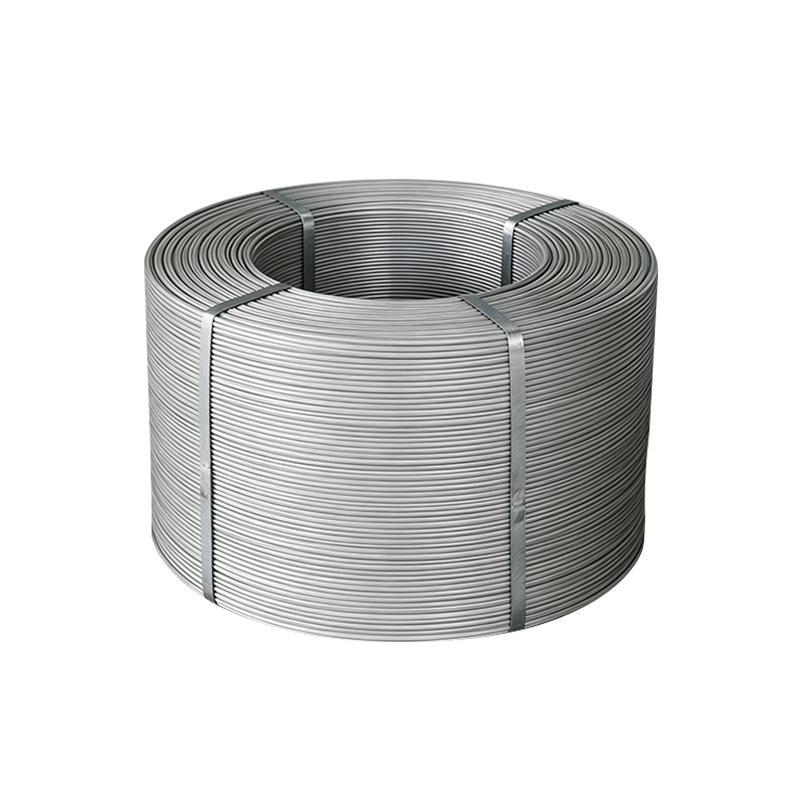
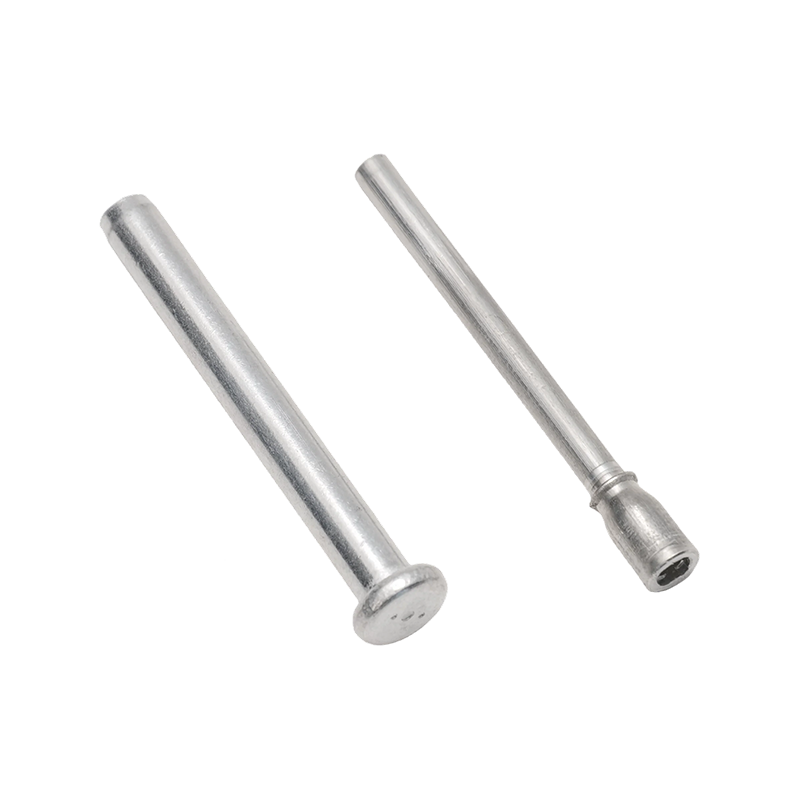
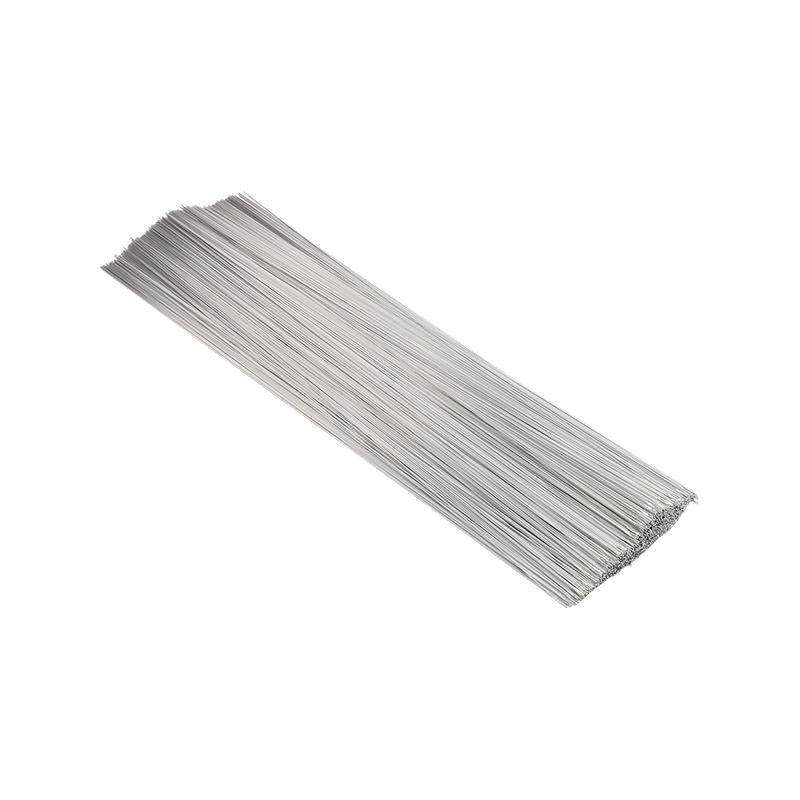
High-strength aluminum alloy wire for rivets is an essential material for industries that require reliable fastening, low structural weight, and consistent mechanical performance. Rivet wire is converted into rivet blanks or formed directly into rivet components, where it must withstand heading, forming, installation, vibration, shear forces, oxidation, and long-term service conditions. For demanding applications in aviation, aerospace, military equipment, transportation, and advanced industrial manufacturing, the quality of the wire has a direct influence on the safety and durability of the finished assembly.
The rivet wire described in this article is a high-strength aluminum alloy product developed primarily for demanding fastening applications. Its strengthening mechanism is associated with the CuAl2 phase, and its stated copper content is controlled within the range of 3.9–4.5%. This alloy design provides a useful combination of strength, oxidation resistance, and shear resistance. It is intended for manufacturers that need dependable aluminum alloy wire for rivets rather than general-purpose aluminum wire with limited structural capability.
Jiangsu Hetuo Aluminum Wire Co., Ltd. manufactures this type of high-strength aluminum alloy wire together with high-purity aluminum wire and aluminum or aluminum alloy welding materials. The company operates an intelligent manufacturing system in Guannan Economic Development Zone, Lianyungang, Jiangsu Province, China. Its production base covers approximately 40,000 square meters and includes advanced equipment, production facilities, and quality inspection systems. The company reports that its products are manufactured according to international quality requirements and that its management systems are certified to ISO 9001 and IATF 16949.
Content
- 1 Why Rivet Wire Quality Matters
- 2 Material Characteristics of the Rivet Alloy
- 3 Applications in Aviation, Aerospace, and Military Manufacturing
- 4 Advantages Compared with General-Purpose Rivet Wire
- 5 Manufacturing Capabilities and Production Strengths
- 6 Important Technical Parameters for Buyers
- 7 From Wire to Finished Rivet
- 8 Quality Control from the Supplier’s Perspective
- 9 Why Choose a Specialized Aluminum Wire Manufacturer
- 10 Application and Selection Recommendations
- 11 Environmental and Economic Considerations
- 12 Technical Cooperation and Custom Orders
- 13 Frequently Asked Questions
- 13.1 What is high-strength aluminum alloy wire for rivets used for?
- 13.2 What provides the strengthening effect in this product?
- 13.3 Is the wire suitable for every type of aluminum rivet?
- 13.4 What are the main advantages over ordinary aluminum wire?
- 13.5 Can the wire be customized?
- 13.6 What quality documents should buyers request?
- 13.7 How does ISO 9001 certification help customers?
- 13.8 Why is IATF 16949 relevant to an aluminum wire manufacturer?
- 13.9 How should the wire be stored?
- 13.10 What information should be included in an inquiry?
- 14 Conclusion
- 15 References
- 16 Product: For Rivets
Why Rivet Wire Quality Matters
A rivet may be small in comparison with the structure it joins, but it performs a critical mechanical function. During installation, a rivet is subjected to forming pressure, localized deformation, and sometimes high-speed impact. After installation, it may experience repeated shear loading, tensile loading, vibration, temperature changes, moisture, and contact with dissimilar metals. If the starting wire has inconsistent chemistry, poor surface quality, internal defects, or unstable dimensional accuracy, the finished rivet may not form correctly or may fail prematurely.
High-quality rivet wire supports consistency at every stage of production. Wire with a controlled alloy composition can provide predictable deformation behavior during cold heading or other forming operations. Uniform diameter helps ensure that automatic equipment can feed, cut, and form the material without frequent adjustments. A clean surface reduces the risk of cracks, contamination, and tooling damage. Stable mechanical properties make it easier for rivet manufacturers to establish repeatable production parameters.
These requirements distinguish rivet wire from ordinary aluminum wire used for electrical conductors, decorative products, or low-load applications. Although all aluminum wires may appear similar in basic form, their alloy composition, thermal history, drawing condition, surface condition, and intended performance can differ significantly. A high-strength rivet alloy must be selected according to the final rivet design, installation process, and service environment.
For aviation and aerospace manufacturers, the importance of material consistency is even greater. Aircraft structures must combine low weight with high reliability. Fasteners must maintain their performance under vibration, pressure variation, temperature cycling, and strict maintenance requirements. In military equipment, rivets may also be exposed to harsh environments, impact, field repair conditions, and demanding load cycles. Properly manufactured alloy wire helps provide a dependable foundation for these applications.
Material Characteristics of the Rivet Alloy
CuAl2 Phase Strengthening
The product is described as using CuAl2 phase strengthening. In aluminum-copper alloy systems, copper can participate in the formation of strengthening phases during suitable processing and heat treatment. These phases improve resistance to deformation and contribute to higher strength than that of commercially pure aluminum. The strengthening response depends on the complete alloy chemistry, thermal treatment, processing history, and final condition of the wire.
CuAl2-related strengthening is particularly relevant when a rivet must carry significant shear loads after installation. A rivet with insufficient strength may deform excessively, loosen, or fail under repeated loading. By contrast, a properly controlled high-strength alloy can provide better resistance to permanent deformation while retaining the formability required for rivet production.
The available product information specifies a copper content of 3.9–4.5%. This controlled range is an important part of the material specification because copper affects strengthening behavior, conductivity, corrosion characteristics, and processing response. Commercial users should confirm the complete chemical composition, temper, diameter tolerance, mechanical properties, and applicable standard before placing a production order. The copper range alone does not represent the entire alloy specification.
Balance Between Strength and Formability
Rivet wire must not only be strong; it must also be formable. During riveting, the shank end is deformed to create a manufactured head or to fill a prepared hole. If the material is too hard or brittle, it may crack during heading. If it is too soft, the rivet may not provide sufficient clamping force or shear resistance. The most useful rivet wire therefore balances strength with controlled ductility and predictable forming behavior.
This balance is one of the main advantages of using a purpose-designed high-strength alloy wire rather than selecting a material solely by nominal tensile strength. A rivet manufacturer needs to understand how the wire behaves under the actual forming process. Important variables include feed speed, cutting method, tool geometry, forming temperature, lubrication, reduction ratio, and post-forming treatment.
Stable manufacturing conditions help reduce variations in these properties from batch to batch. When wire characteristics are consistent, customers can optimize their forming equipment with greater confidence and reduce the need for repeated process adjustments.
Oxidation Resistance
The product is also described as having good oxidation resistance. Aluminum naturally forms a thin oxide film when exposed to air, and this protective film contributes to the metal’s general resistance to atmospheric corrosion. Alloy design and surface condition affect how the material responds to humidity, industrial atmospheres, and elevated temperatures.
Good oxidation resistance is beneficial during storage, transportation, wire processing, and service. It helps maintain surface integrity and reduces the likelihood that oxidation products will interfere with forming or assembly. However, oxidation resistance should not be confused with complete immunity to corrosion. The final performance of a rivet depends on the service environment, joint design, surface treatments, contact with other metals, and protective coatings.
Shear Resistance
Rivets are commonly used to transfer loads across joined components, making shear resistance a central performance requirement. In aircraft panels, transportation structures, equipment housings, and metal assemblies, the rivet may be loaded repeatedly as the connected components move slightly relative to one another. A high-strength aluminum alloy wire designed for rivets can help produce fasteners with improved resistance to shear deformation and failure.
The actual shear performance of a finished rivet depends on more than the wire alloy. Rivet diameter, installed length, head geometry, hole quality, clamping force, installation method, joint thickness, and load direction all influence performance. Even so, selecting a suitable wire is a fundamental first step in achieving reliable joint behavior.
Applications in Aviation, Aerospace, and Military Manufacturing
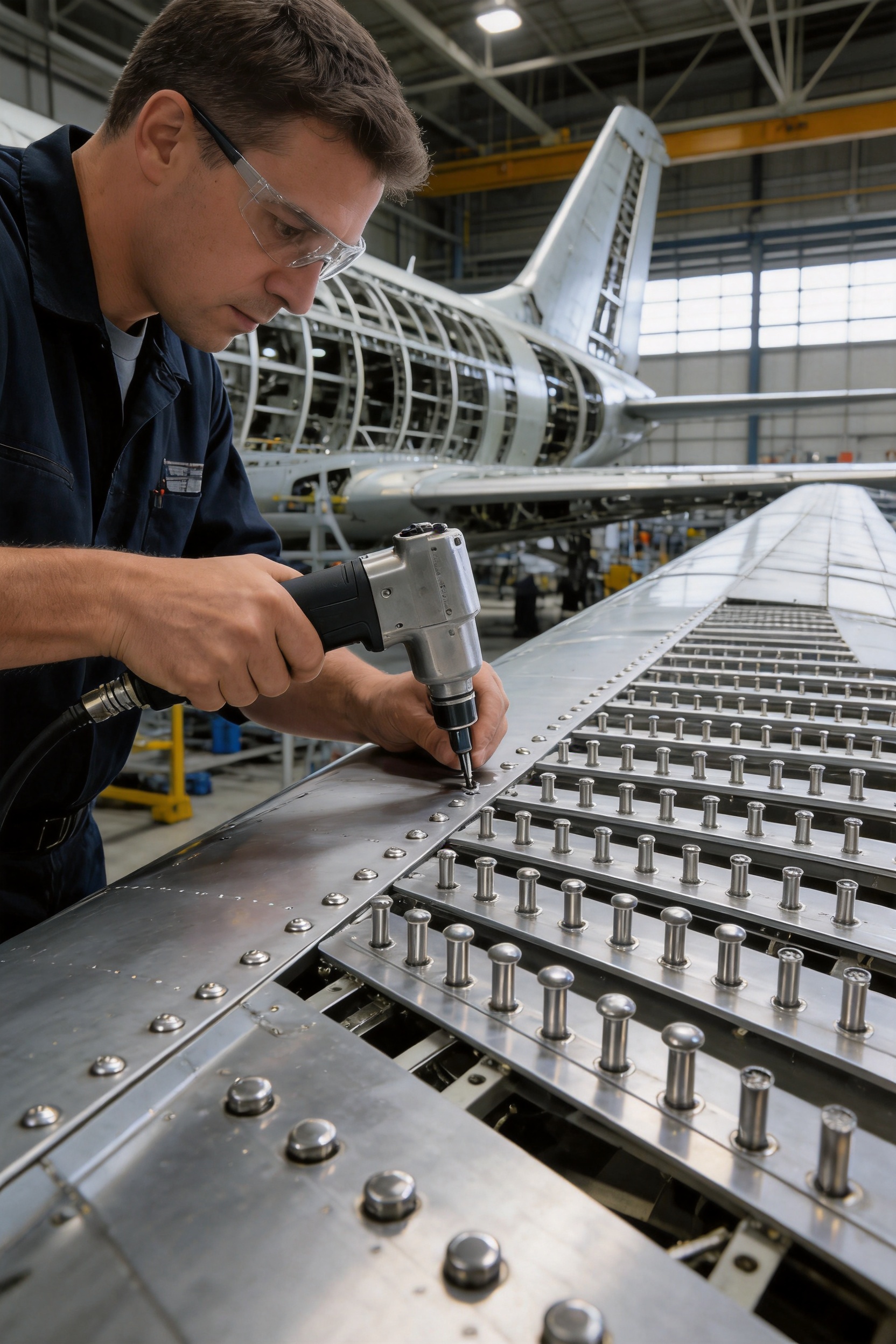
The principal applications of this product are aviation, aerospace, and military manufacturing. These sectors often require materials that minimize weight without sacrificing structural reliability. Aluminum alloy rivets are widely used where compatibility with aluminum components, corrosion considerations, and low density are important.
In aircraft manufacturing, rivets may be used in fuselage panels, wing structures, interior assemblies, access panels, control surfaces, and supporting components. The exact alloy and rivet condition must be selected according to engineering specifications and certification requirements. High-strength wire can be suitable for components where improved load-bearing capability is necessary, while other applications may require different combinations of ductility, corrosion resistance, or heat-treatment response.
Aerospace equipment may involve more severe temperature changes, pressure cycles, and vibration than ordinary industrial products. Components may also be subject to strict traceability and inspection requirements. Wire supplied for these applications should therefore be accompanied by appropriate technical documentation, batch identification, and test results agreed upon by the customer and manufacturer.
Military equipment can include vehicles, communication systems, protective structures, aircraft, naval equipment, and field hardware. These products may need to operate in dusty, humid, saline, or high-vibration environments. Aluminum alloy rivets can offer a useful combination of low mass and structural performance, particularly when the joint must be manufactured efficiently and maintained over a long service life.
In addition to these core sectors, the material may be considered for rail transportation, commercial vehicles, industrial machinery, architectural assemblies, and other applications that use formed aluminum fasteners. The suitability of the wire should always be evaluated against the mechanical, environmental, and regulatory requirements of the final product.
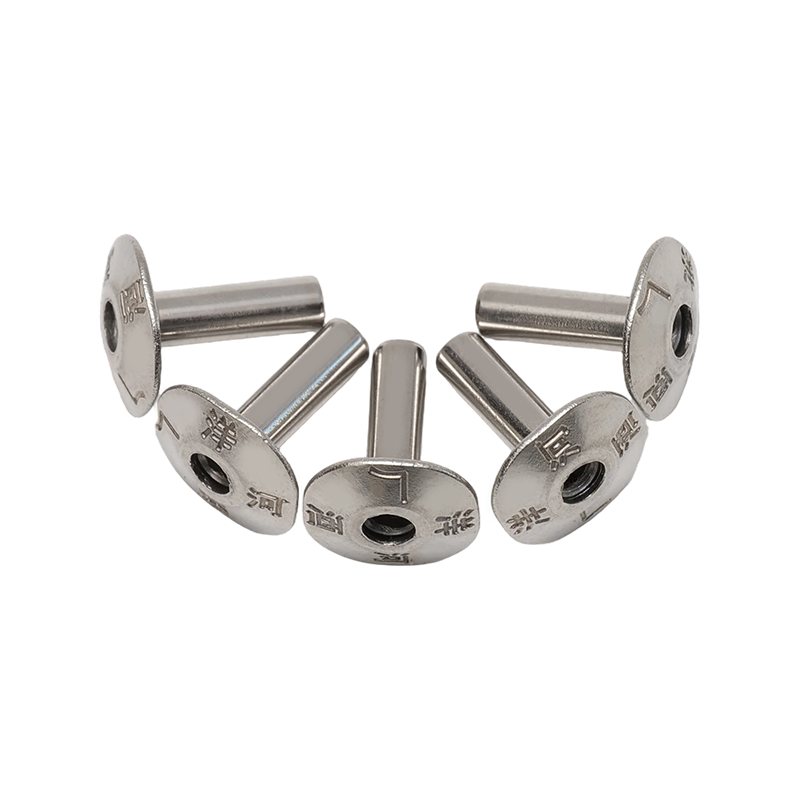
For Rivets
Advantages Compared with General-Purpose Rivet Wire
Purpose-Driven Alloy Design
One important advantage of this product is that it is positioned specifically as high-strength aluminum alloy wire for rivets. General-purpose aluminum wire may be manufactured for conductivity, lightweight fabrication, or basic forming and may not deliver the strength or shear performance required for structural fastening. A rivet-focused alloy is developed with the behavior of the finished fastener in mind.
The stated CuAl2 phase strengthening provides a technical basis for improved strength compared with unstrengthened or lower-strength aluminum grades. This can help manufacturers reduce the risk of excessive rivet deformation and improve the load-transfer capability of the assembled joint. Where the design permits, higher-strength wire may also support more compact fastener dimensions or improved structural efficiency, although such decisions must be validated by engineering testing.
Better Consistency for Automated Production
Modern rivet manufacturers increasingly use automated or semi-automated equipment. These systems depend on stable wire diameter, reliable surface condition, and consistent forming behavior. Variations in raw material can result in feeding interruptions, inconsistent rivet head dimensions, tool wear, scrap, and unplanned maintenance.
A manufacturer with integrated production and inspection capabilities can work toward improved batch consistency. Jiangsu Hetuo Aluminum Wire Co., Ltd. states that it has established an intelligent manufacturing system covering high-purity aluminum wire, high-strength aluminum alloy wire, and aluminum or aluminum alloy welding materials. This integrated approach supports the coordination of raw material handling, alloy processing, wire production, and quality control.
Reduced Weight Compared with Alternative Metals
Aluminum alloy rivets are lighter than many steel alternatives. Weight reduction is especially valuable in aircraft, aerospace systems, vehicles, and mobile equipment, where every kilogram can affect fuel consumption, payload, energy efficiency, or operating cost. A high-strength aluminum alloy can help designers retain the benefits of aluminum while improving the performance available from the fastener.
Weight savings must be evaluated together with joint strength, fatigue requirements, galvanic compatibility, installation conditions, and service temperature. Nevertheless, the combination of low density and improved alloy strength is a major reason aluminum rivet materials remain important in lightweight engineering.
Oxidation and Service Durability
Good oxidation resistance can provide an advantage during storage and service, especially where the fastener is exposed to atmospheric conditions. A stable surface is also valuable for manufacturers that need to avoid excessive cleaning or rework before forming. Correct packaging and storage remain important because contamination, moisture, and contact with incompatible materials can affect wire quality regardless of the alloy’s inherent oxidation resistance.
Support for Customized Supply
Industrial customers rarely have identical requirements. They may request different wire diameters, coil weights, surface finishes, temper conditions, packaging formats, or inspection documents. A specialized aluminum wire producer is better positioned to discuss these variables than a supplier focused only on standard commodity products.
The company identifies itself as a manufacturer and supplier of high-purity aluminum wire, high-strength aluminum alloy wire, and aluminum or aluminum alloy welding materials. This product scope allows it to serve customers with multiple aluminum material requirements and to discuss material selection across different manufacturing processes. Customized supply should be based on a documented technical specification, sample evaluation, and agreement on acceptance criteria.
Manufacturing Capabilities and Production Strengths
Integrated Intelligent Manufacturing System
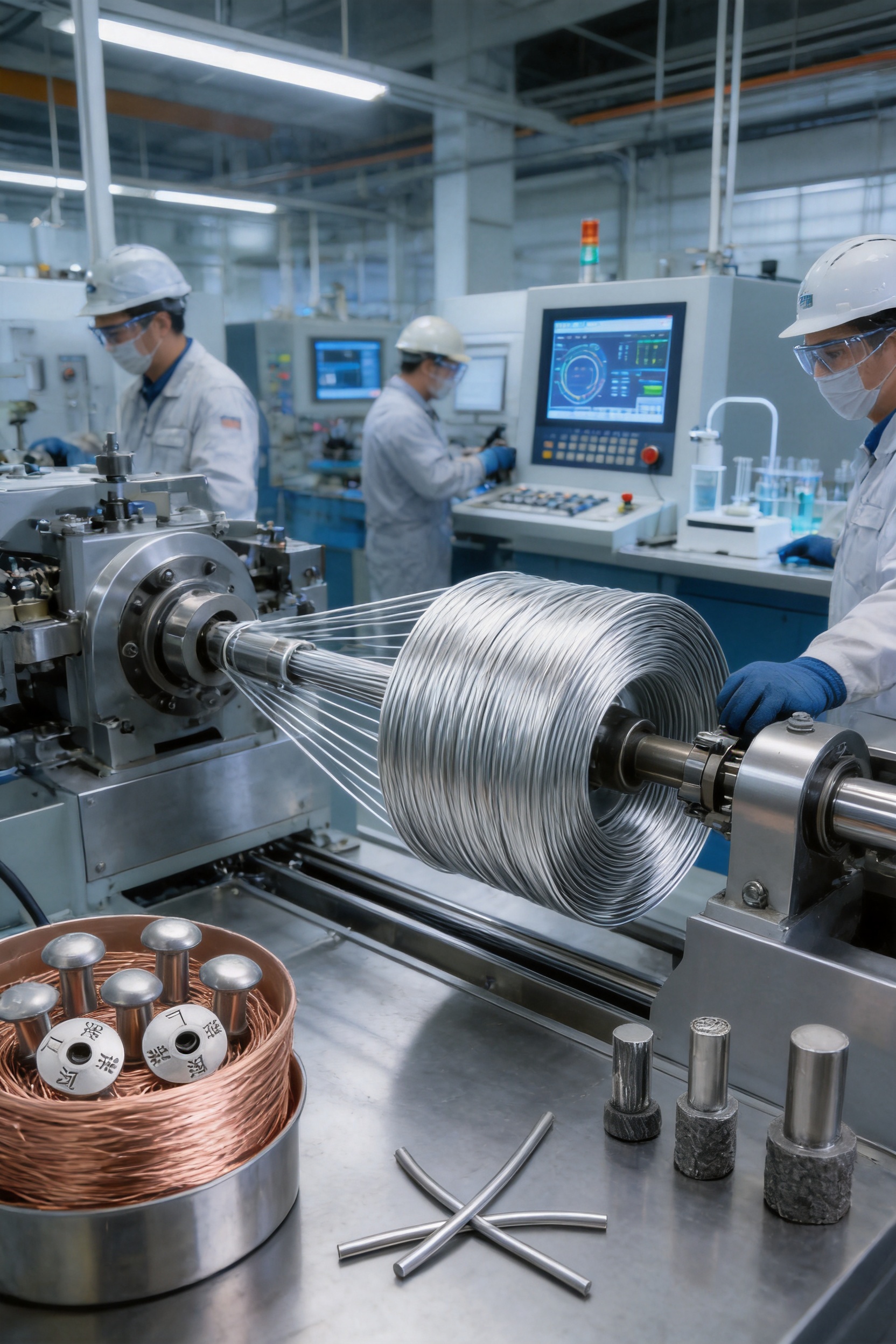
An intelligent manufacturing system is valuable because aluminum wire production requires control across multiple stages. Depending on the alloy and product condition, these stages may include raw material preparation, melting or alloying, casting, homogenization, rolling or reduction, drawing, heat treatment, surface preparation, coiling, inspection, and packaging.
Data collection and process monitoring can help manufacturers identify changes in equipment condition, production parameters, dimensional accuracy, and product quality. When these systems are properly implemented, they support traceability and make it easier to investigate nonconformities. They can also improve production planning and reduce variation between batches.
For rivet wire, intelligent production is particularly useful because the final product must be compatible with high-speed forming operations. A wire that meets a nominal chemical composition but varies significantly in diameter or surface condition may still cause problems for the customer. Manufacturing intelligence should therefore be connected to practical quality requirements rather than treated as an isolated automation feature.
Factory Scale and Technical Personnel
The company’s factory covers approximately 40,000 square meters and employs about 60 people, including 30 professional managers and technicians. This personnel structure indicates a strong emphasis on technical management, production coordination, process control, and quality assurance. Skilled employees are essential for handling alloy production, wire drawing, equipment maintenance, laboratory testing, customer communication, and corrective action.
A manufacturing facility’s value is not determined solely by its physical size. Equipment capability, maintenance discipline, process documentation, operator training, laboratory competence, and management response all affect the quality of the delivered wire. A sizeable production base combined with a substantial technical and management team can provide the organizational foundation needed for repeatable industrial supply.
Quality Inspection Throughout Production
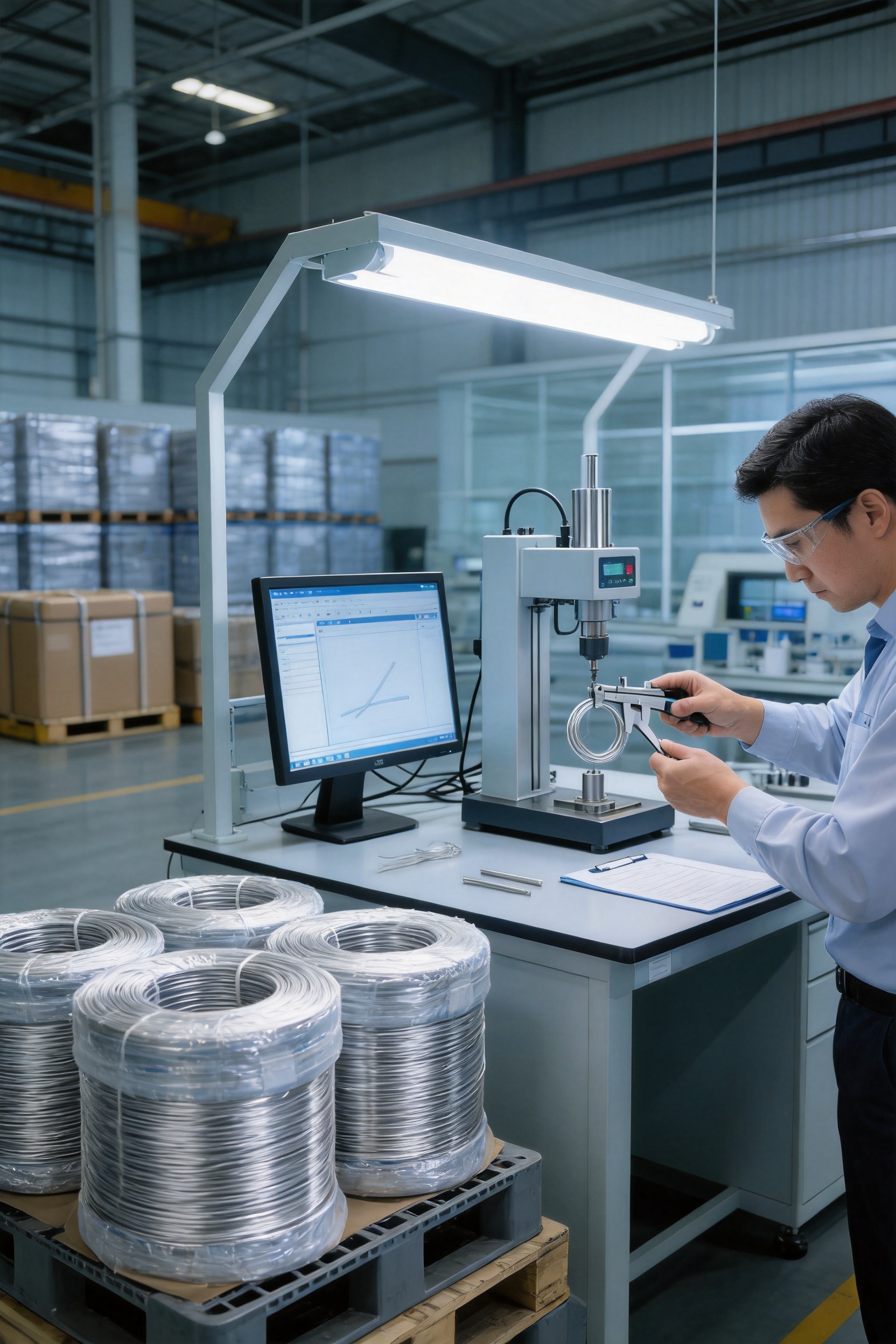
The company states that it strictly implements quality inspection throughout production. In practice, a robust inspection program for aluminum alloy wire may include verification of incoming materials, chemical composition, surface quality, diameter, ovality, tensile properties, elongation, hardness, and condition-specific requirements.
Not every test is required for every order, and the final inspection plan should be agreed with the buyer. However, quality should not be checked only after the wire has been completed. In-process monitoring can identify problems earlier, reduce material loss, and prevent defective product from moving to subsequent operations.
For customers producing rivets, useful documentation may include a mill test certificate, chemical analysis report, mechanical test report, dimensional inspection record, batch number, production date, and packaging information. Where required, customers may also request samples for independent testing or process validation.
ISO 9001 and IATF 16949 Systems
Jiangsu Hetuo Aluminum Wire Co., Ltd. reports certification to ISO 9001 and IATF 16949 quality management systems. ISO 9001 provides a general framework for process management, customer focus, documented procedures, risk-based thinking, corrective action, and continual improvement. IATF 16949 is associated with the automotive supply chain and places additional emphasis on defect prevention, variation reduction, traceability, and customer-specific requirements.
These certifications do not replace product testing or customer approval, but they demonstrate that the company has established formal quality management processes. For buyers, a certified management system can simplify supplier evaluation and provide greater confidence that production and corrective-action procedures are documented.
Customers in aviation, aerospace, military, and other regulated sectors should still confirm whether additional approvals, standards, audits, special process qualifications, or documentation are necessary for their applications. Certification is one part of supplier assessment, not the only part.
Important Technical Parameters for Buyers
When purchasing high-strength aluminum alloy wire for rivets, buyers should define more than the product name. A detailed purchase specification helps prevent misunderstandings and ensures that the supplied material matches the forming process and final application.
| Parameter | Why It Matters | Recommended Purchasing Consideration |
|---|---|---|
| Alloy chemistry | Controls strength, formability, oxidation behavior, and processing response. | Specify the required alloy or chemistry range, including the stated copper range of 3.9–4.5% where applicable. |
| Wire diameter | Affects rivet dimensions, feeding accuracy, forming load, and finished-head geometry. | State nominal diameter, tolerance, ovality limit, and measurement method. |
| Mechanical properties | Influence heading, shear resistance, deformation, and installed fastener performance. | Define tensile strength, yield or proof requirements, elongation, hardness, and test standards as needed. |
| Temper or condition | Determines the balance between strength and formability. | Specify the required delivery condition and any heat-treatment requirements. |
| Surface quality | Affects feeding, forming, tooling life, appearance, and defect risk. | Define requirements for scratches, laps, oxide, oil, residue, and other surface imperfections. |
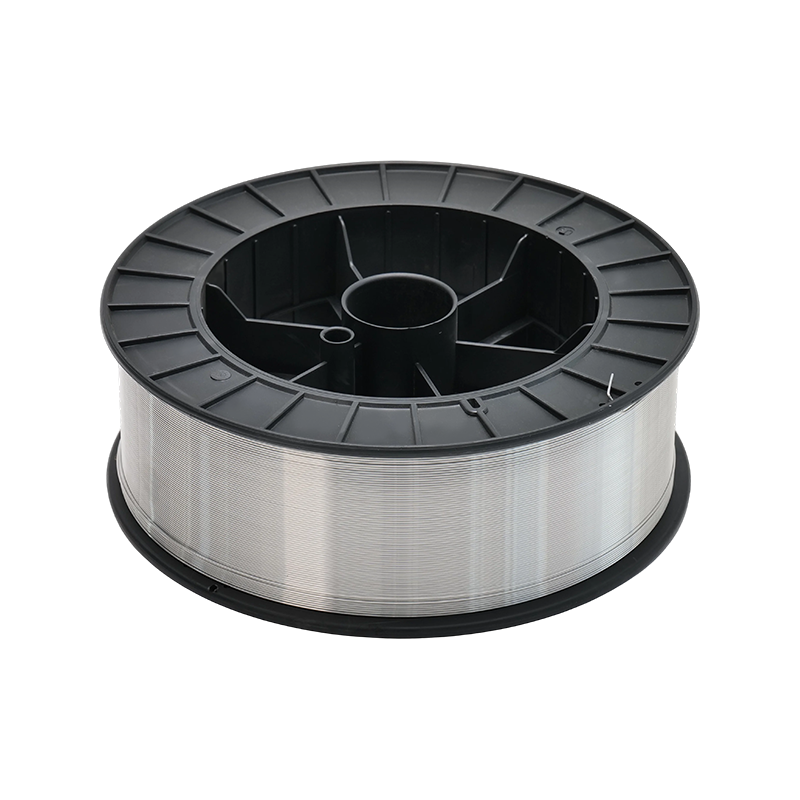
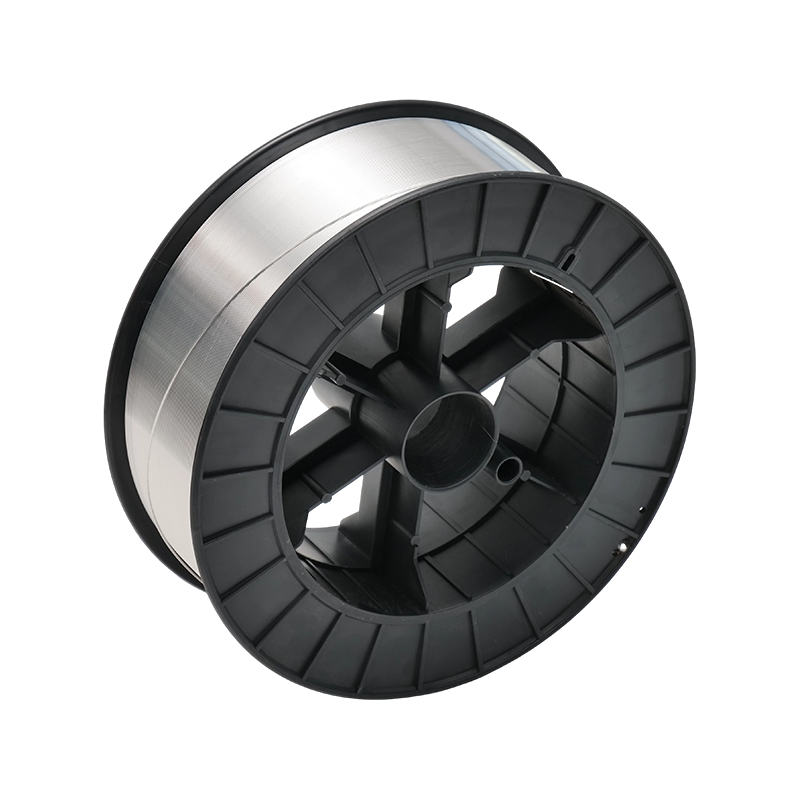
| Coil or spool format | Influences handling, pay-off, automation, and material utilization. | Confirm coil weight, inner diameter, outer diameter, winding method, and packaging. |
| Traceability | Supports quality investigations and regulated production records. | Require batch identification and matching inspection documents. |
| Packaging and storage | Protects the wire against moisture, contamination, and mechanical damage. | Agree on protective materials, labeling, transport requirements, and storage guidance. |
For a new application, the buyer should provide information about the intended rivet type, blank length, forming method, installation equipment, required finished properties, and service environment. This enables the manufacturer to recommend a suitable condition and identify any additional testing that may be needed.
From Wire to Finished Rivet
Wire Preparation
Before forming, the wire may be straightened, cleaned, lubricated, or fed directly from a coil depending on the customer’s process. Proper pay-off is important because uncontrolled tension or tangled winding can interrupt production. The wire surface should be free from contaminants that could interfere with cutting, heading, or subsequent treatment.
Cutting and Heading
Rivet wire is commonly cut into predetermined lengths before the head is formed. The cutting operation must produce a clean end without excessive burrs or distortion. The heading process then applies controlled force to form the rivet head. The wire’s strength, ductility, diameter tolerance, and surface condition all influence the required forming parameters.
A suitable high-strength alloy should provide enough resistance to service loads while remaining capable of controlled plastic deformation during heading. If the wire condition is inconsistent, the finished heads may vary in diameter, height, concentricity, or surface appearance. Such variation can affect installation quality and joint performance.
Installation and Joint Performance
During installation, the rivet expands or deforms to fill the prepared hole and create a secure mechanical connection. The final joint depends on hole size, alignment, sheet thickness, rivet length, installation force, tool condition, and operator or machine settings. A high-quality wire can support a stable process, but it cannot compensate for incorrect joint design or poor installation practice.
For critical structures, manufacturers should validate the complete system through appropriate mechanical testing. Tests may include single-shear, double-shear, tensile pull, bearing, fatigue, vibration, environmental exposure, and dimensional inspection. The test program should reflect the loads and conditions expected in service.
Quality Control from the Supplier’s Perspective
A reliable supplier approaches quality as a continuous process rather than a final inspection event. Raw materials should be identified and controlled before entering production. Alloying inputs must be measured accurately, and production equipment should be maintained according to documented schedules. Process parameters should be recorded where they affect material properties.
Wire drawing and reduction operations require attention to lubrication, die condition, reduction rate, temperature, and surface cleanliness. Poor control can produce dimensional variation, residual stress, surface damage, or internal defects. Heat treatment, if used, must be controlled to achieve the intended microstructure and mechanical condition.
Inspection personnel should use calibrated equipment and defined methods. Chemical analysis instruments, micrometers, tensile testing machines, hardness testers, and other devices should be maintained and verified. Inspection records should be linked to production batches so that the material’s history can be reviewed when necessary.
Corrective action is another important part of supplier capability. If a deviation is identified, the manufacturer should determine the cause, isolate affected material, communicate with the customer when necessary, and implement measures to prevent recurrence. A formal quality management system helps organize these activities and provides evidence that they are being handled systematically.
Why Choose a Specialized Aluminum Wire Manufacturer
A specialized manufacturer can offer advantages over a general metal distributor or a supplier that treats aluminum wire as a commodity. The manufacturer understands how alloy chemistry, processing condition, surface quality, and dimensional control affect the customer’s forming operation. It can also communicate directly with the buyer’s technical team when adjustments are required.
Jiangsu Hetuo Aluminum Wire Co., Ltd. focuses on aluminum-based materials and offers several related product categories. Its product portfolio includes high-purity aluminum wire, high-strength aluminum alloy wire, and aluminum or aluminum alloy welding materials. This focus allows the company to develop expertise in aluminum processing rather than relying on a broad but shallow range of unrelated metals.
The company also describes itself as an innovative enterprise guided by customer needs and committed to customer satisfaction. For industrial customers, this approach is useful when the application requires customization, sample approval, production trials, or ongoing technical communication. The supplier’s ability to respond to customer requirements can be as important as its standard product specification.
International customers may also benefit from working with a factory that has experience supplying overseas markets. Export readiness includes suitable packaging, clear labeling, commercial documentation, inspection records, and communication across different time zones and technical expectations. These factors help reduce delays and misunderstandings in global procurement.
Application and Selection Recommendations
Before selecting the wire, identify the required rivet performance. If the rivet will carry substantial shear loads, the strength and installed shear behavior should be prioritized. If the rivet will be formed using severe heading reduction, formability and ductility may be more important than maximum strength. When the structure will experience corrosive exposure, the complete material combination and protective system should be evaluated.
Next, define the wire geometry. Diameter tolerance is important because even a small deviation can influence feeding, cut length, head formation, and final rivet dimensions. The coil or spool must also be compatible with the customer’s equipment. For automated production, winding consistency and pay-off behavior should be reviewed during trials.
Customers should request representative samples before committing to large-volume supply. Sample testing can confirm chemical composition, diameter, surface quality, forming behavior, and mechanical properties. A production trial using the customer’s actual equipment is especially valuable because it reveals how the wire behaves under real operating conditions.
Storage conditions should also be established. Aluminum wire should be protected from water, condensation, corrosive chemicals, excessive dust, and mechanical impact. Packaging should remain intact until the material is ready for use. If the wire is moved between different temperature zones, care should be taken to prevent condensation on the surface.
Environmental and Economic Considerations
Aluminum is widely valued for its low density and potential contribution to lightweight product design. In vehicles and aircraft, lower component weight can support energy savings and improved payload efficiency. In industrial equipment, reduced mass can simplify handling and installation. Aluminum also has a well-established recycling pathway, which can support more sustainable material management when collection and processing systems are available.
Economic value should be evaluated across the full production cycle rather than by purchase price alone. Consistent wire may reduce scrap, tool wear, machine interruptions, inspection failures, and rework. A slightly higher-quality material can therefore provide a lower total cost when it improves manufacturing stability and reduces rejected rivets.
Supplier location, delivery reliability, minimum order quantities, packaging, and technical support also influence total cost. Customers should compare complete supply proposals, including product specifications, inspection documents, logistics arrangements, and after-sales communication.
Technical Cooperation and Custom Orders
Custom wire orders should begin with a technical discussion. The customer can provide drawings, applicable standards, target rivet dimensions, production volumes, forming equipment information, and service requirements. The manufacturer can then review material suitability, recommend a delivery condition, and identify questions that need clarification.
A formal technical agreement should define the alloy, chemical limits, diameter and tolerance, mechanical properties, surface requirements, test methods, packaging, marking, and documentation. If the product is intended for a regulated industry, the agreement should also identify approval procedures, traceability expectations, and retention periods for quality records.
First-article or sample approval is recommended for new products. During this stage, the customer can assess wire feeding, cutting, heading, surface appearance, rivet dimensions, and mechanical performance. Feedback from the trial can be used to refine the production specification before regular orders begin.
Long-term cooperation can include periodic quality reviews, production forecasts, inventory planning, and continuous improvement projects. These activities help align the supplier’s manufacturing schedule with the customer’s demand and can improve delivery reliability.
Frequently Asked Questions
What is high-strength aluminum alloy wire for rivets used for?
It is primarily used to manufacture aluminum alloy rivets for aviation, aerospace, military, transportation, and other applications that require lightweight fastening with good strength and shear resistance. The exact suitability depends on the complete alloy specification, rivet design, forming process, and service conditions.
What provides the strengthening effect in this product?
The product is described as using CuAl2 phase strengthening. Copper in the specified range of 3.9–4.5% contributes to the formation of strengthening phases in the aluminum alloy system. The final properties also depend on processing history, heat treatment, wire condition, and the complete chemical composition.
Is the wire suitable for every type of aluminum rivet?
No. Rivet applications have different requirements for strength, ductility, corrosion resistance, diameter, temper, and forming behavior. The wire should be selected according to the finished rivet design and validated through sample production and testing.
What are the main advantages over ordinary aluminum wire?
The main advantages are its purpose-oriented high-strength alloy design, CuAl2 phase strengthening, good oxidation resistance, and good shear resistance. It is intended for demanding fastening applications rather than general-purpose wire uses.
Can the wire be customized?
Customers can discuss requirements such as diameter, tolerance, delivery condition, coil size, packaging, surface quality, inspection documentation, and order volume with the manufacturer. Customization should be confirmed through a written technical specification and, where appropriate, sample approval.
What quality documents should buyers request?
Depending on the application, buyers may request a certificate of chemical composition, mechanical test results, dimensional inspection records, batch traceability, conformity documentation, and packaging information. Regulated industries may require additional records or customer-specific forms.
How does ISO 9001 certification help customers?
ISO 9001 indicates that the manufacturer operates a structured quality management system covering customer requirements, documented processes, inspection, corrective action, and continual improvement. It supports supplier evaluation but should be considered together with product testing and application-specific approvals.
Why is IATF 16949 relevant to an aluminum wire manufacturer?
IATF 16949 is associated with automotive quality management and emphasizes defect prevention, process variation reduction, traceability, risk management, and customer-specific requirements. These practices can also benefit customers in other industries that require consistent, documented manufacturing.
How should the wire be stored?
The wire should be kept in clean, dry, protected conditions away from water, condensation, corrosive substances, dust, and mechanical damage. Original packaging should remain sealed until use whenever practical. Storage and handling instructions should be confirmed with the supplier for the selected product condition.
What information should be included in an inquiry?
An inquiry should include the alloy or chemistry requirement, wire diameter, tolerance, required mechanical properties, temper or condition, surface requirements, coil or spool format, estimated quantity, application, delivery destination, and required inspection documents. Drawings or applicable standards are useful for technical review.
Conclusion
High-strength aluminum alloy wire for rivets is a specialized material for manufacturers that require more than basic aluminum formability. Its CuAl2 phase strengthening, controlled copper content of 3.9–4.5%, good oxidation resistance, and good shear resistance make it suitable for demanding applications in aviation, aerospace, military equipment, and other lightweight structures.
The performance of the finished rivet depends on the entire supply chain, including alloy chemistry, wire processing, dimensional control, surface quality, forming conditions, installation, and inspection. For this reason, supplier capability is an important part of material selection. An experienced aluminum wire manufacturer can provide not only the material but also technical communication, documented quality control, customized specifications, and production support.
Jiangsu Hetuo Aluminum Wire Co., Ltd. combines a specialized aluminum material portfolio with an intelligent manufacturing system, a 40,000-square-meter factory, professional managers and technicians, production-wide inspection, and ISO 9001 and IATF 16949 quality management certifications. These capabilities provide a foundation for supplying high-strength aluminum alloy wire to customers seeking consistent performance and dependable international sourcing.
Before purchase, customers should confirm the complete chemical composition, mechanical properties, diameter tolerance, delivery condition, surface requirements, packaging, and applicable standards. Sample trials and technical approval are recommended for critical applications. With the correct specification and a qualified manufacturing partner, aluminum rivet wire can support lighter, stronger, and more reliable assemblies across global industries.
References
1. Aluminum alloy strengthening principles and precipitation-strengthened aluminum-copper alloy systems.
2. ISO 9001, Quality Management Systems—Requirements.
3. IATF 16949, Quality Management System Requirements for Automotive Production and Relevant Service Parts Organizations.
4. General engineering practices for aluminum alloy wire drawing, forming, heat treatment, and dimensional inspection.
5. Industrial guidelines for rivet design, mechanical fastening, shear testing, and lightweight structural assembly.
6. Manufacturer-provided product information for high-strength aluminum alloy wire for rivets, including stated applications, copper content, manufacturing capabilities, and quality management certifications.