

 English
 中文简体
 русский
 Deutsch
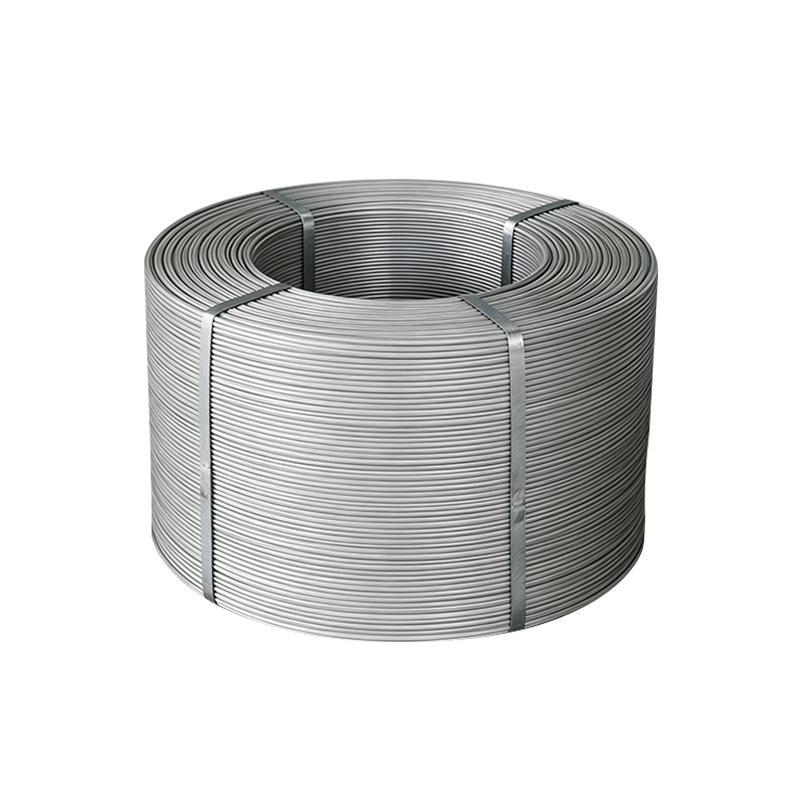
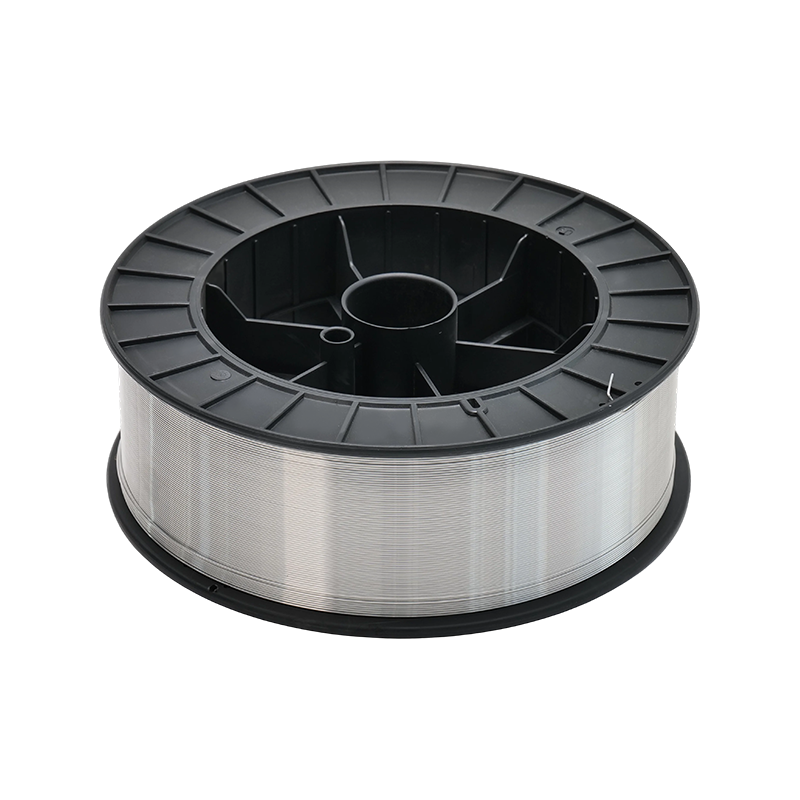
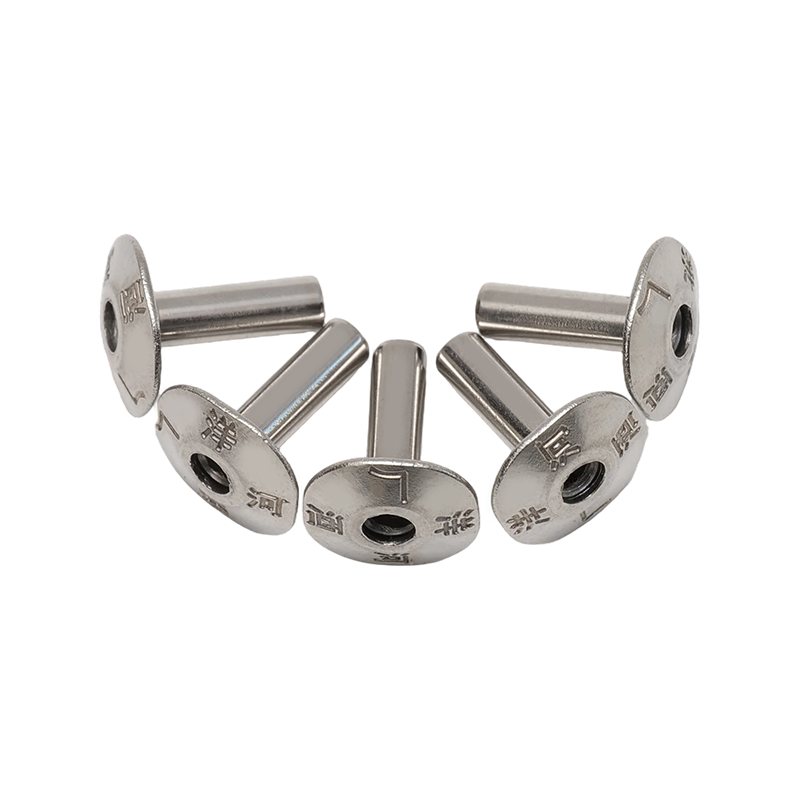
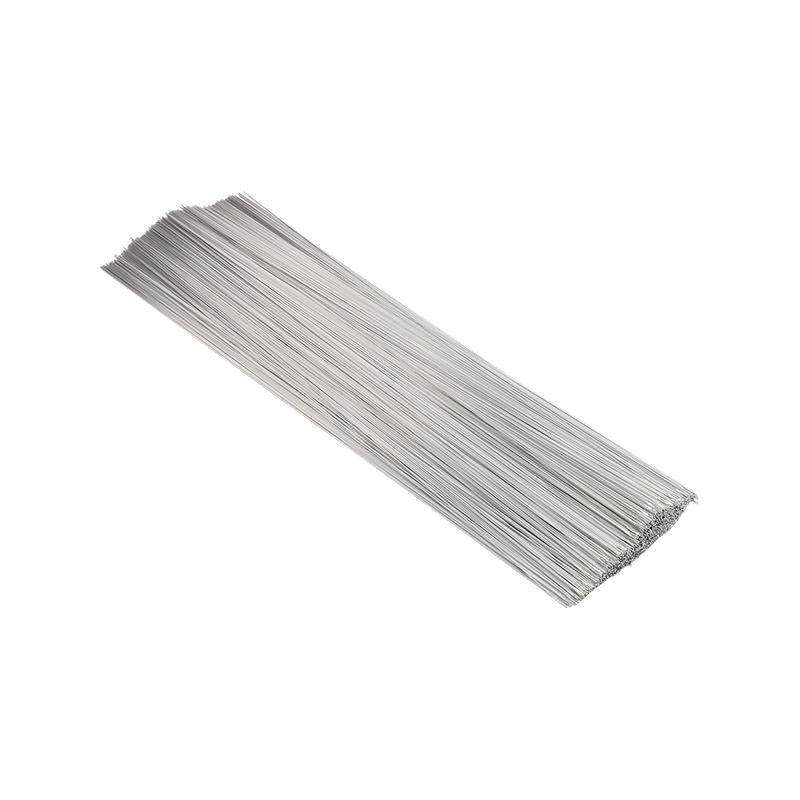
High-strength aluminum alloy wire is an essential material for producing reliable rivets used in aviation, aerospace, military equipment, transportation, and other demanding engineering applications. The right rivet wire must combine high tensile strength, controlled plasticity, fatigue resistance, corrosion resistance, dimensional consistency, and dependable forming performance. These requirements are especially important when rivets are used in lightweight structures where every component must contribute to structural efficiency and long-term safety.
The high-strength aluminum alloy wire described in this article is designed mainly for rivet production. It is suitable for applications requiring a favorable balance between low density and mechanical performance. Its material systems include precipitation-hardenable aluminum alloys such as 2A10, 2219, 7050, and 7075. These grades can be supplied for different processing and service requirements, including conditions associated with T6, T73, and T76 tempers.
Compared with ordinary aluminum wire, rivet-grade high-strength aluminum alloy wire offers substantially greater strength and more carefully controlled alloy chemistry. Compared with steel rivet wire, it provides lower weight, good corrosion resistance, easier integration with aluminum structures, and reduced risk of galvanic incompatibility when used correctly. Compared with inconsistent low-cost alternatives, professionally manufactured wire provides better diameter control, more stable forming behavior, and more reliable lot-to-lot performance.
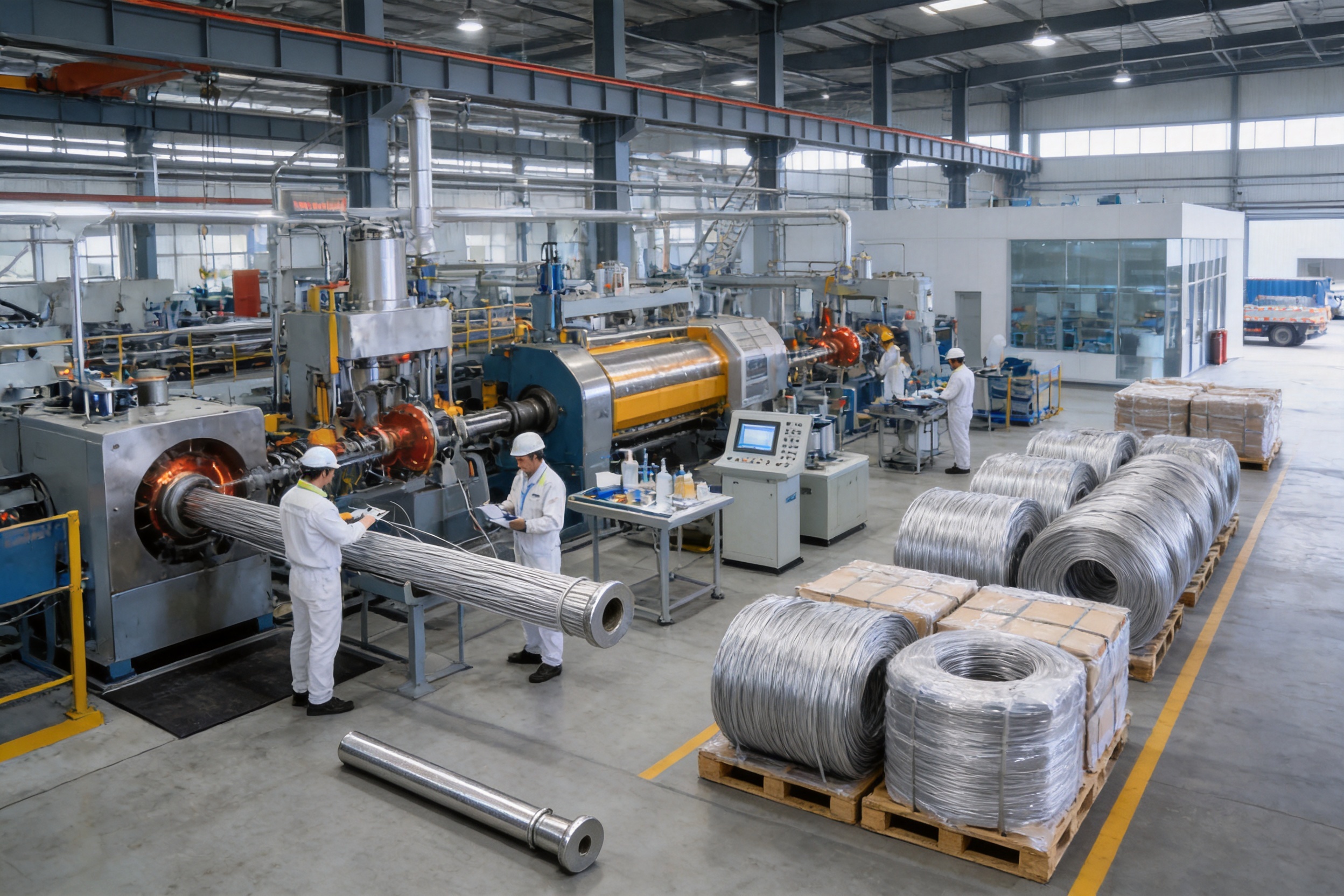
The product is manufactured by Jiangsu Hetuo Aluminum Wire Co., Ltd., an aluminum wire producer based in Lianyungang, Jiangsu Province, China. The company operates a manufacturing system covering high-purity aluminum wire, high-strength aluminum alloy wire, and aluminum and aluminum alloy welding materials. Its production site covers approximately 40,000 square meters and includes modern equipment, quality inspection systems, and technical personnel dedicated to aluminum alloy materials.
Content
- 1 Why Rivet Wire Quality Matters
- 2 Product Positioning and Main Application Areas
- 3 High-Strength Alloy Systems for Rivet Production
- 4 Temper Conditions and Performance Characteristics
- 5 Key Advantages Over Conventional Rivet Materials
- 6 Manufacturing Strengths and Production Approach
- 7 Quality Management and Industry Experience
- 8 Chemical Composition Reference
- 9 How This Product Compares with Lower-Grade Aluminum Wire
- 10 How This Product Compares with Steel Rivet Wire
- 11 Ordering and Technical Considerations
- 12 Recommended Selection Procedure
- 13 Frequently Asked Questions
- 13.1 What is high-strength aluminum alloy rivet wire used for?
- 13.2 Which alloys are available for high-strength rivet applications?
- 13.3 What is the difference between T6, T73, and T76?
- 13.4 Why is aluminum alloy wire preferred over ordinary aluminum wire?
- 13.5 Can high-strength aluminum wire be used directly for welding?
- 13.6 What quality controls are important for rivet wire?
- 13.7 Can the wire be customized?
- 13.8 Why is supplier manufacturing experience important?
- 13.9 What should customers confirm before purchasing?
- 14 Conclusion
- 15 References
- 16 Product: For Rivets
Why Rivet Wire Quality Matters
A rivet is a small component, but it performs a critical structural function. It permanently joins plates, sheets, frames, brackets, skins, and other components. During installation, the rivet must deform in a controlled manner to form a secure head or upset end. After installation, it must withstand tensile loads, shear loads, vibration, temperature variation, moisture, and repeated stress.
Wire quality directly influences the quality of the finished rivet. If the wire contains excessive inclusions, inconsistent alloying elements, surface defects, or dimensional variation, the finished rivet may show cracking, incomplete forming, weak heads, or reduced fatigue life. A stable chemical composition and carefully controlled processing route are therefore fundamental requirements.
Rivet manufacturers also need a material that can be cut, headed, heat-treated, and finished efficiently. Wire that is too hard before forming may crack during heading. Wire that is too soft or inconsistent may produce dimensional instability. A suitable alloy and temper route must therefore be selected according to the rivet design, forming method, heat treatment, and service environment.
High-strength aluminum alloy wire addresses these needs by combining a lightweight aluminum matrix with alloying systems that support precipitation strengthening or other strengthening mechanisms. Copper, magnesium, zinc, manganese, chromium, zirconium, titanium, and other controlled additions may contribute to strength, grain refinement, thermal stability, or corrosion performance, depending on the grade.
Product Positioning and Main Application Areas
The product is classified as high-strength aluminum alloy wire and is mainly intended for rivets. Its principal application fields include aviation, aerospace, and military manufacturing. These sectors require materials that support lightweight structural design while maintaining high reliability under demanding operating conditions.
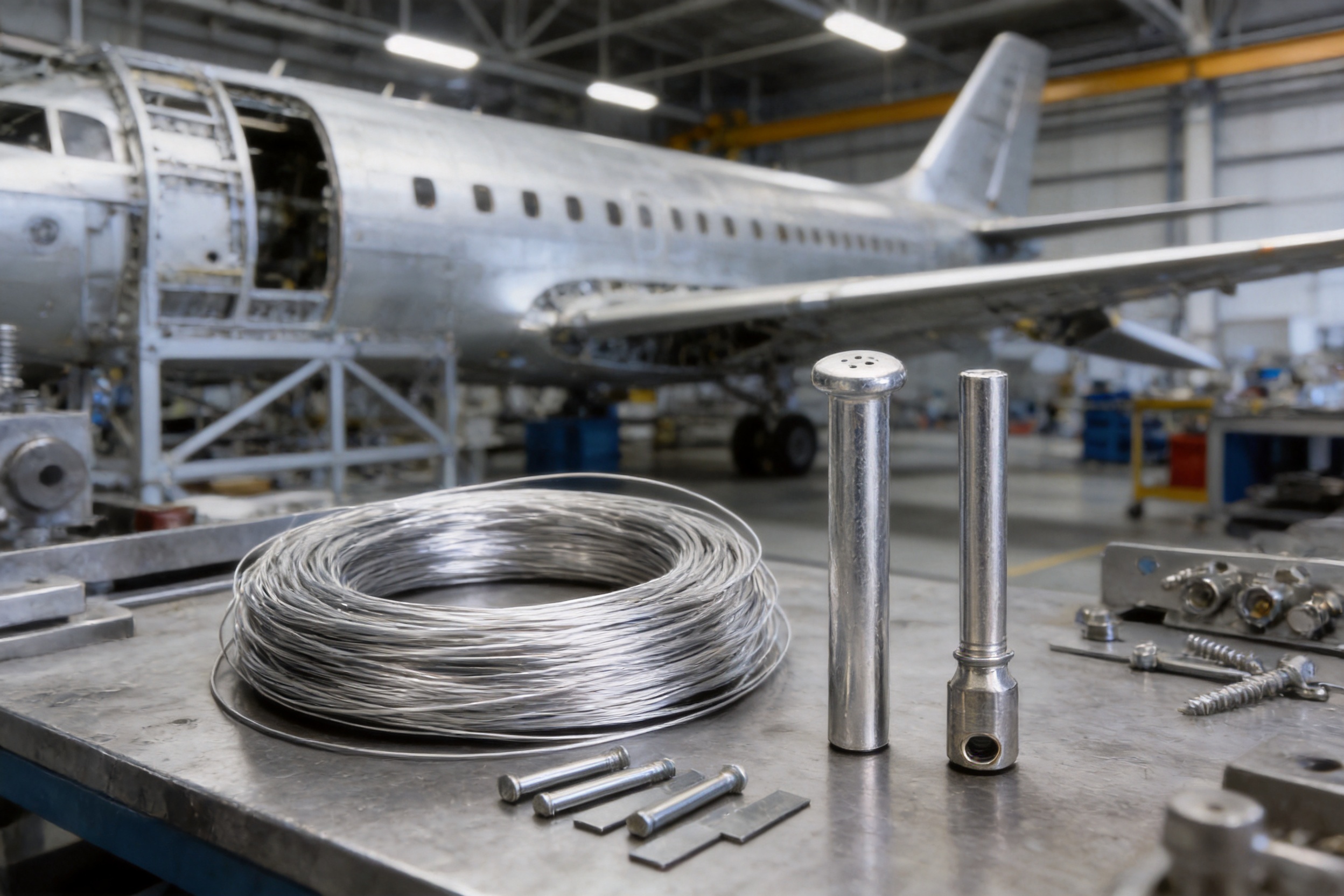
In aircraft manufacturing, aluminum alloy rivets may be used in fuselage skins, wing structures, interior frames, access panels, brackets, and repair components. Aerospace structures may require higher strength-to-weight ratios, improved fatigue resistance, and enhanced resistance to environmental exposure. Military equipment can also benefit from rivet wire that combines structural efficiency with controlled corrosion performance.
The wire may also be considered for specialized industrial fastening systems, high-performance transportation equipment, pressure-resistant assemblies, and other applications where aluminum rivets are preferred over heavier steel alternatives. Final alloy selection should always be based on the design specification, applicable standard, required mechanical properties, and installation process.
The available material range also demonstrates expertise in related aluminum alloy wire and welding material production. In addition to high-strength grades, the supplied composition information includes 4043, 4047, 5183, 5154, 5356, AlMg3, AlMg5, AlMg6, and AlMg61. These grades are commonly associated with aluminum welding and filler-material applications. The broader product range allows customers to source compatible aluminum wire materials from one experienced manufacturing system.
For Rivets
High-Strength Alloy Systems for Rivet Production
Several alloy families are suitable for high-strength rivet wire, but their performance characteristics are not identical. Copper-containing alloys such as 2A10 and 2219 are known for high strength and good elevated-temperature capability when properly processed. Zinc-containing alloys such as 7050 and 7075 can provide very high strength, especially after precipitation heat treatment. Each grade must be matched to the required forming and service conditions.
2A10 Aluminum Alloy Wire
2A10 is a copper-containing high-strength aluminum alloy. The supplied composition range includes approximately 3.9 to 4.5 percent copper, 0.30 to 0.50 percent manganese, and 0.15 to 0.30 percent magnesium, with aluminum as the balance. This chemistry supports a strengthened material suitable for demanding structural applications.
2A10 can be considered where high strength and controlled rivet performance are required. Its copper-based strengthening system may provide a useful combination of hardness, load-bearing capability, and heat-treatment response. As with other high-strength alloys, the exact forming route must be selected carefully to avoid cracking during heading or installation.
2219 Aluminum Alloy Wire
2219 contains approximately 5.8 to 6.8 percent copper, with controlled additions of manganese, vanadium, titanium, and zirconium. This alloy is widely associated with high-strength aluminum applications and can be useful where strength retention and elevated-temperature performance are important considerations.
The presence of zirconium and other controlled elements can support microstructural stability and grain-control objectives. When produced with consistent chemistry and suitable thermal processing, 2219 wire can provide predictable behavior for specialized rivet and structural component production.
7050 Aluminum Alloy Wire
7050 is a high-strength aluminum-zinc-magnesium-copper alloy. The supplied composition includes approximately 2.0 to 2.6 percent copper, 1.9 to 2.6 percent magnesium, 5.7 to 6.7 percent zinc, and 0.08 to 0.15 percent zirconium. This alloy is designed for high-strength applications where fracture toughness and resistance to stress-related degradation are important design considerations.
7050 may be selected for aerospace-related components requiring a high strength-to-weight ratio. Proper temper control is essential because alloy strength, ductility, stress-corrosion behavior, and fracture performance are strongly influenced by heat treatment and metallurgical condition.
7075 Aluminum Alloy Wire
7075 is another high-strength aluminum-zinc-magnesium-copper alloy. The listed chemistry includes approximately 1.4 to 2.0 percent copper, 1.8 to 2.8 percent magnesium, and 5.0 to 7.0 percent zinc, with controlled chromium and titanium additions. It is recognized as a high-strength alloy for aerospace and other advanced engineering applications.
7075 rivet wire may be suitable when high static strength is a primary requirement. However, high strength must be balanced with forming characteristics and environmental performance. Selection between 7075, 7050, 2219, and 2A10 should be based on the complete application profile rather than strength alone.
Temper Conditions and Performance Characteristics
The supplied product information identifies T6, T73, and T76 conditions as important performance states. These designations describe heat-treatment conditions that influence strength, toughness, stress-corrosion resistance, exfoliation-corrosion resistance, and low-temperature behavior.
T6 Condition
The T6 condition generally represents a solution heat-treated and artificially aged condition. It is associated with high strength and is often selected when maximum or near-maximum precipitation-strengthened performance is required. For rivet applications, T6 material may be suitable when the forming process and design permit the use of a higher-strength wire condition.
A T6 condition can provide excellent load-bearing capability, but the balance between strength and formability must be evaluated. A rivet producer may use a specific pre-forming condition followed by controlled heat treatment, depending on the alloy and manufacturing route. The final condition should be confirmed through technical documentation and testing.
T73 Condition
The T73 condition generally provides lower peak strength than T6 but offers improved fracture toughness and better resistance to stress corrosion and exfoliation corrosion. It may also provide more favorable low-temperature performance in applications where environmental durability is more important than maximum tensile strength.
This condition can be valuable in aerospace and military structures exposed to cyclic loading, moisture, temperature changes, or long service periods. The slightly reduced strength relative to T6 may be justified by improved damage tolerance and environmental resistance.
T76 Condition
The T76 condition is described as offering higher strength than T73 while maintaining higher stress-corrosion resistance than T6. It can therefore provide an intermediate or optimized balance between strength and corrosion-related durability.
For customers choosing among T6, T73, and T76, the correct decision depends on the structural design, forming sequence, fastener dimensions, service environment, inspection requirements, and applicable aerospace or military specification. The material supplier and rivet manufacturer should work together to confirm the appropriate temper.
Key Advantages Over Conventional Rivet Materials
High Strength-to-Weight Ratio
Aluminum is significantly lighter than steel. When a structure contains thousands of rivets, the cumulative weight reduction can be meaningful. High-strength aluminum alloy wire allows designers to preserve the lightweight benefits of aluminum while achieving much higher mechanical performance than commercially pure aluminum.
This advantage is especially important in aircraft, aerospace vehicles, and mobile equipment. Lower structural weight can support improved payload efficiency, energy consumption, range, and handling. The use of high-strength rivets also enables engineers to design joints with a favorable combination of weight and load capacity.
Compatibility with Aluminum Structures
Using aluminum alloy rivets with aluminum panels and frames can reduce material incompatibility concerns. Different metals may create galvanic corrosion when they are electrically connected in the presence of an electrolyte. Aluminum fasteners are not automatically immune to corrosion, but selecting a compatible alloy and applying suitable surface protection can help create a more integrated joint system.
Material compatibility can also simplify thermal expansion considerations. Aluminum components and aluminum rivets generally have more similar thermal expansion behavior than aluminum components joined with steel fasteners, although the complete design must still account for temperature and loading conditions.
Controlled Forming Performance
Rivet production requires wire that can be cut and formed consistently. Properly manufactured alloy wire offers uniform cross-sectional dimensions and stable metallurgical behavior, helping reduce variation during heading and upsetting. This can improve production efficiency and lower the probability of cracked or incompletely formed rivets.
Controlled forming does not mean that every alloy is suitable for every heading process. High-strength alloys may require specific annealing, intermediate treatment, or forming schedules. The advantage of a specialized manufacturer is the ability to coordinate alloy chemistry, drawing, heat treatment, and final delivery condition for the intended application.
Corrosion and Environmental Performance
Different high-strength alloy systems provide different levels of resistance to stress corrosion and exfoliation corrosion. Proper temper selection is therefore a major advantage. T73 and T76 conditions can be considered where environmental durability is especially important, while T6 may be selected where high strength is the dominant requirement.
Surface treatment, joint design, sealing, storage, and installation practices also influence corrosion performance. A high-quality wire is the foundation of a reliable rivet, but it must be incorporated into a complete corrosion-control system.
Process and Supply Flexibility
A manufacturer with experience across high-purity aluminum wire, high-strength alloy wire, and welding materials can offer customers a broader technical resource. This is useful for buyers who need multiple aluminum wire products, custom alloy compositions, or different diameter and packaging requirements.
Supply flexibility can also support prototype development and volume production. Customers may need trial coils for process validation before committing to regular production. A responsive producer can help coordinate material selection, production scheduling, inspection documentation, and repeat orders.
Manufacturing Strengths and Production Approach
Jiangsu Hetuo Aluminum Wire Co., Ltd. was established in 2019 and has developed a manufacturing system focused on aluminum alloy materials. Its factory covers approximately 40,000 square meters and employs around 60 people, including approximately 30 professional managers and technicians. This personnel structure supports production management, process control, technical development, and quality assurance.
The company introduces advanced equipment and facilities for the production of aluminum alloy rods, wires, welding wires, and precision profiles. Although equipment configurations may vary by product and customer specification, a complete manufacturing route for high-strength rivet wire typically includes material preparation, melting or billet production, casting, homogenization, hot working, drawing, heat treatment, surface control, inspection, and packaging.
Raw Material and Alloy Chemistry Control
High-strength aluminum alloy performance begins with accurate alloy chemistry. The balance of copper, magnesium, zinc, manganese, chromium, zirconium, titanium, iron, silicon, and other elements affects strength, ductility, corrosion resistance, grain structure, and heat-treatment response.
The supplied composition information lists maximum or range values for major alloying elements and impurity elements. For example, 7050 and 7075 require carefully controlled zinc, magnesium, and copper levels, while 2219 and 2A10 depend more heavily on copper-based strengthening. Controlling iron and silicon is also important because excessive levels can promote undesirable intermetallic phases and reduce ductility or fatigue performance.
Accurate weighing, melt control, sampling, and chemical analysis help ensure that each production lot meets its intended grade. Traceability from raw material through finished wire is equally important for aerospace-related applications.
Melting, Casting, and Homogenization
During melting and casting, manufacturers must control temperature, cleanliness, hydrogen content, oxide formation, and solidification behavior. Inclusions and porosity can become serious defects in wire intended for rivets because they may act as crack initiation sites during forming or service.
Homogenization heat treatment can help reduce chemical segregation and improve the distribution of alloying elements before subsequent hot working. A consistent billet or rod structure provides a more stable foundation for drawing and final heat treatment.
Hot Working and Rod Preparation
Hot working processes such as extrusion, rolling, or related deformation methods refine the cast structure and produce feedstock suitable for wire drawing. The process must be matched to the alloy because copper-rich and zinc-rich alloys respond differently to deformation and thermal exposure.
Control of reduction ratios, temperature, speed, lubrication, and cooling can influence grain structure and internal quality. Consistent rod preparation helps reduce later variation in drawing force, surface condition, and final diameter.
Wire Drawing and Dimensional Control
Wire drawing reduces the rod to the required diameter through a series of dies. Drawing schedules must be designed to manage work hardening, surface quality, residual stress, and dimensional accuracy. Intermediate annealing or solution treatment may be used when necessary to restore ductility or achieve a specific processing condition.
For rivet production, dimensional control is important because wire diameter affects blank weight, rivet length, head formation, and final geometry. A stable diameter also improves automatic feeding and reduces adjustment requirements on heading equipment.
Heat Treatment and Temper Management
Precipitation-hardenable aluminum alloys require carefully controlled heat treatment. Solution treatment, quenching, natural aging, and artificial aging must be coordinated to produce the target metallurgical condition. Small deviations in time or temperature can affect strength, hardness, ductility, and corrosion performance.
The ability to provide T6, T73, or T76-related material conditions demonstrates the importance of controlled thermal processing. Heat treatment records, furnace uniformity, quench management, and aging control are key elements of a reliable production system.
Surface Quality and Cleanliness
Rivet wire should have a clean and controlled surface suitable for cutting and forming. Scratches, laps, seams, pits, oxide residues, and other discontinuities can reduce the reliability of the finished rivet. Surface inspection and appropriate handling practices help protect the wire during processing and transportation.
Clean packaging is also important. Aluminum wire should be protected from moisture, contamination, impact, and unnecessary surface damage. Packaging choices should reflect the product diameter, coil size, shipping distance, storage duration, and customer production environment.
Inspection Throughout Production
The company states that it implements quality inspection throughout production rather than relying only on final inspection. This approach is advantageous because process problems can be identified earlier, reducing waste and preventing defective material from moving to later stages.
Typical inspection activities for aluminum alloy wire may include chemical composition analysis, diameter measurement, tensile testing, elongation testing, hardness testing, surface examination, metallographic evaluation, and verification of heat-treatment condition. The exact inspection plan should be agreed with the customer and relevant product standard.
Quality Management and Industry Experience
Jiangsu Hetuo Aluminum Wire Co., Ltd. has obtained ISO 9001 and IATF 16949 quality management system certifications according to the supplied company information. ISO 9001 provides a general framework for controlled processes, customer requirements, corrective action, documentation, and continual improvement. IATF 16949 is associated with the automotive supply chain and emphasizes process discipline, risk management, traceability, defect prevention, and customer-specific requirements.
Although rivet wire for aviation and aerospace may require additional industry-specific approvals or documentation, these management systems demonstrate a structured approach to manufacturing control. Buyers should confirm the precise certificates, scope, validity, and product-specific qualifications required for their applications.
The company reports that its products are exported to high-end overseas markets. International supply experience can help support export packaging, commercial documentation, customer communication, and coordination of technical requirements. For customers purchasing high-strength wire across borders, these capabilities may simplify sourcing and improve supply continuity.
The company’s focus on customer needs and satisfaction is also relevant to custom aluminum wire projects. Rivet manufacturers may require non-standard diameters, specific coil weights, special temper conditions, custom packaging, or additional inspection reports. A manufacturer capable of discussing these details before production can help reduce trial-and-error during qualification.
Chemical Composition Reference
The following table summarizes the chemical composition information supplied for selected high-strength and aluminum alloy wire grades. Values are presented as percentages. “Rest” means the remainder is aluminum. A dash indicates that no specific value was listed in the supplied information. Customers should confirm the applicable standard and complete specification before placing an order.
| Grade | Si | Fe | Cu | Mn | Mg | Cr | Ni | Zn | Ti | Zr | Other | Al |
|---|---|---|---|---|---|---|---|---|---|---|---|---|
| 2A10 | 0.25 max | 0.20 max | 3.9–4.5 | 0.30–0.50 | 0.15–0.30 | — | — | 0.10 max | 0.15 max | — | 0.05 max single; 0.10 max total | Rest |
| 2219 | 0.20 max | 0.30 max | 5.8–6.8 | 0.2–0.4 | 0.02 max | — | — | 0.10 max | 0.02–0.10 | — | 0.05 max single; 0.15 max total | Rest |
| 7050 | 0.12 max | 0.15 max | 2.0–2.6 | 0.10 max | 1.9–2.6 | 0.04 max | — | 5.7–6.7 | 0.06–0.20 | 0.08–0.15 | 0.05 max single; 0.15 max total | Rest |
| 7075 | 0.50 max | 0.50 max | 1.4–2.0 | 0.2–0.6 | 1.8–2.8 | 0.10–0.25 | 0.10 max | 5.0–7.0 | 0.05 max | — | 0.05 max single; 0.10 max total | Rest |
| 4043 | 4.5–6.0 | 0.80 max | 0.30 max | 0.05 max | 0.05 max | — | — | 0.10 max | 0.20 max | — | 0.05 max single; 0.15 max total | Rest |
| 4047 | 11.0–13.0 | 0.80 max | 0.30 max | 0.15 max | 0.10 max | — | — | 0.20 max | — | — | 0.05 max single; 0.15 max total | Rest |
| 5183 | 0.40 max | 0.40 max | 0.10 max | 0.5–1.0 | 4.3–5.2 | 0.05–0.25 | — | 0.25 max | 0.15 max | — | 0.05 max single; 0.15 max total | Rest |
| 5356 | 0.25 max | 0.40 max | 0.10 max | 0.05–0.20 | 4.5–5.5 | 0.05–0.20 | — | 0.10 max | 0.06–0.20 | — | 0.05 max single; 0.15 max total | Rest |
How This Product Compares with Lower-Grade Aluminum Wire
Commercially pure aluminum wire is valued for conductivity, corrosion resistance, and ductility, but it does not provide the same strength level as precipitation-hardenable structural alloys. For rivets carrying significant loads, pure aluminum may be unsuitable unless the design specifically permits its lower mechanical performance.
Lower-grade or poorly controlled alloy wire may also create production problems. Variations in chemistry can change hardness and forming behavior from one batch to another. Inconsistent diameter can affect automatic heading equipment. Surface defects may become visible only after upsetting, resulting in scrap and production delays.
High-strength rivet wire offers a more controlled solution. The alloy grade, heat-treatment condition, dimensional tolerances, and inspection requirements can be defined in advance. This improves repeatability and helps the rivet producer establish a stable manufacturing window.
The main advantage is not simply a higher nominal tensile strength. A professional product combines suitable strength with controlled ductility, surface quality, cleanliness, corrosion-related performance, and manufacturing consistency. These combined characteristics are what distinguish specialized rivet wire from general-purpose aluminum wire.
How This Product Compares with Steel Rivet Wire
Steel rivets can provide high strength and are suitable for many applications, but they add weight and may require additional corrosion protection. In aluminum structures, steel fasteners can also introduce differences in thermal expansion and galvanic behavior. Aluminum alloy rivets offer a lower-density alternative that may better support lightweight structural design.
However, aluminum rivets should not be treated as direct substitutes for steel in every application. Joint loads, temperature, installation force, fatigue conditions, fire requirements, electrical considerations, and corrosion protection must be reviewed. The correct comparison is application-specific.
Where the design permits aluminum fasteners, high-strength aluminum alloy wire can provide a useful balance of weight, strength, compatibility, and manufacturability. The availability of several alloy and temper options allows engineers to select a material more closely aligned with the performance priorities of the joint.
Ordering and Technical Considerations
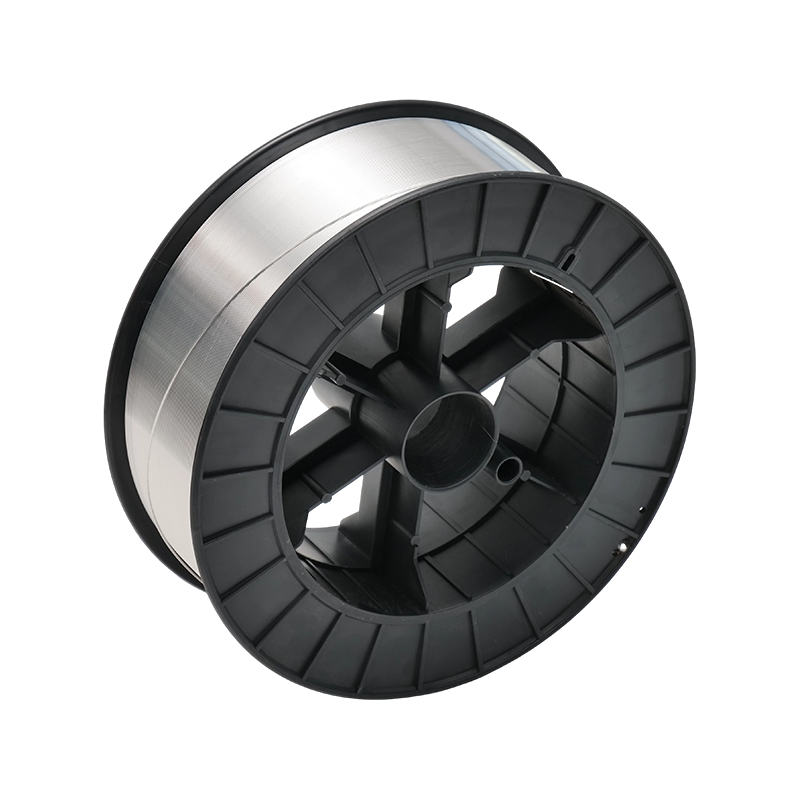
Before ordering high-strength aluminum alloy rivet wire, customers should define the alloy grade, temper, diameter, dimensional tolerance, coil or spool format, surface condition, packaging, minimum order quantity, and required inspection documents.
The customer should also explain the intended rivet manufacturing route. Cold heading, warm forming, machining, and other processes impose different requirements on ductility and hardness. A wire condition that performs well in one process may not be suitable for another.
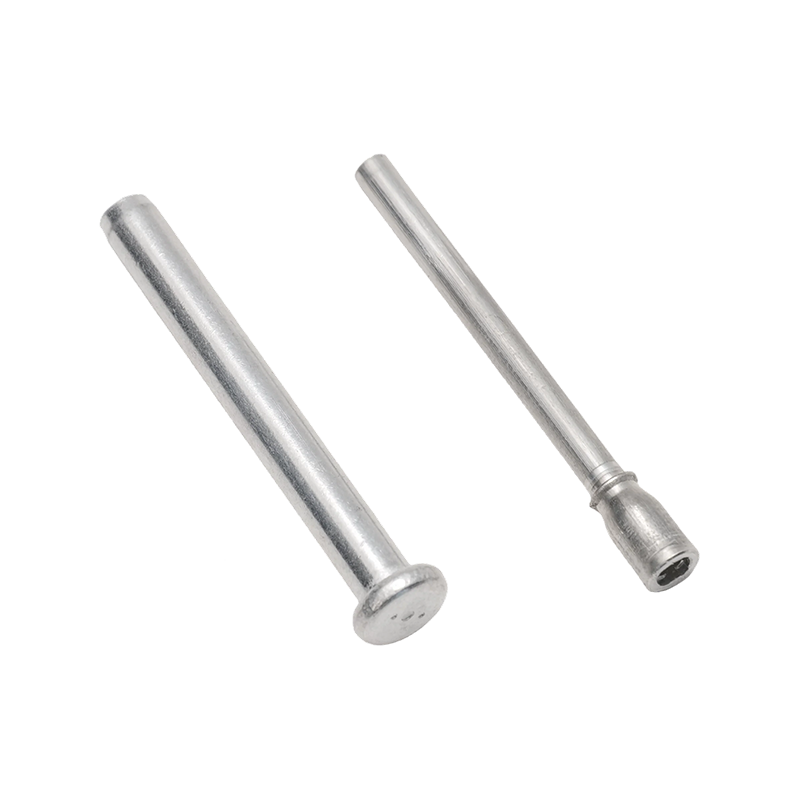
It is also important to specify whether the wire will be used for solid rivets, blind rivets, semi-tubular rivets, specialty aerospace fasteners, or another product. Rivet geometry and installation method influence the required material behavior.
For aerospace and military applications, buyers may require heat numbers, material certificates, chemical analysis reports, mechanical test results, heat-treatment records, dimensional inspection reports, and traceability documentation. These requirements should be agreed before production begins.
Custom services may include special diameters, tailored coil weights, custom labels, export packaging, and production according to customer drawings or technical specifications. Trial production and sample evaluation can be useful before full-scale procurement.

Recommended Selection Procedure
Step One: Define the Service Environment
Identify the temperature range, humidity, salt exposure, chemical contact, vibration, fatigue loading, and expected service life. A rivet used in a dry indoor assembly may require a different alloy and temper from one used in an aircraft exterior structure.
Step Two: Define the Mechanical Requirements
Determine the required tensile strength, shear strength, hardness, ductility, fracture toughness, fatigue resistance, and low-temperature behavior. The design should consider both the rivet and the joined materials.
Step Three: Select the Alloy Family
Choose between copper-based grades such as 2A10 and 2219 and zinc-containing grades such as 7050 and 7075 according to the balance of strength, toughness, corrosion resistance, and forming performance required by the application.
Step Four: Select the Temper and Processing Condition
Evaluate whether T6, T73, T76, or another condition is most appropriate. The temper should be considered together with the forming sequence, installation process, and final service environment.
Step Five: Confirm Quality Documentation
Agree on chemical composition limits, mechanical testing, surface requirements, dimensional tolerances, traceability, packaging, and certificate requirements. Clear specifications reduce misunderstandings and support repeatable supply.
Step Six: Conduct Production Trials
Use trial wire to verify feeding, cutting, heading, heat treatment, finishing, installation, and final rivet performance. Production trials can reveal process interactions that are not visible in a material certificate alone.
Frequently Asked Questions
What is high-strength aluminum alloy rivet wire used for?
It is mainly used to manufacture rivets for aviation, aerospace, military, transportation, and other demanding structural applications. It may also be used for specialized fastening components where low weight and high strength are required.
Which alloys are available for high-strength rivet applications?
The supplied product range includes 2A10, 2219, 7050, and 7075 high-strength aluminum alloy grades. The broader aluminum wire range also includes welding-related grades such as 4043, 4047, 5183, 5154, 5356, AlMg3, AlMg5, AlMg6, and AlMg61.
What is the difference between T6, T73, and T76?
T6 is associated with high strength. T73 generally provides improved fracture toughness and better stress-corrosion and exfoliation-corrosion resistance than T6, although its strength is lower. T76 is described as offering higher strength than T73 and higher stress-corrosion resistance than T6. The final selection should be based on the complete application and applicable specification.
Why is aluminum alloy wire preferred over ordinary aluminum wire?
Alloying and heat treatment provide substantially greater strength and improved structural performance. Ordinary aluminum wire may be too soft for high-load rivets, while high-strength alloy wire is designed for demanding mechanical and environmental requirements.
Can high-strength aluminum wire be used directly for welding?
High-strength rivet grades and welding filler grades are not interchangeable by default. The supplied product range includes separate welding material grades such as 4043, 4047, 5183, and 5356. Customers should select welding wire according to the base metal, welding process, joint requirements, and applicable welding standard.
What quality controls are important for rivet wire?
Important controls include chemical composition, diameter, surface condition, internal cleanliness, tensile properties, elongation, hardness, heat-treatment condition, and traceability. The exact inspection plan should reflect the customer’s specification and end-use requirements.
Can the wire be customized?
Potential customization areas include alloy grade, diameter, temper, coil or spool format, packaging, labeling, and inspection documentation. Customers should provide drawings, technical specifications, annual demand, and intended processing route for an accurate quotation and production evaluation.
Why is supplier manufacturing experience important?
Rivet wire performance depends on the interaction of chemistry, casting, homogenization, hot working, drawing, heat treatment, surface control, and inspection. A supplier with an integrated aluminum wire manufacturing system can manage these factors more effectively than a trading source with limited process control.
What should customers confirm before purchasing?
Customers should confirm the alloy, temper, diameter, tolerance, mechanical requirements, surface condition, packaging, certificates, traceability, delivery schedule, and applicable standards. They should also confirm whether samples or production trials are required before regular supply.
Conclusion
High-strength aluminum alloy wire for rivets provides a practical combination of low density, high strength, controlled forming behavior, and application-specific corrosion performance. Its value is particularly clear in aviation, aerospace, and military structures, where weight reduction and dependable permanent joints are both essential.
The availability of 2A10, 2219, 7050, and 7075 alloy systems gives customers options for different performance priorities. T6, T73, and T76 conditions further allow the balance between strength, toughness, corrosion resistance, and low-temperature performance to be adjusted for the intended application.
The manufacturing strengths of Jiangsu Hetuo Aluminum Wire Co., Ltd. include a dedicated aluminum alloy materials facility, advanced production equipment, technical personnel, process-wide quality inspection, ISO 9001 and IATF 16949 certifications, and experience supplying international markets. These capabilities support consistent alloy wire production and provide a foundation for custom requirements.
For rivet manufacturers, selecting a qualified wire supplier is an important part of controlling finished fastener quality. A well-defined alloy, carefully selected temper, stable dimensions, clean surface, complete traceability, and appropriate technical support can improve production reliability and help ensure that the final rivet performs as intended throughout its service life.
References
Aluminum Association. Aluminum Standards and Data. Industry reference for aluminum alloy designations, properties, and applications.
ASTM International. Standards for Aluminum and Aluminum-Alloy Wire Products. Reference framework for material composition, mechanical testing, dimensions, and inspection.
International Organization for Standardization. ISO 9001, Quality Management Systems—Requirements.
International Automotive Task Force. IATF 16949, Quality Management System Requirements for Automotive Production and Relevant Service Parts Organizations.
ASM International. ASM Handbook, Volume 2: Properties and Selection—Nonferrous Alloys and Special-Purpose Materials.
ASM International. ASM Handbook, Volume 4: Heat Treating of Aluminum Alloys.
Technical information supplied for high-strength aluminum alloy wire, aluminum welding materials, chemical composition ranges, product applications, and manufacturing capabilities.