

 English
 中文简体
中文简体 русский
 Deutsch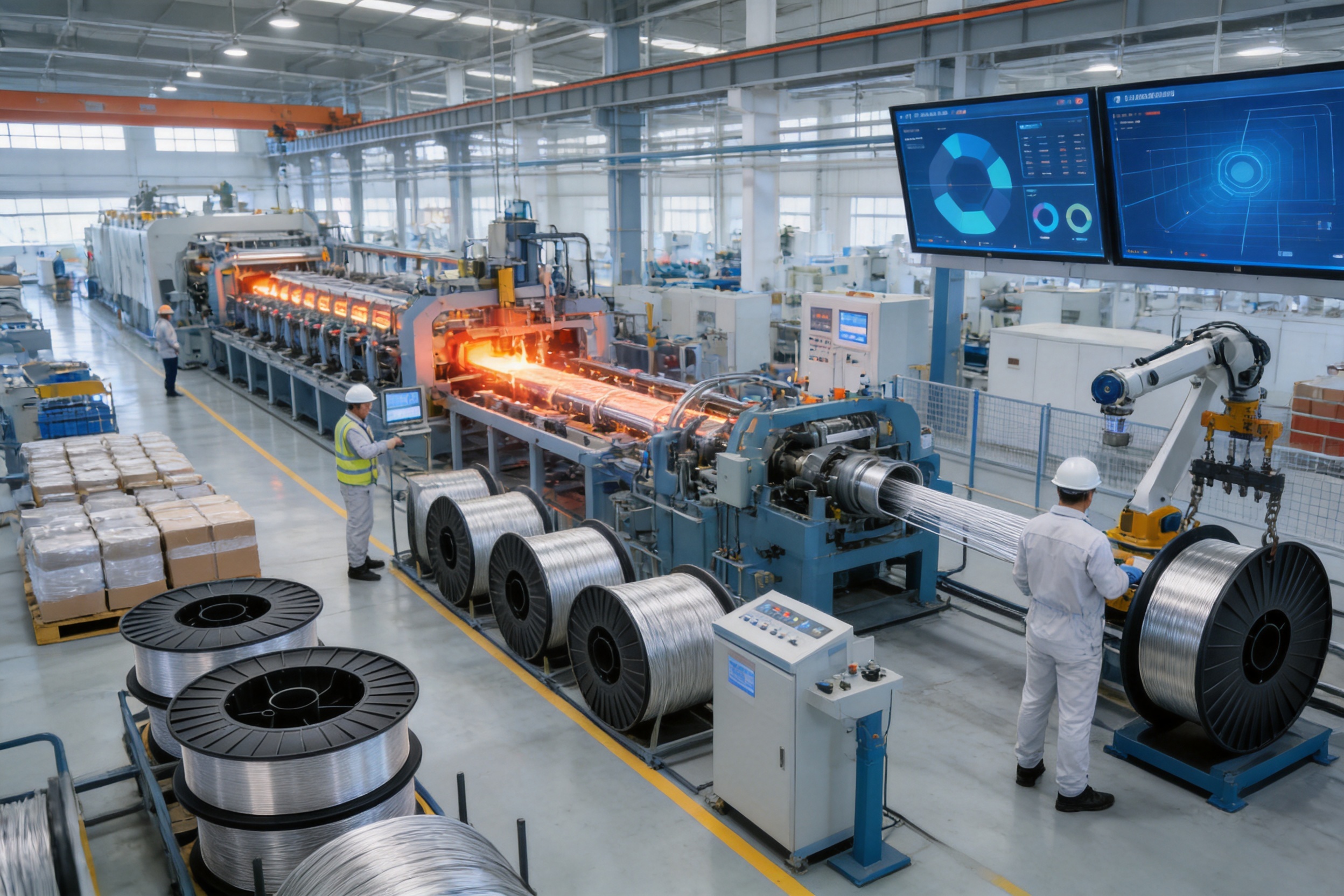
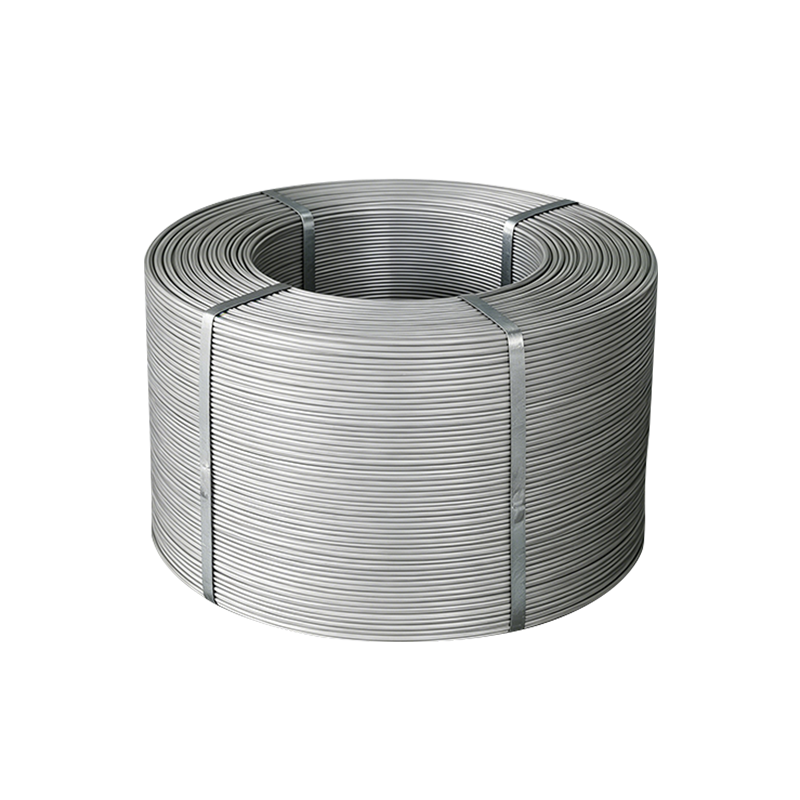
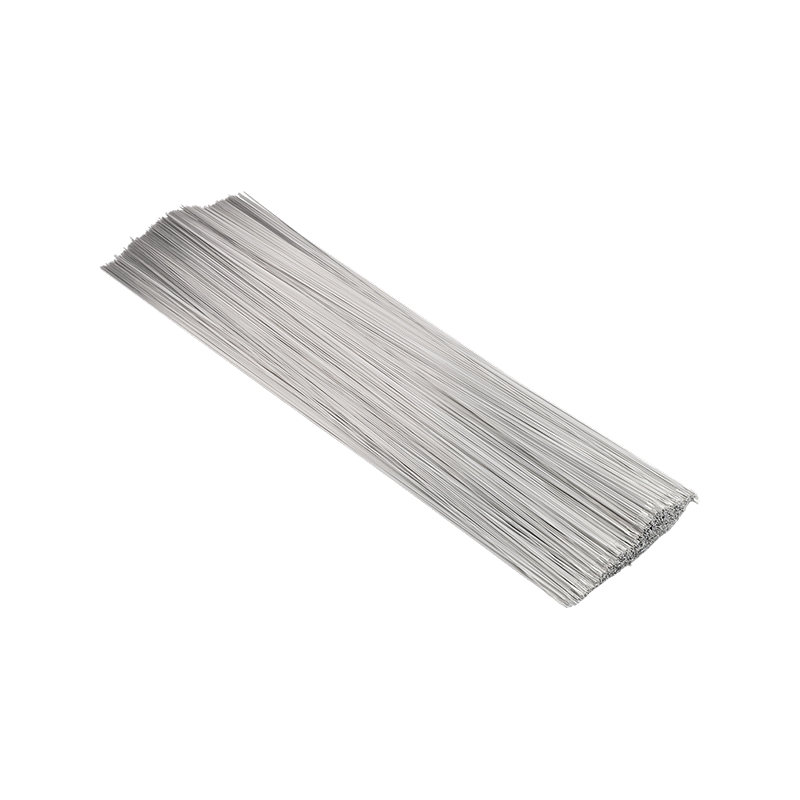
1090 aluminum wire is a high-purity aluminum material designed for applications in which chemical cleanliness, reliable deposition behavior, corrosion resistance, and consistent surface quality are essential. With an aluminum content of at least 99.90%, the wire offers a strong combination of purity, workability, conductivity, and process stability. It is mainly used in evaporation and thermal spraying, where it forms a protective aluminum layer on a substrate to improve resistance to corrosion and extend service life.
For industrial users, selecting an aluminum wire is not simply a matter of choosing the highest nominal aluminum percentage. The material must also perform consistently during feeding, melting, atomization, evaporation, and deposition. Its diameter, surface condition, chemical composition, packaging, and manufacturing controls can all influence coating quality. A well-produced 1090 aluminum wire helps reduce process variability and supports repeatable results in demanding production environments.
Jiangsu Hetuo Aluminum Wire Co., Ltd. manufactures 1090 aluminum wire as part of its high-purity aluminum wire product range. The company operates an intelligent manufacturing system covering high-purity aluminum wire, high-strength aluminum alloy wire, and aluminum and aluminum alloy welding materials. Its production capabilities, quality systems, technical team, and export experience provide a foundation for supplying aluminum wire to industrial customers that require dependable material performance.
Content
- 1 What Is 1090 Aluminum Wire?
- 2 Main Chemical Composition
- 3 Key Advantages of 1090 Aluminum Wire
- 4 Applications in Evaporation and Thermal Spraying
- 5 How 1090 Aluminum Wire Compares with Other Materials
- 6 Manufacturing Strengths and Process Control
- 7 Company Capabilities and Supplier Reliability
- 8 Advantages for Industrial Buyers
- 9 Important Selection Factors
- 10 Recommended Handling and Storage
- 11 Quality Evaluation in Practical Use
- 12 Why Manufacturing Precision Matters
- 13 Environmental and Service-Life Considerations
- 14 Ordering Information to Confirm with the Manufacturer
- 15 Q&A About 1090 Aluminum Wire
- 15.1 What is the aluminum content of 1090 aluminum wire?
- 15.2 What is 1090 aluminum wire mainly used for?
- 15.3 Is 1090 aluminum wire suitable for thermal spraying?
- 15.4 How does 1090 compare with 1070 aluminum wire?
- 15.5 How does 1090 compare with 1A95 aluminum wire?
- 15.6 Can 1090 aluminum wire be used to protect steel?
- 15.7 Is 1090 aluminum wire strong?
- 15.8 What quality certifications does the manufacturer report?
- 15.9 What should be checked before using the wire?
- 15.10 How should the wire be stored?
- 15.11 Can the manufacturer provide customized specifications?
- 16 Conclusion
- 17 References
- 18 Product: 1090 Aluminum Wire
What Is 1090 Aluminum Wire?
1090 aluminum wire is commercially pure aluminum wire with a minimum aluminum content of approximately 99.90%. The designation indicates a high-purity grade in which the combined levels of silicon, iron, copper, manganese, magnesium, zinc, titanium, and other specified elements are tightly controlled.
Compared with general-purpose aluminum grades containing larger amounts of alloying elements, 1090 aluminum wire has a relatively simple chemical structure. This gives it characteristics associated with commercially pure aluminum, including excellent corrosion resistance, strong electrical and thermal conductivity, good ductility, and convenient processing behavior.
The wire is particularly suitable for surface engineering. During evaporation or thermal spraying, the material is melted or vaporized and transferred onto a base material. After solidification or condensation, it creates an aluminum-rich protective layer. This layer can help shield steel and other substrates from moisture, oxygen, salts, and corrosive industrial atmospheres.
Although high purity is a central advantage, the wire must still be manufactured with close control. Excessive surface contamination, inconsistent wire dimensions, inclusions, oil residue, or irregular winding can cause feeding problems and coating defects. For that reason, the performance of 1090 aluminum wire depends on both its chemical grade and the quality of its production process.
Main Chemical Composition
The provided composition data identifies 1090 aluminum wire as a high-purity product with 99.90% aluminum. The listed maximum values for major and minor elements are shown below. A dash indicates that no specific value is listed for the element in the supplied specification.
| Element | Specified Maximum or Value | Function or Significance |
| Silicon, Si | 0.07% | Controlled to maintain high purity and stable processing behavior |
| Iron, Fe | 0.07% | Limited to support ductility, surface quality, and predictable deposition |
| Copper, Cu | 0.02% | Kept low to preserve corrosion resistance and commercially pure aluminum characteristics |
| Manganese, Mn | 0.01% | Restricted because 1090 is not intended to be a manganese-alloyed grade |
| Magnesium, Mg | 0.01% | Controlled to maintain high-purity material behavior |
| Chromium, Cr | Not specified | No specific value is listed in the supplied data |
| Nickel, Ni | Not specified | No specific value is listed in the supplied data |
| Zinc, Zn | 0.03% | Controlled to avoid unnecessary changes in corrosion and processing performance |
| Titanium, Ti | 0.01% | Maintained at a low level for high-purity applications |
| Zirconium, Zr | Not specified | No specific value is listed in the supplied data |
| Beryllium, Be | Not specified | No specific value is listed in the supplied data |
| Other elements, single | 0.01% | Individual unlisted elements are limited |
| Other elements, total | Not specified | No total value is listed in the supplied data |
| Aluminum, Al | 99.90% | Primary material content and basis of the 1090 grade |
The exact acceptance criteria for a particular order should be confirmed with the manufacturer, especially where a customer requires a specific national or international standard, a controlled tolerance, or a specialized certificate. In production, the chemical composition may be verified through incoming raw material inspection, process sampling, and final product testing.
Key Advantages of 1090 Aluminum Wire
High Aluminum Purity
The principal advantage of 1090 aluminum wire is its high aluminum content. At 99.90% aluminum, the material contains only a small proportion of other elements. This makes it suitable for applications where predictable melting, evaporation, and deposition behavior are more important than the increased strength provided by alloying.
High purity can also support a clean and consistent coating appearance. When the wire is used in evaporation or spraying equipment, uncontrolled impurities may influence melting behavior, droplet formation, oxidation, coating color, or surface roughness. A controlled 1090 composition helps users maintain a more stable process window.
Excellent Corrosion Resistance
Aluminum naturally forms a thin oxide film when exposed to air. This protective film helps limit further oxidation and gives commercially pure aluminum strong resistance to many atmospheric and environmental conditions. When applied as a coating, aluminum can act as a barrier between the substrate and corrosive surroundings.
This property is valuable for steel components used outdoors, near water, in industrial plants, and in environments where humidity or salt exposure is a concern. A properly applied aluminum coating can help reduce corrosion activity and extend maintenance intervals. The final performance depends on coating thickness, substrate preparation, porosity, sealing, service temperature, and environmental exposure.
Good Thermal and Electrical Conductivity
Commercially pure aluminum has favorable thermal and electrical conductivity compared with many alloyed aluminum grades. This can benefit thermal processing, energy transfer, and applications in which conductive surface layers are required. The exact conductivity of finished wire and deposited coating depends on composition, processing history, oxide content, and coating structure.
For evaporation and spraying, predictable heat transfer is also important. The wire must respond consistently when introduced into a heat source or arc. A controlled, high-purity feedstock helps the operator establish stable equipment parameters and reduce unexpected changes during production.
Strong Ductility and Formability
1090 aluminum wire is relatively soft and ductile compared with high-strength aluminum alloy wire. This characteristic allows it to be drawn into fine wire sizes and wound into production-ready coils or spools. Ductility can also reduce the risk of cracking during handling, feeding, and bending.
For automatic spraying systems, smooth feeding is essential. A wire that is too hard, irregular, or brittle may cause increased tension, feeding interruptions, or equipment wear. Properly processed 1090 wire can provide the flexibility required by continuous-feed systems.
Stable Deposition Performance
Surface protection processes require more than a suitable chemical composition. They require consistent melting and transfer from the wire to the substrate. Uniform diameter, clean surface condition, and stable winding help the wire move through the equipment without unnecessary interruptions.
Stable deposition supports more uniform coating thickness and helps improve the appearance and function of the finished surface. It can also make it easier for operators to repeat production parameters from one batch to another.
Efficient Material Utilization
Aluminum is lightweight compared with many ferrous coating materials. A coating based on aluminum can provide corrosion protection without adding excessive mass to the component. This is useful in transportation equipment, infrastructure, fabricated steelwork, and other applications where weight and service life must be considered together.
High-purity aluminum wire can also reduce the need for excessive coating thickness when the substrate is properly prepared and the application parameters are optimized. Efficient usage reduces material waste and may improve overall operating economics.
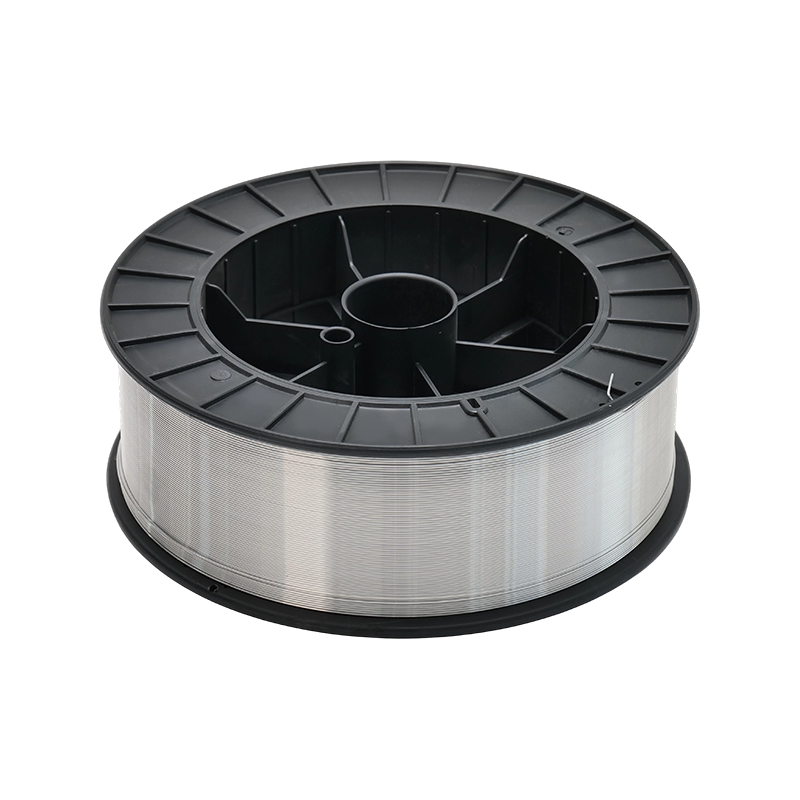
1090 Aluminum Wire
Applications in Evaporation and Thermal Spraying
Evaporation Coating
In evaporation processes, aluminum wire is heated until it vaporizes or enters a highly active molten state. The aluminum is then transferred toward a target surface, where it condenses to form a thin metallic layer. High-purity wire is preferred when the deposited film must have stable appearance, adhesion, conductivity, reflectivity, or protective properties.
Potential evaporation applications include reflective surfaces, decorative finishes, packaging-related components, optical products, and industrial parts requiring a thin aluminum layer. The appropriate wire size and equipment settings depend on the evaporation system, power supply, feed rate, vacuum level, target material, and required film thickness.
Arc and Flame Spraying
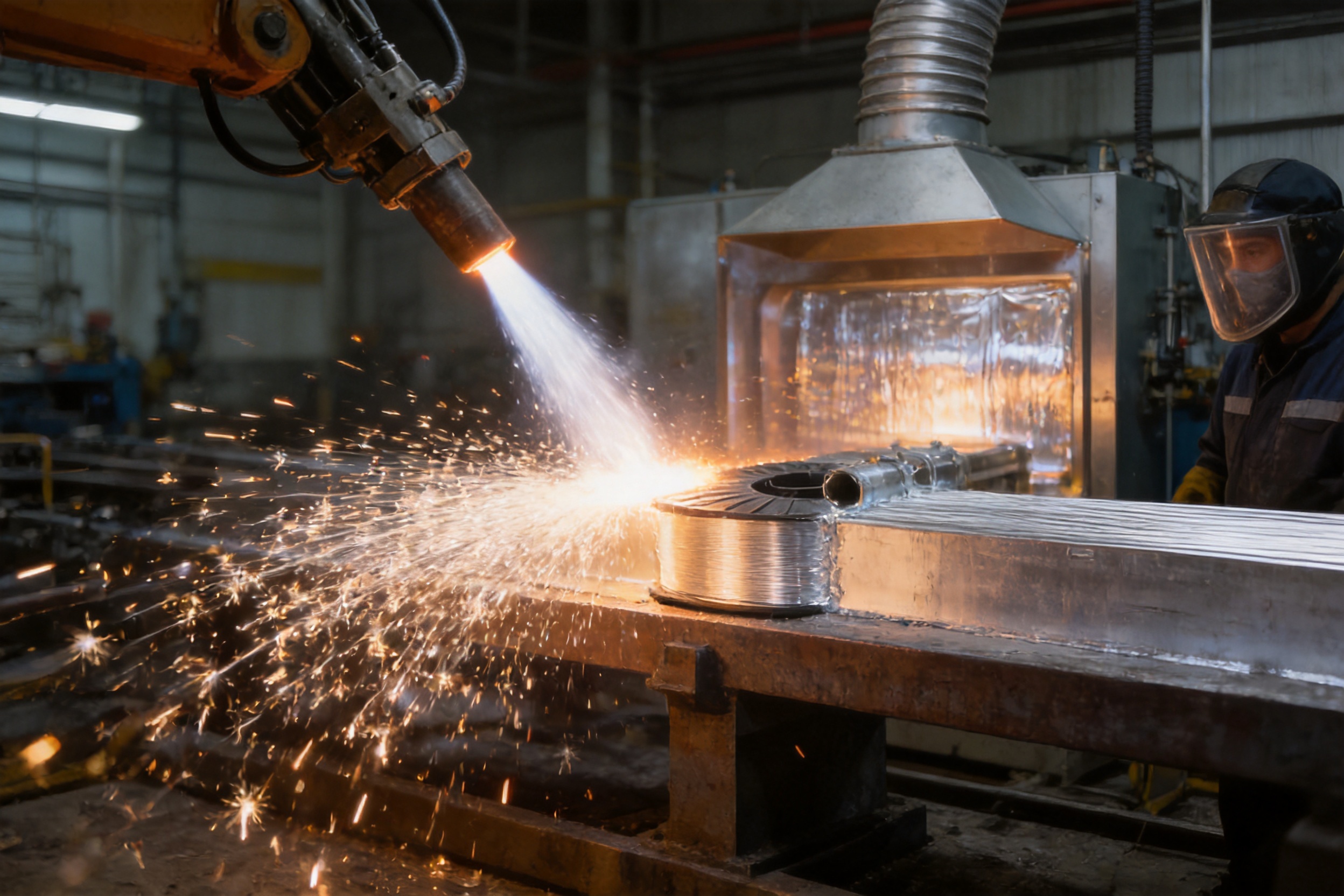
In thermal spraying, aluminum wire is melted by an electric arc or flame and atomized into fine droplets. Compressed air or another gas propels the droplets toward a prepared substrate. The particles flatten and solidify rapidly, building a protective coating layer.
Arc spraying is commonly selected for larger steel structures and components because it can provide high deposition rates and cover broad surfaces efficiently. Flame spraying may be used for repair, maintenance, localized coating, or applications where different equipment configurations are preferred.
1090 aluminum wire is suitable for these processes because it melts readily, is ductile enough for continuous feeding, and forms a corrosion-resistant aluminum coating when process conditions are correctly controlled.
Steel Corrosion Protection
Aluminum spray coatings can protect steel in atmospheric, marine, and industrial environments. Typical targets may include structural steel, bridges, towers, tanks, pipelines, machinery frames, pressure-related components, and fabricated assemblies.
The aluminum coating functions through a combination of barrier protection and electrochemical behavior. It separates the steel from the surrounding environment while also providing a sacrificial effect under certain conditions. The quality of this protection depends on substrate cleanliness, surface profile, coating continuity, thickness, sealing, and exposure conditions.
Repair and Maintenance Coatings
1090 aluminum wire can be used for repair or maintenance work where the original protective system has been damaged or removed. Thermal spraying allows technicians to treat selected areas without immersing the complete component in a coating bath. This can be useful for oversized structures or parts that cannot be conveniently processed in conventional coating lines.
Before repair spraying, rust, oil, old coating, moisture, and other contaminants should be removed. Abrasive blasting is often used to create a suitable anchor profile. The coating should then be applied within the required environmental and process limits.
How 1090 Aluminum Wire Compares with Other Materials
Compared with Lower-Purity Aluminum Wire
Lower-purity aluminum wire may be appropriate for less demanding applications, but it can introduce greater variation in melting and deposition behavior. Higher impurity levels may affect the coating surface, oxidation tendency, conductivity, or compatibility with a particular process.
1090 wire provides a stronger choice when material cleanliness and consistent performance are priorities. It may offer better control over coating appearance and process stability, especially in automated systems that operate continuously.
Compared with 1070 Aluminum Wire
Both 1070 and 1090 are high-purity aluminum grades. The supplied composition data lists 1070 aluminum wire at approximately 99.70% aluminum and 1090 aluminum wire at approximately 99.90% aluminum. The 1090 grade therefore provides a higher nominal aluminum content and tighter listed impurity limits.
In applications where both grades can technically be used, the selection may depend on process sensitivity, customer specifications, required purity, cost, and availability. 1090 is particularly attractive when the customer wants a higher-purity feedstock for evaporation or precision surface treatment.
Compared with 1A95 Aluminum Wire
The supplied data lists 1A95 aluminum wire at approximately 99.95% aluminum, which is higher than the listed 1090 value. However, the most suitable grade is not determined by aluminum percentage alone. A customer should also evaluate equipment compatibility, required coating performance, applicable standards, supply stability, dimensional tolerance, and total cost.
1090 can provide a practical balance between high purity and industrial availability. Its 99.90% aluminum content is sufficient for many demanding surface protection and evaporation applications while remaining part of a broader product family that includes other grades and aluminum alloy materials.
Compared with Aluminum-Zinc or Aluminum-Magnesium Alloy Wire
Aluminum-zinc and aluminum-magnesium wires may offer specialized coating properties, such as different electrochemical behavior, hardness, wear resistance, or corrosion performance. Alloy wires can be advantageous when the coating must meet a particular service condition.
However, alloying elements change melting characteristics, hardness, ductility, and deposition behavior. A high-purity 1090 wire is often preferred when the objective is a clean aluminum coating, strong atmospheric corrosion resistance, good conductivity, easy feeding, and straightforward process control.
Compared with Zinc Wire
Zinc is widely used for sacrificial corrosion protection, but aluminum offers different performance characteristics. Aluminum coatings can provide strong resistance in many atmospheric environments and may perform well at elevated temperatures compared with conventional zinc coatings. Aluminum is also lighter than zinc.
The choice between aluminum and zinc should be made according to the service environment, coating specification, temperature, mechanical requirements, application equipment, and expected maintenance cycle. In some projects, aluminum or aluminum-alloy coatings may be selected for their balance of corrosion resistance, durability, and weight.
Manufacturing Strengths and Process Control
The quality of aluminum wire is established through a sequence of controlled operations rather than through final inspection alone. Jiangsu Hetuo Aluminum Wire Co., Ltd. states that it has built an intelligent manufacturing system covering high-purity aluminum wire, high-strength aluminum alloy wire, and aluminum and aluminum alloy welding materials. This integrated scope supports shared technical knowledge, coordinated process control, and a broader understanding of aluminum material applications.
Raw Material Selection
High-purity wire production begins with suitable aluminum feedstock. Raw materials must be selected according to the required grade, chemical composition, cleanliness, and production plan. Controlling the incoming material reduces the risk of excessive impurities entering the melting and casting stages.
Raw material identification and traceability are important for industrial customers. When a product is used in corrosion protection, welding, or precision coating, the ability to connect a finished coil with its production records provides additional confidence in quality consistency.
Melting and Composition Control
During melting, temperature control and furnace management influence the uniformity of the aluminum. The manufacturing process must minimize contamination and avoid uncontrolled changes in chemical composition. Appropriate sampling and analytical testing can confirm that the melt remains within the required grade range.
For 1090 aluminum wire, the low levels of silicon, iron, copper, manganese, magnesium, zinc, and titanium require careful control. Even when the final material remains within specification, consistent process monitoring helps reduce batch-to-batch variation.
Casting and Rod Production
After melting, the aluminum is formed into a suitable cast product or rod for subsequent processing. Casting quality can affect internal structure, surface condition, and wire-drawing performance. Defects introduced at this stage may become more visible during reduction or may contribute to wire breaks later in production.
Stable casting conditions support a uniform starting material. The manufacturer’s wider product portfolio, which includes aluminum alloy rods and welding materials, indicates experience with continuous aluminum processing and the different requirements of rod and wire production.
Drawing and Dimensional Reduction
Wire drawing reduces the rod to the required diameter through a series of dies. The drawing process must be controlled to maintain dimensional accuracy, surface quality, and mechanical consistency. Excessive reduction in a single operation may increase stress, while poor lubrication or damaged tooling can mark the wire surface.
Fine aluminum wire requires particular attention because small dimensional changes can influence feed rate, deposition rate, and final coating thickness. Properly maintained drawing equipment and suitable process parameters help produce wire that runs smoothly through automatic spraying or evaporation equipment.
Surface Cleaning and Finish Control
Aluminum wire used for spraying or evaporation should have a clean, stable surface. Residual lubricants, dust, oxides, moisture, or foreign particles may affect feeding and coating quality. Surface control can include cleaning, drying, visual examination, and inspection for scratches or other defects.
A consistent surface finish also helps the wire interact predictably with the heat source. This is especially important in high-speed applications where the operator may not be able to compensate quickly for changes in the feedstock.
Winding and Packaging
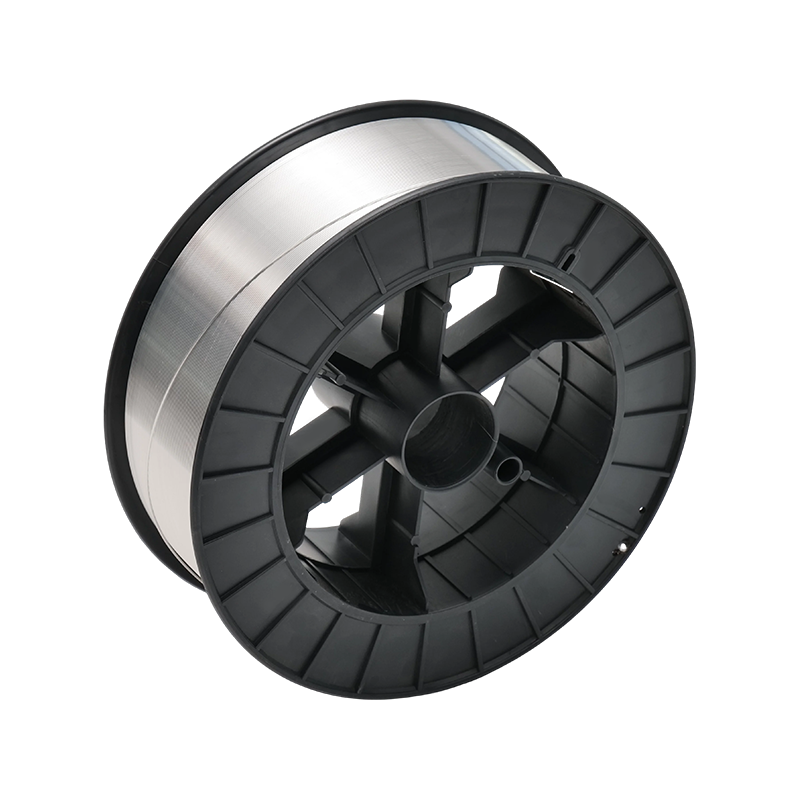
Correct winding is essential for continuous production. The wire should be arranged without severe crossings, loose loops, tangles, or excessive tension. The spool or coil must be compatible with the customer’s equipment and should protect the material during handling and transportation.
Packaging should help prevent moisture, contamination, mechanical damage, and confusion between grades. Product identification may include the grade, diameter, batch information, net weight, and customer order details. Packaging requirements can be confirmed before production for customers using standardized automatic feeding systems.
Inspection Throughout Production
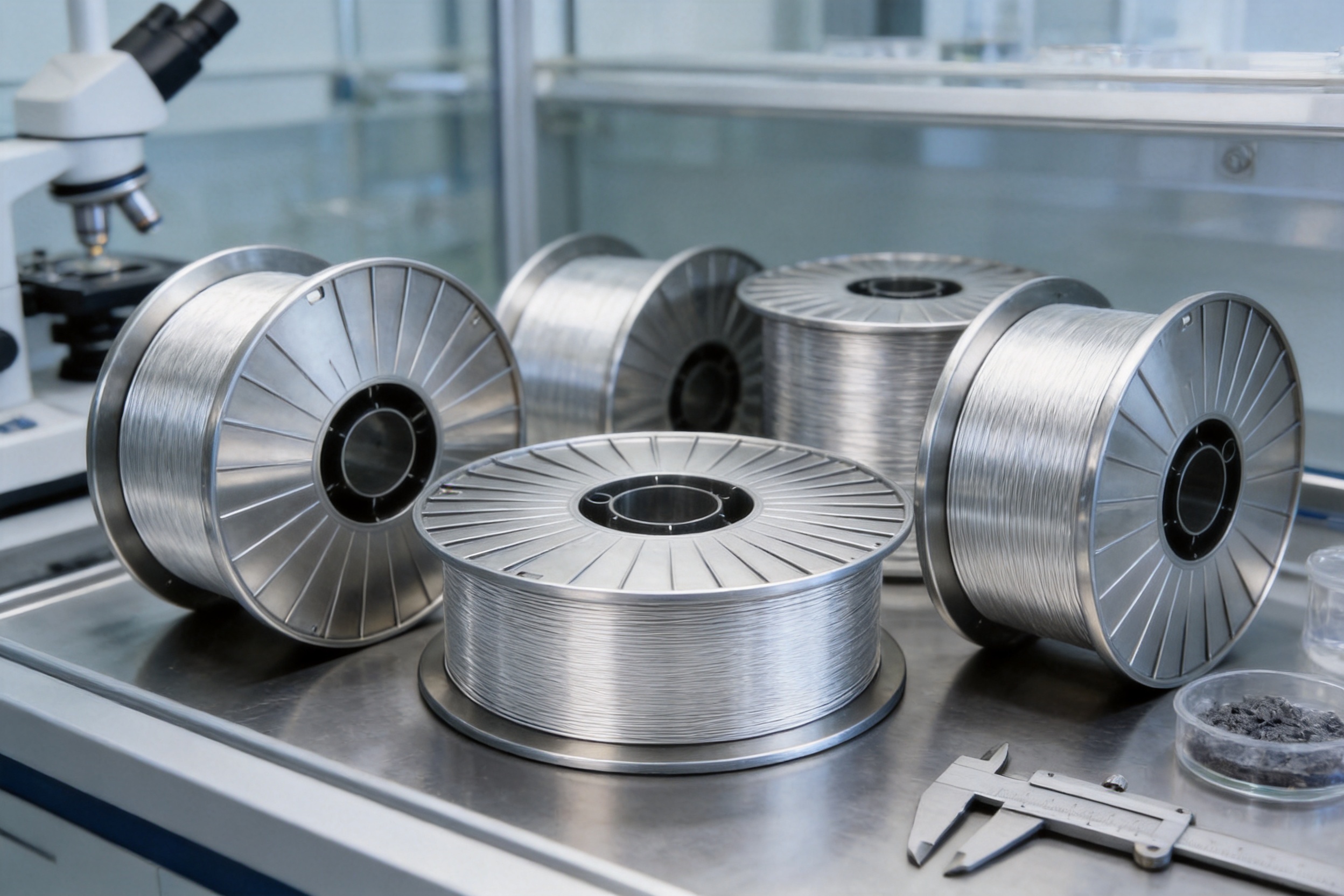
Jiangsu Hetuo Aluminum Wire Co., Ltd. states that it strictly implements quality inspection throughout production. This approach is stronger than relying only on a final check because it allows potential deviations to be identified earlier. Typical control points may include chemical composition, rod condition, wire diameter, surface quality, winding condition, packaging, and final documentation.
The company also reports ISO 9001 and IATF 16949 quality management system certifications. ISO 9001 provides a structured framework for quality management, process documentation, customer requirements, corrective action, and continual improvement. IATF 16949 is associated with the automotive supply chain and emphasizes process discipline, risk management, traceability, defect prevention, and customer-specific requirements.
Certification does not replace product testing, but it indicates that the manufacturer has established formal management systems for controlling production and addressing quality issues. For customers in automotive, transportation, infrastructure, and other demanding sectors, this organizational capability can be an important supplier-selection factor.
Company Capabilities and Supplier Reliability
Jiangsu Hetuo Aluminum Wire Co., Ltd. was established in 2019 and is located in the Guannan Economic Development Zone in Lianyungang, Jiangsu Province, China. The company reports a factory area of approximately 40,000 square meters and a workforce of 60 employees, including 30 professional managers and technicians.
A relatively large technical and management team can support product development, production scheduling, customer communication, quality control, and process improvement. For aluminum wire buyers, this may be especially valuable when orders involve special dimensions, customized packaging, application-specific requirements, or multiple material grades.
The company describes itself as customer-oriented and committed to customer satisfaction. Its product structure covers high-purity aluminum wire, high-strength aluminum alloy wire, aluminum and aluminum alloy welding materials, high-grade aluminum alloy rods, welding wires, and precision profiles. This combination suggests that customers can discuss related material needs with a supplier familiar with several aluminum processing technologies.
The company also states that its products are exported to high-end overseas markets and comply with international quality standards. Export experience can contribute to improved documentation practices, packaging coordination, communication across time zones, and awareness of international customer requirements.
For industrial procurement, supplier reliability includes more than the ability to produce one acceptable batch. It includes stable delivery, consistent documentation, responsive technical support, appropriate packaging, production traceability, and the ability to address nonconformities. These factors can influence the total cost of ownership as much as the initial wire price.
Advantages for Industrial Buyers
Consistent Feedstock for Automated Equipment
Automatic thermal spray and evaporation systems depend on stable wire feeding. A wire with consistent diameter and controlled winding can reduce interruptions, line stoppages, and operator intervention. This improves productivity and helps maintain the planned deposition rate.
Suitable for Corrosion-Protection Projects
1090 aluminum wire is a practical material for customers seeking aluminum-based corrosion protection. It can be used on steel components and structures when the coating process, surface preparation, and service conditions are properly specified.
High-Purity Performance without Complex Alloy Design
Some applications benefit from the straightforward characteristics of commercially pure aluminum. Customers do not need to manage the additional variables associated with complex alloy compositions when the project primarily requires corrosion resistance, conductivity, ductility, and stable melting behavior.
Flexible Product Support
A manufacturer supplying several aluminum product categories may be able to support a wider range of customer requirements. This can simplify supplier management for companies purchasing both high-purity wire and alloy or welding materials.
Quality-System Support
ISO 9001 and IATF 16949 certification provide a formal framework for quality management and process control. Customers can request the relevant certificates, inspection reports, technical data, and compliance documents for their specific orders.
Important Selection Factors
Before purchasing 1090 aluminum wire, customers should define the intended process and performance requirements. Important factors include the application type, wire diameter, feeding equipment, coating thickness, substrate material, surface preparation method, service environment, packaging format, and required inspection documents.
The wire diameter should match the equipment manufacturer’s recommendations. A diameter that is too large may not feed correctly or may require excessive heating power. A diameter that is too small may reduce productivity or create unstable feeding if the equipment is not designed for fine wire.
Surface condition is equally important. The substrate normally needs to be clean, dry, and sufficiently roughened to achieve mechanical interlocking. Oil, grease, rust scale, dust, moisture, and old loose coatings can reduce adhesion. After spraying, the coating may require sealing depending on the porosity and environmental conditions.
Customers should also consider the service temperature. Pure aluminum coatings can perform well in many environments, but every project should be evaluated against actual operating temperature, chemical exposure, abrasion, impact, cyclic loading, and expected maintenance conditions.
Where the coating is part of a regulated or safety-related system, the purchaser should establish acceptance criteria before ordering. These may include chemical composition, diameter tolerance, tensile properties, surface inspection, spool dimensions, coating test requirements, and batch traceability.
Recommended Handling and Storage
1090 aluminum wire should be stored in a clean, dry area protected from rain, condensation, standing water, and corrosive chemicals. Although aluminum has good corrosion resistance, wire surfaces can still be affected by moisture, contamination, and improper storage conditions.
Spools and coils should remain in their original packaging until they are ready for use. If packaging is opened, the material should be protected from dust and humidity. Operators should avoid dragging wire across dirty floors or placing open coils near grinding, blasting, welding, or painting operations.
Before installation, the user should inspect the spool for damage, confirm the grade and diameter, and check that the wire is free from visible contamination. Feeding equipment should be cleaned and adjusted according to the wire supplier’s recommendations.
Different grades should be stored and identified separately. Clear labeling reduces the risk of loading the wrong material into a spraying or evaporation system. This is particularly important where 1090 aluminum wire is used alongside aluminum-magnesium, aluminum-zinc, or other alloy wires.
Quality Evaluation in Practical Use
Laboratory chemical analysis confirms the grade, but practical evaluation should also consider how the wire behaves in the customer’s equipment. A trial may examine feeding stability, arc behavior, melting response, deposition rate, coating appearance, adhesion, porosity, thickness uniformity, and surface roughness.
For a corrosion-protection project, coating performance may be evaluated through thickness measurements, visual inspection, adhesion testing, porosity assessment, and accelerated corrosion testing where appropriate. The selected test method should reflect the applicable project specification or industry standard.
For evaporation applications, the customer may evaluate film uniformity, reflectivity, electrical performance, adhesion, surface defects, and production yield. Because evaporation equipment varies considerably, a qualification trial is recommended when changing wire suppliers or wire diameters.
Performance results should be recorded by batch whenever possible. This creates a useful reference for future orders and helps identify whether changes are related to the wire, equipment, substrate, environmental conditions, or operator settings.
Why Manufacturing Precision Matters
The difference between a satisfactory aluminum wire and a high-performing aluminum wire is often visible in process stability rather than in a simple specification sheet. Two wires may have similar aluminum content but behave differently if one has inconsistent diameter, poor winding, excessive surface residue, or inadequate internal quality.
Manufacturing precision influences the entire production chain. Melting control affects chemical composition. Casting affects the starting structure. Drawing affects dimensions and surface finish. Cleaning affects feeding and melting. Winding affects continuous operation. Packaging affects the condition in which the wire reaches the customer.
An integrated quality approach connects these stages. It reduces the likelihood that a small upstream variation will become a major downstream defect. This is especially important for customers applying aluminum wire in continuous or high-volume processes, where a short interruption can affect productivity, coating uniformity, and delivery schedules.
Environmental and Service-Life Considerations
Aluminum wire supports lightweight corrosion-protection solutions. By extending the service life of steel components, an aluminum coating can reduce the frequency of replacement, repair, repainting, or surface restoration. Longer maintenance intervals may reduce labor, transportation, shutdown time, and material consumption over the life of an asset.
Aluminum is also widely valued for its recyclability. Scrap and end-of-life aluminum products can often enter established recycling streams, subject to contamination and local recovery systems. Customers seeking more sustainable material solutions should consider the complete process, including energy use, coating efficiency, overspray recovery, packaging, and recycling practices.
Sustainability should not be judged solely by the nominal purity of the wire. It also depends on how effectively the wire is used, how long the protected component remains in service, and whether the coating reduces future maintenance requirements. Process optimization can therefore provide both environmental and economic benefits.
Ordering Information to Confirm with the Manufacturer
When requesting a quotation for 1090 aluminum wire, customers should provide the required grade, wire diameter, dimensional tolerance, coil or spool format, net weight, estimated annual quantity, application, destination, and required delivery schedule.
It is also useful to specify whether the wire will be used for evaporation, arc spraying, flame spraying, or another process. The manufacturer can then evaluate the appropriate product configuration and packaging method.
Customers requiring formal documentation should request chemical composition certificates, inspection reports, quality certificates, batch traceability information, packaging details, and any applicable compliance statements. If the product will be used in an automotive or other regulated supply chain, customer-specific requirements should be discussed before order confirmation.
Technical questions may be directed to Jiangsu Hetuo Aluminum Wire Co., Ltd. using the following contact information provided in the source material: telephone +86-15961627690 or +86-18961612067, and email [email protected].
Q&A About 1090 Aluminum Wire
What is the aluminum content of 1090 aluminum wire?
The supplied product information specifies an aluminum content of at least 99.90%. The listed chemical composition includes low levels of silicon, iron, copper, manganese, magnesium, zinc, titanium, and other elements.
What is 1090 aluminum wire mainly used for?
It is mainly used in evaporation and spraying applications. The deposited aluminum layer can improve the corrosion resistance of a substrate and help extend its service life. It may be used for industrial surface protection, steel structures, maintenance coatings, and selected evaporation applications.
Is 1090 aluminum wire suitable for thermal spraying?
Yes. Its high purity, ductility, and favorable melting behavior make it suitable for aluminum wire thermal spraying, including applications using automatic feeding systems. The final suitability depends on the equipment, wire diameter, substrate, coating specification, and process parameters.
How does 1090 compare with 1070 aluminum wire?
The supplied data lists 1090 at approximately 99.90% aluminum and 1070 at approximately 99.70% aluminum. Therefore, 1090 has a higher nominal purity and tighter listed limits for several impurities. The correct choice should still be based on the customer’s technical requirements and applicable standard.
How does 1090 compare with 1A95 aluminum wire?
The supplied data lists 1A95 at approximately 99.95% aluminum, which is higher than 1090. However, grade selection involves more than aluminum percentage. Equipment compatibility, process behavior, cost, supply stability, dimensional tolerance, and customer specifications should also be considered.
Can 1090 aluminum wire be used to protect steel?
Yes. Aluminum thermal spray coatings are commonly considered for protecting steel in atmospheric, marine, and industrial environments. Successful protection requires appropriate abrasive blasting, surface preparation, coating thickness, adhesion, and, where necessary, sealing.
Is 1090 aluminum wire strong?
1090 is a commercially pure aluminum grade and is selected primarily for purity, corrosion resistance, conductivity, ductility, and processing behavior rather than high mechanical strength. When greater coating hardness or strength is required, an aluminum alloy wire may be more appropriate.
What quality certifications does the manufacturer report?
Jiangsu Hetuo Aluminum Wire Co., Ltd. reports ISO 9001 and IATF 16949 quality management system certifications. Customers should request current certificates and product-specific documentation during the purchasing process.
What should be checked before using the wire?
The user should verify the grade, diameter, spool condition, surface cleanliness, packaging integrity, and batch information. The spraying or evaporation equipment should be set according to the wire size and the manufacturer’s process recommendations.
How should the wire be stored?
It should be stored in a clean, dry environment away from moisture, condensation, dust, chemicals, and mechanical damage. Original packaging should remain sealed until use, and opened coils should be protected from contamination.
Can the manufacturer provide customized specifications?
Customers should discuss customized diameters, packaging, coil or spool dimensions, inspection documents, and delivery requirements directly with the manufacturer. The company’s product range and technical organization indicate that application-specific discussions can be arranged, subject to production capability and order requirements.
Conclusion
1090 aluminum wire is a high-purity aluminum feedstock for evaporation and spraying applications that require clean processing, reliable feeding, corrosion resistance, and stable coating performance. Its listed aluminum content of 99.90% gives it an advantageous position between general high-purity grades and even higher-purity materials, while its ductility and commercially pure aluminum characteristics support efficient industrial use.
Compared with lower-purity aluminum wire, 1090 can offer tighter control of key impurities and more predictable deposition behavior. Compared with alloy wires, it provides the straightforward performance of commercially pure aluminum, including strong corrosion resistance, conductivity, lightweight, and ease of processing. The final choice should always reflect the application, equipment, service environment, and applicable specifications.
Jiangsu Hetuo Aluminum Wire Co., Ltd. strengthens this product offering through an integrated aluminum material manufacturing system, a reported 40,000-square-meter factory, professional management and technical personnel, international market experience, and ISO 9001 and IATF 16949 quality management system certifications. Its focus on high-purity wire, high-strength alloy wire, welding materials, rods, and precision profiles allows it to serve customers with varied aluminum material requirements.
For companies seeking an aluminum wire manufacturer for corrosion-resistant surface protection, thermal spraying, or evaporation, 1090 aluminum wire offers a practical combination of purity, processability, and service-life potential. Proper material selection, controlled manufacturing, suitable storage, and optimized application parameters are the keys to achieving its full performance.
References
1. Product information and chemical composition data for 1090 Aluminum Wire supplied by Jiangsu Hetuo Aluminum Wire Co., Ltd.
2. Company profile and manufacturing capability information supplied by Jiangsu Hetuo Aluminum Wire Co., Ltd.
3. ISO 9001 quality management system principles and requirements.
4. IATF 16949 quality management system requirements for automotive production and relevant service parts organizations.
5. General technical literature on commercially pure aluminum, aluminum corrosion behavior, and aluminum thermal spray coatings.
6. General industrial guidance on substrate preparation, thermal spraying, wire feeding, coating adhesion, and corrosion-protection practices.