

 English
 中文简体
中文简体 русский
 Deutsch
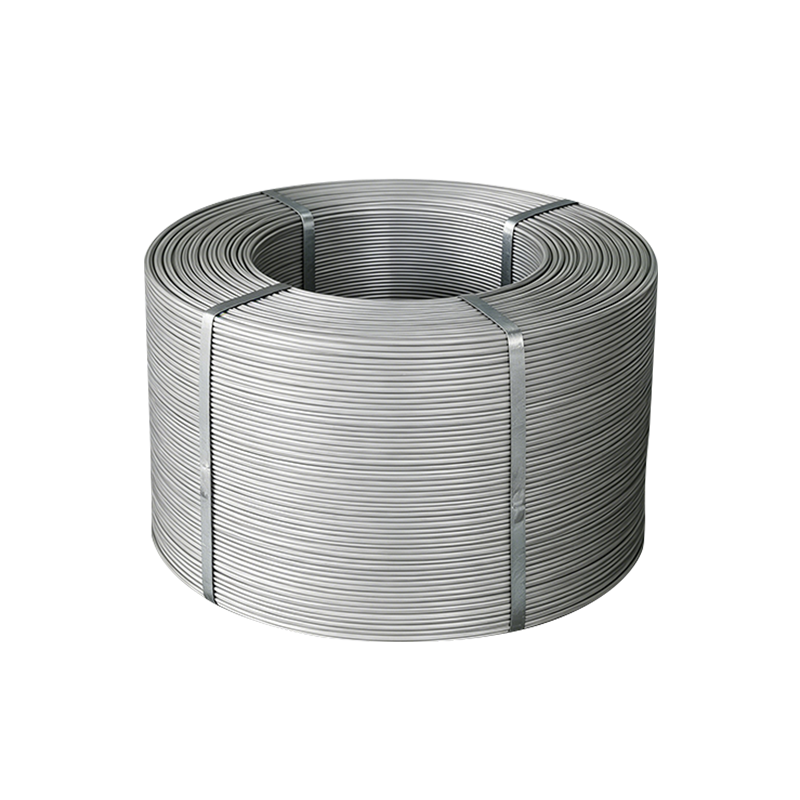
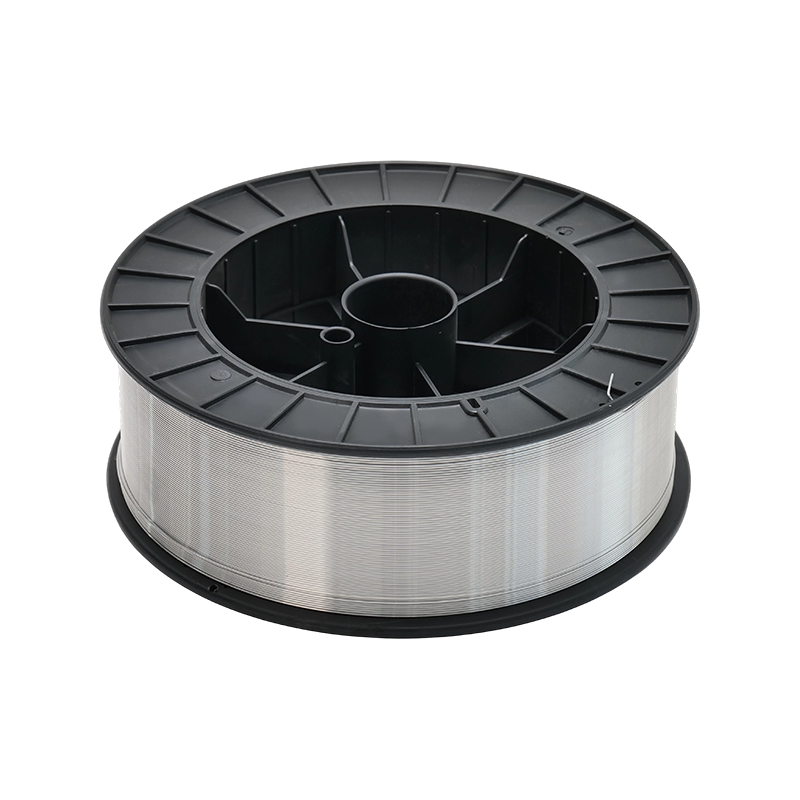
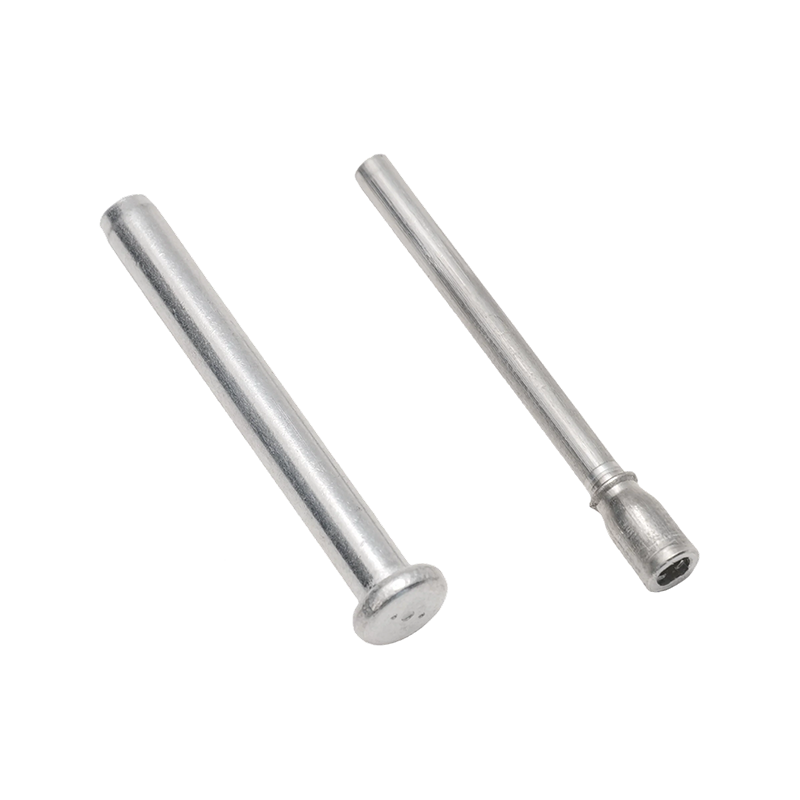
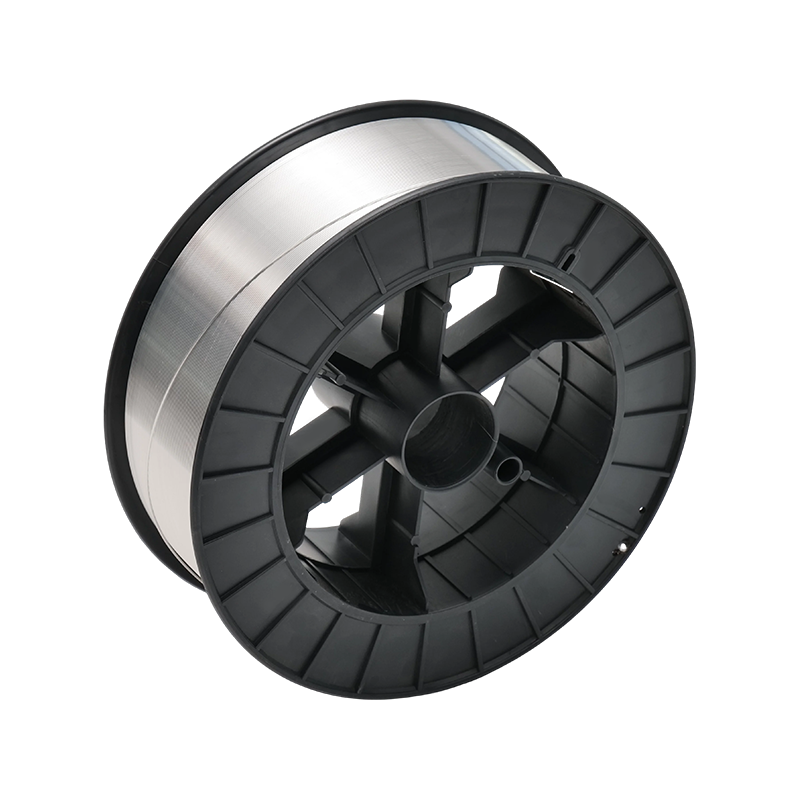
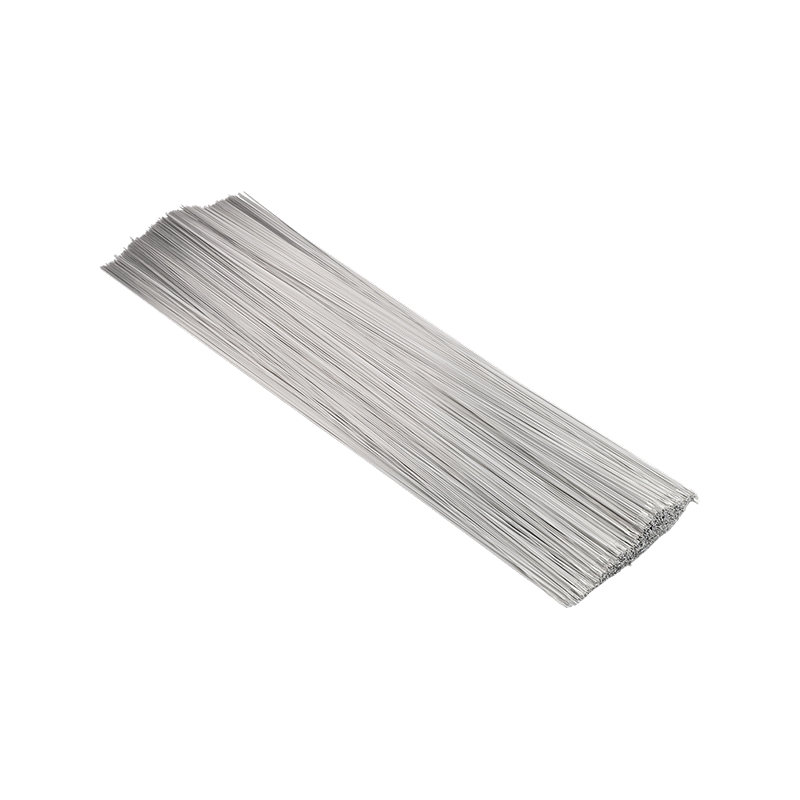
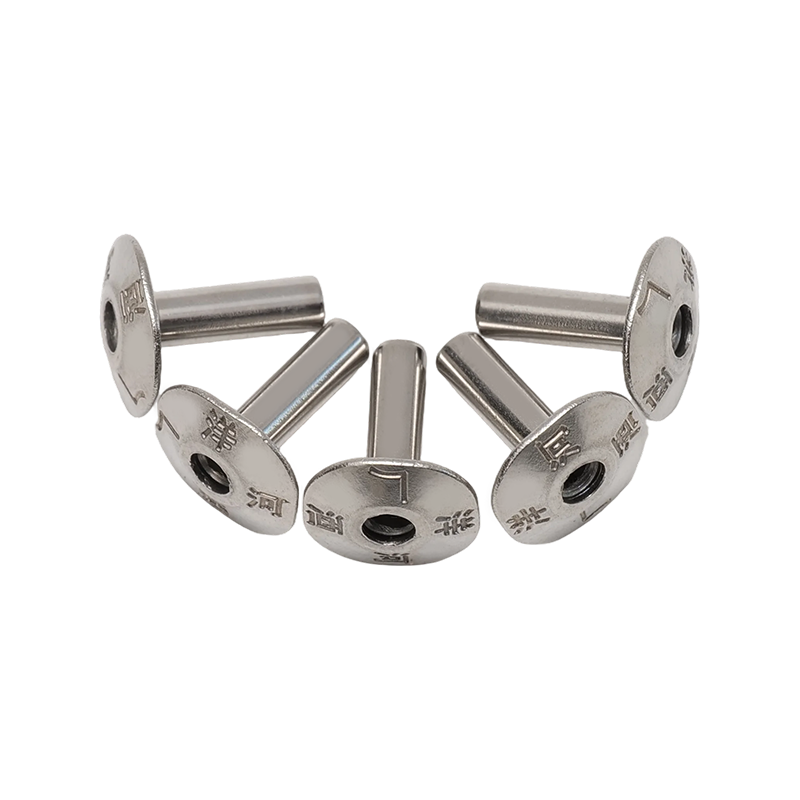
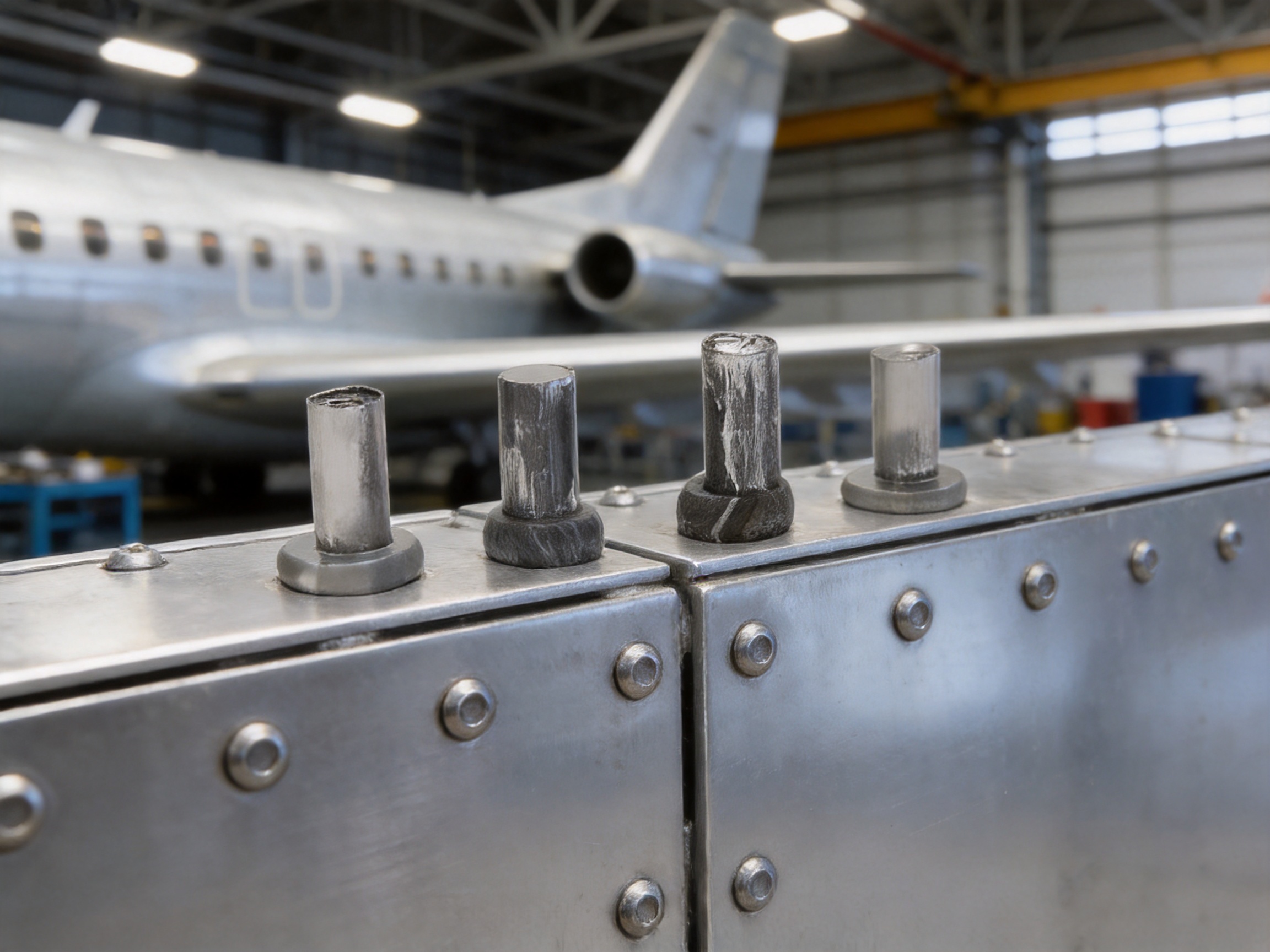
High-strength aluminum alloy wire for rivets is a specialized material designed for demanding fastening applications where lightweight performance, controlled deformation, shear resistance, and stable oxidation behavior are essential. In aerospace, aviation, defense, transportation, and high-end industrial assembly, rivets are not simple fasteners; they are structural elements that must perform reliably under vibration, stress, temperature variation, and long service cycles. The quality of the rivet begins with the quality of the wire. A carefully manufactured aluminum alloy wire can help produce rivets with consistent heads, dependable mechanical properties, and excellent dimensional stability.
This product is positioned within the category of high-strength aluminum alloy wire and is mainly used for rivet production. Its strengthening mechanism is associated with the CuAl2 phase, which contributes to improved strength and shear resistance while maintaining the inherent lightweight advantage of aluminum. With a copper content range of Cu: 3.9 to 4.5, the alloy system is suitable for applications that require higher strength than ordinary pure aluminum wire. Compared with conventional soft aluminum wire, this rivet wire offers a stronger structural basis for fastening applications in aviation, aerospace, and military-related fields.
Jiangsu Hetuo Aluminum Wire Co., Ltd. manufactures aluminum and aluminum alloy wire products with a focus on material reliability, process control, and customer-oriented solutions. The company has developed an intelligent manufacturing system covering high-purity aluminum wire, high-strength aluminum alloy wire, and aluminum and aluminum alloy welding materials. With a factory area of 40,000 square meters, advanced production equipment, professional technical personnel, and quality management certifications including ISO 9001 and IATF 16949, the company is well positioned to supply demanding customers who need stable aluminum alloy wire for high-grade rivet manufacturing.
Content
- 1 Product Overview
- 2 Why Rivet Wire Quality Matters
- 3 Core Material Advantage: CuAl2 Phase Strengthening
- 4 Chemical Composition and Performance Relevance
- 5 Performance Advantages Over Conventional Alternatives
- 6 Applications in Aviation, Aerospace, and Military Fields
- 7 Manufacturing Strength Behind the Product
- 8 Intelligent Manufacturing and Process Control
- 9 Quality Management as a Competitive Advantage
- 10 Comparison with Competing Wire Options
- 11 Customer Value in Rivet Production
- 12 Surface Condition, Formability, and Rivet Head Quality
- 13 Oxidation Resistance and Environmental Reliability
- 14 Role in Lightweight Engineering
- 15 Customization and Cooperation
- 16 Packaging, Logistics, and Supply Reliability
- 17 Technical Considerations for Buyers
- 18 Frequently Asked Questions
- 18.1 What is high-strength aluminum alloy wire for rivets?
- 18.2 What is the main strengthening feature of this rivet wire?
- 18.3 What is the copper content of the product?
- 18.4 Where is this wire mainly used?
- 18.5 Why is this product better than ordinary aluminum wire for rivets?
- 18.6 How does wire quality affect rivet manufacturing?
- 18.7 What company strengths support the product quality?
- 18.8 Can the wire be customized?
- 18.9 Why are ISO 9001 and IATF 16949 important?
- 18.10 What should buyers confirm before ordering?
- 19 Conclusion
- 20 References
- 21 Product: For Rivets
Product Overview
High-strength aluminum alloy wire for rivets is engineered to provide a balanced combination of strength, formability, surface quality, and chemical stability. In rivet production, the wire is typically processed through cutting, heading, forming, heat treatment, and inspection. If the incoming wire lacks uniform composition or consistent mechanical properties, defects can occur during heading or installation. Common problems may include cracking, uneven deformation, unstable rivet head shape, reduced shear strength, poor oxidation resistance, or inconsistent performance from batch to batch. Therefore, the wire must be designed and manufactured with great attention to metallurgy and production accuracy.
The material described here is strengthened by the CuAl2 phase. This phase plays an important role in aluminum-copper alloy systems, where proper composition and processing can produce a material with higher strength than many standard aluminum grades. The chemical composition information provided for this product identifies copper as a key element, with a Cu range of 3.9 to 4.5. This controlled copper level supports the desired strengthening behavior and helps the wire meet the requirements of rivet applications that demand reliable shear resistance.
Unlike ordinary aluminum wire used for general electrical, craft, or low-load industrial purposes, rivet-grade high-strength aluminum alloy wire must satisfy a more demanding set of expectations. It must be strong enough to contribute to structural performance, yet ductile enough to be formed into rivets without excessive cracking. It must have a clean and stable surface, because surface defects can develop into cracks during deformation. It must also show good oxidation resistance, since rivets used in aircraft, aerospace assemblies, and military equipment may be exposed to variable environments.
Jiangsu Hetuo Aluminum Wire Co., Ltd. produces this rivet wire as part of its high-strength aluminum alloy wire product range. The company’s manufacturing philosophy emphasizes customer needs, production discipline, inspection through each stage, and compliance with international quality standards. These strengths are especially relevant for rivet wire because the material is often used in applications where repeatability is as important as peak performance. Customers need a supplier capable not only of producing a strong alloy wire, but also of maintaining stable specifications over long production runs.
Why Rivet Wire Quality Matters
Rivets are widely used because they provide permanent fastening without requiring complex threaded engagement. In many structures, rivets must hold panels, frames, skins, brackets, and assemblies under continuous mechanical load. In aviation and aerospace, weight reduction is a primary design objective, and aluminum alloys are widely selected because they provide favorable strength-to-weight ratios. However, lightweight materials cannot compromise safety. A rivet made from inconsistent wire can create weak points in an assembly, while a rivet made from stable high-strength aluminum alloy wire can support long-term structural integrity.
The wire used to manufacture rivets determines many features of the final part. Its chemical composition influences strengthening potential and corrosion behavior. Its microstructure affects deformation and strength. Its surface condition influences crack resistance during cold heading and forming. Its diameter tolerance affects cutting accuracy and rivet volume consistency. Its internal cleanliness can affect fatigue performance and reliability. For this reason, manufacturers of high-performance rivets often evaluate wire suppliers according to strict criteria rather than price alone.
In competitive markets, some low-grade wire products may appear attractive because of lower initial cost. However, low-cost wire can lead to higher scrap rates, tool wear, production interruptions, and inconsistent rivet quality. If the wire cracks during heading, the rivet manufacturer loses material, labor, and machine time. If defects are not detected before shipment, the risk may transfer to the final assembly. High-strength aluminum alloy rivet wire manufactured under controlled processes provides value by improving production stability and reducing downstream quality risks.
The product discussed in this article offers an advantage because it is designed specifically for rivet applications rather than as a general-purpose aluminum wire. Its CuAl2 phase strengthening, copper composition control, oxidation resistance, and shear resistance align with the requirements of demanding fastening components. Combined with the manufacturer’s advanced equipment, factory scale, and quality system, the wire provides customers with a reliable material platform for producing rivets used in high-value industries.
Core Material Advantage: CuAl2 Phase Strengthening
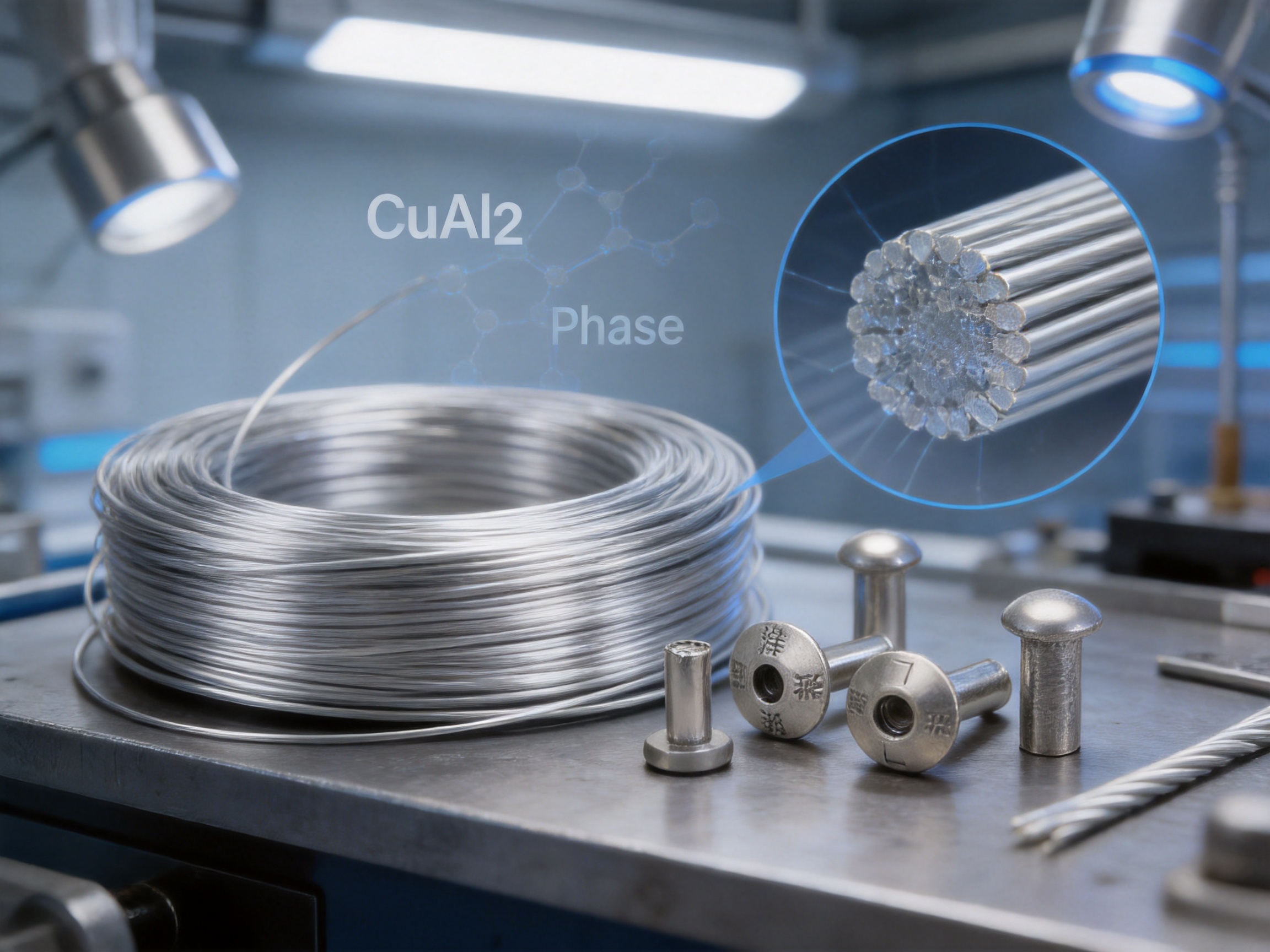
The phrase “CuAl2 phase strengthening” refers to the strengthening effect associated with aluminum-copper alloy metallurgy. In aluminum alloy systems containing copper, the formation and distribution of strengthening phases can enhance mechanical properties. For rivet wire, this strengthening mechanism is valuable because rivets must resist shear loads after installation. A fastening material that lacks sufficient strength may deform excessively or fail under load, while a properly strengthened alloy can provide improved structural performance.
The specified copper content range of Cu: 3.9 to 4.5 indicates a controlled alloy system intended for higher strength. Copper is not added casually; it must be controlled carefully because excessive or inconsistent copper content can affect processing behavior, corrosion performance, and final properties. A narrow and appropriate composition range supports predictable material response during wire production and rivet forming. This is one reason why chemical composition inspection is essential during manufacturing.
CuAl2 phase strengthening gives this wire a competitive advantage over ordinary pure aluminum wire. Pure aluminum has excellent conductivity, corrosion resistance, and formability, but it does not provide the same strength level required for many structural rivets. By using an aluminum-copper alloy system, the wire can achieve higher strength while retaining the low density that makes aluminum attractive. This balance is especially important in aviation and aerospace, where every gram matters and every fastener must contribute to reliable performance.
Another advantage of this strengthening mechanism is the ability to support shear resistance. Rivets frequently experience shear loading, especially in lap joints and structural panel connections. Shear performance is affected by alloy strength, rivet geometry, installation quality, and joint design. While the wire alone does not determine the entire joint performance, a high-quality wire provides the foundation for reliable rivet strength. This product is therefore well suited for manufacturers seeking to produce rivets for higher-performance applications.
Chemical Composition and Performance Relevance
The key chemical composition information for this rivet wire is copper content, specified as Cu: 3.9 to 4.5. This composition range supports the alloy’s strength characteristics and helps provide a consistent basis for CuAl2 phase strengthening. Chemical composition is one of the first quality indicators in aluminum alloy wire production because even small variations can influence downstream behavior. A professional manufacturer must therefore control raw material selection, melting or rod sourcing, processing parameters, and inspection procedures to keep composition within specification.
| Item | Specification or Description | Importance for Rivet Manufacturing |
|---|---|---|
| Product Type | High-strength aluminum alloy wire for rivets | Provides a specialized material for structural fastening applications |
| Main Strengthening Feature | CuAl2 phase strengthening | Supports higher strength and improved shear resistance |
| Copper Content | Cu: 3.9 to 4.5 | Helps maintain stable alloy behavior and controlled mechanical performance |
| Primary Application Fields | Aviation, aerospace, and military-related applications | Suitable for industries requiring lightweight and reliable fastening materials |
| Key Performance Features | Good oxidation resistance and shear resistance | Improves suitability for demanding service environments and load conditions |
| Material Category | High-strength aluminum alloy wire | Differentiates the product from ordinary pure aluminum wire |
The copper level is particularly important because it contributes directly to the formation of strengthening phases. However, composition alone is not sufficient. The manufacturing process must also ensure that the alloy is processed into wire with suitable structure, surface finish, diameter control, and mechanical consistency. Two wires with similar chemical composition can perform differently if one is manufactured under controlled conditions and the other is produced with unstable process parameters. This is why the manufacturer’s production capability is a crucial part of the product value.
For rivet manufacturers, receiving wire with dependable composition reduces uncertainty. It allows process engineers to establish stable cold heading parameters, forming speeds, annealing or heat treatment practices if applicable, and inspection criteria. Stable wire reduces the need for frequent machine adjustments and helps maintain consistent rivet dimensions. In high-volume production, this stability can translate into lower defect rates and improved productivity.
Compared with commodity wire suppliers, a specialized aluminum alloy wire manufacturer can provide better alignment between alloy design and application needs. Jiangsu Hetuo Aluminum Wire Co., Ltd. focuses on high-purity aluminum wire, high-strength aluminum alloy wire, and aluminum welding materials, giving it experience across multiple aluminum alloy product families. This technical foundation supports the production of rivet wire that must satisfy both material and forming requirements.
Performance Advantages Over Conventional Alternatives
High-strength aluminum alloy wire for rivets offers several advantages over conventional low-strength aluminum wire and poorly controlled alloy wire. The first advantage is the improved strength potential associated with the aluminum-copper alloy system. In applications where fasteners are exposed to mechanical loads, a stronger material can contribute to better joint reliability. Ordinary aluminum wire may be easy to form, but it may not provide sufficient strength for structural rivets in aviation or aerospace applications.
The second advantage is shear resistance. Rivets are often loaded in shear, meaning the force acts parallel to the joined surfaces. A rivet with poor shear resistance may deform, loosen, or fail prematurely. The CuAl2 phase strengthening feature of this wire supports stronger shear performance compared with soft aluminum wire. This makes it more appropriate for components where fastening security is critical.
The third advantage is oxidation resistance. Aluminum naturally forms an oxide layer, but alloy design and surface condition can influence oxidation behavior and long-term performance. The product is described as having good oxidation resistance, which is valuable for rivets used in environments where exposure to air, humidity, or variable conditions may occur. A wire with stable surface quality and appropriate alloy characteristics helps produce rivets that maintain better appearance and functional reliability.
The fourth advantage is lightweight performance. While high-strength steel rivets may provide strength, they are heavier and may create galvanic compatibility concerns in aluminum structures. Aluminum alloy rivets can help reduce weight and maintain material compatibility in aluminum assemblies. For aircraft and aerospace structures, weight reduction can improve fuel efficiency, payload capacity, and overall performance. High-strength aluminum alloy wire therefore provides an attractive balance of low density and useful mechanical strength.
The fifth advantage is processing consistency when supplied by a capable manufacturer. Some competitors may provide wire with uneven surface finish, inconsistent diameter, or unstable mechanical properties. Such inconsistencies can cause cold heading defects, dimensional variation, and higher scrap. Jiangsu Hetuo Aluminum Wire Co., Ltd. emphasizes advanced equipment, strict quality inspection throughout production, and quality management certifications. These strengths help support stable wire quality and reduce risks for customers.
Applications in Aviation, Aerospace, and Military Fields
The product is mainly used in the fields of aviation, aerospace, and military-related manufacturing. These industries place strict requirements on materials because the consequences of failure can be severe. Fasteners used in aircraft skins, internal frames, access panels, brackets, structural assemblies, and equipment housings must meet demanding standards for strength, weight, and reliability. Aluminum alloy rivets remain important because they combine lightweight characteristics with practical manufacturability.
In aviation, rivets are commonly used in airframe structures and sheet metal assemblies. The wire used to manufacture these rivets must support consistent forming and dependable installed performance. High-strength aluminum alloy wire with CuAl2 phase strengthening is suitable for rivets that require better shear resistance than soft aluminum fasteners. The lightweight nature of aluminum also helps aviation manufacturers reduce structural mass without sacrificing fastening reliability.
In aerospace, material requirements can be even more demanding. Aerospace systems may face vibration, temperature variation, and strict weight limitations. Components used in satellites, launch vehicles, aerospace equipment, and related assemblies often require carefully selected materials. While final suitability depends on specific engineering standards and qualification processes, a high-strength aluminum alloy rivet wire provides an important material option for manufacturers developing lightweight fastening systems.
In military-related applications, durability and performance consistency are essential. Equipment may be exposed to harsh handling, vibration, transportation stress, and variable environments. Rivets used in such products must resist deformation and maintain joint integrity. A high-strength aluminum alloy wire with good oxidation resistance and shear resistance can help support the production of reliable fasteners for defense-oriented industrial use.
The same properties that make this wire suitable for aviation, aerospace, and military applications can also benefit high-end transportation, marine equipment, precision machinery, and advanced manufacturing sectors. Whenever a rivet must provide lightweight strength and stable installation behavior, the selection of wire becomes a strategic decision. Customers seeking to upgrade from ordinary wire to a higher-performance material can benefit from this specialized product.
Manufacturing Strength Behind the Product
The performance of high-strength aluminum alloy wire depends not only on alloy design but also on the manufacturer’s production system. Jiangsu Hetuo Aluminum Wire Co., Ltd. was established in 2019 and has grown as an innovative participant in China’s aluminum alloy materials industry. The company is located in Guannan Economic Development Zone, Lianyungang, Jiangsu Province, China, and operates a factory covering 40,000 square meters. This production scale allows the company to support stable supply and systematic manufacturing management.
The company has approximately 60 employees, including 30 professional managers and technicians. This team structure is important because aluminum alloy wire production requires both practical manufacturing experience and technical control. Operators must understand equipment operation, while engineers and quality personnel must monitor composition, process parameters, inspection data, and customer requirements. A strong technical team helps transform raw material into wire that performs reliably in downstream applications.
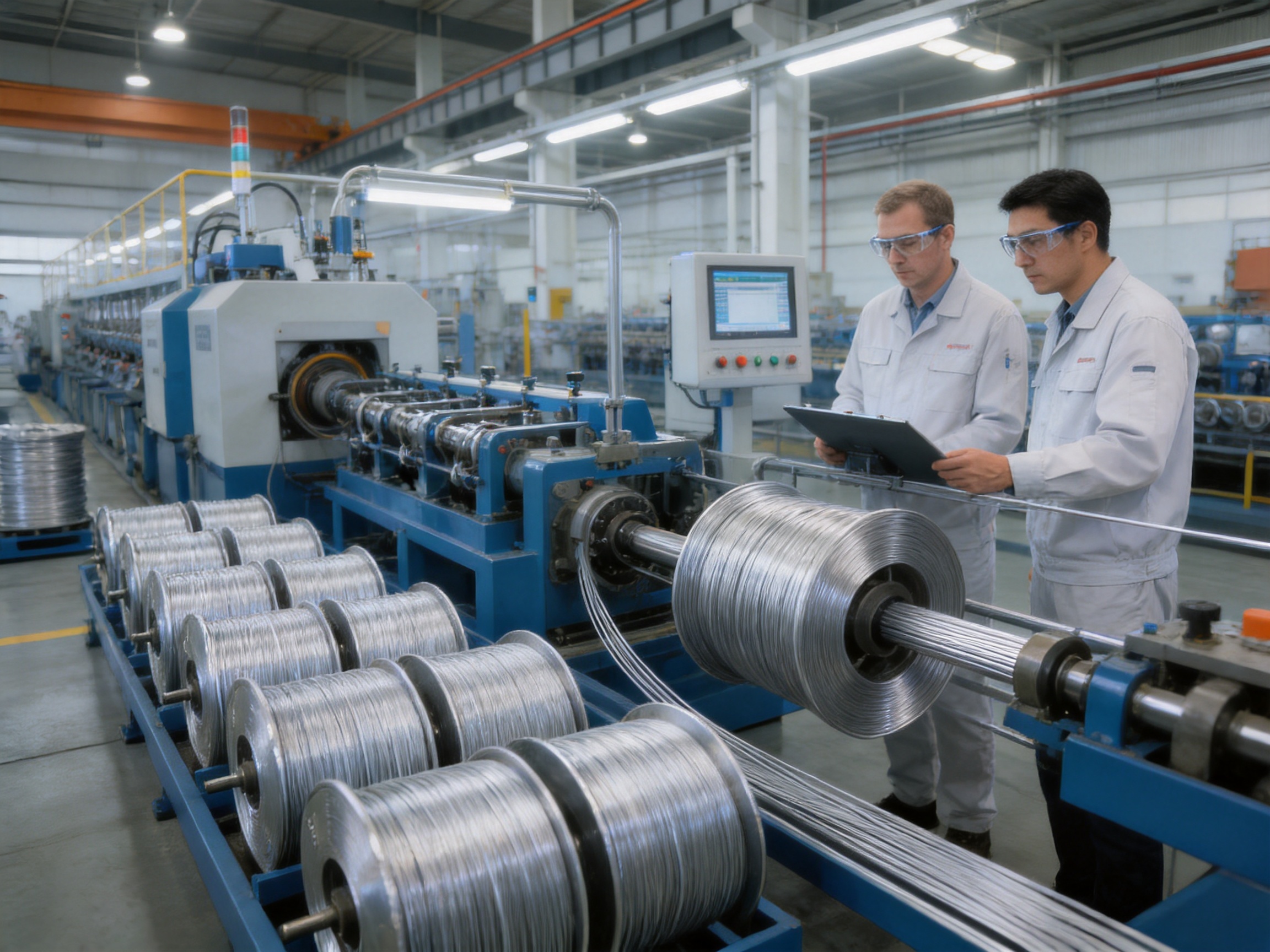
Advanced equipment and facilities are central to the company’s production capability. Aluminum alloy wire manufacturing may involve processes such as material preparation, drawing, surface treatment, intermediate processing, inspection, packaging, and traceability management. Each step affects the final wire. For rivet wire, diameter stability, surface smoothness, internal consistency, and mechanical properties must be carefully controlled. Modern equipment improves process repeatability and reduces variation.
The company strictly implements quality inspection throughout production. This is particularly important for high-strength aluminum alloy wire because defects may not always be visible at first glance. Inspection can include checks on chemical composition, dimensions, appearance, mechanical characteristics, and packaging condition. Continuous inspection allows potential issues to be identified early rather than after the product reaches customers. This preventive approach distinguishes professional wire manufacturers from lower-cost suppliers that may rely mainly on final inspection.
Jiangsu Hetuo Aluminum Wire Co., Ltd. has obtained ISO 9001 and IATF 16949 quality management system certifications. ISO 9001 demonstrates a structured quality management approach, while IATF 16949 is widely associated with automotive quality management requirements and emphasizes defect prevention, process control, and continuous improvement. These certifications support customer confidence because they show that the company operates under recognized management frameworks rather than informal production practices.
Intelligent Manufacturing and Process Control
The company has built an intelligent manufacturing system covering high-purity aluminum wire, high-strength aluminum alloy wire, and aluminum and aluminum alloy welding materials. Intelligent manufacturing is important for customers who require stable quality over repeated orders. In wire production, small variations in drawing speed, lubrication, temperature, tension, die condition, and handling can influence surface quality and mechanical properties. A controlled manufacturing system helps reduce these variations.
For rivet wire, process control begins with understanding the customer’s application. Different rivet manufacturers may require different wire diameters, packaging methods, coil weights, surface conditions, or mechanical states. A customer-oriented manufacturer can adjust production planning and inspection priorities according to actual use. This is valuable because the best wire is not merely a product that meets a generic specification; it is a product that performs smoothly in the customer’s specific rivet-making process.
During drawing, the wire diameter is gradually reduced through dies. This process must be controlled to prevent excessive work hardening, surface scoring, or internal stress problems. If reduction steps are too aggressive or lubrication is poor, wire may crack during later forming. If drawing is inconsistent, diameter tolerance may drift and cause inaccurate rivet blanks. Professional manufacturing control helps maintain a stable balance between strength and formability.
Surface quality is another major concern. Rivet wire must be clean and smooth because surface defects can become stress concentrators during heading. A small scratch on the wire surface may open into a crack when the rivet head is formed. Advanced equipment, proper handling, and inspection reduce this risk. Packaging is also part of surface protection; wire must be delivered in a condition that prevents contamination, abrasion, and deformation during transport.
Traceability and batch management are also important. If customers operate in aviation, aerospace, or other high-end industries, they often need documentation and consistent batch records. A manufacturer with a disciplined quality system can provide better batch control and support customer audits. This capability creates a competitive advantage over suppliers that cannot reliably document production history or inspection results.
Quality Management as a Competitive Advantage
Quality management is not simply a certificate displayed on a wall; it is a daily practice that influences every coil of wire. For high-strength aluminum alloy rivet wire, quality management includes material verification, production parameter control, operator training, equipment maintenance, in-process inspection, final testing, packaging checks, and customer feedback analysis. When these elements are integrated, the manufacturer can supply wire that performs consistently in customer production lines.
ISO 9001 certification reflects the company’s commitment to standardized quality processes. It supports systematic documentation, corrective action, internal audits, and continual improvement. For customers, this reduces uncertainty because orders are handled within a structured management system. IATF 16949 certification further strengthens the company’s quality credibility, especially for customers familiar with automotive and high-reliability manufacturing expectations. Although rivet applications may differ from automotive components, the process discipline associated with IATF 16949 is broadly valuable.
Compared with competitors that lack mature quality systems, Jiangsu Hetuo Aluminum Wire Co., Ltd. can offer customers greater confidence in repeatability. Repeatability is essential in rivet manufacturing. A customer may qualify a wire batch after successful trials, but if later batches behave differently, production problems arise. A supplier with strong quality management works to ensure that each batch remains within defined limits and that process changes are controlled.
Quality also affects cost. A higher-quality wire may not always be the cheapest per kilogram, but it can reduce total cost by lowering scrap, improving machine efficiency, reducing inspection burden, and preventing customer complaints. For high-end rivet manufacturers, total cost of ownership is more important than purchase price alone. Stable high-strength aluminum alloy wire can help improve yield and protect the customer’s reputation.
The company’s export experience in high-end overseas markets further demonstrates its ability to meet international expectations. Export customers often require clear communication, stable documentation, reliable packaging, and consistent product quality. Supplying such markets helps the company improve its manufacturing and service capabilities continuously. This experience benefits customers seeking a dependable long-term supplier for aluminum rivet wire.
Comparison with Competing Wire Options
When selecting wire for rivet production, customers may compare several material options: pure aluminum wire, general aluminum alloy wire, imported alloy wire, low-cost domestic alloy wire, and specialized high-strength aluminum alloy rivet wire. Each option has its own cost and performance profile. The product discussed here stands out because it is specifically aligned with rivet applications requiring higher strength and shear resistance.
Pure aluminum wire is easy to form and has excellent corrosion resistance, but it lacks the strength needed for many demanding structural rivets. It may be suitable for light-duty fastening or decorative applications, but it is not the best option for aviation or aerospace rivets where shear resistance is critical. High-strength aluminum alloy wire provides a better strength-to-weight balance.
General aluminum alloy wire may offer improved strength, but not all alloy wire is suitable for rivet production. Some alloy wires may be designed for welding, electrical use, machining, or other processes. If the wire is not optimized for heading and rivet forming, it may crack or produce inconsistent rivet heads. Specialized rivet wire provides better application fit.
Imported wire may offer quality, but it can involve higher cost, longer lead time, and less flexible communication. For customers seeking reliable supply and customization, a capable Chinese manufacturer with advanced equipment and quality certifications can offer a strong alternative. Jiangsu Hetuo Aluminum Wire Co., Ltd. combines manufacturing scale, technical personnel, and customer-oriented service, making it attractive for buyers who require both performance and supply efficiency.
Low-cost alloy wire may reduce initial purchase expense but can create hidden costs. Inconsistent wire may cause machine downtime, defective rivets, increased inspection, and customer dissatisfaction. For demanding industries, material reliability is more valuable than small savings. High-strength aluminum alloy rivet wire with controlled composition and manufacturing discipline offers a better long-term value proposition.
Customer Value in Rivet Production
For rivet manufacturers, the value of high-strength aluminum alloy wire appears throughout the production chain. During cutting, consistent wire diameter supports accurate blank volume. During heading, stable mechanical properties help produce uniform rivet heads. During inspection, clean surface quality and dimensional consistency reduce rejection rates. During customer assembly, rivets made from reliable wire help provide stable fastening performance.
Manufacturers producing rivets for aviation, aerospace, and military-related markets often face strict customer requirements. They may need to maintain records, control process parameters, and demonstrate material consistency. A dependable wire supplier becomes part of their quality assurance system. By choosing a supplier with ISO 9001 and IATF 16949 certifications, customers can strengthen their own supply chain credibility.
Another customer value is technical communication. Because Jiangsu Hetuo Aluminum Wire Co., Ltd. has professional managers and technicians, it can better understand customer requirements and provide practical support. Customers may need guidance on product selection, packaging, tolerance requirements, or order planning. A manufacturer with technical knowledge can respond more effectively than a trading-only supplier.
Supply stability is also important. Rivet manufacturers often operate production schedules that depend on material availability. Delayed wire shipments can interrupt production and affect delivery commitments. A manufacturer with a 40,000-square-meter factory and a systematic production platform is better positioned to provide stable supply than smaller operations with limited capacity. This is especially important for customers with repeated orders or growing demand.
The product also supports customers seeking lighter, stronger, and more sustainable material solutions. Aluminum alloys contribute to lightweight design, and lightweight structures can reduce energy consumption in transportation applications. By supplying high-strength aluminum alloy wire, the manufacturer helps downstream industries pursue performance and efficiency goals.
Surface Condition, Formability, and Rivet Head Quality
Rivet head quality depends strongly on wire condition. During cold heading, the wire is compressed and shaped rapidly. If the wire has poor surface quality, excessive brittleness, or inconsistent hardness, the rivet head may crack, fold, or form unevenly. These defects can reduce strength and appearance. High-quality rivet wire must therefore combine strength with controlled formability.
The product’s high-strength nature does not mean it should be difficult to process. A well-designed rivet wire must provide enough ductility for forming while still delivering improved final strength. Achieving this balance requires suitable alloy composition and careful production control. The copper content range supports strengthening, while manufacturing control helps maintain formability.
Surface smoothness is particularly important because cold forming magnifies defects. A scratch, pit, or inclusion on the wire surface may become more severe during deformation. Professional wire production includes attention to drawing dies, lubrication, cleaning, handling, and packaging. These details may seem minor, but they influence rivet yield and customer satisfaction.
Consistent wire diameter also affects rivet head formation. If wire diameter varies, each cut blank may contain a slightly different volume of material. This can lead to rivets with inconsistent head height, shank size, or weight. In precision applications, such variation is unacceptable. Stable diameter control helps rivet manufacturers maintain dimensional consistency and reduce sorting costs.
By focusing on these practical production needs, high-strength aluminum alloy wire for rivets provides advantages beyond basic mechanical strength. It supports efficient manufacturing, reduces defect risks, and helps customers deliver reliable fasteners to demanding industries.
Oxidation Resistance and Environmental Reliability
Good oxidation resistance is one of the stated advantages of this product. Aluminum naturally forms a protective oxide layer, but surface condition, alloy composition, processing history, and environmental exposure all influence long-term behavior. Rivets may be used in structures exposed to moisture, temperature changes, air circulation, and maintenance chemicals. A material with stable oxidation behavior can help maintain performance and appearance.
Oxidation resistance is important not only after installation but also during storage and processing. Wire that oxidizes unevenly or becomes contaminated may create problems during rivet manufacturing. Surface films, stains, or corrosion marks can affect forming behavior and final product quality. Proper manufacturing and packaging help preserve the wire’s surface condition before use.
For aviation and aerospace applications, environmental reliability is a major consideration. Materials may be subject to inspection, documentation, and qualification requirements. While final performance depends on the complete rivet design and customer testing, using wire with good oxidation resistance provides a stronger foundation. It helps reduce the risk of surface degradation and supports long-term fastening reliability.
Compared with competing products that may lack controlled surface condition or appropriate alloy design, this rivet wire offers a more dependable option for customers who value consistency. The combination of CuAl2 phase strengthening, shear resistance, and oxidation resistance makes it suitable for demanding use cases where both mechanical and environmental performance matter.
Role in Lightweight Engineering
Lightweight engineering is a major trend in aviation, aerospace, transportation, and advanced equipment manufacturing. Reducing weight can improve fuel efficiency, increase payload capacity, lower emissions, and enhance overall system performance. Fasteners may seem small, but in large structures thousands or even millions of rivets may be used. The cumulative weight of fasteners becomes significant.
Aluminum alloy rivets made from high-strength wire support lightweight design by offering lower density than steel alternatives. At the same time, the alloy strengthening mechanism provides better mechanical performance than pure aluminum. This balance allows engineers to pursue lighter structures while maintaining fastening strength.
In aerospace and aviation, material selection is always a compromise among strength, weight, corrosion resistance, manufacturability, cost, and qualification requirements. High-strength aluminum alloy rivet wire fits into this design environment because it offers a practical route to producing lightweight structural fasteners. It helps manufacturers meet the demand for efficient, durable, and reliable fastening solutions.
The sustainability dimension is also relevant. Lighter vehicles and aircraft can consume less energy during operation. Aluminum is also widely recyclable, and aluminum alloy materials play an important role in circular manufacturing systems. By focusing on lighter, stronger, and more sustainable aluminum alloy wire and welding material solutions, Jiangsu Hetuo Aluminum Wire Co., Ltd. aligns its product development with global industrial trends.
Customization and Cooperation
Customers often require more than standard wire. They may need specific diameters, coil formats, tolerances, surface conditions, packaging methods, or documentation. A customer-focused manufacturer can provide customized wire solutions for aluminum rivets. This is reflected in the company’s positioning as a supplier capable of supporting custom wire for aluminum rivets.
Customization begins with understanding the customer’s rivet design and production process. For example, a customer using high-speed cold heading equipment may place special emphasis on wire feeding stability and surface smoothness. Another customer producing rivets for strict inspection environments may require detailed batch traceability and test records. A third customer may need packaging optimized for long-distance shipping. Effective customization considers all these factors.
Jiangsu Hetuo Aluminum Wire Co., Ltd. is guided by customer needs and committed to customer satisfaction. This approach is important in high-performance material supply because customer requirements may evolve over time. As rivet manufacturers develop new products or enter new markets, they need suppliers who can respond quickly and provide stable technical communication.
The company’s product portfolio also supports broader cooperation. In addition to high-strength aluminum alloy wire, it manufactures high-purity aluminum wire and aluminum and aluminum alloy welding materials. Customers working with multiple aluminum material categories may benefit from a supplier with wide aluminum processing experience. This can simplify supplier management and improve technical coordination.
Packaging, Logistics, and Supply Reliability
Packaging is a practical but important part of wire supply. High-quality wire can be damaged if packaging is inadequate. Surface scratches, coil deformation, moisture exposure, and contamination can all reduce usability. Professional packaging helps preserve the wire condition from factory to customer production line.
For export customers, packaging and logistics become even more important. Long-distance transportation may involve handling, vibration, humidity changes, and storage time. A supplier experienced in overseas markets understands the need for secure packaging, clear labeling, and consistent documentation. This reduces risk for customers receiving materials from another country.
Supply reliability also depends on production planning and capacity. The company’s 40,000-square-meter facility and intelligent manufacturing system provide a foundation for stable production. Customers with recurring orders need confidence that their supplier can deliver on schedule. Delays in wire supply can disrupt rivet production, assembly schedules, and final product delivery.
Compared with small or inconsistent suppliers, a manufacturer with scale and quality systems can better manage order fulfillment. This is an important advantage for customers in high-end industries, where material shortages can cause expensive delays. Reliable supply is therefore part of the product’s overall value.
Technical Considerations for Buyers
When evaluating high-strength aluminum alloy wire for rivets, buyers should consider several technical factors. Chemical composition is the first factor, especially the copper content range of Cu: 3.9 to 4.5 for this product. Buyers should ensure that the composition aligns with their rivet requirements and any applicable standards or internal specifications.
Mechanical properties are also important. Depending on the customer’s process, wire hardness, tensile behavior, elongation, and forming response may need to be evaluated. The optimal condition depends on rivet design and production equipment. Customers should conduct trials to confirm heading performance and final rivet properties.
Diameter tolerance should be reviewed carefully. Precision rivets require consistent blank volume, and wire diameter directly affects this. Buyers should communicate required tolerances and confirm supplier capability. Surface quality should also be inspected, since scratches, pits, and contamination can affect forming.
Packaging format must match production requirements. Wire may need to be supplied in coils or other forms suitable for feeding into rivet-making equipment. Coil winding quality affects feeding stability. Poor winding can cause tangling, tension fluctuation, and machine stoppage. A professional supplier should understand these production details.
Finally, buyers should evaluate supplier quality systems, certifications, production scale, and technical support. A reliable supplier reduces long-term risk. Jiangsu Hetuo Aluminum Wire Co., Ltd. offers advantages through its quality certifications, advanced equipment, inspection discipline, and experience in aluminum alloy wire manufacturing.
Frequently Asked Questions
What is high-strength aluminum alloy wire for rivets?
It is a specialized aluminum alloy wire used to manufacture rivets that require higher strength, reliable forming behavior, oxidation resistance, and shear resistance. It is designed for demanding fastening applications rather than general-purpose wire use.
What is the main strengthening feature of this rivet wire?
The product is strengthened by the CuAl2 phase, which supports improved mechanical performance, especially where higher strength and shear resistance are required.
What is the copper content of the product?
The key chemical composition information is Cu: 3.9 to 4.5. This controlled copper range helps support the alloy’s strengthening behavior and consistent performance.
Where is this wire mainly used?
It is mainly used in aviation, aerospace, and military-related fields. It can also be valuable in other high-end applications requiring lightweight and reliable rivet materials.
Why is this product better than ordinary aluminum wire for rivets?
Ordinary aluminum wire is usually softer and may lack the shear resistance needed for structural rivets. This high-strength aluminum alloy wire offers CuAl2 phase strengthening, good oxidation resistance, and better suitability for demanding fastening applications.
How does wire quality affect rivet manufacturing?
Wire quality affects cutting accuracy, heading performance, rivet head formation, surface integrity, mechanical properties, and final inspection results. Consistent wire helps reduce defects and improve production efficiency.
What company strengths support the product quality?
Jiangsu Hetuo Aluminum Wire Co., Ltd. operates a 40,000-square-meter factory, uses advanced equipment, has professional managers and technicians, implements strict production inspection, and holds ISO 9001 and IATF 16949 certifications.
Can the wire be customized?
Yes. The company specializes in custom wire for aluminum rivets and can support customers with requirements related to wire size, packaging, surface condition, and application needs.
Why are ISO 9001 and IATF 16949 important?
These certifications show that the company follows structured quality management systems. They support process control, consistency, defect prevention, and continual improvement, which are important for high-performance wire products.
What should buyers confirm before ordering?
Buyers should confirm chemical composition, wire diameter, tolerance, surface quality, mechanical condition, packaging, documentation needs, and trial performance in their own rivet-making process.
Conclusion
High-strength aluminum alloy wire for rivets is a critical material for producing reliable lightweight fasteners. Its CuAl2 phase strengthening, controlled copper content of Cu: 3.9 to 4.5, good oxidation resistance, and shear resistance make it well suited for aviation, aerospace, military-related, and other demanding applications. Compared with ordinary aluminum wire or poorly controlled alloy wire, it offers a stronger and more reliable foundation for rivet manufacturing.
The value of this product is not limited to its alloy composition. Its performance also depends on advanced manufacturing, strict process control, inspection discipline, and supplier reliability. Jiangsu Hetuo Aluminum Wire Co., Ltd. brings together a 40,000-square-meter production facility, advanced equipment, professional technical personnel, ISO 9001 and IATF 16949 certifications, and a customer-oriented manufacturing philosophy. These strengths help ensure stable quality, reliable supply, and practical support for customers producing aluminum rivets.
For manufacturers seeking to improve rivet performance, reduce production defects, and strengthen supply chain reliability, selecting a specialized high-strength aluminum alloy wire is a strategic decision. A dependable rivet wire can improve forming consistency, support shear performance, protect surface quality, and contribute to lightweight engineering goals. In industries where safety, durability, and efficiency matter, high-quality aluminum alloy rivet wire provides a clear competitive advantage.
References
1. Polmear, I. J., StJohn, D., Nie, J. F., and Qian, M. Light Alloys: Metallurgy of the Light Metals. Butterworth-Heinemann.
2. Davis, J. R. Aluminum and Aluminum Alloys. ASM International.
3. ASM Handbook, Volume 2: Properties and Selection: Nonferrous Alloys and Special-Purpose Materials. ASM International.
4. Hatch, J. E. Aluminum: Properties and Physical Metallurgy. American Society for Metals.
5. ISO 9001 Quality Management Systems: Requirements. International Organization for Standardization.
6. IATF 16949 Automotive Quality Management System Standard. International Automotive Task Force.