

 English
 中文简体
中文简体 русский
 Deutsch
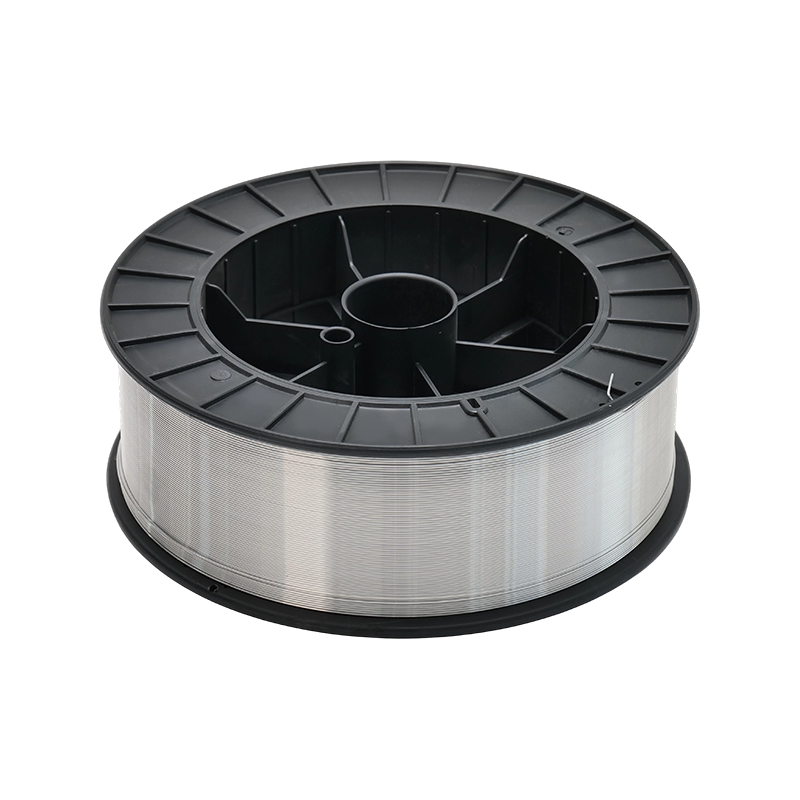
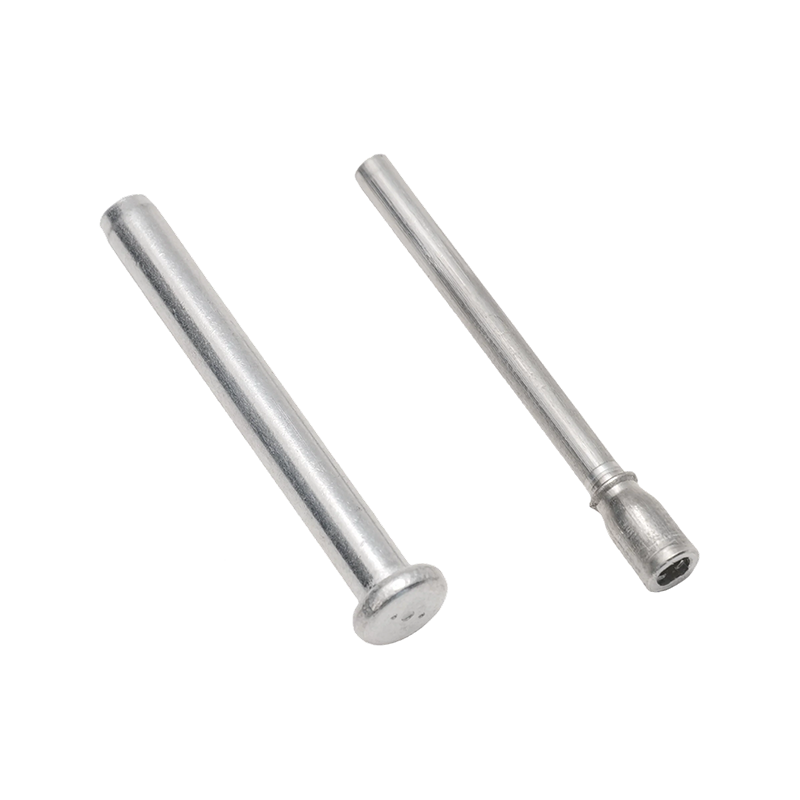
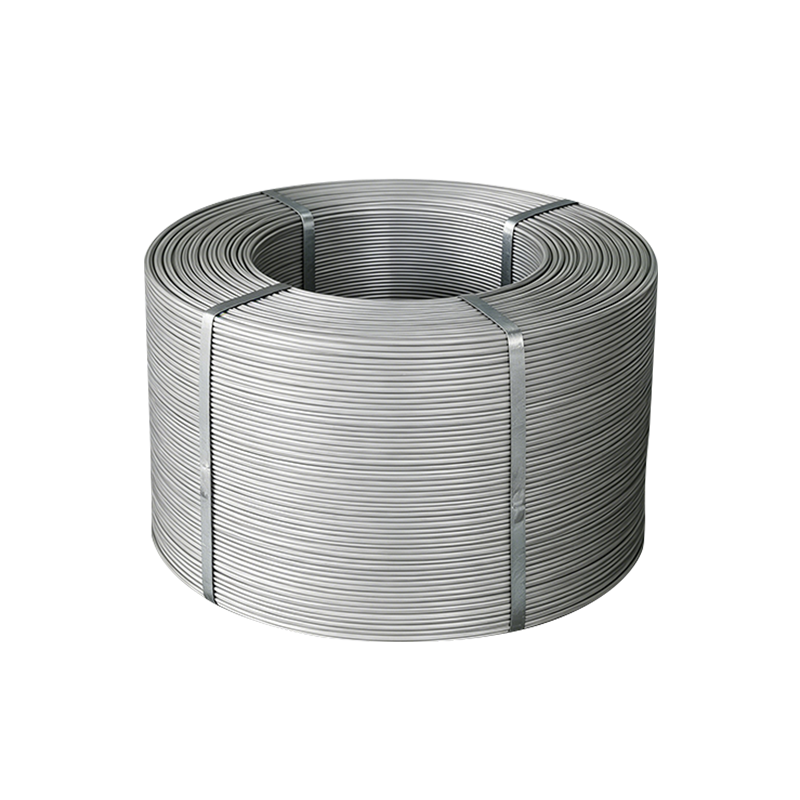
AlMg6 aluminum alloy wire is a high-strength aluminum-magnesium alloy wire designed for demanding industrial environments where lightweight performance, weldability, corrosion resistance, and stable mechanical behavior are essential. As a representative product in the category of high-strength aluminum alloy wire, AlMg6 is especially valued in aviation, aerospace, military equipment, shipbuilding, automotive manufacturing, armored vehicles, tanks, and advanced structural fabrication. Its key alloying element is magnesium, typically controlled at a relatively high level, giving the wire enhanced strengthening capability while maintaining the inherent advantages of aluminum: low density, excellent formability, and strong resistance to atmospheric corrosion.
Content
- 1 Product Overview
- 2 Chemical Composition and Material Identity
- 3 Key Advantages Over Conventional Aluminum Wire
- 4 Application Fields
- 5 Advanced Manufacturing Strengths
- 6 Manufacturing Process from Raw Material to Finished Wire
- 7 Why Process Control Creates Competitive Advantage
- 8 Performance Benefits in Detail
- 9 Comparison with Other Aluminum Alloy Wires
- 10 Quality Management and Testing Philosophy
- 11 Packaging, Storage, and Handling Considerations
- 12 Sustainability and Lightweight Engineering Value
- 13 Customer Value and Procurement Considerations
- 14 Practical Guidance for Use
- 15 Company Strength Supporting AlMg6 Aluminum Alloy Wire
- 16 Q&A Section
- 16.1 What is AlMg6 aluminum alloy wire?
- 16.2 What are the main advantages of AlMg6 aluminum alloy wire?
- 16.3 Why is magnesium important in AlMg6?
- 16.4 How does AlMg6 compare with pure aluminum wire?
- 16.5 Is AlMg6 aluminum alloy wire suitable for marine environments?
- 16.6 Can AlMg6 aluminum alloy wire be used in welding applications?
- 16.7 What industries commonly use AlMg6 aluminum alloy wire?
- 16.8 Why is process control important for AlMg6 wire?
- 16.9 What quality certifications support the manufacturing of this product?
- 16.10 How should AlMg6 aluminum alloy wire be stored?
- 17 Conclusion
- 18 References
- 19 Product: AlMg6 Aluminum Alloy Wire
Product Overview
AlMg6 aluminum alloy wire is engineered for applications that require a reliable balance between strength, weight reduction, corrosion resistance, and joining performance. The alloy contains magnesium in the range of 5.8 percent to 6.8 percent, together with controlled additions of manganese, titanium, and trace beryllium, while aluminum remains the balance. This composition gives AlMg6 a strong identity among aluminum-magnesium alloys. It is not simply a general-purpose aluminum wire; it is a specialized material for industries where component reliability and material consistency directly influence safety, service life, and production efficiency.
One of the defining advantages of AlMg6 aluminum alloy wire is its excellent exfoliation corrosion resistance. Exfoliation corrosion can be a serious issue for certain aluminum alloys, especially in layered or worked structures exposed to aggressive environments. AlMg6 is designed to improve resistance to such damage, making it suitable for marine structures, vehicle components, aircraft-related assemblies, and equipment that must endure humidity, salt spray, temperature variation, and long-term outdoor exposure. In many industrial applications, corrosion resistance is just as important as tensile strength because premature surface degradation can lead to performance loss, maintenance cost, and component failure.
Another important characteristic of AlMg6 aluminum alloy wire is its weldability. Aluminum alloys often require careful control during welding because their thermal conductivity, oxide layer, and solidification characteristics can affect joint quality. AlMg6 offers favorable welding performance when processed under suitable conditions, allowing manufacturers to create reliable joints for structural and assembly applications. This makes the wire valuable not only as a material for forming and drawing but also as a welding-related alloy material in aluminum fabrication systems. For users seeking aluminum alloy wire that supports efficient joining, AlMg6 provides a strong solution.
Compared with ordinary aluminum wire, AlMg6 provides a much higher strengthening effect due to its magnesium content. Pure aluminum wire is useful where conductivity, softness, and formability are the primary requirements. However, when strength, durability, and structural performance become more important, pure aluminum may be insufficient. AlMg6 fills this gap by preserving the lightweight advantage of aluminum while significantly improving strength and resistance to harsh service conditions. This combination makes the alloy attractive to manufacturers pursuing lighter structures without sacrificing reliability.
Chemical Composition and Material Identity
The performance of AlMg6 aluminum alloy wire begins with its chemical composition. The carefully controlled combination of alloying elements determines the wire’s strength, corrosion resistance, workability, and stability during production. Magnesium is the dominant strengthening element, while manganese contributes to structure control and improved mechanical behavior. Titanium assists grain refinement, helping the material achieve more uniform microstructure. Trace beryllium may support oxidation control during processing when used within specified limits. Silicon, iron, copper, and zinc are controlled at limited levels to maintain performance consistency and reduce unwanted effects.
| Element | Typical Specification for AlMg6 Aluminum Alloy Wire | Functional Significance |
| Silicon | Maximum 0.40 percent | Controlled to help maintain alloy cleanliness and stable processing behavior |
| Iron | Maximum 0.40 percent | Limited to reduce the risk of unwanted brittle phases and preserve quality |
| Copper | Maximum 0.10 percent | Kept low to support corrosion resistance in aluminum-magnesium systems |
| Manganese | 0.5 percent to 0.8 percent | Improves strength, structure stability, and alloy performance |
| Magnesium | 5.8 percent to 6.8 percent | Main strengthening element, responsible for high strength and enhanced performance |
| Zinc | Maximum 0.20 percent | Controlled to maintain balanced corrosion and mechanical properties |
| Titanium | 0.1 percent to 0.2 percent | Supports grain refinement and production consistency |
| Beryllium | 0.002 percent to 0.005 percent | Trace addition for controlled processing behavior within specification |
| Aluminum | Balance | Provides lightweight structure, formability, and natural corrosion resistance |
This composition profile helps distinguish AlMg6 from other common aluminum alloy wires. For example, lower-magnesium alloys may offer good formability but may not provide the same strengthening level. Silicon-rich welding alloys can provide specific welding advantages but do not have the same aluminum-magnesium strength profile. High-strength 7xxx alloys can deliver very high strength, but they may require more careful handling in corrosion-sensitive environments. AlMg6 is valued because it provides a practical and durable balance: high magnesium strengthening, good corrosion resistance, and strong suitability for manufacturing operations.
The low copper content is especially relevant for corrosion resistance. In aluminum alloys, copper can improve strength in some systems, but it may reduce corrosion resistance if not carefully managed. By keeping copper at a low level, AlMg6 supports service performance in environments where moisture, salt, and atmospheric exposure are concerns. This is one reason the alloy is suitable for ships, marine equipment, military vehicles, and transportation structures that must operate reliably under difficult conditions.
The presence of manganese in the range of 0.5 percent to 0.8 percent contributes to the wire’s strength and structural stability. Manganese can help control grain structure and reduce sensitivity to certain processing defects. Titanium, typically controlled from 0.1 percent to 0.2 percent, also contributes to refined metallurgical structure. A uniform grain structure is important in wire production because it affects drawing behavior, surface quality, dimensional consistency, and mechanical uniformity along the wire length.
Key Advantages Over Conventional Aluminum Wire
The first major advantage of AlMg6 aluminum alloy wire over conventional aluminum wire is strength. Pure aluminum is lightweight and corrosion resistant, but its mechanical strength is limited. When manufacturers need structural performance, pure aluminum wire may not meet demanding specifications. AlMg6 uses magnesium strengthening to provide improved resistance to deformation and better mechanical behavior under load. This makes it suitable for components and applications where wire integrity is critical.
The second advantage is corrosion resistance in challenging environments. AlMg6 is designed with good exfoliation corrosion resistance and general environmental durability. In marine, aerospace, and military applications, corrosion is not merely a cosmetic issue. It can influence fatigue strength, joint quality, structural safety, and long-term maintenance requirements. A wire that resists corrosion can reduce replacement frequency and improve life-cycle value. Compared with less carefully controlled alloy wire, AlMg6 offers a more dependable material choice for users seeking long-term stability.
The third advantage is weldability. In modern manufacturing, materials are often selected not only for their final properties but also for how efficiently they can be processed. A wire with poor weldability can create production delays, quality instability, and higher inspection costs. AlMg6 supports strong welding compatibility in aluminum fabrication, especially where aluminum-magnesium alloy systems are used. This makes it valuable for manufacturers that require efficient production flow and reliable joints.
The fourth advantage is lightweight structural efficiency. Steel and certain other metals offer strength, but they also add weight. In aviation, aerospace, automobiles, ships, and military equipment, every reduction in weight can improve fuel efficiency, payload capacity, mobility, or operational performance. AlMg6 allows designers and manufacturers to take advantage of aluminum’s low density while achieving higher strength than pure aluminum wire. This is a key reason aluminum-magnesium alloys continue to be important in modern engineering.
The fifth advantage is production adaptability. AlMg6 aluminum alloy wire can be supplied as a precision wire product suitable for further forming, joining, or industrial processing. When produced with stable drawing, controlled surface treatment, and strict inspection, it offers predictable behavior in downstream use. This matters to customers because the real value of a wire product is not only its nominal composition but also its consistency from coil to coil and batch to batch.
Application Fields
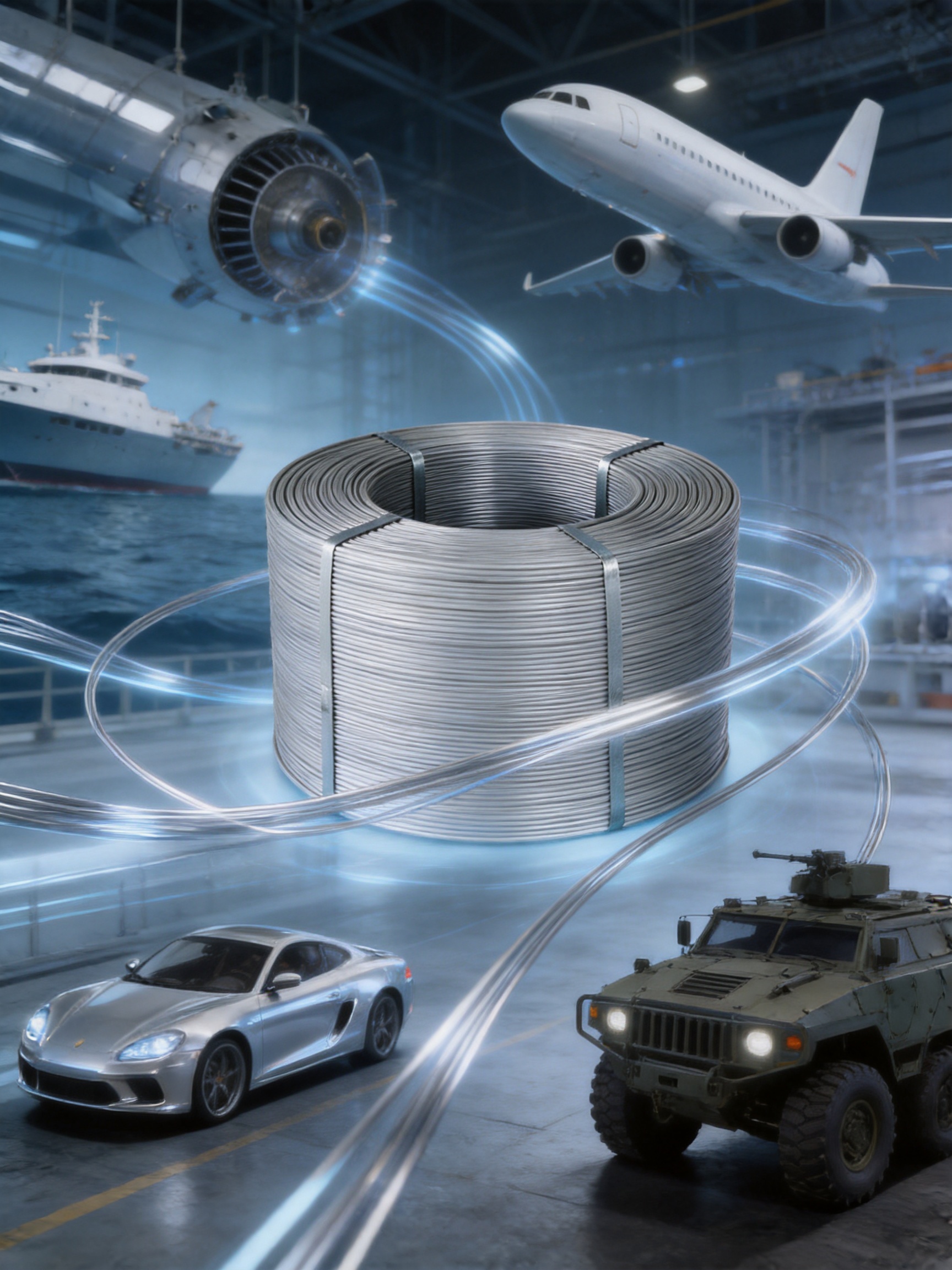
AlMg6 aluminum alloy wire is mainly used in aviation, aerospace, military equipment, ships, automobiles, tanks, and related high-performance industrial fields. These sectors share several common requirements: materials must be strong but lightweight, resistant to corrosion, stable during processing, and suitable for reliable joining. AlMg6 meets these requirements by combining the advantages of aluminum with the strengthening effect of magnesium and carefully controlled alloy chemistry.
In aviation applications, weight reduction is always a priority. Aircraft-related structures and systems benefit from materials that can reduce total mass while preserving mechanical reliability. AlMg6 aluminum alloy wire can support the manufacturing of lightweight components, assemblies, or welding-related materials where aluminum-magnesium properties are beneficial. Its corrosion resistance is also important because aircraft may operate under varying humidity, temperature, and environmental exposure conditions.
In aerospace manufacturing, material consistency and traceability are critical. Components and support materials must meet strict expectations for performance and reliability. AlMg6’s controlled chemical composition, combined with advanced production management and strict inspection, makes it suitable for customers seeking dependable high-strength aluminum alloy wire. While final suitability depends on the user’s detailed engineering standard, AlMg6 provides a strong material foundation for advanced lightweight manufacturing.
In military applications, materials must withstand demanding service conditions. Vehicles, equipment, structural supports, and field systems may encounter vibration, impact, outdoor exposure, and aggressive environments. AlMg6 aluminum alloy wire offers a balance of strength and corrosion resistance that supports durable equipment manufacturing. Its lightweight nature can contribute to mobility and operational efficiency, especially in systems where reducing weight improves transportability or field performance.
In shipbuilding and marine equipment, corrosion resistance is essential. Marine atmospheres expose materials to salt, moisture, and cyclic wet-dry conditions. AlMg6 aluminum alloy wire is attractive because its aluminum-magnesium chemistry provides good resistance to corrosion while maintaining useful strength. In comparison with materials that require heavier protective systems or more frequent maintenance, a suitable aluminum-magnesium wire can help improve long-term service economics.
In automotive manufacturing, lightweighting is a major trend. Automakers continuously seek materials that reduce vehicle mass, improve energy efficiency, and support electric vehicle development. AlMg6 aluminum alloy wire can play a role in aluminum structures, welded assemblies, and high-strength lightweight components. Its combination of strength, weldability, and corrosion resistance makes it relevant for modern vehicle manufacturing strategies.
In tanks and armored vehicle applications, strength and durability are necessary, but excessive weight can reduce mobility and increase energy consumption. Aluminum alloy materials can contribute to lighter structural solutions where design requirements permit. AlMg6 aluminum alloy wire offers a practical choice for applications requiring high-strength aluminum alloy characteristics, especially where corrosion resistance and weldability are also important.
Advanced Manufacturing Strengths
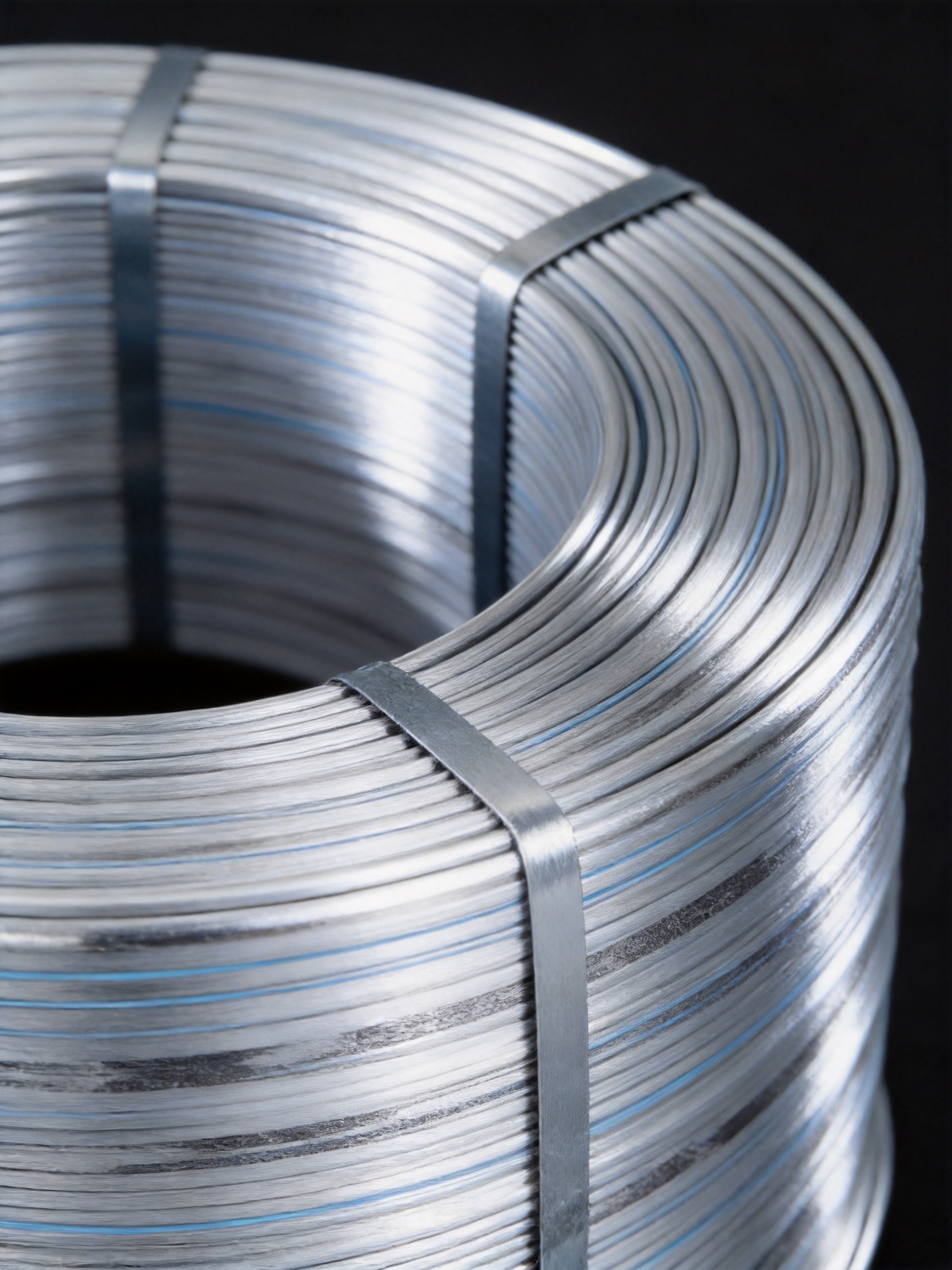
The quality of AlMg6 aluminum alloy wire depends not only on the alloy formula but also on the manufacturing system behind it. Jiangsu Hetuo Aluminum Wire Co., Ltd. has established an intelligent manufacturing system covering high-purity aluminum wire, high-strength aluminum alloy wire, and aluminum and aluminum alloy welding materials. This integrated capability is important because aluminum alloy wire production requires close coordination between raw material selection, melting, alloying, casting, rolling or rod preparation, wire drawing, heat treatment, surface control, inspection, packaging, and traceability.
The company operates from Guannan Economic Development Zone in Lianyungang, Jiangsu Province, and has developed a factory area of approximately 40,000 square meters. With a team that includes professional managers and technicians, the company combines production capacity with technical control. For customers purchasing high-strength aluminum alloy wire, this matters because wire performance is highly sensitive to process details. A small variation in composition, surface quality, drawing reduction, or heat treatment can influence downstream performance. A mature manufacturing system helps ensure that the product supplied to customers is consistent and suitable for demanding applications.
One of the company’s strengths is its emphasis on advanced equipment and facilities. In aluminum alloy wire production, equipment capability affects dimensional accuracy, surface finish, internal quality, and production repeatability. Modern drawing machines, controlled heat-treatment systems, inspection instruments, and packaging equipment help reduce variation. This gives the customer a more predictable product, especially for applications that require stable feeding, smooth unwinding, reliable welding, or tight dimensional tolerance.
Another strength is strict quality inspection throughout production. Quality cannot be achieved only by checking the finished wire. It must be built into every stage. Raw materials must be verified before melting or processing. Chemical composition must be controlled and confirmed. Intermediate products must be inspected for surface defects, dimensional accuracy, and processing stability. Finished wire must be checked against specification before shipment. By applying inspection across the whole production chain, the company reduces the risk of hidden defects and improves customer confidence.
The company has obtained ISO 9001 and IATF 16949 quality management system certifications. ISO 9001 reflects a systematic approach to quality management, documentation, process control, corrective action, and continuous improvement. IATF 16949 is especially significant for automotive-related supply chains, where quality consistency, defect prevention, process discipline, and traceability are critical. These certifications support the company’s ability to serve customers in demanding industries, including automotive, transportation, and high-end industrial sectors.
Manufacturing Process from Raw Material to Finished Wire
The production of AlMg6 aluminum alloy wire begins with raw material selection and verification. Aluminum base material and alloying elements must meet the required purity and composition standards. Since AlMg6 depends on controlled levels of magnesium, manganese, titanium, and trace elements, raw material consistency is a critical foundation. Impurities such as excessive iron, silicon, or copper may affect performance if not controlled within specification. Therefore, careful incoming inspection helps ensure the alloy can achieve its intended properties.
After raw material preparation, the alloying process must be performed with precision. Magnesium has a strong influence on strength, but it also requires careful handling during melting and alloying because oxidation and burning loss can occur if the process is not properly controlled. The manufacturer must manage temperature, mixing, protection, and sampling to ensure that the final melt composition stays within the specified range. This is one of the areas where experienced process control gives a manufacturer an advantage over less disciplined competitors.
Once the alloy is prepared, casting or rod formation creates the intermediate material for further processing. The quality of this stage influences wire drawing performance. A uniform cast structure with controlled defects is necessary for stable drawing and final wire quality. Grain refinement, aided by titanium and proper process control, can improve consistency and reduce the risk of cracking or uneven deformation. For high-strength aluminum alloy wire, metallurgical uniformity is especially important because the wire undergoes substantial deformation during drawing.
Wire drawing is a core process in producing AlMg6 aluminum alloy wire. During drawing, the material is pulled through a series of dies to reduce diameter and improve dimensional accuracy. Each reduction step must be controlled to avoid surface damage, internal stress concentration, or breakage. Lubrication, die condition, drawing speed, and reduction schedule all affect the final product. A well-controlled drawing process produces smooth wire with uniform diameter and stable mechanical properties.
Heat treatment or intermediate annealing may be used depending on the required condition and processing route. Aluminum-magnesium alloys work harden during deformation, and controlled thermal treatment can help adjust ductility, reduce internal stress, and improve downstream usability. The appropriate thermal process must balance strength and formability. Too much softening may reduce strength, while insufficient stress relief may make the wire difficult to process. This balance requires technical expertise and precise production control.
Surface control is another important part of the manufacturing process. Aluminum alloy wire must have a clean, smooth, and consistent surface, especially when used in welding or precision fabrication. Surface contamination, scratches, oxide irregularities, or drawing defects can affect feeding, welding arc stability, joint quality, or forming behavior. Advanced cleaning, handling, and packaging practices help protect the finished wire from damage and contamination before it reaches the customer.
Finished product inspection verifies that AlMg6 aluminum alloy wire meets the required specifications. Chemical composition testing confirms that elements such as magnesium, manganese, titanium, silicon, iron, copper, zinc, and beryllium remain within defined limits. Dimensional inspection checks diameter and tolerance. Surface inspection identifies visible defects. Mechanical testing may be used according to customer requirements. Packaging inspection ensures that coils or spools are ready for transport and storage. Together, these steps create a complete quality assurance system.
Why Process Control Creates Competitive Advantage
In the aluminum alloy wire market, competitors may offer products with similar alloy names, but not all products deliver the same consistency. The difference often lies in process control. A wire labeled as AlMg6 must still be produced with correct composition, uniform structure, clean surface, and reliable dimensional accuracy. Without these controls, users may experience wire breaks, unstable welding, inconsistent mechanical performance, or premature corrosion issues. Therefore, the true value of AlMg6 aluminum alloy wire comes from both material design and manufacturing discipline.
Jiangsu Hetuo Aluminum Wire Co., Ltd. strengthens its competitive position by focusing on customer needs and customer satisfaction. This approach is important because industrial users often require more than a standard product. They may need specific packaging, controlled wire diameter, stable supply, documentation, or technical communication. A manufacturer that understands application requirements can better support customers in aviation, aerospace, shipbuilding, automotive, and other demanding sectors.
The company’s intelligent manufacturing system also gives it an advantage in product range and integration. Because it covers high-purity aluminum wire, high-strength aluminum alloy wire, and aluminum alloy welding materials, the company can support different technical requirements across related industries. Customers benefit from a supplier with broad aluminum wire expertise rather than a narrow production focus. This can simplify sourcing and improve technical cooperation.
Another competitive advantage is the company’s commitment to international quality standards. Products exported to high-end overseas markets must meet consistent expectations for documentation, packaging, appearance, and performance. A manufacturer with experience in such markets is more likely to understand the importance of process repeatability, communication, and on-time delivery. For global buyers, this reduces sourcing risk and helps maintain stable production schedules.
Compared with suppliers that rely only on low-cost production, a quality-focused manufacturer provides greater long-term value. The lowest unit price may not be the lowest total cost if the product causes scrap, downtime, rework, or customer complaints. AlMg6 aluminum alloy wire produced under strict quality control can help users reduce hidden costs by improving production stability and finished product reliability. This is especially important in high-value industries where material failure can be expensive.
Performance Benefits in Detail
The strength of AlMg6 aluminum alloy wire comes primarily from magnesium solid-solution strengthening. Magnesium atoms in the aluminum matrix create resistance to dislocation movement, improving mechanical strength compared with pure aluminum. This makes the alloy useful where the wire must maintain integrity under load or during manufacturing operations. The relatively high magnesium content gives AlMg6 a stronger profile than many lower-magnesium aluminum alloys.
Corrosion resistance is another major benefit. Aluminum naturally forms a thin oxide film that protects the surface from further oxidation. In aluminum-magnesium alloys, this natural corrosion resistance is supported by the alloy composition when properly controlled. Low copper content helps maintain resistance in wet or marine environments. Good exfoliation corrosion resistance is particularly valuable for worked products and structural applications where layered corrosion damage could otherwise reduce service life.
Weldability is important because many aluminum structures are assembled through welding. AlMg6 can be used in contexts where aluminum-magnesium alloy welding characteristics are desirable. Its stable composition helps support repeatable weld behavior when proper welding procedures are used. Manufacturers benefit from wire that can contribute to consistent joint quality, reduced process interruptions, and better production efficiency.
Formability and drawability also matter in wire applications. During production, the alloy must be drawn into wire without excessive breakage or surface damage. During customer use, the wire may need to feed through equipment, be formed into shapes, or be applied in joining operations. Controlled microstructure, surface quality, and mechanical condition all influence these behaviors. A well-produced AlMg6 wire delivers predictable handling and reduces production uncertainty.
Thermal conductivity and electrical conductivity are lower than pure aluminum because alloying elements reduce conductivity, but AlMg6 still retains important aluminum characteristics such as light weight and general workability. This makes it suitable where strength and corrosion resistance are more important than maximum electrical conductivity. For applications requiring very high conductivity, high-purity aluminum wire may be preferred; for structural and welding-related uses, AlMg6 offers a stronger balance.
Comparison with Other Aluminum Alloy Wires
AlMg6 should be understood within the broader family of aluminum alloy wires. For example, 4043 and 4047 are aluminum-silicon alloy wires commonly associated with welding and brazing applications because silicon improves fluidity and reduces melting temperature. These alloys are useful for specific joining purposes, but their performance identity is different from AlMg6. AlMg6 is an aluminum-magnesium high-strength alloy wire, offering a different combination of strength and corrosion resistance.
Alloys such as 5183, 5154, and 5356 are also aluminum-magnesium welding-related alloys. They are widely used where magnesium-containing filler materials are needed. AlMg6 contains magnesium in the higher range and is positioned as a high-strength aluminum alloy wire with strong corrosion resistance and weldability. The selection among these alloys depends on base material, design requirements, welding process, service environment, and mechanical performance expectations.
High-strength alloys such as 7050 and 7075 belong to aluminum-zinc-magnesium-copper systems and can provide very high strength. However, these alloys may require more careful heat treatment and corrosion management. AlMg6 offers a different value proposition: it provides high strength relative to many aluminum-magnesium alloys while maintaining favorable corrosion resistance and weldability. For applications where balanced performance is more important than maximum possible strength, AlMg6 can be a practical and reliable choice.
Compared with ordinary commercial aluminum wire, AlMg6 is clearly stronger and more suitable for demanding structural and industrial applications. Compared with some highly specialized high-strength alloys, it may offer better process friendliness and corrosion behavior. This middle-to-high performance balance is one of the reasons AlMg6 remains attractive to users who need dependable material in difficult operating environments.
Quality Management and Testing Philosophy
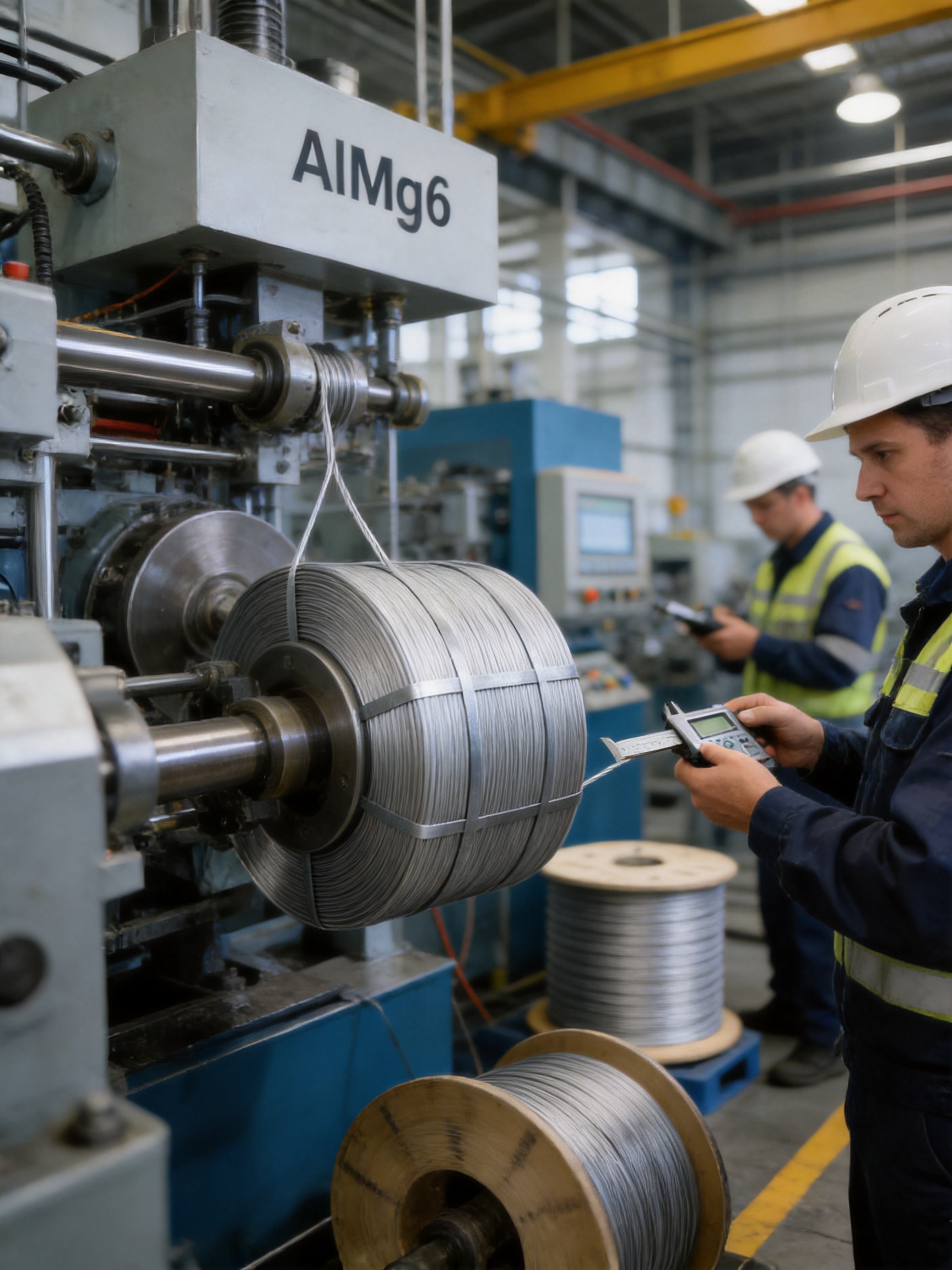
A high-quality AlMg6 aluminum alloy wire should be evaluated through a complete quality management philosophy. Chemical composition is the starting point, but it is not enough. The wire must also show consistency in diameter, surface condition, coil shape, mechanical properties, and packaging. Each of these factors affects customer satisfaction. For example, a wire with correct composition but poor surface finish may cause feeding problems. A wire with good surface but unstable diameter may not perform well in precision equipment. A wire with good properties but poor packaging may be damaged during transport.
Quality management begins with documented standards. Production teams need clear specifications for raw material approval, alloying limits, process parameters, inspection frequency, and nonconforming product handling. ISO 9001 and IATF 16949 systems support such discipline by requiring documented procedures, records, corrective actions, and continuous improvement. For customers, this means that product quality is not dependent on chance or individual memory but is supported by an organized management system.
Chemical analysis is one of the most important tests for AlMg6. Since magnesium must remain in the range of 5.8 percent to 6.8 percent, and elements such as copper, iron, and silicon must be controlled, accurate analysis is essential. If magnesium is too low, strengthening may be insufficient. If magnesium is too high or impurities exceed limits, processing and performance may be affected. Reliable testing protects both manufacturer and customer.
Dimensional inspection ensures that the wire meets the required diameter and tolerance. In many applications, wire diameter affects feeding speed, welding current behavior, deposition rate, forming force, and assembly fit. Even small variations can create problems in automated production. Therefore, consistent diameter is a key competitive feature for high-quality wire.
Surface inspection is equally important. Aluminum alloy wire surfaces must be free from severe scratches, cracks, contamination, and other defects that could reduce performance. Smooth surface quality helps improve handling, feeding, and appearance. For welding applications, surface cleanliness can affect arc stability and weld quality. A disciplined manufacturer pays close attention to surface protection from drawing through final packaging.
Mechanical testing may include tensile strength, elongation, or other properties depending on customer requirements. Because AlMg6 is selected for strength and reliability, mechanical property verification provides confidence that the wire will perform as expected. In addition, traceability records allow customers to connect delivered products with production batches and inspection results. This is especially valuable in regulated or high-reliability industries.
Packaging, Storage, and Handling Considerations
Even a well-manufactured AlMg6 aluminum alloy wire must be properly packaged and handled to preserve quality. Aluminum surfaces can be damaged by abrasion, moisture, contamination, or improper storage. Suitable packaging protects the wire during transport and helps maintain surface cleanliness. Coils and spools should be stable, properly wound, and protected from impact. Good winding quality also improves customer production efficiency by reducing tangling and feeding interruptions.
Storage conditions should be clean and dry. Although aluminum-magnesium alloys have good corrosion resistance, long-term exposure to moisture, chemicals, or dust can still affect surface condition. Users should avoid storing wire in environments with corrosive vapors or direct contact with incompatible materials. When wire is used for welding or precision applications, surface cleanliness is especially important, so packages should be opened only when needed.
Handling should prevent mechanical damage. Dropping coils, dragging wire across rough surfaces, or using contaminated tools can create scratches or embedded particles. Such damage may not always be visible at first glance, but it can affect downstream processing. Proper handling procedures help preserve the value created by advanced manufacturing and quality inspection.
For customers using automated systems, consistent coil geometry and smooth unwinding are important. A wire that unwinds unevenly can interrupt production. Therefore, packaging design and winding precision are part of product quality. A strong supplier understands that customer performance depends on the complete product experience, not only the chemical composition.
Sustainability and Lightweight Engineering Value
AlMg6 aluminum alloy wire contributes to sustainability through lightweight engineering. Reducing the weight of vehicles, ships, aircraft-related systems, and industrial equipment can lower energy consumption during operation. In transportation, lighter materials can improve fuel efficiency or extend electric vehicle range. In aerospace and aviation, weight reduction can improve payload efficiency. In marine and military equipment, lighter structures can improve mobility and reduce operating burden.
Aluminum is also widely recognized for its recyclability. Aluminum materials can often be recycled repeatedly with significant energy savings compared with primary production, provided that sorting and alloy control are properly managed. While specific recycling practices depend on the user’s production system, the use of aluminum alloy materials supports broader circular economy goals. AlMg6, as a high-performance aluminum-magnesium alloy wire, can be part of modern material strategies that seek both performance and sustainability.
The company’s focus on lighter, stronger, and more sustainable aluminum alloy wire and welding material solutions aligns with global industrial trends. Customers increasingly need materials that support performance, environmental responsibility, and efficient manufacturing. A supplier with technical capability in high-purity aluminum wire, high-strength aluminum alloy wire, and aluminum alloy welding materials can help industries transition toward lighter and more efficient designs.
Customer Value and Procurement Considerations
When selecting AlMg6 aluminum alloy wire, customers should consider several factors beyond the alloy name. The first is chemical compliance. The supplied wire should match the specified composition, especially the magnesium range of 5.8 percent to 6.8 percent and the controlled limits for silicon, iron, copper, zinc, titanium, manganese, and beryllium. Proper documentation helps confirm compliance.
The second factor is manufacturing consistency. Customers should evaluate whether the supplier has reliable production equipment, quality management systems, and inspection processes. A manufacturer with ISO 9001 and IATF 16949 certifications can provide stronger assurance of process discipline. This is particularly important for customers in automotive, aerospace-related, military, marine, and high-end industrial sectors.
The third factor is application compatibility. AlMg6 is suitable for high-strength, corrosion-resistant, and weldable applications, but final selection should consider the base material, service environment, design standard, processing method, and required mechanical properties. Technical communication between supplier and customer helps ensure the material is used appropriately.
The fourth factor is delivery reliability. High-performance industries often operate with tight production schedules. A supplier must be able to provide stable supply, consistent packaging, and responsive communication. Jiangsu Hetuo Aluminum Wire Co., Ltd. positions itself as a customer-oriented manufacturer, which is important for long-term cooperation.
The fifth factor is total cost of ownership. A lower-cost wire may appear attractive, but if it causes production downtime, welding defects, surface problems, or inconsistent performance, the real cost can be much higher. High-quality AlMg6 aluminum alloy wire can help reduce scrap, rework, inspection burden, and customer complaints. For demanding applications, reliable quality often provides better economic value than the lowest purchase price.
Practical Guidance for Use
Users should select AlMg6 aluminum alloy wire according to the intended process and final product requirements. If the wire is used in welding-related applications, welding parameters should be established through qualified procedures. Aluminum welding requires appropriate shielding gas, surface preparation, heat input control, and operator or automation discipline. The wire should be kept clean and dry before use to support stable welding performance.
If the wire is used for forming or component manufacturing, users should consider the wire condition, diameter, and mechanical properties. Aluminum-magnesium alloys can work harden, so forming operations should be planned to avoid excessive strain or cracking. If necessary, intermediate annealing or process adjustments may be considered according to engineering requirements. Supplier communication can help users obtain wire with suitable characteristics for their process.
For corrosion-sensitive applications, design practices also matter. Even corrosion-resistant materials can suffer if exposed to severe galvanic conditions, trapped moisture, or aggressive chemicals. When AlMg6 is used with dissimilar metals, appropriate insulation or protective design may be needed. Good drainage, surface protection, and compatible fasteners can further improve service life.
For critical applications, customers should perform qualification testing before full-scale use. This may include welding trials, mechanical testing, corrosion exposure testing, feeding tests, or forming trials. Such testing confirms that the wire meets the customer’s specific equipment and application requirements. A responsible supplier can support this process by providing product information and stable sample material.
Company Strength Supporting AlMg6 Aluminum Alloy Wire
Jiangsu Hetuo Aluminum Wire Co., Ltd., established in 2019, is an innovative manufacturer in China’s aluminum alloy materials industry. The company is guided by customer needs and committed to customer satisfaction. Its product system includes high-purity aluminum wire, high-strength aluminum alloy wire, and aluminum and aluminum alloy welding materials. This broad capability allows the company to serve multiple markets that require advanced aluminum material solutions.
The company’s factory covers approximately 40,000 square meters and employs a team that includes professional managers and technicians. This combination of production space, human expertise, and advanced equipment supports stable manufacturing. Aluminum alloy wire production requires both machinery and metallurgical understanding. The company’s investment in facilities and quality systems shows its commitment to supplying reliable products rather than merely producing commodity wire.
The company strictly implements quality inspection throughout production and has obtained ISO 9001 and IATF 16949 quality management system certifications. These certifications are meaningful because they demonstrate structured management, process control, and continuous improvement. For customers in high-end markets, such quality systems help reduce supplier risk and support long-term cooperation.
The company’s products comply with international quality standards and are exported to many high-end overseas markets. This export experience indicates that the company understands global customer expectations regarding quality, documentation, communication, and packaging. For buyers seeking AlMg6 aluminum alloy wire, working with a supplier experienced in international markets can improve procurement confidence.
The company specializes in high-grade aluminum alloy rods, welding wires, and precision profiles. This specialization is directly relevant to AlMg6 aluminum alloy wire because high-grade production requires control from alloy preparation to finished product. The company aims to provide lighter, stronger, and more sustainable aluminum alloy wire and welding material solutions for global industries. AlMg6 fits this mission by offering a high-strength, corrosion-resistant, and weldable material for demanding applications.
Q&A Section
What is AlMg6 aluminum alloy wire?
AlMg6 aluminum alloy wire is a high-strength aluminum-magnesium alloy wire with magnesium typically controlled between 5.8 percent and 6.8 percent. It is designed for applications requiring strength, corrosion resistance, weldability, and lightweight performance.
What are the main advantages of AlMg6 aluminum alloy wire?
The main advantages include high strength compared with pure aluminum wire, good exfoliation corrosion resistance, favorable weldability, lightweight performance, and suitability for demanding industries such as aviation, aerospace, shipbuilding, automotive manufacturing, military equipment, and tanks.
Why is magnesium important in AlMg6?
Magnesium is the main strengthening element in AlMg6. It improves mechanical strength while preserving many of aluminum’s natural advantages, such as low density and corrosion resistance. The relatively high magnesium content gives AlMg6 its strong performance identity.
How does AlMg6 compare with pure aluminum wire?
Pure aluminum wire offers excellent conductivity, softness, and corrosion resistance, but it has limited strength. AlMg6 provides significantly better strength and durability while still retaining lightweight characteristics. It is more suitable for structural, marine, automotive, military, and welding-related applications where strength is important.
Is AlMg6 aluminum alloy wire suitable for marine environments?
Yes, AlMg6 is suitable for marine-related applications because of its aluminum-magnesium composition and good corrosion resistance. Its resistance to exfoliation corrosion makes it useful for ships and marine equipment, although proper design and handling are still necessary for long service life.
Can AlMg6 aluminum alloy wire be used in welding applications?
AlMg6 offers good weldability and can be used in aluminum fabrication contexts where aluminum-magnesium alloy characteristics are required. Users should select appropriate welding procedures, shielding gas, surface preparation, and process parameters according to the specific application.
What industries commonly use AlMg6 aluminum alloy wire?
Common industries include aviation, aerospace, military manufacturing, shipbuilding, automobile production, tank and armored vehicle manufacturing, and other high-performance industrial sectors requiring lightweight, strong, and corrosion-resistant aluminum alloy wire.
Why is process control important for AlMg6 wire?
Process control ensures stable chemical composition, uniform microstructure, smooth surface quality, accurate diameter, and reliable mechanical behavior. Without strict process control, wire may suffer from inconsistent performance, breakage, surface defects, or poor downstream processing results.
What quality certifications support the manufacturing of this product?
Jiangsu Hetuo Aluminum Wire Co., Ltd. has obtained ISO 9001 and IATF 16949 quality management system certifications. These certifications support disciplined production management, quality control, documentation, and continuous improvement.
How should AlMg6 aluminum alloy wire be stored?
It should be stored in a clean, dry environment away from corrosive substances, moisture, and mechanical damage. Packaging should remain intact until use, especially when the wire is intended for welding or precision fabrication.
Conclusion
AlMg6 aluminum alloy wire is a high-performance material designed for industries that demand strength, corrosion resistance, weldability, and lightweight efficiency. Its magnesium-rich aluminum alloy composition provides a strong mechanical foundation, while controlled levels of manganese, titanium, and other elements support stable processing and reliable performance. Compared with ordinary aluminum wire, AlMg6 offers a clear advantage in strength and industrial durability. Compared with many competing alloy options, it provides a balanced combination of corrosion resistance, weldability, and manufacturing practicality.
The value of AlMg6 aluminum alloy wire is further strengthened by advanced manufacturing. Jiangsu Hetuo Aluminum Wire Co., Ltd. supports the product with an intelligent manufacturing system, strict quality inspection, advanced equipment, ISO 9001 and IATF 16949 certifications, and experience serving high-end markets. These strengths help ensure that customers receive not only a specified alloy but also a consistent, dependable, and application-ready wire product.
For aviation, aerospace, military, marine, automotive, tank, and advanced industrial applications, AlMg6 aluminum alloy wire offers a powerful material solution. It supports lightweight design, long-term corrosion resistance, efficient welding, and dependable structural performance. As industries continue to seek lighter, stronger, and more sustainable materials, AlMg6 aluminum alloy wire stands out as a practical and forward-looking choice.
References
1. Davis, J. R. Aluminum and Aluminum Alloys. ASM International.
2. Hatch, J. E. Aluminum: Properties and Physical Metallurgy. ASM International.
3. Polmear, I. J., StJohn, D., Nie, J. F., and Qian, M. Light Alloys: Metallurgy of the Light Metals. Butterworth-Heinemann.
4. Kaufman, J. G. Introduction to Aluminum Alloys and Tempers. ASM International.
5. Mathers, G. The Welding of Aluminium and Its Alloys. Woodhead Publishing.
6. International Organization for Standardization. ISO 9001 Quality Management Systems Requirements.
7. International Automotive Task Force. IATF 16949 Automotive Quality Management System Standard.