

 English
 中文简体
 русский
 Deutsch
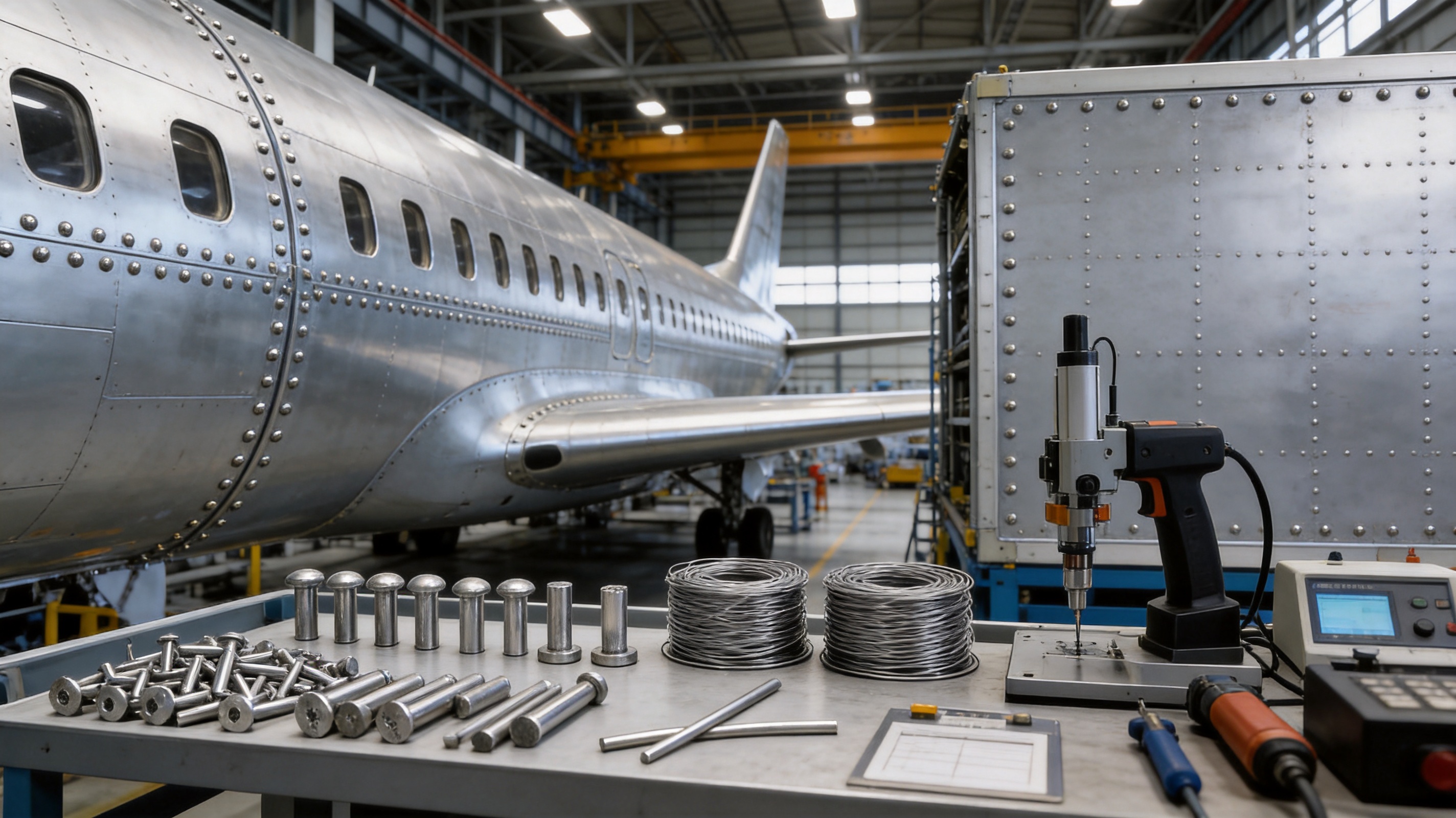
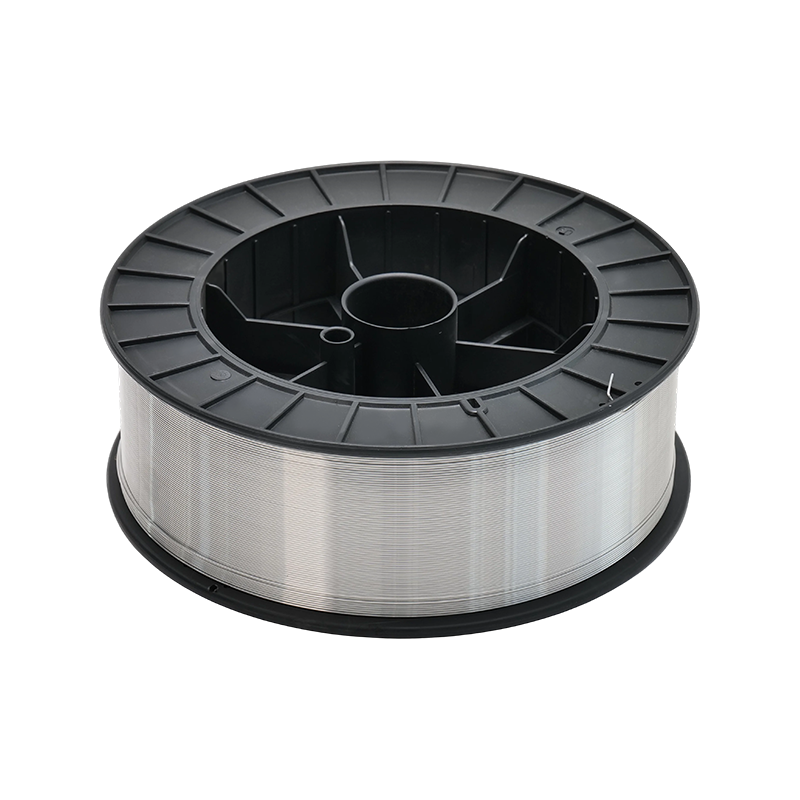
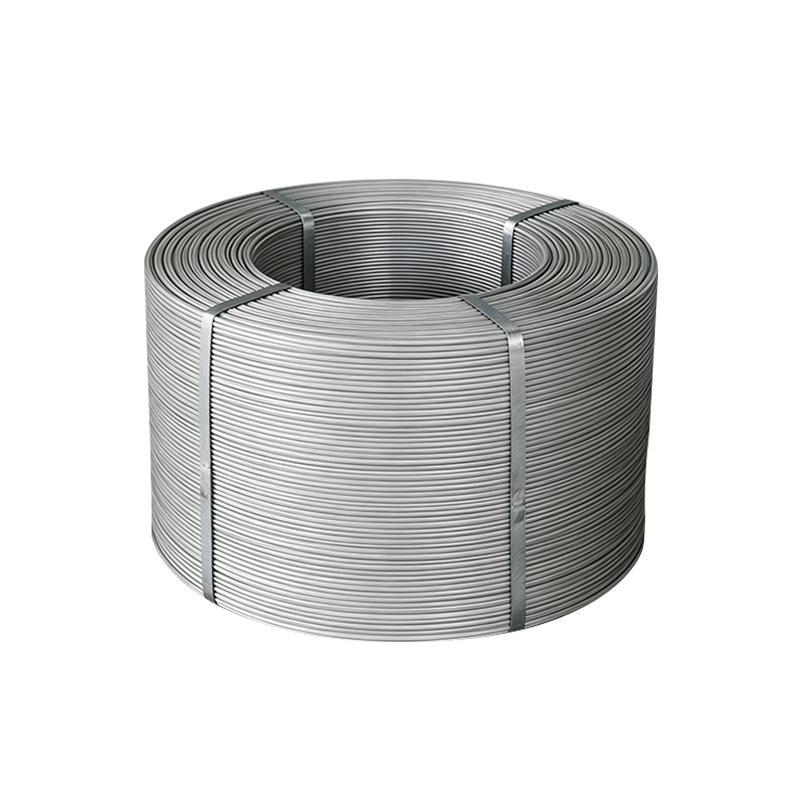
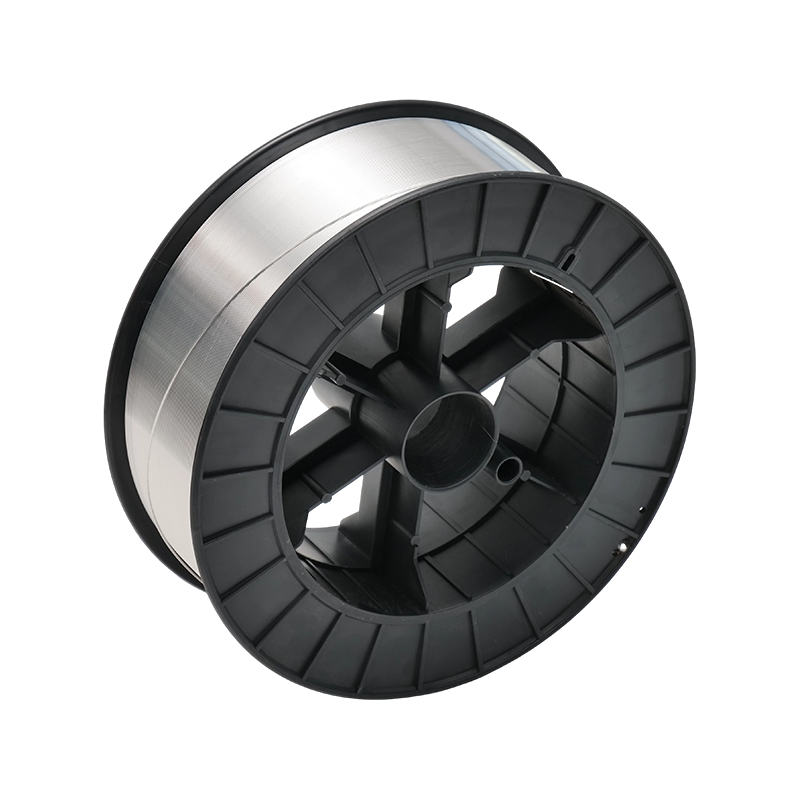
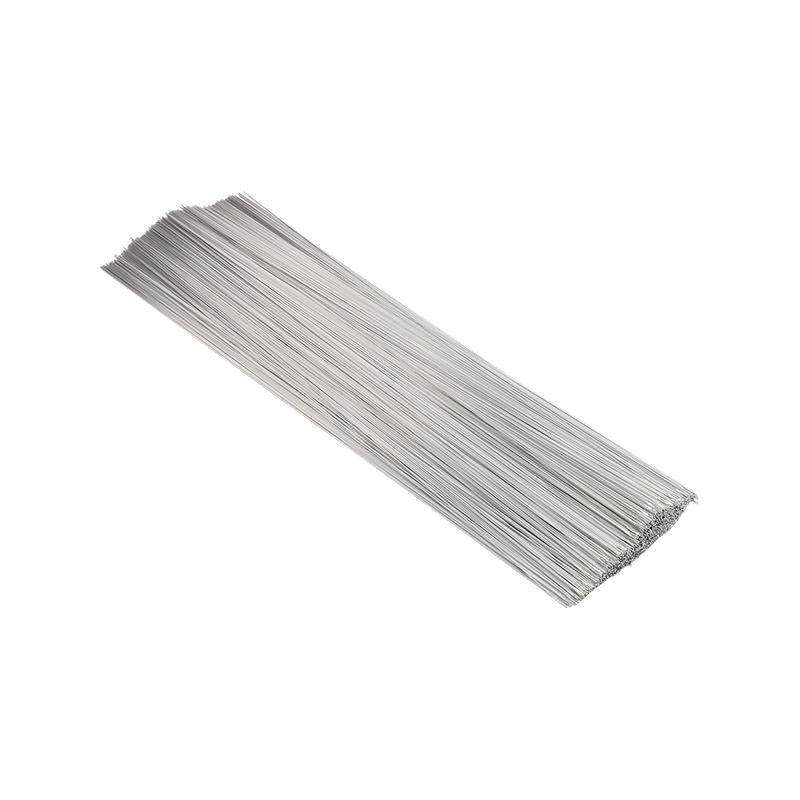
Aluminum rivet wire is a specialized material used to manufacture rivets for demanding fastening applications. Unlike ordinary aluminum wire, rivet-grade wire must combine controlled composition, dependable strength, suitable forming behavior, oxidation resistance, and consistent surface quality. These characteristics are especially important in aviation, aerospace, military equipment, transportation, structural fabrication, and other industries where a rivet must remain secure under vibration, shear forces, temperature changes, and long-term service conditions.
The product discussed in this article is a high-strength aluminum alloy wire developed primarily for rivet production. Its strengthening mechanism is associated with the CuAl2 phase, while its copper content is specified in the range of 3.9% to 4.5%. This composition supports a balance between strength and practical workability. The wire is manufactured by Jiangsu Hetuo Aluminum Wire Co., Ltd., a specialized aluminum material producer offering high-purity aluminum wire, high-strength aluminum alloy wire, and aluminum and aluminum alloy welding materials.
For manufacturers seeking dependable wire for aluminum rivets, material consistency is as important as nominal alloy composition. A rivet wire that varies in diameter, surface condition, internal quality, or mechanical performance can create problems during heading, upsetting, installation, inspection, and service. A controlled production system therefore provides a meaningful advantage over low-cost wire products made without comprehensive process monitoring.
Content
- 1 What Is Aluminum Rivet Wire?
- 2 Composition and Strengthening Principle
- 3 Principal Advantages of the Product
- 4 Applications in Aviation and Aerospace
- 5 Applications in Military Equipment
- 6 Applications Beyond Aerospace and Defense
- 7 Manufacturing Capabilities and Process Control
- 8 Quality Management and Certification Strengths
- 9 Advantages Compared with Generic Aluminum Wire
- 10 Customization for Rivet Manufacturers
- 11 Recommended Customer Evaluation Process
- 12 Storage, Handling, and Processing Considerations
- 13 Why Supplier Selection Matters
- 14 Frequently Asked Questions
- 14.1 What is this aluminum wire primarily used for?
- 14.2 What provides the alloy’s strengthening effect?
- 14.3 Does the product have good shear resistance?
- 14.4 Is the wire suitable for aviation and aerospace components?
- 14.5 Can the wire be customized?
- 14.6 What quality certifications does the manufacturer have?
- 14.7 How does this wire compare with pure aluminum wire?
- 14.8 What information should be included in an inquiry?
- 14.9 Can the wire be used in automated rivet production?
- 14.10 What should customers do before full-scale purchasing?
- 15 Conclusion
- 16 References
- 17 Product: For Rivets
What Is Aluminum Rivet Wire?
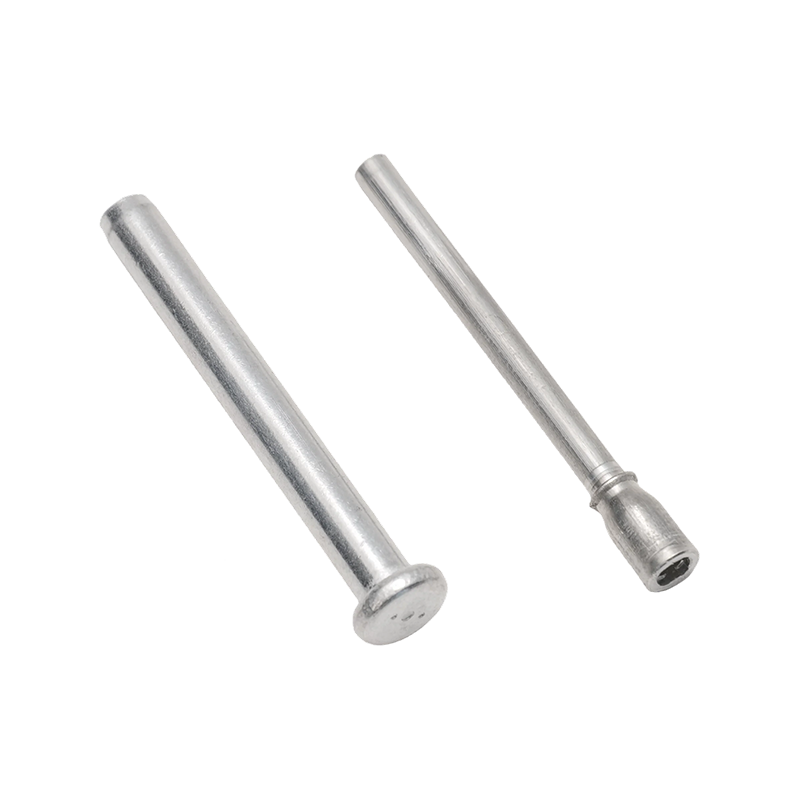
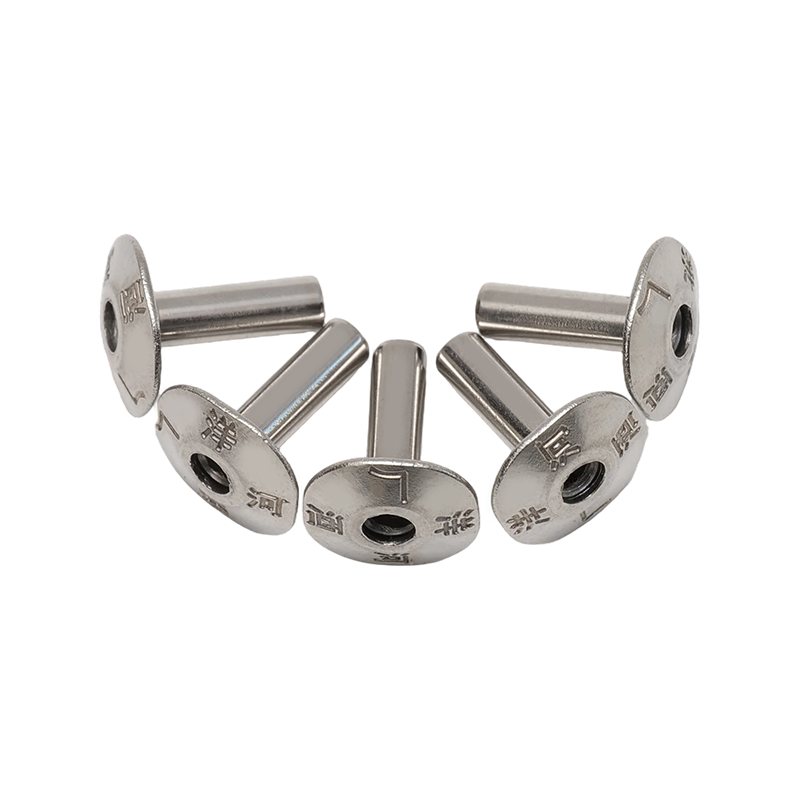
Aluminum rivet wire is a precision metal wire supplied for conversion into rivets. The wire is cut into slugs or blanks, formed into rivet bodies and heads, and then installed to join two or more components. Depending on the design, rivets may be formed by impact, pressure, compression, or specialized automated equipment.
The wire must be suitable for cold forming or other specified forming operations. It should respond predictably when the rivet head is created, without excessive cracking, splitting, uneven deformation, or surface damage. At the same time, the finished rivet must possess sufficient strength to resist the loads imposed by the application.
Aluminum is widely selected for rivets because it combines low density with useful corrosion resistance and good manufacturability. However, pure or low-strength aluminum is not appropriate for every application. Where a joint must resist higher shear loads or maintain improved structural reliability, a high-strength aluminum alloy wire is more suitable than general-purpose aluminum wire.
This product is designed for that higher-performance segment. It is not positioned simply as a conductive aluminum wire or a general metal-forming wire. Its intended role is the manufacture of rivets requiring enhanced mechanical performance and stable processing behavior.
Composition and Strengthening Principle
The stated copper content of the alloy is 3.9% to 4.5%. Copper is an important alloying element in high-strength aluminum alloys because it can participate in precipitation-strengthening reactions. In this material, the CuAl2 phase is identified as a key strengthening phase.
Phase strengthening can improve the load-bearing capability of the alloy compared with commercially pure aluminum. During appropriate alloy processing and heat treatment, strengthening phases can contribute to higher resistance to deformation. This allows the finished rivet to support more demanding mechanical loads while retaining the lightweight benefits associated with aluminum.
Composition control is essential. If the copper level is too low, the expected strengthening response may not be achieved. If the composition varies excessively from batch to batch, the wire may display inconsistent forming and performance characteristics. Maintaining the specified range helps create a repeatable material platform for rivet manufacturers.
Copper is not the only factor affecting rivet wire quality. Homogenization, thermal history, reduction schedule, drawing practice, surface condition, final dimensional control, and inspection methods all influence the final behavior of the wire. Consequently, a stated alloy composition should be supported by disciplined manufacturing and testing procedures.
| Product characteristic | Relevance to rivet production | Practical benefit |
|---|---|---|
| High-strength aluminum alloy base | Provides greater load-carrying potential than ordinary aluminum wire | Supports demanding fastening applications |
| CuAl2 phase strengthening | Improves resistance to deformation when the alloy is properly processed | Helps rivets maintain joint integrity under load |
| Copper content of 3.9% to 4.5% | Provides a defined composition range for production control | Promotes more consistent alloy performance |
| Oxidation resistance | Helps preserve surface and material stability during handling and service | Supports durability in exposed environments |
| Shear resistance | Important when installed rivets carry transverse or lateral forces | Improves suitability for structural joints |
| Wire-form supply | Allows customers to produce rivets in their own dimensions and configurations | Supports customized manufacturing programs |
Principal Advantages of the Product
High Strength for Structural Riveting
The primary advantage of this wire is its high-strength alloy design. Rivets frequently function as permanent load-bearing fasteners. They may be subjected to direct tension, transverse shear, vibration, impact, and repeated changes in load. A high-strength alloy helps the rivet resist deformation and contributes to a more stable joint.
In aviation and aerospace applications, the strength-to-weight ratio of the fastener is particularly important. A rivet that provides the required mechanical performance without unnecessary mass can help engineers control the weight of the overall assembly. Aluminum alloy rivets can therefore be useful where lightweight construction is a central design requirement.
The material is also relevant to military equipment, where fastening systems may need to operate under vibration, transportation shock, field exposure, and variable climatic conditions. The product’s strength and oxidation resistance provide a basis for use in applications that require more than the performance of standard soft aluminum wire.
Improved Shear Resistance
Riveted joints often experience shear forces. These forces act across the body of the rivet and can cause failure if the material is too soft, poorly formed, or incorrectly selected. The stated shear resistance of this alloy makes it appropriate for applications in which the rivet must help maintain alignment and load transfer between joined components.
Shear performance depends on more than alloy chemistry. Rivet diameter, head geometry, joint design, installation quality, hole preparation, clamping condition, and the properties of the joined materials are also important. Nevertheless, starting with a high-strength wire gives the rivet manufacturer a stronger material foundation for producing reliable fasteners.
Good Oxidation Resistance
Oxidation can affect the appearance, surface condition, and long-term stability of metal products. Aluminum naturally forms a protective oxide film, but alloy design and manufacturing conditions influence how the material behaves during storage, forming, and service.
The product is described as having good oxidation resistance. This characteristic is valuable during wire storage and rivet production, particularly when the material is transported through different climates or held before processing. It can also support service reliability when finished rivets are exposed to air, humidity, or changing environmental conditions.
Good oxidation resistance does not eliminate the need for appropriate packaging, storage, surface preparation, or compatibility evaluation. Rivet manufacturers should still protect wire from contamination and excessive moisture and should confirm that the finished fastener meets the environmental requirements of its application.
Balanced Performance for Rivet Forming
A rivet wire must be strong enough after production but sufficiently workable during forming. If the material is excessively hard or internally inconsistent, it may crack during heading. If it is too soft, the finished rivet may not meet the required strength level.
A properly controlled high-strength aluminum alloy wire can provide a practical balance between formability and mechanical performance. This balance is important for automated rivet manufacturing, where thousands or millions of pieces may be produced and small differences in material behavior can influence tool wear, production speed, scrap rate, and dimensional consistency.
Customers should select the appropriate delivery condition and processing route according to the intended rivet design. The wire supplier and rivet manufacturer may need to coordinate requirements such as diameter, tolerance, temper, coil or straight-length supply, surface condition, and downstream heat treatment.
For Rivets
Applications in Aviation and Aerospace
Aviation and aerospace structures are commonly designed around the principles of low weight, high reliability, and controlled maintenance. Fasteners used in these sectors must meet demanding requirements because failure of a joint can affect the safety, service life, or performance of an entire assembly.
Aluminum alloy rivets are widely associated with aircraft structures, panels, skins, brackets, frames, ducts, and other lightweight assemblies. A rivet wire strengthened through a copper-containing aluminum alloy system can be considered where a higher level of strength is required than that offered by ordinary aluminum.
The product’s low-density aluminum base helps support weight-conscious design. Its strength and shear resistance can contribute to reliable load transfer, while its oxidation resistance supports the long-term stability of the fastener when the material is properly processed and integrated into the structure.
In aerospace manufacturing, material traceability and process discipline are essential. Buyers may require chemical analysis records, mechanical test results, dimensional inspection data, batch identification, and documentation confirming conformity with an approved specification. A supplier with established quality systems is better positioned to support these requirements than an informal or unstructured source.
Applications in Military Equipment
Military products may be exposed to transportation vibration, outdoor storage, rapid temperature changes, humidity, dust, and repeated mechanical loading. In these environments, rivets must maintain joint stability and resist loosening or deformation.
The high-strength aluminum alloy wire is intended for military-related applications where a lightweight but robust fastening material is required. It can be used as a feedstock for rivets in equipment housings, vehicle components, structural panels, communication equipment, and other assemblies, subject to customer specifications and qualification requirements.
Military procurement often places strong emphasis on batch consistency, inspection records, supply reliability, and confidentiality. A manufacturer with an integrated production facility and formal quality management practices can provide a more dependable basis for long-term supply programs.
Applications should always be validated against the relevant military standard, drawing, environmental requirement, and performance test. The wire itself is a critical input, but final suitability depends on the completed rivet, the installation method, and the design of the joint.
Applications Beyond Aerospace and Defense
Although aviation, aerospace, and military applications are the primary fields identified for this product, high-strength aluminum rivet wire may also be considered in other industries. Potential areas include transportation equipment, rail vehicles, commercial structures, industrial machinery, electrical enclosures, lightweight fabrication, and general engineering assemblies.
In transportation, reducing fastener weight can complement the broader objective of reducing vehicle mass. In industrial equipment, rivets may offer a permanent joining method that avoids welding heat or the need for threaded components. In sheet-metal fabrication, aluminum rivets can be useful where corrosion behavior, appearance, and ease of installation are important.
The correct application depends on the required strength, joint geometry, operating temperature, galvanic compatibility, corrosion environment, and installation equipment. The product should therefore be assessed as part of a complete fastening system rather than selected solely on the basis of alloy name.
Manufacturing Capabilities and Process Control
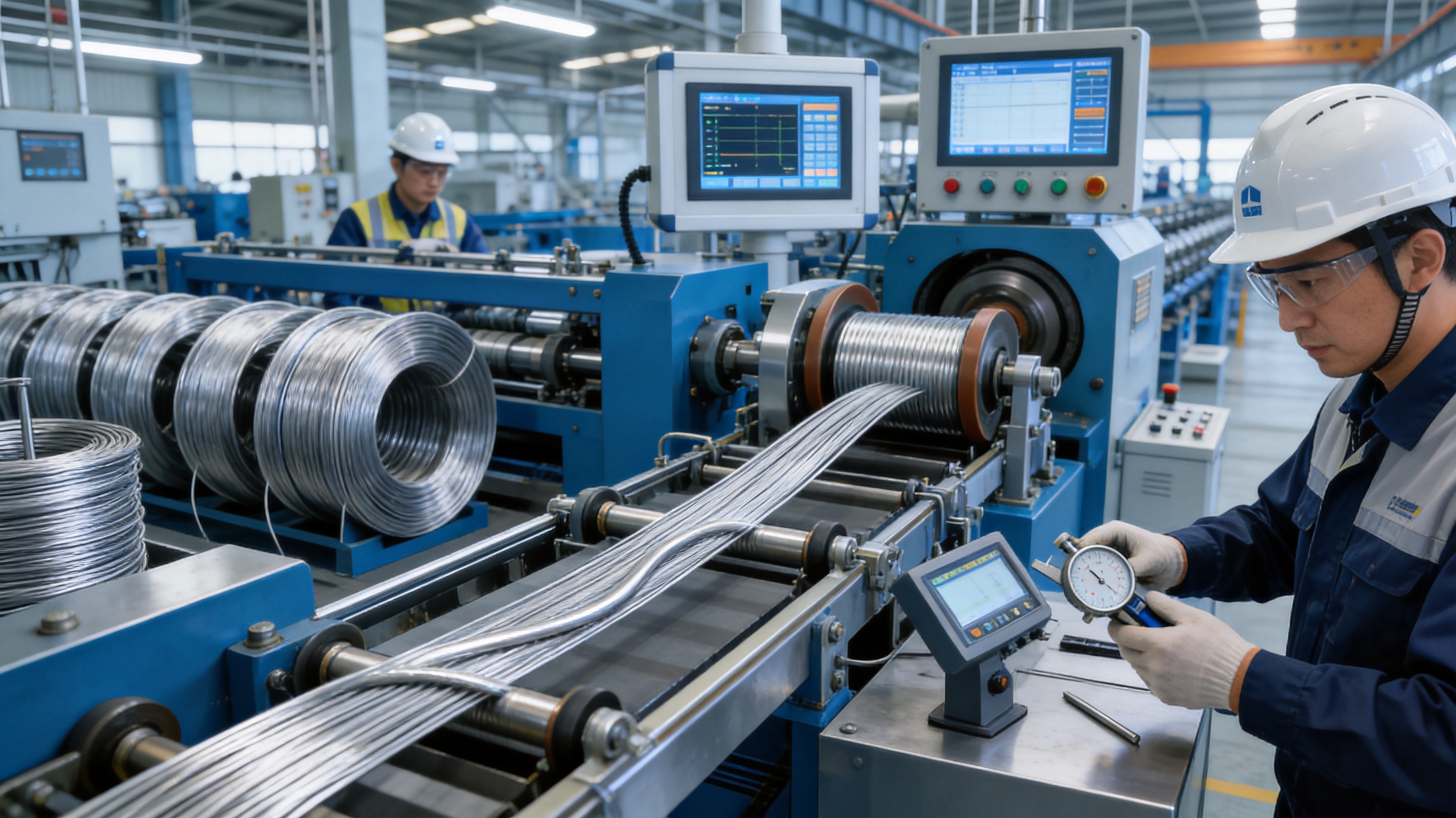
Jiangsu Hetuo Aluminum Wire Co., Ltd. operates an intelligent manufacturing system covering high-purity aluminum wire, high-strength aluminum alloy wire, and aluminum or aluminum alloy welding materials. This product range gives the company experience across several aluminum material categories, including wire products intended for precision industrial applications.
The company’s factory covers approximately 40,000 square meters and employs about 60 people, including professional managers and technicians. This combination of production space, technical personnel, and organized manufacturing infrastructure supports the production of specialized wire products rather than only basic commodity materials.
Advanced equipment and facilities are used throughout the manufacturing process. While the exact equipment configuration may vary according to alloy, diameter, and delivery condition, a professional wire production route generally requires controlled melting or billet preparation, alloy composition management, casting or forming, thermal treatment, rolling or reduction, drawing, surface handling, inspection, and packaging.
Each stage can influence the performance of the final wire. For example, poor composition control can affect strength and forming behavior. Inadequate homogenization can create microstructural variation. Improper reduction can lead to dimensional inconsistency or residual stress. Insufficient surface control can create defects that become more serious during rivet heading.
For this reason, a capable manufacturer must manage the entire process rather than rely only on final inspection. Process control reduces the probability that defects will be created in the first place and supports more stable performance from one production batch to the next.
Raw Material and Alloy Control
High-strength rivet wire begins with appropriate raw materials and accurate alloy proportioning. The stated copper range of 3.9% to 4.5% must be maintained through controlled batching and chemical verification. Other alloying elements and impurities should also be managed according to the applicable product specification.
Accurate alloy preparation helps ensure that the wire responds consistently to subsequent thermal and mechanical processing. It also allows quality personnel to compare production results with technical requirements and identify deviations before the material reaches the customer.
Thermal and Microstructural Management
Aluminum alloys containing copper can be sensitive to thermal history. Heating, cooling, homogenization, solution treatment, aging, or other thermal steps may influence phase distribution, hardness, strength, ductility, and forming performance.
Careful thermal management is therefore an important part of high-strength alloy wire production. The objective is not merely to increase hardness. The material must be processed so that it achieves the required combination of strength and workability for the intended rivet manufacturing route.
Microstructural consistency also matters when wire is drawn to smaller dimensions. A uniform structure helps reduce unexpected variation in drawing force, surface quality, and mechanical response. These controls are especially useful for customers using high-speed automated equipment.
Rolling, Drawing, and Dimensional Accuracy
Wire drawing reduces the cross-sectional area and brings the product to its specified diameter. The drawing process must be controlled to avoid excessive work hardening, surface damage, dimensional fluctuation, and internal stress.
For rivet manufacturers, diameter consistency is directly related to blank weight, rivet volume, head formation, and finished dimensions. A small variation in wire diameter can become significant when the wire is processed at high production volumes.
Controlled drawing practices, appropriate lubrication, suitable tooling, intermediate inspection, and final dimensional verification all contribute to stable results. The supplier’s ability to produce customized wire dimensions can also help customers reduce material waste and adapt the wire to specific rivet designs.
Surface Quality and Clean Handling
Surface quality is critical because defects may be magnified during cutting and heading. Scratches, laps, pits, embedded particles, or oxidation marks can interfere with forming and may become initiation points for cracking or corrosion.
A professional production system should therefore include appropriate surface protection, clean handling, inspection, and packaging. The product is intended for industrial customers who may have strict requirements for appearance and surface integrity, particularly in aerospace or precision manufacturing environments.
Inspection Throughout Production
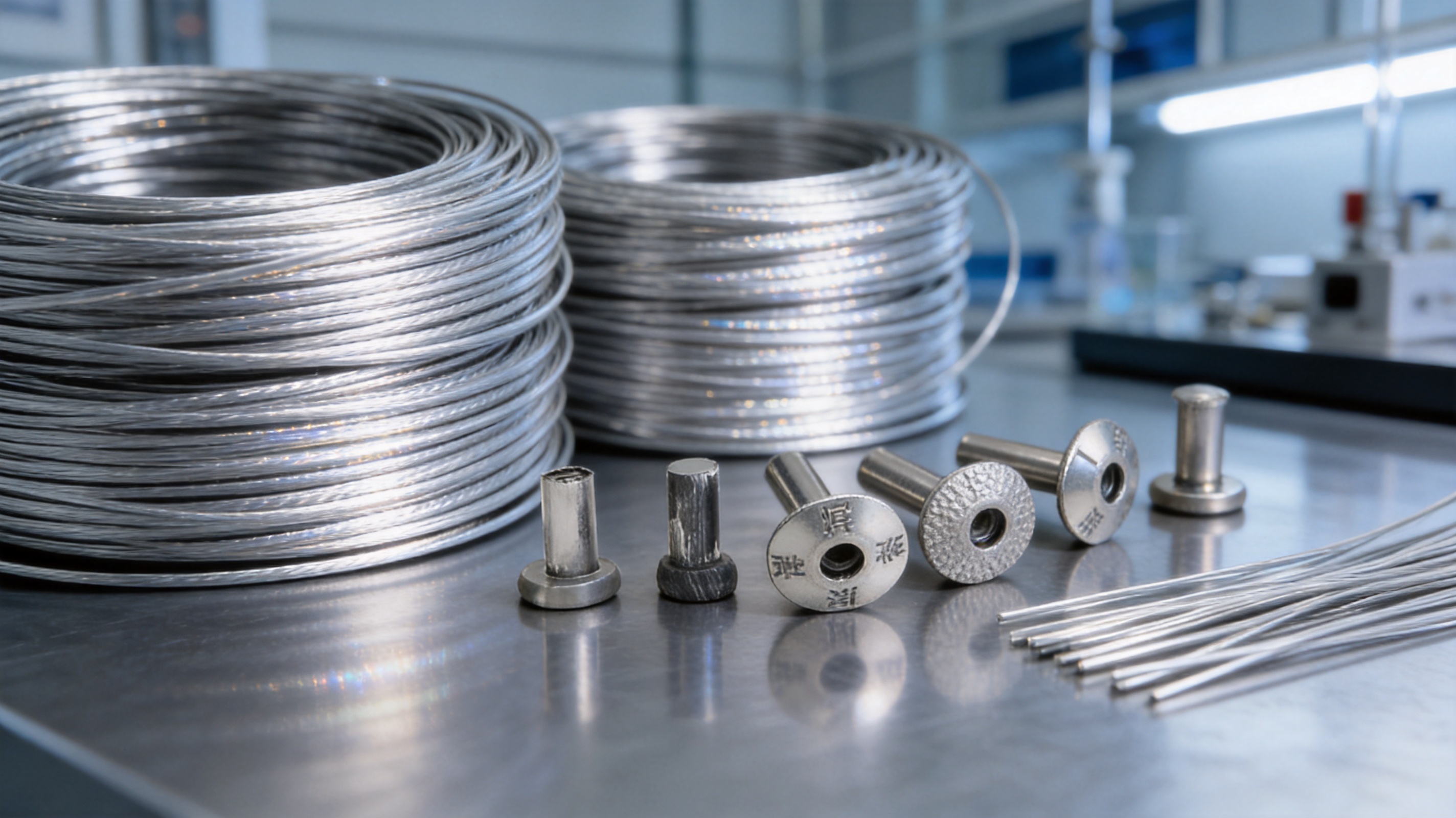
The company states that it implements strict quality inspection throughout production. In practice, a comprehensive inspection program may include chemical composition verification, dimensional measurement, surface examination, mechanical testing, process records, and final batch release.
Inspection at multiple stages is more effective than relying on a single test after production. Early checks can identify composition or dimensional issues before additional value is added to the material. Final checks confirm that the shipped product conforms to the customer’s purchase order and technical requirements.
Quality Management and Certification Strengths
Jiangsu Hetuo Aluminum Wire Co., Ltd. has obtained ISO 9001 and IATF 16949 quality management system certifications. These certifications are important indicators of structured management, documented processes, corrective action practices, and continual improvement.
ISO 9001 provides a framework for quality management across customer communication, production planning, process control, supplier management, inspection, nonconformance handling, and improvement activities. It helps create repeatable systems rather than relying entirely on individual experience.
IATF 16949 is associated with the automotive industry and emphasizes robust process management, risk prevention, traceability, defect reduction, and customer-specific requirements. Although aluminum rivet wire may be supplied to multiple industries, experience with a demanding quality framework can strengthen production discipline and support customers with strict quality expectations.
Certification does not replace product qualification or application testing. Customers should still confirm the required alloy standard, mechanical properties, tolerance, delivery condition, documentation, and approval process. However, a certified management system provides a stronger foundation for meeting those requirements consistently.
Advantages Compared with Generic Aluminum Wire
Generic aluminum wire may be suitable for electrical conductors, decorative products, simple forming, or other applications that do not require high mechanical performance. It should not automatically be treated as equivalent to specialized rivet wire.
The principal difference is design intent. Generic wire is often produced around a broad commercial specification, while rivet wire is selected and processed for a defined forming and fastening function. This distinction affects composition control, dimensional tolerance, surface requirements, mechanical behavior, and documentation.
Compared with ordinary soft aluminum wire, the high-strength alloy product offers a more appropriate basis for rivets exposed to shear and structural loading. Compared with unverified alloy wire, it provides clearer composition information and a more structured manufacturing background. Compared with imported specialty wire, it may offer greater communication flexibility, customized supply, and a more competitive sourcing route for international buyers.
| Comparison factor | Generic aluminum wire | High-strength aluminum rivet wire |
|---|---|---|
| Primary design purpose | General conductivity, forming, or fabrication | Manufacture of high-performance aluminum rivets |
| Strength requirement | May be moderate or application-specific | Prioritizes higher strength and shear resistance |
| Alloy information | May be broad or dependent on supplier | Copper content is specified at 3.9% to 4.5% |
| Strengthening mechanism | May not involve a defined strengthening phase | Associated with CuAl2 phase strengthening |
| Forming consideration | Not necessarily optimized for rivet heading | Developed for conversion into rivet products |
| Industry focus | General industrial use | Aviation, aerospace, military, and demanding engineering applications |
| Supplier support | May be limited to standard sizes | Can support customized wire requirements and technical coordination |
Customization for Rivet Manufacturers
Rivet manufacturers rarely use one universal wire size for every product. Rivet diameter, body length, head design, installation method, joint thickness, and customer specification all influence the required feedstock dimensions.
Customized supply can include wire diameter, tolerance, coil weight, straightened length, packaging, surface condition, and delivery schedule. Customers may also require specific test reports, batch identification, labeling, or documentation packages.
Customization should begin with a clear technical discussion. The buyer should provide the target rivet specification, intended forming process, required performance, applicable standard, and expected production volume. The supplier can then evaluate whether the proposed alloy and delivery condition are appropriate.
Customized wire can reduce downstream preparation and material waste. A properly selected diameter may minimize machining or trimming, improve blank consistency, and simplify automated feeding. It can also help the rivet manufacturer maintain more stable forming conditions.
For large-volume customers, a supply agreement may include approval samples, first-article inspection, production trial batches, periodic testing, and agreed acceptance criteria. This approach is particularly valuable in aerospace, defense, and automotive-related supply chains.
Recommended Customer Evaluation Process
Define the Rivet Application
Before ordering, the customer should identify the joint type, expected loads, environmental exposure, operating temperature, installation method, and service life. The required wire should be selected according to the finished rivet’s function, not simply according to availability or price.
Confirm Technical Requirements
Important requirements may include alloy composition, tensile strength, yield strength, elongation, hardness, shear performance, wire diameter, diameter tolerance, surface condition, straightness, coil size, and packaging. If a customer specification or industry standard applies, it should be referenced in the purchase order.
Review Samples and Test Results
Representative samples allow the customer to evaluate cutting, feeding, heading, surface quality, dimensional stability, and finished rivet performance. Test results should be reviewed together with the supplier’s material certificates and batch information.
Conduct a Production Trial
A production trial is recommended before full-scale approval. The customer can examine forming behavior, tooling response, scrap rate, rivet dimensions, and joint performance under actual or simulated production conditions.
Establish Ongoing Controls
Once the material is approved, the buyer and supplier should agree on repeat-order controls. These may include fixed specifications, change notification, periodic requalification, inspection frequency, packaging standards, and procedures for handling nonconforming material.
Storage, Handling, and Processing Considerations
Aluminum wire should be stored in a clean, dry environment protected from rain, condensation, corrosive chemicals, and unnecessary mechanical damage. Coils and bundles should be handled carefully to prevent dents, kinks, scratches, or deformation that could interfere with feeding and forming.
Before processing, the customer should inspect the packaging and confirm that the material identification matches the purchase order. If the wire has been stored for an extended period, the surface should be examined for contamination or oxidation, and the customer’s internal acceptance procedure should be followed.
Processing equipment should be adjusted for the selected alloy and wire size. Cutting tools must produce clean blanks, and heading tools should be maintained to prevent surface scoring or uneven head formation. Lubrication and feeding conditions should be controlled according to the customer’s established process.
Where the final rivet requires heat treatment, the thermal cycle should be validated carefully. Heat treatment can change strength, hardness, dimensional stability, and residual stress. The finished rivet should be tested after all relevant processing steps rather than evaluated only in the incoming wire condition.
Why Supplier Selection Matters
Choosing a rivet wire supplier is a technical and commercial decision. A low purchase price may not represent the lowest total cost if the material creates forming problems, increased scrap, tool damage, delayed deliveries, or additional inspection requirements.
A reliable supplier contributes through stable alloy production, process documentation, responsive communication, predictable delivery, and technical support. These capabilities are especially important when the customer is developing a new rivet, qualifying a new source, or scaling production.
Jiangsu Hetuo Aluminum Wire Co., Ltd. combines a specialized aluminum product portfolio with an established manufacturing site, technical and management personnel, advanced equipment, and certified quality systems. Its experience includes high-purity aluminum wire, high-strength aluminum alloy wire, and welding materials, allowing it to serve customers across multiple aluminum-related applications.
The company’s stated focus on customer needs and customer satisfaction is relevant to customized rivet wire programs. Instead of treating every order as a standard commodity transaction, a specialized supplier can work with customers on size, condition, testing, packaging, and delivery requirements.
Frequently Asked Questions
What is this aluminum wire primarily used for?
The wire is primarily used to manufacture aluminum rivets for aviation, aerospace, military, and other demanding engineering applications. It is intended for customers that require a high-strength aluminum alloy feedstock rather than general-purpose aluminum wire.
What provides the alloy’s strengthening effect?
The material is described as being strengthened by the CuAl2 phase. Its copper content is specified at approximately 3.9% to 4.5%. The final properties also depend on thermal history, processing condition, wire size, and applicable heat treatment.
Does the product have good shear resistance?
Yes. Good shear resistance is one of the stated characteristics of the product. This makes it suitable for rivets that must transfer transverse loads, although the completed joint must still be evaluated according to its design, installation method, and service conditions.
Is the wire suitable for aviation and aerospace components?
It is mainly intended for aviation and aerospace-related uses. Final approval for a specific aircraft or aerospace component requires compliance with the applicable drawing, material specification, qualification procedure, and customer or regulatory requirements.
Can the wire be customized?
Customized wire solutions can be discussed according to diameter, tolerance, delivery condition, packaging, inspection documentation, and order volume. Customers should provide detailed rivet and production requirements before requesting a quotation.
What quality certifications does the manufacturer have?
The manufacturer has obtained ISO 9001 and IATF 16949 quality management system certifications. Customers should request the documentation and product-specific test records required for their own approval procedures.
How does this wire compare with pure aluminum wire?
The high-strength alloy wire is designed for greater mechanical performance than pure or low-strength aluminum wire. Its CuAl2 phase strengthening and controlled copper content provide a basis for improved strength and shear resistance, while the aluminum base retains the benefits of relatively low density.
What information should be included in an inquiry?
An inquiry should include the required alloy or composition, wire diameter, tolerance, desired delivery condition, coil or straight-length format, quantity, application, applicable standard, required tests, packaging requirements, and destination. Rivet drawings or production details are helpful when a customized solution is required.
Can the wire be used in automated rivet production?
It may be suitable for automated production when the diameter, surface condition, straightness, mechanical properties, and delivery format match the equipment requirements. A production trial should be completed before mass production approval.
What should customers do before full-scale purchasing?
Customers should review technical documentation, test samples, perform forming trials, inspect finished rivets, and confirm joint performance. For critical applications, first-article inspection and formal supplier qualification are recommended.
Conclusion
High-strength aluminum alloy wire for rivets is a specialized material developed to support reliable, lightweight fastening. Its principal advantages include a copper-controlled composition, CuAl2 phase strengthening, good oxidation resistance, and useful shear resistance. These characteristics make it particularly relevant to aviation, aerospace, military, and other engineering fields where rivet performance and weight efficiency are important.
The value of the product extends beyond its alloy chemistry. Consistent wire requires controlled raw materials, disciplined thermal and mechanical processing, accurate drawing, surface protection, dimensional inspection, and reliable batch documentation. Jiangsu Hetuo Aluminum Wire Co., Ltd. supports this product through an intelligent manufacturing system, a 40,000-square-meter factory, professional technical personnel, advanced equipment, continual inspection, and ISO 9001 and IATF 16949 quality management certifications.
Compared with generic aluminum wire, a dedicated rivet wire offers a more appropriate combination of strength, shear resistance, forming consideration, and technical support. Customers can also discuss customized dimensions and delivery requirements to match their rivet designs and production equipment.
For the best results, the wire should be selected as part of a complete fastening-system evaluation. Material composition, rivet geometry, forming conditions, installation method, environmental exposure, and final joint performance should all be considered. When these factors are controlled together, high-strength aluminum rivet wire can provide a dependable foundation for lightweight and durable assemblies.
References
1. Aluminum Association. Aluminum Standards and Data. Technical reference for aluminum alloy designations, properties, and applications.
2. International Organization for Standardization. ISO 9001: Quality Management Systems—Requirements.
3. International Automotive Task Force. IATF 16949: Quality Management System Requirements for Automotive Production and Relevant Service Parts Organizations.
4. ASM International. ASM Handbook, Volume 2: Properties and Selection—Nonferrous Alloys and Special-Purpose Materials.
5. ASM International. ASM Handbook, Volume 14: Forming and Forging. Reference material for metal forming behavior and process considerations.
6. Davis, J. R., editor. Aluminum and Aluminum Alloys. ASM International reference on aluminum metallurgy, alloying, processing, and performance.
7. Manufacturer-provided product information for high-strength aluminum alloy wire for rivets, including stated composition, application, manufacturing capabilities, and quality management information.