

 English
 中文简体
 русский
 Deutsch
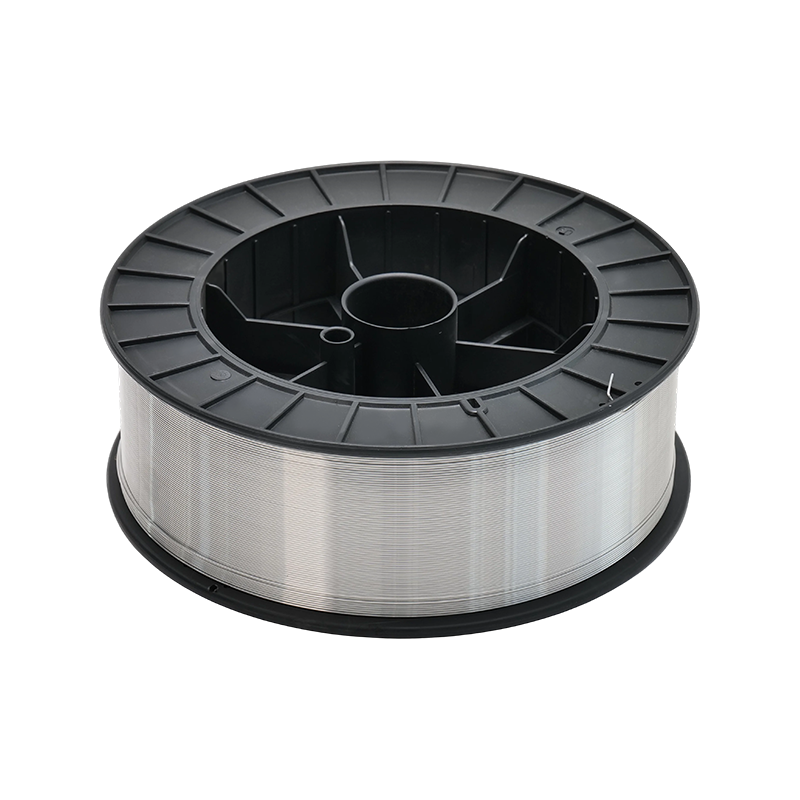
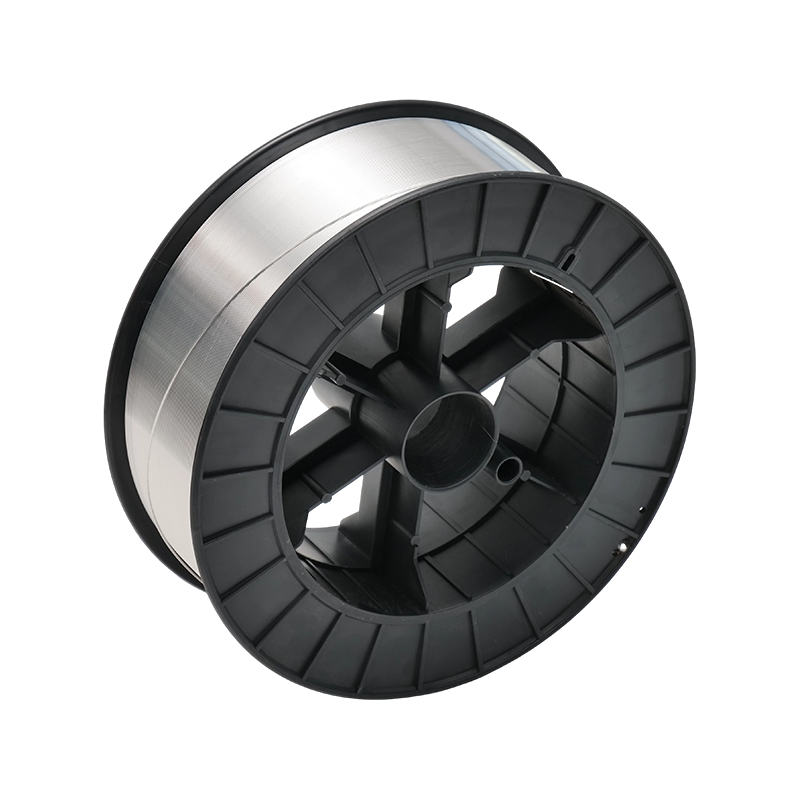
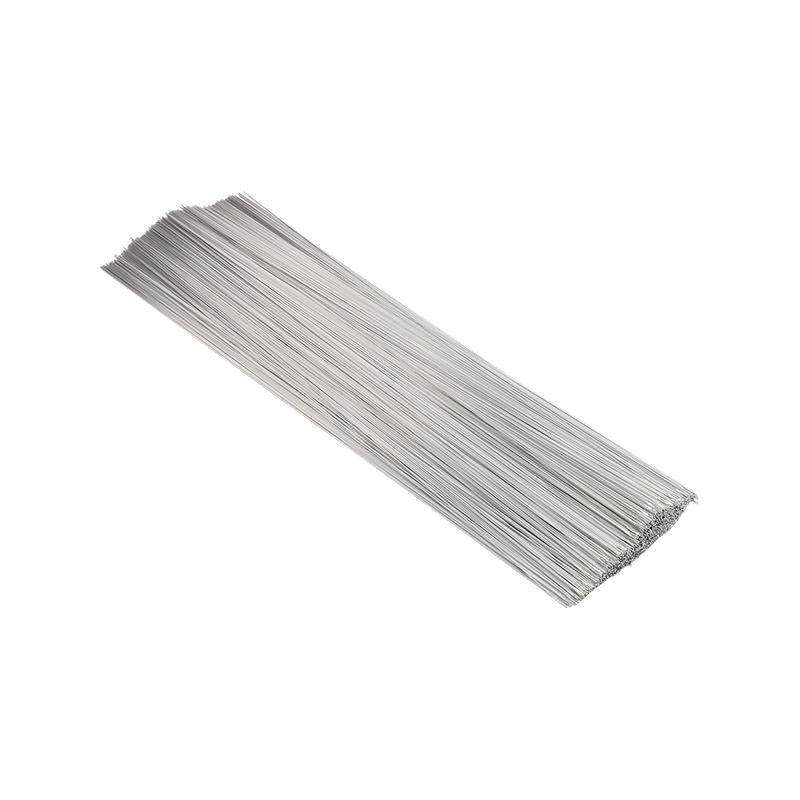
AlMg6 aluminum alloy wire is a high-strength, magnesium-rich aluminum alloy wire designed for demanding industrial applications where low weight, mechanical performance, corrosion resistance, and dependable welding characteristics must work together. With a nominal magnesium content of 5.8–6.8%, AlMg6 provides a valuable balance between strength and processability while retaining the lightweight advantages associated with aluminum materials.
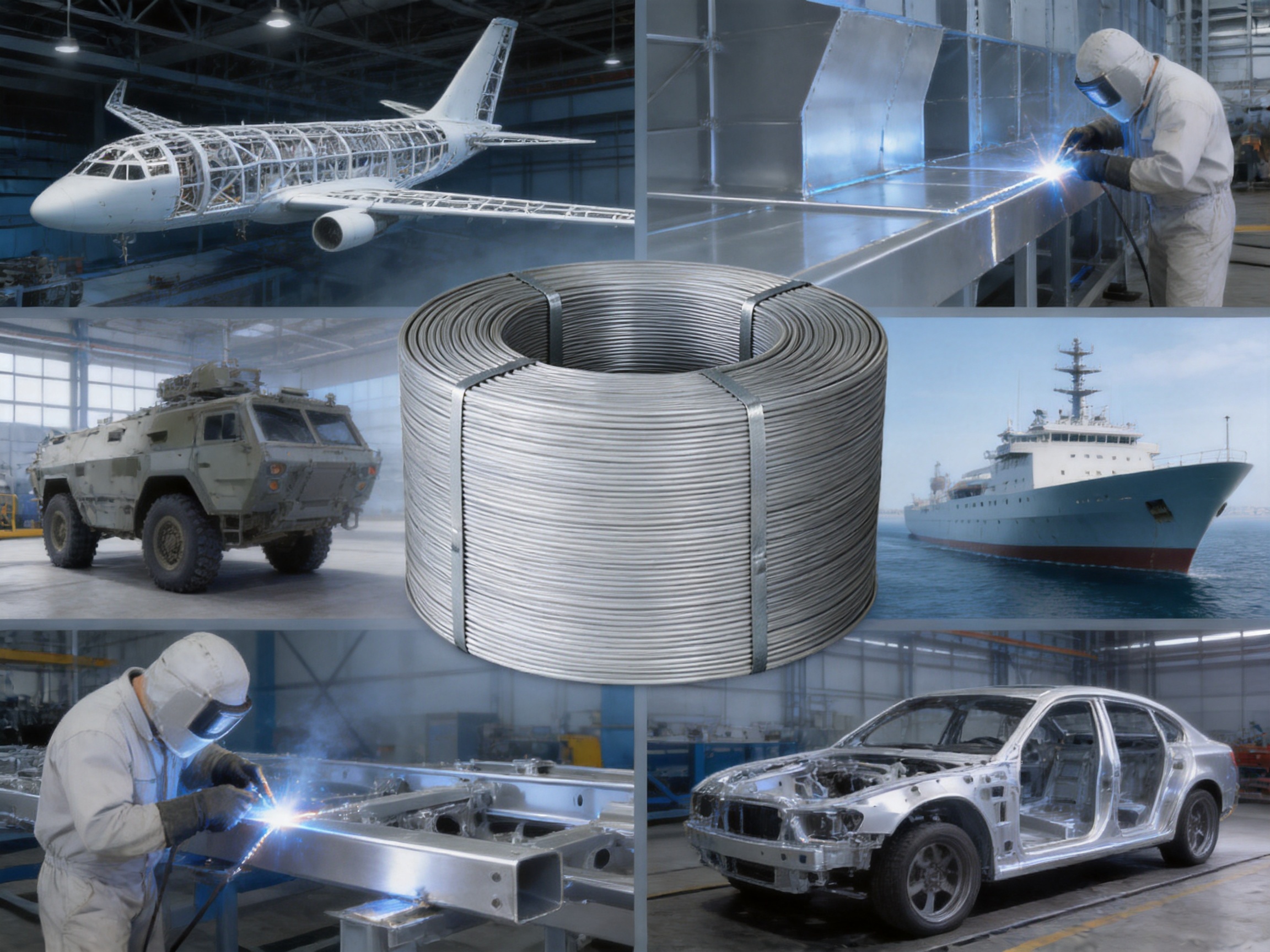
This alloy wire is mainly used in aviation, aerospace, military equipment, shipbuilding, automotive manufacturing, tank construction, structural fabrication, and other sectors that require durable aluminum alloy components. Its combination of strengthening capability, exfoliation corrosion resistance, and weldability makes it suitable for applications exposed to vibration, changing temperatures, moisture, salt spray, and demanding service environments.
Manufactured by Jiangsu Hetuo Aluminum Wire Co., Ltd., AlMg6 aluminum alloy wire is produced within an integrated aluminum wire manufacturing system that covers high-purity aluminum wire, high-strength aluminum alloy wire, and aluminum and aluminum alloy welding materials. The company’s production approach combines controlled alloy preparation, precision wire processing, systematic inspection, and quality management supported by ISO 9001 and IATF 16949 certifications.
For buyers, fabricators, and engineering teams, AlMg6 offers more than a specific chemical composition. It provides a practical material solution for reducing component weight, improving corrosion durability, simplifying welding operations, and maintaining stable performance in high-value industrial products.
Content
- 1 What Is AlMg6 Aluminum Alloy Wire?
- 2 Key Performance Advantages of AlMg6 Wire
- 3 Comparison with Other Aluminum Alloy Wires
- 4 Applications Across High-Performance Industries
- 5 Manufacturing Process and Quality Strengths
- 6 Benefits for Purchasing and Engineering Teams
- 7 Recommended Handling, Storage, and Welding Practices
- 8 Why Choose AlMg6 for Competitive Product Design?
- 9 Technical Purchasing Checklist
- 10 Frequently Asked Questions
- 10.1 What is the main advantage of AlMg6 aluminum alloy wire?
- 10.2 What is the magnesium content of AlMg6 wire?
- 10.3 Is AlMg6 suitable for marine applications?
- 10.4 Can AlMg6 replace 5356 wire?
- 10.5 How does AlMg6 compare with AlMg5?
- 10.6 How does AlMg6 compare with 4043 wire?
- 10.7 What industries use AlMg6 aluminum alloy wire?
- 10.8 What quality certifications does the manufacturer hold?
- 10.9 What information should be provided when requesting a quotation?
- 10.10 How should AlMg6 wire be stored?
- 10.11 Does the chemical composition guarantee final weld performance?
- 11 Conclusion
- 12 References
- 13 Product: AlMg6 Aluminum Alloy Wire
What Is AlMg6 Aluminum Alloy Wire?
AlMg6 is an aluminum-magnesium alloy containing approximately 5.8–6.8% magnesium. The balance is aluminum, with controlled additions and limits for elements such as silicon, iron, copper, manganese, zinc, titanium, beryllium, and other trace elements. The product composition supplied for this material includes the following typical values:
| Element | Typical or Specified Content | Function in the Alloy |
|---|---|---|
| Aluminum | Balance | Provides low density, corrosion resistance, conductivity, and the primary alloy matrix |
| Magnesium | 5.8–6.8% | Provides solid-solution strengthening and contributes to mechanical performance |
| Silicon | Maximum 0.40% | Controlled to maintain alloy characteristics and weld quality |
| Iron | Maximum 0.40% | Controlled to limit unwanted intermetallic phases |
| Copper | Maximum 0.10% | Kept low to support corrosion resistance |
| Manganese | 0.5–0.8% | Supports strength and structural stability |
| Zinc | Maximum 0.20% | Maintained within a controlled limit |
| Titanium | 0.1–0.2% | Can support grain refinement and product consistency |
| Beryllium | 0.002–0.005% | Present at a carefully controlled trace level |
The alloy’s high magnesium content distinguishes it from lower-magnesium aluminum wires such as AlMg3 and AlMg5. Compared with these lower-alloyed materials, AlMg6 is designed for applications that place greater emphasis on strength and demanding service performance. At the same time, it remains within the aluminum-magnesium family, allowing users to benefit from the good corrosion behavior, weldability, and low density associated with this group of alloys.
AlMg6 aluminum alloy wire can be supplied for welding, fabrication, or other specialized processing requirements according to customer specifications. Final wire diameter, surface condition, package format, tolerance, and delivery condition should be confirmed with the manufacturer before ordering.
Key Performance Advantages of AlMg6 Wire
High Magnesium Content for Increased Strength
The principal strengthening element in AlMg6 is magnesium. When magnesium is incorporated into the aluminum matrix at the specified level, it increases the strength of the alloy through solid-solution strengthening. This allows AlMg6 to provide higher performance than commercially pure aluminum wire and many lower-strength aluminum grades.
The strength advantage is especially important when designers are attempting to reduce material thickness or component weight without sacrificing structural reliability. In transportation and aerospace-related applications, even modest weight reductions can contribute to lower energy consumption, improved payload efficiency, and better system performance. In automotive and marine equipment, lightweight alloy wire can also help reduce the mass of welded assemblies and fabricated structures.
Unlike some highly alloyed aluminum systems that may require complex heat treatment to achieve their performance, aluminum-magnesium alloys are commonly valued for their practical balance of strength and fabrication capability. The specific mechanical properties of a supplied wire depend on diameter, temper, processing condition, and applicable standard, so users should request a technical data sheet and inspection certificate for project-specific verification.
Good Exfoliation Corrosion Resistance
AlMg6 is particularly suitable for environments in which corrosion resistance is a central design requirement. The aluminum matrix naturally forms a protective oxide film, while the controlled alloy composition helps maintain resistance to atmospheric moisture, industrial exposure, and many marine conditions.
Good resistance to exfoliation corrosion is important for components that may experience prolonged exposure to moisture, salt, cyclic wetting and drying, or contaminants. Exfoliation corrosion can cause layered deterioration beneath or along the surface of susceptible materials. By selecting an alloy with appropriate corrosion performance and maintaining proper fabrication and surface protection practices, manufacturers can improve the expected service life of welded structures and assemblies.
Shipbuilding, marine equipment, military vehicles, tank structures, and transportation systems can all benefit from a material that combines low density with strong resistance to environmental attack. However, corrosion performance is influenced by the entire system, including joint design, surface preparation, heat input, contamination, dissimilar-metal contact, drainage, and post-weld treatment. AlMg6 should therefore be selected as part of a complete corrosion-control strategy rather than as an isolated solution.
Reliable Weldability
Weldability is one of the most important advantages of AlMg6 aluminum alloy wire. The wire is suitable for aluminum welding applications where stable feeding, consistent melting, and sound joint formation are required. Properly selected AlMg6 filler material can help create welded joints that retain the desired balance of strength, ductility, and corrosion resistance.
Aluminum welding requires careful control because aluminum has high thermal conductivity, a relatively low melting temperature compared with steel, and a persistent oxide film with a much higher melting temperature than the base metal. Successful results depend on correct current, voltage, travel speed, shielding gas, torch position, wire feed rate, joint preparation, and cleaning procedures.
AlMg6 wire is intended to support professional welding operations when these variables are properly controlled. It can be used in applications involving aluminum-magnesium base materials and other compatible aluminum alloys, subject to engineering approval and welding procedure qualification. The final filler selection should consider the base-metal grade, required joint strength, operating environment, crack sensitivity, corrosion requirements, and applicable welding code.
Low Density and Weight-Saving Potential
Aluminum is substantially lighter than steel and many other structural metals. This makes AlMg6 wire attractive for industries where total system weight affects transportation cost, fuel consumption, payload, handling, or installation efficiency.
In aerospace and automotive manufacturing, weight reduction is closely connected with operating economy. In shipbuilding, lower structural mass can contribute to improved payload capacity and overall efficiency. In military vehicles and tanks, lightweight construction may support mobility and equipment integration. AlMg6 allows manufacturers to use a high-strength aluminum alloy while preserving the broader weight advantages of aluminum-based materials.
Weight savings are also valuable during fabrication. Lightweight welding wire is easier to handle, transport, and organize on the shop floor. When combined with a consistent package and stable feeding characteristics, it can help improve production efficiency and reduce unnecessary handling time.
Good Balance of Strength and Formability
AlMg6 is engineered for applications that need more strength than high-purity aluminum wire can provide but still require practical fabrication characteristics. This balance is one reason aluminum-magnesium alloys are widely used in transportation, marine, and structural applications.
Good formability supports the production of assemblies with bends, curved sections, formed profiles, and complex joint geometries. Although forming behavior varies according to temper, diameter, and process condition, AlMg6 can provide a more useful combination of structural performance and fabrication flexibility than many very hard or highly specialized alloy systems.
Comparison with Other Aluminum Alloy Wires
AlMg6 should be evaluated according to the intended application rather than treated as a universal replacement for every aluminum wire. Different grades are formulated for different purposes. The following comparison explains where AlMg6 offers a practical advantage and where another alloy may be more appropriate.
| Alloy or Wire Type | General Composition Characteristic | Main Advantage | Typical Selection Consideration |
|---|---|---|---|
| High-purity aluminum wire | Very high aluminum content with limited alloying elements | Excellent conductivity and high purity | Preferred where conductivity or chemical purity is more important than strength |
| AlMg3 | Approximately 3.2–3.8% magnesium | Good corrosion resistance and general weldability | Suitable for moderate-strength applications |
| AlMg5 | Approximately 4.8–5.8% magnesium | Higher strength than lower-magnesium grades | Useful where a balance of strength and weldability is required |
| AlMg6 | Approximately 5.8–6.8% magnesium | Higher magnesium-based strengthening and good exfoliation corrosion resistance | Suitable for demanding structural, marine, military, and transportation applications |
| 5356 | Approximately 4.5–5.5% magnesium with chromium and manganese | Common aluminum-magnesium welding performance | Selected when a recognized welding filler designation and specific code compliance are required |
| 4043 | Approximately 4.5–6.0% silicon | Good fluidity and reduced melting temperature | Often chosen for cast aluminum welding and improved weld appearance |
| 4047 | Approximately 11.0–13.0% silicon | High silicon content and strong fluidity | Used for specialized brazing and welding conditions |
| 2A10 or 2219 | Copper-containing alloy systems | High-temperature or high-strength applications | Selected according to specific structural and thermal requirements |
Compared with high-purity aluminum wire, AlMg6 offers significantly greater alloy-based strengthening. Compared with lower-magnesium wires, it is intended for higher-performance applications where increased magnesium content is beneficial. Compared with silicon-rich 4043 and 4047 wires, AlMg6 is better aligned with aluminum-magnesium structural and corrosion-resistant applications rather than applications primarily requiring high fluidity or silicon-modified melting behavior.
Compared with 5356, AlMg6 has a similar aluminum-magnesium design philosophy, but the exact chemistry and designation should be carefully reviewed before substitution. Welding filler metals are not interchangeable solely because their magnesium content appears similar. The proper choice depends on the base material and the required mechanical, corrosion, and code performance of the finished joint.
This application-focused positioning is an important competitive advantage. AlMg6 is not marketed as a one-purpose commodity wire. It is a targeted solution for users who need the combined value of high magnesium strengthening, corrosion resistance, low weight, and welding capability.
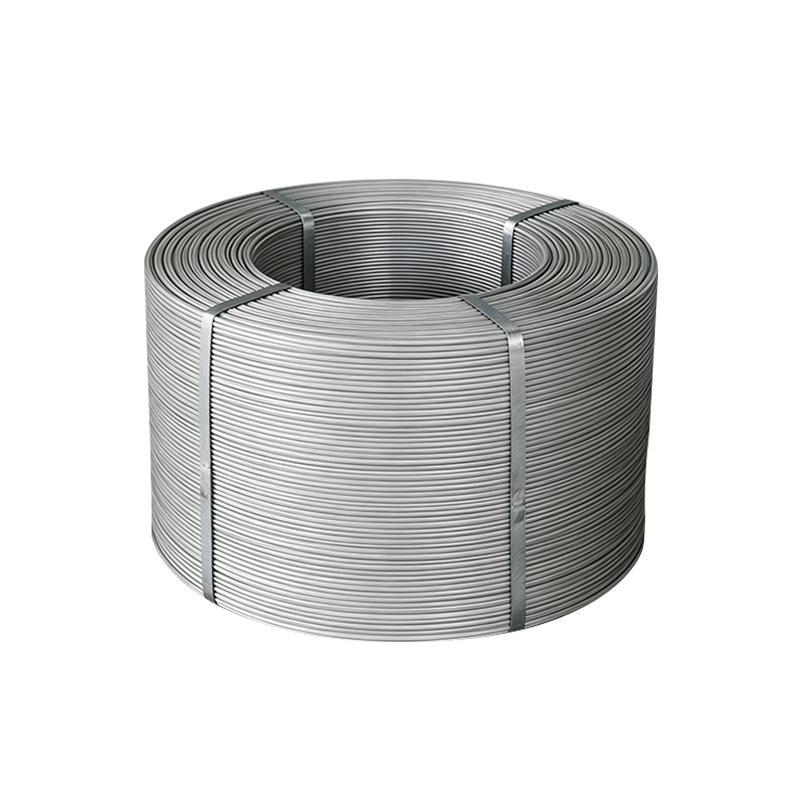
AlMg6 Aluminum Alloy Wire
Applications Across High-Performance Industries
Aviation and Aerospace
Aviation and aerospace structures require materials that offer low density, reliable mechanical performance, corrosion resistance, and consistent processing quality. AlMg6 wire can be used in suitable aluminum alloy fabrication and welding operations where weight control and environmental durability are important.
Aircraft and aerospace equipment may be exposed to vibration, temperature changes, pressure differences, moisture, and demanding maintenance schedules. A high-strength aluminum-magnesium wire can support the fabrication of lightweight panels, frames, brackets, tanks, housings, and other compatible structures, subject to design approval and qualification requirements.
In these industries, traceability and process control are especially important. Each batch may need to be associated with chemical analysis, production records, inspection results, and packaging information. The manufacturer’s quality-management systems provide a foundation for this type of controlled supply, while aerospace customers should confirm any additional requirements before purchase.
Military Vehicles and Tanks
Military vehicles and tanks require durable materials that can operate in difficult environments while supporting mobility and protection objectives. Aluminum alloy wire can help reduce structural weight and support the fabrication of components that must withstand vibration, impact, weather, and repeated field use.
AlMg6 is particularly relevant where corrosion resistance is required in addition to strength. Military equipment may be exposed to humidity, coastal atmospheres, dust, mud, cleaning chemicals, and temperature variation. The alloy’s aluminum-magnesium composition and good exfoliation corrosion resistance make it a suitable candidate for compatible welded assemblies.
Material selection for defense equipment must follow the customer’s engineering specifications, controlled drawings, welding procedures, and acceptance standards. AlMg6 wire can be evaluated within those systems as a high-strength aluminum alloy option.
Shipbuilding and Marine Equipment
Marine structures benefit from materials that combine low weight with resistance to moisture and salt-containing environments. Aluminum alloys are widely used in vessels, decks, superstructures, marine frames, tanks, housings, and auxiliary equipment because they can reduce weight compared with traditional steel construction.
AlMg6 wire supports the fabrication of compatible aluminum-magnesium assemblies where corrosion resistance and weldability are essential. Its good exfoliation corrosion resistance is a valuable characteristic for marine applications, although joint design, drainage, coating, anode systems, and galvanic isolation must also be considered.
In shipbuilding, production efficiency is another important factor. A stable wire product can help maintain consistent welding conditions across long seams and repeated assemblies. Uniform diameter, clean surface condition, reliable packaging, and batch traceability all contribute to improved workshop control.
Automotive Manufacturing
Automotive manufacturers continue to adopt aluminum alloys to reduce vehicle weight and improve energy efficiency. Aluminum alloy wire can be used in suitable body structures, chassis components, frames, tanks, heat-related assemblies, and repair or joining operations.
AlMg6 is attractive when engineers need an alloy wire that offers more strength than commercially pure aluminum while maintaining the low-density benefits of the aluminum family. It may support the production of lightweight assemblies that require resistance to road moisture, salt, vibration, and thermal cycling.
Automotive production also places strong emphasis on repeatability. The company’s IATF 16949 quality management certification demonstrates an orientation toward automotive quality practices and process discipline. Customers should still confirm specific dimensional tolerances, surface requirements, welding procedures, and automotive customer standards for each program.
Industrial Structures and Fabricated Equipment
Beyond transportation and defense, AlMg6 wire can be used in industrial structures, pressure-related fabrication where permitted, equipment frames, storage systems, platforms, enclosures, and specialized machinery. It is appropriate for applications that benefit from a combination of corrosion resistance, reduced weight, and moderate-to-high aluminum alloy strength.
Manufacturers of industrial equipment often need flexible supply arrangements. They may require different wire diameters, spool formats, coils, or production batches depending on welding equipment and assembly size. A specialized aluminum wire producer can support these requirements through production planning, technical communication, and controlled inspection.
Manufacturing Process and Quality Strengths
Integrated Aluminum Alloy Production Capability
Jiangsu Hetuo Aluminum Wire Co., Ltd. has established an integrated manufacturing system covering high-purity aluminum wire, high-strength aluminum alloy wire, and aluminum and aluminum alloy welding materials. This product coverage is valuable because it reflects focused experience in aluminum wire processing rather than general metal trading.
The company specializes in high-grade aluminum alloy rods, welding wires, and precision profiles. This specialization enables production teams to focus on the particular requirements of aluminum alloy melting, casting, drawing, surface control, packaging, and inspection.
An integrated product system also allows customers to communicate with one experienced supplier for related aluminum wire requirements. This can simplify sourcing, improve technical coordination, and support consistent documentation across different product categories.
Controlled Alloy Preparation
AlMg6 performance begins with accurate alloy preparation. Magnesium and other alloying elements must be added within the specified range, while impurities and residual elements must remain controlled. Excessive variation in chemistry can affect strength, corrosion behavior, welding performance, feeding stability, and final product consistency.
The supplied AlMg6 specification controls silicon, iron, copper, manganese, magnesium, zinc, titanium, beryllium, other elements, and aluminum balance. Maintaining these limits requires appropriate raw-material management, weighing accuracy, melting control, sampling, and chemical analysis.
A disciplined alloy-preparation process helps reduce batch-to-batch variation. For customers using automated or semi-automated welding equipment, stable chemistry supports more predictable melting behavior and helps maintain consistent process settings.
Advanced Equipment and Intelligent Manufacturing
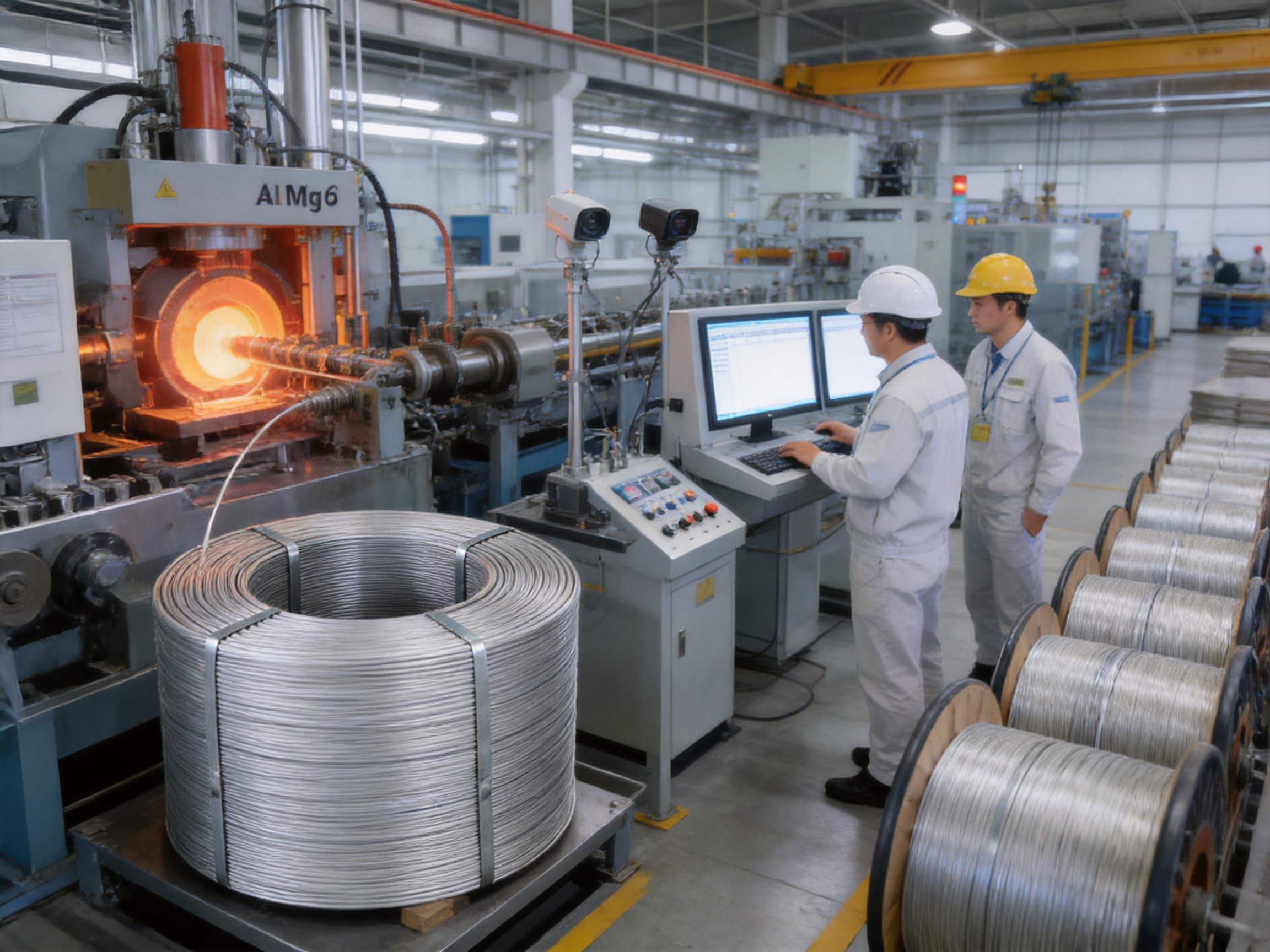
The company has introduced advanced production equipment and facilities and has built an intelligent manufacturing system. Intelligent manufacturing can support production monitoring, process coordination, equipment management, data collection, and quality traceability.
For aluminum alloy wire, equipment capability affects many aspects of the finished product. Drawing equipment must maintain dimensional stability and surface quality. Straightening and winding systems must prevent harmful deformation. Packaging equipment must protect the wire from contamination, moisture, impact, and handling damage.
Modern equipment also supports efficient production planning and repeatability. When production parameters are monitored and standardized, manufacturers can improve consistency across orders and respond more effectively to customer requirements.
Precision Wire Processing
Wire products must meet practical requirements beyond chemical composition. Depending on the application, buyers may require a controlled diameter, smooth surface, stable winding, accurate weight, suitable tensile condition, and reliable unwinding behavior.
Precision wire processing includes the conversion of aluminum alloy rod into wire through controlled reduction and finishing operations. Each stage must be managed to avoid surface scratches, dimensional variation, excessive residual stress, contamination, or winding defects.
Good surface condition is especially important for welding wire. Surface contaminants can contribute to porosity, unstable arc behavior, feeding problems, and inconsistent weld appearance. Careful handling and packaging help preserve the wire’s condition from the factory to the customer’s welding line.
Quality Inspection Throughout Production
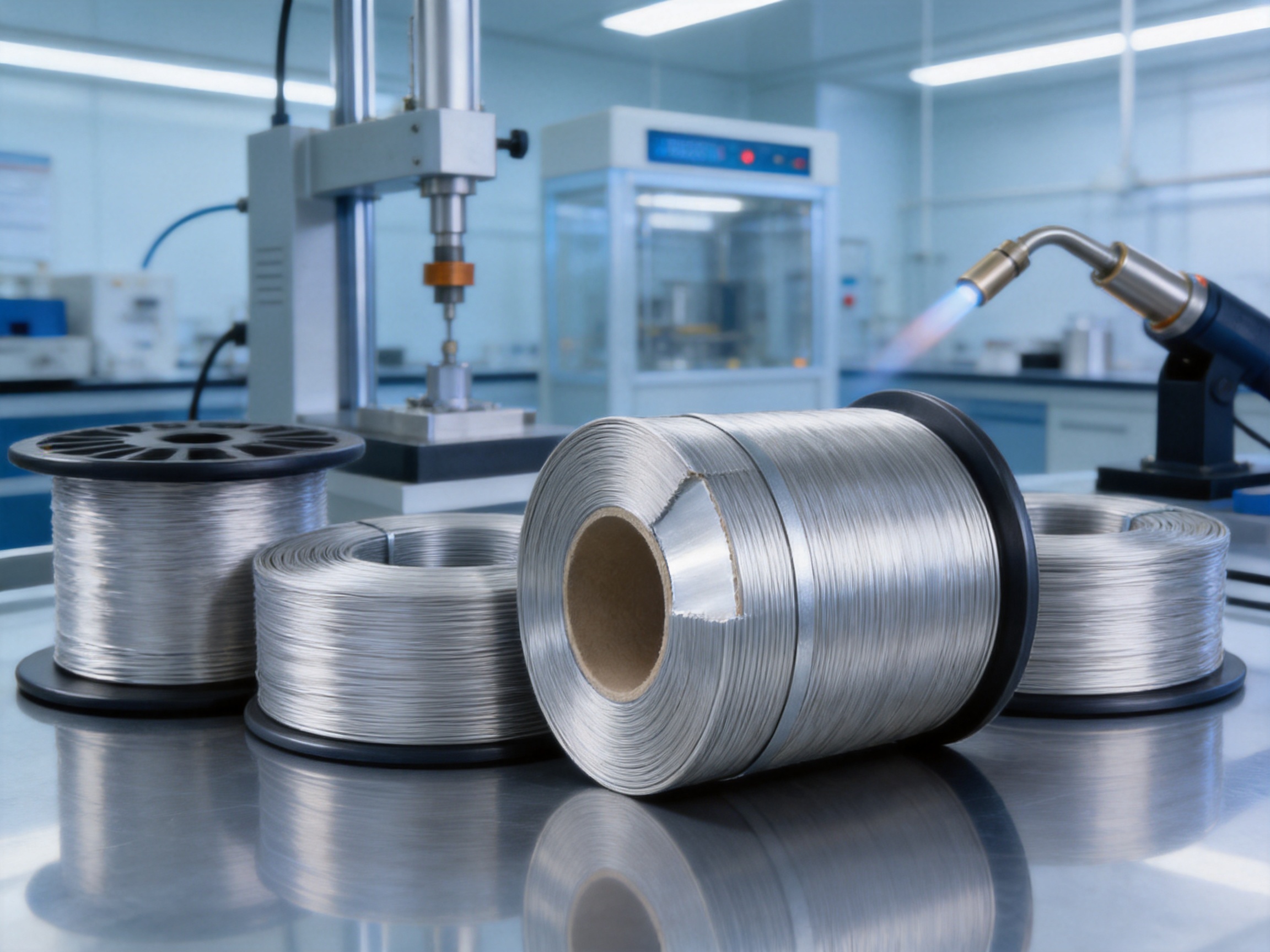
The company states that it implements quality inspection throughout production rather than relying only on a final inspection. This approach is important because quality is created at multiple stages, including raw-material selection, alloy preparation, casting, drawing, finishing, packaging, and shipment.
Typical inspection activities for aluminum alloy wire may include chemical composition analysis, dimensional checks, surface inspection, weight verification, mechanical testing where required, package inspection, and document review. The exact inspection plan should be agreed with the customer and related product standard.
Process-based inspection can identify deviations earlier and reduce the risk that nonconforming material will continue through later production steps. It also supports more consistent corrective action and continuous improvement.
ISO 9001 and IATF 16949 Certifications
The company has obtained ISO 9001 and IATF 16949 quality management system certifications. ISO 9001 provides a structured framework for quality management, customer focus, process control, documentation, corrective action, and continual improvement.
IATF 16949 is specifically associated with automotive quality management and emphasizes defect prevention, variation reduction, supply-chain control, risk management, and customer-specific requirements. This certification is especially relevant to automotive customers evaluating aluminum wire suppliers for production programs.
Certification does not replace product-specific qualification, but it provides evidence that the company operates within recognized quality-management frameworks. Customers can further request certificates of analysis, inspection records, sample approval, process documentation, and other quality files according to project needs.
Benefits for Purchasing and Engineering Teams
Reduced Supplier Complexity
AlMg6 buyers often require technical support in addition to material supply. Questions may involve alloy selection, wire size, packaging, welding compatibility, documentation, delivery conditions, or production quantities. Working with a manufacturer that specializes in several aluminum wire categories can reduce the need to coordinate between unrelated suppliers.
A focused supplier can also help customers compare AlMg6 with AlMg3, AlMg5, 5356, 4043, 4047, or other wire types according to actual service requirements. This application-based approach is more useful than selecting a grade based only on price or a single chemical element.
Support for International Quality Requirements
The company exports products to high-end overseas markets and states that its products comply with international quality standards. For international buyers, effective supplier evaluation should include product specifications, inspection procedures, packaging standards, export documentation, and communication capability.
Customers may request documentation such as a mill test certificate, chemical composition report, batch number, product specification, packing list, certificate of origin, or other documents required for customs and quality control. Documentation requirements should be established before order confirmation.
Application-Oriented Technical Communication
AlMg6 wire selection depends on more than the alloy name. The customer should provide information about base-metal grade, welding method, wire diameter, joint design, required mechanical performance, corrosion environment, production speed, and applicable standard.
Clear technical communication allows the manufacturer to recommend a suitable product condition and packaging format. It also reduces the risk of using a wire that is chemically similar but unsuitable for the intended welding procedure.
Recommended Handling, Storage, and Welding Practices
Storage
AlMg6 wire should be stored in a clean, dry environment protected from rain, condensation, dust, oil, chemicals, and excessive humidity. Packages should remain sealed until the wire is needed for production. If a package is opened, it should be protected from contamination and moisture before reuse.
Storage areas should avoid sudden temperature changes that may cause condensation on the wire surface. Spools and coils should be handled carefully to prevent deformation, edge damage, or impact. Proper first-in, first-out inventory control can help ensure that older stock is used before newer stock.
Surface Preparation
Aluminum oxide and surface contamination can interfere with welding. Before welding, the base material and wire-handling system should be clean and free from oil, grease, dust, moisture, and foreign particles. Aluminum surfaces may require mechanical cleaning or another approved preparation method.
Cleaning tools used for aluminum should not introduce iron or other contaminants. The exact preparation method depends on the welding process, base material, joint configuration, and production standard.
Welding Process Control
Aluminum welding parameters should be established through a qualified welding procedure. Important variables include shielding gas type and flow, current, voltage, wire feed speed, torch angle, travel speed, preheating where applicable, interpass temperature, and heat input.
Excessive heat can increase distortion and affect the heat-affected zone, while insufficient heat can result in incomplete fusion or poor bead formation. Consistent wire feeding and correct contact-tip condition are also essential for stable welding.
For critical applications, welds may require visual inspection, dimensional inspection, radiographic or ultrasonic testing, tensile testing, bend testing, metallographic examination, or other qualification procedures. The inspection method should be defined by the applicable design code or customer specification.
Compatibility and Substitution
AlMg6 should not be substituted for another aluminum wire solely because both products contain magnesium or aluminum. The final selection should account for the chemical composition and mechanical properties of the base material, corrosion requirements, operating temperature, joint design, and welding code.
Where AlMg6 is proposed as an alternative to another filler wire, the customer’s engineering department should review the change and, where necessary, perform procedure qualification or sample testing. This is particularly important for aerospace, military, marine, pressure-related, and automotive applications.
Why Choose AlMg6 for Competitive Product Design?
AlMg6 offers a strong value proposition for manufacturers seeking a lighter and more corrosion-resistant alternative to conventional metal solutions. Its advantages are based on the combined effect of alloy chemistry, manufacturing quality, and application suitability.
First, the 5.8–6.8% magnesium range provides a meaningful strength advantage over high-purity aluminum wire. Second, the alloy retains the low density that makes aluminum attractive in transportation and mobile equipment. Third, its good exfoliation corrosion resistance supports use in marine, outdoor, and demanding industrial environments. Fourth, its weldability enables efficient fabrication when proper procedures are used.
These advantages become more significant when supported by consistent manufacturing. A technically suitable alloy can fail to deliver its expected value if wire dimensions vary, the surface is contaminated, the winding is unstable, or the chemical composition is inconsistent. Controlled production and inspection are therefore essential parts of the product’s competitive position.
Jiangsu Hetuo Aluminum Wire Co., Ltd. combines aluminum wire specialization, advanced equipment, a 40,000-square-meter factory, a team of approximately 60 employees, and quality-management certifications. The company’s workforce includes professional managers and technicians, supporting both manufacturing operations and customer service.
For customers purchasing aluminum alloy wire in regular production volumes, this combination of product focus, manufacturing infrastructure, technical capability, and quality control can provide a more dependable supply foundation than an undifferentiated commodity source.
Technical Purchasing Checklist
Before ordering AlMg6 aluminum alloy wire, customers should confirm the intended application and define the relevant technical requirements. The following checklist can support supplier discussions:
| Item | Information to Confirm |
|---|---|
| Alloy designation | AlMg6 or the customer’s required equivalent designation |
| Chemical composition | Magnesium range, impurity limits, trace elements, and aluminum balance |
| Wire diameter | Required diameter, tolerance, and measurement method |
| Surface condition | Cleanliness, finish, oxide condition, and allowable surface defects |
| Delivery condition | Temper, processing condition, and any required mechanical characteristics |
| Package format | Spool, coil, drum, or other format; net and gross weight |
| Welding process | Applicable process, equipment, shielding gas, and production speed |
| Base material | Aluminum alloy grade and thickness of the components being joined |
| Quality documents | Certificate of analysis, inspection report, batch traceability, and compliance documents |
| Application environment | Marine, atmospheric, military, automotive, aerospace, temperature, and corrosion conditions |
| Packaging and shipping | Moisture protection, labeling, export packaging, and delivery terms |
Providing complete information at the quotation stage helps the manufacturer determine whether the standard AlMg6 product is appropriate or whether a customized specification is required. It also enables a more accurate assessment of production time, inspection requirements, packaging, and logistics.
Frequently Asked Questions
What is the main advantage of AlMg6 aluminum alloy wire?
The main advantage is its balance of high magnesium-based strengthening, low aluminum density, good exfoliation corrosion resistance, and weldability. This combination makes it suitable for demanding structural and welding applications where a lighter material is required without using commercially pure aluminum.
What is the magnesium content of AlMg6 wire?
The specified magnesium content is 5.8–6.8%. This relatively high magnesium range distinguishes AlMg6 from lower-magnesium alloys such as AlMg3 and AlMg5 and contributes to its higher strength potential.
Is AlMg6 suitable for marine applications?
AlMg6 can be suitable for compatible marine structures and equipment because it offers low density, good weldability, and good exfoliation corrosion resistance. Marine suitability also depends on joint design, surface condition, galvanic isolation, drainage, coatings, and the exact service environment.
Can AlMg6 replace 5356 wire?
AlMg6 may be considered for some similar aluminum-magnesium applications, but it should not automatically replace 5356. The chemical composition, applicable standard, base-metal grade, welding code, required strength, and corrosion performance must be reviewed before substitution. Procedure qualification may be necessary.
How does AlMg6 compare with AlMg5?
AlMg6 contains a higher magnesium range than AlMg5 and is intended for applications requiring greater magnesium-based strengthening. AlMg5 may be preferable where its specific balance of strength, forming behavior, corrosion resistance, or welding performance matches the application. The best choice depends on the design requirements.
How does AlMg6 compare with 4043 wire?
AlMg6 is an aluminum-magnesium alloy wire focused on strength and corrosion-resistant structural applications. 4043 is a silicon-containing aluminum wire commonly selected for fluidity, weld appearance, and certain cast aluminum welding situations. They serve different application priorities and should not be treated as direct substitutes.
What industries use AlMg6 aluminum alloy wire?
Typical sectors include aviation, aerospace, military equipment, shipbuilding, automotive manufacturing, tank construction, industrial fabrication, and other applications involving lightweight, corrosion-resistant aluminum alloy structures.
What quality certifications does the manufacturer hold?
Jiangsu Hetuo Aluminum Wire Co., Ltd. states that it has obtained ISO 9001 and IATF 16949 quality management system certifications. Customers should request current certification documentation and any additional product-specific approvals needed for their projects.
What information should be provided when requesting a quotation?
Customers should provide the required alloy designation, wire diameter, quantity, package format, application, welding method, base-metal grade, delivery location, quality documentation requirements, and any applicable national, international, or customer-specific standard.
How should AlMg6 wire be stored?
It should be stored in a clean, dry, temperature-stable environment and protected from condensation, moisture, dust, oil, chemicals, and physical damage. Packages should remain sealed until use, and opened material should be protected from contamination.
Does the chemical composition guarantee final weld performance?
No. Chemical composition is important, but final weld performance also depends on wire diameter, surface condition, base material, welding parameters, joint preparation, shielding gas, operator skill, and post-weld inspection. Critical applications require qualified welding procedures and testing.
Conclusion
AlMg6 aluminum alloy wire is a practical high-strength material solution for industries that need reduced weight, reliable weldability, and resistance to demanding environments. Its 5.8–6.8% magnesium content provides a stronger aluminum alloy profile than high-purity wire and many lower-magnesium alternatives, while its aluminum base preserves the advantages of low density and corrosion resistance.
The alloy is well suited to aviation, aerospace, military, marine, automotive, tank, and industrial applications. Its good exfoliation corrosion resistance is particularly valuable for structures exposed to moisture, salt, and changing environmental conditions. Its welding capability supports the fabrication of complex lightweight assemblies when appropriate procedures and equipment are used.
The product’s competitiveness also depends on how it is manufactured. Jiangsu Hetuo Aluminum Wire Co., Ltd. operates a specialized aluminum wire production system supported by advanced equipment, intelligent manufacturing practices, production-wide quality inspection, a substantial manufacturing site, experienced technical personnel, and ISO 9001 and IATF 16949 certifications. These strengths provide a foundation for consistent alloy preparation, controlled wire processing, traceable quality, and dependable international supply.
For buyers comparing aluminum alloy wire suppliers, AlMg6 should be evaluated not only by price but also by chemistry control, dimensional consistency, surface condition, welding performance, documentation, packaging, production capability, and technical support. When these factors are considered together, AlMg6 can provide a durable and efficient material option for high-performance aluminum alloy fabrication.
References
Aluminum Association. Aluminum Standards and Data. Industry reference publication.
American Welding Society. Specification for Aluminum and Aluminum-Alloy Welding Electrodes and Rods. Welding materials reference.
International Organization for Standardization. ISO 9001 Quality Management Systems: Requirements.
International Automotive Task Force. IATF 16949 Quality Management System Requirements for Automotive Production and Relevant Service Parts Organizations.
ASM International. Aluminum and Aluminum Alloys: Properties, Processing, and Applications. Materials engineering reference.
ASM International. Welding, Brazing, and Soldering Handbook. Technical reference for joining processes.
European Committee for Standardization. Aluminum and Aluminum Alloys: Chemical Composition and Product Standards.
Manufacturer-provided AlMg6 aluminum alloy wire chemical composition and product information.